

A long overdue FAA radar replacement marks the first major step toward a brand new US air traffic control (ATC) system.
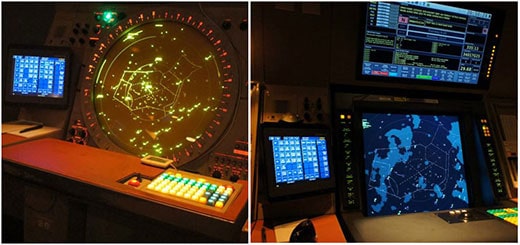
For decades, the technology guiding aircraft across American skies has quietly relied on radar systems built in the 1980s. They have held up longer than anyone expected, but time has finally caught up. And even though it’s working, it doesn’t mean it’s working well. And with a system as complex as the American ATC system, that’s unacceptable.
On Monday, 5 January, federal officials confirmed that a long anticipated overhaul is officially, finally, underway.
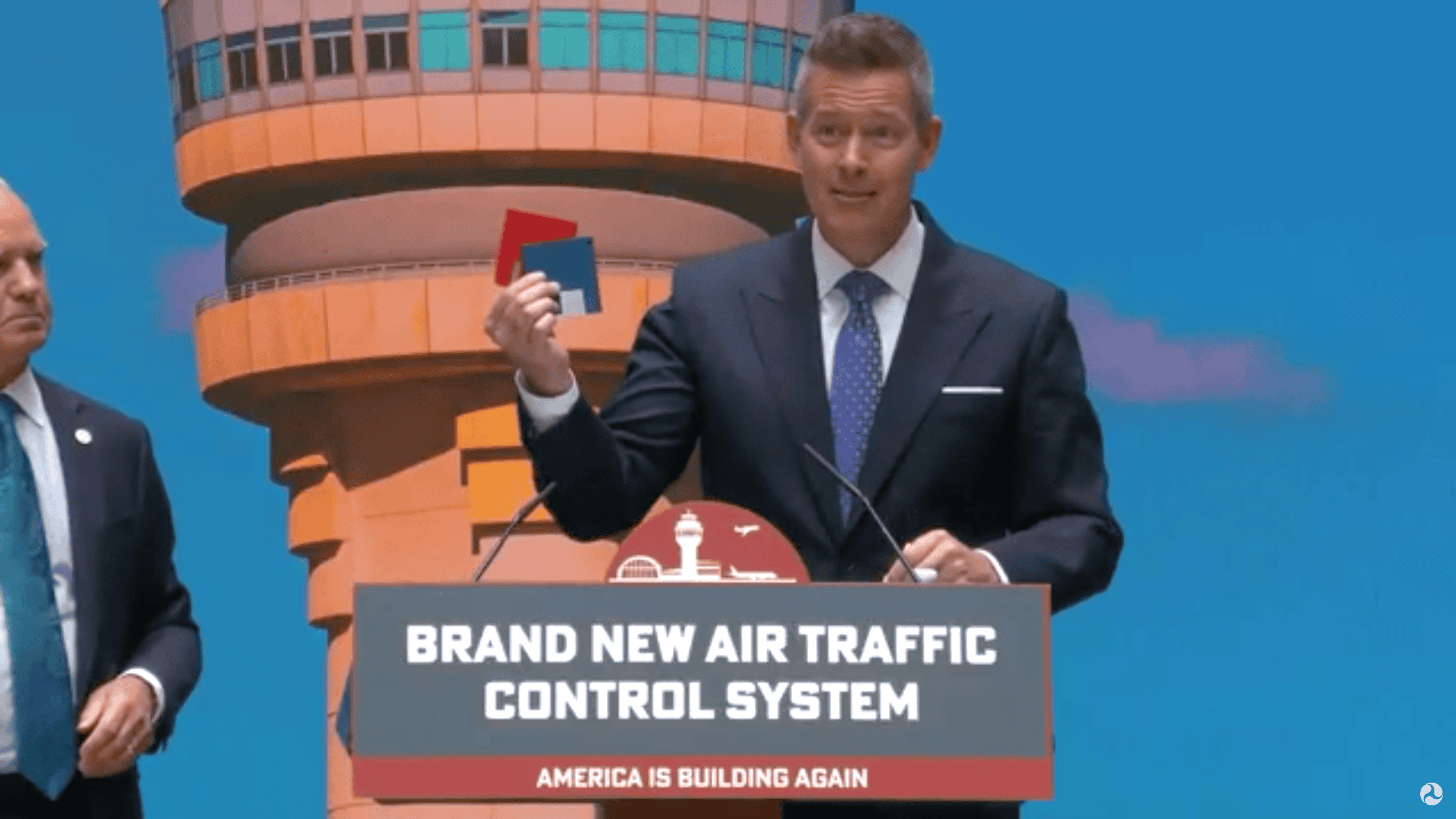
Transportation Secretary Sean P. Duffy and Federal Aviation Administration (FAA) Administrator Bryan Bedford announced that the FAA will begin replacing the nation’s aging radar network as part of a brand new air traffic control system. The effort is funded by the One Big Beautiful Bill and represents one of the most significant aviation infrastructure investments in generations.
Avgeekery has covered the Trump administration’s push to modernize the US air traffic control system in detail over the past year. This FAA radar replacement is the first tangible sign that the initiative is no longer theoretical, but actively moving forward.
FAA Radar Replacement Finally Moves From Talk to Action
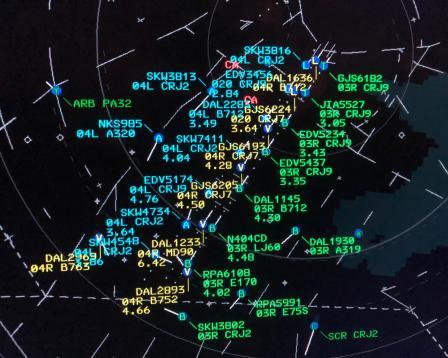
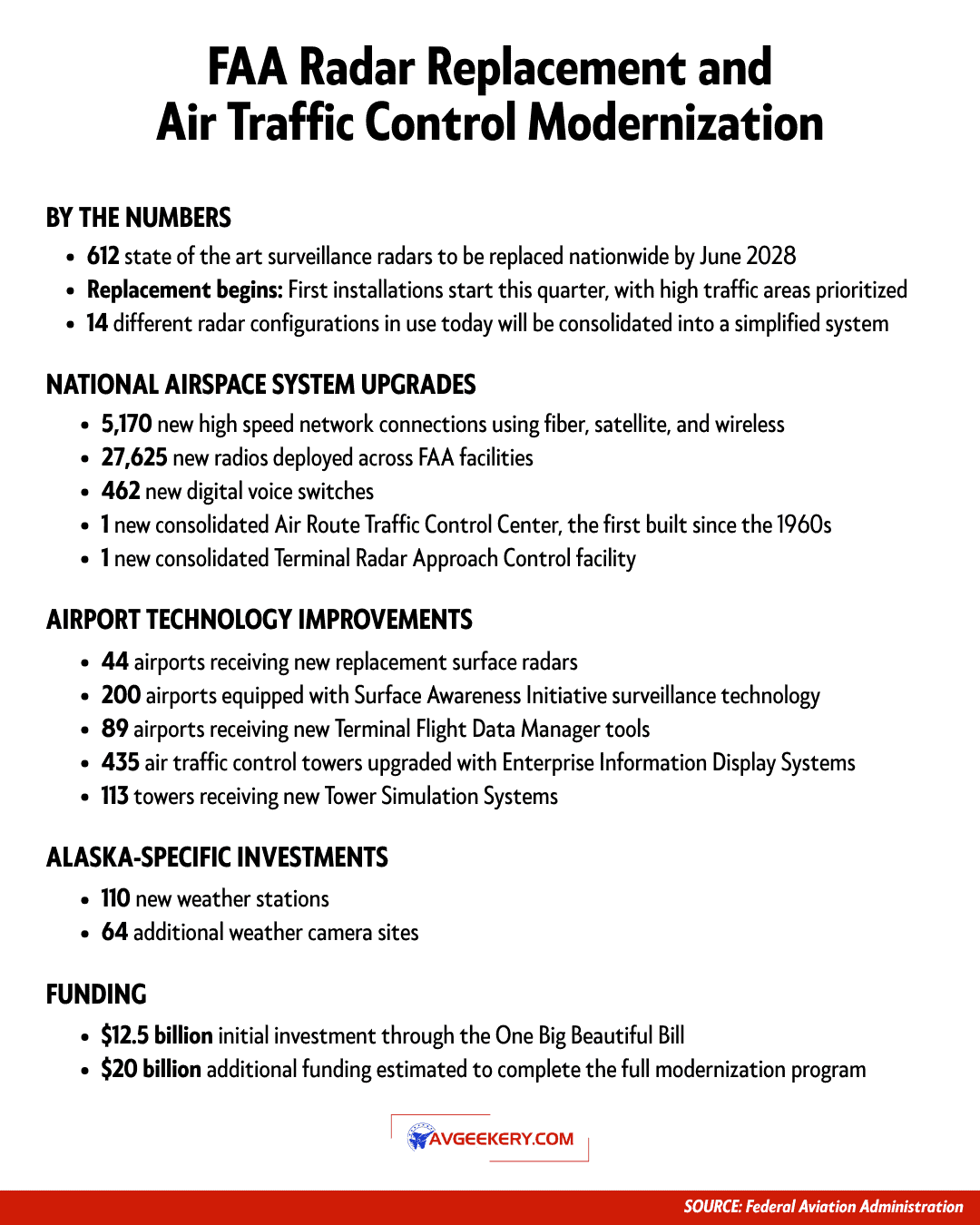
The announcement centers on the FAA’s radar replacement effort. Contracts awarded to RTX and Indra will modernize the systems responsible for tracking aircraft across the country. The FAA plans to replace up to 612 radars by June 2028, with the first installations scheduled to begin this quarter in high traffic airspace.
These ground-based radars are essential for detecting and tracking aircraft. Problem is, many of these radars have exceeded their intended service life by several decades. Keeping them running has become increasingly expensive and technically challenging, even as the volume of air traffic continues to increase unabated.
Secretary Duffy called the situation “unacceptable,” pointing out that while the US air travel system remains the safest in the world, relying on technology designed before the internet era limits what the system can do. Bedford echoed that view, emphasizing that the new radars will provide a more reliable surveillance foundation for the National Airspace System and help bring production and support work back to the United States.
We are buying radar systems that will bring production back to the U.S. and provide a vital surveillance backbone to the National Airspace System.
Bryan Bedford | FAA Administrator
As part of the effort, the FAA will also reduce the number of radar configurations currently used nationwide, simplifying maintenance and logistics across facilities.
Why This Upgrade Matters More Than Ever
The air traffic control system is safe, but aging equipment increasingly forces the FAA to slow flights when failures occur. In 2025 alone, flight delay minutes caused by equipment issues were roughly 300 percent higher than the average seen over the previous decade.
The FAA radar replacement is designed to address that problem head-on. New, commercially available surveillance radars will be more reliable, easier to support, and better suited to modern traffic demands. That reliability matters not just for efficiency, but for the controllers who rely on consistent, accurate data every minute of every shift.
Controllers who rely on a system that currently utilizes floppy disks and Windows 95 software. In 2026.
This radar work is only one piece of a much larger modernization effort. The wide-reaching plan includes thousands of new high-speed network connections, tens of thousands of radios, hundreds of digital voice switches, expanded surface awareness systems at airports, and new tools inside towers and approach facilities nationwide. Alaska will also see major upgrades, including the installation of additional weather stations and camera sites.
Building the System That Comes Next
Leading the massive modernization project is Peraton, which was named the prime integrator in December to coordinate the construction of the brand-new air traffic control system. The company began work immediately and is already partnering with the FAA on early priorities such as transitioning remaining copper infrastructure to fiber and deploying next-generation communications equipment.
The contract structure is designed to keep the project on track. Performance matters, with incentives tied directly to meeting schedule and quality goals and penalties for delays or missed benchmarks. Oversight will be provided by senior leadership from the US Department of Transportation (DOT) and the FAA through an executive steering committee.
Congress provided a $12.5 billion down payment through the One Big Beautiful Bill to jump-start the effort, although officials acknowledge that additional funding will be required to complete the full program. If the timeline holds, the FAA will deliver the first entirely new air traffic control system since the 1960s by the end of 2028.
The rebuild of America’s air traffic system has officially begun.