

Airbus faces a fresh challenge as a new metal panel issue emerges, coming on the heels of its largest-ever mass grounding caused by a recent software problem.
Airbus has confirmed that up to 628 A320 family aircraft may require inspections due to a newly discovered supplier quality issue involving metal fuselage panels. The company says the issue is contained, does not affect flight safety, and is expected to impact only a small percentage of aircraft.
Still, the timing piles on the manufacturers’ woes as it navigates its most turbulent week in years. It doesn’t help that this is occurring in the midst of the busy holiday travel period, either.
That Was Quick: The Airbus Software Issue is Mostly Resolved
The software issue that triggered the grounding of approximately 6,000 A320 family aircraft was the result of an incident involving JetBlue Flight 1230, an A320 flying from Cancún International Airport (CUN) to Newark Liberty International Airport (EWR) on 30 October 30. While at cruise, the jet experienced a sudden drop in altitude. The pilots diverted to Tampa International (TPA), where fifteen passengers were evaluated for injuries.
In the days that followed, engineers dug into the data and found something unusual. Intense solar radiation, like the bursts produced by solar flares, could corrupt the information feeding the A320’s flight control computers on certain software versions.
In response, Airbus issued a sweeping alert instructing operators to install an earlier, stable version of the software before their next flight. The order spanned nearly half of the global A320 family fleet, totalling more than 6,000 aircraft. Airlines worldwide scrambled to locate which software versions their jets carried, a process complicated by reporting lags that meant Airbus did not have real-time insight into every jet’s configuration.
The fix itself involved uploading the older software using a portable data loader brought into the cockpit. The process generally took a few hours per aircraft, although some older jets required more thorough checks and may eventually require full computer replacements. Even so, the disruption was far smaller than many feared.
Major European airlines, such as EasyJet and Wizz Air, reported no cancellations. JetBlue had nearly its entire fleet back in service within days. By Monday, 1 December, fewer than 100 aircraft still needed work, and most of those were awaiting maintenance slots or components. American Airlines, which had 209 aircraft affected by the issue, had all planes back in service by the time the post-Thanksgiving rush of travelers headed home over the weekend.
Airbus CEO Guillaume Faury publicly apologized for the disruption, an unusually direct tone that analysts say reflects a new willingness across the industry to address safety concerns swiftly and openly.
I want to sincerely apologise to our airline customers and passengers who are impacted now. But we consider that nothing is more important than safety when people fly on one of our Airbus aircraft, like millions do every day.
Guillaume Faury | Airbus CEO
“I want to sincerely apologise to our airline customers and passengers who are impacted now,” Faury said last week as the crisis unfolded. “But we consider that nothing is more important than safety when people fly on one of our Airbus aircraft, like millions do every day.”
Lessons from the Boeing 737 MAX era continue to shape how manufacturers communicate, escalate, and resolve technical issues.
A New Quality Issue Emerges: Up to 628 Jets Need Panel Checks
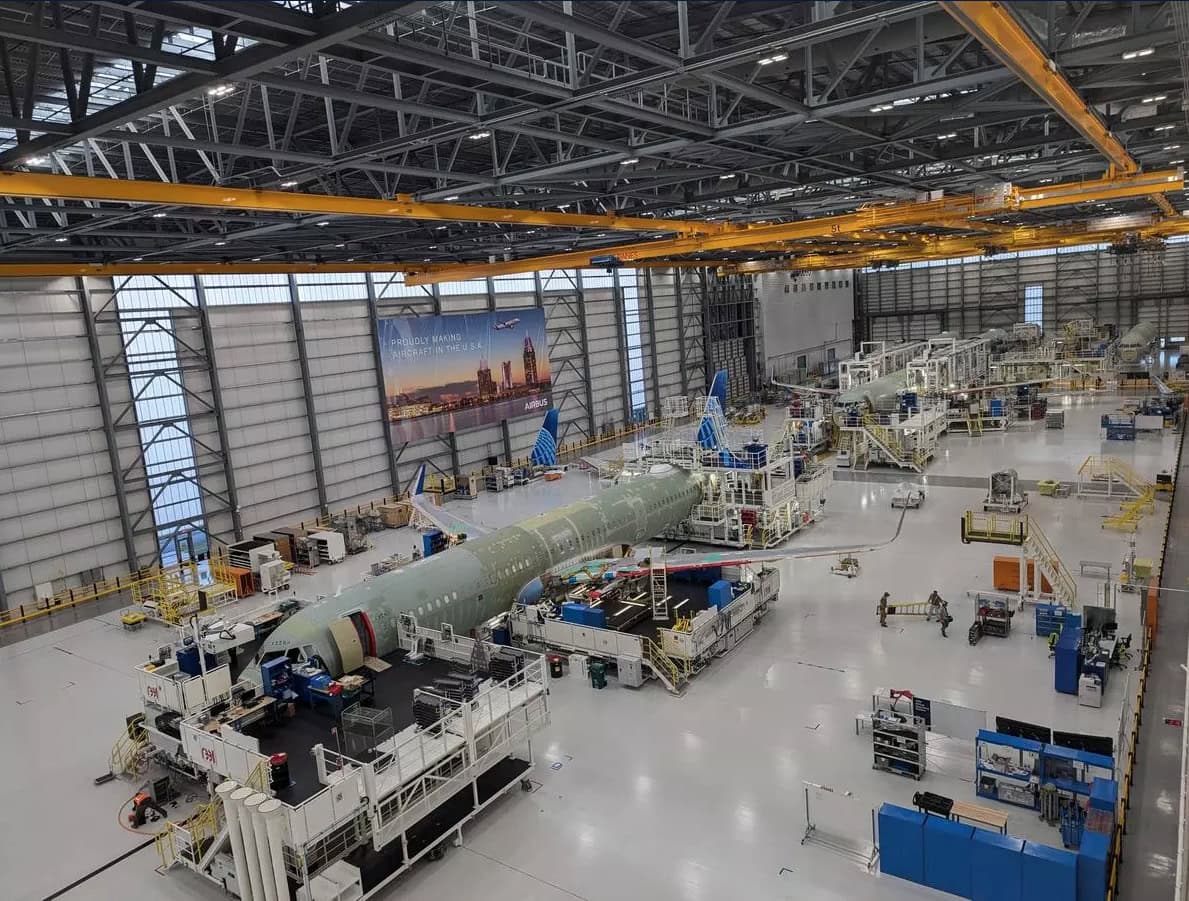
Just as the software emergency reached its end, Airbus notified operators of a separate issue involving metal fuselage panels on some A320 family aircraft. The company is taking what it describes as a conservative approach by inspecting every aircraft that could theoretically contain the affected components.
The company told Agence France-Presse (AFP) on Tuesday, 2 December, that up to 628 aircraft worldwide fall under the initial scope of its inspections. Airbus stressed that this figure represents the total number of aircraft that could theoretically have the issue, not the number confirmed to be affected.
According to Airbus, the issue involves metal panels located at the front of the aircraft. In some cases, panels supplied by an external manufacturer were found to be either too thick or too thin. The company emphasized that the issue does not compromise flight safety and that inspections are the only means to determine which aircraft, if any, require rework. The source of the quality problem has been identified and contained. All newly produced panels now meet specifications.
The latest guidance suggests that 168 aircraft already in service are among those requiring inspection. It remains unclear how many aircraft will ultimately require panel replacement or repairs, as well as how long those repairs could take.
Several airlines have begun responding.
• Delta Air Lines told the BBC that its teams completed the required checks and that there has been no operational impact. Fewer than 50 of its A321neo aircraft fall under the inspection scope.
• Lufthansa Group, including SWISS, ITA Airways, and Eurowings, said 11 recently delivered aircraft require inspections. The company stressed that safety is guaranteed at all times.
• Korean Air is awaiting additional information to determine whether any of its aircraft are affected.
• Major carriers in Europe and the United States, including British Airways and American Airlines, have been contacted but have not yet publicly detailed their inspection counts.
The error in panel thickness does not compromise structural integrity or safety, according to Airbus.
Delivery Forecast Cut as Inspections Begin
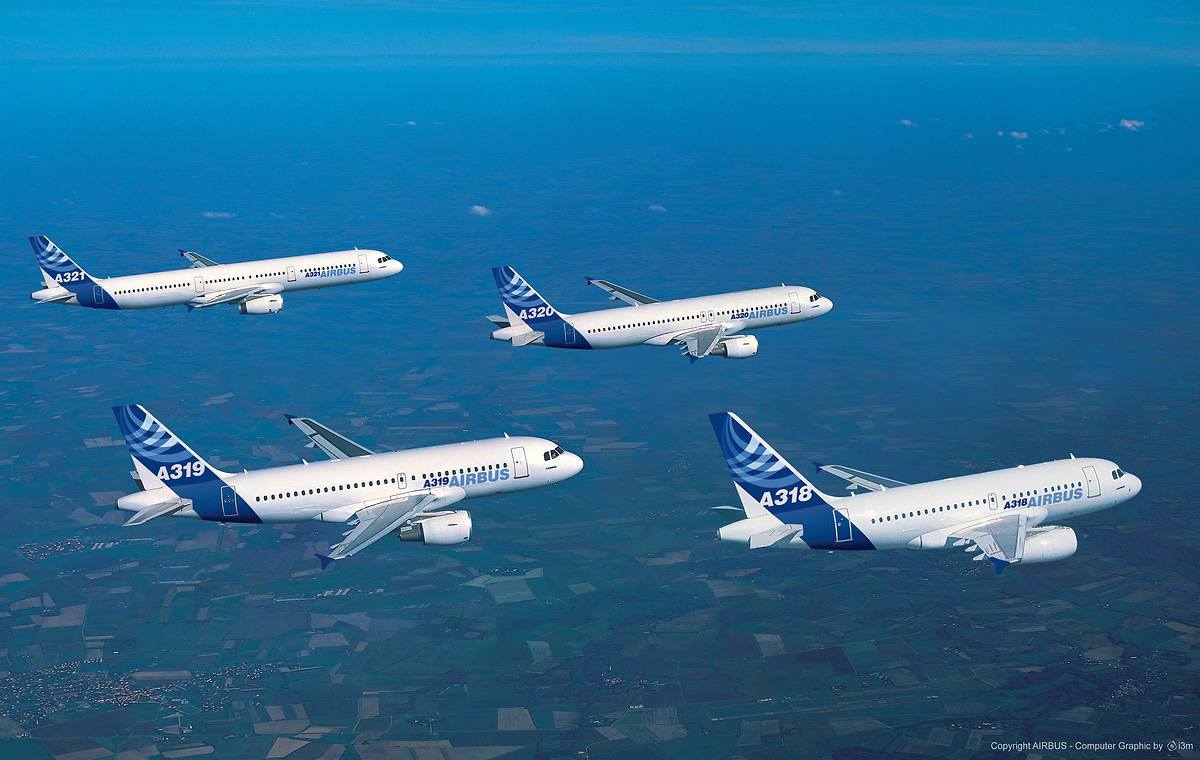
The fuselage panel issue has already impacted Airbus production and delivery workflows, forcing the manufacturer to revise year-end delivery targets downward.
On Wednesday, 3 December, Airbus announced that it has reduced its delivery target for 2025 to 790 commercial aircraft, down from its original target of 820. The revision represents a 3.7 percent reduction.
Airbus did not specify whether delivery targets for 2026 will also be affected. The company confirmed that its financial guidance remains unchanged.
The inspections are being folded into existing maintenance programs whenever possible. Most aircraft will be cleared quickly, with only a fraction likely to need rework. Airbus has emphasized that flights can continue unless an aircraft is identified as requiring immediate action.
What It All Means for the World’s Best-Selling Jet
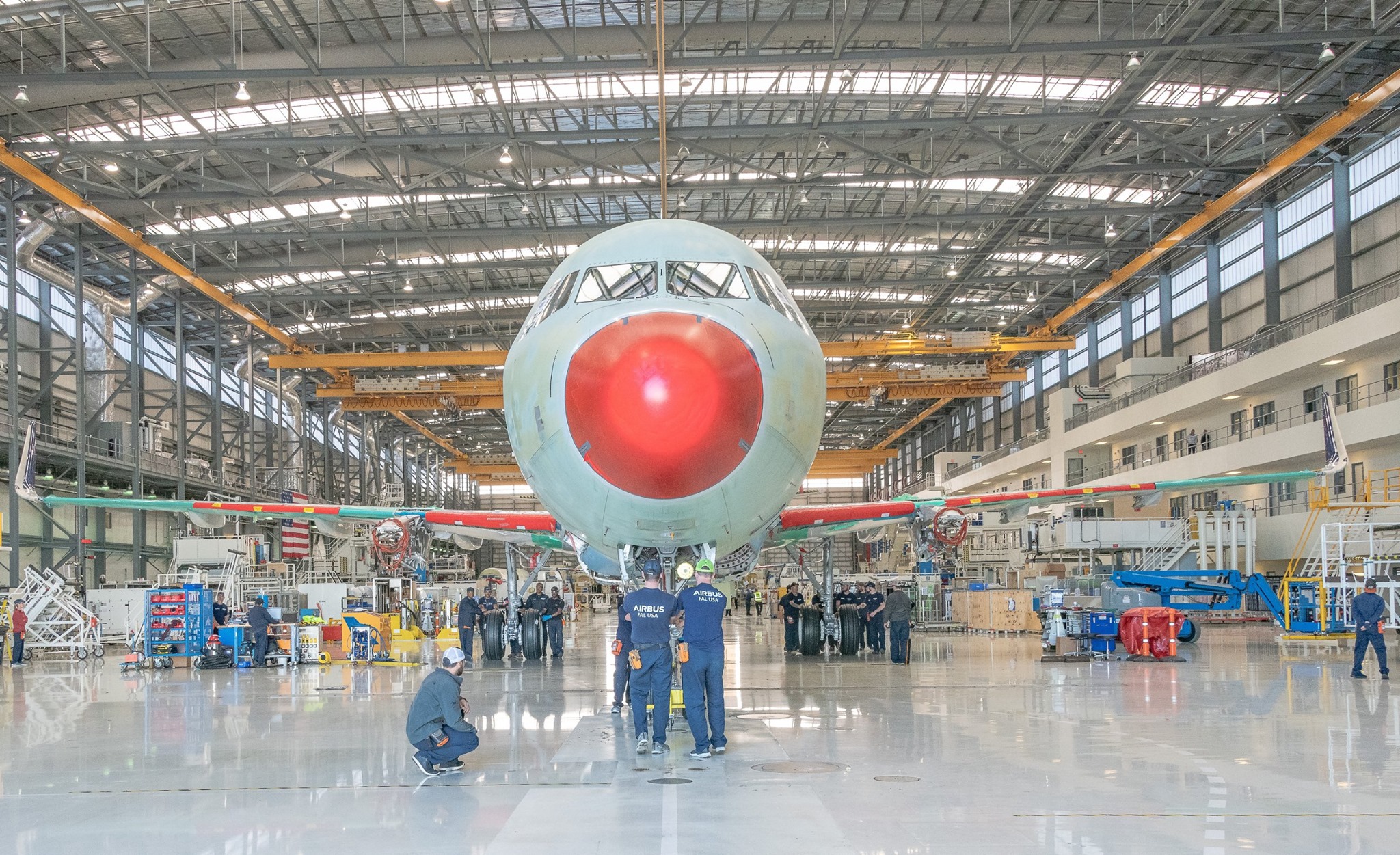
The A320 family is the backbone of modern commercial aviation. It shows up in nearly every major airline’s fleet, racks up thousands of flights a day, and has quietly become the best-selling jetliner in the world. Airbus has delivered 12,257 of them, which now puts the A320 just ahead of the Boeing 737 in the long-running contest of who builds the world’s favorite single-aisle aircraft.
The last ten days have forced Airbus to move fast and communicate even faster. First came the software directive that grounded thousands of aircraft almost overnight. Then came the realization that a batch of fuselage panels deserved a closer look. It has been a stress test of engineering, logistics, and messaging, and one that Airbus is still working through.
Airlines, for the most part, are taking the news in stride. Regulators seem comfortable with the information they are getting. The scramble to update the software is nearly wrapped up worldwide. The panel inspections are narrowing each day as mechanics work through the list. Even with the new delivery forecast trimmed, day-to-day operations for most carriers look steady.
For travelers, the experience should feel normal. While the problems could have caused bottlenecks and backups galore, they actually did anything but.
The A320 continues to fly its schedules while technicians check a small set of panels near the front of the fuselage. The aircraft is safe, and the fixes are manageable. After a chaotic stretch, Airbus is trying to steady the story ahead of the busy Christmas rush and get the world’s most popular narrowbody back to business as usual.
Somewhere in Seattle, Boeing is exhaling just a little, grateful that the spotlight has shifted eastward for a change. Pure speculation on my part, but you get the idea.