

Avelo deportation flights are ending as the airline closes bases, cuts routes, and reshapes its network ahead of planned growth.
Avelo Airlines is making one of the most consequential moves in its short history, and it is happening on several fronts at once.
On 6 January, the ultra-low-cost carrier (ULCC) confirmed that it will discontinue its deportation charter operations for the US Department of Homeland Security (DHS). At the same time, Avelo announced a major network reset that includes closing multiple crew bases, cutting dozens of routes, and planning a brand new base in North Texas.
Taken together, the changes mark a clear pivot back toward Avelo’s core scheduled passenger operation. While the Avelo deportation flights brought short-term stability, the Houston-based airline now says it no longer fits into its long-term operational and financial strategy.
Complexity and Costs: Why Avelo’s Deportation Operation Is Ending
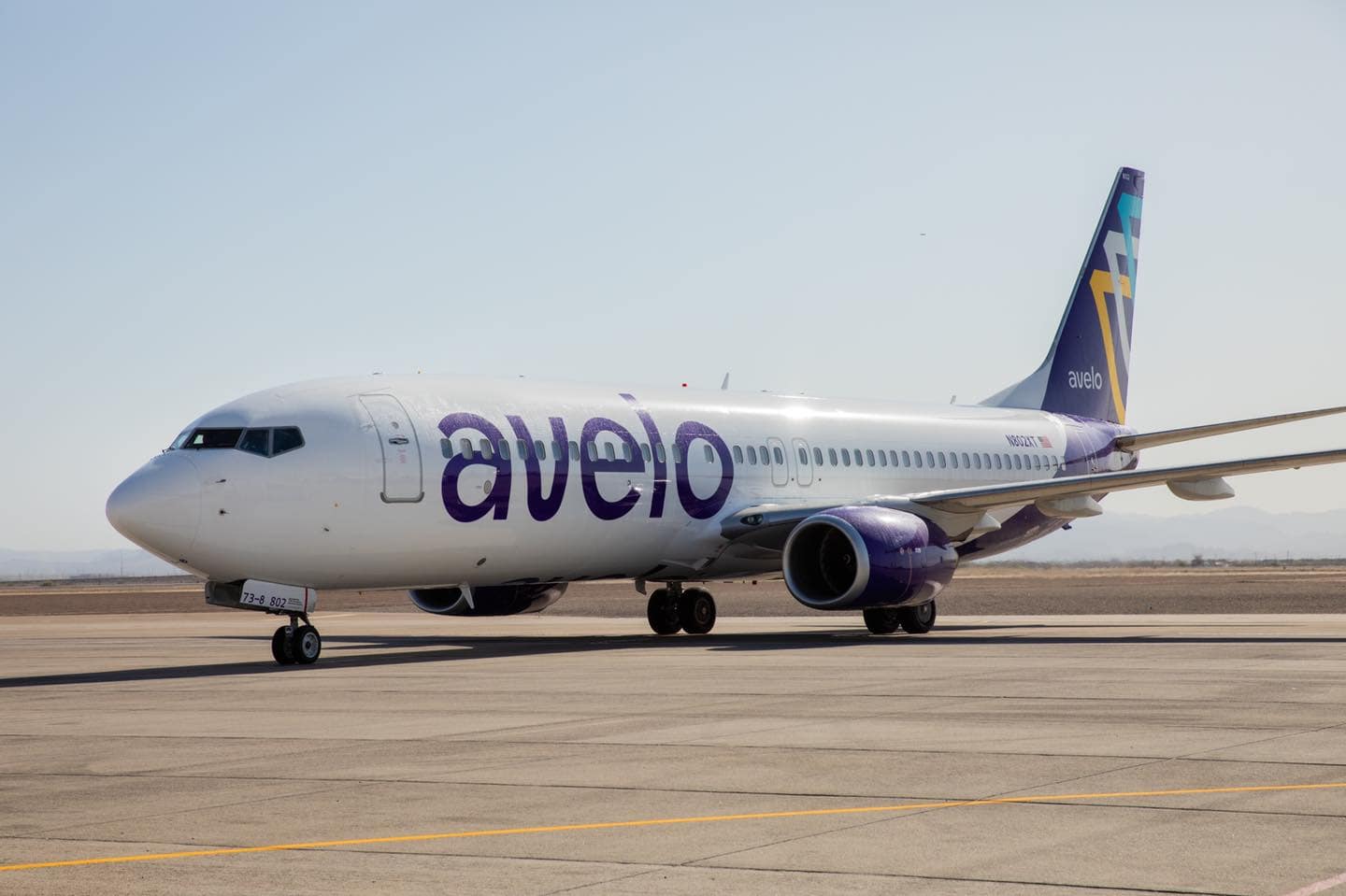
Avelo’s deportation flights were based out of Mesa Gateway Airport (AZA) in Arizona and operated under a long-term charter agreement signed in spring 2025. The program used a small subset of the airline’s Boeing 737-800 fleet and dedicated crews based at AZA.
Avelo does not operate scheduled commercial flights out of AZA.
According to airline officials, the decision to exit the program came down to operational complexity and economics.
“The program provided short-term benefits but ultimately did not deliver enough consistent and predictable revenue to overcome its operational complexity and costs,” an Avelo spokesperson told Arizona’s Family.
With the AZA crew base closing on 27 January and the aircraft tied to that operation leaving the fleet, Avelo deportation flying will come to an end. The exact timing of the final charter flight will be determined by the federal government, which controls the schedule.
Aside from nationwide protests over the carrier’s decision to participate in the DHS program, this move removes a non-core operation that required specialized staffing, aircraft utilization, and regulatory coordination outside Avelo’s scheduled passenger network. The whole operation seems inefficient. The government contracts were likely lucrative, but one has to wonder if the controversy was/is worth it.
Bases Close, Texas Opens
Alongside the end of charter flying, Avelo is streamlining its network around a smaller number of core bases.
The airline will close crew bases at AZA, Raleigh-Durham International Airport (RDU), and Wilmington International Airport (ILM) in North Carolina. Commercial service will continue at these airports, but without aircraft and crews permanently stationed there.
Going forward, Avelo plans to concentrate on four primary bases: Tweed New Haven Airport (HVN) in Connecticut, Wilmington Airport (ILG) in Delaware, Concord-Padgett Regional Airport (USA) near Charlotte, North Carolina, and Lakeland Linder International Airport (LAL) in Florida.
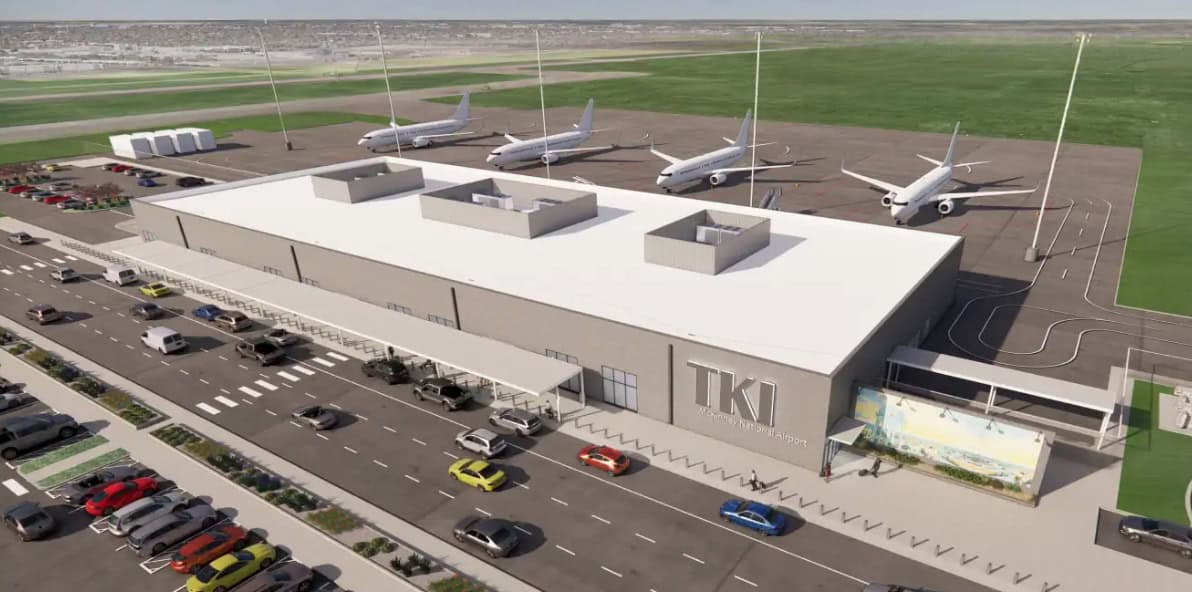
Looking ahead, the airline has also confirmed plans to open a new base at McKinney National Airport (TKI) in Texas, scheduled for late 2026. Located about 30 miles north of Dallas, TKI fits Avelo’s strategy of flying from smaller, less congested airports while tapping into large population centers.
The Texas base is expected to support future growth as TKI expands to handle scheduled commercial service.
Route Cuts and a Smaller Fleet
The network reset also comes with significant route reductions, particularly in North Carolina and the eastern United States.
At Wilmington (ILM), Avelo is dropping service to 11 destinations, including multiple Florida markets and its recently launched international route to Punta Cana (PUJ). Flights will continue from ILM to Nashville (BNA), New Haven (HVN), Tampa (TPA), and Baltimore/Washington International Thurgood Marshall Airport (BWI).
RDU will also see cuts, with several leisure routes ending as Avelo shifts capacity to stronger performing markets.
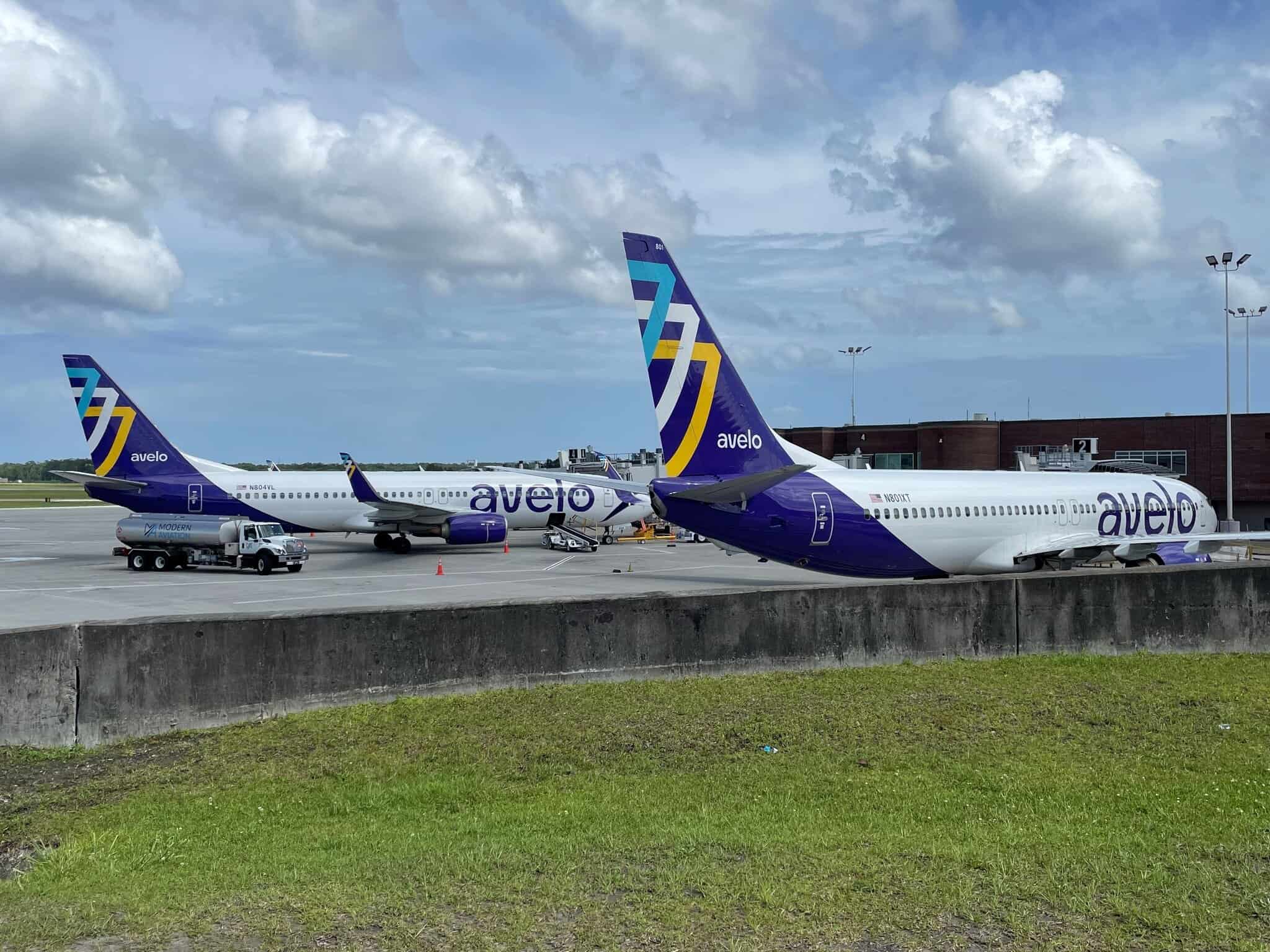
Fleet changes are part of the picture, as well. Avelo will remove six Boeing 737-700 aircraft, leaving the airline primarily operating the more efficient 737-800. Those aircraft offer better fuel burn and economics, which is increasingly critical as the airline positions itself for long-term sustainability.
The airline states that these moves are supported by a recent recapitalization that has left Avelo with one of the “strongest cash positions in the U.S. airline industry, relative to its size.”
A Reset Before Avelo’s Next Chapter
While the changes announced on 6 January are disruptive in the near term, they appear to be designed to simplify the airline ahead of its next growth phase.
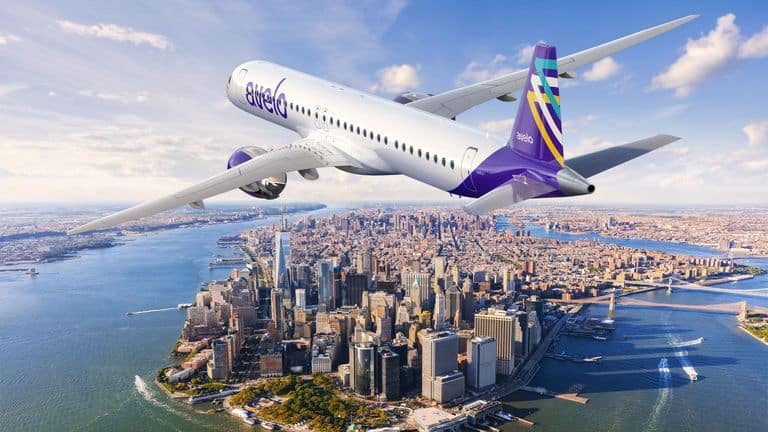
Avelo has already placed an order for up to 100 Embraer 195 E2 aircraft, which are expected to begin arriving later this decade. Those jets will enable the airline to open thinner routes, increase frequency, and reduce costs compared to larger narrowbody aircraft.
For such a young carrier, the pace and scale of change have been notable. Avelo has adjusted its business model several times in a relatively short period, underscoring just how difficult it is to find the right balance in today’s ULCC landscape.
While a dual West Coast and East Coast strategy was always going to be challenging for an airline of this size, the latest pullback suggests Avelo is still searching for a sustainable long-term footing. In the ULCC world, small miscalculations can compound quickly. Whether this reset provides the stability the airline is seeking will become clearer in the months ahead.
