
The Boeing 747-8 Required More Space, More Power, More Materials – More of Just About Everything You Can Think Of
When Boeing Commercial Airplanes built the 747-8I and 747-8F wide-body airliners, the sheer scale of the process was lost on most casual observers. The aircraft’s immense size meant that manufacturing methods used on smaller jets simply did not apply. From tooling to materials handling, nearly every step had to be rethought.
A documentary produced by the National Geographic Channel offered a rare look inside the process, detailing not only how these massive aircraft were assembled, but also how they were engineered, tested, and refined. The program explored the history of the 747 family and highlighted the unique challenges of producing the final and largest iteration of the Queen of the Skies.
Thanks to the YouTube channel Documentary Nation for uploading it.
The Final Evolution of the 747
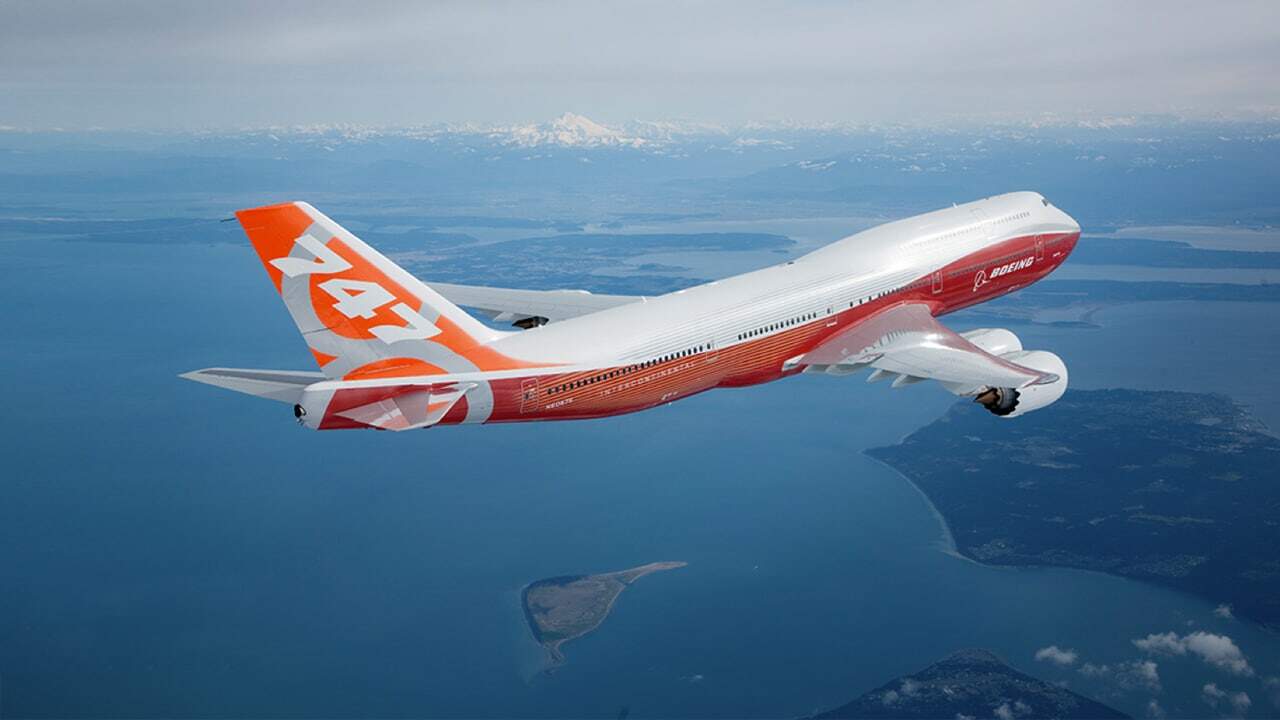
The Boeing 747-8 was the final series of large, long-range wide-body airliners in the Boeing 747 family. It was the largest variant of the 747 and ultimately the largest aircraft Boeing ever produced. Following the success of the 747-400, Boeing explored several larger 747 concepts as potential competitors to the proposed double-deck Airbus A3XX, later developed as the Airbus A380.
Initially known as the 747 Advanced, the aircraft was officially launched as the 747-8 on November 14, 2005. The designation reflected its technological ties to the then-new 787 Dreamliner, particularly in aerodynamics, materials, and engine technology. At the time of launch, Boeing forecast a market for approximately 300 aircraft.
READ MORE FROM AVGEEKERY
- End Of An Era: Last 747 Built Rolls Out of Boeing’s Factory
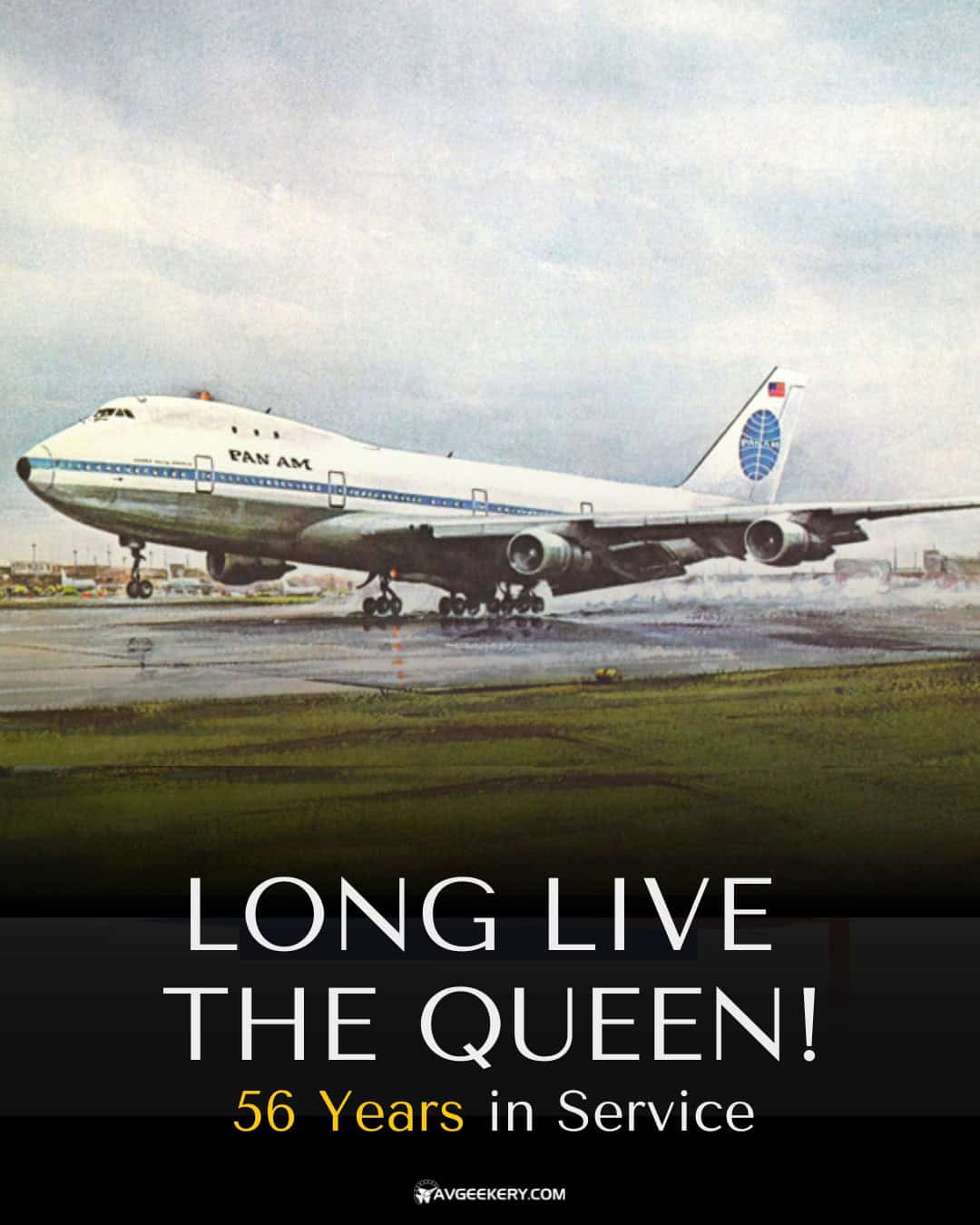
- Long Live the Queen: Boeing Bids Farewell to the 747
The 747-8 program represented the third major generation of the 747 series. It featured a significantly lengthened fuselage, redesigned wings, and improved overall efficiency compared to earlier models. It also became the largest commercial aircraft ever built in the United States.
First Flights and Entry Into Service
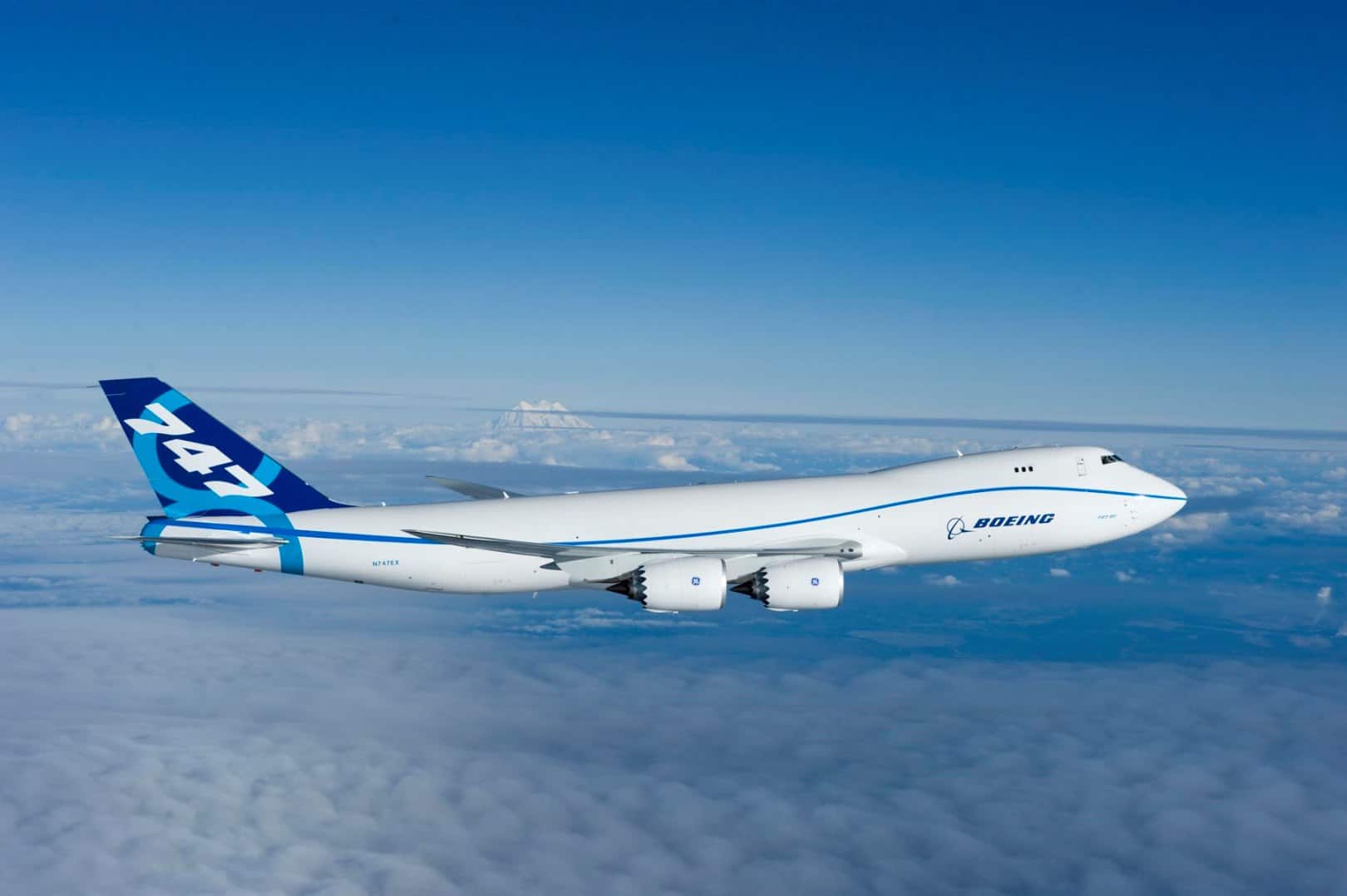
The freighter variant, designated the 747-8F, made the series’ maiden flight on 8 February 2010. The passenger version, known as the 747-8I Intercontinental, followed with its first flight on 20 March 2011.
Deliveries of the freighter began in October 2011, while the passenger variant entered commercial service in June 2012. As the program matured, it became clear that the 747-8 would find far greater success as a cargo aircraft than as a passenger jet.
Design, Performance, and Capability
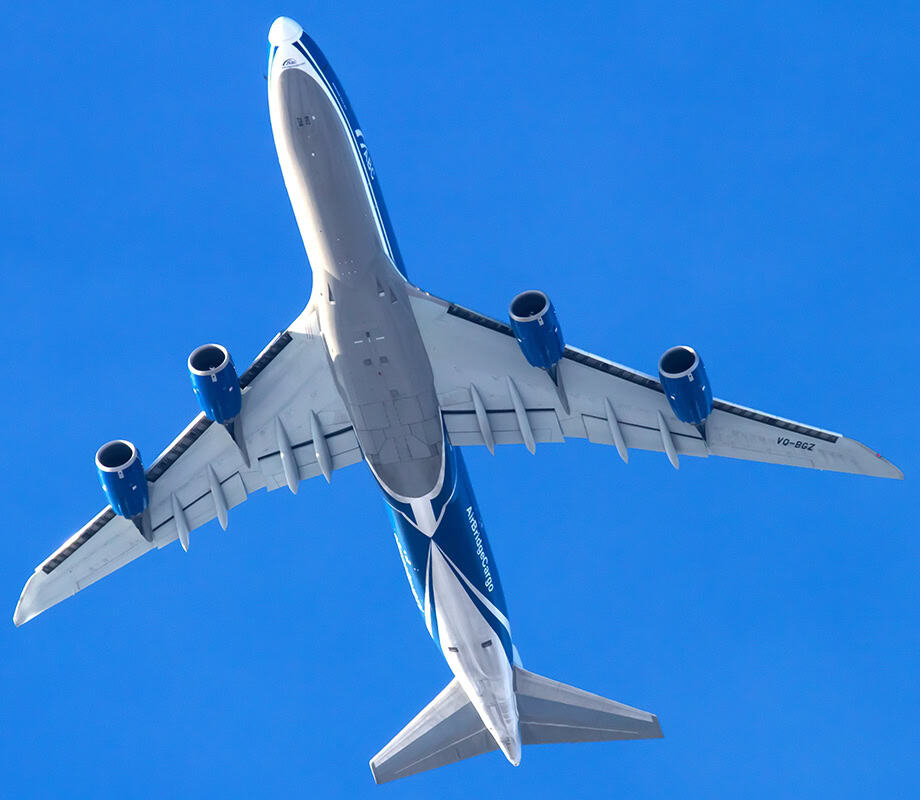
The 747-8’s fuselage was stretched by 18 feet, bringing the total length to 250 feet and making it the longest airliner ever to enter service. While it retained the basic structural design and wing sweep of earlier 747s, the aircraft featured a deeper, thicker wing that enabled greater fuel capacity. Larger raked wingtips further improved aerodynamic efficiency.
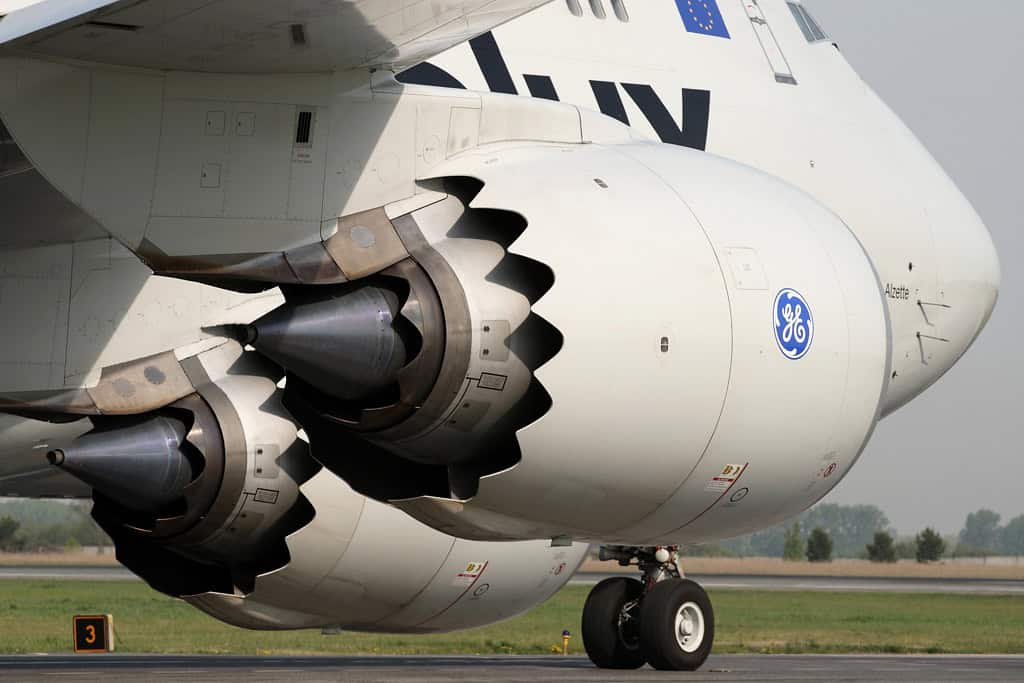
Power came from a smaller, more efficient version of the General Electric GEnx turbofan engine, derived from the 787 Dreamliner. The engines were easily recognizable by their chevron-edged nacelles, which reduced noise and improved efficiency. These upgrades increased the aircraft’s maximum takeoff weight to 975,000 pounds, making the 747-8 the heaviest airliner Boeing ever built.
The 747-8F, with its shorter upper deck, was capable of hauling up to 308,000 pounds of payload over a range of 4,120 nautical miles. The 747-8I Intercontinental could carry approximately 467 passengers in a typical three-class configuration and fly up to 7,790 nautical miles.

Production and Program Conclusion
Between 2008 and 2023, Boeing delivered a total of 155 747-8 aircraft. That total included 107 freighters and 48 passenger airliners. Demand skewed heavily toward cargo operators as airlines increasingly favored more efficient twin-engine widebodies for long-haul passenger service.
The final aircraft, a 747-8F, was delivered to Atlas Air on 31 January 2023, officially bringing the 747 program to a close after more than five decades.
Born in a Different Era, the Legendary Boeing 747 Changed Aviation Forever
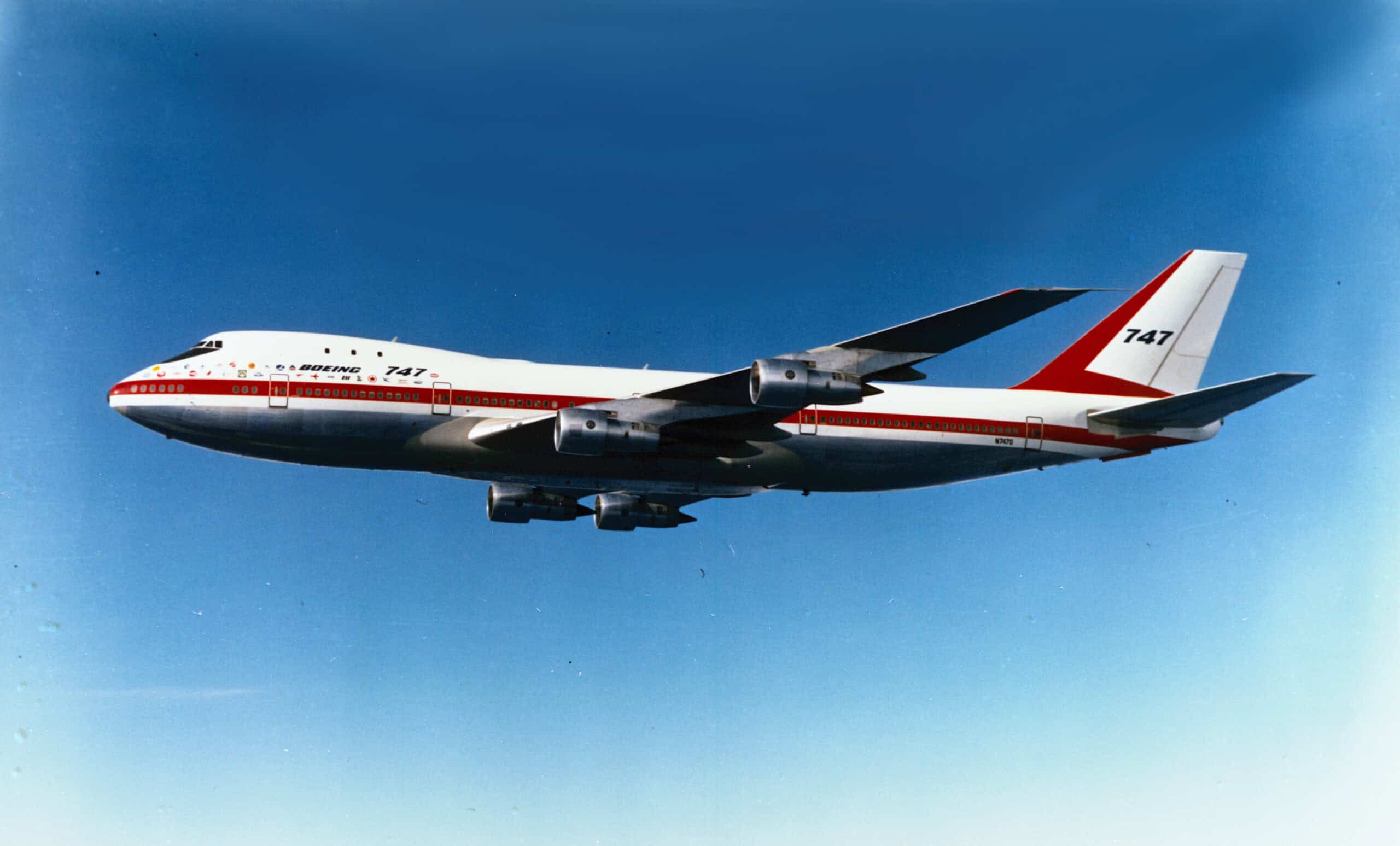
The Boeing 747 program originated in the mid-1960s as global air travel demand surged. Boeing, led by chief engineer Joe Sutter, developed the aircraft in response to Pan American World Airways’ requirement for a jet roughly 2.5 times larger than the 707 in order to reduce per-seat operating costs. Pan Am’s landmark order for 25 aircraft in April 1966 prompted Boeing to construct its massive factory in Everett, Washington.
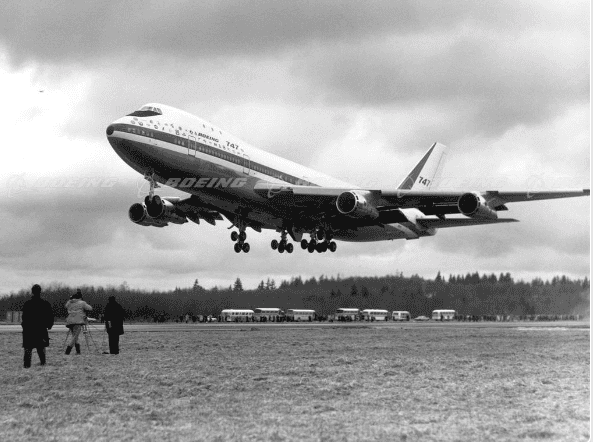
The original 747 design introduced revolutionary features, including the distinctive upper-deck hump, initially conceived to allow forward cargo loading in a future freighter role, and powerful high-bypass turbofan engines. The prototype first flew on 9 February 1969, received FAA certification in December of that year, and entered service with Pan Am on 22 January 1970.
Over the decades, the 747 family evolved through multiple variants. The 747-100 and 747-200 improved range and reliability, followed by the stretched-upper-deck 747-300 in the 1980s. The highly successful 747-400 entered service in 1989, introducing advanced avionics, extended range, and a two-crew flight deck.
The 747-8 series, introduced around 2010, represented the final chapter. While it modernized the iconic design with improved aerodynamics, engines, and systems, it ultimately reflected a shifting market that favored more efficient twin-engine aircraft such as the 777 and 787. In total, Boeing produced 1,574 747s across all variants, including the prototype, over a 54-year production run.
The end of the 747-8 was a bittersweet moment for all of us who live and breathe aviation. It was the conclusion of an era that permanently reshaped global air travel and cargo transport, sped up by a global pandemic and rapidly changing economics and technology.
We throw the word “legendary” around a lot these days. But that’s exactly what the Boeing 747 was and always will be.
Love Live the Queen!