

City leaders see a rare chance to remake Cleveland’s lakefront, while pilots and aviation groups warn that a Burke Lakefront Airport closure would permanently remove critical infrastructure.
CLEVELAND, OHIO — For nearly 80 years, Burke Lakefront Airport (BKL) has quietly done exactly what it was designed to do: serve as Cleveland’s downtown aviation gateway, take pressure off Cleveland Hopkins International Airport (CLE), support general aviation, and connect the city to the national airspace system in ways most people never think about.
Now, Burke is once again at the center of a very public fight.
City and county leaders are actively pushing to close the airport and redevelop its lakefront footprint. Aviation groups, pilots, businesses, and medical operators are pushing just as hard to keep it open. And while no final decision has been made, the debate has reached a critical moment.
At stake is far more than a stretch of waterfront real estate.
A Brief History of Burke Lakefront Airport
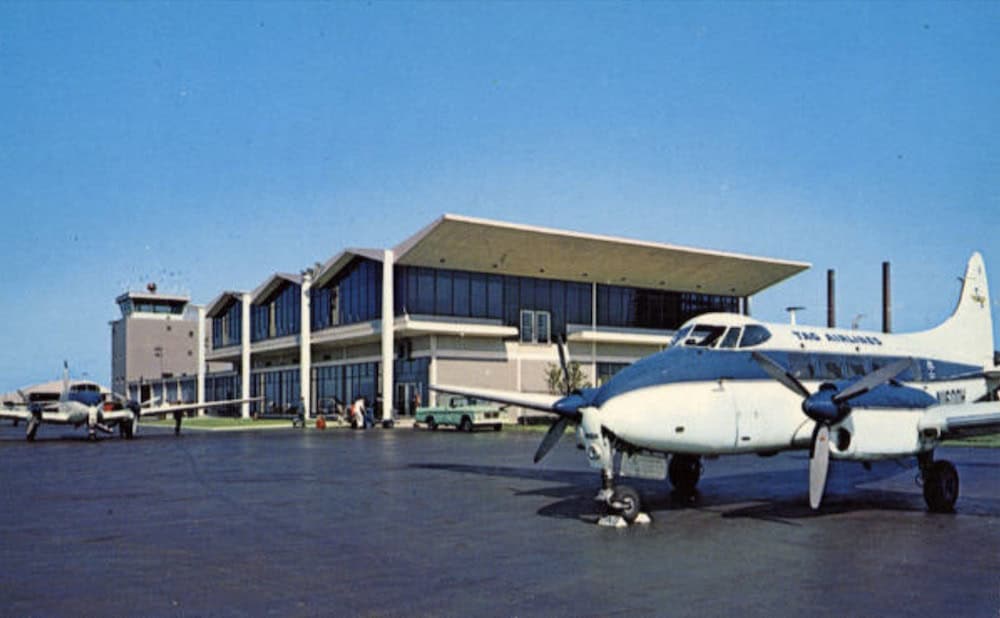
Burke Lakefront Airport opened in 1947, born out of a long-running effort to give Cleveland a downtown aviation gateway and relieve pressure on Cleveland Hopkins. Built on landfill along Lake Erie, the airport was envisioned as a front door to the city — just minutes from Public Square — at a time when proximity to business districts was considered essential for modern air travel.
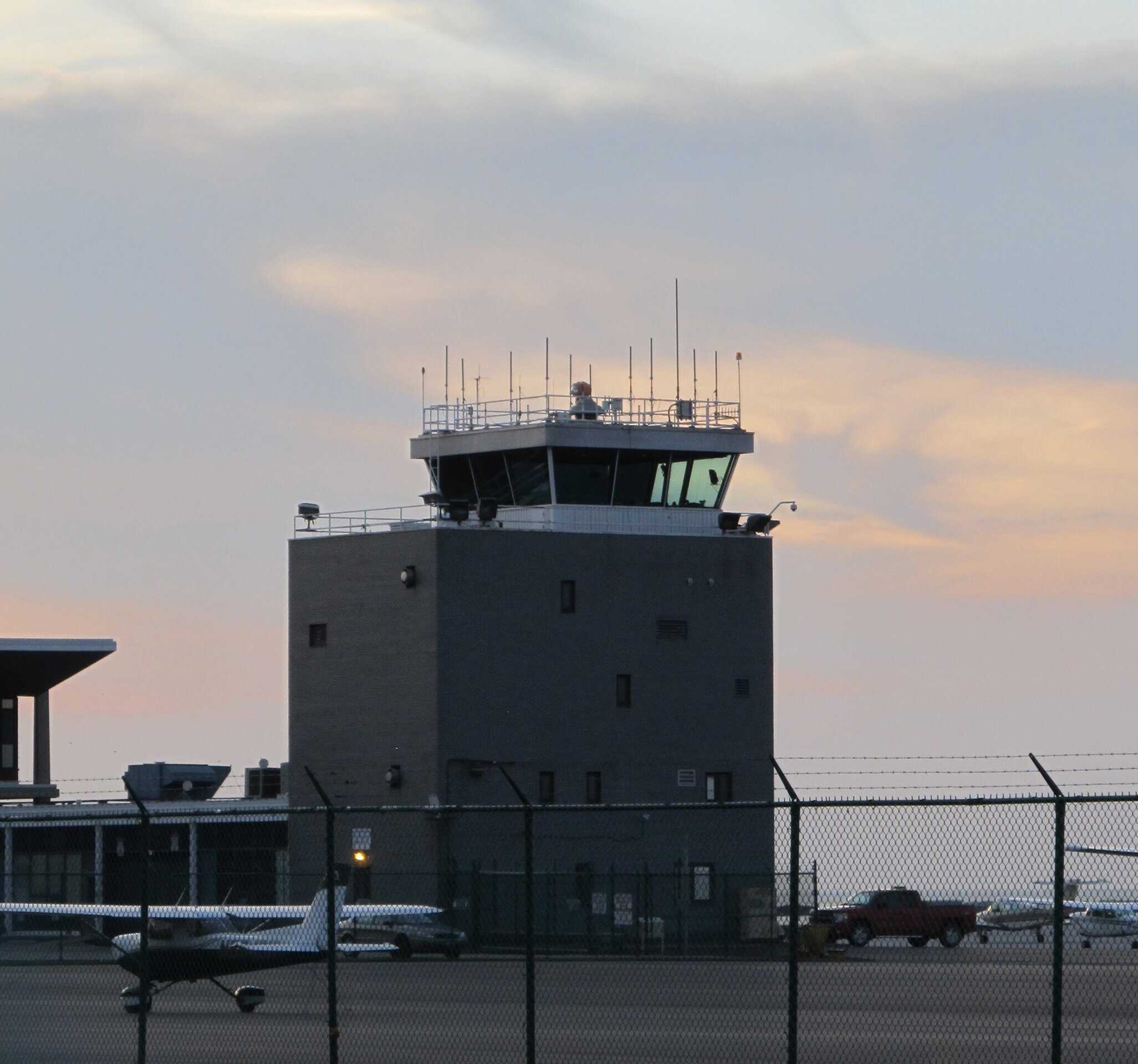
The airport was later named for Mayor Thomas A. Burke, under whose leadership the facility expanded significantly. By the late 1950s and 1970s, Burke had added longer paved runways, a control tower, passenger facilities, and the ability to accommodate larger multi-engine aircraft. While scheduled airline service never proved sustainable long-term, Burke found its niche in corporate, general aviation, medical transport, and public safety operations.
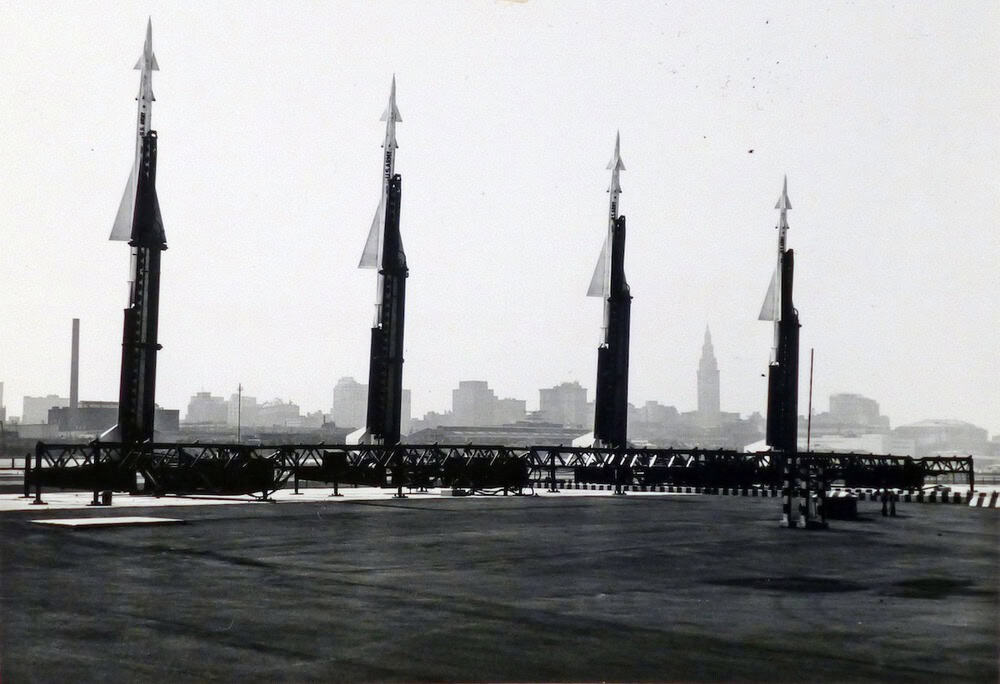
Over the decades, Burke also became a civic venue. It has hosted the Cleveland National Air Show every Labor Day weekend since 1964 and even served as the course for the Cleveland Grand Prix in the 1980s. For much of its history, it functioned as Cleveland’s primary reliever airport, helping maintain a safer and more efficient regional aviation system.
As Cleveland’s economy and aviation patterns evolved, traffic at Burke declined from its peak years. But the airport never became dormant. Today, it remains an active general aviation reliever, home to flight schools, medical operators, and aviation businesses — infrastructure that supporters argue still plays a critical role in the region and cannot be easily replaced.
Why City Leaders Want Burke Closed

Cleveland Mayor Justin Bibb and Cuyahoga County Executive Chris Ronayne argue that Burke Lakefront Airport represents a once-in-a-generation opportunity to reclaim public access to Lake Erie.
In October 2025, Bibb and Ronayne sent formal letters to US Transportation Secretary Sean Duffy, Ohio Senators Bernie Moreno and Jon Husted, and Rep. Shontel Brown, asking for federal assistance to begin the process of decommissioning the airport.
In that letter, they described Burke as a “once-in-a-century opportunity” to repurpose roughly 450 acres of lakefront land for public access and job-creating development.
Ronayne has been even more direct in public comments.
“Burke Lakefront Airport presents us the largest opportunity in the state of Ohio for more public access to the lake,” Ronayne said in a recent interview with Cleveland Fox 8.
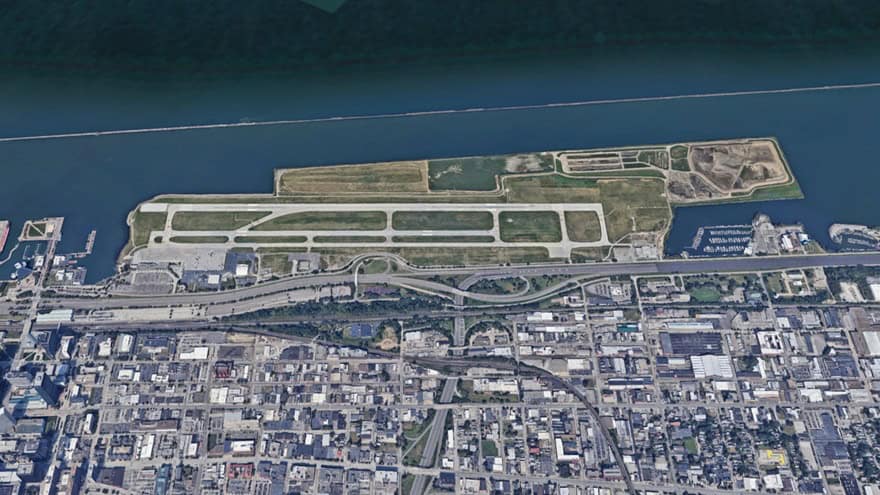
City-commissioned studies released in 2024 bolster that argument. According to those reports, Burke operates at an annual loss of roughly $900,000 to $1.2 million and requires subsidies from Cleveland Hopkins International Airport. Aviation activity at Burke has declined by roughly 50 to 60 percent since 2000, and city leaders argue that many of those flights could be absorbed by nearby airports.
The same studies suggest that closing Burke and redeveloping the site with housing, retail, parks, and green space could generate between $90 million and $92 million annually in economic activity.
To proponents of closure, the math is simple.
As one common argument goes: if that land were sitting empty today, no one would seriously propose building an executive airport there. Cleveland, they argue, has an outsized infrastructure footprint from a bygone era and needs to consolidate.
The Browns Factor and a Waterfront Reset

The timing concerning Burke’s future coincides with another major shift unfolding at BKL’s next-door neighbor immediately to the west.
After decades on Cleveland’s lakefront, the Cleveland Browns are preparing to move out. A $100 million settlement between the city and Browns owners Jimmy and Dee Haslam cleared the way for a new domed stadium in Brook Park, with plans calling for the eventual demolition of the team’s current lakefront stadium.
With that chapter largely settled, city leaders say the focus has shifted from football to the future of the waterfront itself.
Mayor Bibb has described the moment as a chance for Cleveland to “turn the page” and rethink how its lakefront serves the public. In an October interview with News 5 Cleveland, Bibb said the Browns’ relocation allows the city to move beyond years of stadium debates and focus instead on long-term public access, economic development, and connectivity along Lake Erie. That broader vision, he acknowledged, includes reconsidering the role of Burke Lakefront Airport and how its roughly 450 acres fit into a reimagined shoreline.
From City Hall’s perspective, the possible removal of both the Browns stadium and Burke would create a rare, contiguous stretch of lakefront land for redevelopment, parks, housing, and public space. Supporters of closure argue that such an opportunity comes along once in a generation.
Opponents caution that momentum alone is not a substitute for infrastructure planning.
The Aviation Community Pushes Back
Aviation groups strongly disagree, and they are not being subtle about it.
A united opposition has formed under the Lakefront Airport Preservation Partnership (LAPP), a coalition that includes the Aircraft Owners and Pilots Association (AOPA), the Northeast Ohio Pilots Association, flight schools, medical operators, airport tenants, and businesses based at BKL.
In November 2025, LAPP sent a letter of its own to the same federal officials Bibb and Ronayne contacted, urging them to reject any effort to prematurely close the airport.
“By accepting these grants, the city has agreed to operate and maintain the airport,” the letter states. “Temporary politicians should not be able to ignore or undo commitments made by their predecessors, which will have negative long-term impacts.”
Temporary politicians should not be able to ignore or undo commitments made by their predecessors, which will have negative long-term impacts.
Excerpt from letter sent to federal officials written by members of the Lakefront Airport Preservation Partnership (LAPP)
Kyle Lewis, AOPA’s Great Lakes regional manager, has been especially vocal.
“Burke Lakefront Airport isn’t just used by general aviation pilots,” Lewis said. “Planes take off and land there more than 50,000 times each year, and the airport serves as an important link for public safety, medevac operations, Coast Guard missions and training, flight training, educational opportunities, and more.”
Lewis noted that one medical operator alone conducts more than 500 organ transplant flights per year at Burke, and the Cleveland Clinic has confirmed that most of its roughly 850 annual transplants arrive through the airport.
Relocating that activity is not as simple as drawing lines on a map.
“In cases like this, if a public airport is going to close, the entity running that airport must prove to the FAA that the closure is in the public’s best interest,” Lewis said. “They also must provide a plan for another local airport to absorb the traffic and infrastructure. Mayor Bibb has done none of that.”
Flight Schools, Jobs, and the Pilot Pipeline
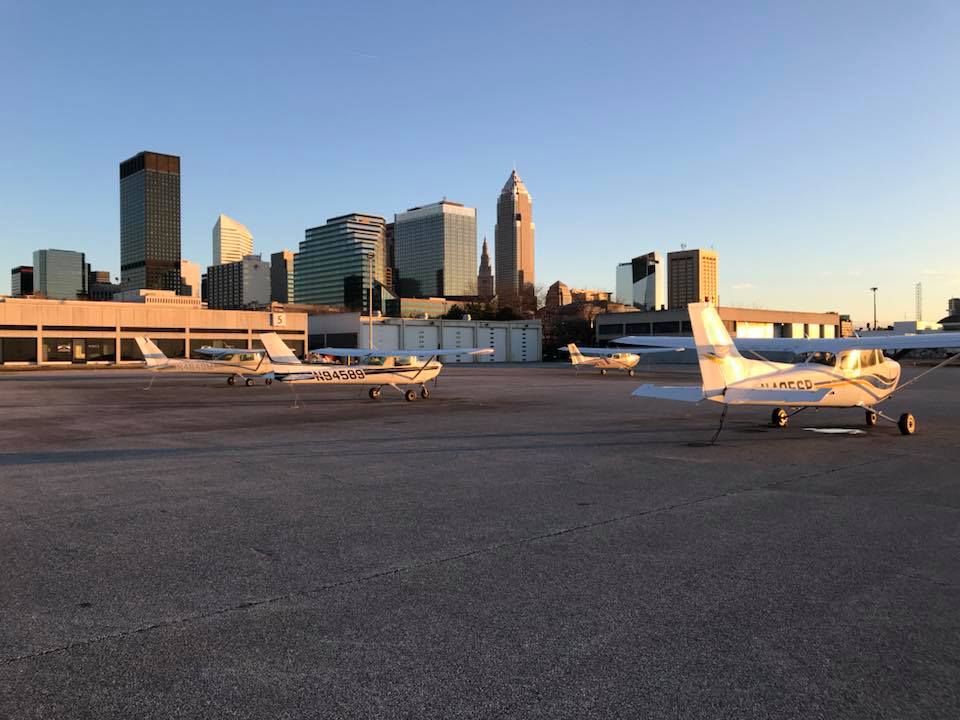
One of the quieter but more consequential impacts of closing Burke would be the loss of flight training.
Two flight schools currently operate at BKL, feeding the regional and national pilot pipeline at a time when the industry is still grappling with a pilot shortage. Those schools are not easily relocated. Nearby airports such as Cleveland Hopkins (CLE) and Cuyahoga County Airport (CGF) lack available hangar space and capacity to absorb additional based aircraft, businesses, and students.
Opponents argue that closing Burke would not just displace airplanes. It would dismantle businesses, eliminate jobs, and remove a critical entry point into aviation careers.
Once that infrastructure is gone, it does not come back.
The Air Show Question

There is also the Cleveland National Air Show.
One of the country’s largest and longest-running air shows has been held at Burke every Labor Day weekend since 1964, drawing tens of thousands of visitors to the lakefront and generating significant economic activity for the region.
What happens to the air show in the event of a Burke Lakefront Airport closure remains an open question. No alternative site has been formally identified, and relocating an event of that scale is far from trivial.
The FAA Roadblock
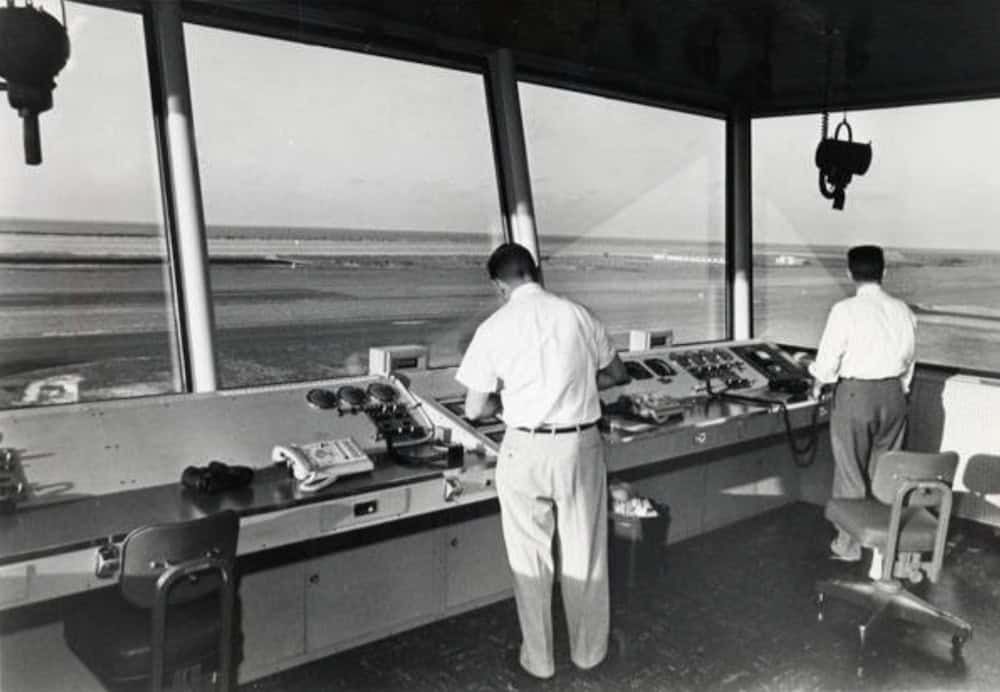
Even if city leaders are eager to move quickly, closing Burke is not simply a local decision.
Because Burke has received nearly $20 million in FAA and state airport improvement grants, it is federally obligated to remain open until at least the late 2030s. Estimates suggest Cleveland would need to repay roughly $9 to $10 million in unamortized federal grants, plus additional state funds, to pursue early closure.
The FAA’s process for releasing an airport from those obligations is lengthy and intentionally difficult. The city would need to prove that closure provides a net benefit to the national aviation system and that all displaced operations can be safely and reasonably relocated.
Historically, the FAA has been reluctant to approve the closure of reliever airports, particularly when no viable replacement exists.
That is why Cleveland leaders are now lobbying Congress for a legislative workaround. With congressional action or a special FAA waiver, Burke could close far sooner and at far less cost. Without it, closure before the late 2030s would be a steep uphill battle.
Is There a Middle Ground?
Not everyone in the debate sees it as an all-or-nothing proposition.
Ned Parks, president of the Northeast Ohio Pilots Association, has proposed closing one of Burke’s two runways and allowing development around a reduced but still-functional airport. Ronayne has publicly expressed openness to that idea.
“I think we ought to look at that possible hybrid approach of public access and development and yet remain open to the conversation about some aviation use,” Ronayne told Spectrum News.
That kind of compromise would preserve critical aviation functions while expanding lakefront access. Whether it gains traction remains to be seen.
Oh, and did we mention that Burke was built on the site of a former dump? Goodness knows how much that would complicate any kind of redevelopment process.
Meigs 2.0? A Familiar Warning
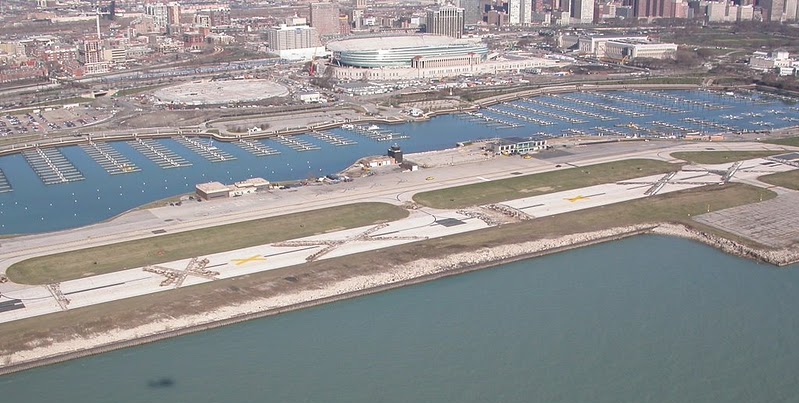
Many observers have drawn comparisons to Chicago’s Meigs Field, which was infamously closed overnight in 2003. While the circumstances differ, the lesson remains relevant.
Chicago could absorb the loss. Cleveland cannot.
The Chicago region is served by four international airports and more than a dozen regional and municipal fields. Cleveland’s aviation ecosystem is far smaller and far less redundant. Once Burke is gone, there is no equivalent replacement waiting in the wings.
What Comes Next for BKL

For now, Burke Lakefront Airport remains open, and no final decision has been made. The outcome will likely hinge on federal action in early 2026, as Congress and the FAA weigh competing claims of economic development versus aviation necessity.
This is not a simple debate. Cities evolve. Waterfront access matters. Fiscal responsibility matters.
ALSO ON AVGEEKERY
- Cleveland Jetport: The Story of an Unbuilt Island Airport
- TAG: The Company that Called Itself “The World’s Busiest” Airline
- Aer Lingus to…Cleveland?
But so does infrastructure. So does safety. So does training the next generation of pilots. And so does preserving an airport that quietly supports medical flights, public safety, education, and one of the nation’s signature air shows.
Cleveland does not need a Meigs Field 2.0.
The real question is whether the city can find a way to reimagine its lakefront without tearing out a piece of aviation infrastructure that, once gone, will be gone for good.