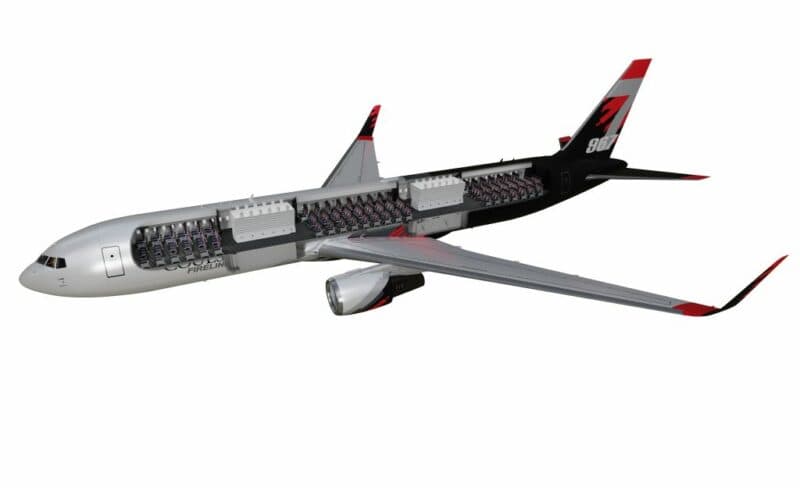
Coulson Aviation 767 is set to reshape Very Large Airtanker (VLAT) operations as legacy firefighting aircraft near retirement.
If you have followed aerial firefighting over the past few years, you already know the uncomfortable truth. The fleet of very large airtankers that agencies have relied on for decades is aging out fast. With the recent grounding of MD-11s and DC-10s, that reality has gone from theoretical to very real.
That backdrop is what makes this week’s announcement from Coulson Aviation such a big deal. Coulson officially launched its Boeing 767 VLAT program, a move that signals the future direction of high-capacity aerial firefighting.
A Growing Gap in Firefighting Capacity
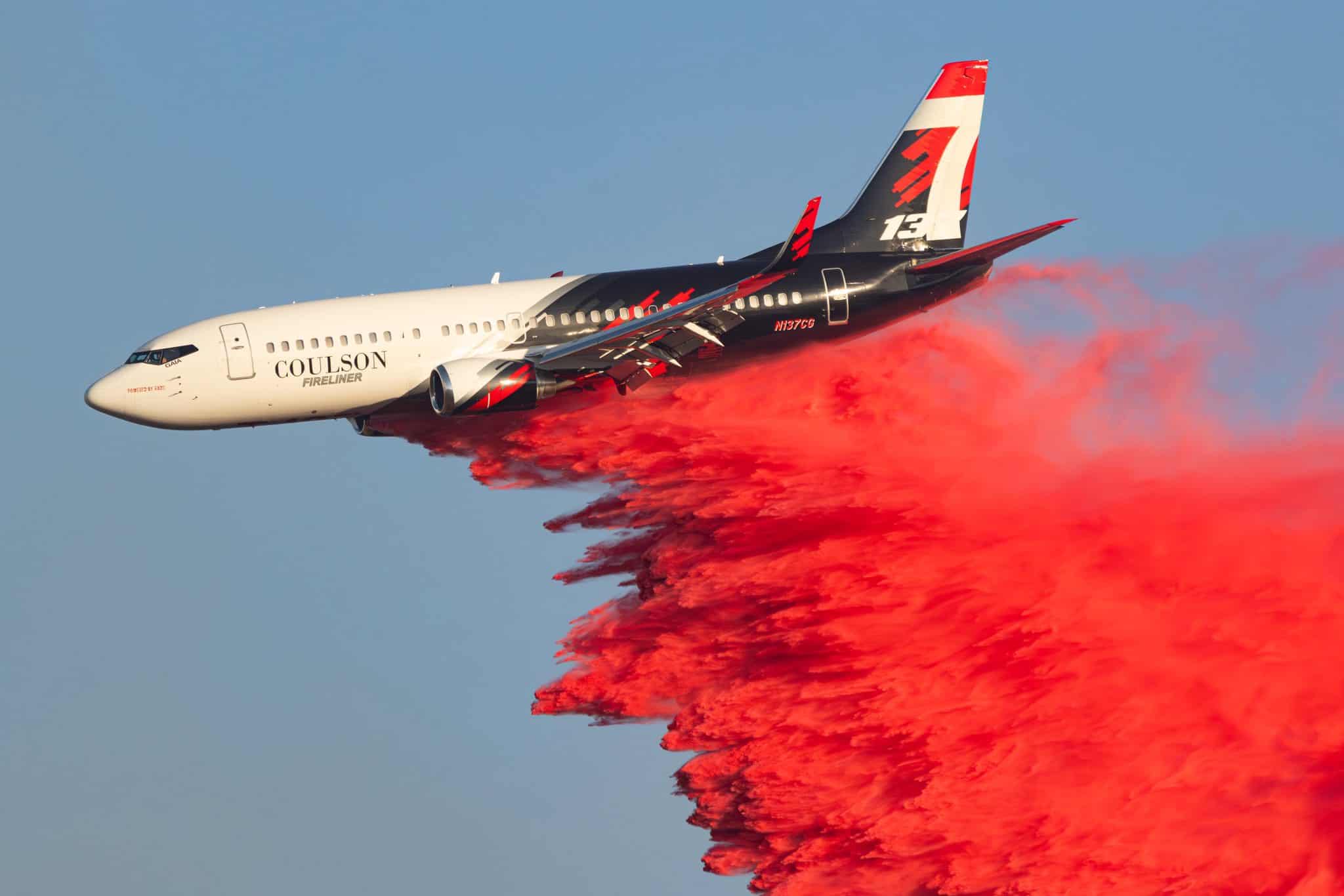
The retirement of older widebody aircraft is creating a serious capacity problem for firefighting agencies worldwide. Platforms like the McDonnell Douglas DC-10 and Boeing MD-11 have delivered massive volumes of retardant when fires demanded it. But as those airframes disappear, so does that capability.
The situation was underscored even further after the crash of UPS Flight 2976, an MD-11, in Louisville earlier this year, which accelerated the grounding of the remaining MD-11 and DC-10 airtankers. The result is a developing shortfall of adequate equipment to fight wildfires.
Coulson’s answer is to step forward before that gap becomes unmanageable.
Why the Boeing 767 Makes Sense
Coulson chose the Boeing 767 because it boasts a long and reliable track record across passenger, cargo, and special mission roles. According to Britt Coulson, President and CEO of Coulson Aviation USA, the appeal is straightforward.
“The 767 is a proven widebody platform with global support, parts availability, modern systems, and compelling operating economics,” Coulson stated. “Our program builds on those strengths and will deliver performance beyond what legacy VLATs can provide.”
READ MORE ON AVGEEKERY
- Yankin’ and Bankin’: A DC-10 Aerial Firefighting Captain’s Life on the Fire Line
- How Do You Convert a C-130 Into a Firefighting Aircraft
The 767 offers global parts availability, modern systems, and operating economics that make sense for decades of service. It is also a platform with enough performance margin to outperform legacy VLATs in payload while burning less fuel in the process.
Ultimately, what makes it most attractive to Coulson is that it is an airplane built for the long haul, rather than a stopgap solution.
Bigger Tank, Same Coulson DNA
The Coulson Aviation 767 tanker will feature the largest version yet of the company’s patented RADS retardant delivery system. The tank capacity is expected to exceed that of any VLAT currently flying, while still preserving a surprising capability. The aircraft will retain the ability to carry more than 160 personnel when configured for transport missions.
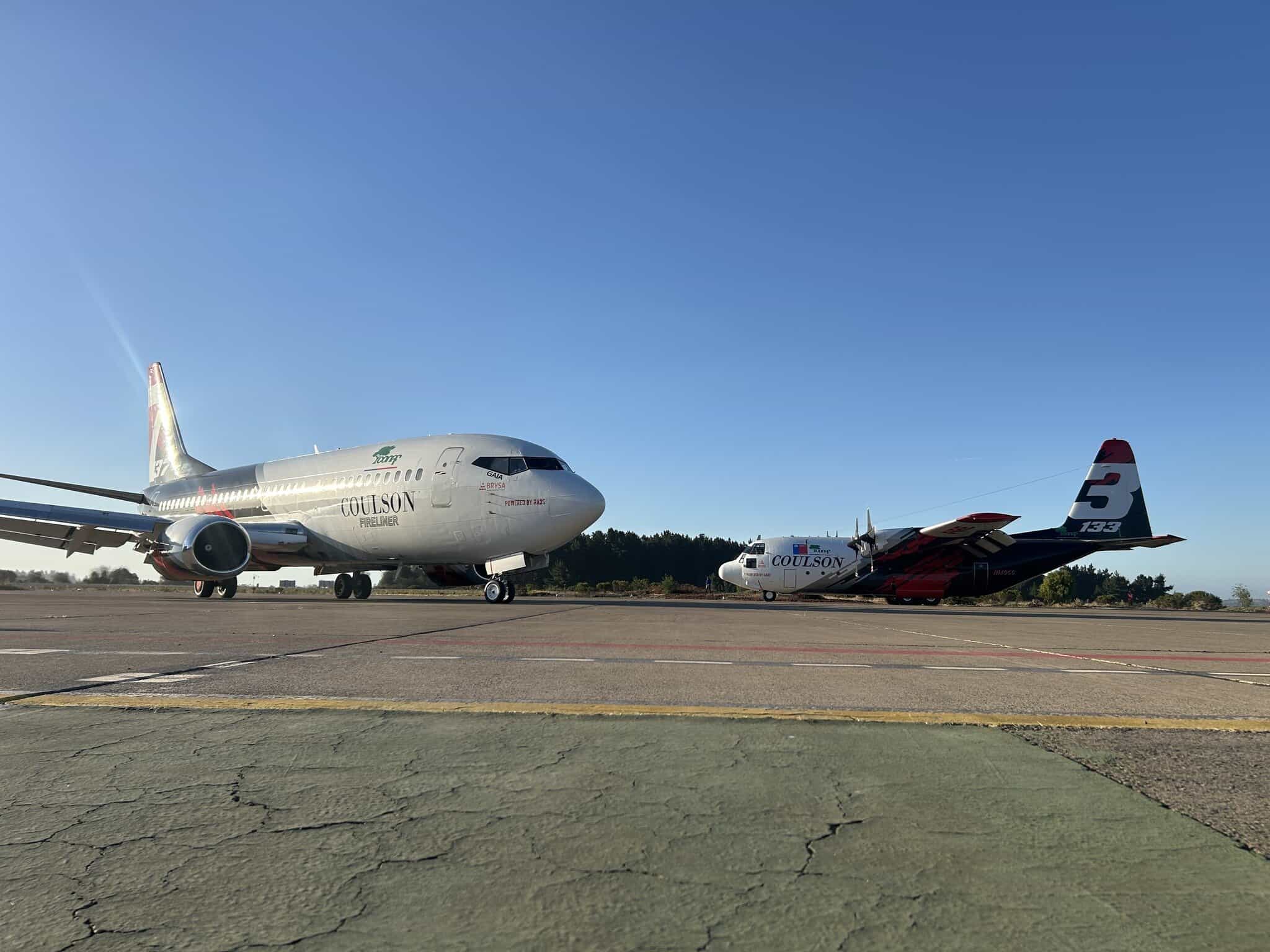
That flexibility is very much on brand for Coulson. Like the company’s existing fleet, which includes the Lockheed Martin C-130H Hercules and the Boeing 737 Fireliner, the 767 VLAT is being designed as a true multi-mission platform. Engineering, structural analysis, and systems integration planning are already underway.
The Next Evolution of VLAT Operations
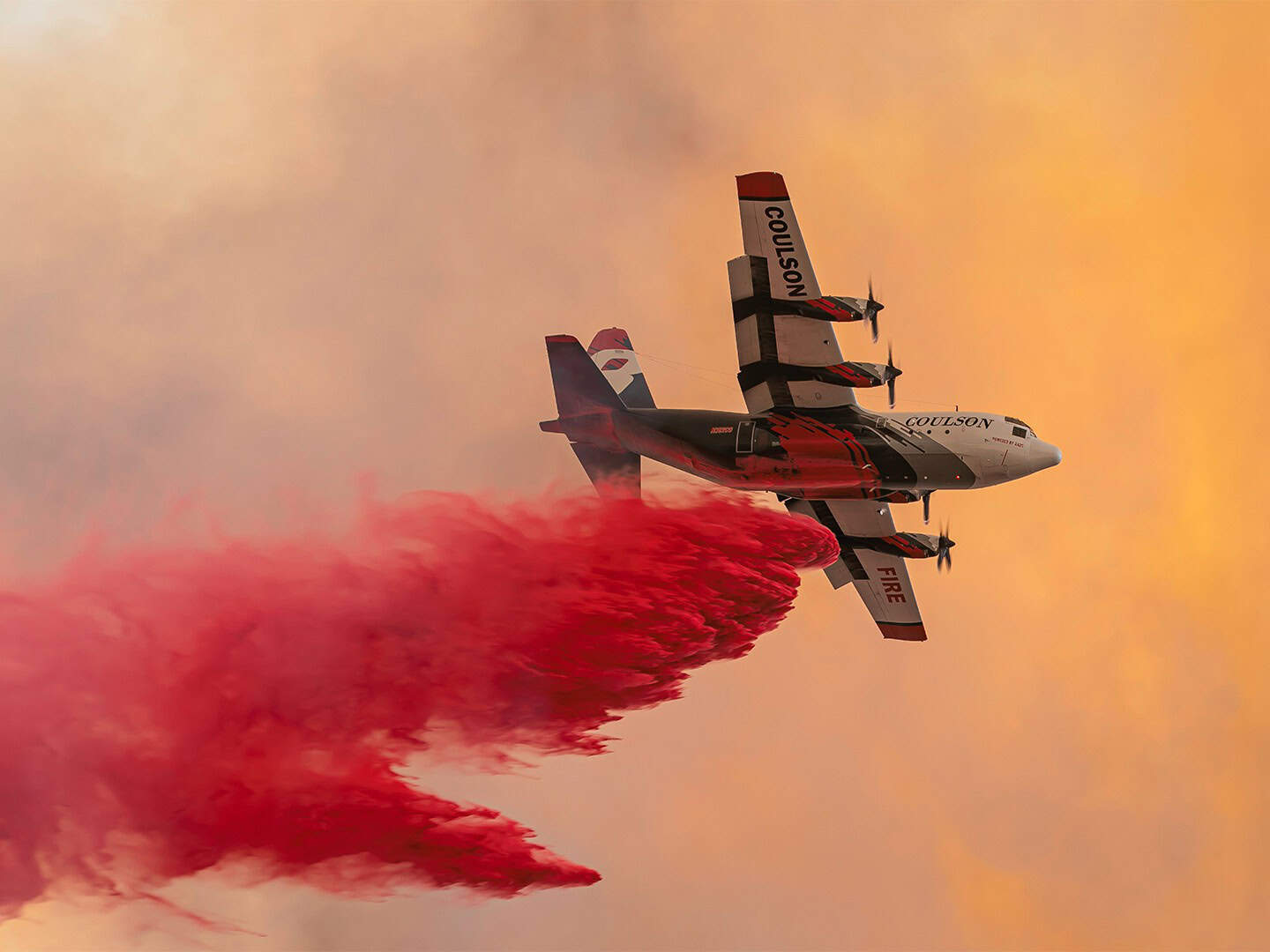
Rather than replacing its current aircraft, Coulson sees the 767 VLAT as a force multiplier. The new tanker is designed to complement existing large airtankers, providing agencies with an additional tool when fires require sustained, high-volume retardant delivery over extended periods.
This is also very much a forward-looking investment. Coulson has a long history of building capability ahead of demand, and the 767 VLAT fits squarely into that pattern. As legacy platforms fade out, the industry needs something that can carry the mission forward safely, efficiently, and at scale.
With the Boeing 767 VLAT, Coulson is making it clear that the future of very large airtankers does not have to mean less capacity. If anything, it might mean more, delivered by an airplane built to stick around for decades.