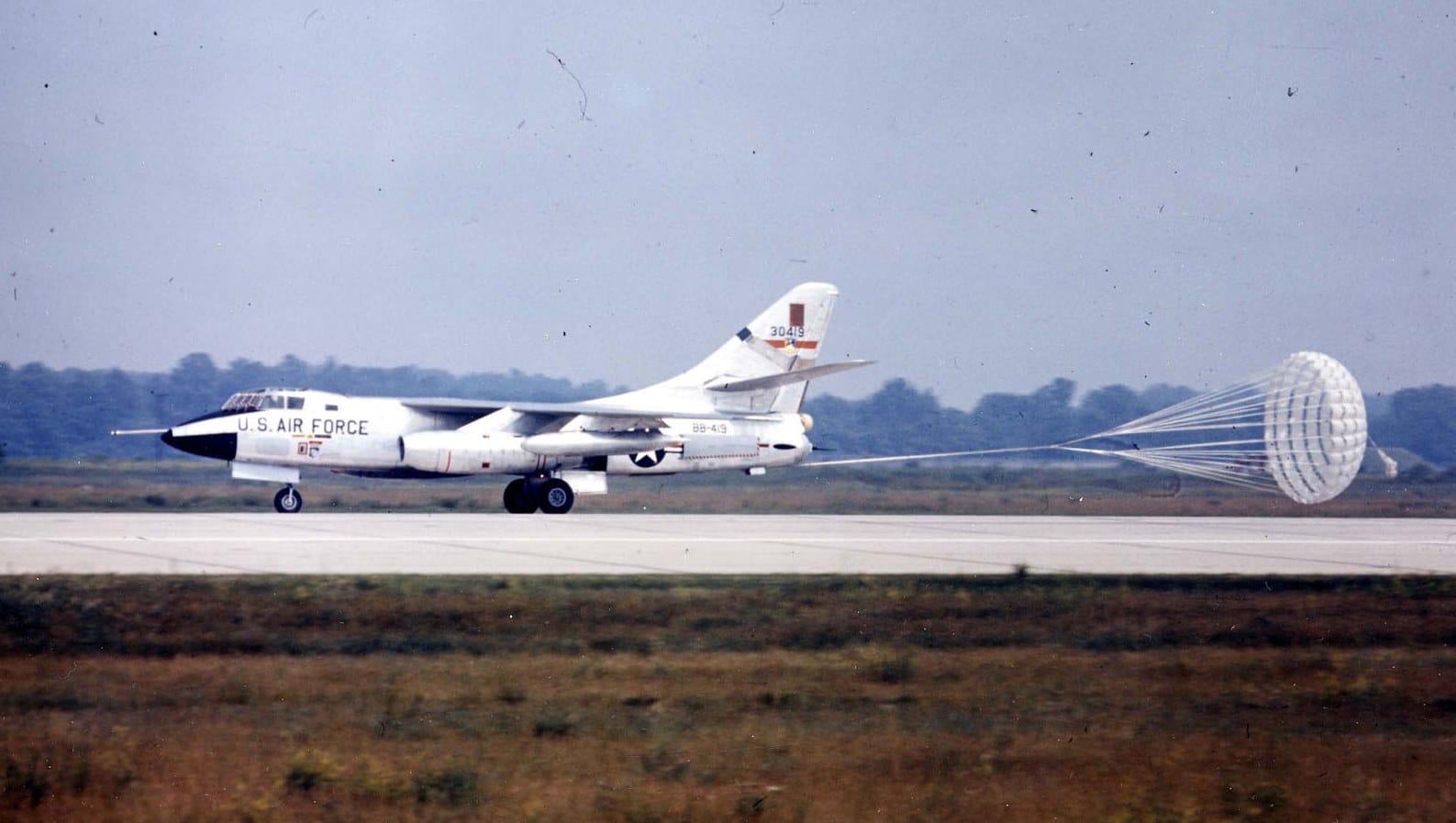

Call It a Bomber, But…
Although the Destroyer was originally designed as a bomber, it never dropped a bomb in combat. The majority of the 72 B-66s built by Douglas ended up being modified to one of the specialized electronic warfare or photo reconnaissance versions.
Two B-66Bs were modified for parachute test drops of models of Gemini and Apollo space capsules. These two aircraft had their bomb bay doors removed, with the capsules carried semi-externally.
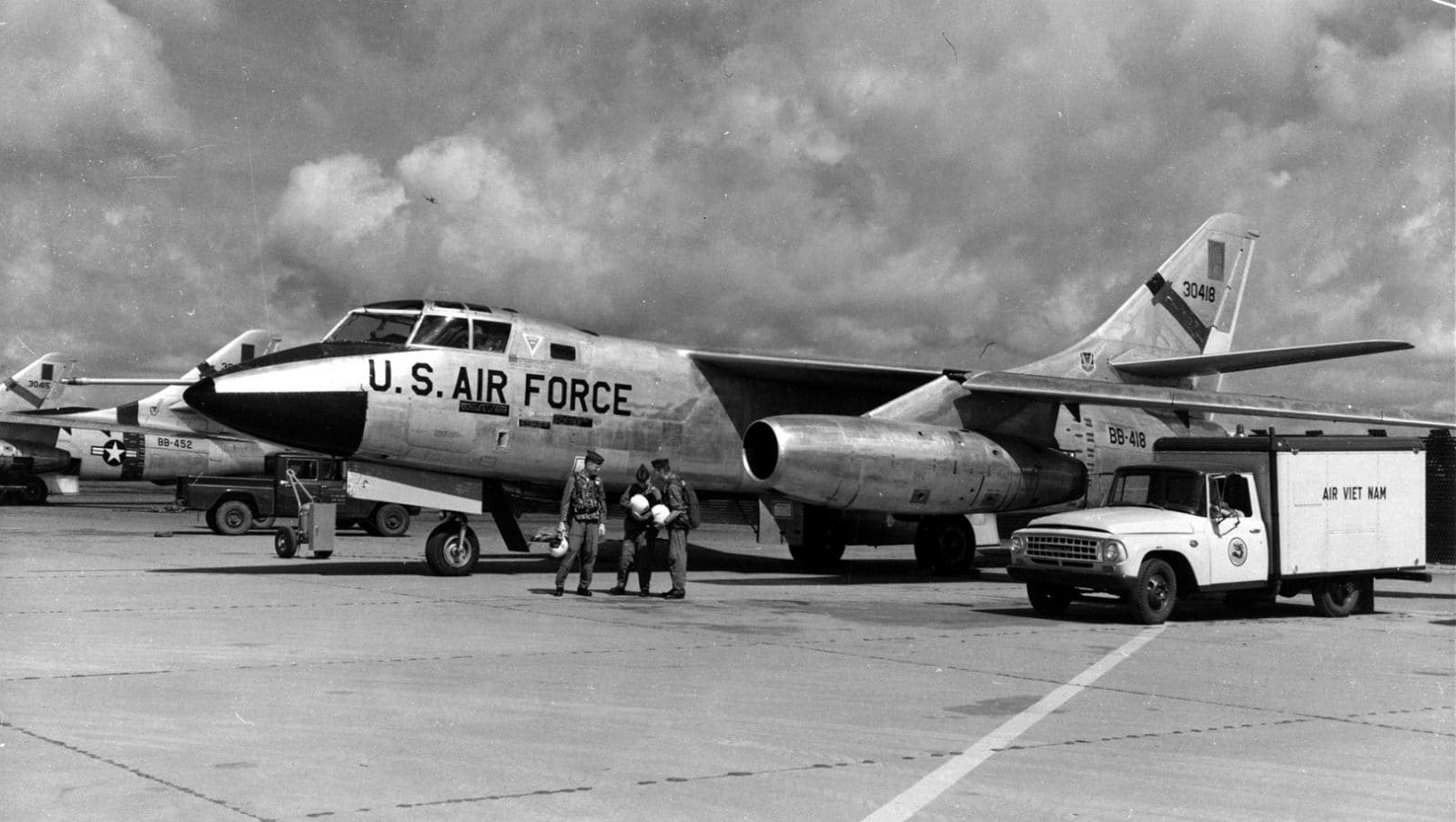
Recon Stalwart
The RB-66Bs that entered service with the US Air Force were first used for night photo reconnaissance in Europe. Based in West Germany and in the United Kingdom, these aircraft played key roles in the determination of Soviet strength and dispositions along the Iron Curtain when that knowledge was critically important. RB-66Cs also carried out missions over Cuba during the Missile Crisis of 1962.
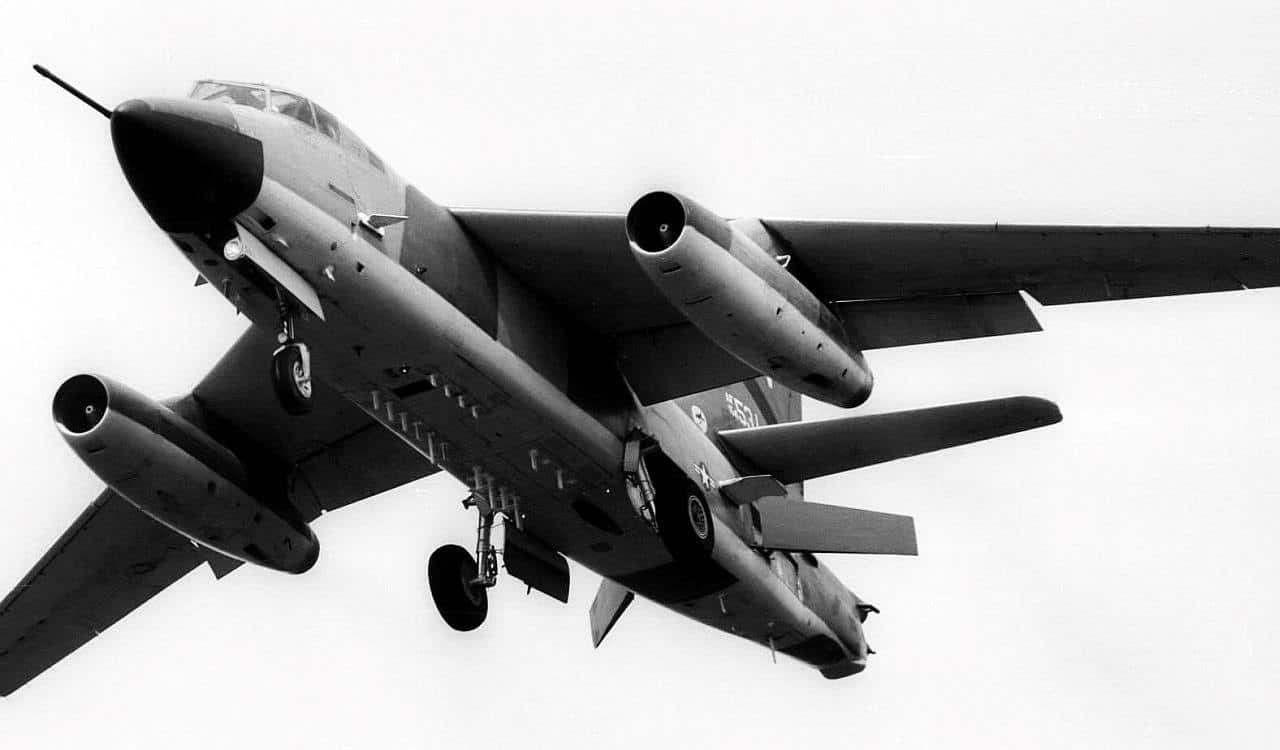
Jamming Enemy Air
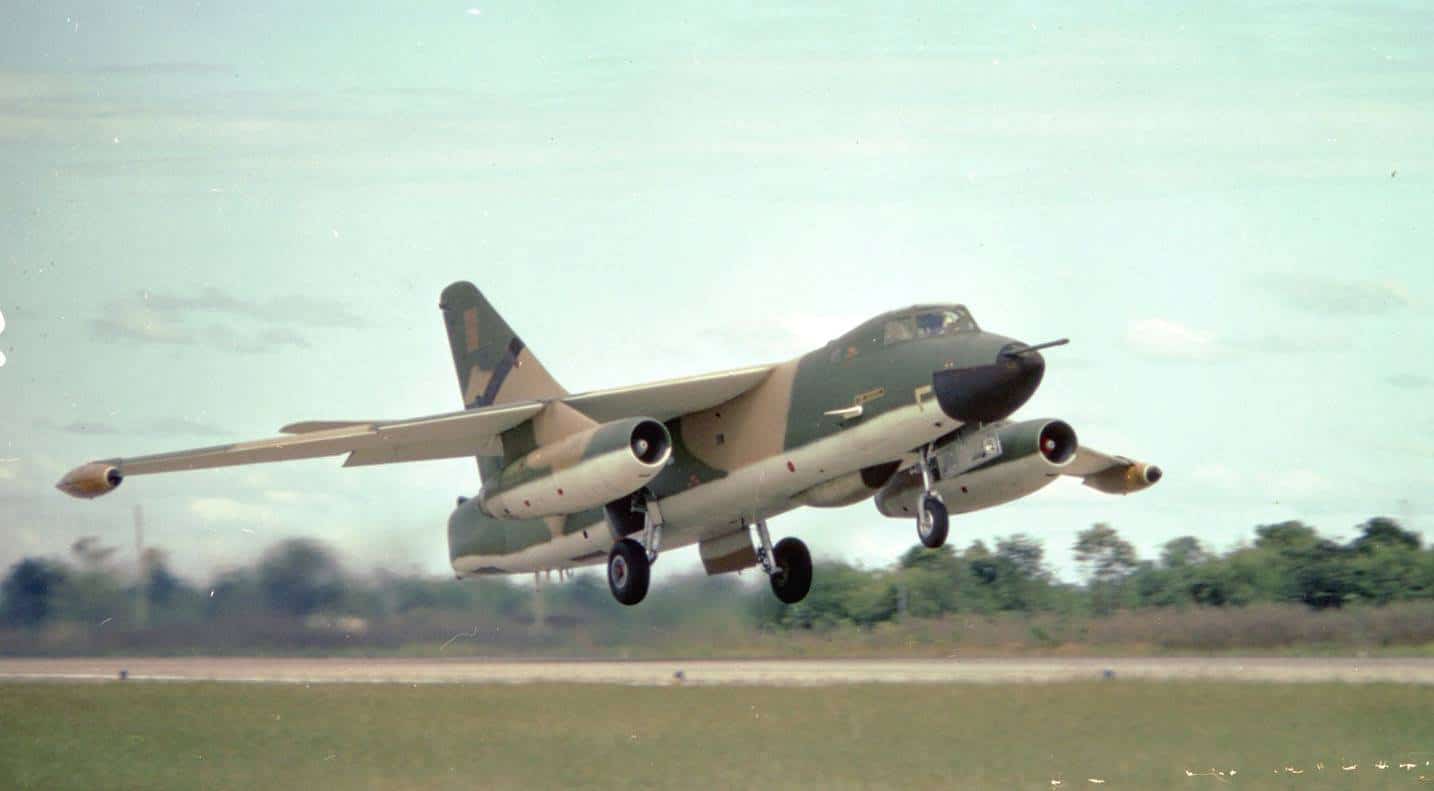
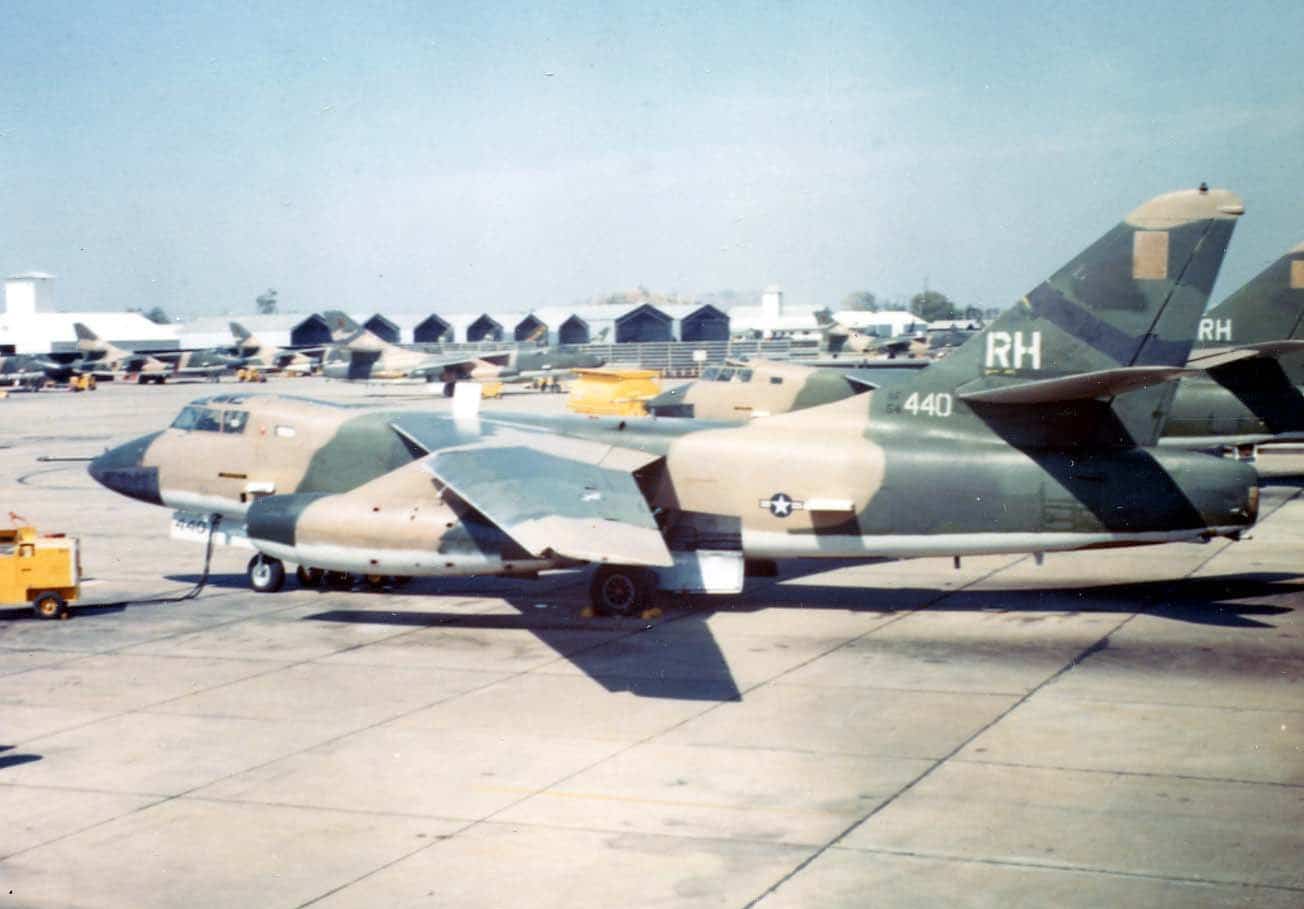
The RB-66C and RB-66E could be distinguished from the other B-66 variants by the wingtip electronic countermeasures (ECM) pods as well as the forest of blade antennae mounted to the aircraft and an extended boat tail housing additional ECM gear. These were the aircraft that carried the ECM jamming load for the first few years of the war in Vietnam.
Cold War Goes Hot
A 19th Tactical Reconnaissance Squadron (TRS) RB-66C was shot down over East Germany by a Soviet MiG-21 on March 10th 1964. The aircraft was flying a photo-reconnaissance mission out of Toul-Rosières Air Base in France and crossed over the border after suffering a compass malfunction. The crew survived their ejection from the stricken jet and were taken prisoner by the East Germans before repatriation.
Bat 21 Goes to Ground
A 42nd Tactical Electronic Warfare Squadron (TEWS) EB-66C was shot down by AS-2 Guideline surface to air missiles (SAMs) just south of the Demilitarized Zone (DMZ) on April 2nd 1972. One surviving crew member, Lieutenant Colonel Iceal Hambleton (callsign Bat 21), made it to the ground and spent the next eleven days evading capture before being returned to American control on the 13th of April.
Early Retirement
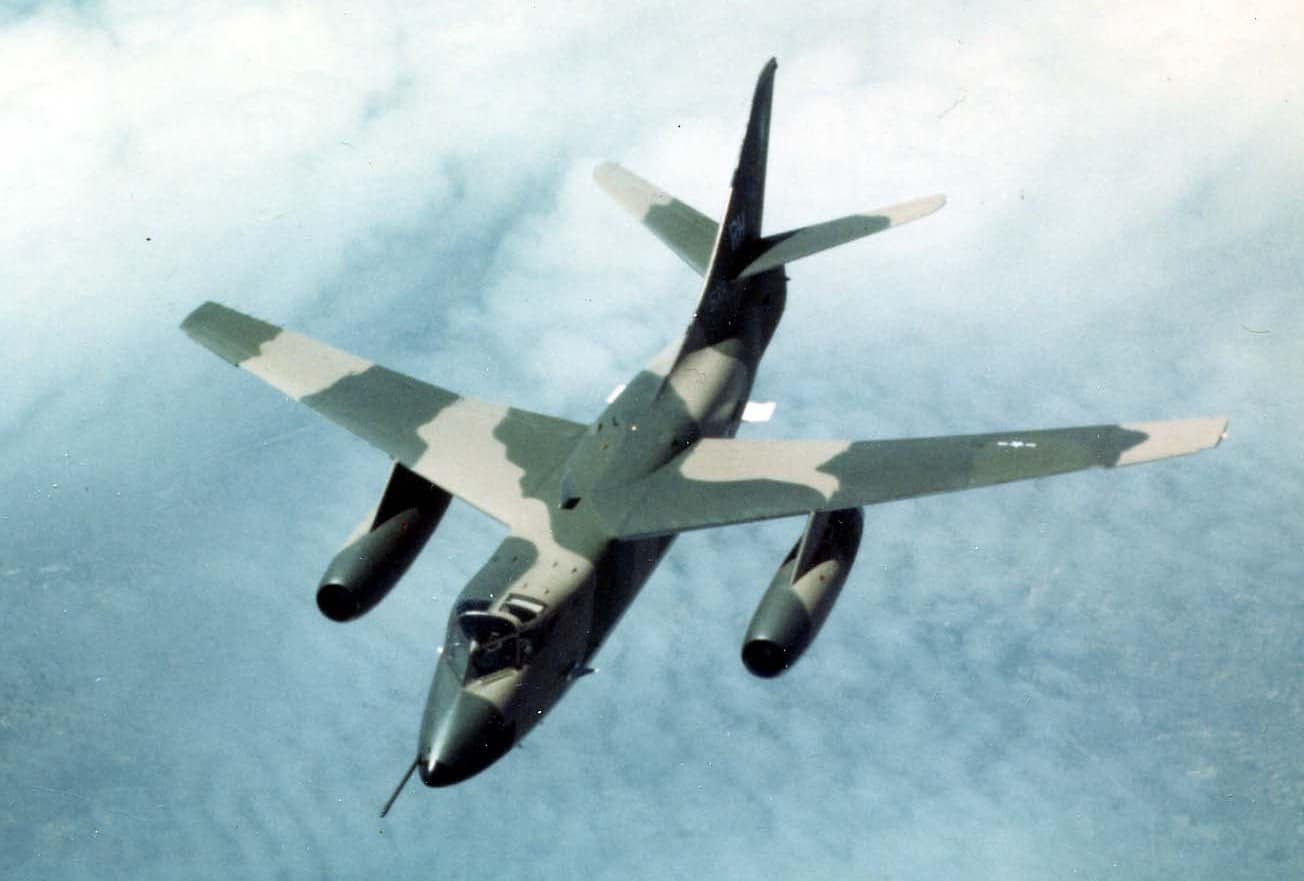
Air Force B-66s were all retired by the end of 1975. Of course the A-3 Skywarrior, forever linked to the B-66 Destroyer although in actual use a very different aircraft, continued to serve the Navy and the country until 1991 and flew defense contractor test flights for many more years after that.