
Airabug? Airacabra? Airasquito?
When, on 16 May 1942, the United States Army Air Forces (USAAF) authorized Bell to build 25 Tri-4s they also specified a change: The Tri-4 would need to be capable of carrying either a single 300-pound bomb (or) a 325-pound depth charge- either of which would mean the 20 millimeter cannon would have to be removed. Already the single-purpose, specialized weapon concept was being rethought. But when deliveries of the supercharger for the Ranger engine in the Tri-4 were delayed, the number of aircraft Bell was to build was reduced to six. Newly designated XP-77, the tiny pursuit job was never given an official nickname (not even an Aira- one). On 10 October 1942 the USAAF ordered the six prototypes, along with a pair of static test airframes, for an initial delivery date in April of 1943.
Gaining Some Perspective
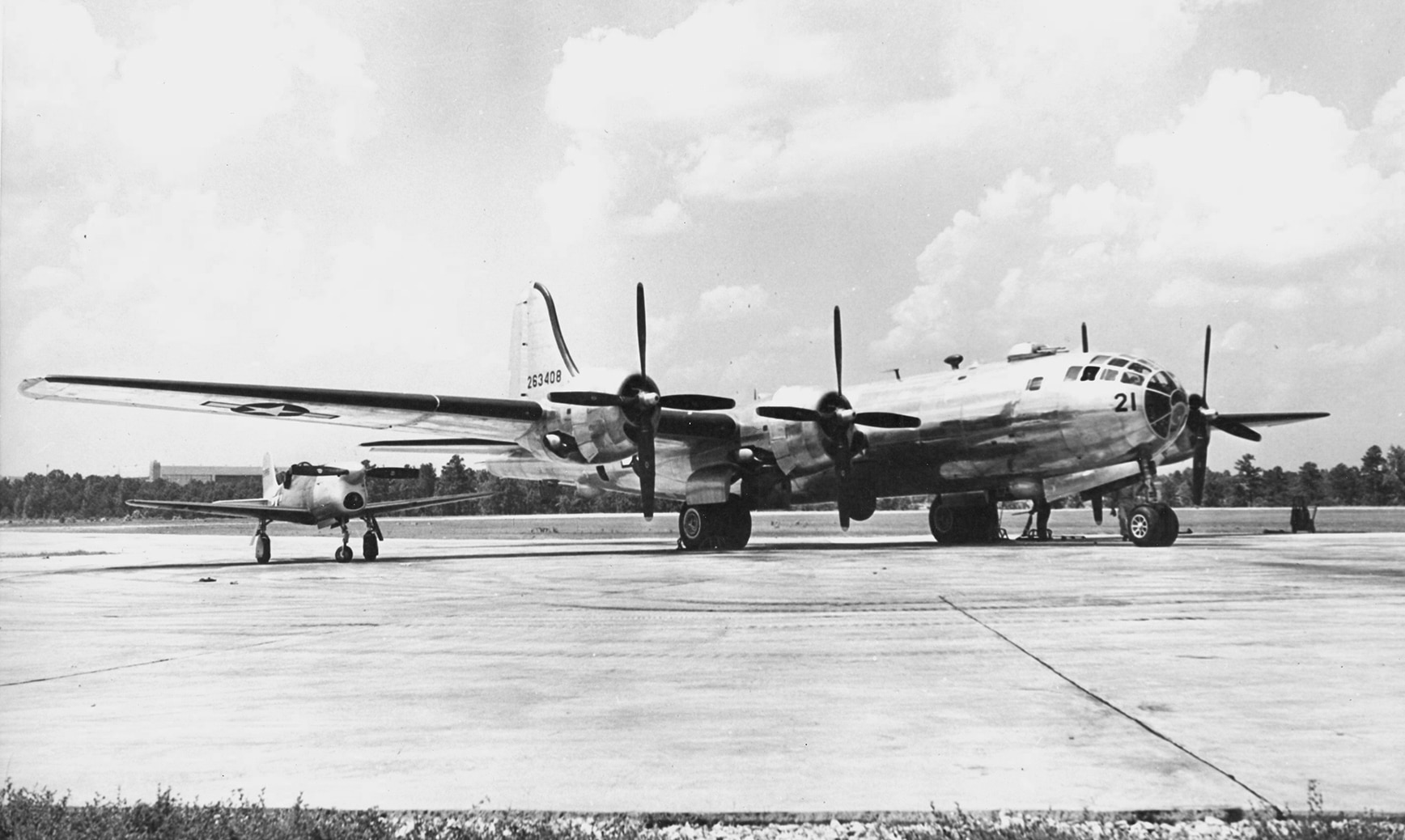
Now let’s step back and remember the state of American fighter aircraft in mid-1943. Bell P-39s, Curtiss P-40s, and Grumman F4F Wildcats had been and still were at least holding the line in the Pacific. The Vought F4U Corsair and Lockheed P-38 Lightning had entered service in the Pacific as well. The Grumman F6F Hellcat was getting ready to enter service. Both the P-47 and P-38 had recently entered service in the ETO and would also soon see action in the Pacific. The P-51 Mustang was in service but was being fitted with the engine that made it a legend, the Rolls-Royce Merlin. So where, among all these aircraft (and more in development), would a teeny-tiny, single-purpose, specialized weapon like the XP-77 fit? Foreshadowing.
Delays, Diets, and Diverted Parts
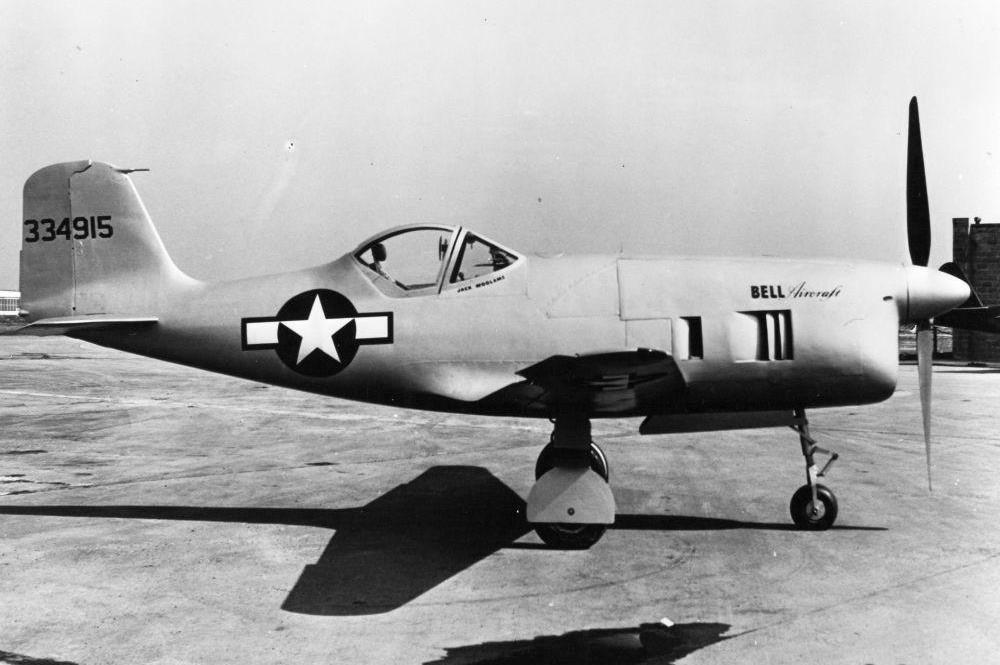
Due to the delays in delivery of the superchargers for the XP-77 the program was forced to temporarily utilize the un-supercharged Ranger XV-770-7 motor. Performance below 12,000 feet was expected to be similar if not identical to the supercharged version of the XV-770. Thanks to constant revisions necessary to keep the XP-77’s weight under control (and a waylaid shipment of parts that took an unplanned side trip to Mexico) it wasn’t until late March 1944 that the first prototype XP-77 (SN 43-34915) was deemed ready for flight testing- but without guns or armor.
Finally Getting Off the Ground
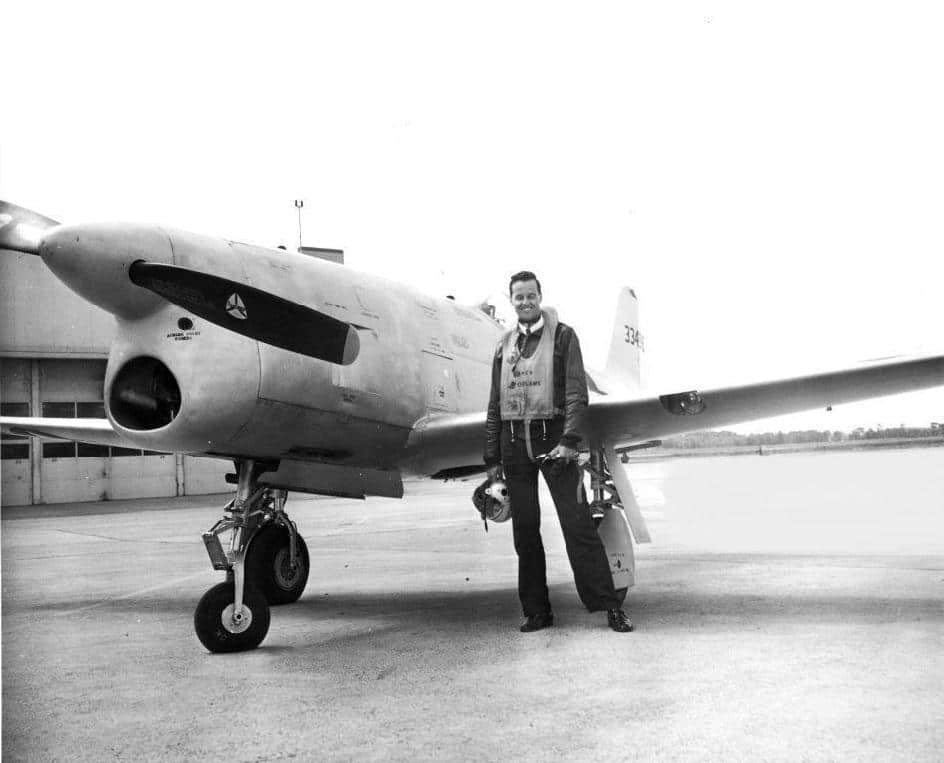
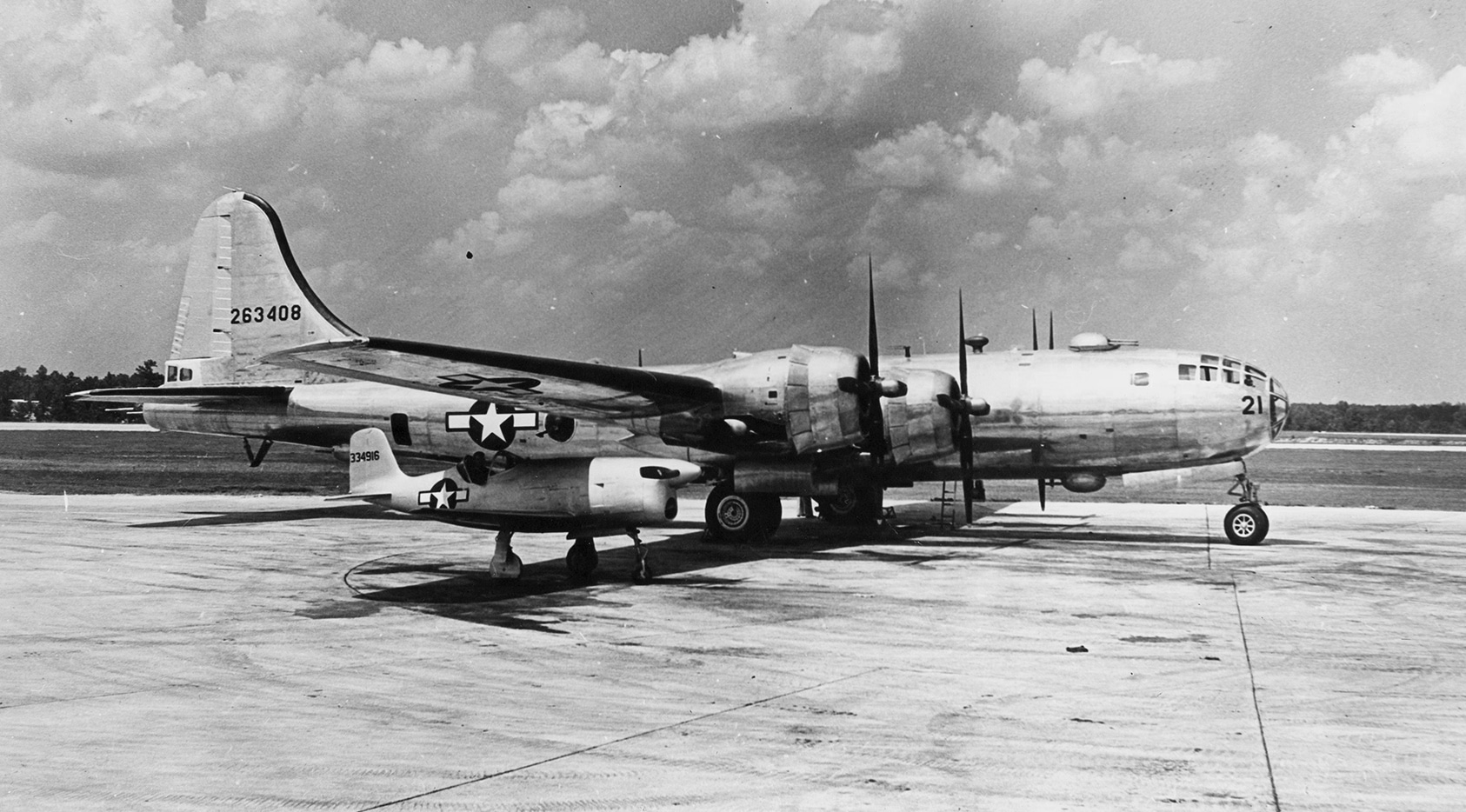
Bell test pilot Jack Woolams flew the first test flight at Wright Field on 1 April 1944. Not surprisingly the normally-aspirated Ranger engine did not deliver the performance required. The USAAF cancelled the contract on 2 December 1944 but asked Bell to finish the second prototype and Bell did so. Testing revealed, among other things, that the engine being rigidly mounted to the airframe resulted in severe vibration in every flight configuration. On 22 October 1944 a pilot was flying the second prototype XP-77 (SN 43-34916) at Eglin Field in Florida when the aircraft entered an unrecoverable inverted spin. The pilot survived. Prototype 2 did not.
Issues We Gots
Practical issues with the XP-77’s design were the aforementioned vibration issues along with landing gear retraction issues, restricted forward vision from the rear-mounted cockpit, lack of directional stability due to the small size of the empennage, and poor takeoff performance / high approach speeds due to the small wing area. What happened to the first prototype XP-77? Opinions differ. Some claim the aircraft is in the collection of the National Museum of the US Air Force, but it’s not listed either as an exhibit or in storage. Others claim the aircraft was flown to airshows after the war and ended up as a gate guard, where it deteriorated until it was broken up.
Obsolete While Still on the Drawing Board
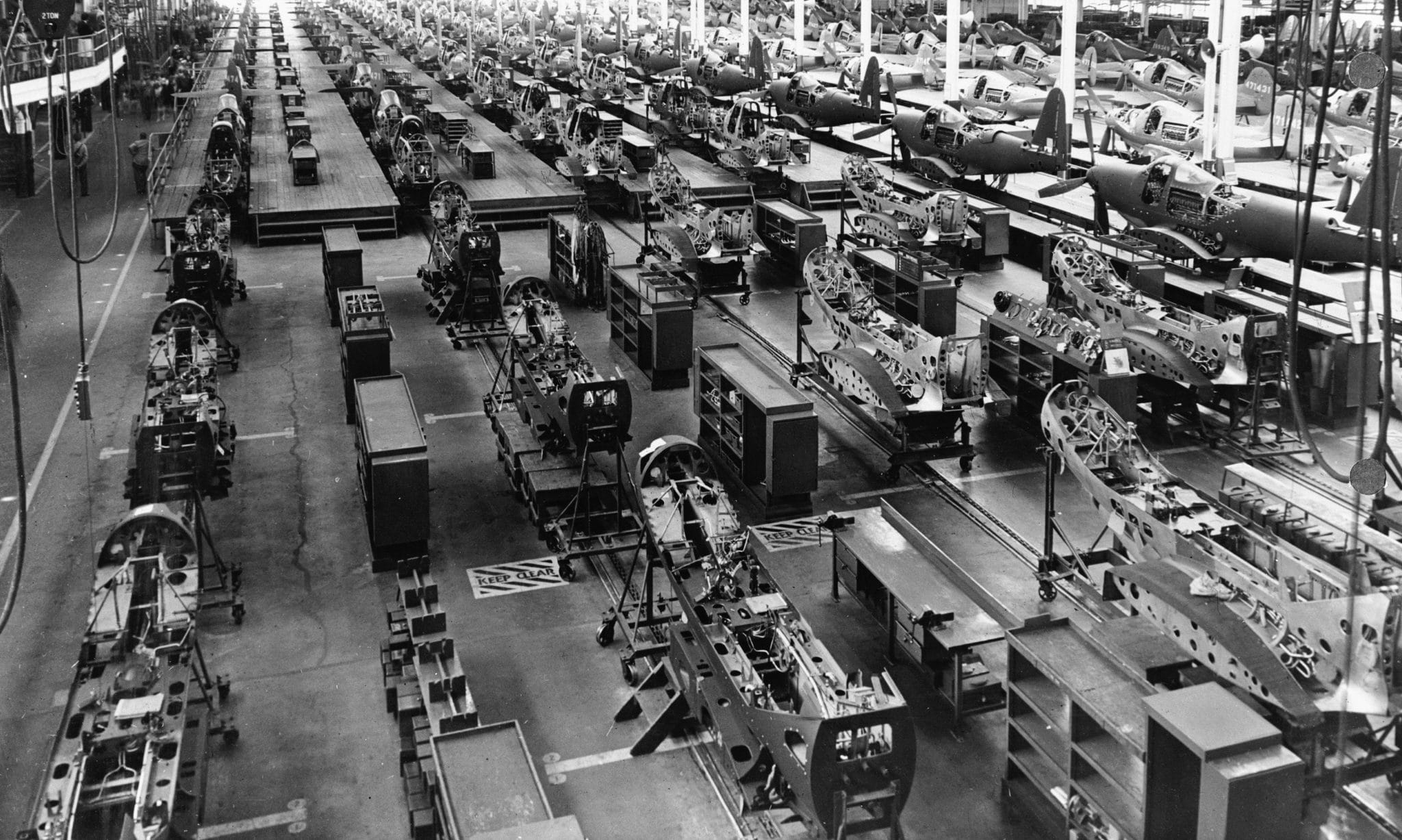
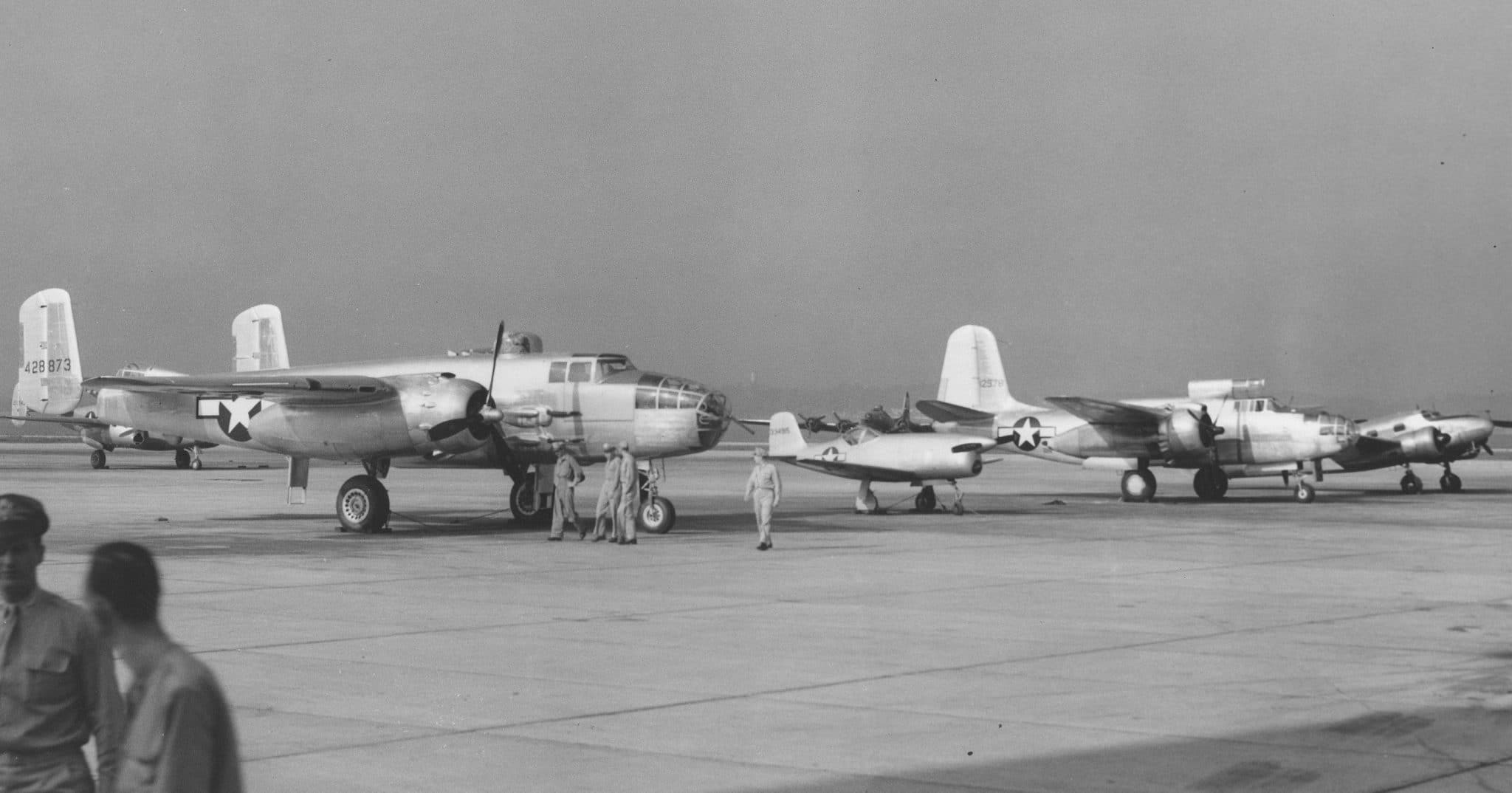
So why did the XP-77 fail? Bell was already cranking out P-39s and P-63s. The P-59 first flew on 1 October 1942. Between these projects Bell had precious little time to work on the Tri-4. The normally-aspirated engine didn’t provide the performance Bell needed. They were forced to sub-contract construction of the wings to Vidal Research Corporation, which introduced additional delays in the program. So by the time the XP-77 did get into the air, the other fighter aircraft already flying and/or in the pipeline were more than capable of handling the threats the XP-77 was engineered to counter. The potential shortage of aluminum that drove the entire concept never materialized. In fact, ironically, a shortage of wood also contributed to the decision to cancel the XP-77.