

When You Care Enough to Send the Very Best
The United States Army 160th Special Operations Aviation Regiment (Airborne), also known as the 160th SOAR (A), Task Force Brown, and by their sobriquet the Night Stalkers, provides special operations helicopter aviation support for both general purpose forces and special operations forces from all US military branches.
Night Stalkers attack, assault, and reconnaissance missions are most often flown at night, at high speeds, low altitudes, and on short notice. We have included a couple of videos to highlight the command’s capabilities. Thanks to YouTuber MHS Productions for uploading them.
Becoming Night Stalkers
The 160th SOAR (A) is headquartered at Fort Campbell in Kentucky. The Army’s best-qualified aviators, crew chiefs, and support soldiers are assigned to the unit. All officers volunteer for duty with the Night Stalkers, and enlisted soldiers volunteer or are assigned by the U.S. Army Human Resources Command (HRC).
Upon joining the 160th, all soldiers are assigned to Green Platoon, in which they receive intensive first aid, land navigation, combat tactics, weapons, and teamwork training, but with no guarantees of advancement. For enlisted soldiers, the basic course lasts 5 weeks; for officers, it lasts 20 to 28 weeks.
Rotary Wing Diversity
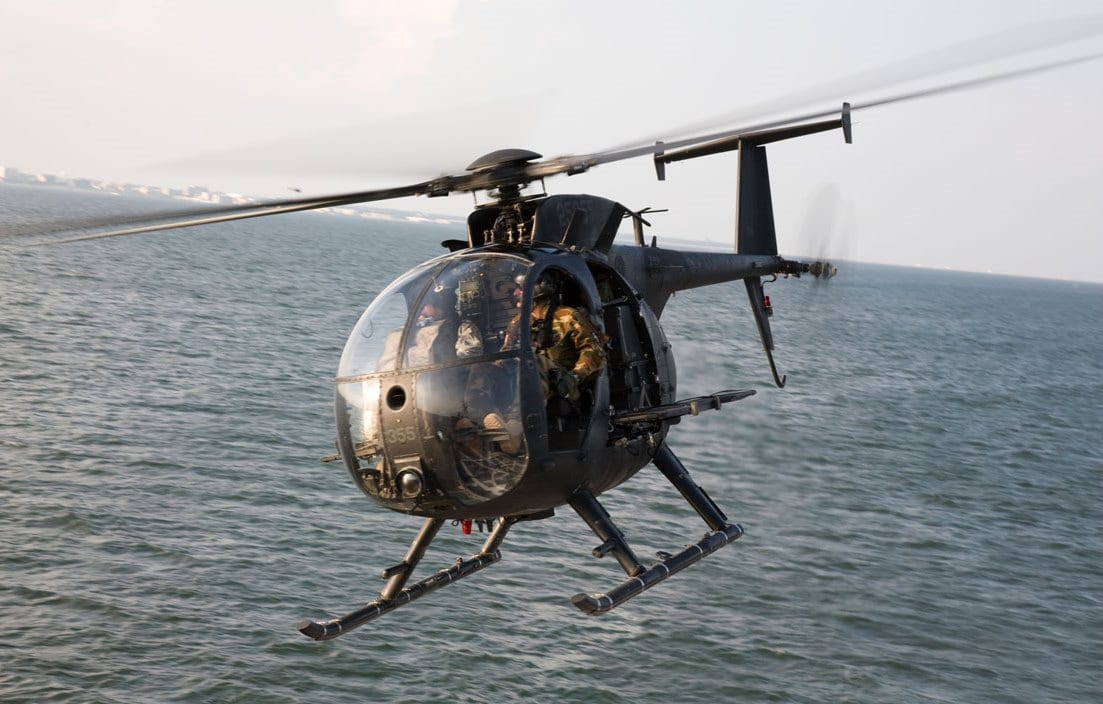
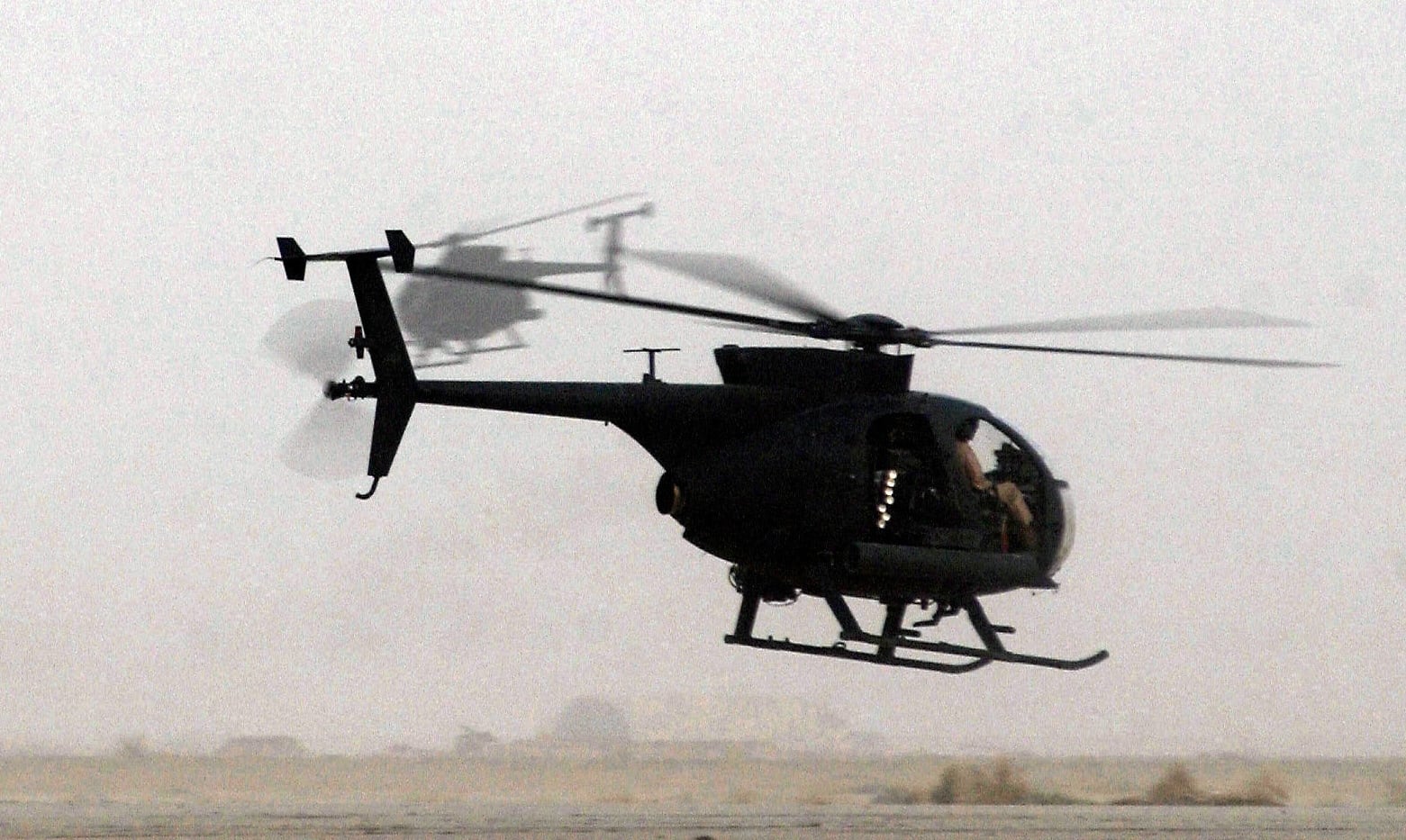
The 160th SOAR (A) operate three distinct and very different types of helicopters. The first is the MD Helicopters MH-6M/AH-6M Little Bird. Fairly early on, it became obvious that a small helicopter that could operate from highly restrictive locations and be easily transported by Air Force airlifters would be a critical component of the force’s inventory.
They chose the OH-6A scout helicopter, which became known as the Little Bird, compared to the other aircraft in the task force at the time, the UH-60A and the CH-47C. Today, roughly 50 modernized and improved Little Birds are assigned to the Night Stalkers. MH-6 and AH-6 variants remain central to the unit’s mission, with Mission Enhanced Little Birds now joining the fleet.
While exact numbers remain classified, their purpose is no secret. These aircraft are still indispensable for stealth insertions and close support. The regiment continues to train new pilots on the type every year, a quiet but powerful reminder that the Little Bird remains essential even as the rest of the force modernizes.

Not Your Grandfather’s Chinook
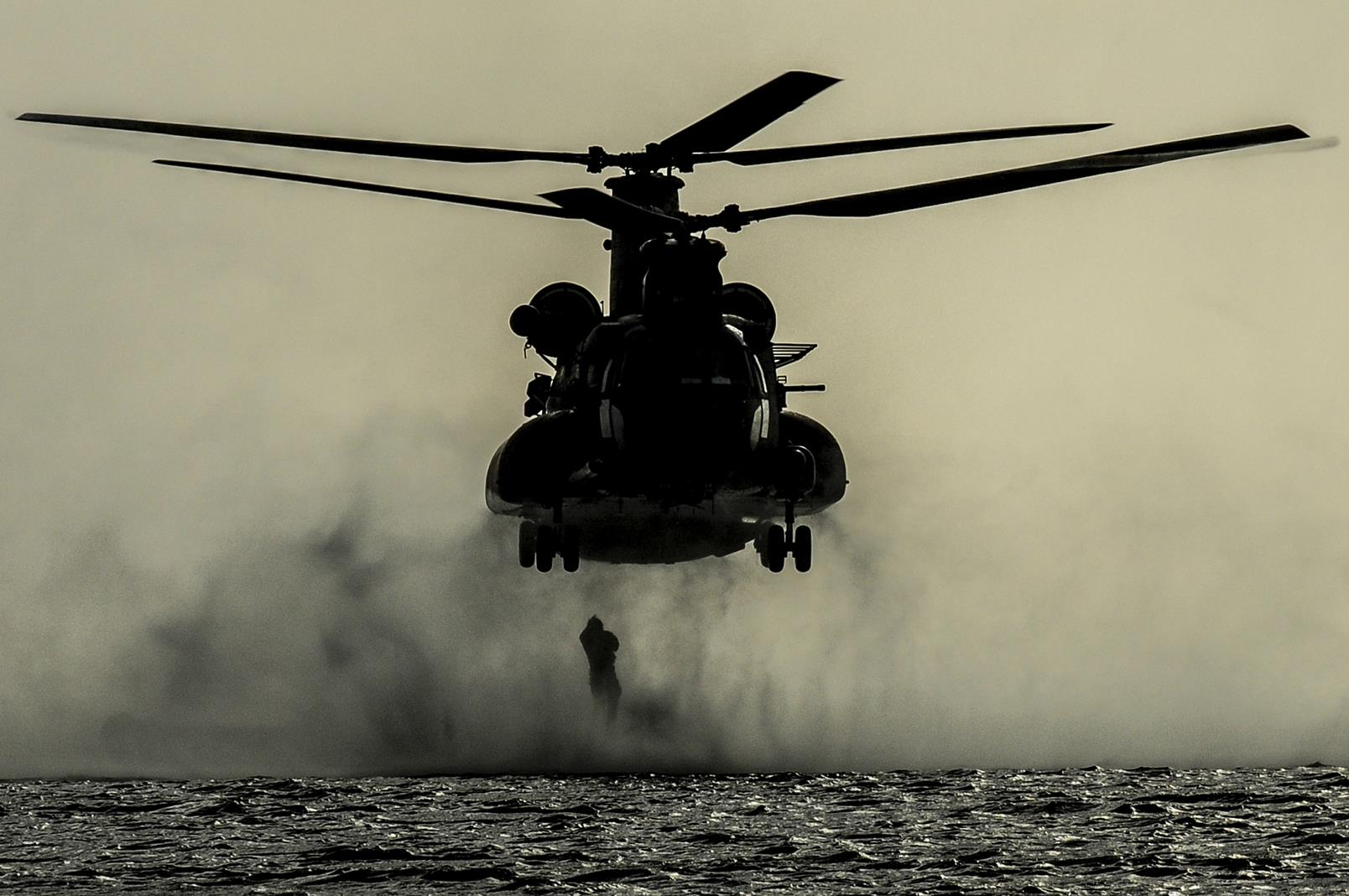
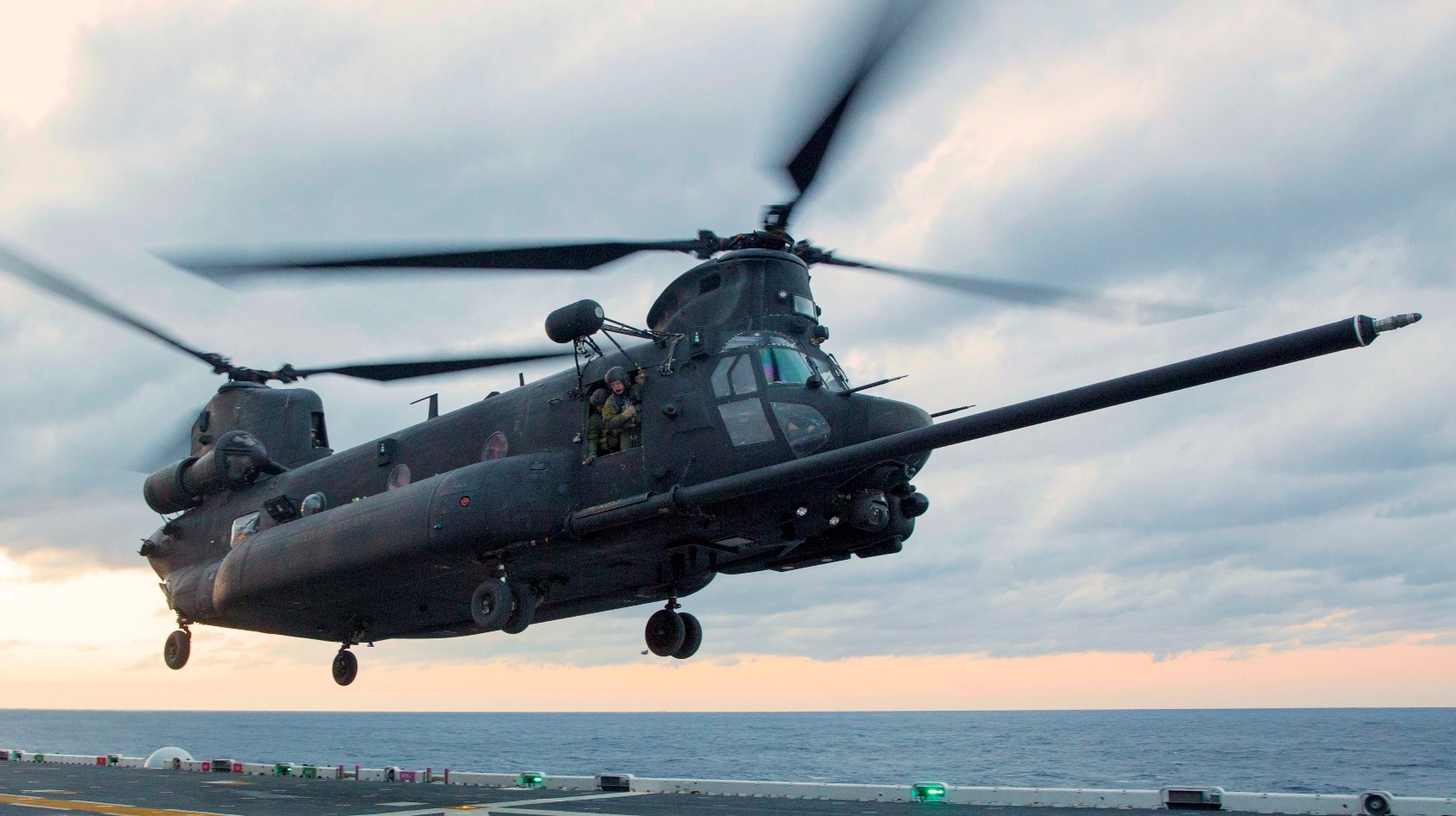
The second primary type of helicopter flown by the 160th is the Boeing MH-47G Chinook. The MH-47G is similar to the previous MH-47E but features more sophisticated avionics, including the digital Common Avionics Architecture System (CAAS). CAAS is a “glass” cockpit instrumentation system commonly used on helicopters such as the MH-60K/L and the CH-53E/K.
The MH-47G also incorporates all the new sections of the latest CH-47F model. A new modernization program improved the MH-47D and MH-47E Special Operations Chinooks to the MH-47G specification. The Night Stalkers operate more than 60 of these highly capable heavy assault helicopters.
Bad Black Hawks
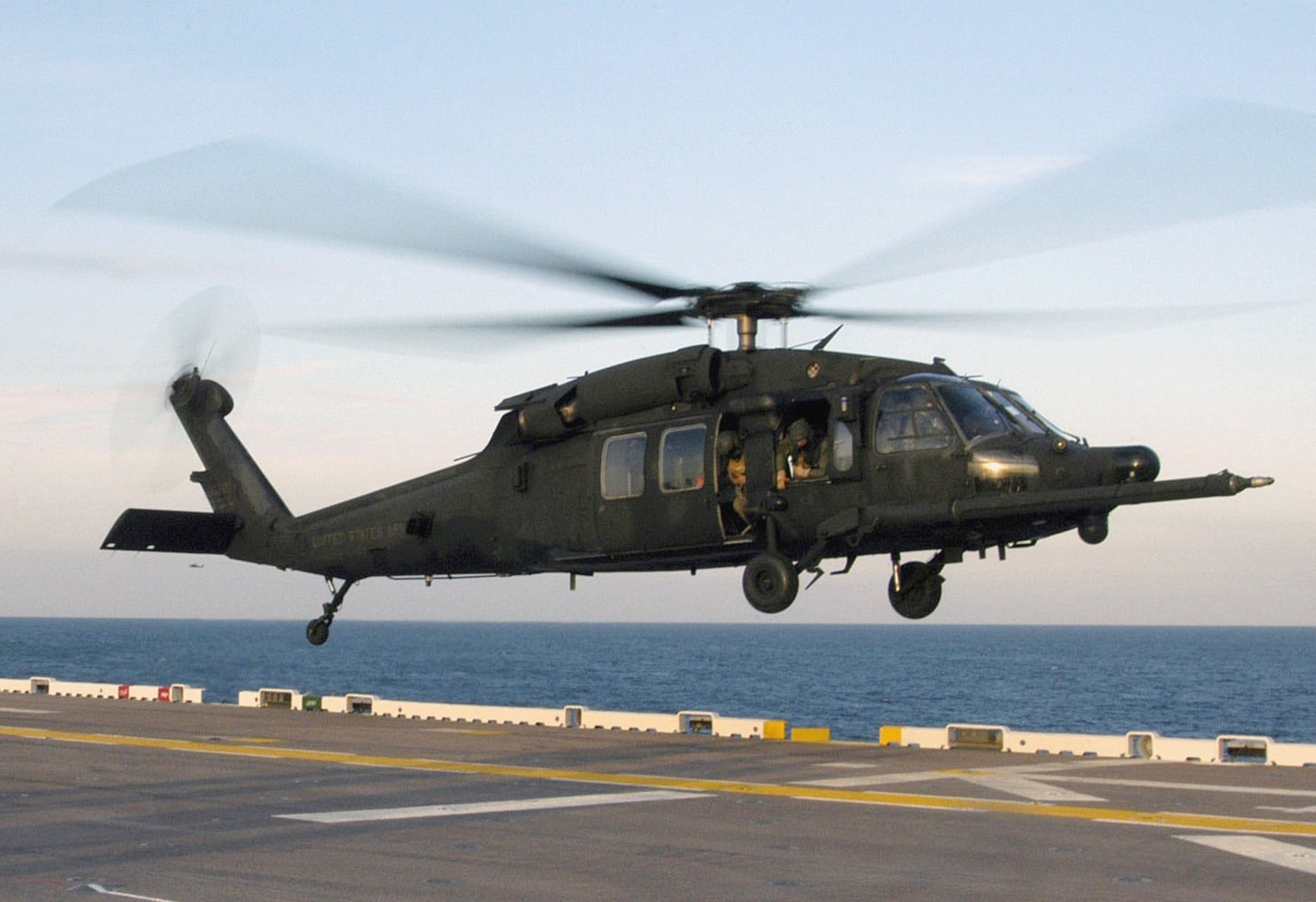
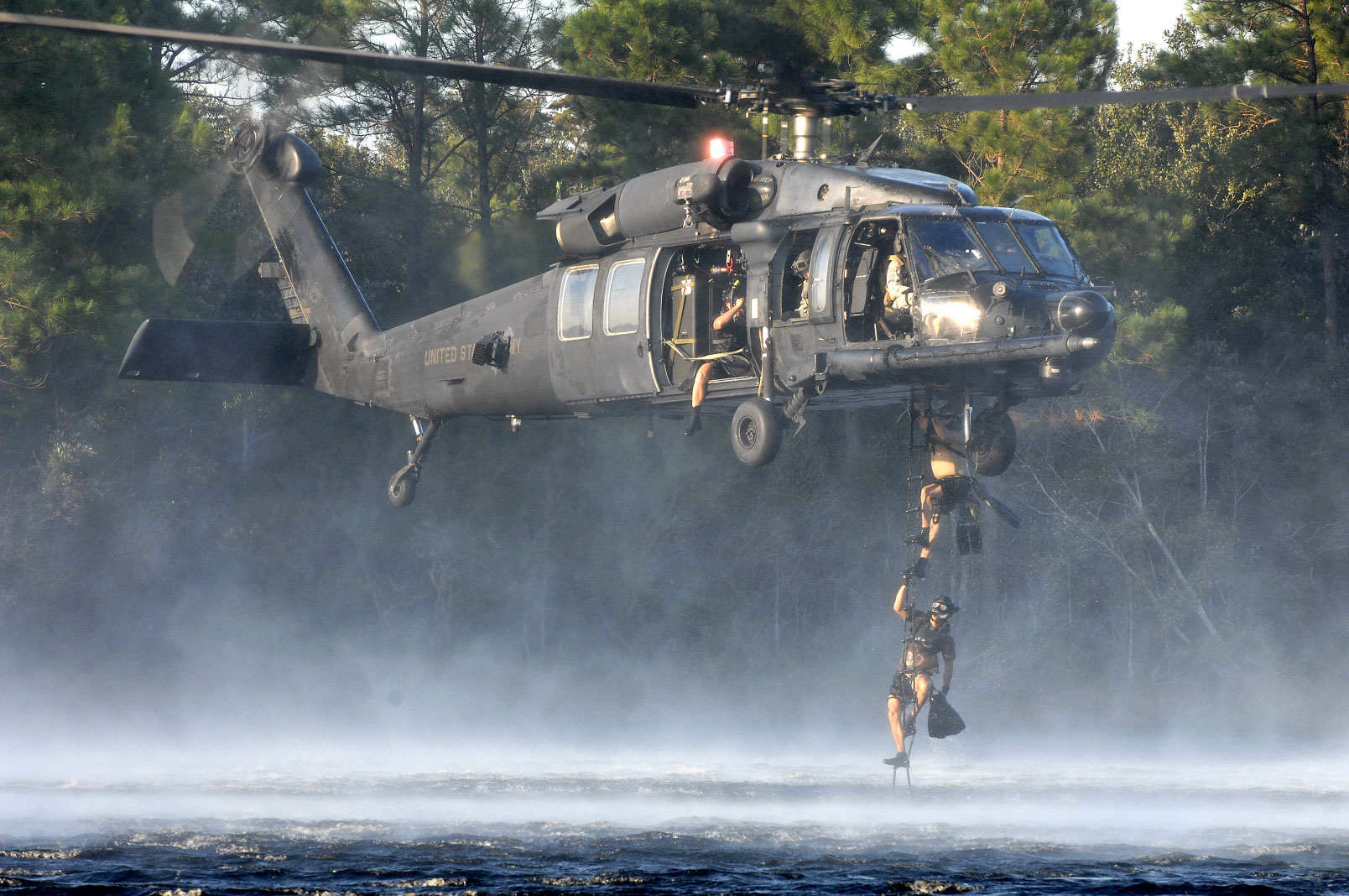
The third primary helicopter type utilized by the unit is the Sikorsky MH-60M Black Hawk. Several models of special operations Black Hawks have been flown by the 160th, beginning with the MH-60A. Since then, improved avionics, night vision compatibility customizations, Forward Looking Infrared (FLIR), M134 six-barrel 7.62 millimeter Gatling guns, inflight refueling capability, CAAS cockpits, Raytheon AN/APQ-174B terrain-following radar, color weather map, defensive countermeasures systems, and uprated engines have been added to bring the current MH-60M model into service. More than 70 Black Hawks are operated by the 160th.
Modernization plans are underway, however, as the Army plans to replace over 50% of the MH-60 fleet with new tilt-rotor and scout aircraft in the early 2030s. But for now, they are fully operational.

The Very Baddest Black Hawks
One particular version of the MH-60 deserves special mention. The MH-60L Direct Action Penetrator (DAP) is configured for use only as a gunship without troop-carrying capability.
The DAP is equipped with either short or long-span stub wings, each capable of carrying configurations of the M230 Chain Gun 30 mm automatic cannon, 19-shot Hydra 70 millimeter rocket pod, AGM-114 Hellfire missiles, AIM-92 Stinger air-to-air missiles, GAU-19 .50 caliber gun pods, and M134 six-barrel 7.62 millimeter Gatling gun pods.
The same type of M134D six-barrel 7.62 millimeter Gatling guns utilized as crew-operated door guns can be fixed forward for additional forward-firing effect. The Night Stalkers bring plenty of firepower to their parties!
Born After a Failed Mission
The 160th SOAR (A) came into being after Operation Eagle Claw failed in 1980. When that ill-fated attempt to rescue the American hostages held in Tehran went very bad in the desert, former Chief of Naval Operations Admiral James Holloway was ordered to come up with a way to make another rescue attempt. Of course, it was quickly determined that no United States military helicopter units with training in stealthy, long-range, short-notice missions existed at the time. But they soon would.
Night Stalker Seeds
The US Army selected elements of the 158th Aviation Battalion, 101st Aviation Battalion, the 229th Aviation Battalion, and the 159th Aviation Battalion from the 101st Aviation Group of the 101st Airborne Division (Air Assault). This provisional unit was named Task Force 158, and the chosen pilots immediately entered intensive training in night low-altitude flying. When the first group of pilots completed training in the fall of 1980, a second hostage rescue mission was planned for early 1981. Dubbed Operation Honey Badger, the mission was canceled when the hostages were released on the morning of President Ronald Reagan’s inauguration.
A New Unit is Born
Task Force 158 was the Army’s only special operations aviation outfit and was already recognized as the Army’s premier night-fighting helicopter unit. Rather than lose the unit’s capabilities and experience, the pilots and their modified aircraft became a new unit rather than being returned to their original commands.
The unit was officially established on 16 October 1981, when it was designated as the 160th Aviation Battalion. The 160th first saw combat during 1983’s Operation Urgent Fury, the invasion of Grenada.
Increased Demand Creates a Larger Unit
In 1986, the 160th was renamed the 160th Aviation Group (Airborne). In May 1990, the unit became the 160th Special Operations Aviation Regiment (Airborne). As demand for highly trained Special Operations Aviation assets has increased, the regiment has activated three battalions, a new and separate detachment. Additionally, it has incorporated one Army National Guard unit – the 1st Battalion, 245th Aviation of the Oklahoma Army National Guard.

Been There, Done That, Got the Patch
Since Urgent Fury, the Night Stalkers have been involved in every American conflict and many foreign brushfires. Earnest Will. Mount Hope III. Just Cause. Mogadishu. Relentless Strike. During Red Dawn, a Little Bird from the Night Stalkers extracted the newly captured Saddam Hussein from his hiding place. Tora Bora. Abu Sabaya. Gulf Wars I and II. Too many combat rescues to count. Red Wings and Lone Survivor. Vigilant Harvest. Abu Kamal. Celestial Balance. Operation Geronimo and bin Laden. Operation Jubilee. Inherent Resolve. Enduring Freedom. Abu Bakr al-Baghdadi. Operation Kayla Mueller. Operation Absolute Resolve. These badasses have been there, done that, and they have all the badass T-shirts!
Original publish date: 9.26.17 | Edited with current information: 1.16.26
