

North American Aviation (NAA) produced the film “V for Vigilante” to promote their then-new A3J-1 (later A-5A) Vigilante. The Viggie would of course go on to an impressive career, especially as a Mach 2 reconnaissance platform flying some of the hairiest missions in Southeast Asia. But NAA didn’t yet know just what kind of monster they had on their hands when they made this film during the late 1950s. This retrospective covering the development of the most advanced jet of its time was uploaded to YouTube by PeriscopeFilm.
[youtube id=”KWGWC31CaVk” width=”800″ height=”454″ position=”left”]
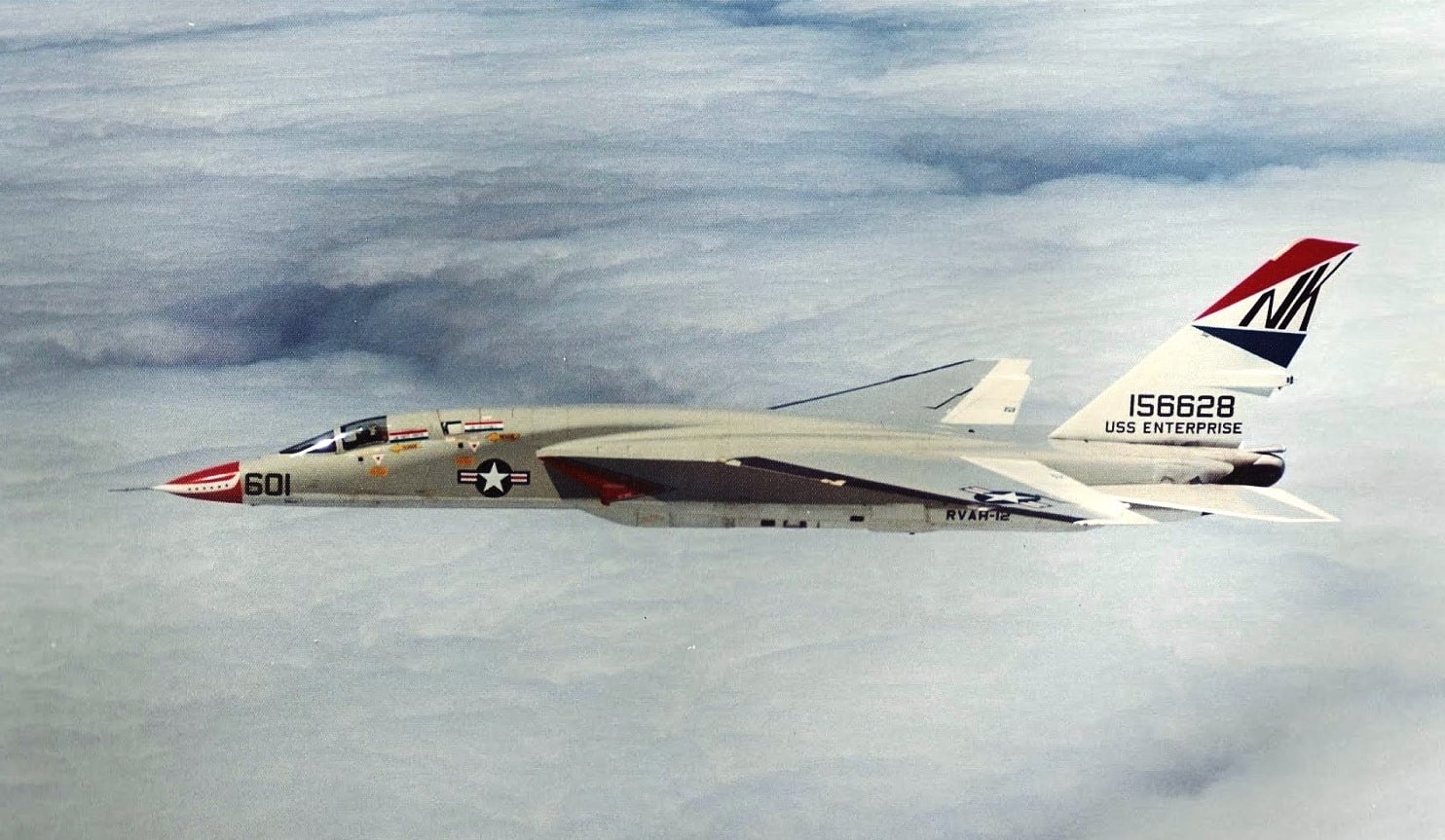
Though the Vigilante was originally intended to replace the Douglas A-3 Skywarrior in the carrier-borne nuclear strike role it never actually did so. The reconnaissance variant developed from the A-5B, the RA-5C, was the most advanced Viggie– so advanced in fact that many of the RA-5C airframes were rebuilt from earlier A-5A and A-5B nuclear strike variants. The aircraft was an engineering marvel with enough high-tech gadgets to keep scores of technicians busy.
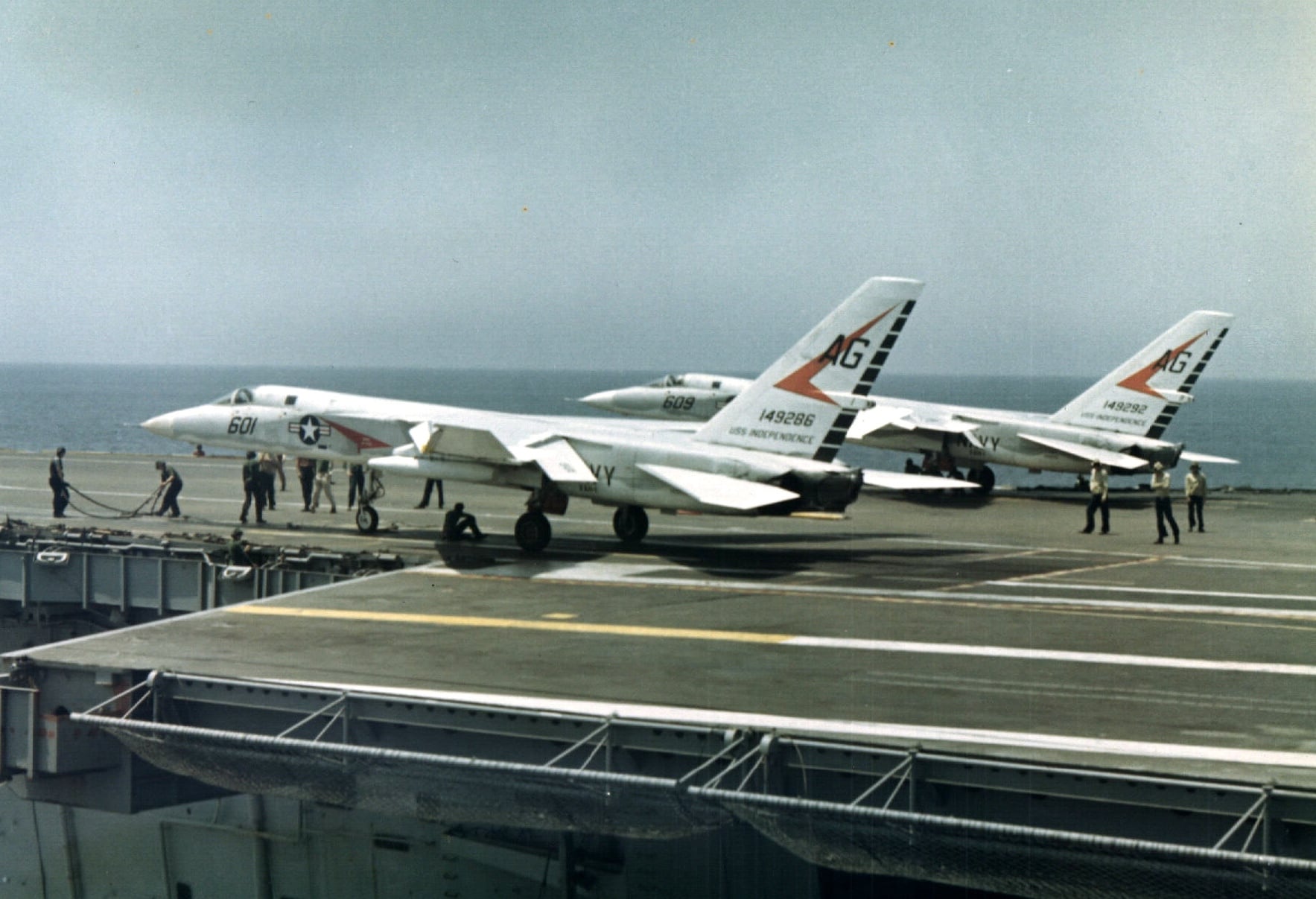
The first heads-up display (HUD). The first fly-by-wire control system. One-piece wing skins. The list of innovations and firsts seemed endless. But even though the Vigilante was equipped with all manner of defensive electronic warfare systems, attrition was so high during the Vietnam War that NAA actually re-opened the production line to build more of them. Inertial navigation systems, television camera systems, and that critically important reconnaissance attack navigator (RAN) in the second seat (with the tiny windows) all made the RA-5C unique for its time.

My father was at the end of his career in the Navy when he flew the RA-5C in combat in Vietnam. He served briefly at the end of WW2 and went back in during the Korean War. After Korea he went through navigator bombardier school in NAS Jacksonville as a “flying chief”. He flew A-3D’s at NAS Sandford and NAS Whidbey and then transitioned to the A-5 when it came into service. His name was Elliott Fenwick.
Reminds me alot of the canadian avro arrow.