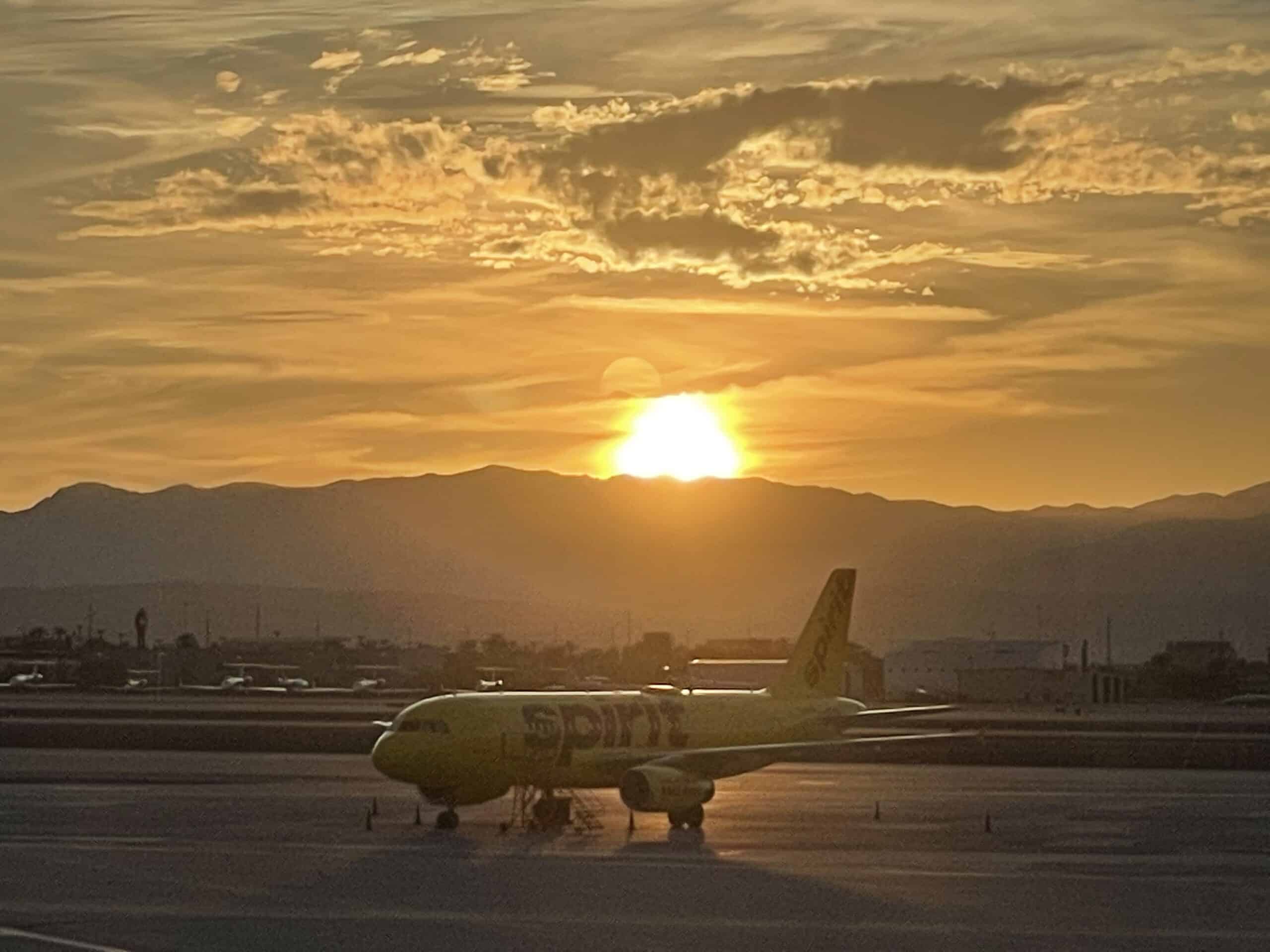

The Spirit Airlines shutdown leaves behind more than empty gates. It’s a story of people, purpose, and a lasting impact on aviation.
Today is a sad day in aviation.
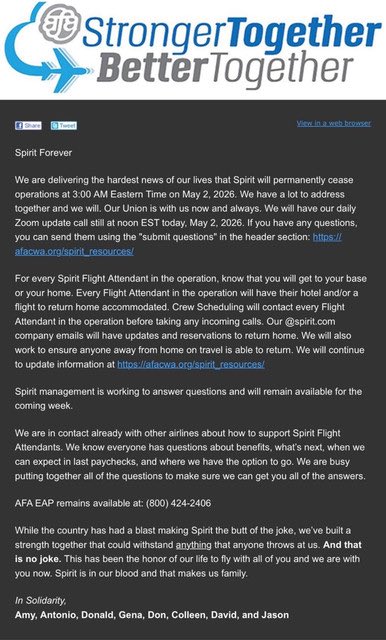
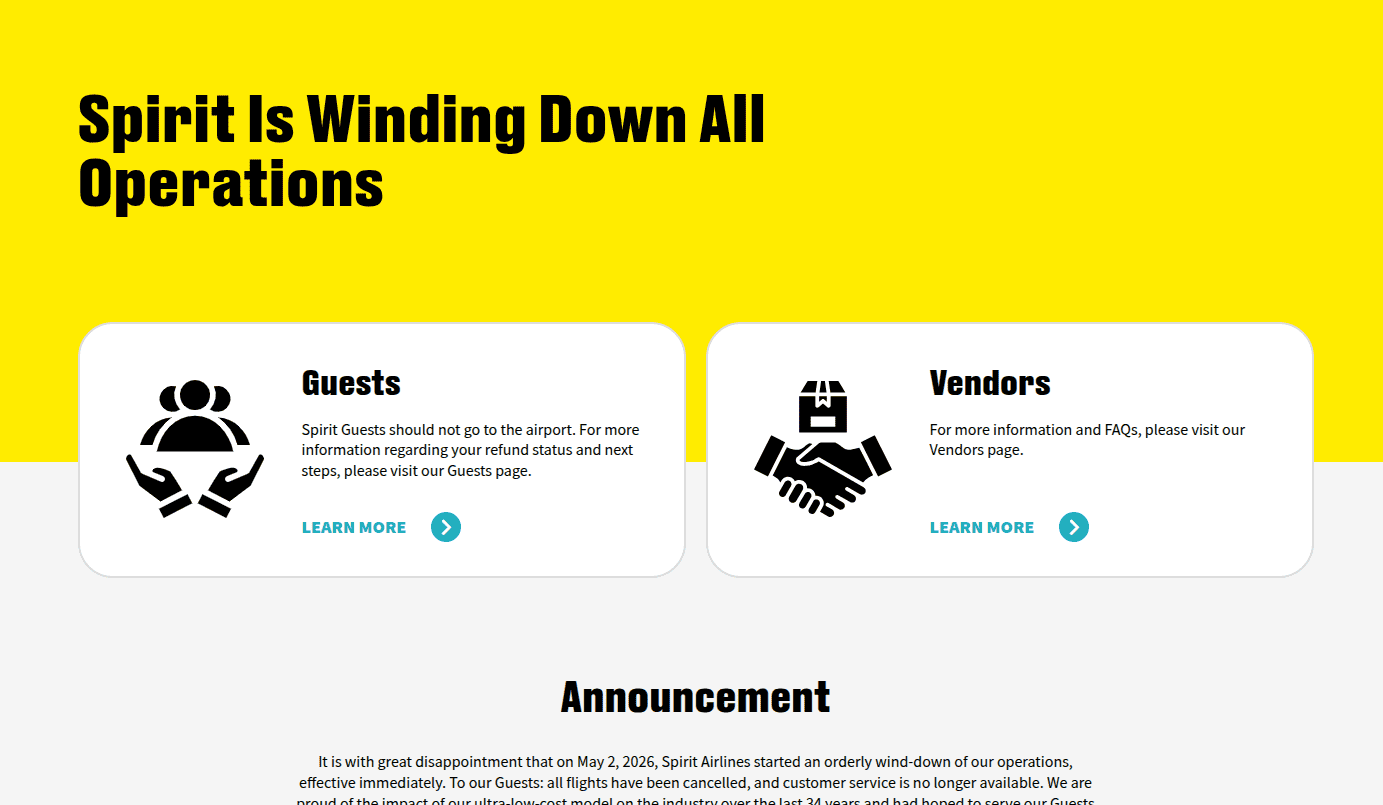
After years of uncertainty, close calls, and one final fight to stay airborne, Spirit Airlines has ceased operations.
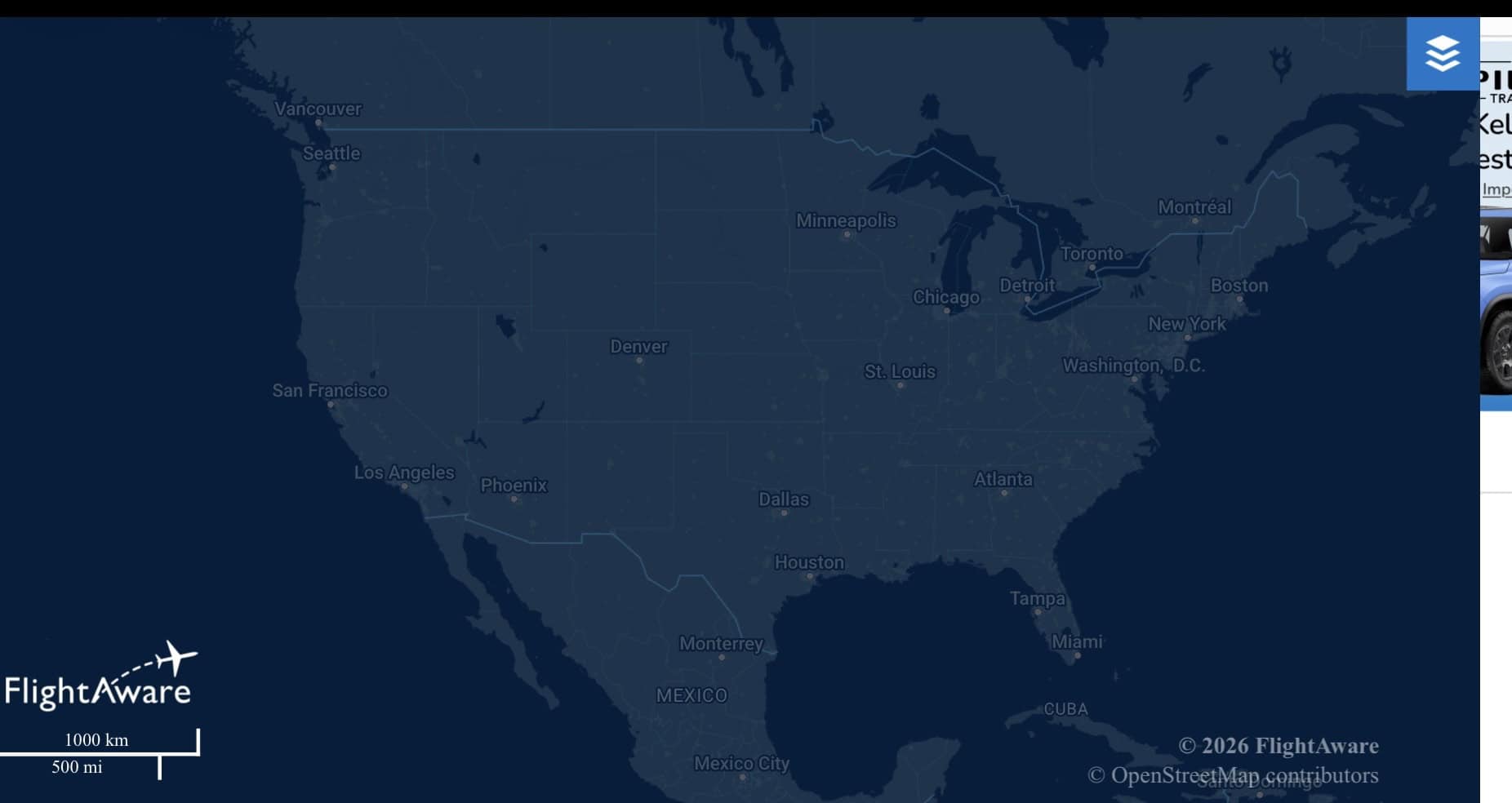
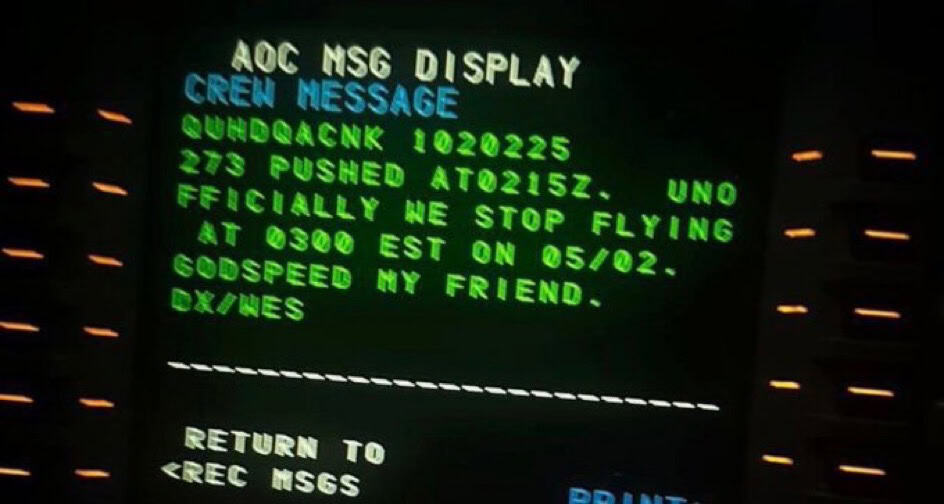
The Dania Beach, Florida-based ultra-low-cost carrier shut down on 2 May 2026 at 0300 local time after a last-ditch attempt to secure a US government lifeline fell through.
Just under two hours earlier, the final Spirit flight touched down at Dallas-Fort Worth International Airport (DFW). Flight 1833 departed Detroit Metropolitan Wayne County Airport (DTW) at 2212 local time and arrived at DFW at 0017 CDT.
And when that bright yellow Airbus A320 eased up to Gate E32, the moment became real. The engines wound down. The flight deck went quiet. The cabin emptied one last time.
And just like that, it was over.
After 34 years, the Spirit Airlines era has come to a close.
Some airlines are celebrated. Others are criticized. Then there are airlines like Spirit. The ones people talked about, joked about, debated, defended, mocked, and misunderstood. The ones that became part of the background noise of American air travel until, suddenly, that noise was gone.
Spirit was never just another airline. It changed the fare structure. It challenged the legacy carriers. It made flying possible for people who otherwise might not have gone at all. Love it or hate it, Spirit occupied real space in modern aviation.
Now that space is empty.
This is not just the end of a company. It is the loss of a chapter in American aviation, and above all, it is a human story. Nearly 14,000 people who showed up every day to dispatch the flights, turn the wrenches, work the gates, load the bags, staff the cabins, fly the airplanes, and keep those bright yellow jets moving are now facing what comes next.
In aviation, we compete hard. We argue. We compare liveries, legroom, fares, service, strategy, and everything in between.
But when an airline disappears, we do not celebrate.
We mourn.
From Humble Beginnings to Industry Disruptor
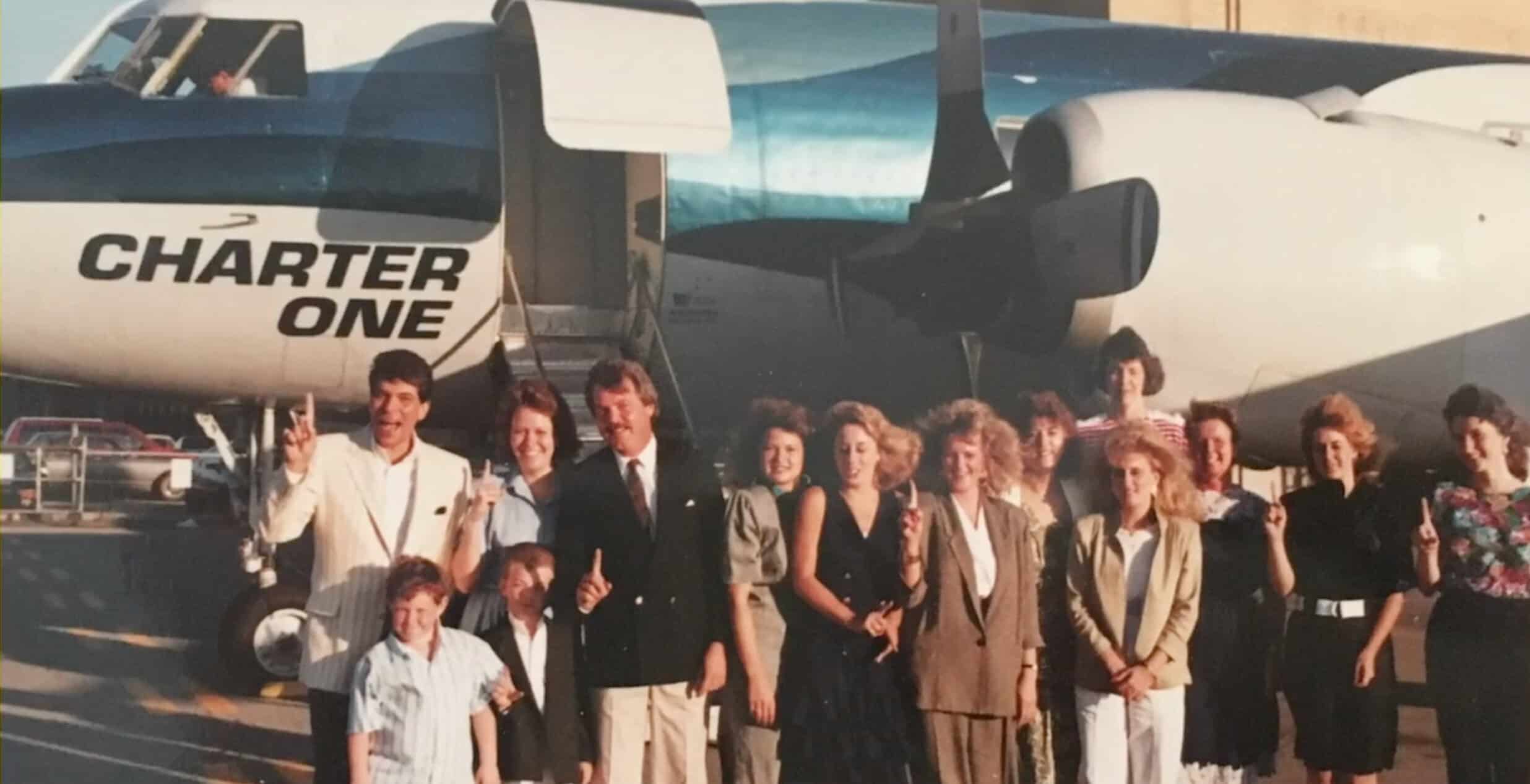
Spirit’s story did not begin with Airbus jets or bold yellow branding.
It began in 1964 as a trucking company. Then, in the 1980s, Charter One operated charter flights to destinations like Atlantic City and Las Vegas. The airline was founded by Ned Homfeld and, in 1992, adopted a new identity. Spirit Airlines was born, launching scheduled service out of Detroit with a small fleet and an even smaller margin for error.
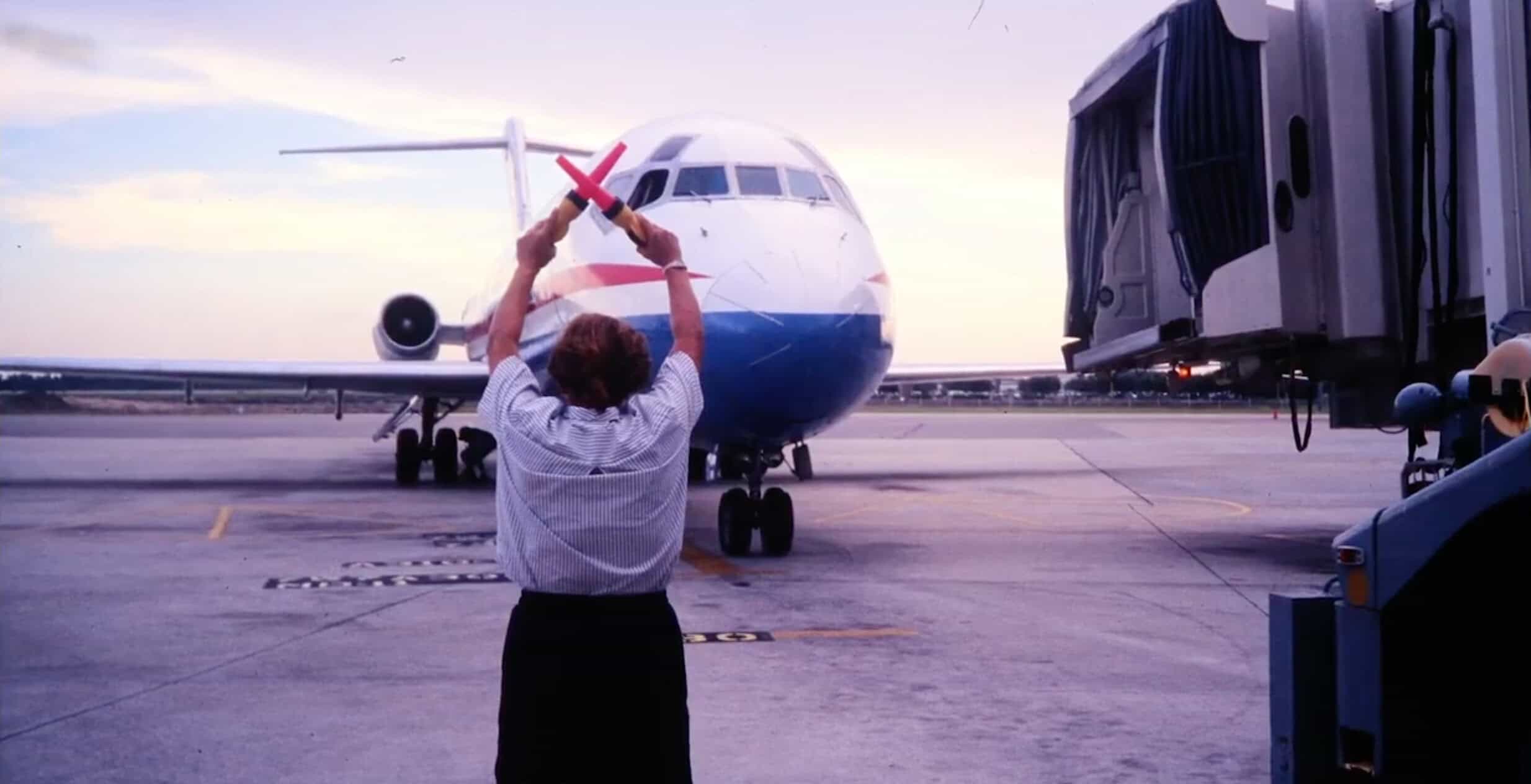
The name “Spirit” was not chosen in a boardroom. It came from employees, reflecting the energy and attitude that would define the airline for decades.
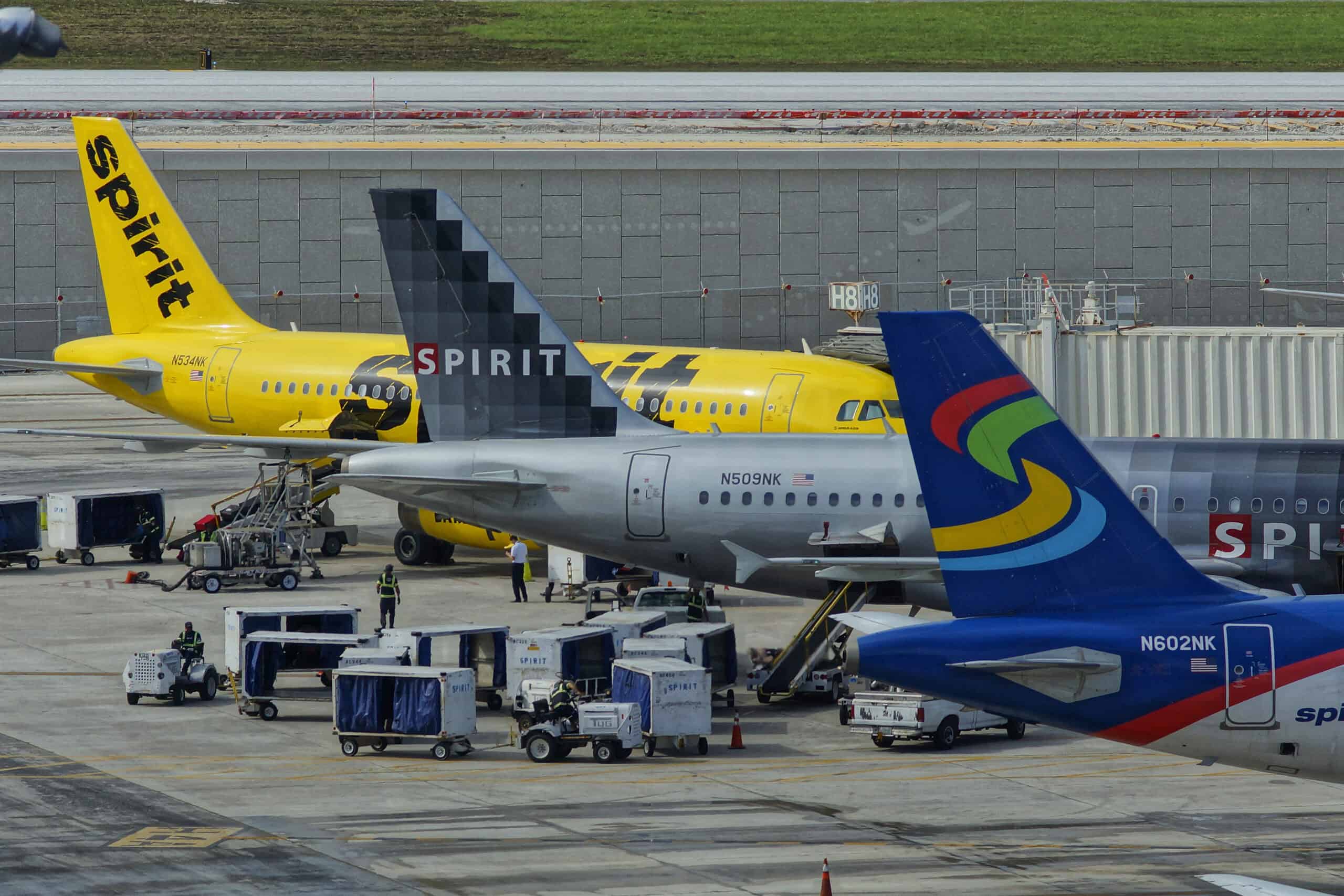
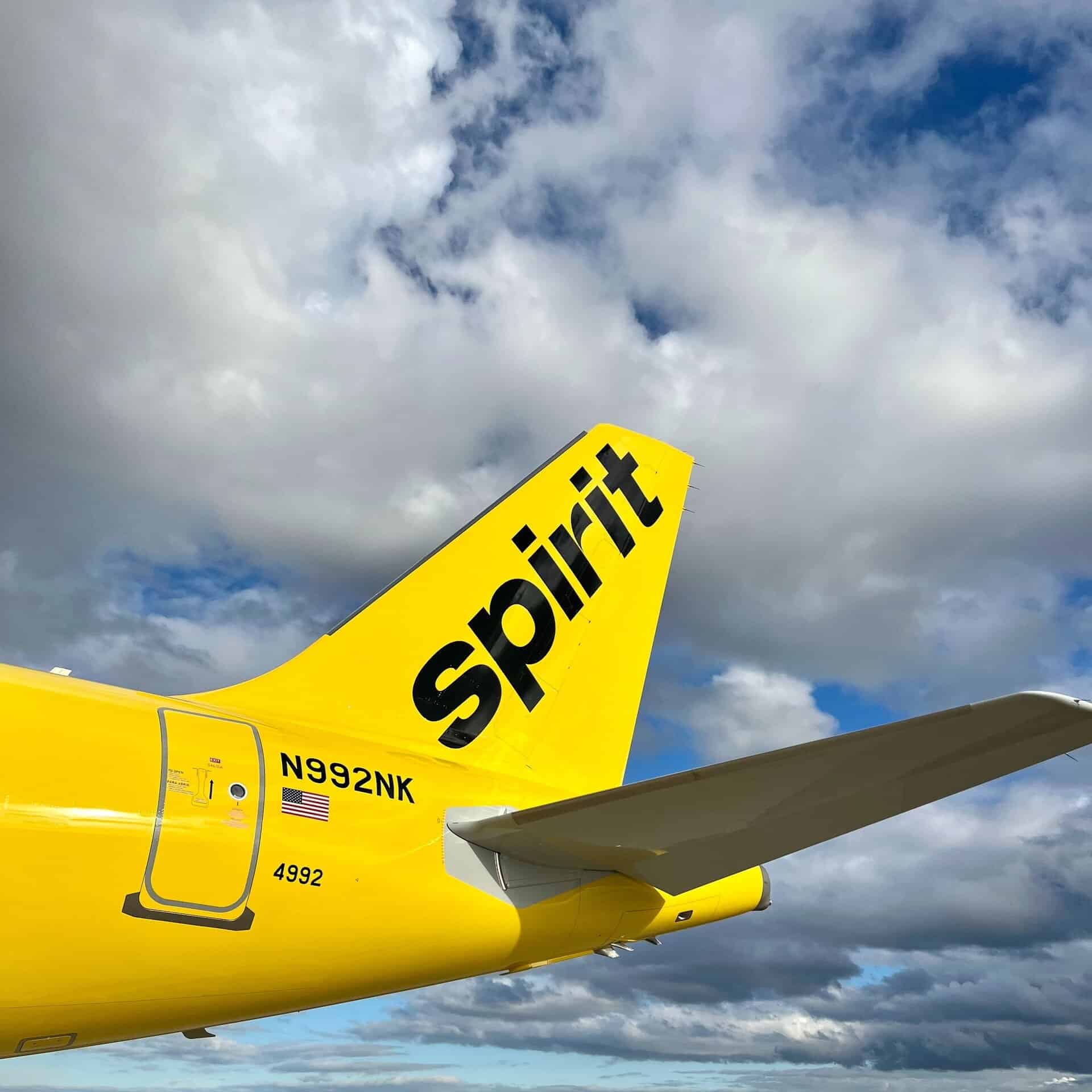
Even the aircraft carried a piece of that story. The “NK” at the end of Spirit’s tail numbers stood for “Ned’s kids,” a tribute to its early days as a family-run business.
From there, it grew the only way it knew how. Scrappy. Resourceful. Relentless.
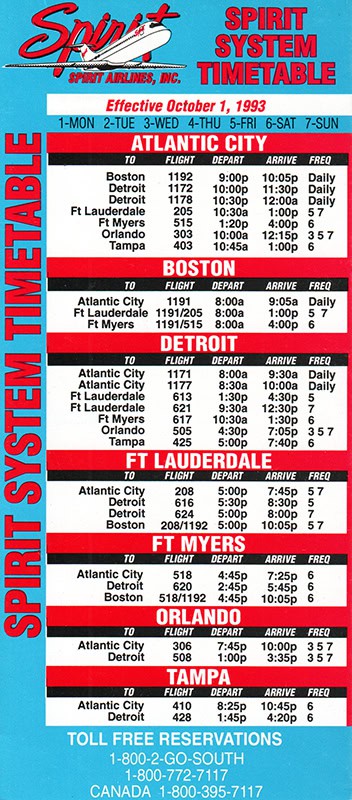
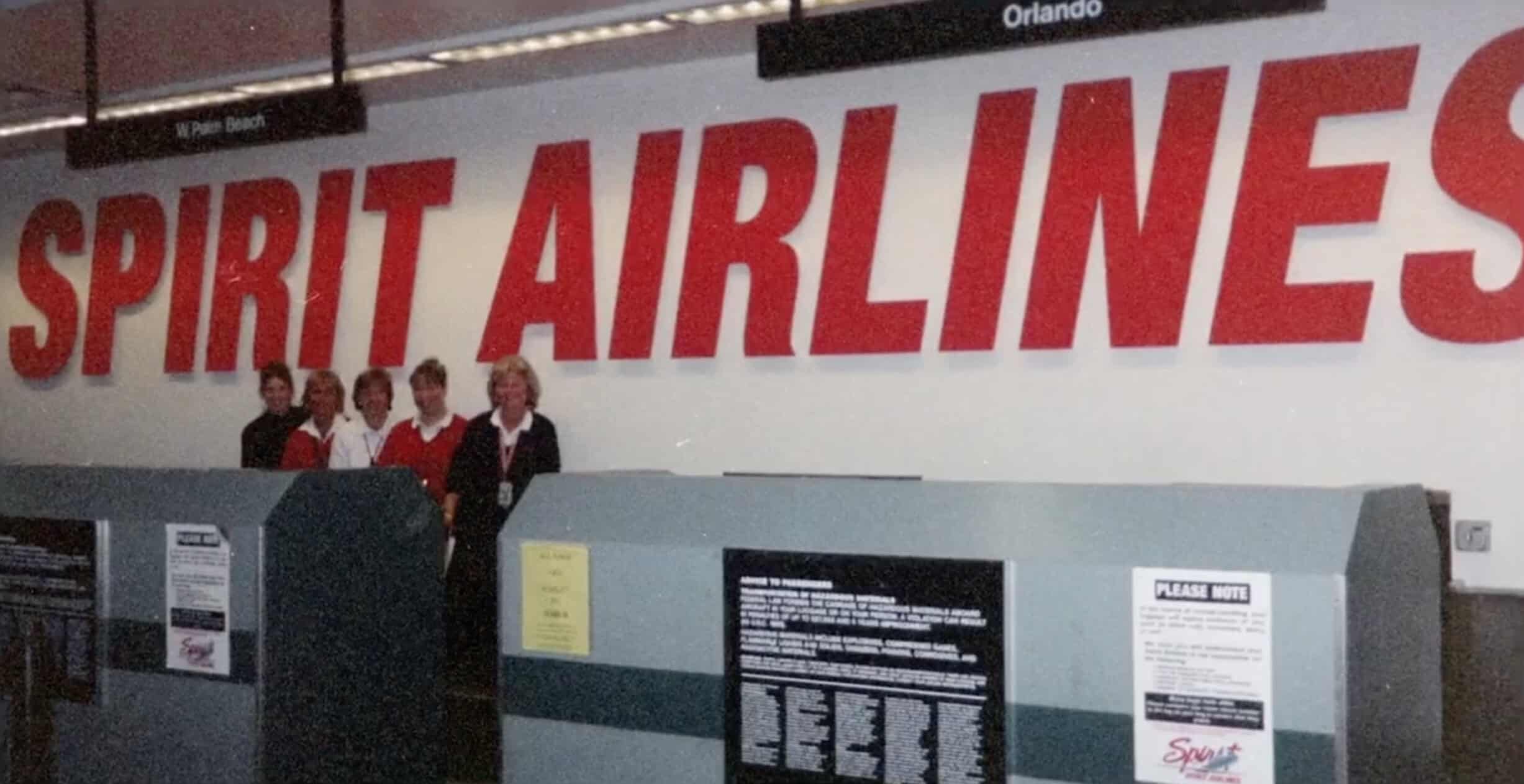
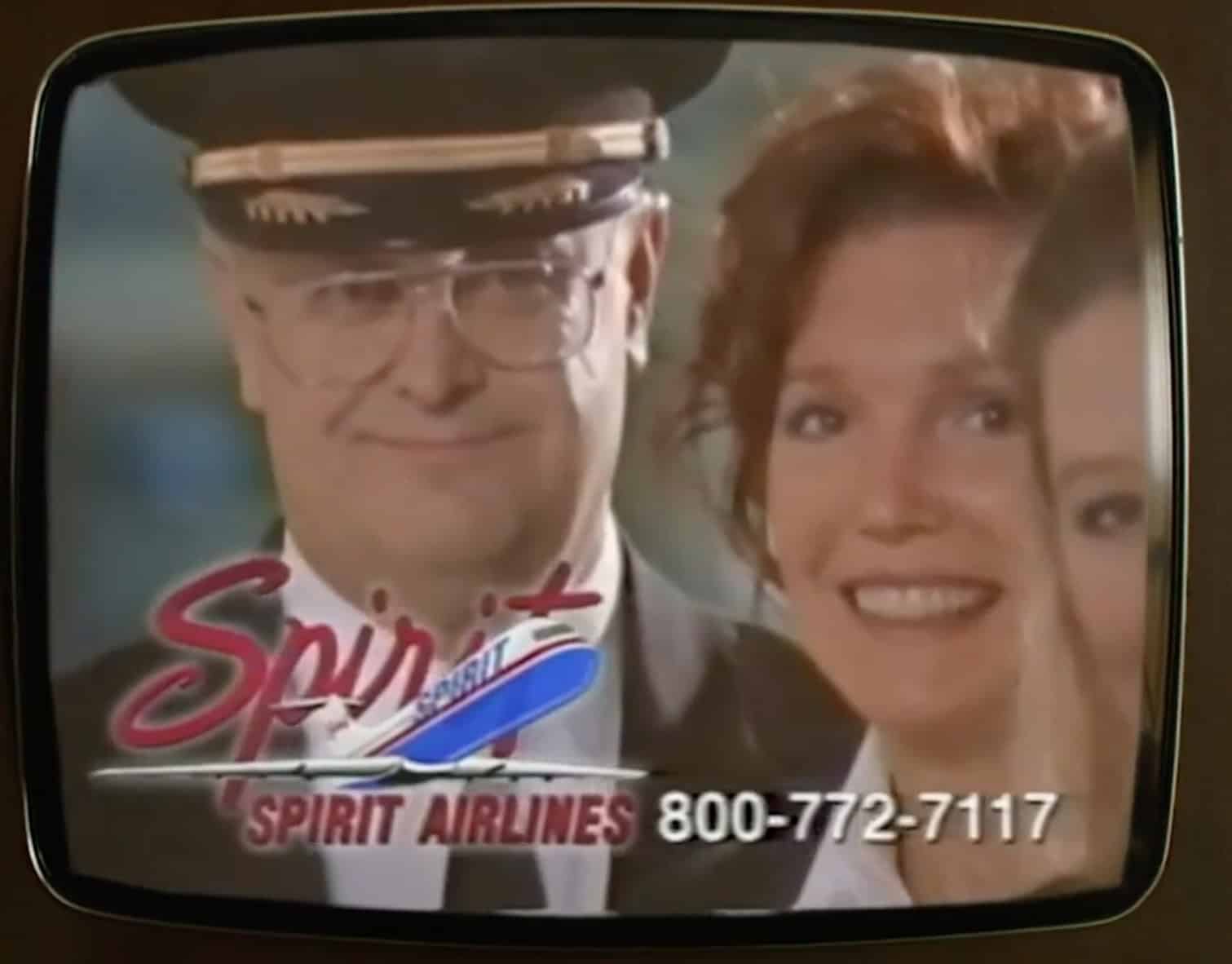
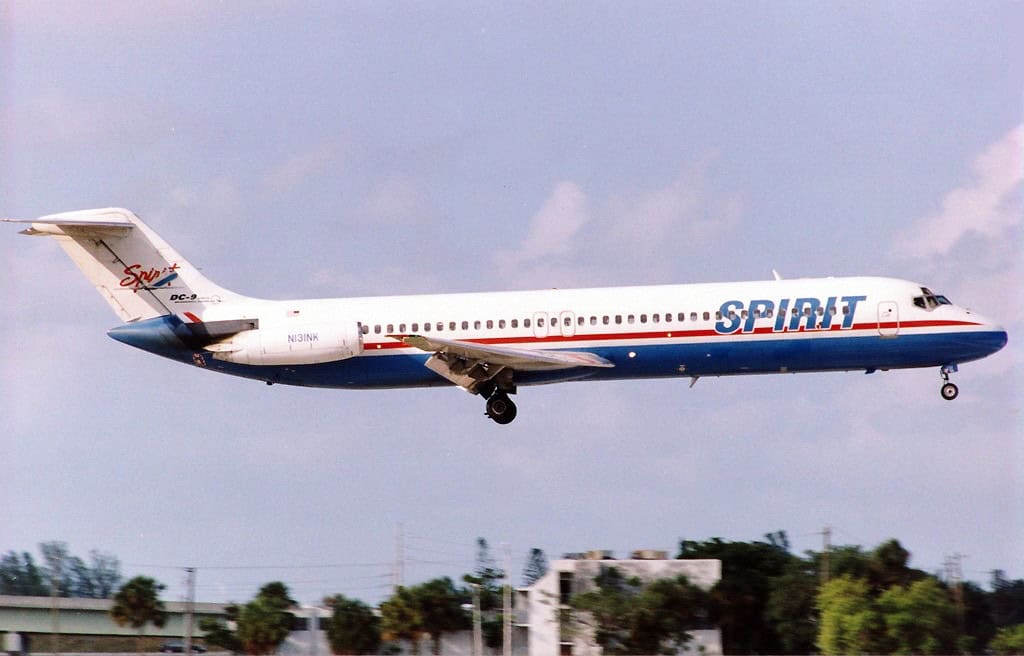
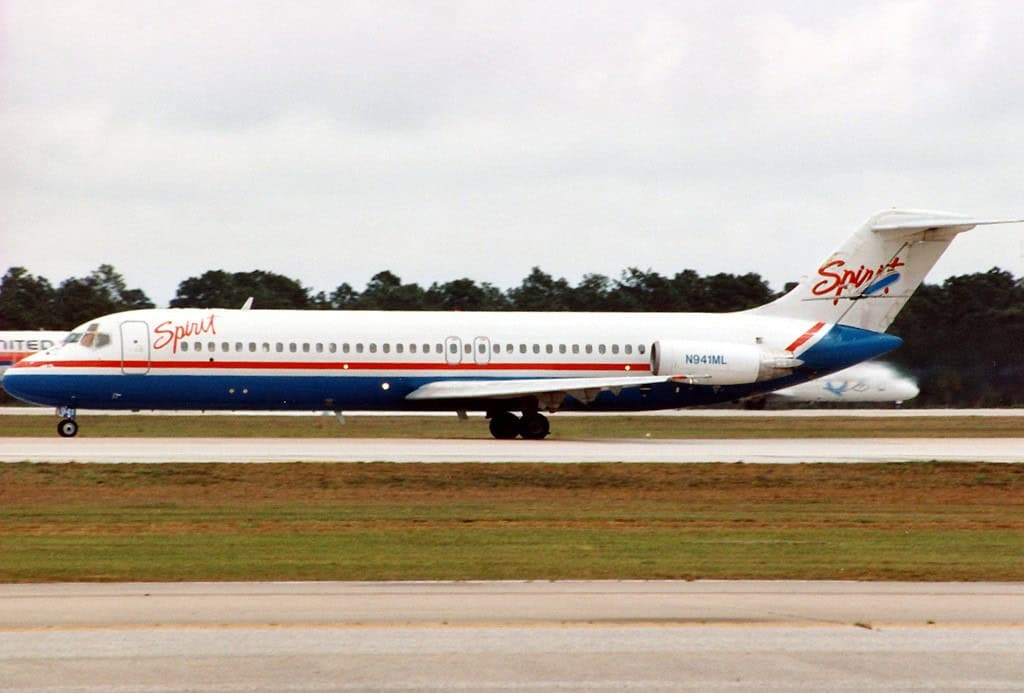
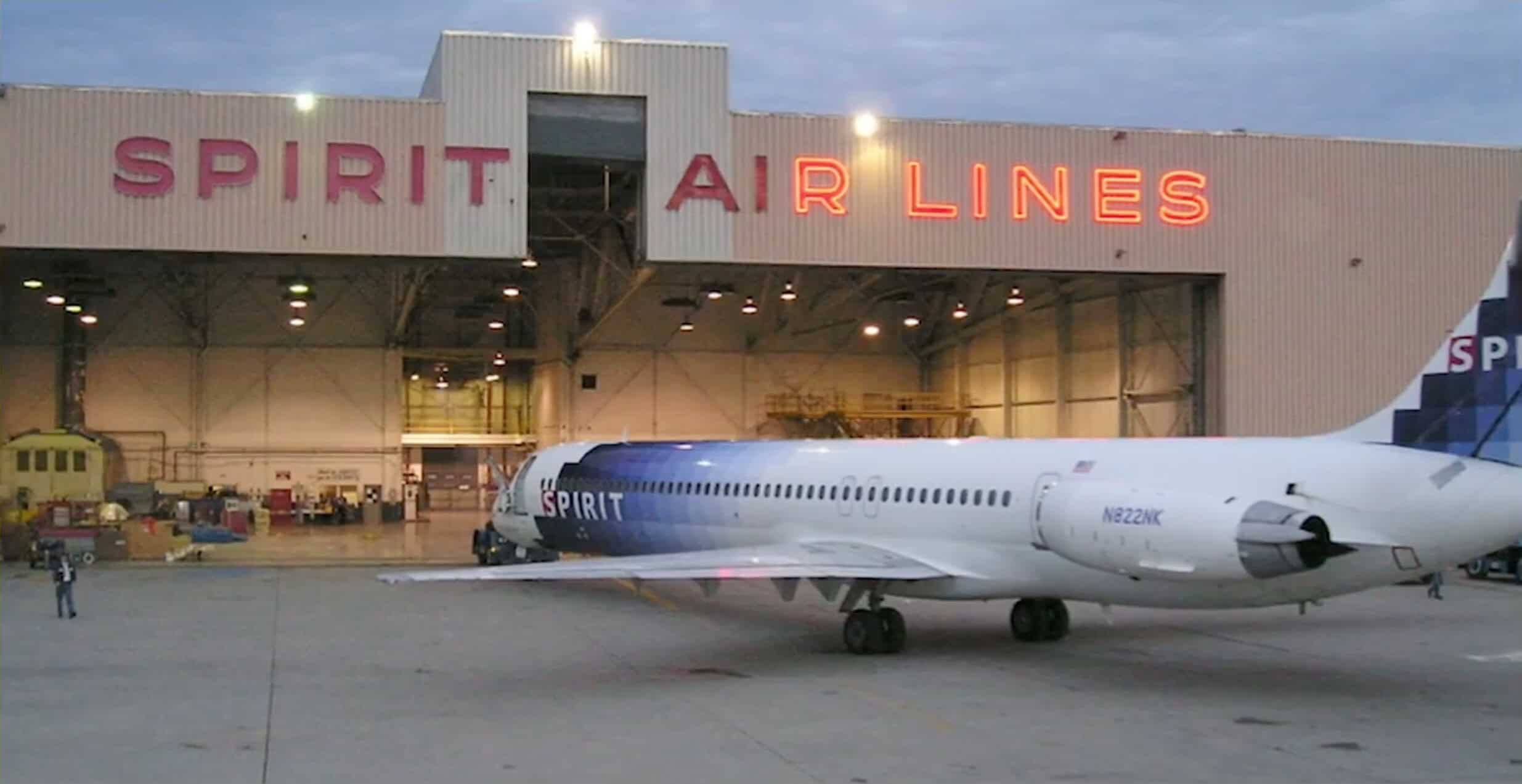
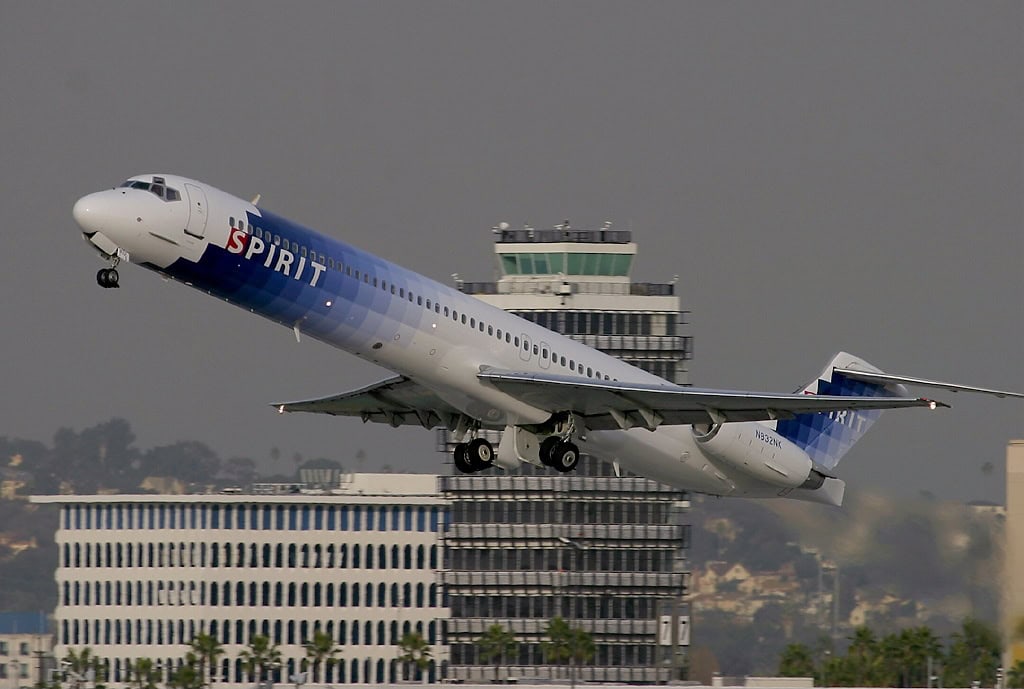
DC-9s gave way to MD-80s. MD-80s gave way to the Airbus A320 family. A steady evolution built on survival, not luxury.
And then came the shift that would forever define its legacy.
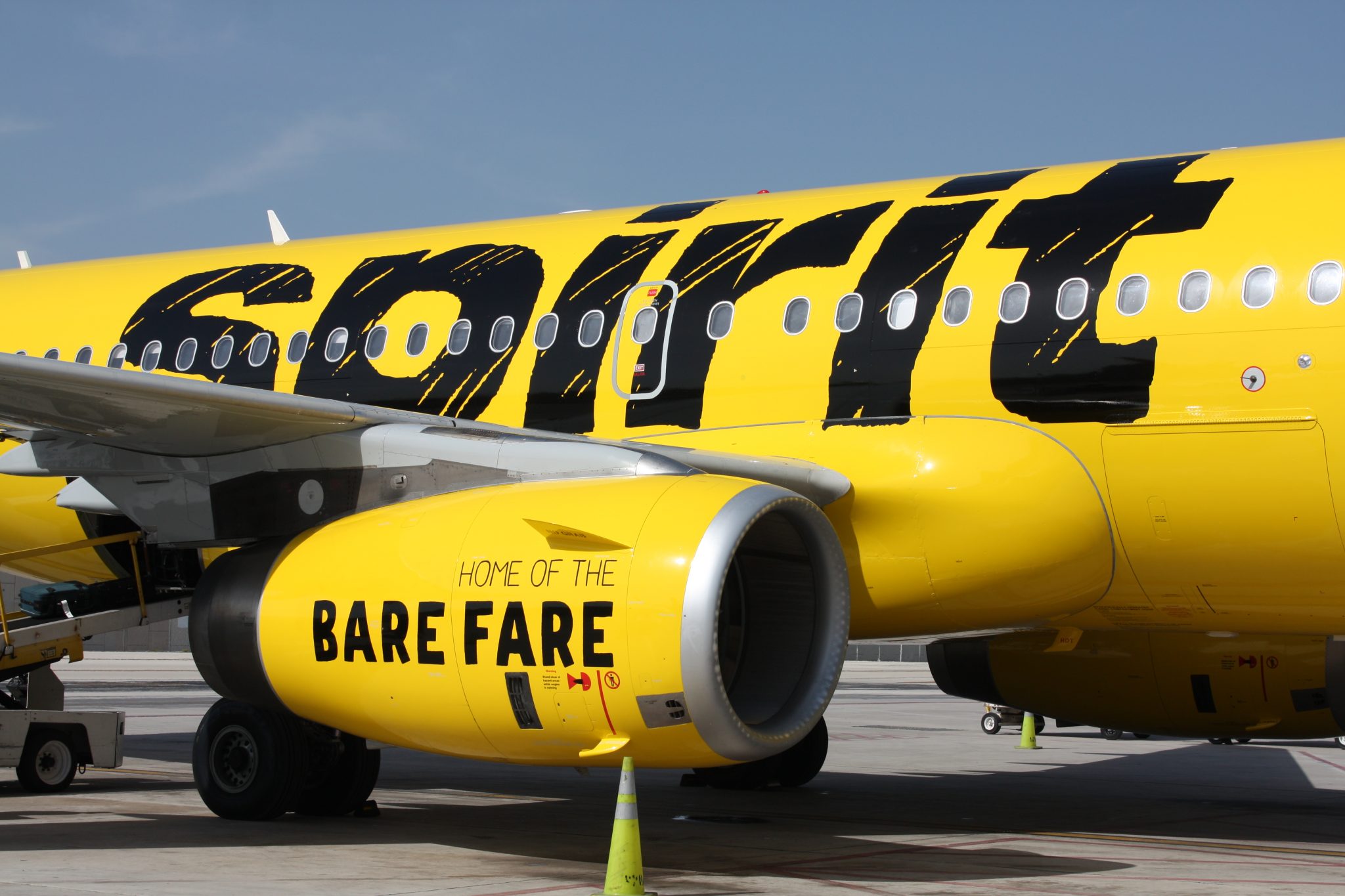
The Bare Fare.
Unbundled fares. The $9 Fare Club (9FC). Pay only for what you use. Buy-on-board service that turned even a bottle of water into part of the business model. Charging for carry-ons long before it became the industry standard.
The “Big Front Seat” was another unique idea. It offered a premium experience without the usual high price. This was just one example of how Spirit kept experimenting with its own business model.
At the time, these ideas were controversial.
Today, they are everywhere.
The Airline Everyone Had an Opinion About
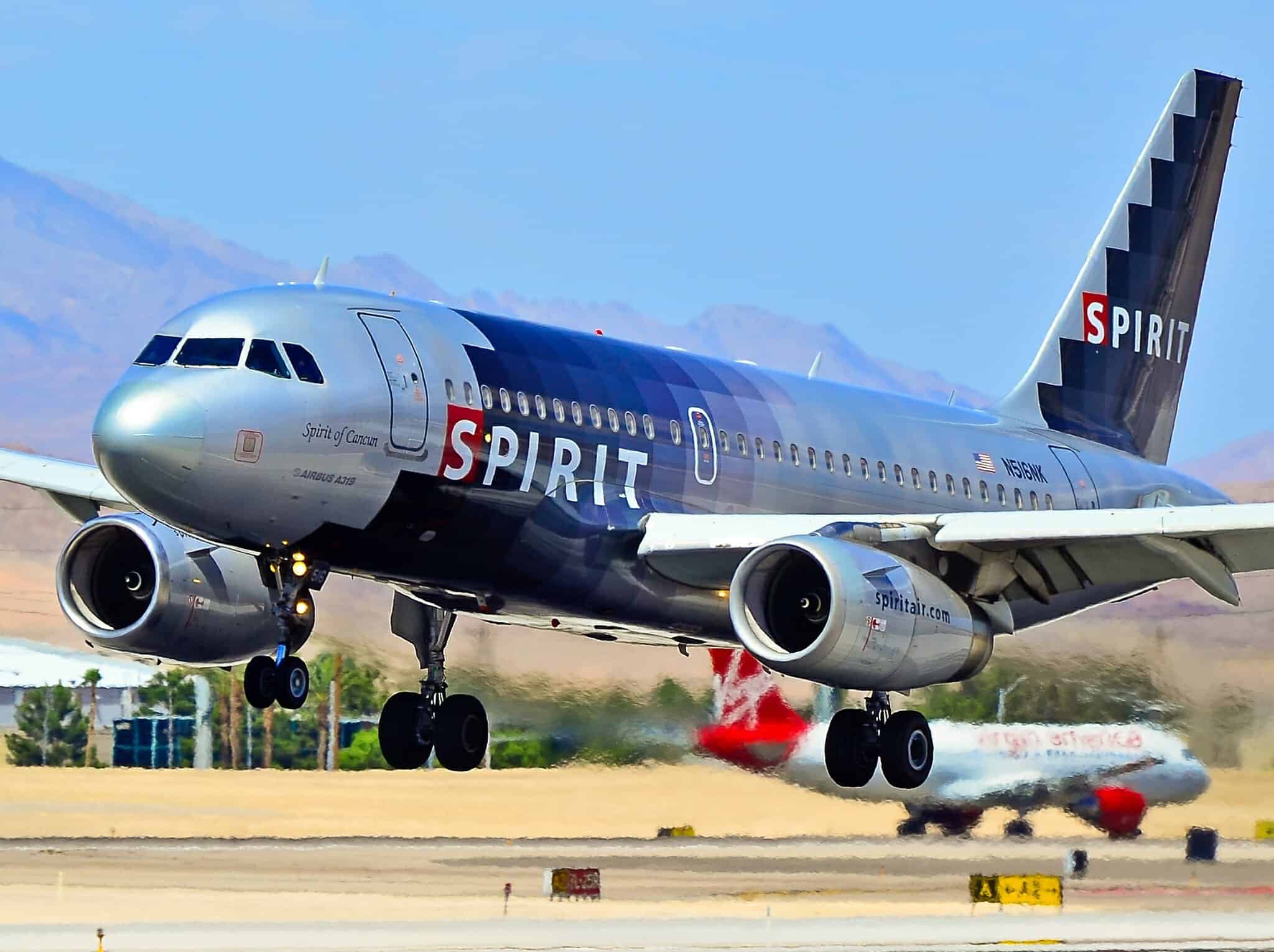
Spirit was never invisible.
Spirit’s bright yellow airplanes and irreverent branding stood out. Its business model challenged what people thought they knew about airline pricing. It was impossible to ignore, even if you tried.
And yes, it often became the punchline. The airline people loved to criticize. The one compared to the “Walmart of the skies.”
Some of that reputation was earned. The fees. The policies. The moments that made headlines for the wrong reasons.
But that was never the full picture.
Because behind the jokes was an airline that forced the industry to rethink what flying could cost. One that proved there was a massive group of travelers who simply wanted one thing: an affordable way to get from point A to point B.
And Spirit gave them that.
Sometimes for less than the price of dinner.
The Flights That Mattered Most
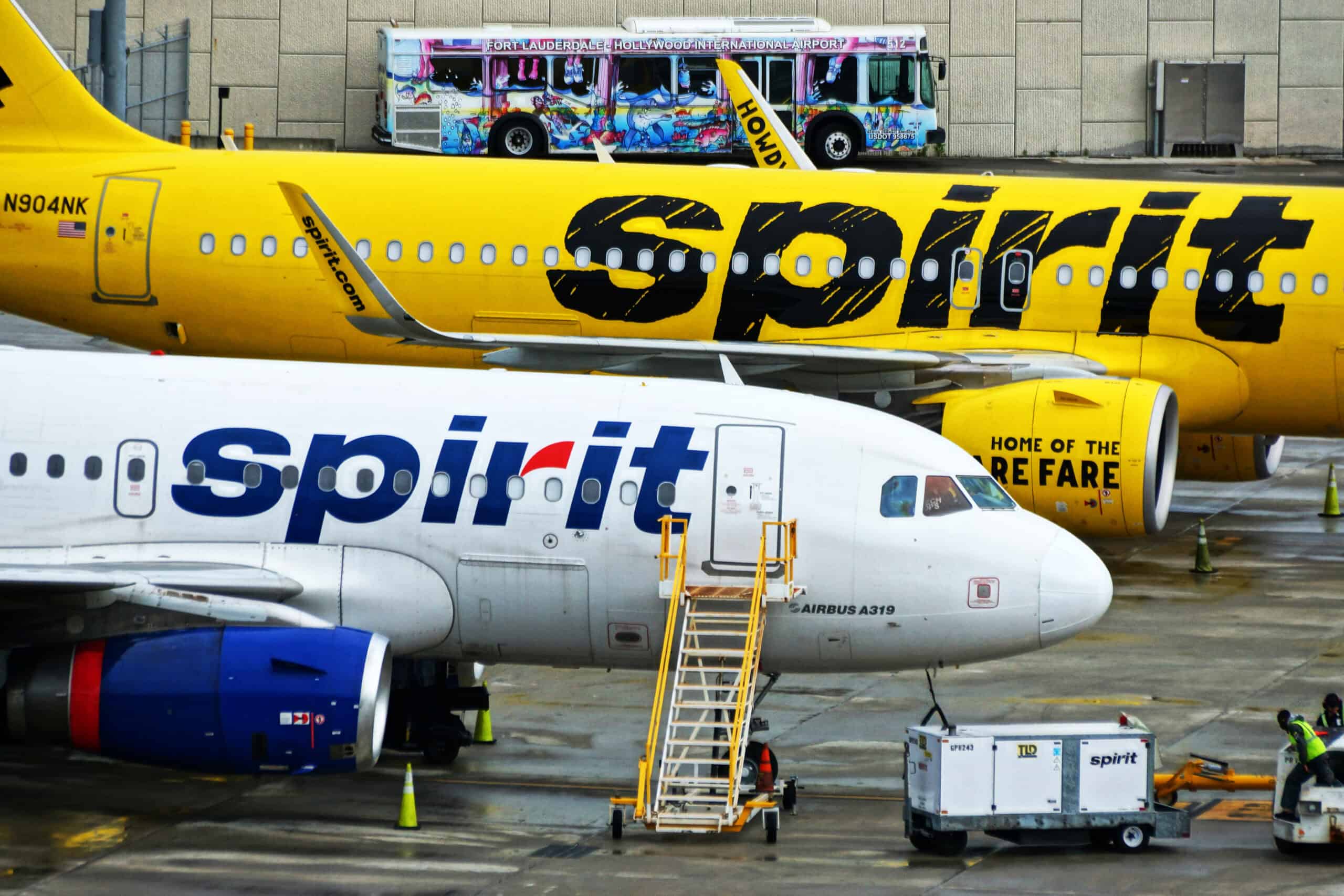
This author is living proof of the access to travel that Spirit provided. For me, Spirit was never just a headline.
It was a way to go. A way to say yes to a trip without hesitation. It made it possible for me to visit my dad more often as he got older. Trips that might not have happened otherwise.
That is the part that rarely gets talked about.
Behind every ultra-low fare was a real reason someone was flying. A family visit. A moment that mattered. A chance to be there when it counted.
Spirit made those moments possible.
And when you look at it that way, the conversation changes.
It stops being about fees and policies.
Instead, it becomes about access.
A Record That Deserves Recognition
Despite all the criticism Spirit Airlines received over the years, there is one area where its record is clear.
Safety.
From the time it began operations in the early 1980s to the moment it ceased operations, Spirit never experienced a fatal crash or passenger fatality. In an industry where the margin for error is zero, that is an impressive track record.
It is easy to focus on the things that made headlines. The fees. The policies. The viral moments.
But behind every departure was a crew that took that responsibility seriously. Pilots, flight attendants, mechanics, dispatchers. Professionals who ensured that every flight operated safely, every single day.
That does not happen by accident.
It happens because of people who care deeply about what they do.
And that part of Spirit’s legacy deserves to be remembered just as much as anything else.
The People Behind the Yellow Jets
None of this happened because of a pricing strategy alone.
It happened because of people.
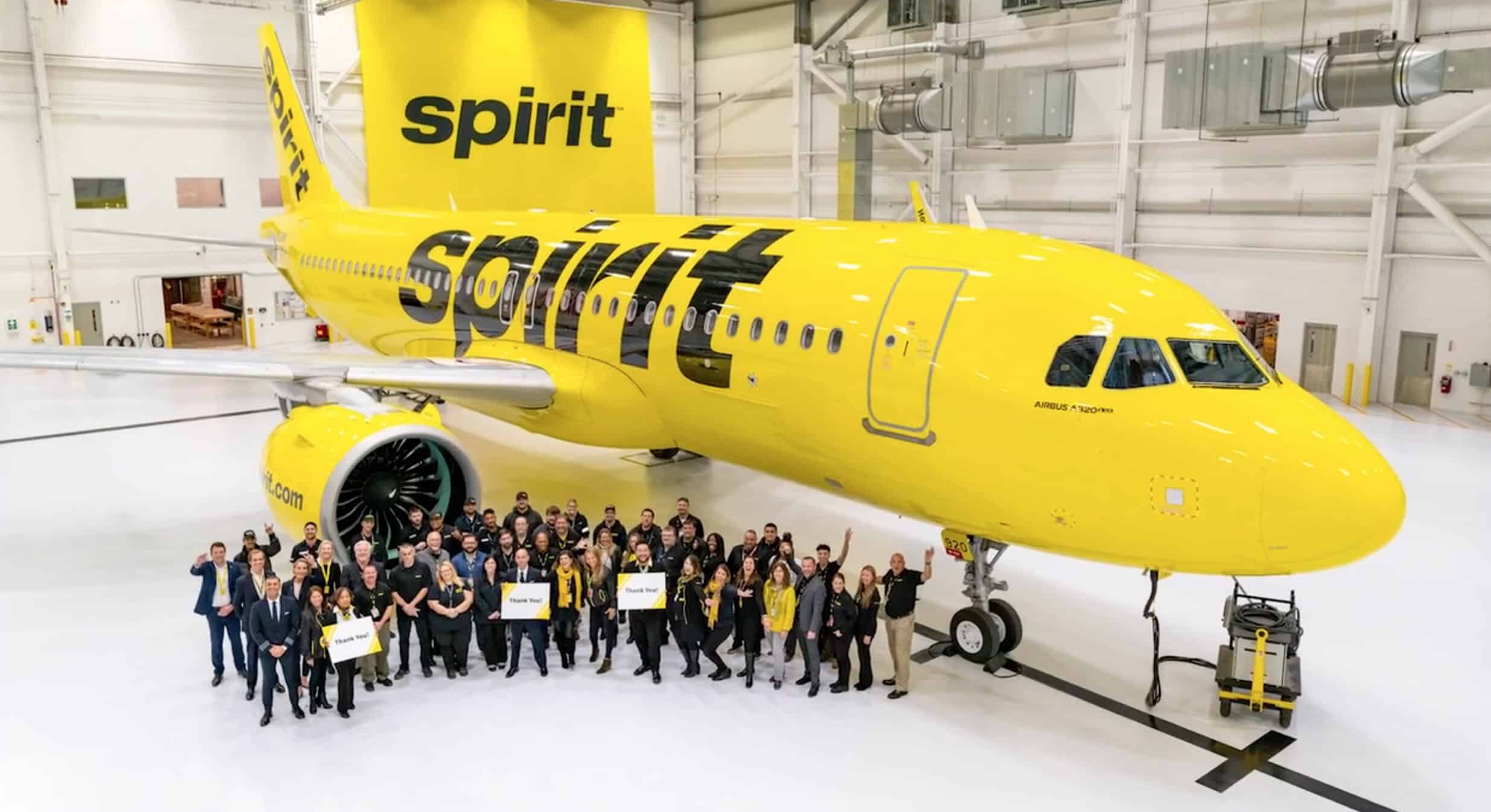
Pilots who flew tight, demanding schedules. Flight attendants who brought personality and energy into cabins that could have felt purely transactional. Ramp agents who turned aircraft faster than seemed possible. Gate agents who navigated tough situations with limited flexibility. Corporate teams that tried to keep everything moving on razor-thin margins.
That was the real Spirit.
A culture built on hustle. Efficiency. And doing more with less every single day.
Now, that workforce is left to pick up the pieces. Nearly 14,000 people are suddenly without the careers they built, the routines they knew, and the stability they relied on.
These are real people.
People with mortgages. With kids in school. With lives built around an airline that asked everything of them and, in many ways, defined them.
That is what makes this moment so heavy.
A Complicated, Lasting Legacy
Spirit Airlines will not be remembered in simple terms.
It will be remembered as controversial. As disruptive. As frustrating at times.
But also as innovative. As bold. As necessary.
It forced the industry to adapt. It opened the skies to travelers who had been priced out. It introduced ideas that competitors eventually adopted, whether they acknowledged it or not.
It proved that there was more than one way to run an airline.
And in doing so, it became something rare in this industry.
Different.
One Industry, One Family
Now that the airplanes have stopped flying, the noise fades.
What remains is perspective.
In aviation, we often focus on airlines, brands, and competition. But moments like this remind us of something more important.
This is a family.
Pilots. Flight attendants. Mechanics. Dispatchers. Gate agents. Writers. Photographers. Enthusiasts. All of us, in one way or another, connected by a shared love of flight.
And when one part of that family hurts, we all feel it.
At AvGeekery, we feel it.
We mourn with the Spirit team. We stand with the thousands of employees and families now facing an uncertain road ahead. And we hope, sincerely, that the next chapter for each of them brings stability, opportunity, and a chance to keep doing what they love.
Because behind every airline are people.
And those people matter far more than any fare, any policy, or any headline ever could.
Rest easy, Spirit.
You were never boring. You were never insignificant.
And you will not be forgotten.