

President Donald Trump’s space executive order puts the Moon back at the center of America’s spaceflight plans, pairing familiar goals with firm timelines. The directive touches everything from lunar landings and nuclear power in space to commercial launch infrastructure, setting the stage for some of the most consequential space decisions in years.
The executive order, titled Ensuring American Space Superiority, impacts nearly every aspect of the federal space sector, focusing on timelines, infrastructure, and expectations for NASA and industry in achieving human spaceflight objectives over the next decade.
The question we’re all asking now is: Is this the same song and dance we’ve heard time and time again? Indeed, from an aviation and aerospace perspective, the document reads less like a radical shift and more like a consolidation of long-running initiatives, this time paired with firm deadlines.
Ambitious space goals are nothing new. Administrations of both parties have outlined bold visions for the Moon, Mars, and beyond. What makes this order different than those that come before it is not the scope of its ambition, but the specificity of the dates attached to it.
Whether those targets can be met is a question that now shifts from policy to execution.
A 2028 Return to the Moon
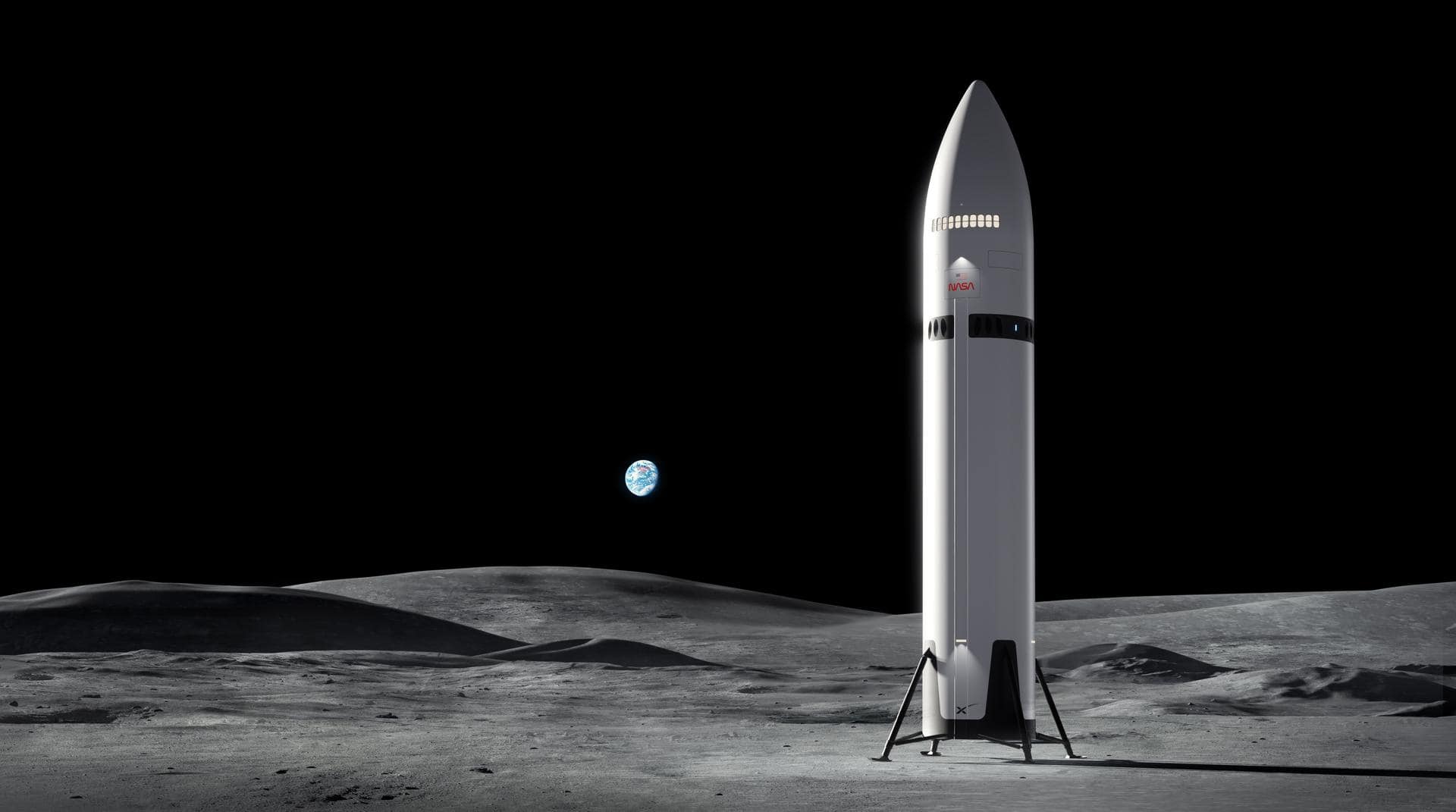
The primary objective of the EO is a renewed commitment to returning American astronauts to the lunar surface by 2028 as part of NASA’s Artemis program.
The EO states that a lunar landing would:
“Assert American leadership in space, lay the foundations for lunar economic development, prepare for the journey to Mars, and inspire the next generation of American explorers.”
President Trump’s Space Executive Order: Ensuring American Space Superiority
Beyond a single landing, the order directs NASA to establish “initial elements of a permanent lunar outpost” by 2030. The language is intentionally vague, leaving room for an outpost that could include surface habitats, orbital infrastructure such as the Lunar Gateway, or a mix of both.
President Trump has also directed NASA to spell out, in practical terms, how this would actually work. The agency has been given 90 days to deliver a plan outlining how it will achieve those targets, identifying any remaining technical hurdles, and detailing how supply chain or industrial capacity issues will be addressed without exceeding existing budgets.
A Bit of Background on Artemis
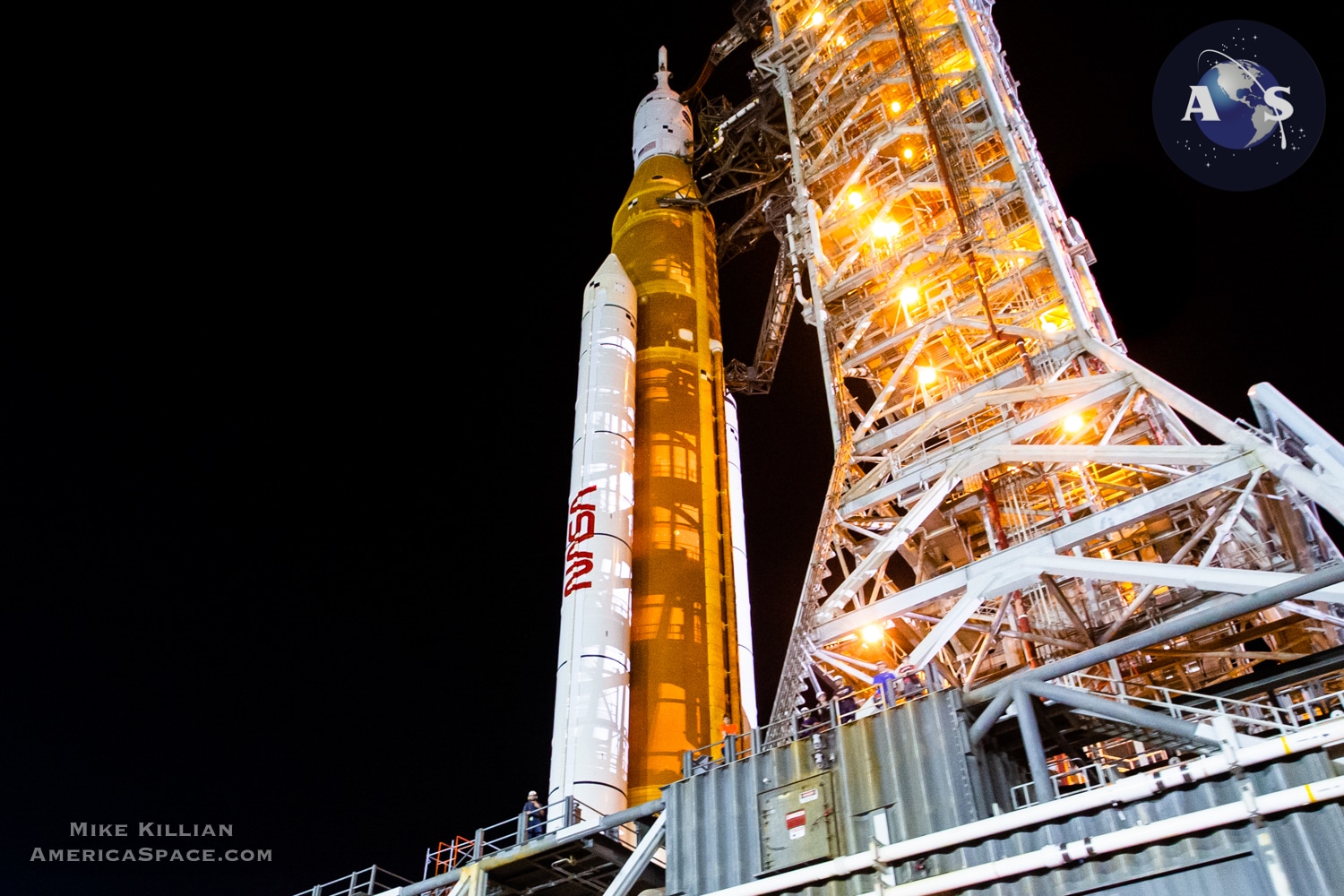
While Trump’s space executive order sets a 2028 target for returning astronauts to the Moon, NASA has adjusted Artemis mission timelines in recent years as development and testing continue across multiple systems.
Artemis is structured as a long-term exploration campaign rather than a single mission, with each flight designed to reduce risk and validate new capabilities before committing crews to more complex objectives.
NASA has consistently stated that Artemis schedules are driven by crew safety and technical readiness, not fixed calendar dates.
The program’s goals extend well beyond a single lunar landing, aiming to establish a sustained human presence in lunar orbit and on the surface, particularly near the Moon’s south pole. NASA has also emphasized that learning how to live and work on the Moon is a necessary step toward future human missions deeper into the solar system.
Nuclear Power Beyond Earth
A key technical element of the EO is its focus on nuclear power in space.
The directive calls for deploying nuclear reactors on the Moon and in orbit, including a lunar surface reactor ready for launch by 2030. To support that effort, the order requires the Office of Science and Technology Policy (OSTP) to develop guidance for a “National Initiative for American Space Nuclear Power” within 60 days.
The push to use nuclear power in space reflects a growing recognition that sustained lunar operations will require reliable, high-output power sources that exceed what solar arrays alone can provide, particularly during long lunar nights.
The International Space Station’s Successor
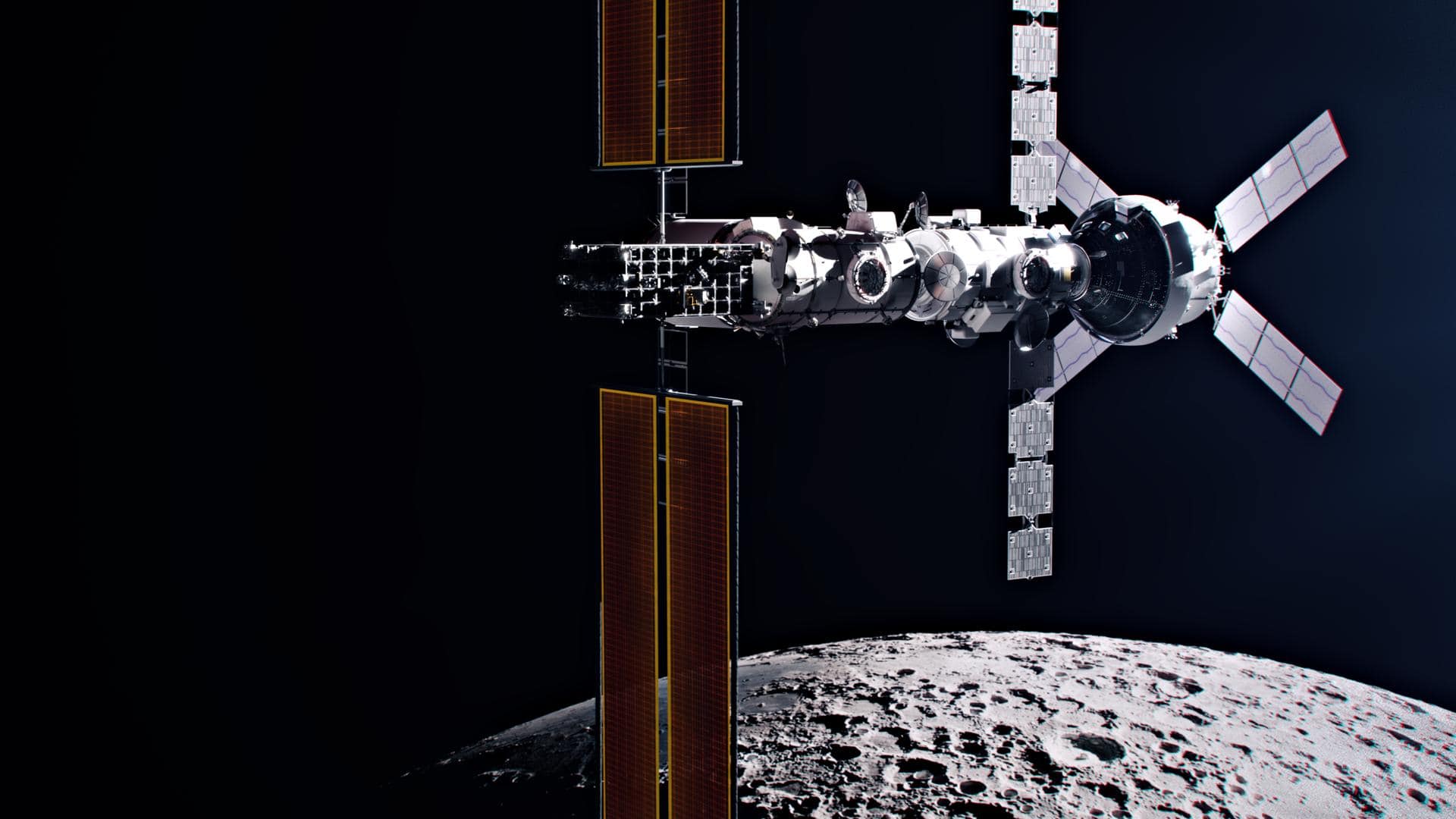
The EO also confirms plans to retire the International Space Station (ISS) by 2030 and transition to commercially operated space stations in low-Earth orbit.
Rather than extending ISS operations, the policy directs the government to “spur private sector initiative and a commercial pathway to replace the International Space Station by 2030.”
NASA has already invested in several commercial station concepts, and the order reinforces that timeline while signaling a continued shift of low-Earth orbit activity toward private industry.
Commercial Launch and Infrastructure
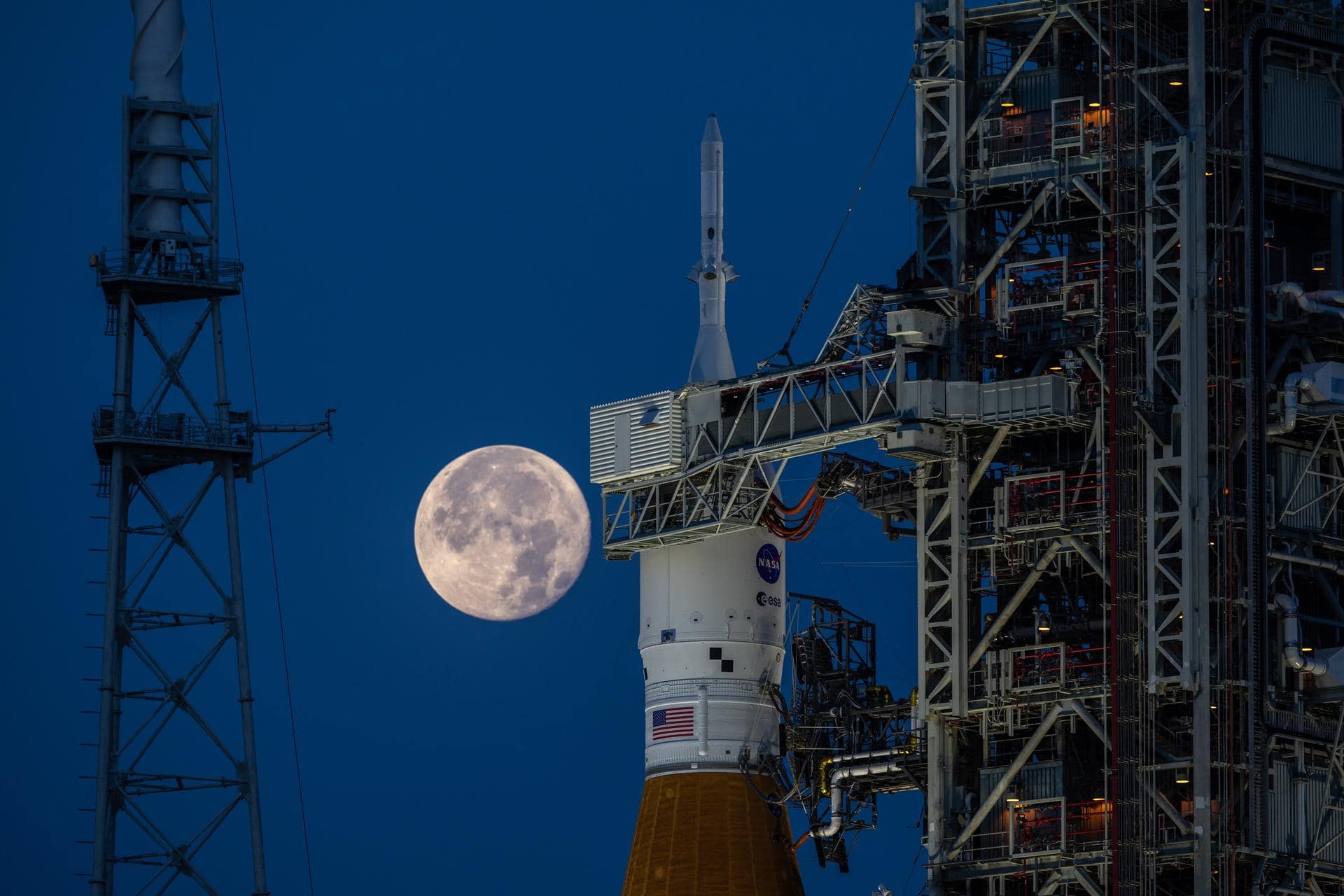
The order aims to expand and modernize US launch infrastructure and increase launch and reentry rates through facility upgrades, efficiency gains, and policy reforms.
The White House aims to attract at least $50 billion in new private investment into US space markets by 2028. While the order omits details on how to reach this figure, it instructs federal agencies to prioritize commercial procurement over traditional cost-plus contracts where feasible.
Acquisition Reform and Program Oversight
Both NASA and the Department of Commerce are instructed to identify space programs that are at least 30 percent over budget or 30 percent behind schedule, as well as those misaligned with the order’s priorities.
Instead of simply streamlining procurement, the order seeks to overhaul how agencies acquire space capabilities and accelerate the adoption of commercial options. It requires the Commerce Department to stop relying on NASA for satellite acquisitions, potentially reshaping how NOAA and other civil space assets are bought.
Space Security and Defense Architecture
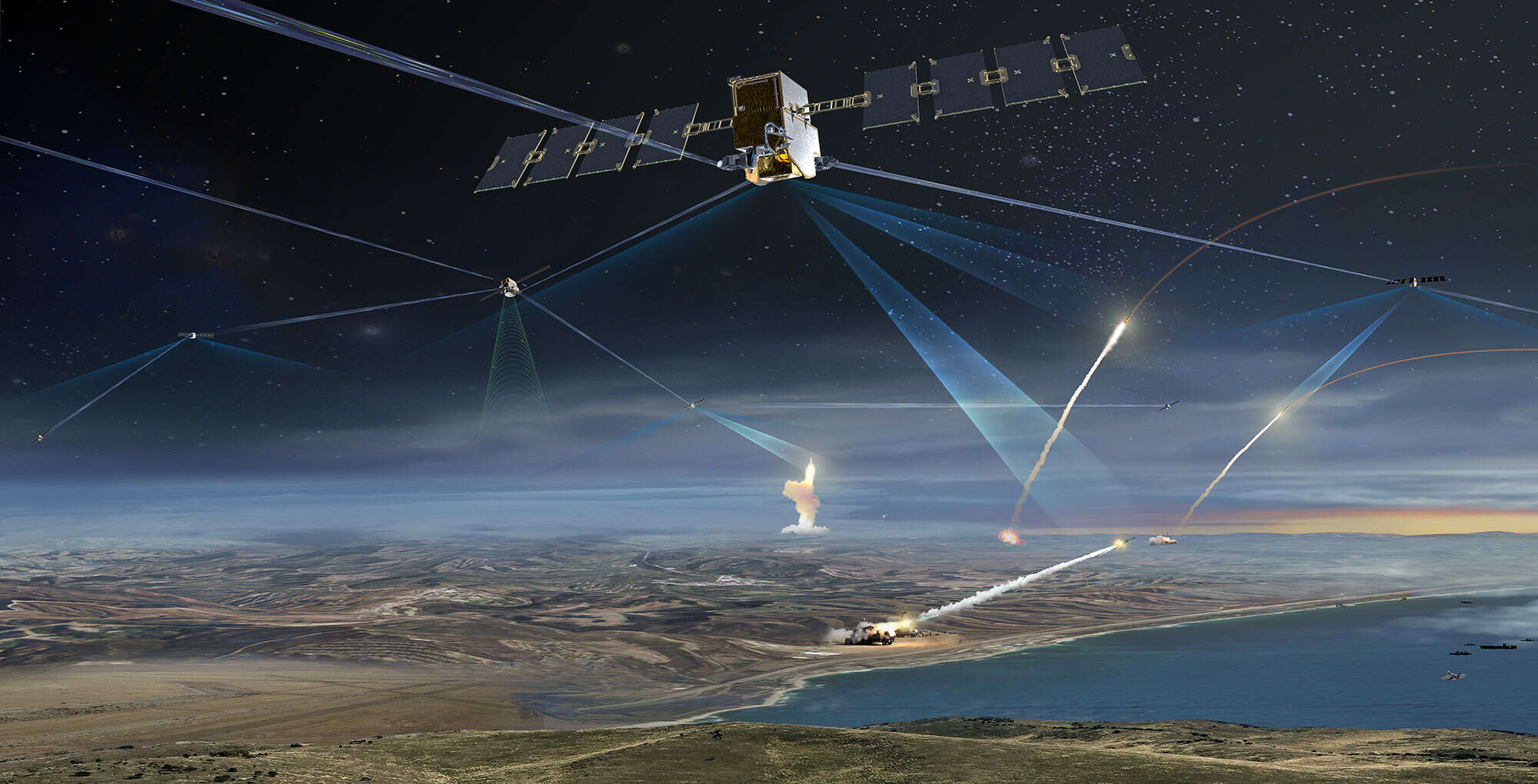
Beyond civil spaceflight, the EO places significant emphasis on defending US interests from Earth orbit through cislunar space.
It directs the integration of commercial abilities into defense space architectures, modernization of military space systems, and the development of prototype next-generation missile defense systems by 2028.
The EO states:
“Superiority in space is a measure of national vision and willpower, and the technologies Americans develop to achieve it contribute substantially to the Nation’s strength, security, and prosperity.”
President Trump’s Space Executive Order: Ensuring American Space Superiority
Defense and civilian agencies are directed to submit plans in the coming months addressing threat detection, acquisition reform, and coordination with allies and partners.
What’s Not in the EO

While Mars is referenced, the EO does not establish a specific timeline for human missions to the Red Planet. Instead, Mars is framed as a longer-term objective enabled by sustained lunar operations.
The order also revokes a 2021 Biden-era executive order governing the National Space Council without providing guidance for a replacement body.
Clear Eyes, Full Hearts, Can’t Lose
For those of us who keep a keen eye on all things Space-related, Trump’s EO does not introduce radically new ideas. What it does do is set firm milestones.
A 2028 lunar landing. A lunar outpost by 2030. Nuclear power beyond Earth. The end of the ISS era. A heavier reliance on commercial spaceflight.
Whether those goals are met will depend on technical readiness, funding stability, and close coordination between NASA, industry, and national security partners. As a policy document, Ensuring American Space Superiority outlines a clear framework for how the United States intends to operate in space throughout the remainder of the decade.
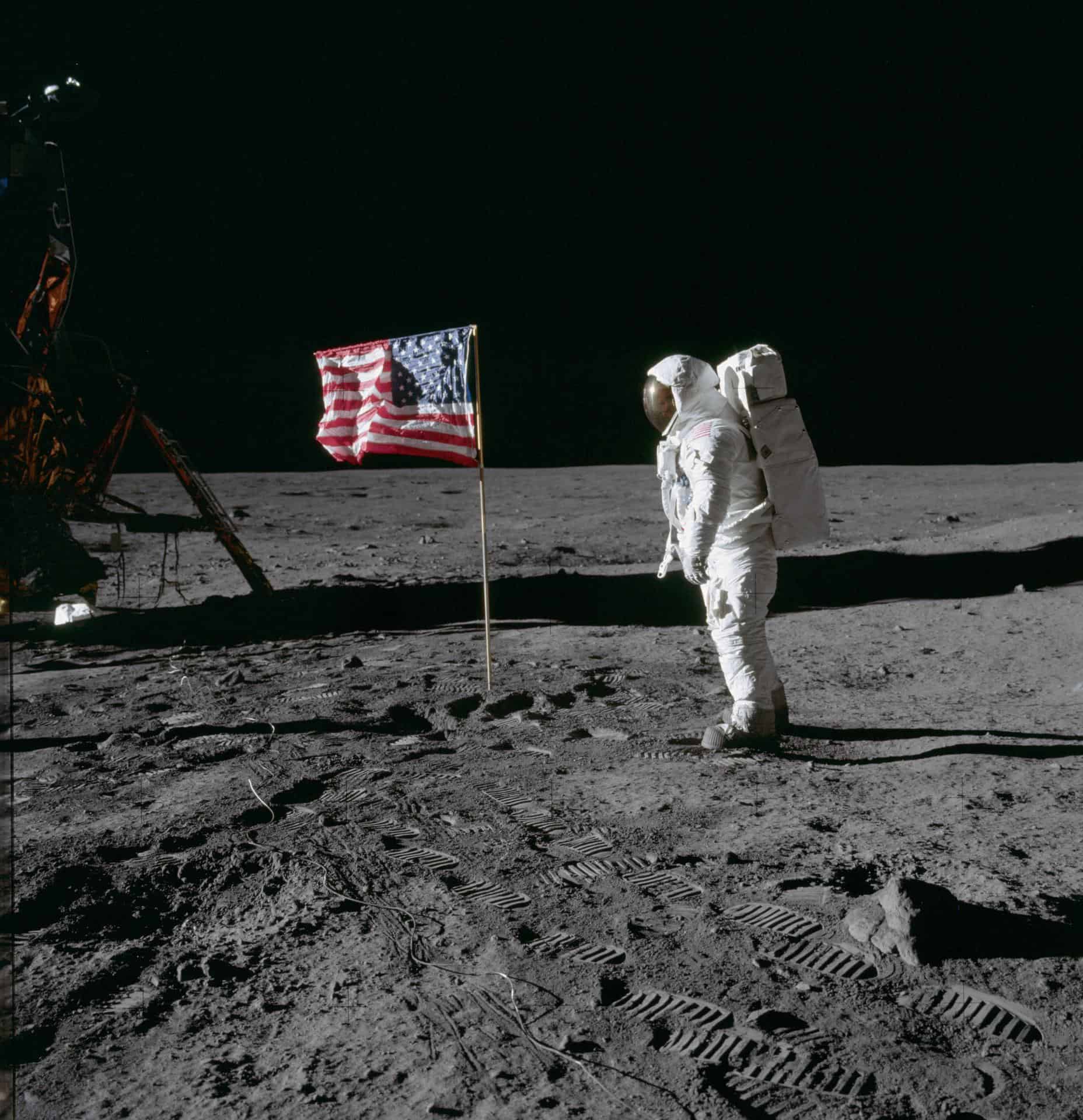
In just a few years, it will have been six decades since humans first set foot on the Moon. That milestone is more than a date on a calendar. It serves as a reminder of what the country once set out to achieve, and what it proved it could accomplish when ambition, engineering, and purpose aligned.
Setting aside politics and logistics, a return to the Moon would carry a powerful resonance. It would connect generations, honor the engineers and astronauts who came before, and signal that exploration remains part of the national identity. The hardware will matter. The timelines will matter. But so will the moment itself.
The coming years will show whether these ambitions move beyond line items in an executive order and into rockets on the pad, names on flight manifests, and, ultimately, human footprints pressed once more into lunar dust.
The road back is long. But the destination is familiar.