

Boeing 737 MAX 10 certification moves into the next phase of FAA testing, but key technical hurdles and timeline uncertainty remain.
If you’ve followed the long and often frustrating road to certification for Boeing’s 737 MAX 10, last week’s news probably felt familiar. It is progress, yes. But it is not the finish line.
The Federal Aviation Administration (FAA) has approved Boeing’s largest MAX variant to move into the second phase of flight testing under its Type Inspection Authorization (TIA) process. The FAA and Boeing declined to comment publicly, but the move was first reported by Reuters and confirmed by industry sources.
Moving on to Phase 2 testing is good news for the beleaguered planemaker, and it’s certainly not insignificant. This part of the process involves Boeing welcoming FAA inspectors directly into the flight test program to evaluate critical systems, including avionics, propulsion, and overall aircraft performance. Still, certification is not complete, and some of the MAX 10’s most stubborn challenges remain unresolved.
Progress, With Caveats
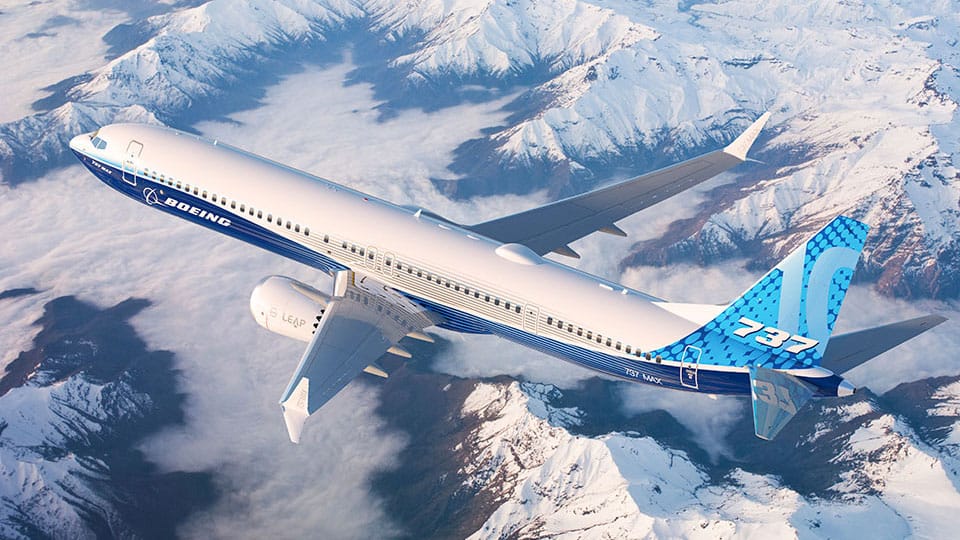
The biggest technical issue still hanging over the program is the engine anti-icing system. Regulators have raised concerns that prolonged use of the system could cause damage to the composite engine nacelles. That issue has delayed both the MAX 10 and the smaller MAX 7.
The FAA approval to move into Phase 2 testing applies only to the MAX 10. The MAX 7 has not yet received the same clearance, highlighting the unevenness of the certification timelines within the MAX family.
Industry analyst Scott Hamilton of Leeham Company summed it up pretty succinctly in comments to Reuters.
“It’s progress, but until the airplane is certified, it’s not,” Hamilton said, adding that Boeing cannot begin full production of the MAX 10 at its Everett facility until a clear certification path is established.
Boeing executives have previously stated that they still expect certification of both the MAX 7 and MAX 10 sometime in 2026, although many analysts believe that timeline remains optimistic.
Airlines Are Ordering Anyway
What makes this moment particularly interesting is not just where the certification stands, but who is still placing major, multi-billion-dollar bets on the airplane.
Just days ago, Alaska Airlines announced the largest aircraft order in its history. The deal includes 105 Boeing 737 10s and five Boeing 787 Dreamliners, with options for an additional 35 MAX 10s. The massive order is a needed sign of confidence in Boeing’s narrowbody and widebody roadmap and recovery after years of setbacks.
Alaska CEO Ben Minicucci said he is confident the MAX 10 will be certified this year, according to Reuters. The type is central to Alaska’s future domestic growth, while the incoming 787s will support expanded long-haul flying from Seattle.
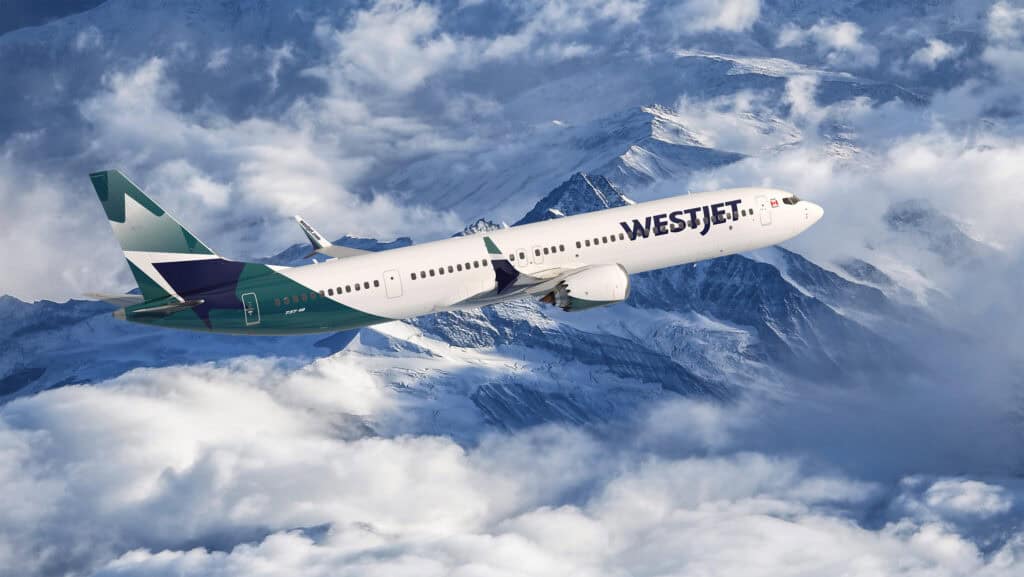
North of the border, WestJet is also all in. In 2025, the Canadian carrier placed a record Boeing order that included 60 MAX 10s, options for additional aircraft, and seven 787 Dreamliners. WestJet CEO Alexis von Hoensbroech remains confident of his company’s choice, saying that the MAX 10 will play a key role in WestJet’s fleet modernization and network expansion plans. He calls the MAX 10 a “game-changer.”
For both airlines and additional airlines (United, American, Delta, Ryanair) that have placed orders for the type, the logic is clear. Fleet planning happens years in advance. Delivery slots matter. And waiting for certification before ordering can mean getting pushed to the back of the line.
The MAX 10 is Absolutely Essential for Boeing’s Success
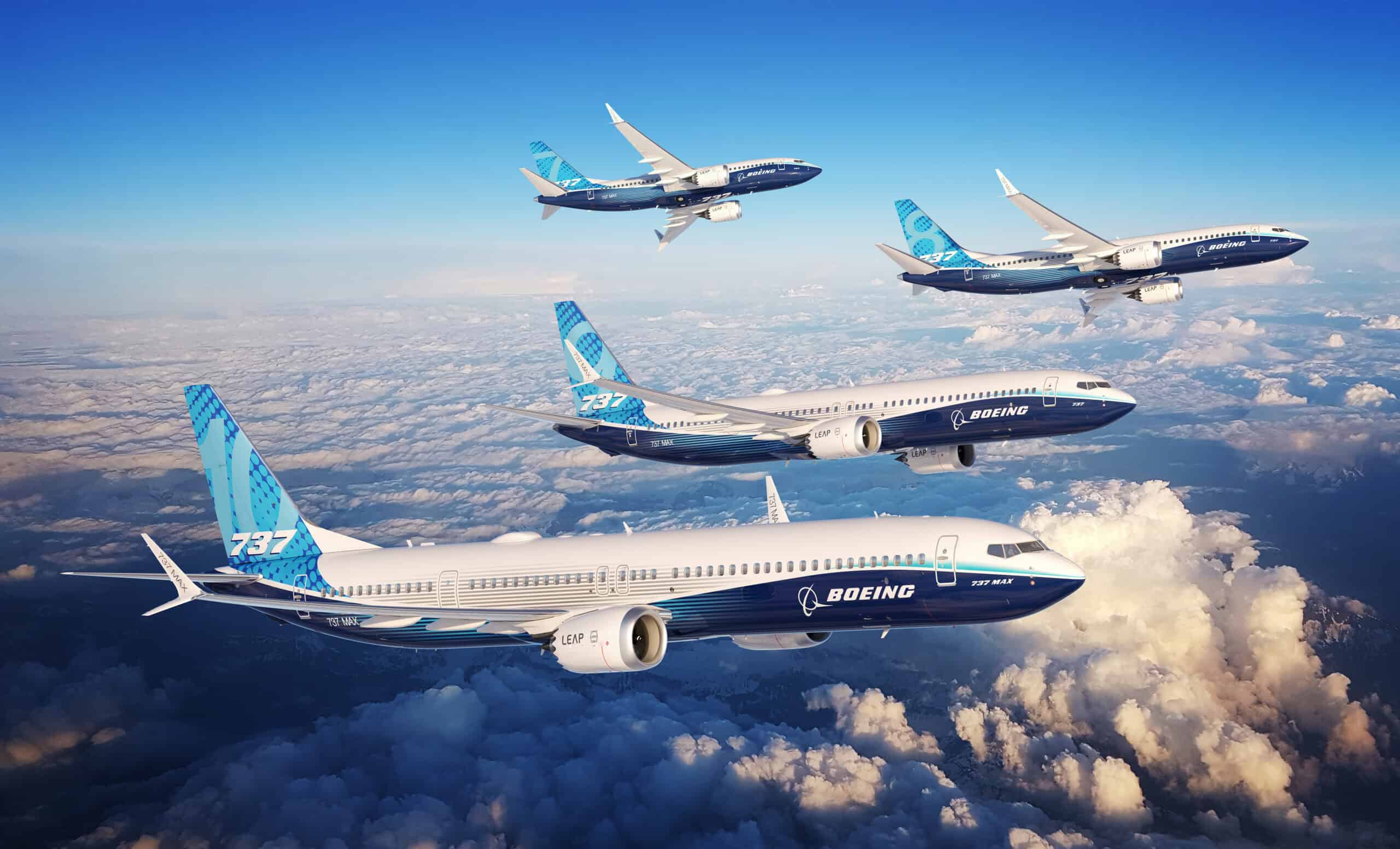
Put simply, Boeing needs the MAX 10 to be successful.
The 737 MAX 10 is Boeing’s largest single-aisle jet. In the right configuration, it can seat around 230 passengers, which puts it squarely in competition with the Airbus A321neo (which can hold up to 244 pax in a high-density, single-class configuration). That matters because the A321neo has owned this corner of the market for years. It is the type airlines turn to when they want more seats without transitioning to a widebody. The Airbus A320 family of jets surpassed Boeing’s best-selling 737 in late 2025 for the first time in history. For the first time in its history, Boeing was playing catch-up.
And yet, even without certification, airlines continue to place orders. Boeing now has more than 1,200 MAX 10 orders in its backlog. These jets represent billions of dollars in future revenue, but Boeing won’t see any of that money until deliveries begin. Beginning deliveries is widely viewed as critical to improving Boeing’s revenue and cash flow at a time when the company remains under intense regulatory oversight and financial pressure.
That scrutiny only increased after the January 2024 mid-cabin door plug failure on a 737 MAX 9. Since then, the FAA has taken a far more hands-on approach to oversight by slowing approvals and increasing oversight. In turn, Boeing was forced to prioritize quality and compliance in a way it had not been allowed to rush before (this is a good thing).
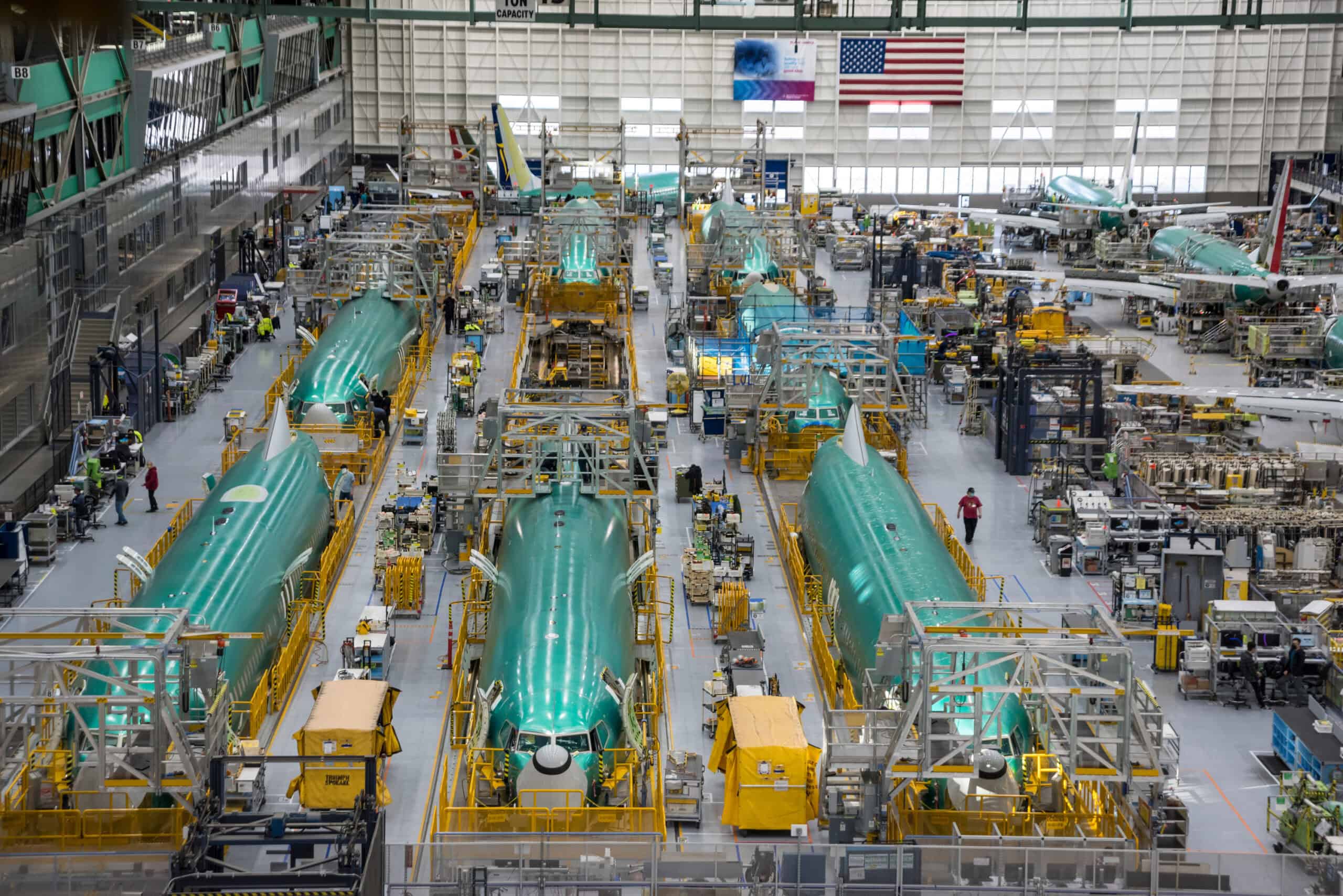
In October, the FAA approved an increase in 737 MAX production to 42 aircraft per month, ending a cap that had been in place since early 2024. But that increase can only go so far. Boeing cannot fully take advantage of that increase without additional certified variants entering service.
2026: The Year of the MAX 10 or Nah?

So, is 2026 the year of the MAX 10? Dare we get excited?
While Phase 2 flight testing brings the MAX 10 closer to certification than it has ever been, the path forward remains narrow. The engine anti-icing issue must be resolved. The flight deck alerting system must meet updated regulatory requirements. And the FAA has shown no appetite for rushing approvals (and rightfully so).
Late 2026 certification is increasingly viewed as an optimistic scenario, with entry into service potentially slipping into 2027 if additional obstacles get in the way.
For Boeing, the stakes could not be higher. We’ve all sat and watched over the last decade as Boeing committed misstep after misstep. However, the tide does seem to be turning. Finally. Perhaps once the certification of the MAX 10 and MAX 7 is complete, along with the 777-8 and 777-9, Boeing can finally put these dark years behind it and reclaim its rightful place as king of the OEMs.
For now, the news of MAX 10 certification progress provides some much-needed optimism.
Progress, yes. Certainty, not yet.