

Tweed New Haven Airport has weathered controversy, airline departures, and decades of uncertainty. Today, HVN is experiencing a dramatic resurgence driven by low-cost carriers and major expansion plans.
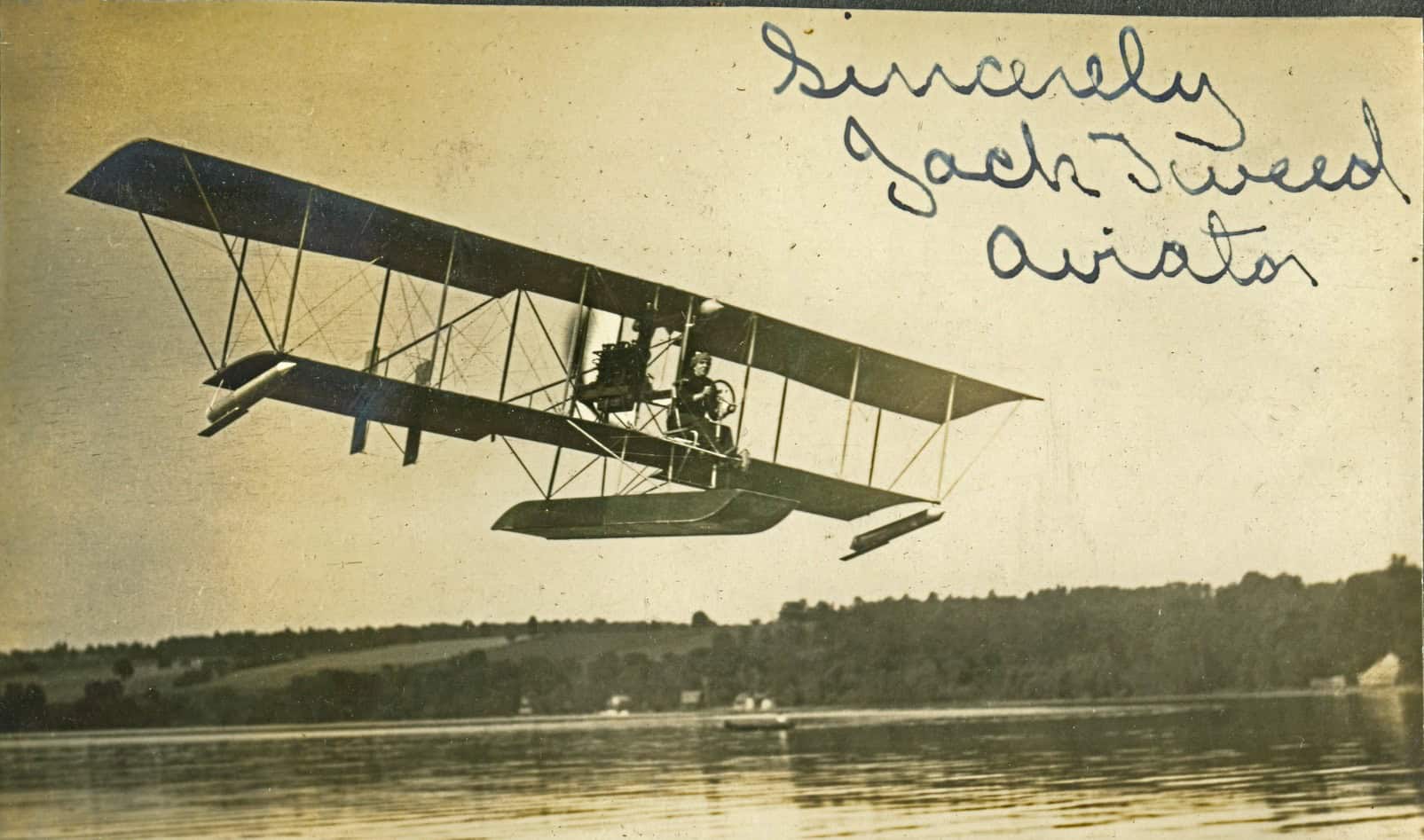
The seed for New Haven’s own airport was planted almost literally in 1929 when a locally built Viking, piloted by Jack Tweed, disgorged a parachutist who landed on a designated spot and handed then-Major Thomas H. Tulley and Governor John H. Trumbull a gold and silver spade with which both first broke ground on what would expand into a 220-acre facility.
The pilot eventually became New Haven Municipal Airport’s first manager, a post he held for three decades.
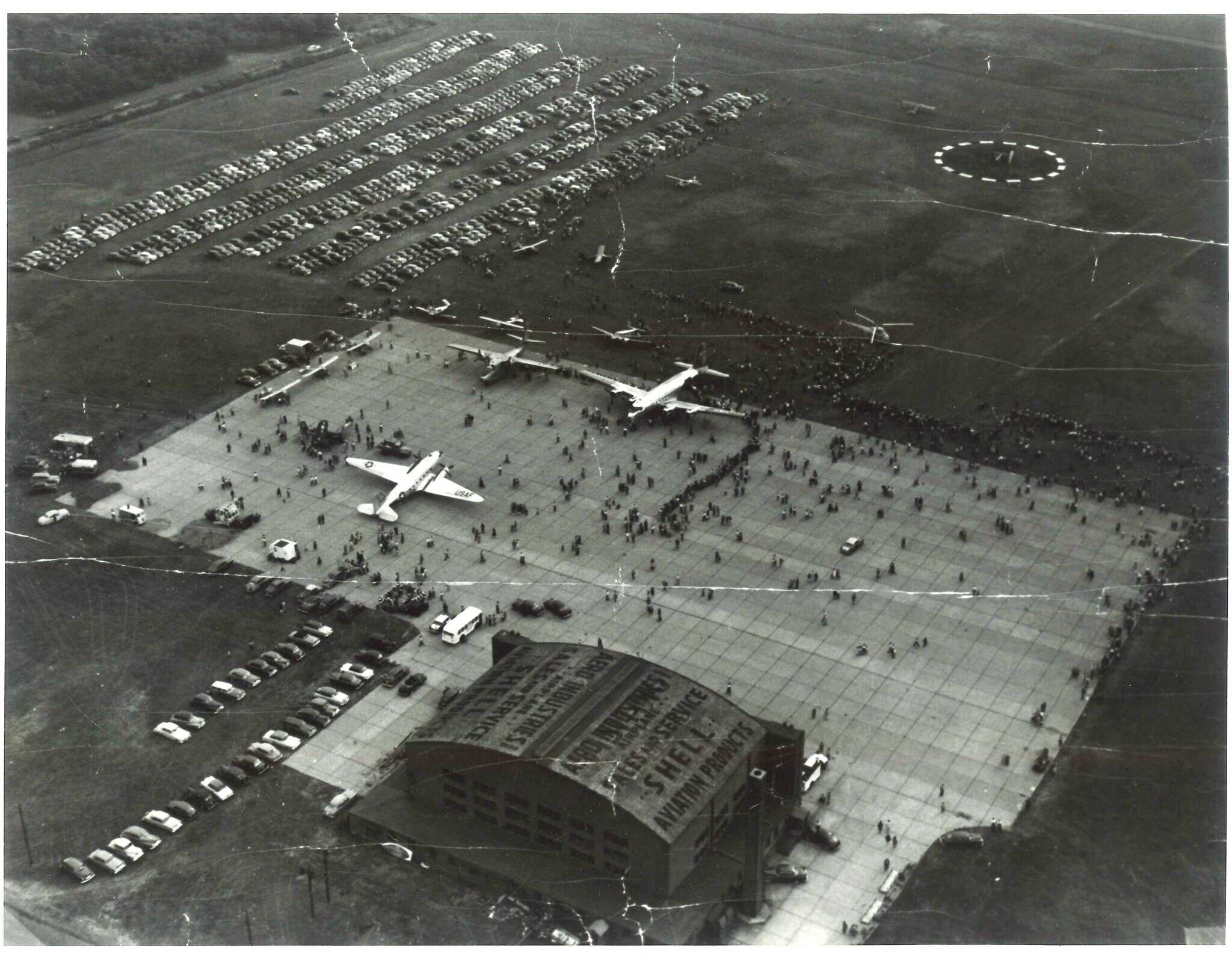
Expansion, the result of a commission Mayor David E. Fitzgerald established in 1922, led to a 394-acre facility with two runways.
In 1961, it was renamed Tweed–New Haven Airport (HVN) in honor of its first manager. Like countless other local community airfields, HVN performed a delicate balancing act, providing air connections to residents to avoid the long drive to New York airports such as Westchester County Airport (HPN), LaGuardia Airport (LGA), and John F. Kennedy International Airport (JFK), while quelling noise and expansion protests and attempting to attract carriers to a destination with a limited market base.
Service, Controversy, and Carrier Turnover
“(The airport) has been the subject of controversy, largely stemming from the competing interests of a New Haven government and business community wanting more air service and sometimes pushing for a longer runway and residential neighbors wanting a peaceful existence and no expansion,” according to Mark Zaretsky in “Tweed-New Haven Regional Airport Celebrates 80 Years After Taking Flight,” New Haven Register, 28 September 2011.
Also like other regional airports, HVN rode a roller coaster when it came to carrier service, airlines entering with promise but leaving with disappointment when load factors and revenues fell short, operating a variety of commuter turboprop and mainline jet aircraft.
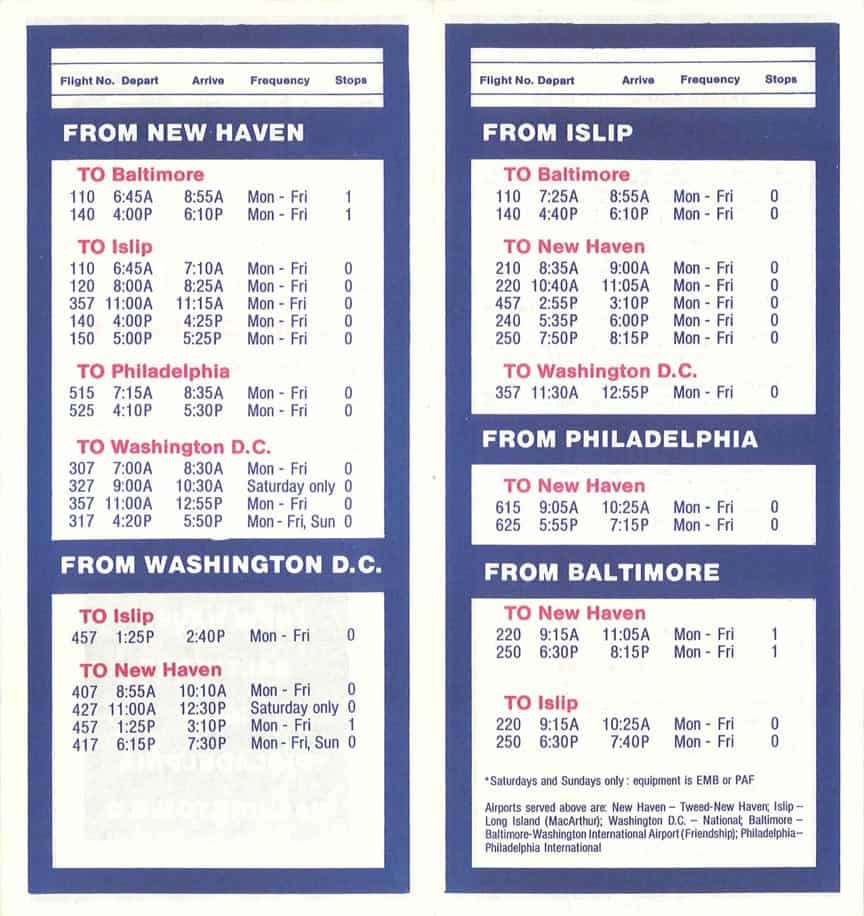
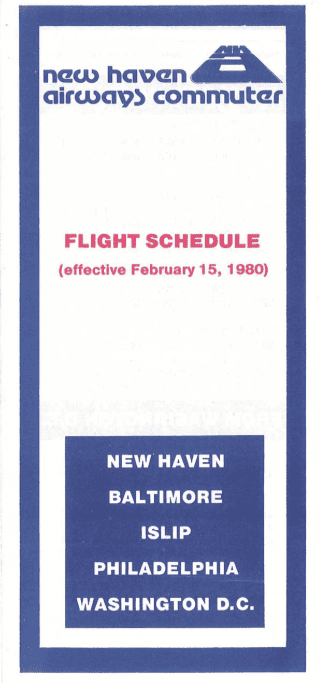
Although Robinson Aviation was its first fixed-base operator (FBO), LiCon (for “Long Island–Connecticut”) Airways inaugurated the airport’s first scheduled service, providing air access from November 1933 to July 1934. Seeking to address the need for a permanent scheduled carrier, the airport fostered its own indigenous operator, New Haven Airways (later NewAir). The airline ultimately connected coastal Connecticut with JFK and LGA, as well as Philadelphia International Airport (PHL) and service to Washington via Baltimore/Washington International Airport (BWI) and Ronald Reagan Washington National Airport (DCA).
The major airlines, particularly American, which inaugurated service as early as the fall of 1934, along with Eastern and Allegheny, eventually alighted at the airfield. Pilgrim also provided cross–Long Island Sound service to JFK, among other destinations, between 1967 and 1985.
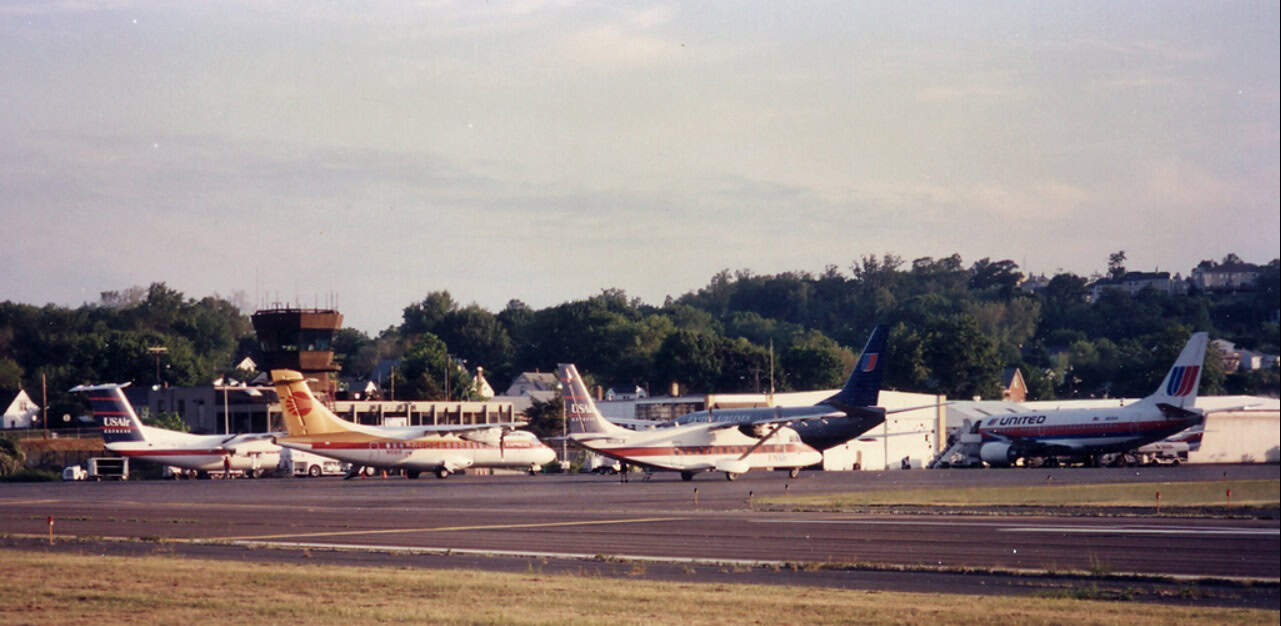
By the mid-1990s, the number of airlines peaked at four before gradually dwindling to one, as US Airways Express became the sole operator with flights to PHL and DCA, and finally to none.
Renewed Service and Modern Growth
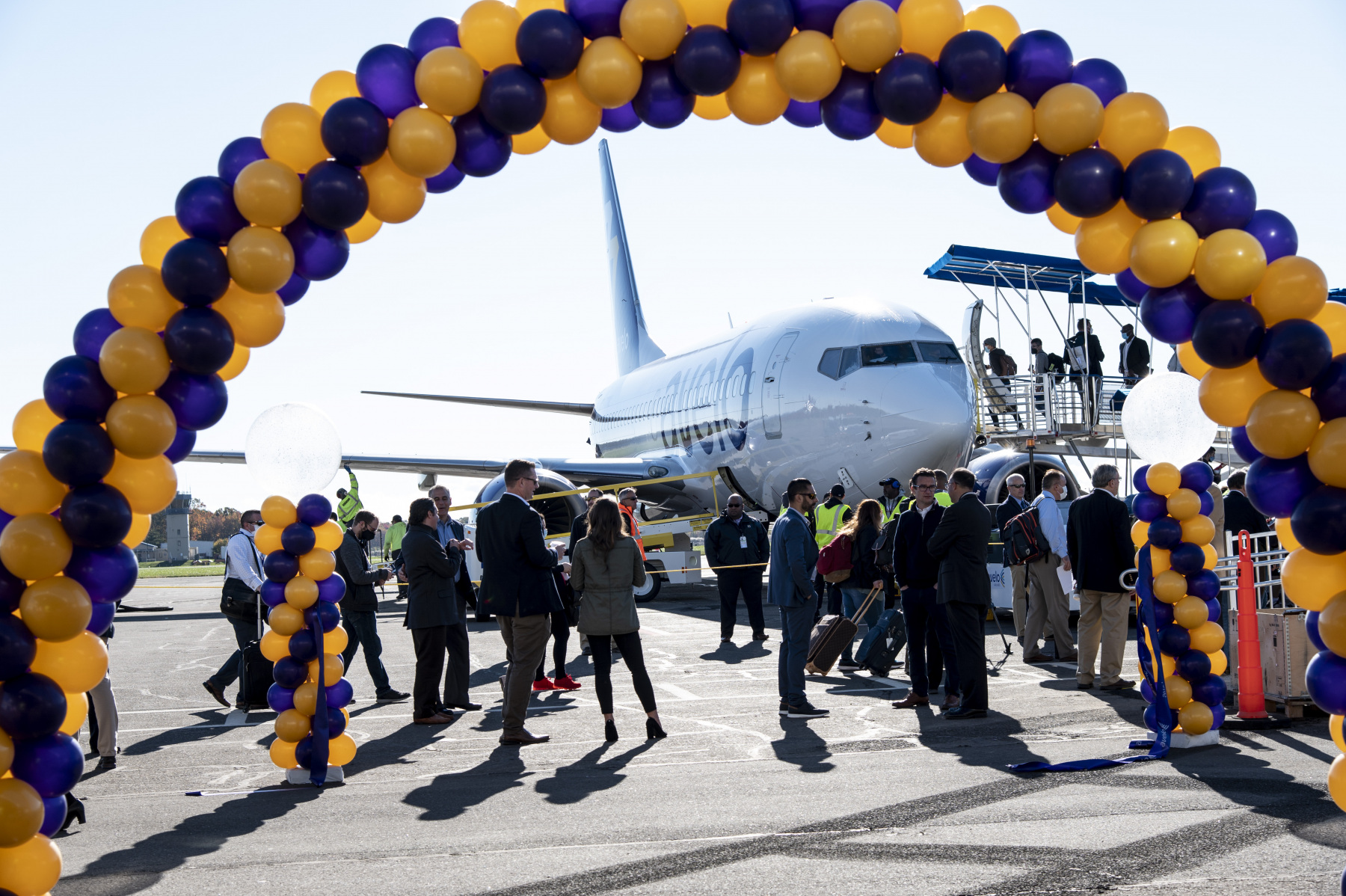
That changed on 3 November 2021, when low-fare carrier Avelo Airlines launched operations with Boeing 737-700 and 737-800 aircraft, inaugurating service to Orlando International Airport (MCO). Additional Florida destinations soon followed, including Fort Lauderdale–Hollywood International Airport (FLL), Southwest Florida International Airport (RSW), Tampa International Airport (TPA), and Palm Beach International Airport (PBI).
Momentum accelerated in late 2024 when Breeze Airways, another low-cost carrier and a direct competitor to Avelo, began service from HVN. It marked the first time in more than two decades that HVN hosted more than one airline. Today, between Avelo and Breeze, 36 nonstop destinations are served from HVN, according to the airport’s website, and annual passenger volume reached 1.4 million in 2025, representing a 14.5-fold increase over 2019 levels.
Expansion and the East Terminal Project
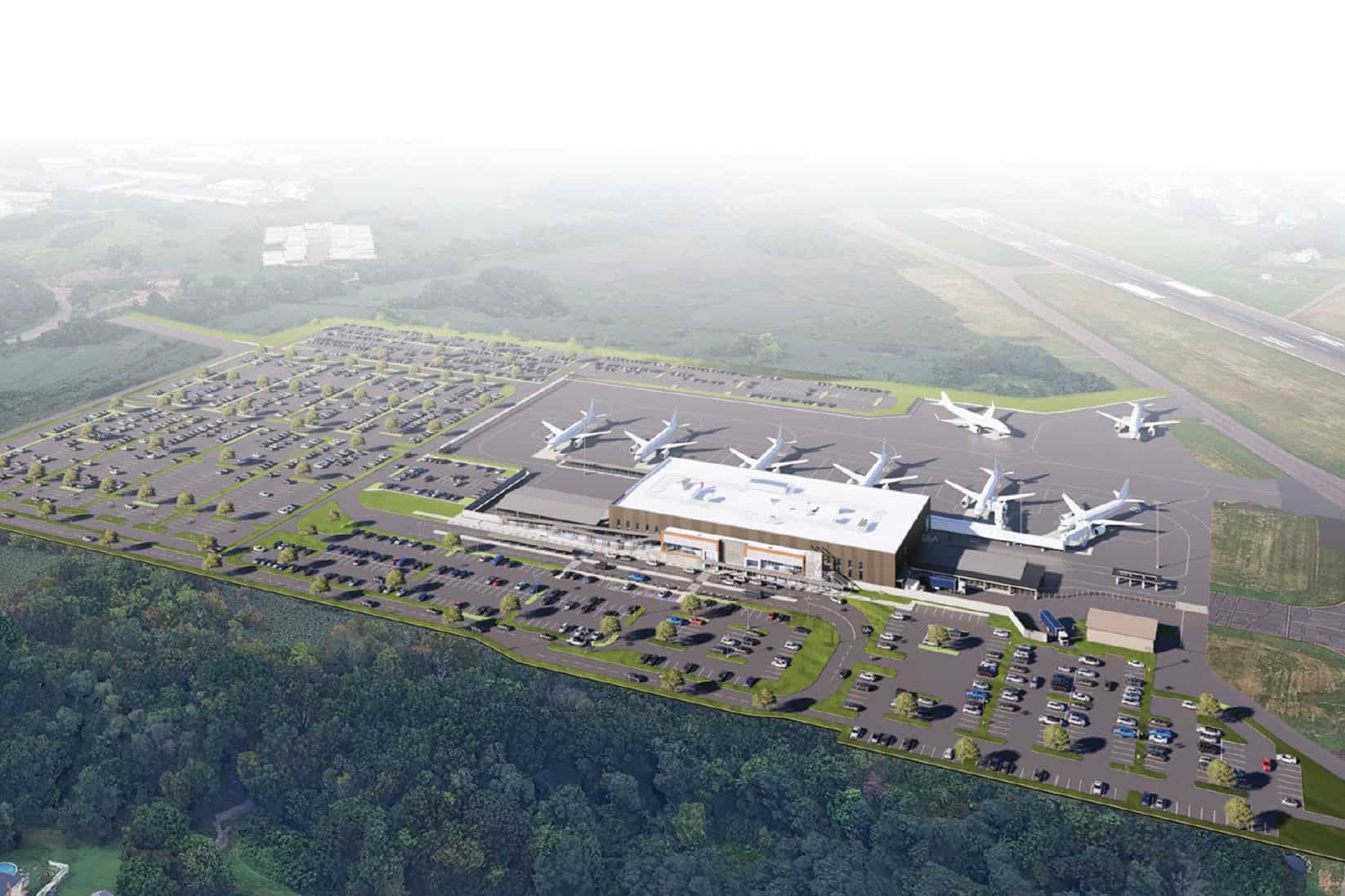
To accommodate this explosive growth, HVN, with its single 5,600-foot Runway 2/20, has embarked upon a $70 million privately funded expansion plan that will ultimately lead to a modern, 84,000-square-foot, six-gate elevated terminal. In addition, plans call for a 975-foot runway extension.
The project is designed to improve flood resilience while supporting projected passenger demand through 2040. Plans also include restoration of more than 32 acres of tidal wetlands, preservation of 25 acres of grassland habitat, and operational adjustments intended to shift aircraft activity away from nearby residential neighborhoods.