

DARPA’s X-76 experimental aircraft could transform military aviation with high-speed, runway-independent flight and tiltrotor technology.
The X-76 is the latest in a long series of experimental X-planes developed by the Defense Advanced Research Projects Agency (DARPA).
DARPA introduced the X-76 on March 9, 2026. Bell Textron is building the aircraft as part of DARPA’s SPeed and Runway INdependent Technologies (SPRINT) program, a partnership with US Special Operations Command to address a long-standing challenge in aviation.
For over a century, aircraft designers have faced a tough choice. Fast planes need runways and fixed wings, while helicopters and vertical lift aircraft can land almost anywhere but sacrifice speed.
The X-76 aims to overcome this trade-off.
DARPA’s goal is ambitious: to build an aircraft that can take off and land vertically from rough terrain and still cruise at over 400 knots. If successful, this could change how military aircraft operate in contested or remote areas.
The experimental aircraft has passed a key design review, and Bell Textron has started building it. Flight tests are planned for later in the program, with a test campaign expected in Phase 3 around early 2028.
Moving Beyond Runway Dependence
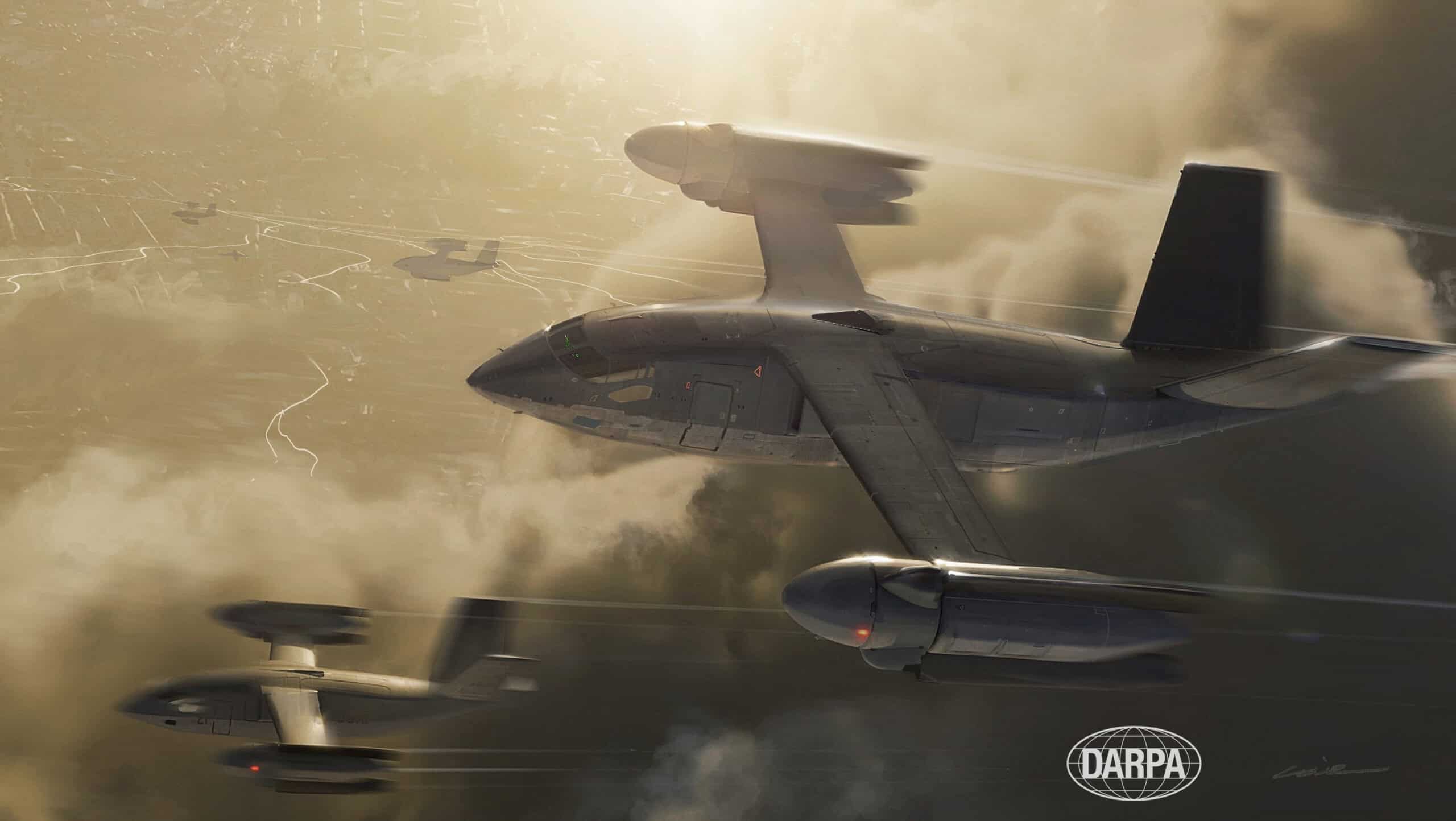
The X-76 began with DARPA’s SPRINT initiative, launched in November 2023 to find ways to combine high-speed fixed-wing performance with real runway independence.
The idea is deceptively simple: design an aircraft that takes off and lands like a helicopter but cruises at speeds close to those of regular airplanes.
DARPA SPRINT program manager Cmdr. Ian Higgins of the US Navy says that runways have become a strategic vulnerability.
“For too long, the runway has been both an enabler and a tether, granting speed but creating a critical vulnerability,” Higgins said. “With SPRINT, we’re not just building an X-plane; we’re building options. We’re working to deliver the option of surprise, the option of rapid reinforcement, and the option of life-saving speed, anywhere on the globe, without needing any runway.”
We’re working to deliver the option of surprise, the option of rapid reinforcement, and the option of life-saving speed, anywhere on the globe, without needing any runway.
US Navy Commander Ian Higgins
The X-76 will likely use a tiltrotor design, similar to the Bell-Boeing V-22 Osprey and Bell’s V-280 Valor. However, the SPRINT demonstrator aims to advance this idea even more.
Design images show the aircraft can take off and land vertically, hover in challenging environments, and switch to high-speed flight once airborne. The program is also looking at features such as folding or stoppable rotors to reduce drag during high-speed flight.
If it works as planned, the aircraft could cruise at 400 to 450 knots. That’s much faster than regular helicopters and even quicker than most tiltrotor aircraft in use today.
This means the X-76 could offer the flexibility of a helicopter along with the speed of a turboprop or light jet.
A New Generation of Special Operations Aircraft
Although the X-76 is just a test model, the technology it explores could greatly impact future military aircraft.
DARPA sees special operations forces as the main group to benefit. These missions often take place in remote or dangerous areas where runways might not exist or could be at risk. Helicopters are flexible but slow, while fixed-wing planes are fast but need proper airfields.
The X-76 is designed to close this gap.
DARPA’s program documents suggest a platform that could deploy troops, vehicles, or critical equipment directly into austere environments, eliminating the need for traditional airbases. The concept images released with the announcement depict a wide-body aircraft capable of carrying significant payloads, suggesting uses such as rapid troop insertion, logistics, and casualty evacuation.
The name X-76 is also symbolic. The “76” refers to 1776, tying the announcement to the United States’ 250th anniversary in 2026.
This project builds on Bell Textron’s long experience with high-speed vertical lift. The company has worked on tiltrotor aircraft since the XV-3 and XV-15, through the V-22 Osprey, and more recently the V-280 Valor for the US Army’s Future Long Range Assault Aircraft program.
The SPRINT demonstrator is not meant to become an operational aircraft. Instead, the X-76 will test and prove the aerodynamic, propulsion, and flight control ideas needed for high-speed, runway-independent aircraft.
If these technologies work, they could lead to a new generation of military aircraft.
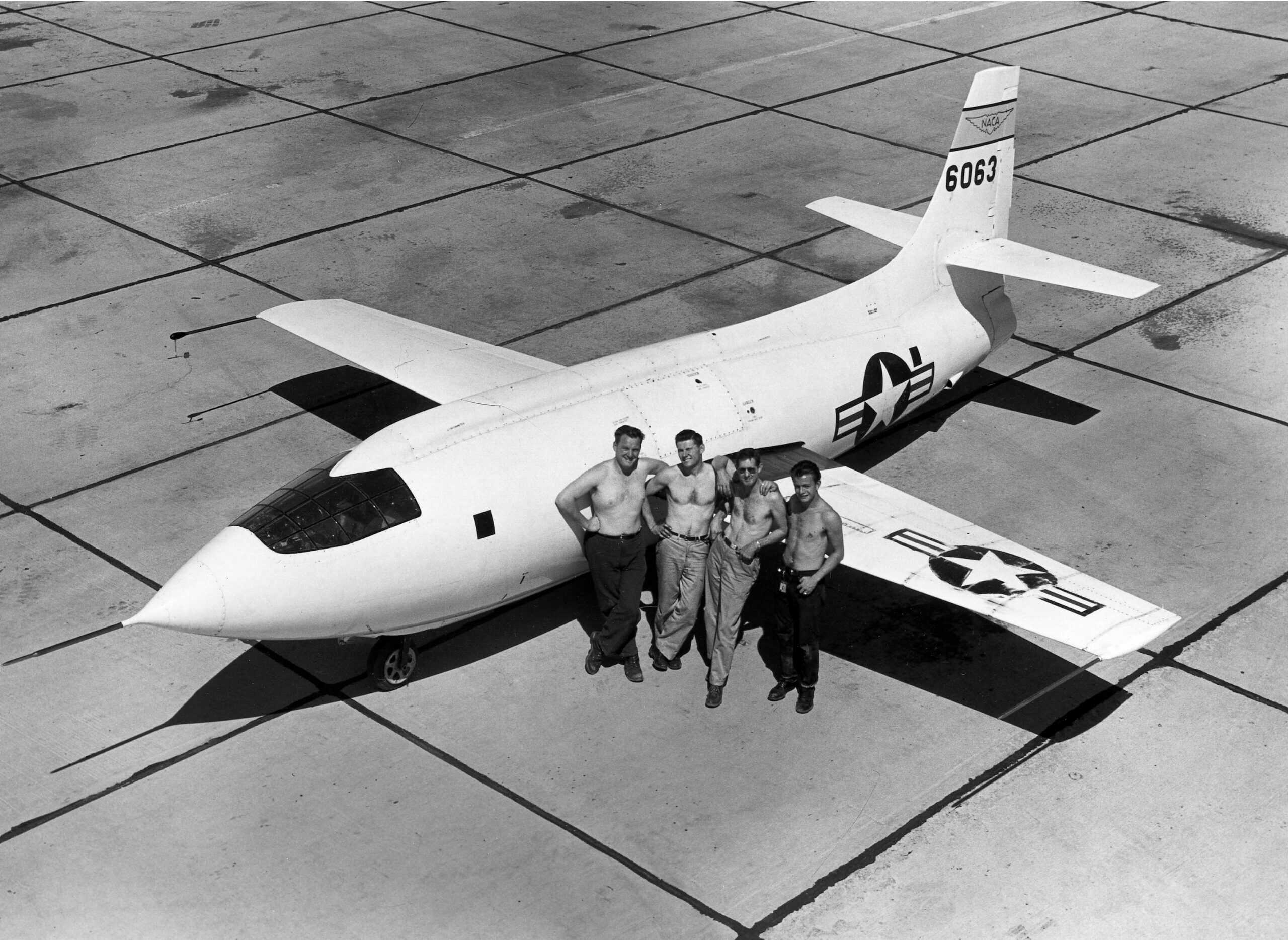
That has always been the role of X-planes in experimental aviation. From the rocket-powered X-1 that broke the sound barrier, to the lifting-body tests of the 1960s and later hypersonic research planes, these programs have kept expanding what aircraft are capable of.
The X-76 could be the next step in that tradition.
Right now, the aircraft is mostly just engineering drawings and parts being built. But if DARPA and Bell succeed, the idea of combining jet-like speed with real runway independence could become an operational reality in the not-too-distant future.