

December 17th. A day to remember and celebrate in aviation history.
First flights. Last flights. Without December 17th, we might not even have a place like Avgeekery to read about aviation and aerospace technology.
The first of many notable first flights we recognize is that of the Wright Brothers, who made four powered, controlled flights in their Wright Flyer at Kitty Hawk, North Carolina, on December 17, 1903. Wilbur and Orville spent years refining the design of their Flyer before achieving success.
Their first flight was only 120 feet—less than the wingspan of many modern aircraft. By the end of the day, they had flown a distance of 850 feet once. Aviation has come a long way!
1935: First Flight of the DC-3
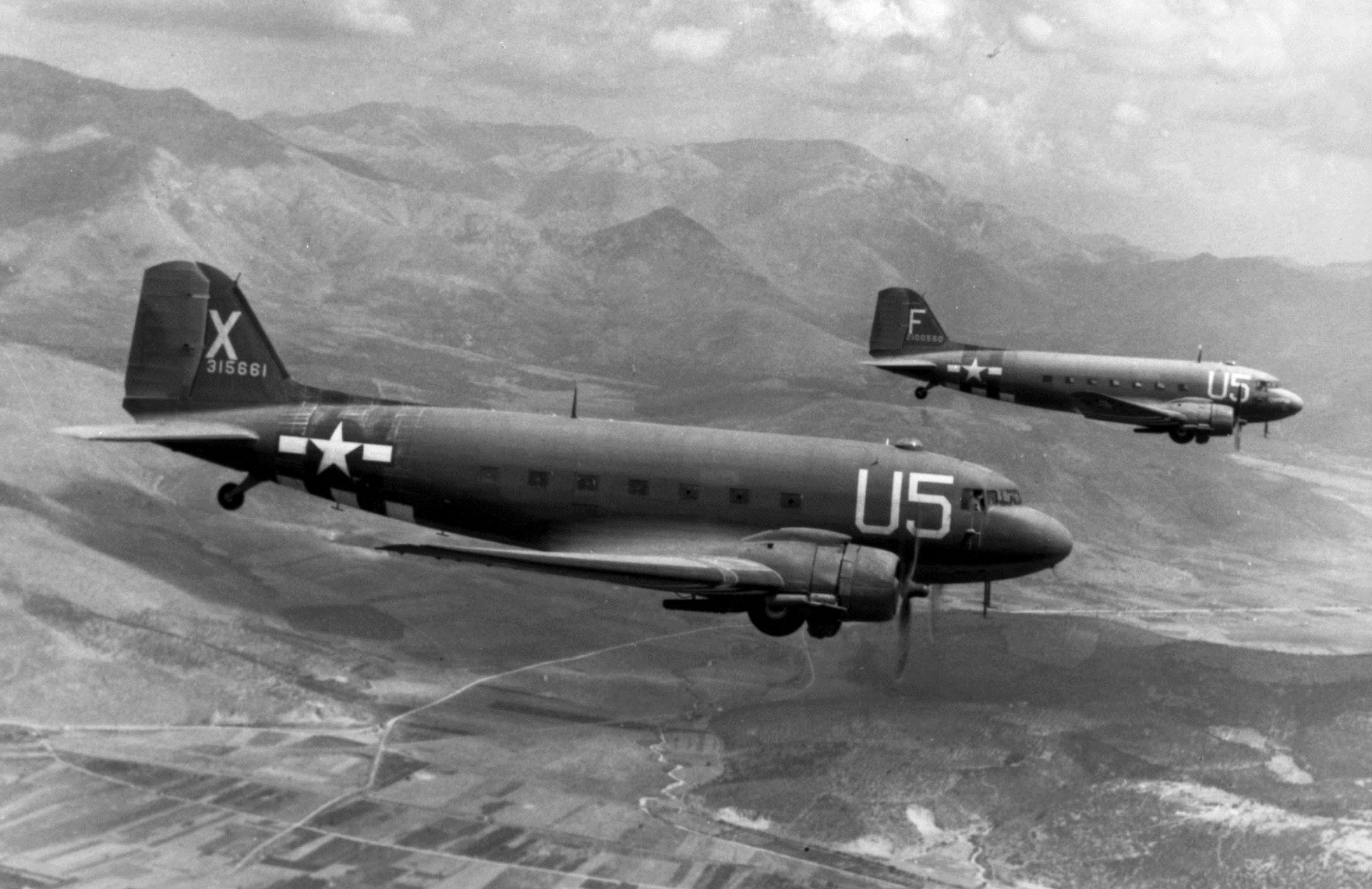
Fast forward to 1935. The Douglas DC-3 flew for the first time. This pioneering aircraft entered airline service with American Airlines in 1936. Only 607 DC-3s were built, but add the military C-47 derivatives and the number jumps to 16,079 examples of C-47 Dakotas/Skytrains and C-53 Skytroopers built by Douglas, more than 4,900 Lisunov Li-2 Cabs license-built in the Soviet Union, and 487 L2D Type 0 Tabby transports built by Showa and Nakajima in Japan during World War II.
Hundreds of these experienced DC-3 and derivative airframes still fly today.
1941: David “Buzz” Wagner Becomes America’s First Ace of World War II
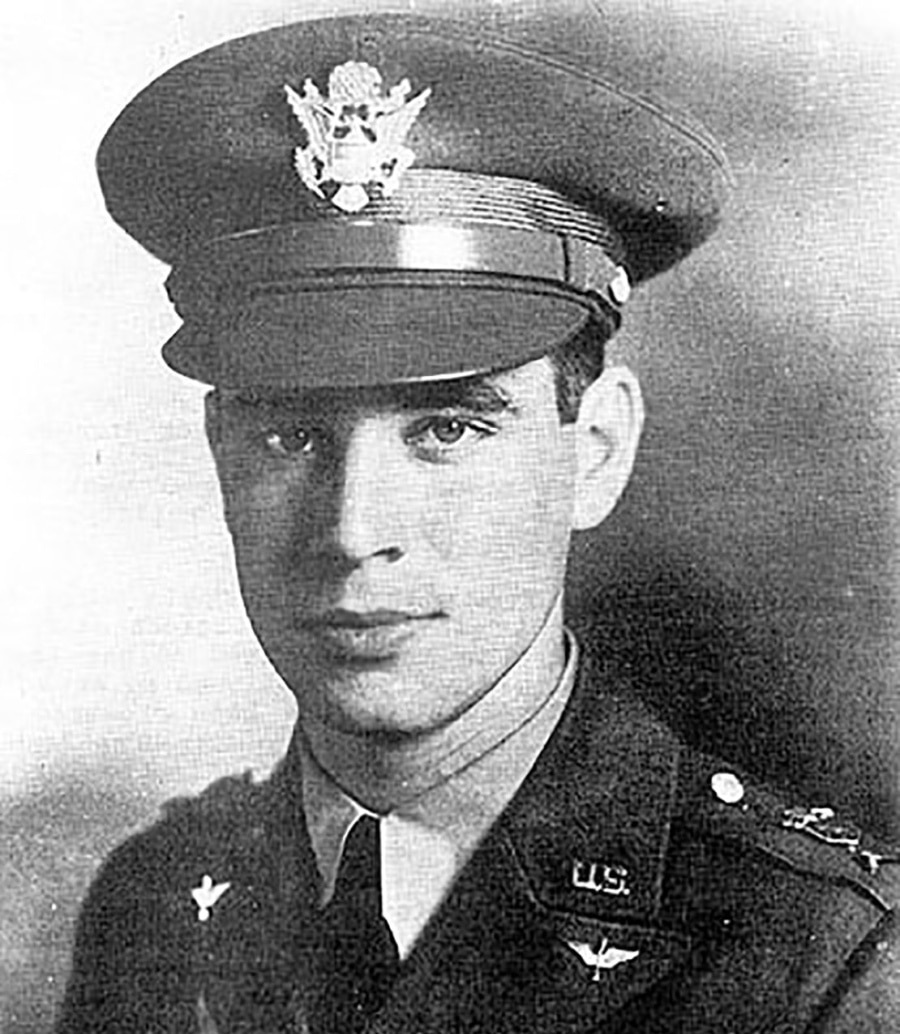
In 1941, an American Curtiss P-40E Warhawk pilot became the first United States Army Air Corps (USAAC) ace of World War II. First Lieutenant David “Buzz” Wagner was stationed in the Philippines with the 17th Pursuit Squadron Hooters of the 24th Pursuit Group.
Only nine days after the Japanese began their assault on the Philippines, Wagner achieved his fifth aerial victory. Wagner went on to tally eight victories, the final three while flying Bell P-39D Airacobras with the 35th Fighter Squadron Pantones of the 8th Fighter Group, before he was sent home. At the time, he was the youngest Lieutenant Colonel in the USAAC.
1944: Richard Ira Bong Scores 40th and Final Aerial Victory and Becomes America’s “Ace of Aces”
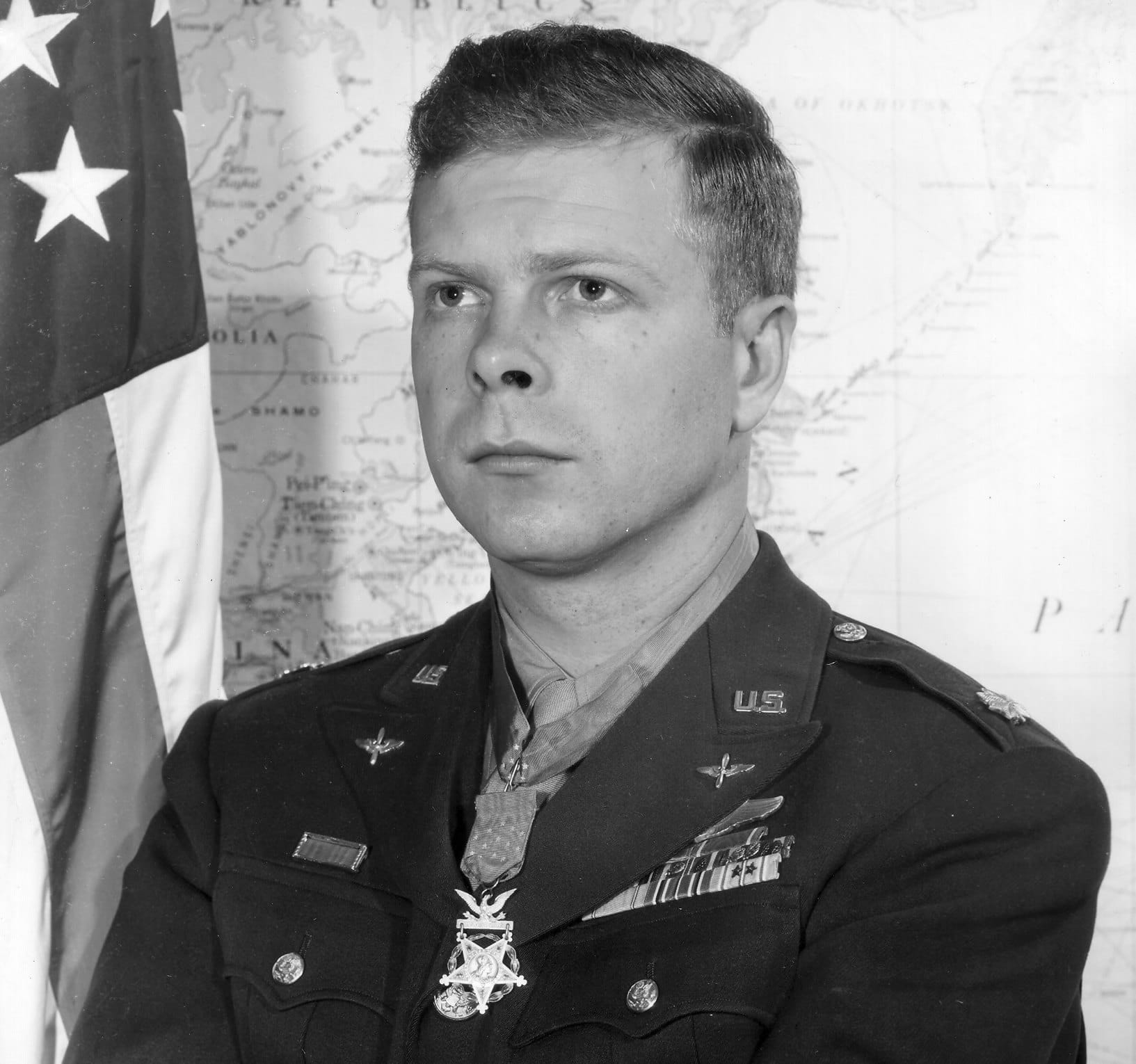
In 1944, Major Richard Ira Bong scored his 40th and final aerial victory while flying his P-38J-15-LO Lightning serial number 42-103993 over the Philippines. Bong’s tally of 40 aerial victories is the highest achieved by any other American pilot before or since.
5th Air Force commanding General George Kenney is fond of recounting how he discovered Bong while the two were stationed in the San Francisco area in 1942. Bong was supposedly guilty of buzzing houses and flying loops around the center span of the Golden Gate Bridge. Kenney, then with the 4th Air Force, was to reprimand the young Bong, but leniency was his decision. Dick Bong later became one of Kenney’s “Kids.”
1947: The B-47 Flies for the First Time
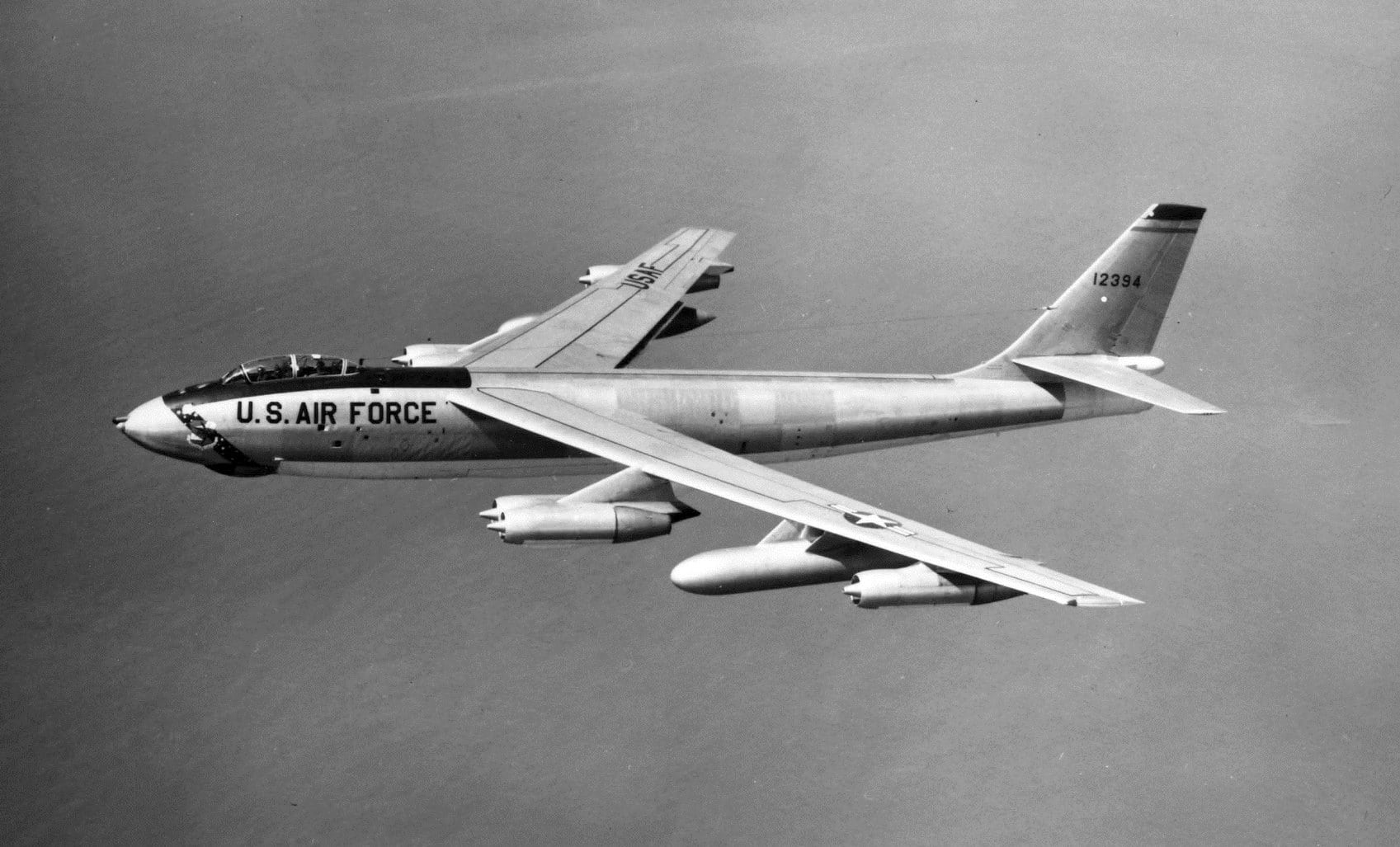
In 1947, the Boeing B-47 Stratojet strategic bomber flew for the first time. The B-47 became synonymous with Strategic Air Command (SAC) and the nation’s ability to not only defend itself but strike back in the event of, well, the end of the world. Boeing built more than 2,000 of these versatile bombers.
The aircraft were used for electronic and photographic reconnaissance, weather reconnaissance, for testing weapons and systems in development, and as trainers and later as target drones. B-47s also starred in the 1955 movie Strategic Air Command and had a supporting role in 1957’s “Bombers B-52”.
By the time December 17th, 1954, rolled around, Boeing had built the 1,000th B-47 for SAC.
1950: F-86 Sabre Jets Begin Operations over Korea’s MiG Alley in First Known Aerial Combat Between Swept-Wing Fighters
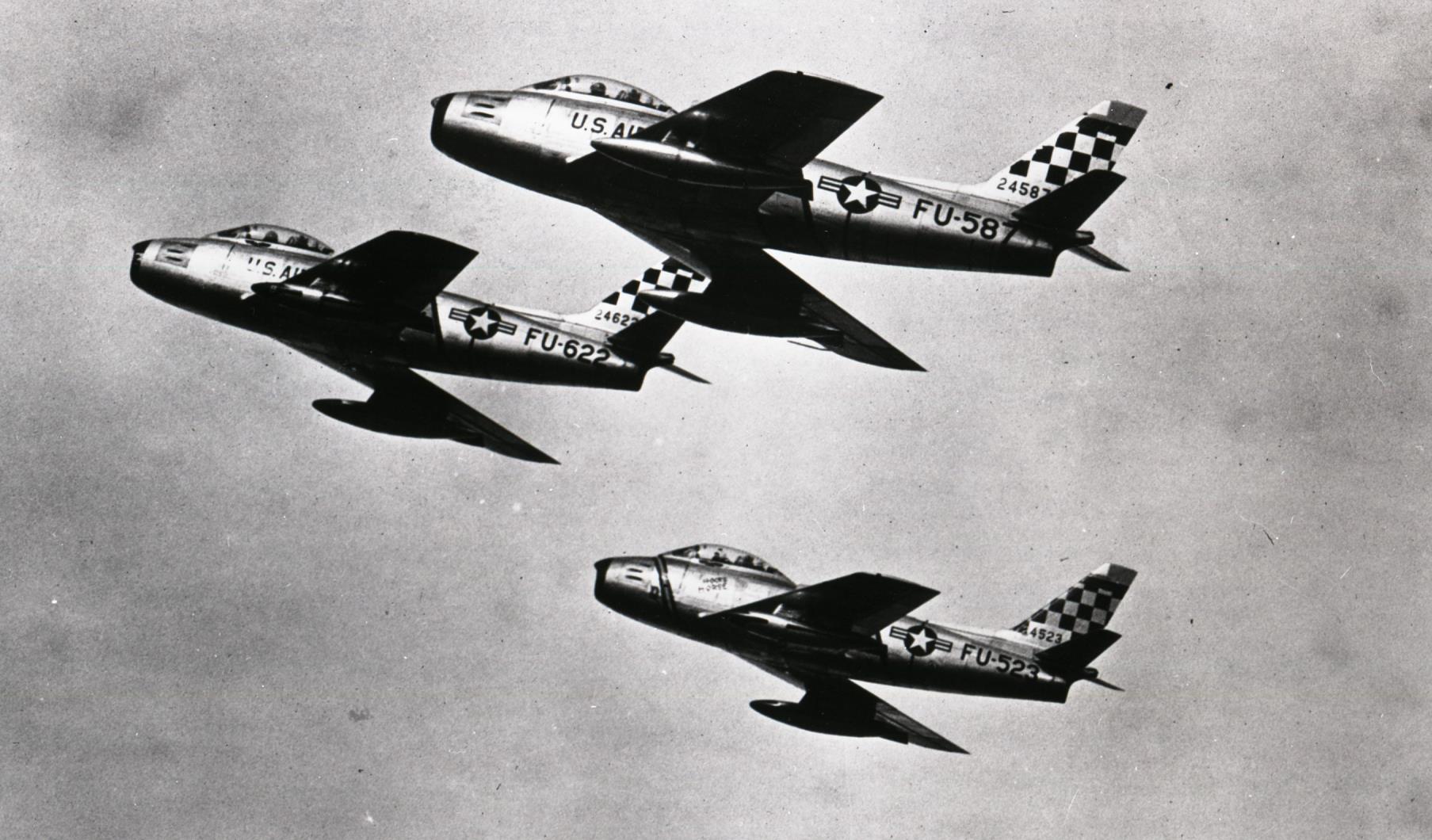
In 1950, the North American F-86A Sabre jet fighter began operations over MiG Alley in Korea. Sabres from the 336th Fighter Squadron Rocketeers, led by Lieutenant Colonel Bruce H. Hinton, first tangled with MiG-15 fighters near the Yalu and scored a single kill.
At first, the early-model Sabres, the American pilots, many of whom were World War II veterans and even some aces, were not as evenly matched with the MiGs as they would be when the improved F-86E variants later reached service.
It wasn’t until years later that it became apparent that American F-86 pilots were actually engaged in aerial combat, often against Russian pilots flying those deadly MiG-15s.
1956: The Stoof With A Roof Flies for the First Time
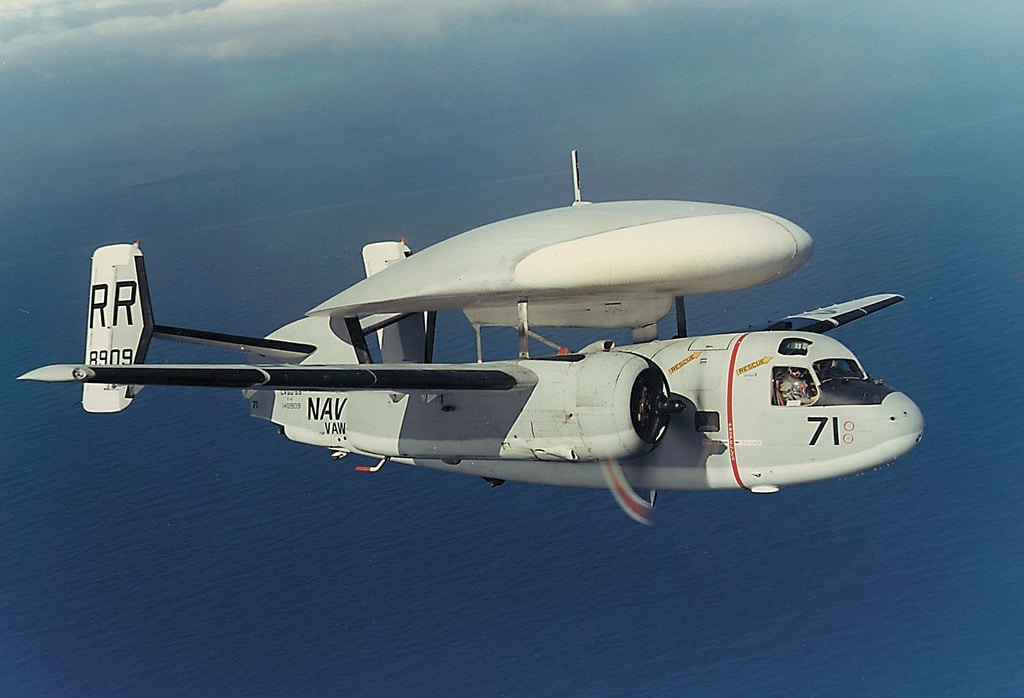
In 1956, the Grumman E-1 Tracer airborne early warning aircraft flew for the first time. This derivative of Grumman’s versatile S-2 Tracker, also known as the Stoof, was an antisubmarine warfare aircraft better known as the Stoof With a Roof, thanks to the large radar antenna housed in an aerodynamically neutral fairing mounted on top of the fuselage.
Grumman went on to build only 88 Tracers, but they served on American aircraft carriers around the world, protecting the carriers and the task forces with them from attack from airborne, surface, and subsurface threats until they were replaced once and for all in 1977 by Grumman’s E-2 Hawkeye.
Let’s be real here, Avgeeks…Stoof with a Roof is one of the best nicknames for an aircraft. Ever!
1963: Maiden Flight of the C-141 Starlifter
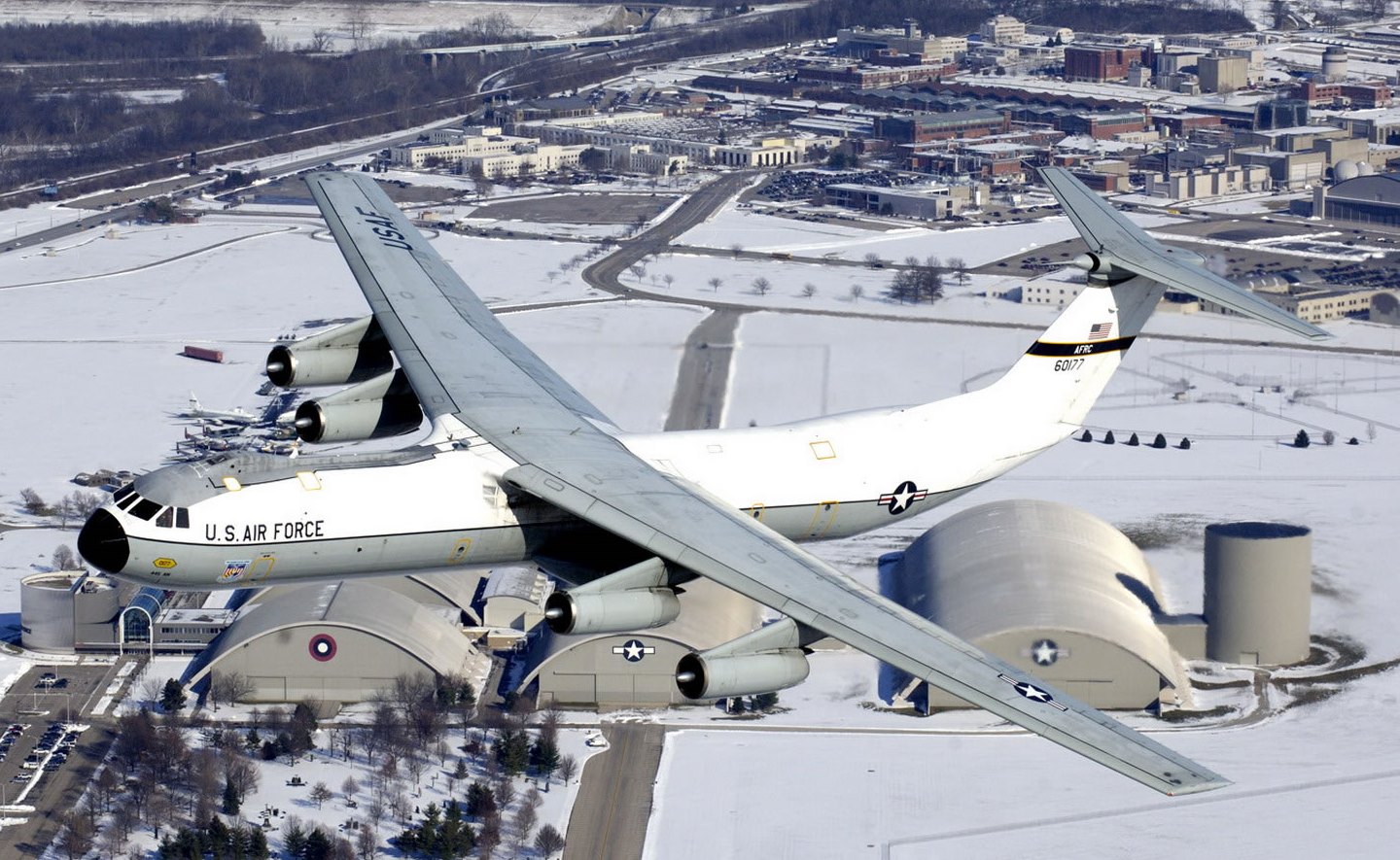
In 1963, Lockheed’s C-141 Starlifter flew for the first time. This strategic airlifter went on to serve honorably with the Air Force’s Military Air Transport Service (MATS) and, as time passed, with the Military Airlift Command (MAC) and eventually with the Air Mobility Command (AMC). Starlifters also served in the Air Force Reserve (AFRES) and later in the Air Force Reserve Command (AFRC), primarily in Airlift Wings (AW) and Air Mobility Wings (AMW).
During their 41 years of service, C-141s also equipped Air National Guard (ANG) squadrons and finally one AMW of the Air Education and Training Command (AETC) dedicated to C-141, C-5, C-17, and KC-135 training.
1969: Project Blue Book Officially Ends
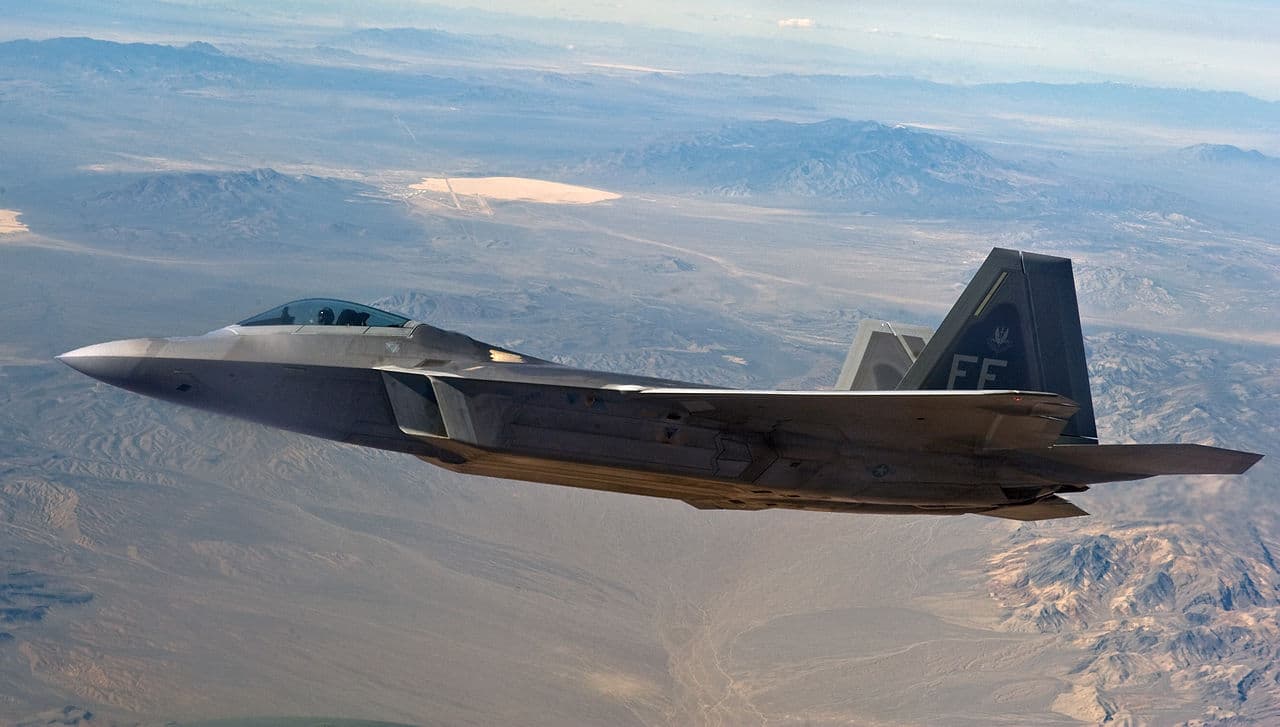
In 1969, the USAF finally closed the book on Project Blue Book, the 22-year investigation into unidentified flying objects (UFOs). This program was actually divided into “eras” based on who was running the vast and divergent investigations into sightings and strange occurrences.
Project Blue Book was supposed to determine if UFOs were a threat to national security and scientifically analyze UFO-related data. Over the course of 22 years, 12,618 UFO reports were investigated. The conclusions were predictable enough. UFOs were never a threat to national security, and there was no evidence that extraterrestrial vehicles were involved. They were never completely unexplained or unexplainable.
But the controversy over UFOs and sightings thereof continues to this day.
Is the truth out there?
