

Fierce Competition with the Strike Eagle
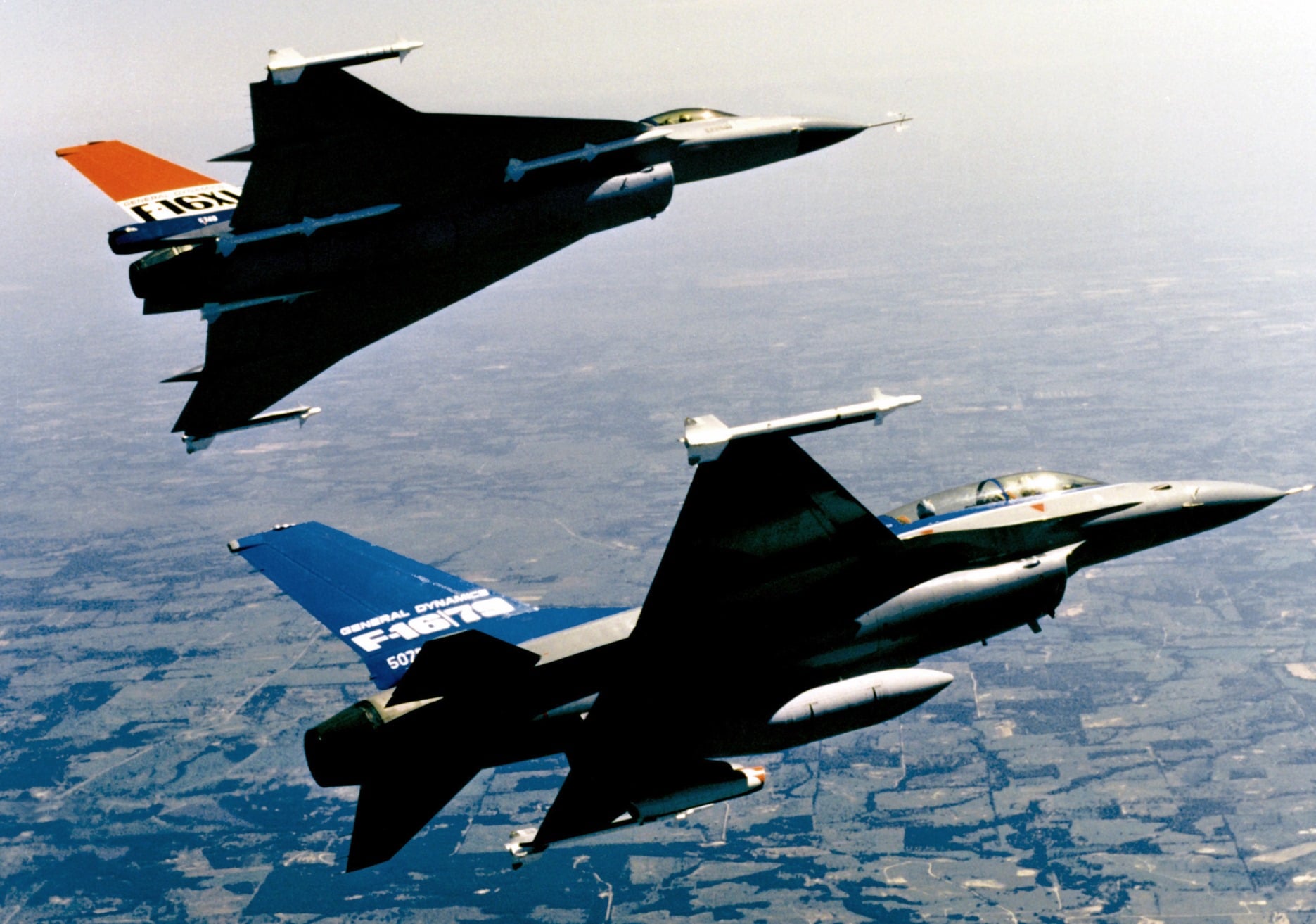
Because of the F-16XL’s ability to carry twice the payload of a standard F-16 40 percent further and land or take off in two-thirds the distance used by the standard version, GD entered the aircraft in the USAF’s Enhanced Tactical Fighter competition. After a total of 798 F-16XL test flights, the long and the short of the result is that today the USAF flies the Strike Eagle in the ETF role. The F-16XL was a more radical adaptation of the F-16 than the F-15E was of the F-15D, and the F-15 was already in production.

Supercruise Didn’t Take Off Either
Though many believed (and some still do) that the F-16XL (or single-seat F-16E and two-seat F-16F) would have been a better choice for the ETF, we’ll never know. The F-16XL failed to achieve supersonic cruise during the ETF competition.
Rescued by NASA
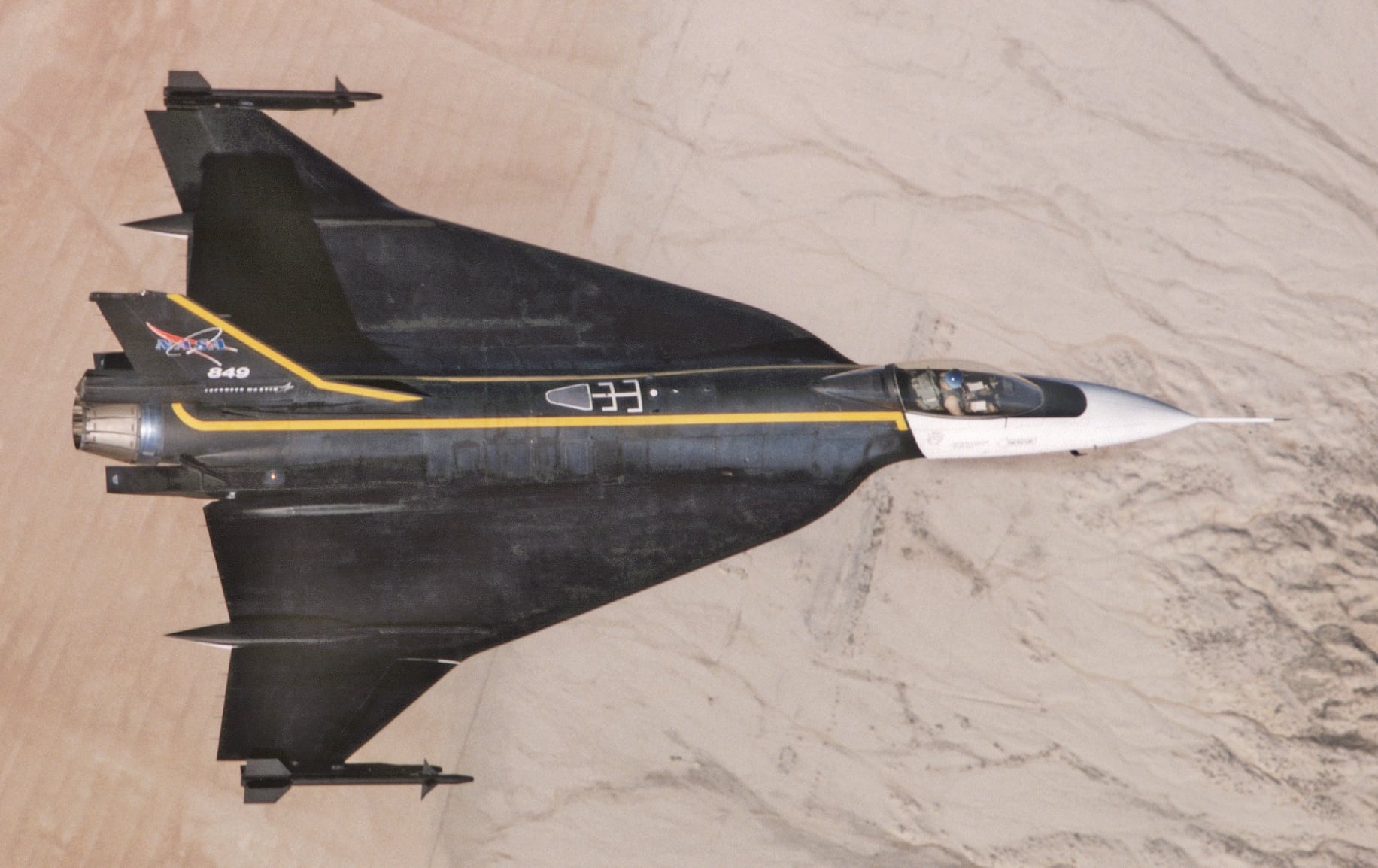
In 1985, after the ETF competition concluded, GD stored both F-16XLs at its plant in Fort Worth, Texas. The distinctive jets languished for three years before NASA renumbered 0749 as #849 and 0747 as #848. NASA flew 849 to the Ames-Dryden Flight Research Facility at Edwards Air Force Base (AFB) in March 1989. 849 was modified for laminar-flow wing studies and also took part in sonic boom research. The aircraft has also conducted research flights at NASA’s Langley Research Center.
Asymetrical Wings and Supercruise
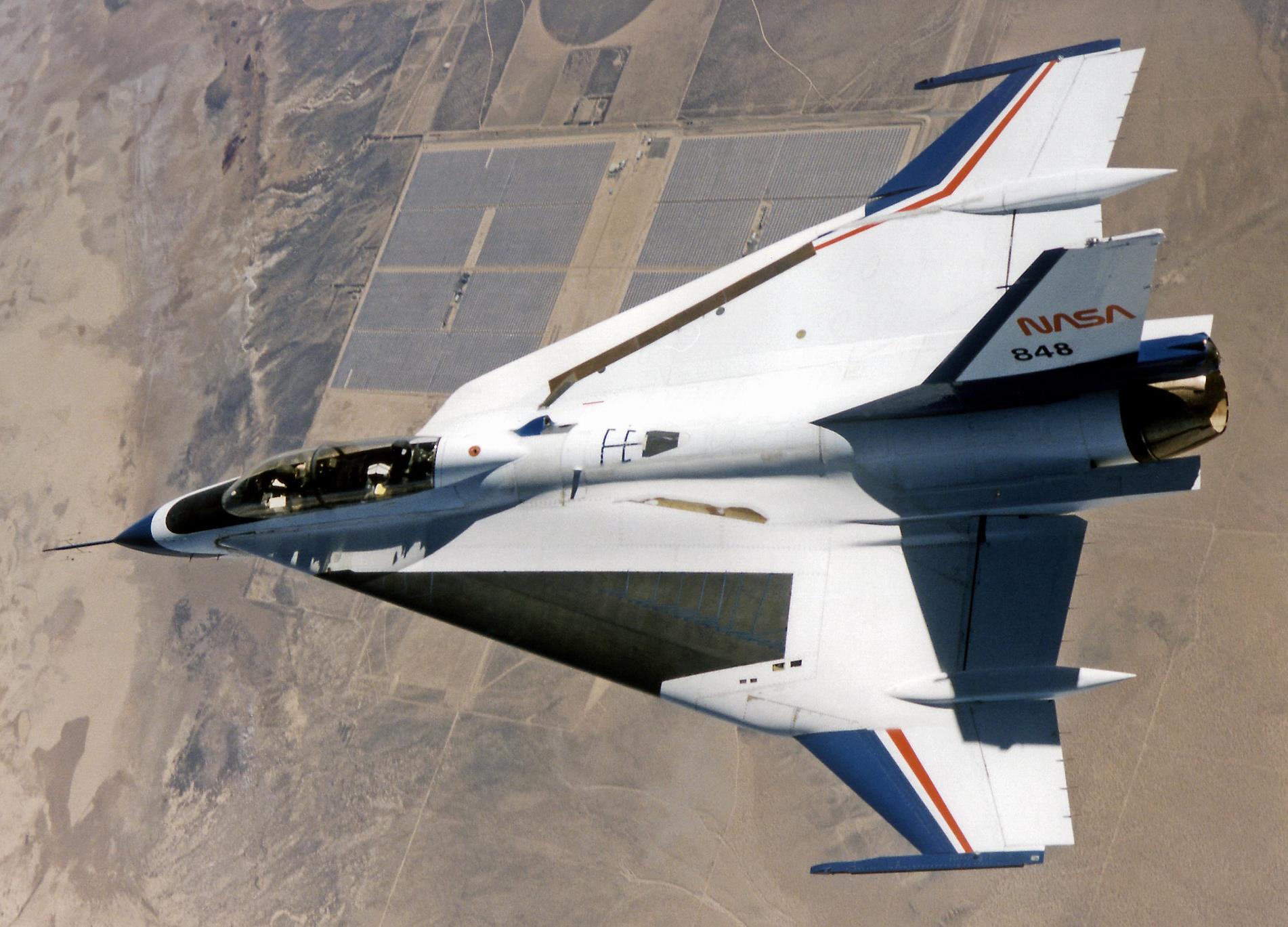
NASA and GD combined forces to replace the engine in 848. After receiving a production GE F110-129 engine, 848 eventually did achieve supersonic cruise (supercruise). 848 was modified with research gloves on both wings. The port wing glove was substantially larger.
A team from NASA’s Langley Research and Dryden Research Centers, Rockwell International, Boeing, and McDonnell Douglas designed and built the wing glove. 848 was used primarily for supersonic laminar-flow research. Once NASA’s test programs concluded in 1999, both of these distinctive aircraft were placed into storage at Edwards AFB. They remain there today.
11.11.17
