

The preliminary Greg Biffle plane crash NTSB report sheds new light on cockpit problems, crew roles, and the jet’s final moments.
The NTSB has released its preliminary report on the crash of retired NASCAR legend Greg Biffle’s Cessna Citation in December 2025. The accident has rocked the NASCAR community, and the early findings do little to put lingering questions to rest. If anything, the report opens the door to even more uncertainty about what went wrong in the final minutes of the flight.
What is clear is that the jet departed Statesville Regional Airport (SVH) in North Carolina on 18 December 2025 and was airborne for barely ten minutes before attempting to return.
What happened in between appears to have been a rapidly escalating cockpit workload involving malfunctioning instruments, deteriorating weather, and a flight crew that was not fully qualified for the aircraft being flown.
The Victims
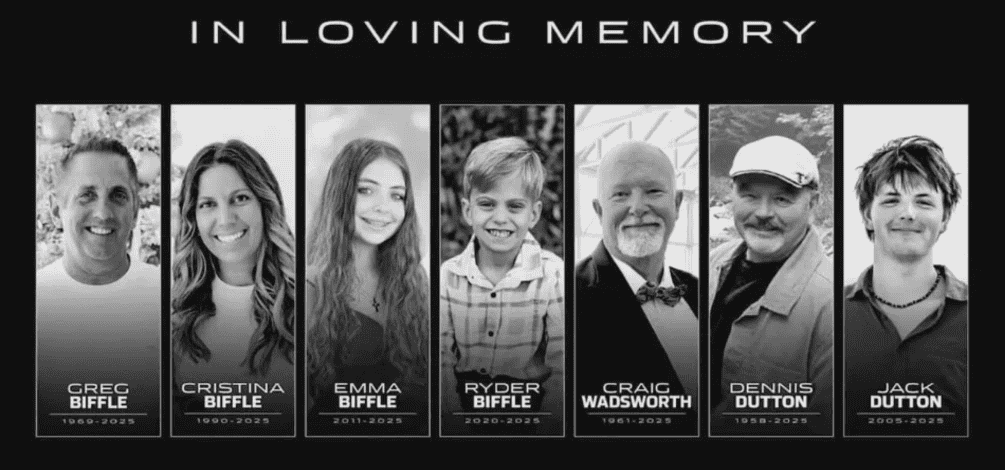
The victims of the crash were:
- Greg Biffle, 55, retired NASCAR driver
- Cristina Biffle, his wife
- Emma Biffle, 14 (Biffle’s daughter from previous marriage to Nicole Lunders)
- Ryder Biffle, 5 (Biffle’s son from current marriage)
- Dennis Dutton, retired airline pilot
- Jack Dutton, private pilot and son of the pilot
- Craig Wadsworth, a close family friend of Greg Biffle with long-standing ties to the NASCAR community
The loss reverberated through both the motorsports and aviation communities, particularly given Biffle’s well-known use of aircraft for personal travel and humanitarian efforts.
Who Was Flying and Who Wasn’t
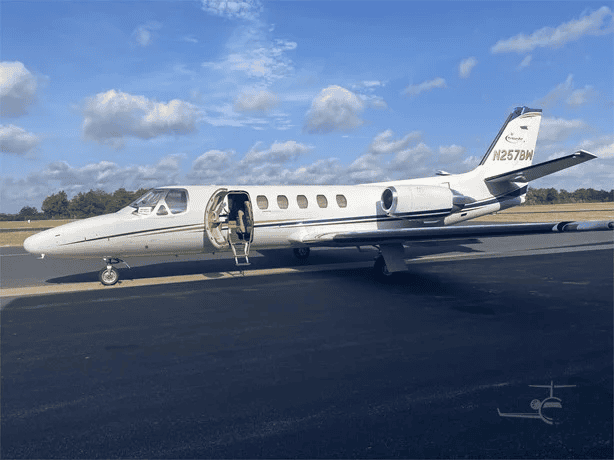
From the moment news rolled in of the tragedy, there was no definitive answer on exactly who was flying the Citation that day.
One of the most significant clarifications in the preliminary report is that Greg Biffle was not flying the aircraft at the time of the crash.
The report confirms that the jet, which bore the registration N257BW, was being flown by Dennis Dutton, a retired airline pilot with extensive flight experience. Sitting in the right seat was Dutton’s 20-year-old son, Jack Dutton, a junior in the Professional Flight program at Auburn University’s School of Aviation. He held a private pilot license and had just recently become instrument-rated, but was not qualified to serve as a second in command on the Cessna Citation.
That detail is significant.
According to the NTSB, the left seat pilot’s type rating for the Citation carried a requirement that a qualified second in command be present. Neither Jack Dutton nor Biffle held the required endorsement to serve in that role. Despite that, Jack Dutton was handling radio communications, running checklists, and at one point was handed control of the aircraft while the elder Dutton attempted to troubleshoot cockpit issues.
Aviation safety consultant and former NTSB investigator Jeff Guzzetti summed it up bluntly.
“This airplane requires two trained pilots, and if things go wrong and you don’t have a trained pilot, then bad things can happen,” he told the Associated Press. “The airplane might have been able to be landed safely if there were two qualified pilots up front.”
Early Warning Signs Before Takeoff
The report indicates that issues began surfacing even before the jet left the ground.
During taxi, the crew discussed an inoperative thrust reverser indicator light. While they believed the thrust reverser itself was functioning correctly, the presence of a known indication problem before departure adds an early layer of complexity to the flight.
During the takeoff roll, one of the pilot-rated passengers seated behind the cockpit noted that the engines did not appear to be producing equal power. The possibility of a faulty gauge was mentioned, but the takeoff continued.
Within minutes, the flight would become far more complicated.
A Short Flight That Quickly Unraveled
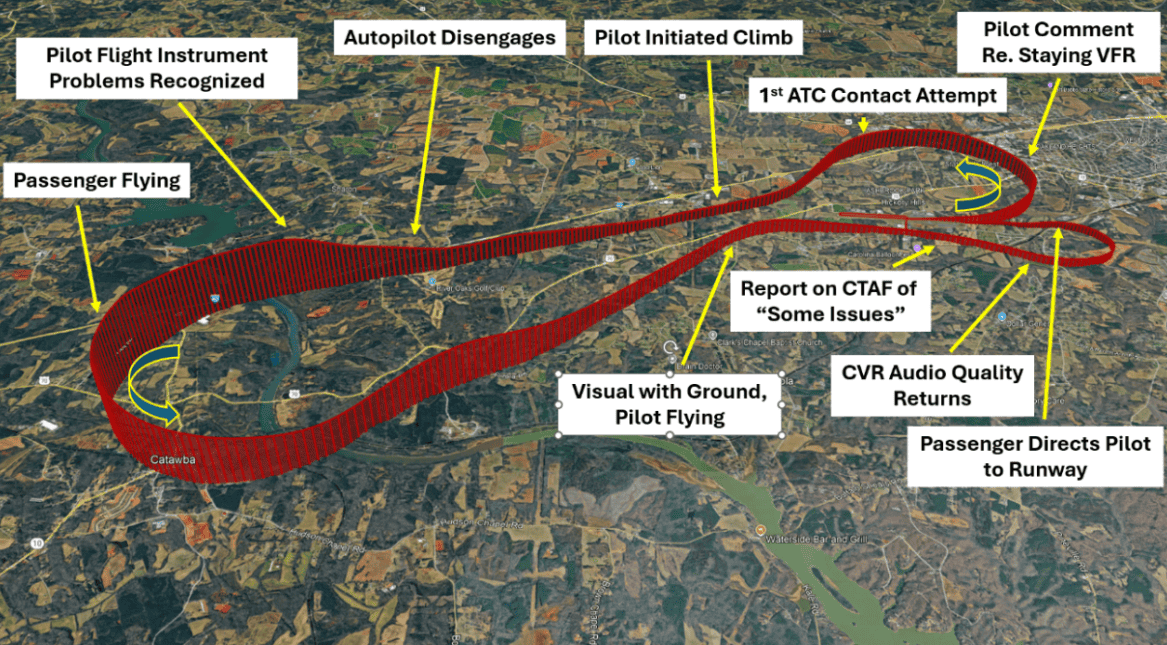
The Citation departed from SVH’s Runway 10 on a planned flight to Sarasota-Bradenton International Airport (SRQ) in Florida, a trip that would normally have taken just over an hour in the light business jet. The departure itself appeared routine, but the margin for error began shrinking almost immediately after liftoff. In fact, the aircraft was airborne for only about ten minutes before the crew decided to return.
The jet departed under visual flight rules with the intention of picking up an IFR clearance once airborne. That clearance never came. Multiple attempts were made from the right seat to contact air traffic control, but controllers were busy, and the flight was unable to activate its IFR flight plan.
As the Citation climbed away from Statesville, it initially reached approximately 2,200 feet before beginning a wide left turn back toward the airport. At one point during the return maneuver, flight data shows the aircraft climbing rapidly from roughly 1,800 feet to about 4,000 feet, before descending again. During this period, ground speed and airspeed fluctuated as cockpit workload increased.
Weather conditions in the area were deteriorating at the same time. Ceilings were lowering, and visibility was decreasing, pushing the aircraft closer to instrument meteorological conditions while it was still technically operating under VFR. With unresolved instrument concerns and no IFR clearance, the margin for safe continuation of the flight to Florida was rapidly disappearing.
The decision was made to abandon the trip to Sarasota and return to Statesville. Diverting to a larger airport such as Charlotte (CLT) was likely not a viable option given the aircraft’s proximity to Statesville and the apparent need to land promptly.
As the jet maneuvered back toward the airport, it descended through approximately 1,500 feet while traveling at around 160 knots, then continued descending as airspeed gradually bled off. By the time the aircraft turned toward final approach, recorded data shows it was already well below a typical stabilized approach profile.
What began as a routine departure quickly evolved into a compressed, high-workload scenario, with altitude, airspeed, weather, and systems all in play at once.
“We’re Having Some Issues Here:” Instrument Failures and Cockpit Confusion
According to the preliminary report, the pilot reported that his altimeter and other left-side flight instruments were not working properly. The CVR captured discussion about possible electrical issues, although portions of the audio were degraded or missing during critical moments.
The pilot briefly transferred control of the aircraft to the right seat occupant while troubleshooting the problem. This occurred despite the fact that the right seat pilot was not qualified to act as a second in command under FAA regulations.
During the return to Statesville, the right-seat pilot transmitted, “we’re having some problems here,” according to the NTSB’s preliminary report.
Around the same time, recorded aircraft data shows gaps in airspeed and heading information, and the autopilot disengaged. Audio quality on the cockpit recorder deteriorated significantly before later returning to normal. At one point, a crew member asked about power to the alternator, even though the Citation is not equipped with one, hinting at confusion during troubleshooting.
Eventually, the pilot indicated that he had found the problem, though he did not specify what it was. After that, there was no further recorded discussion of instrument failures.
Whether the issue was fully resolved or only partially mitigated remains unclear.
A Low and Unstable Approach
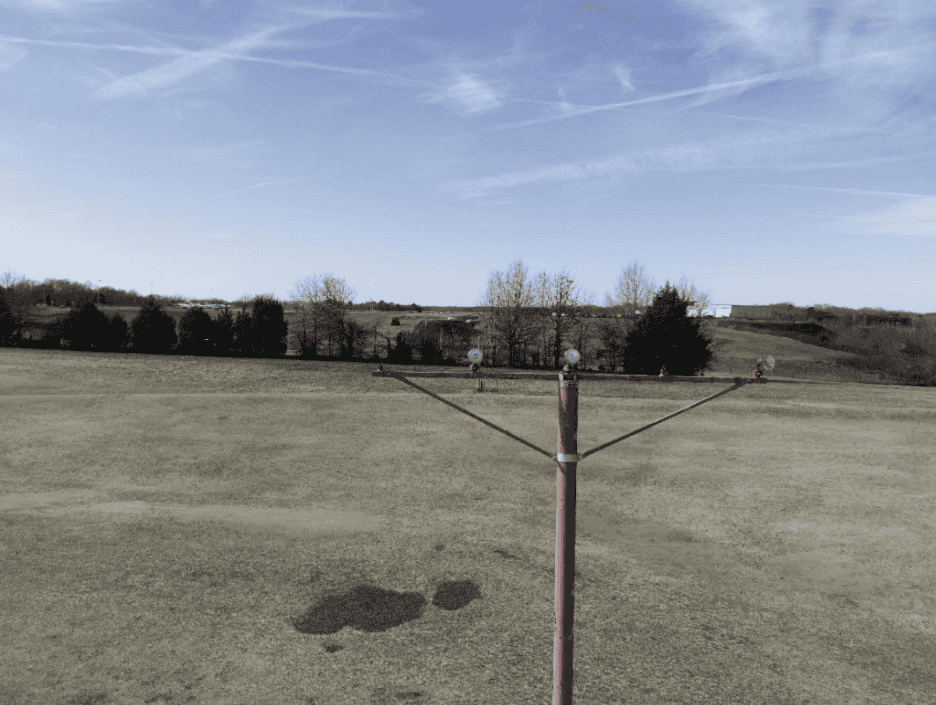
With the runway finally in sight, the crew configured the aircraft for landing. Flaps and landing gear were selected, though the report notes that landing gear indicator lights were not illuminated, raising additional questions about electrical or indication reliability.
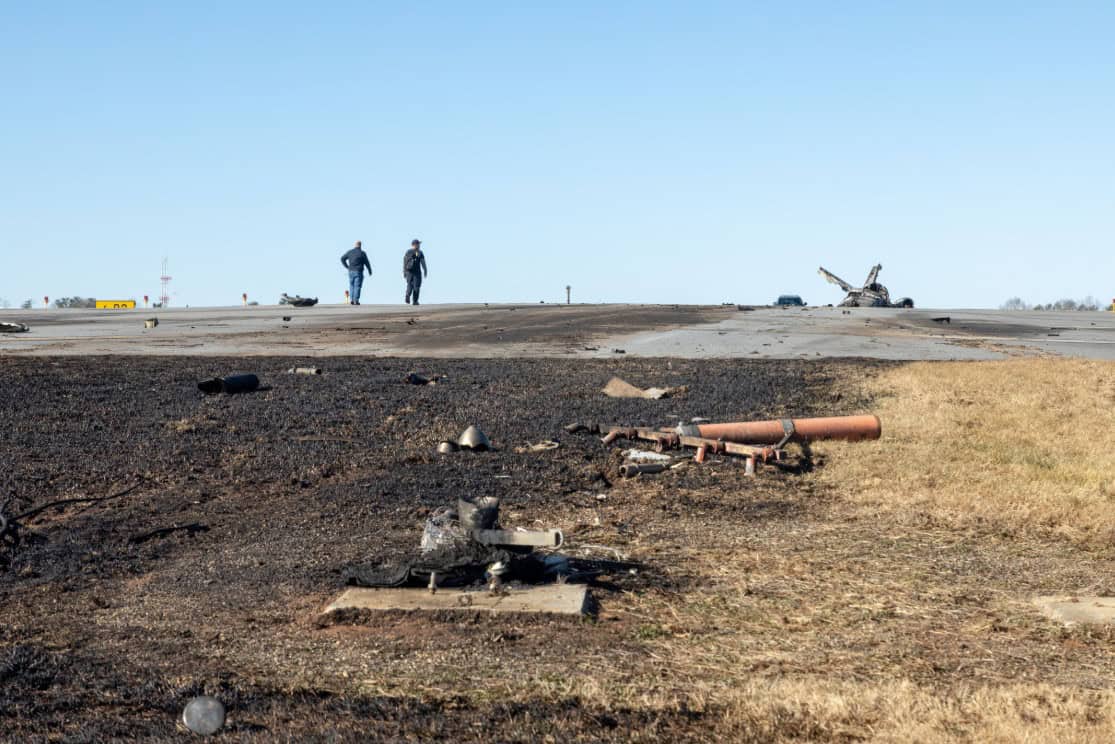
As the Citation turned onto final approach, data shows the aircraft continuing to descend and slow. Investigators determined that the jet struck approach light structures well short of the runway before impacting trees and terrain roughly a third of a mile from the threshold.
The throttles were found in the full-forward position, suggesting the pilot may have attempted to arrest the sink rate or to initiate a last-second go-around.
The aircraft erupted into a post-impact fire, killing all seven people on board.
More Questions Than Answers
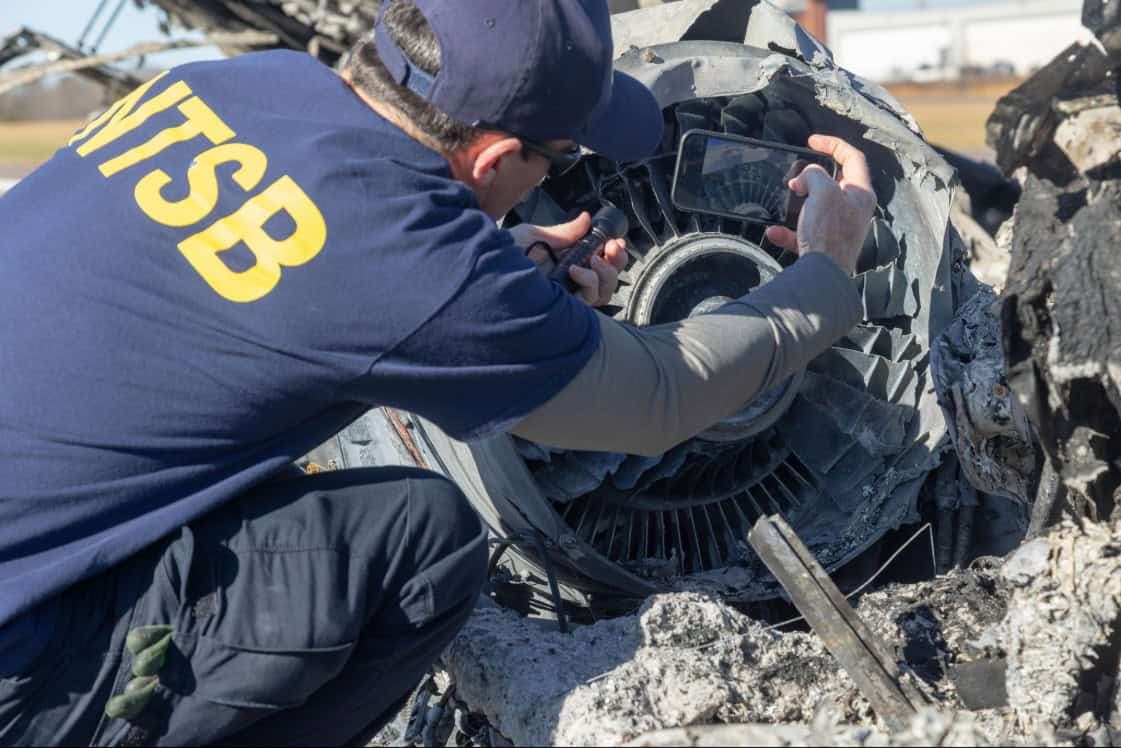
At this stage, the NTSB is careful not to draw conclusions, but several critical questions remain unresolved.
Why did multiple cockpit instruments fail, and were those failures electrical, mechanical, or both? Why was a flight that required two qualified pilots operating without one? Why did the aircraft arrive so low and slow on final despite having the runway in sight?
Aviation safety expert John Cox believes the instrument failures may ultimately prove more significant than the lack of a qualified copilot.
“In the clouds with failing flight instruments is a serious situation,” Cox told the Associated Press.
That may be true. But the absence of a properly qualified second pilot during exactly that kind of high-stress scenario is difficult to ignore.
“Be Like Biff”

Beyond the technical questions, the crash remains a devastating loss.
Biffle, 55, was one of NASCAR’s most accomplished drivers, with more than 50 wins across NASCAR’s top three series, including championships in the Truck Series and Xfinity Series. He was widely respected not only for his driving career but also for his humanitarian work, including personal aviation efforts to deliver aid after Hurricane Helene.
Since his untimely death, the sentiment “Be Like Biff” has emerged as a way to remember and honor Biffle’s legacy.
That sentiment was repeated often as hundreds gathered in Charlotte in January to honor Biffle at a public memorial. Family, friends, and fans remembered him for the impact he left on the NASCAR community and the friends and family who knew him best.
For now, the investigation continues. As for the final NTSB report, it will likely not be released until 2027. Let’s hope the final report puts some of the lingering questions to rest.
To read the preliminary Greg Biffle plane crash NTSB report in its entirety, you can view it below.