The war in the European theater was particularly bleak in 1943 for the US and its Allies. Bombers were brutally attacked by highly proficient German fighters as they attempted bombing runs over continental Europe. Losses were extremely high for the Allies.
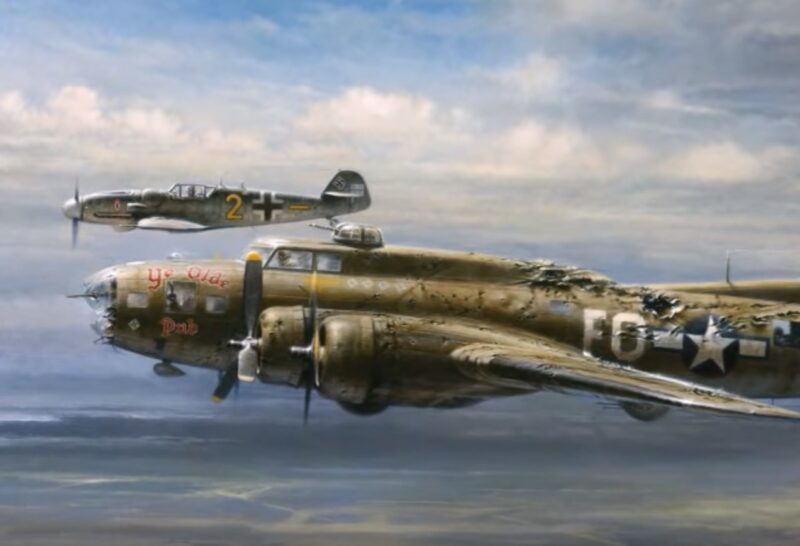
In the midst of all this misery, an unusual occurrence happened just days before Christmas as a German Luftwaffe Ace gazed into the cockpit of a severely damaged B-17 and happened to make eye contact with the pilot. The German Ace took pity and spared his life by not taking a final shot at the crippled bomber. Years later, a unique friendship emerged between these two former enemies.
Testimony to the strength of flying skill, American plastics in the ‘60s, but far more significantly it is the story of one US aviator’s selfless loyalty to his wingman, for which ironically he would be reprimanded.
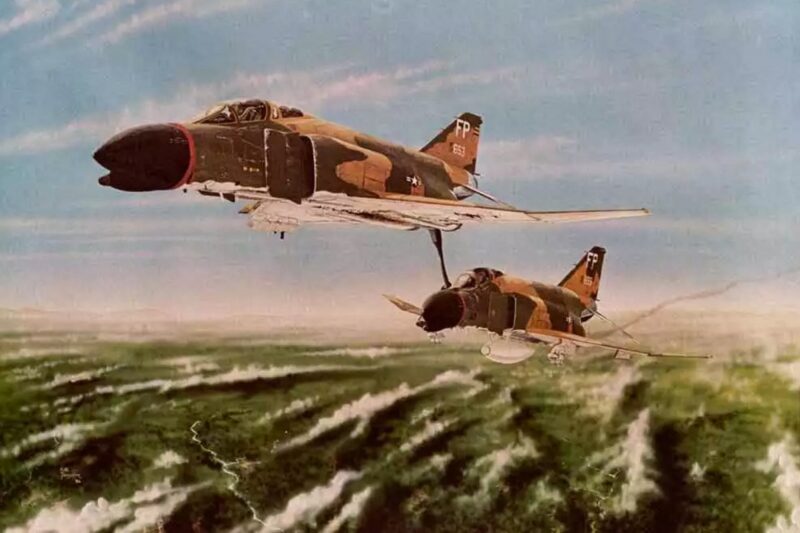
On the 10th of March 1967, US Air Force Captain Bob Pardo and wingman, Captain Earl Aman, were flying their two F-4 Phantoms on a mission to attack a steel mill just north of Hanoi when both were hit by North Vietnamese anti-aircraft fire.
Captain Aman’s Phantom was worst hit, with serious damage to a fuel tank and soon his F-4 did not have to power it over the Laotian border to relative safety.
The obvious choice for Aman was to eject.
Unfortunately below him was a very hostile North Vietnam, not known when dealing with prisoners for following the letter or even the spirit of the Geneva Conventions.
But Pardo was having none of that though, even though Pardo’s aircraft could have made it back on its own, despite a fire onboard. He knew that the only right thing to do was to push Aman over the border. In an interview with 1st Combat Camera Pardo said, “My dad taught me when your friend needs help, you help. I couldn’t have come home and told him I didn’t try anything because that’s exactly what he would’ve asked me. He would’ve said, ‘did you try?’ So I had to be able to answer that with a yes. And luckily, it worked.”
First he tried nuzzling his aircraft up to Aman’s dragchute compartment but the downwash and buffeting killed that idea.
Fortunately though, the Phantom was also designed to serve in the US Navy where a carrier’s 1000-foot, floating runway was far too short for the prolonged niceties of a fluffy dragchute. As a result, all F4 Phantoms, both Navy and Air Force, sported very sturdy tail hooks to snatch the aircraft to a stop in feet, not miles.
So Pardo backed off. Aman dropped his hook shutting down his engines. Then Pardo closed in to push, using his cockpit canopy to nudge Aman’s lowered tailhook.
And this worked – sort of.
Pardo had already shut down one of his engines due to the fire so he could only slow, not arrest, the rate of descent for both aircraft making it a race against time between the border or the ground. And on top of this, every 30 seconds or so, Aman’s tailhook would slide off Pardo’s polished plexiglass.
Despite all that, after 88 miles of precise pushing, both safely aircraft limped into friendly airspace, but at an altitude of only 6000 feet which meant, at their rate of descent, just 2 more minutes in the air. Pardo was running low on fuel himself, so all four airmen ejected to safety.
Incredibly, Pardo was scolded for not saving his Phantom. Over twenty years later, Pardo finally received the recognition he deserved. Pardo and Aman eventually received the Silver Star for their heroism. (See below for Maj. Pardo’s citation.)
Although unquestionably an incredible feat, Pardo’s Push was actually not a first.
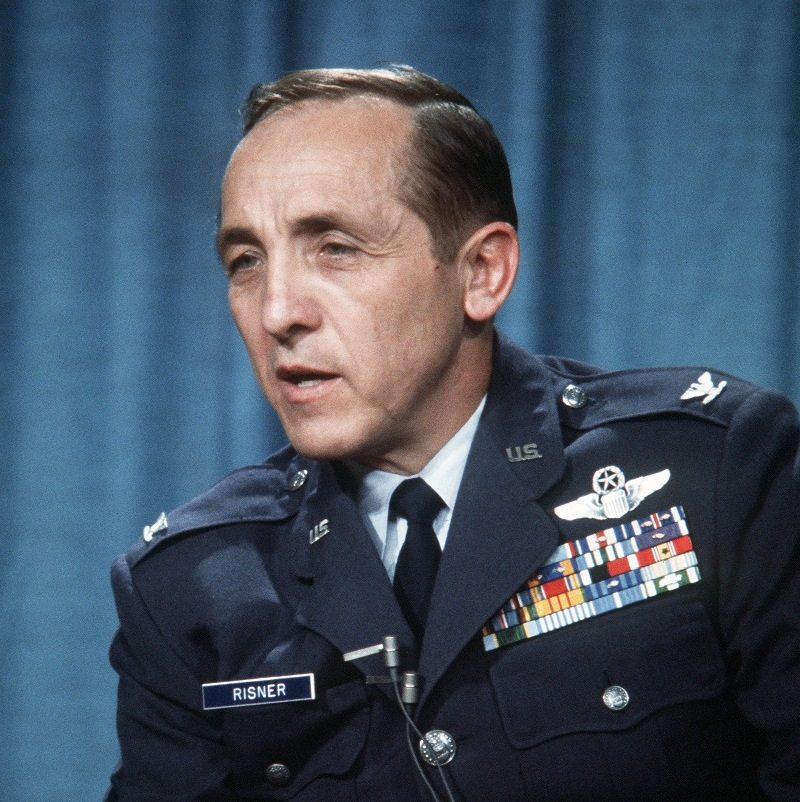
In 1952, James “Robbie” Risner who had first flown for the USAF in World War II, was now flying a F-86 Sabre in the Korean
DoD Photo by Col. Cox
War. On the 15th of September while escorting fighter-bombers he attacked and then chased at near supersonic speeds an enemy MIG at ground level, down a dry riverbed and finally between the hangars of a Chinese airbase 35 miles inside China where the MIG crashed among parked Chinese fighters. Unfortunately returning from this triumph, Risner’s wingman, Joseph Logan, was hit, quickly draining his tanks.
To help him reach safety, Risner also decided to push Logan’s aircraft by inserting the nose of his F-86 into Logan’s now cooling tailpipe and, like Aman’s Phantom 15 years later, Logan’s F-86 made it to safety where Logan ejected. Sadly, Logan became entangled in his parachute and drowned.
Risner would go on to fly in a third war, was captured, tortured, freed rose to the rank of Brigadier General – but that’s another story.
Watch an interview with Lt Col Pardo (ret):
LtCol Pardo was interviewed as part of the amazing “Veterans in Blue” series by 1stCombatCamera. You can watch his interview below.
Major John R. Pardo distinguished himself by gallantry in connection with military operations against an opposing armed force over North Vietnam on 10 March 1967. On that date, Major Pardo was flying as the pilot of the lead element on the return from a 1,000 mile flight in which heavy flak damage was encountered. He noticed that his wingman’s aircraft was in trouble and was advised that the aircraft was extremely low on fuel. Realizing that the wingman’s aircraft would not make it out of North Vietnam, Major Pardo implemented maneuvers to literally push the aircraft across the border. The attempt was successful and consequently allowed the crew to avoid becoming prisoners of war. By his gallantry and devotion to duty, Major Pardo has reflected great credit upon himself and the United States Air Force.
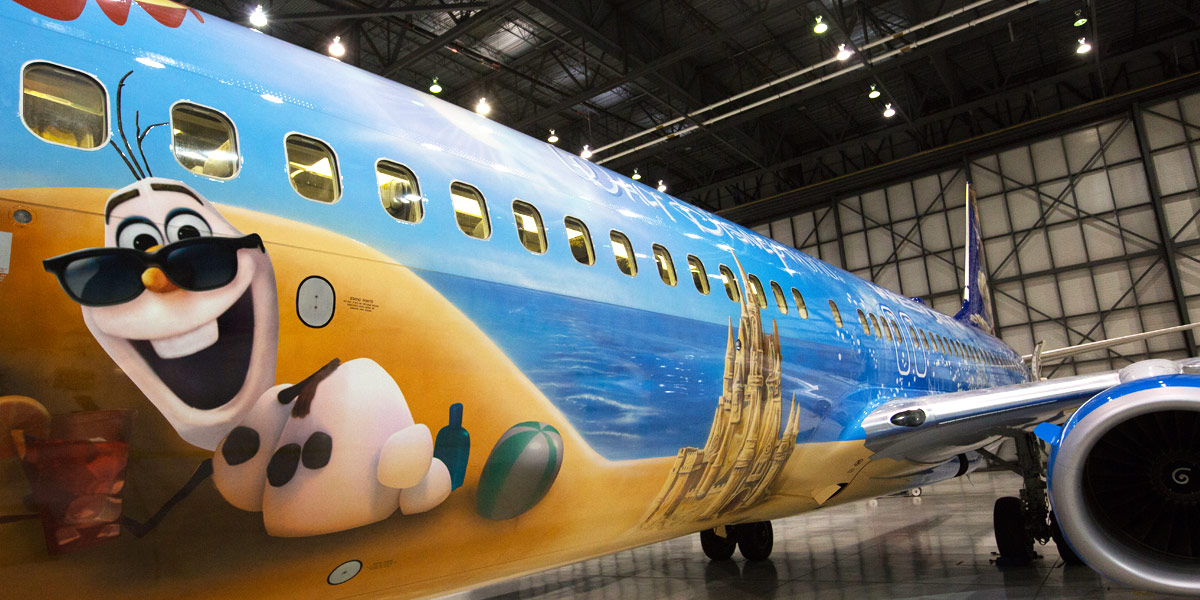
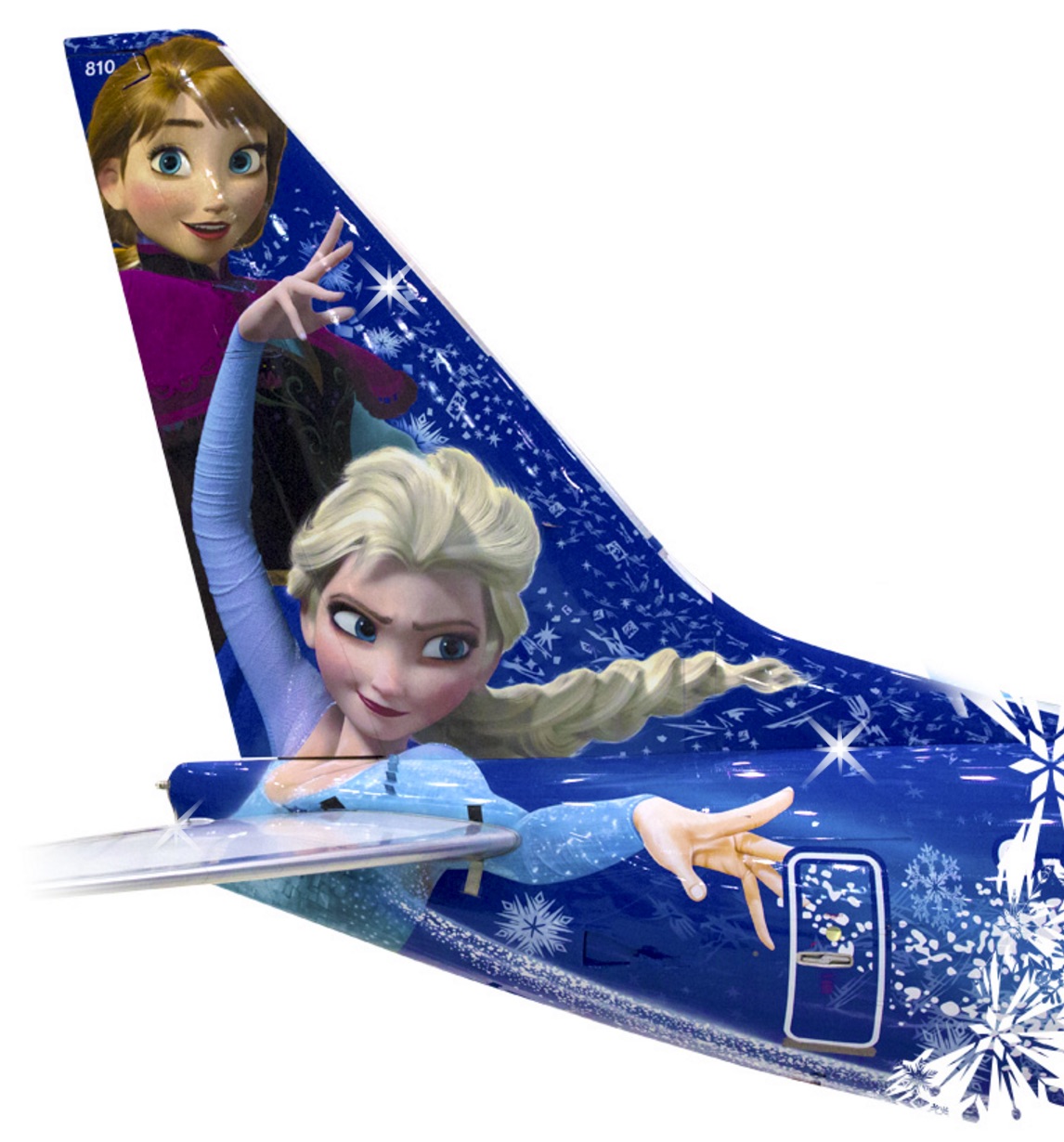
If you have heard this song belted by a princess in your house, you probably a proud parent of a daughter under 10 years old. Frozen is THE kids movie of decade. It was only a matter of time before an airline capitalized on the success of the movie. Enter WestJet Airlines. They are the official Canadian airline of Walt Disney World in Florida. WestJet recently unveiled a new Frozen themed aircraft to celebrate the partnership.
Painting the Jet
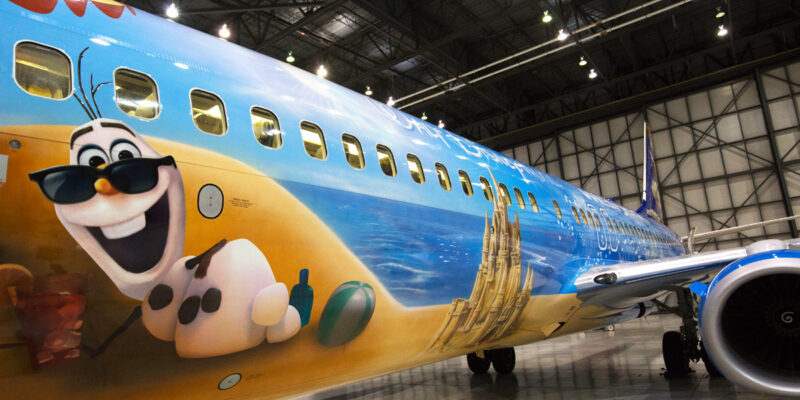
The Frozen jet was originally a stock WestJet 737-800 that was repainted into the Disney motif. It took over 170 gallons of paint and 21 days working non-stop to turn their ho-hum aircraft into a fantasy bird. The paint scheme features 23 colors and even has a sparkling overcoat so that the jet uniquely shines in the sunlight. The paint scheme is designed to tell a story. According to WestJet, “on the tail of our aircraft, sisters Anna and Elsa celebrate sisterhood and the magic of snow. From the aircraft tail along the fuselage, the magic travels to warm the front of the aircraft where Olaf can be found enjoying a summer day on the beach.” WestJet put together a time lapse showing how the Frozen 737 aircraft was painstakingly painted.
On October 18, 2015, WestJet unveiled the aircraft in a spectacular fashion. The airline invited hundreds of children to the unveiling celebration held at a hangar in Toronto, Ontario. The ceremony featured none other than Elsa, Olaf, and Anna characters in full costume. To the amazement of the assembled crowd, Anna danced as the curtain fell to unveil a magical paint scheme. Inside the 737-800, the cabin was fitted with a special Frozen themed leather seating that featured darker winter-like colors in the back (very Canadian) transitioning to brighter summer themed seats and overhead bins in the front.
Shortly after the unveiling of the newly painted aircraft, WestJet also shot air-to-air footage of the aircraft near Calgary. With split-scimitar winglets and a shiny exterior, the 737-800 looks amazing. You can see the video here:
As an added bonus for avgeeks, we stumbled upon footage on YouTube (beautifully shot by dude8472productions) that captures the WolfAir Learjet 25 conducting a flyby of the Frozen WestJet 737-800 departs on runway 17L at Calgary. The video later shows the 737 executing a touch and go on the same runway as the Lear 25 flies by at a higher speed “well to the left of 17L”.
WestJet Airlines puts together some of the most exciting Christmas videos. You may remember their 2013 tear-jerking video where Santa asked passengers what they wanted for Christmas. When they arrived at their destination, their wishes were granted by the WestJet Santa. That video has now been seen over 44 million times on the web.
This year, WestJet took a different approach. Instead of granting a few hundred wishes, they granted 12,000 for people all across Canada, the United States, and even London. WestJet will commence service to London Gatwick on May 6, 2016 using 4 of their ‘new’ 767-300ER aircraft that were previously flown by Qantas Airlines.
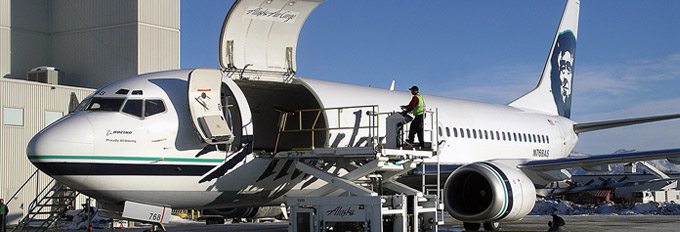
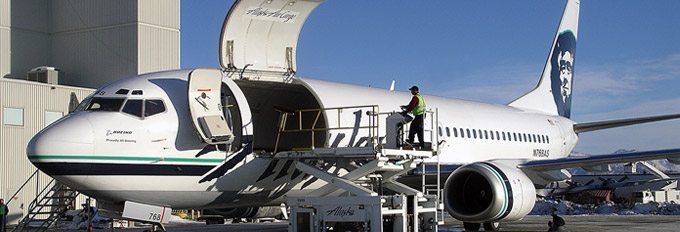
Alaska Airlines has announced today that they will retire their fleet of 5 737-400 ‘Combi’ aircraft. The Alaska Dispatch News reports that the retirement of these aircraft is part of a broader initiative to replace all 26 737-400s in the Alaska Fleet by the end of 2016. The 5 737-400s will be replaced by 3 737-700s ‘Next Gen’ airplanes. The 3 -700 aircraft, which are already operated by Alaska, will be converted to ‘Combi’ aircraft.
The 737-400 ‘Combi’ aircraft is a unique airplane. The cabin is divided between a passenger section in the back seating 72 passengers and cargo pallet positions in the front of the jet. The airplane is used on thin Alaska routes that rely on air cargo flights to supply remote towns.
With Alaska’s retirement of the -400 “Classics” in 2016, Southwest Airlines will be the only remaining major US airline that will be operating the “Classic” fleet. Southwest flies a fleet of -300 and -500 aircraft.
Check out the video of a 737-400 ‘Combi’ landing in Anchorage.
There’s nothing better than watching giant airliners land in person. They are so big, so loud, and so beautiful. This video by YouTube user GlobalSpotter captures the excitement of watching planes land. Avgeekery.com fans also meet for planespotting. If you leave near San Francisco, check out our invite here. We’ll meet at noon on December 27th.
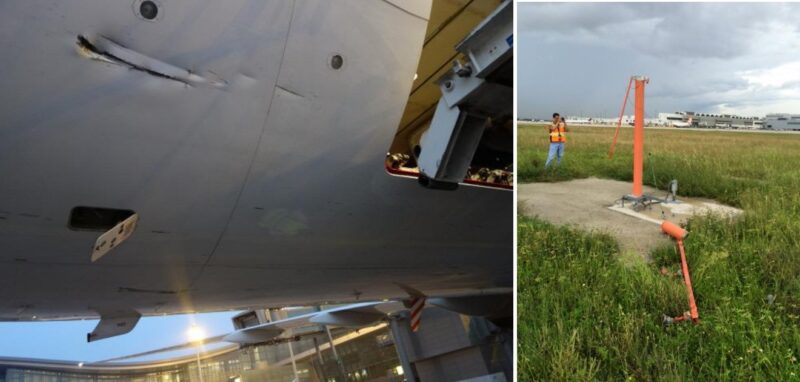
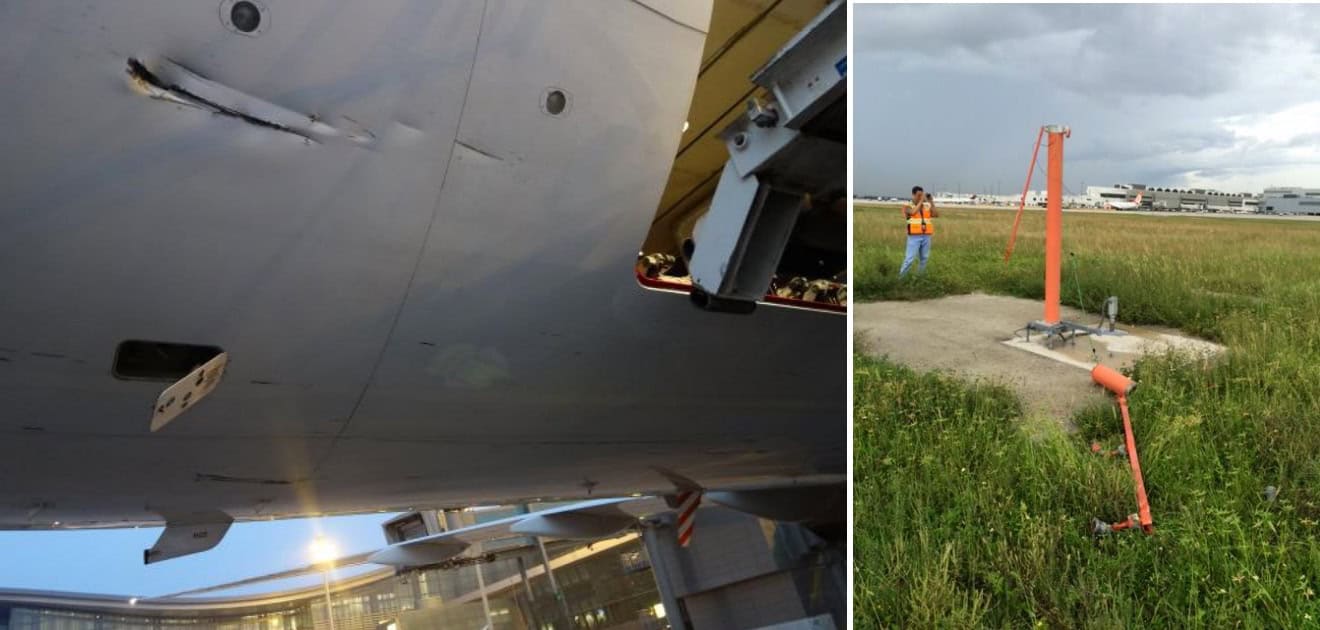
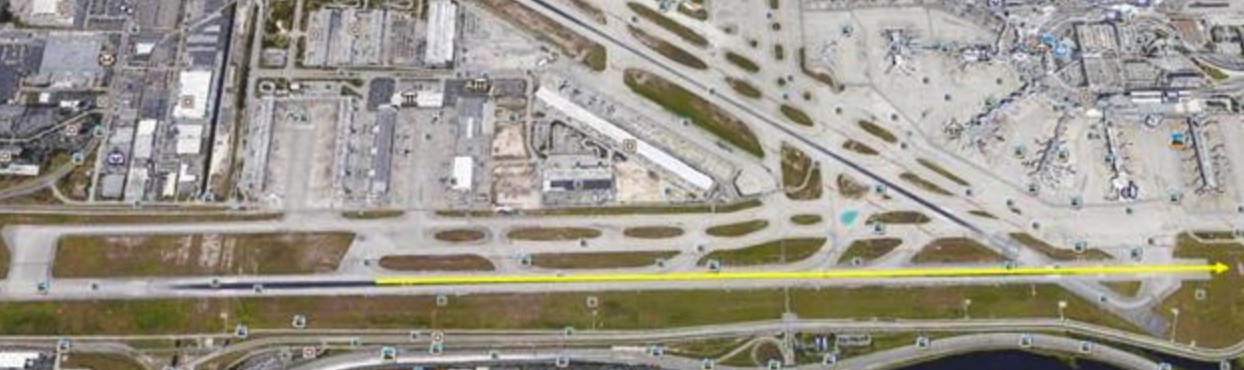
(L) Gash on a Qatar Airways 777-300ER caused by impacting runway end approach lighting. (R) Damaged runway approach lighting at Miami International Airport.
Calm in the face of crisis is the pinnacle of aviation – remember Captain “Sully” Sullenberger, former fighter pilot calmly advising the controllers, “We can’t do it …We’re going to be in the Hudson”? He exuded calm even with a dire aircraft emergency and saved the day with his aviation prowess.
But surely there is a limit to appropriate calm in aviation. One airline CEO recently tested that limit in his comments on a recent incident by one of his crews.
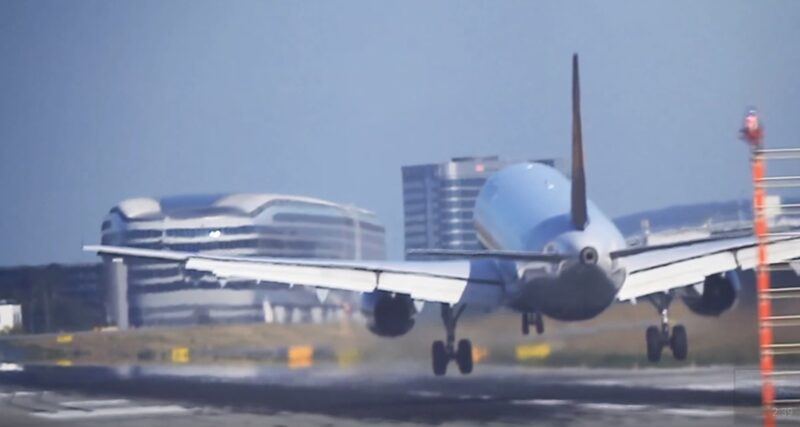
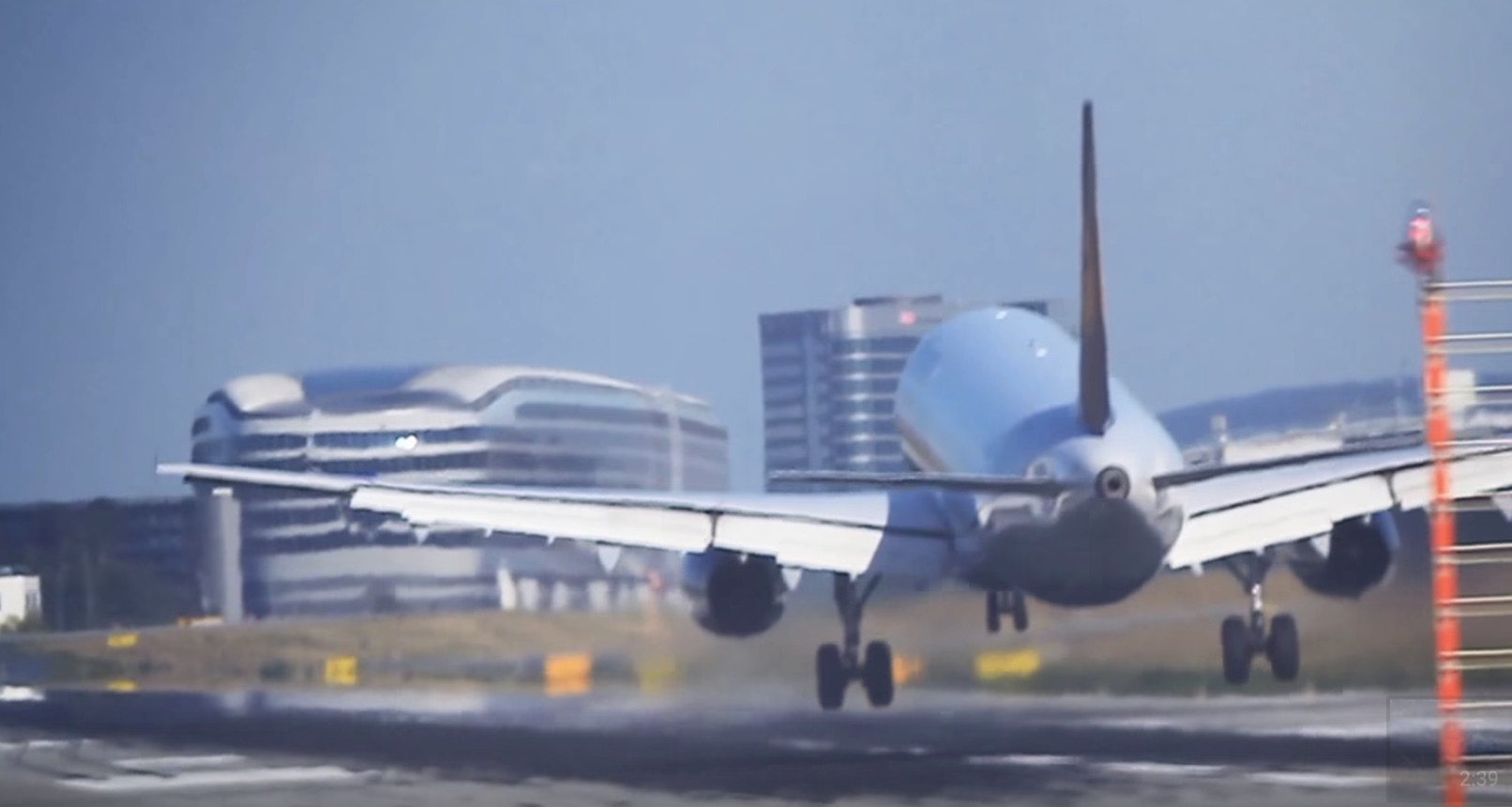
On September 15th, a mighty Boeing 777-300ER operated by Qatar Airways with 279 people onboard, incorrectly assumed that they could depart from an intersection using only 2/3rds of the available runway without rerunning the numbers to ensure they had a sufficient safety margin. The departing jet impacted the runway approach lights but was still able to get airborne, narrowly avoiding a catastrophe.
Despite having detailed maps on their EFB (iPad), they entered the runway over 4,000 down from the departure end.
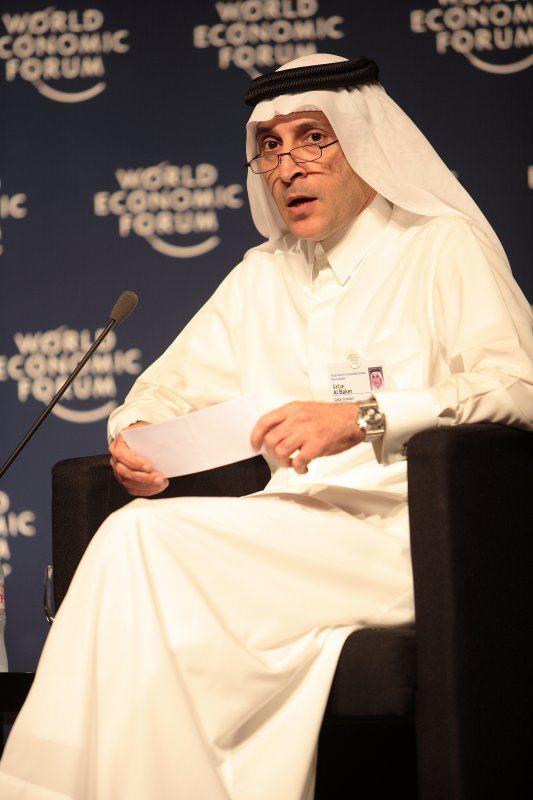
“Such kind of incidents (sic) happen quite often, either it is a tail strike on the runway or it is contact with the landing lights; It is nothing out of context,” said Qatar Airways’ CEO, Akbar Al Baker, at a recent news conference in New York (according to Flight Global).
Al Baker preserved the tranquillity, observing, “… he had enough runway for getting airborne and it was only an unfortunate incident. At no time was the aircraft or the passengers put in any harms (sic) way.” A nearly foot and a half gash in a fuselage is enough to cause most people worry and definitely enough to put passengers in harm’s way. If not for the strength of a trusty Boeing, the incident could’ve been much worse.
Akbar Al Baker – CEO of Qatar Airways (photo: Wikipedia)
Al Baker would then suggest that controllers were at least partly to blame for the September 15, 2015 “incident” involving the Qatar Airlines Boeing 777-300. In the process, he made what could have been an air disaster into a Public Relations faux pas by stating, “It was an instruction given to our pilot by the air traffic control, which he (the pilot) should have refused to accept.” For a pilot to blame a controller for the error is callous at best. In this case, most professional aviators would scoff at the attempt to assign blame to anyone else besides the incident aircrew.
In fact the report issued on December 7th by the Qatar Civil Aviation Authority (QCAA) on the “occurrence”, attributed it to miscommunication among the flight crew and mistakes by the captain.
The real issue here (besides Mr Al Baker’s potential need for more public relations training) is that after ‘rotate’, the flight continued out over the Atlantic, not to dump fuel for a immediate landing, but to continue the 13+ hour flight to Doha (DOH), calmly, as if nothing happened – which actually seems to be what Mr. Al Baker wants everyone to believe.
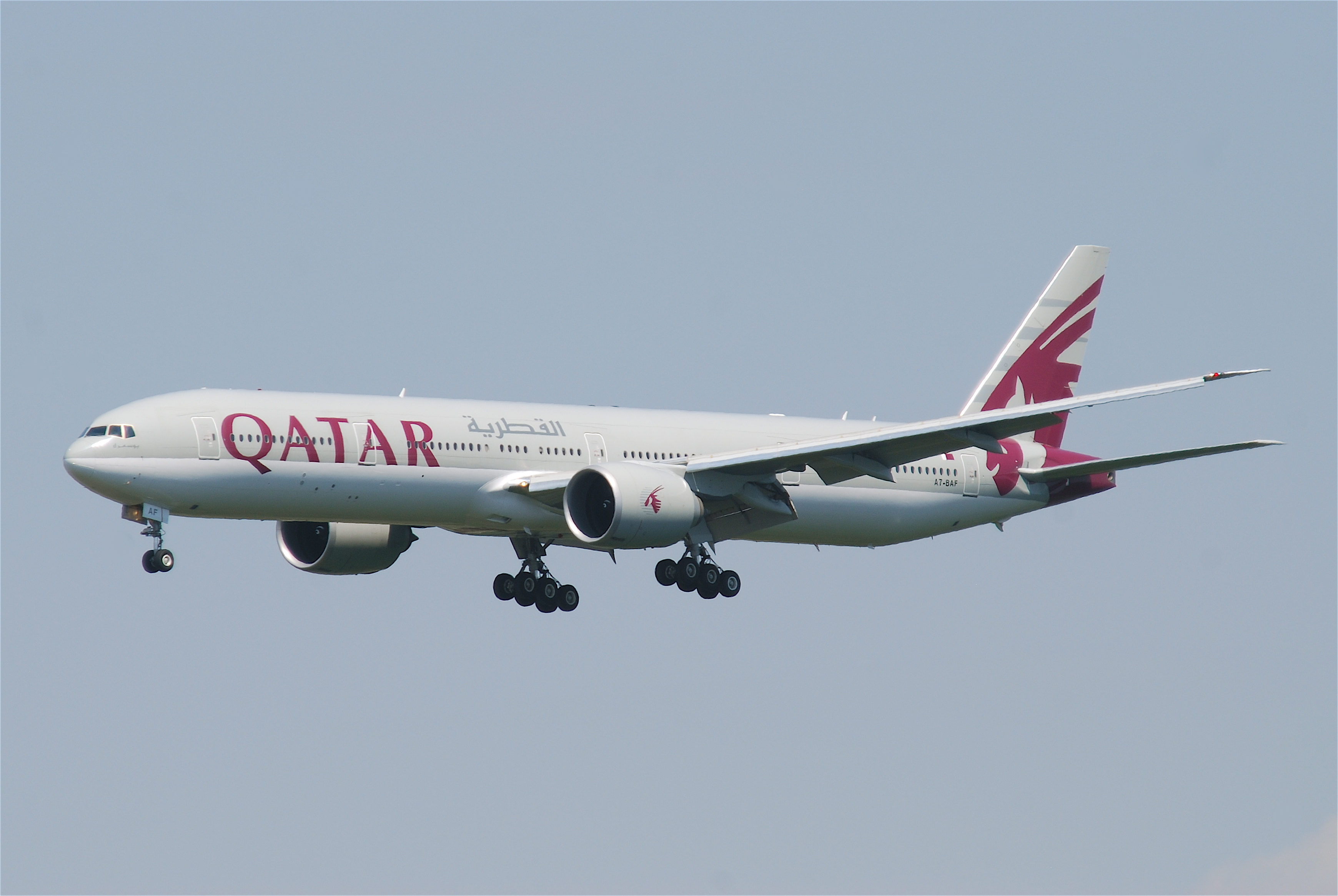
The FAA labeled the damage “substantial”: a 46 cm tear in the fuselage that breached the pressure vessel, numerous dents and scratches with 18 square meters of damaged skin, 90 external individual areas of damage requiring assessment and rectification, damage to a guard on the left landing gear and of course three smashed approach lights on 27 at Miami International Airport.
Qatar Airways 777-300ER (Photo by Wikipedia)
From the perspective of the four members of the crew in the cockpit at the time, when questioned they seem to agree that, all that damage notwithstanding, they heard nothing at takeoff and noticed nothing unusual in flight despite the aircraft’s systems spending the next 13 1/2 hours dutifully making sure all 279 people on board could breath.
But then four experienced pilots had just calmly presided over a mid-field departure without ensuring they had the adequate runway to do so, leaving 4500 feet of perfectly good runway behind, forgetting the timeless aviation adage: “The three most useless things to pilots are fuel not taken on by them, altitude above them and runway behind them.”
Maintaining composure in the cockpit is vital. But was the culture at Qatar Airways a tad too “calm” in this case, perhaps?
“Water break….but don’t be going down the hall and getting a Crispy Cream.” – Tony Horton
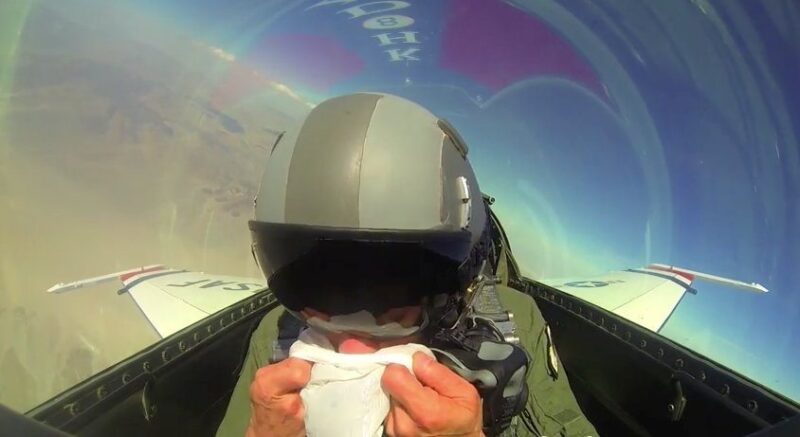
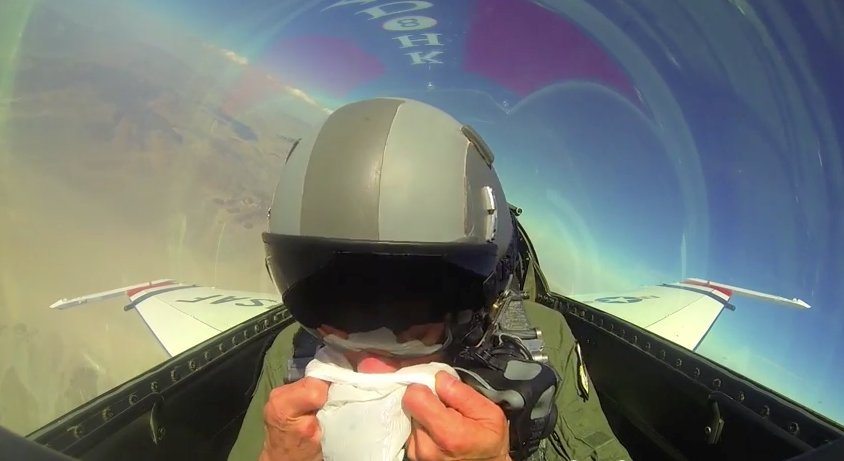
Anyone who has ever had to put up with a late night infomercial of Tony Horton hawking his P90X series will be excited to finally watch Tony puke himself…courtesy of the US Air Force. Afterall, how many of us out there watched his informercials at 2am in the morning while mildly intoxicated and felt bad about themselves? You probably looked at your beer belly and said, “FINE…I’ll give it a try.”
For the next 90 days you put up with Tony Horton just hoping that it’d actually lead to those coveted washboard abs (something no real #avgeek has ever achieved by the way). Everyday, you put up with his painful regimen of squats and pull-ups and even yoga interspersed with campy encouragement and platitudes that were supposed to motivate you. In reality, they just made every muscle in your body ache and you upchuck your stomach by the end of each workout. Then after 90 days of sweaty mess, you probably looked a little better but despised Tony so much that you sold all the DVDs at a garage sale for $10 and proceeded to get fat again. If you are that guy (or girl), this video isn’t just fun to watch, this video is your sweet revenge. Thanks, Thunderbirds!
All kidding aside, like many celebrities Tony Horton recently spent a day with the troops and took a tour of Nellis Air Force base. He also got a ride in a Thunderbird’s F-16. During the tour, he hosted fitness classes on base and shared stories of soldiers and airmen who have inspired him. All good things and kudos to him for supporting the troops. I think its comforting to know that even though Tony Horton talks a big game, he is still a mere mortal compared to a fighter pilot.
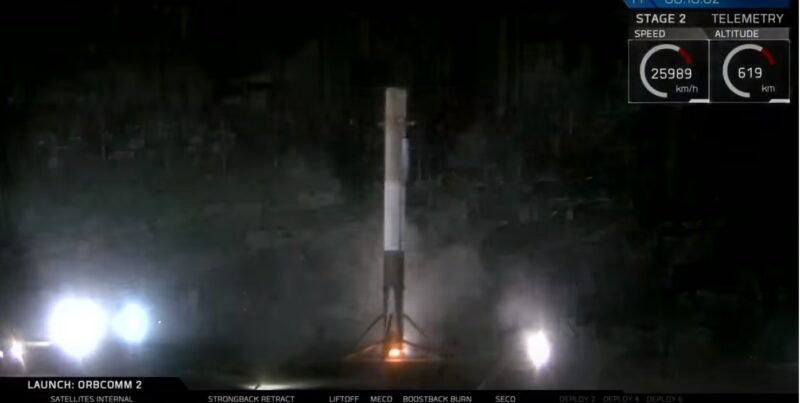
After a few failed attempts, Space X’s Falcon 9 first stage has finally landed their booster at Cape Canaveral this evening. The atmosphere at Space X’s mission control this evening looked more like a Super Bowl victory party than a government contractor office. Engineers cheered wildly as the craft successfully touched down just ten minutes after launch. The celebration was warranted. This was the first time that Space X has been able to successfully land their Falcon 9 craft after launch. Previous attempts to land their craft came close but each attempt suffered from minor malfunctions that resulted in a botched landing and subsequent explosions. This latest attempt was the first one to be made on land by Space X.
Reusable rockets are an important step in the evolution of space launches. Launches are expensive primarily because (up until this point), rockets are a one-time use vehicle. The design of the Falcon 9 will cut the cost of access to space by making most of the rocket reusable.
While drones are the latest craze, RC modeling has been around for much longer. There are RC modeling clubs throughout the US. If you’ve ever been to a meet up, you’ve probably seen some beautiful models. In Germany though, they take their modeling skills to new levels. Last July, a modeler unveiled a giant 1/13 scale model of a Virgin Atlantic 747-400. This model weighed in at 150 lbs with a wingspan of over 16 feet! Can the mini-queen of the skies safely fly around the pattern? Check out the video below:
https://www.faa.gov/news/press_releases/news_story.cfm?newsId=19856
The FAA estimates that Santa will leave hundreds of thousands of model unmanned aircraft – robots – under American Christmas trees this Friday.
So, in a move that might seem overdue to many pilots who have been straining their eyes to meeting one on final, robots or UASs (small unmanned aircraft), in the US are now subject to registration by the FAA with effect today, 21 December 2015. (A UAS for these purposes is defined as weighing more than 0.55 pounds and less than 55 pounds including payloads like cameras.
Stating that robot operators are “aviators” too and following the principle that registration applies to all aircraft, now an owner of a small UAS who has previously operated an unmanned aircraft exclusively as a model aircraft prior to today must register no later than 19 February 2016 while owners of other UASs, purchased for use as a model aircraft after today, must register before the first outdoor flight outdoors.
Under the “streamlined and user-friendly” web-based registration regime www.faa.gov/uas/registration , UAS owners must be at least 13 years old and simply give their name, home address and e-mail address to receive a Certificate of Aircraft Registration/Proof of Ownership with a unique identification number to displayed on the robot.
Read the full rule is here:https://www.federalregister.gov/articles/2015/12/16/2015-31750/registration-and-marking-requirements-for-small-unmanned-aircraft and FAQs here UAS Registration FAQs to learn more about.
Three years after the passage of the Airline Deregulation Act in 1979, the US airline industry was in the midst of upheaval as many of the legacy carriers that long dominated the commercial skies since the second decade of the century were under siege from free market forces. Unshackled from the strict regulation of the Civil Aeronautics Board, airlines now had a free hand to adapt and adjust to the demands of the US travel market. Now you would think this would be a great thing, but a lot of the majors weren’t adapting. And their attempts to adjust to the market were under attack from a new legion of airlines that hadn’t been seen in the US market before- the start up.
Three years after the passage of the Airline Deregulation Act in 1979, the US airline industry was in the midst of upheaval as many of the legacy carriers that long dominated the commercial skies since the second decade of the century were under siege from free market forces. Unshackled from the strict regulation of the Civil Aeronautics Board, airlines now had a free hand to adapt and adjust to the demands of the US travel market. Now you would think this would be a great thing, but a lot of the majors weren’t adapting. And their attempts to adjust to the market were under attack from a new legion of airlines that hadn’t been seen in the US market before- the start up.
National Airlines found itself swallowed up by a now-bloated Pan Am in an effort to build an instant domestic network for what was once America’s “Chosen Instrument”. Eastern Airlines found itself under attack by a brash low-cost upstart called PeoplExpress. American began to build the first “fortress hub” in the industry at its new base at Dallas/Fort Worth. Western and United found themselves under attack by PSA’s breakout of the intrastate market in California. Labor strife reigned at Texas International and a resurgent Air Florida found its operation cast into doubt after a tragic crash in a blizzard at Washington National Airport. And most telling of what the next several years would bring, Braniff International Airways shut down for good that same year, a victim of over-expansion and bad business decisions reaching back into the 1970s. An airline with a storied history and legacy going back to the 1920s simply shut down to the shock of the industry.
It was amidst this chaotic marketplace that a bored and poorly performing college student in accounting at the University of Utah sensed opportunity. In 1982 David Neeleman had been reading pieces in the Wall Street Journal regarding Braniff’s shutdown as the first convulsion to wrack the incumbent airlines in a newly deregulated market. Long an under performer in school (thanks to what we now know today as attention-deficit disorder), Neeleman did have a gift for numbers and customer service groomed from his earliest years working for his grandfather in a small Salt Lake City market. With a shift in the airline marketplace, Neeleman found there were opportunities for smaller carriers like Southwest and Midway Airlines who as smaller entities, were nimble to adjust to marketplace and could operate tightly-knit employees for lower costs. He approached his father, Gary Neeleman, telling him “Dad, I think we should get into the airline business.” To which the elder Neeleman responded “How on Earth do you think we could do that? Airplanes cost money!”
Neeleman pointed out that his father was absolutely right- to start an airline is a insanely capital-intensive venture. What Neeleman proposed to his father was to get into the airline business via the back door through the package tour business. Arranging packaged tours was far less capital intensive as the various parts of the package, from airfare, hotel, and so on, were already out there, they only had to be combined in a single package to make it easy for the consumer to travel to exotic locales for vacation with the least amount of hassle possible. In the days before internet booking, package tours were usually the most convenient way for the average American to jet away for a few days or more.
Developing his business plan and arranging for investors, Neeleman found out from a college classmate that she know someone who bought four hotels in Hawaii and converted them into condominiums. However, with a recession taking place, the owner found it difficult to sell the units- Neeleman saw an opportunity- he could rent out the condos for customers wanting a quick escape. He literally cold-called the owner with a sales pitch: pay me your maintenance fee, $100 per empty unit per week, and I’ll fill them all up with vacationers. He would mark up the price for renting them and collect the difference. Neeleman then placed an ad in the Salt Lake City papers that brazenly pitched “$50 a night for your own condo in Hawaii!”
The response was amazing, the condos were getting filled and David Neeleman was getting $250 a week off each rental he set up. Making $1000 a day, school got very uninteresting, very quickly, so he dropped out during his junior year at the University of Utah to run his business full time. Although his condo rental business was booming, there was one problem that always nagged at him- his customers always had a difficult time getting good airfares out of Salt Lake City to Honolulu via the various Pacific gateways of the established majors. Figuring he could do better buying blocks of seats on charter or budget airlines, he set out see which airline could best meet the needs of his customers for an inexpensive flight to Hawaii. The cheapest he could find?
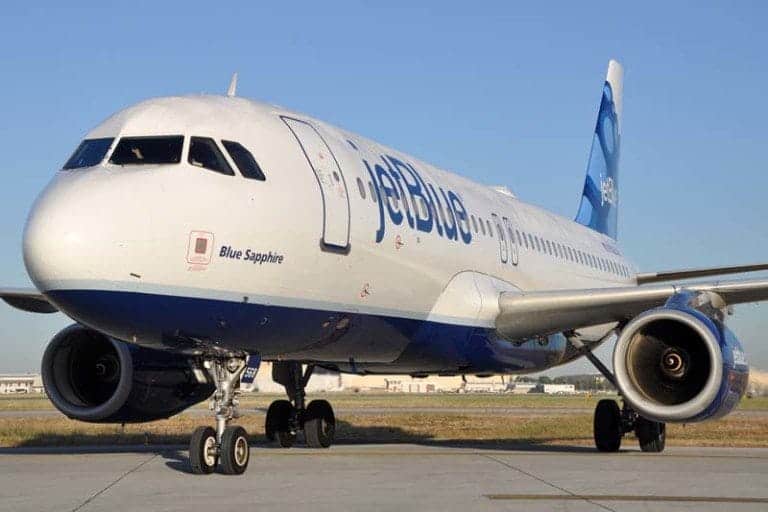
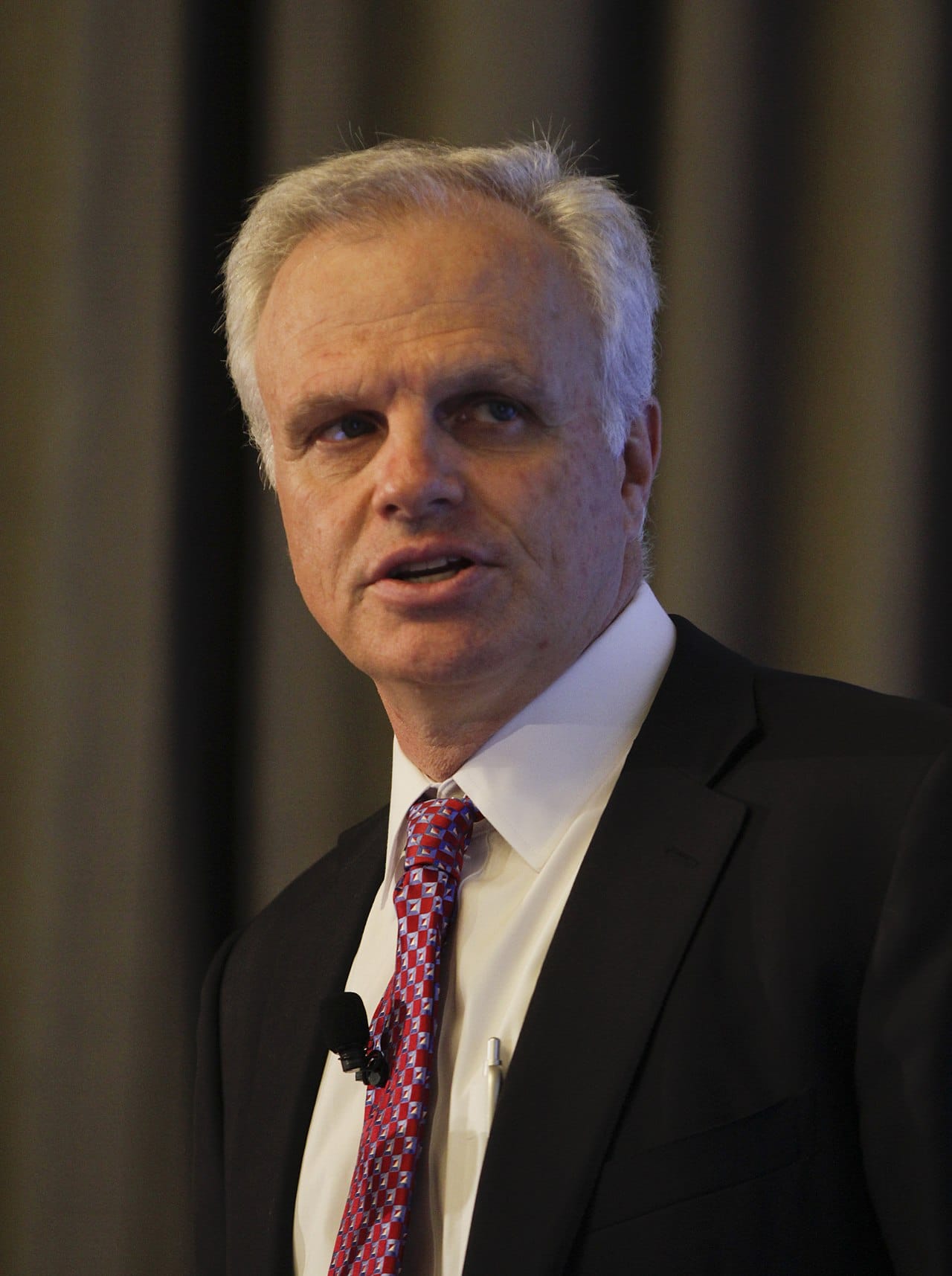
The founder of JetBlue first founded Hawaii Express
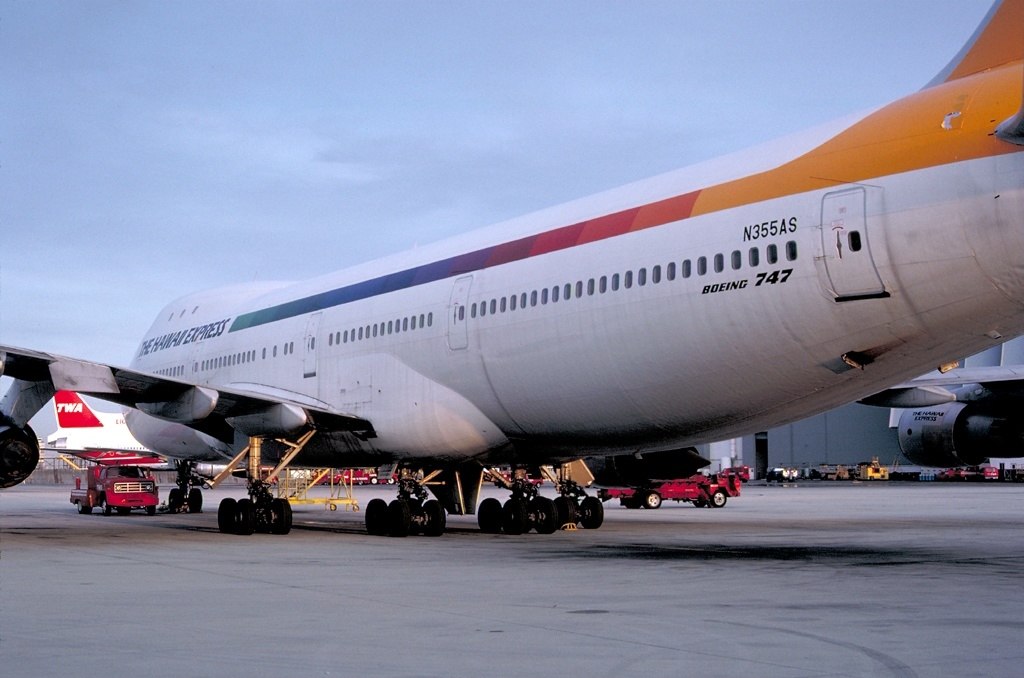
By Ted Quackenbush [GFDL 1.2 (http://www.gnu.org/licenses/old-licenses/fdl-1.2.html) or GFDL 1.2 (http://www.gnu.org/licenses/old-licenses/fdl-1.2.html)], via Wikimedia Commons
Enter The Hawaii Express. They were a small charter that flew only 2 DC-10s (and at one time a single 747) out of LAX to Honolulu. The Hawaii Express was founded and run by a Hawaii-based businessman, Michael Hartley. Hartley had his start in the airline business going back to 1975 when he started an intrastate commuter airline in Hawaii, Island Pacific Airlines. Island Pacific operated a small fleet of Cessna 402s out of Honolulu and in 1978, his airline was acquired by fellow commuter rival Air Hawaii. During the same period, Hartley and his wife also ran a large FBO operation at HNL. In 1981 he seized upon the opportunity brought about by deregulation start The Hawaii Express to offer cheap fares between Honolulu and Los Angeles.
Neeleman now had a cheap condo in Hawaii and a cheap airfare to Hawaii for his customers and he formed a travel company called Independent Flight Services to handle the booking arrangements with The Hawaii Express (or “Big Pineapple” as it was billed in its ads). All his customers had to do was find a way to Los Angeles from Salt Lake and the overwhelming number of them would make the long drive to LAX since Neeleman’s package was so inexpensive. In less than a year, he was doing eight million dollars in sales and had 20 employees. He upgraded from his modest family car (he had two children at that point) to a BMW sedan. Each flight had a sizeable block of seats set aside just for Neeleman’s customers.
In 1983, barely over a year after he began, it all unravelled with little warning. United Airlines and Western Airlines both had the lion’s share of passenger traffic between California and Hawaii for quite some time and both took a very dim view of Michael Hartley’s low-fare interloper that was skimming increasing amounts of traffic from their flights. A vicious price war ensued and a dissident board ended up sacking Michael Hartley for failing to respond aggressively and wisely to the onslaught by United and Western. In less than eight months, The Hawaii Express shut down in bankruptcy and with the airline went hundreds of thousands of dollars of deposits Neeleman’s company put down for seats on each flight. He had no money left to refund his customers’ deposits and he in turn had to declare bankruptcy.
In the book Blue Streak Neeleman states “And I had a hundred thousand dollars in the bank and no debts and if I only had several thousand dollars more, I could have saved the company.” Neeleman was also on the verge of signing on with a different charter airline fly direct from Salt Lake City to Honolulu. The need for a large cash cushion definitely made a powerful impression on the 24-year old David Neeleman. Overnight, the Neelemans lost everything. Home, assets, car. He went back to working as a cashier in his grandfather’s small store, stocking shelves at night- the very job he held before going to college. He resolved to never go back to the airline business again. David’s father, however, saw that his son was probably meant to do more and introduced him to a family friend, June Morris. She owned the largest travel agency in Utah. She made him a deal- work for me for six months, if you don’t like it, no hard feelings.
The rest, is history. With June Morris he ended up founding Morris Air (which ironically had Salt Lake City-Los Angeles as its busiest route) and when Morris Air was bought by Southwest in 1993, Neeleman ended up working with the one man who he admired immensely- Herb Kelleher. After leaving Southwest amidst a personally conflict with everyone at Southwest except Herb, Neeleman went on to found Westjet in 1996 and you know where he ended in 2001- launching JetBlue. After JetBlue, he headed to Brazil to found Azul Brazilian Airlines in 2008.
Neeleman’s experience with The Hawaii Express was formative, though. He vowed to never be undercapitalized again (when he launched JetBlue, it had amassed an industry-leading over $100 million in capital before even leaving the ground). He learned that the deregulated marketplace, while it favored start up carriers, also gave the legacy carriers the ability to respond aggressively. Michael Hartley established ticket consolidator Cheaptickets.com. June Morris still sits on the board of Southwest Airlines. JetBlue has definitely made a mark on the industry. And it all began with some empty Hawaii condos and a little known charter airline.
JP Santiago is a proven #avgeek, artist, and an excellent writer. He regularly blogs on his site Tails Through Time. He also runs the aviation Facebook fan page The Chicken Works that showcases his artwork. We are honored to have him as a guest writer on our site.
If you are interested in writing for Avgeekery.com, please send us a message on our Facebook page.
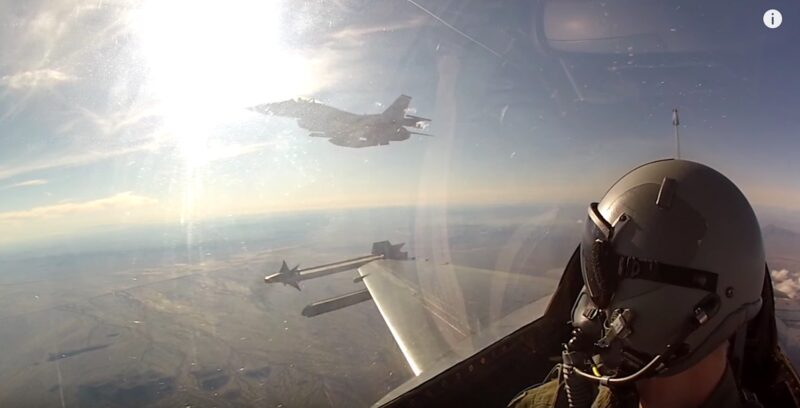
One grueling year of F-16 flying produces one bad ass highlight reel.
After thirteen months of Undergraduate Pilot Training and three months of rigorous Fighter Fundamental Training, freshly-winged pilots assigned to the F-16 arrive at the B-Course.
In the sunny skies over the West Valley of Phoenix, Arizona, these pilots learn the basics of the world’s most versatile fighter jet in the 309th Fighter Squadron—The Wild Ducks.
New Graduates Learn to Fly F-16s In the Desert Southwest
Starting with the basics of instrument flying and aerobatics, each pilot progresses through multiple phases of tactical training. These phases include basic dogfighting, air combat maneuvers, tactical intercepts, air-to-air refueling, close air support, and opposed surface attack tactics.
Over nine months, these hopeful fighter pilots’ seasoning culminates in the ability to fight their way in, employ precision munitions, then fight their way out. The B-Course is designed to send the Combat Air Force a capable, disciplined wingman—ready to take the fight to our Nation’s adversaries.
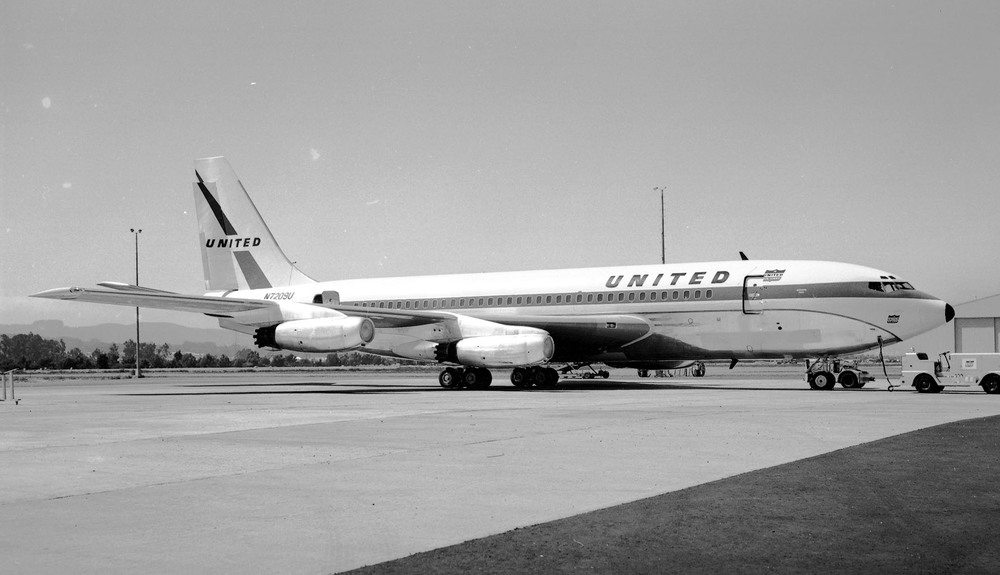
Many people refer to the 1960s as the “Golden Age of Air Travel”. The seats were spacious, luggage was free, and the service was excellent. Pilots were often looked upon as heroes who travelled the world and handled a giant jet airliner with a cool, calm demeanor. That reputation was well earned. Just like today, airline pilots back in the day completed thousands of hours of training prior to getting hired. Once hired, they completed rigorous simulator training to prepare them for any anomaly. Then they completed their training in the actual jet prior to flying passengers.
United flew the Boeing 720. This video highlights training in this jet.
While the training tools have changed, the actual training isn’t really that different. Airline pilots today still go through rigorous training. They master aircraft systems and train for myriads of emergencies. One of the main differences between today and this video from 1969 is that pilots today don’t usually train in the actual aircraft they fly. Simulators are so realistic that nearly all of the training can be accomplished without an actual flight. Most new-hire’s first flight is a revenue flight with real passengers.
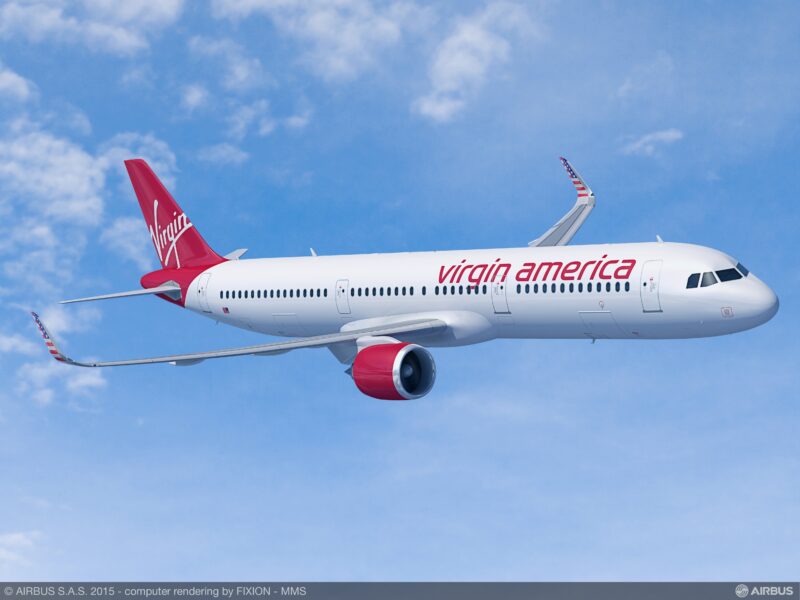
Earlier today Virgin America announced that they will add 10 Airbus A321 NEOs to their fleet to compliment their fleet of 58 Airbus A320s and A319s. In a statement, Virgin America said that deliveries are slated to begin “in the first quarter of 2017 continuing through the third quarter of 2018, and will be leased from GE Capital Aviation Services (GECAS).” Virgin America will be among the first of any airline worldwide to operate the NEO (New Engine Option) aircraft.
The new A321 NEO will be configured to carry 185 seats, giving the airline an additional 24% seating capacity verses their 156 seat A320 fleet. While the aircraft will be used to augment existing routes, the A321 NEOs also will allow Virgin America to operate Los Angeles (LAS) to Honolulu (HNL) without any weight restrictions.
Virgin America’ aircraft feature very modern cabins with amenities like mood-lighting, leather seats, RED-branded entertainment programming, and an innovative food and beverage on-demand service. While Virgin America’s service remains popular and trendy, their once-industry leading first class service has fallen behind transcon competitors like Mint, United’s PS, and American Airlines that feature lie-flat beds with American and Mint featuring partitioned seats. Virgin America’s announcement that the new aircraft will hold 185 people makes it unlikely that they will add any new amenities to their A321 fleet.
Have you ever unboxed a brand new model airplane? It’s a moment to savor for any avgeek. There is a thrill of unwrapping the plastic off the box. When you open the box, you smell the fresh paint and glue. You see the perfectly crafted lines that make the aircraft easily recognizable. You remove the packaging, hold the plane in your hands and and admire the work of art you just purchased as you put your new collectable on the mantle.
Now imagine if that plane wasn’t just a model but a brand new $200M 787-9 Dreamliner. KLM recently made a video of such an occasion. While it’s not totally reality, it is entertaining and exciting to watch. As avgeeks, we applaud KLM for their creativity.
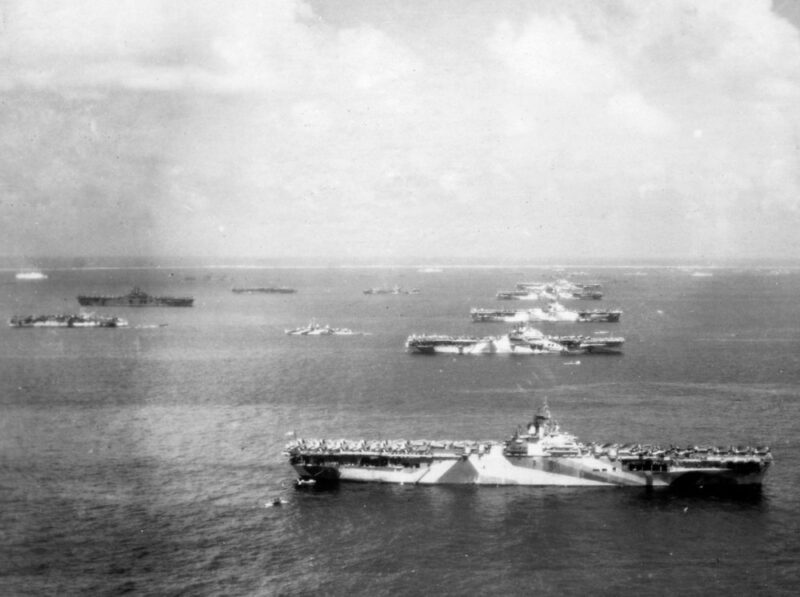
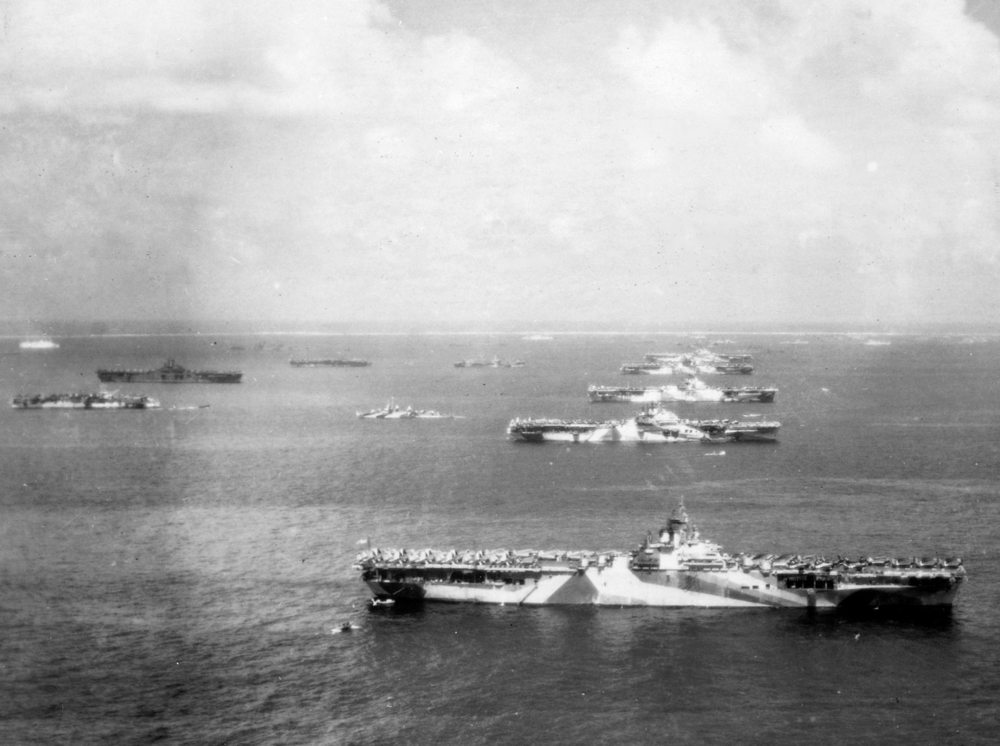
Contrary to common belief, the dropping of the atomic bombs on Hiroshima and Nagasaki didn’t make the invasion of Japan unnecessary. In fact, the invasion of Japan began on 1 July 1945 when Task Force 38 left its anchorage in the Philippines to begin Phase One of Operation Olympic, the invasion of the southernmost of the Home Islands, Kyushu. The amphibious landings on Kyushu were set for November 1945 and Kyushu would then be used as a base of operations for Operation Coronet, the invasion of Honshu and the capture of Tokyo set for the spring of 1946. By this point in the war, the US Navy’s Fast Carrier Task Forces had eclipsed the Imperial Japanese Navy’s Kido Butai (Mobile Strike Force) of the first half of the Pacific War as the most powerful naval strike unit of the war. Phase One of Operation Olympic was for the powerful Task Force 38 to conduct raids on the Japanese Home Islands in preparation for the November landings.
Commanding TF38 would be Admiral William “Bull” Halsey and Vice Admiral John S. McCain. TF38 was made up of Task Groups, each group centered around 5-6 aircraft carriers supported by 2-3 battleships, cruisers and 2-3 destroyer squadrons. Halsey flew his flag aboard the battleship USS Missouri while McCain had his flag on the newest Essex-class fleet carrier, the USS Shangri-La. (the prior link will take you to a detailed order of battle for TF38). In concert with the US Army Air Forces’ B-29 Superfortress offensive, TF38’s aircraft would be hitting pinpoint targets that the B-29s were unsuited to go after- airfields, harbors and dockyards, coastal shipping and transportation chokepoints.
Once within striking range of the Home Islands on 10 July, the sailors and airmen of the TF38 awaited the kamikaze onslaught and expected fierce air resistance over the target areas. To their surprise, they literally had air superiority over even Tokyo with little effort. The Japanese were expecting the landings in October and saw no use in fighting the growing number of American aircraft attacking the Home Islands, instead they chose to stockpile and husband their airpower for use to defend against the expected landings. The aviators of TF38 turned their attention to coastal targets around Kyushu, but the pickings were slim. With intelligence reports indicating a far better target would be the coal industry on the northern Home Island of Hokkaido, TF38 moved north to disrupt Japanese industry by going after its power source. The factories on Honshu, the main island, got over 80% of their coal from Hokkaido in the north. Disrupting the rail lines on Hokkaido would further hamper the transport of coal from the mines southward. On 14 July alone 850 sorties were carried out against various targets in Hokkaido from airfields, rail lines and harbors. Many of the harbors were crowded with merchant ships who were trying to avoid the minefields that had been sown by the B-29 Superfortresses.
It was during the strikes on Hokkaido that the Navy discovered the Achilles heel of the Japanese industry. As there were no bridges or tunnels linking Hokkaido to Honshu at the time, they relied on train ferries to move coal cars from the port of Hakodate on Hokkaido across the Tsuguru Strait to the port of Aomori on Honshu. In the 1920s as Japan’s industrialization increased, four 3,400 ton ferries were built that could carry 25 rail cars across the Tsuguru Strait. Larger ferries were built in the late 1920s that could carry up to 43 rail cars. A dozen of these ships were the only way to move coal from the mines in Hokkaido to the factories in Honshu. Eight of the ferries were sunk by TF38’s aviators and an eighth was forced aground. The air wing of the USS Essex alone accounted for four of the precious train ferries. Coal shipments were quickly moved by the Japanese to smaller coastal merchantmen, but they were inadequate for the task and they were just as much targets for the prowling aircraft of TF38 as the train ferries. The effect was dramatic- in just two days, the amount of coal available to factories on Honshu dropped by a staggering 80%.
The contribution by targeting the train ferries presented the Navy’s brass with a dilemma. For most of the Pacific War and the years prior carrier aviation strategy centered around attacking and sinking the enemy fleet at sea, but the carrier strikes against the coal industry of Hokkaido showed that hitting unglamorous targets like train ferries contributed for more to the war effort. This would have a great influence on one of the task group commanders of TF38, Rear Admiral Arthur Radford. In the postwar period, Radford served as the Vice Chief of Naval Operations, Commander of the Pacific Fleet and Chairman of the Joint Chiefs of Staff. In those various capacities he consistently pushed for a strong naval aviation arm.
Source:Whirlwind: The Air War Against Japan 1942-1945 by Barrett Tillman. Simon & Schuster, 2010, pp 199-202. Photos: US Navy
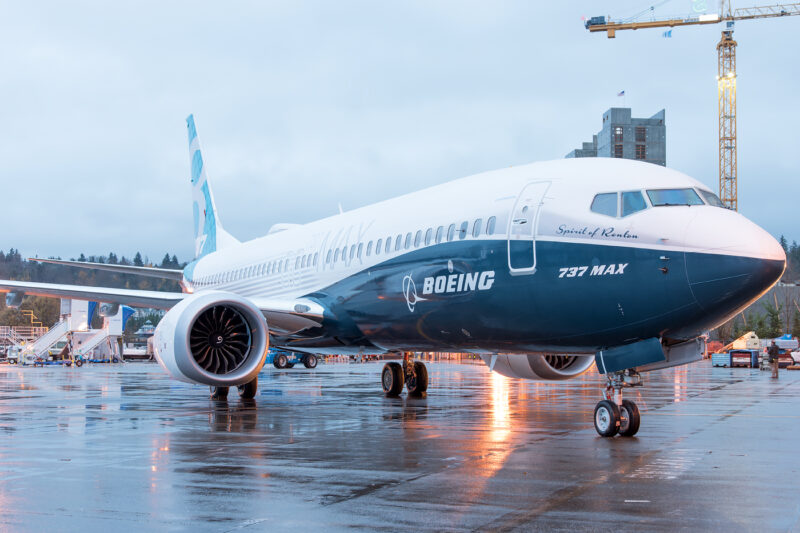
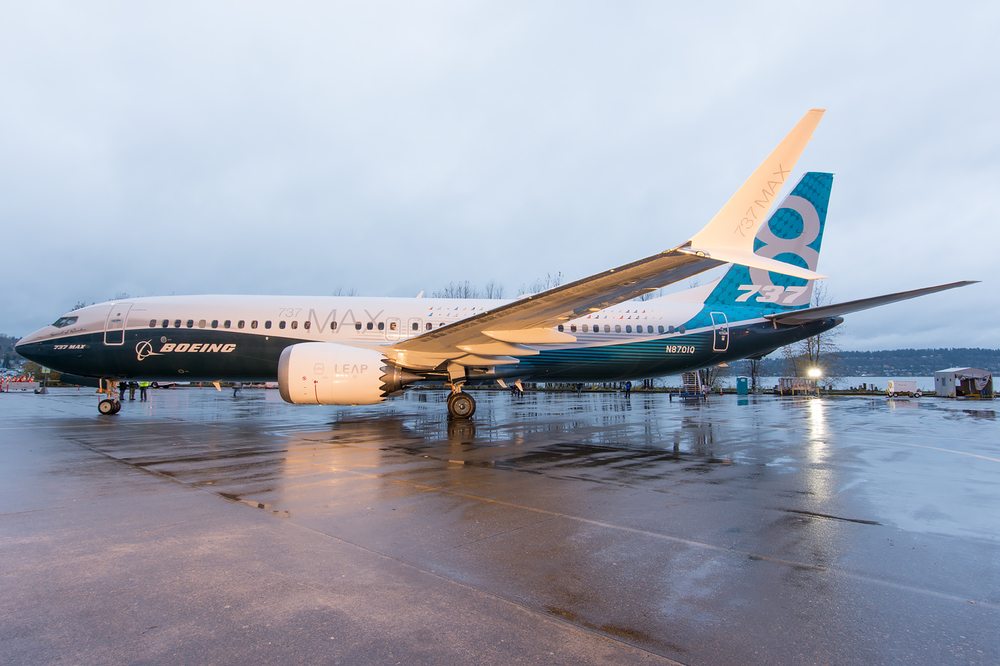
Earlier this week, Boeing introduced it’s latest Boeing 737 to the world in a relatively low-key fashion. Known as the Boeing 737 MAX, the aircraft is scheduled for first delivery in the 3rd quarter of 2017. The new 737 family is the 4th generation of the venerable “Baby Boeing”.
First flown in 1967, the original Boeing 737-100 was a far cry from Boeing’s latest offering. The original 737 was envisioned to be an aircraft to fly about 100 to 120 people on short-haul routes between 500-1000 miles. The new 737 MAX series can fly upwards of 200+ people on domestic and international routes of up to 3,600 nautical miles. That’s enough range to fly from the east coast of the United States to the western coast of Europe.
Here are 5 additional things that you should know about the rollout of the first Boeing 737-MAX:
1.) BOEING HASTILY LAUNCHED THE 737MAX IN RESPONSE TO AIRBUS’S A320NEO
It was long rumored that Boeing favored a clean sheet design to augment the 787 program. Known as the Y1, this aircraft would have spanned the gap between the 737 and 757 market. Competition by Airbus forced Boeing’s hand.
In December of 2011, American Airlines announced a fleet renewal program. In their program, they split their narrow-body order between the Airbus A320NEO family and the Boeing 737MAX. This type of announcement was unusual as an airline, not Boeing, unveiled the MAX family. Many critics felt that the launch of the Airbus A320NEO forced Boeing’s hand to launch a competing product versus an all new design.
2.) The MAX features new, more efficient engines
The 737 MAX features the new CFM Leap-1B engines that will make the latest 737 at least 14% more efficient than the existing 737 Next Generation aircraft. The Leap 1B, previously known as the “Leap X”, is the exclusive engine of the 737 MAX program.
The engine is 69.4 inches in circumference, 8 inches larger than the 737NG engines but still smaller than the Airbus A320NEO engines. The Leap 1B provides up to 35,000 lbs of thrust. The new engine features many advancements that were first seen on the wide-body 787/A350 engines. These include an extensive use of ceramics and even 3D printed parts.
One significant advancement is that the engine has carbon-fiber woven composite fan blades. The engine first flew on a 747 testbed in 2015.
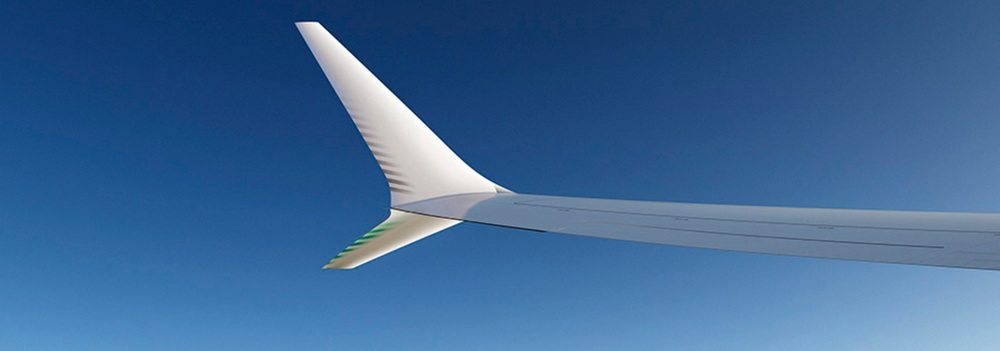
3.) The MAX “AT Winglets” provide up to an additional 1.8% fuel savings
Winglets are so 2000! The new Boeing 737 MAX AT Winglet is Boeing’s in-house version of a split-scimitar winglet. This optimized winglet is 1.8% more efficient than traditional winglets that have been commonly seen on 737 NextGen aircraft for the past 10+ years.
This 1.8% efficiency gain translates into a potential gain of almost 500nm in range. Winglets work by blocking the downward force of vortices generated by the edge of the wings. The Advanced Technology winglet blocks those vorticies on both the bottom and the top, acting as a fence. The angle of the winglets provide the maximum amount of deflection while the shape of the winglet also generates less drag itself than earlier versions.
4.) The MAX has the range to do intercontinental routes
The 737 MAX is a very efficient plane with the -8 version able to fly almost 3,600nm non-stop. While this technically means that the MAX has the ability to fly east-coast to Europe, it is unlikely to replace the 757s and larger aircraft that currently ply the routes ‘across the pond’ because that range is significantly decreased with the typical wintertime winds flying westbound.
The MAX does open opportunities to fly from Montreal to London and New York to Dublin reliably. It also will allow airlines to economically fly new routes between the southern US and Central America along with Europe and Africa.
5.) Delivery isn’t scheduled until Q3 2017
The first flight of the 737 MAX is scheduled in early 2016. First delivery isn’t scheduled until Q3 of 2017. The first MAX aircraft will be delivered to Southwest Airlines. Currently there are 2,955 outstanding orders for the MAX. A majority of them are the -8 model.
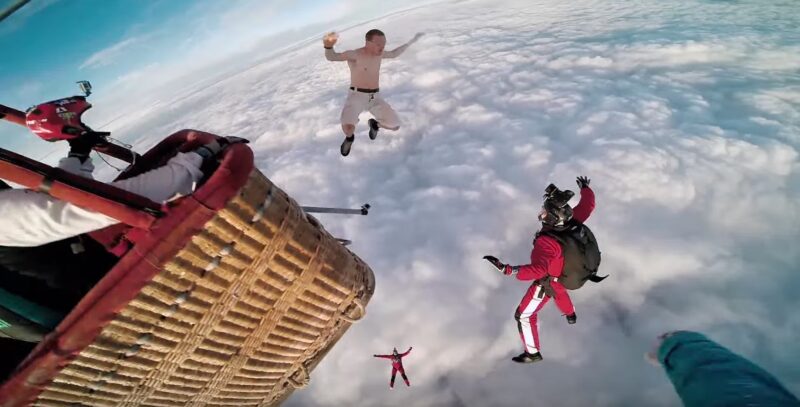
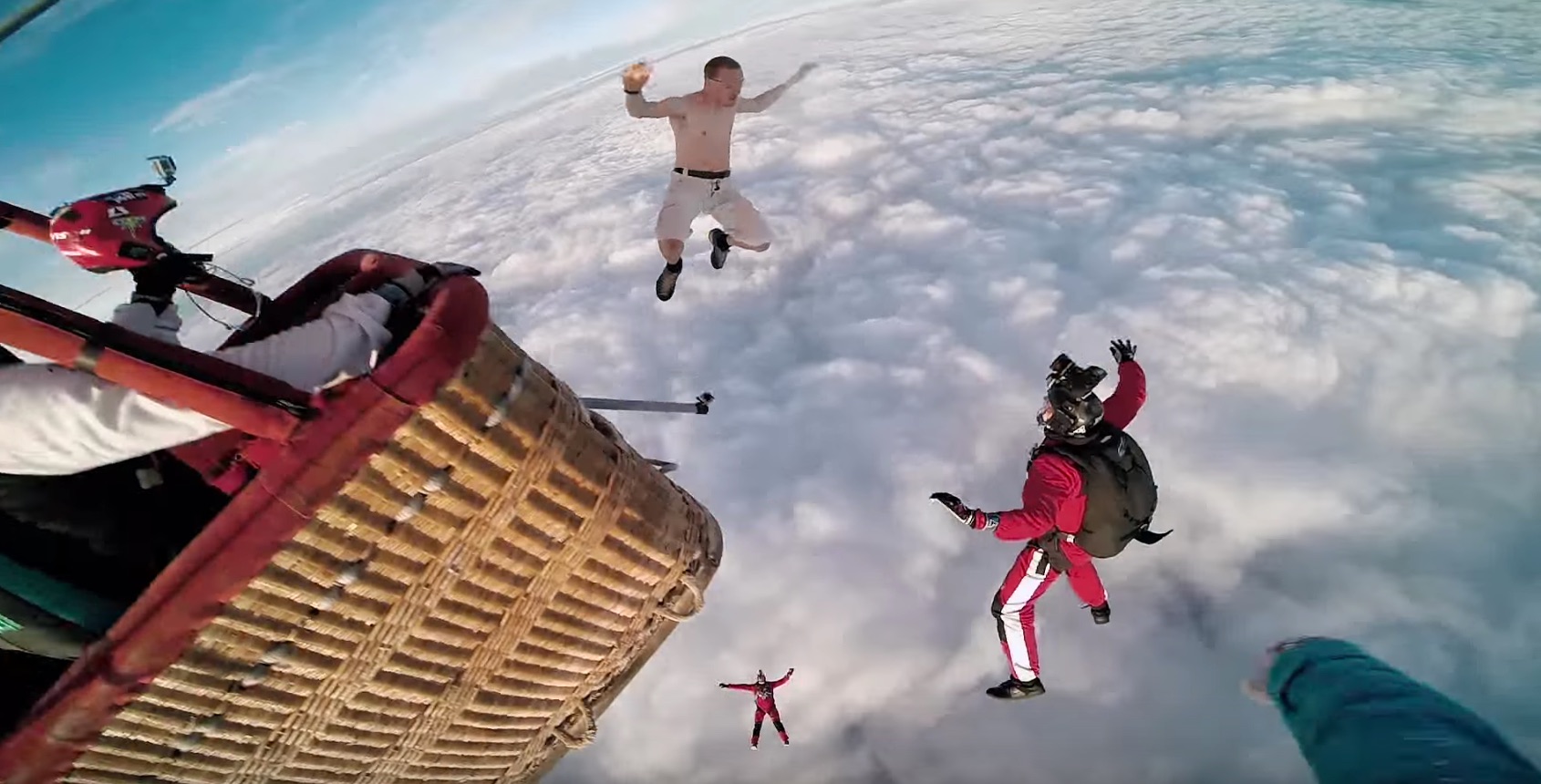
Jumping With No Chute is Crazy! This Guy Just Did It!
Skydiving is scary. Skydiving from a hot air balloon with no forward movement from 13,000 feet is even scarier. Skydiving without a parachute is absolutely nuts. Finnish daredevil Antti Pendikainen jumped from a balloon after throwing his parachute to the wind. He then accelerated to over 100 miles per hour as he careened towards his death. Will his stunt team save him? You’ll have to watch to find out…