

Gene Hambleton Landed in the Middle of the Largest NVA Offensive of the War…and Lived to Tell About It.
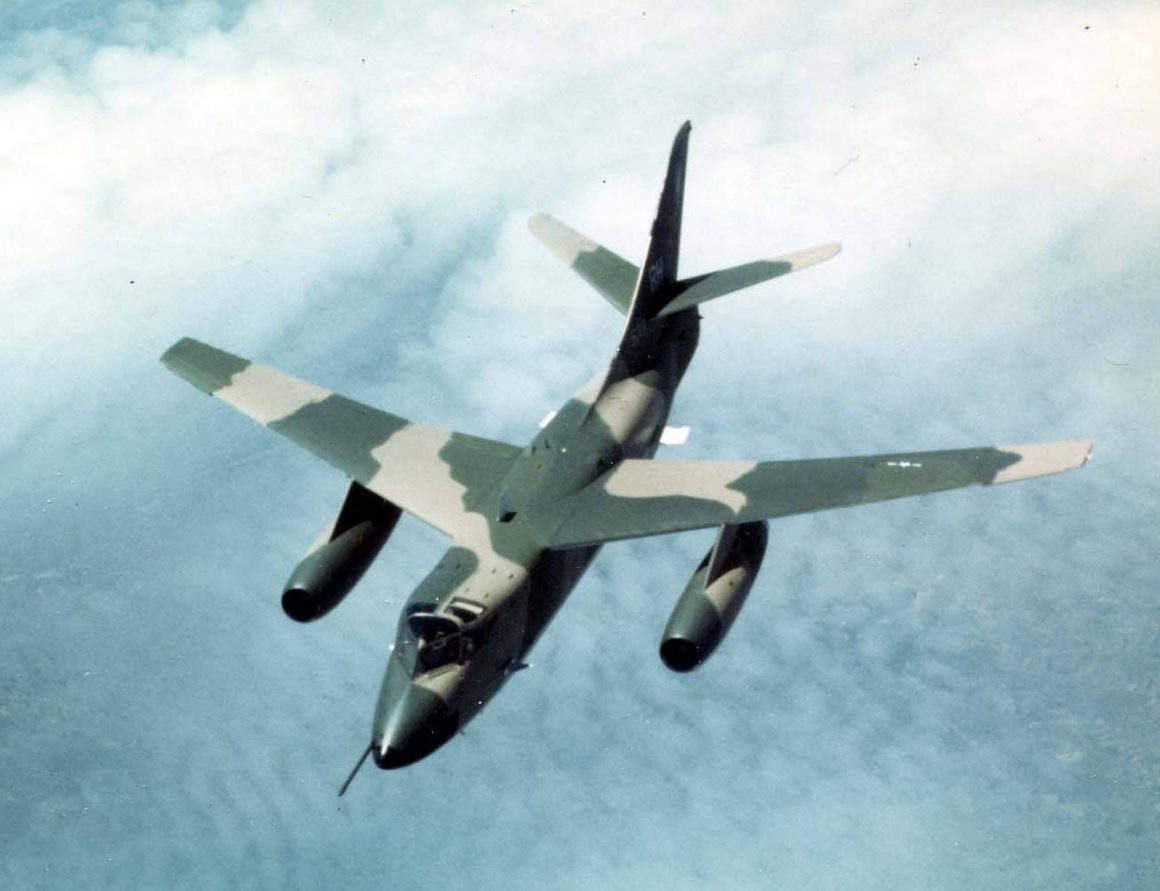
On April 2, 1972 over South Vietnam, two United States Air Force (USAF) Douglas EB-66 Destroyers were escorting a cell of three Boeing B-52D Stratofortresses tasked to bomb Ho Chi Minh Trail access points in Quang Tri Province. The EB-66s were there to provide search and guidance radar jamming for the B-52D big ugly fat…fellows (BUFFs) and to gather electronic signals intelligence. The call sign of the first EB-66C as Bat 21. The 1972 Easter Offensive was in its third day. Roughly 30,000 North Vietnamese Army (NVA) troops had crossed the De-Militarized Zone (DMZ) and were headed south. What happened next would be debated for its human cost, and celebrated for its ingenuity and bravery by all involved.
Drawdown Puts a Senior Nav Aboard
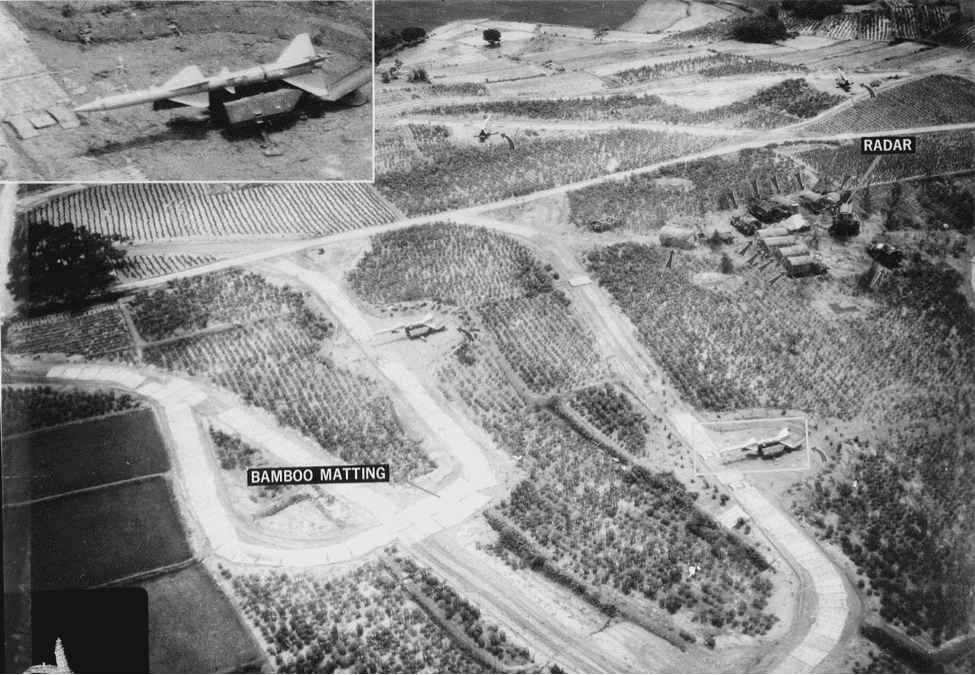
B-52D BUFFs had been flying “Arc Light” bombing missions in support of the defenders on the ground but had been increasingly tracked and fired upon by surface-to-air missiles (SAMs). The BUFFs needed more electronic support and the 42nd Tactical Electronic Warfare Squadron (42nd TEWS) was tasked to provide that support. Like many other organizations, manpower had been depleted by the personnel draw down in the 42nd TEWS. As a result, a senior navigator by the name of Iceal Hambleton, better known as Gene, assigned himself to fly as the navigator in one of the EB-66s slated for the mission of April 2nd. Ironically, Hambleton had tracked NVA SA-2 Guideline SAMs south of the DMZ before, but others continued to question their presence so in South Vietnam.

Out of the Frying Pan…
Douglas EB-66C Destroyer, Air Force serial number 54-0466, was flying over Quang Tri Province, just south of the DMZ, when the NVA shot a volley of SAMs at the two EB-66s. Hambleton’s EB-66C was hit by a SA-2 while flying at 29,000 feet over northern South Vietnam. Hambleton called for the crew to eject and pulled his seat ejection handles just before the stricken EB-66 was hit by a second SA-2 and destroyed. Hambleton was the sole survivor of a crew totaling six. As he floated down in his parachute he realized he had shrapnel wounds from his aircraft exploding, a ripped finger, and four compressed vertebra from the force of the ejection. Remember those 30,000 NVA troops pouring over the border? Hambleton floated down in his parachute right into the middle of their advance, yet a fortuitous low cloud bank hid him as he descended in a dry rice paddy.
Right in the Middle of the NVA Advance
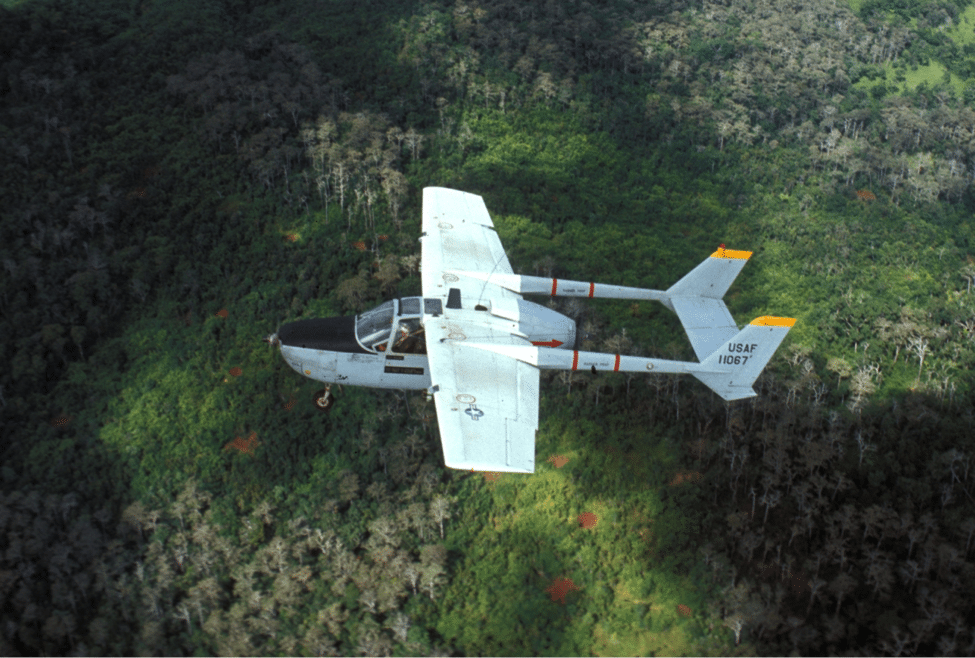
Hambleton (call sign Bat 21 Bravo) was in radio contact with Air Force Forward Air Controllers (FACs) flying a Cessna O-2 in the vicinity even before he landed. Even though the FACs saw the EB-66 get shot down, they were still unprepared for the number of NVA troops and the sheer amount of NVA arms and equipment in the area. The FACs fixed Hambleton’s position and relayed it to an HC-130P combat search and rescue (CSAR) tanker aircraft (call sign King 22) in order to get a rescue force spun up. Friendly forces had just destroyed a bridge in the area, so now Hambleton had a front row seat (less than 100 meters away) for the re-routed NVA advance to the south.
Hambleton Was Much More Than Just a Senior Navigator
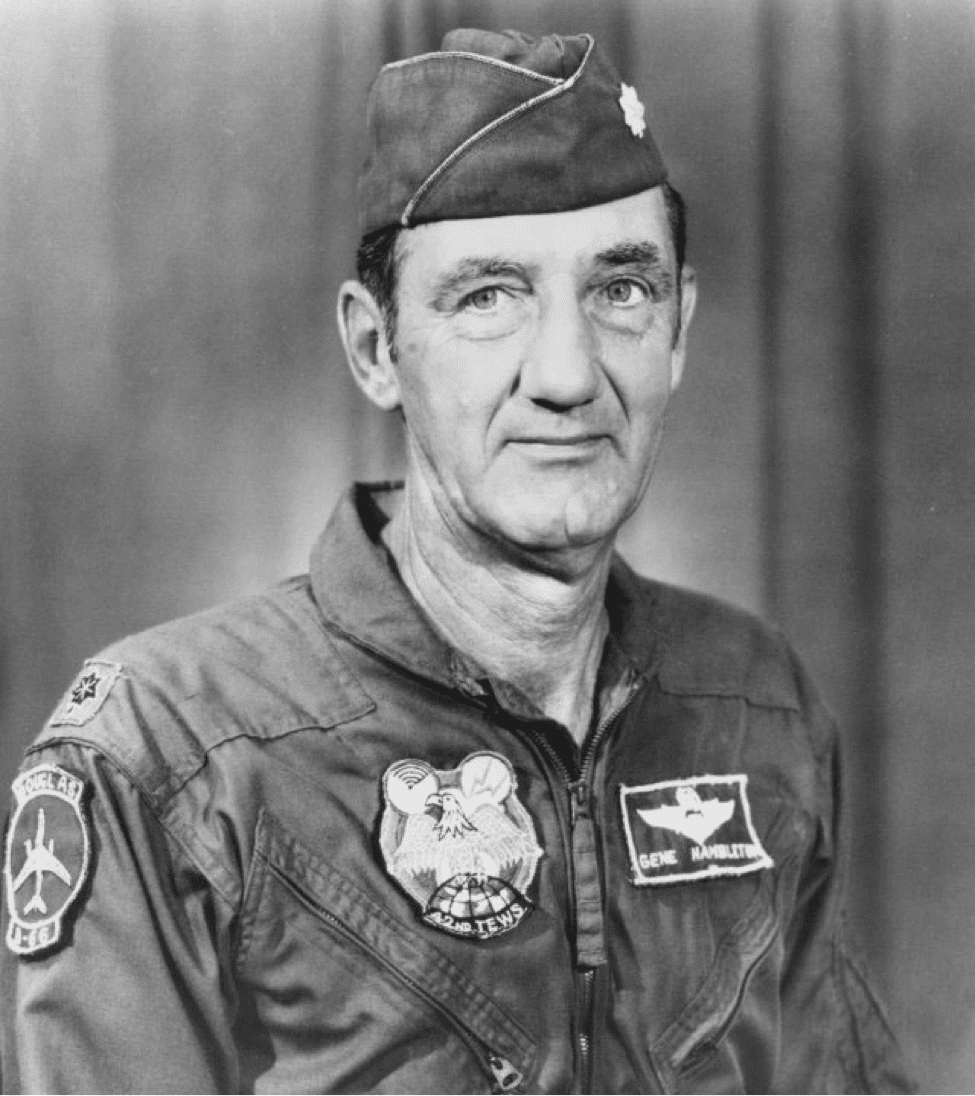
Lieutenant Colonel Iceal Hambleton was not just another Air Force World War II veteran and senior navigator. Hambleton had worked on Strategic Air Command’s (SAC’s) Jupiter, Titan I, and Titan II intercontinental ballistic missile (ICBM) programs. He had even been Deputy Chief of Operations at SAC’s 390th Strategic Missile Wing. He had firsthand knowledge of the innermost workings of America’s atomic weapons delivery systems and likely targeting information as well. Gene Hambleton simply could not be captured. It is highly likely that the North Vietnamese (and by extension the Soviets) knew of Hambleton’s assignment to the 42nd TEWS, based in Thailand, and if they found out he had been shot down they would make every effort to grab Hambleton. On the other hand, the United States Air Force, Navy, Marines, and even the South Vietnamese, were about to make every effort to rescue Gene Hambleton.

Awesome story, but incomplete. Look into the MOH for CPO Michael Thornton, the only MOH awarded for the rescue of a MOH winner……. LT, Norris! Both awards given at the same time by The President.