

Starlink aviation plan changes trigger backlash after a new 100 mph cap ends affordable in-flight internet for many GA pilots.
Throughout 2025, General Aviation pilots finally had a practical and affordable way to get real in-flight internet with Starlink’s portable Mini hardware. For $50 a month, they could use 100 GB of high-speed data. For pilots flying piston singles or light twins, this was a game-changer.
But now, that option is no longer available.
Starlink has made major changes to its in-motion data plans for aviation. The biggest change is that standard mobile plans, which used to work in flight, are now limited to 100 mph. For most planes, this means the plans stop working as soon as you take off.
Pilots have quickly voiced their frustration in forums and aviation groups. Many feel that the progress toward affordable cockpit internet has been reversed.
Here’s a look at what changed and why pilots are so upset.
The Old Reality: Affordable, High-Data In Flight
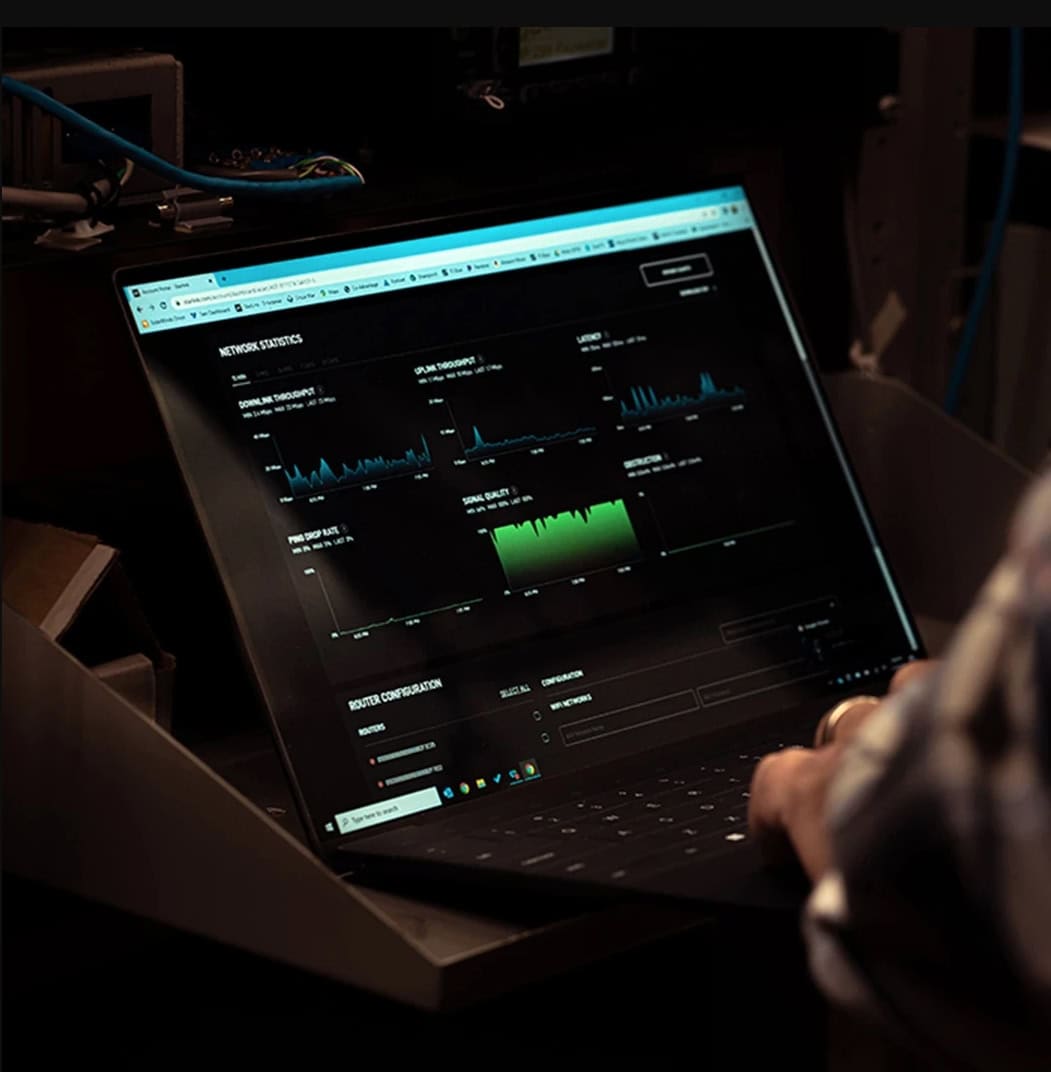
In early and mid-2025, many GA pilots used standard Roam, Local Priority, or Global Priority plans with the Starlink Mini. Even though using these plans in planes was a gray area, it became common and practical.
Here’s what a typical setup looked like:
- Roam 100GB: About $50 per month for 100 GB of high-speed data.
- Roam Unlimited or Global Priority variants: Around $165 per month for unlimited data.
- In-motion support up to 450 mph after plan adjustments in 2025.
- No identity verification requirement for standard use.
Earlier in 2025, Starlink improved things even more. They set a 450 mph speed limit for all plans and increased the base data to 100 GB at no extra cost. For GA pilots, this was a welcome surprise.
For about the cost of a few tanks of avgas, pilots could get reliable internet in the cockpit. This let them access:
- High-resolution weather imagery
- Icing forecasts
- Real-time turbulence updates
- Email and flight planning apps
- Supplemental ADS-B and PIREP data
For pilots flying less than 100 hours a year, the cost was reasonable. The plans were month-to-month, easy to pause, and much cheaper than older aviation internet options.
That era is now over.
The New Structure: 100 MPH Cap and Aviation-Only Tiers
Starting this month, Starlink has set a strict 100 mph in-motion cap on all standard Roam, Local Priority, and Global Priority plans. That’s 87 knots, which is actually slower than many aircraft taxi speeds on a brisk day.
If the system detects use above that speed, users get notifications and may lose service. There is no grandfathering for those who used these plans in flight before.
For pilots who want connectivity above 100 mph, Starlink has created new aviation-specific tiers:
Aviation 300MPH
- $250 per month
- 20 GB included
- $10 per GB overage, opt-in
- Up to 300 mph
- Land and territorial waters only
- Identity verification required
Aviation 450MPH
- $1,000 per month
- 20 GB included
- $50 per GB overage
- Up to 450 mph
- Includes full ocean coverage
- Identity verification required
The difference is striking.
What once cost $50 for 100 GB at 450 mph now costs $250 for only 20 GB at 300 mph. If you want 450 mph and ocean coverage, the price jumps to $1,000 per month, which is too expensive for most piston owners.
High-end certified Business Aviation plans remain unchanged. The Business 20GB plan sits at $2,000 per month, with $100 per GB overage. Business Unlimited is $10,000 per month. These were never aimed at light aircraft owners, and they remain priced accordingly.
The Starlink Mini hardware still works for in-motion use, but now it’s tied to these new restrictions and aviation-specific plans. Users have to submit a support ticket to switch, since there’s no simple self-service option.
Why the Anger Runs Deep

The frustration is not just about money, but also about how suddenly things changed.
In 2025, Starlink increased speed limits and data caps. Many pilots bought hardware and built their cockpit routines around the service. They budgeted for it and made it part of their safety toolkit.
Now, they face a price increase of five to twenty times for usable in-flight speeds, along with much less included data. Twenty gigabytes goes fast when you’re downloading high-resolution weather, updating charts, and using several connected devices.
Pilots also point to the safety angle. For many, Starlink was not just about streaming or convenience. It supported:
- Real-time weather decision-making
- Icing and turbulence avoidance
- Updated PIREPs in marginal conditions
Losing affordable access feels like losing a safety tool.
There’s also a sense of being left out. The new plans require identity verification and formal aviation-tier enrollment. What once felt like an innovative, flexible solution for light aircraft now feels divided and corporate.

To be fair, Starlink’s plans are still month-to-month. Users can pause or switch, and residential and stationary unlimited plans haven’t changed. But for planes flying faster than 100 mph, the old workaround is no longer available.
Some pilots are already canceling and going back to SiriusXM weather or other older solutions. Others are asking for a middle tier. A plan in the $100 to $150 range with 100 GB and a 300 to 400 mph cap would probably ease much of the backlash. An online petition asking Starlink to reconsider the changes is gaining steam (2,900 signatures as of the time of this writing – you can sign it here).
It’s not clear if that will happen.
In the meantime, the bottom line is: if you fly faster than 87 knots and use a standard Roam plan, affordable in-flight broadband is no longer an option. For a community that briefly enjoyed new connectivity freedom, this change is tough to accept.