

Spirit Airlines planes repo’d after its collapse became more than an aircraft recovery operation. It became a final goodbye to the yellow jets and the people who loved them.
When an airline shuts down, the airplanes do not simply vanish.
They sit at gates, cargo ramps, outstations, and maintenance areas, still wearing the colors of the company that once flew them. The seats are still installed. The galley carts may still be stocked. The logbooks still matter. The banks and leasing companies still own assets that need to be protected, moved, inspected, and eventually placed somewhere safe.
That is where the so-called “repo men” come in.
In a new video from Nomadic Aviation (we have included the link to the video at the end of this story), the company takes viewers behind the scenes of the effort to move former Spirit Airlines aircraft into storage after the airline ceased operations on 2 May 2026. The term “repo men” is technically close enough, as the narrator admits, but the video makes clear that the reality is far more complicated, and far more human, than that nickname suggests.
Nomadic says it moved 23 Spirit aircraft to the Sonoran Desert during the first week of May, working on behalf of banks and leasing companies that owned the jets and had leased them to Spirit. Most of the airplanes, the narrator explains, will likely fly again someday for another airline, in another paint scheme, somewhere else in the world. But they will never fly again for Spirit.
That is the emotional center of the video. This is not a story about people celebrating a repossession. It is a story about aviation professionals doing a difficult job in the middle of a very sad week.
A Massive Logistical Puzzle With No Room for Guesswork
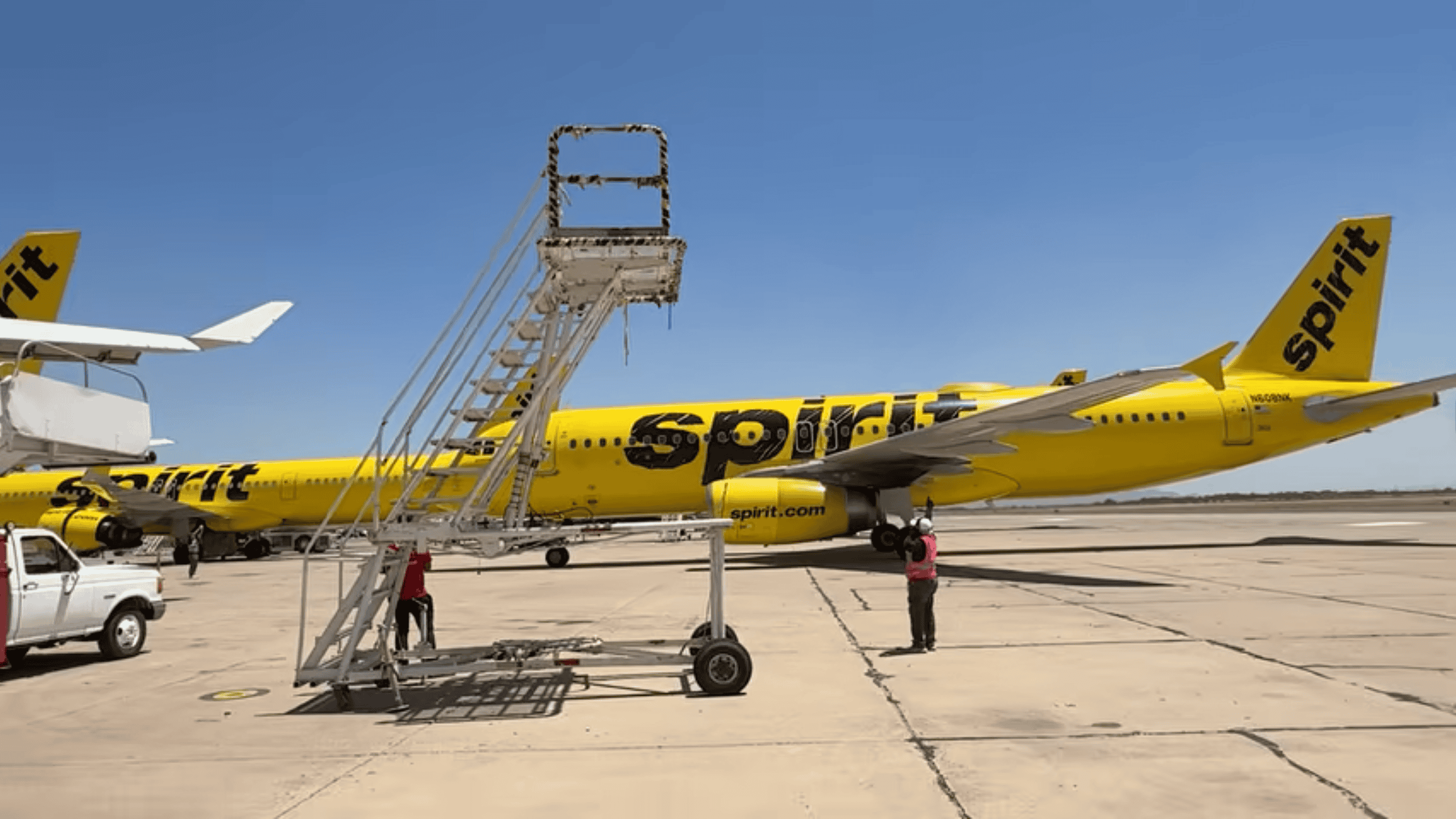
The operation started before Spirit’s final shutdown became official. According to the video, Nomadic had first been contacted months earlier by a major aircraft lessor that saw the writing on the wall and wanted basic quotes prepared for the possible recovery of 10 Airbus A321neos. Twice earlier in the year, the company had received “get ready” calls, only to be told to stand down when Spirit managed to buy more time.
This time was different.
On Friday, 1 May, the calls began again. Lessors wanted crews staged at airports where their aircraft were expected to end up that night. Some of those airplanes had not even landed yet. Spirit had not officially closed. But the machinery of aircraft ownership, bankruptcy, leasing, maintenance, dispatch, and ferry operations was already moving.
The video captures the controlled chaos of that moment. Crews were needed in Fort Lauderdale, Miami, Charlotte, Columbus, Houston, Atlantic City, Detroit, Philadelphia, Orlando, Dallas, Chicago, and Los Angeles. What began as one batch of airplanes quickly expanded as more lessors joined the operation.
The original plan was to move the jets quickly while they were still under Spirit’s continuing airworthiness program. The aircraft had been flying passengers only hours earlier. But Spirit’s management pilot team did not want to accept the liability of allowing those ferry flights to proceed under its program. From an operational standpoint, that decision slowed things down. From a human standpoint, it was understandable. There was no real upside for the remaining Spirit team to take on more risk after the airline had already collapsed.
AVGEEKERY’S FAREWELL TO SPIRIT AIRLINES
So Nomadic pivoted. The company brought in Designated Airworthiness Representatives, known as DARs, who could inspect the aircraft and issue special flight permits for one-time ferry flights into storage. That changed the pace of the operation, because the DARs had to physically move from city to city and inspect each airplane. But it also gave everyone a clean and safe path forward.
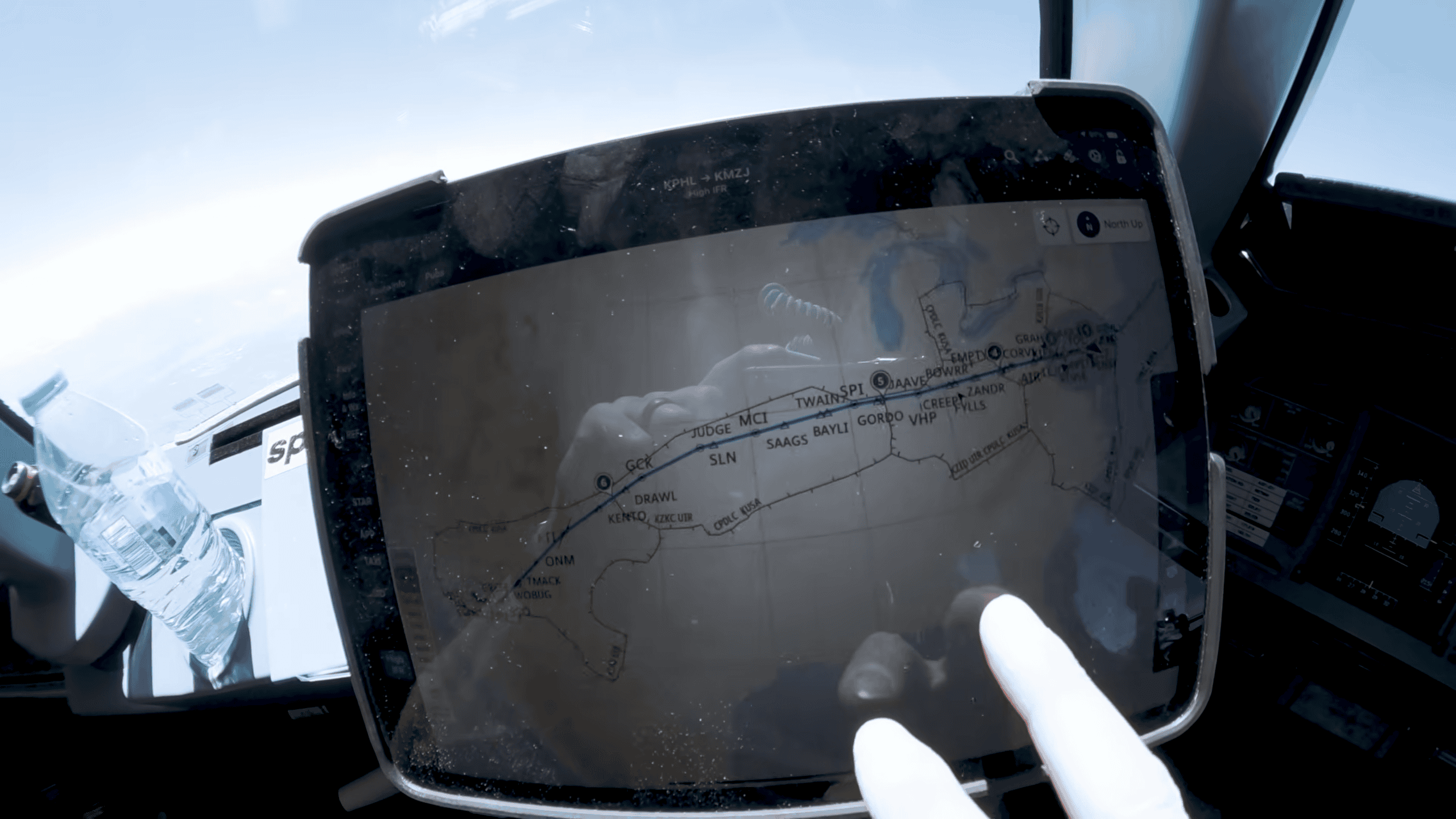
That is one of the best parts of the video. It shows the aviation industry’s unglamorous machinery at work. Fuel contracts. Tow bars. Pushback crews. Dispatch. Flight plans. Crew rest. Airport access. Special flight permits. Hotel rooms. Group chats. All of it had to come together quickly, often with only hours of notice.
In Philadelphia, the narrator describes trying to move one former Spirit aircraft out of his home airport. The flight required about 3,500 gallons of Jet-A to bring the aircraft up to 31,000 pounds of fuel for a 5-hour, 15-minute trip into strong headwinds toward Arizona. Even something as basic as getting a tug, tow bar, and driver became part of the day’s puzzle.
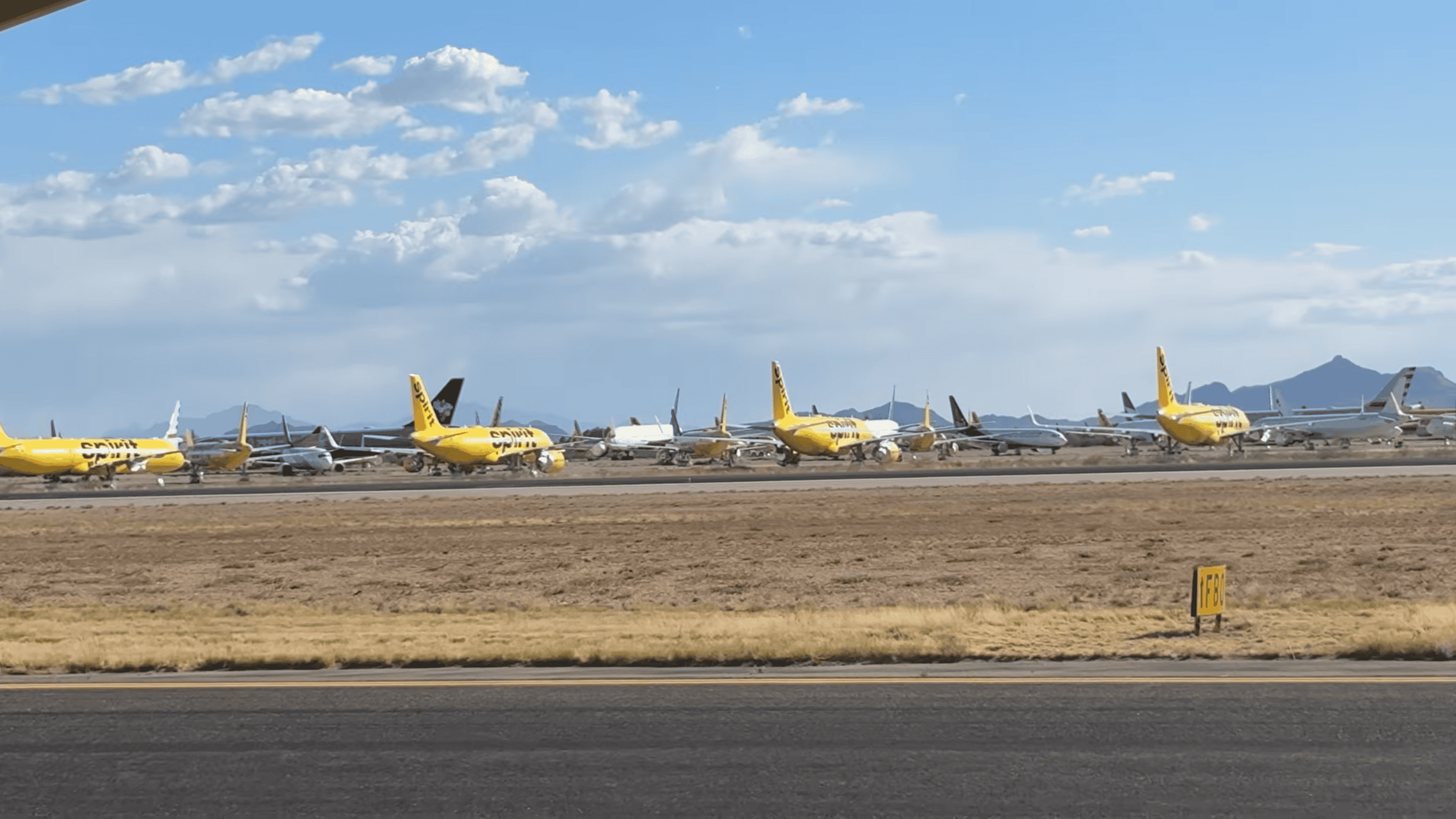
The Yellow Jets Go Quiet
What makes the video land emotionally is not just the aircraft movement. It is the people.
Nomadic made a deliberate choice to bring Spirit pilots into the operation. Many of them had just lost their jobs. Some were still in the middle of trips when the calls came. They were hearing from people they did not know, in WhatsApp groups they had just joined, while trying to process the end of their airline.
And yet, according to the video, they showed up.
The narrator says the Nomadic team kept hearing the same thing from Spirit employees. Not bitterness. Not complaining. Nostalgia. A sense that Spirit, for all the jokes and baggage fees and tight seats, had been a family.
That becomes especially clear in Atlantic City, where the last Spirit airplane moved by Nomadic departed on a rainy Monday, 11 May. Atlantic City was one of Spirit’s early gateway cities and crew bases. The video notes that Spirit’s first scheduled flight from Atlantic City took place on 1 June 1992.
There, viewers meet Suzanne Makino, described as Spirit’s first flight attendant. She was hired by Charter One, Spirit’s predecessor, in 1990 and stayed with the company for 36 years. She came to the airport when she heard the last Spirit flight was leaving, and airport staff helped her out to the ramp, then near the runway, to say goodbye.
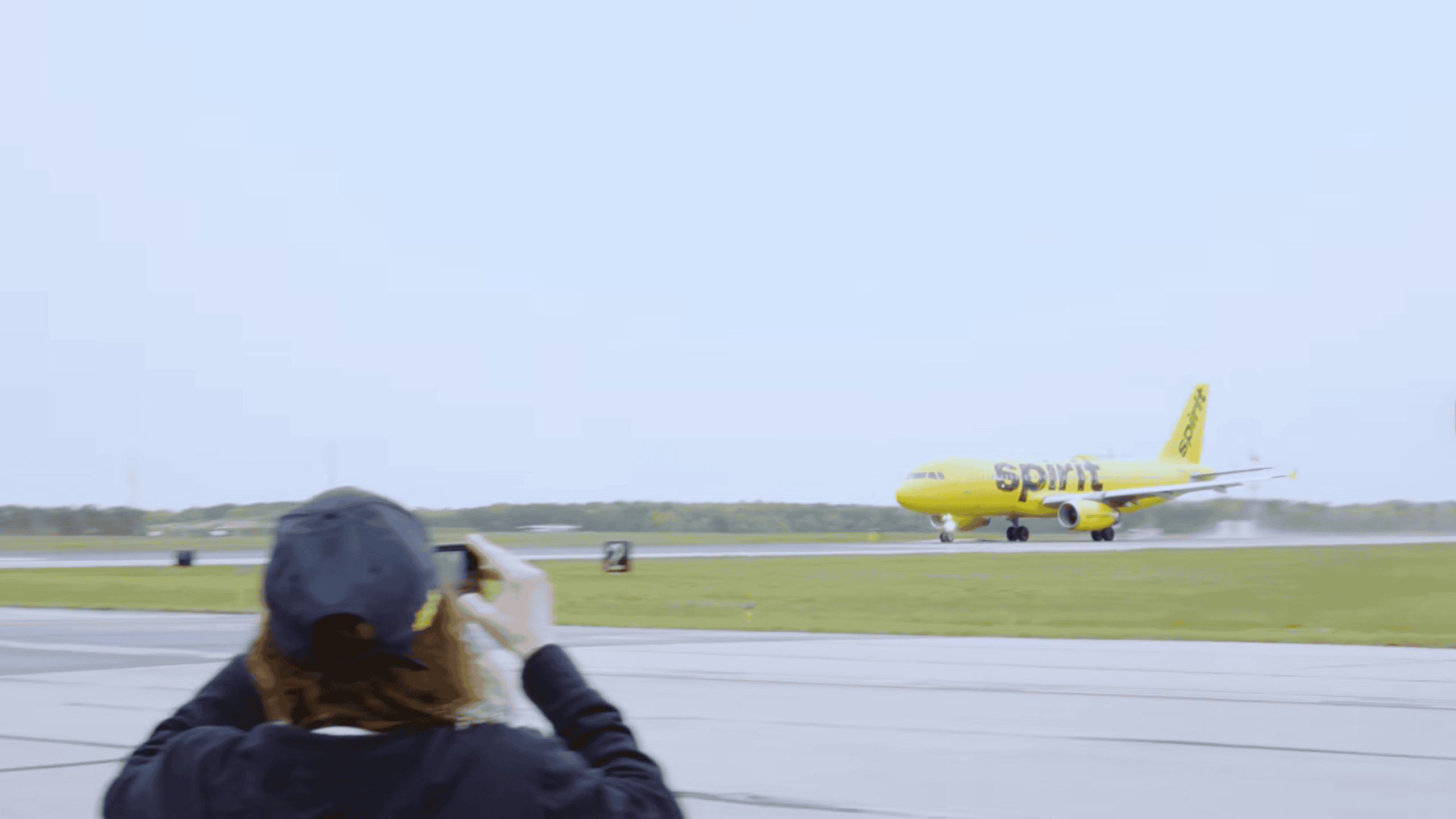
It is hard to watch that moment and think of these as just airplanes being repositioned.
The sight of bright yellow Airbuses heading for desert storage is striking on its own, but those airplanes represent far more than fleet numbers and tail registrations. They carried vacations, first flights, commuting crews, tired families, delayed passengers, frustrated passengers, loyal passengers, and the employees who kept showing up through all of it.
Near the end of the video, the narrator says many of the former Spirit jets are young and will likely return to service in new colors. That is probably true. The desert is not always a graveyard. Sometimes it is a waiting room.
But for Spirit, this was the end.
The yellow jets may fly again. The people will move on. The industry always does.
Still, watching this video, it is impossible to miss what was left behind: an iconic livery, a pilot group, a crew family, and one more airline story that ended with engines spooling up for a final departure into the desert.
We invite you to watch the emotional video below: