

If you’ve followed the story of the legendary A-10 Thunderbolt for any length of time, this latest development probably feels less like a surprise and more like déjà vu.
On 20 April 2026, Secretary of the Air Force Dr. Troy E. Meink announced on X that the Air Force will keep the A-10 “Warthog” in service until 2030. Not long ago, it seemed the aircraft was close to retirement. Meink wrote, “In consultation with @SecWar, we will EXTEND the A-10 ‘Warthog’ platform to 2030,” and said this decision “preserves combat power” while the defense industry works to build more planes. He ended the message with, “More to come.”
The announcement was surprisingly low-key. As of this writing, there has been no official Department of War press release, no detailed explanation, and no clear information yet about how the extension will be funded or managed. Still, the main point was clear, and the decision has been made: the A-10 will keep flying.
A Retirement That Never Quite Happened
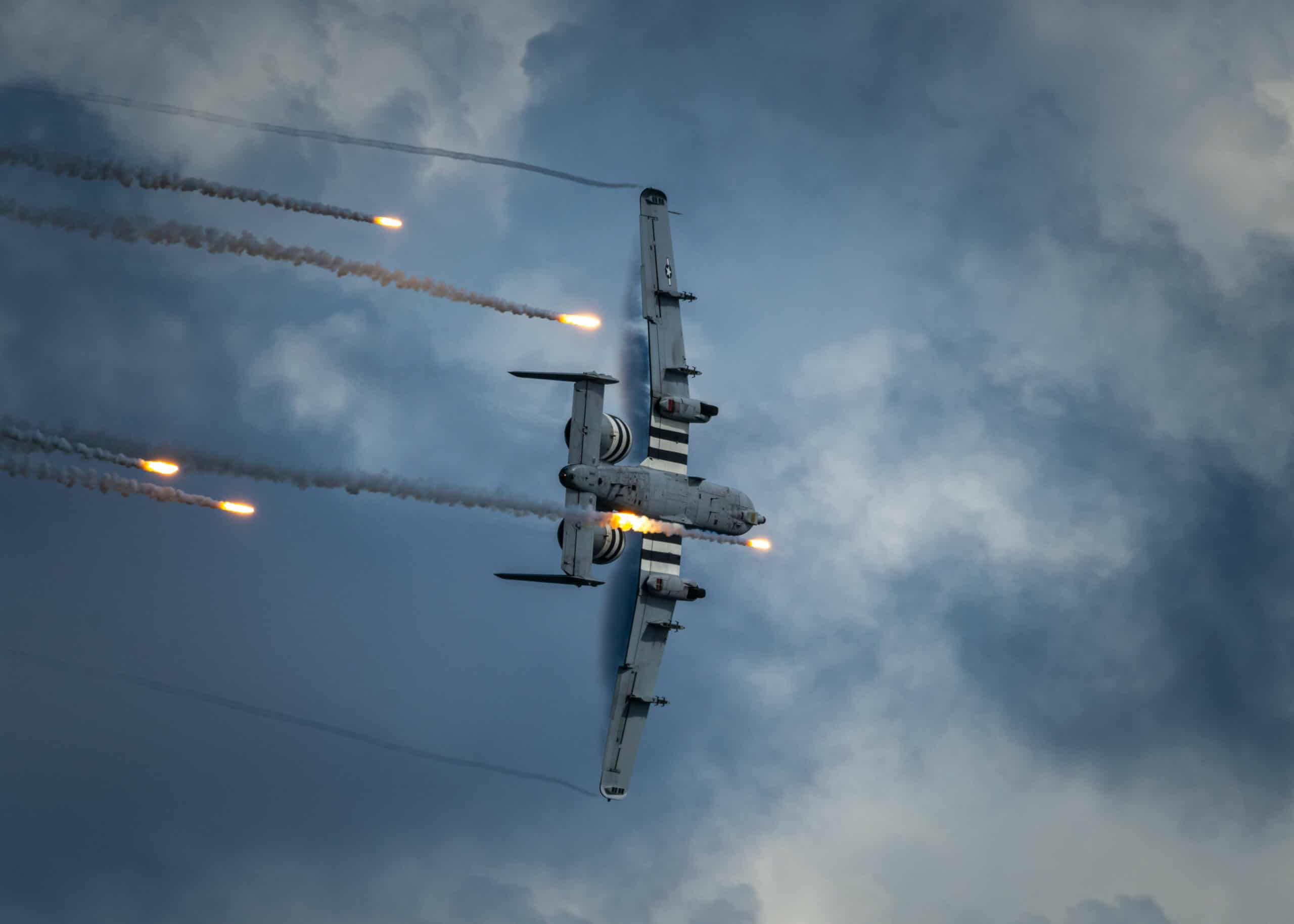
Until recently, the A-10’s retirement seemed certain.
The Air Force had a plan to retire the A-10 by the end of 2026, with some estimates pushing that date to 2029. This time, the plan seemed to be moving forward. The last A-10 pilot training class graduated at Davis-Monthan Air Force Base earlier this month, and in February 2026, the 571st Aircraft Maintenance Squadron at Hill Air Force Base was deactivated after finishing the final scheduled maintenance on the jet.
Meanwhile, the fleet had shrunk to about 103 aircraft, much leaner than it used to be.
Normally, these changes would signal that an aircraft’s service is ending. But now, the Air Force has changed direction. Under the new plan, three squadrons will keep flying the A-10 past the original retirement date. One active-duty squadron and one reserve unit will stay in service until 2030, and another active-duty squadron is expected to continue until 2029.
So, the Warthog’s retirement has been delayed once more.
Why the Warthog Keeps Getting Called Back
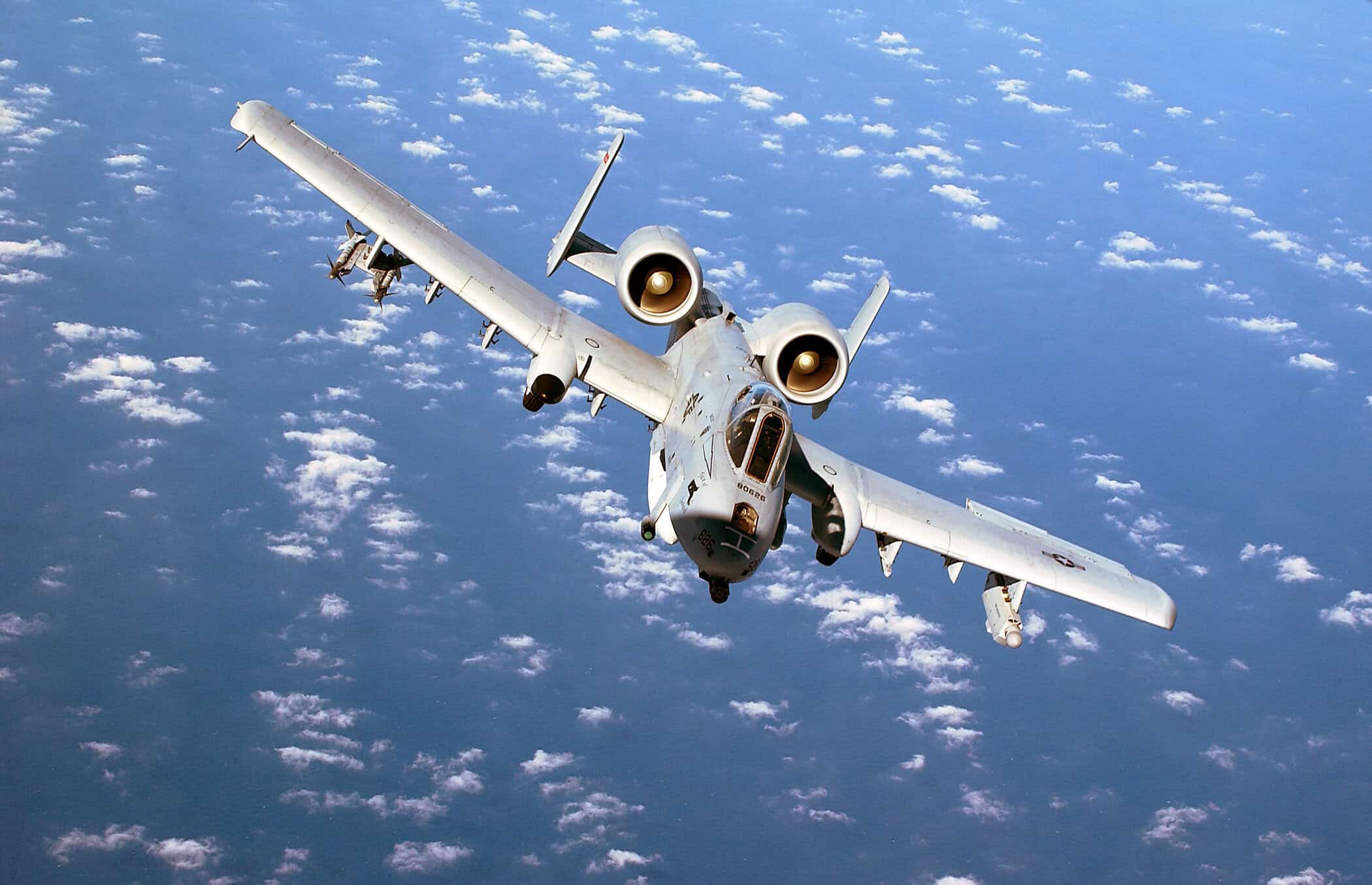
This keeps happening for a simple reason: the A-10’s mission is still needed.
The A-10 is still used often in US operations in the Middle East, including missions for Operation Epic Fury. In these situations, its strengths stand out. The A-10’s 30 mm GAU-8 Avenger cannon is still one of the best close air support weapons, and its ability to stay over the battlefield gives ground troops more time and flexibility than faster jets can offer.
Survivability is just as important. The A-10 was built to take damage and keep flying, thanks to backup systems and armor. This makes it effective not only for close air support, but also for maritime strike missions, such as targeting Iranian boats in the Strait of Hormuz.
Even though newer aircraft have many features, none match the A-10’s unique mix of abilities. As long as this gap remains, the A-10 proves its value in real missions, not just in discussions.
A Bridge to What Comes Next
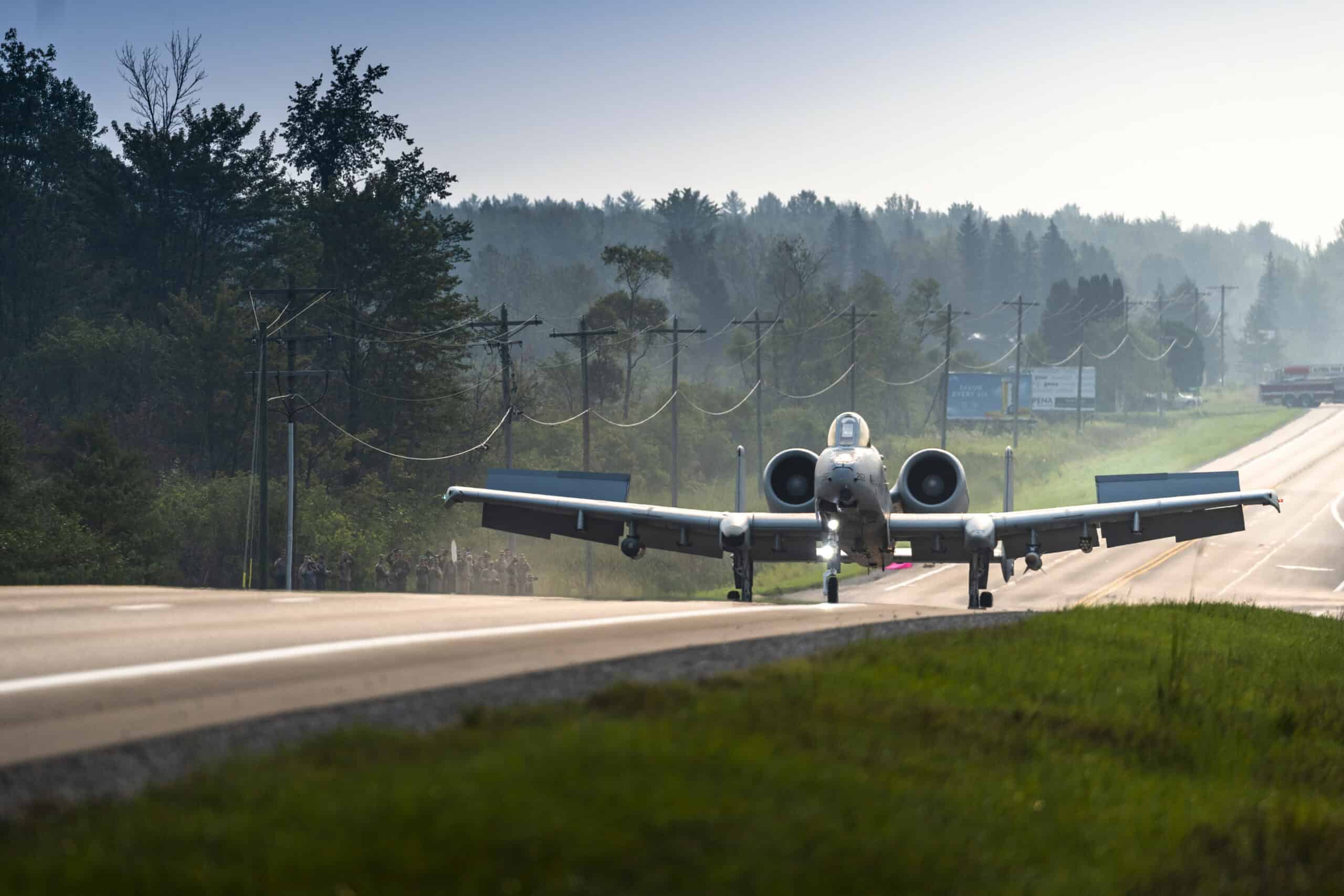
This decision is not only about keeping the A-10 in service. It is also about giving the Air Force more time.
The Air Force is moving to newer aircraft, such as the F-35 Lightning II. However, building enough of these planes and fully preparing them for missions takes years. Until then, the Air Force still needs a dependable way to provide close air support where it is needed.
Keeping the A-10 in service fills this gap. It keeps a proven tool available while new aircraft are introduced. This also avoids rushing the transition before replacements are fully ready.
Still, this extension brings up some practical questions. The A-10 fleet is smaller now, and some of its support systems have been closed. It is unclear whether pilot training will resume, how funding will work, or what maintenance plan will keep the jets flying through the decade. Even Meink said more details are coming.
Still in the Fight
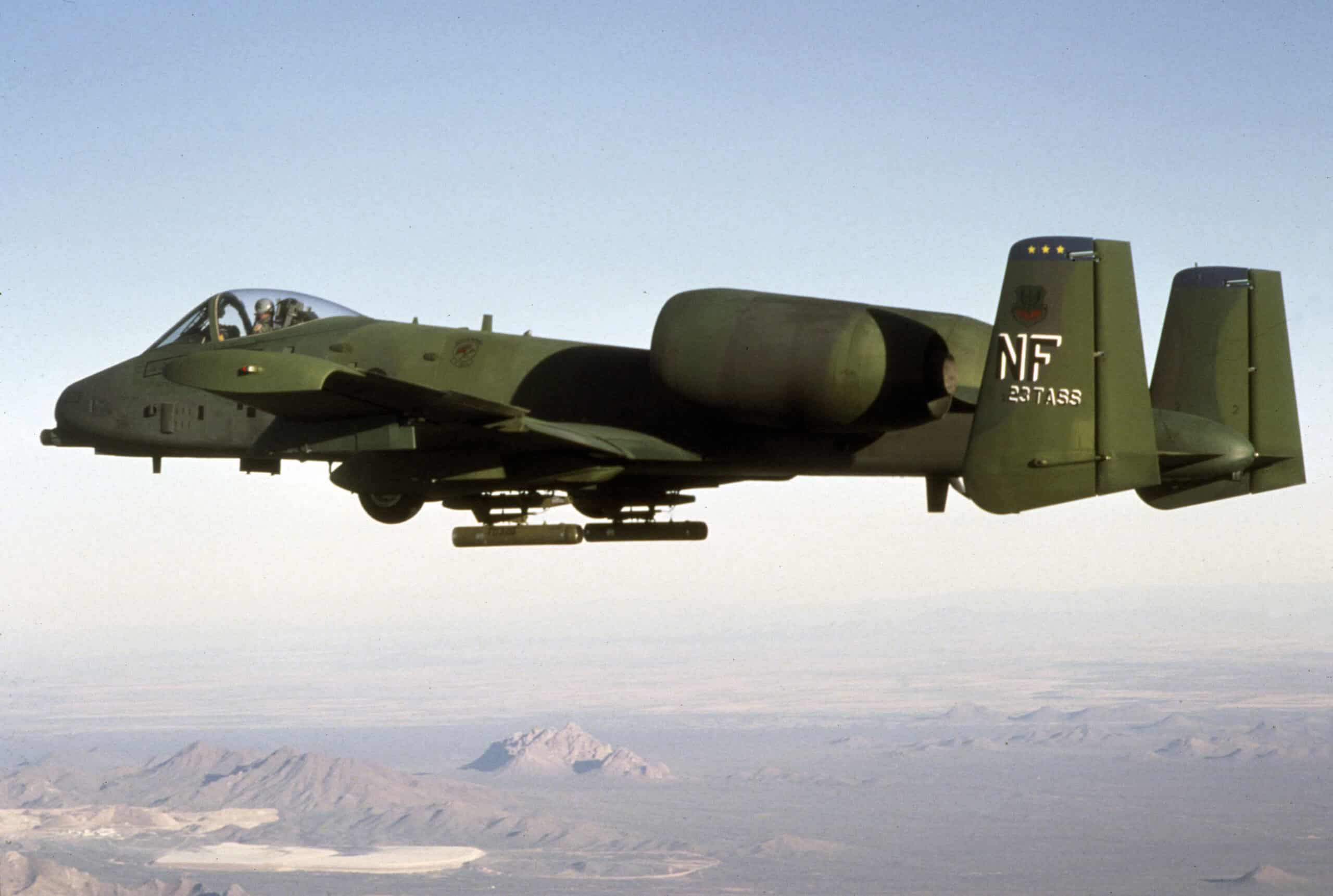
The A-10 has always had a special role in American airpower. It is not the fastest, most advanced, or most versatile plane. But it has always been reliable at what it was designed to do.
That reliability is why the A-10 keeps surviving decisions that should have retired it years ago. Whenever real-world needs clash with long-term plans, the A-10 manages to stay useful.
This new extension is another example of that trend. The A-10 was supposed to retire soon, but now it is back in the spotlight—not because of nostalgia, but because its mission is still important. Operation Epic Fury has proven that to be true. (Okay, maybe a little nostalgia.)
So, for now, at least, the Warthog remains exactly where it has spent most of its life: in the fight. And we’d be willing to bet that the men and women on the ground being protected by these iconic machines are not the least bit upset.