

Earning Navy Wings of Gold Started in Beechcraft T-34 Mentor
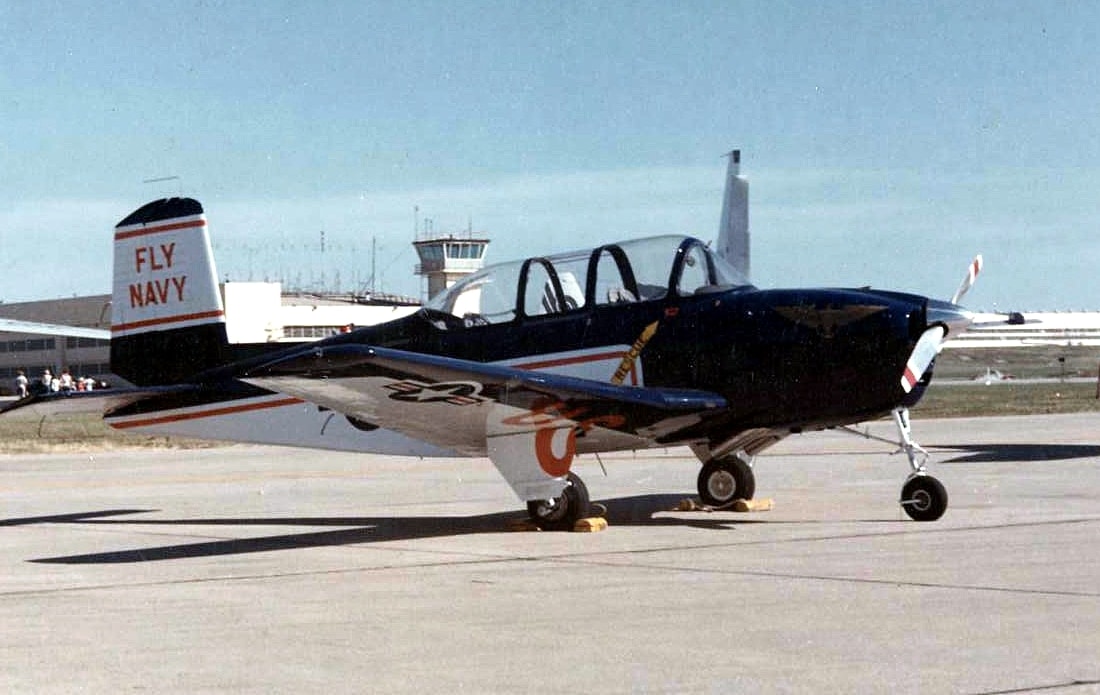
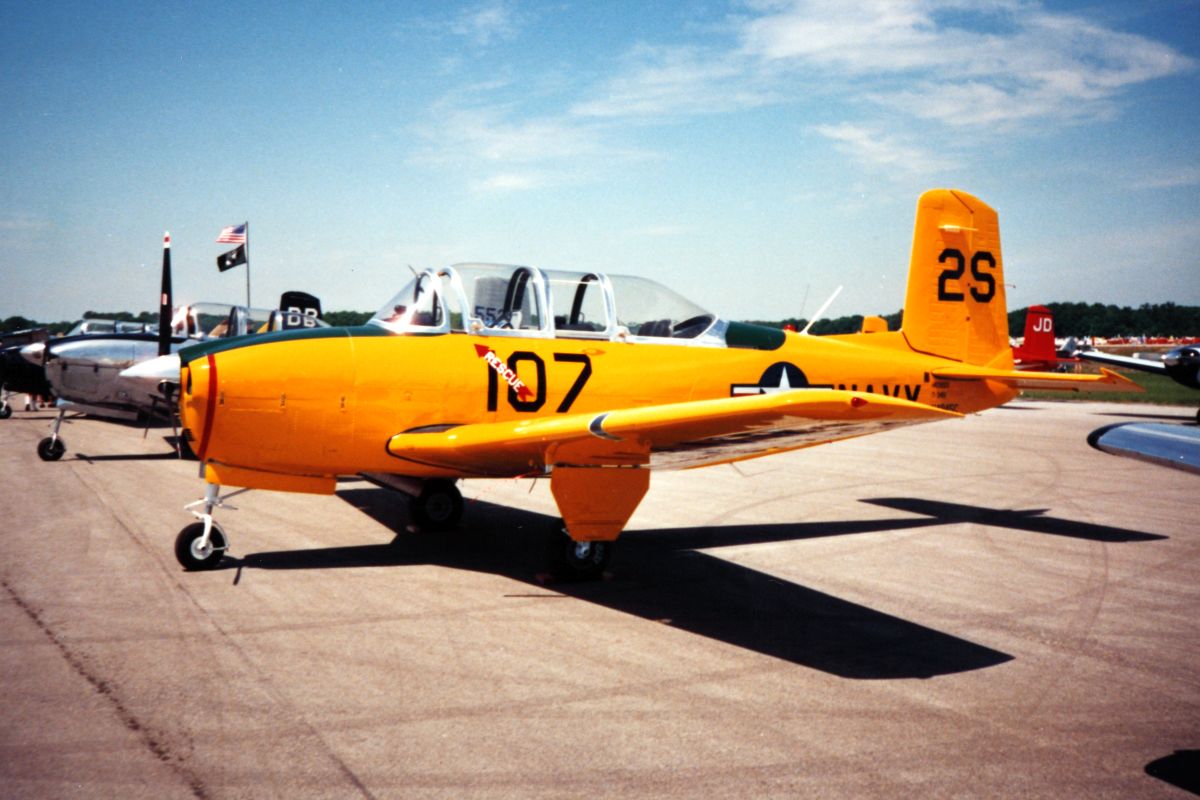
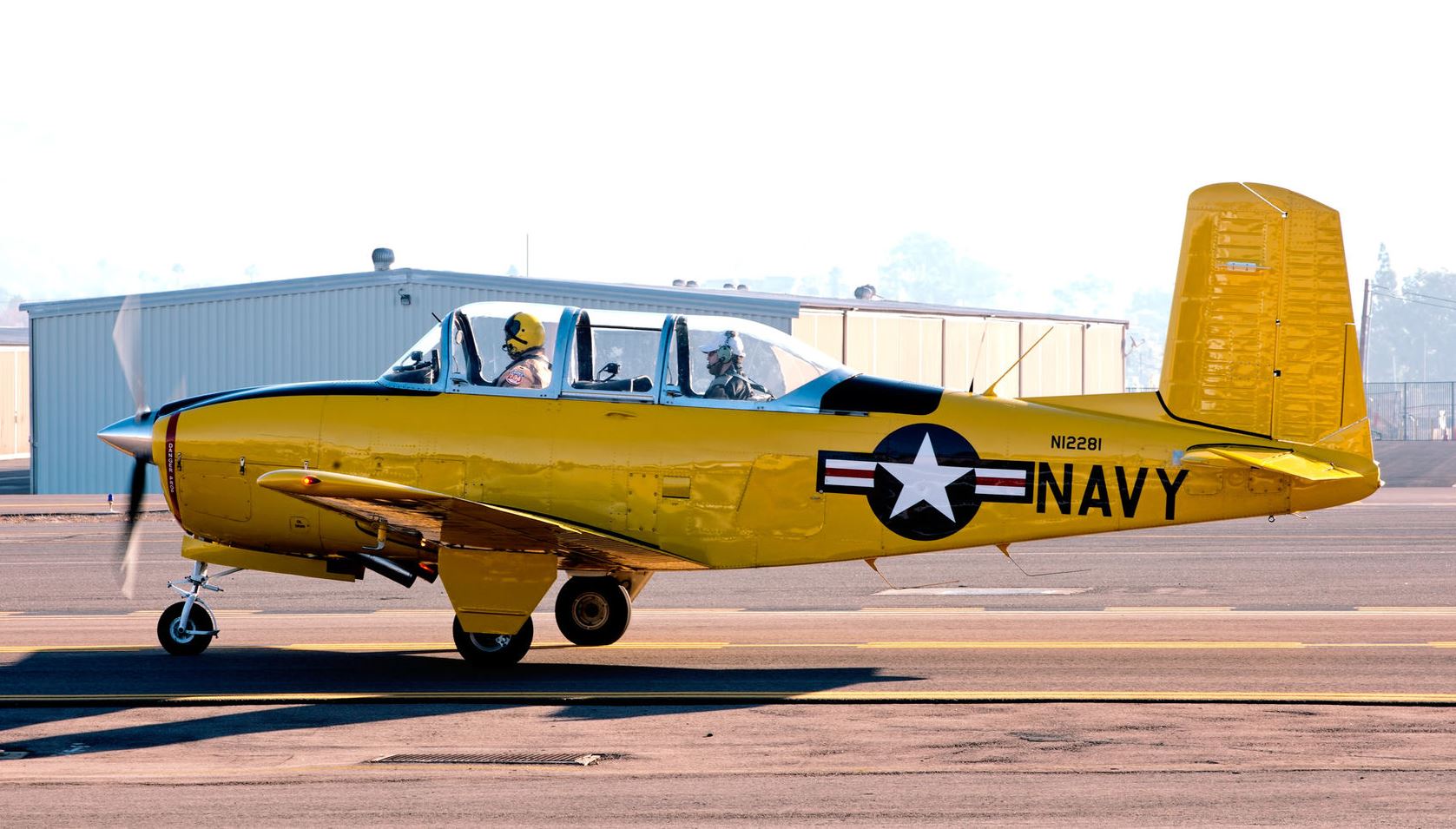
423 brightly painted yellow and later red and white Navy/Marine Corps T-34Bs were utilized as primary trainers at places like Naval Air Station (NAS) Pensacola in Florida and NAS Corpus Christi in Texas.
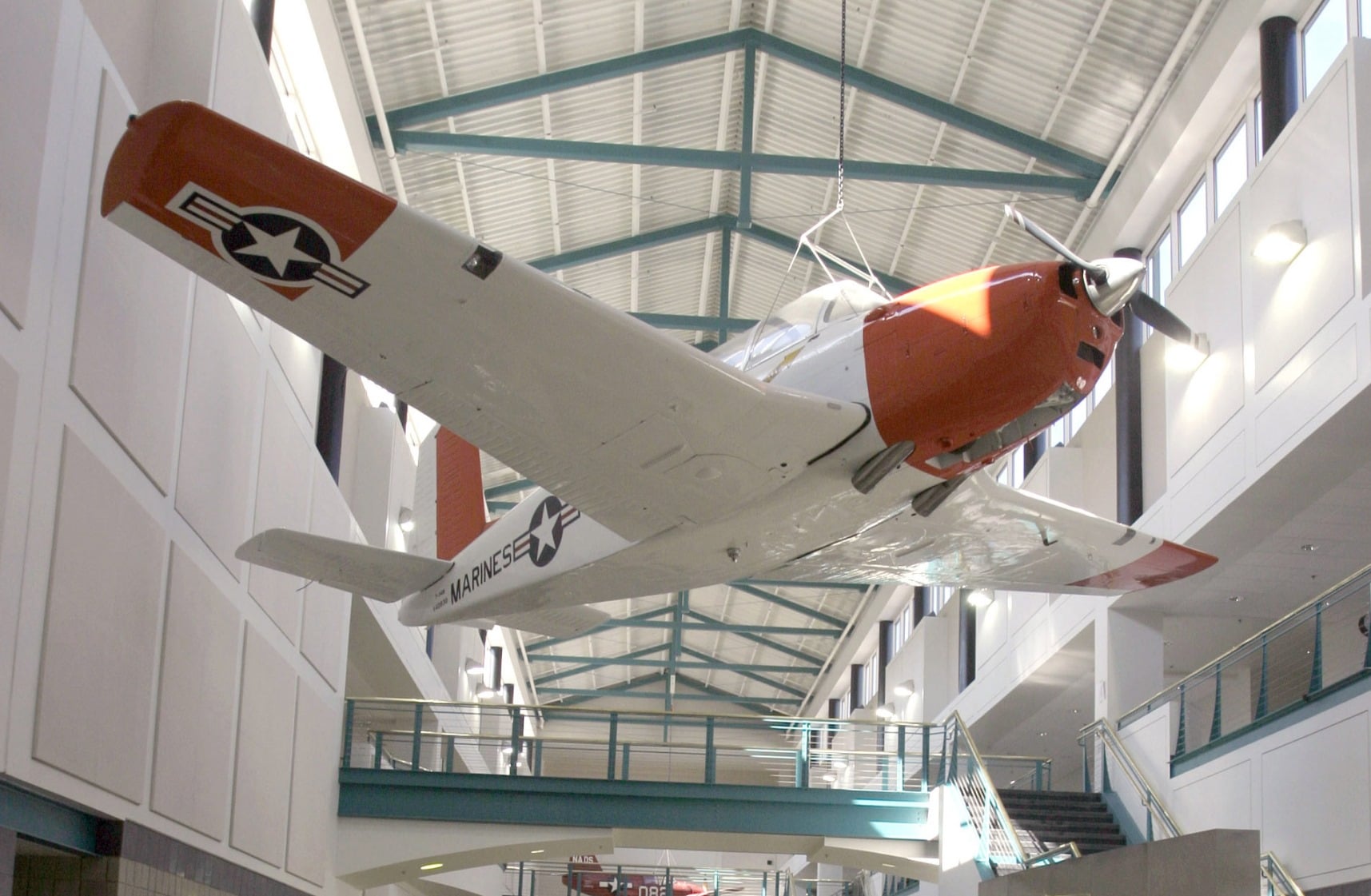
The T-34B trained thousands of naval and Marine Corps Aviators between its entry into service in 1953 and its retirement in 1977. In 1977, it was finally replaced by the heavily modified T-34C Turbomentor—but that’s another story. The next step after the T-34B in the Naval Air Training Command syllabus for most prospective Aviators was the North American T-28B/T-28C Trojan.
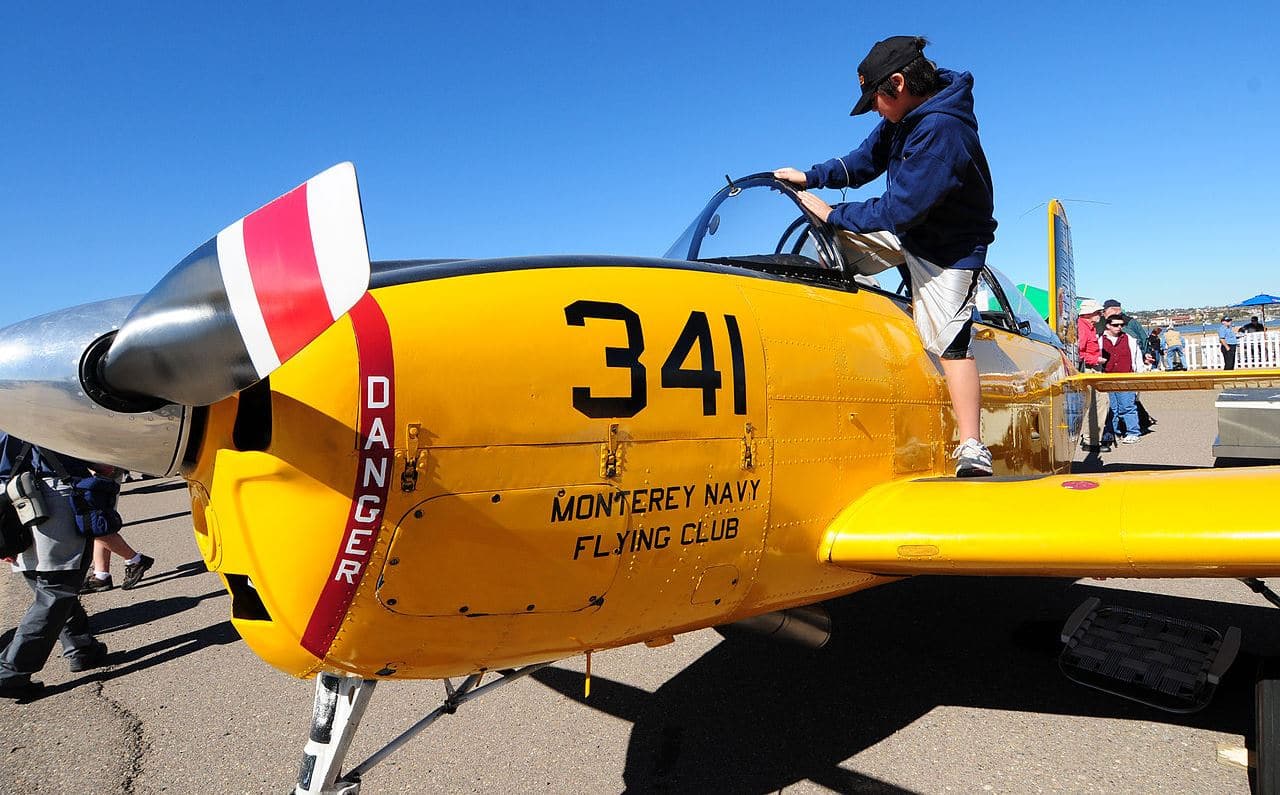
The T-34B continued to serve as a Navy Recruiting Command flight familiarization platform until it was finally retired in 1994. Like the USAF T-34As, T-34Bs flew on with Air Station flying clubs.
The International Mentor
T-34s (actually licensed B45s) were also built abroad. Canadian Car and Foundry built 125 of them. Fuji Heavy Industries in Japan built 173 more. FMA of Argentina built an additional 75 airframes.
Foreign production ended in 1958. Foreign operators of the T-34/B45 included Algeria, Bolivia, Chile, Colombia, the Dominican Republic, Ecuador, El Salvador, France, Gabon, Indonesia, Japan, Mexico, Morocco, Peru, the Philippines, Saudi Arabia, Spain, Taiwan, Turkey, Uruguay, and Venezuela. Some of these countries still operate their Mentors in some capacity.
Stock T-34s Are Rare For Good Reasons
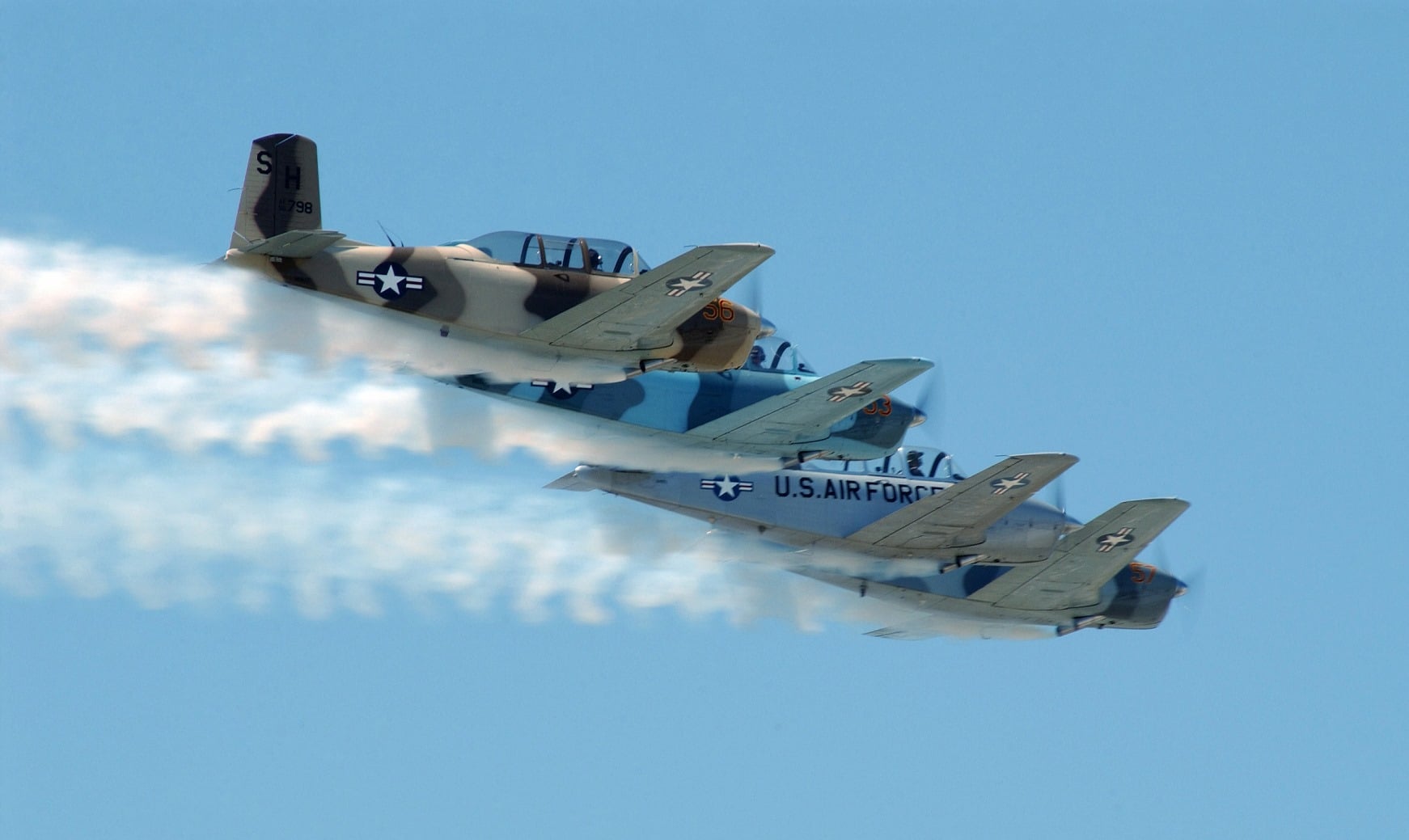
Several hundred of the T-34As and T-34Bs built by Beechcraft are still flying in private hands today. According to the T-34 Association, there are 126 Beech T-34 Mentors on the FAA registry as of 2025, including 54 -As, 62 -Bs, and 10 -Cs. An additional 300 or more are in civilian hands globally. However, very few of these warbirds are in stock configurations. Many have had engine and attendant propeller upgrades.
Avionics upgrades such as Electronic Flight Instrumentation Systems (EFIS) and GPS have brought the 1950s-vintage T-34 into the 21st century. Maintenance issues mentioned earlier have grounded either some or all of the T-34s still flying at one point or another.
Airworthiness Directives (ADs) have mandated required wing spar modifications and other structural changes to the Mentors still in service. These ADs did not come without cost.
Dogfighting Mentors Expose Structural Issues
There were three fatal crashes by commercial air combat operators from 1999 to 2004. Sky Warriors, based in Atlanta, Georgia, and Texas Air Aces in Tomball, Texas, both used T-34s for mock aerial combat.
Customers were able to strap into over-taxed T-34s and go at it with no previous flying experience required. The structural failures that caused these mishaps were traced, and ADs were issued for main wing spars and fuselage carry-through spars. It took thousands of man-hours to inspect and overhaul the T-34 fleet, but the issues have largely been resolved.
Today there are no longer any combat simulation companies using T-34s for their mock dogfights.
The Beechcraft T-34 Mentor Today
Today’s T-34 has a reputation for being an easy plane to fly. Other upsides to the T-34 are (relatively) low operational cost. It also has a low landing speed of 65 knots, excellent 360-degree visibility, and (relatively) low acquisition cost.
The airplane is reputed to have no bad flying habits, with well-balanced flight controls and gentle, straightforward stalls. Pilots say it’s light on the controls and very responsive.
The T-34A is FAA-rated as an acrobatic aircraft, while the B is rated in the utility category. So, if you want to perform advanced aerobatics, consider purchasing a T-34A.
The Beechcraft T-34 Mentor as a Show-Stopper
Airshow sensations like the Lima Lima Flight Team and solo aerobatic pilot Julie Clark use the Beechcraft T-34 Mentor. Organizations such as the T-34 Association and EAA Warbirds of America are excellent resources for individuals interested in owning a T-34 or simply as fans.
If you’ve read this far, here’s a surprise for you. Uploaded by our good friends at AirshowStuffVideos, this is an excellent look at a mass T-34 gathering that took place in Manitowoc, Wisconsin, just before EAA AirVenture 2016. Enjoy these sights and sounds!
11.15.17

[…] to accommodate the new jets. Replaced in the USAF pilot training role by the combination of the piston-engine Beech T-34 Mentor and the jet-powered Cessna T-37 Tweet, Air Force T-28As were all but retired by the end of the […]
Still have the engine failure checklist etched in memory: 90 knots-gear-flaps–prop-mixture-find a field-trim canopy-boost-check-report! VT-1 Saufley Field. Pensacola 1966! And there were a number of failures!