
Long before he became an action legend and internet folklore, Chuck Norris wore Air Force blue. His roots in military life, his unwavering support for America’s troops, and his love of aviation make his passing one of the tough ones.
The Legend Before the Legend
Norris died on 19 March 2026, at the age of 86, with his family announcing the news the following day on social media.
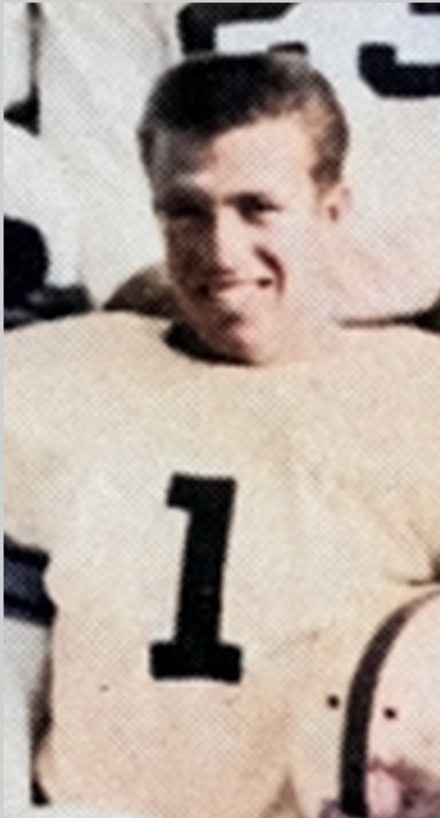
For most people, his name brings to mind the roundhouse kick, the squint, the beard, his legendary toughness, and the lasting image of Walker, Texas Ranger. In the coming days, you’ll see and hear a lot about that side of him.
But there’s another side of Chuck Norris to remember today. Before Hollywood turned him into a legend, the United States Air Force helped shape the man he became.
That part of his story deserves more than a passing obituary mention. Norris joined the Air Force in 1958 after high school and served as an Air Policeman (now called Security Forces). He was stationed at Osan Air Base in South Korea and later at March Air Force Base in California (now known as March Air Reserve Base), leaving the service in 1962 as an Airman First Class (A1C).
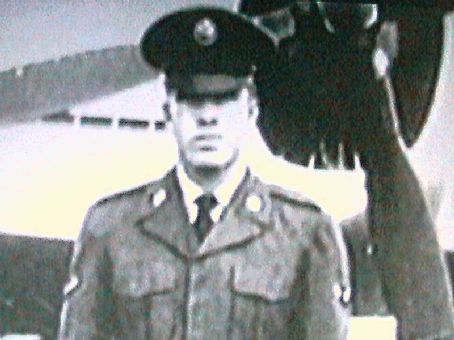
Those were the Cold War years, with real flightlines, real aircraft, real responsibilities, and real military stakes. He might not have flown fighters or bombers, but he was part of the team that kept them safe and mission-ready.
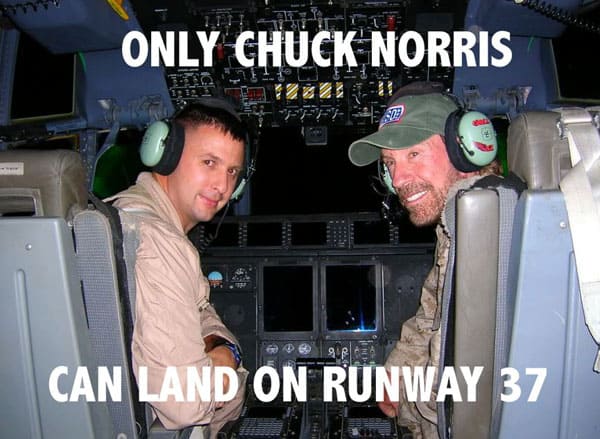
And in true Chuck Norris fashion, even that chapter feels bigger in hindsight. The man the internet later decided could land on Runway 37 actually did spend part of his formative years on Air Force bases, surrounded by the smell of jet fuel, the discipline of military routine, and the seriousness of national defense.
Many of you reading this understand. Wearing the uniform shapes you. Working around aircraft, security, and mission readiness leaves a lasting impression. For Norris, it helped create one of the most famous tough-guy images in American pop culture.
The Air Force Years That Changed Everything
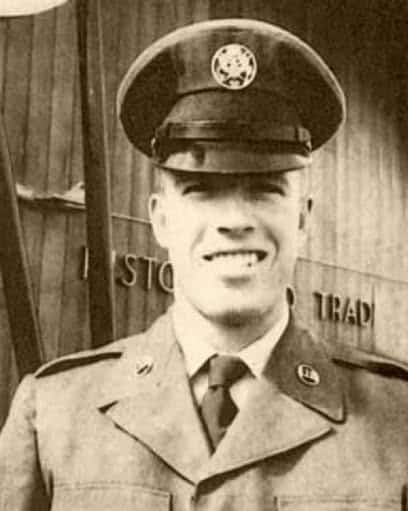
If you want to understand Chuck Norris (his real name was Carlos Ray Norris), you have to start in Korea. While serving in the Air Force in South Korea, he began training in martial arts, first learning judo and then Tang Soo Do. That experience changed his life. Without Osan, there’s no championship run, no Bruce Lee connection, no action-movie stardom, and no Chuck Norris as we knew him.
Norris later said his military service gave him discipline, character, and self-confidence – the same traits that became the foundation of his career and public image.
That’s part of what made him so interesting. Chuck Norris never seemed like a manufactured action star. Even as his image grew larger than life, there was always something real underneath. The Air Force gave him that foundation, structure, and purpose. It showed him the path he’d follow for the rest of his life. From an aviation point of view, his story began not on a soundstage, but on real air bases during the Cold War when American airpower helped hold the world together.
After leaving the Air Force, Norris became a martial arts champion, instructor, actor, and eventually a global icon. Many of his movies featured aviation or military themes, such as The Delta Force and the Missing in Action films, which resonated with patriotic audiences. These roles helped build his image as a defender and fighter, someone who stood with service members at the sharp end of danger. For many Americans, Chuck Norris didn’t just play heroes…he was one. He played the kind of hero people wanted to believe still existed.
He also loved flying as a civilian. Over the years, several reports described Norris as a licensed pilot who owned private planes and flew single-engine aircraft, even around his Texas ranch. That part of his story just makes sense. Of course Chuck Norris flew. Of course he enjoyed the freedom, independence, and self-reliance of general aviation. It fits his character, like the aviation version of walking into a room and somehow already owning it.
I wouldn’t blame any AvGeek for smiling at that thought today.
He Never Stopped Showing Up for the Troops

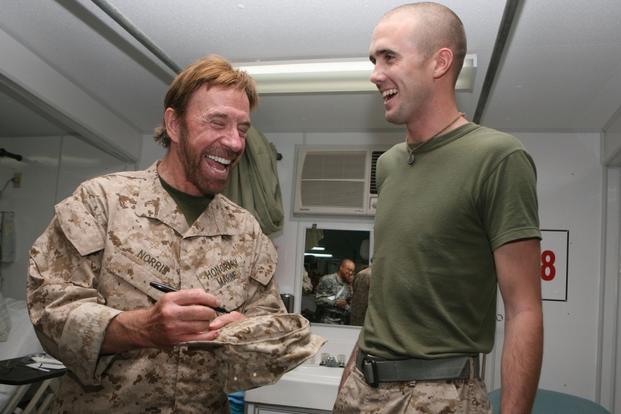
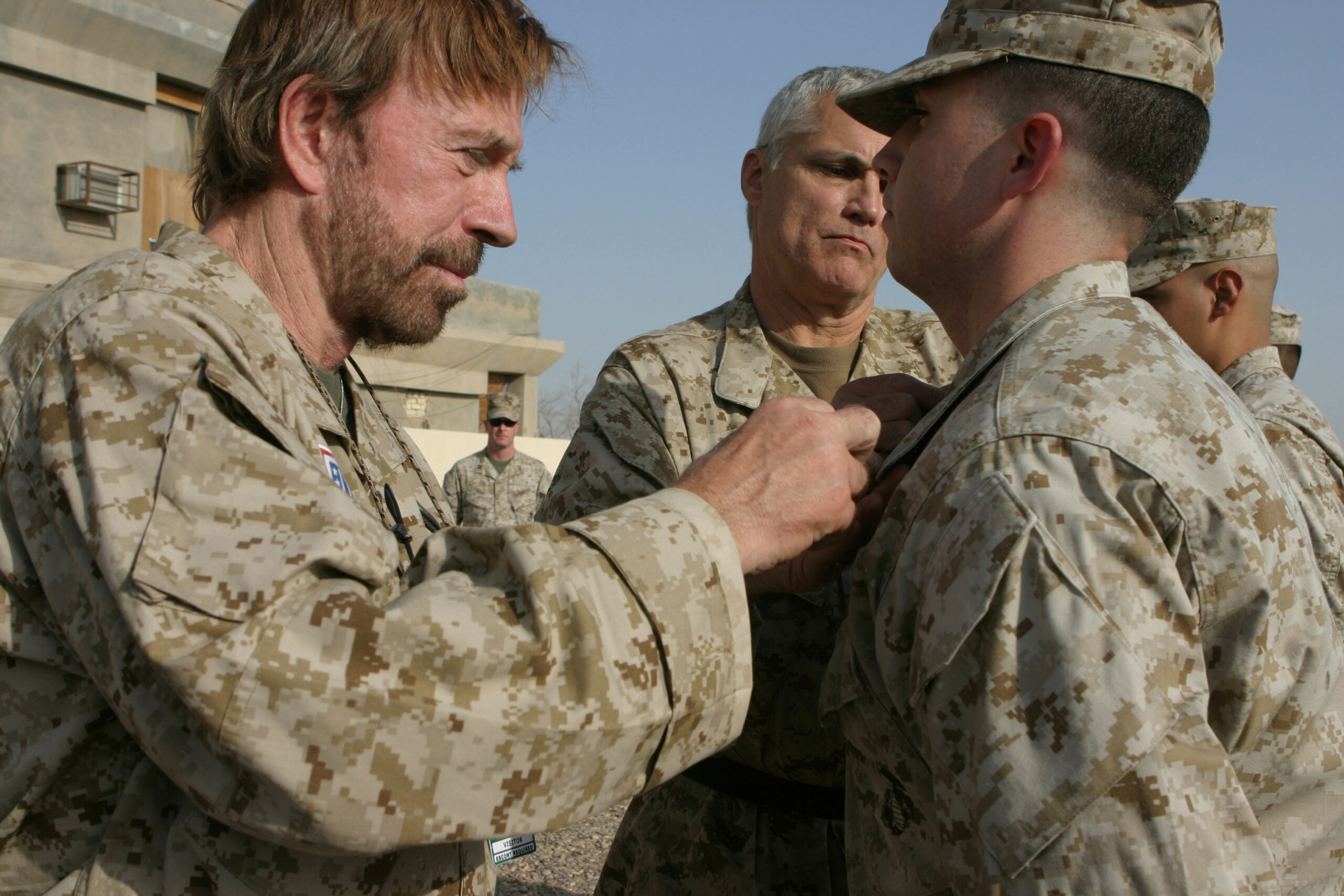
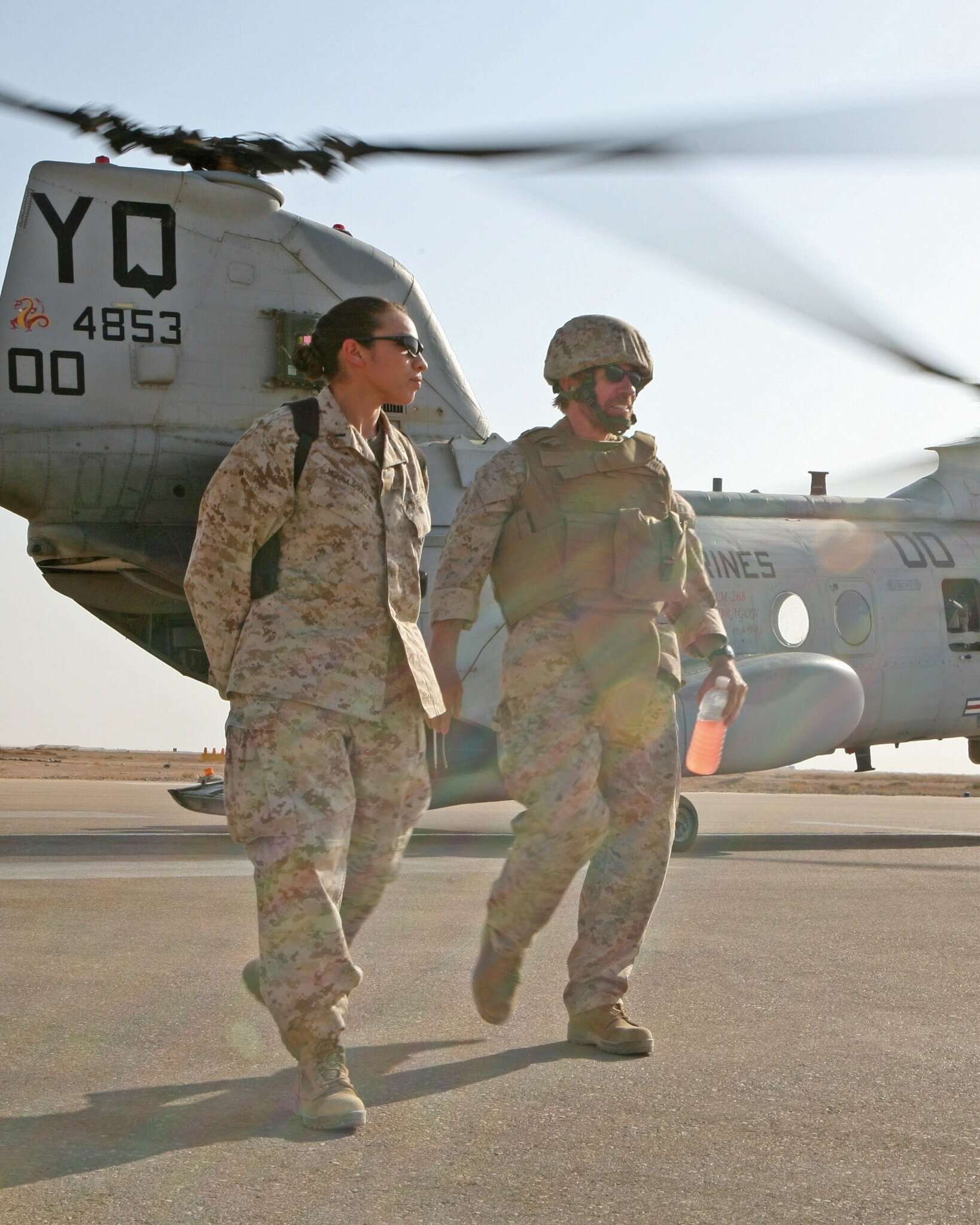
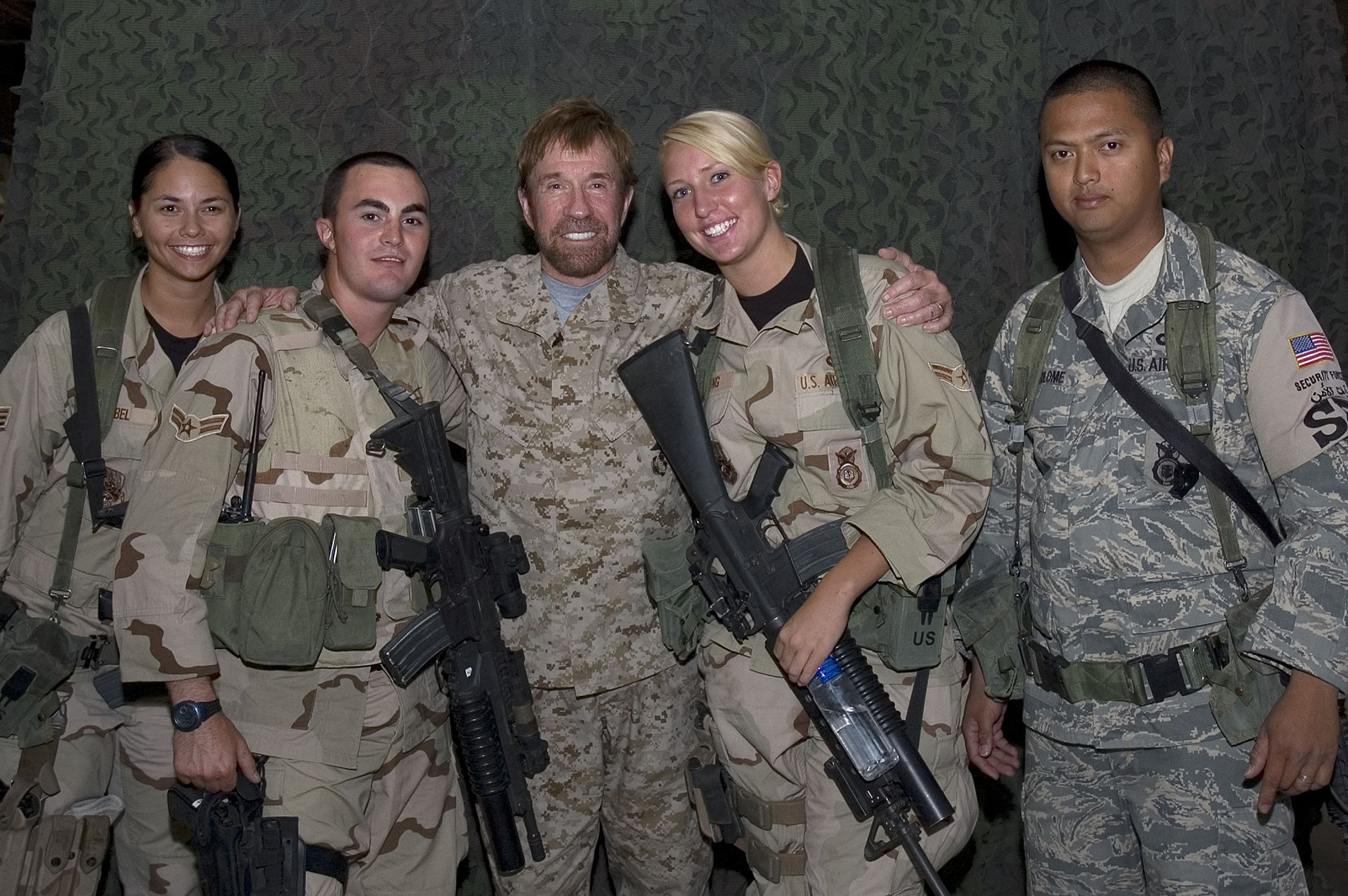
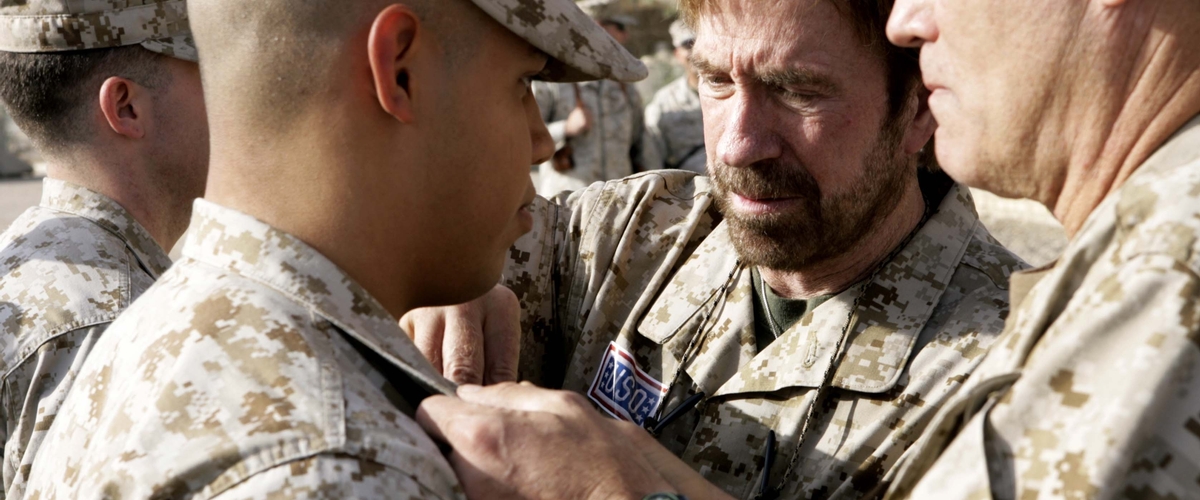
Many celebrities support the troops from afar. Chuck Norris actually showed up, time and again. Official military reports document his visits with deployed service members, including the 386th Air Expeditionary Wing in Southwest Asia and Marines in Iraq.
A 2006 Air Force photo shows him with members of the 386th Expeditionary Security Forces Squadron, a fitting full-circle moment for someone who once wore the same uniform.
For him, supporting the troops wasn’t just symbolic. It was personal. Indeed, his younger brother, Wieland Norris, was killed in Vietnam in 1970 while serving with the 101st Airborne Division. Chuck Norris dedicated the Missing in Action trilogy to his brother’s memory, and that loss stayed with him. That’s why his support for troops and veterans always felt genuine. There was real weight behind it: real family, real grief, real loyalty.
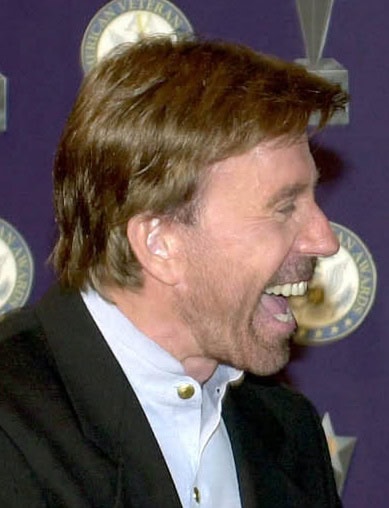
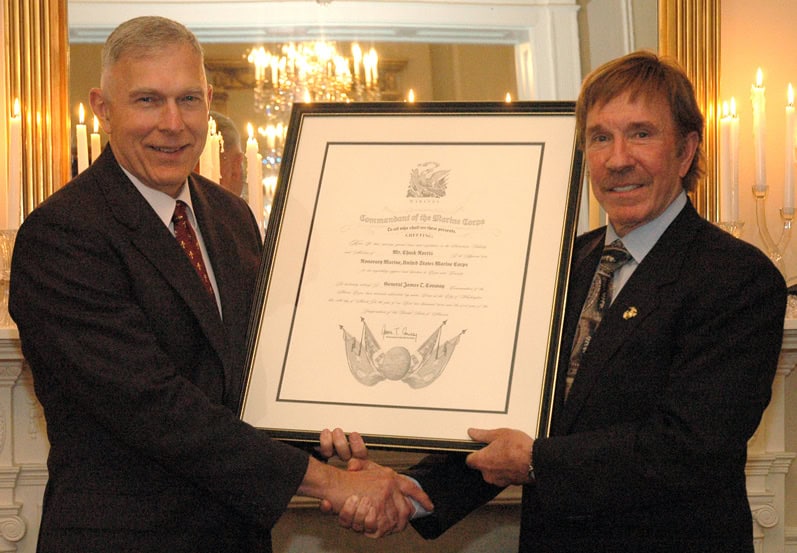
Over the years, Norris became a strong advocate for veterans. He worked with the Department of Veterans Affairs to help hospitalized veterans and used his platform to raise awareness about the challenges many face when returning to civilian life. In 2001, he was named Veteran of the Year, and in 2007, Marine Corps Commandant Gen. James T. Conway made him an Honorary Marine.
He later took part in Marine Corps outreach, including the “Protect What You’ve Earned” (PYWE) campaign. These honors showed his long-term commitment, not just his on-screen image.
He also spoke up for military aviation. In 2015, Norris publicly supported efforts to save the A-10 Thunderbolt II from retirement, praising its role in protecting troops on the ground. Of all the planes he could have supported, it was the Warthog—the tough, reliable aircraft built to stay in the fight. The A-10 is often called the Chuck Norris of airplanes, and that comparison might actually sell both of them short.
People will remember the jokes, and that’s okay. They’ll remember that Chuck Norris never asked for clearances, only stated his intentions. They’ll remember he was the only man who could land on Runway 37, and that hijackers squawk 7400 when he’s on board. But beneath all the fun was something real: an Air Force veteran, a proud supporter of the military, and a man who never forgot where his discipline and duty came from.
For our readers, that’s the Chuck Norris worth honoring today. Not just the action star, the meme, or the punchline. He was the veteran shaped by air bases and military service, the troop advocate who always showed up, and the aviation-loving tough guy who felt at home around American airpower. Chuck Norris has flown west. And somewhere beyond the horizon, you know the tower didn’t clear him to land.
He told them how it would be.