

FAA helicopter aircraft separation rule follows DCA review, tightening safety in mixed helicopter and airplane operations.
The Federal Aviation Administration (FAA) has issued a General Notice (GENOT) that ends the use of visual separation between helicopters and airplanes near busy airports. The goal of the new policy is to improve safety in complex and congested airspace.
Transportation Secretary Sean P. Duffy and FAA Administrator Bryan Bedford announced the new rule on 18 March 2026. Air traffic controllers now have to use radar to keep aircraft apart, instead of depending on pilots to “see and avoid” in busy airspace. This change applies to Class B and Class C airspace, as well as Terminal Radar Service Areas (TRSA), where helicopters and airplanes often cross paths.
Under the new rules, controllers must keep set distances between helicopters and other aircraft when their flight paths cross. This means air traffic control, not pilots, is now in charge of managing the spacing.
From FAR 91.113 to Radar-Based Separation
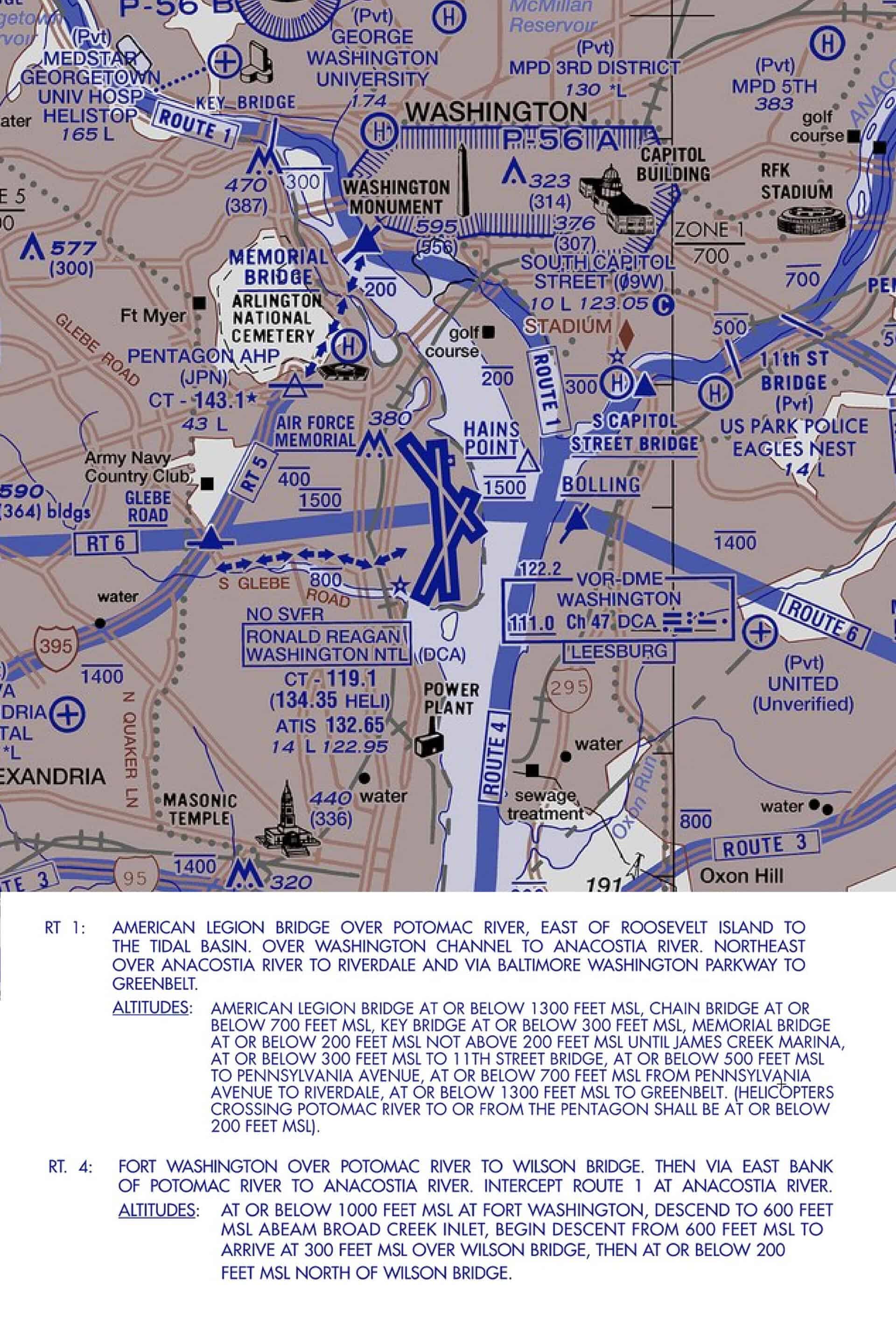
The FAA’s decision directly addresses the limitations of visual separation, as defined in 14 CFR § 91.113, which requires pilots to “see and avoid” other aircraft, regardless of the flight rules. While this rule is still important, especially in general aviation and VFR flights, the agency now admits it is not enough to keep busy, complex airspace safe.
Visual separation depends a lot on human judgment. Pilots have to keep looking for other aircraft, judge their movement, and follow right-of-way rules as they fly. But the FAA’s year-long safety review showed this approach can fail, especially when things like speed, workload, lighting, and crowded airspace come together.
“Following the mid-air collision near Ronald Reagan Washington National Airport, we looked at similar operations across the national airspace,” Bedford said. “We identified an overreliance on pilot ‘see and avoid’ operations that contribute to safety events involving helicopters and airplanes.”
In practice, the GENOT does not get rid of “see and avoid” as a rule. Instead, it stops ATC from using it to separate aircraft in places where radar is available and works better.
Data-Driven Shift Following DCA Review
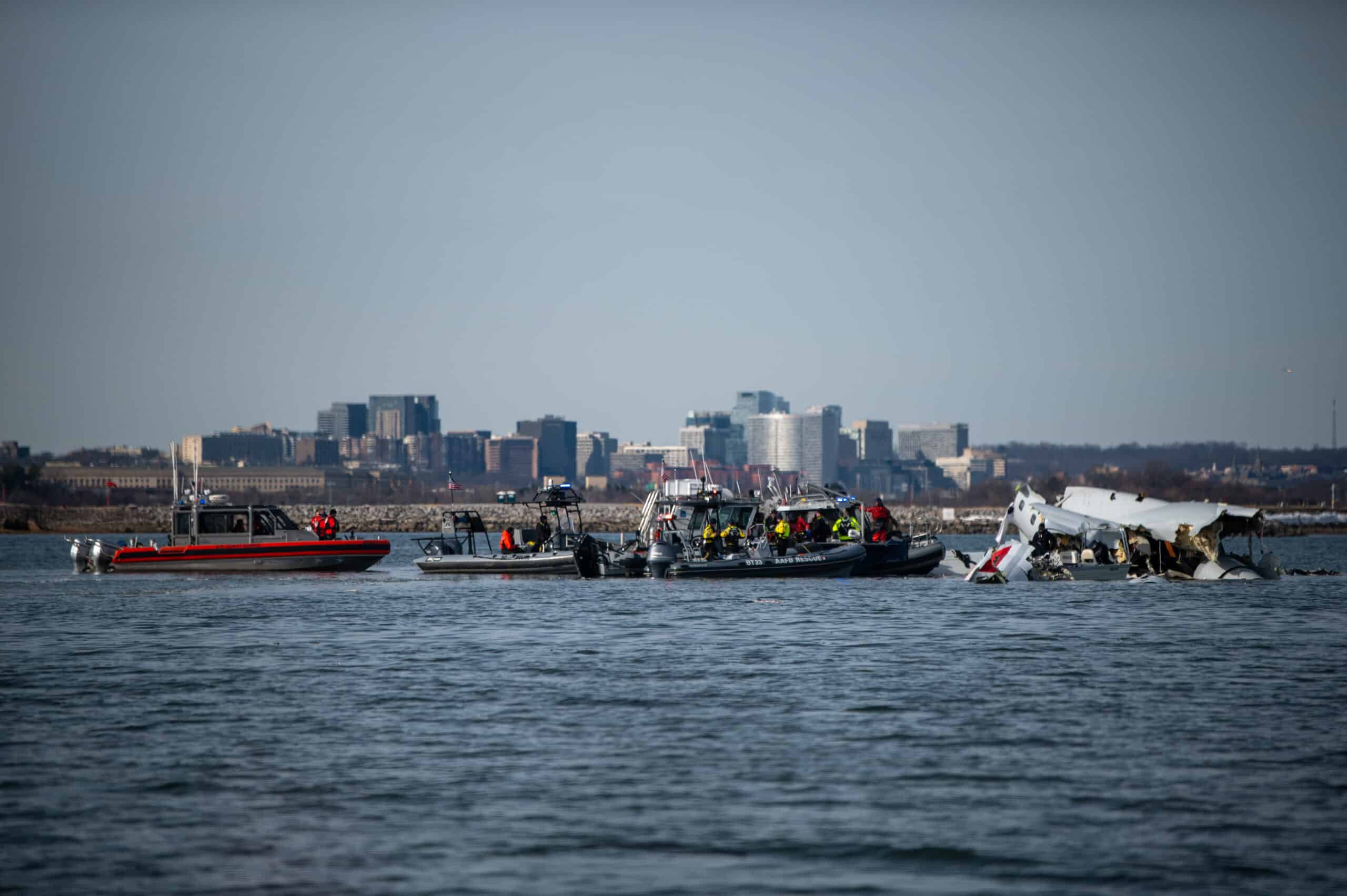
The new rule is based on a detailed FAA safety review that began after the January 2025 midair collision between an Army Black Hawk helicopter and an American Airlines CRJ-700 that was on short final to Runway 33 at DCA. The review used cross-traffic data, incident reports, and advanced tools like AI to study mixed-use airspace across the National Airspace System.
“Using innovative data analysis, the safety team at the FAA has identified the need for enhanced protocols at all airports across the National Airspace System,” Duffy said.
The FAA also cited recent incidents to support the change. On 27 February 2026, American Airlines Flight 1657 had to make an abrupt turn to avoid a police helicopter while on final to San Antonio International Airport (SAT). Another close call occurred on 2 March 2026, at Hollywood Burbank Airport, when a Beechcraft 99 and a helicopter entered the same approach corridor before the helicopter maneuvered away.
Although these situations ended safely, they show the risks of depending only on visual spotting in crowded airspace.
‘See and Avoid’ Still Vital to Safe Operations
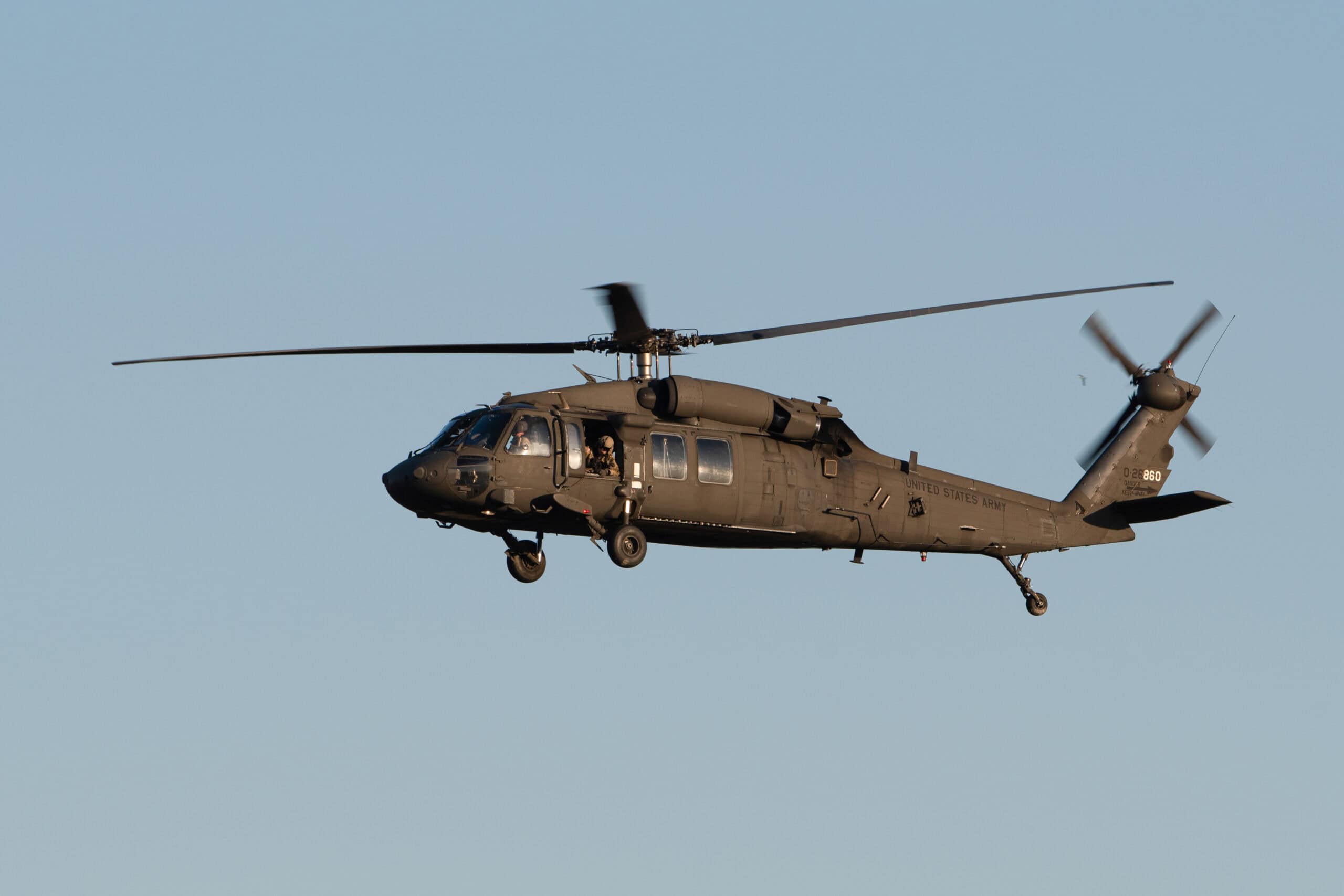
For helicopter operators, the main change will be in procedures. Flights that used to get quick clearances through terminal airspace may now be rerouted or delayed as controllers follow radar-based separation rules.
The FAA said that priority flights, like medical evacuations and law enforcement missions, will still get fast handling. In these cases, airplane traffic may be delayed or rearranged to let urgent helicopter flights through.
The GENOT is part of a bigger change that began after the DCA accident. In the past year, the FAA has gradually limited helicopter flights near Washington National, stopped mixed traffic in important corridors, updated helicopter routes, and required some operators to use ADS-B Out. The agency has also started using tools like Time Based Flow Management (TBFM) to better organize traffic in congested areas.
This new policy changes how aircraft are kept apart in the busiest parts of the system. “See and avoid” is still an important rule, but in today’s crowded airspace, the FAA says it can’t be the main way to prevent accidents anymore.
Now, keeping aircraft separated will rely mainly on radar, where controllers have the best view of the airspace.