

Sonic booms caused too much damage to be allowed over land in the continental United States.
On 3 February 1964, the Federal Aviation Administration (FAA) launched Operation Bongo Mark 2 to investigate the effects of supersonic transport (SST) flights on cities. The experiment was managed by the FAA, NASA, and the US Air Force. Public opinion, crucial to the experiment, was captured by the University of Chicago’s National Opinion Research Center.
Operation Bongo Mark 2 was not the first series of tests undertaken to measure the effects. In 1958 and 1960, tests were conducted at Wallops Island, VA. In 1960 and 1961, tests were conducted at Nellis Air Force Base outside Las Vegas, NV. St. Louis, MO, served as a test site in 1961 and 1962.
The difference between these previous tests and the Oklahoma City tests was that the sonic booms’ effects on buildings and structures, as well as on the general public and their opinions about living with sonic booms as a more or less regular occurrence, were not the primary premise for the previous tests. Operation Bongo Mark 2 would be the largest and most comprehensive test of its kind.
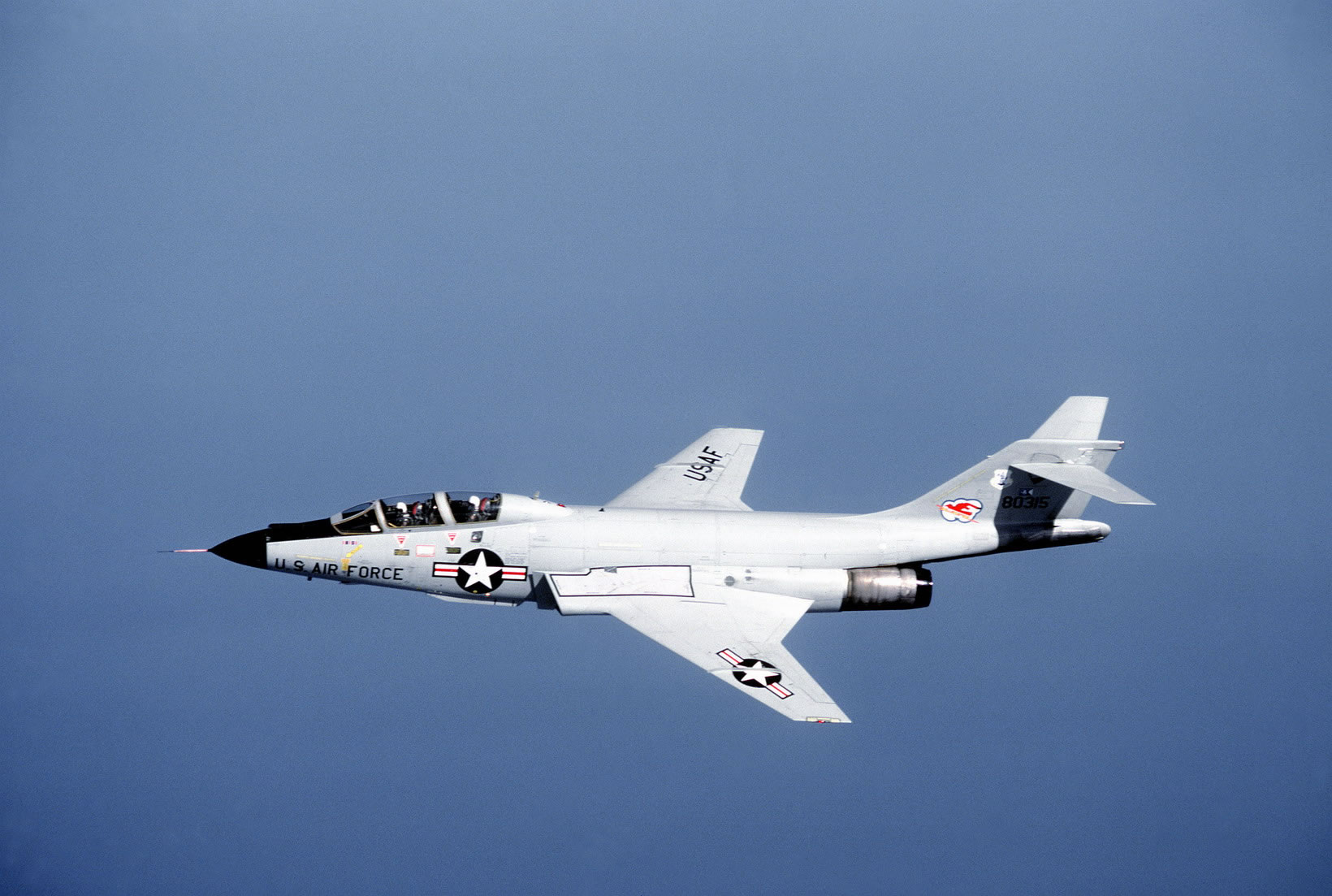
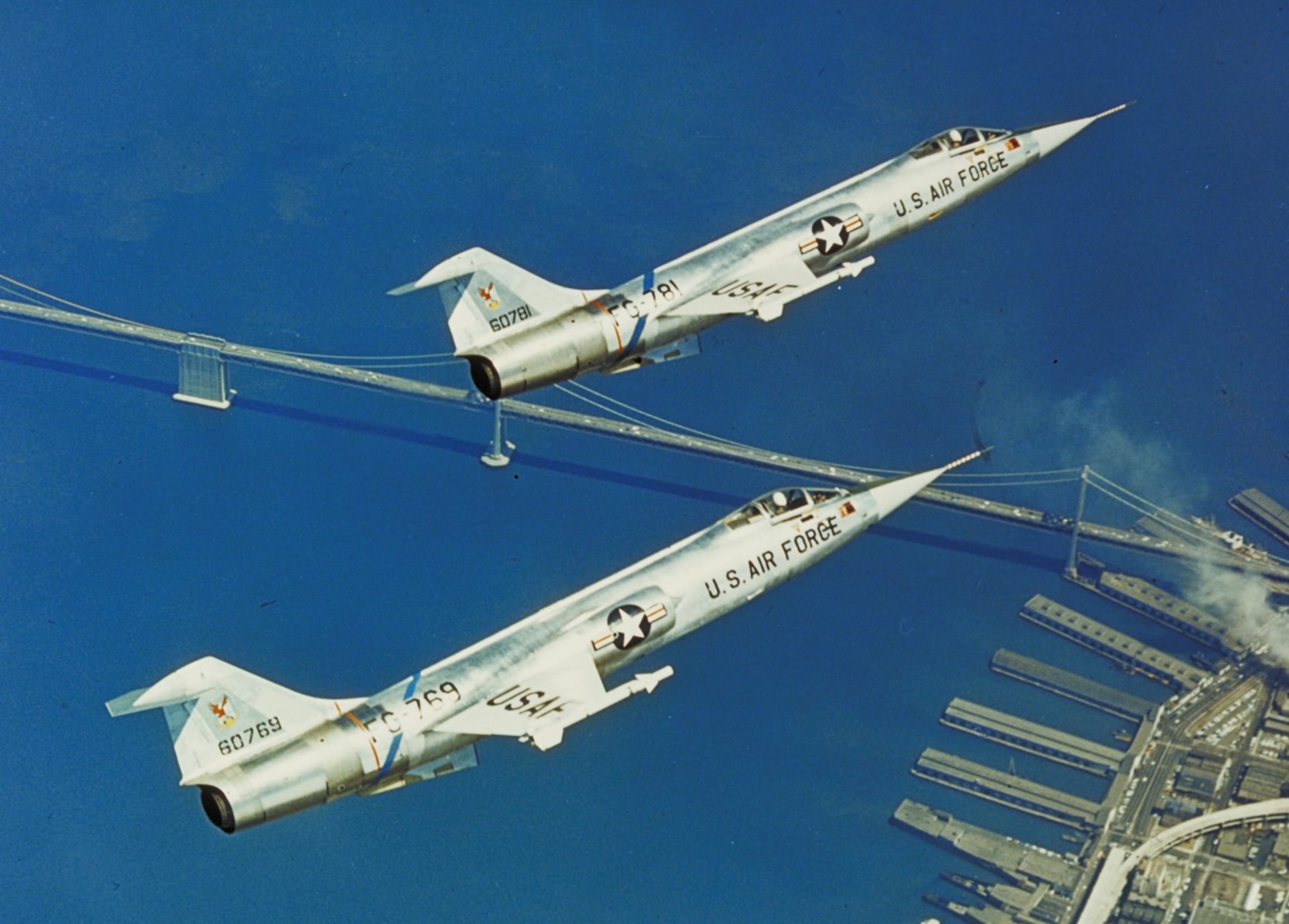
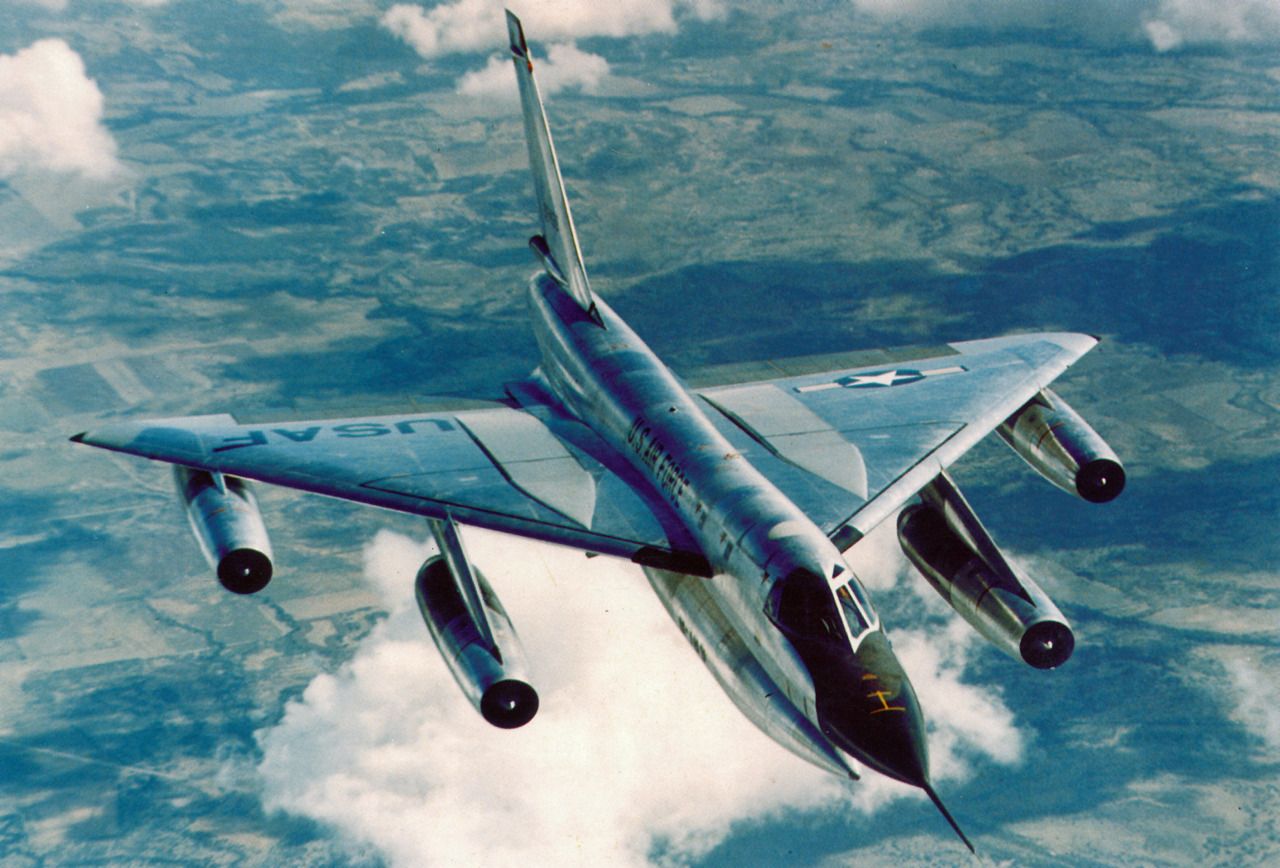
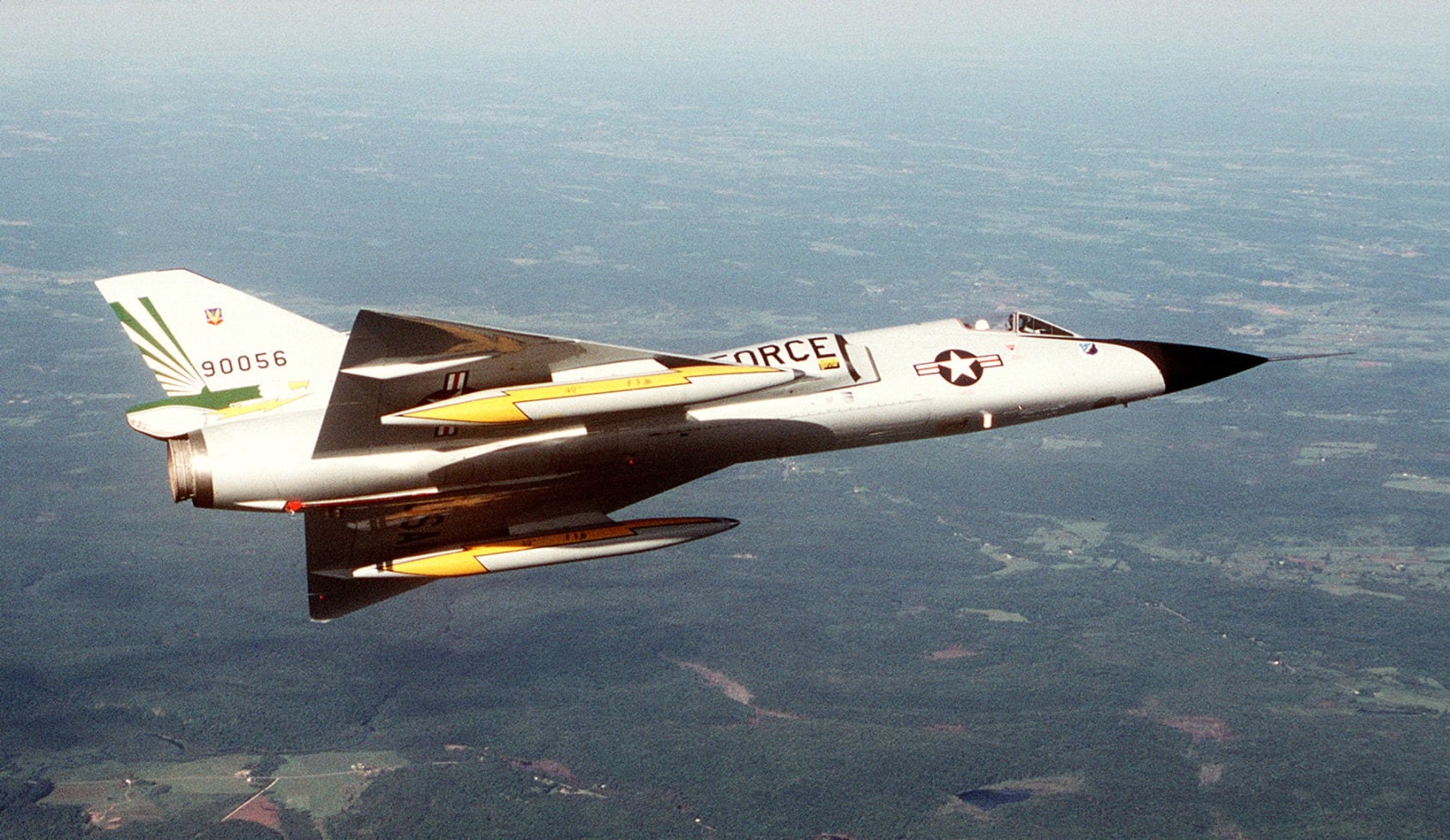
Beginning on 3 February 1964, Convair B-58 Hustler supersonic bombers, along with Lockheed F-104 Starfighter, Convair F-106 Delta Dart, and McDonnell F-101 Voodoo supersonic interceptors, flew through the sound barrier at low altitude over Oklahoma City an average of 8 times per day. The effects of the sonic booms behind the aircraft were roughly 16 miles wide.
The flights were scheduled so that the sonic booms would occur at approximately the same time each day, usually beginning at 0700 local time and concluding in the afternoon. The residents of the city actually timed some of their activities by the sonic booms. It was said that some downtown construction workers began to take their lunch breaks based on the noontime boom.
When the testing concluded on 29 July 1964, a total of 1,253 sonic booms were created by the supersonic flights over the city. 147 windows were broken in two of the city’s tallest buildings over the first 14 weeks of the experiment.
Even though there were nearly 10,000 complaints of damage to buildings (mostly cracked plaster and glass breakage), public opinion about living with daily sonic booms indicated that 73% of the subjects said they could live with the booms. 25% of the subjects believed they could not live with the booms. Approximately 3% of Oklahoma City residents (roughly 15,000 people at the time) were upset enough to write, phone, sue, or take other action to protest the experiment.
The Lasting Effects of Operation Bongo Mark 2
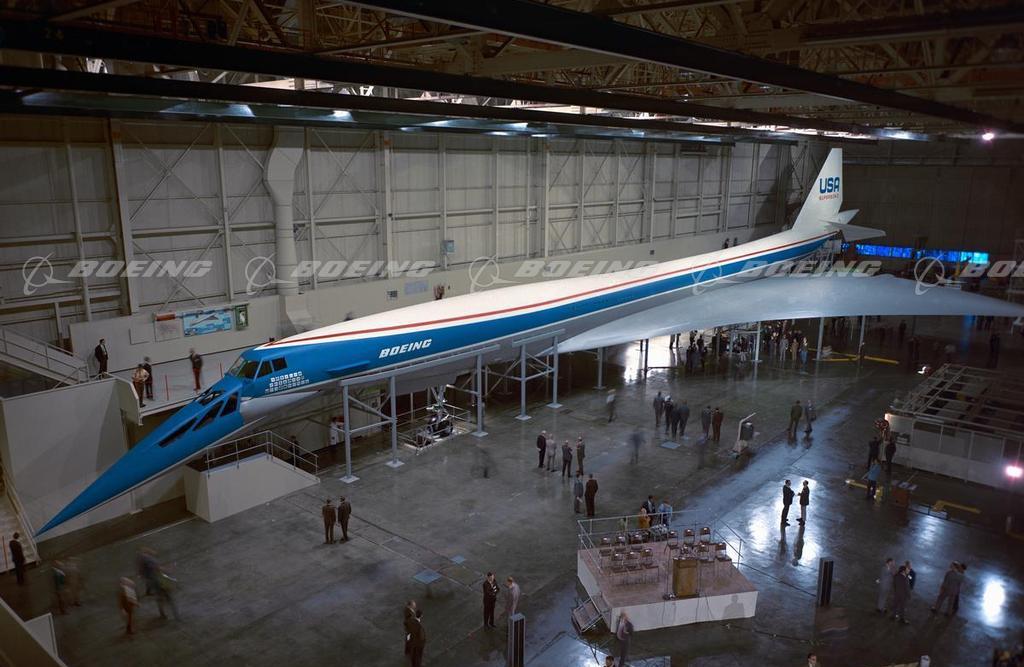
The lasting effects of Operation Bongo Mark 2 were the cancellation of Boeing’s 2707 supersonic transport design. Eventually, the United States withdrew from SST design altogether, leaving Aerospatiale/BAC (Concorde) and Tupelov (TU-144) as the only builders of SSTs.
Beginning in 1973, supersonic flight over the United States and its territorial waters was banned. The Concorde SST, eventually operated by several airlines and used in regularly scheduled service to and from the United States, was forced to decelerate to subsonic speeds over the ocean.
EDITOR’S NOTE: On 6 June 2025, President Donald Trump signed an executive order to repeal the U.S. ban on commercial supersonic flight over land—a rule in place since 1973 due to disruptive sonic booms—and to push the Federal Aviation Administration (FAA) to establish new regulations that would allow high-speed travel that doesn’t disturb people on the ground. It notes that technological advancements and projects, such as Boom Supersonic’s quiet flight demonstrator, show that supersonic travel could finally be viable again. The order also calls for coordinated research and development across federal agencies to maintain American leadership in this emerging segment of the aviation industry. You can read about the new push for supersonic travel in this story.
2.3.17

[…] 5. Operation Bongo II https://avgeekery.com/faas-operation-bongo-mark-2-proved-supersonic-flights-land-werent-feasible… […]