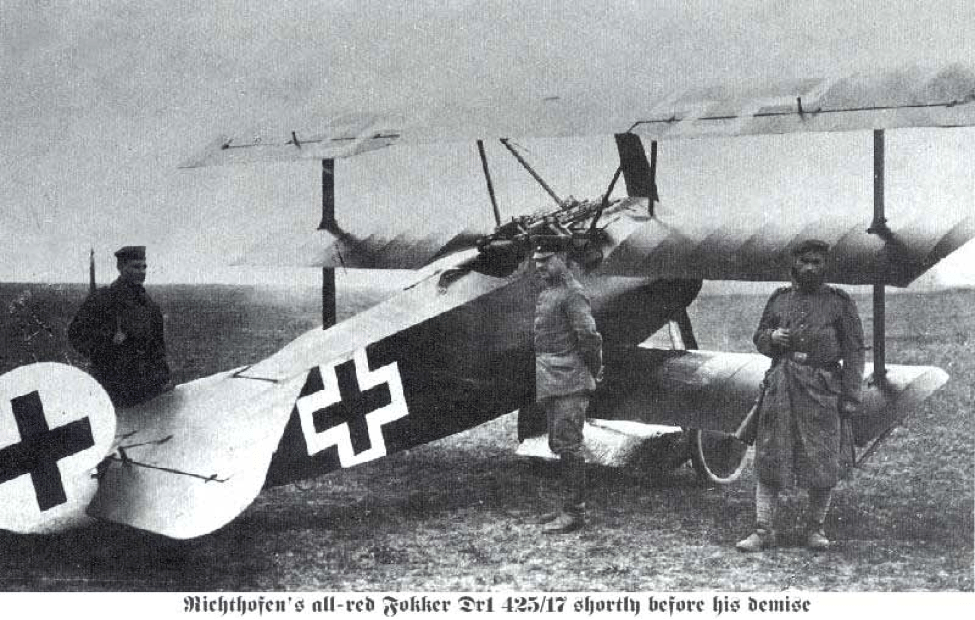

Manfred von Richtofen’s 80 Victories Was Tops For World War I
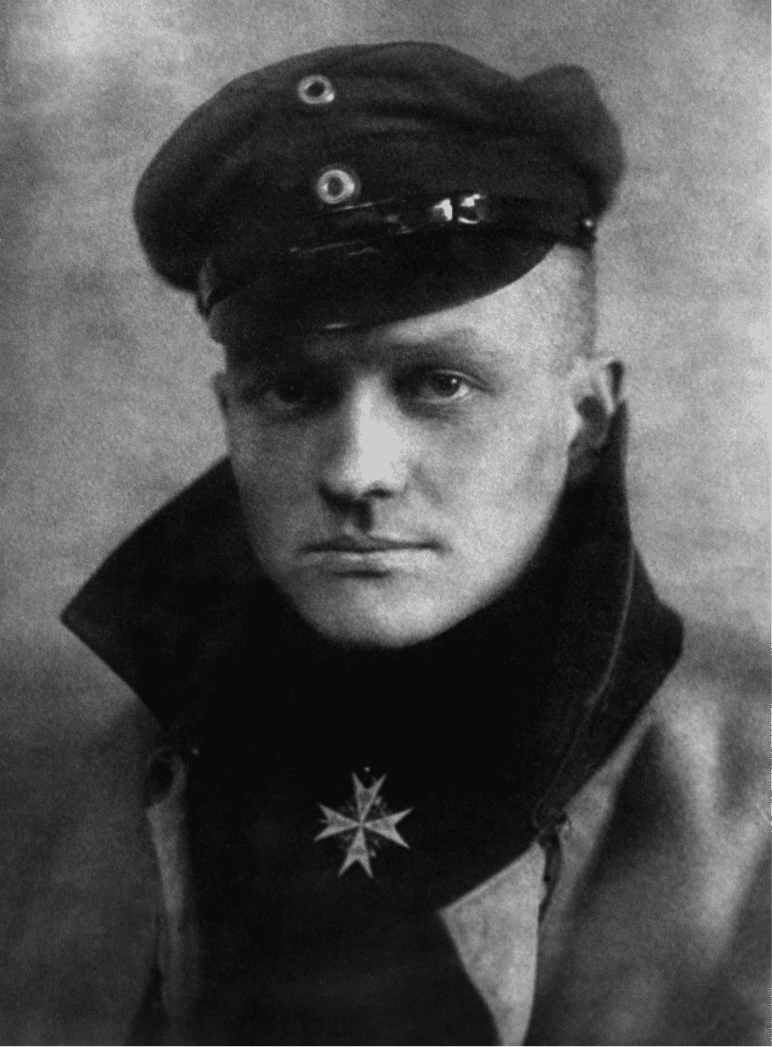
On 21 April 1918, German ace Manfred von Richtofen was killed in action. Accounts vary as to whether the “Red Baron” was brought down by British Empire (Canadian) SE5A fighters or by ground fire while engaged in a low-altitude dogfight. Richtofen’s death ended the career of World War I’s leading ace of the Imperial German Army Air Service, with 80 confirmed aerial victories.
Grounded With an Eye on the Skies
After his start in the cavalry, Richtofen began his career in the service as a reconnaissance officer on both the Eastern and Western Fronts, seeing action in Russia, France, and Belgium. Richtofen considered his talents wasted as a dispatch runner and telephone operator. When he was transferred to a supply assignment, he impulsively applied for and received a transfer to the Die Fliegertruppen des deutschen Kaiserreiches (Imperial German Army Air Service), later known as the Luftstreitkräfte. Manfred joined the flying service at the end of May in 1915, setting the stage for his future exploits in the air.
Early Unconfirmed Kills
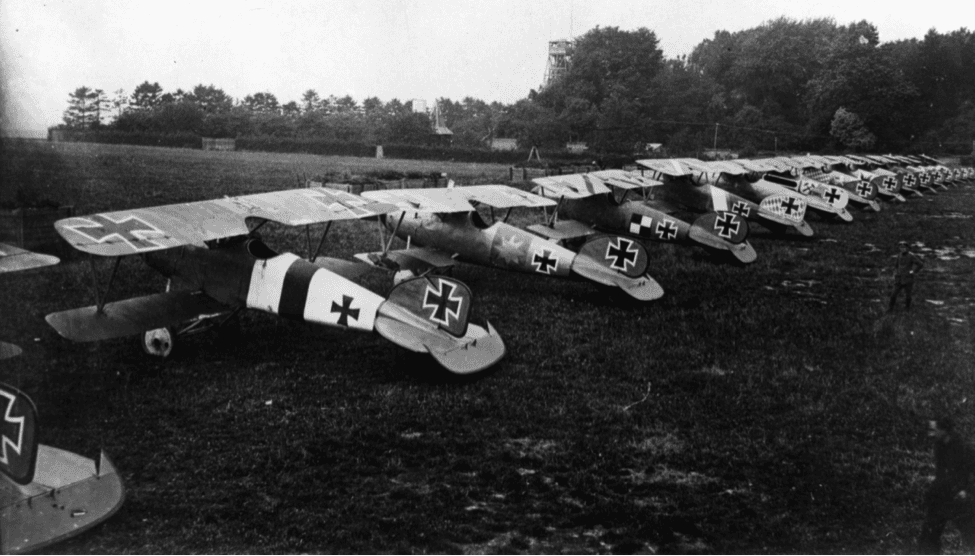
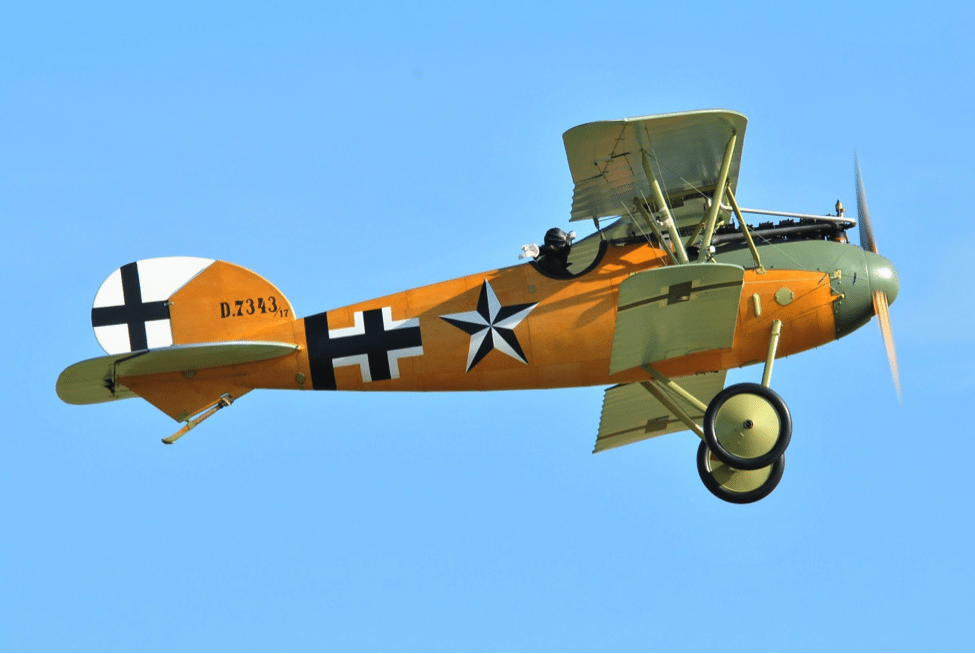
Richtofen scored an unconfirmed kill as an observer, then entered pilot training in October 1915 after meeting German ace Oswald Boelcke. Although he did not initially impress with his flying skills and even crashed on his first attempt, he persisted and gradually became proficient, eventually excelling with the German Albatros fighters. In April 1916, he scored another unconfirmed kill. Later, when Boelcke and Richtofen met again, Boelcke selected Richtofen for one of the first dedicated German fighter squadrons, Jagdstaffel 2.
First Victory and those Silver Cups
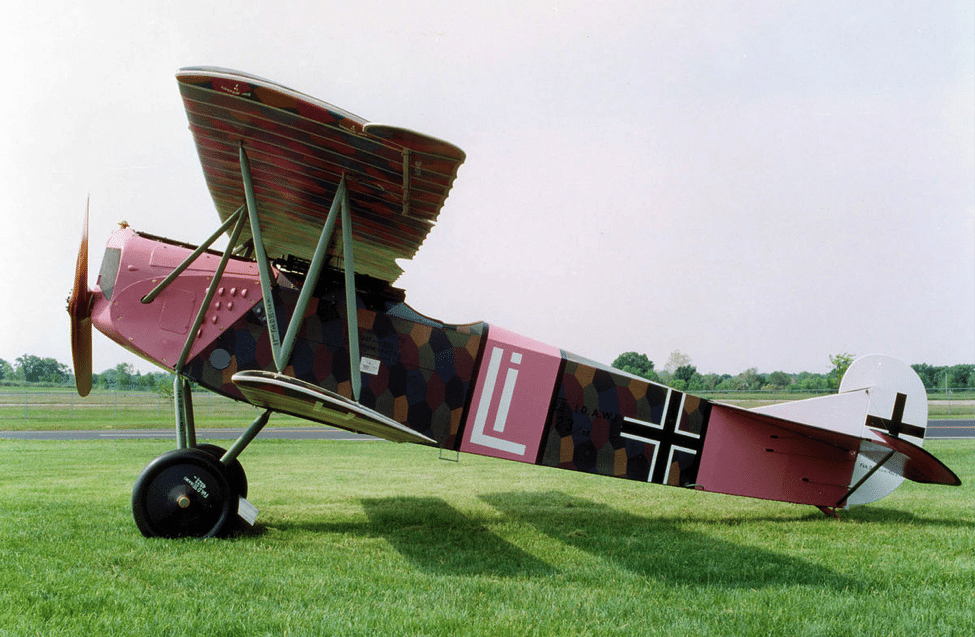
Richthofen scored his first confirmed aerial victory on 17 September 1916. This started a 19-month period during which he ordered silver cups engraved with the type of aircraft he shot down and the date of each victory. He collected 60 cups but had to stop the practice due to a silver shortage in Germany. Despite this, he continued flying and accumulating victories. His tactics were considered conservative but effective; he and his squadron typically attacked from above, with the sun at their backs—tactics still in use today.
Needing a More Agile (and Red) Fighter
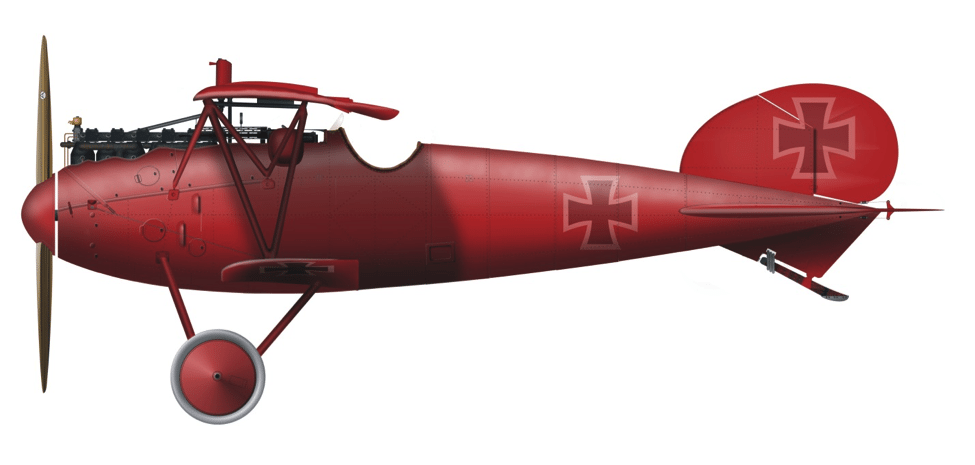
Richthofen’s victory over British ace Major Lanoe Hawker VC on 23 November 1916 convinced him that he needed a more agile fighter. He flew several versions of Albatros biplanes before flying the iconic Fokker Dr.I triplane. Of his 80 victories, Richtofen scored only 19 in the triplane, and those came after its wings were strengthened. The first time he painted his fighter red was in January 1917.