

The Blue Max and First Command
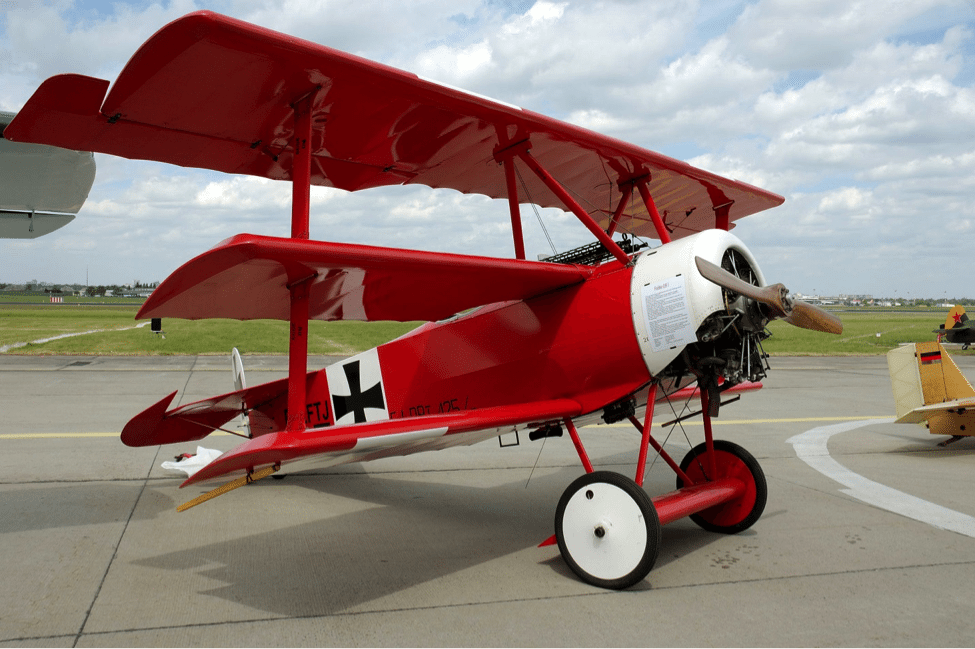
Richthofen received the Pour le Mérite (the “Blue Max”) in January 1917 after his 16th confirmed kill. Later that month, he took command of the elite fighter squadron Jasta 11. He shot down 22 British aircraft, including four in one day, while his squadron downed 89 aircraft during April 1917. By the time he took command of the famous “Flying Circus,” his victory total was 52.
Lasting Effects of a Head Wound
Richtofen was wounded in the head during aerial combat on 6 July 1917. The wound is thought to have caused lasting and debilitating damage. Richtofen suffered from severe headaches and had difficulty focusing even after several months of convalescence. By 1918, he had become such a legend that his death was feared to be a blow to German morale. Despite this and his injuries, Richtofen refused ground duty, continued to fly and fight, and became the subject of a cult following thanks to intense German propaganda.
Mortally Wounded While Helping a Cousin
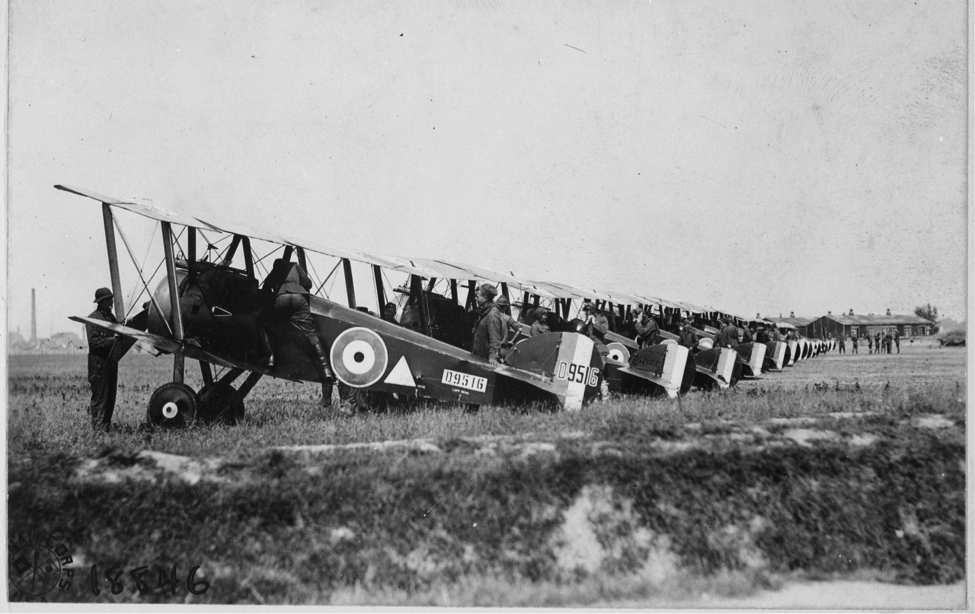
On 21 April 1918, just after 1100 local time, Manfred von Richtofen was shot and killed while flying at low altitude over Morlancourt Ridge, near the Somme River in the Amiens area of France. A Canadian pilot had just fired at Richtofen’s cousin Wolfram, and Richtofen was attempting to assist when he came under fire from another Canadian pilot, Captain Arthur “Roy” Brown. Manfred maneuvered clear and tried to help Wolfram again, but he sustained a serious chest wound and crash-landed just north of the village of Vaux-sur-Somme. He died soon after reaching the ground.
Who Shot Down the Red Baron?
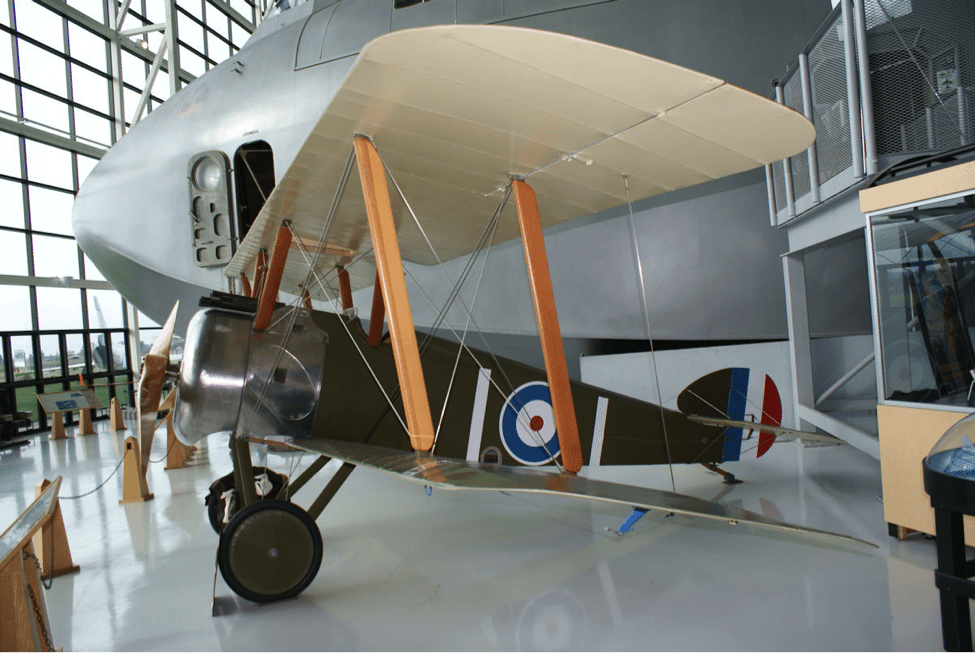
Brown was initially credited with shooting down the Red Baron, but posthumous examination indicated that a single .303 caliber round, fired from the ground up rather than from above and behind (where Brown was when he engaged Richtofen), caused his death. Personnel from No. 3 Squadron of the Australian Flying Corps conducted a full military funeral. Richtofen was buried in Bertangles village cemetery, near Amiens, on 22 April 1918. Australian officers served as pallbearers, a salute was fired, and Allied squadrons nearby presented memorial wreaths, one inscribed, “To Our Gallant and Worthy Foe.”
Other High Scoring Aces
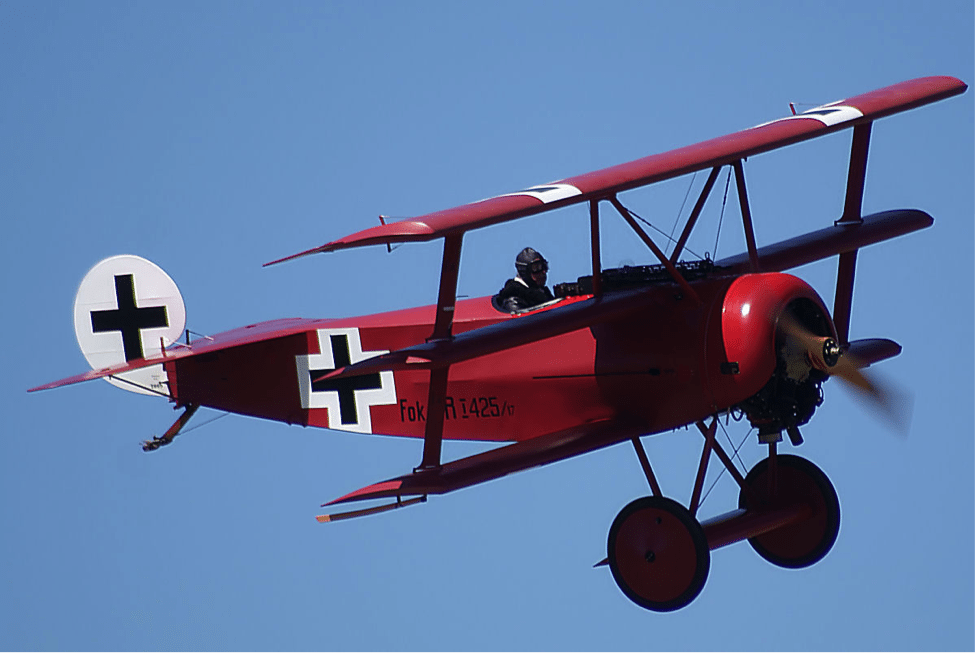
For comparison, the highest-scoring Allied ace was Frenchman René Fonck, with 75 confirmed victories (and 52 additional unconfirmed victories behind enemy lines). The top British Empire fighter pilot was Canadian Billy Bishop with 72 official victories, followed by Mick Mannock with 61, Canadian Raymond Collishaw with 60, and James McCudden with 57. The Red Baron was truly World War I’s Ace of Aces.
4.20.17
