

For several years, Transport Canada’s Gulfstream certification process was mainly a technical matter. It was discussed in data sheets, compliance documents, and official communications between regulators.
But recently, it became a political issue.
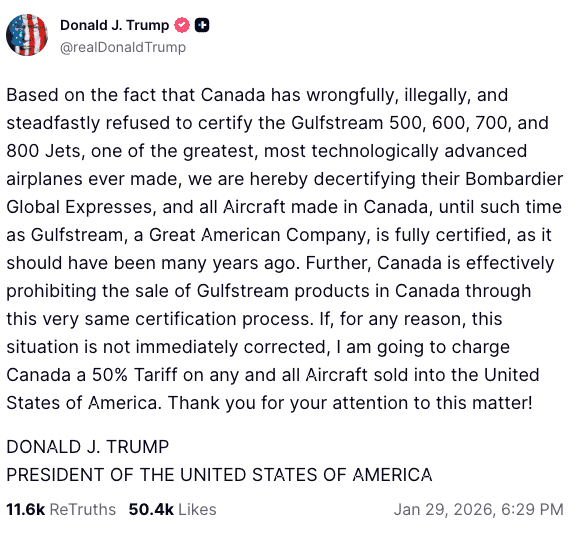
On 29 January, President Donald Trump publicly accused Canada of “wrongfully, illegally, and steadfastly” refusing to certify four Gulfstream models: the G500, G600, G700, and G800. In a Truth Social post, he warned that unless the situation was “immediately corrected,” the United States would impose a 50% tariff on Canadian-built aircraft and “decertify” Bombardier jets operating in the US.
Trump’s statement quickly turned the ongoing validation process into a major issue between the two countries. Since then, three key developments have shaped the situation.
The G500 and G600 Are Now Approved in Canada
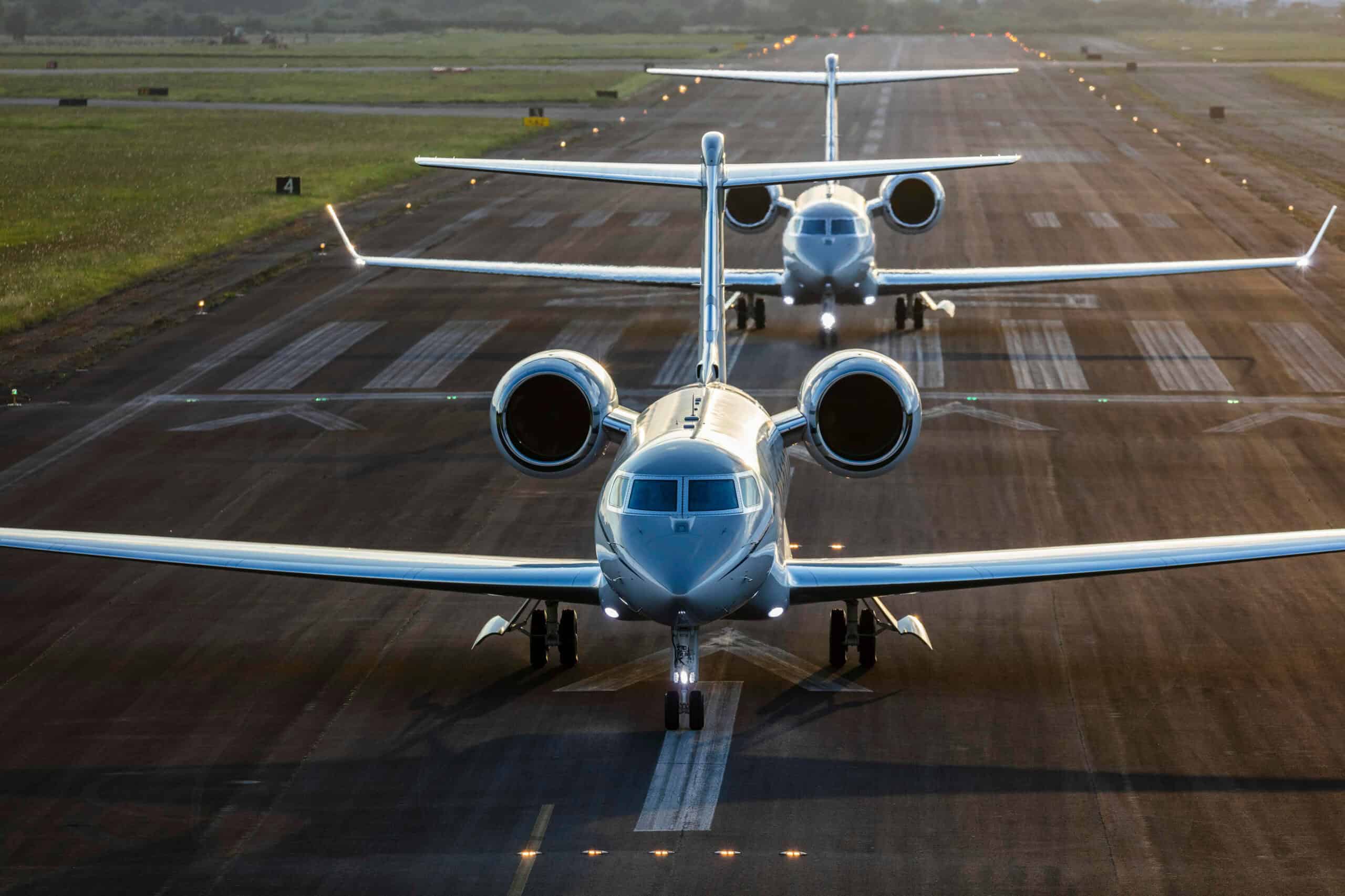
The biggest and simplest change is that the Gulfstream G500 and G600 are now certified for registration in Canada.
On 15 February 2026, Transport Canada approved type certificate validations for both planes, as shown in a government data sheet made public on 20 February. This decision ends a review process that lasted for years.
Validation is different from initial certification. The FAA certified the G500 in 2018 and the G600 in 2019. According to international aviation rules, the country where the plane is designed—in this case, the United States—issues the main certificate. Other countries then review and validate it before allowing local registration.
These validations do not happen automatically. Regulators may ask for more information or do their own analysis. In this case, the long process meant Canadian operators could not register the G500 and G600 in Canada, although US-registered planes could still fly in Canadian airspace.
With the approvals in February, that issue has been resolved.
The G700 and G800 Remain Pending Over Fuel-Icing Compliance
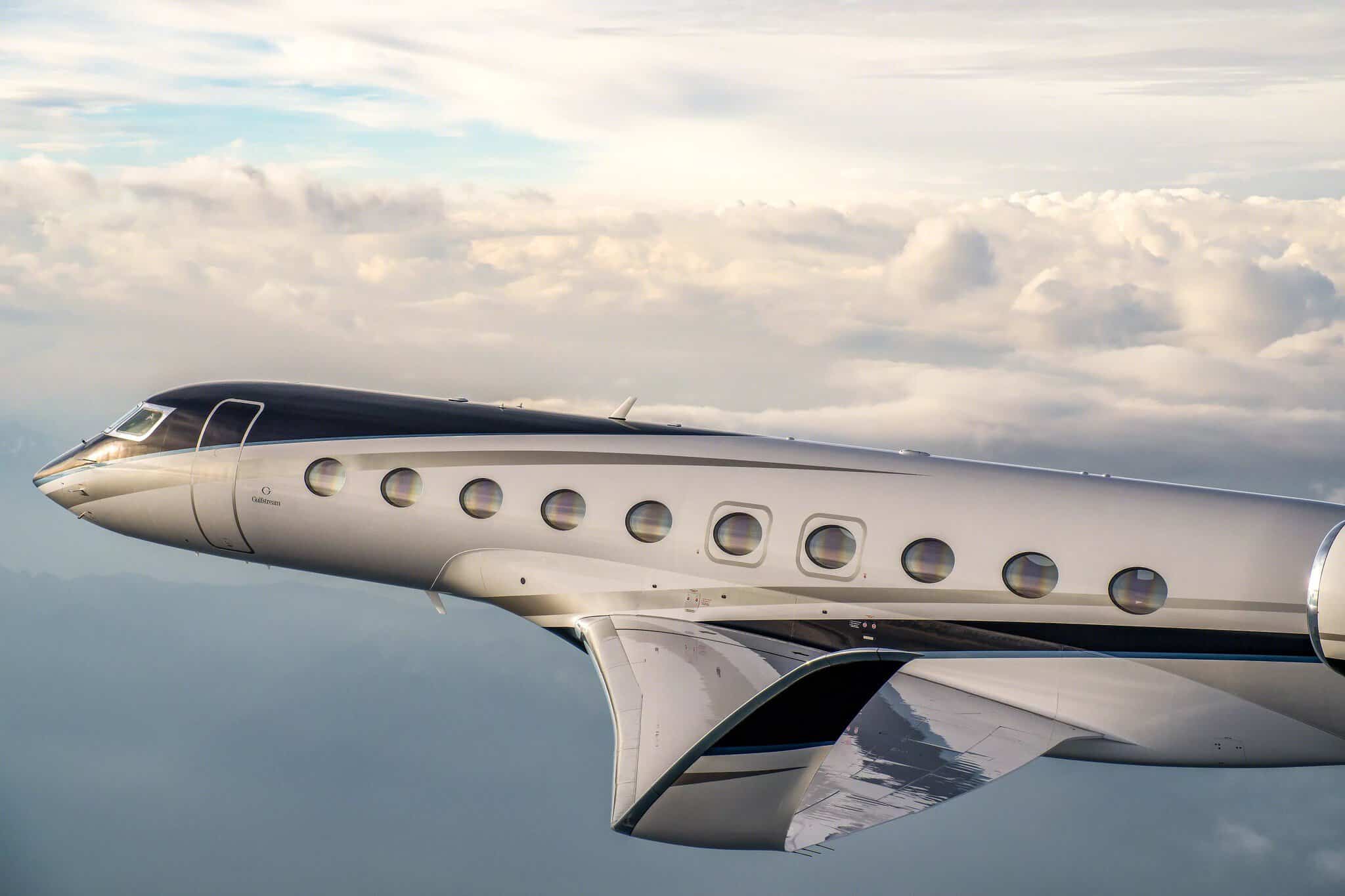
The situation is more complicated for the Gulfstream G700 and G800.
The FAA certificated the G700 in March 2024 and the G800 in April 2025. However, those approvals included a time-limited exemption related to fuel system icing compliance under US regulations. FAA Exemption No. 21744 permits Gulfstream to complete full-scale fuel icing testing on an extended timeline while continuing deliveries and operations. The FAA has stated the exemption maintains an equivalent level of safety, with certification testing required by mid-2026 and full compliance documentation due by the end of 2026.
Transport Canada has not agreed to that exemption.
Canadian regulators want more proof that the planes can handle fuel-system icing, which is especially important in Canada’s climate. Reports say this is not because of any safety incidents. It is a matter of meeting rules and showing compliance, not a current safety problem.
Until Transport Canada finishes its review, Canadian operators cannot register the G700 or G800 in Canada. However, planes registered in other countries can still fly in Canadian airspace under international rules.
The Gulfstream Certification Process Became Entangled in Broader Trade Tensions
The third development is not about any one aircraft model, but about the certification system as a whole.
Trump’s 29 January post directly targeted Montréal-based Bombardier, a major competitor to Gulfstream, threatening tariffs and decertification. According to aviation data provider Cirium, 2,678 Canadian-built Bombardier aircraft are registered in the United States.
These comments came at a time when trade relations between Washington and Ottawa were already tense. Aerospace is important to both economies, and their supply chains are closely connected. Certification agreements depend on both sides trusting each other’s technical standards.
This is why many people in the industry reacted strongly. Aircraft certification is supposed to focus on safety and be handled directly between regulators. While timelines and technical disagreements can happen, these issues are usually worked out through established technical processes.
When certification is discussed publicly along with tariff threats, it raises a big concern: could political pressure affect decisions that are supposed to stay separate from trade disputes?
For now, the system seems to be holding. The G500 and G600 are approved in Canada, while the G700 and G800 are still being reviewed. The threatened tariffs and decertifications have not happened.
This situation showed how much global aviation relies on trust between regulators. They may not always agree, but they respect each other’s processes. When politics starts to get involved, even just in words, that trust can be shaken. This time, the system stayed strong.
But it was put to the test.