The US Navy promotional film “ASW To Catch a Shadow” was produced by Lockheed and the United States Navy during what the audience is led to believe was an operational readiness evaluation that took place during the early 1960s.
The film, shot aboard the anti-submarine aircraft carrier USS Yorktown (CVS-10) and with lots or aerial footage included, is an excellent look at what it takes (or at least took then) to wage anti-submarine warfare (ASW); to prosecute a submerged submarine contact and the coordinated nature of the various moving parts of the forces involved. The film was shot with Pacific Fleet assets and includes interior shots of many of the aircraft and ships used in the film.
Aircraft featured in the film include VP-6 Blue Sharks Lockheed P-3 Orion anti-submarine patrol planes and the squadrons making up Carrier Anti-Submarine Air Group (CVSG)-55 aboard the Yorktown: VS-23 Black Cats and VS-25 Golden Eagles Grumman S-2 Tracker carrier-based ASW aircraft, HS-4 Black Knights Sikorsky SH-3 Sea King ASW helicopters, and VAW-11 Detachment T Early Elevens EA-1E Guppies (Skyraiders) used for airborne early warning. The destroyers USS Leary (DD-879), USS Walker (DD-517), USS Frank E. Evans (DD-754), and the frigate USS Bridger (DE-1024) along with their DASH helicopters complete the ASW forces. Playing the role of the hunted are several different types of submarines. The film also includes some footage of the ill-fated nuclear submarine USS Scorpion (SSN-589).
The Airbus A300-600ST Beluga is built using many of the components from the standard A300-600 wide-body airliner. The ST in the designator stands for the original name: Super Transporter. It is a super transporter, but the name Beluga stuck and hasn’t let go.
There are a total of five operational Belugas flying aircraft components between factories spread around Europe. Unmistakable for their size and appearance, the A300-600STs have been incrementally updated, upgraded, and improved during their 21 years of service. Belugas have performed charter flights to carry outsized cargo such as a huge chemical tank for a merchant vessel, two complete NH90 helicopters and a single Eurocopter Tiger attack helicopter from France to Melbourne in Australia for the Avalon Airshow, and large / voluminous space vehicle components and satellites for multiple national space programs including the National Aeronautics and Space Administration (NASA) and the former Soviet Union. Belugas have also flown relief supplies to areas devastated by tsunamis and hurricanes.
Replacement coming soon
The Beluga is due to be replaced by a similarly modified version of the A330. The Beluga has carried components of Airbus aircraft since it took over from four even more-modified Super Guppy transporters in 1996. But rather than locate the forward loading door behind the cockpit like the Guppies, the Beluga relocated the cockpit to a location below the loading door, which means systems don’t all have to be disconnected every time the door is used. First deliveries of modified A330 will begin in 2019.
Watch the video and become enlightened about how Belugas work.
The Boeing 787-9 Dreamliner entered service in 2014. The aircraft are manufactured is multiple locations and assembled at Boeing in Seattle. Subcontracted assemblies arrive from Japan, Italy, South Korea, France, Sweden, India, the UK, and Kansas, Connecticut, and South Carolina in the United States. The larger components are carried by the four Boeing 747-LCF (Large Cargo Freighter) Dreamlifters. The prototype 787 first flew on December 15th 2009. More than 500 of them have been produced (all variants) and they are operated by more than 40 airlines around the world.
Air Canada has taken delivery of 26 787s, the majority of which (18) are the “stretched” 787-9 version. Over the years Air Canada has used several liveries for their aircraft, but Avgeeks, plane spotters, and fence checkers seem to agree their new white paint scheme is one of the more attractive looks for the 787.
The 787-9 Dreamliner in the video, registered as C-FRTG (callsign Air Canada 300), was captured during its first appearance at Montreal’s Pierre Elliot Trudeau International Airport (YUL / CYUL) on its way from Vancouver International Airport (YVR / CVYR). Both the approach and departure are included in the video. Enjoy!
The Mustachioed Hero Shares the Keys to His Abundant Success.
Brigadier General Robin Olds served his country in the Air Force for thirty years. A football player at West Point, he flew Lockheed P-38 Lightnings and then North American P-51 Mustangs in the European Theater of Operations (ETO) during World War II. Olds was credited with a total of 12 aerial victories and another 11.5 enemy aircraft destroyed on the ground. After returning to the United States at war’s end as a 22 year old Major in command of his squadron, he was instrumental in the creation of the first jet aircraft demonstration team. He was then assigned to the fledgling Air Defense Command (ADC). He married movie star Ella Raines in 1947. As a result of his ADC assignment Olds did not make it to the Korean War. During the 1950s and early 1960s Olds was assigned to duty in places like Wheelus Air Force Base (AFB) in Libya, RAF Bentwaters in the UK, and Landstuhl AFB in Germany. Then…Vietnam.
Official Air Force Photograph
Becoming the Dynamic Duo
Olds was perhaps most famous for his exploits as 8th Tactical Fighter Wing (TFW) Wing Commander in Vietnam. When Olds took over command of the 8th TFW, based at Ubon Royal Thai Air Force Base (RTAFB) in Thailand, he brought in fellow Air Force legend “Chappie” James to be his deputy commander for operations. As a result the 8th TFW became one of the most successful Air Force units to fly combat missions in Southeast Asia.
“Chappie” James (left) with Colonel Robin Olds (right). Official US Air Force photograph
The Man Tells His Own Story…With a Laugh or Two Along the Way
Olds flew a total of 259 combat missions (107 during World War II and 152 in Southeast Asia. Later in his career he was Commandant of the Air Force Academy and Inspector General of the Air Force. He retired from the Air Force on June 1st 1973. In the videos below, shot during an hour-long Air Force Association event in 1998, Olds shared memories of his career with his trademark humorous delivery. Enjoy all three parts of the discussion linked below. You Avgeek bookworms will undoubtedly enjoy his book Fighter Pilot, written with his daughter Christina. The General passed away at the age of 84 in 2007.
Have You Ever Wondered What an A319 Sounds Like When It Flies By at FL380?
It was an incident likely to cause ‘Light Chop’ for the Delta Airlines A319. Delta flight 159 from Boston to Detroit faced some rather unique traffic back on March 26, 2017. A weather balloon known as an OLHZN or ‘Overlook Horizon High Altitude Balloon’ had taken off from Honeoye, NY near Rochester New York. Over Newark, New York (not New Jersey), the balloon and the airliner had a close encounter at 38,000 feet.
In the video released by the OLHZN team, you can see that the balloon is less than a thousand feet below the Airbus. This video is really unique for a couple of reasons. The balloon is nearly stationary and doesn’t have a motor. Therefore, the balloon is able to capture the native and typically serene sounds of the world. In this case though, the passing Delta jet sounds like a fighter aircraft buzzing by a crowd at low altitude. The jet passes by the balloon at 400+ knots.
This is a very different perspective than most people who observe jets at altitude. Pilots frequently see crossing traffic. But they see traffic from their perspective where they are also moving through the sky at hundreds of miles per hour. They also never hear the other aircraft’s engine noise(or if they do, its a very bad day!).
Airliner encounters with weather balloons aren’t all that common. They occasionally occur as the balloon rises above the flight levels where airliners typically fly. Air traffic controllers are aware of these balloon flights and do their best to route traffic around them. In the video post, the OLHZN team had this to say about the flight, “All of our flights follow FAA Federal Aviation Regulation requirements outlined in FAR 101 and have NOTAMs filed with the FAA and coordination is performed with the local ARTCCs and airports to ensure safe operations.”
The balloon eventually climbed to an altitude of 102,544 FT. and landed northwest of Syracuse, NY. If you are interested in learning more about this weather balloon flight, watch the video below:
The annual Gathering of Warbirds event takes place at Waukesha County Airport (KUES) near Waukesha in Wisconsin. It is an event that most warbird aficionados will tell you is one of the highlights of the Midwest summer airshow season. The 2017 Gathering took place on May 27th and drew scores of vintage and veteran aircraft and thousands of fans. The Commemorative Air Force Wisconsin Wing sponsored and hosted the event. The next big deal in that part of the country will be the 65th Annual Experimental Aircraft Association AirVenture Fly-In at Wittman Regional Airport in Oshkosh (KOSH)- just a few miles up the road from Waukesha.
Photo Credit: Ryan Sundheimer / AirshowStuff
One of the highlights of the show was the demonstration of two 1950s-era jet fighters- the North American F-86 Sabre Jet (flown by Jeff Kaney) and the Mikoyan-Gurevich MiG-17 Fresco (flown by Paul Keppeler). They were joined during their flight by an Aero L-39 Albatros photo / video plane. The video alternates between views of the pilots in their cockpit and their points of view out the front of each of the aircraft. One thing you Avgeeks might pick up on is the difference between sound pitch and volume between the MiG to the Sabre. Watch Sabre pilot Kaney work those rudders during takeoff!
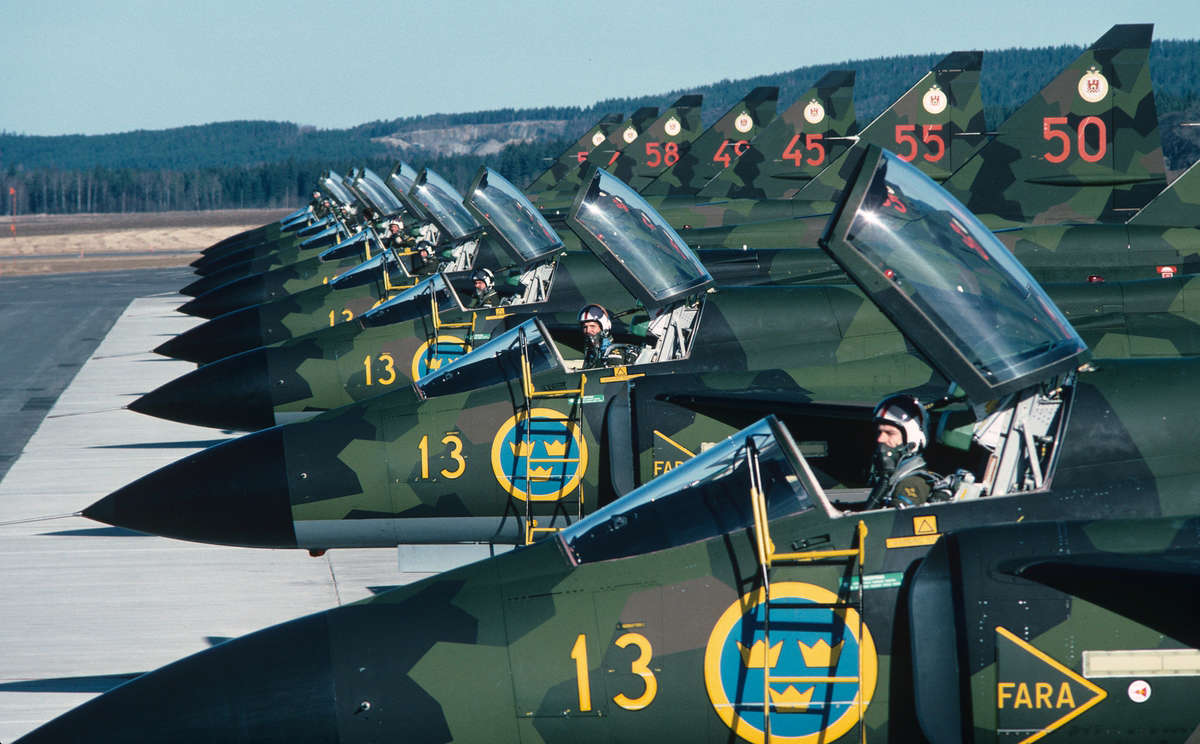
Air Base System 90 is a dispersal and alternate deployment plan developed during the 1970s and utilized by the Swedish Air Force. The system was developed from the Air Base System 60, which was intended to protect and preserve as many of the available aircraft as possible in the event of a nuclear attack. Base 90 was conceived after the Six Day War during 1967. Israel had knocked out the majority of Egypt’s aircraft on the ground due in large part to lack of dispersal or affective protection for those aircraft. The Swedes took a look and decided to put a plan in place to modify some 22 of their airbase installations ASAP. NATO implemented similar contingency planning for German autobahns as well.
Photo Credit: Rune Rydh
Rather than maintain revetments (hardened or otherwise) in the two or three locations generally utilized at a given airbase such as near the ends of runway(s) or near the center of the installation, the Swedes devised widely dispersed revetments for their aircraft and widened sections of nearby public roads, turning them into makeshift runways. Centrally located hubs for fuel, lubricants, ordnance, and oxygen allowed Swedish ground crews to service the 20 to 40 widely dispersed Saab 37 Viggen and other combat aircraft at each expanded base as efficiently as possible. The result was that it would take several more sorties, to knock out the same number of Swedish Air Force assets than if they were dispersed in the traditional manner. No single conventional bomb would damage more than a single Swedish fighter.
Bud Day Probably Was a True American Hero and a Hell of a Fighter Pilot
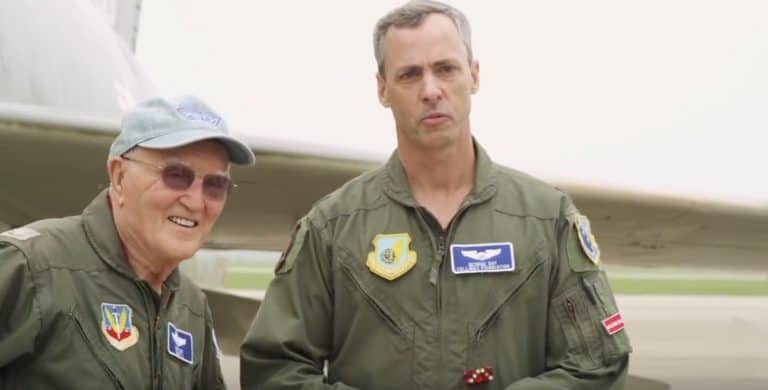
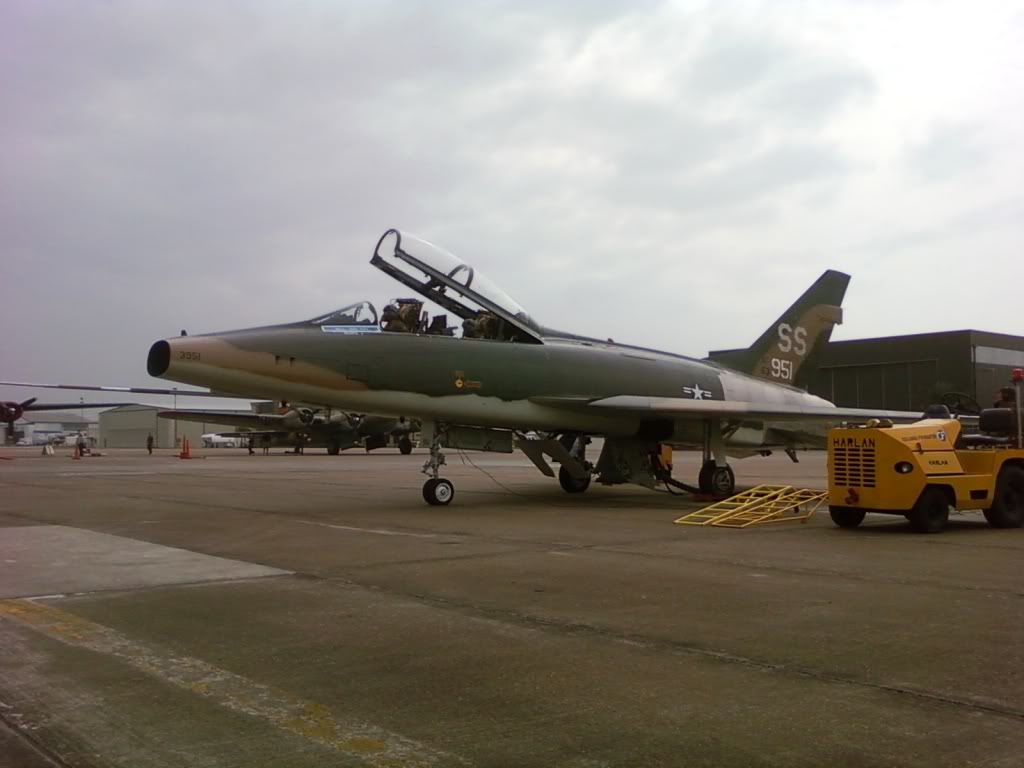
Colonel George Everette “Bud” Day was shot down while flying a North American F-100F Super Sabre “Misty” forward air controller (FAC) mission on August 26th 1967 and spent the next 2,027 days as a prisoner of the North Vietnamese. Day was the last Congressional Medal of Honor recipient of the war. Though he was badly injured while ejecting from his F-100F, he bravely resisted the attempts by his captors to break his will and spirit. Day first served his country during the last 30 months of World War II and flew fighters in Korea and Vietnam. Day is the only recipient of both the Congressional Medal of Honor and the Air Force Cross.
After he recovered from his injuries and long confinement Colonel Day returned to flying and eventually accumulated about 8,000 flying hours, of which 4,900 were logged flying single-engine jets. Bud Day “slipped the surly bonds” in various models of the Lockheed F-80 Shooting Star, Republic F-84 Thunderjet, North American F-100 Super Sabre, McDonnell F-101 Voodoo, Lockheed F-104 Starfighter, Republic F-105 Thunderchief, Convair F-106 Delta Dart, McDonnell Douglas F-4 Phantom II, Douglas A-4 Skyhawk, Vought A-7 Corsair II, Canadair CF-5 Tiger, and McDonnell Douglas F-15 Eagle jet fighters. After his retirement in 1977 the Colonel practiced law and wrote “Return with Honor”, an autobiography about his experiences as a prisoner of war, followed by “Duty, Honor, Country,” another autobiography which included his post-service life. Far too soon after he was honored by the Collings Foundation on March 29th 2011, the Colonel passed away in Florida on July 27th 2013.
ATLANTA — Historic warbirds and today’s top aerobatic pilots will help celebrate a century of aviation at Peachtree-DeKalb Airport on Saturday during the Good Neighbor Day Open House and Airshow.
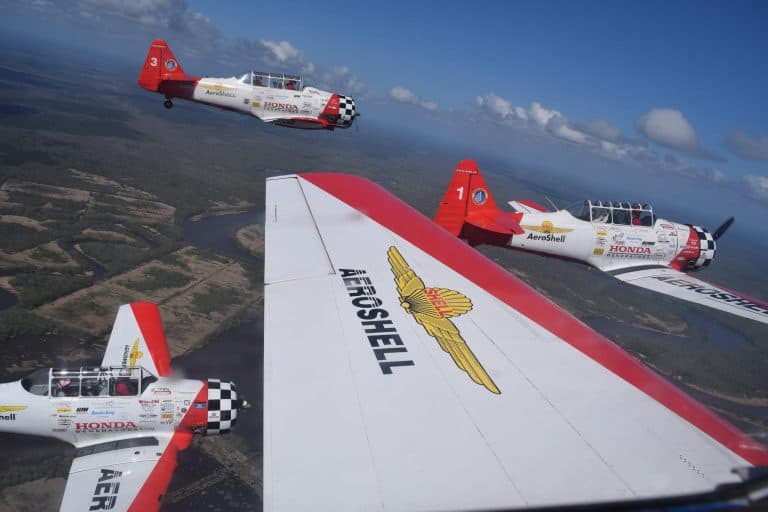
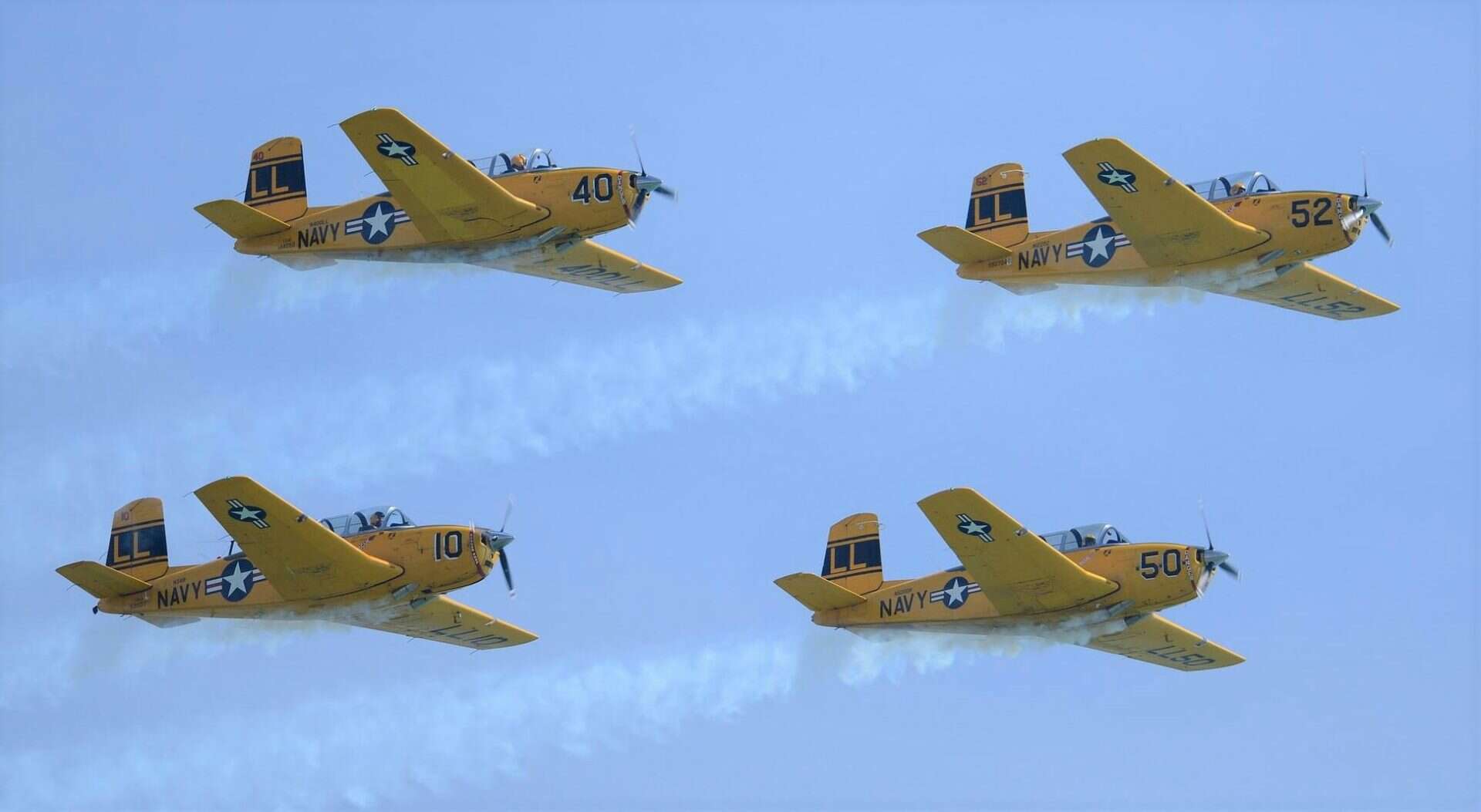
Great weather is forecast as a crowd of nearly 40,000 is expected to turn out to see the flight demonstration’s of Team Aeroshell and the Lima Lima Flight Team. Aerobatic pilots Greg Koontz, Gary Ward, and Larry King are a few of the top performers scheduled to attend the one day airshow.
The pilots of Team Aeroshell will provide the crowds with a heart pounding, fast paced performance as they take their aircraft through a dozen dizzying maneuvers.
“We do the same thing as the Blue Angels and the Thunderbirds except we do it in propeller driven airplanes,” Aeroshell pilot Steve Gustafson stated as we spoke on the flightline on Thursday. “We’re like the earlier version of that before we had all the jets.”
Watching Aeroshell’s four red and white AT-6 Texan aircraft cut across the blue sky of north Atlanta will give the airshow audience a true look into history as the team performs in what the aces of the second world war called The Pilot Maker.
“We perform close formation lops, wing overs, barrel rolls, and break up and rejoin maneuvers,” Gustafson explained. “People must enjoy it, we’ve been doing it for a long time and people keep inviting us back.”
Team Aeroshell’s thirty-two year tradition nevers gets old for Gustafson who holds the title as the only original member of the team still flying. “It’s a lot of fun and the Texan is a good airplane,” he added.
The family fun afternoon will also feature a jump-n-slide, large inflatables, and sand castle building for the children plus food and snack concessions. Everyone can also enjoy $40 aircraft flights, such as the Waco bi-plane or a helicopter, from the airfield most of the day.
Admission is free to the public and parking is $10.00. Guests can enjoy MARTA as trains deliver you to either Chamblee or Decatur stations and then bus over to the airshow site.
(Charles Atkeison reports on aerospace and technology. Follow his updates via social media @Military_Flight.)
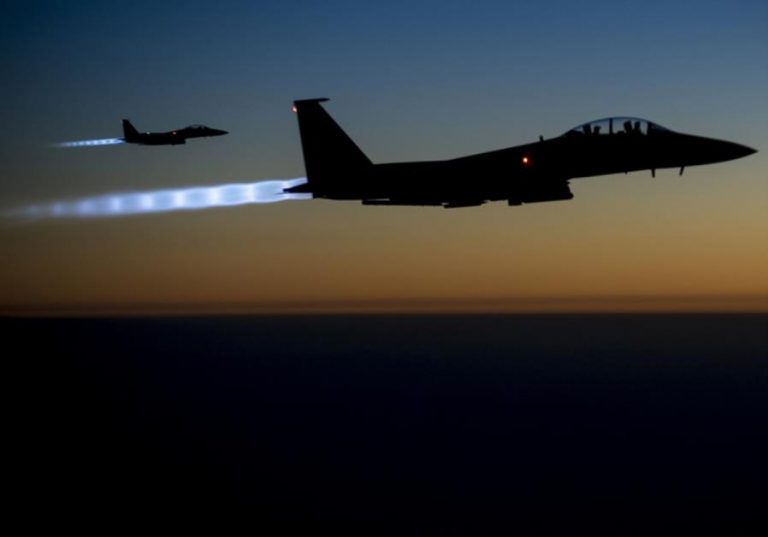
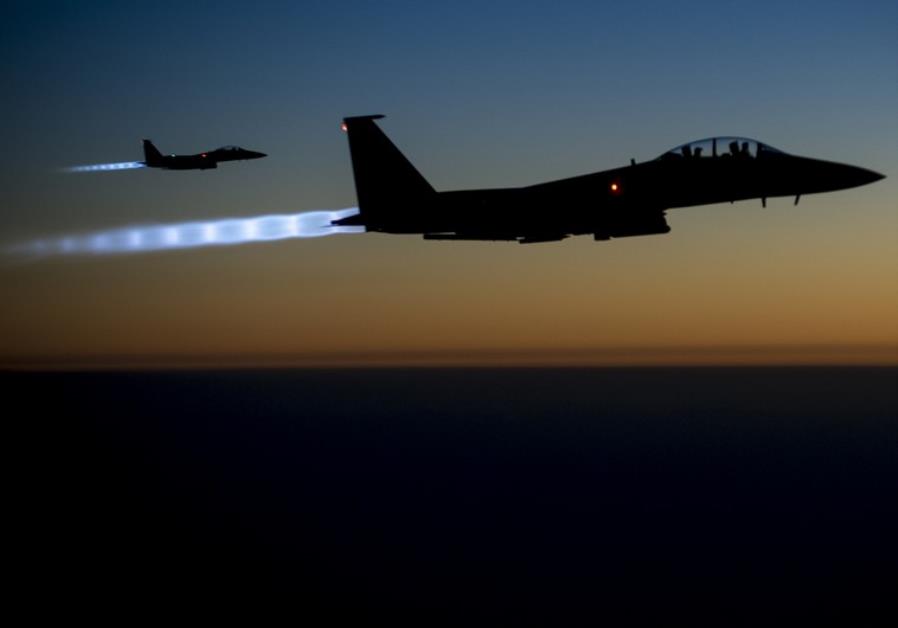
A U.S. Air Force F-15E Strike Eagle shot down a drone this afternoon over Syria, after the unmanned “predator sized” aircraft dropped a munition near U.S. ground and coalition forces.
The incident occurred in the town of At Tanf, an outpost close to the Jordanian border where U.S. special ops, Syrian rebel forces and other coalition partners train to fight ISIS.
SpaceX is checking off milestones at an impressive pace lately. Their 12th resupply mission for NASA (CRS-11) to the International Space Station (ISS) on June 3 marked the 100th launch off historic Kennedy Space Center pad 39A, former launch site of the space shuttle and Apollo Saturn-V moon rockets before, and the mission also employs the company’s first reused Dragon capsule, flown previously on the CRS-4 mission in the fall of 2014.
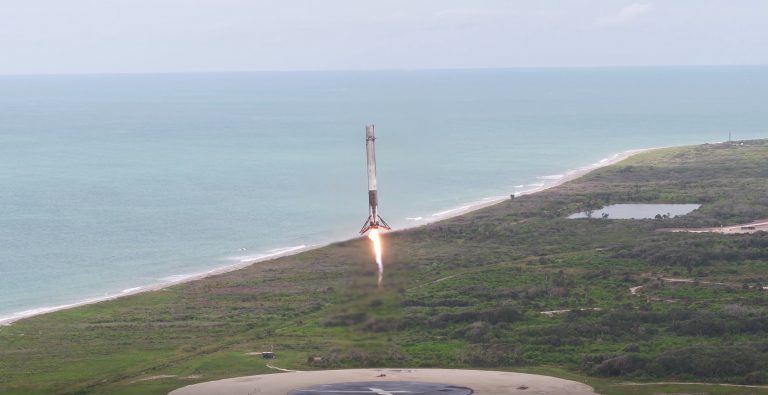
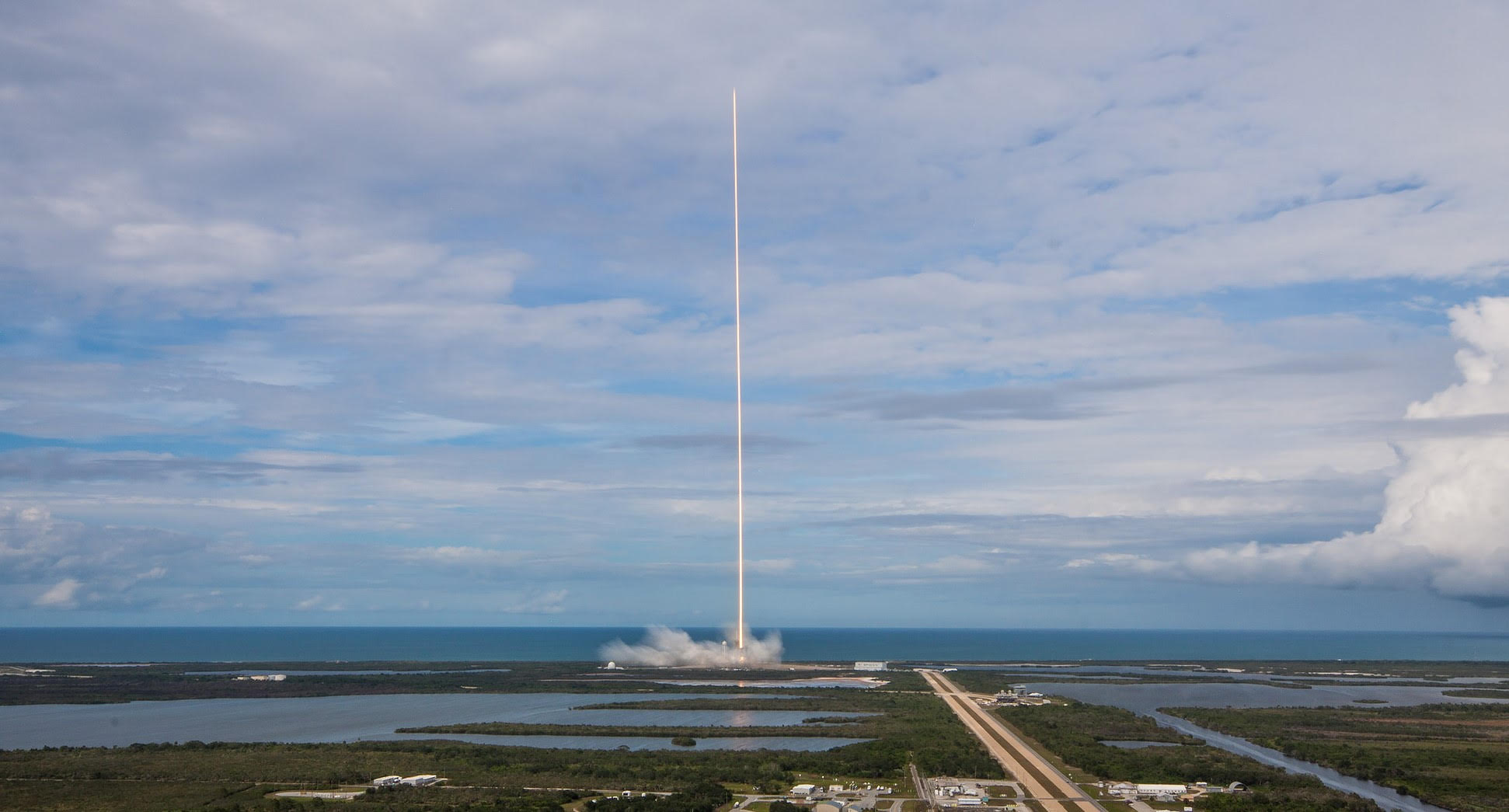
But SpaceX also aimed for a secondary objective after putting Dragon on intercept for the ISS; landing the rocket’s first stage booster back at Cape Canaveral Air Force Station “Landing Zone (LZ) 1”, just a few miles south of 39A, and today they released some spectacular 4K aerial footage of the Falcon coming in to land.
The company has done so previously 3 times already, in 3 tries, and nailed it again June 3 shortly after launch.
SpaceX has also nailed offshore landings on their ‘drone ships’ six times, something they do when the mission being launched requires so much fuel there isn’t enough left for a landing attempt back at the launch site.
Looking ahead, the company is aiming to launch several commercial satellites this summer, both from Florida and Vandenberg Air Force Base, Calif., starting with launch of BulgariaSat-1 from 39A as soon as June 17. The launch will employ another reused booster too, which previously launched the first wave of ‘Iridium NEXT’ satellites last January from Vandenberg. This also makes it the first booster to launch missions on both coasts.
At the same time, preparations for their highly-anticipated inaugural launch of the mammoth Falcon Heavy rocket, a triple-barreled version of their current Falcon-9, are well underway, with testing on the individual rocket cores being conducted at SpaceX’s proving grounds in McGregor, TX.
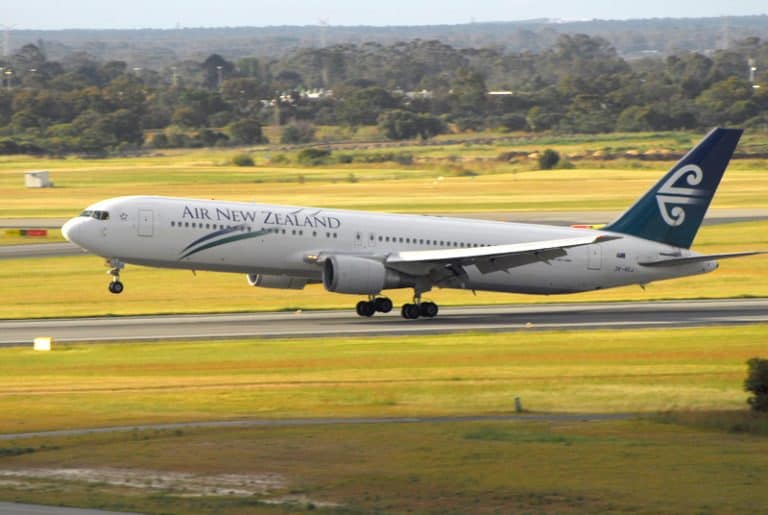
On March 27th 2017 a chartered Air New Zealand Boeing 767 took off from Dunedin in New Zealand and headed south toward Antarctica. The eight hour flight’s origination and destination were to be the same airport but the flight itself, and the view, was the thing. How could a 767 night flight with 134 seats (selling for an average of about $2,500 each) and going nowhere sell out- in five days no less? No doubt you’ve heard of the Northern Lights- the Aurora Borealis. Well there is a similar phenomenon, known as the Southern Lights or Aurora Australis, that occurs in the Southern Hemisphere when conditions are right…and right the conditions were that night.
The seat math doesn’t quite work out does it? Simple enough…when you charter a jumbo jet just to look out the windows you don’t sell the center aisle seats. The 767 flew south to just over 60 degrees south latitude. This afforded the passengers / skygazers approximately five hours of uninterrupted Aurora viewing time. The organizers selected an evening close to the equinox and when the phase of the moon would allow for minimum lunar illumination. The Northern Lights are observed more often simply because more eyes are there to see them, but the Southern Lights are every bit as mesmerizing and memorable.
C-17s Are the Largest and Heaviest Aircraft to Regularly Operate in Antarctica
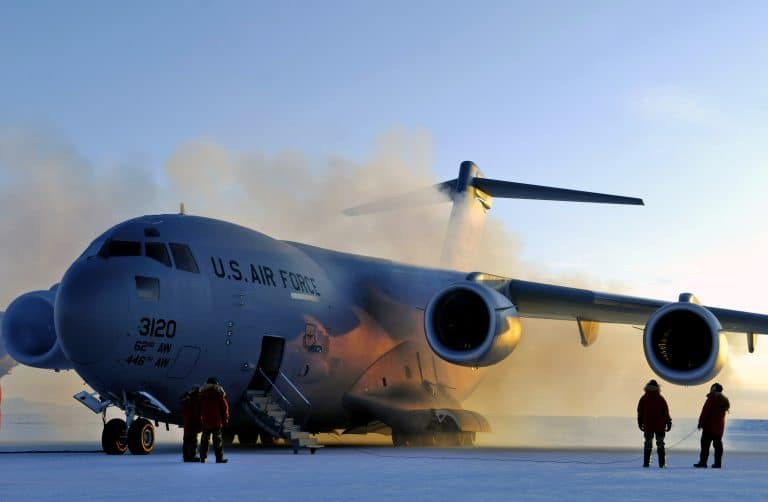
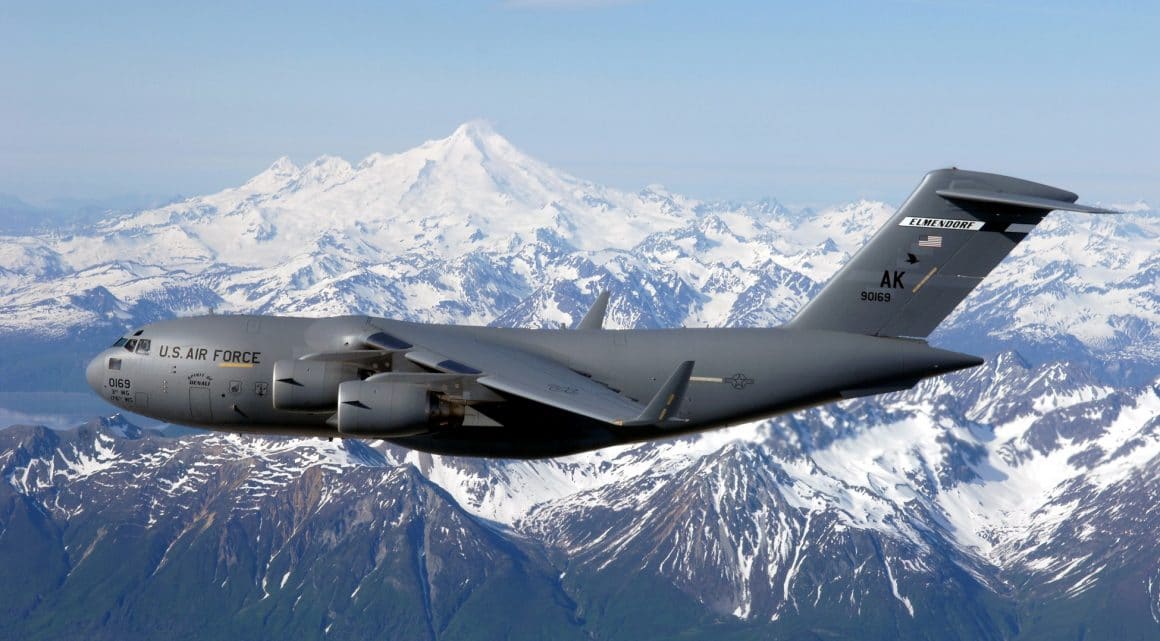
Boeing’s C-17 Globemaster III entered service with the United States Air Force (USAF) in 1995 after 14 years of development work. The airlifter replaced the Lockheed C-141 Starlifter and took some workload off Lockheed C-130 Hercules and C-5 Galaxy transports too. During their 22 years of service C-17s have delivered a whale to Iceland, been hit by a surface-to-air missile (SAM) in Iraq (and landed safely), carried pallets and paratroopers and tanks and patients and VIPs over millions of air miles to thousands of places on every continent. But one particular continent presents more of a challenge than the others- Antarctica.
OFFICIAL US AIR FORCE PHOTO VIA DVIDS
Down Under to Way Down South
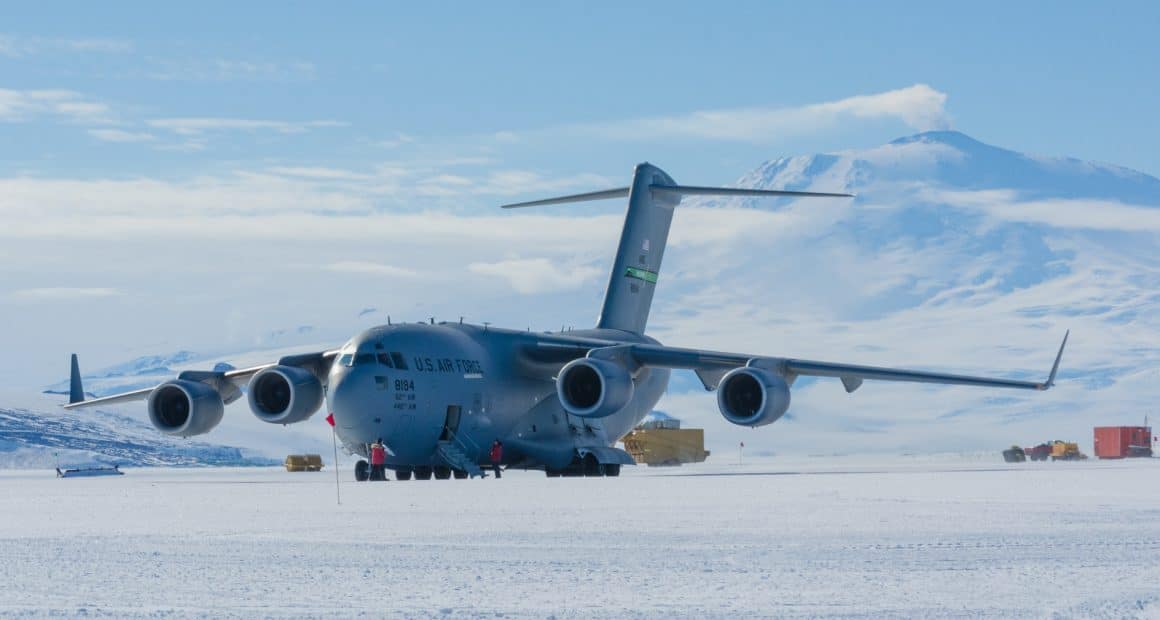
C-17s tasked with supplying American scientists in Antarctica as part of Operation Deep Freeze usually stage out of Christchurch in New Zealand. Lockheed LC-130 Hercules transports are also used to resupply those “wintering over.” C-141s have landed there as well. Australian C-17s and contracted Airbus A319s land on the White Continent occasionally.
image via US Air FOrce/DVIDS
Over 500,000 Pounds of Airlifter…Landing on Ice With the Cold Sea Below. All That Weight Distributed Through Just 14 Tires!
It isn’t unusual for a C-17 to land in Antarctica since the first successful winter resupply airdrop took place on December 20th 2006. However, provided a runway long enough can be smoothed off the ice, Globemasters are more than capable of operating from “austere” ice runways. They have also flown missions to Antarctica during winter. In the video, watch carefully how much the wings and engine pods flex as the airlifter lands and rolls past the camera and down the McMurdo Sea Ice Runway.
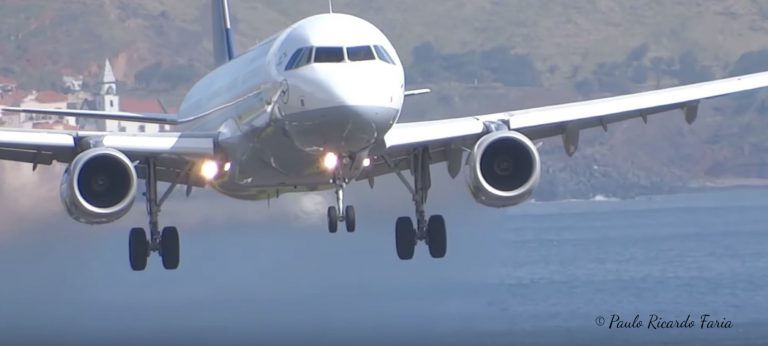
Cristiano Ronaldo Madeira International Airport is on the island of Madeira, which is located west of Morocco and southwest of Portugal in the Atlantic Ocean. Madeira is a Portuguese archipelago and a popular vacation destination for Europeans. The airport serves Funchal, which is the capital of Madeira, as well as the rest of the island. The single runway (05/23) has been both famous and notorious for its short length and tricky 05 approaches. Lots of airports have prevailing crosswinds, and Ronaldo Madeira has some of the worst. If you’re watching a hairy crosswind approach the odds favor Madeira as the destination. Extended several times over the years, the runway is now 9,125 feet long. But it’s how it got that way that makes Madeira unique.
Photo Credit: Richard Bartz
In 2000, the runway was extended from 5,906 feet (1,800 meters) to 9,125 feet (2,781 meters). The 2000 runway extension was built on a platform. The platform is supported by 180 columns that average 230 feet (70 meters) in height. The runway extension and its infrastructure were built by Brazilian construction company Andrade Gutierrez and was the recipient of the 2004 Outstanding Structure Award by the International Association for Bridge and Structural Engineering (IABSE). The video shows two crosswind approaches to FNC- one slick (by a TAP Air Portugal 737) and the other more typical (by a Lufthansa A321-200, “Hildesheim”).
Svetlana Vladimirovna Kapanina is the closest thing to a famous lady aerobatic pilot they have in Eastern Europe. Born in what is now Kazakhstan in 1968, she enrolled in medical school at Tselinograd (now Astana), where she graduated with a Degree in Pharmaceutical Sciences.
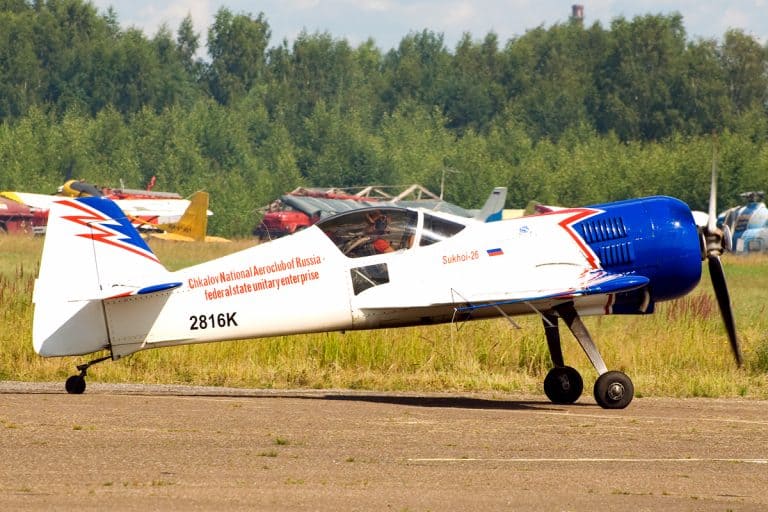
She has been a pilot in aerobatic competitions since 1988 when she was 19 years old. After only two years, she became an instructor. Svetlana is a graduate of the highly-respected Kaluga Aeronautical Technical School (think Embry-Riddle in the States). She flies the Sukhoi Su-26M and Su-31M and the Extra 300 and 330 aerobatic aircraft in competition.
Svetlana’s impressive list of accomplishments includes 67 Gold, 21 Silver, and 12 Bronze World, European, and Federation Aeronautique Internationale (FAI) Medals, 17 European Championships, three Absolute European Championships, two Russian Women’s Championships, seven Absolute World Championships, two Absolute World Air Games Championships, and 38 other World Championships between 1996 and 2013.
She has received the Sabiha Gokcen and Centenary Medals as well as the Paul Tissandier Diploma from the FAI and was awarded Russia’s Order of Courage by President Vladimir Putin on December 22nd 2014. Today Svetlana is married and lives in Moscow with her husband and two children. This video of her throwing her Sukhoi around the sky was recorded during an aerobatic performance at Sochi- site of the 2014 Winter Olympics.
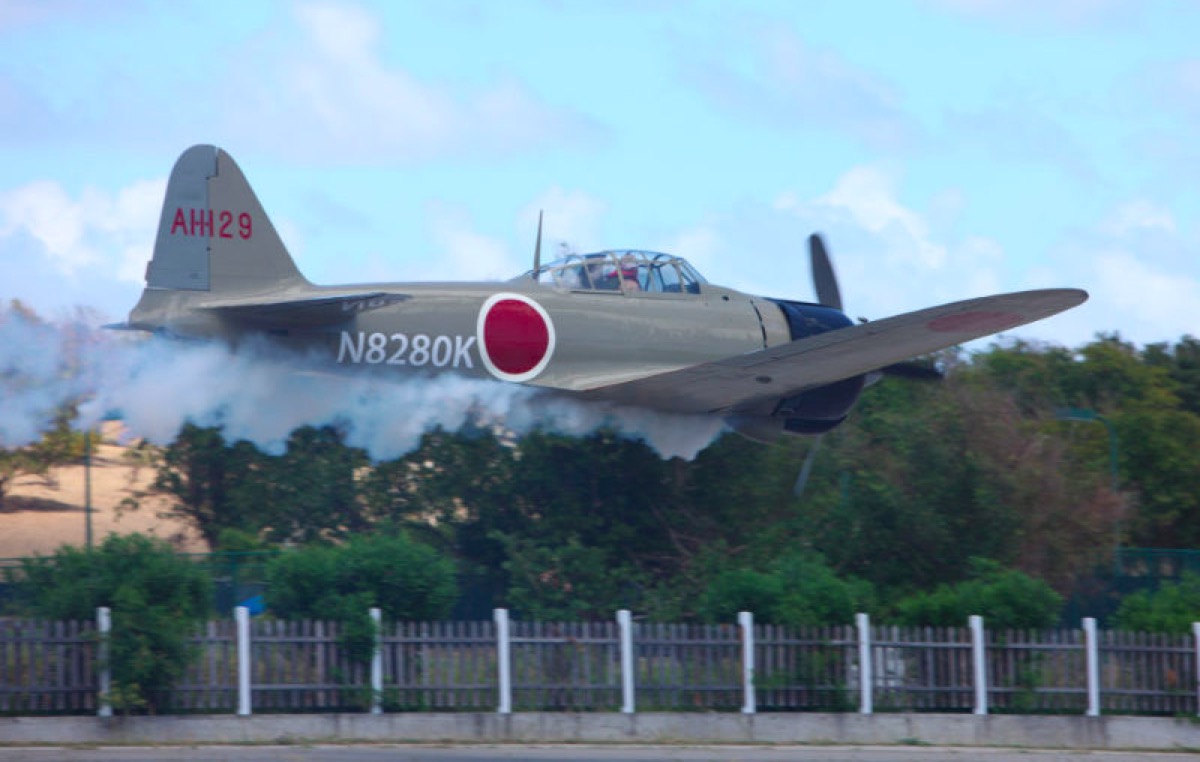
The Bucket Air Show at Gustaf III Airport (SBH) on the island of Saint Barthelemy (St. Barts) is well known for being an opportunity to see warbirds flying low and fast only feet away from spectators. The airport does not fall under Federal Aviation Administration (FAA) control and is therefore free of altitude restrictions. As far as the speed goes, well it’s a given that warbirds are meant to go fast, and fast they definitely do go at Saint Barthelemy. The airport itself is considered one of the scariest in the Caribbean if not the world, with an approach path that requires a just-above-stall-speed approach over a steep hill and then a rapid descent and flare in order to land on the short runway that ends on St. Jean beach after only 2,133 feet (650 meters). Did we mention that at the top of the hill there is a traffic circle that’s often choked with avgeeks shooting video and taking pictures as planes fly by just feet above their heads?
Photo Credit: Yachting World Magazine
In this particular HD video, shot during the 2015 edition of the Bucket Air Show, you’ll see two different Grumman F7F Tigercats, two North American B-25 Mitchells, a Grumman TBM-3E Avenger, a Vought FG-1D Corsair, an actual Mitsubishi A6M2 Model 21 Zero (not a Tora Tora Tora mod of a T-6), and a Curtiss P-40K Warhawk fly passes over thrilled crowds and some beautiful blue Caribbean water. Several of the aircraft are based at Ellington Field near Houston in Texas with Texas Flying Legends. The sharp-eyed avgeeks among you will notice that the registration numbers on the aircraft have been painted on in the larger size lettering required by many Caribbean and foreign nations. Miss the FAA yet?
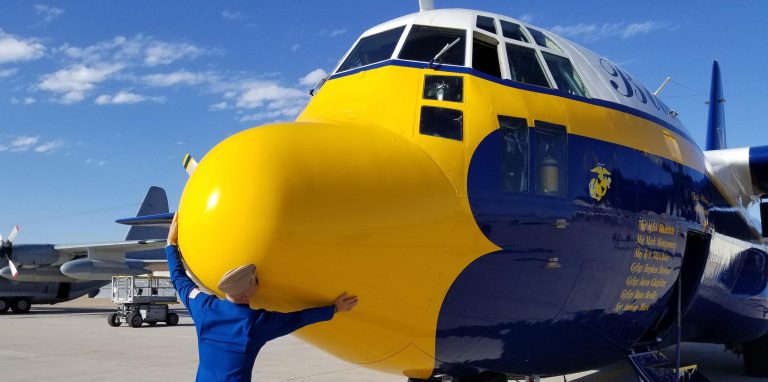
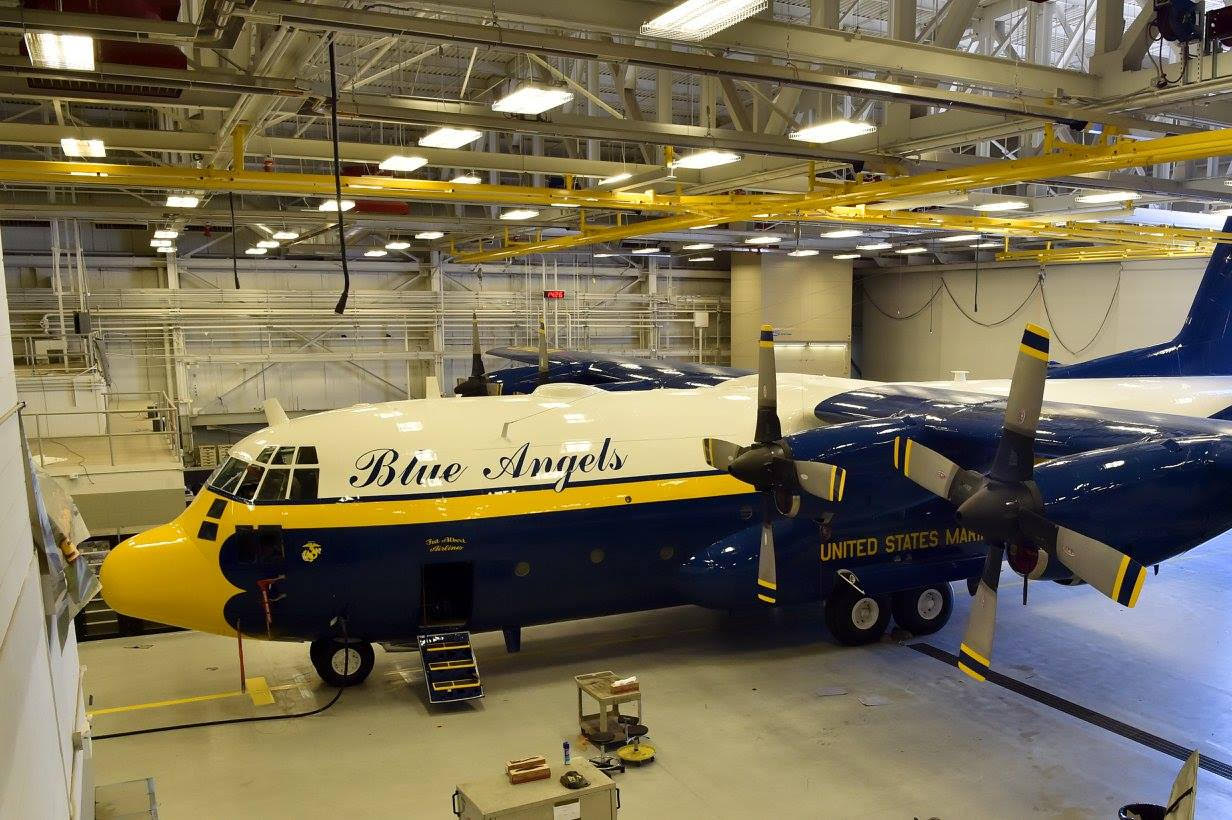
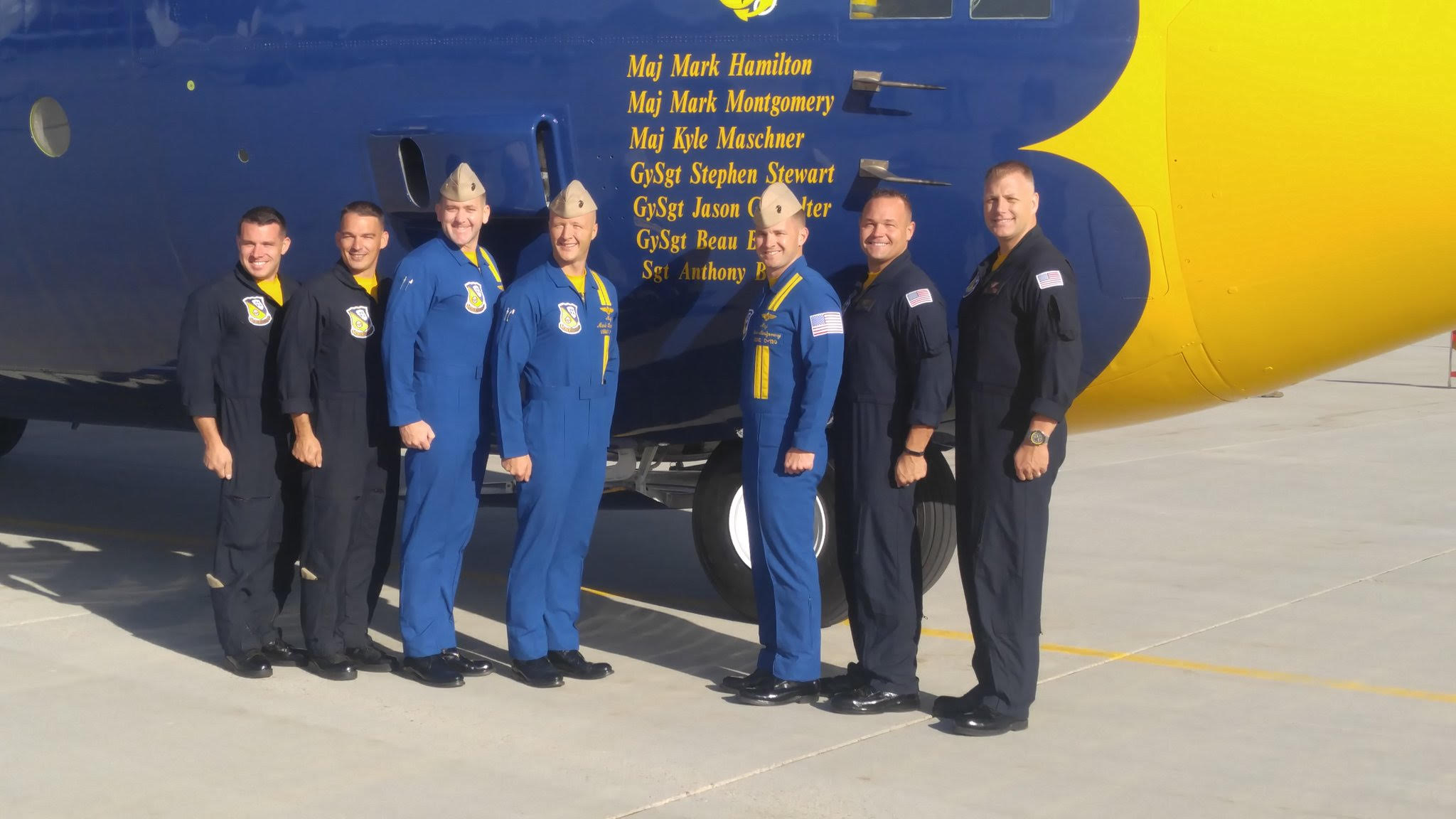
NAS PENSACOLA, Fla. — The workhorse of the Blue Angels is returning to the squadron on Friday following nine months of intensive upgrades and repairs to the hulking C-130 Hercules aircraft.
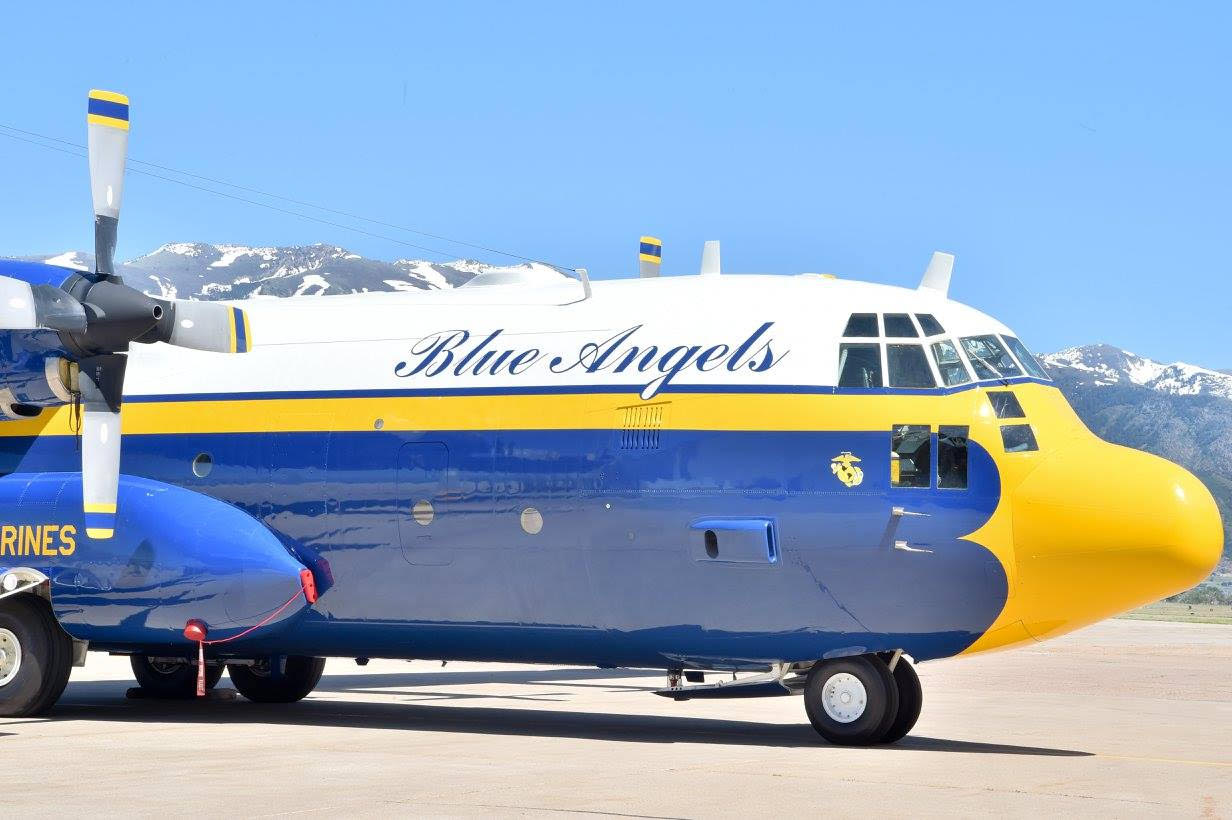
An airshow favorite across America, the C-130T transport known as Fat Albert has not attended an airshow since last July following the Blue Angels maintence team’s decision to begin a complete overhaul on the aging aircraft. Bert’s maintenance at Hill Air Force Base in Utah has involved the removal and upgrade of it’s four turboprop engines; the removal and structual inspection of its wings; wiring inspections and repairs; and a complete paint removal followed by a new paint job.
Bert’s prime job is the transportation of key support personel and hardware from Pensacola Naval Air Station, the home of the Blue Angels, to each airshow site. Bert takes-off loaded with nealy 10,000 pounds of aircraft hardware, nearly sixty support members, and airshow logistics two days prior to an airshow.
The blue, yellow, and white Lockheed Martin-built aircraft is a crowd favorite as Bert takes to the skies to begin the Blue Angels one hour long demonstration followed by the six Navy F/A-18 Hornets. Bert’s crew puts the aircraft through several maneuvers including several low passes and a short-field assault landing during it’s 12-minute demonstration.
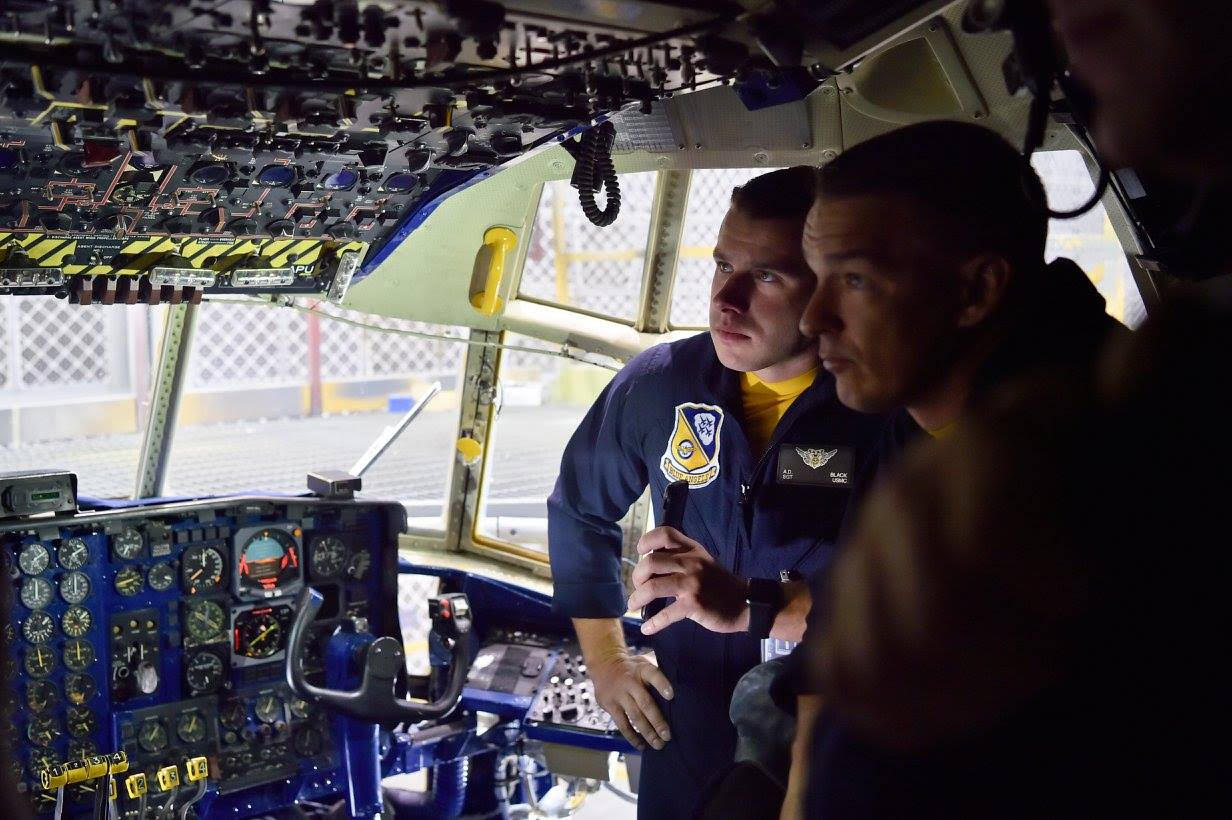
The squadron has used another KC-130T — nicknamed Ernie — in Bert’s place this year. Major Mark Hamilton, Major Mark Montgomery, and Major Kyle Maschner will perform the flying this season, while four crewmembers — GySgt. Beau Beville, Sgt. Anthony Black, GySgt. Jason Glatfelter, and GySgt. Stephen Stewart — make up the logistics crew.
“Good to see my old friend again,” Maj. Hamilton said on Tuesday. The entire crew departed Hill, AFB aboard Fat Albert on Tuesday, and will make two stops this week en route to their arrival at NAS Pensacola on Friday.
Fat Albert’s all-Marine crew will spend at least two weeks training aboard the C-130T prior to the aircraft’s official return. The Blue Angels have not announced an official return date for Fat Albert to an airshow site.
(Charles Atkeison reports on aerospace and technology. Follow his updates via social media @Military_Flight.)
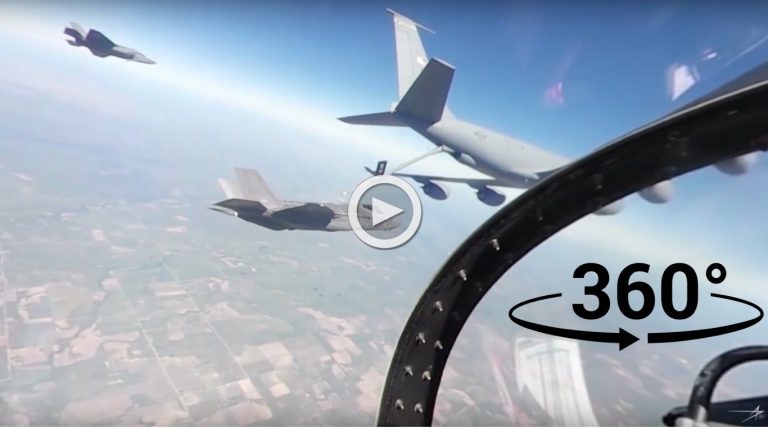
Lockheed Martin employs a team of some of the finest aerial aviation photographers in the world. Arguably one of the coolest jobs ever, they are responsible for producing the company’s high-end aerial still and video imagery of high-performance military aircraft, FROM high-performance military aircraft, documenting everything from testing and development, to program milestones, to producing video updates for public release.
Take a peek behind the scenes in this 360-degree video by Lockheed Aerial Photographer Matt Short, on a recent photo mission chasing two F-35A Lightning IIs from an F-16.
Not all browsers will support 360-degree view, but for those who don’t, it’s still pretty cool anyway.
CAPE CANAVERAL, Fla. — A uncrewed SpaceX cargo craft departed America’s Space Coast on Saturday loaded with nearly three tons of supplies for astronauts living and working aboard the International Space Station.
The SpaceX launch marked the first reflight of a Dragon spacecraft, and also set a historic milestone from America’s Spaceport.
A Space Exploration Technologies Corp. Falcon 9 rocket lifted off from the Kennedy Space Center’s Pad-39A on June 3 at 5:07:38 p.m. EDT, blazing a trail out over the Atlantic Ocean.
The lift-off marked the 100th rocket launch from the historic launch complex 39-A.
The launch pad was first used fifty years ago this November as the first Saturn V moon rocket launched during the uncrewed Apollo 4 mission. Pad 39-A later supported many notable space flights including Apollo 11’s mission to first land man on the moon in 1969; America’s first space station Skylab in 1973; the first space shuttle flight in 1981 and 81 subsequent shuttle flights; and today, SpaceX launches.
Signed in April 2014 by CEO Elon Musk, SpaceX has an exclusive twenty-year lease with NASA to use 39A for both uncrewed launches, and future crewed missions aimed at sending astronauts to the space station and Mars. A Dragon 2 spacecraft will be used for crewed flights to the station beginning in summer of 2018.
Nine minutes following its lift-off, the Falcon’s first stage touched down for the fifth time at Cape Canaveral AFS. It’s successful return may see it’s reflight on a future SpaceX launch in 2019.
Dragon arrived in a preliminary orbit ten minutes following launch, and began to deploy its twin solar arrays. In the days that follow, the cargo craft will begin a series of thruster jet firings to help reach the space station’s orbit.
Three days following Dragon’s Saturday launch, it will be steered by controllers on the ground to close within reach of the space station’s 55-foot long Canada-built arm. Orbiting 255 miles above, astronauts Peggy Whitson and Jack Fischer have trained this week with the computer software and the station’s robotic arm which will be used to snare Dragon following the craft’s rendezvous and approach. Whitson and Fischer are expected to snare the Dragon at about 10:00 a.m. on June 5. It will then take about two hours to slowly guide the spacecraft in to dock with the station’s docking port via ground commands.
Photo by: Space X
“The flight will deliver investigations and facilities that study neutron stars, osteoporosis, solar panels, tools for Earth-observation, and more,” said Jenny Howard of International Space Station Program Science Office at the Johnson Space Center. Dragon’s unpressurized cargo hold will carry the solar panels and equipment planned for installation on the outside of the station.
The Neutron star Interior Composition Explorer payload will study the extraordinary physics of several neutron stars as scientists and astronomers study their nature and behavior.
“NICER will provide high-precision measurements of neutron stars, objects containing ultra-dense matter at the threshold of collapse into black holes,” explained NASA spokesperson Clare Skelly from the control room at Goddard Space Flight Center. “NICER will also test — for the first time in space — technology that uses pulsars as navigation beacons.”
In addition, Dragon will deliver equipment and science materials to support over 250 science and research investigations aboard the orbiting laboratory.
Dragon is expected to undock from the space station on July 2, and return to Earth hours later loaded with completed science research, used cargo and trash for a planned splashdown in the Pacific Ocean off the coast of Baja California.
(Charles Atkeison reports on aerospace and technology. Follow his updates via social media @Military_Flight.)
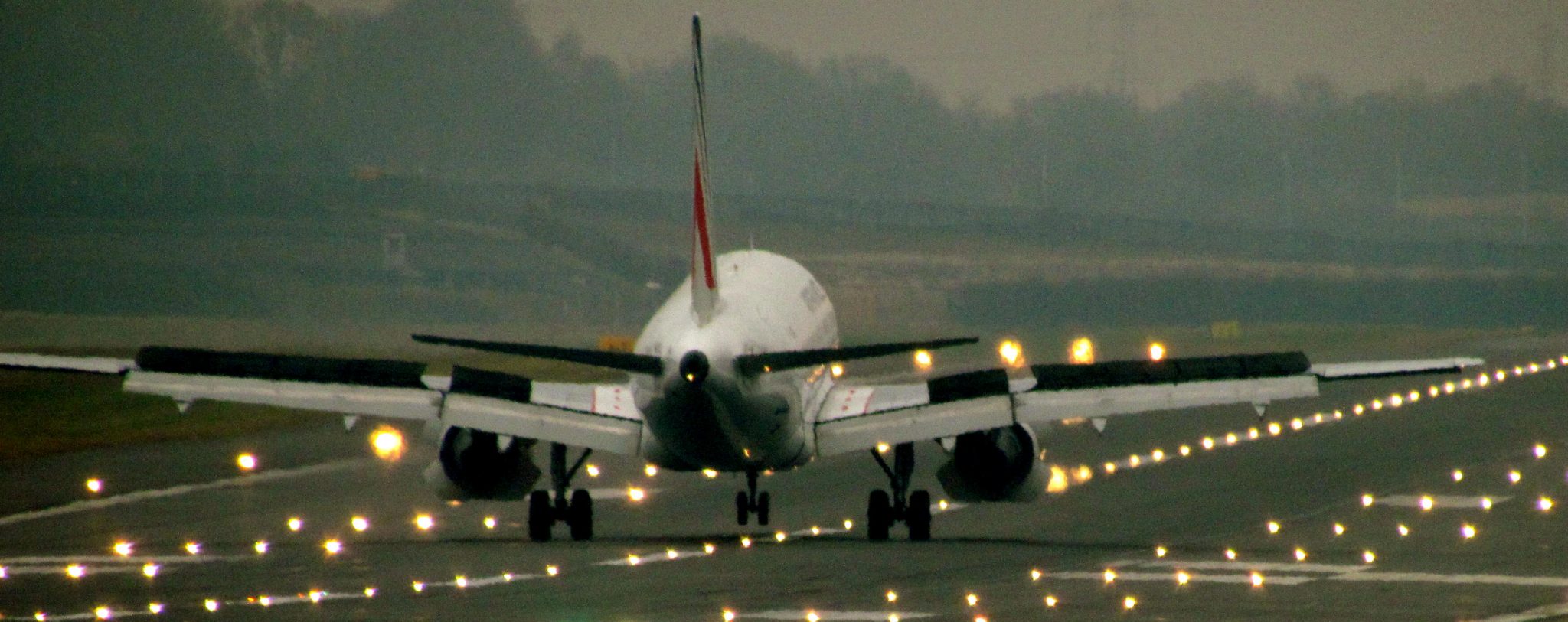
The definition of a Category IIIB approach is a precision approach and landing with no decision height or a decision height lower than 50 feet (15 meters) and a runway visual range less than 700 feet (200 meters) but not less than 150 feet (50 meters). About the only approach any hairier than that is the IIIC approach, which is a precision approach and landing with no decision height and no runway visual range limitation. In the video below a Boeing 767 performs a minimums Cat IIIB landing at Milan in Italy.
Photo Credit: ozz13x
Local weather at some airports frequently creates Category II and Category III approach conditions. Fog and blowing snow are the most common causes. The Instrument Landing System (ILS) is a ground-based instrument approach system which provides precision guidance to an aircraft approaching and landing on the runway. The ILS consists of the localizer, which indicates landing aircraft heading, the glide scope, which guides altitude, and the airfield lighting system. The pilot controls the aircraft so that the glide slope indicator and localizer needle remain centered on the cockpit display to land the aircraft. The pilot can then visually identify the runway either by pavement or with the assistance of an associated approach lighting system.

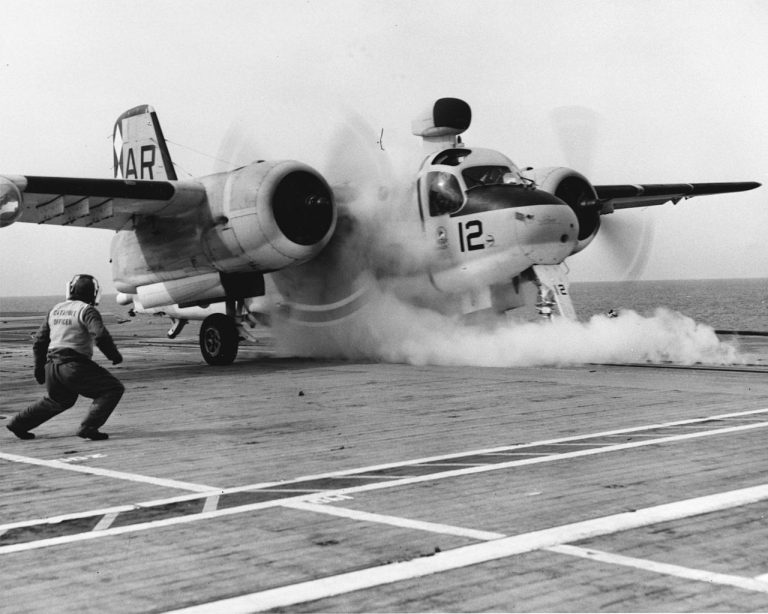
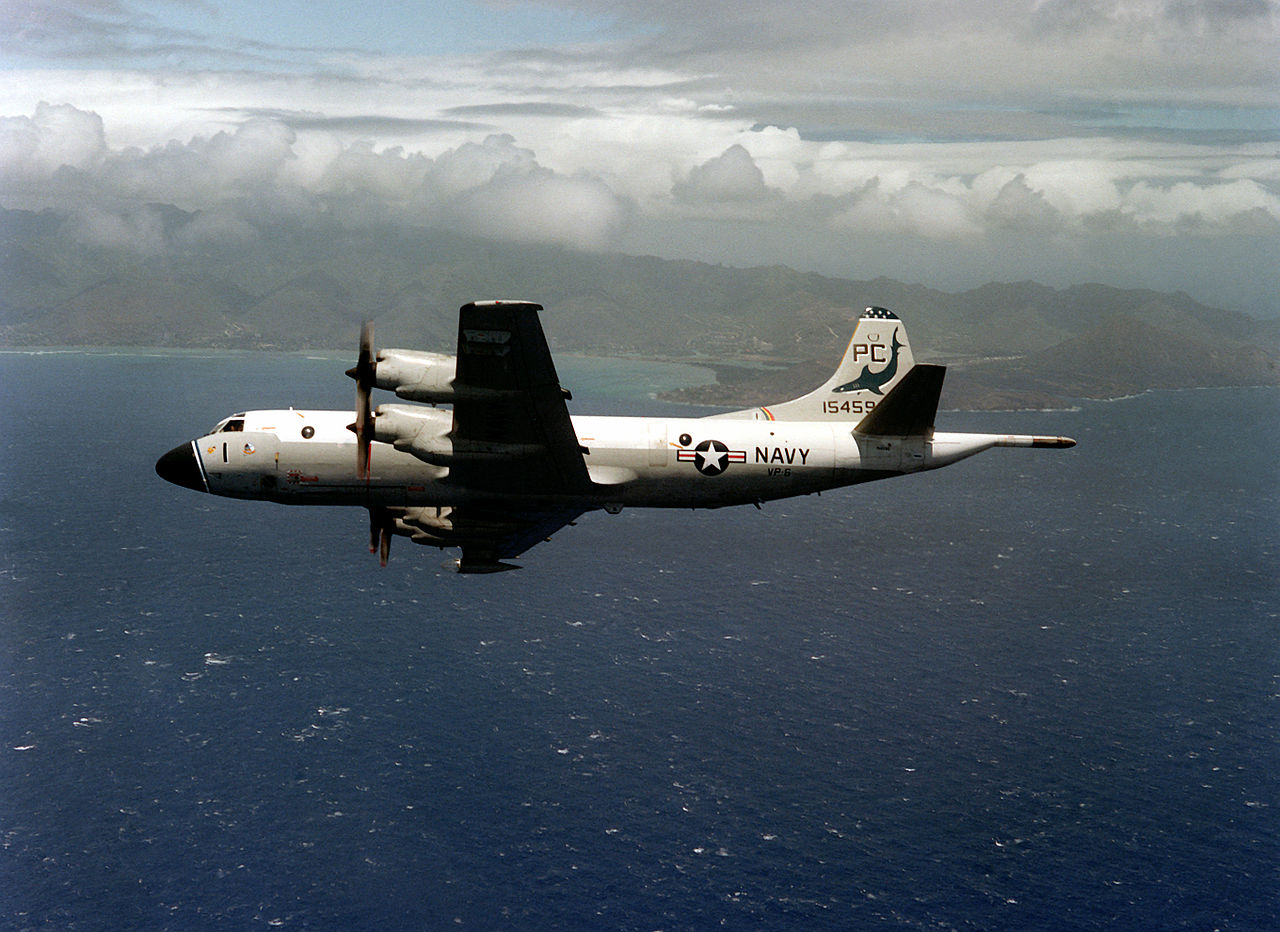
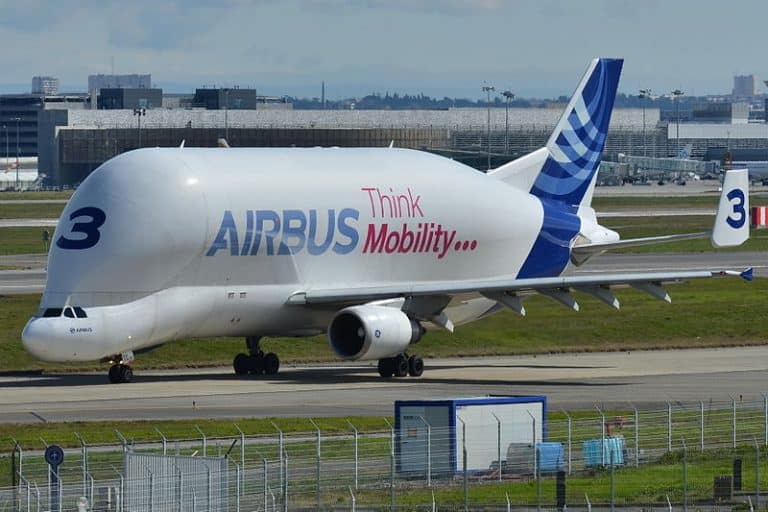
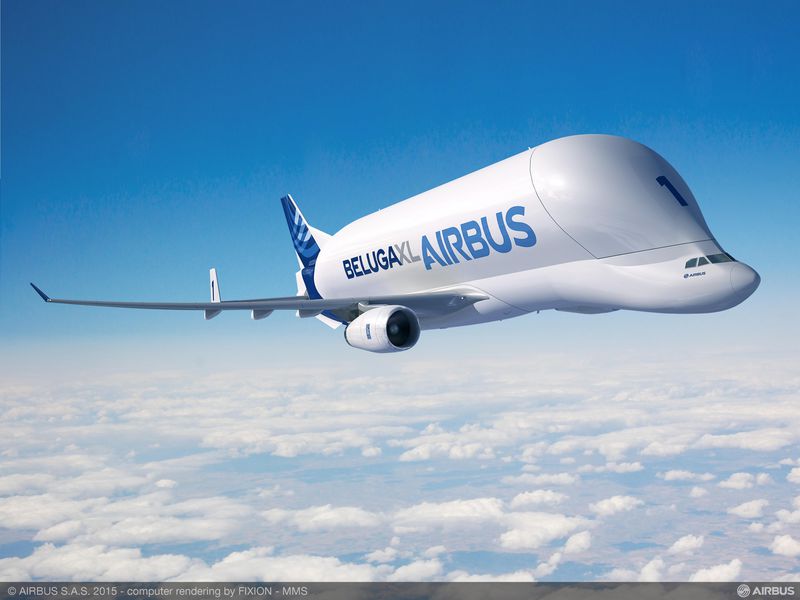
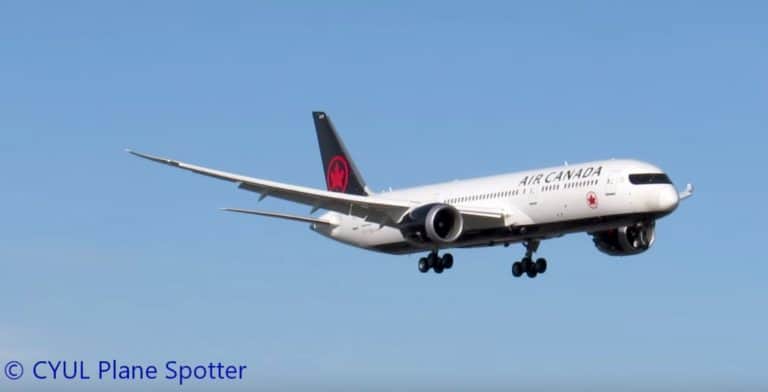
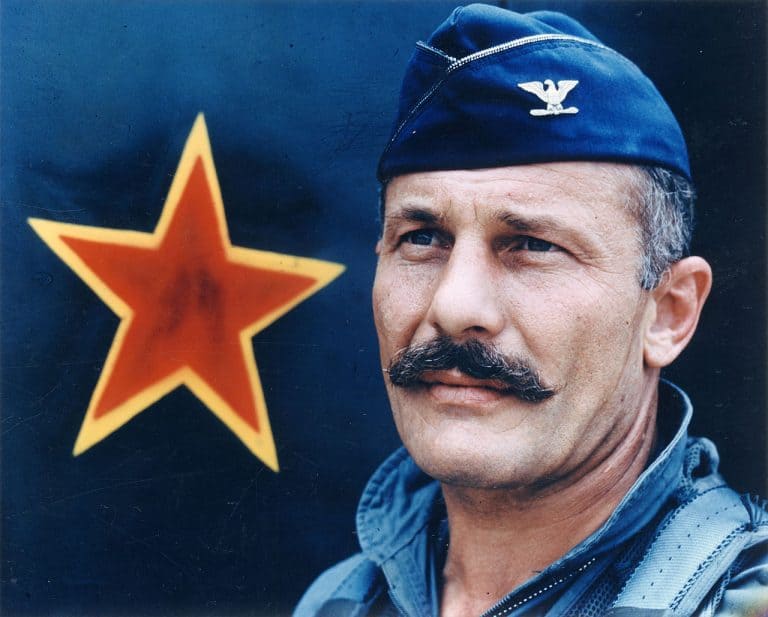
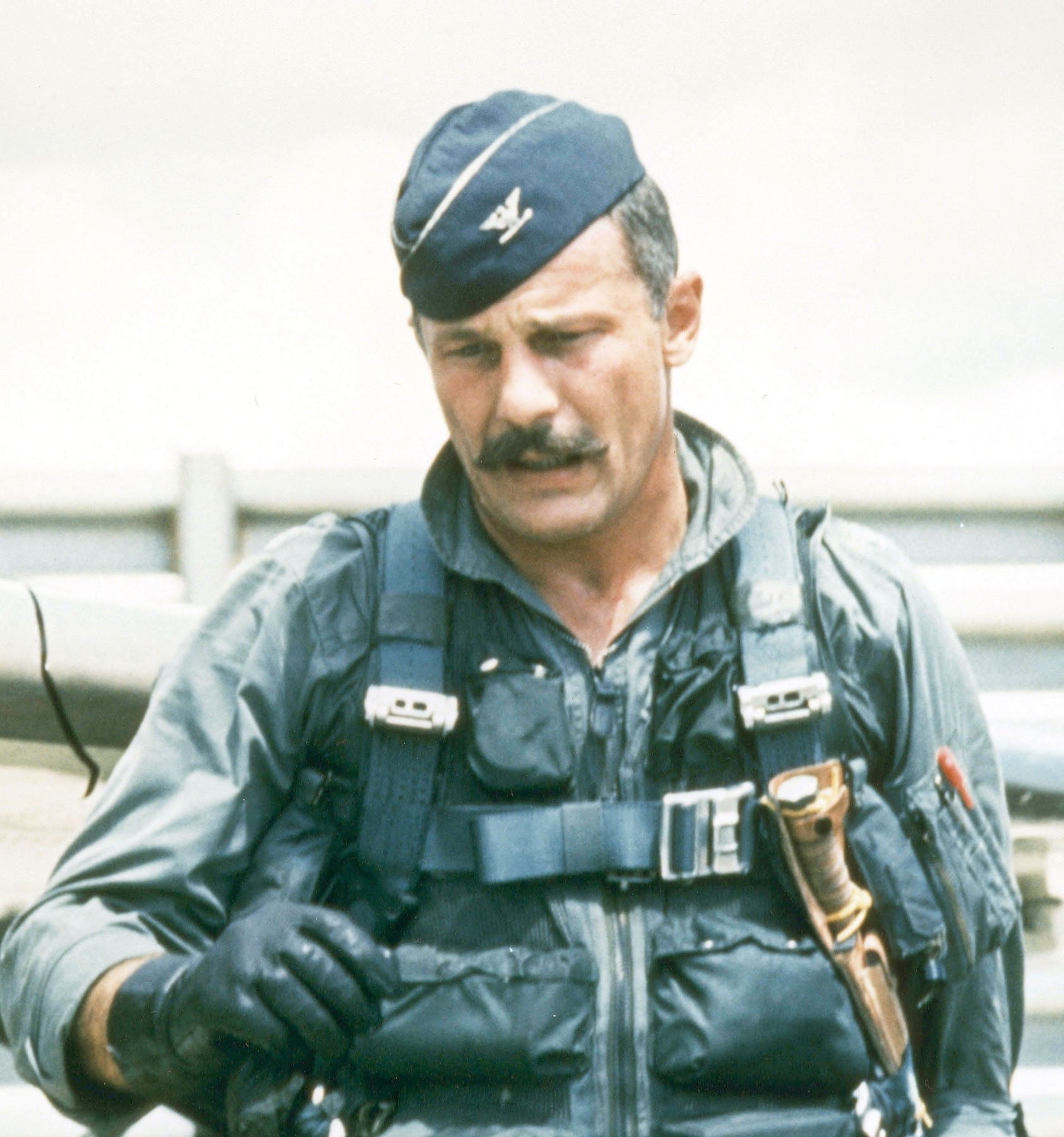
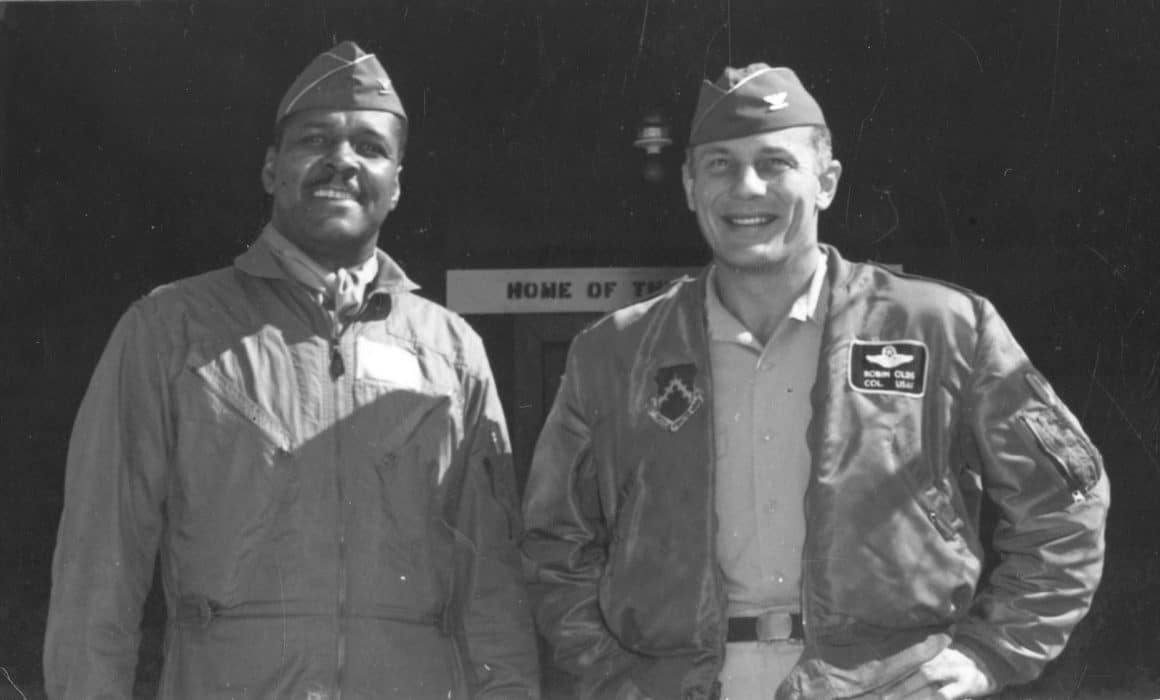
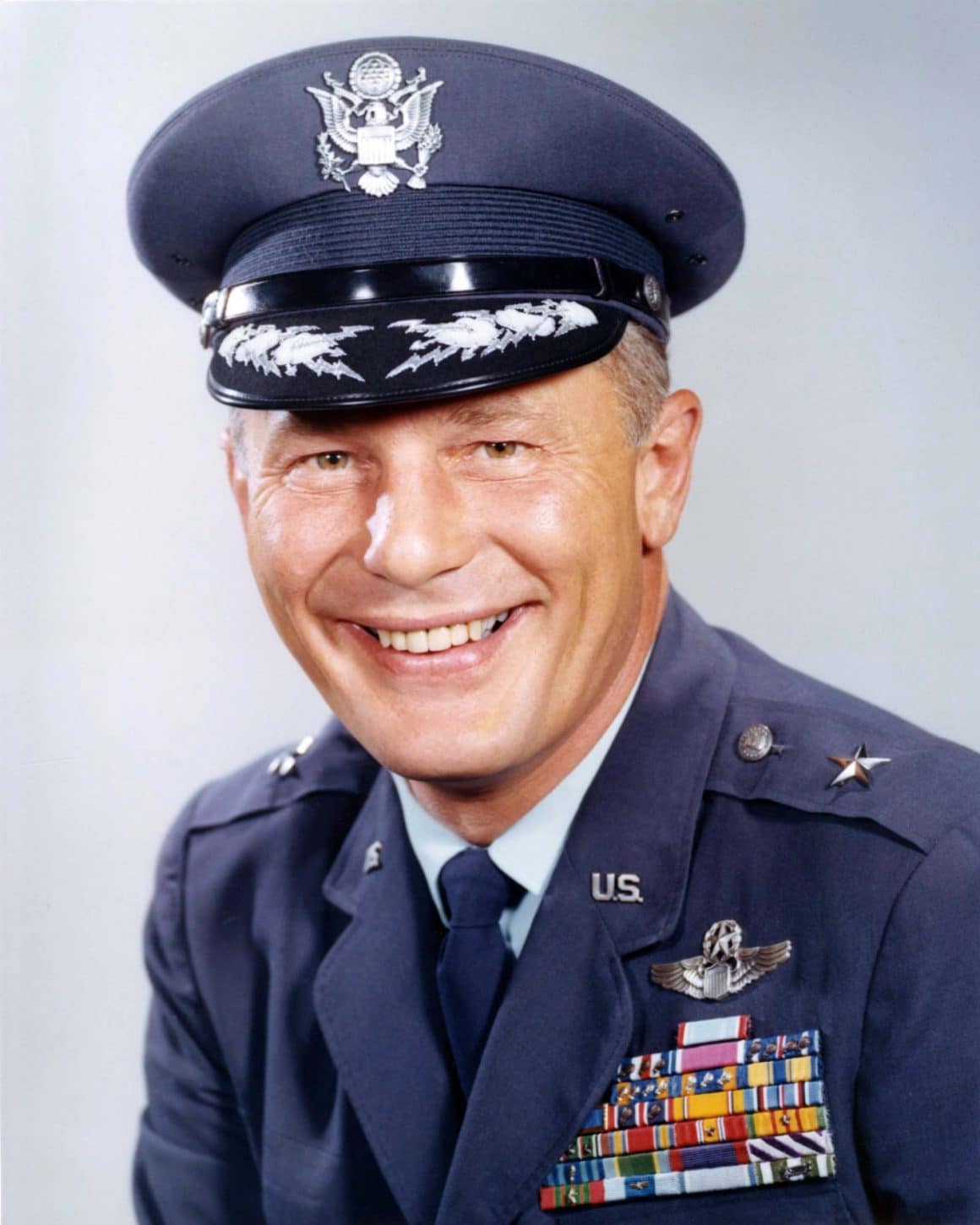
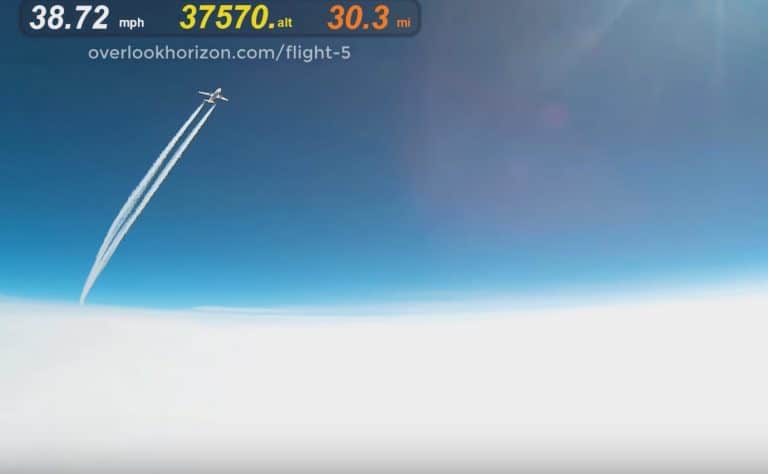
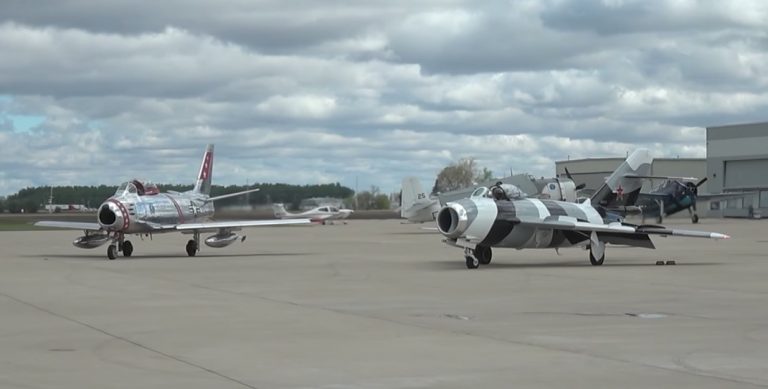
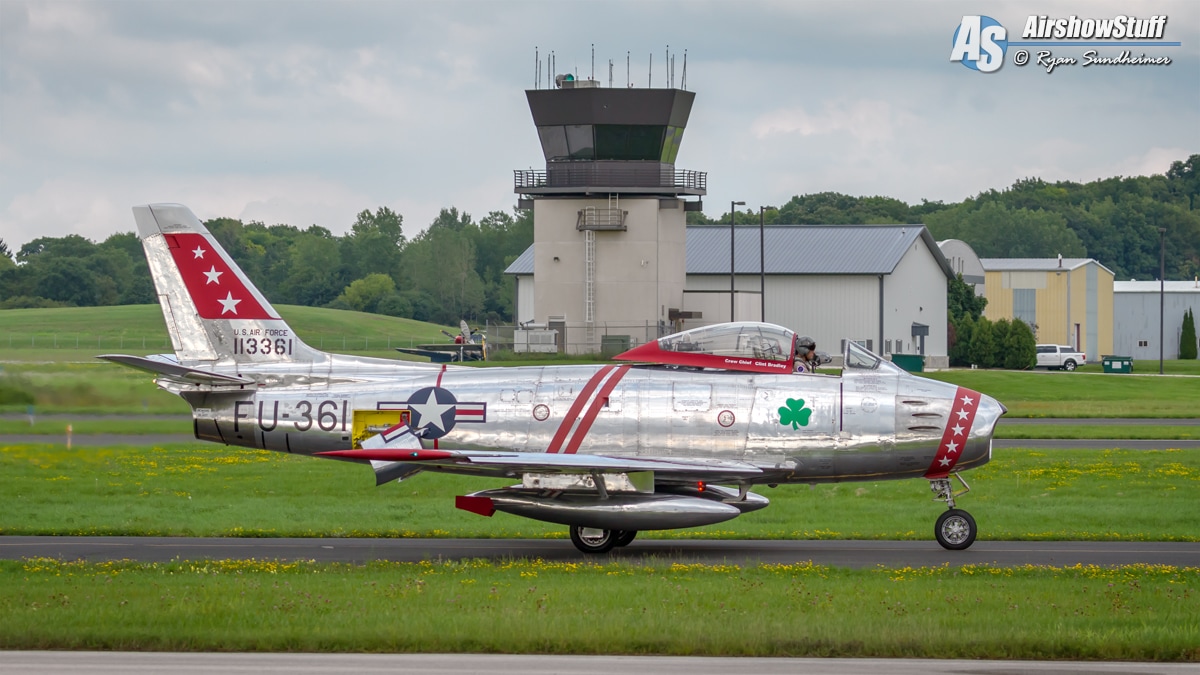 Photo Credit: Ryan Sundheimer / AirshowStuff