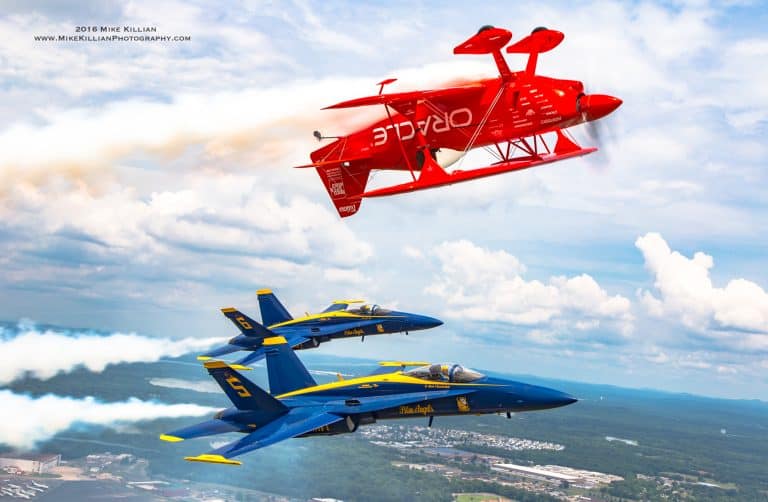
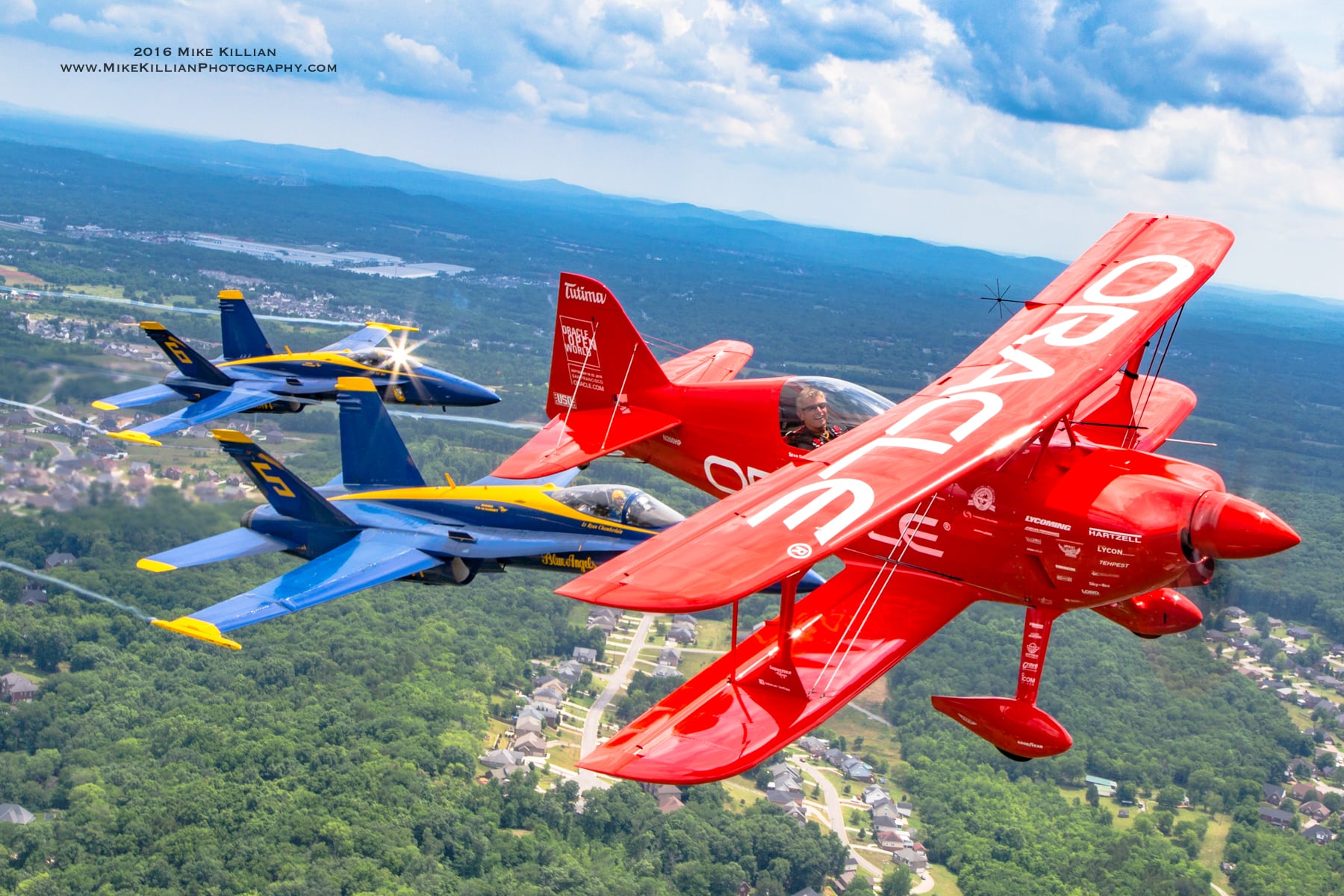
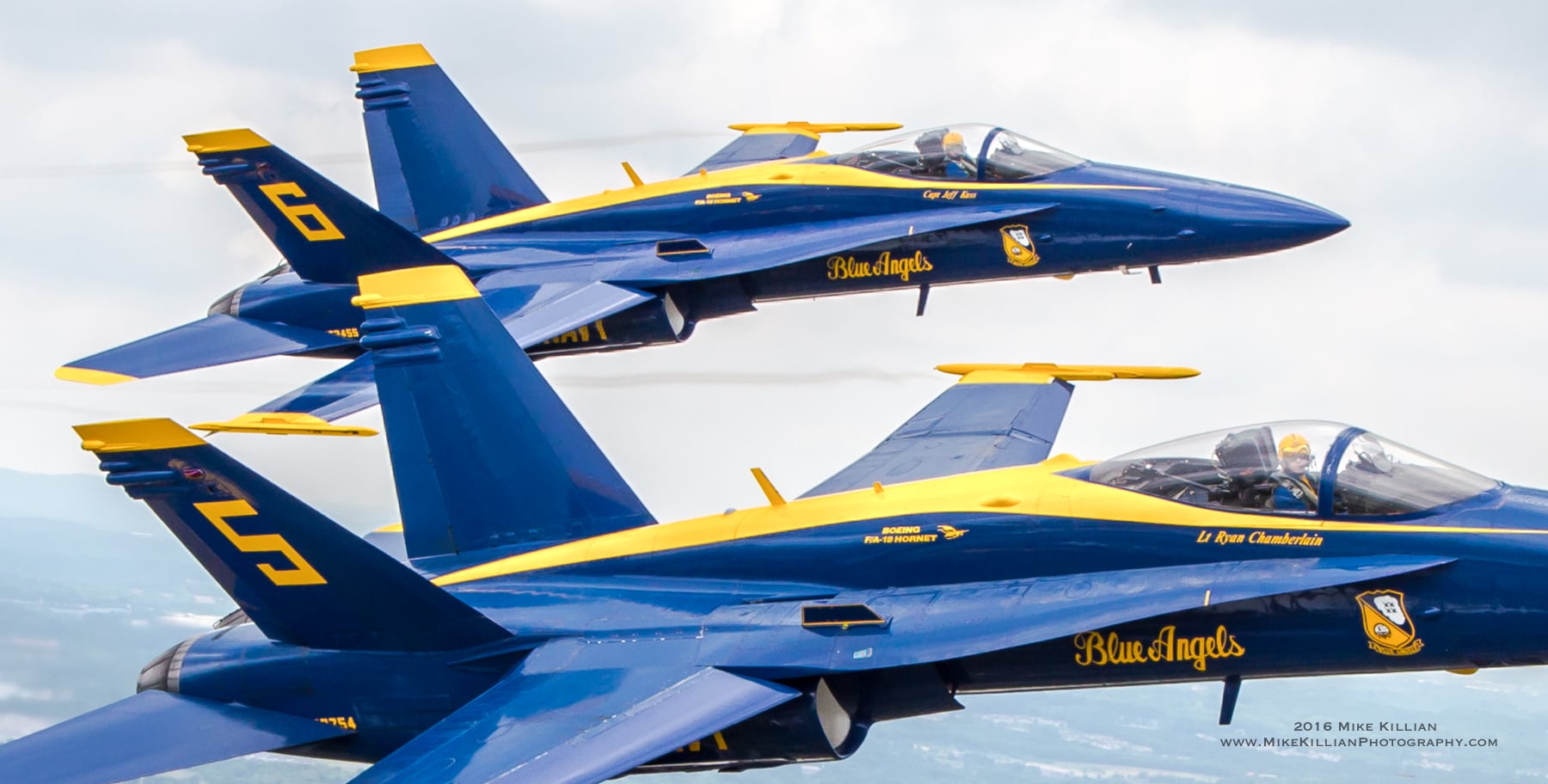
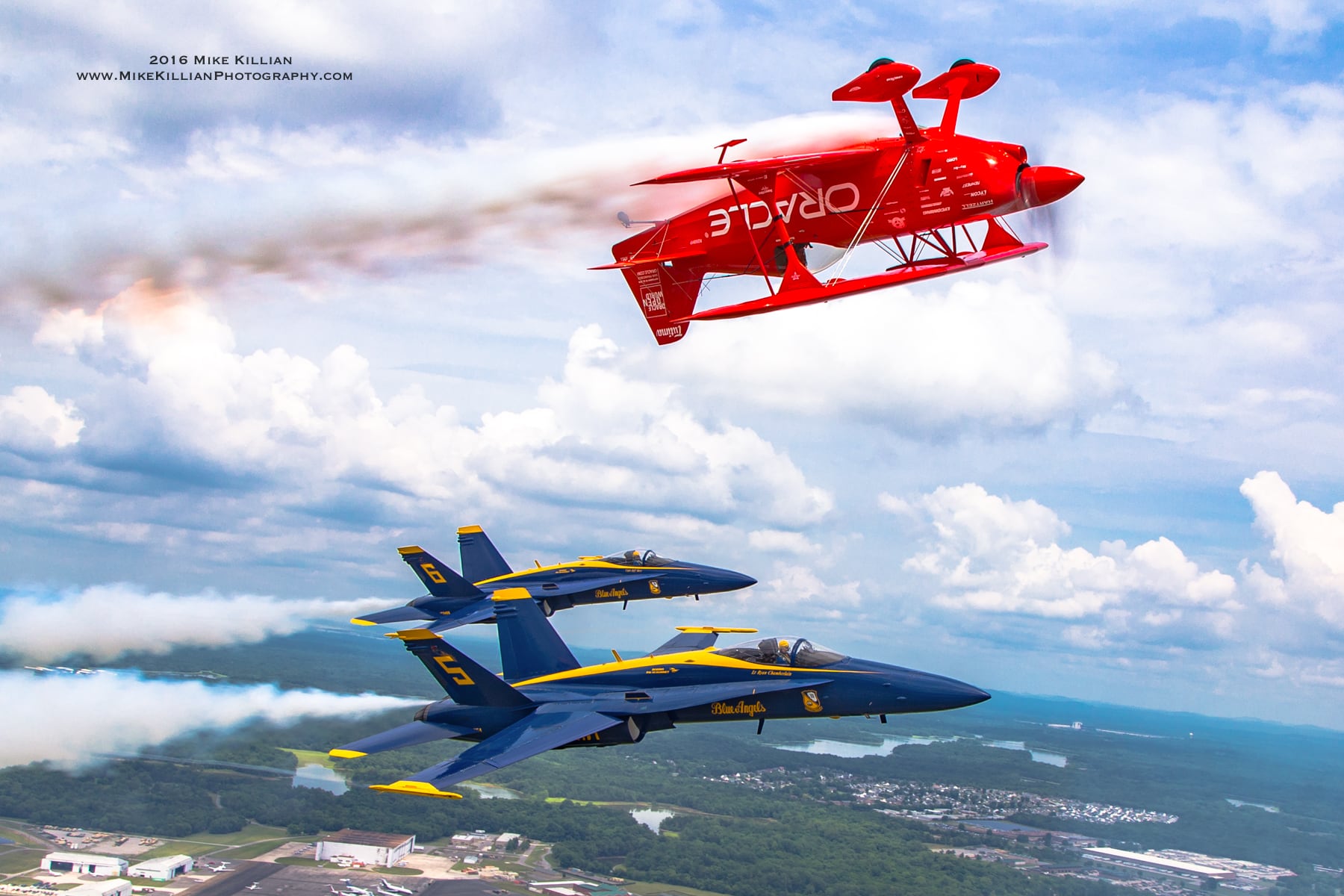
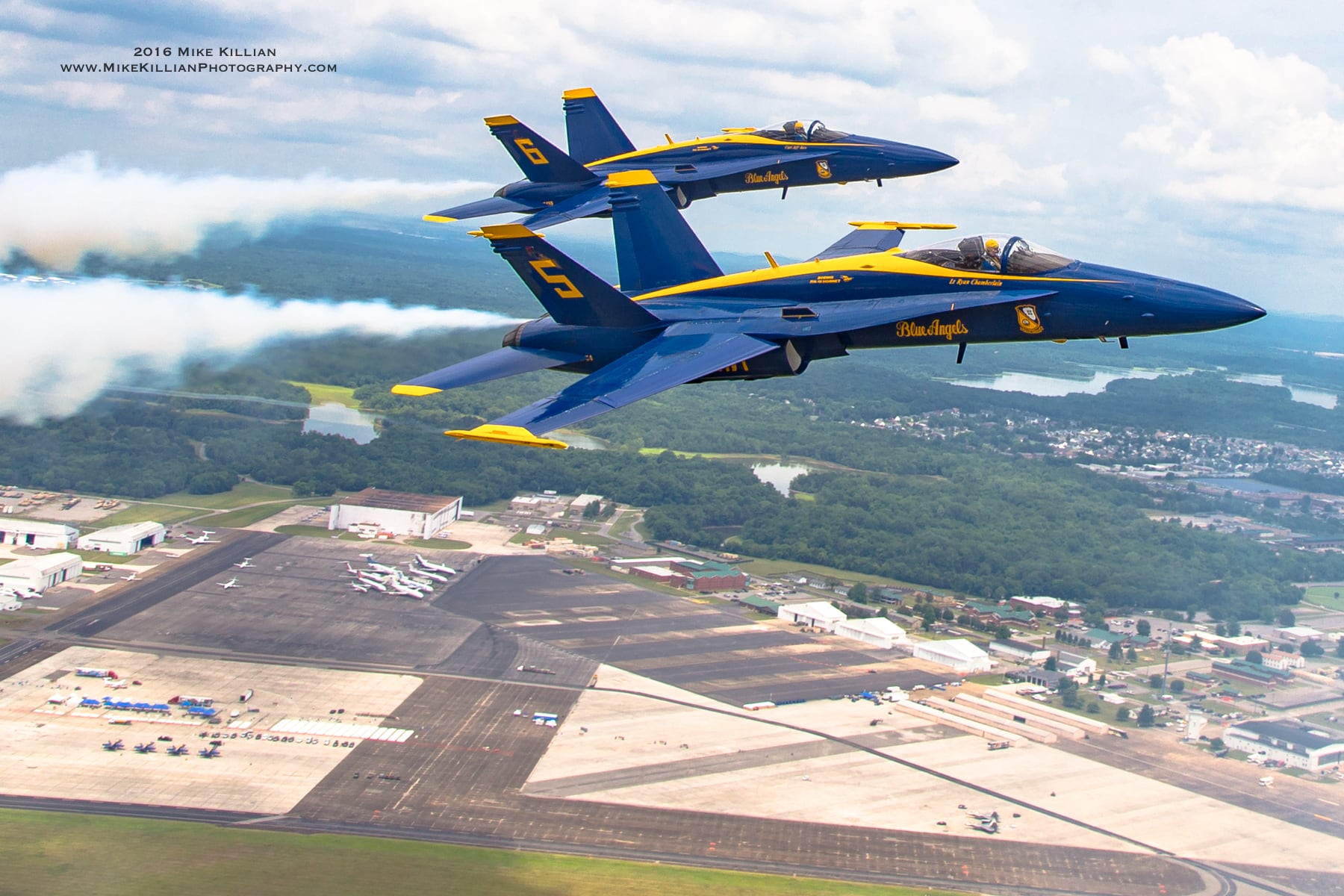
One year ago today, on June 2, 2016, USMC Capt. Jeff “Kooch” Kuss, Blue Angel 6, was lost in a tragic accident while practicing for The Great Tennessee Air Show.
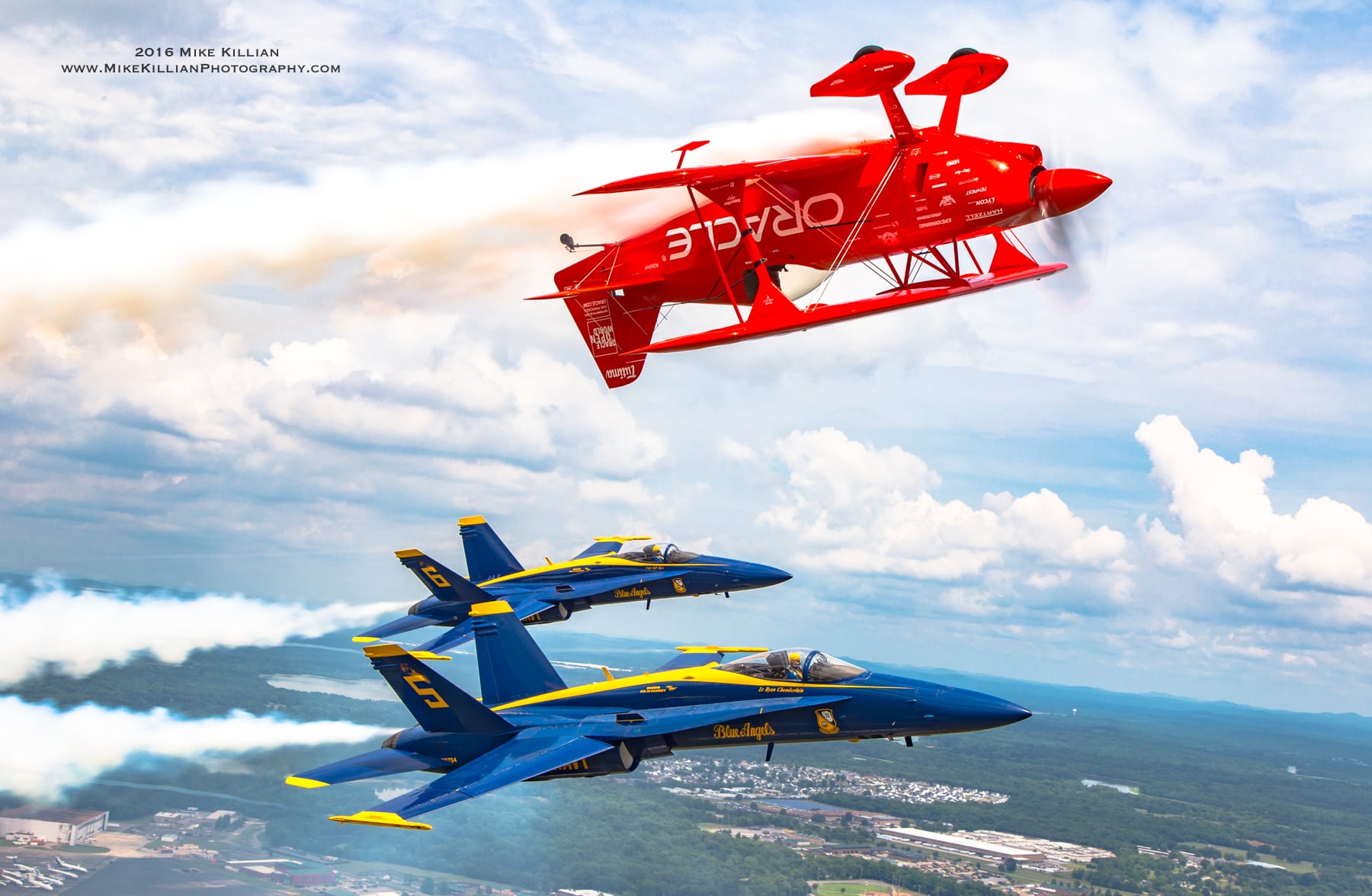
I was honored to work with Sean Tucker that day on a few shoots, ahead of the weekend’s shows, one of which was with Jeff and Blue Angel 5, Lt. Ryan Chamberlain. A dream come true for any aviation photographer, and I think most pilots too. The flight went flawlessly too; everyone made it look so easy, true professionals.
But the day would quickly go from amazing to tragic, because little did we know, it would be Jeff’s last flight.
I hadn’t thoroughly reviewed the images yet, when the accident happened. We were actually preparing for another photo shoot, our third of the day, when it occurred.
It wasn’t long after, when the Blues and Sean asked to see the images, and there’s one that sticks out more than the rest, easily. At one point, the sun reflected a starburst off Capt. Kuss’ canopy, but only his canopy – not Blue Angel 5 or Sean Tucker’s. I caught it on video too; it clearly happens only to jet 6.
Another aviation photographer, Glenn Watson, had worked a shoot with Capt. Kuss earlier in the year too, along with performer Rob Holland. Knowing how rare it is for photographers to fly photo shoots with the Blues, we compiled our “behind the scenes” footage from our shoots into a video tribute, following the accident.
The Blues cancelled several scheduled upcoming shows following the crash, as they grieved the loss of Capt. Kuss and worked to figure out what went wrong.
In the meantime, the U.S. NAVY F/18 Tac Demo team stepped up to replace the Blues, with both demo teams (Legacy and Super Hornets) painting the number “6” on their planes.
So I contacted VFA-106 Demo Hornet pilot, Lt. John “Toby” Keith, to do a tribute photo shoot honoring Capt. Kuss, in formation with Rob Holland, at the Vero Beach Air Show on June 24, 2016.
Rob and I both flew shoots with Capt. Kuss, so it meant a lot to us to honor him in this small way, with one final shoot. It meant a lot to the VFA-106 Tac Demo team too, and they did not hesitate at the chance.
The same day, the Blues announced they would return to airshows for Independence Day weekend July 2-4, flying a modified five jet demonstration, along with Fat Albert, until Cmdr. Frank Weisser joined the team again as their new #6 pilot last fall.
This week, to mark the 1 year anniversary, WKRN-TV in Nashville, TN produced a 30-minute special titled, “One Year Later: Honoring the Life of Blue Angel Pilot Capt. Jeff Kuss”. It aired June 1, and can now be watched online:
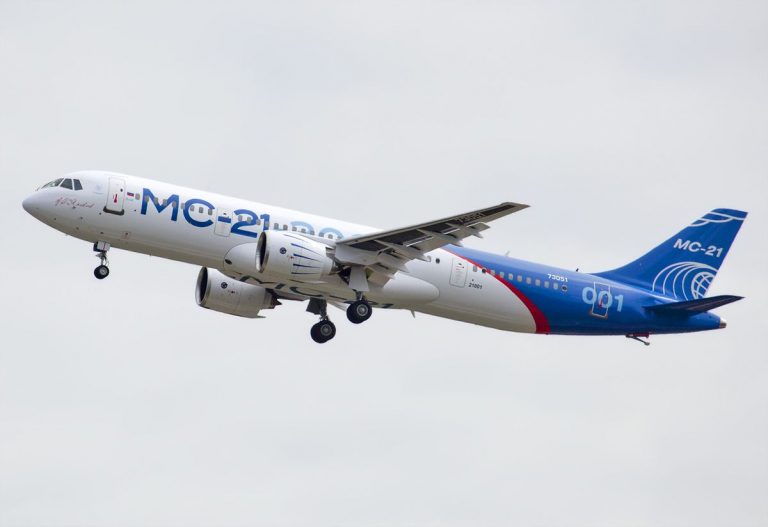
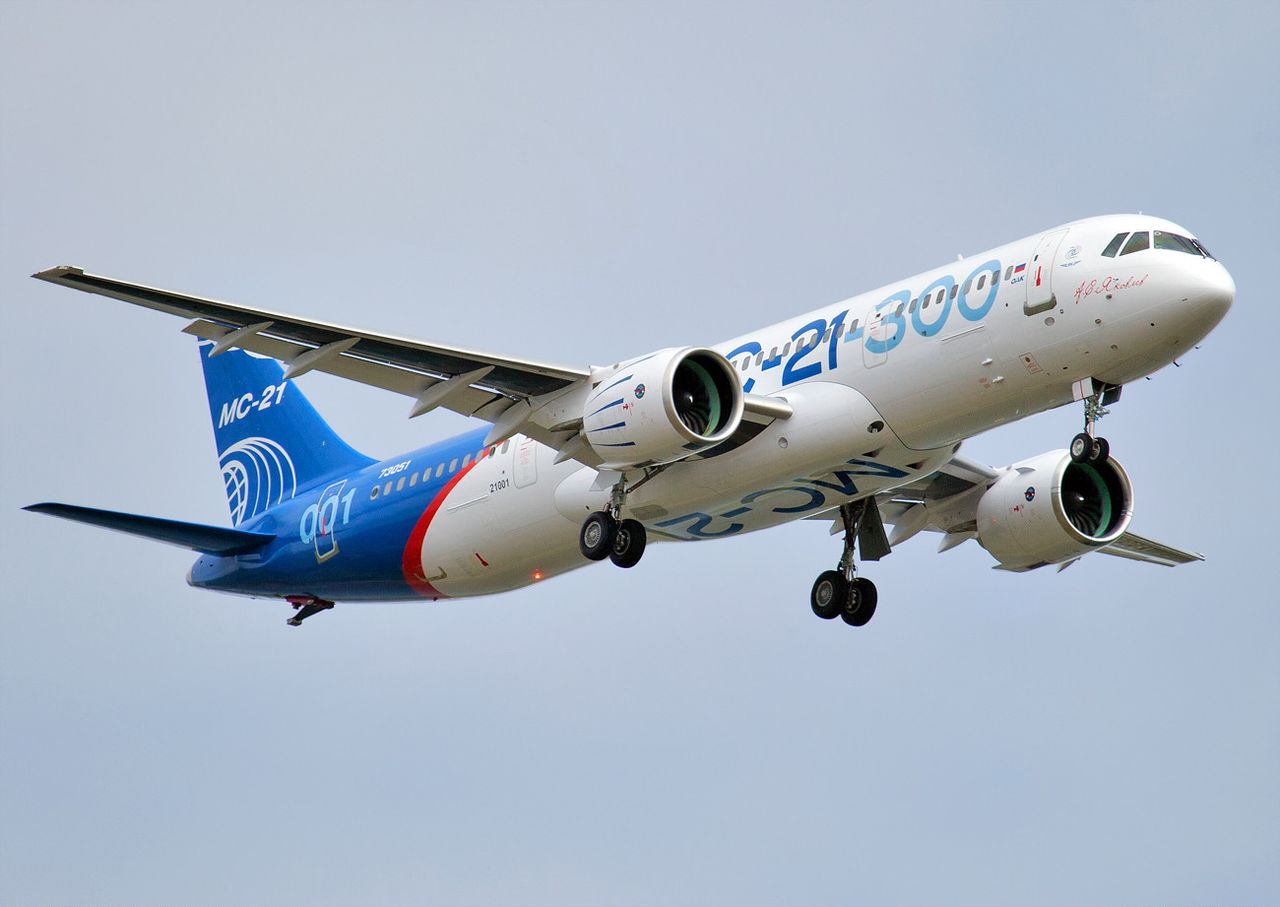
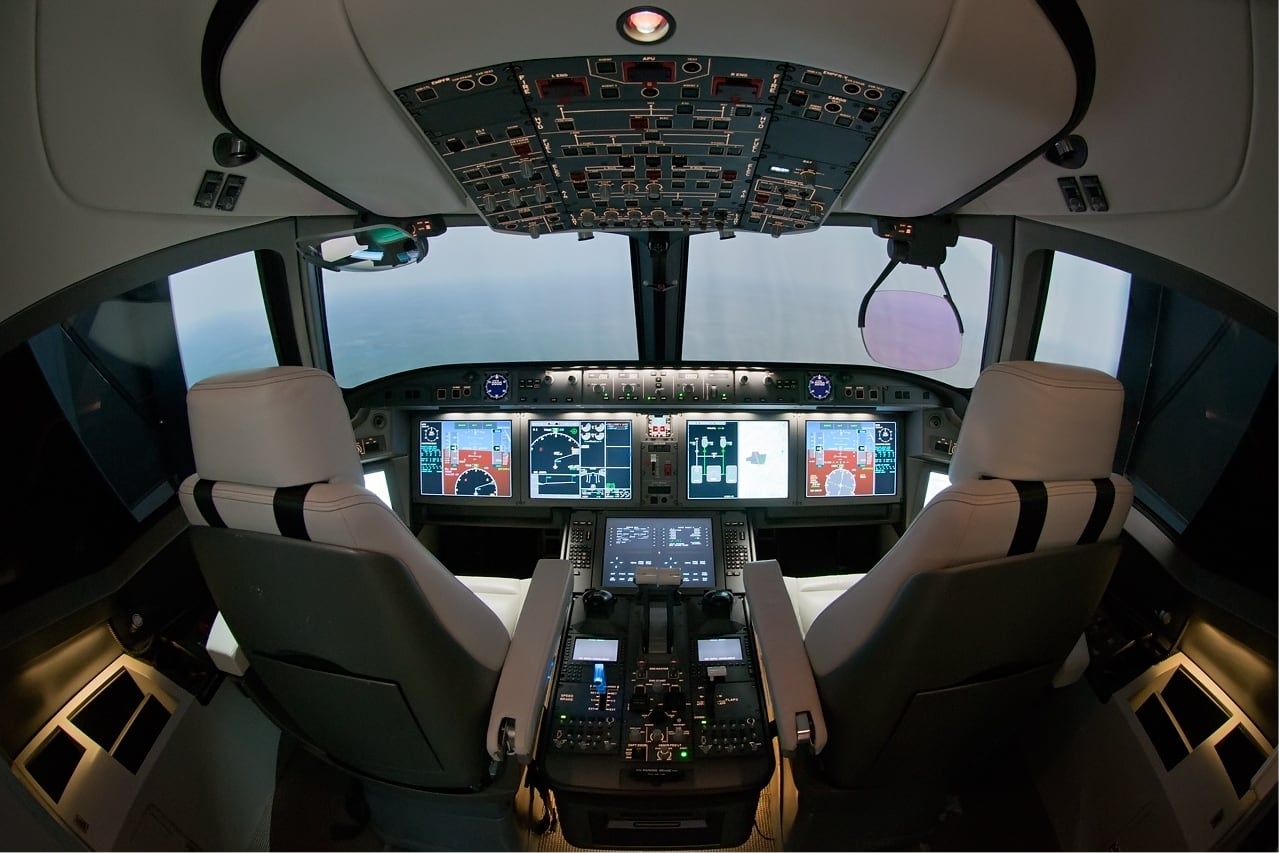
Since the fall of the Soviet Union there have been few aircraft designed and built by the former Soviet states. One of the exceptions is the new Irkut MC-21. The twin-engine airliner was developed by the Yakovlev Design Bureau and produced by Irkut- themselves both parts of Russia’s United Aircraft Corporation (UAC). The MC-21 is a direct competitor to the Boeing 737 and the Airbus A320. It took the Russians 11 years to get the MC-21 off the drawing boards and into the air, but on May 28th the MC-21 flew for the first time from the runway at the Irkutsk factory in Eastern Siberia.
Photo Credit: Dennis Fedorko
The MC-21 is a direct descendant of the now-dormant Yakovlev Yak-242, which was itself a derivative of the Yak-42. It is possible that the new airliner may take the Yak-242 name again once the aircraft is in production. UAC envisions the MC-21 replacing the aging Tupelov Tu-134, Tu-154, and Tu-204 as well as the Yak-42 passenger airliners in the former Soviet Union. Sukhoi designed and produced the carbon fiber composite wings. Powered by either the Pratt & Whitney PW1000G or Aviadvigatel OJSC PD-14 turbofan engines, the MC-21 can carry as many as 211 passengers as far as 3,500 miles. The aircraft has state of the art avionics and flight control systems. Airlines (mostly in the former Soviet states at this time) have ordered more than 180 of them so far.
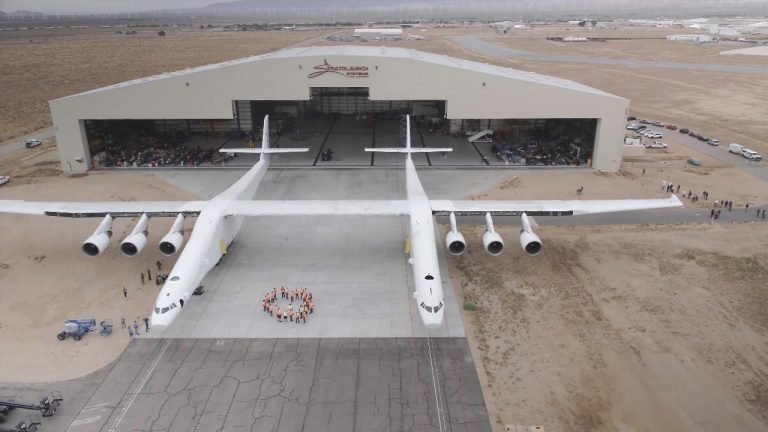
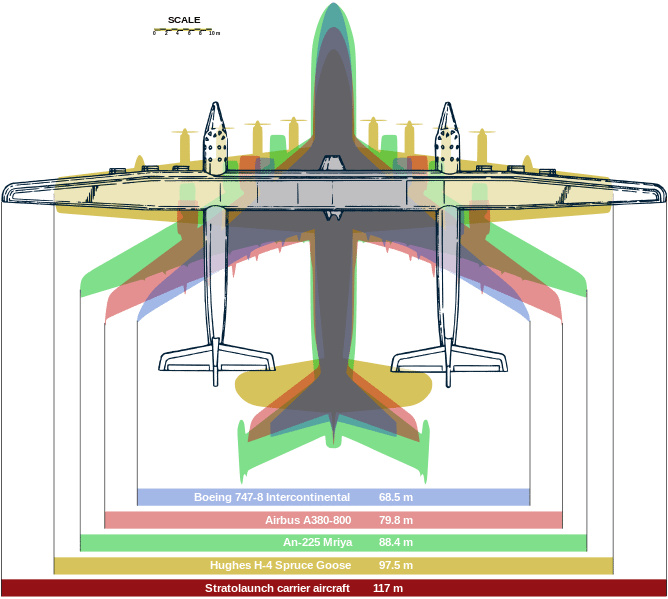
The Scaled Composites Model 351 Is being built for Microsoft co-founder Paul Allen’s Stratolaunch Systems as a platform from which air-launch space missions can be staged. The aircraft boasts a wingspan of 385 feet (117 meters) which makes the 351 the undisputed wingspan champion of the world- longer than the Apollo Saturn V rockets were tall. The twin fuselages are 73 feet (22 meters) long and joined by a single wing section under which the payload(s) will be carried to launch altitude- commonly 35,000 feet (10,668 meters).
Photo Credit: JR Schumacher
Many of the aircraft’s components are actually Boeing 747 parts, including the six Pratt & Whitney PW4056 engines, flight deck (in the starboard side fuselage), avionics, landing gear, and a few other systems. Scaled Composites went to the boneyard at Mojave and snagged two former United Airlines Boeing 747-400s, brought them to their facility at Mojave, and parted them out. A large percentage of the structure is comprised of composite materials such as carbon fiber.
Photo Credit: Mwarren us
Weighing in at a whopping 1,300,000 pounds (650 tons or 589,670 kilograms), and requiring 12,000 feet (3,700 meters) of runway to lift off with a payload, the 351 looks as if it is missing some pieces. There is no joinery between the tail surfaces, which is unusual to say the least. Each fuselage “boom” has its own complete tail. But when one considers that the payload will be carried aloft under the center wing section between the two fuselages it all makes sense. The project began in 2010 and the first flight of the 351 is scheduled to take place in 2017 with the first payload launch to occur in 2020.
READING, Penn. — The warbirds and aces of World War II will blaze a trail above the Reading Regional Airport this weekend as the pilots of today recount the history of America’s pilots of the greatest generation.
Great weather is forecast for the 27th Annual Mid-Atlantic Air Museum’s World War II Weekend located northwest of Philadelphia. The three day airshow takes off on Friday and will include live music and a huge display of aircraft in the air and on static display.
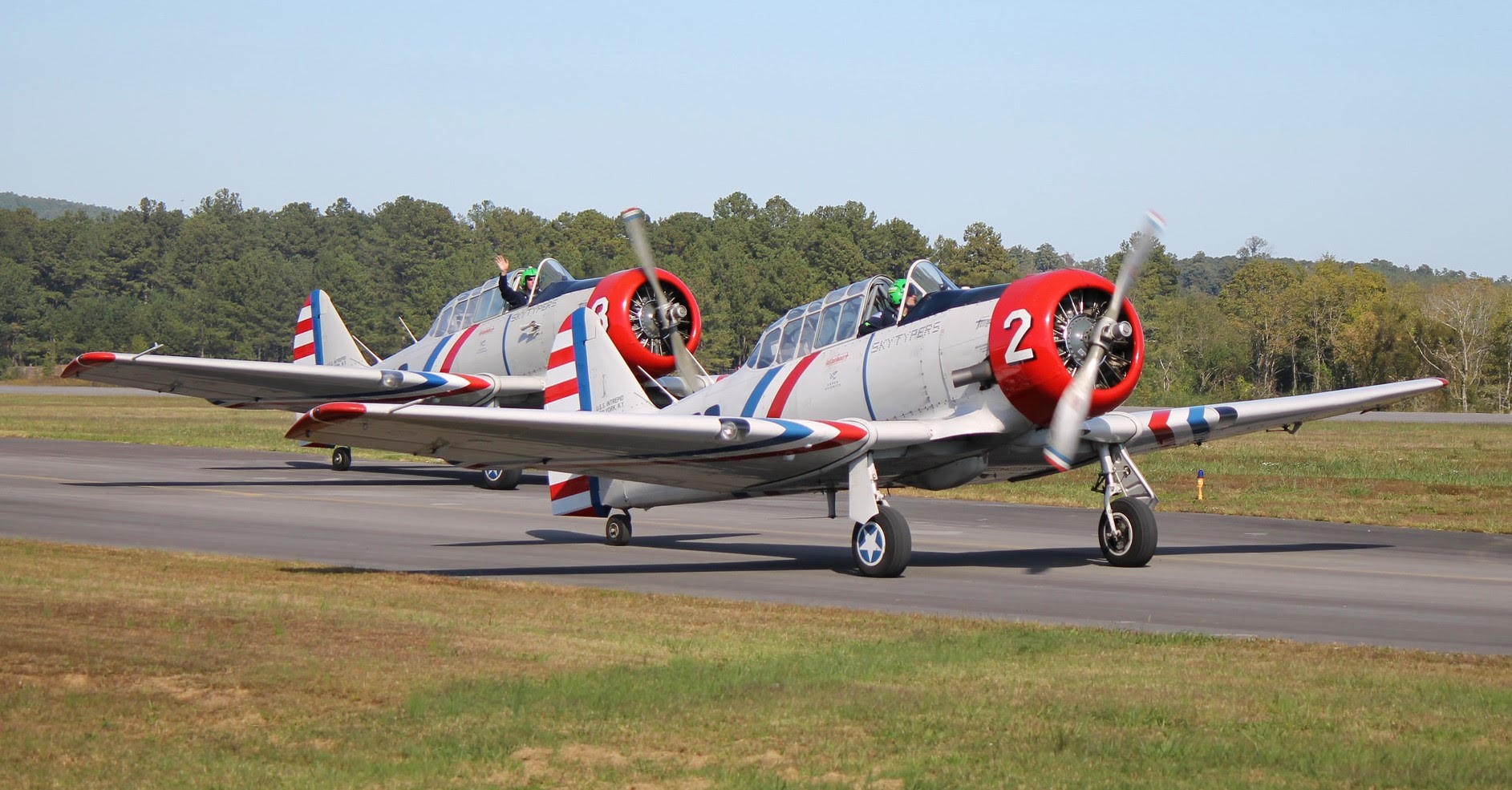
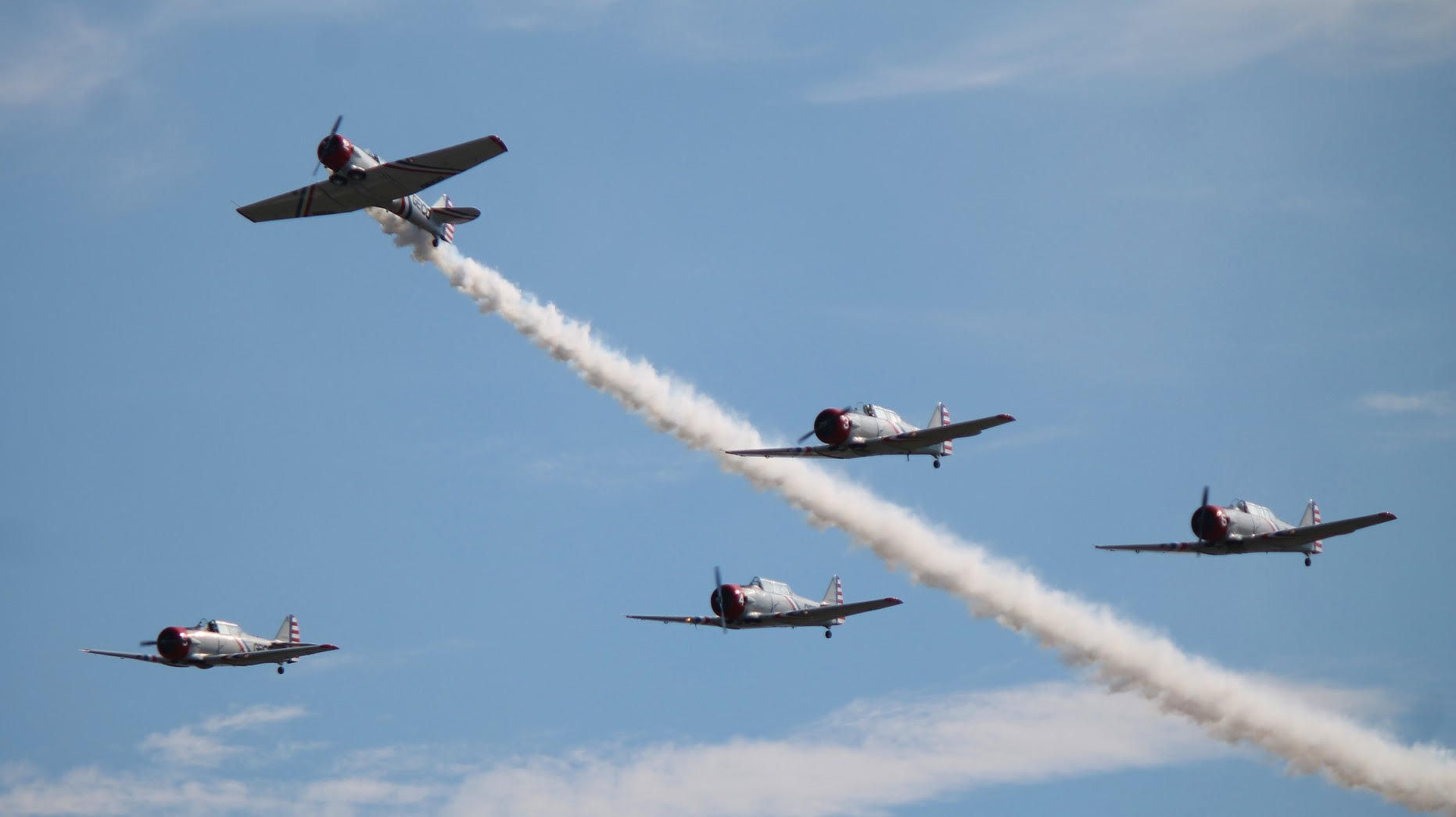
The six Navy SNJ-2 warbirds of the GEICO Skytypers Airshow Team will make their first visit to the Museum’s World War II Weekend. The team, who recently earned the Art Scholl Showmanship Award for excellence in air show performance, will perform each afternoon June 2, 3, and 4.
“This is an exciting first for World War II Weekend,” Museum President Russ Strine said of the GEICO Skytypers visit. “This is our first ever, six ship formation team.”
Their 18 minute flight demonstration will highlight the rare SNJ-2 aircraft as the pilots tell the story of an age before the jet engine; and how a this prop plane made the difference during the second world war. A flight trainer in the early-1940’s, the SNJ was known among the army’s aviators as the pilot maker.
Local residents and guests attending the three day airshow and static display will be able to see the Skytypers sky type several massive messages. The white dot matrix sky messages are computer commanded from each aircraft and much like an Oki Data printer the planes soar in unison to deliver topical messages.
“We are looking forward to seeing the people of the Reading area that have not seen us before and showing our demo, and putting some smiles on their faces,” said Larry Arken, lead pilot of the GEICO Skytypers, on Tuesday. “Also, getting to meet the guests face-to-face, that’s always one of the best things.”
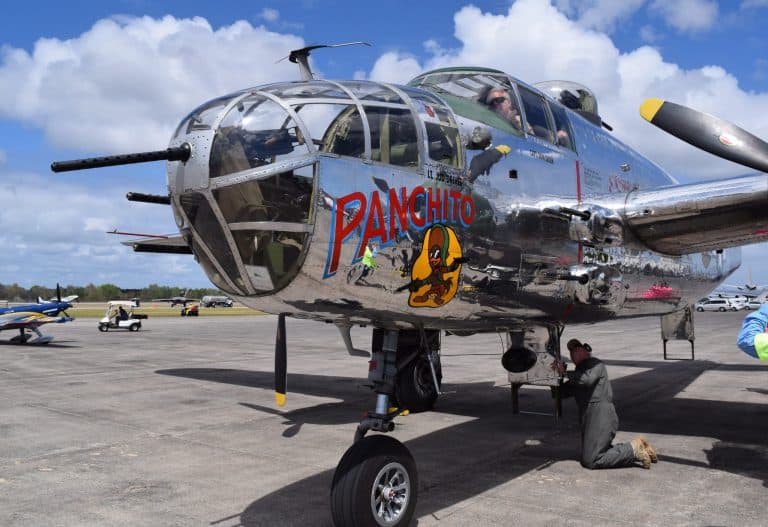
Also performing is the North American B-25J Mitchell bomber which carries the name Panchito. Flown by it’s owner Larry Kelley, Panchito is scheduled to perform each afternoon, and will also fly paying spectators as he provides guests with a unique World War II experience.
“Wanna see what an old warbird is really like, come to an airshow and see them fly — hear them,” Kelley said this this aerospace journalist while on the flight line. “You’ll see smoke when they start up. Listen to them as there’s nothing like the sound of a radial engine.”
The 53-foot long silver aircraft has a wingspan of 67 feet and is powered by two 1700 hp Wright R2600-92 radial piston engines. The twin engines can allow Kelley to navigate at a cruising speed of just over 200 m.p.h. or 334 m.p.h. maxium speed.
The gathering of warbirds will include three B-25 Mitchell’s, two P-51D Mustangs, and a Curtiss P-40 Warhawk are a few more of the historic aircraft built and flown during the decade of the 1940’s.
As guests enter the airshow site, audio from the early 1940’s will echo the historic events of yesteryear as visitors walk past aircraft and receive the full experience of that era. The live music of Frank Sinatra; a portrale of president Franklin D. Roosevelt; and many honored guests as veterans of the second world war take time to meet and greet visitors and share their rare stories.
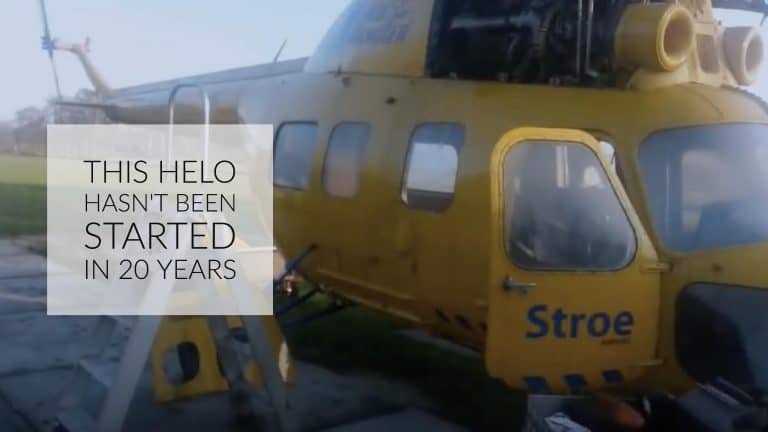
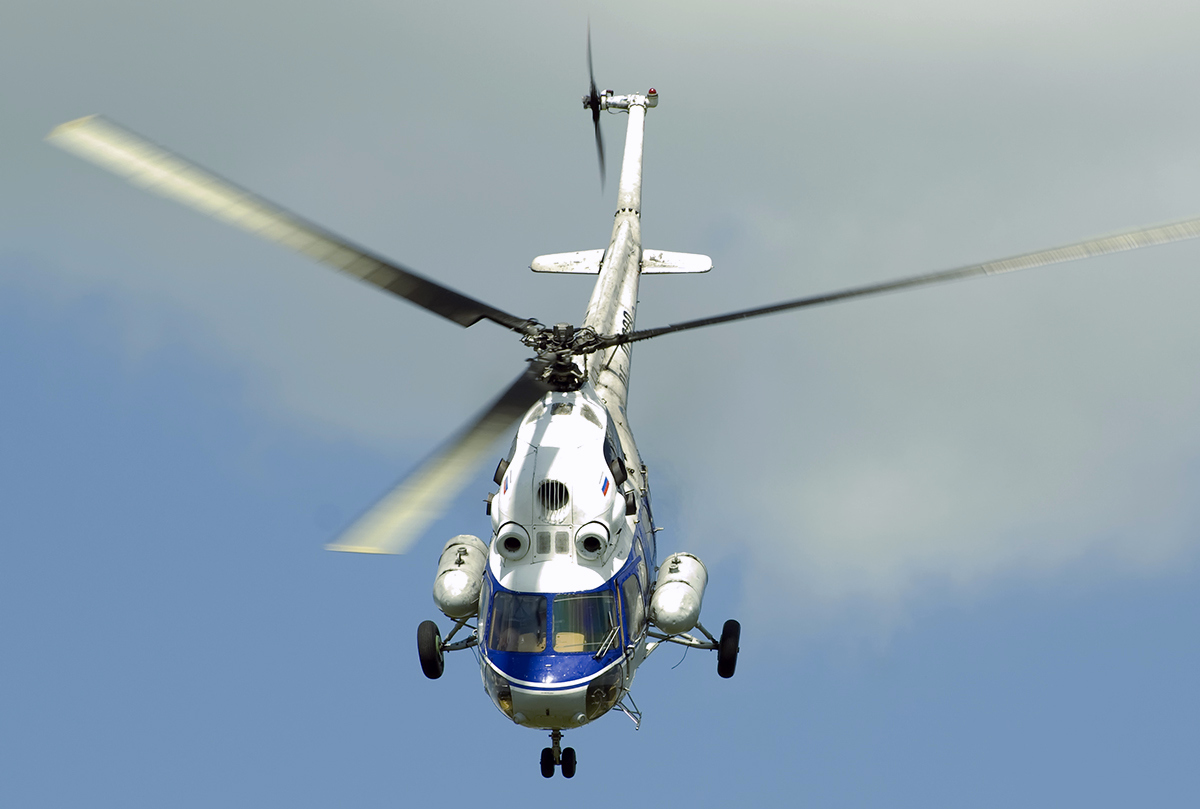
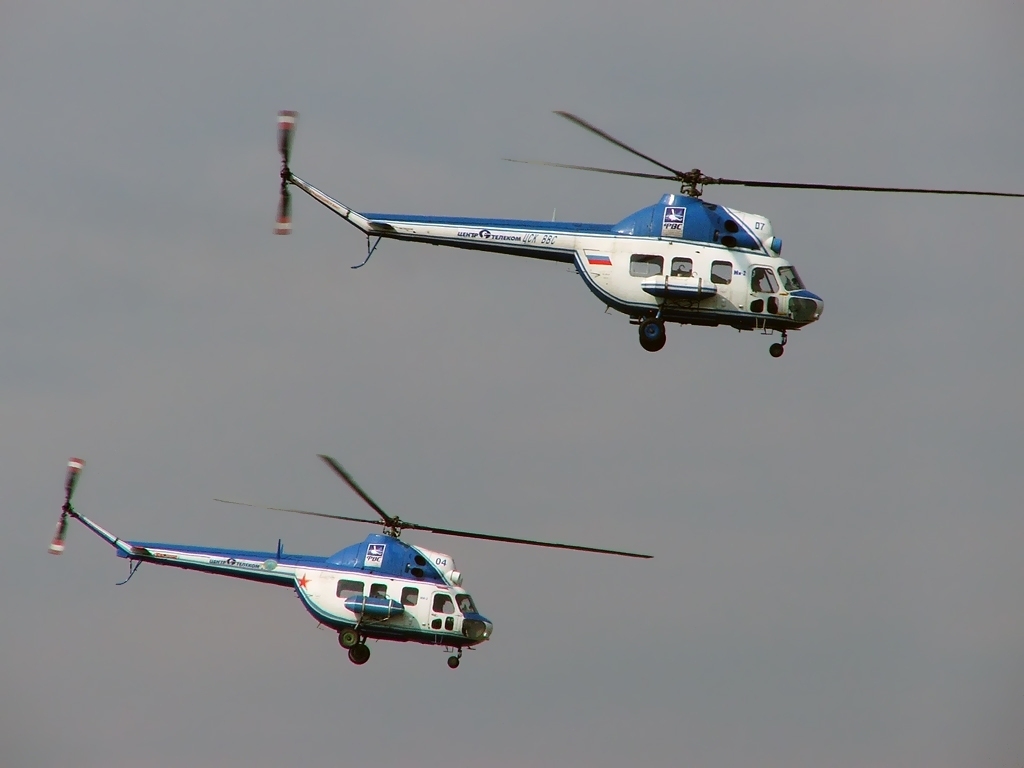
The Mi-2 Hoplite is a small, lightly armored turbine-powered transport helicopter that could also provide close air support when armed with 57 mm rockets and a 23 mm cannon. Many of them have had the armor and military equipment removed and been adapted for other civilian roles such as air ambulance, aerial surveying, aerial spraying, and crop dusting. The video highlights the first startup of the Mi-2’s twin PZL GTD-350P turboshaft engines on a helo that’s been sitting outside in the elements for 20 years.
Photo Credit: Aleksandr Markin
5,497 Mi-2s were built, all of them in Poland at the WSK PZL-Swidnik factory in Swidnik, Poland. The Mi-2 is essentially a turbine-powered version of the previous piston-powered Mi-1. The Mi-2’s turboshaft engines produce 40% more power at half the weight of the piston engines in the Mi-1. First flown in 1961, the development of the Mi-2 was moved to Poland in 1964. The Soviet Air Force started flying them in 1965. 30 countries have also flown the military variant. Operational civilian Mi-2s can still be found on every continent.
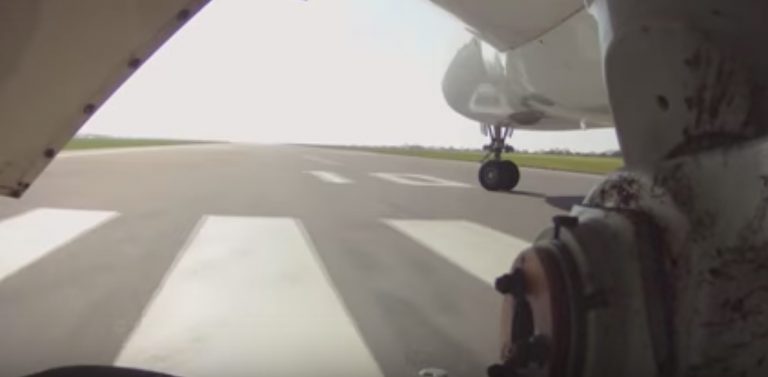
Putting a GoPro there probably isn’t in line with company policy. GoPros do fine in the gear well, humans…no so much.
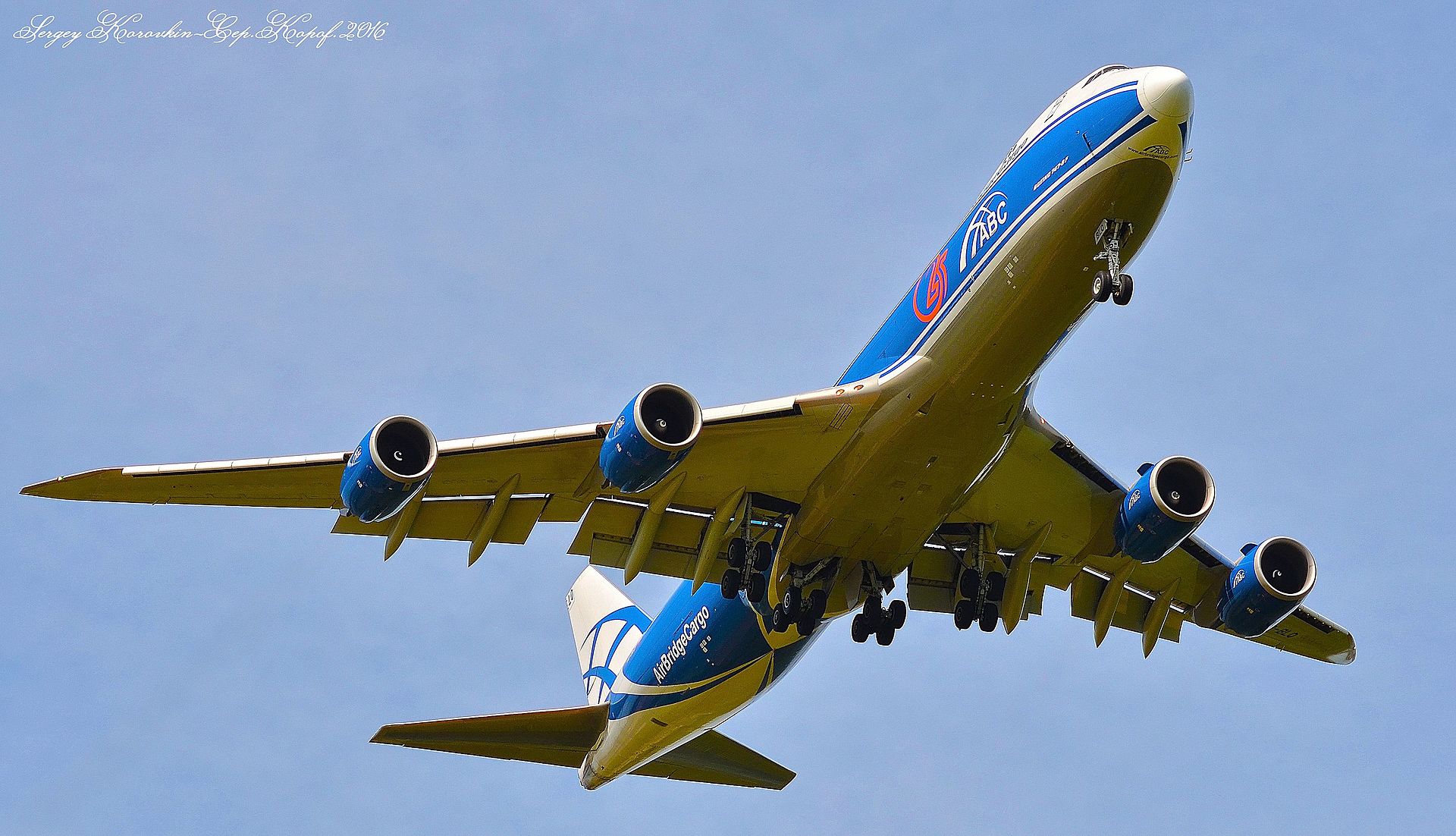
There have been many instances of stowaways and refugees attempting to hitch a ride in the landing gear wells aboard passenger aircraft over the course of aviation history. Some individuals have done it successfully. Many have not. Take for instance the case of the last flight out of Da Nang in Vietnam. Stowaways in aircraft wheel wells can experience being mangled when the landing gear retracts, hypothermia, hypoxia, tinnitus, deafness, frostbite, acidosis and being sucked out of the well when the gear are lowered again. There is no heating, pressure or oxygen in a wheel well – all of which your average garden-variety human requires to survive in a high-altitude environment.
Photo Credit: Sergey Korovkin
Between 1947 and 2012, only 23 of the 96 known wheel well stowaway attempts were successful, so the odds are stacked against you. But…if you could get past ramp security, hold on for dear life to the main landing gear of a Boeing 747 during taxi and takeoff, not be crushed by the gear when it retracts, somehow stay alive during the high-altitude transit, avoid being ripped from the strut when the gear is again lowered for landing, and retain your grip when the 350 ton behemoth lands at its destination and taxis in, this is what you would see. Please remove this one from your bucket list!
Eight Reasons Why The CRJ-200 Is The Worst Airliner In The Skies Today
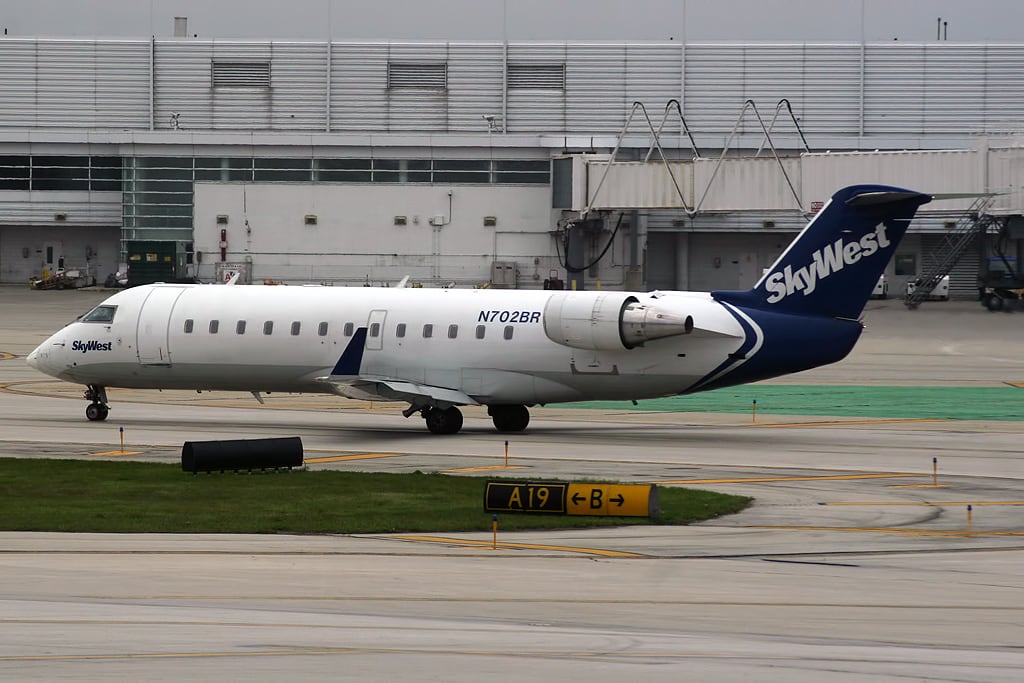
Sometimes the truth hurts, but it’s necessary. The CRJ-200 is the worst airliner flying today. Yep, we said it. We’ll go a step further. It’s the Nickelback of the skies. Canadians are great people but between the antics of Justin Bieber, the melodic monotony of Nickelback, and the cramped CRJ-200, they sure do know how to export some junk too.
Photo by: Curimedia
Here’s some background on the clunker. The Bombardier CRJ-200 was a commercial success and a passenger comfort failure. Since 1992, the CRJ-100 and CRJ-200s have plied the skies. They’ve connected countless small cities to larger hubs across the US, Asia and Europe. In some cases, they’ve opened up new route opportunities.
Back when props ruled the regional skies, airlines touted the regional jet as a new era of jet speed and comfort to small cities. It was a marketing gimmick though. The CRJ might be a few knots faster than a turboprop, but we think it is the most uncomfortable and annoying jet out there today for passengers. It’s not much better for the crew either. We can’t wait until airlines finally get rid of the junkers. Here’s why:
1.) The jet is too damn small!
The CRJ cabin was originally designed as a business jet. We’re pretty sure that the jet is supremely comfortable when it features a nice couch and 1×1 seating. But when you try to place 4 people across, it gets crowded quick. With 17″ wide seats, and an industry minimum aisle, the jet is supremely uncomfortable.
It’s not just the seat width though. Ask any 6ft+ tall person flying and they will not only complain about the narrow seat, they’ll also complain that the curvature of the fuselage guarantees that they’ll end the flight with a stiff neck and/or back.
2.) The CRJ climbs like a pig
Performance always suffers when its hot out but its not unusual to see an average loaded CRJ struggling to climb above 500 feet per minute anytime the jet is above FL200. While the ceiling is supposedly FL370, the CRJ usually caps out at below FL320 in the summertime.
Even the most hardened avgeek will cringe when her or she is assigned 14B on a CRJ-200. They’ll trade the ‘comfort’ of an aisle seat for the dreaded smell of a chemical toilet. The CRJ’s toilet is actually just a 3 gallon reservoir of blue juice. That means that after just a few uses, each flush is a noxious mix of swirling pee, poop and blue juice.
The back of the jet smells like an outhouse. The bathroom itself is super cramped too. For those poor passengers who have to pee, they get the added fun of trying to play a sadistic version of Tetris while trying to do so.
Sitting on this CRJ-200 and it smells like the bathroom is broken. Here's to hoping this flight goes by fast.
Unless you are a 3 year old, the CRJ windows are way lower than eye level. That means that to looks outside, you’ll have to duck down. Uggh! Just ask for an aisle seat. It’s not worth the back pain to try to stare out the window.
Cabin comfort is anything but comfortable in the CRJ. The jet is never cool in the summer. It reminds me of people who try to cool an entire house with a window A/C. The system is set up to fail. Cold air comes out the vents at your feet. Hot air comes out from above. It means that your torso will sweat in-flight but your feet will freeze.
6.) High approach speeds and it lands like a truck
The CRJ-200 lacks any leading edge devices. With a wing originally designed for a smaller jet, approaches are at a high speed and decidedly nose down. We’ve heard it’s not uncommon for a jumpseater to let out a squeal as it looks like it’s going to be a nose gear touchdown until the very last second.
It doesn’t get much better after touchdown. The CRJ lands firm at best. To put it nicely, the jet is stiff. For those poor passengers on the CRJ, even a good landing sounds like a semi-truck that is driving down a dirt road at 140mph.
7.) Pilots nickname it the Canadian Reset Jet
Faults are pretty common on the jet. The fix for nearly every problem is a reset by maintenance. For passengers, this means that you should expect an extra 10-20 minutes in your seat prior to pushback.
8.) The overhead bins can’t hold anything more than a laptop bag
The overhead bins are so tiny. What’s the point? They can’t even hold a backpack. Most passengers wish that they’d just get rid of them in favor of a little more headspace.
As much as we hate the CRJ-200, we have to give a shoutout to the crews and maintenance folks that keep these jets running. Day in and day out, you safely fly this mini-tank and its 50 passengers through busy airspace and horrendous weather. We look forward to the day that this Canadian piece of trash will be replaced by more comfortable rides. And we hope that the great people who crew these jets will soon be flying better equipment too.
Cover photo: Wikipedia image of Nickleback’s lead singer by Stuart Sevastos and CRJ-200 photo by Eric Salard (N863AS LAX) [CC BY-SA 2.0 (http://creativecommons.org/licenses/by-sa/2.0)], via Wikimedia Commons
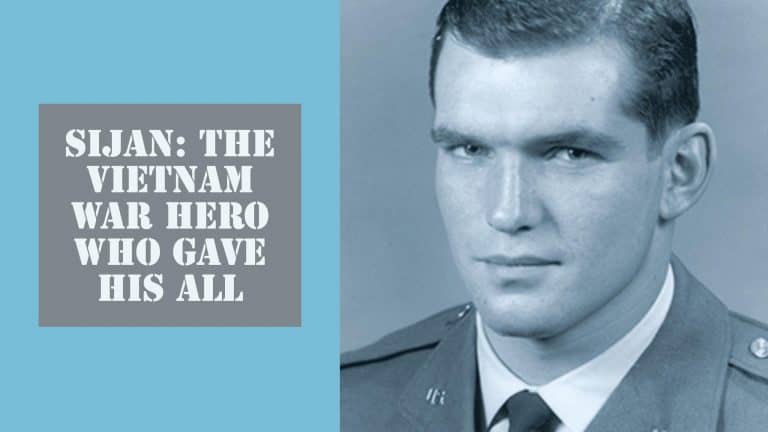
The story of Lance Peter Sijan (pronounced sigh-john) began on April 13th 1942 when he was born in Milwaukee Wisconsin. His early years were spent as a city championship high school football player and being the older brother to his brother Marc and sister Janine. He was also president of the Student Government at his Bay View High School and winner of the Gold Medal Award for outstanding leadership, achievement, and service. Lance Sijan was the kind of fierce competitor and principled leader the United States Air Force is sometimes fortunate enough to discover and develop.
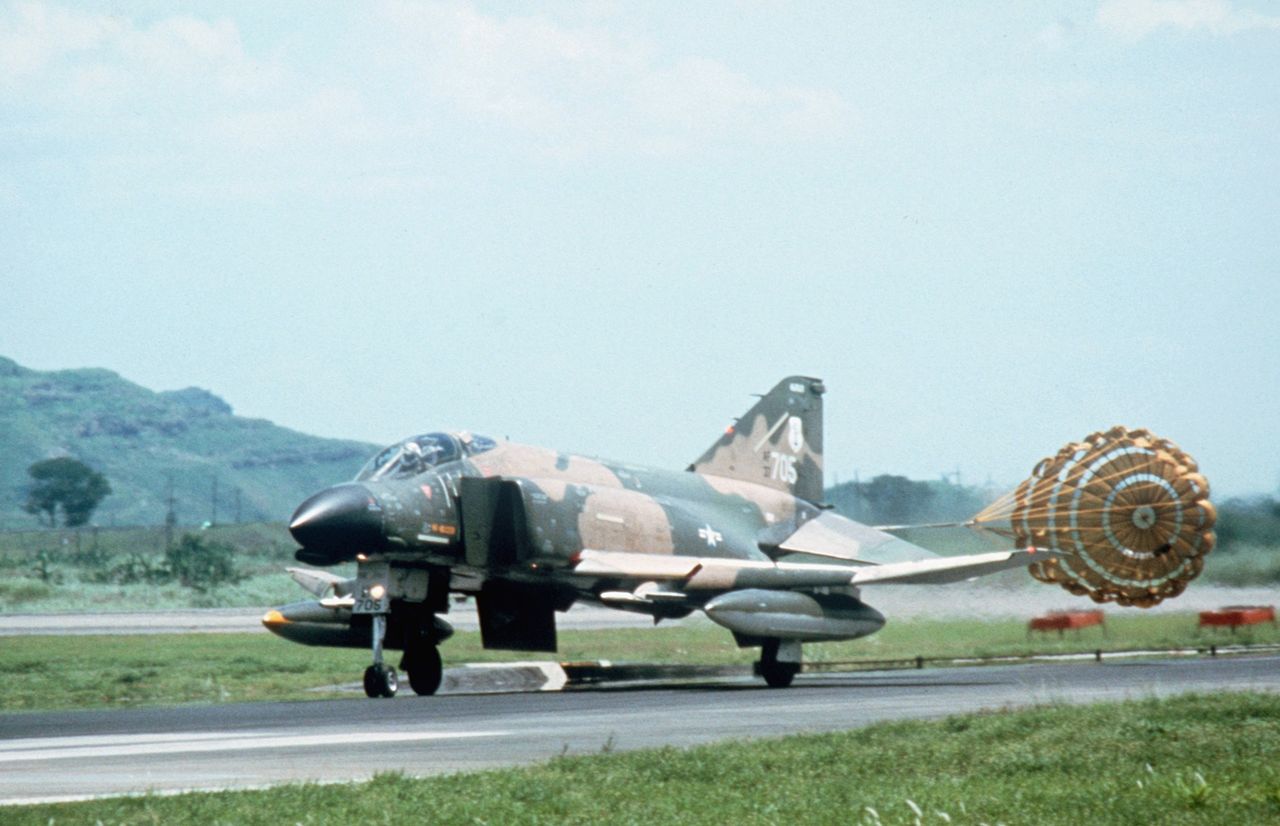
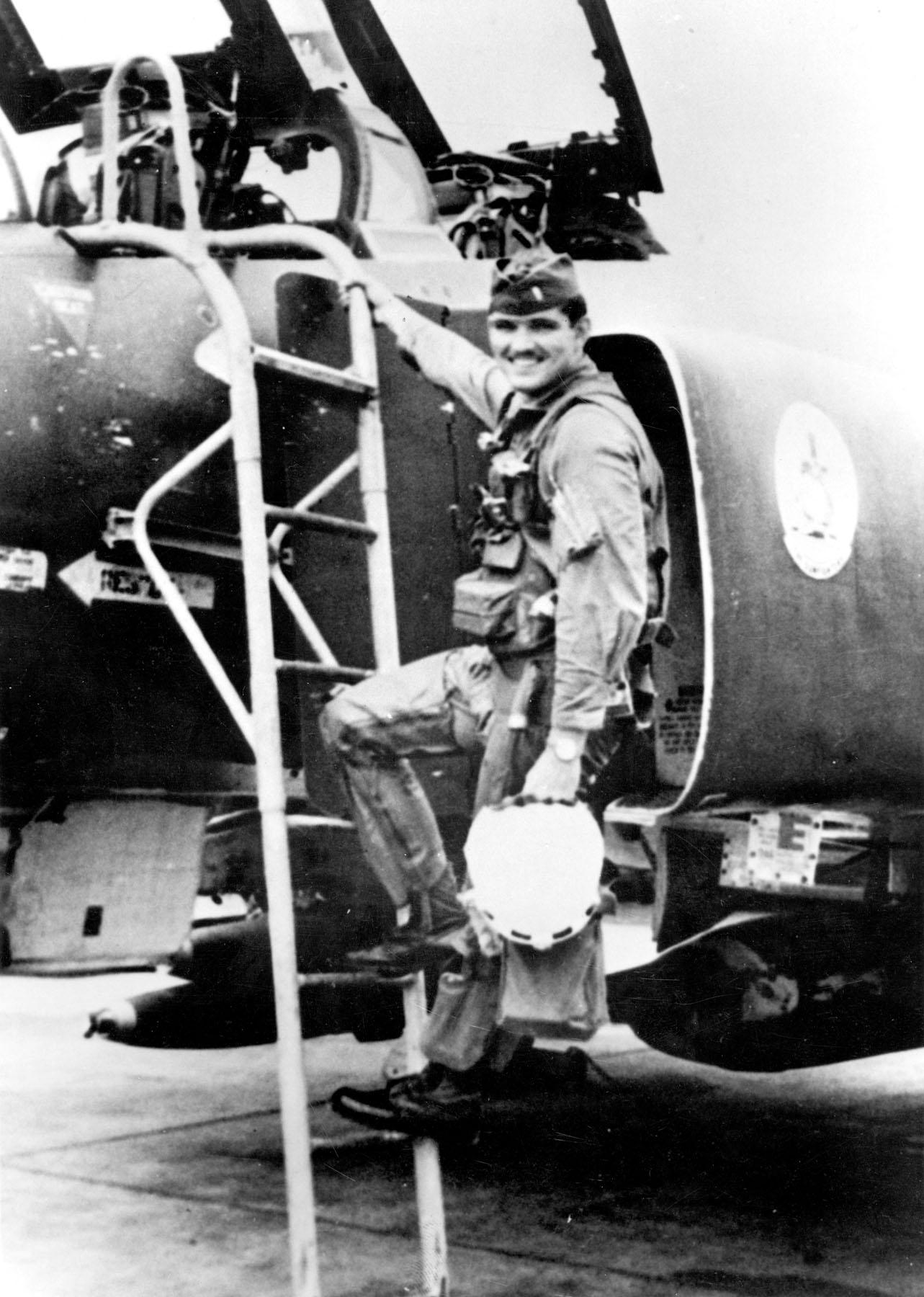
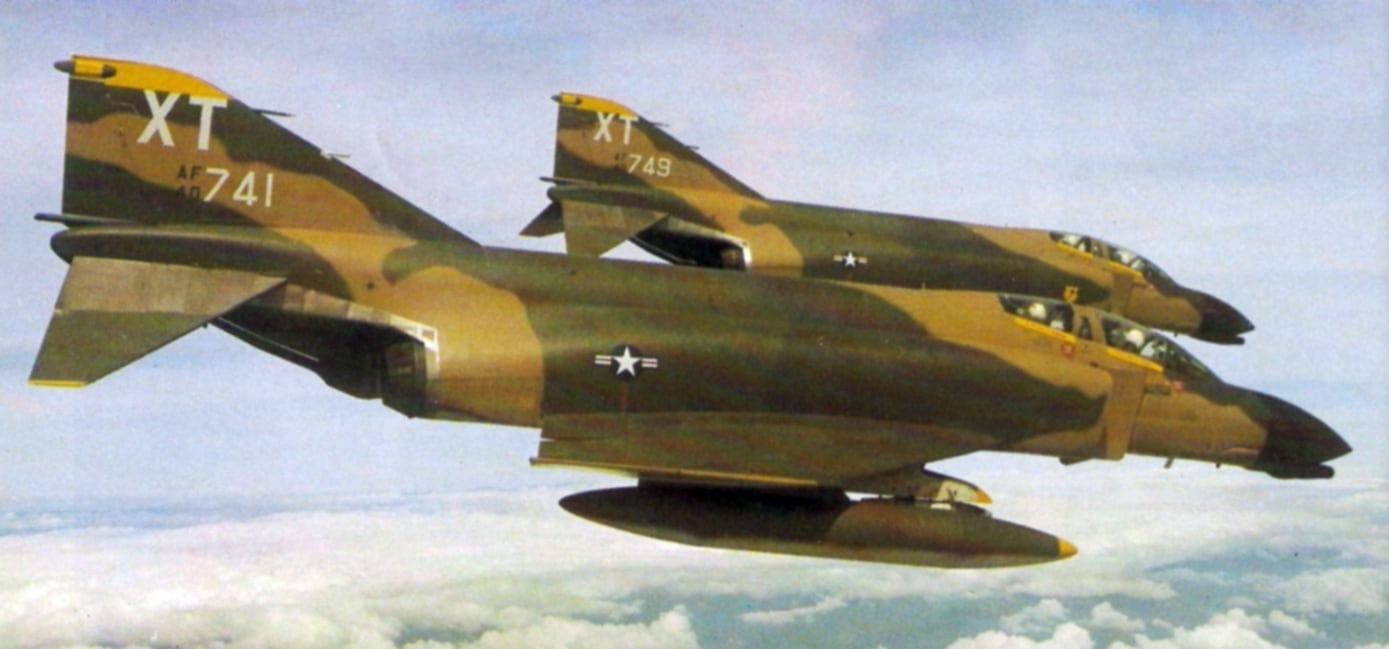
Although Lieutenant Sijan was a rated F-4C Phantom II pilot, he was flying as the Weapons Systems Officer (WSO) or “back-seater” in his 480th Tactical Fighter Squadron (TFS) commander’s jet on November 9th 1967 when the fuses on its payload of bombs detonated prematurely just after release near the Mu Gia Pass and destroyed the aircraft. Sijan was able to eject from the stricken jet, although he suffered severe injuries during the ejection sequence and subsequent landing. Despite their best efforts rescue personnel were unable to locate Sijan on the ground. But Sijan was alive and evading his pursuers down below the jungle canopy.
Official Air Force Photograph
Sijan’s compound leg fracture made it extremely difficult for him to move around. The initial rescue effort involved more than a hundred sorties by rescue helicopters and escorts. But Sijan spent the next 45 days in the jungle evading enemy troops looking for him. When Sijan was finally worn down to a hollow shell of his former 220 pound Air Force Academy football player self by his ordeal, he allowed himself to be captured during early January 1968 hoping that he might receive some desperately needed medical attention and water. Unfortunately capture was no better for Sijan than evasion.
Sijan was a defiant prisoner who attempted escape several times even though he still could not walk. He never asked anything of his fellow captives and did not complain about his pain or personal situation during his time as a prisoner. It was probably a move from his initial prisoner compound to a different prison in Hanoi that finally did Sijan in. Slipping in and out of lucidity for long before the hellish move and seldom gaining it thereafter, Lance Peter Sijan passed away on or about January 22nd 1968- about eight days after arriving in Hanoi.
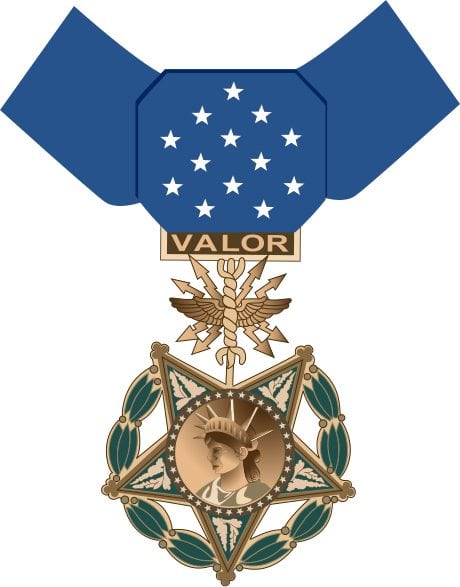
Sajin’s dedication, courage, and selflessness were recognized by every prisoner who shared a compound with him. It was a fellow prisoner who recommended Sajin for his Congressional Medal of Honor, which his mother and father received along with his posthumous promotion to Captain on March 4th 1976.
Here are ten things you might not know about Captain Lance Peter Sijan:
When Lance’s high school football team won the Milwaukee City Football Championship in 1959 it was the first time the Redcats had won it since 1936- when his father Sylvester played on the team.
After high school graduation Sijan actually attended the Naval Academy Preparatory School in Maryland before he gained his appointment to the Air Force Academy.
Sijan was the first Air Force Academy graduate awarded the Congressional Medal of Honor.
Lance played the role of The King in the play “The King and I” during his sophomore year at Bay View High School.
Lance’s younger sister Janine played the role of the child princess in the play.
Sijan was shot down during his first mission after returning from R&R in Thailand- previously Siam- the setting of the play.
Photo Credit: WISN
As a Wisconsin native, when Sijan was asked to name the world’s greatest football team as part of the rescue communications protocols, his predictable response was “The Green Bay Packers.”
During the initial rescue attempts Sijan refused to allow the Jolly Green Giant rescue helicopter to lower a para-jumper (rescue-trained aircrewman) to assist him with extraction because he did not want to put anyone else’s life in danger.
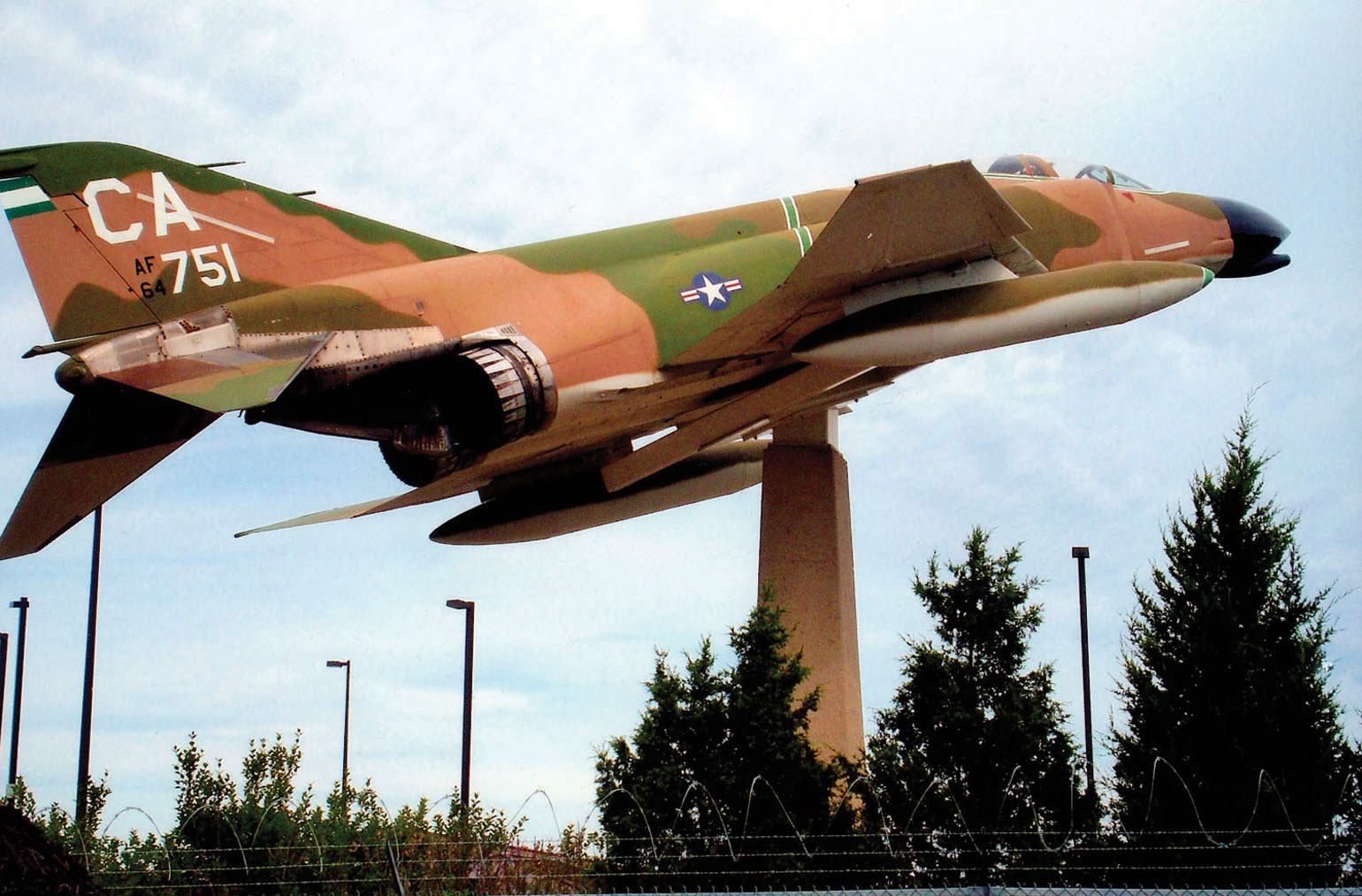
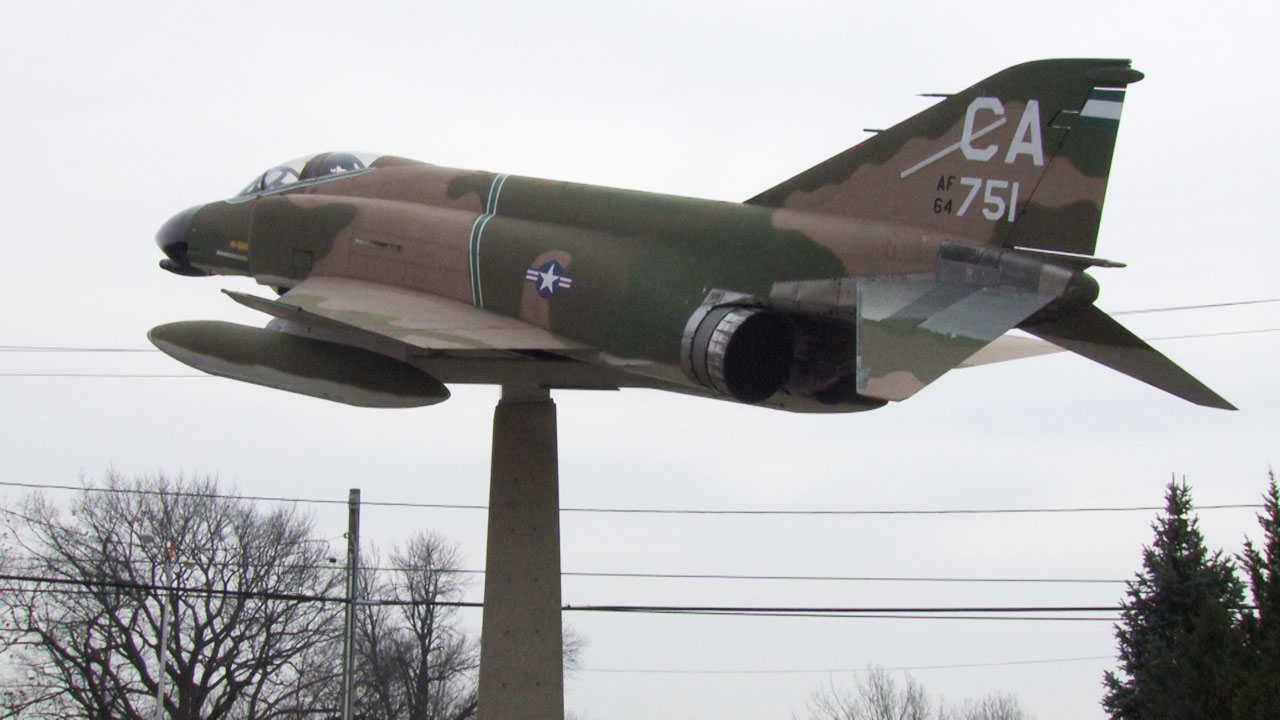
The City of Milwaukee has dedicated a retired Air Force F-4C Phantom II painted to represent the jet last flown by Sijan as part of the new Captain Lance Sijan Memorial Plaza at the city’s General Mitchell International Airport.
Lance’s sister Janine Sijan Rozina was one of the driving forces behind the move of the F-4C from its former limited public access location at the airport to the new more accessible memorial site.
No one books a trip and hopes that they end up flying on a Bombardier CRJ-200. With little headroom, tiny slimline seats, and a bathroom could double as a torture chamber, the 50-seat regional jet is on many avgeek’s ‘do not fly’ list.
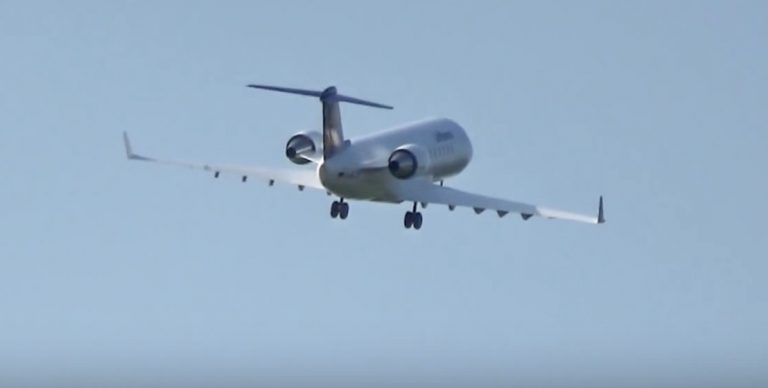
Yet when we saw this remote control CRJ, we couldn’t believe it. First of all, the model is huge! It’s almost big enough to fly a couple children in the cabin. The model is a 1/6th scale replica!
In the video you’ll see that the jet cruises through the air at a high speed and looks very realistic. About the only time we could tell that the jet was not real was on approach. Because of no leading edge slats, the real CRJ-200 has a characteristic nose-low approach. The R/C CRJ-200 approach looks much more conventional. Still though, the pilot lands better than some CRJs that we’ve been on before.
Tactical Air Command Was Most Definitely On Target in This Publicity Film
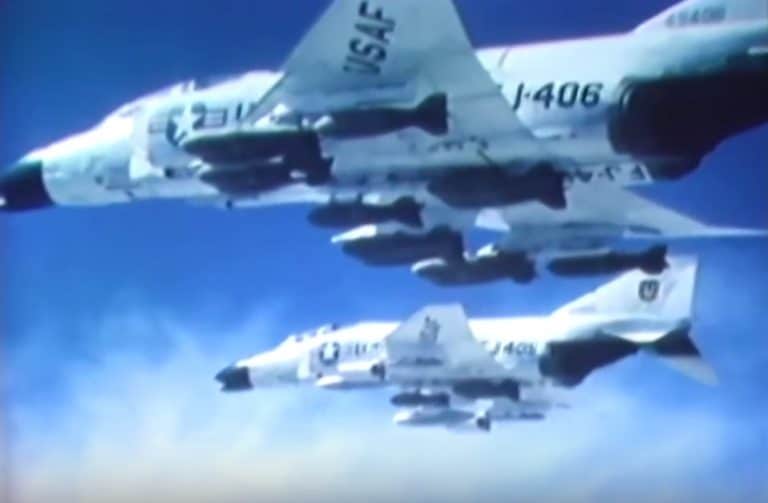
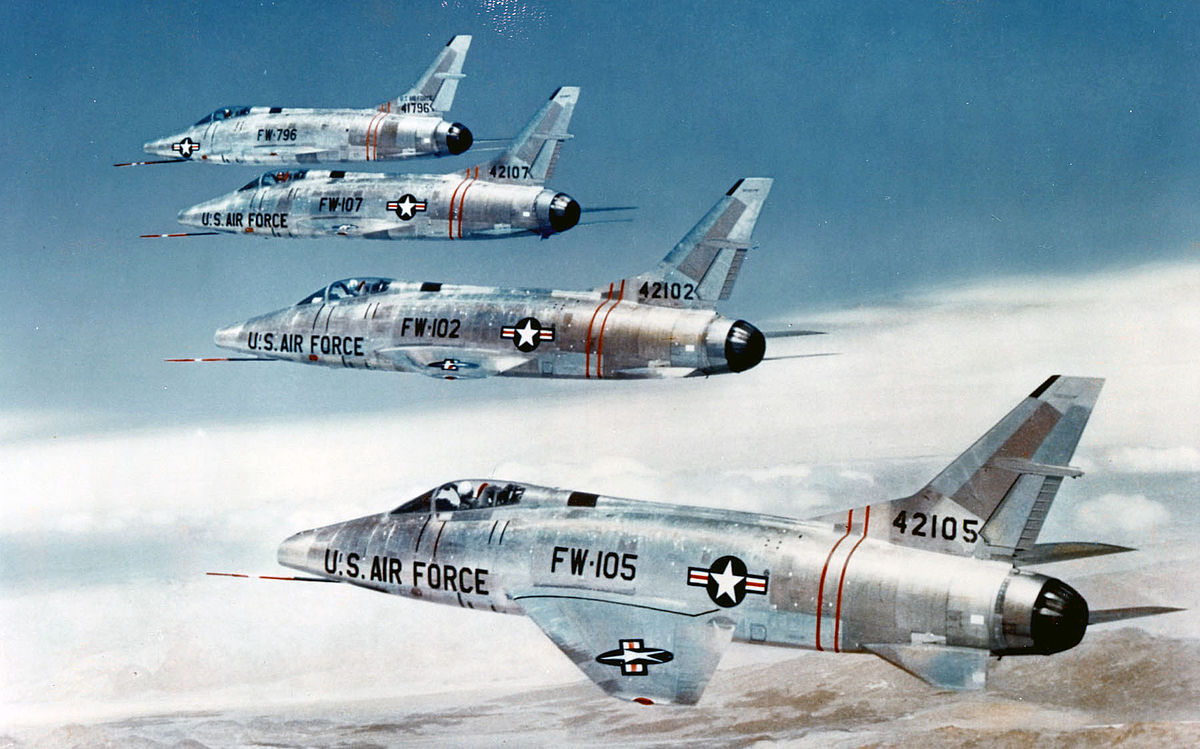
“TAC on Target” is a 1962 look at the United States Air Force (USAF) Tactical Air Command (TAC) aircraft and their capabilities. The film was shot by the Air Force and features TAC aircraft filmed during the prime of their operational careers. It’s an interesting look at how the Air Force employed their fighters, bombers, airlifters, and support aircraft. Delivery of bombs, rockets, napalm, lots of 20 millimeter rounds, guided missiles, and other ordnance are all depicted. As the narrator says, the three primary missions of TAC are (and really still are) to gain and maintain air superiority over the battlefield, destroy enemy targets between rear areas and the front lines, and to provide close air support.
Featured in the film are the North American F-100 Super Sabre, the Lockheed F-104 Starfighter, and the Republic F-105 Thunderchief. It’s easy to pin down the period of the film because the McDonnell F-110A Spectre is featured- a designation that only lasted a few months during 1962. Of course you know that aircraft today as the F-4C Phantom II. The McDonnell RF-101 Voodoo, Douglas RB-66 and WB-66 Destroyers, Lockheed C-130A, C-130B, and C-130E Hercules airlifters, and the Fairchild C-123 Provider assault airlifter are also featured. The video was uploaded to YouTube by AIRBOYD.
Wings of a Marine Traces the Path of a Future Skyhawk Pilot to the Fleet
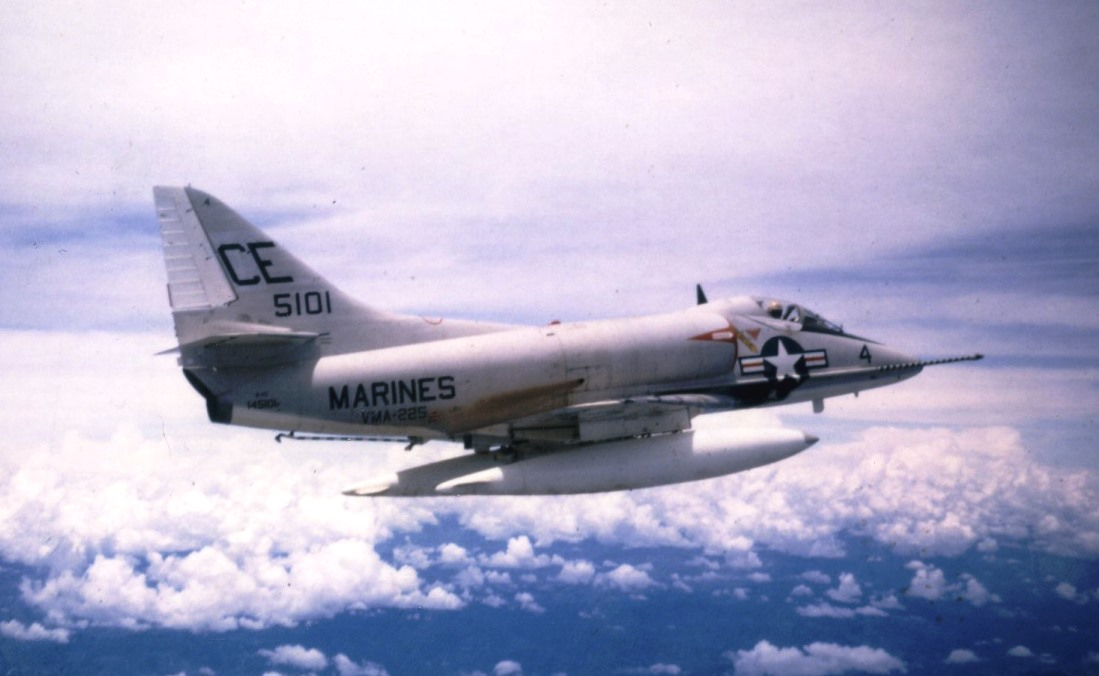
Wings of a Marine was produced by the Navy Department in 1964. It tells the story of Second Lieutenant William T. Smith, a typical Marine aviator in those days, and his path after completion of his basic flight training at Naval Air Station (NAS) Pensacola. This particular Marine aviator enters the A-4 pipeline and eventually flies A-4C Skyhawks with Marine Attack Squadron VMA-225 Vagabonds. The film was shot primarily at Marine Corps Air Station (MCAS) Cherry Point in North Carolina. Smith’s initial A-4C carrier qualifications (CarQual) were shot aboard the Essex-class aircraft carrier USS Lexington (at the time CVS-16, later CVT-16). The quality of both the visuals and the audio is quite good- better than most films transferred to video from this period.
The film is typical for its era in that it’s a little bit hokey, but that doesn’t take away from the excellent air-to-air photography or the time-capsule quality of the jets, the personnel, or their appearance. Naturally there are numerous shots of the Vagabonds flying their A-4Cs. Also making screen appearances are VMFA-115 Silver Eagles flying their McDonnell-Douglas F-4B Phantom IIs and VMA-332 Polka Dots / Moonlighters flying their A-4Cs. As Smith drives down the MCAS Cherry Point ramp he sees Lockheed KC-130 Hercules tankers of VMGR-252 Otis, and Vought RF-8 Crusaders and Douglas EF-10B Skyknights of VMCJ-2 Playboys. The video was uploaded to YouTube by AIRBOYD.
Lockheed’s P2V Set Records, Served With Distinction, and Passed the Torch to the Orion
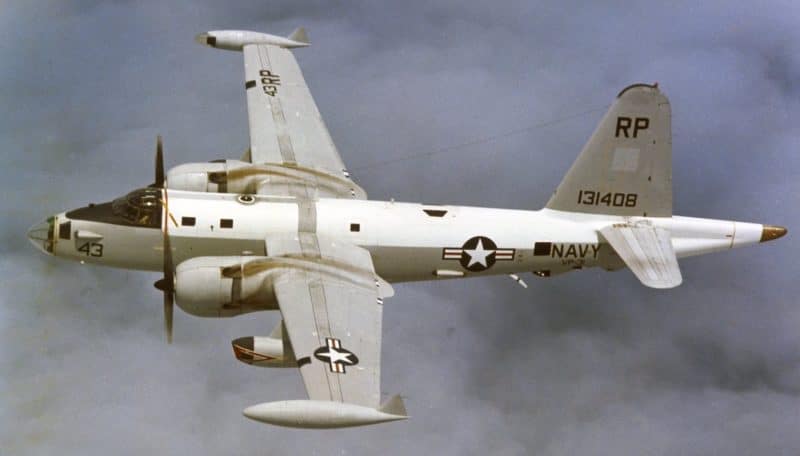
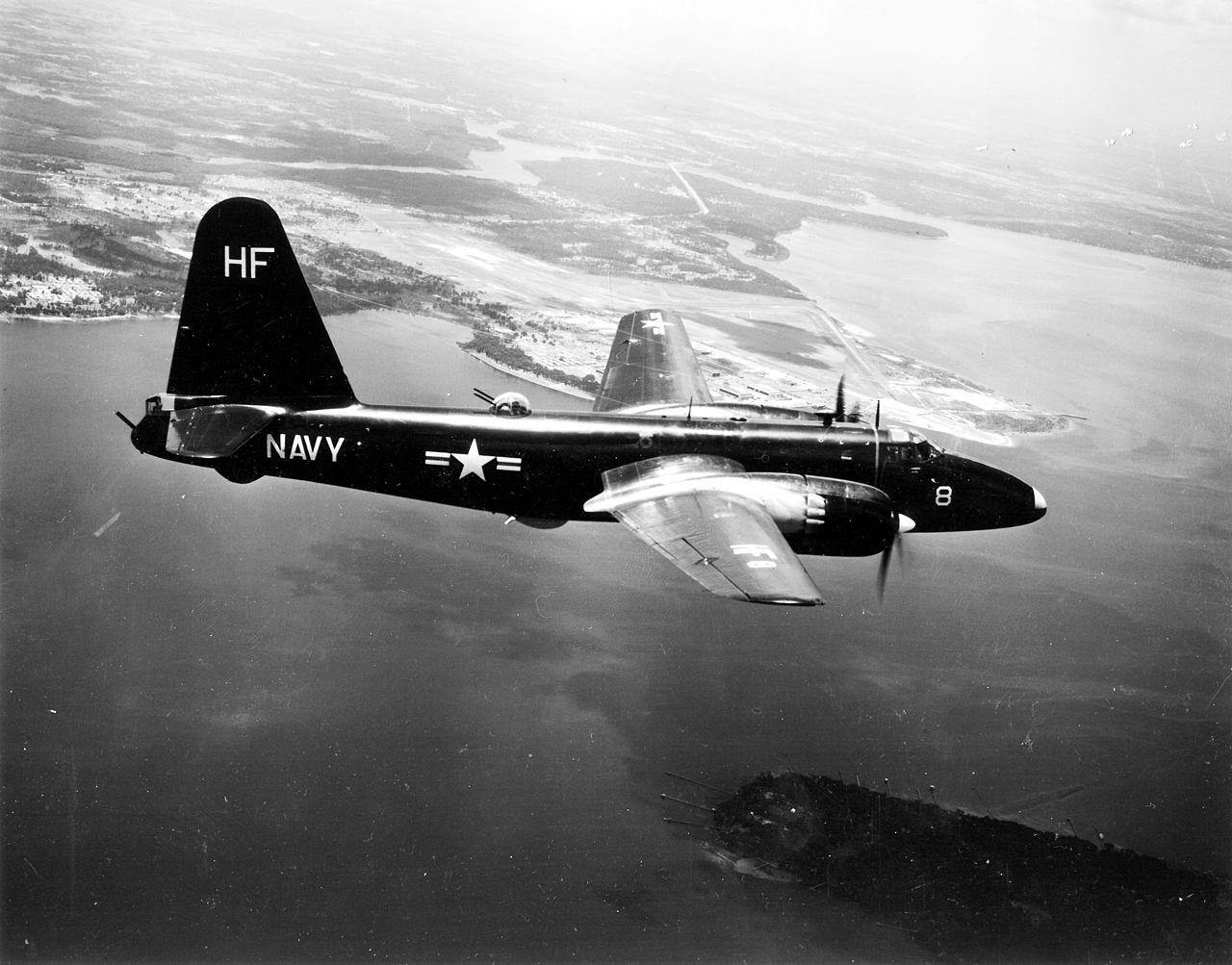
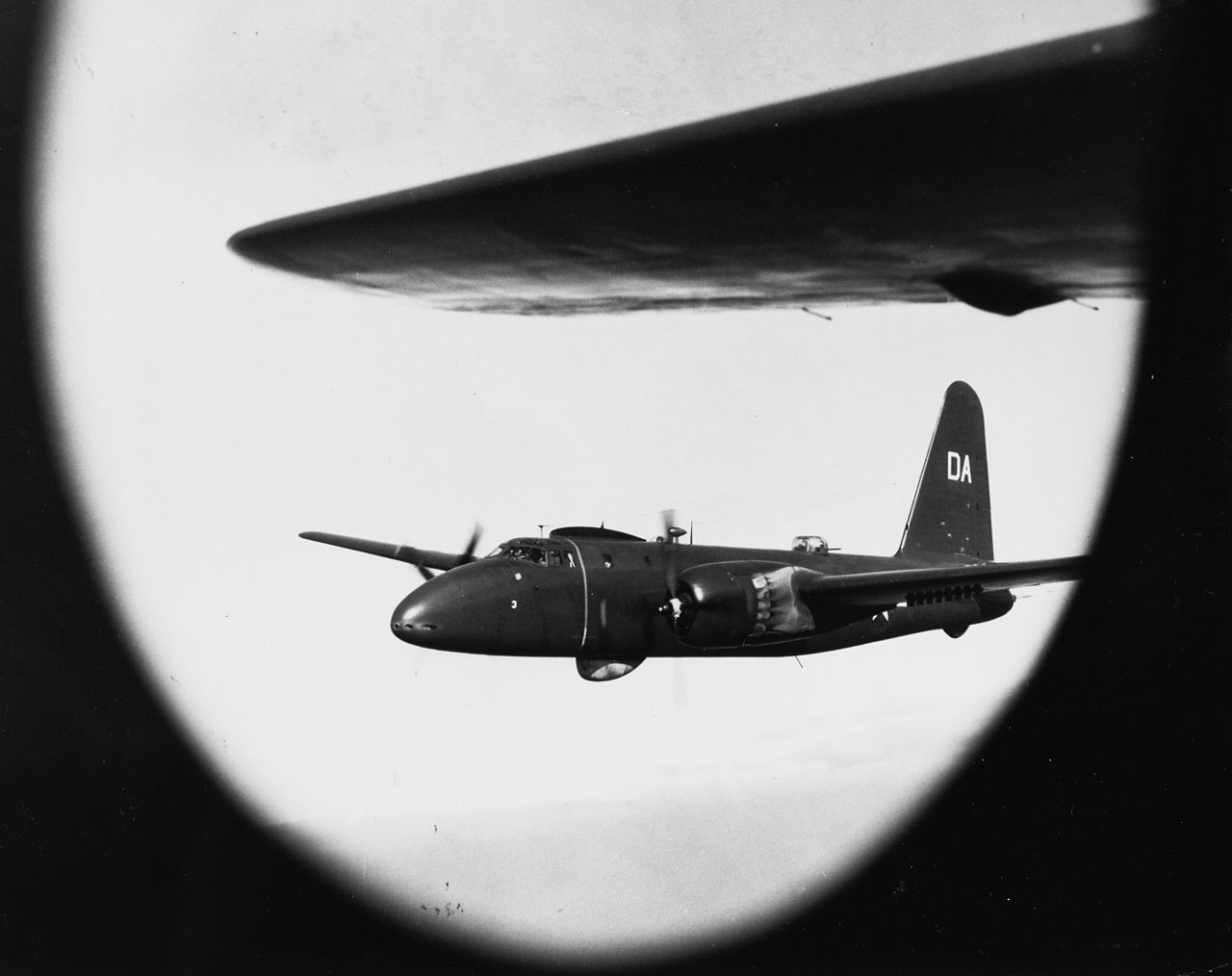
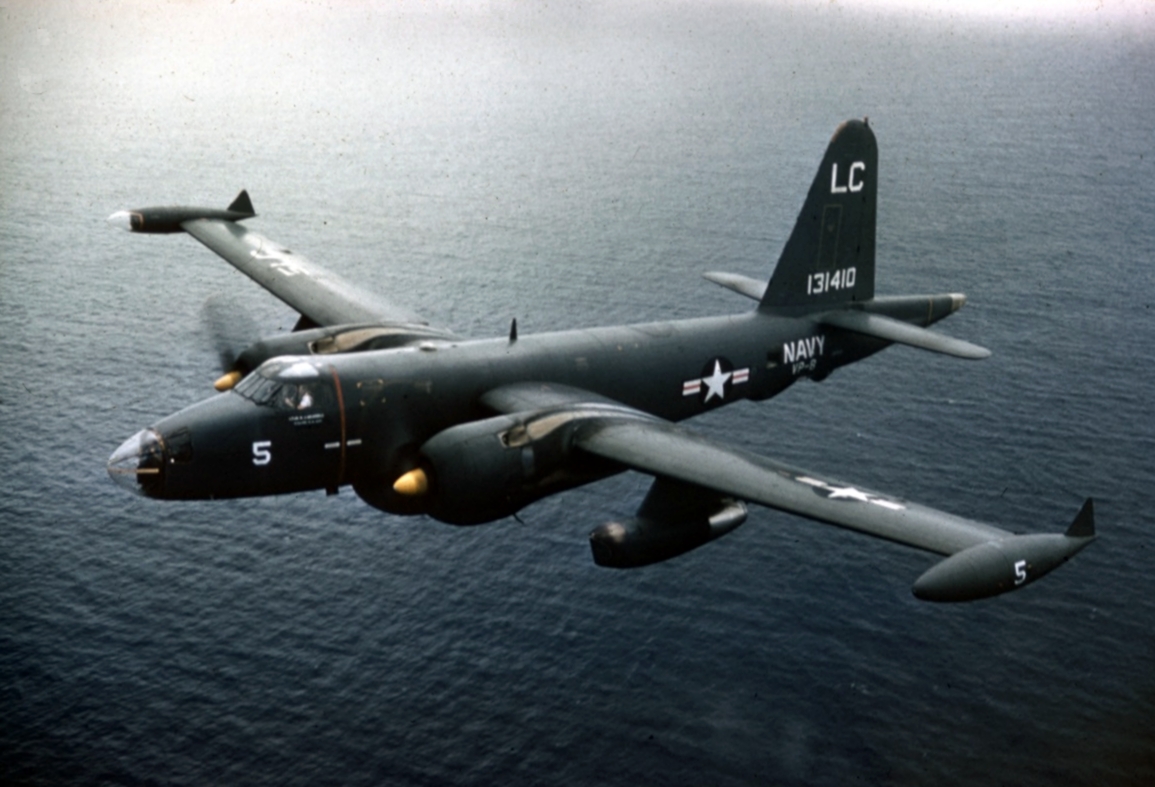
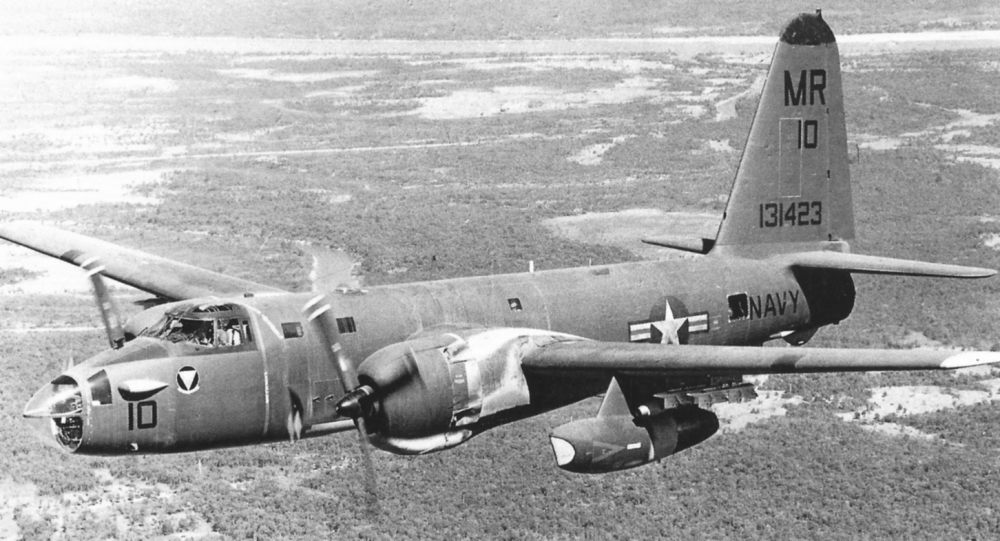
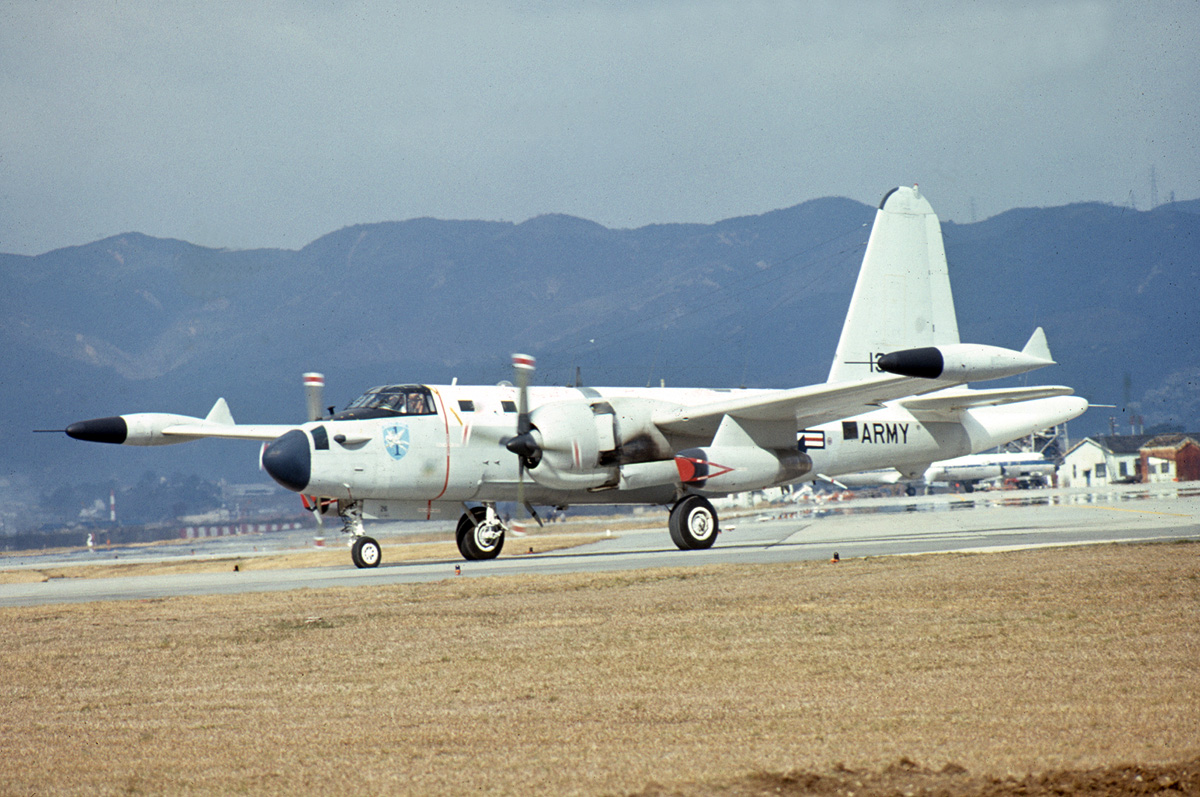
On 17 May 1945, the Lockheed XP2V-1 Neptune flew for the first time. The Neptune, like many other naval aircraft of the time, was adapted to many different missions and roles. The 1,105 P-2s were built in seven primary variants and 30 sub-variants. Kawasaki of Japan built another 83 P-2s. When Naval Reserve Patrol Squadron VP-94 Crawfishers retired their P-2Hs in April of 1978, 31 years of distinguished service with the US Navy came to a close.
One of a Kind Born During War
The Neptune is unique in that it was and still is the only American naval land-based patrol plane ever purpose-designed and built. Lockheed actually began design work on a new land-based patrol bomber during early December of 1941. Lockheed was building the PV-2 Harpoon patrol bomber early in the war so it took until April of 1944 for the Navy Bureau of Aeronautics (BuAer) to contract with Lockheed to build the first two prototypes. After the prototype flew in 1945 production began in 1946 and the first operational P2V-1s went into service in 1947.
Replacing Aging Legends
The design of the P-2 was predicated on the theory that a pair of the new Wright R-3350 Cyclone 18 cylinder radial engines would enable the Neptune to carry more payload farther than even the four engine heavy bombers in use at the time. The Boeing B-17 Flying Fortess was used by the Navy in small numbers as the PB-1 and PB-1W. The Consolidated B-24 Liberator was utilized by the Navy in much larger numbers as the PB4Y-1 and was the basis for the more specialized PB4Y-2 Privateer patrol bomber. But because the R-3350 engines were being used in Boeing B-29 Superfortresses at the time, Lockheed’s new maritime patrol platform was ready when called upon after the war ended.
The Trek of The Turtle
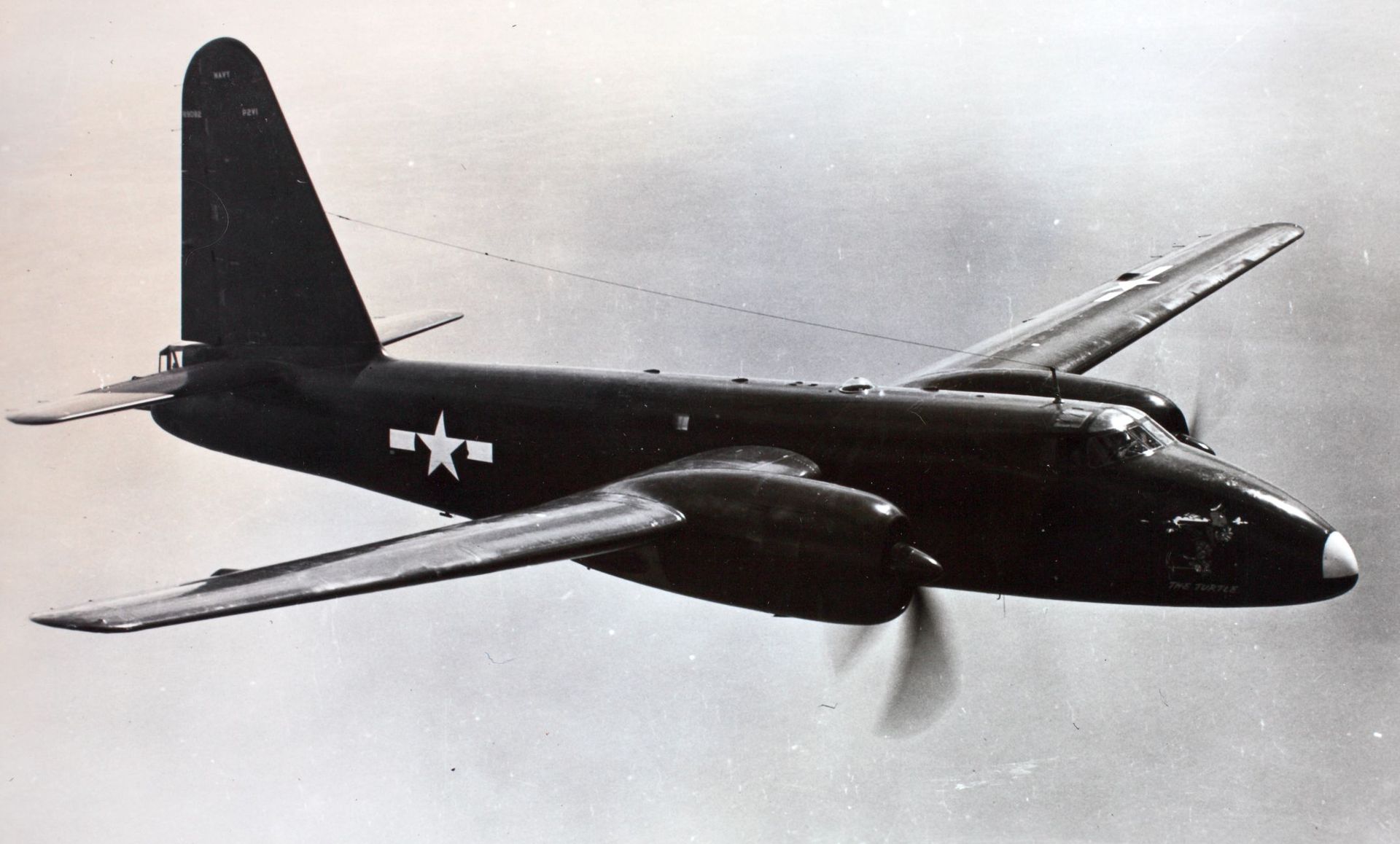
The Navy, with an eye toward post-war public relations, decided to show the new design off. The third production P2V-1 was chosen for a record-setting mission. The crew named the Neptune “The Turtle” but somehow the Navy tweaked the moniker to “The Truculent Turtle.” On 29 September 1946 The Turtle took off from Perth in Australia using rocket-assisted takeoff (RATO) on a non-stop flight planned to end in Washington, DC. Carrying a crew of four, a baby kangaroo, and all the avgas that could be Indian-wrestled aboard, The Turtle instead landed 55 hours and 18 minutes later at Naval Air Station (NAS) Columbus, Ohio- a journey of 11,236 miles. It took 16 years and Air Force B-52s to best the flight of The Turtle. She now resides at the National Naval Aviation Museum at NAS Pensacola in Florida.
The Navy’s Nuclear Bomber?
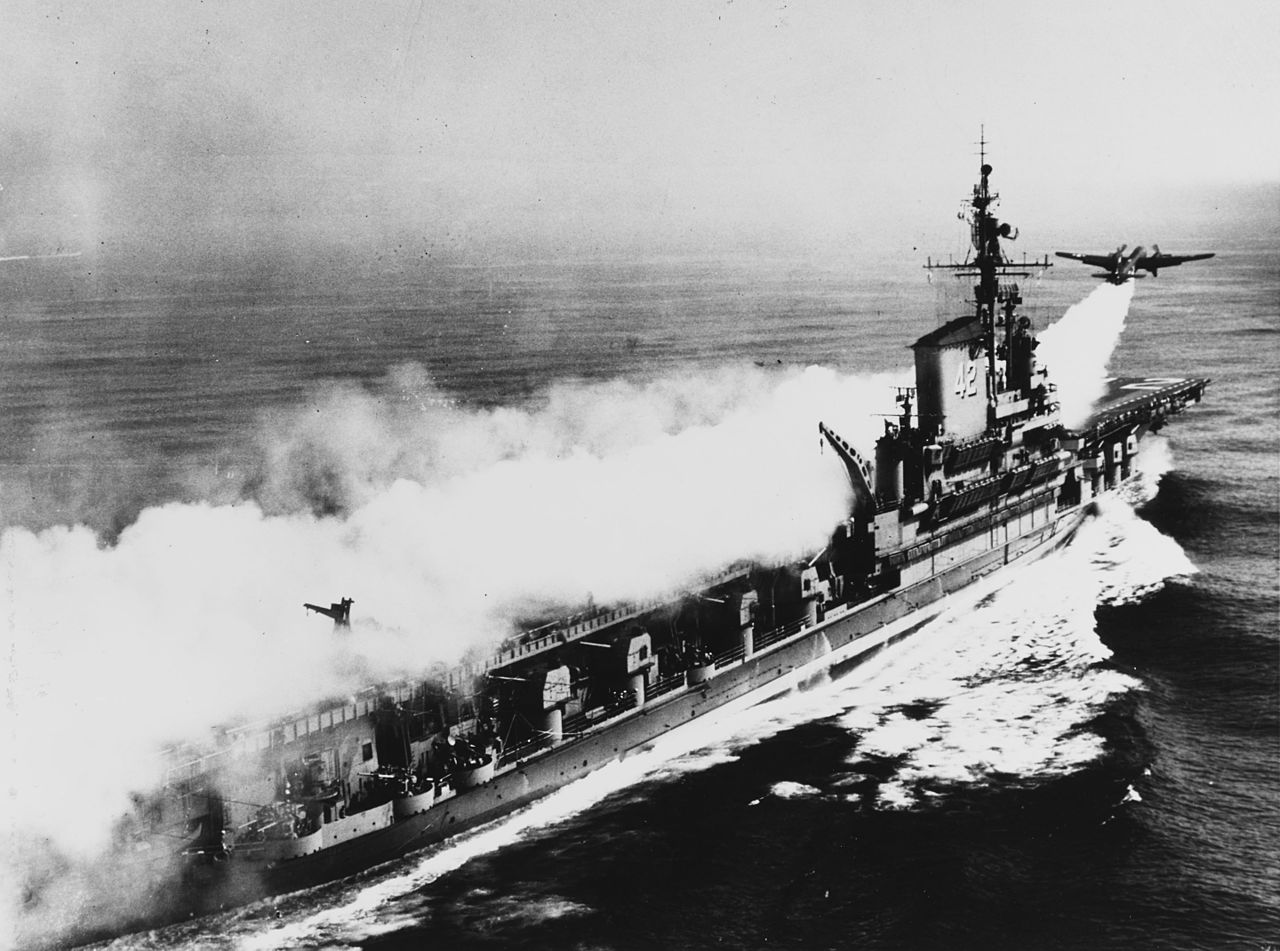
One role for which Lockheed didn’t design the Neptune was thrust upon it by political considerations. The Navy feared it would lose clout in Washington if it did not possess a nuclear strike capability. More sophisticated and practical weapons were on drawing boards, but those were years away from being operational. 12 P2V Neptunes became that stop-gap nuclear strike capability. The atomic weapons of the day were large and heavy and required large aircraft to carry them. Luckily the solution was never tested in actual combat. However, the sight and sound of a navy blue P2V being rocketed off a carrier flight deck by RATO bottles is one few who witnessed it will ever forget.
Tools of the ASW Trade
After becoming operational the Neptune quickly took up its duties tracking submarines and shipping all over the world. The P2V was the first Navy maritime patrol aircraft to combine radar, sonar (via sonobuoys), and Magnetic Anomaly Detection (MAD) sensors in the same airframe. These same three primary sensors have equipped every maritime patrol aircraft built since the P2V. The early variants of the Neptune carried none of these sensors. They were equipped with offensive and defensive 20 millimeter gun turrets and were capable of employing all manner of anti-shipping and anti-submarine weaponry.
Bolting On More Power
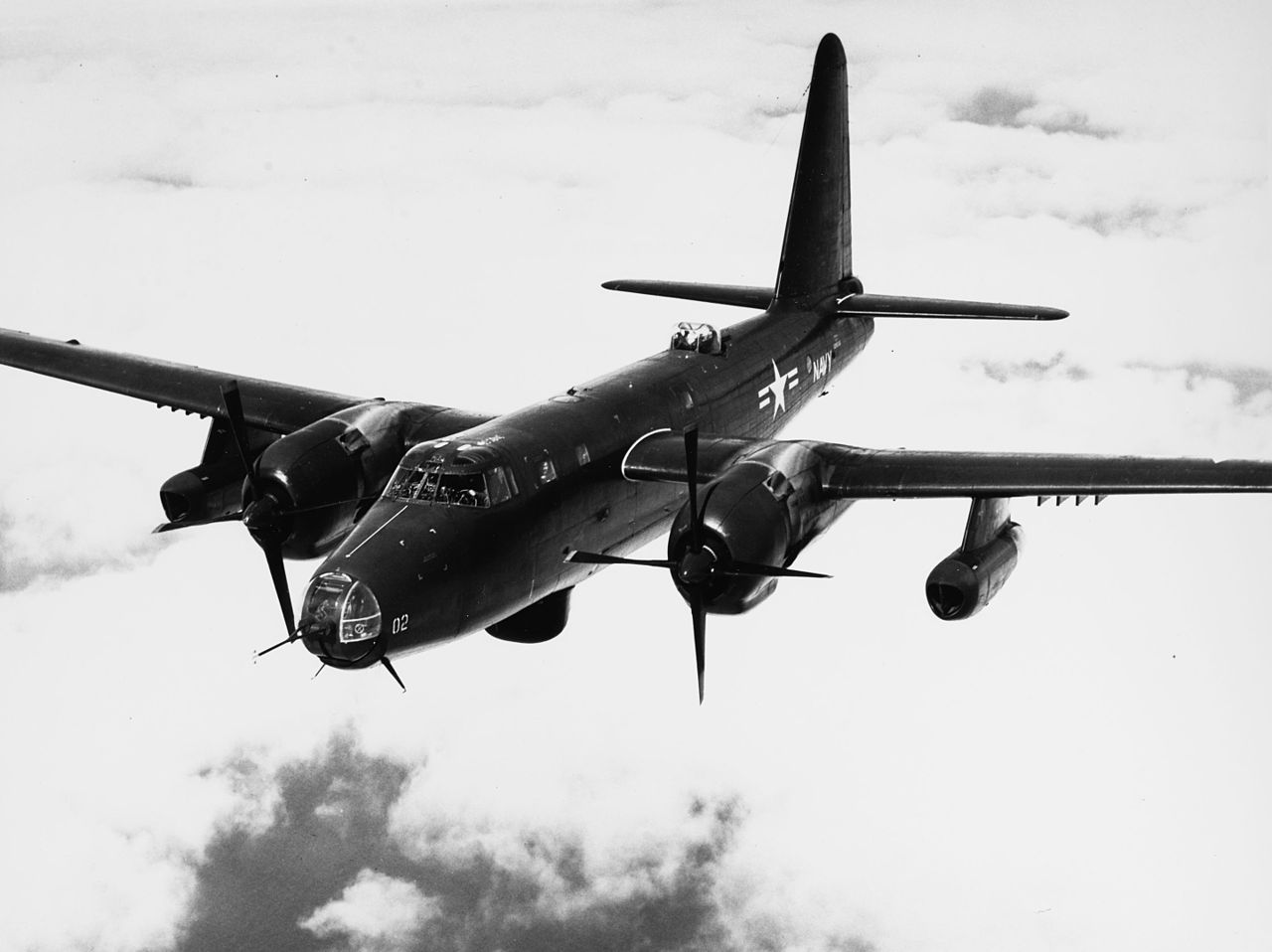
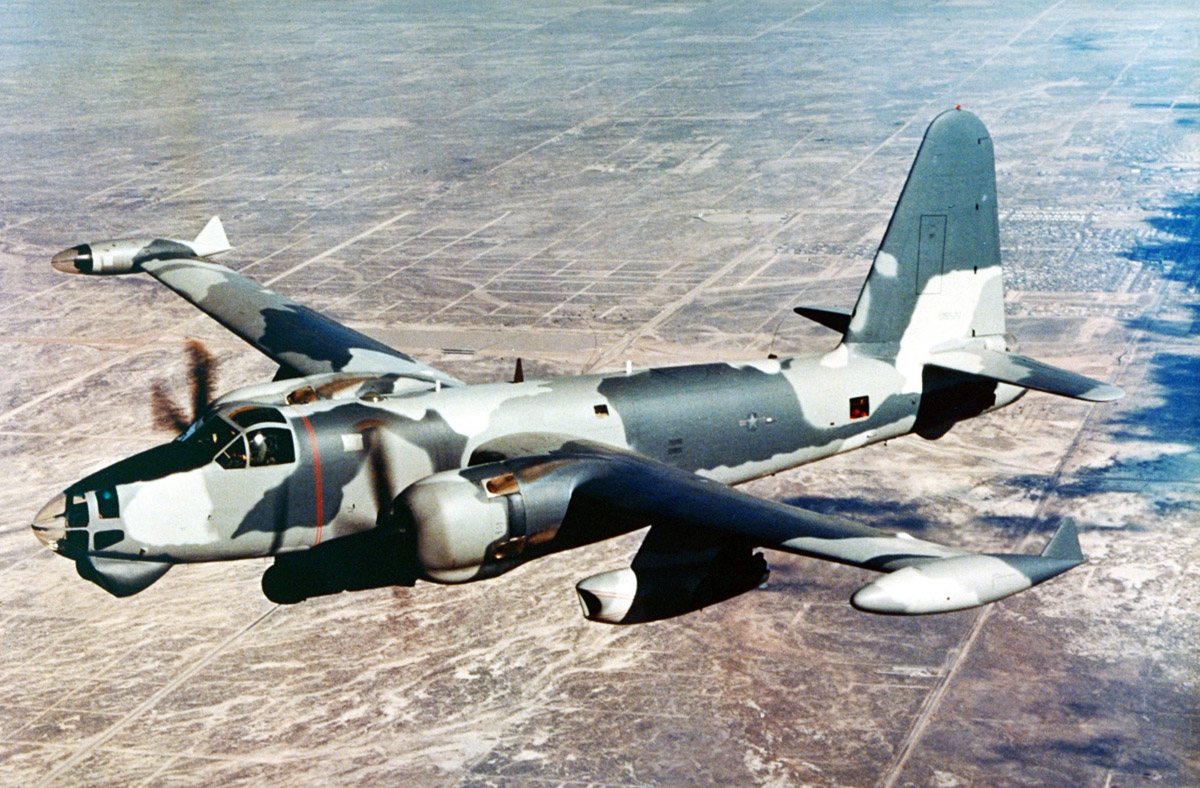
As the P2V developed it gained more powerful versions of the same R-3350 engines, different propellers, changes to and omission or inclusion of the offensive and defensive armament, modified landing gear enabling the aircraft to support arctic operations, avionics and mission-dedicated electronic equipment, airframe modifications including changes to the nose and tail, fuselage extensions, wingtip fuel tanks of various capacities, aerial searchlights, canopy configurations, and more. The P2V-5F variant added a pair of Westinghouse J34 jet engines, providing increased thrust for takeoffs and extra dash speed used when prosecuting or attacking targets. Future Neptunes would all be equipped to fly with “two turning and two burning.”
First Combat
The first use of the Neptune in combat came during the Korean War. P2V-3s attacked ground targets day and night using bombs and rockets, laid naval mines in North and South Korean waters, flew electronic surveillance missions, and even flew transport missions when called upon to do so. Some Neptunes were modified with a special armored aft passenger compartment capable of seating six. After the Korean War ended the Navy changed the color schemes of most of its aircraft. In September of 1962, they changed their names too. The P2V became the P-2. The P2V-1 became the P-2A. The P2V-2 became the P-2B. The P2V-3 became the P-2C…and so on.
Crisis and Calamity
During the Cuban Missile Crisis in 1962, P-2s were instrumental in tracking Soviet shipping and submarines plying the shipping lanes (and sometimes avoiding them) back and forth between the Soviet Union and Cuba. But the P-2 flew most of its combat missions in Vietnam. Navy P-2s were used primarily for support and enforcement of Operation Market Time, the hundred month-long interdiction effort and blockade intended to halt the flow of arms from North Vietnam to South Vietnam predominantly by coastal shipping and small indigenous vessels.
Sensitive Missions
In addition to maritime patrol duties, Navy Neptunes executed some other more specialized missions over Southeast Asia. Observation Squadron 67 (VO-67) Ghost Squadron earned the only Presidential Unit Citation awarded to a P-2 squadron while flying secret missions out of Nakhon Phanom Royal Thai Air Force Base in Thailand over the Ho Chi Minh Trail dropping Igloo White acoustic and seismic sensors during 1967 and 1968. VO-67 lost three of their 12 OP-2E aircraft and 20 crew members while flying these sensitive but dangerous missions.
Putting the Heavy in Heavy Attack
Heavy Attack Squadron 21 (VAH-21) Roadrunners operated four night and all-weather AP-2H attack variants from Cam Ranh Air Base over South Vietnam during 1968 and 1969. The AP-2Hs were the ultimate attack Neptunes, equipped with the same electro-optical sensor suite as the Grumman A-6C Intruder and were capable of attacking targets with grenade launchers, 7.62 millimeter Gatling guns, as well as bombs and napalm.
For the Rest of the Neptune Story Bang NEXT PAGE below.
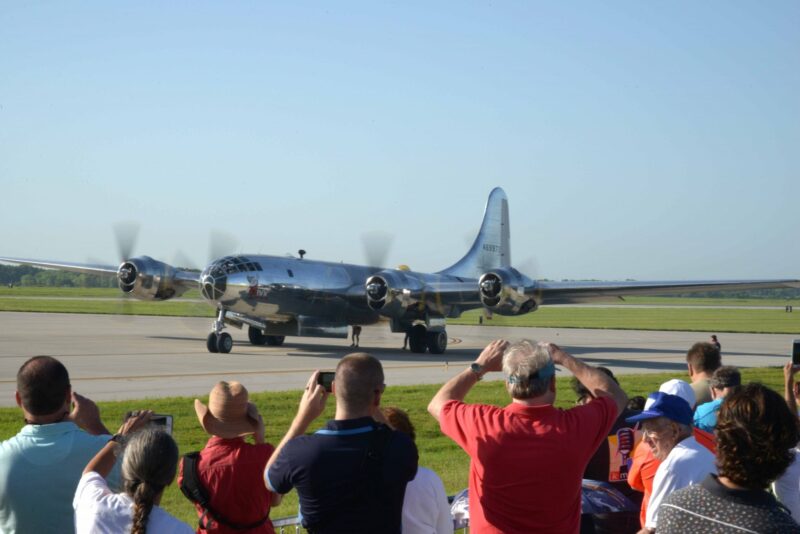
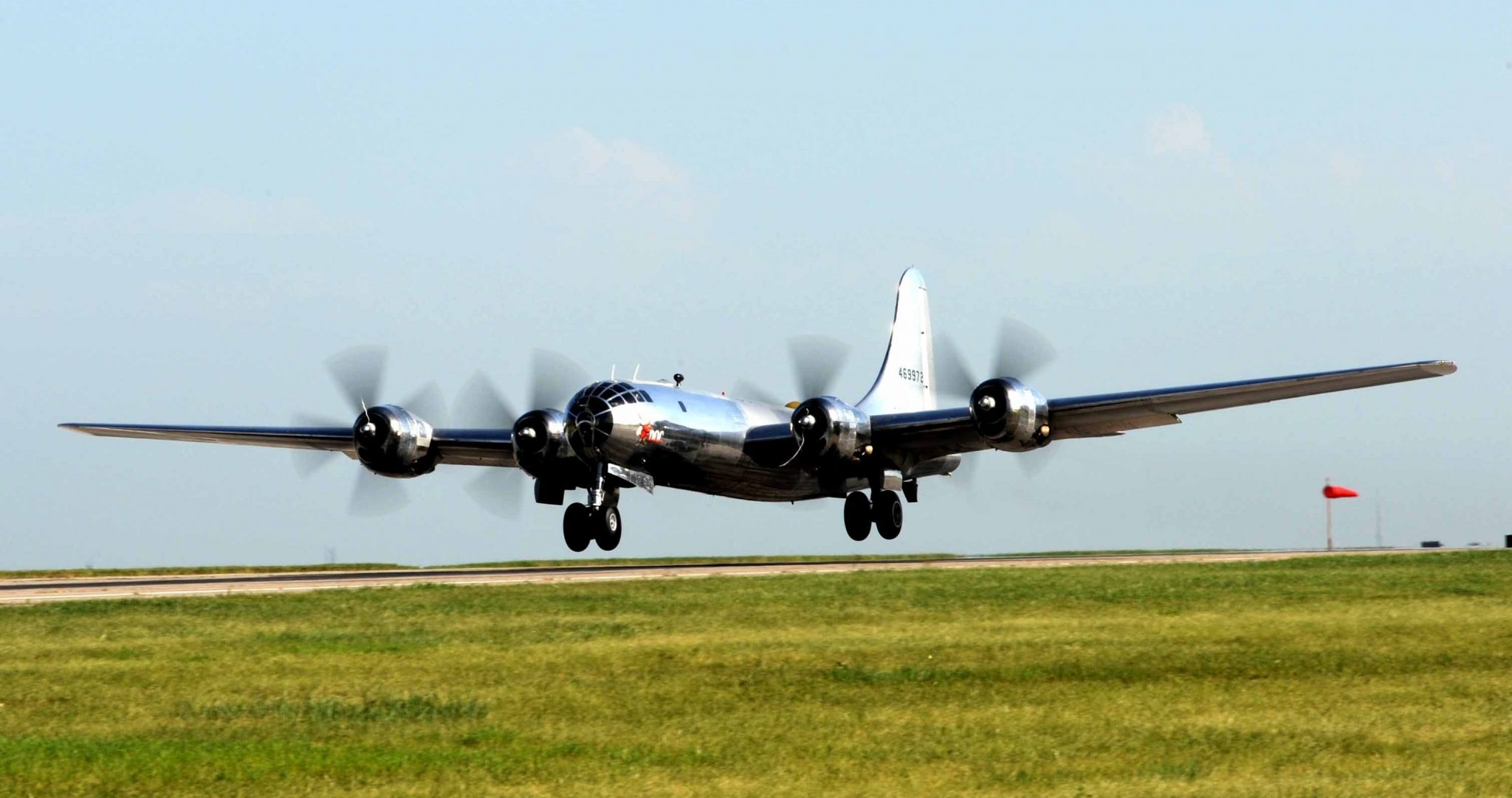
The recently restored Boeing B-29 Superfortress “Doc” SN 44-69972 will join The Commemorative Air Force B-29 “Fifi” SN 44-62070 at the 65th Experimental Aviation Association AirVenture in Oshkosh. This will be the first time this momentous event has ever hosted two airworthy B-29s. “Doc” served briefly during World War II and was retained after the war ended for specialized missions such as radar calibration flights. These flights were flown along air defense identification zones (ADIZs) with high-precision in order to ensure American air defense radars were accurately reporting the altitude, course, and speed of contacts they acquired. “Doc” was one of a group of seven radar calibration-tasked B-29s named after the Dwarves from the Disney movie Snow White and the Seven Dwarves.
Official Air Force Photo
“Doc” towed aerial targets for a time during 1955. But during the 1950s the Air Force was modernizing. Jet bombers were her to stay. As a result, “Doc” was deemed expendable. She was flown to the Naval Air Weapons Station at China Lake in California during March of 1956 and, along with about 100 other veteran B-29s, was deposited on one of the complex’s many bombing and gunnery range for use as a target. There she sat for the next 42 years. But “Doc” would finally be rescued in 1998 and restored in a hangar once used to build B-29s, including “Doc”, in Wichita Kansas. Doc returned to flight on July 17th 2016. The video is a segment from CBS News about the restoration of “Doc.”
Research Conducted by the FAA and NASA Determined Safe Separation Between Flights.
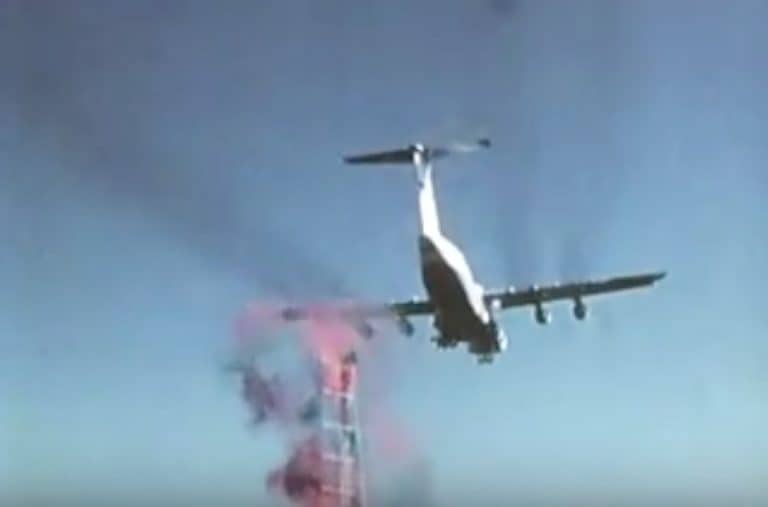
Caution: Wake Turbulence was produced and released by the Federal Aviation Administration (FAA) after their comprehensive wake turbulence research program conducted during the 1960s and early 1970s. Wake turbulence was a phenomenon known to pilots but few others. When larger aircraft like the Boeing 747 airliner, the Lockheed C-141 Starlifter and C-5A Galaxy airlifters, and other new large and heavy aircraft began sharing the skies with the civil light aircraft and other smaller airliners of the day, their persistent wake turbulence opened many eyes but was not really understood at first.
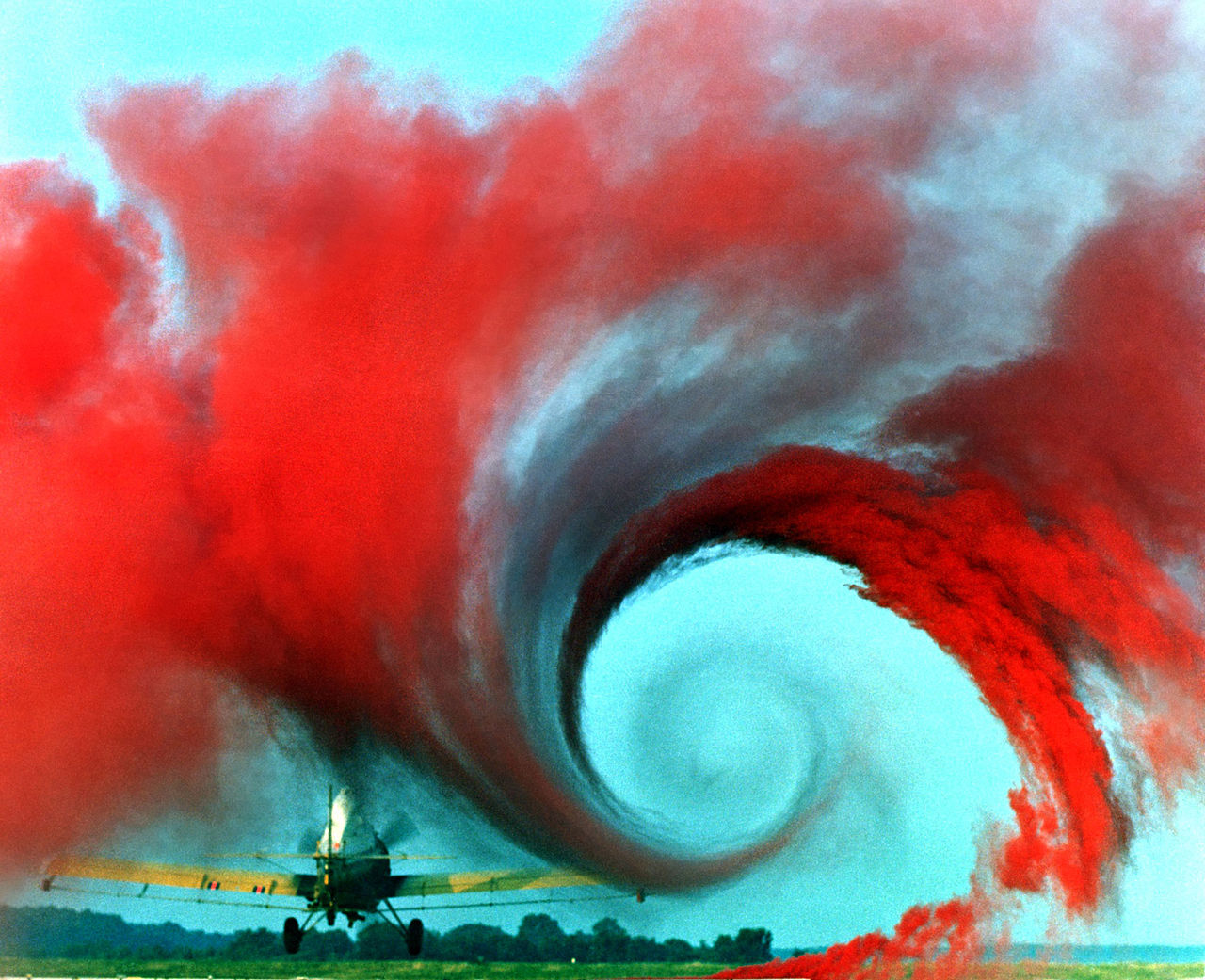
The research helped the FAA establish following distance and separation parameters for airliners and other large aircraft. The research and findings highlighted in the film are still very much pertinent today. There is plenty of 747 and C-5A footage in the film and it contains graphic explanations of the mechanics of wingtip vortices and wake turbulence. Boeing, McDonnell Douglas, NASA, and the National Aviation Facilities Experimental Center (NAFEC) participated in the making of the film. This writer actually watched some of the vortex testing conducted at the NAFEC facility near Atlantic City in New Jersey when he was a youngster. Oh, and by the way…that guy flying that Piper Tri-Pacer is a pretty fair stunt pilot!
“People We Know” Chronicled ANG F-100 Units Going to War.
Friends and Neighbors and People We Know is a look at United States Air Force Air National Guard (ANG) squadrons deploying to Vietnam during the 1960s. Produced by the Air Force and narrated by the late Bob Crane of the television show Hogan’s Heroes, the film chronicles the mobilization of four F-100 C-equipped ANG squadrons in response to the Pueblo Crisis during 1968. One particular two-ship mission is covered from pre-flight briefing to post-flight celebration. Spoiler alert: There is some bomb camera footage spliced in that was shot from F-4s. Can you spot it?
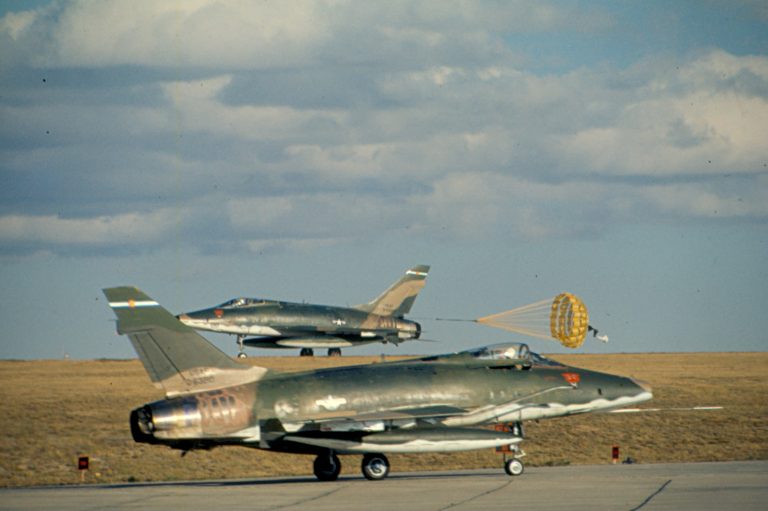
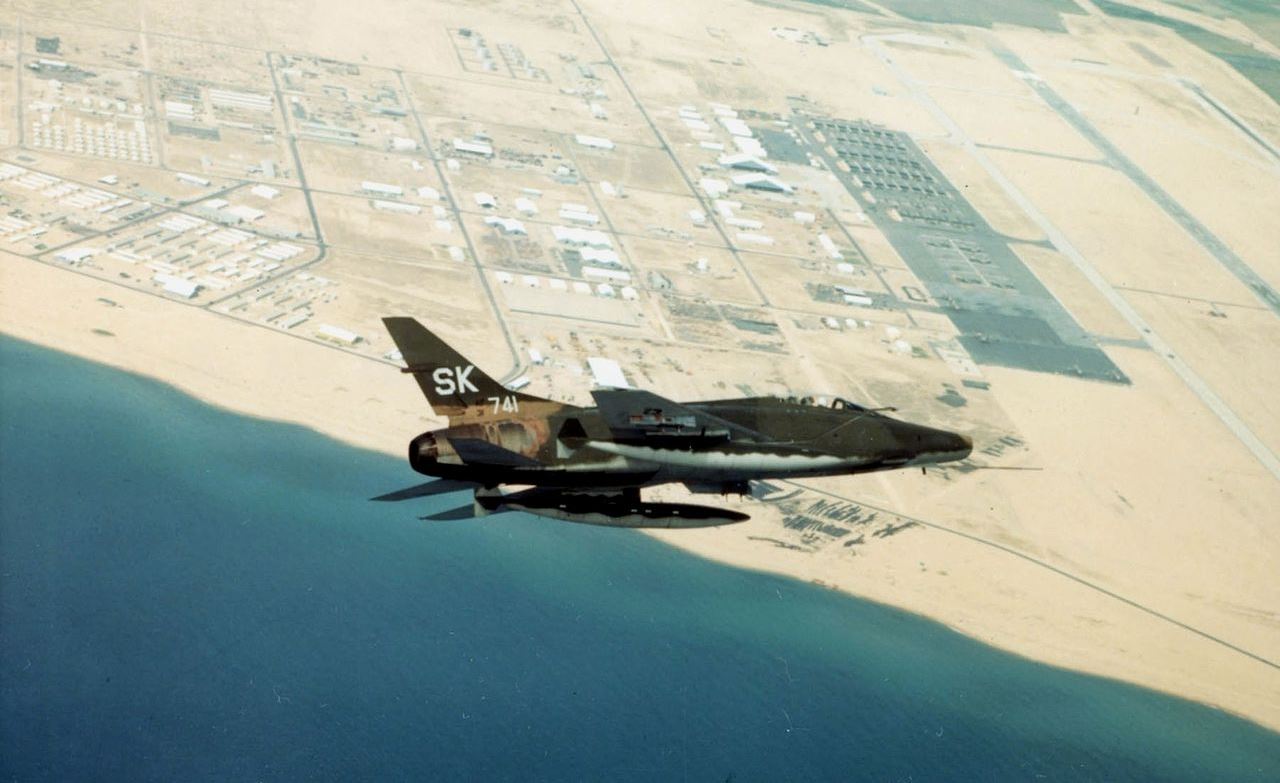
The ANG squadrons mobilized and highlighted in the film are the 120th Tactical Fighter Squadron (TFS) Bobcats of the Colorado ANG (tail code VS), the 174th TFS Bats of the Iowa ANG (tail code HA), the 188th TFS Tacos of the New Mexico ANG (tail code SK), and the 136th TFS Rocky’s Raiders of the New York ANG (tail code SG). These four ANG squadrons collectively logged more than 30,000 sorties during their deployments to Southeast Asia during 1968 and 1969. The film documents most aspects of the deployment, from operational concerns and logistics challenges to the personal lives of the pilots and airmen. The film will provide a few laughs along with lots of great North American F-100 Super Sabre action. Enjoy!
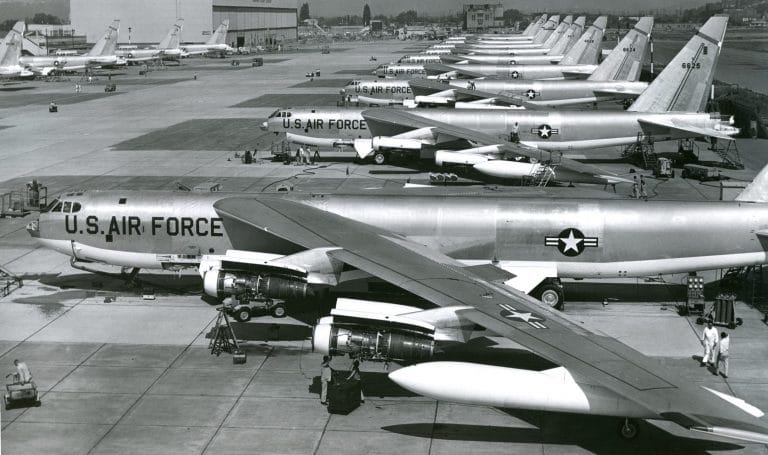
The 15th Air Force Heritage- High Strategy Bombers and Tankers traces the history of the United States Air Force (USAF) 15th Air Force from its origins under Major General James H Doolittle in North Africa during World War II to the Strategic Air Command (SAC) of the 1980s. The film features combat footage of various World War II bomber missions, cold war bombers, and KB-29, KB-50, KC-97, KC-135, and KC-10 aerial refueling tankers. The film also mentions the record-breaking flight of the B-50 Lucky Lady II and B-52 Lucky Lady III as part of Operation Power Flite in 1957.
Deactivated in September of 1945 after the conclusion of World War II, the 15th was reactivated as a SAC Bombardment outfit in March of 1946 flying war-weary Boeing B-29 Superfortresses at first. These Pacific War veteran bombers were replaced by B-50 Superfortresses, then by Consolidated B-36 Peacemakers, followed by B-47 Stratojets, and ultimately by B-52 Stratofortresses. The 15th also had McDonnell F-101 Voodoo and Republic F-84 Thunderstreak-equipped fighter wings, Lockheed U-2 and SR-71 Blackbird strategic reconnaissance aircraft, and strategic missile wings assigned to it at various times during the Cold War. When September 11th 2001 changed everything, the 15th became the Fifteenth Expeditionary Mobility Task Force. Comprised of Air Refueling, Airlift, and Air Mobility Wings today, the 15th has been answering the call to defend the nation for 74 years. The video was uploaded to YouTube by AIRBOYD.
GOLDSBORO, NC — Top military and civilian aerobatic performers including the U.S. Navy Blue Angels will arrive this week for the Carolina’s largest airshow event this year as the 4th Fighter Wing at Seymore Johnson AFB celebrate the Air Force’s 75th year of service.
The Seymore Johnson AFB Open House and Airshow will open to the public this weekend as they present today’s top air dominance aircraft both in the air and on static display for an even up close view. Admission and parking are free.
“The air show is an opportunity for SJAFB to thank local and regional communities for their continuous support, in addition to educating the public on our combat capabilities and the F-15E mission of “Dominant Strike Eagle Airpower — Anytime, Anywhere,” Air Show Director Major Matthew R. Olde said on Tuesday as he toured the flight line.
Navy’s Blue Angels Headline Airshow
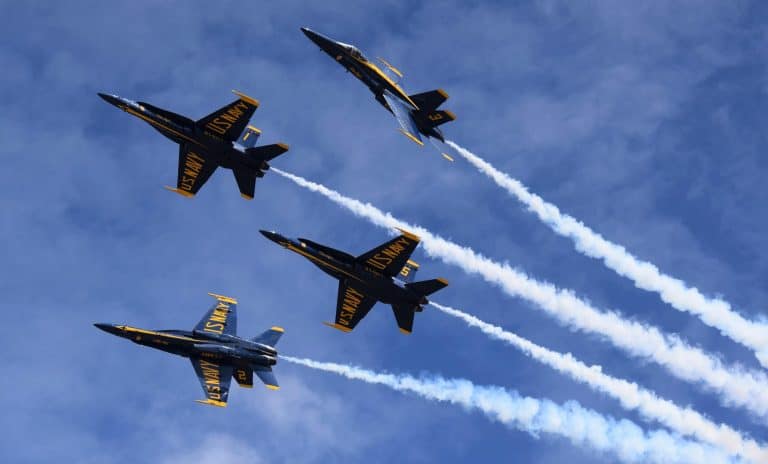
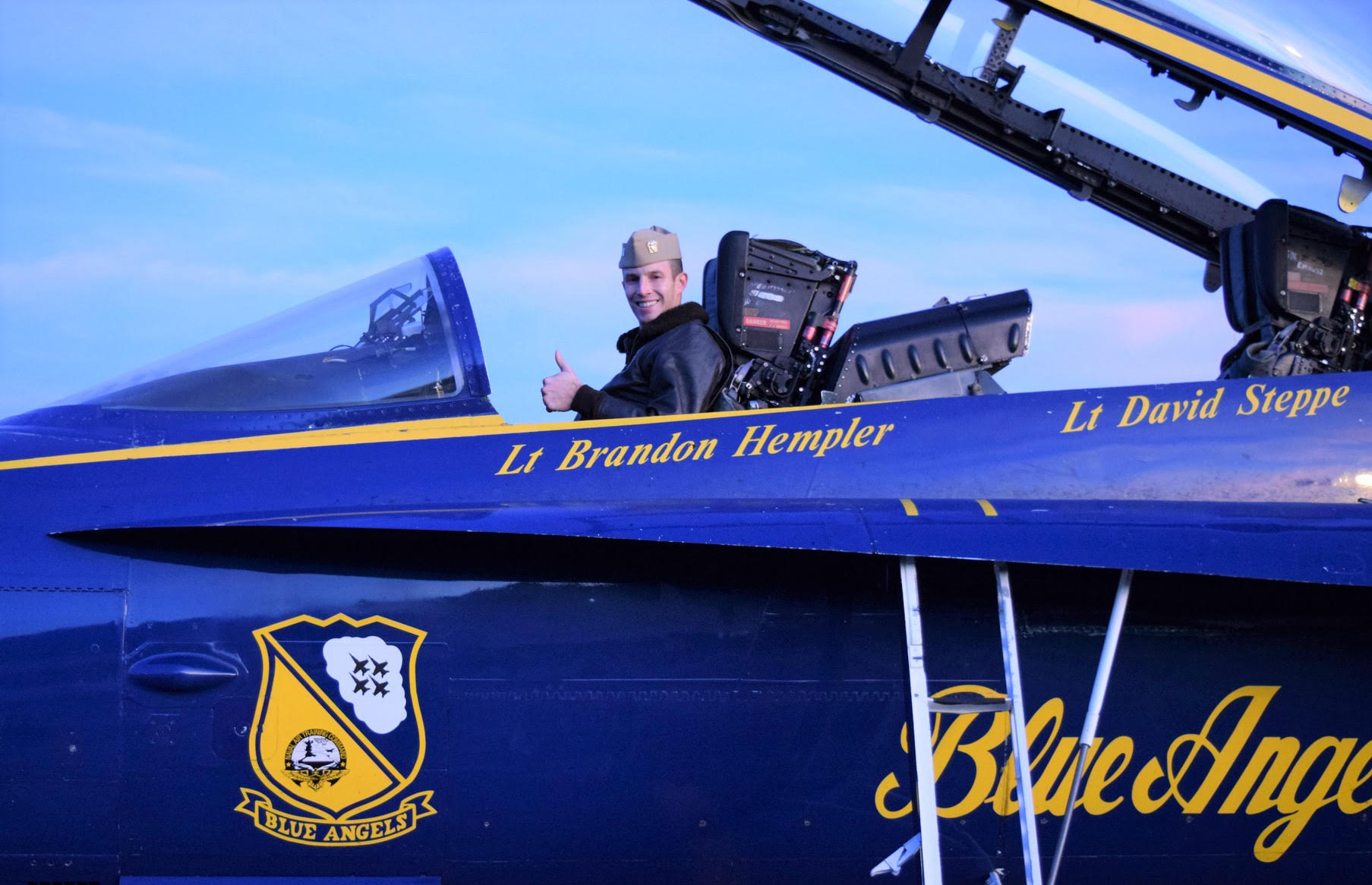
This air show’s star-studded lineup includes the six F/A-18 jets of the Navy’s flight demonstration team, the Blue Angels, who is expected to draw in an estimated 70,000 attendees on each day of the show. The Blues will provide 40-minutes of darting climbs and low passes at near the speed of sound as the jets wow the crowds over the airspace.Second year Commander and Boss Ryan J. Bernacchi in Angel 1 leads the Diamond Team, and includes LT Damon Kroes, LT Nate Scott, LT Lance Benson. The two solo pilots who push the envelope of what the Hornet can do are lead solo CDR Frank Weisser and opposing solo LT Tyler Davies.”We’re extremely excited to attend Wings Over Wayne,” Blue Angels 7 pilot and airshow narrator LT Brandon Hempler said during an interview with this aerospace journalist. “We’re gonna put on a great show. Not just the flying, but the maintainers who are out there as we perform the walk down of the jets. They’re an important part of the team as well.”
The voice of America’s Pride this season, LT Hempler, and Angel 8 LT Dave Steepe also serve as the advance pilot and events coordinator, respectfully. The Blues will fire up their aircraft and taxi out to perform each day at about 3:00 p.m.
Air Force Demonstrations to Highlight #WOW17
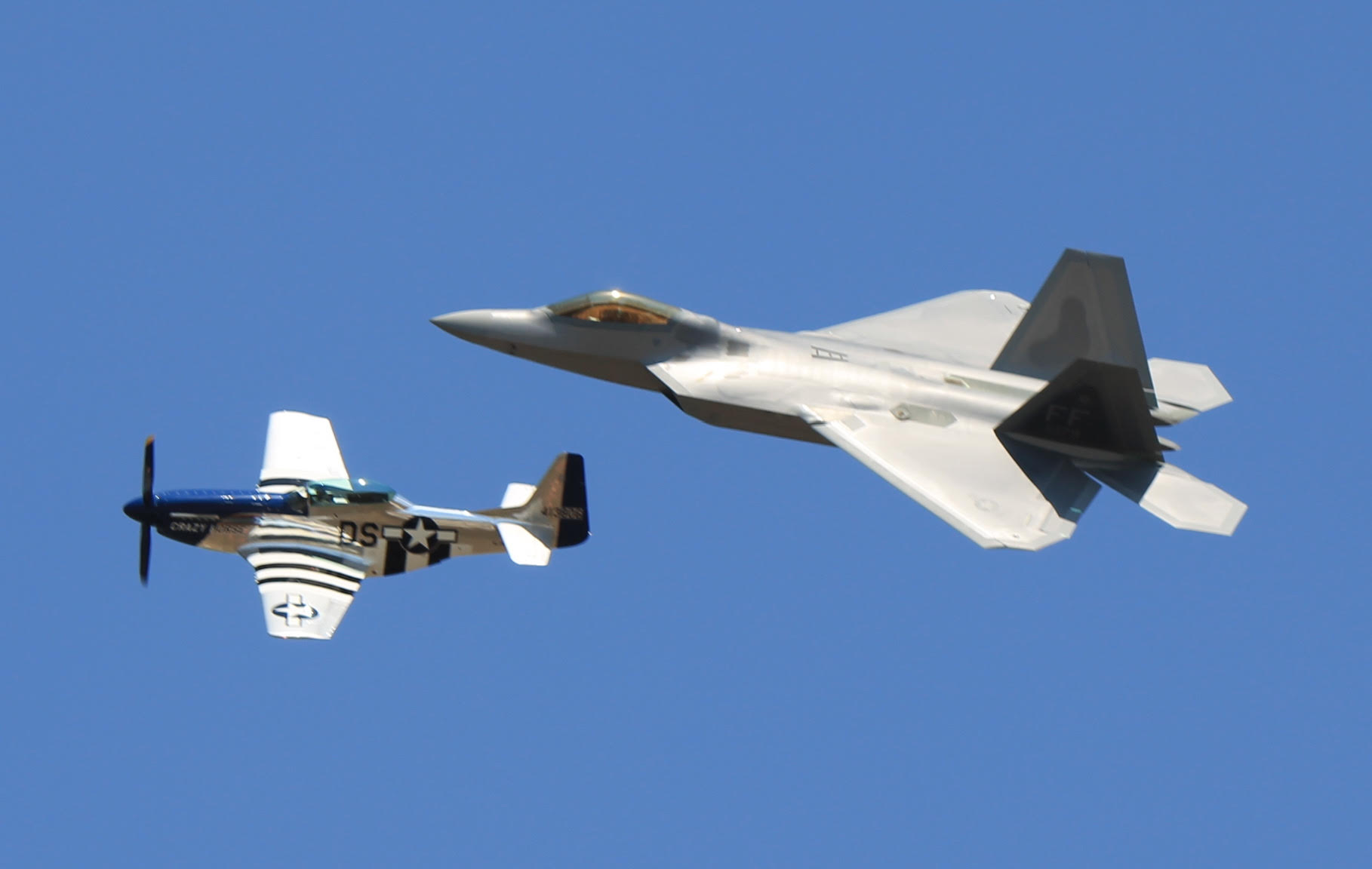
The Air Force F-22 Raptor is scheduled to perform each day as the 21st century stealth jet demonstrates many of its military maneuvers at low altitudes. Raptor pilot Major Dan “Rock” Dickinson will put the F-22 through many gravity defying air strike maneuvers, and will later soar wingtip to wingtip with the P-51D Mustang during the hugely popular Heritage Flight.
“Wings Over Wayne is the top air show on the East Coast,” Major Olde added as a lone F-15E jet taxied nearby. “We’re looking forward to opening our doors and showcasing our air power and base with everyone.”
The 4th Fighter Wing is home to the F-15E Strike Eagle, a dual-role fighter capable of performing air-to-air and air-to-ground missions. The 64-foot long F-15E can achieve a top speed of Mach 2.6 via two Pratt & Whitney F100-PW-229 turbofan engines with afterburners. The Boeing-built sleek military aircraft will perform twice on Saturday and Sunday, including a late morning formation flyover by four F-15E’s.
The airshow will also showcase the KC-135 Stratotankers; Tora, Tora, Tora Pearl Harbor reenactment demonstration; the Royal Canadian Air Force CF-18 Demonstration Team; the six-plane T-34 Beechcraft formation of Lima, Lima, Lima; and Smoke-n-Thunder Jet Truck — a twin jet engine 1957 Chevy Pickup capable of speeds of over 350 m.p.h.
The Canadian CF-18 will be piloted by Captain Matthew Kutryk, his first year with the demo team. His aircraft will don the colors of Canada, red and white with stylistic maple leafs, in honor of Canada’s 150th Anniversary of Confederation.
“Being selected as the pilot for the CF-18 Demonstration Team is an incredible honor, especially on such a significant year for Canada,” said Captain Kutryk dressed in his flight suit and poised next to his aircraft. “I am excited to travel all across Canada and the United States to show the skill and professionalism of the Royal Canadian Air Force.”
The family-friendly weekend includes a 20,000 square feet Kids’ Zone, occupying one of the largest aircraft hangars on the base. Over 15 attractions will be available all day on both days for $5.00 per wristband. Among them will be the Blue Angel Aircraft Carrier Slide, a 36 ft. Turbo Shuttle Slide, Space Camp Combo, Extreme Air Power Jump, a 52-ft Obstacle Course, and Adventures in Aviation.
(Charles Atkeison reports on aerospace and technology. Follow his updates via social media @Military_Flight.)
An Avgeek recounts Virgin America’s professionalism on the day Alaska announced that the brand will be retired.
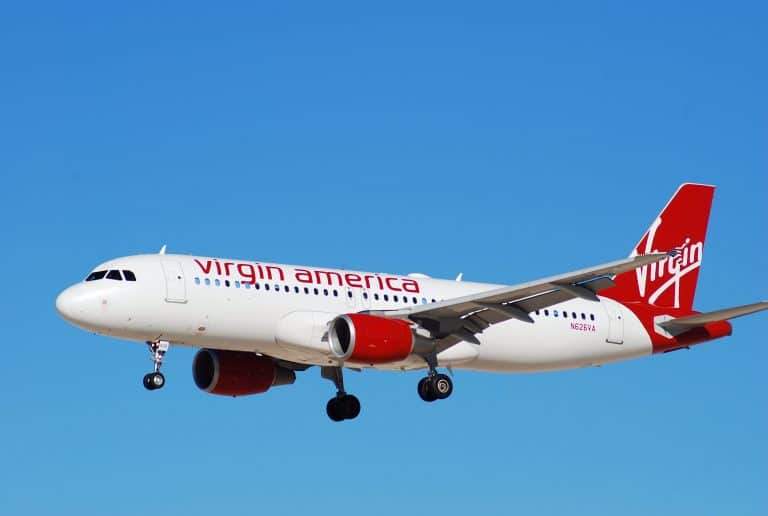
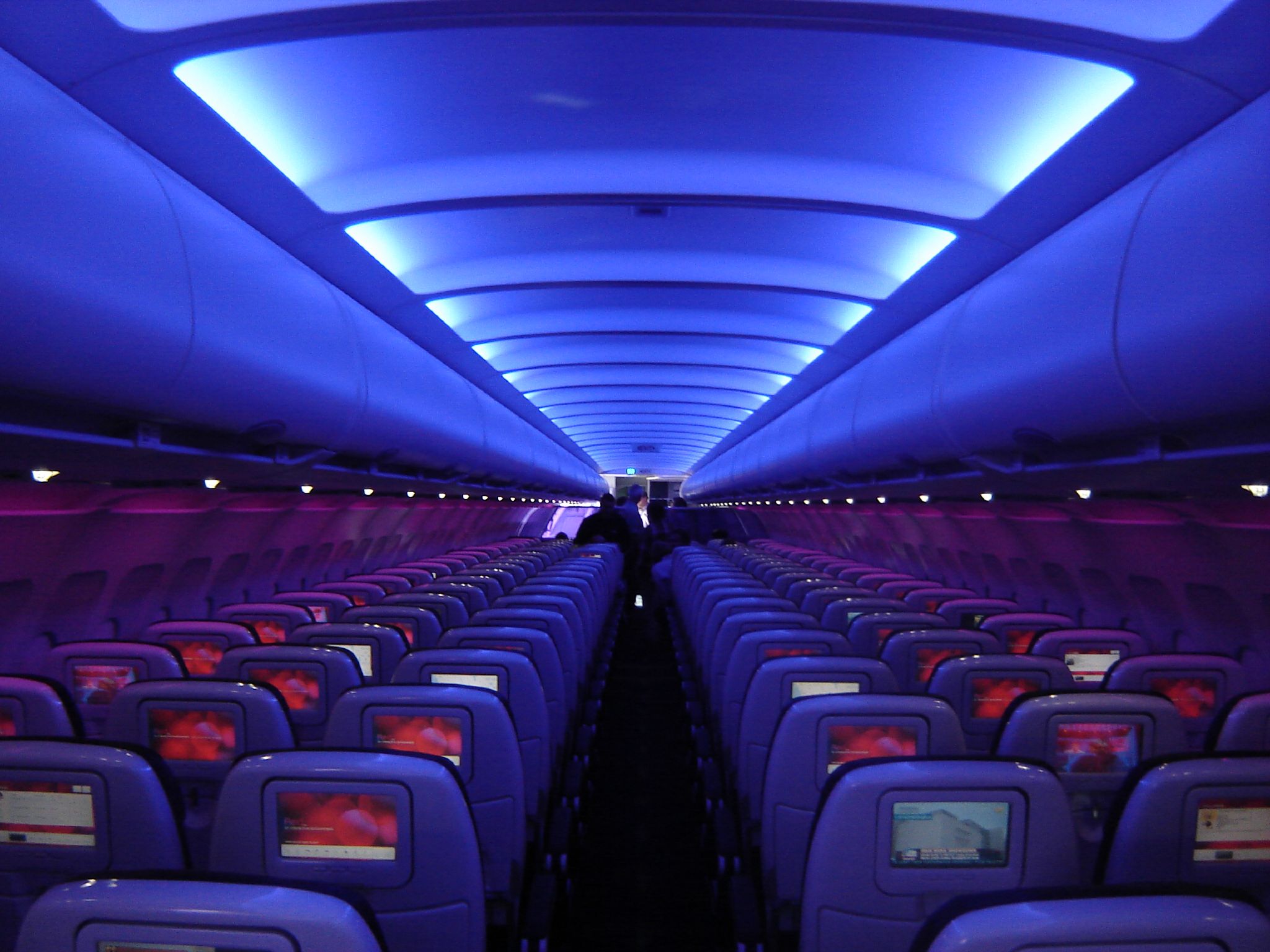
On 21 March I had the pleasure of flying on the red tail of a Virgin America Airbus 320. It was this avgeeks dream come true. With their mood lit cabins, leather seats with large screens that boast a vast array of entertainment options and in-seat ordering options for inflight meals and beverages Virgin America’s birds are unlike any other rides in the sky.
I was commuting from LAX to SEA and this was the first available flight, so I made my way over to Terminal 3, up the escalator through the KCM portal to the Virgin America gate agent’s counter. I inquired politely if there would be room for me on the flight. “Yes, there would be” came the response, “and make sure to introduce yourself to the flight crew.”
I was surprised although it is common courtesy for a jumpseating crew member to introduce one’s self to the crew it was not typical of a standard non-rev, most Captains expect me to take my seat in the back with minimal fuss and disruption to the flow of the operation. However, in this case we had time and I was encouraged to reach out. When I did the Flight Attendants, First Officer and Captain all took a moment to give me a personal heartfelt welcome. I was impressed and took the opportunity to learn more about what they appreciated most about flying for Virgin.
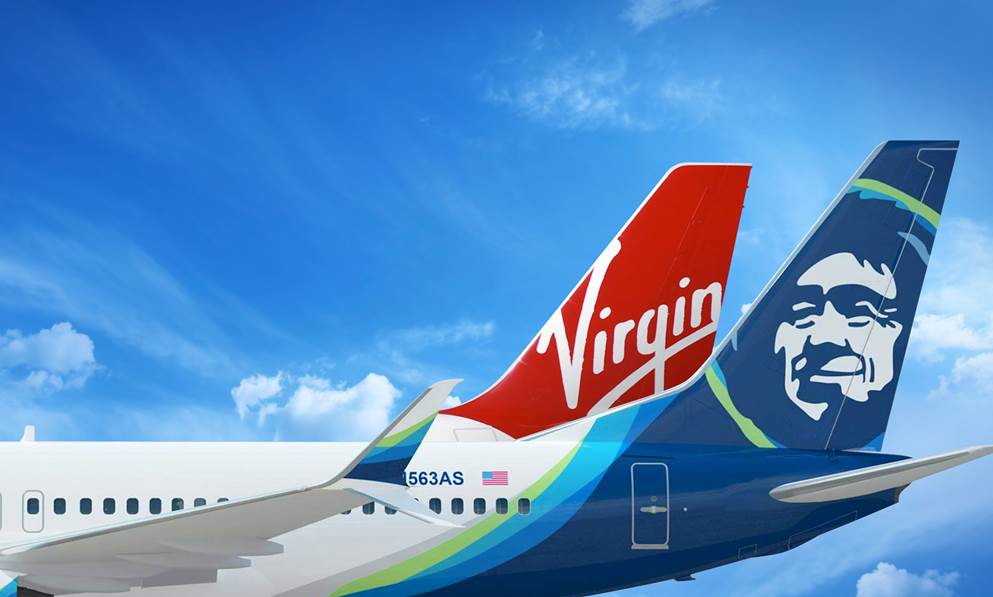
I learned from the crew that they were excited to see their airline growing. They expressed high expectations for the future and a drive to build the West Coast’s premiere airline. Earlier that day Alaska Air Group the parent company announced the decision to retire the Virgin brand in 2019.
The flight and cabin crew expressed pride in their aircraft/amenities and all the perks they appreciated being able to provide for their customers, which for this avgeek included a ginger-ale, protein plate, and the “Hail-Merry” brownies – all ordered from my seat back display.
There was a lot for them to be proud of and I enjoyed every minute of my “mood-lit ride” to Seattle.
A bright future
Now that two airlines have been combined to make one. Alaska and Virgin America are award winning carriers at the top of their class.
The Alaska team has been one of the most beloved airlines in America for decades now. They continue to top the ranks of all the U.S. major airlines for customer satisfaction. This week it was just announced that Alaska won the JD Power Award for the 10th year in a streak that has now lasted a decade and they are still the #1 airline in the Wall Street Journal rankings. Virgin has been winning awards in the luxury travel class for years as most namely the Conde Nast Traveler – Business and Reader’s Choice awards – Best Domestic airline for eight consecutive years and the Travel + Leisure Best Domestic Airline for nine consecutive years.
“Our colleagues at Virgin America built something truly amazing over the past decade, and it’s our goal to honor what they achieved while taking it one step further.”
Alaska sees this merger as a growth opportunity. Unlike other airline mergers were the value was increased through hub closures and service reductions, Alaska is touting more flights, more rewards, and more to love. The airline sees future growing in California and they have announced that they will not be closing any hubs. Alaska also has plans to build brand new lounges in San Francisco and at New York’s JFK airport.
Make flying fun
Virgin America became the place travelers flocked to in search of an air of fun and nostalgia while experiencing the cutting edge trends and technology that were reshaping air travel. They were the first airline to challenge Southwest’s dominance at with their #FreeLoveField campaign. They airlifted Chihuahuas from California to New York annually and they will be forever remembered for their splashy route launch campaigns as Richard Branson paraded through terminals across the U.S. with a train of Vegas showgirls, hula dancers, cowgirls, puppies, mascots, governors, mayors, musicians, stars and red clad inflight team members.
The rest of industry has been trying to keep pace with the innovations that Virgin America brought to the market place. This airline made improvements to the flying experience that every other major carrier is now emulating, fleet wide wifi, seatback displays, power charging outlets at every seat, entertainment offerings, chef-inspired menus, a new attitude toward guest comfort and amenities. They reminded us that flying is fun and that the airline company that deserves our business is one that celebrates its ability to serve its guests.
Virgin America has earned herself a special place in U.S. aviation history.
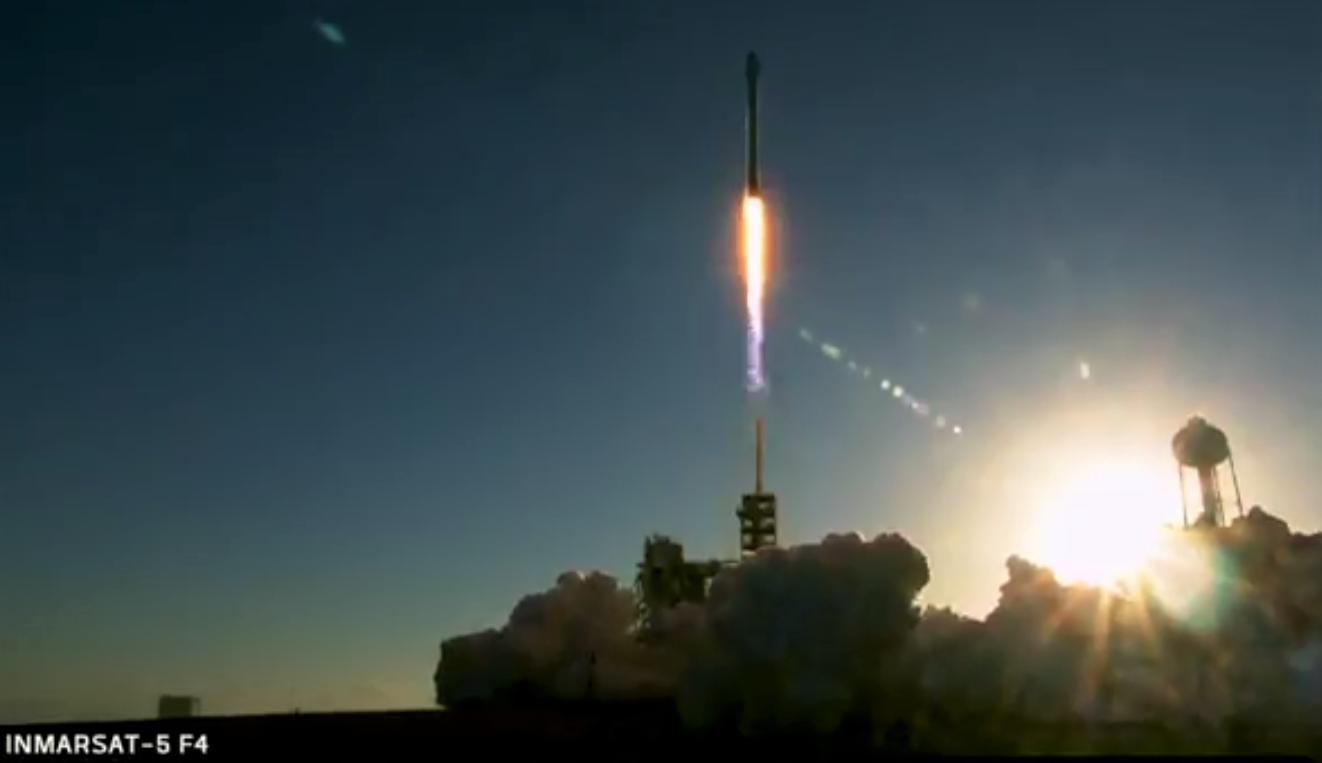
CAPE CANAVERAL, Fla. — A high-speed broadband spacecraft designed to increase advanced data services to remote maritime and aviation locations lifted off on Monday from America’s Space Coast.
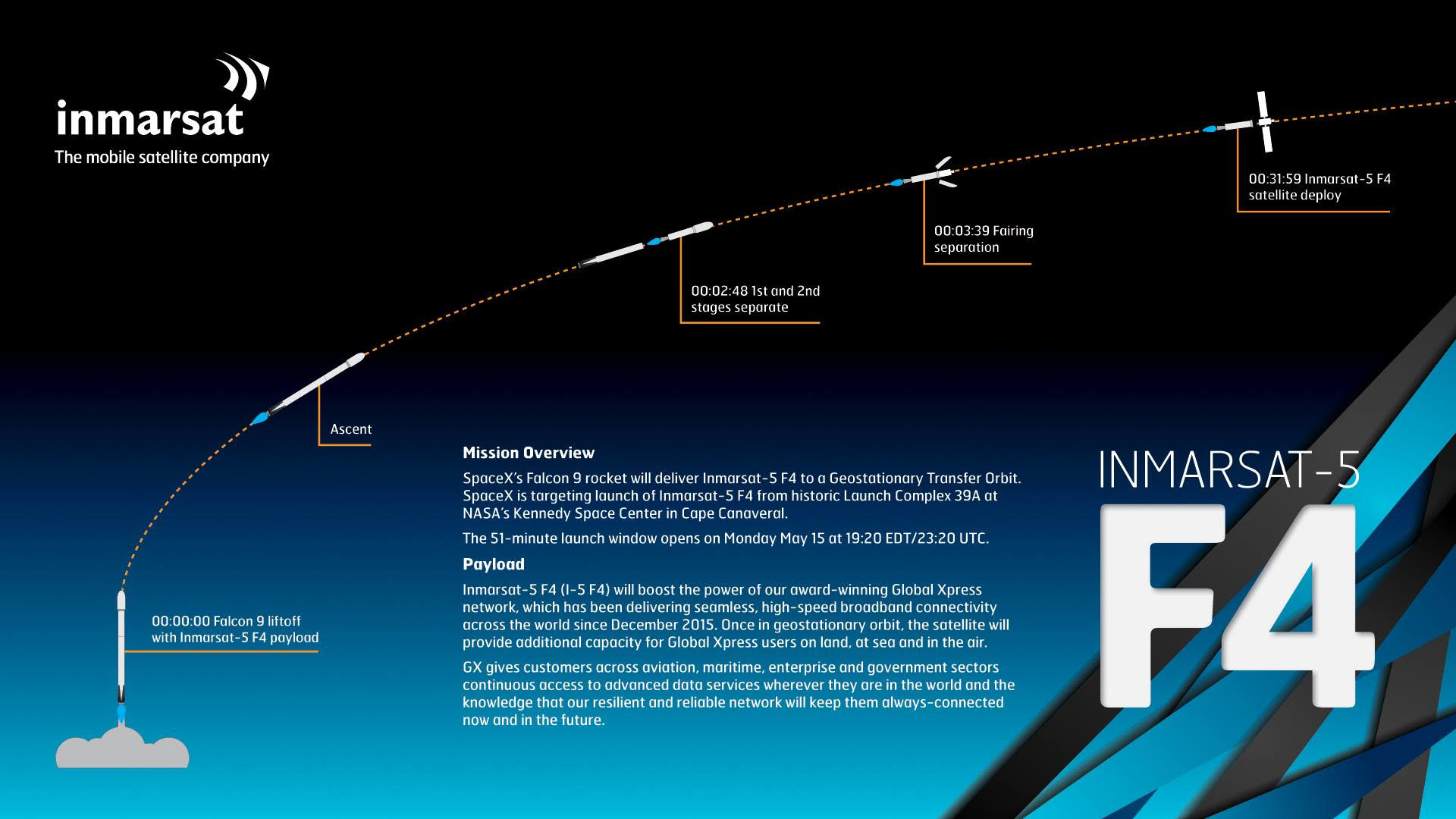
Inmarsat 5 F4 Global Xpress satellite will expand high-speed broadband connectivity across the planet with Ka-Band service. The $240 million spacecraft will soon join a fleet of three fifth-generation telecommunications satellites in geo-stationary orbit.
Source: SpaceX
Built by Boeing in El Segundo, California, the global communications spacecraft has twin solar arrays for a combined 42 meters — longer than that of a Boeing 737 aircraft. Inmarsat is scheduled to operate on orbit for approximately 15 years.
“It’s been a great afternoon and evening out at Kennedy Space Center,” stated John Insprucker, SpaceX principal integration engineer, minutes following the craft release into space. “We counted down with excellent weather; launched right on time — the first stage did great, the second stage went through two burns just as planned. Now, we’ve topped it off with the separation of Inmarsat 5 F4 for our Inmarsat customer.”
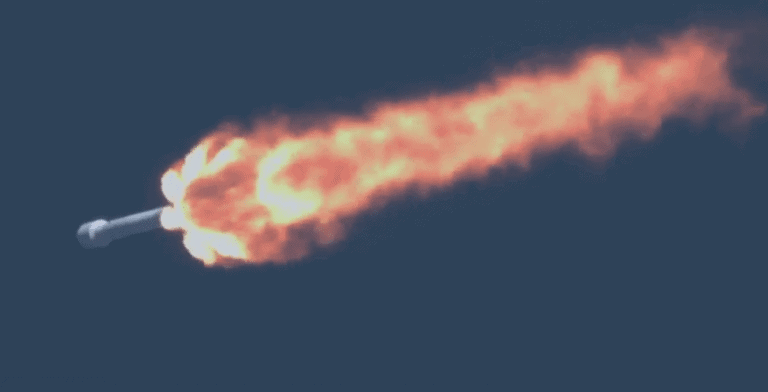
A flawless countdown lead the Space Exploration Technologies Corp. (SpaceX) Falcon 9 to ignite it’s nine Merlin engines on time, launching from the Kennedy Space Center’s historic pad 39-A at 7:21 p.m. EDT. The white candlestick soared straight up and into the light blue clear skies before it began to veer toward the eastern horizon.
Source: SpaceX
Ninety-seconds later, the two-stage rocket was rapidly gaining speed and altitude as it passed Mach 1 high above the Atlantic waters.
Spacecraft separation from the rocket’s second stage was met by a thunderous applause in the SpaceX mission control room located in Hawthorne, California, 32 minutes after the rocket leapt from the launch pad.
“We’ve had confirmation of spacecraft separation,” Insprucker relayed at 7:53 p.m. from the Hawthorne center. “We did hear the launch director out at the launch complex 39A.”
Minutes after the separation, Inmarsat confirmed that they could communicate with 5 F4, and that the craft was a good health. It will take the spacecraft nearly three months arrive at its precise location 22,300 miles above the earth.
“From here Inmarsat 5 F4 will be maneuvered to its geostationary orbit, 35,786 km above Earth, where it will deploy its solar arrays and reflectors and undergo intensive payload testing before beginning commercial service,” Inmarsat Corp. stated following the successful launch.
The next launch for SpaceX is planned for June 1 from America’s Spaceport with the 11th Dragon resupply cargo craft bound for the International Space Station. Launch time is schedule for about 6:00 p.m.
(Charles Atkeison reports on aerospace and technology. Follow his updates via social media @Military_Flight.)
It Turned Out the Backspin Was the Key to Busting Dams With Big Depth Charges.
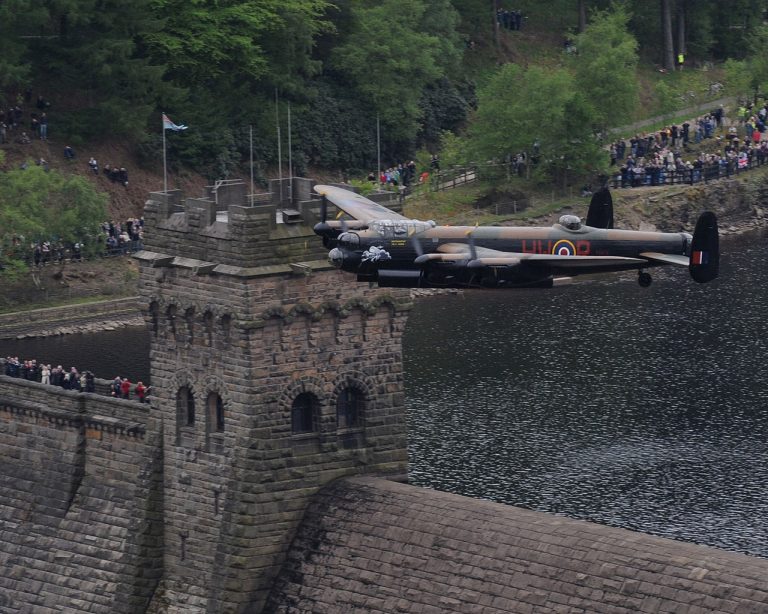
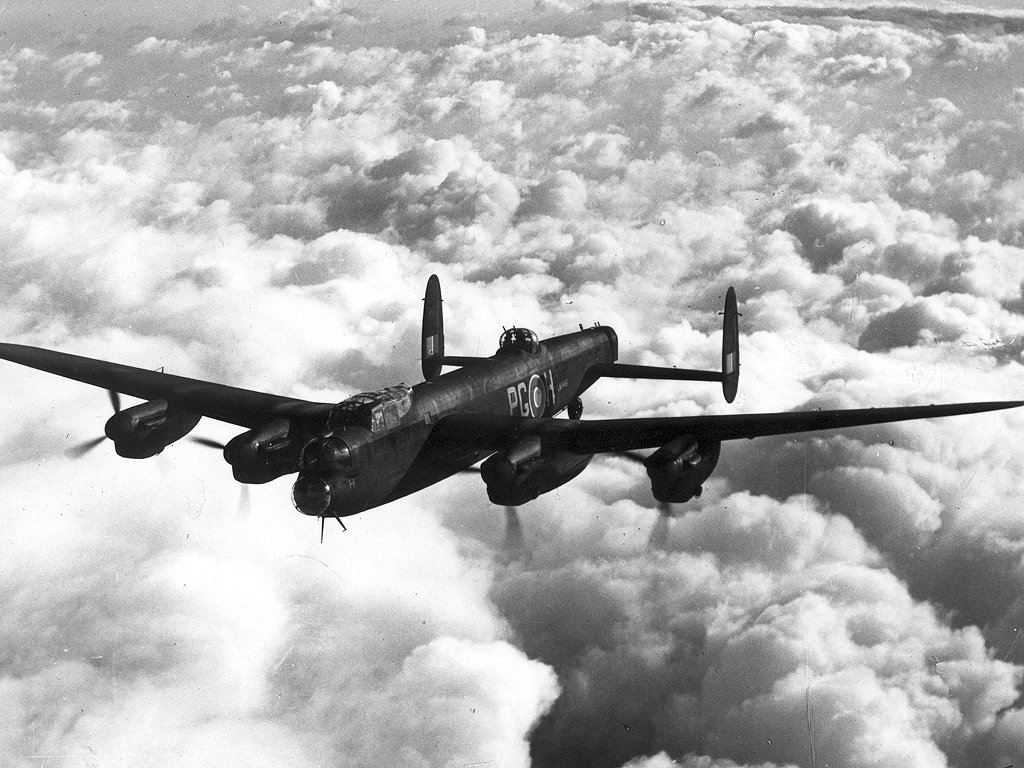
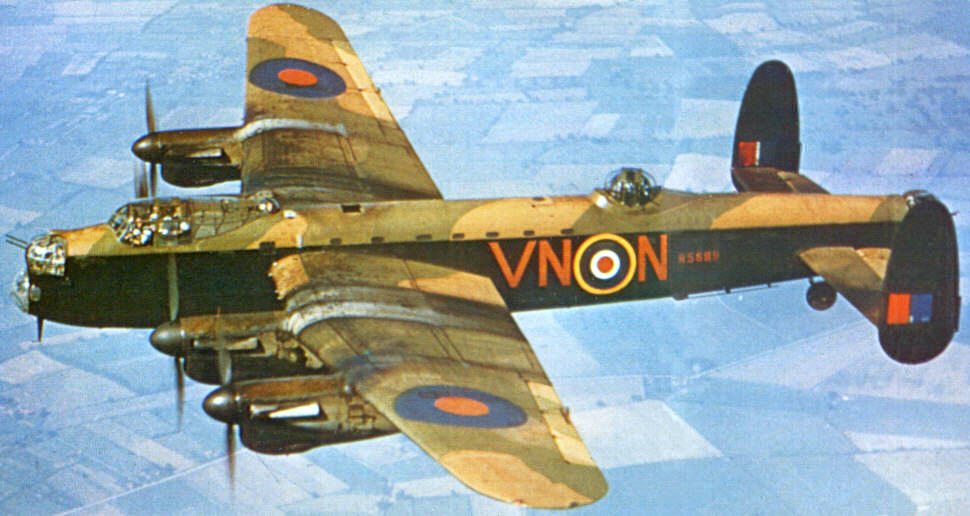
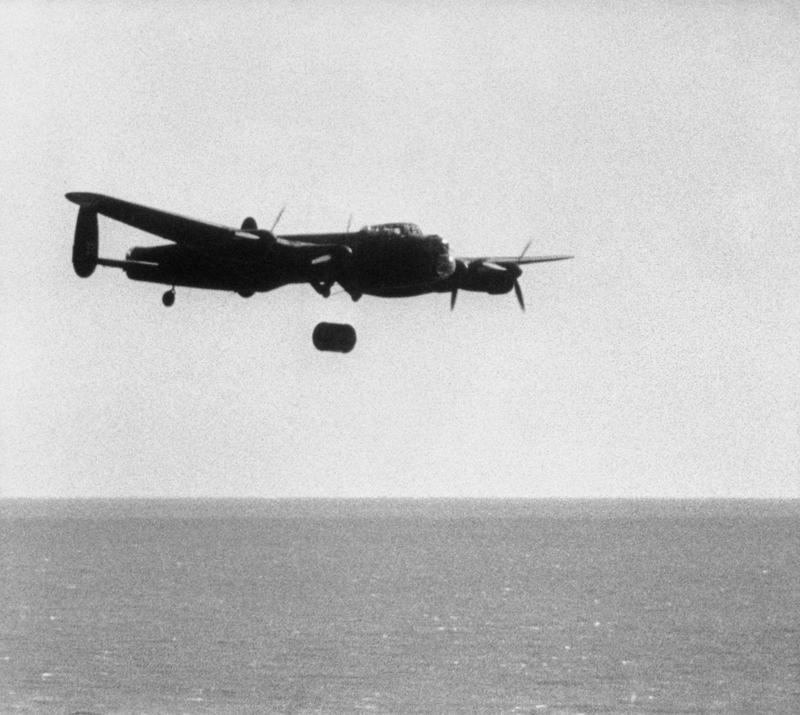
On May 16th 1943, Royal Air Force (RAF) Avro Lancaster B Mark III Special bombers of 617 Squadron began Operation Chastise as dambusters against the Germans. Over the course of the attacks the Mohne and Edersee dams were breached and the Sorpe dam was damaged. Two hydroelectric power stations were destroyed and several more were damaged. The resultant flooding heavily damaged or removed much of the residential and industrial infrastructure located in the Ruhr and Eder valleys.
Targeted Even Before the War
The RAF had determined that the Ruhr valley, or more specifically the steel and mining industries located therein, was a strategic target even before World War II commenced in Europe. In addition the fresh water provided by the dams was used for drinking water and for the canal system used to transport German war materials. An effective method for attacking the dams had to be engineered by the RAF. Enter one Barnes Wallis.
It’s All In the Backspin
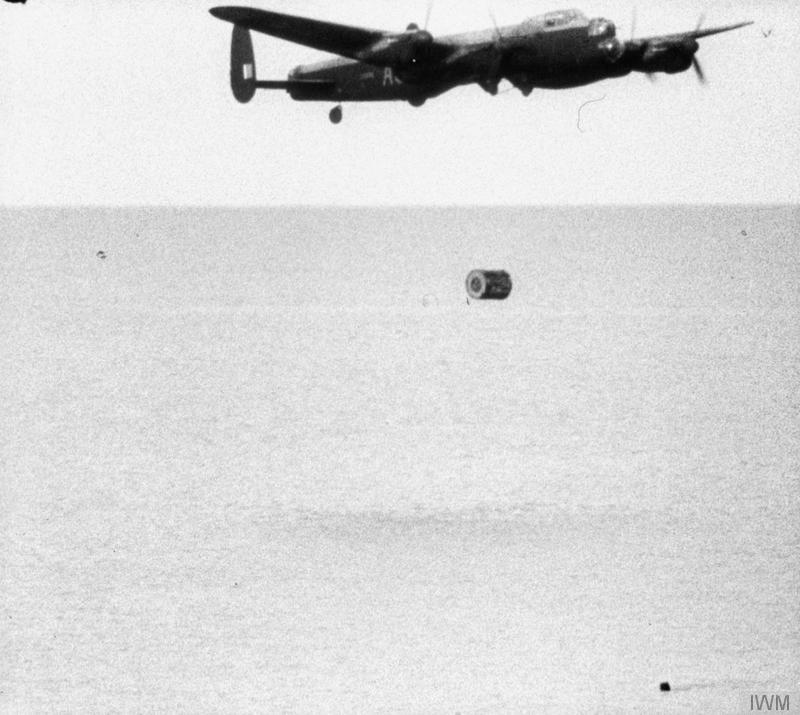
Wallis was the Assistant Chief Designer at Vickers Aircraft. In theory a relatively small explosive charge would cause a breach in a dam if it exploded underwater against the wall of the dam. The Germans had erected torpedo nets to protect the dams from conventional torpedoes and standard bombs could not be dropped with the necessary precision. Wallis and his team decided a bomb shaped like a depth-charge could be dropped from low altitude some distance from the dam. The bomber would induce backspin on the bomb, causing it to skip across the surface of the water- right over the German torpedo nets.
Low and Slow on the Bomb Run
When the bomb (code named Upkeep) reached the dam, it was theorized that because the device would likely still be spinning it would sink along the surface of the dam until its hydrostatic fuse detonated the device 30 under water. The bomber dropping the device would be forced to fly a low-altitude (60 feet), low-speed (240 mile per hour) approach to the drop point, making it vulnerable to all manner of German defenses. After tests during 1942 and early 1943, the concept was proven but the heavier bombs and the modified Lancaster bombers to deliver them were not yet ready.
Commonwealth Melting Pot
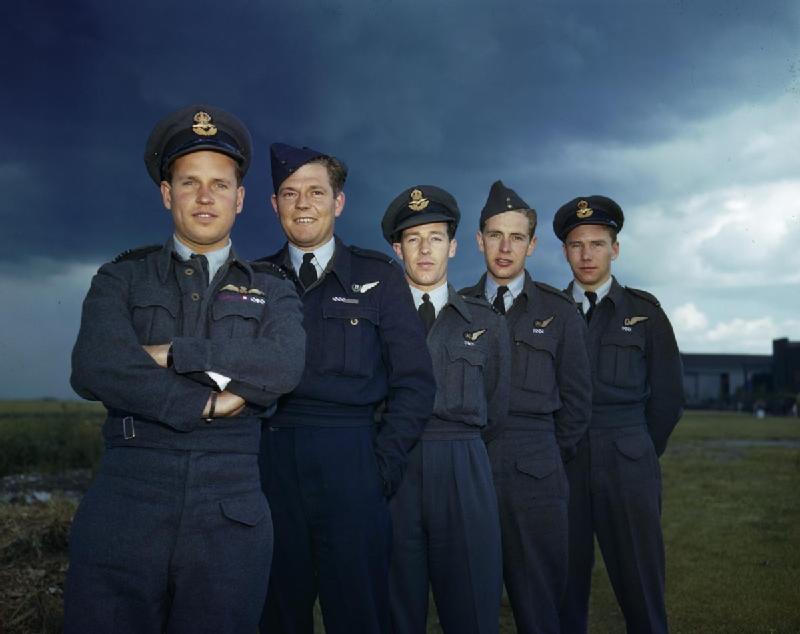
A new squadron was formed as part of Number 5 Group RAF. Initially the squadron was designated simply as X Squadron. Wing Commander Guy Gibson was chosen to command the RAF Scampton-based squadron. The men making up the 21 bomber crews in the squadron, eventually designated 617 Squadron, came from all over the RAF as well as from the Royal Australian Air Force (RAAF), the Royal New Zealand Air Force (RNZAF), and the Royal Canadian Air Force (RCAF). Operation Chastise was to be a Commonwealth show.
Reworked for the Dambusters
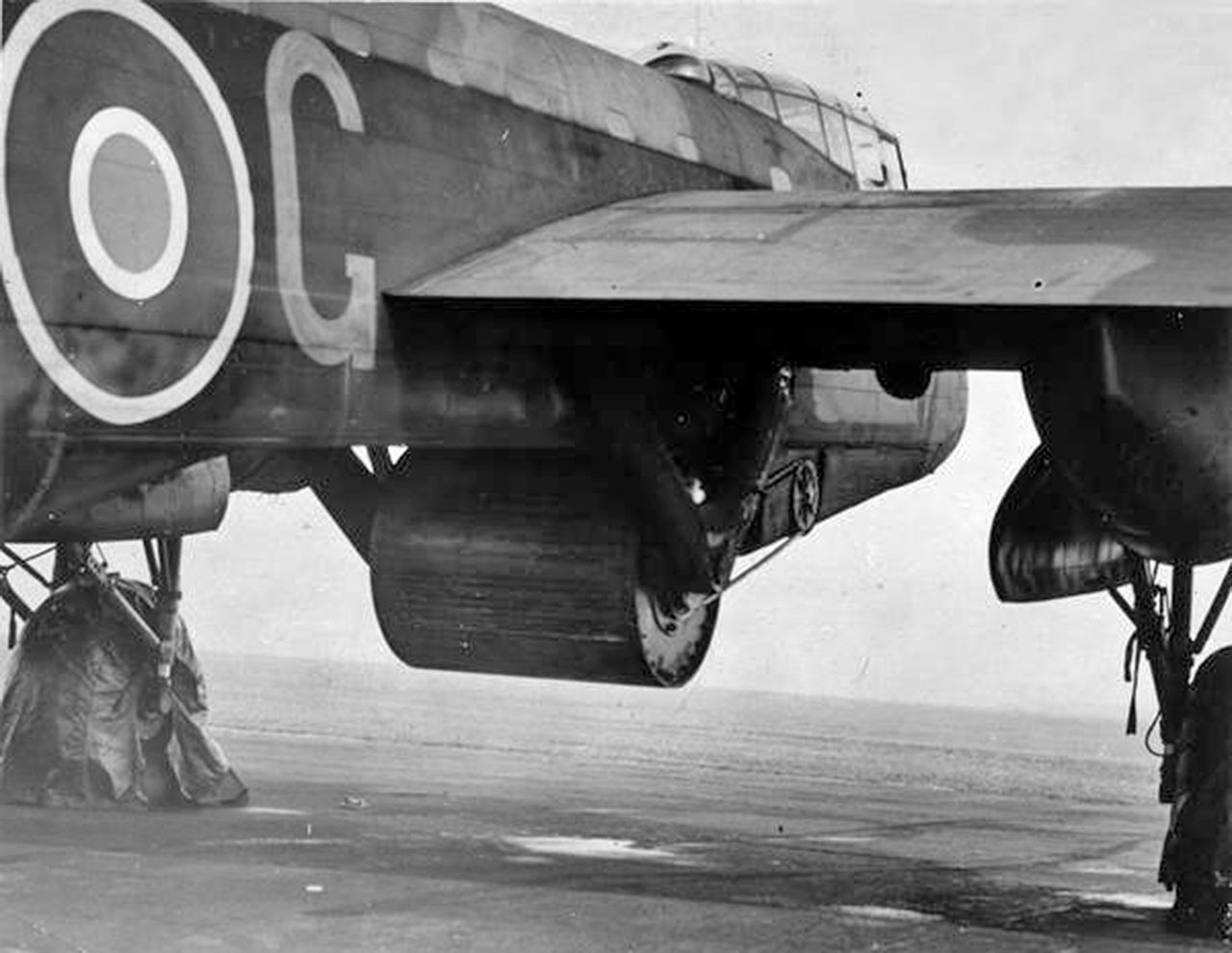
Avro Lancaster B Mark III bombers were modified and designated as B Mark III Specials. Most of the Lancaster’s protective internal armor and the upper machine gun turret were removed to save weight. Because of the bomb’s five foot length and four foot diameter and 9,250 pound weight the bomb bay doors were also removed. In flight the bomb would be carried under the fuselage. The motor used to induce backspin on the bomb before release was also mounted below the fuselage of the aircraft.
For the Rest of the Dambusters Story Bang NEXT PAGE Below