Home Blog Page 216

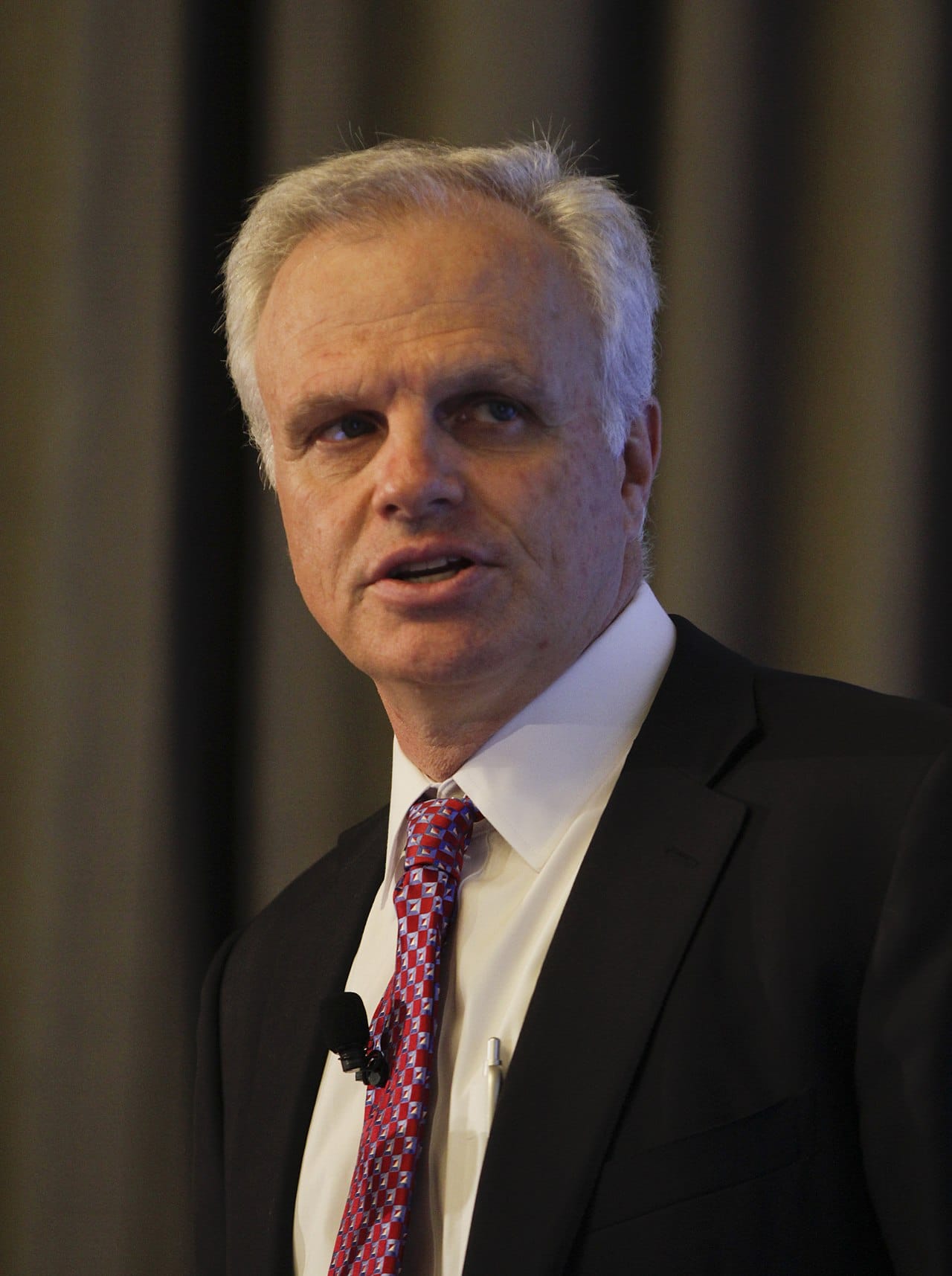
Meet David Neeleman: The Guy Who Made His Millions Starting Airlines


Three years after the passage of the Airline Deregulation Act in 1979, the US airline industry was in the midst of upheaval as many of the legacy carriers that long dominated the commercial skies since the second decade of the century were under siege from free market forces. Unshackled from the strict regulation of the Civil Aeronautics Board, airlines now had a free hand to adapt and adjust to the demands of the US travel market. Now you would think this would be a great thing, but a lot of the majors weren’t adapting. And their attempts to adjust to the market were under attack from a new legion of airlines that hadn’t been seen in the US market before- the start up.
Three years after the passage of the Airline Deregulation Act in 1979, the US airline industry was in the midst of upheaval as many of the legacy carriers that long dominated the commercial skies since the second decade of the century were under siege from free market forces. Unshackled from the strict regulation of the Civil Aeronautics Board, airlines now had a free hand to adapt and adjust to the demands of the US travel market. Now you would think this would be a great thing, but a lot of the majors weren’t adapting. And their attempts to adjust to the market were under attack from a new legion of airlines that hadn’t been seen in the US market before- the start up.

1280px Neeleman 2015

National Airlines found itself swallowed up by a now-bloated Pan Am in an effort to build an instant domestic network for what was once America’s “Chosen Instrument”. Eastern Airlines found itself under attack by a brash low-cost upstart called PeoplExpress. American began to build the first “fortress hub” in the industry at its new base at Dallas/Fort Worth. Western and United found themselves under attack by PSA’s breakout of the intrastate market in California. Labor strife reigned at Texas International and a resurgent Air Florida found its operation cast into doubt after a tragic crash in a blizzard at Washington National Airport. And most telling of what the next several years would bring, Braniff International Airways shut down for good that same year, a victim of over-expansion and bad business decisions reaching back into the 1970s. An airline with a storied history and legacy going back to the 1920s simply shut down to the shock of the industry.

It was amidst this chaotic marketplace that a bored and poorly performing college student in accounting at the University of Utah sensed opportunity. In 1982 David Neeleman had been reading pieces in the Wall Street Journal regarding Braniff’s shutdown as the first convulsion to wrack the incumbent airlines in a newly deregulated market. Long an under performer in school (thanks to what we now know today as attention-deficit disorder), Neeleman did have a gift for numbers and customer service groomed from his earliest years working for his grandfather in a small Salt Lake City market. With a shift in the airline marketplace, Neeleman found there were opportunities for smaller carriers like Southwest and Midway Airlines who as smaller entities, were nimble to adjust to marketplace and could operate tightly-knit employees for lower costs. He approached his father, Gary Neeleman, telling him “Dad, I think we should get into the airline business.” To which the elder Neeleman responded “How on Earth do you think we could do that? Airplanes cost money!

Neeleman pointed out that his father was absolutely right- to start an airline is a insanely capital-intensive venture. What Neeleman proposed to his father was to get into the airline business via the back door through the package tour business. Arranging packaged tours was far less capital intensive as the various parts of the package, from airfare, hotel, and so on, were already out there, they only had to be combined in a single package to make it easy for the consumer to travel to exotic locales for vacation with the least amount of hassle possible. In the days before internet booking, package tours were usually the most convenient way for the average American to jet away for a few days or more.

Developing his business plan and arranging for investors, Neeleman found out from a college classmate that she know someone who bought four hotels in Hawaii and converted them into condominiums. However, with a recession taking place, the owner found it difficult to sell the units- Neeleman saw an opportunity- he could rent out the condos for customers wanting a quick escape. He literally cold-called the owner with a sales pitch: pay me your maintenance fee, $100 per empty unit per week, and I’ll fill them all up with vacationers. He would mark up the price for renting them and collect the difference. Neeleman then placed an ad in the Salt Lake City papers that brazenly pitched “$50 a night for your own condo in Hawaii!

The response was amazing, the condos were getting filled and David Neeleman was getting $250 a week off each rental he set up. Making $1000 a day, school got very uninteresting, very quickly, so he dropped out during his junior year at the University of Utah to run his business full time. Although his condo rental business was booming, there was one problem that always nagged at him- his customers always had a difficult time getting good airfares out of Salt Lake City to Honolulu via the various Pacific gateways of the established majors. Figuring he could do better buying blocks of seats on charter or budget airlines, he set out see which airline could best meet the needs of his customers for an inexpensive flight to Hawaii. The cheapest he could find?

 The founder of JetBlue first founded Hawaii Express
Boeing 747
By Ted Quackenbush [GFDL 1.2 (http://www.gnu.org/licenses/old-licenses/fdl-1.2.html) or GFDL 1.2 (http://www.gnu.org/licenses/old-licenses/fdl-1.2.html)], via Wikimedia Commons

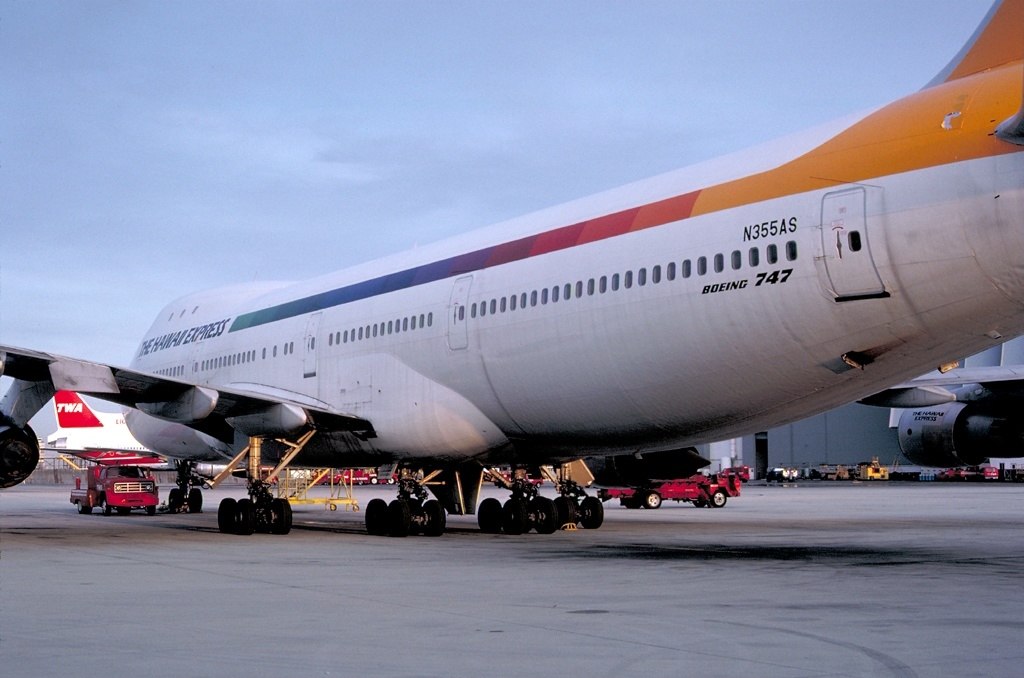
Enter The Hawaii Express. They were a small charter that flew only 2 DC-10s (and at one time a single 747) out of LAX to Honolulu. The Hawaii Express was founded and run by a Hawaii-based businessman, Michael Hartley. Hartley had his start in the airline business going back to 1975 when he started an intrastate commuter airline in Hawaii, Island Pacific Airlines. Island Pacific operated a small fleet of Cessna 402s out of Honolulu and in 1978, his airline was acquired by fellow commuter rival Air Hawaii. During the same period, Hartley and his wife also ran a large FBO operation at HNL. In 1981 he seized upon the opportunity brought about by deregulation start The Hawaii Express to offer cheap fares between Honolulu and Los Angeles.

Neeleman now had a cheap condo in Hawaii and a cheap airfare to Hawaii for his customers and he formed a travel company called Independent Flight Services to handle the booking arrangements with The Hawaii Express (or “Big Pineapple” as it was billed in its ads). All his customers had to do was find a way to Los Angeles from Salt Lake and the overwhelming number of them would make the long drive to LAX since Neeleman’s package was so inexpensive. In less than a year, he was doing eight million dollars in sales and had 20 employees. He upgraded from his modest family car (he had two children at that point) to a BMW sedan. Each flight had a sizeable block of seats set aside just for Neeleman’s customers.

In 1983, barely over a year after he began, it all unravelled with little warning. United Airlines and Western Airlines both had the lion’s share of passenger traffic between California and Hawaii for quite some time and both took a very dim view of Michael Hartley’s low-fare interloper that was skimming increasing amounts of traffic from their flights. A vicious price war ensued and a dissident board ended up sacking Michael Hartley for failing to respond aggressively and wisely to the onslaught by United and Western. In less than eight months, The Hawaii Express shut down in bankruptcy and with the airline went hundreds of thousands of dollars of deposits Neeleman’s company put down for seats on each flight. He had no money left to refund his customers’ deposits and he in turn had to declare bankruptcy.

In the book Blue Streak Neeleman states “And I had a hundred thousand dollars in the bank and no debts and if I only had several thousand dollars more, I could have saved the company.” Neeleman was also on the verge of signing on with a different charter airline fly direct from Salt Lake City to Honolulu. The need for a large cash cushion definitely made a powerful impression on the 24-year old David Neeleman. Overnight, the Neelemans lost everything. Home, assets, car. He went back to working as a cashier in his grandfather’s small store, stocking shelves at night- the very job he held before going to college. He resolved to never go back to the airline business again. David’s father, however, saw that his son was probably meant to do more and introduced him to a family friend, June Morris. She owned the largest travel agency in Utah. She made him a deal- work for me for six months, if you don’t like it, no hard feelings.

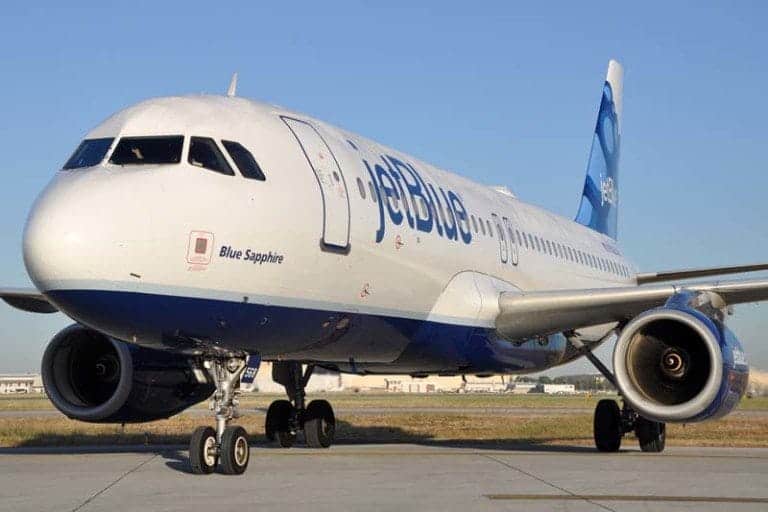
The rest, is history. With June Morris he ended up founding Morris Air (which ironically had Salt Lake City-Los Angeles as its busiest route) and when Morris Air was bought by Southwest in 1993, Neeleman ended up working with the one man who he admired immensely- Herb Kelleher. After leaving Southwest amidst a personally conflict with everyone at Southwest except Herb, Neeleman went on to found Westjet in 1996 and you know where he ended in 2001- launching JetBlue. After JetBlue, he headed to Brazil to found Azul Brazilian Airlines in 2008.

Neeleman’s experience with The Hawaii Express was formative, though. He vowed to never be undercapitalized again (when he launched JetBlue, it had amassed an industry-leading over $100 million in capital before even leaving the ground). He learned that the deregulated marketplace, while it favored start up carriers, also gave the legacy carriers the ability to respond aggressively. Michael Hartley established ticket consolidator Cheaptickets.com. June Morris still sits on the board of Southwest Airlines. JetBlue has definitely made a mark on the industry. And it all began with some empty Hawaii condos and a little known charter airline.

JP Santiago is a proven #avgeek, artist, and an excellent writer.  He regularly blogs on his site Tails Through Time.  He also runs the aviation Facebook fan page The Chicken Works that showcases his artwork.  We are honored to have him as a guest writer on our site.

If you are interested in writing for Avgeekery.com, please send us a message on our Facebook page.
They Learned How To Fly F-16s, Then Made This Epic Video

0

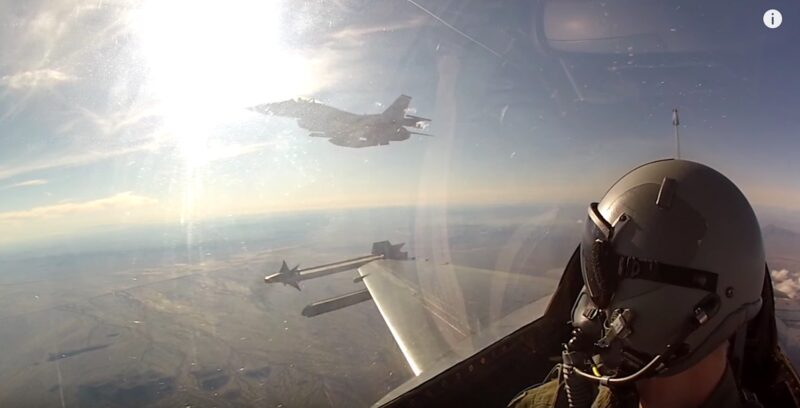
One grueling year of F-16 flying produces one bad ass highlight reel.

After thirteen months of Undergraduate Pilot Training and three months of rigorous Fighter Fundamental Training, freshly-winged pilots assigned to the F-16 arrive at the B-Course.

In the sunny skies over the West Valley of Phoenix, Arizona, these pilots learn the basics of the world’s most versatile fighter jet in the 309th Fighter Squadron—The Wild Ducks.

New Graduates Learn to Fly F-16s In the Desert Southwest

Starting with the basics of instrument flying and aerobatics, each pilot progresses through multiple phases of tactical training. These phases include basic dogfighting, air combat maneuvers, tactical intercepts, air-to-air refueling, close air support, and opposed surface attack tactics.

Over nine months, these hopeful fighter pilots’ seasoning culminates in the ability to fight their way in, employ precision munitions, then fight their way out. The B-Course is designed to send the Combat Air Force a capable, disciplined wingman—ready to take the fight to our Nation’s adversaries.

Groovy! Go behind the scenes of United Airlines Pilot Training in the 1960s

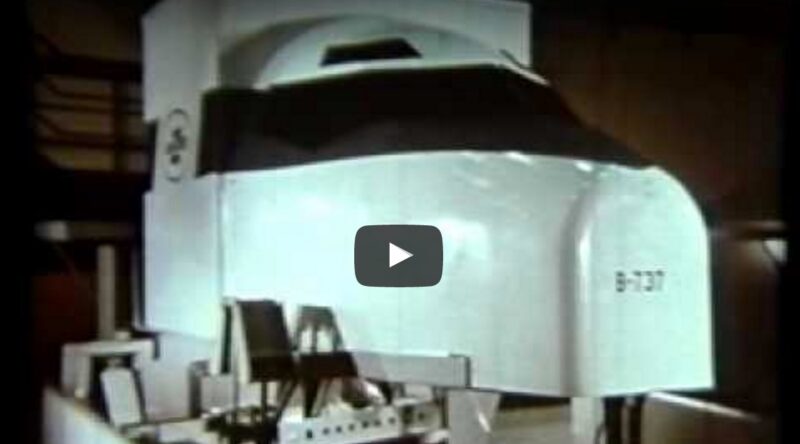
Many people refer to the 1960s as the “Golden Age of Air Travel”.  The seats were spacious, luggage was free, and the service was excellent.  Pilots were often looked upon as heroes who travelled the world and handled a giant jet airliner with a cool, calm demeanor.  That reputation was well earned.  Just like today, airline pilots back in the day completed thousands of hours of training prior to getting hired.  Once hired, they completed rigorous simulator training to prepare them for any anomaly.  Then they completed their training in the actual jet prior to flying passengers.

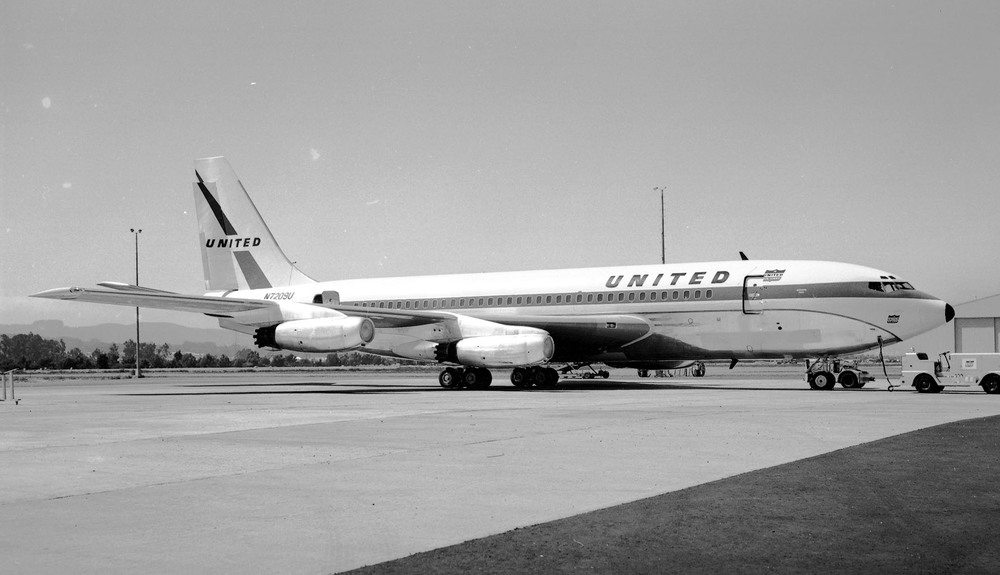
United flew the Boeing 720.  This video highlights training in this jet.

While the training tools have changed, the actual training isn’t really that different.  Airline pilots today still go through rigorous training.  They master aircraft systems and train for myriads of emergencies.  One of the main differences between today and this video from 1969 is that pilots today don’t usually train in the actual aircraft they fly.  Simulators are so realistic that nearly all of the training can be accomplished without an actual flight. Most new-hire’s first flight is a revenue flight with real passengers.

Virgin America is adding Airbus A321 NEOs to their fleet

0

A321neo_CFM_VRD_V06

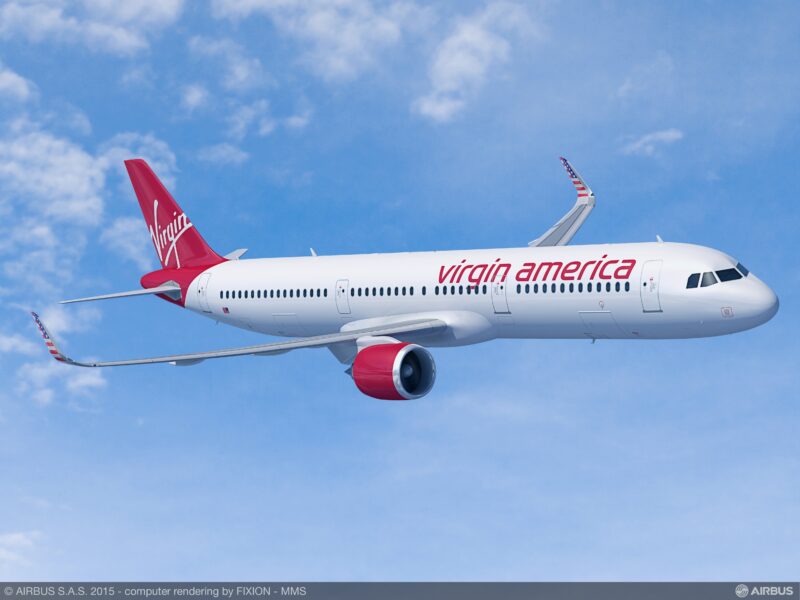
Earlier today Virgin America announced that they will add 10 Airbus A321 NEOs to their fleet to compliment their fleet of 58 Airbus A320s and A319s. In a statement, Virgin America said that deliveries are slated to begin “in the first quarter of 2017 continuing through the third quarter of 2018, and will be leased from GE Capital Aviation Services (GECAS).”  Virgin America will be among the first of any airline worldwide to operate the NEO (New Engine Option) aircraft.

The new A321 NEO will be configured to carry 185 seats, giving the airline an additional 24% seating capacity verses their 156 seat A320 fleet.  While the aircraft will be used to augment existing routes, the A321 NEOs also will allow Virgin America to operate Los Angeles (LAS) to Honolulu (HNL) without any weight restrictions.

Virgin America’ aircraft feature very modern cabins with amenities like mood-lighting, leather seats, RED-branded entertainment programming, and an innovative food and beverage on-demand service. While Virgin America’s service remains popular and trendy, their once-industry leading first class service has fallen behind transcon competitors like Mint, United’s PS, and American Airlines that feature lie-flat beds with American and Mint featuring partitioned seats.  Virgin America’s announcement that the new aircraft will hold 185 people makes it unlikely that they will add any new amenities to their A321 fleet.

KLM ‘Unboxes’ a New Boeing 787-9 Dreamliner

0


img

Have you ever unboxed a brand new model airplane?  It’s a moment to savor for any avgeek.  There is a thrill of unwrapping the plastic off the box.  When you open the box, you smell the fresh paint and glue.  You see the perfectly crafted lines that make the aircraft easily recognizable.  You remove the packaging, hold the plane in your hands and and admire the work of art you just purchased as you put your new collectable on the mantle.

Now imagine if that plane wasn’t just a model but a brand new $200M 787-9 Dreamliner.  KLM recently made a video of such an occasion. While it’s not totally reality, it is entertaining and exciting to watch.  As avgeeks, we applaud KLM for their creativity.

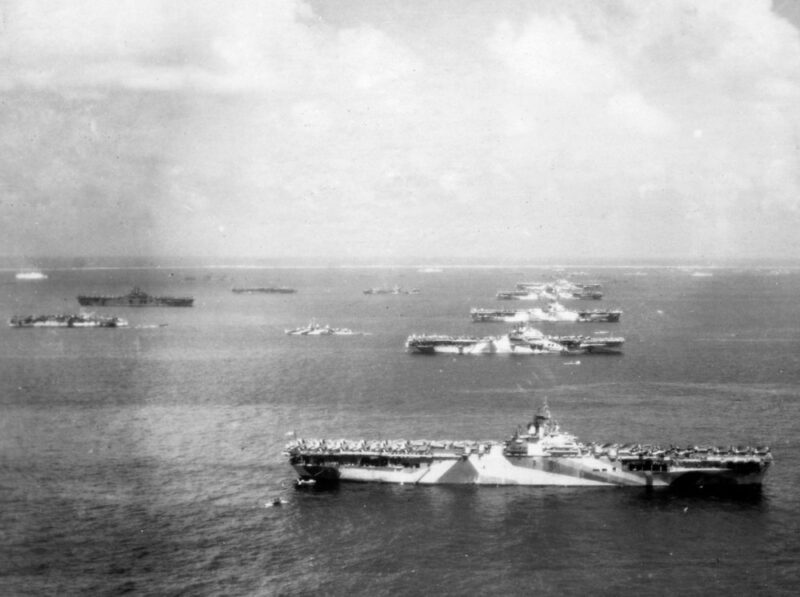
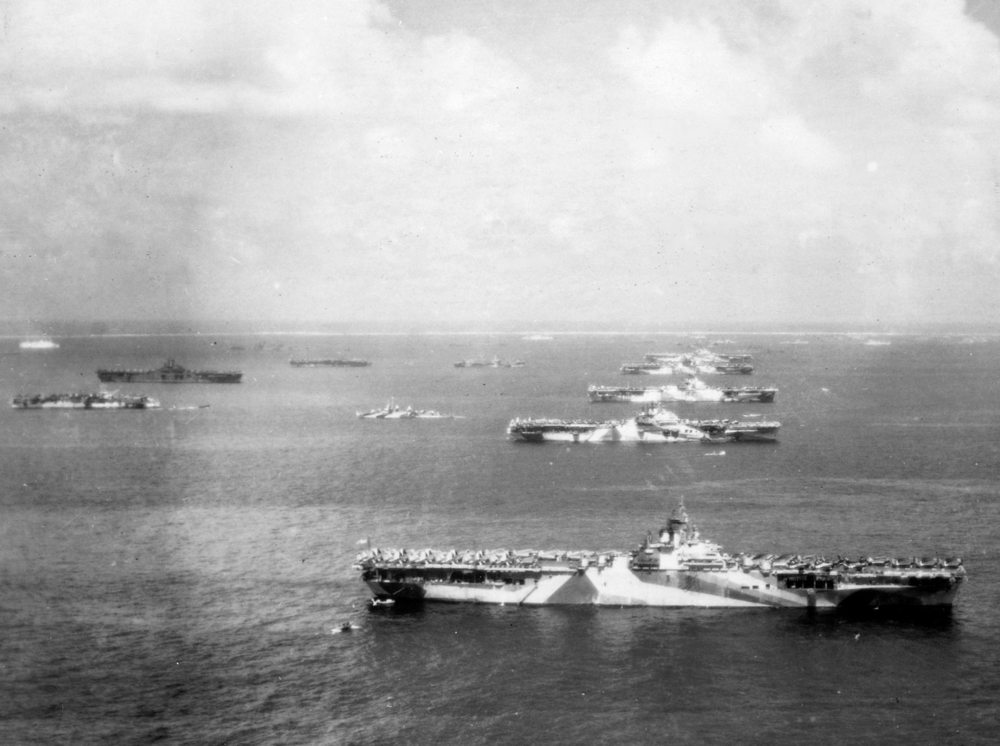
Task Force 38’s Unheralded Contribution to the Fall of Japan

task38

Contrary to common belief, the dropping of the atomic bombs on Hiroshima and Nagasaki didn’t make the invasion of Japan unnecessary. In fact, the invasion of Japan began on 1 July 1945 when Task Force 38 left its anchorage in the Philippines to begin Phase One of Operation Olympic, the invasion of the southernmost of the Home Islands, Kyushu. The amphibious landings on Kyushu were set for November 1945 and Kyushu would then be used as a base of operations for Operation Coronet, the invasion of Honshu and the capture of Tokyo set for the spring of 1946. By this point in the war, the US Navy’s Fast Carrier Task Forces had eclipsed the Imperial Japanese Navy’s Kido Butai (Mobile Strike Force) of the first half of the Pacific War as the most powerful naval strike unit of the war. Phase One of Operation Olympic was for the powerful Task Force 38 to conduct raids on the Japanese Home Islands in preparation for the November landings.

Commanding TF38 would be Admiral William “Bull” Halsey and Vice Admiral John S. McCain. TF38 was made up of Task Groups, each group centered around 5-6 aircraft carriers supported by 2-3 battleships, cruisers and 2-3 destroyer squadrons. Halsey flew his flag aboard the battleship USS Missouri while McCain had his flag on the newest Essex-class fleet carrier, the USS Shangri-La. (the prior link will take you to a detailed order of battle for TF38). In concert with the US Army Air Forces’ B-29 Superfortress offensive, TF38’s aircraft would be hitting pinpoint targets that the B-29s were unsuited to go after- airfields, harbors and dockyards, coastal shipping and transportation chokepoints.

Once within striking range of the Home Islands on 10 July, the sailors and airmen of the TF38 awaited the kamikaze onslaught and expected fierce air resistance over the target areas. To their surprise, they literally had air superiority over even Tokyo with little effort. The Japanese were expecting the landings in October and saw no use in fighting the growing number of American aircraft attacking the Home Islands, instead they chose to stockpile and husband their airpower for use to defend against the expected landings. The aviators of TF38 turned their attention to coastal targets around Kyushu, but the pickings were slim. With intelligence reports indicating a far better target would be the coal industry on the northern Home Island of Hokkaido, TF38 moved north to disrupt Japanese industry by going after its power source. The factories on Honshu, the main island, got over 80% of their coal from Hokkaido in the north. Disrupting the rail lines on Hokkaido would further hamper the transport of coal from the mines southward. On 14 July alone 850 sorties were carried out against various targets in Hokkaido from airfields, rail lines and harbors. Many of the harbors were crowded with merchant ships who were trying to avoid the minefields that had been sown by the B-29 Superfortresses.

It was during the strikes on Hokkaido that the Navy discovered the Achilles heel of the Japanese industry. As there were no bridges or tunnels linking Hokkaido to Honshu at the time, they relied on train ferries to move coal cars from the port of Hakodate on Hokkaido across the Tsuguru Strait to the port of Aomori on Honshu. In the 1920s as Japan’s industrialization increased, four 3,400 ton ferries were built that could carry 25 rail cars across the Tsuguru Strait. Larger ferries were built in the late 1920s that could carry up to 43 rail cars. A dozen of these ships were the only way to move coal from the mines in Hokkaido to the factories in Honshu. Eight of the ferries were sunk by TF38’s aviators and an eighth was forced aground. The air wing of the USS Essex alone accounted for four of the precious train ferries. Coal shipments were quickly moved by the Japanese to smaller coastal merchantmen, but they were inadequate for the task and they were just as much targets for the prowling aircraft of TF38 as the train ferries. The effect was dramatic- in just two days, the amount of coal available to factories on Honshu dropped by a staggering 80%.

The contribution by targeting the train ferries presented the Navy’s brass with a dilemma. For most of the Pacific War and the years prior carrier aviation strategy centered around attacking and sinking the enemy fleet at sea, but the carrier strikes against the coal industry of Hokkaido showed that hitting unglamorous targets like train ferries contributed for more to the war effort. This would have a great influence on one of the task group commanders of TF38, Rear Admiral Arthur Radford. In the postwar period, Radford served as the Vice Chief of Naval Operations, Commander of the Pacific Fleet and Chairman of the Joint Chiefs of Staff. In those various capacities he consistently pushed for a strong naval aviation arm.

Source: Whirlwind: The Air War Against Japan 1942-1945 by Barrett Tillman. Simon & Schuster, 2010, pp 199-202. Photos: US Navy

Boeing’s New 737 MAX is here: 5 Things You should know

0

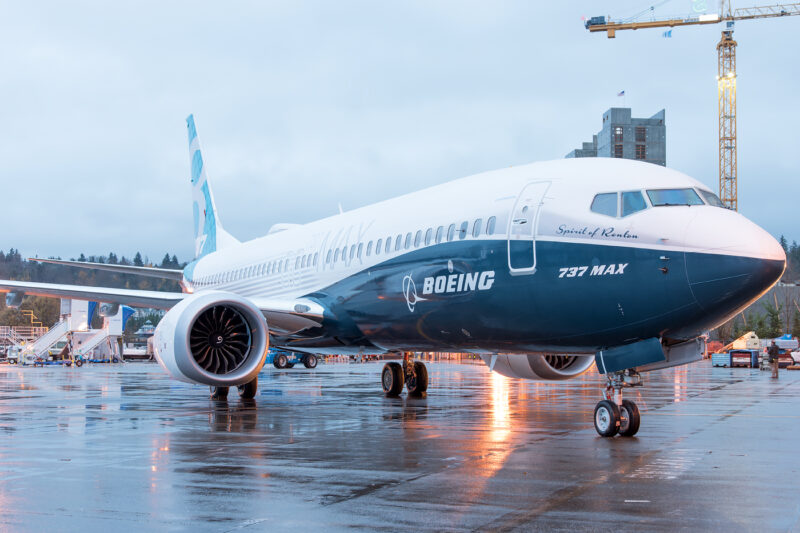
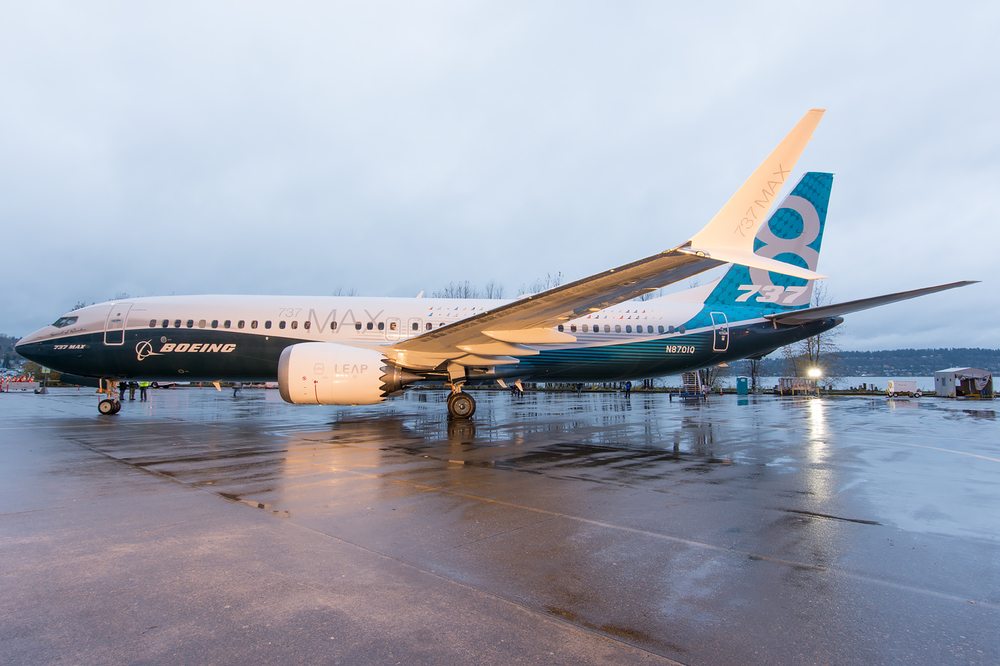
Earlier this week, Boeing introduced it’s latest Boeing 737 to the world in a relatively low-key fashion.  Known as the Boeing 737 MAX, the aircraft is scheduled for first delivery in the 3rd quarter of 2017.  The new 737 family is the 4th generation of the venerable “Baby Boeing”.

First flown in 1967, the original Boeing 737-100 was a far cry from Boeing’s latest offering.  The original 737 was envisioned to be an aircraft to fly about 100 to 120 people on short-haul routes between 500-1000 miles.  The new 737 MAX series can fly upwards of 200+ people on domestic and international routes of up to 3,600 nautical miles.  That’s enough range to fly from the east coast of the United States to the western coast of Europe.

Here are 5 additional things that you should know about the rollout of the first Boeing 737-MAX:

1.) BOEING HASTILY LAUNCHED THE 737MAX IN RESPONSE TO AIRBUS’S A320NEO

It was long rumored that Boeing favored a clean sheet design to augment the 787 program.  Known as the Y1, this aircraft would have spanned the gap between the 737 and 757 market.  Competition by Airbus forced Boeing’s hand.

In December of 2011, American Airlines announced a fleet renewal program.  In their program, they split their narrow-body order between the Airbus A320NEO family and the Boeing 737MAX.  This type of announcement was unusual as an airline, not Boeing, unveiled the MAX family.  Many critics felt that the launch of the Airbus A320NEO forced Boeing’s hand to launch a competing product versus an all new design.

2.) The MAX features new, more efficient engines

The 737 MAX features the new CFM Leap-1B engines that will make the latest 737 at least 14% more efficient than the existing 737 Next Generation aircraft.  The Leap 1B, previously known as the “Leap X”, is the exclusive engine of the 737 MAX program.

The engine is 69.4 inches in circumference, 8 inches larger than the 737NG engines but still smaller than the Airbus A320NEO engines.  The Leap 1B provides up to 35,000 lbs of thrust.  The new engine features many advancements that were first seen on the wide-body 787/A350 engines.  These include an extensive use of ceramics and even 3D printed parts.

One significant advancement is that the engine has carbon-fiber woven composite fan blades.  The engine first flew on a 747 testbed in 2015.

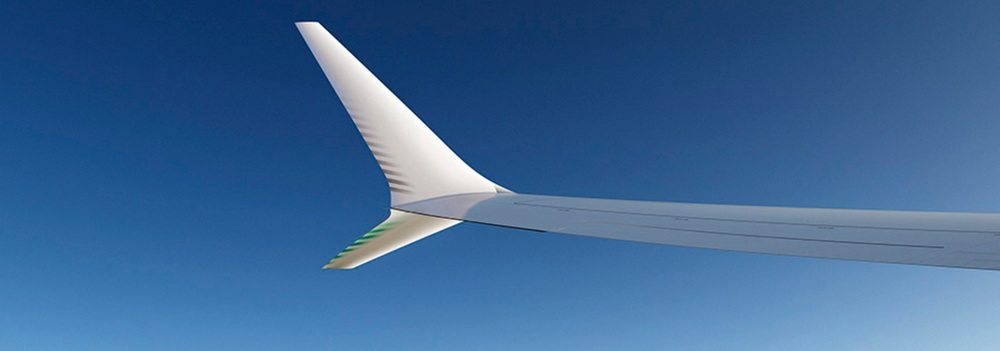
3.) The MAX “AT Winglets” provide up to an additional 1.8% fuel savings

winglet

Winglets are so 2000!  The new Boeing 737 MAX AT Winglet is Boeing’s in-house version of a split-scimitar winglet.  This optimized winglet  is 1.8% more efficient than traditional winglets that have been commonly seen on 737 NextGen aircraft for the past 10+ years.

This 1.8% efficiency gain translates into a potential gain of almost 500nm in range. Winglets work by blocking the downward force of vortices generated by the edge of the wings.  The Advanced Technology winglet blocks those vorticies on both the bottom and the top, acting as a fence.  The angle of the winglets provide the maximum amount of deflection while the shape of the winglet also generates less drag itself than earlier versions.

4.) The MAX has the range to do intercontinental routes

The 737 MAX is a very efficient plane with the -8 version able to fly almost 3,600nm non-stop.  While this technically means that the MAX has the ability to fly east-coast to Europe, it is unlikely to replace the 757s and larger aircraft that currently ply the routes ‘across the pond’ because that range is significantly decreased with the typical wintertime winds flying westbound.

The MAX does open opportunities to fly from Montreal to London and New York to Dublin reliably.  It also will allow airlines to economically fly new routes between the southern US and Central America along with Europe and Africa.

5.) Delivery isn’t scheduled until Q3 2017

The first flight of the 737 MAX is scheduled in early 2016.  First delivery isn’t scheduled until Q3 of 2017.  The first MAX aircraft will be delivered to Southwest Airlines.  Currently there are 2,955 outstanding orders for the MAX. A majority of them are the -8 model.

Photo by Royal S. King

Want to learn more?  Check out: Boeing AERO Magazine and Boeing’s website.

Jumping Out of a Hot Air Balloon With No Parachute? You’re Crazy!

Jumping With No Chute is Crazy! This Guy Just Did It!

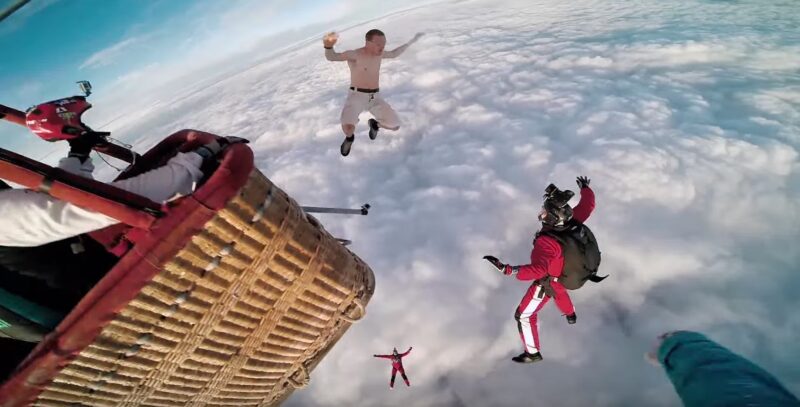
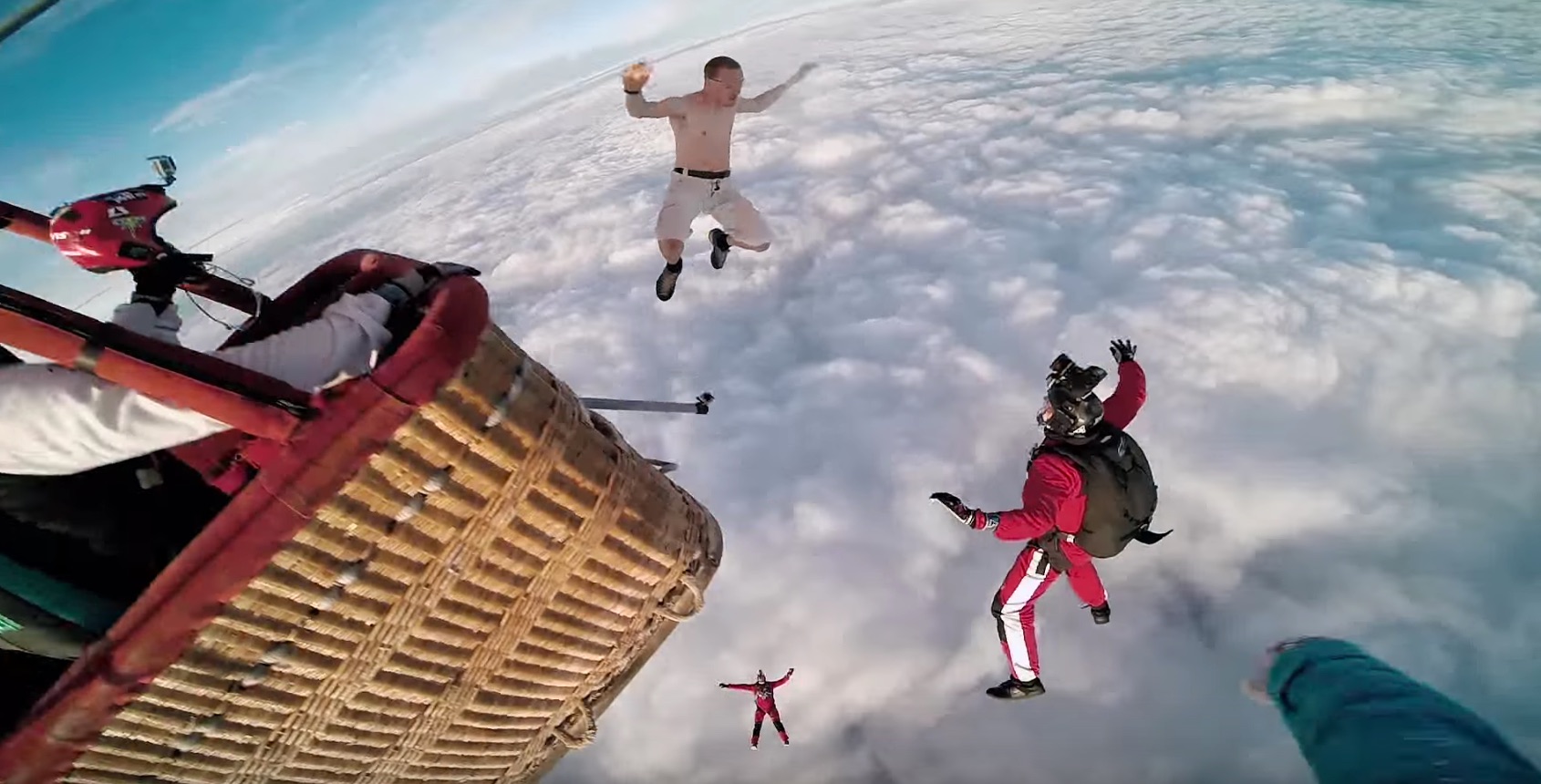
Skydiving is scary.  Skydiving from a hot air balloon with no forward movement from 13,000 feet is even scarier.  Skydiving without a parachute is absolutely nuts.  Finnish daredevil Antti Pendikainen jumped from a balloon after throwing his parachute to the wind.  He then accelerated to over 100 miles per hour as he careened towards his death.  Will his stunt team save him?  You’ll have to watch to find out…

avgeekeryskydive

Labor Day: What it takes to move 170,000 passengers a day at DFW

0

Moving 170,000 people a day isn’t magic.  It’s hard work!

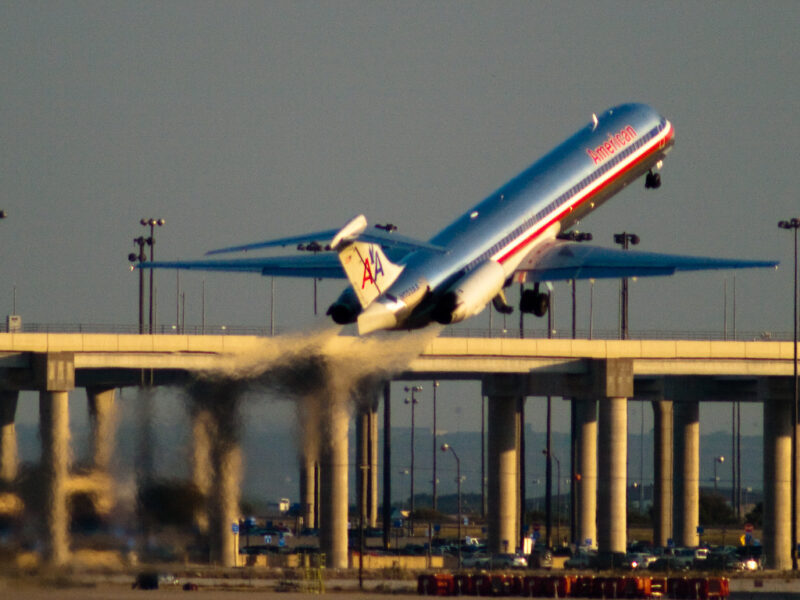
Labor Day is one of the busier travel days of the year.  At DFW airport alone, over 170,000 people travel through the airport.  It takes teamwork and coordination to make it happen.  AP put together a beautiful time-lapse of a day at DFW airport with beautiful images and fascinating facts.  It’s enough to make any avgeek’s heart swoon.  In the video, there are plenty of MadDogs (MD-80s) along with a KLM A330, a Qantas A380 and a whole host of other aircraft.

This labor day, Avgeekery.com salutes the many men and women in aviation who sacrifice their holiday, so that so many others in our nation can enjoy time with family and friends.

Why Is My Flight Delayed At SFO? Blame It On Flow Control

0

SFO is one of the most unique airports in America both because of its local weather and its design. In good weather, the airport has some of the most unique simultaneous approaches and departures. 

In less than ideal weather, delays are unfortunately very common.  What makes SFO so unique?  Let’s explore.

In good weather, planes fly simultaneous approaches and departures

The Bay Area is blessed with a very temperate climate that makes for comfortable weather year-round.  Yet the weather can also create chaos and do so quickly.

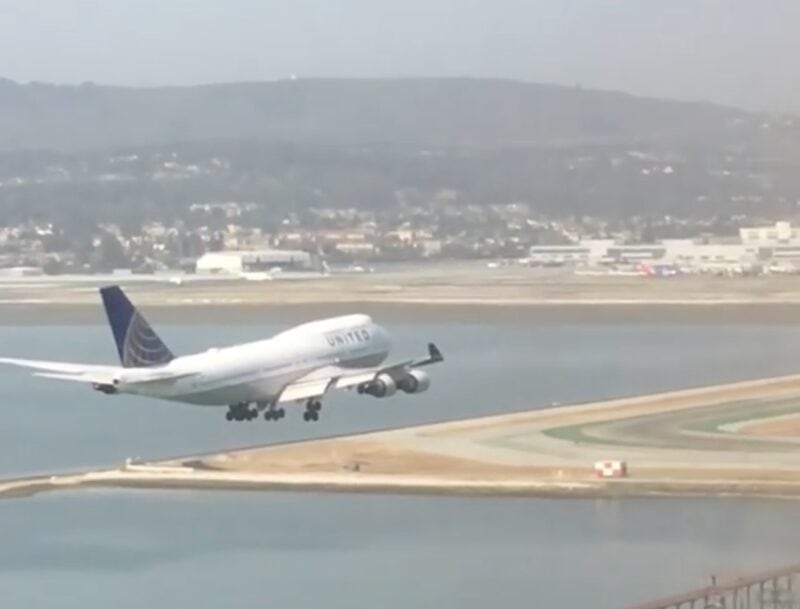
Have you ever looked out the window while landing at San Francisco International in good weather and noticed a plane flying seemingly in a close formation with you?  There’s a reason for that.  San Francisco International Airport has two sets of parallel runways.  

On most days, traffic lands on runways 28L and 28R.  These two runways are only 750 feet apart.  The non-standard separation of the runways combined with the high volume of traffic at SFO along with noise abatement procedures has forced some creative and complex approaches into the airport.

My Flight is delayed even when the weather is nice

During visual conditions, controllers are able to stagger the aircraft by assigning precise speeds at each waypoint of the visual approach augmented by navigational aids.  This type of approach results in a relatively high flow of traffic  of around 60 aircraft per hour(that keeps airline schedules running smoothly) and unique photos for Avgeeks.


A veces tengo suerte y veo algunas maravillas.

A video posted by Hugo Morales (@gonzomau) on

When the low ceilings (or fog) roll in, get ready for flight delays at SFO

During less than visual conditions, the aircraft are spaced further apart laterally but still closer than standard separation at most airports.  The airport utilizes what is known as a PRM approach or Precision Runway Monitoring combined with SOIA or Simultaneous Offset Instrument Approach.  

A PRM approach is an approach that utilizes an additional radar controller to ensure separation.  It is utilized at other major airports across the country to keep planes safe while flying closer together than standard on approaches during instrument conditions.  SOIA is also employed at SFO to keep aircraft spaced further than 750 feet laterally until they are visual.

One aircraft on 28L flies the ILS (precision approach) and the aircraft on 28R flies an LDA or GPS which is slightly offset to the runway.  (See approach plate here with myriad of notes).  This unique approach does slow down the traffic flow to 38 aircraft per hour but keeps aircraft safely flowing into SFO during less than ideal weather conditions.  

During really poor weather (like fog or low ceilings), SFO is restricted even further to just 30 aircraft per hour because arriving aircraft must approach the field in a single file line as they utilize the ILS (up to CAT-III) to land on 28R.  Check out this guide if you are interested in learning more about SFO’s weather operations plan.

The next time you fly into SFO (even if delayed), thank the pilots for flawlessly executing a very complicated approach procedure to get you there safely.

Read more about SOIA at SFO here: http://media.flysfo.com/PRM_SOIA_version_1_0.pdf

Continuing the Legacy of the Tuskegee Airmen: Legacy Flight Academy

0

img

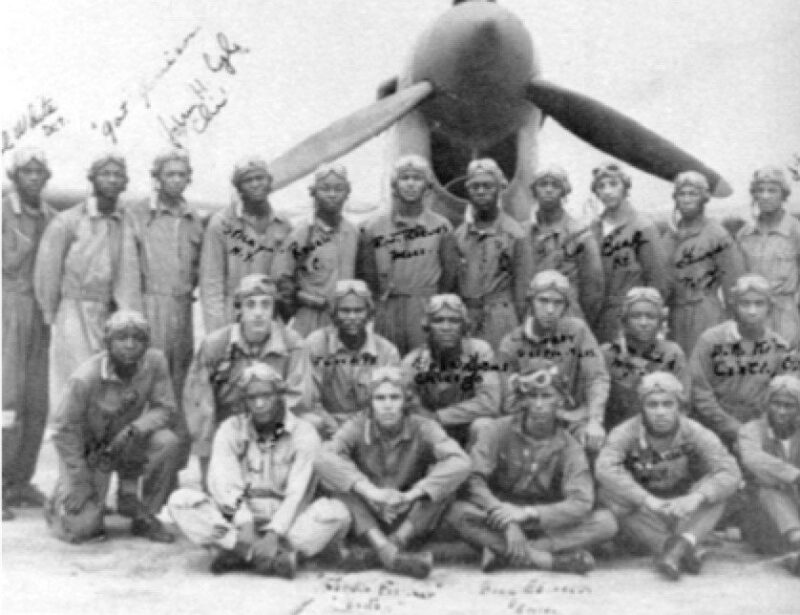
Happy Independence Day weekend!  As we get ready to celebrate America, it is good to celebrate those things that make America great.  On 4 July, 1942 a special flying unit formed of Americans from our Greatest Generation was inaugurated to fight against Nazi oppression and ensure freedom for all.  This legendary unit is none other than the men of the 332nd Fighter Group, most commonly known as the Tuskegee Airmen.  Their heroics are not only due to their incredible record in combat against an armed enemy, but also because of their fight against inequality and right to equal opportunity for all Americans – it is said that they achieved a “Double Victory” through their perseverance, competence, and dedication.

img

Today, the Tuskegee Airmen Legacy continues through a multitude of organizations and activities, including the Commemorative Air Force Red Tail Squadron, Tuskegee Airmen, Inc. and several others, but I want to share with you one that I personally know and think we should support: the Legacy Flight Academy.

img

The Legacy Flight Academy (LFA) is an IRS 501(c)3 non-profit organization that’s dedicated to upholding and sustaining the Legacy of the Tuskegee Airmen.  They support several youth aviation outreach and education activities throughout the year, but their primary activity is a 2-week summer program that is conducted at Moton Field in Tuskegee, AL.  Students who participate in LFA literally walk in the footsteps of the famed Tuskegee Airmen as they learn character lessons from the example of all the men and women from the “Tuskegee Experiment” and receive hands-on flight training in preparation for their own aerospace careers.  What’s neat about this program is that it’s impactful.  Program attendees have gone on to do amazing things in aviation.  It’s a perfect example of a program that builds a love of aviation in the hearts and minds of our nation’s youth.

Check back tomorrow for part 2 as we interview one of the founders of the Legacy Flight Academy.   We’ll also profile a couple of the success stories.

787 Dreamliner Wows The Web With Airshow Prep Video

Boeing broke the internet again with this amazing video!

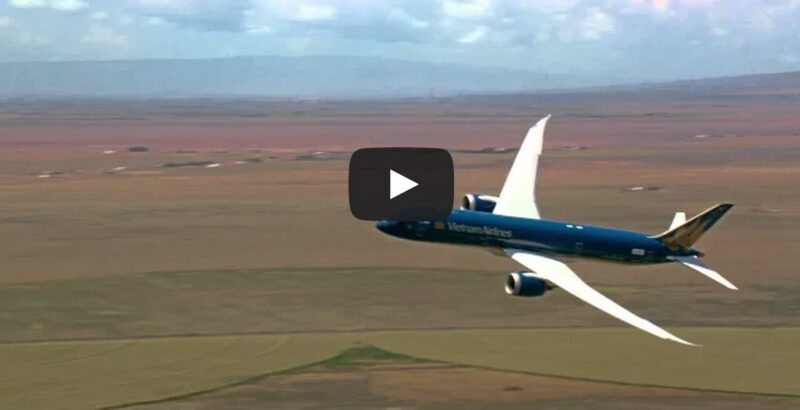
Last year, Boeing released a video of the the Dreamliner that even dedicated avgeeks thought was computer generated.  The flying was so aggressive and the footage was so stunning that people swore that it was fake.  This year Boeing is back with another video.  This time instead of a 787-8 it’s now the newer 787-9 model which is 20 feet longer and can fly 450 nautical miles further than it’s shorter -8 relative.

This year’s performance video is equally impressive.  Once again, the video is shot utilizing drone footage and other aerial cameras.  It is stunning and equally as aggressive as last year.  The initial takeoff is stunning and the flight itself is masterfully executed.  The video shot is actually just the rehearsal.  The actual performance will take place at the Paris Air Show later this month.