After These First Kills, F-15 Eagle Drivers Racked Up a 104-0 Score
The 1960s were a decade of innovation, marked by the introduction of the first video game console, the computer mouse, and iconic cars like the Datsun 240Z. However, the year 1967 gave birth to the concept of a new American fighter, one that would compete against the Fairchild Hiller and North American Rockwell.
The Vietnam War provided a platform for the F-4 Phantom to prove itself, but lessons had been learned, and advancements were required to enter the next phase of air-to-air combat.
Christmas came early on 23 December 1969 as McDonnell Douglas earned the Air Force’s blessing for a new fighter contract, officially starting the legacy of the “Eagle.”
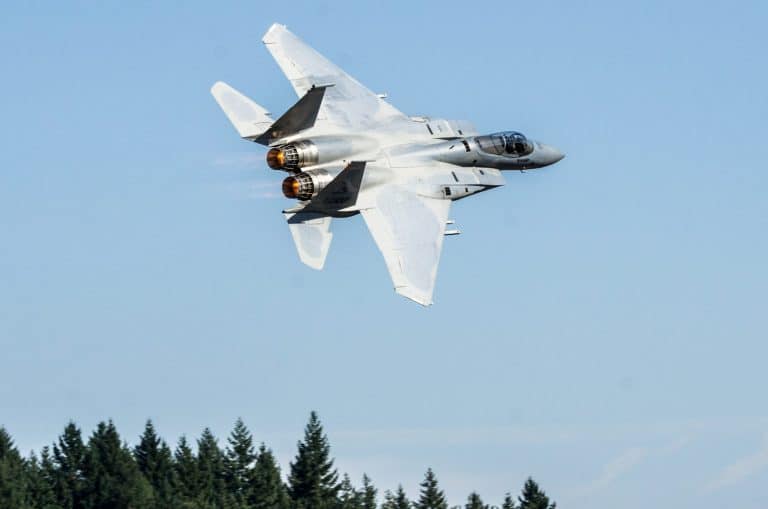
1st TFW F-15 Eagle. Image via USAF
The Specs of the F-15
Two Pratt & Whitney F100 (or) two General Electric F110 turbofan engines offer 29,000 pounds of thrust class (with afterburning) into an airframe that’s only 63.8 feet long and 42.8 feet wide. The maximum gross takeoff weight of 81,000 pounds includes an armament of cannons, precision-guided munitions, and medium- to short-range missiles, which vary based on specific fighter categories.
For the F-15A/B/C/D air-to-air category, the plane is fitted with a 20mm cannon, AIM-120 (AMRAAM) missiles, AIM-9 (Sidewinder) missiles, and AIM-7 (Sparrow) missiles. With a top speed of 1,875 miles per hour, a 2,400-mile range, and a maximum service ceiling of 65,000 feet, the F-15 is designed for use in a variety of missions.
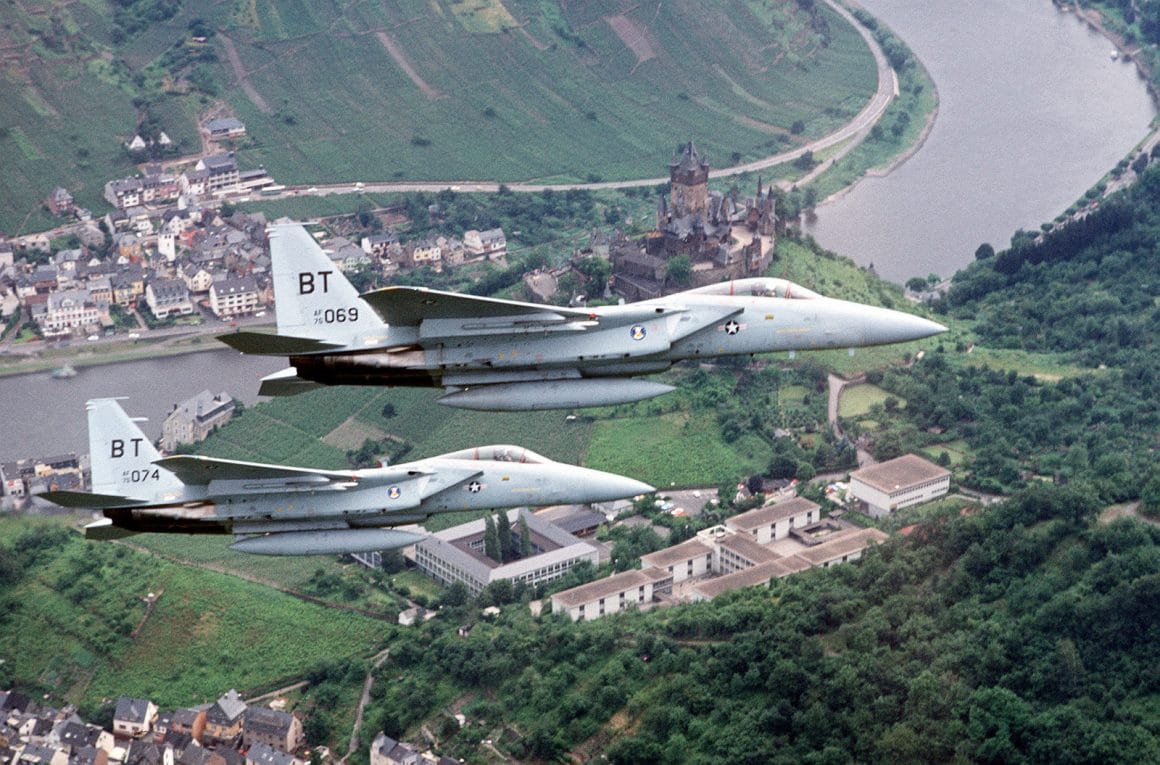
A right side view of two F-15 Eagle aircraft, from the 36th Tactical Fighter Wing, in flight over Eiffel Province.
Proving Ground for the F-15
The year is 1979. The Cold War is running rampant, and the Soviets are doing their best to arm the Syrians and Egyptians with the best air defense available. During this period, the answer was the proven Soviet-built MiG-21. The Israeli government turned to the West, and the United States delivered 25 F-15s on 27 June 1979. With virtually no prior combat experience, the F-15s had yet to make a name for themselves. Little did they know, the opportunity would come only minutes later.
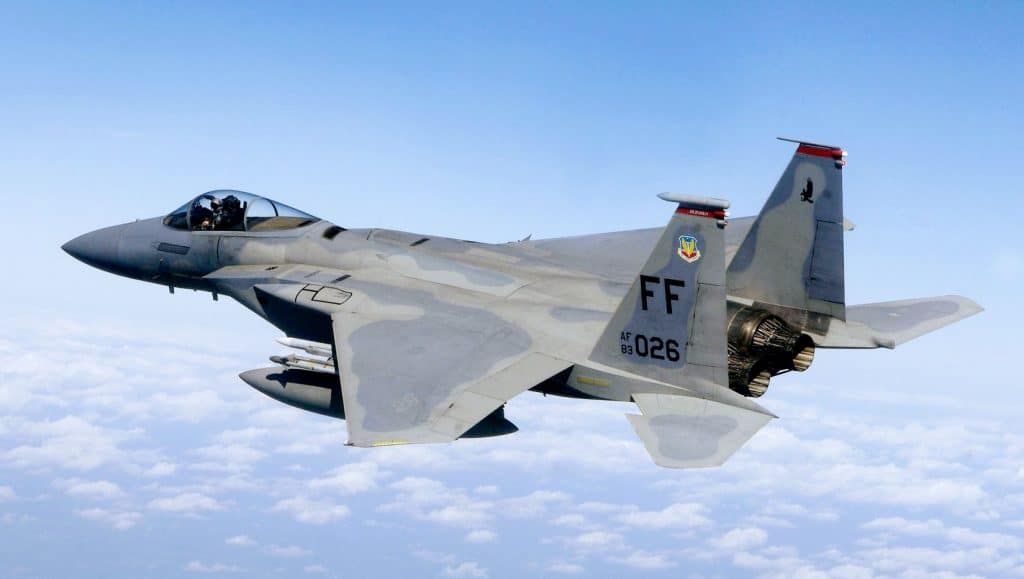
F-15 Eagle in flight | Image via US Air Force
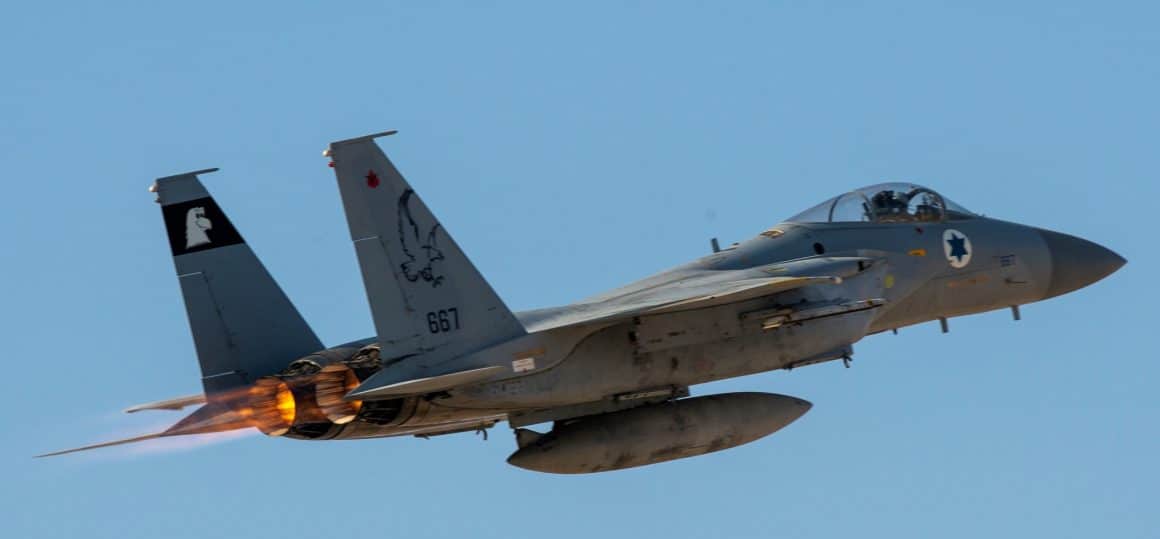
That same afternoon, four Syrian MiG-21s were detected rapidly approaching Israeli airspace. Quickly scrambling to meet the challenge were four Israeli Air Force F-15s. Brigadier General Moshe Melnik was one of the four Eagle drivers who took to the skies that afternoon. Utilizing the Python 3 missile (which was specifically designed for the Israeli F-15s), Moshe and his fellow airmen were able to successfully defeat the enemy in a matter of 30 seconds.
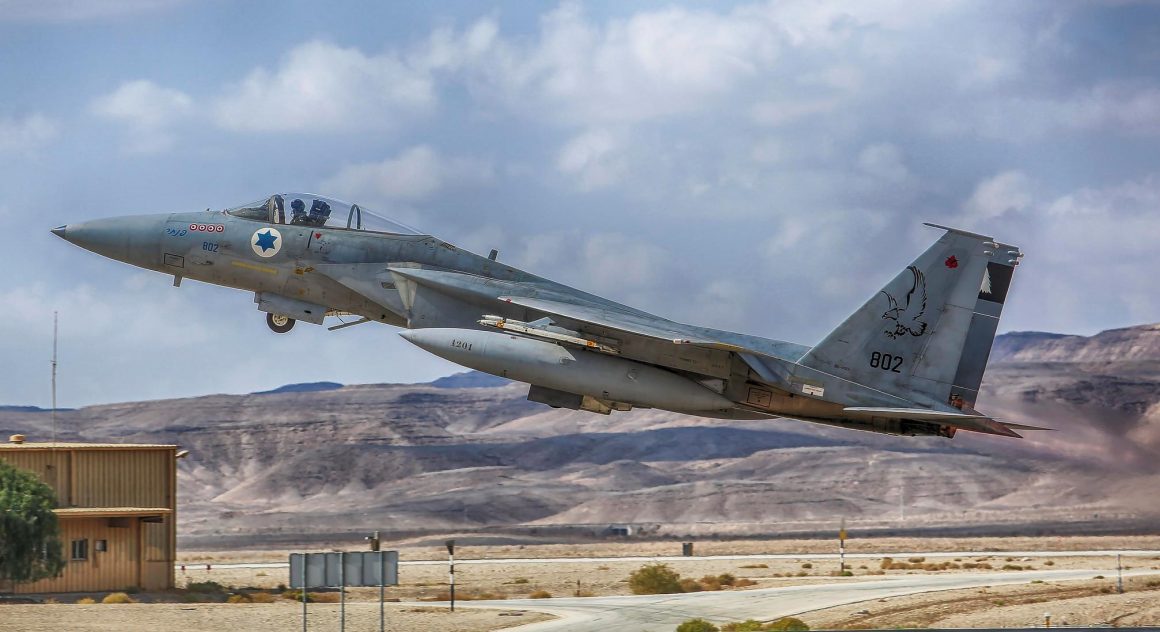
F-15 Eagle taking off | Image via US Air FOrce
To the Video
Check out this short video from the Smithsonian with actual footage from Brig. Gen. Moshe Melnik’s F-15!
Today, there are approximately 975 F-15s protecting the skies globally, including those of militaries from Japan, Israel, Saudi Arabia, South Korea, Singapore, Qatar, and, of course, the United States Air Force (with about 410 in service as of 2025). The “Eagle” remains a key component of air superiority. Heck, it even shot down a satellite!
We look forward to seeing it continue to live out its incredible legacy as the F-15 continues in production with the F-15EX Eagle II. In fact, at least 90 F-15EXs are in production at Boeing’s St. Louis facility.
Stealthy aircraft startup Celera stepped into the light with their new ‘bullet plane’. For the past few years, we’ve heard rumors of a super efficient aircraft that had an unusual blimp-like appearance with a pusher engine. On the surface, it looks a bit like a Burt Rutan inspired design, a bit like a fat Beechcraft Starship. Its reported efficiency might lead to a revolution.
For generations, the private flight market has been segmented into two groups. Private jet travel is the domain of oligarchs, celebrities and the rich. Small private planes were more a mix of hobbyists and small business owners who needed to travel to places on schedules and locations where airlines couldn’t accommodate. You either flew an airline at an affordable price or you ponied up large sums of cash for a private flight. There wasn’t much of a middle ground.
Enter Otto Aviation With a Potentially Revolutionary Solution
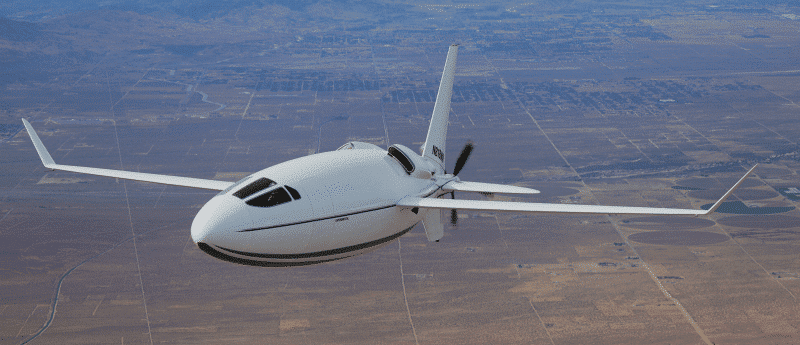
Photo: Otto Aviation
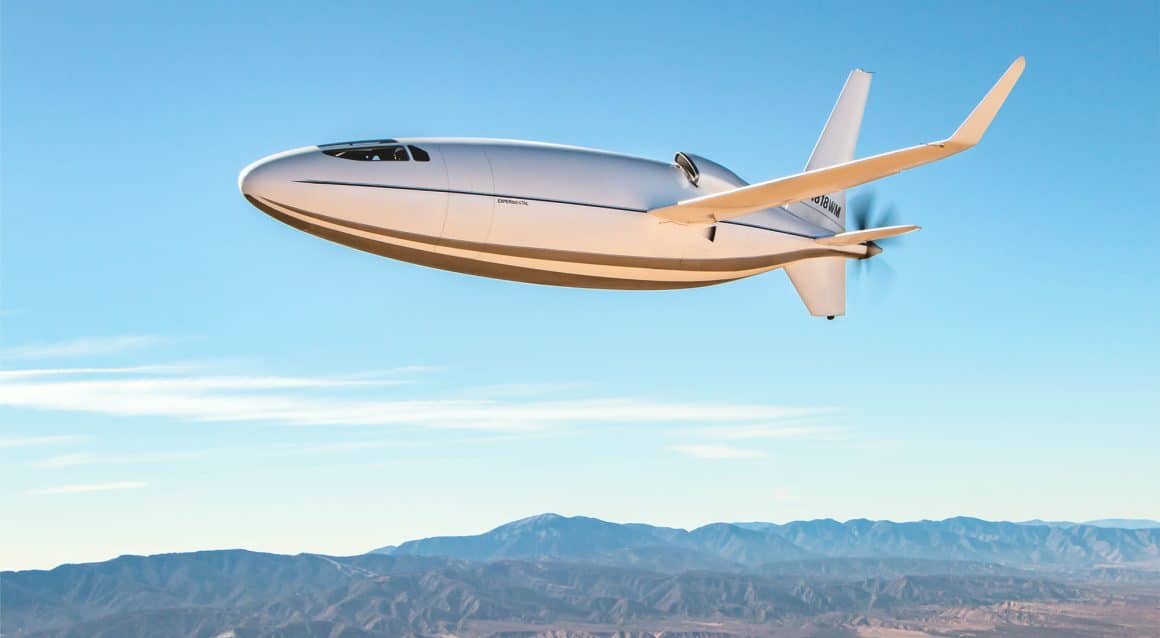
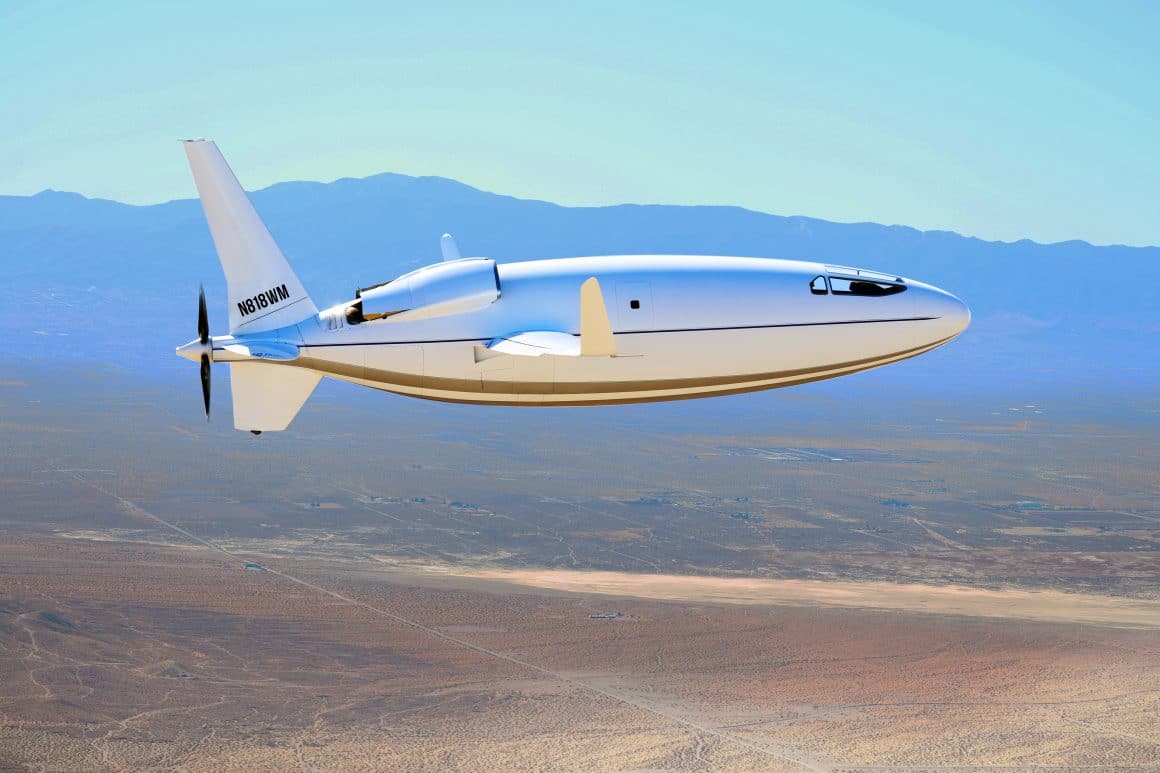
Otto Aviation’s ‘Bullet’ plane could be a game changer. By designing an aircraft that maximizes laminar flow (not just on the wings but the entire aircraft), the plane is able to achieve efficiencies that most engineers would only dream about.
According to Otto Aviation, their Celera 500L demonstration aircraft is able to fly at near commercial speeds with 8x lower fuel consumption, and a 5-7x lower operating cost than a comparably sized jet. The aircraft can fly up to 4,500 nm at a time. That range would put it in the same ballpark as a Boeing 737 MAX or A321NEO.
Otto Aviation lists on its website that the hourly operational cost is around $328. These efficiencies mean that a person could afford to rent a 500L with up to 6 passengers for about the same cost as a commercial ticket. This could be a game changer.
What is laminar flow and why is this a breakthrough?
No aircraft engineer designs a high drag aircraft. Drag leads to inefficiencies and additional cost. The ideal behind Otto Aviation’s Celera 500L aircraft is to minimize drag by keeping the airflow laminar or smooth across the body of the aircraft to the max extent possible. This is why the engine is at the rear of the aircraft and partially why there are less windows. The smooth body results in what the manufacturer is claiming as a 59% more efficient aircraft than a similar sized aircraft. The glide ratio is 22:1! That is closer in range to an inefficient glider than a business jet.
If Otto’s claims are true, they are saying that the Celera 500L can travel at speeds of up to 460mph on the equivalent of a V12 Red A03 550 horsepower engine that sips fuel at around 18-25 miles per gallon at cruise with seating for 6 and a 6 foot tall cabin. That is revolutionary.
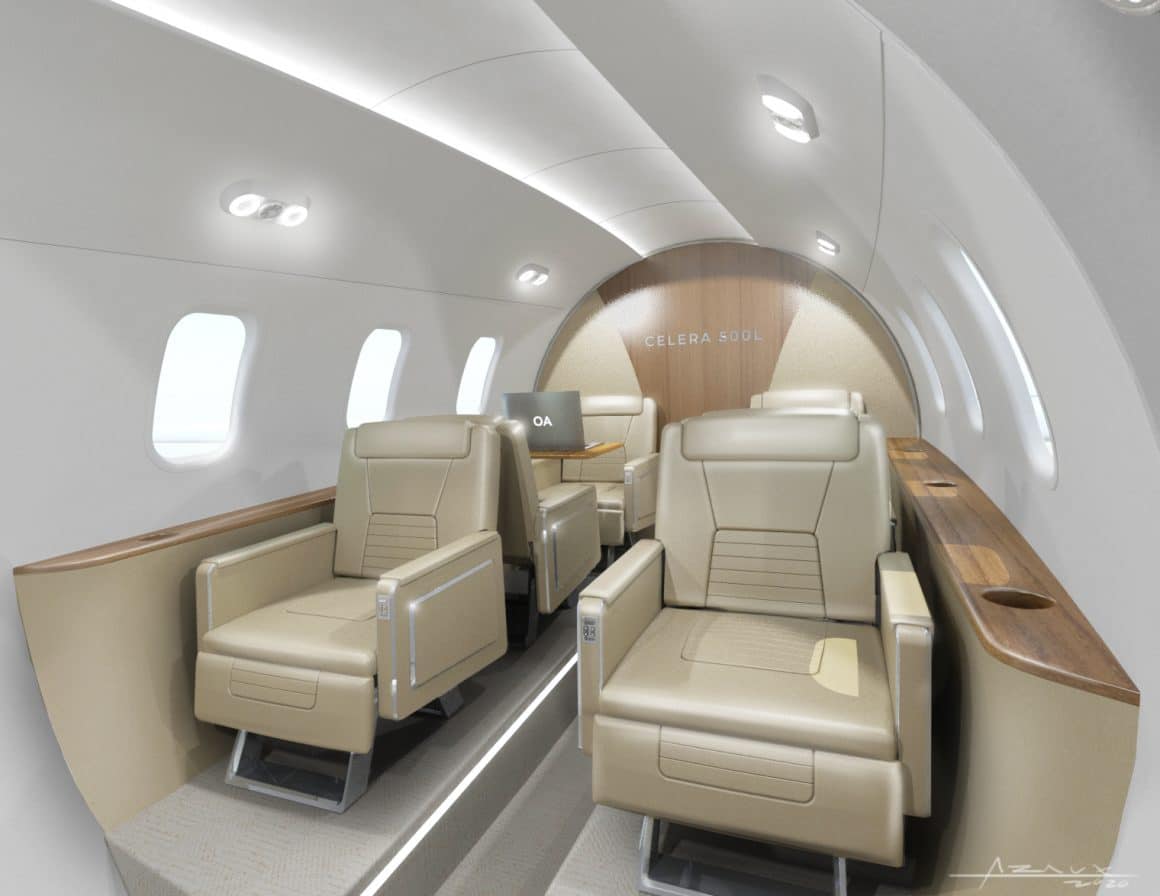
The Celera 500L Cabin mockup. Image: Otto Aviation
The trend towards direct and smaller planes has been ongoing for the past 50 years
The shift to smaller, more nimble aircraft has been going on for a while. Otto Aviation might just be the next step. Back in the 1970s, the trend was towards large, intercontinental aircraft like the Boeing 747, DC-10 and L1011. The thought was that the skies and airports would become so crowded that larger airplanes would be required to shuttle passengers to large hubs where they could then connect to smaller destinations.
For the next 40 years, that theory largely held true. Even newer, more efficient jets like the Airbus A330, Boeing 777, and Boeing 747-400 became successful by serving large hubs. In the early 2000s, some cracks in this theory started to emerge. The Boeing 757 offered transatlantic service to connect smaller markets. The success of this offering and the growing range of the A321 and Boeing 737NG families opened up the door to more point to point service. These single aisle jets could now fly transcontinental and from the West Coast of the US to Hawaii with little problem. Then came the Boeing 787 (and the A350) which unlocked intercontinental travel between midsized markets.
Large aircraft like the A380 (pictured) and the 747 are already being retired in large numbers. The Celera 500L could disrupt the airline industry further. Photo Simon_sees from Australia (CC BY 2.0)
With the Corona virus pandemic and focused development of the Airbus A321XLR and 737 MAX, the expectation is that the market will continue to move towards smaller aircraft that could fly point to point, bypassing major hubs. Jetblue’s founder, David Neeleman, is even building a new airline around the mid-sized A220 jet that can fly infrequently between small cities. The shift to smaller wide-body and single aisle jets is already happening. Jumbo jets like the venerable Boeing 747 and A380 are already being retired en masse.
The Bullet Plane Could Bring About The Next Shift To Small
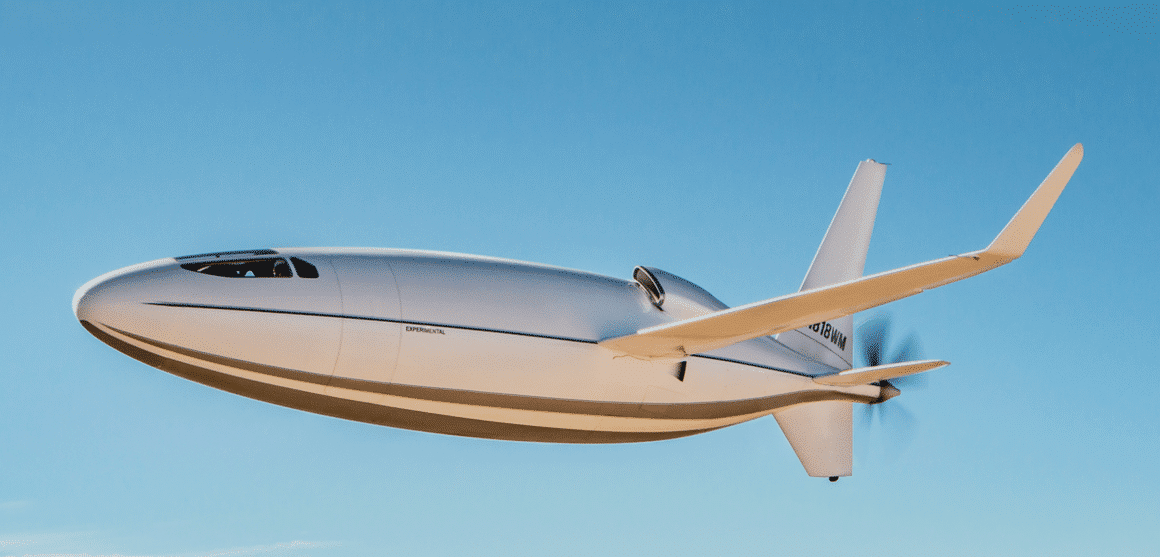
Image: Otto Aviation
Otto Aviation’s 500L (and larger 1000L) could be the next big shift in aviation. If you could fly privately between small airports affordably, an airplane could become more like an Uber than an all day ordeal. The ‘bullet’ plane could open up new markets. Imagine flying direct from Springfield, Illinois to Monterey, California for the weekend. Such a trip might not be challenging today without taking a day off of work. You’d likely have at least one connection. In the future, that trip could be just a four hour direct flight. Or consider the option to live in a small town like Tulsa and travel to Cleveland for a meeting. What would have been a two day business trip is now a single day out and back.
Can the ‘Bullet Plane’ deliver?
If Otto Aviation’s plane delivers on its promise of affordable private travel, it might also leads to a dramatic and almost unprecedented shift in air travel trends and society. Today, many business travelers and companies are located in large cities like Denver and Chicago and Dallas partly due to the transportation options. COVID-19 has already shown that a workforce can largely work distributed and at home. Still, one major advantage of living near a large city is the ability to travel, even if for pleasure.
Could the Celera 500L "Bullet Plane" Really Revolutionize How We Fly? 10
We plan to stay close to this story. It’s an exciting development for aviation, one that could be as disruptive as the jumbo jet.
NEWBURGH, NY — The Air Force Thunderbirds and F-35 Demonstration Team are just a few of the military aircraft scheduled to perform this weekend during the New York Airshow.
To keep the few remaining air shows alive, air show organizers and the Air Force have adopted the “drive-in airshow” format. Surrounded by forests and the Hudson River, Orange County Airport will host the two-day air show.
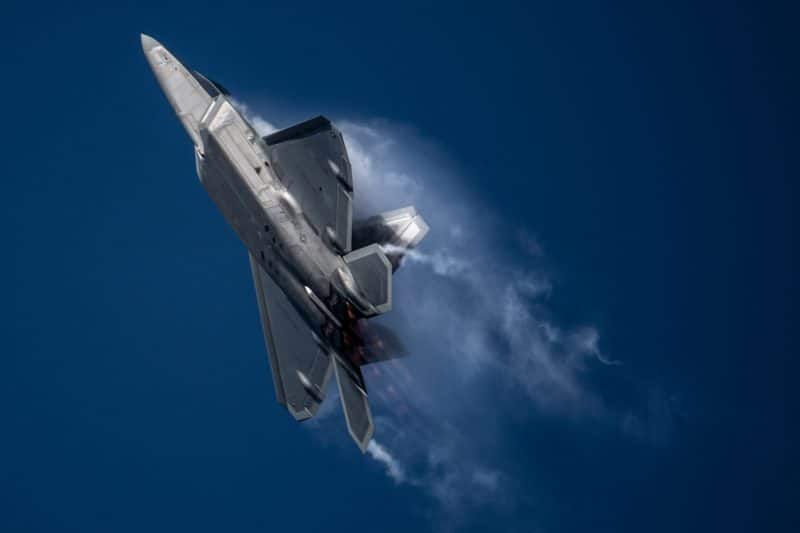
The F-22A Raptor, GEICO Skytypers, and civilian aerobatic planes are also scheduled to perform.
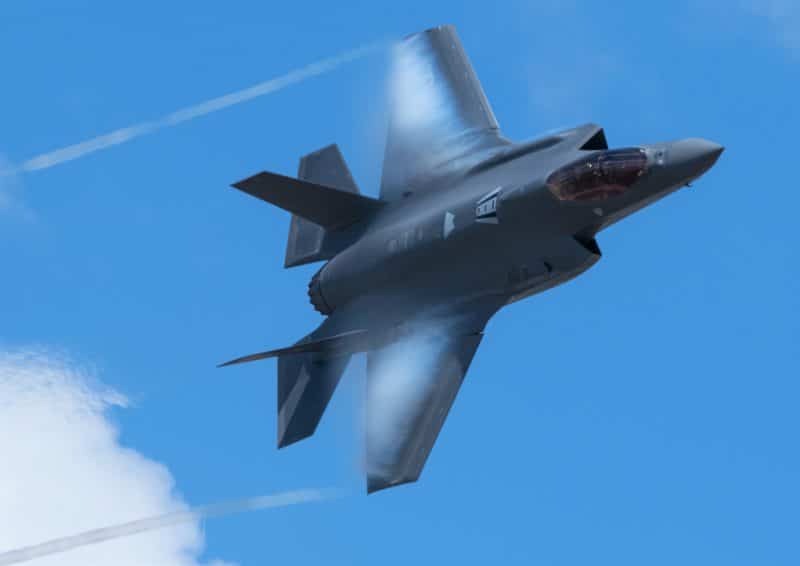
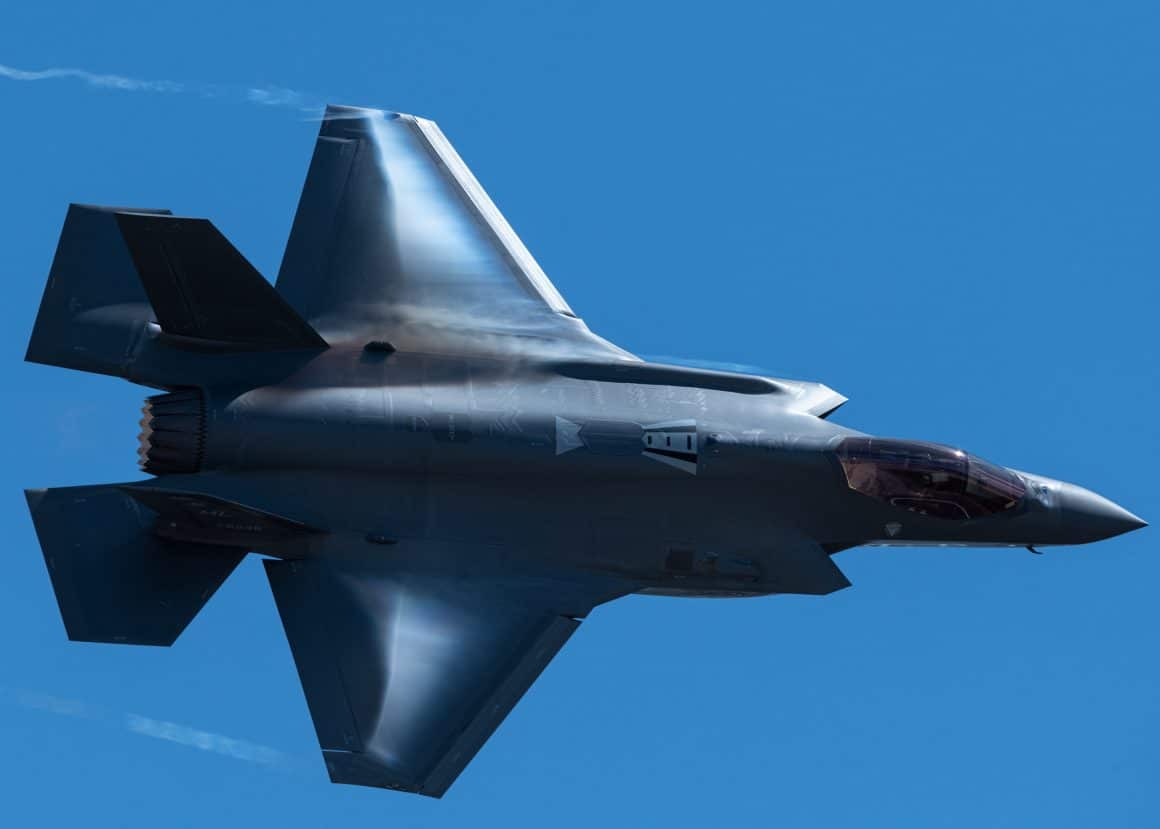
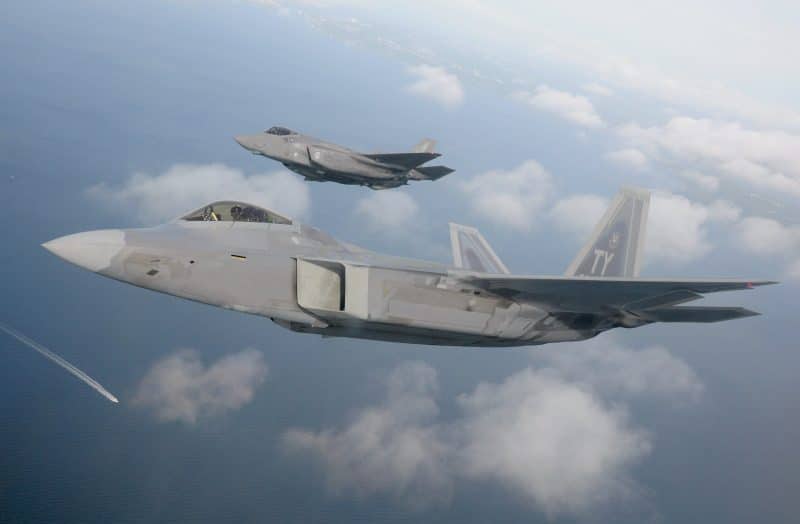
The F-35A Lightning II, a fifth generation stealth attack jet, will demonstrate high speed passes and loops over the air field. This show will mark their fourth drive-in show this summer.
The F-35A Demonstration will perform high speed aerial maneuvers over the New York airshow. (USAF)
“We’re excited to see air shows adopt this (drive-in) presentation style,” F-35A Demo Team spokesperson Capt. Kip Sumner told AvGeekery. “It’s been great to get on the road and share our love of aviation, engineering, and photography with the public and we know it’s going to be an amazing show.”
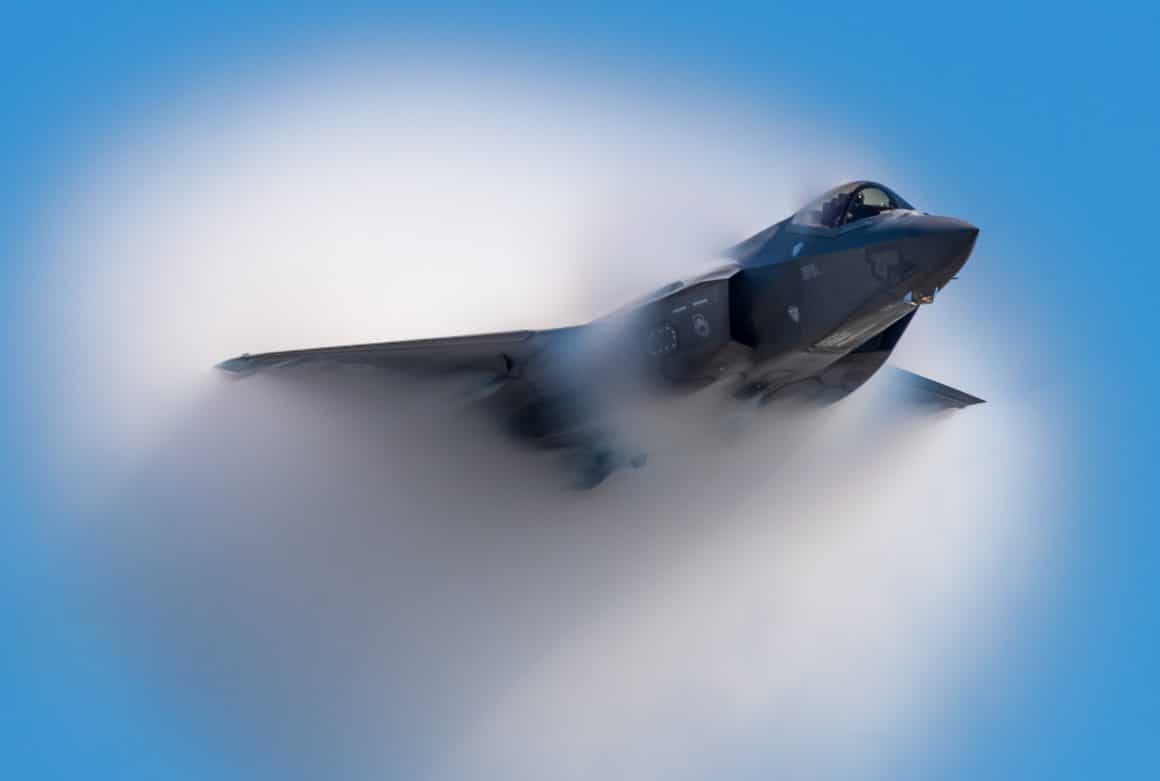
The F-35 Demo Team is based at Hill AFB, Utah, and will perform on Saturday and Sunday. The team’s commander and pilot enjoys two things when she flies, vapor and the crowd’s excitement.
“We’re really excited to be back on the East Coast to perform for the people of New York,” Air Force pilot Capt. Kristin “Beo” Wolfe told AvGeekery on Wednesday. “It’s awesome to be able to bring some aviation excitement to a state that’s been heavily impacted by this pandemic.”
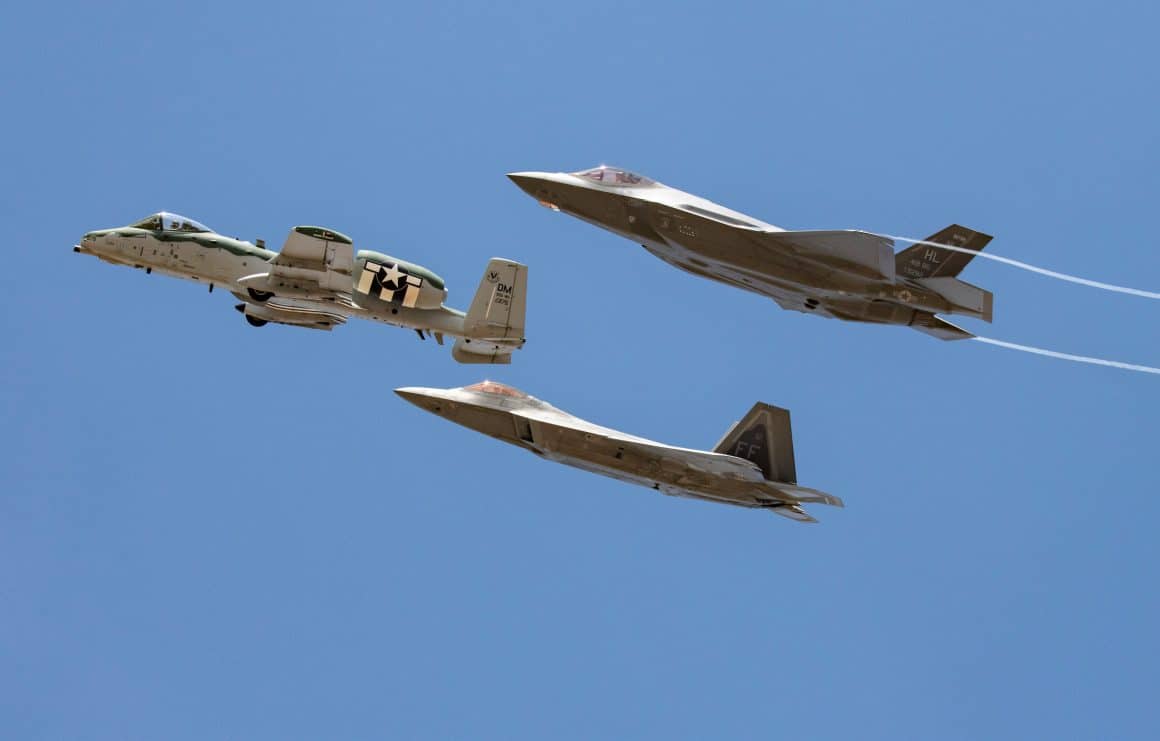
The F-35A will perform a special flyover of Orange County Airport. The patriotic Heritage Flight, flown by historic and new Air Force aircraft, is scheduled each day.
“We are planning on performing our full demonstration routine along with a Heritage Flight with the F-22 and a warbird,” Capt. Wolfe added.
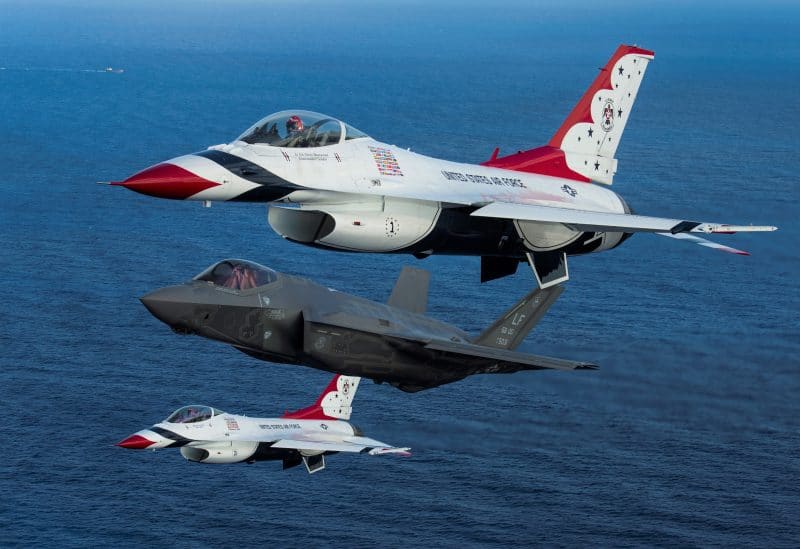
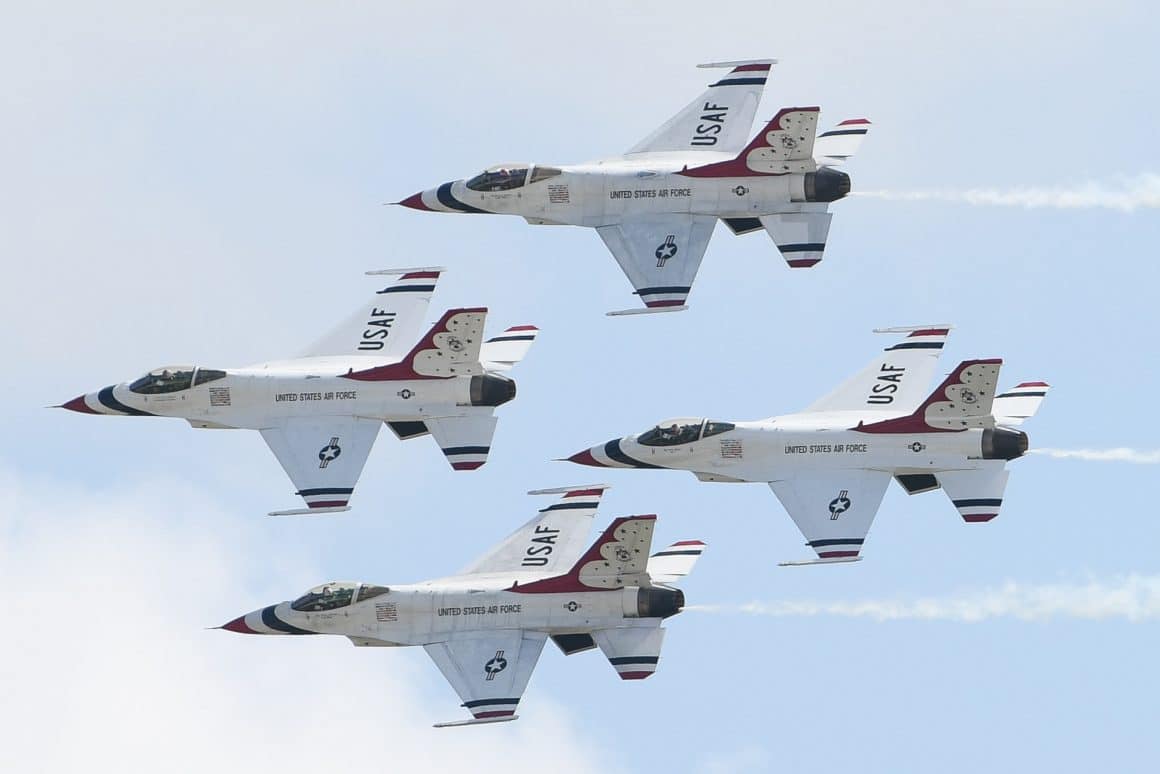
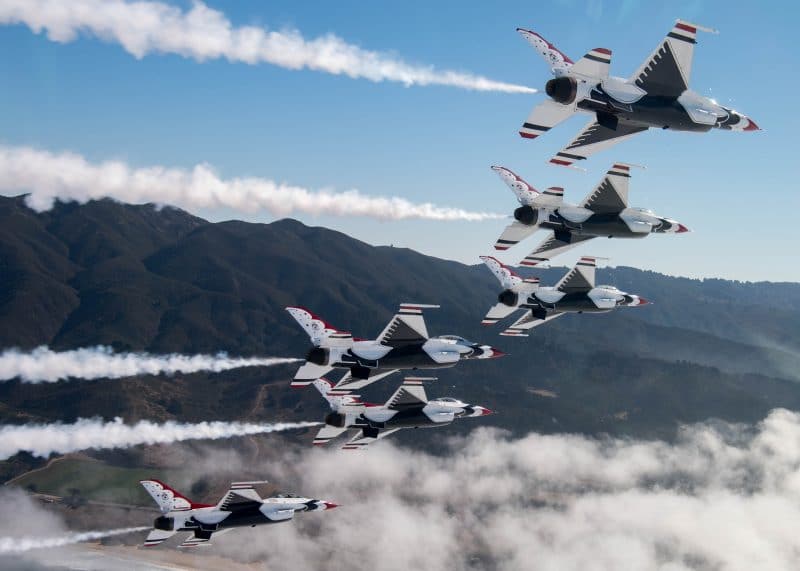
The Thunderbirds six F-16 Fighting Falcon jets will display both slow and high speed precision maneuvers.
The Thunderbirds diamond soar over the airfield of Joint Base Andrews, Maryland, on Aug. 6th. (USAF)
“We are honored and excited to perform our second show of the year,” Thunderbird 12 Capt. Remoshay Nelson told AvGeekery.com on Wednesday. She expressed that the entire squadron is ready to begin their second air show of the year.
“We look forward to putting on two great shows for New York residents who are able to enjoy the drive-in show,” Capt. Nelson added from the flightline. “New York has been hit hard by COVID-19 so we hope this can bring a bit of hope, inspiration, and entertainment as we continue to battle this virus.”
The Thunderbirds’ red, white, and blue jets will close out each afternoon. The pilots and logistic crews have worked long hours this summer to sharpen their 42-minute demonstration.
(Charles A Atkeison reports on aerospace and technology. Follow his updates via social media @Military_Flight.)
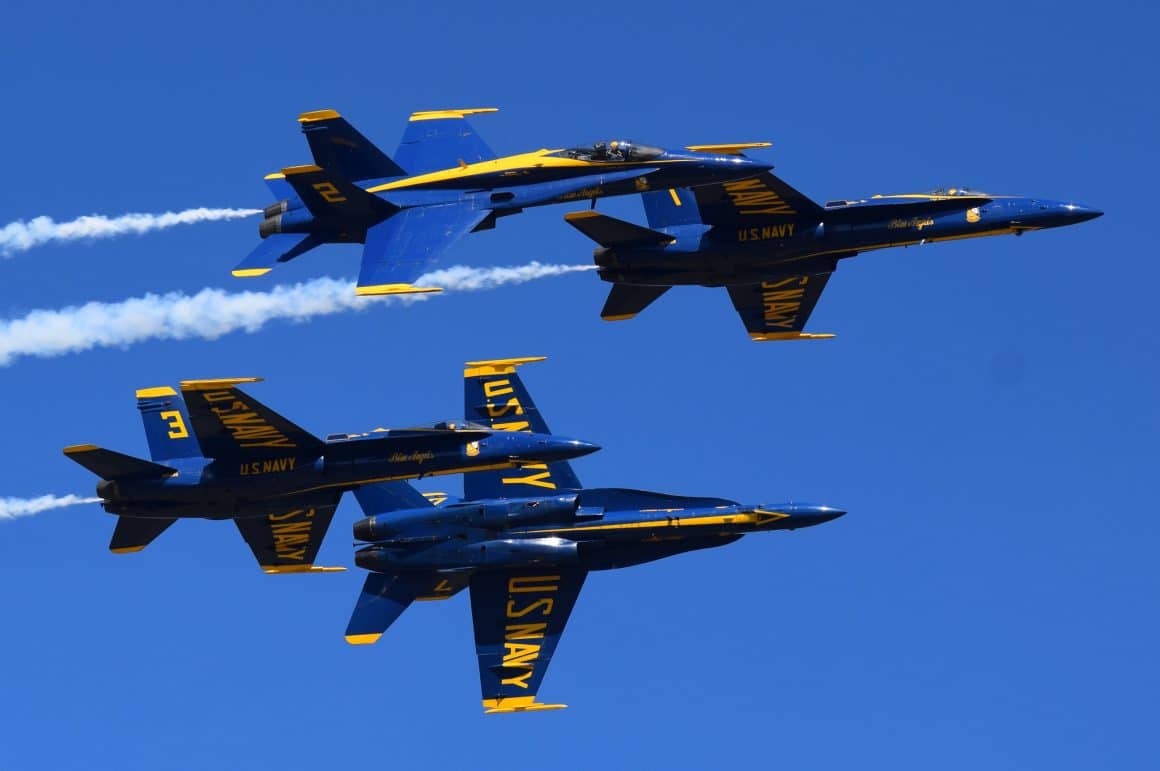
PENSACOLA, Fla. — The U.S. Navy Blue Angels announced on Monday the departure of one popular jet pilot and the return of a former pilot for the 2021 air show season.
The squadron had announced in July all six jet pilots would remain for their 75th anniversary season. Their special year will arrive with a fleet of new jets.
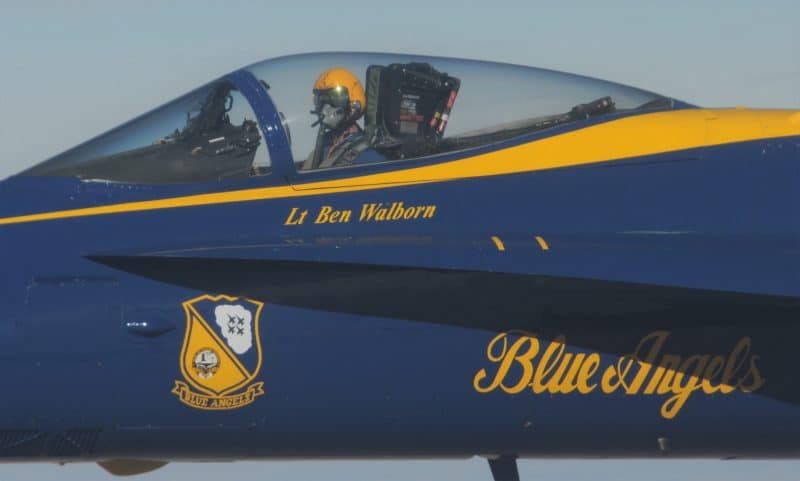
The Navy’s Flight Demonstration Squadron will see the return of Navy Cmdr. Benjamin “Baxter” Walborn to the squadron. Walborn, who served as the narrator, opposing and lead solo between 2009-11, will become the new lead solo.
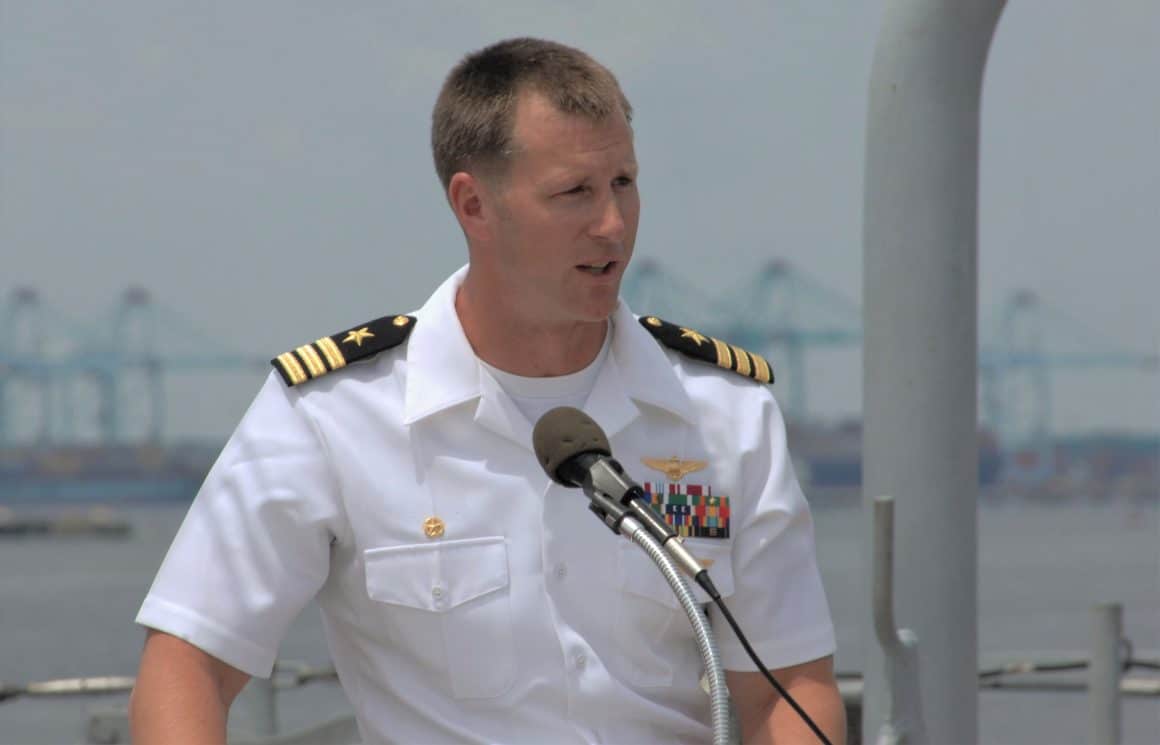
Commander Benjamin Walborn of Strike Fighter Squadron 37 at NAS Oceana, provides some remarks during a commissioning ceremony aboard the Battleship USS Wisconsin in July 2019. (US Navy).
Cmdr. Walborn will replace current Blue Angels lead solo pilot Lcdr. Brandon Hempler. Pilot Lt. Cary Rickoff will continue for a second season as the opposing solo.
The Blue Angels are in the middle of transitioning from their classic F/A-18 C/D Hornets to the faster F/A-18 E/F Super Hornets. Since departing the Blue Angels, Walborn has been busy piloting the Super Hornet at NAS Oceana in Virginia.
“The flying is very challenging in order to get to the Blue Angels’ standard that we want in order to accurately represent all the other aviators out there,” Cmdr. Walborn said during an interview with the U.S. Navy.
Walborn, who earned his wings of gold in April 2004, first joined the Blue Angels in September 2008. He has served the last three years as a commanding officer and Super Hornet pilot with the “Ragin’ Bulls” of VFA-37 at NAS Oceana.
The U.S. Navy Blue Angels provide cockpit video over Jacksonville, Fla. during a May 2020 flight.
He carries fond memories to this day of his time around air shows. For Walborn, it was not the flying as much as it was the community surrounding each air show.
“The most memorable is going to the crowd lines, visiting the schools, and meeting all the people around the United States,” Walborn said. “It is pretty amazing when you go up to the crowd line and see children looking up to you with big smiles on their faces, because I remember … when I was that kid.”
The Blue Angels’ 2021 season is scheduled to begin at NAS Jacksonville air show the weekend of April 10-11. Later, that September, the Blue Angels will perform at NAS Oceana, and Cmdr. Walborn will perform for his former squadron.
(Charles A Atkeison reports on aerospace and technology. Follow his updates via social media @Military_Flight.)
Pierre Sprey, A-10 Close Air Support Aircraft Developer
Articles dedicated to Colonel John Boyd, Thomas P. Christie, Pierre M. Sprey, Chuck Myers, Colonel Everest Riccioni, Harry Hillaker, Dr. Raymond Leopold, James Burton, Colonel Mike Wyly, and Franklin “Chuck” Spinney – the Fighter Mafia and Acolyte core; an independent, free-thinking group of pentagon analysts, pilots, and engineers that demonstrably changed the culture, theory, and production of air combat assets.
As the second installment in the Fighter Mafia series, (please read the first article in series Colonel John Boyd– if you haven’t yet), we explore a true game-changer, legend, and visionary – Pierre Sprey (pronounced “Spray”). As a result of talking with Pierre Sprey, we made some changes to the first article to accurately reflect historical events and capture even more about John Boyd.
Author’s personal note: As a relatively poor youth reared in Kansas, I knew I wanted to make a difference in the world. Many of us in the aviation world probably grew up the same and desired more out of life and truly wanted to become better people and change lives around us. After talking with Pierre, I remain humbled that due largely to his (and others) passions, desires, and commitments, he changed history for the better and made a difference. Few ever get that chance and we should celebrate those that selflessly took stands that made greatly impacted history!
courtesy of pierre sprey
Background
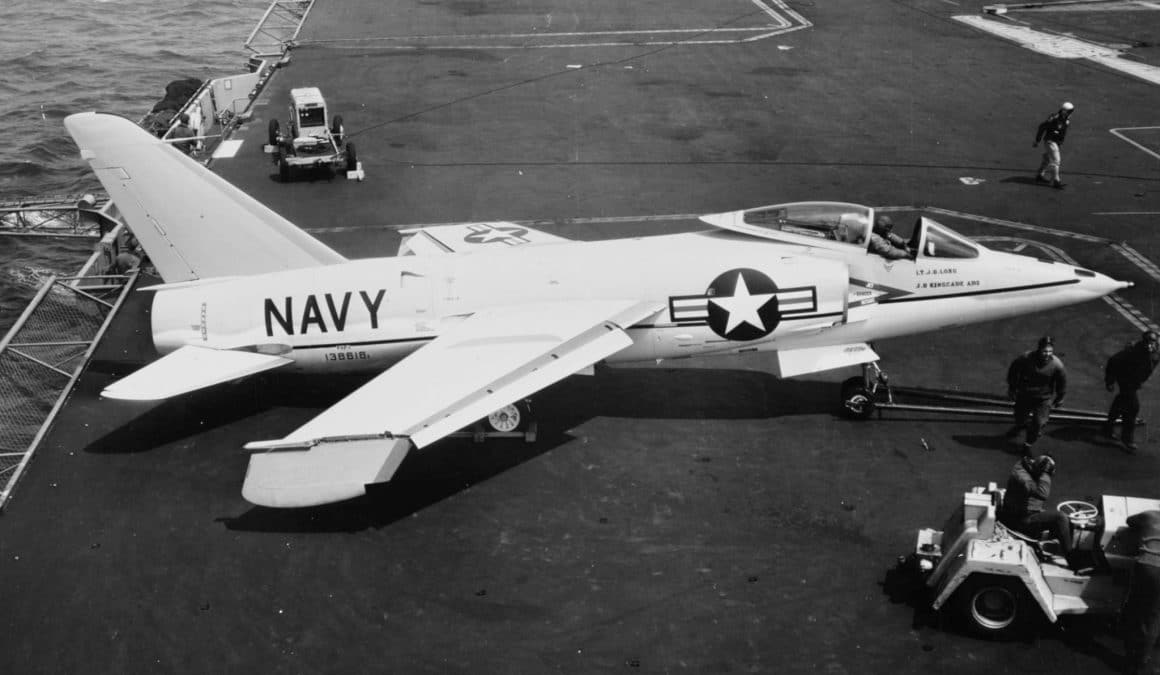
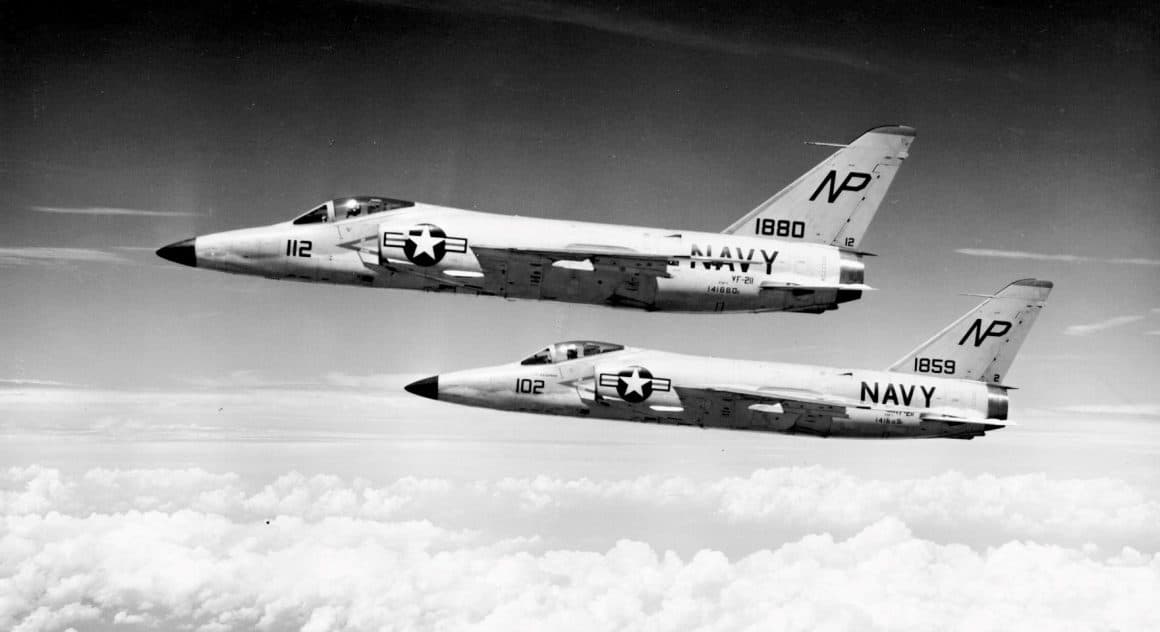
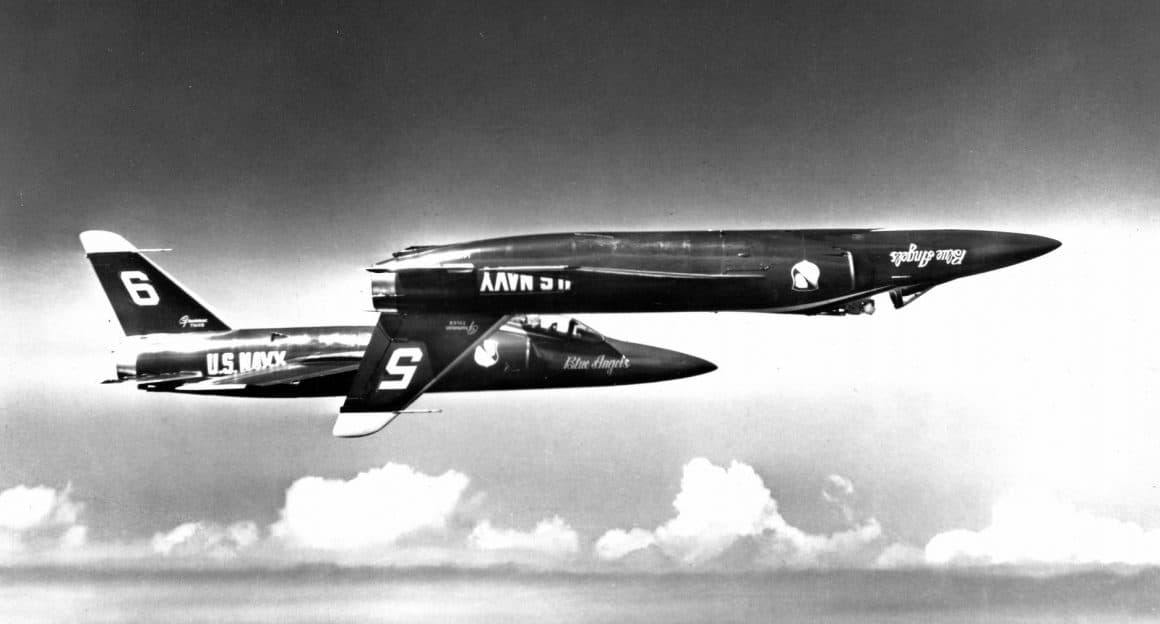
At the age of three Pierre Sprey emigrated to the United States in 1941. Under threat of German occupation of France moving south, Pierre’s family escaped France at Nice and traveled on one of the last steamers from Casablanca to New York. Growing up in Queens, Pierre attended Forest Hills High School. After graduating in 1953, Pierre sought a Mechanical Engineering degree from Yale and spent summers interning with Grumman, bucking rivets on the F11F Tiger and working in the experimental machine shop building wind tunnel prototypes.
F11F-1 Tiger. image via us navy
A Numbers Guy
Originally desiring an Aeronautical Engineering degree to design aircraft (not available at Yale), Pierre understood after his third summer internship working in Stability and Control at Grumman, that the likelihood of designing his own airplane would be 20 years away at the earliest. Pierre, a numbers guy, found a niche the fourth summer working in the Research Department with mathematicians and statisticians and decided on a new path diverging from aircraft design. Pierre graduated Yale in 1958 with a B.S. degree in Mechanical Engineering with a Minor in French Literature.
image via us navy
The Ultimate Numbers Guy
With a new purpose, Pierre attended Cornell for a M.S. in Operations Research and Mathematical Statistics and set upon a blazing path using numbers and data to encapsulate and solidify national defense decisions. Grumman wanted and needed a numbers guy and Pierre became a one-man number-crunching consultant within the company during graduate school. Since few engineers could apply statistics to practical problems, Pierre’s work blossomed thanks to peer demand throughout Grumman’s departments, thereby aiding Pierre in understanding the true complexities hidden within aircraft design. Pierre graduated Cornell in 1961 and converted from consultant to full-time employee at Grumman.
image via us navy
Whiz Kids
One benefit for single-handedly operating a practical applications statistics shop was in 1965 Pierre became the natural selection from Grumman to attend the relatively new, prestigious Hudson Institute’s seminar, attended by major airplane manufacturers and hosted by founder Dr. Herman Kahn. At the seminar, Pierre became acquainted with Deputy Assistant Secretary of Defense, Robert Valtz, who hired Pierre into the Pentagon for the Office of the Assistant Secretary of Defense (SECDEF) for Systems Analysis (known internally as the “Whiz Kids”). The Whiz Kids had been established in 1961 by then-new Secretary of Defense Robert McNamara. The group consisted of smart young economists, MBAs, and mathematicians who addressed major defense budget questions posed by McNamara. When he joined in 1966, Pierre was the Whiz Kids’ first aviation-experienced engineer.
Robert Mcnamara. image via getty
For More of the Pierre Sprey Story Bang NEXT PAGE Below
ROME, Ga. — One of the largest air shows in the southeast will host the Air Force Thunderbirds and top aerobatic aircraft during the Wings Over North Georgia air show.
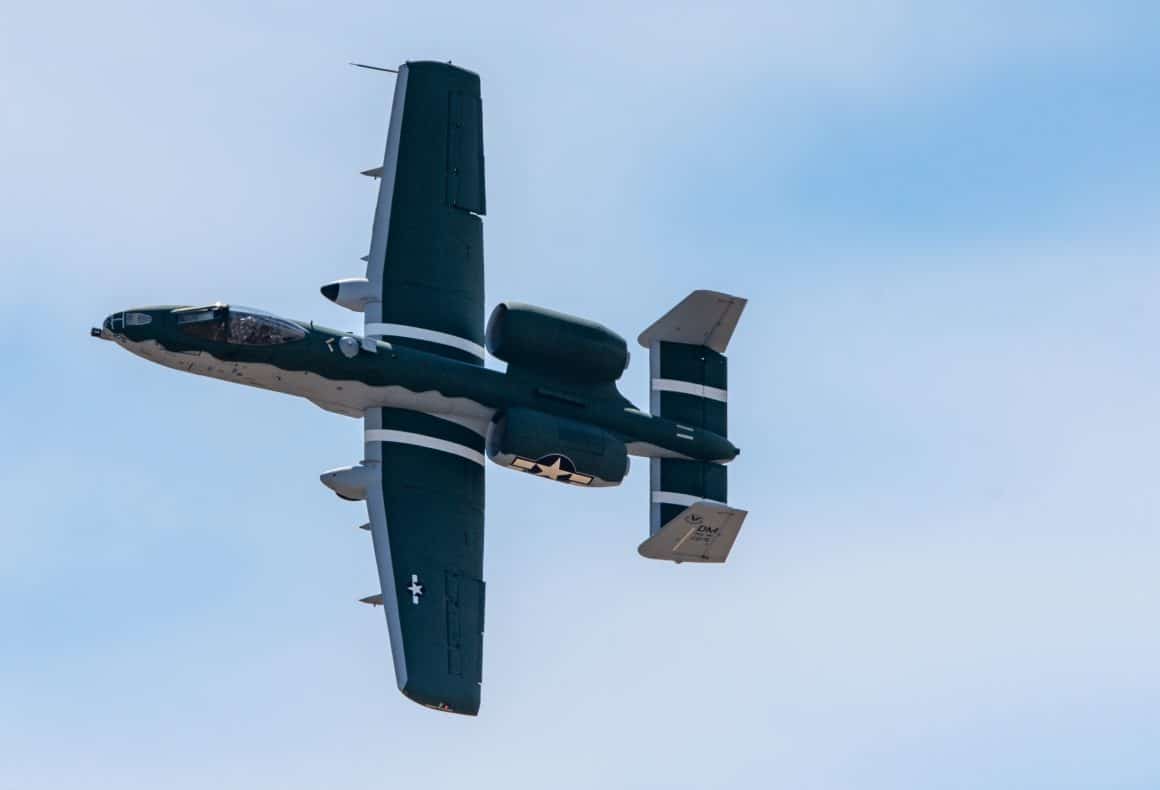
The Thunderbirds and A-10C Thunderbolt II will return to north Georgia on October 24 and 25. The Army’s Golden Knights parachute team is scheduled to take to the skies above the autumn-colored landscape.
Air Force Maj. Cody “ShIV” Wilton of the A-10 Demonstration Team performs during a recent show. (USAF)
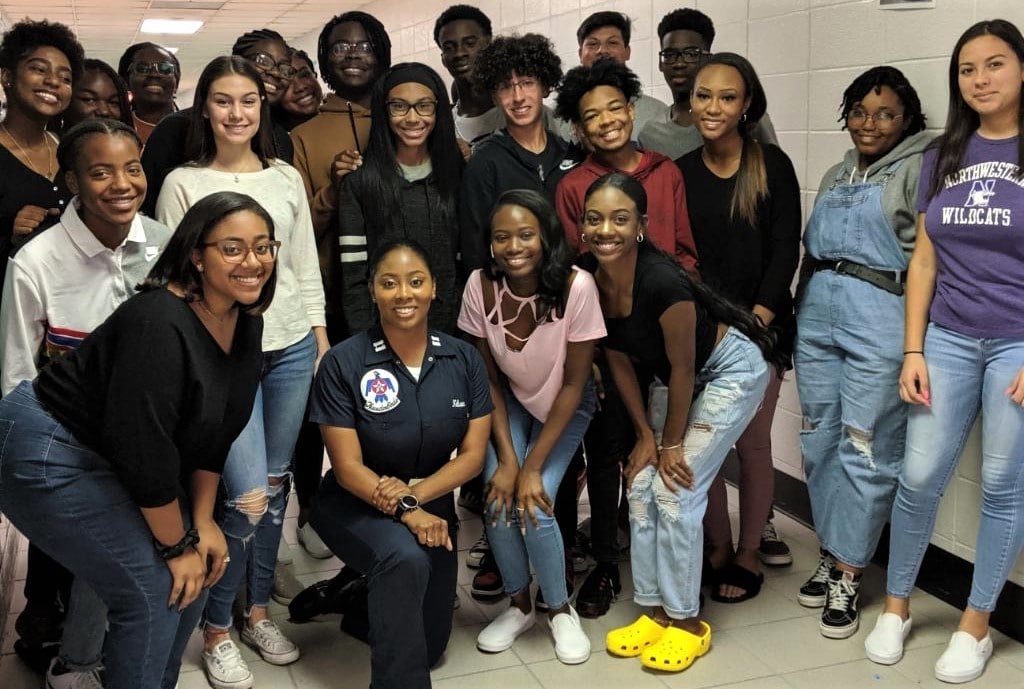
For one Thunderbird, the Rome air show will be a home-coming. Capt. Remoshay Nelson has invited family and friends from nearby Douglasville, Georgia to the event.
“I am excited for Wings over North Georgia and look forward to returning home to perform for my friends, family, and the Rome community,” Public Affairs Officer Capt. Nelson told AvGeekery.com on Friday.
“2020 has been a challenging year for the country; and it is my hope our aerial demonstration can bring some pride and inspiration for air show attendees,” she added.
Thunderbird 12 Capt. Remoshay Nelson and her squadron visit schools and community centers at air show locations to educate and inspire today’s youth. (USAF)
North Georgia is on a short list of shows featuring the Thunderbirds and A-10 Warthog. The few remaining air shows are working together to develop a safer format.
Following the cancellation of hundreds of U.S. air shows due to Covid, a new air show format has become a positive alternative. The ‘drive-in airshow’ has been successfully proven at previous military air shows to promote social distancing.
“We transitioned to a drive-in air show model that fully satisfies the wide range of safety concerns while allowing us to bring exciting entertainment at a family-style venue,” John Cowman, Airshow organizer and president of JLC AirShow Management, said on Thursday. “We believe this is the ‘shot in the arm’ our community needs right now, especially during the fall, one of the most beautiful times of the year in our area.”
Richard Russell Airport will become a drive-in parking lot around the main runway. Cowman explains ticket purchases are per vehicle and available online only.
“Many events and most air shows have been forced to cancel during the pandemic,” Cowman added from the Rome flightline. “My team and I have worked diligently with local and regional officials and authorities to find creative and safe ways to host this year’s air show and avoid cancellation.”
Wings Over North Georgia officials explain there will be portable restroom accommodations and food vending sites. Cowman encourages guests to also bring their own food and drinks to Georgia’s largest tailgate party.
(Charles A Atkeison reports on aerospace and technology. Follow his updates via social media @Military_Flight.)
OCEAN CITY, MD — The U.S. Air Force F-35A Demonstration Team is poised to perform this weekend across the beaches of Ocean City during the east coast’s first air show of the year.
The fifth-generation military jet is led by it’s pilot Capt. Kristin “BEO” Wolfe. This is her first season with the F-35A Demo Team and only her third public air show of the Covid-shortened year.
The Air Force F-35 Demo Team performed a Live flight in May 2020 from Hill AFB, Utah. (USAF)
Beo was all smiles following her team’s arrival. She is hoping for some “awesome vape” to envelope her aircraft during several of the maneuvers this weekend.
“Our team is really excited to perform for our first East Coast show this year,” Capt. Wolfe said Thursday following her arrival into nearby Wallops Flight Facility. “It’s going to be an amazing experience to see everyone lined up on the Boardwalk and beaches!”
Ocean City and show officials are providing stronger safety measures to support the air show. Mandatory face coverings and social distancing on the Boardwalk are required.
“Since we’re performing along Ocean City’s massive beachfront, there will be plenty of opportunities to see the show while practicing safe social distancing,” F-35A Demo Team spokesperson Capt. Kip Sumner said. “If you can’t attend the show, there will be a live-stream of the event that you can tune into.”
The A-10C, F-22A, and F-35A Demo Teams perform the heritage flight in July 2020. (USAF SrA Kristine Legate)
The aerobatic box has been extended to 10 miles long along the coastline to support social distancing. The exact air show center is where 16th street runs east to the Boardwalk and beach line.
Wolfe is also the commander of the demo team which is based at Hill AFB in Utah. Ocean City is there first east of the Mississippi River this season.
“We’re planning on performing the full F-35A High Show routine, as long as weather cooperates,” Capt. Wolfe acknowledged from the Wallops flightline. “We’re also going to do a four-ship heritage flight with the F-22, A-10, and a P-51 Mustang.”
Capt. Kristin Wolfe is one of only two female jet pilots with a Air Force demo team. (USAF Capt. Sumner)
The heritage flight has been a crowd favorite for a decade. Typically a recent Air Force jet will fly a slow pass along side a historic warbird. This weekend’s will be extra special as four aircraft will fly wing tip to wing tip over the Atlantic waters.
The Air Force Thunderbirds six-jet formation will also perform each afternoon. Ocean City will mark the first air show in which the F-35A Demo and Thunderbirds attend together.
“Performing alongside the other demonstration teams as well as the Thunderbirds is an awesome opportunity,” Capt. Wolfe added. “And we can’t wait to put on a great show for everyone.”
(Charles A Atkeison reports on aerospace and technology. Follow his updates via social media @Military_Flight.)
OCEAN CITY, MD — The top jets of the U.S. Air Force will push the air show envelope this weekend as the beaches of Ocean City host a ‘stay safe and separate’ event amid the continuing Covid-19 restrictions.
The Air Force Thunderbirds, F-35A Lightning II, A-10C Thunderbolt II, and F-22A Raptor will provide the thrust and precision maneuvers. This show will mark the Thunderbirds first public full demonstration of 2020.
“We are looking forward to putting on a safe and successful aerial demonstration for Ocean City,” Thunderbird 12 officer Capt. Remoshay Nelson told AvGeekery.com on Monday. “2020 has been a challenging year for our nation; and we hope the show can bring hope, inspiration, and a bit of normalcy to onlookers during this difficult time.”
The Air Force Thunderbirds depart NAS Pensacola in May bound for their next stop. (USAF)
The coastal community surrounding Ocean City has stepped up to provide stronger safety measures to support the air show. Social distancing and face coverings on the Boardwalk are required, and the aerobatic box has been extended.
“We have worked with the Town of Ocean City to implement a series of ‘Stay Safe and Separate Initiatives’ which will help ensure the safety of spectators,” O.C. Airshow spokesperson Chris Dirato explained on Tuesday. “The stage for the air show is 10 miles wide and 1,000 feet high so spectators can watch from their backyard, balcony, boat, or the beach, making it the ideal event for the Ocean City community to host in the era of social distancing.”
Capt. Kristin Wolfe will pilot the F-35A Lightning II during the Ocean City Airshow. (USAF/Capt. Sumner)
Civilian aerobatic aircraft will also join the fun this weekend. The east coast’s first air show of the year will include an L-39 Albatros jet, aerobatic pilots Mike Wiskus and Scott Francis, and the historic B-29 Mitchell bomber Panchito.
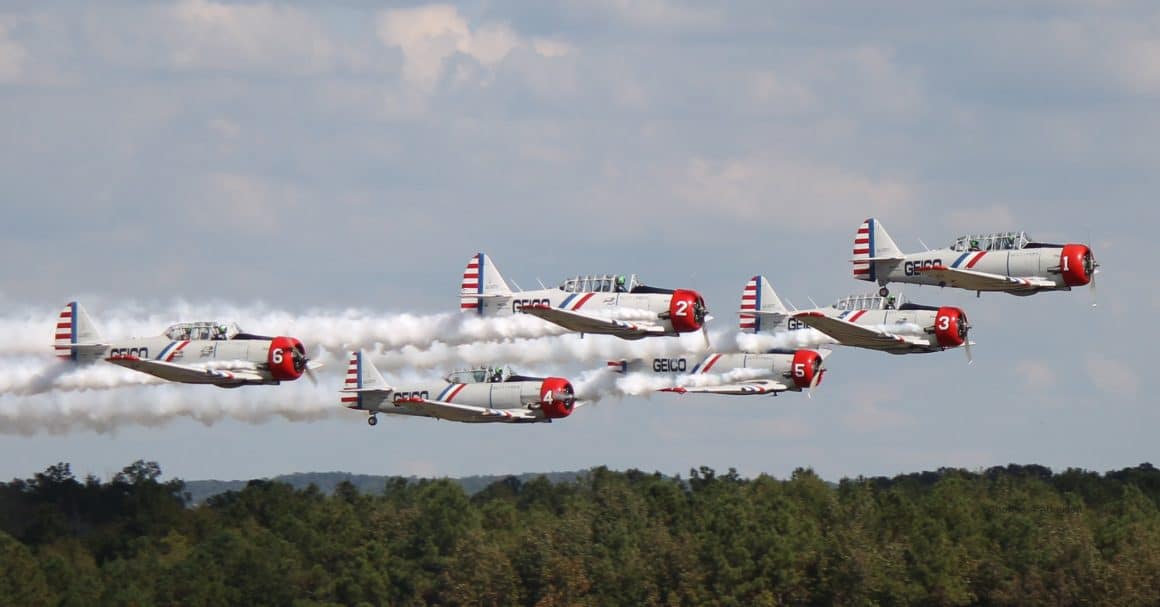
The GEICO Skytypers Airshow Team’s six World War II-era SNJ-2s are scheduled each day. Their stunning flying maneuvers demonstrate those performed by the Greatest Generation 75 years ago.
“This weekend we’re dedicating our performance to those who served in World War II,” GEICO Skytypers flight leader Larry Arken explained. “Airshow spectators and aviation enthusiasts will witness our warbirds perform a dynamic demonstration designed by team members who served in the U.S. military.”
The GEICO Skytypers will perform precision maneuvers this weekend over Ocean City. (Charles Atkeison)
The squadron has redesigned one maneuver for Ocean City — the “pop up strafe.” Flying near show center, a new tactical strafe will offer a third element of aircraft to more closely match the military’s tactics of today.
Following their demo, two Skytypers will break away from the formation for a special event. The aircraft plan to race the Miss GEICO speed boat down the beach line for first place.
The air show is free to the public. Arrive early as traffic is expected to slow along Ocean Gateway and Highway 528.
(Charles A Atkeison reports on aerospace and technology. Follow his updates via social media @Military_Flight.)
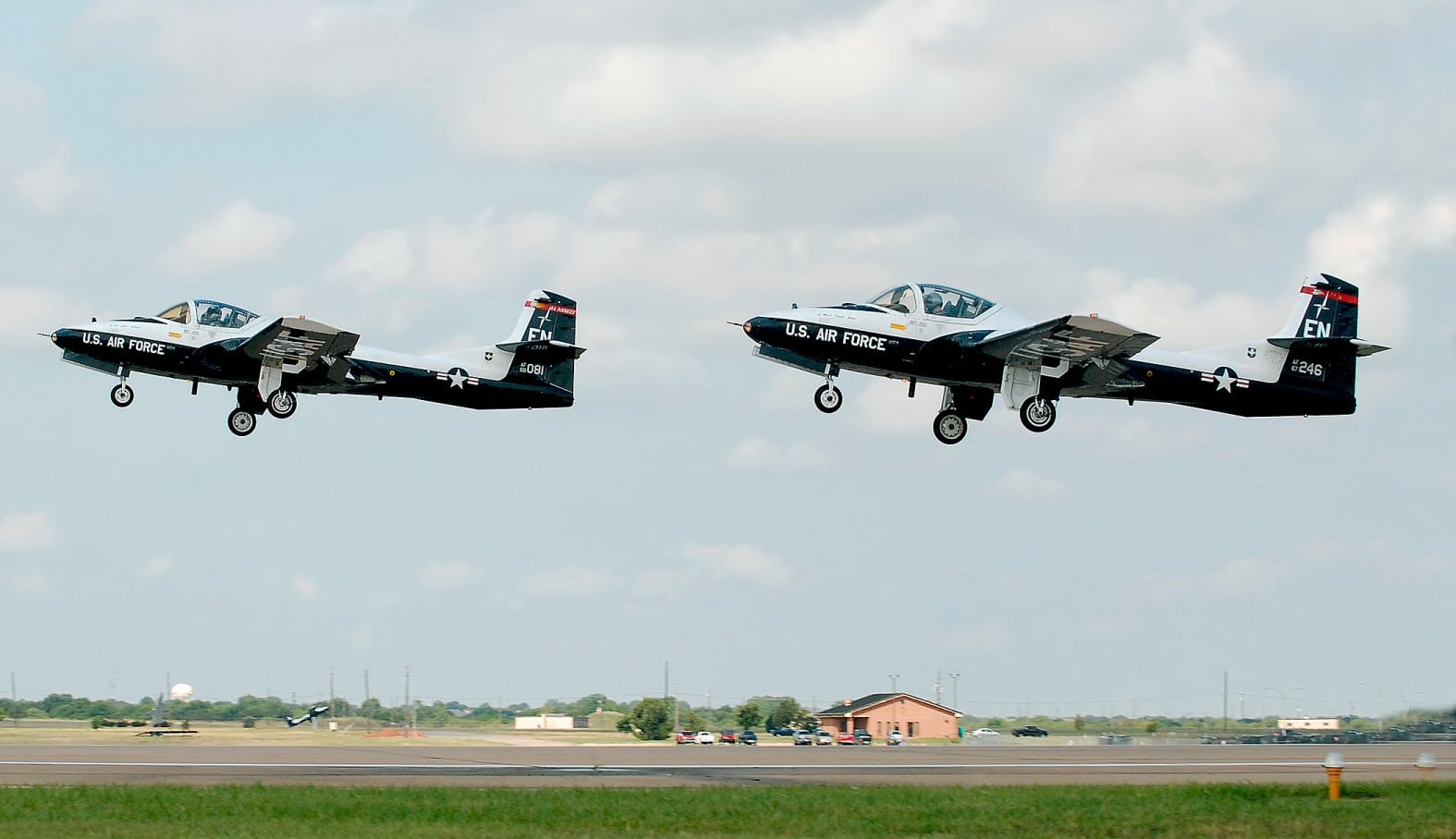
This video is like a dagger into the hearts of Tweet fans everywhere. For 52 years, the jet served as the primary trainer for Air Force pilots who attended pilot training. This isn’t how you want to see it all end! But like a train wreck, you can’t turn away. This post is unfortunately a video of scrapping a retired T-37.
T-37 Tweet was a pilot favorite
In addition to being one hell of a fun jet to fly, the T-37 also made a ton of noise. The two J-69-T-25 turbojets produced 1,025 lbs of thrust each along with one of the most ear piercing noises known to man.
Many pilots affectionally referred to it as the ‘6,000 pound dog whistle’. So much so that we’re assuming most instructors who flew her for any extended length of time are now eligible for disability due to hearing loss.
Gut-wrenchingly Sad Video Of Scrapping A Retired T-37 Tweet 26
Not all hope is lost. There are still a couple of private T-37s flying. The T-37 Tweet also continues to fly in Pakistan, Ecuador, and Columbia.
As loud as the Tweet was, the jet was loved by most pilots who flew the jet. It was a quirky, fun, and forgiving jet. That’s why this video showing the destruction of a Tweet is so painful to watch.
The jet in this particular video was based at Sheppard AFB, tail number 58-1891. It was a static trainer. When the jet was no longer needed for training, it was destroyed back in 2011. What a waste.
PENSACOLA, Fla. — The U.S. Navy Blue Angels announced Friday they will keep this season’s pilots for next year as the team prepares to transition to the Super Hornets in November.
The Navy’s Flight Demonstration Squadron elected to retain the entire jet team for next season also due to the shortened season. Three pilots were scheduled to return to the fleet in November.
This season will be the last for the Blue Angels pilots flying the classic F/A-18 C/D legacy Hornets. The squadron will begin practicing with the upgraded Super Hornets this autumn. (Charles A Atkeison)
The cancellation of air shows due of Covid-19 have kept the Blues grounded nearly all season. Only three air shows remain on their schedule from September to October.
The six delta formation pilots and the advance pilot will remain in their same positions. They will begin training in November with the new Super Hornet aircraft.
Navy Cmdr. Brian Kesselring will begin his second season as Boss of the squadron. LCDR James Haley will stay on for his third season as right wing pilot.
Blue Angels Lead solo pilot LCDR Brandon Hempler explains the importance of the squadron to him.
Slot pilot Maj. Frank Zastoupil, LCDR James Cox, Lead Solo LCDR Brandon Hempler, and LCDR Cary Rickoff will remain for 2021. Next season will Hempler’s fourth year with the Blue Angels.
LT. Julius Bratton will remain as the advance pilot and narrator for next season.
“This year offered an exemplary group of applicants from around the fleet, making our selection process very difficult,” Cmdr. Kesselring said from the Blues’ home base at NAS Pensacola. “With these fantastic new additions to the Blue Angels team for 2021, we are all well equipped to head into our historic 75th show season.”
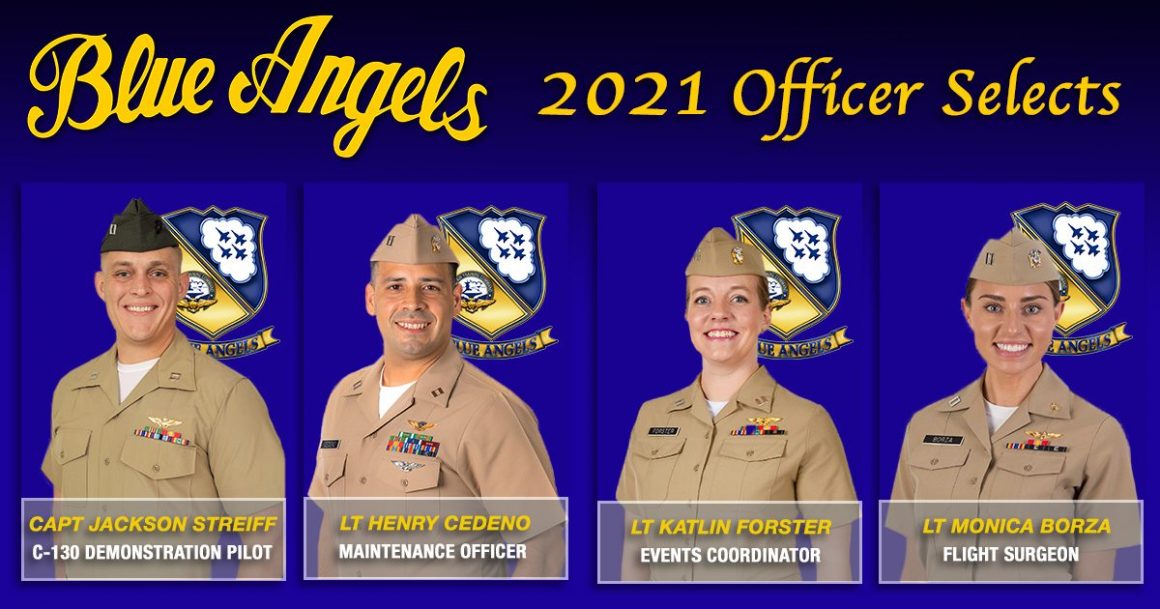
The Blue Angels did select a new pilot for their C-130J Super Hercules known as Fat Albert. Marine C-130 pilot Capt. Jackson Streiff will join the squadron this autumn.
The Blue Angels selected new officers for the squadron’s 2021-2022 season on Friday. (USN)
New officers were also selected for next season to support logistics and aircraft maintenance. The Blue Angels will celebrate their 75th anniversary season in April.
Navy Lt. Katlin Forster was selected as the new events coordinator. She currently serves as a naval flight officer instructor at NAS Pensacola, next door to the Blue Angels home.
A new flight surgeon will join the Blue Angels. Navy Lt. Monica Borza has served recently with the Black Knights of Marine Fighter Attack Squadron 314 at Miramar, Calif.
Navy Lt. Henry Cedeño will become the Blues new maintenance officer for 2021. He served recently with Strike Fighter Squadron 211 at Naval Air Station Oceana where he maintained the Super Hornets.
(Charles A Atkeison reports on aerospace and technology. Follow his updates via social media @Military_Flight.)
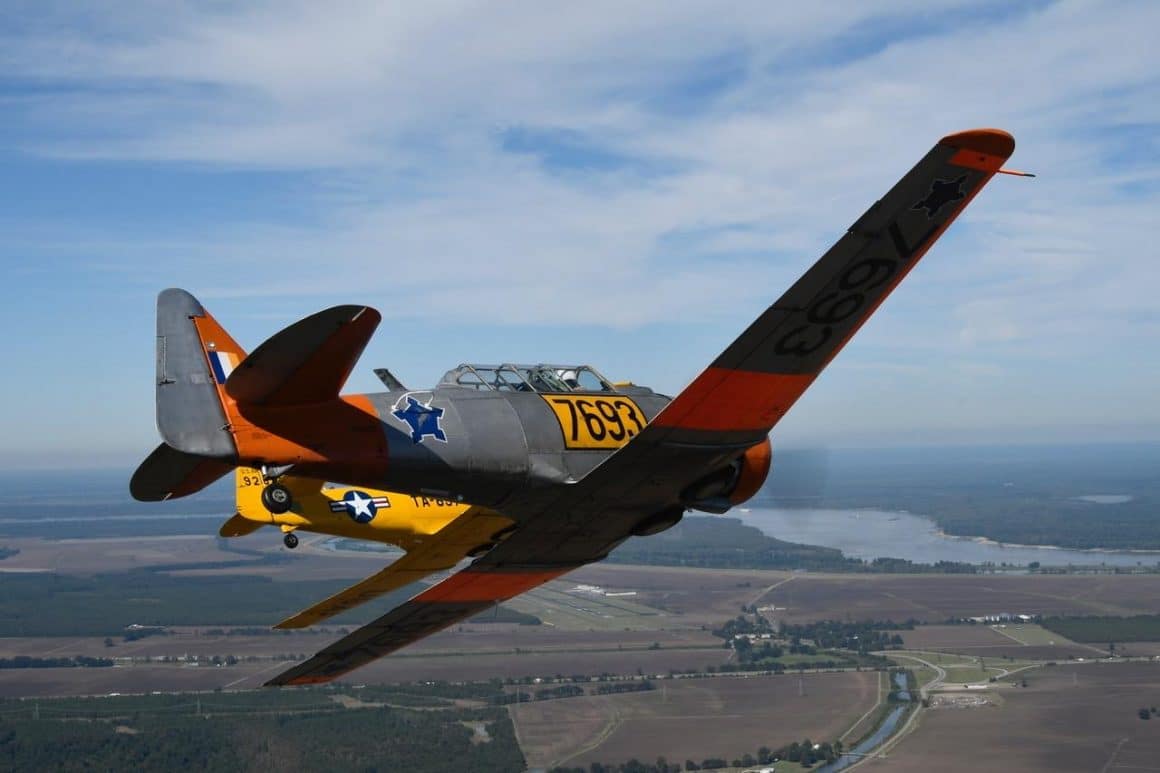
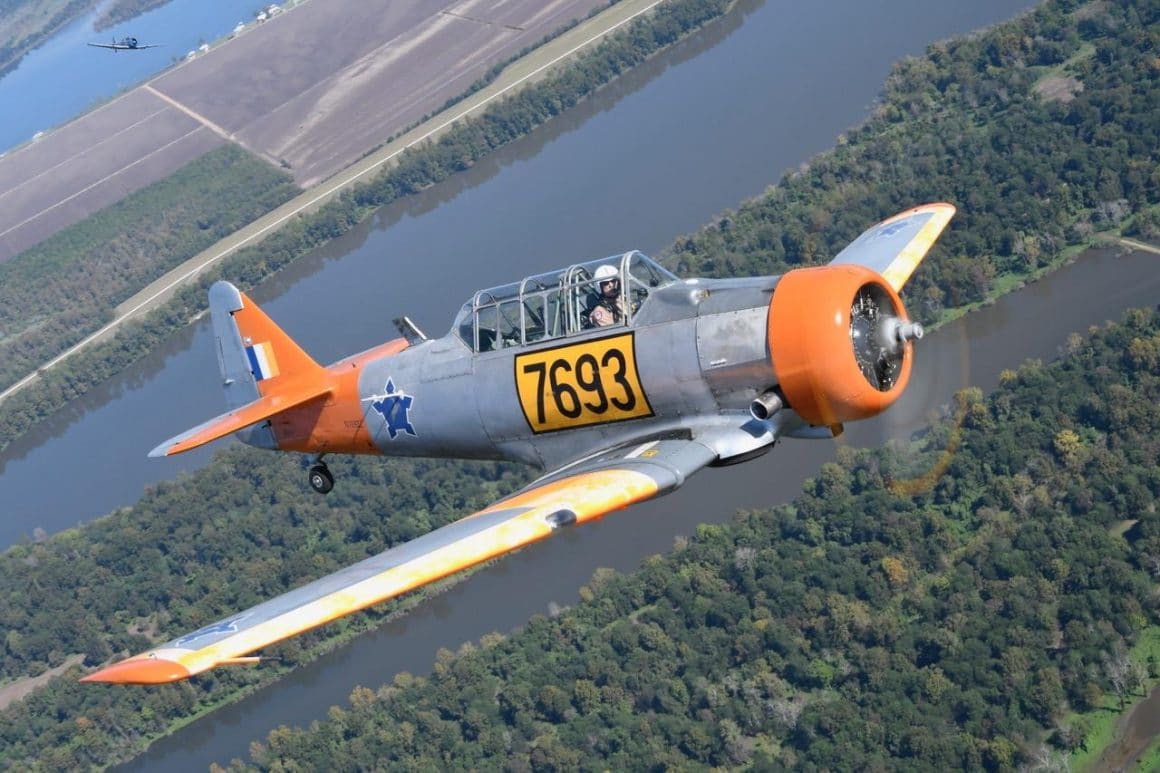
Irritating the Wasp: The Legacy of a South African T-6 Harvard
It could be the laziest of days at the airport, but when the distinctive sound of a T-6- or a flight of them- rolls across the horizon, an excitement crackles like heat lightning. After all, a North American T-6 knows how to make an entrance- she’s been perfecting it for nearly eighty years.
Now, imagine that the arriving T-6 is decked in a tangerine-colored paint scheme and some unfamiliar insignia- you will find yourself wondering: What’s the story?
Photo: DR. Angelici
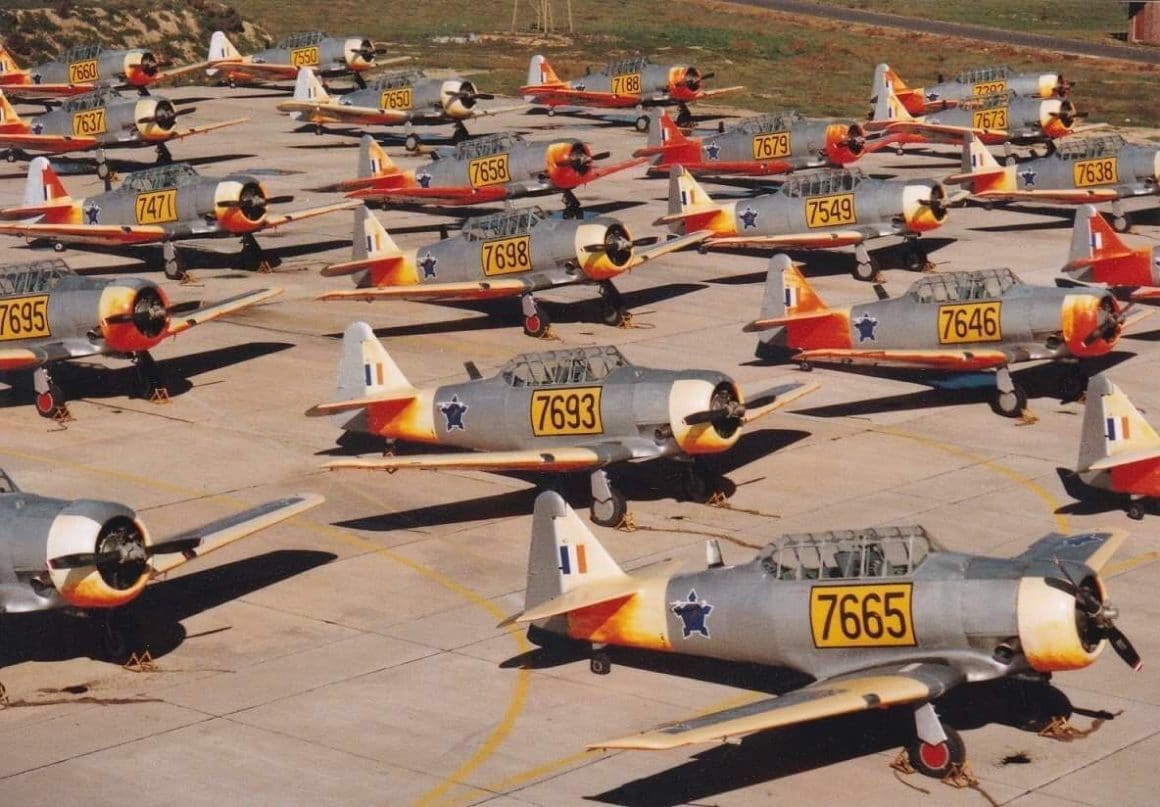
Did you know that the North American T-6 aircraft was the workhorse of the South African Air Force (SAAF) until the late 1990’s? In their program, they were of course primary trainers, but also acro, night, IFR, gunnery, ordnance delivery… and any other task that could be made to suit. After they were retired, they were sold to private individuals worldwide.
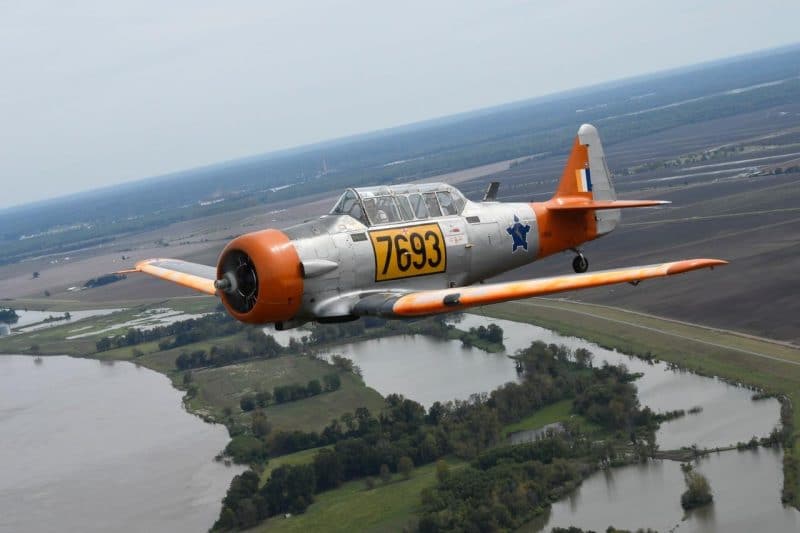
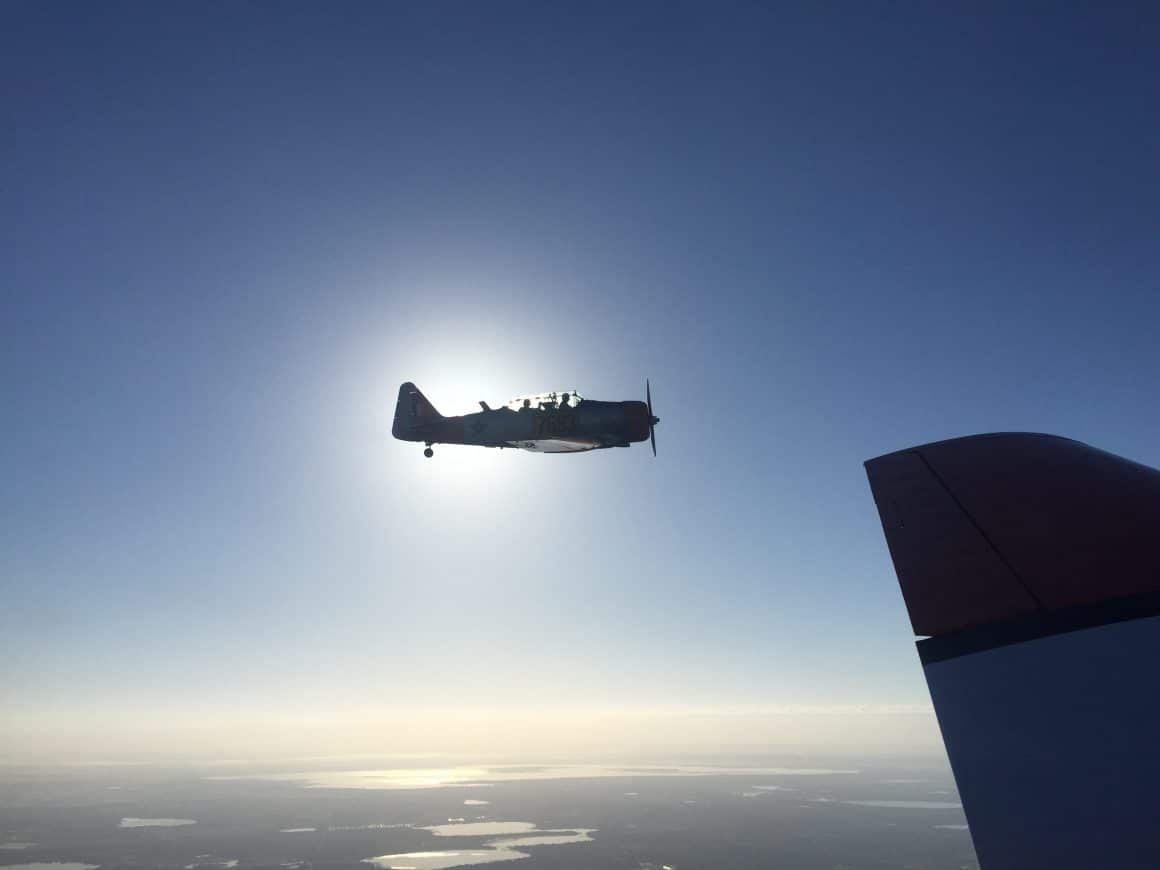
N7693Z, a C-model, was brought home to the United States. After the long journey west, she was reassembled and began a new, much different chapter: It was time to have some fun.
Here's What It's Like to Own an Original T-6 aircraft 35
The T-6 Texan served many roles in the Army Air Force and Navy; It was known then, as it is today, as the “Pilot Maker”. This particular aircraft, N7693Z, was manufactured by North American Aviation in Dallas as an AT-6C-NT (CN 88-11637) and received by the United States Army Air Force (USAAF) on 25 January 1943. She was assigned USAAF serial number 42-3933 and served in the USAAF from January 1943 until May 1950. 3933 was sold to the SAAF sometime in 1953 and after service in South Africa returned to the United States in 1995. It’s interesting to note that South Africa was a member of the Commonwealth and the air forces of the Commonwealth referred to the T-6 as a Harvard, regardless of what the data plate said.
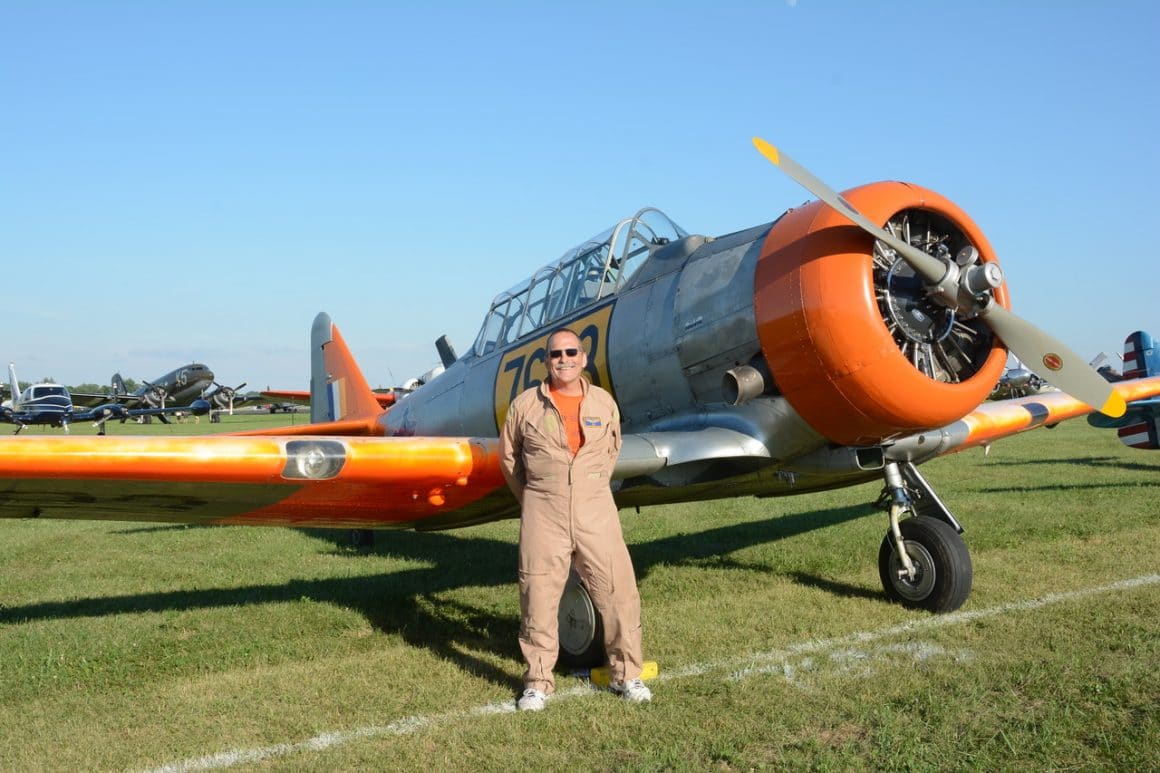
PHOTO: DR. ANGELICI in front of his T-6 Harvard
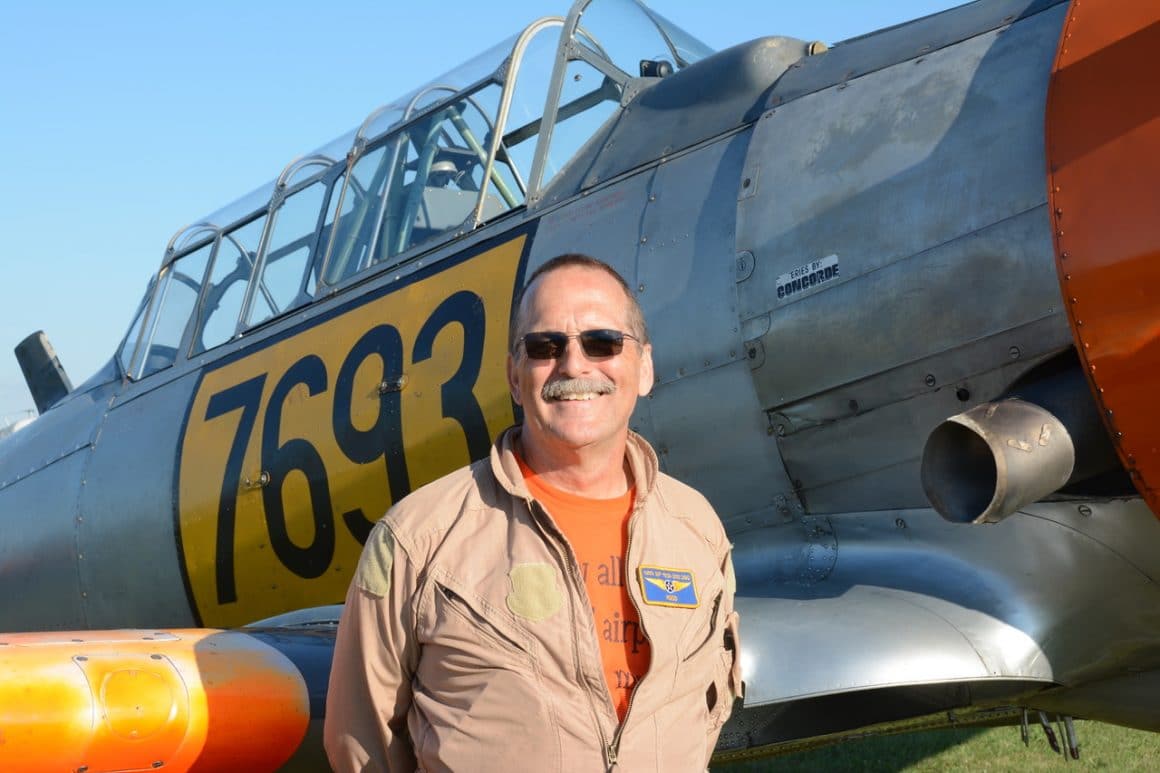
The airplane now belongs to a passionate aviator, Dr. Arnold Angelici. Dr. Angelici has loved aviation since childhood. He became a private pilot in 1994, continuing with his instrument rating the following year. He spent his early flying hours in Cessna 172/182s, an airplane he still regards with fondness. In fact, when queried about his favorite planes, he lists the Cessna 182RG among older, more nostalgic breeds, like the Fairchild PT-19.
In the late 1990’s, Angelici decided to take a sabbatical from internal medicine, shifting his focus toward aviation. He spent two years at Wright State University in Ohio in the Aerospace Preventative Medicine program, graduating into a contracting aviation market that was reeling from the terrorist attacks of 9/11. Undaunted, he went to work with the FAA in 2003 and has remained, currently serving as the Deputy Regional Flight Surgeon for the Southern Region. His love of aviation makes him a compassionate leader in his field – he genuinely wishes to help people in the aviation med spectrum.
Angelici relocated to Oklahoma in 2003. Amid the move and obtaining currency in the local rental aircraft, he crossed paths with the local Commemorative Air Force wing. He sponsored a PT-19 and began flying the relic in formation clinics. The T-6 was the common platform used for the formation groups, which sparked a new interest for Angelici. He claims that he “didn’t know much but was awestruck” at the fresh challenge of precision formation flying. It was only a matter of time before he found himself purchasing his own T-6- an orange-adorned beauty that had spent her career training eager young SAAF pilots.
PHOTO: DR. ANGELICI and a closeup of his T-6 Harvard.
Angelici had enjoyed his time at the controls of the PT-19 as he found it to be an honest and forgiving platform. However, the T-6 put him through the paces, challenging him. A difficult plane, it stretched his abilities in that maddeningly satisfying way that only authentic stick-and-rudder flying can. Angelici points out that the T-6 “doesn’t look elegant on the ground. But once airborne, it’s one of the best flying airplanes.”
It was not long before he was entirely charmed with his new, old airplane. While not an A&P, he befriended a group of mechanics and pilots and devoted himself to all matters of caring for a complicated piece of machinery. He describes some of the costly but necessary maintenance required to keep a design from 1938 airworthy to modern standards. An overhauled engine was a substantial expense, as was updating the avionics. However, Angelici views his experience as an owner with great love and patience, stating, “this airplane is special, like a family member. You learn the pedigree, the history, and you care for all of that.”
Here's What It's Like to Own an Original T-6 aircraft 36
Which brings us to the bright orange markings and the foreign insignias (bearing the national emblem of the castle of Good Hope, Cape Town, SA), something he would never change. “She has a history, she’s been in those colors for 50+ years, and I don’t want to erase the memory.” In his reverence for her history, he has collected some unique memorabilia. In addition to complete logs, he has a number of special photographs. The photos include one taken on the day she was retired from service back on November 17, 1995. Amassed on the ramp at the SAAF air base in Langebaanweg, SA., a group of approximately 55 Harvards shut down simultaneously – imagine the lovely, stunning cacophony of sound produced by those Pratt & Whitney R1340 AN-1, nine cylinder radials???
Another truly special moment in the legacy of this airplane came when he met, through a complex circuit on social media, a South African pilot named Tony Shapiro that had soloed in N7693Z in 1984. The gentleman, now a 777 captain, traveled with his wife from South Africa to meet Angelici in Georgia – and to be reunited with the airplane that had made him a pilot. Angelici arranged for two friends, Max Hodges and John Skipper Hyle, both CFI’s, to take Mr. Shapiro for several flights, an epic occasion for all.
Angelici loves flying the T-6, especially in formation. He attends shows and clinics throughout the season and plans to race at Reno in 2021. He is a truly passionate aviator that views himself as a caretaker for a significant piece of history- one he hopes to help keep alive. Not that it isn’t an enjoyable task- irritating the wasp, slang for the special sequence that is starting the big ole radial hanging on the nose of these head-turning planes.
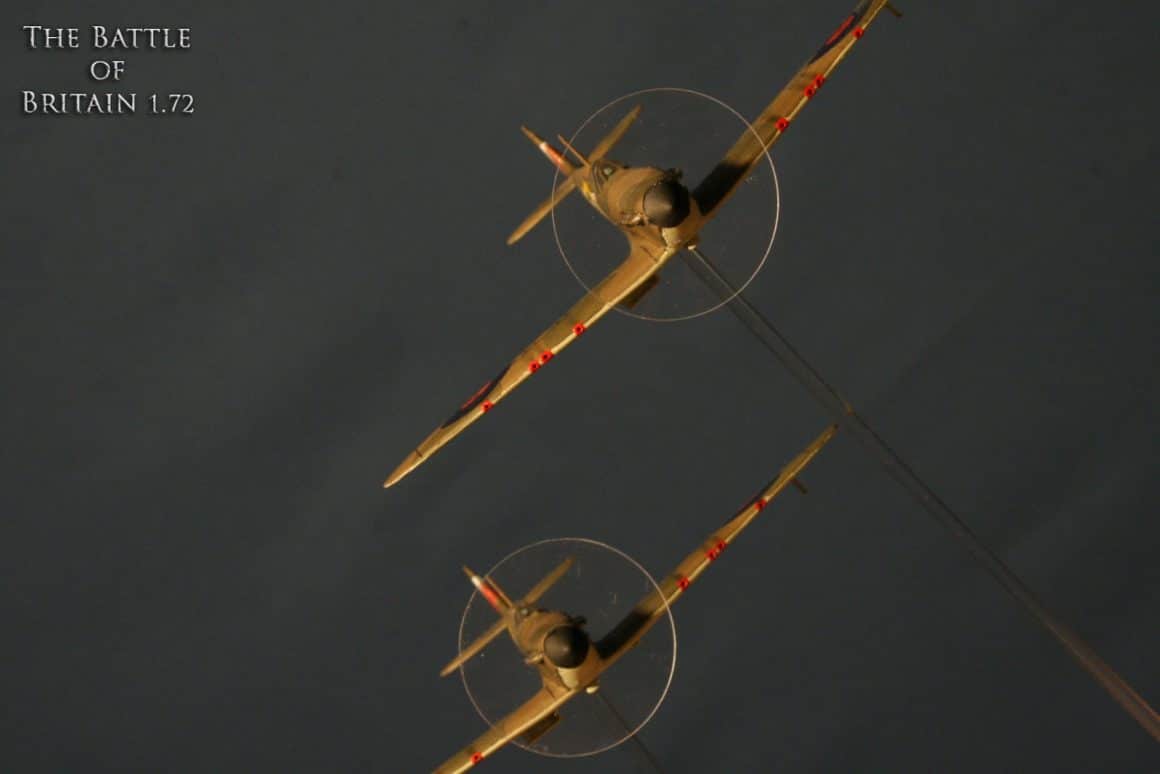
This “Miniature” Version of the Classic 1969 Battle of Britain Movie Features the Original Dialog and Music
At Avgeekery we’re huge aviation movie fans. We’re sure most of you would agree that one of the best of the genre is the 1969 United Artists release “Battle of Britain.” The Battle of Britain movie represents one of the high water marks for warbird fans. Very few models were used in the making of the 1969 film.
Most of the aerial combat sequences were made with actual flying warbird fighters- Supermarine Spitfires, Hawker Hurricanes, Messerschmitt Bf 109s (well, not really, but close enough) and Heinkel He 111 bombers (ditto). The Junkers Ju 87 Stuka dive bombers were models. There was some special effects trickery utilized for some mass formation shots and damage effects, but very little of either. Here is the trailer for the 1969 film uploaded to YouTube by historycomestolife.
Miniaturizing a Classic Aviation Film
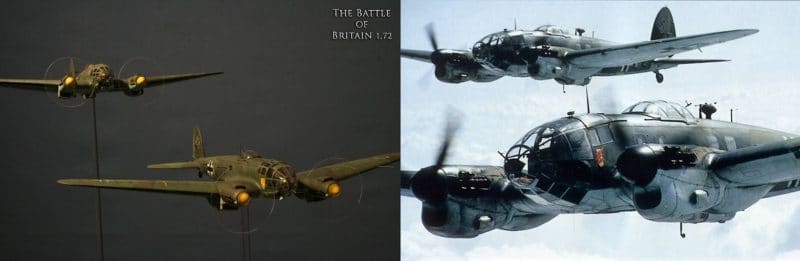
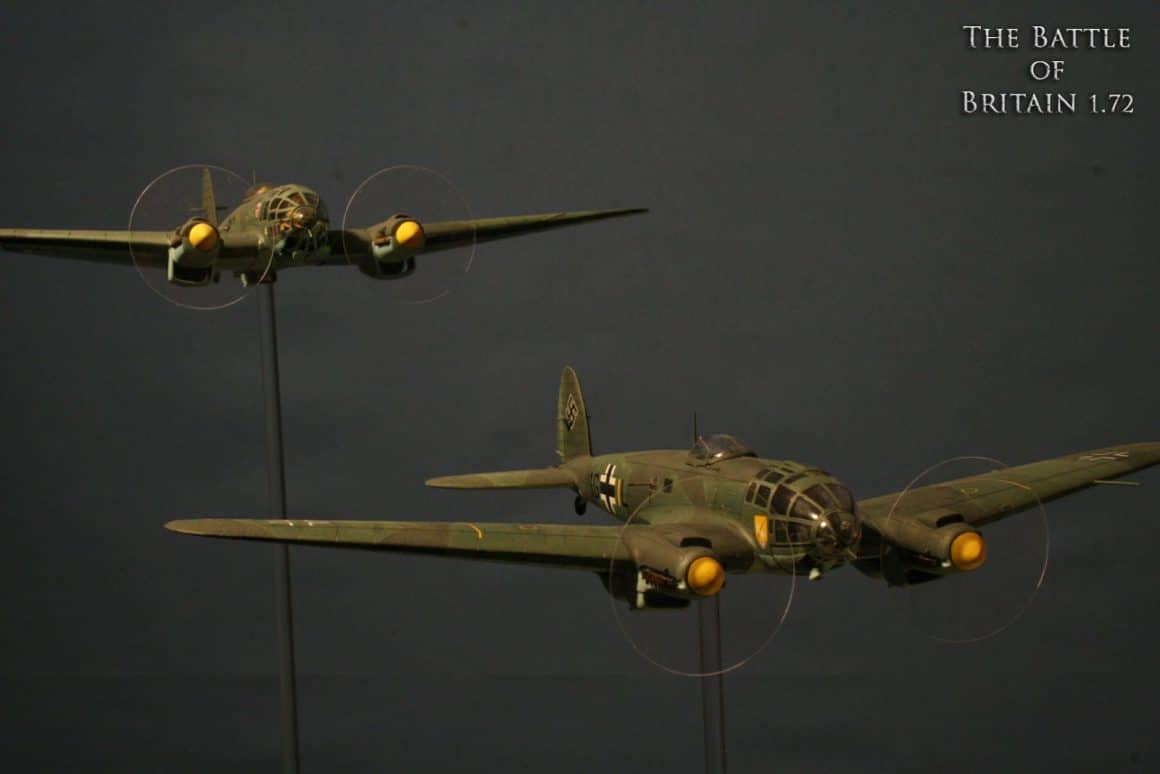
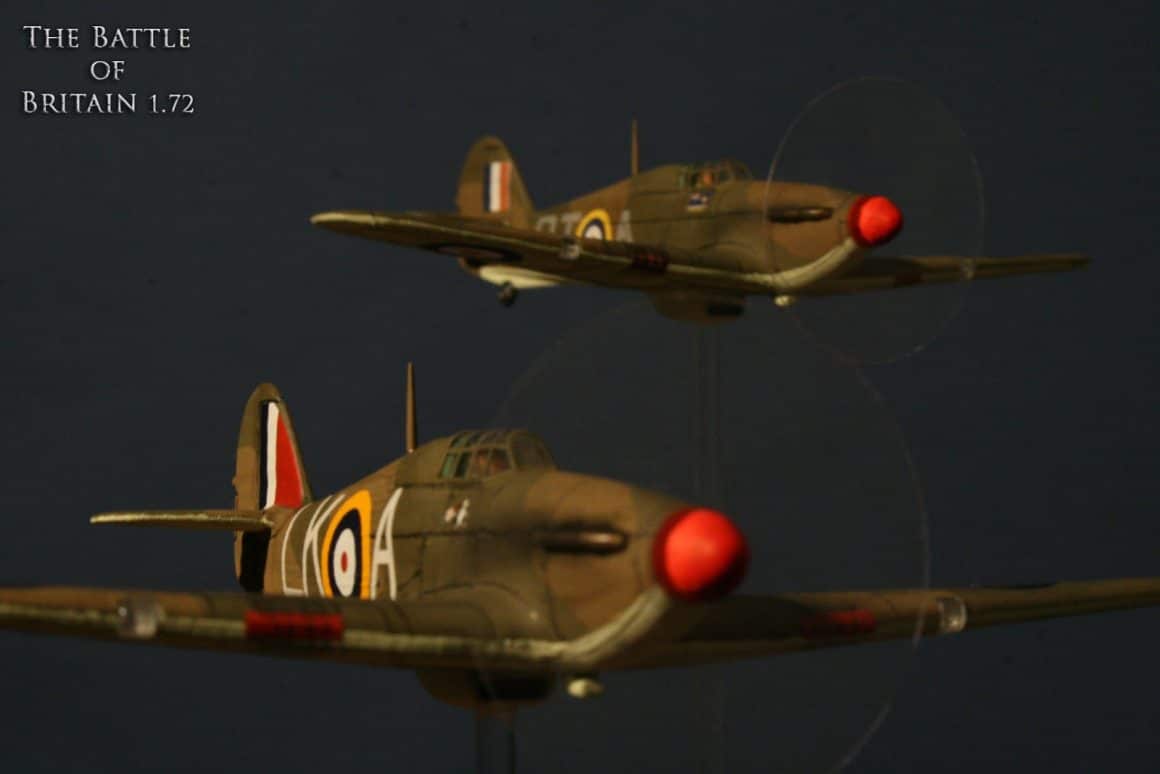
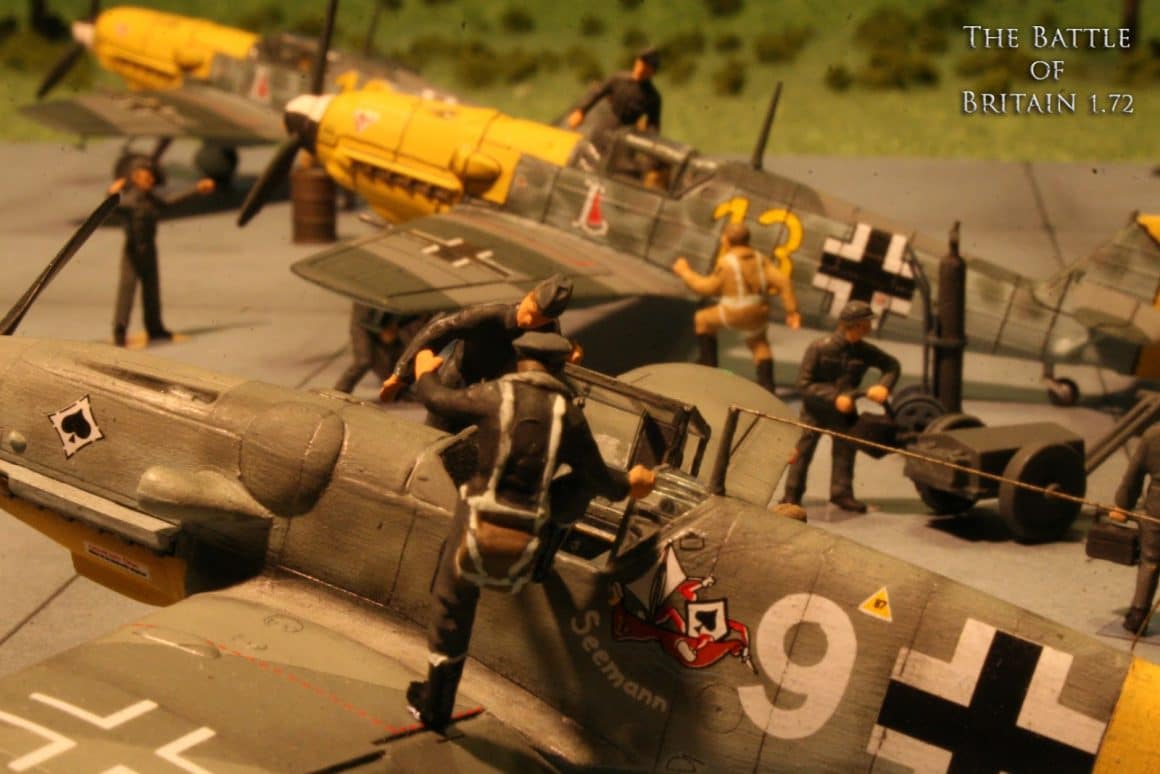
When we came across the film “The Battle of Britain in 1.72” there were some very visceral reactions. First, every scene (set to the original movie’s score and using original movie sound no less) was created using 1/72 scale models.
Vehicles. Aircraft. Personnel. Ground Equipment. Scenery. Literally everything. And it’s absolutely fascinating! Those of you who have not seen the original 1969 movie may not appreciate this version of the story quite as much as those who have loved the original film for years but it’s still worth a look. So take a look! Here is the “miniature” version of uploaded to YouTube by The Battle of Britain 1.72 honoring the Battle of Britain Movie.
Battle of Britain Movie For the Modelers Out There
The scale modelers in the audience (we know there are many!) will likely be able to tell that the models are all accurate to the period (unlike the 1969 film).
That’s not a criticism of the original film- the producers sourced flyable aircraft as close to the actual examples that fought the Battle of Britain as possible. But in the “miniature” version early-Mark Spitfires, Hurricanes, and Bf-109 “Emils”- even the Junkers Ju-52 transport from the 1969 opening title sequence, were used along with Boulton-Paul Defiants, Messerschmitt Bf-110s, and Junker Ju-88s that never appeared in the original film but certainly participated in the battle.
Of course not every scene in the original film gets the 1/72 scale treatment in the “miniature” version but it’s still awesome!
The 1/72 scale model aircraft built for the production included three Airfix Spitfires, three Airfix Hurricanes, one Airfix Defiant, three Airfix and one Academy Bf 109s, one Airfix Bf 110, One Airfix and one Hasegawa He 111, two Airfix Ju 87 Stukas, one Hasegawa Ju-88, and one Italerai Junkers JU 52. 1/72 scale Airfix refueling trucks, Academy Kübelwagens and BMW R75/5 motorcycles with sidecars, and a Hasegawa Mercedes Benz G4/W31 also appear in the film.
Revell, Hasegawa, and Airfix figures and other details rounded out the plastic and Humbrol paints were used throughout.
The making of the stop motion movie “The Battle of Britain 1.72” comparing it with similar sequences for the film “Battle of Britain” uploaded to YouTube by The Battle of Britain 1.72.
The Details Make the Film Come Alive
The houses, huts and interiors of the houses were all scratchbuilt using primarily cardboard and paper. Propellers were made to appear in motion using clear plastic discs and the aircraft were mounted on clear plastic stalks to facilitate motion- or more accurately, stop motion.
The explosions, tracers, smoke effects, and a few other digital enhancements were all created in post production, frame by frame, similar to cartoon effects. The producer utilized a Canon 70D camera to capture the images and edited the piece using Apple Final Cut Pro. On a personal note, as a childhood scale modeler myself, I thought Jerónimo Martínez Molina did a great job with the models. I was also surprised the production dates back some seven years ago.
The trailer for the stop motion film “The Battle of Britain 1.72” using 1/72 scale models built by the author Jerónimo Martínez Molina, based of the original film “Battle of Britain” uploaded to YouTube by The Battle of Britain 1.72.
CHEYENNE, WY — Top military aircraft of the U.S. Air Force are scheduled to perform high speed passes and precision maneuvers on Wednesday during the Wings Over Warren air show.
Warren Air Force Base will host a drive-in air show, designed to support social distancing. A limited number of vehicles will be allowed on base to provide a safer air show experience.
The Air Force F-22A Raptor, F-35A Lightning II, and the A-10C Thunderbolt II are scheduled to fly. Each demonstration team will perform for about 15 minutes.
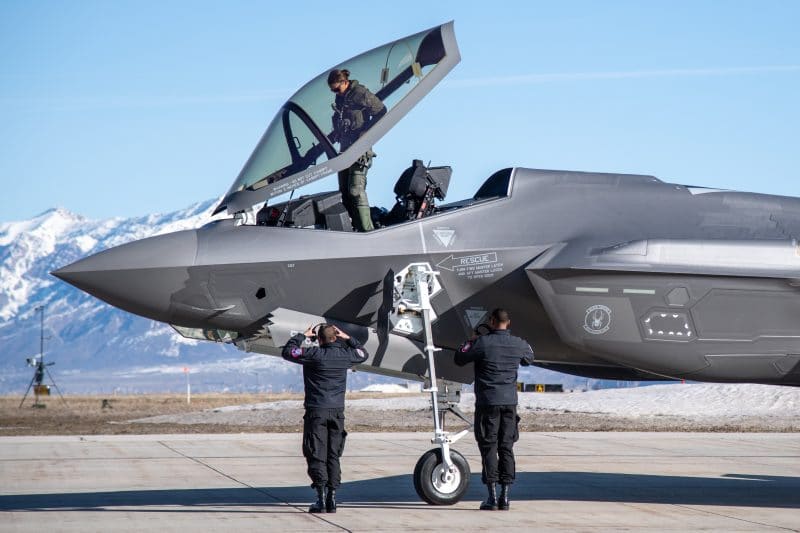
Inside the cockpit of the F-35A Lightning II Demonstration Team. (USAF)
“We’re extremely excited to be headed to our second show of the season,” F-35A Demo Team pilot Capt. Kristin “BEO” Wolfe told AvGeekery.com on Monday. “We had an amazing time in Texas, and we’re glad that we’re still able to find ways to showcase our team and our service to the public during these unique times.”
Capt. Wolfe also serves as the team’s commander, based at Hill Air Force Base in Utah. She and her team have prepared for this show during July.
“We are definitely planning on performing our full demo routine,” Capt. Wolfe explained from the flightline. She added she hopes to see some vapor trail from her aircraft.
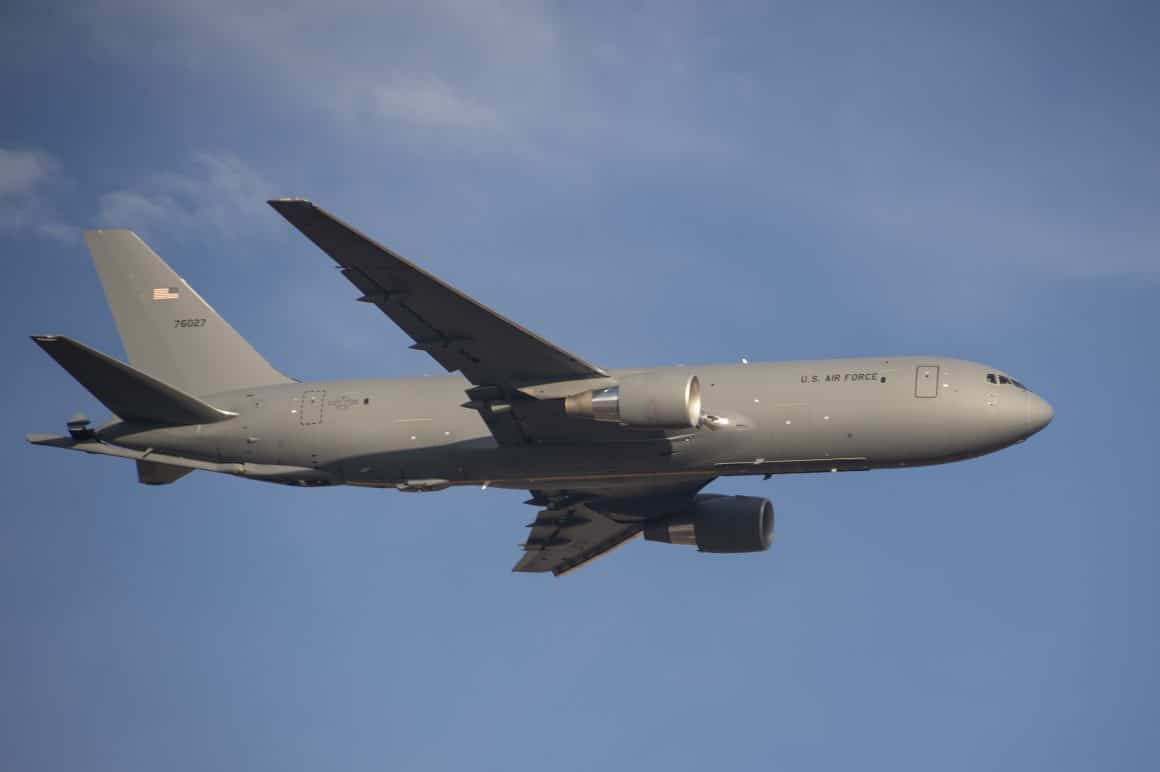
The B-1B Lancer from Ellsworth AFB, a C-130H Hercules, and the Wings of Blue parachute team are scheduled to perform. The KC-46A Pegasus from McConnell AFB will showcase the military’s newer aerial refueling aircraft.
“This year’s airshow is not only an opportunity to highlight United States Air Force air power and the capabilities of all our military services, but to say ‘thank you’ to our neighbors in Cheyenne and throughout Wyoming,” Col. Peter Bonetti, 90th Missile Wing commander, said Monday. “The community has always provided incredible support for F.E. Warren’s mission and our Airmen.”
A Boeing KC-46A Pegasus aerial refueler will perform a flight over Warren AFB on WEdnesday. (USAF)
Wings Over Warren state the first 1400 to 1500 vehicles will be allowed onto the air base. Parking and the show are free to the public.
Air show entry will be restricted to the gate on Roundtop Road. The gate opens at 7 a.m. and closes at 9:30 a.m., or when Warren AFB reaches car capacity.
Vehicles will be directed to park six-feet apart near the runway. The drive-in air show plans to begin at 10 a.m. and last for two hours.
Air show officials add there will be restrooms and handicap-accessible restrooms available. They encourage guests to bring food and drinks, and to fill up on gasoline before your arrival.
(Charles A Atkeison reports on aerospace and technology. Follow his updates via social media @Military_Flight.)
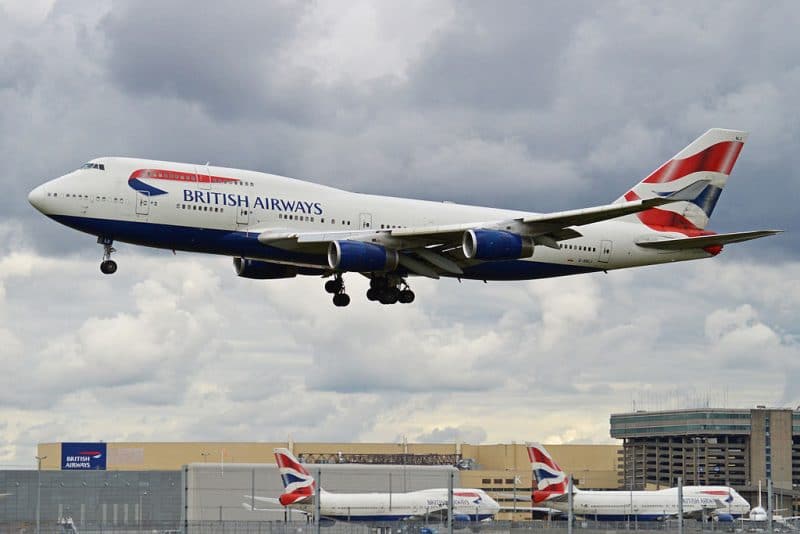
The world’s largest remaining operator of passenger Boeing 747s has announced that they will retire the type ‘with immediate effect’. In a leaked memo that was later confirmed by the airline itself, British Airways shared that all remaining Boeing 747-400s in their fleet will not return to service due to fallout of the COVID-19 virus.
It is with great sadness that we can confirm we are proposing to retire our entire 747 fleet with immediate effect. Natalie M
British Airways was originally scheduled to operate the type until 2024. Earlier this year, they had announced an accelerated retirement plan due to COVID-19. However, it was expected that they type would continue to fly until 2021. Unfortunately, market conditions have not rapidly rebounded. International travel is still severely depressed with a patchwork of travel prohibitions, restrictions, and a general lack of demand due to the virus.
The Passenger 747 Was Already On Its Last Legs
Even before today’s announcement, the days of passengers flying on the Boeing 747 were limited. Airlines have been retiring the Queen en masse. Retirements have accelerated as the demand for travel collapsed due to COVID-19. Airlines like Virgin Atlantic, KLM, and Qantas have retired their 747 fleets this year. Remaining operators of the passenger version are likely to follow.
Lufthansa Now the Only Game in Town
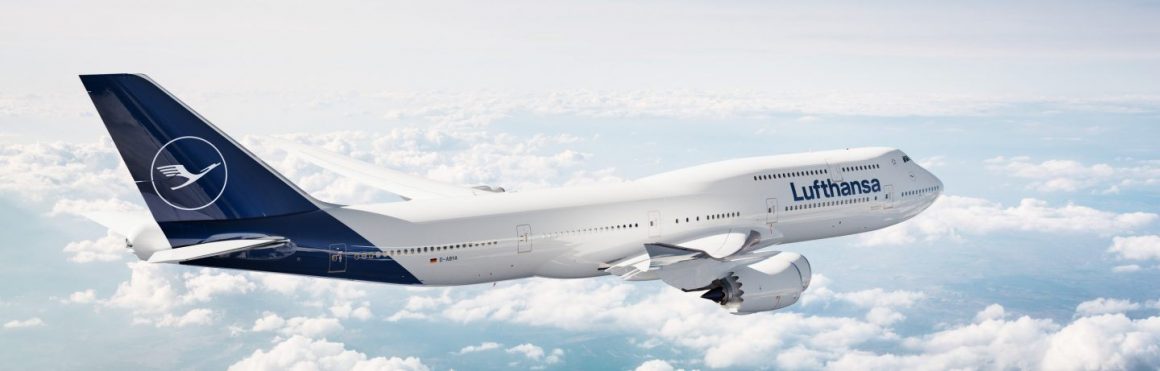
With the announcement by British Airways today, now Lufthansa will become the largest operator of passenger 747s. They operate a mix of -400 and -8 versions of the venerable quad jet.
A Lufthansa 747-8i. Photo: Lufthansa
747 Freighters Will Continue to Ply the Airways
As disappointing as today’s news is for avgeeks, it is comforting to know that demand for the cargo version of the Boeing 747 remains high. Operators like UPS, Atlas, and CargoLux will continue to operate the type for years to come. New 747-8 cargo jets will continue to roll off the Boeing line for UPS until the final jet is delivered in 2022.
The Approach to this Airport in Paradise of St. Barts is One of Aviation’s Greatest Challenges
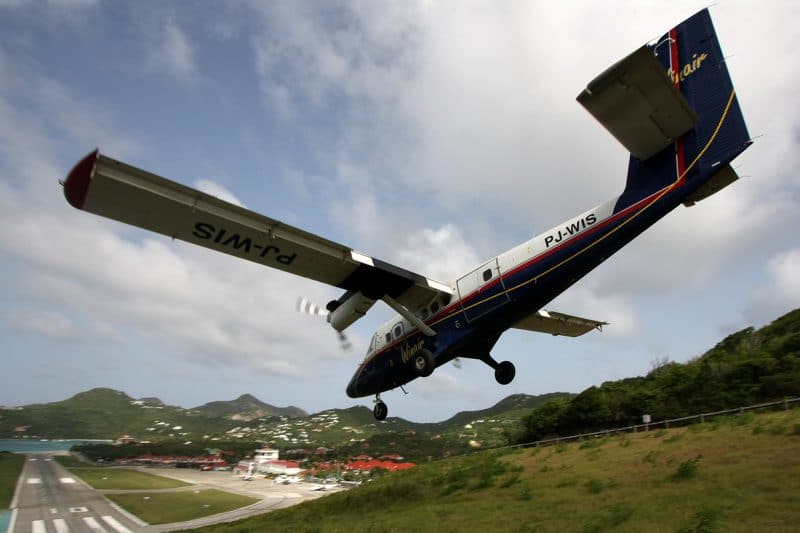
The Gustaf III airport, commonly referred to as St. Bart’s, has earned a title as one of the most challenging airports in the world. With only 2119 feet of runway to land on and an approximate 6-degree glide slope to follow, the pilots at the controls of these aircraft are specially trained and certified to conduct their operations. The most common airplanes operating here are the Pilatus PC-12, Cessna Caravan, DHC Twin Otter, and the occasional BN-2 Norman Islander.
Check out this video by Luxe TV showing this super unique approach into St. Barts. It’s not for the feint of heart whether you are the pilot or a passenger.
What’s The Deal About St. Barts Airport?
Everyone wants their toes in the water and rear end in the sand…and St. Bart’s delivers! This small volcanic island is a French territory that is fully encompassed by shallow reefs with crystal-clear blue water. It boasts some of the finest in French cuisine and culture, while simultaneously allowing the rich/famous to adventure and relax. And occasionally some truly awesome airshows take place there too.
The Risk for the Reward
With such a short runway and an extremely steep approach angle, there is very little room for error. Pilots landing these turboprop commuters must be properly configured and stabilized on speed in order to stop in the available landing distance. A water approach requires an early decision to go around. With the rapidly rising terrain, a late decision might mean your aircraft lacks the energy to make the required climb gradient.
An Approach at St. Barts Airport Requires Precision
Headed down the hill to land on runway 10, the pilot has to be on speed so that they can flare with enough distance remaining to touch down and stop.
Any extra speed can easily put you into an overrun situation. With gusty winds and thermals, this can be extremely challenging. And unfortunately, not every landing is a successful one. For example, check out this infamous video of a pilot who wasn’t stable and landed long.
For many of us aviation enthusiasts, traveling to St. Bart’s is often out of reach for a myriad of reasons. Nevertheless, we live on vicariously through these awesome plane-spotting videos! Would you be willing to try your hand at landing here? Let us know in the comments!
Three biggest shows of the year aren’t happening due to COVID-19.
Many aviation enthusiasts survive the doldrums of winter by anticipating the buzz of airshow season. We roll into the season with Sun ‘n Fun in Lakeland, Florida, which is the second-largest event of its kind in the world.
Well, it was initially postponed, from April to May, this year – need I mention why? And then – it was cancelled. Cancel Sun ‘n Fun!? Blasphemy!
Oshkosh b’gone too
So, airshow fans got through the lock-down anticipating AirVenture in Oshkosh, WI, the Experimental Aircraft Association’s (EAA) 68th annual event. The fly-in convention was scheduled for July 20-26 at Wittman Regional Airport.
EAA CEO and Chairman Jack Pelton said the state’s stay at home order prevented the organization from starting the grounds preparation. “We’re so dependent on 5,000 volunteers to show up, along with all of the exhibitors, vendors and supporters,” he said. “We weren’t going to have the resources to reschedule.”
Pelton also stated: “There is no way to describe the disappointment I feel for everyone who sees AirVenture as aviation’s family reunion each year. You can be assured that EAA is already eagerly looking forward to gathering along the AirVenture flightline on July 26 through August 1 in 2021.
Reno canx’d as well.
Reno Air Race pilot and enthusiast Dr. Arnold Angelici explains his disappointment over the cancellation of the September event. He describes how he will miss the gathering, not only for the thrill of racing, but for “the ten-day long family reunion” of fellow pilots, pit crews and fans.
Angelici owns a 1943 North American C-model T-6, “Go Ask Alice”, that he planned to race in the Legacy class in the fall. This would have been his inaugural outing with his own airplane; he has previously crewed with team Radial Velocity. Angelici describes the great amount of preparation each pilot and team put forth to participate in the races each year, beginning with extensive flight training. In addition to the required Pylon Racing School, he attends various formation flying clinics. The first one of the year – canceled. However, he plans to attend an upcoming North American Trainer Association (NATA) formation clinic in Dubuque, IA in July.
Summer Bummer: Airshow Fans All Dressed Up with No Place to Go 44
Given that his plane is based in Thomaston, GA, these preparatory events require considerable planning, travel and expense – not to mention unfettered dedication for the love of flying. To cancel an entire season of aviation events – the majors listed here, but also, the smaller regional shows – is nearly unfathomable. However, aviators are passionate people – and I have faith that will keep ‘em coming back, hopefully stronger and more united than ever – in ’21. ‘Til we meet again, airshow fans — hopefully beneath the skies that ring of the radial or the rip of a powerful aerobatic performer, check out this beautiful video from Flying Legends.
Brian Wiklem might be the ultimate avgeek. He’s also a good friend of Avgeekery. Over the past decade, Brian has entertained us with a series of exclusive documentaries on the final passenger flight of the DC-10 along with the final year of the Goodyear blimp. For the past couple of years though, Brian has seemed to be relevantly quiet recently. In reality though, he’s spent the past four years working on a pretty amazing project. He’s building the ultimate guide to the BAe 146. Read our interview to learn more about this amazing project.
1.) Brian, it’s great to chat with you again. Last we talked, you had just wrapped up an awesome documentary about the final year of the Goodyear blimp. And you also first broke onto the scene with a DC-10 retirement video. Now you are back with a new project and this one is pretty big. Tell us more about your project to build the definitive history of the BAe 146.
I had written another book about a rare Italian sports car, the Cizeta V16T (aka Cizeta Moroder). It started in 2005 when I was friends with the creator, and after talking about one of the cars and the color (blue – a personal favorite), i asked if he had photos. So he let me go through his archives, and after all was said and done, I had so much content that a story needed to be told. It took nearly seven years (and quite a few phone calls with none other than Jay Leno), and I finally wrapped it up. I swore I’d never write another book again because of how labor intensive it is.
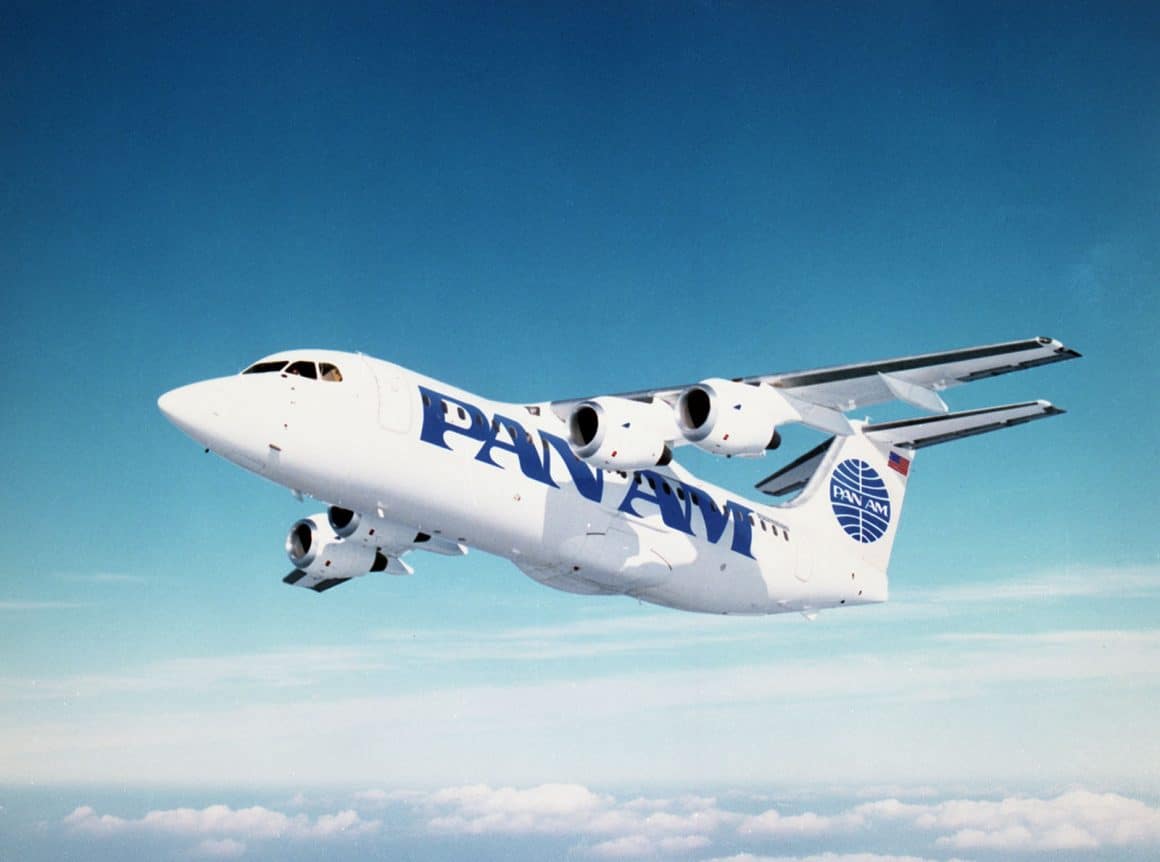
Fast forward to 2016, and I had bought out another BAe 146 collector (yes, there’s more than one!) collection. After going through all the boxes of photos and documents, I realized there was a story to tell. I love research, and pretty soon I had gone so far down the rabbit hole, it was clear there was a compelling story to tell. But I find most aircraft books “dry” – they tell you the basic history and technical aspects, but I feel most leave out the real story, the aspects that make aviation compelling. So I reached out far and wide, and spent lots of time not only talking to those that built and flew the aircraft, but those that sold it, maintained it, and tried to wrap all the crazy stories into a compelling history that sums up the aircraft quite well. I’m really happy that I managed to spend time with those who were with the 146 in the early days, including those that were reps for British Aerospace but stationed at the respective airlines (like PSA, AirCal, and more). I felt if I were going to write another book, it had to be intriguing, it had to tell a complete story, and it had to be comprehensive unlike all other books before it. Thankfully I had a half dozen “beta-readers” who read the early drafts, and the feedback shared the same summary: “I tried not to read it in one sitting, but it was so engrossing!” I hope the consensus from the finished product doesn’t change.
A Continental Express BAE 146–The original regional jet (COPYRIGHT BAE SYSTEMS, AUTHORIZED FOR USE THROUGH BRIAN WIKLEM)
2.) We’re sure many readers are wondering,”Out of all of the unique aircraft, what made your heart settle on a 4 engined airliner that looks like a shrunken airlifter?”
There’s just something cool and unique about the 4-engine jet, especially a high wing regional jet. It was like watching a miniature C-17 coming into land. When you get past the jokes (e.g. “Bring another engine” or “the jet with 5-apu’s”) it’s a really fascinating aircraft, and all the behind the scenes stories bring to light how many times the project could have and should have been cancelled, not to mention all the corporate financial tom-foolery that nearly bankrupt British Aerospace as an entire company (not just the regional jet division). There’s mystery, there’s intrigue, there’s excitement, and arguably to a degree, there’s a bad guy. All great story material.
3.) In your promotional materials, you mention that the BAe-146 was the most over engineered regional jet. What do you mean by that?
The aircraft was arguably over designed and overbuilt. To the point that it was a Swiss Army Knife that most airlines didn’t need. Sure it had steep approach, could land on unpaved fields, could get in and out of short airfields, and was super quiet. But most airlines just didn’t need that flexibility. When you look at the number of steep approach airports the aircraft excelled at, it was in the single digits. Only a couple of airlines used the unpaved field performance, and the insanity of a 4-engine regional jet just was overbuilt.
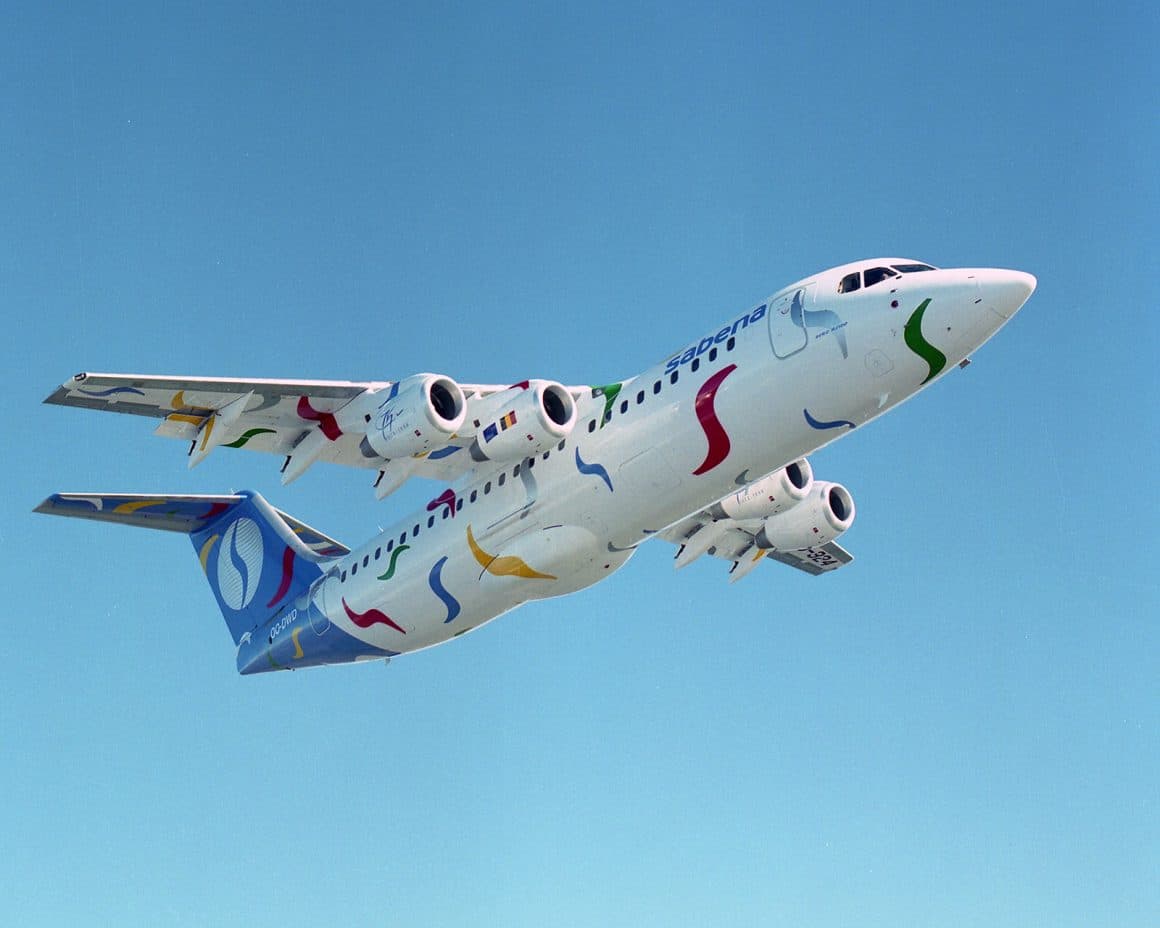
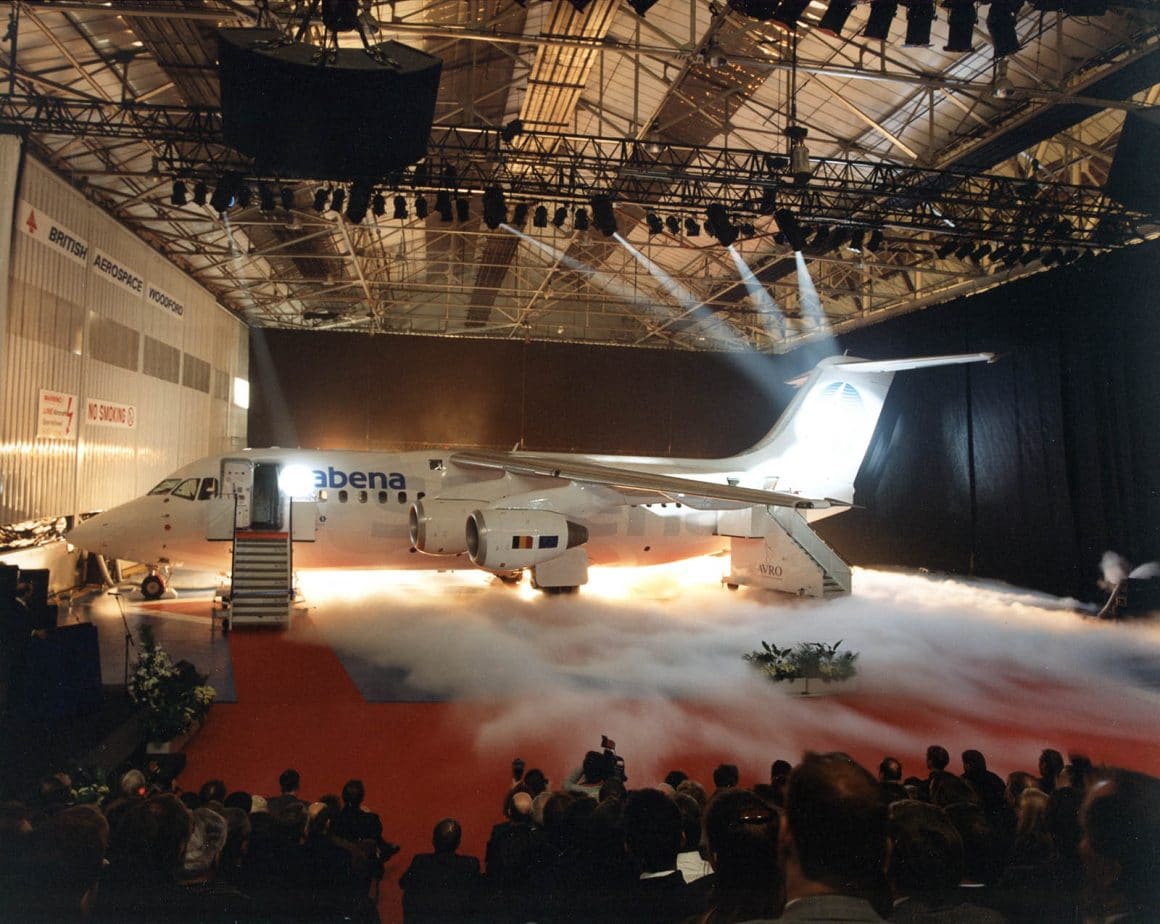
A Sabena BAE 146 (COPYRIGHT BAE SYSTEMS, AUTHORIZED FOR USE THROUGH BRIAN WIKLEM)
BAe sales literature really hyped the “if you lose an engine on take off, you lose 25%, not 50% like most aircraft,” but then the messaging in sales literature had the plane (and flight) carrying on to its destination with 3 engines even though practically every airline SOP would have the aircraft return to the airport immediately, not continue onto its destination. Mechanics of the 146 summed it up this way: The 146 needed daily attention, not a lot, but needed some attention and the aircraft would never break.
A Boeing or McDonnell Douglas plane on the other hand didn’t need tending to daily – however, when they went down, they went down ‘hard’. What really did the BAe in during the 1980s was BAe’s cavalier attitude with regards to airline service requests. Boeing and McDonnell Douglas were required to turn around a response within 24 hours. With BAe, you’d be luck if you got a response in 3 months, there customer service was that bad – even when they had reps from BAe stationed at the airline like PSA.
4.) The BAe 146 also preceded the downfall of the UK’s commercial aviation manufacturing industry. How big of a role did the -146 play in this major industry shift?
The 146 was looked down upon across the board. Because the resurrection of the 146 programme from Hawker Siddeley to the conglomerate that became British Aerospace, there was politics at play, and there was a sizeable chunk of the industry that felt the BAC One-Eleven successor (the Two-Eleven) should have been the aircraft that the company moved forward with.
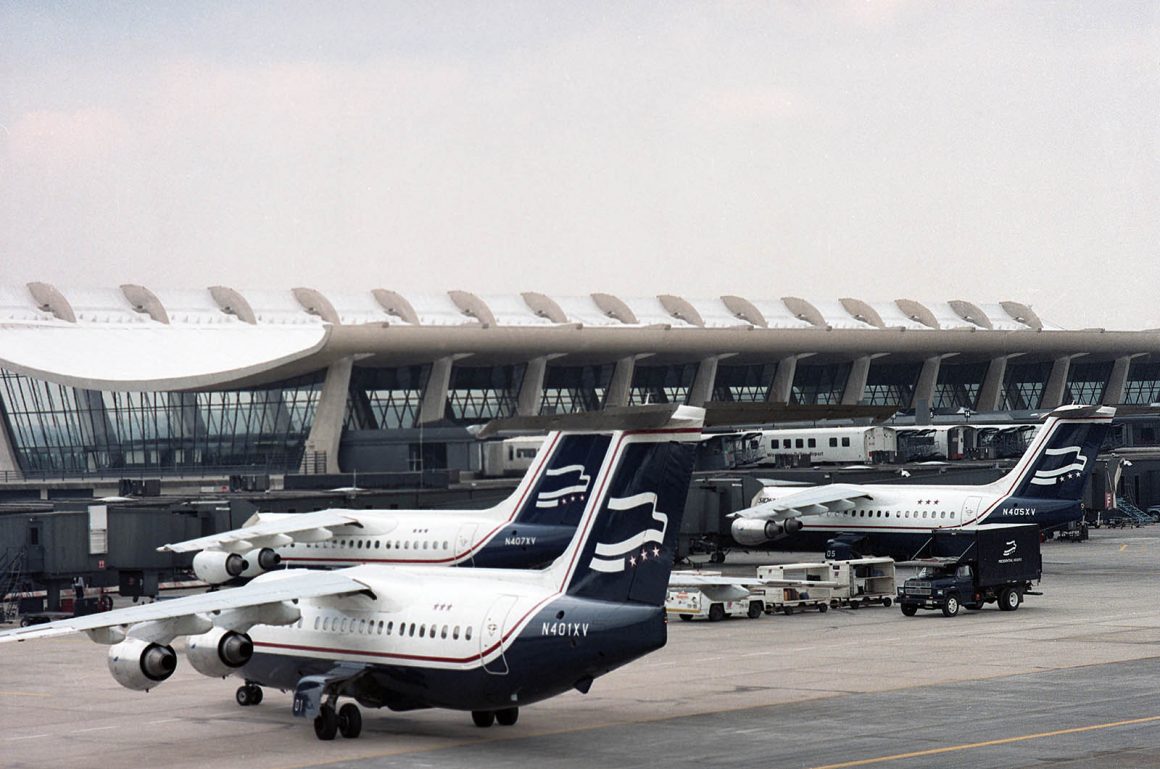
When Airbus has established itself with the A320, it viewed the Avro RJ (and the 2-engine successors that were regularly discussed) as a competitive aircraft even though BAe was building wings for Airbus, and of course lets not forget Fokker lodged lots of complaints with the EU over the 146. BAE Regional Jets through the years from the mid-80s through the early 90s had looked for ways to get out of building aircraft and focus on being a supplier instead. It’s a simple question, but a very long story (hence the book).
(COPYRIGHT BAE SYSTEMS, AUTHORIZED FOR USE THROUGH BRIAN WIKLEM)
5.) This book took 4 years of research to complete and then publish. Give me a hint of why your attention to detail and passion for the jet make this book unique.
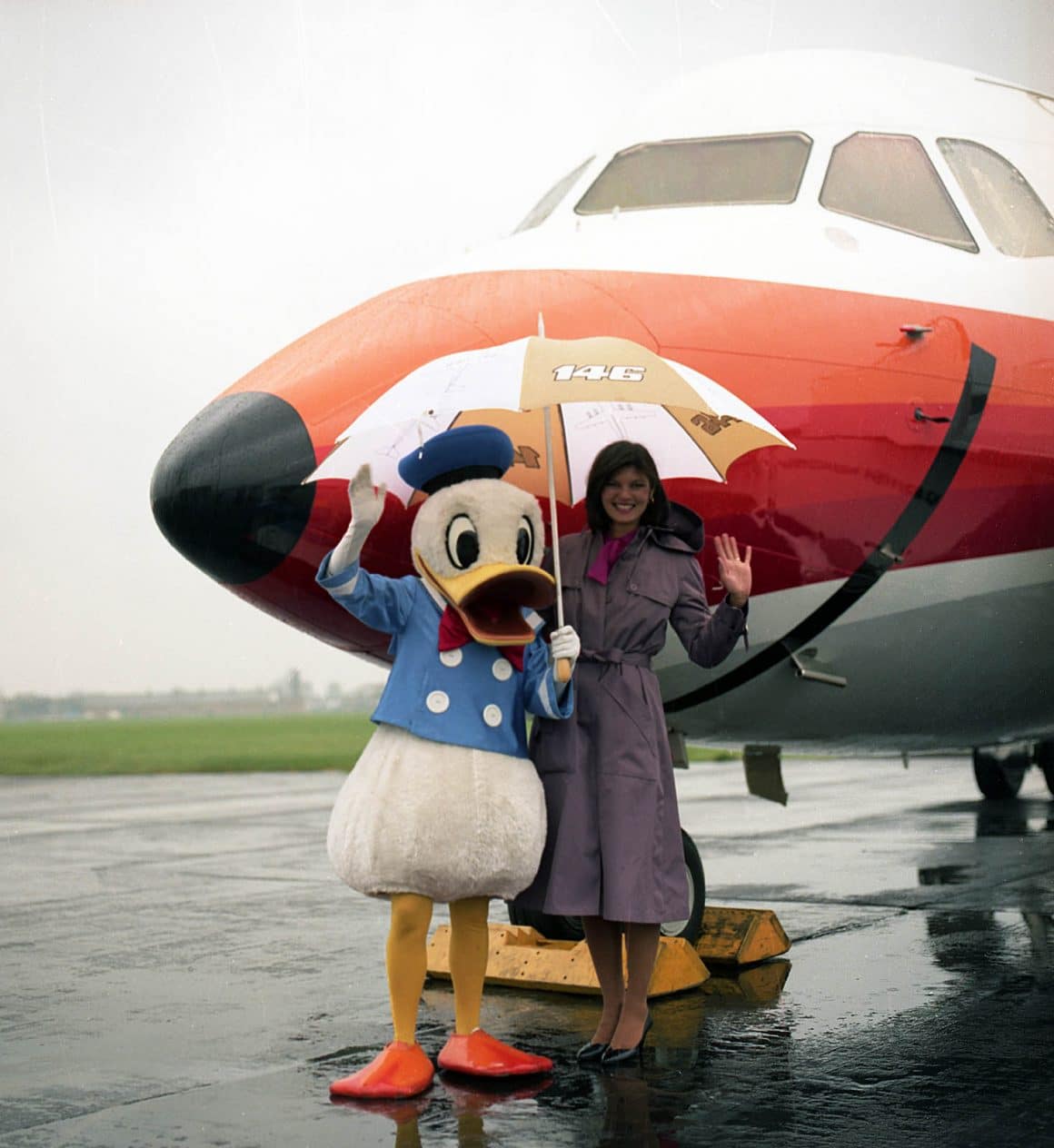
I feel like 4 years wasn’t enough. Every day I am still learning something new about it. But I’ll say this: I didn’t spend 100% of my time focusing on BAe’s story only, but focusing on why airlines bought and operated the aircraft. I spent a lot of time talking to BAe Customer Service reps (many who left BAe to work for the airlines they were stationed at), not to mention the heads of airlines at the time (some of which run airlines today). It’s the deep dive into the stories of the airlines that make the book so fascinating. Most don’t know that PSA who was initially the largest customer (replaced by Mesaba/Northwest in 1997) of the 146 was at a crossroads in 1983: Buy the Boeing 757 (or Airbus A310 or McDonnell Douglas MD-90 which was different than the MD-90 we know today) and go big, or to go in a completely different direction and go with a smaller aircraft.
PSA and Disney grew closer together through the BAe 146 (copyright BAE Systems, authorized for use through Brian Wiklem)
PSA actually became more successful and gained far more market share because the BAe 146 allowed them to move into new airports, some of which never had jet service until the 146. Another example is the battle at SNA (John Wayne Airport) between home based airline AirCal and PSA who was moving into their turf. SNA was slot controlled due to noise and airport capacity with the county (and Newport Beach to the south who was very vocal and anti-jet) AirCal had just bought the Boeing 737-300, but could only fly out of SNA with 100 passengers because of payload restrictions due to noise abatement. PSA came in with the 146, and it was so quiet, PSA ushered in a problem for the county: The 146 technically was so quiet, it qualified for unrestricted movements. Technically, the slots allotted weren’t an issue any more. But SNA stepped in because they couldn’t let PSA run as many flights as they wanted. Again, it’s a long story (covered in the book), but Boeing and AirCal didn’t take PSA and the 146 sitting down and developed the take-off that exists to this day with a power reduction of N2 to avoid triggering noise sensors.
(COPYRIGHT BAE SYSTEMS, AUTHORIZED FOR USE THROUGH BRIAN WIKLEM)
Then there’s the Freedom of Information Act (FOIA) I filed to the FBI to unlock the tragic murder inflight of PSA 1771. I got nearly 400 pages back from the FBI, and some of the details are both fascinating, scary, and diabolical of what happened. The one aspect that came to light reading the CVR was how re-enactments are not totally correct on TV broadcast (they “Hollywood” the event up a bit). I have way more research than could fit in the book.
I could go on and on, but I valued the time I spent with Prince Charles and Princess Diana’s personal pilot, Graham Laurie who was instrumental in helping connect the dots with the royal flight, and his friend who ran the initial evaluation of the 146 for the Royal Air Force using two aircraft (ZE700 and ZE701) for two years before they were traded in and two new build BAe 146-100s were purchased for the Royal Family (32nd Squadron).
I even reached out to the Royal Family, of which Prince Philip and Prince Charles responded with information including Prince Philip’s 146 conversion training log.
6.) We also heard that you have a special edition of the book with a cover made out of real BAe 146 skin. Is that true?
Partially. The special edition comes with a nice storage case, a Blu-Ray disc with nearly 7 hours of BAe films like handover/delivery ceremonies, promotional films, and air tanker tests. It also comes with a USB thumb drive with over 200 marketing brochures, newsletters and more. Finally, the special edition is limited to 400 copies, and it comes with a serial number plate featuring the number of an actual airframe, and this plate is made from the skin of a retired BAe 146.
(COPYRIGHT BAE SYSTEMS, AUTHORIZED FOR USE THROUGH BRIAN WIKLEM)
7.) Ok that sounds awesome. If I’m interested in reading your book or contributing to your mission of telling this unique aviation story, how do I get my hands on it?
Bloomberg reports that the iconic Queen of the Skies program to end after 50 years of production
Rumors were rippling across the industry that the end is within sight for production of the Boeing 747. On Thursday, July 2nd, Bloomberg reported that the Boeing 747 is dead—killed off by more efficient 2 engine competitors, an economic downturn, and a trend towards mid-sized jets for long routes..
Nothing short of icon status, the design represents a different age and mindset in commercial airline travel. The 747 was considered the most successful wide-body aircraft delivered, until surpassed by the 777, which entered service (by United Airlines) in 1995.
Nowadays, commercial airline operators are optimizing their fleet with smaller capacity, more fuel-efficient platforms that require less maintenance. Demand for an aircraft as large as the 747, which can carry nearly 700 people, has waned. The aircraft has found a new purpose within the cargo industry, where demand has surged.
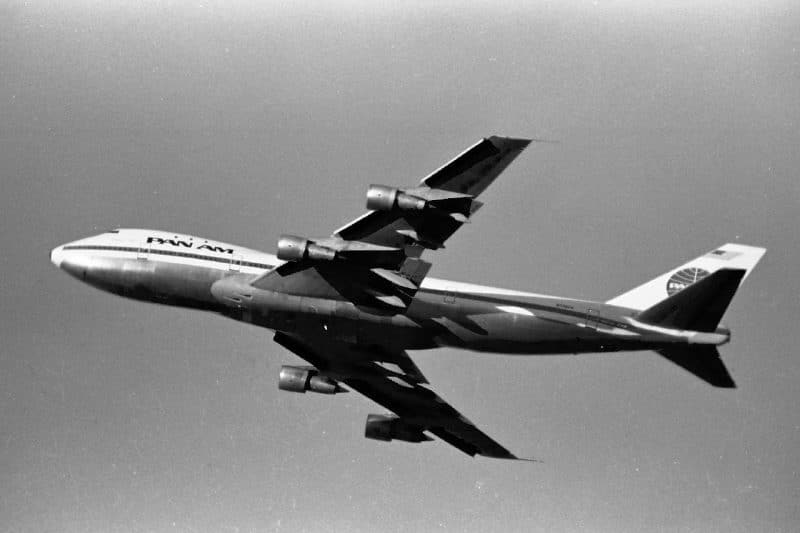
Pan AM’s First Boeing 747. Photo: Rob Russell
The 747 arrived in a competitive era, where bigger was better. Pan Am’s CEO Juan Trippe was seeking an aircraft “at least” twice the size of the 707. Boeing rolled out the 747 — which was 2.5 times the size – and the plane embarked upon its legendary career in Pan Am colors in 1969. Trippe ordered 25, and both PanAm and Boeing set about making strides to match productivity to possibility. The super-sized concept was to “democratize” air travel in terms of affordability; Trippe invented a tiered pricing structure with lower cost fares deemed “tourist class” (which are equivalent to ‘economy class’ seats).
In the 1970’s, Boeing’s 707 and the Douglas DC-8 were the workhorse for commercial passenger travel. How exciting to imagine a time where commercial demand (and passenger excitement) pushed the envelope of bigger/faster. As exciting as this prospect may sound, it crippled Boeing, as the projected cost to build the plane was substantially off the mark. Overeager Pan Am ordered more 747’s than they could afford – a grim mistake that contributed to their eventual demise (although not until 1991, this was a contributing factor).
Given the design’s enormous size, Boeing needed an entirely new facility to support the undertaking – a parcel consisting of a staggering 780 acres. Boeing designed and constructed the new facility in June 1966 in Everett, Washington. It was a harried undertaking of tremendous scale: To date, the plant is still the largest building by volume ever built. Lending to chaos: 747’s full-scale mock-up was built before the factory roof was complete.
A major certification hurdle to clear was safely evacuating 560 passengers from the double-decker design; The FAA mandated the evacuation be complete within a timeframe of 90 seconds. The cumbersome spiral staircase leading to the upper deck area complicated the evacuation process. Slides were implemented for evacuation procedures — but falls on the staircase were not uncommon, according to a former American Airlines employee who worked aboard the plane until the late 1990’s.
The First Boeing 747 after the rollout ceremony. Photo: Scandinavian Airlines
The first test flight took place on February 9, 1969, in which the 747 demonstrated overall favorable flight characteristics. Furthermore, the design was resistant to the “Dutch roll” phenomenon that had plagued earlier models of swept-wing jets. Later stages of flight testing revealed a high-speed flutter, resolved by inserting depleted uranium counterweights in the outboard engine nacelles.
The high-bypass ratio engine-to-power, wide-body aircraft design brought forth a new era for Pratt & Whitney. The 747 utilized the JT9D engines, which were put to work in subsequent designs including the 767, Airbus A300 & 310 and McDonnell Douglas DC-10. Production ended in 1990, but to date, more than 3,000 engines have been delivered, with 600 take-offs each day.
On January 15, 1970, First Lady Pat Nixon christened the first commercial 747 at a ceremony at Dulles International Airport. It was an astonishing concept and an intriguing chapter for aviation. But truth be told, the project was a dramatic gamble for Boeing. The scope itself was massive, requiring a team 50,000 employees. From the cost perspective, unthinkable; considering development to production, and the support beyond. In the tedious months leading up to the roll-out, the company was bleeding money, with a debt of nearly $2 billion. In a scramble, Boeing somehow secured desperately needed funding from outside investors. Yet, Boeing pulled it off, and was unrivaled in passenger aircraft production for many years.
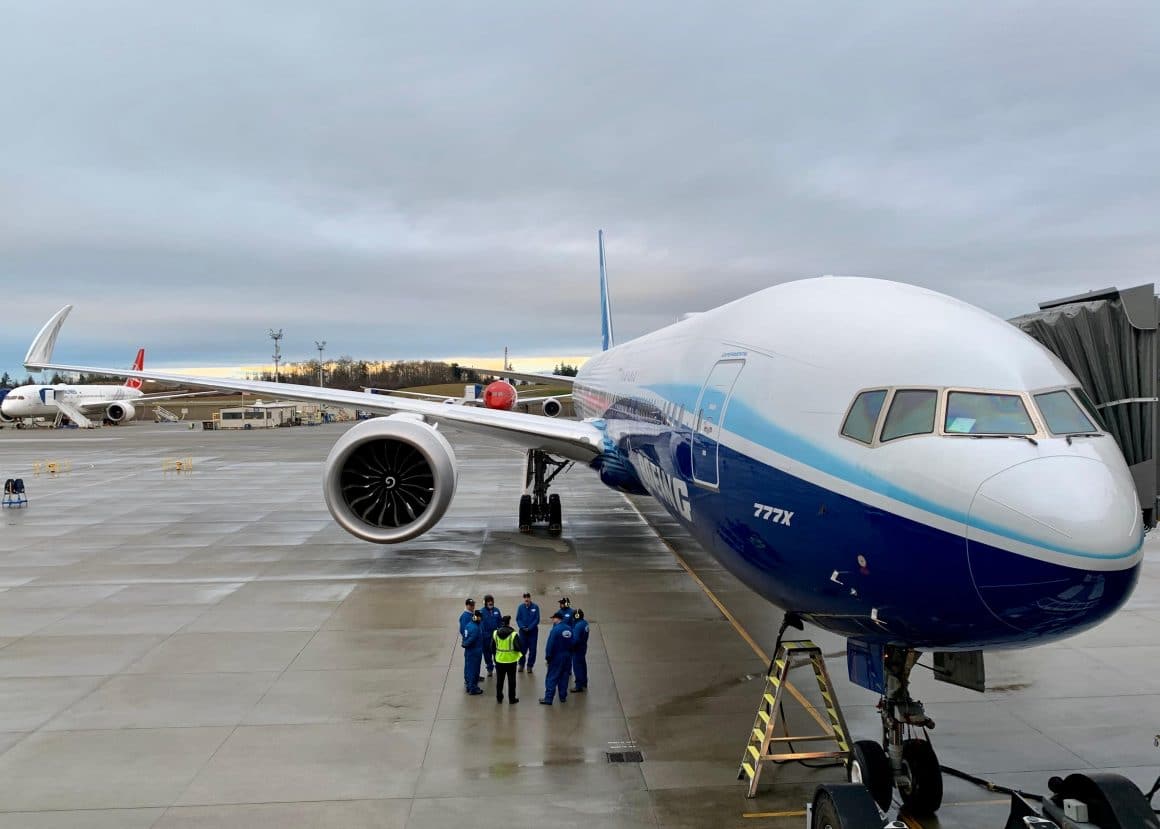
Boeing 777-9 prepares for its first flight. Photo: Boeing
To date, Boeing has built 1,557 of the wide-body jets, with 15 more orders on the books (this equates to about two years to fulfill existing orders). But that appears to be the end of production, although demand will keep existing models (primarily cargo versions) flying for years to come. The 747 was the first true jumbo jet, a visionary and legend of a truly boundless era for dreamers and doers alike.
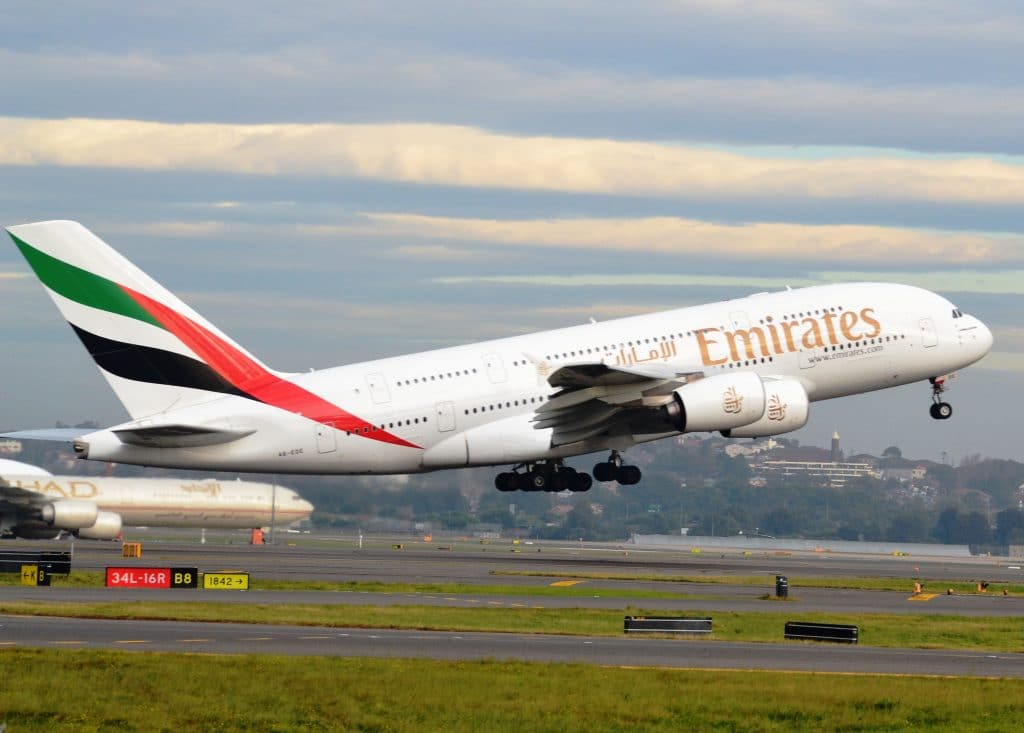
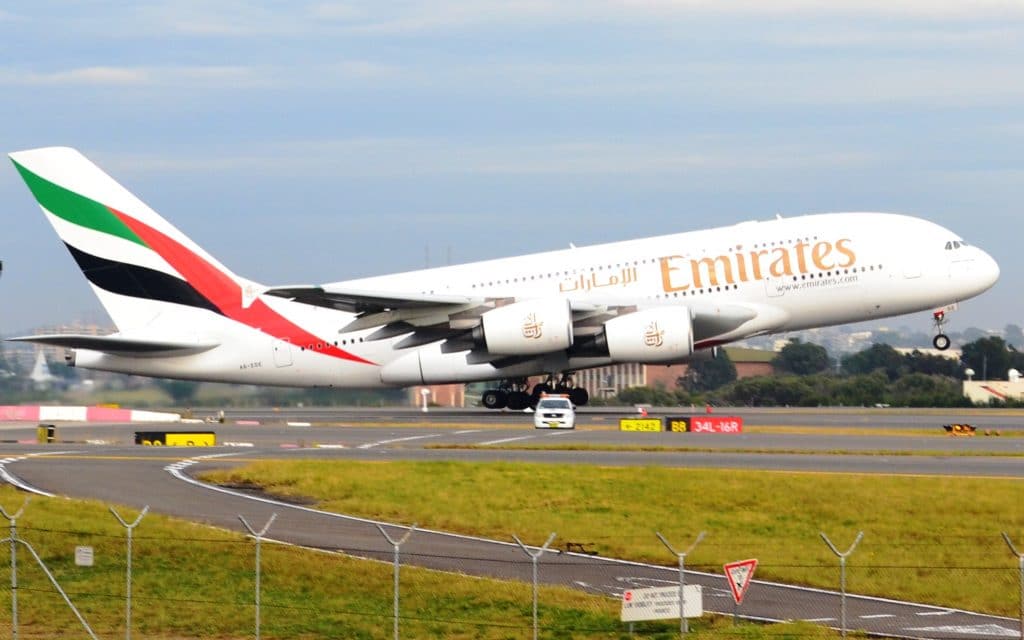
Emirates A380. Photo Simon_sees Australia (CC BY 2.0)
Competitor Airbus terminated the A380 in 2019 because demand for very large passenger aircraft has dwindled. The program was projected to produce 1,200 A380’s, but just 300 were delivered. Newer, smaller platforms, such as the Boeing 737, have superior capabilities with advantages of efficiency and reduced operating costs. Air carriers have waved off the antiquated vision that led to the 747 and jumbos like it; the modern market drives a different mission profile and therefore, smaller planes to suit.
While unfortunate to see an era come to pass, it is not without a great deal of respect and pride. The 747 shines, especially when compared in scale to its evolutionary ancestor: the 707. It took a great deal of heart and courage to dream it, design it and build it, and then to fly and operate for a span of fifty years.
TYLER, Texas — The Air Force F-35A Lightning II will thunder over East Texas on Saturday demonstrating precision maneuvers and speed of the fifth-generation fighter jet during an Independence Day airshow.
Capt. Kristin “BEO” Wolfe serves as the F-35A Demonstration Team‘s commander and pilot. Last February, she became the Air Force’s first female single-ship aerial demonstration pilot.
Capt. Wolfe and her team will perform on Independence Day during the Thunder Over Cedar Creek Lake air show. The single-day event is scheduled to be the first air show for several of the Air Force’s jet demo teams, including the F-35A.
Air Force F-35 Demo Team pilot Capt. “BEO” Wolfe performs a quick climb during a recent launch. (USAF)
Standing on the flightline near the dark gray jet, this aerospace journalist spoke with the veteran fighter pilot. Her excitement while discussing the flight performance echoed loudly through her words.
“Our team is beyond excited to perform at Cedar Creek this weekend,” Capt. BEO Wolfe said on Thursday. “This will be our first public demonstration since we officially stood up the team at Hill Air Force Base.”
“We’re ready to show the jet off, represent the combat-ready Airmen at the 388th Fighter Wing, and celebrate the 4th of July weekend in Texas,” Capt. Wolfe added.
Wolfe is a 2011 graduate from the University of Alabama, earning a Bachelor of Science in Chemical Engineering. A short time later, she began training as a pilot in the Air Force and earned her silver wings in September 2012.
The flying over Cedar Creek Lake, located southeast of Dallas, is scheduled to begin just after 5:10 p.m. CDT. Capt. Wolfe discussed what air show guests will witness as she performs after 6 p.m.
A P-51 Mustang flies in formation with the F-35A Demonstration Team during a heritage flight practice on June 17, 2020. The Heritage Flight is a crowd favorite at air shows across America. (USAF)
“We are planning to showcase the entire demo routine in addition to participating in a Heritage Flight,” Capt. Wolfe explained. “Our flight schedule is yet to be finalized, and hopefully the weather holds out for us to show you the entire performance.”
The entire F-35 Demo Team has worked long hours at their home base of Hill AFB this year. Cedar Creek Lake will mark Beo’s first full public flight demonstration since joining the team.
Nodding with a big grin, Capt. Wolfe hopes to see some vapor trail-off her aircraft on Saturday. The forecast for the early evening show calls for great weather with temperatures near 90 degrees.
F-35A Lightning II Demonstration Team pilot and commander CAPT. KRISTIN “BEO” WOLFE flies during a recent airshow practice. (U.S. Air Force)
“The final maneuver we perform is the Tactical Pitch, which is always a crowd-pleaser as we show off the high angle-of-attack maneuvering of the jet,” she explained. “Ultimately, we’re really hoping the Texas humidity and environmentals over the lake can give us some awesome vape for multiple maneuvers.”
Cedar Creek Lake air show officials and the Air Force are asking guests to practice social distancing to protect the health of everyone attending. F-35 Demo Team spokesperson Capt. Kip Sumner emphasized that the safety of team members and Airmen is a top priority.
“We encourage everyone coming to see at us the show to wear face-masks, practice social distancing, and follow all other CDC guidance,” Capt. Sumner explained. “This will ensure the safety of other airshow attendees and our Airmen.”
He added the team will post updates during Saturday, and include photographs and video across their social media @F35DemoTeam.
(Charles A. Atkeison reports on aerospace and technology. Follow his updates via social media @Military_Flight.)
PENSACOLA, Fla. — The U.S. military will celebrate America’s independence on Friday with flyovers of Mount Rushmore‘s National Memorial by the Air Force and the Navy’s Blue Angels.
Nearly 7,500 guests are expected to visit the Black Hills of South Dakota for the “Salute to America” event on Friday. President Donald Trump, a huge fireworks display, and live music are also scheduled.
The events will be broadcast live beginning at 6 p.m. MDT. The United States Air Force Academy concert band is also scheduled to perform patriotic music during the event.
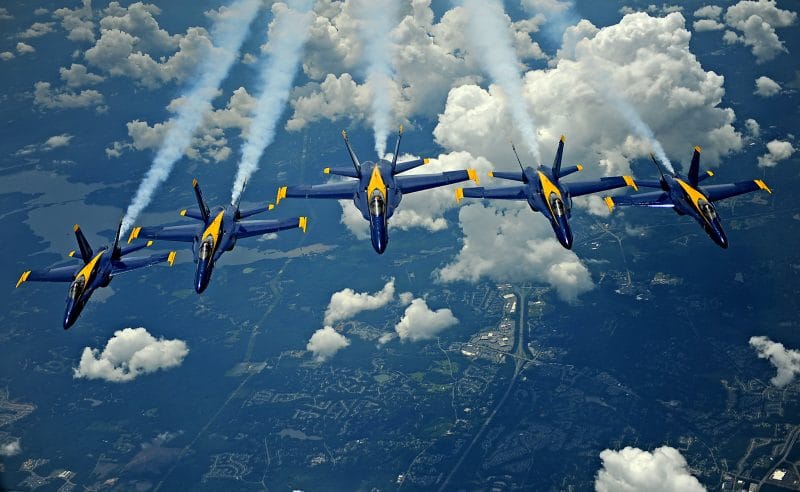
The Navy’s Flight Demonstration Squadron will perform a postcard flyover of the four presidents carved into the mountain. Flying in a six-jet delta formation, the Blue Angels will fly around 8:00 p.m.
“We are currently involved in planning and coordinating our support with the National Park Service,” LTJG. Chelsea Dietlin, Blue Angels public affairs officer, told AvGeekery.com.
A B-1B Lancer thunders down the runway at Ellsworth Air Force Base, S.D., on April 21, 2020. (USAF)
Ellsworth Air Force Base’s 28th Bomb Wing is home to the B-1B Lancer heavy bomber. Located 30 minutes northeast of the national memorial, the military base’s B1-B is also scheduled to flyover.
Guests attending the event received tickets last week through a lottery system which closed on June 8. Ticketed participants will be allowed to enter the national park beginning at 3:00 p.m.
“Now more than ever, South Dakota and our nation need something to look forward to, and we can’t think of a better event than celebrating our nation’s independence at Mount Rushmore National Memorial,” Jim Hagen, Secretary of the South Dakota Department of Tourism, said Wednesday.
(Charles A. Atkeison reports on aerospace and technology. Follow his updates via social media @Military_Flight.)