The introduction of nuclear weapons at the end of the Second World War had a profound influence in many combat doctrines and none nowhere else as much as that of airborne reconnaissance. In November 1945, General Henry “Hap” Arnold of the US Army Air Forces warned the US government that in the future, American leaders would require “continuous knowledge of potential enemies, including all aspects of their political, social, industrial, scientific and military life” if the United States was to avoid a surprise attack with nuclear weapons.
Traditional reconnaissance doctrines had the use of airborne assets in support of ongoing combat operations. General Arnold and many of his contemporaries at the dawn of the Cold War recognized that airborne reconnaissance was needed to provide an assessment and early warning of potential enemies, namely the Soviet Union that was rapidly tightening its grip on Eastern Europe. The start of the Berlin Blockade in June 1948 pressed the issue further that up-to-date reconnaissance was needed of the Soviet Union should tensions escalate to an all-out conflict. Interestingly while the highest levels of the US government tried to determine the best way to make such an assessment, the United States Far East Air Forces (FEAF) based in Japan took the initiative to begin its own assessment of Soviet forces in their region in response to the rising tensions during the Berlin Blockade.
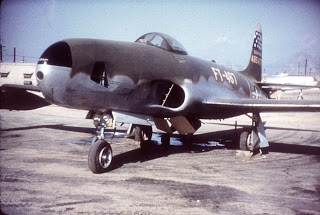
The commander in chief of the US FEAF, Major General George Stratemeyer, ordered the 8th Tactical Reconnaissance Squadron and its Lockheed RF-80 Shooting Stars to begin a series of covert overflights of the Soviet Far East. Based at Yokota Air Base, Stratemeyer ordered the 8th TRS to deploy to Misawa AB on the northern Japanese home island of Hokkaido. Two pilots were selected with 1st Lieutenant Bryce Poe as the primary pilot for the secret missions to assess Soviet air strength in the region. The RF-80s were modified with larger wingtip tanks for longer range. Poe was instructed that if the coastline was free of clouds, dash into Soviet airspace, photograph the targets and dash back out and head back to Misawa as fast as possible.
Flights began just three years after the war
The first reconnaissance overflight (and USAF jet reconnaissance mission) of the Soviet Union took place on 10 May 1948 with 1Lt. Poe departing Misawa AB to overfly targets on Kuril Islands. Missions were flown to photograph targets on Sakhalin Island as well further to the north. The first overflight of the Soviet mainland took place on 10 March 1950 to photograph bases around the port of Vladivostok. Most of the airfields Poe had photographed were full of not just only Lend-Lease Bell P-39 Airacobras and P-63 Kingcobras, but also late model Lavochkin piston fighters like the La-9 and La-11. Although jet powered, the RF-80s had increased drag and lower speeds with the larger external tanks needed for the recon missions which cut down on the performance margin over the Lavochkin fighters which often tried to give chase to the missions.
Lockheed RF-80 with the enlarged camera nose section (Wikipedia)
What was impressive about these first overflights is that they were done at the initiative and discretion of General Stratemeyer without any prior clearance from Washington and they were done in the face of significant technical and logistical obstacles. The reconnaissance cameras used on the RF-80 were designed for piston-engined aircraft and lacked the capability to do stereo images in a high speed aircraft like the RF-80. Spare parts were in constant short supply and given that Misawa at the time was on the far northern part of a still rebuilding Japan, insuring even basic food rations for the 8th TRS personnel deployed north proved challenging. Many F-80 units based in Japan at the time found themselves the subject of “moonlight parts acquisitions” so the secret overflights could continue.
Despite the failure of the Berlin Blockade which was finally lifted on 11 May 1949 and the formation of NATO, tensions remained high with the first detonation of a Soviet atomic bomb on 29 August 1949 followed by Mao Tse-Tung’s Communist victory in China on 1 October 1949 over the Nationalists.
With Stalin feeling more confident about the Soviet posture on the world stage, on 25 June 1950, the North Korean Army smashed across the DMZ on the Korean Peninsula, igniting the Korean War. In order to prevent further escalation the conflict, American reconnaissance pilots were instructed to avoid Chinese and Russian air space, however, the advance of North Korean forces meant that 1st Lt. Bryce Poe was called upon again by General Stratemeyer to begin a new set of secret overflights. In August 1950, he was called to FEAF HQ to again deploy out of Misawa and fly a series of missions against Soviet airfields in the region. While Soviet fighters tried more aggressively to intercept the RF-80s, none came close to getting shot down. By this point, the intelligence from Poe’s flights was deemed critical by the Joint Chiefs of Staff and on 28 July 1950, the JCS requested official permission from the Secretary of Defense, Louis Johnson, for overflights of Chinese bases on the coasts adjacent to the Korea.
Just four days later, President Truman gave his approval and again, because of his prior expertise, 1st Lt. Bryce Poe flew the missions against Chinese coastal targets and additional missions by other pilots were flown against Chinese ports opposite of Taiwan to make sure no amphibious assault preparations were underway to move against Taiwan.
More capable platforms became necessary
By the summer of 1950 discussions had been taking place at the Pentagon about using the more-capable North American RB-45 Tornado for overflight missions of Chinese and Soviet targets, but the aircraft being a bomber, it was felt at the time to be too politically risky, particularly as the Pentagon was seeking authority for overflights of Soviet targets in Europe as well as in the Far East. By this point Allied fortunes in the Korean War had improved following the landings at Inchon. Poe was once again called to FEAF HQ for a third set of covert overflights but the other pilot that he had been working with on the prior sets of overflights had been killed in action, so for this next set of missions, Bryce Poe would be the only pilot flying. Due to the secrecy of the missions, Poe did all his own flight planning. He was told by General Douglas MacArthur and General Stratemeyer what information they needed and Poe himself figured out the targets, routes, photographic equipment, times and altitudes. Despite the ongoing war in Korea, Poe found that the defensive posture of the Soviet airfields had only modestly increased, but as a precaution, F-80 Shooting Star fighters would meet Poe on his outbound leg to make sure no Soviet fighters were trying to tail him.
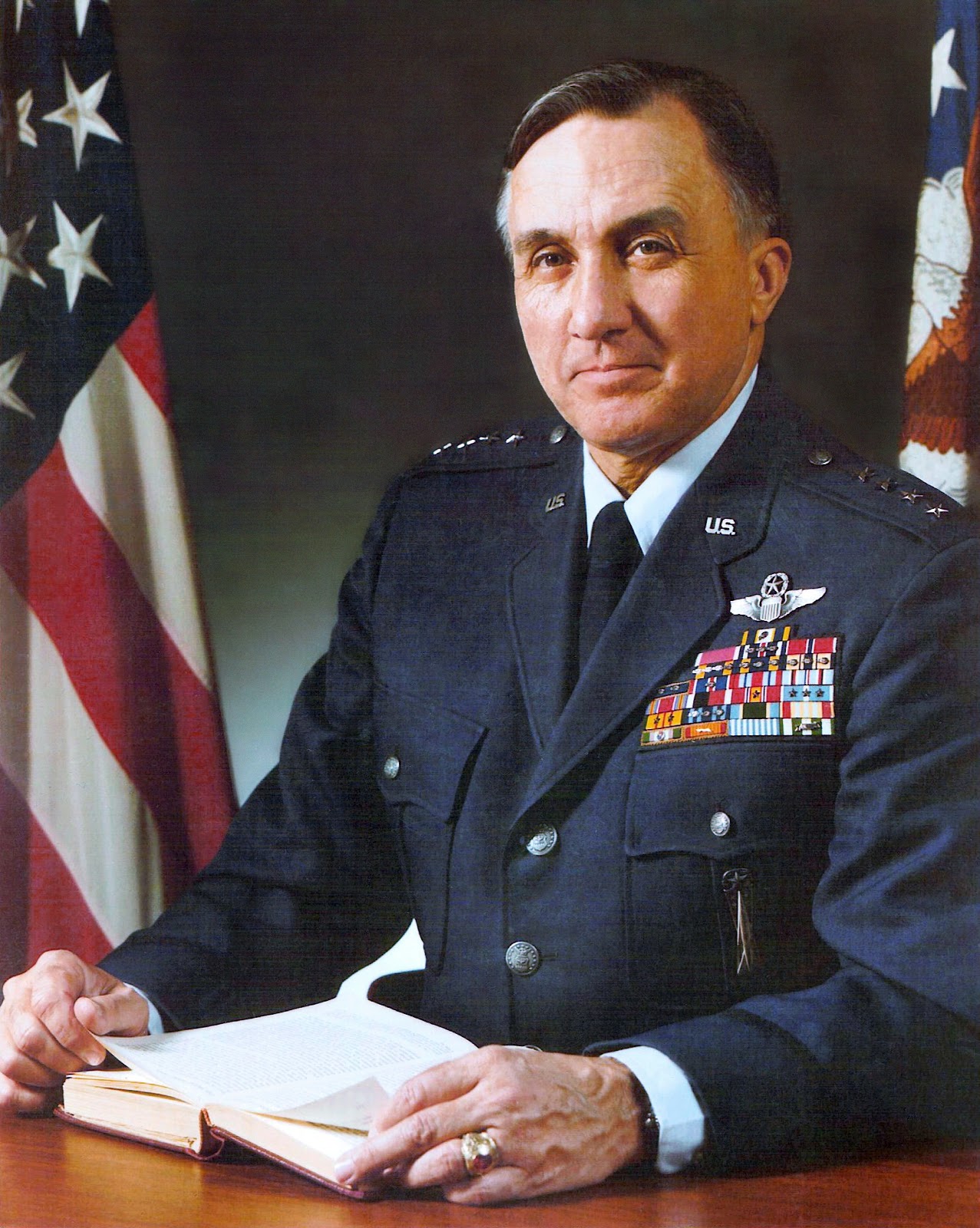
Major General Bryce Poe II before retirement
Once he landed, the film was developed by one warrant officer and Poe himself did all the photo interpretation work and then hand carried the imagery to brief General MacArthur as well as General Stratemeyer and his FEAF deputy. It was a remarkable degree of authority given to a 1st lieutenant! Stratemeyer felt only barest minimum of individuals needed to be involved in the secret overflights. Bryce Poe rotated back to the United States in January 1951 after making nineteen secret overflights of Chinese and Soviet territory as well as 90 unclassified tactical reconnaissance missions in support of operations in Korea. After Korea, Poe flew as an exchange pilot with several NATO nations before serving as the executive officer to General Bernard Schriever at the Western Development Division where ICBM development was taking place. He then served as an Atlas ICBM missile officer with the Strategic Air Command before returning to reconnaissance in time for Vietnam. As vice-commander of the 460th Tactical Reconnaissance Wing, he flew 213 recon missions in the RF-4C Phantom in Vietnam. He later commanded the 26th Tactical Reconnaissance Wing with the United States Air Forces Europe. Following his USAFE assignments, he assumed command positions with the Ogden Air Logistics Center in Utah and at Wright Patterson AFB in Ohio. He retired in 1981 as a very decorated four-star general and veteran of two wars, flying west on 20 November 2000.
Sources: Shadow Flights: America’s Secret Air War Against the Soviet Union by Curtis Peebles. Presidio Press, 2000, pp 4-39
Retired pilot Jay Laclan shares his reflection on a building that used to be the epicenter of pilot culture on Friday nights. It was a place to drink, talk with your hands, grapple, and eat dinner with your spouse or chat with a few attractive ladies…sometimes all of the above. Today, clubs are a mere shell of what they used to be. They are typically colocated with the enlisted club. Few pilots shell out the money to join. The drink specials are lame, the food is ‘meh’. And nearly every pilot is afraid to throw back more than a single beer for fear of getting involved in an alcohol related incident.
It’s a different era today. Not all changes were bad. It’s a good thing that men and women can both serve today. It’s a good thing that women are more respected and healthy lifestyles are encouraged. But you’d be hard pressed to find flying squadrons as close-knit today as they were back then. Here’s Jay’s reflection and look back at the ‘good ‘ole days’ at the Club.
Within one twenty-year military generation, the military clubs for separate ranks faded into consolidated messes that could barely keep themselves in business. While clubs at the more isolated bases struggled on and broke even due to lack of competition, those in larger metropolitan areas made so little money that other recreational centers, such as the golf course and recreational rental stores, had to support the clubs.
This degradation happened for two primary reasons—the OWCs and the social shift encouraged and embraced by the military services—which militated against smoking and drinking.
When I ventured into the Big Spring, TX, Webb AFB club during my first weekend in town, the O’Club pulsed with activity in all areas—the bar, the lounge, the restaurant, and, most enticingly for me, the stag bar, the nemesis for the OWC.
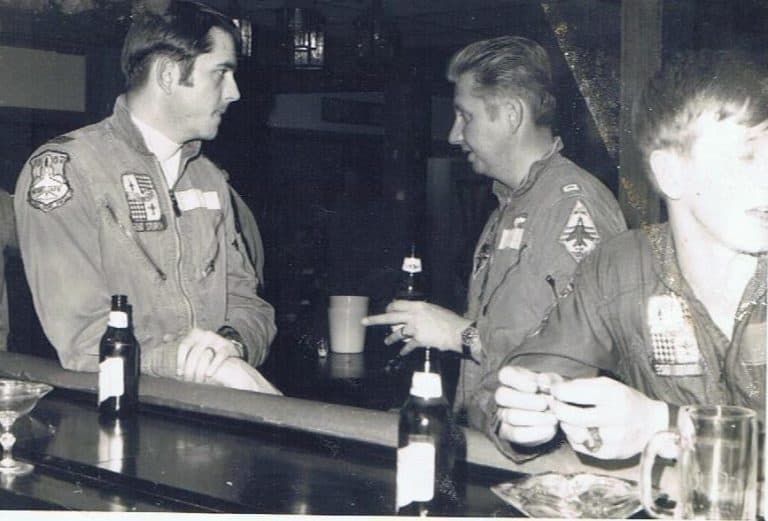
The stag bar, the smallest yet most densely populated club area, operated under the rule that women were not allowed through the door and were not allowed even to contact their husbands or boyfriends within the bar. If any wife should try to contact one of the pilots barricaded within the premises, that pilot would have to buy the bar an expensive round of drinks. This attempt at contact would be obvious in these days before cell phones, because the call had to come in through the bar phone answered by the bartender.
While pilots drank, sang, laughed, postured, and performed simulated aerial maneuvers with their hands inside the stag bar, their significant others fumed outside the door. Dinner reservations were missed, babysitters earned overtime, and women grew increasingly frustrated waiting for mates who had seemingly forgotten they were there.
Gogo girls were common at O’club.
I often found myself placed uncomfortably in the middle of this angst as a single officer. When I would venture out of the stag bar to see how long I had to wait to be seated for dinner, one or more wives would accost me sternly, instructing me to tell captain so-and-so to “get his ass out of there right now” because their name had been called for seating.
I would assure them I would do so and would then disappear back into the forbidden zone with the message.
Often, captain so-and-so would be in the middle of a self-promoting recitation of one of his incredible flying exploits and would not want to be bothered by a lowly student delivering an unwanted message. This also gave the captain a chance to display to his peers that no woman could tell him what to do!
“Tell her I’ll be out when I’m good and ready!” he would slur, to the cheers of his compatriots.
I could not deliver this message as dictated, of course. I would tell the wife he was in the middle of a professional discussion and would be out soon. This would only work once, however. The next round trip would be somewhat terser. I would only hold up my hands in self-defense and tell the wife that I had told him and there was little more I could do.
This pilot safe zone in the stag bar allowed the O’Club to break even all by itself. Liquor of all descriptions flowed freely and profitably for the bar from four in the afternoon until well after midnight. The (eventual) spillover to the restaurant allowed clubs to prosper.
Go-go girls provided the final straw for the OWC. I had first encountered this phenomenon at the OTS bar in San Antonio just weeks before. As the band played on a large stage before several hundred officer trainees and their instructors, two young women danced the frug, the watusi, and the twist on circular pedestals in front of the stage. As the girls pranced and twisted in their bikinis, tassels and fringe swaying and thrashing about, males who had suffered significant sensory deprivation for weeks and months at the school would surround them, offering rapt attention to their efforts. As I stood within easy reach of one of these sensuously writhing females, I had to use the utmost self-control to avoid doing something truly unfortunate.
The OWC finally went to war on go-go girls and stag bars. The hands that rocked the cradle could also rock the male establishment, starting with the wing commander’s wife pulling the chain on the commander. No more impenetrable safe zones for drunken pilots, no more go-go girls. Nirvana, from the pilot’s perspective, denied!”
***
(Excerpt from “Flying the Line, an Air Force Pilot’s Journey,” book one. Book series web site: saigon-tea.com.)
Photo of the Webb AFB stag bar in 1970 and Go-go girls.
The Navy Wanted You to Know All About Pax River After Watching the Film “Test Port.” Who Served There?
When the film “Testport” was produced in 1971, Naval Air Station (NAS) Patuxent River, or Pax River, had been in operation since 1943. Pax River is located in St. Mary’s County, Maryland, where the waters of the Patuxent River and Chesapeake Bay meet. Located about 90 miles from Norfolk, Virginia, and 65 miles south of the nation’s capital, the 14,500-acre complex includes the main air station in Lexington Park, Webster Outlying Field in St. Inigoes, Navy Recreation Center Solomons in Calvert County, and Bloodsworth Island Range in the Chesapeake Bay. Enjoy this retrospective about Pax River uploaded to YouTube by AIRBOYD.
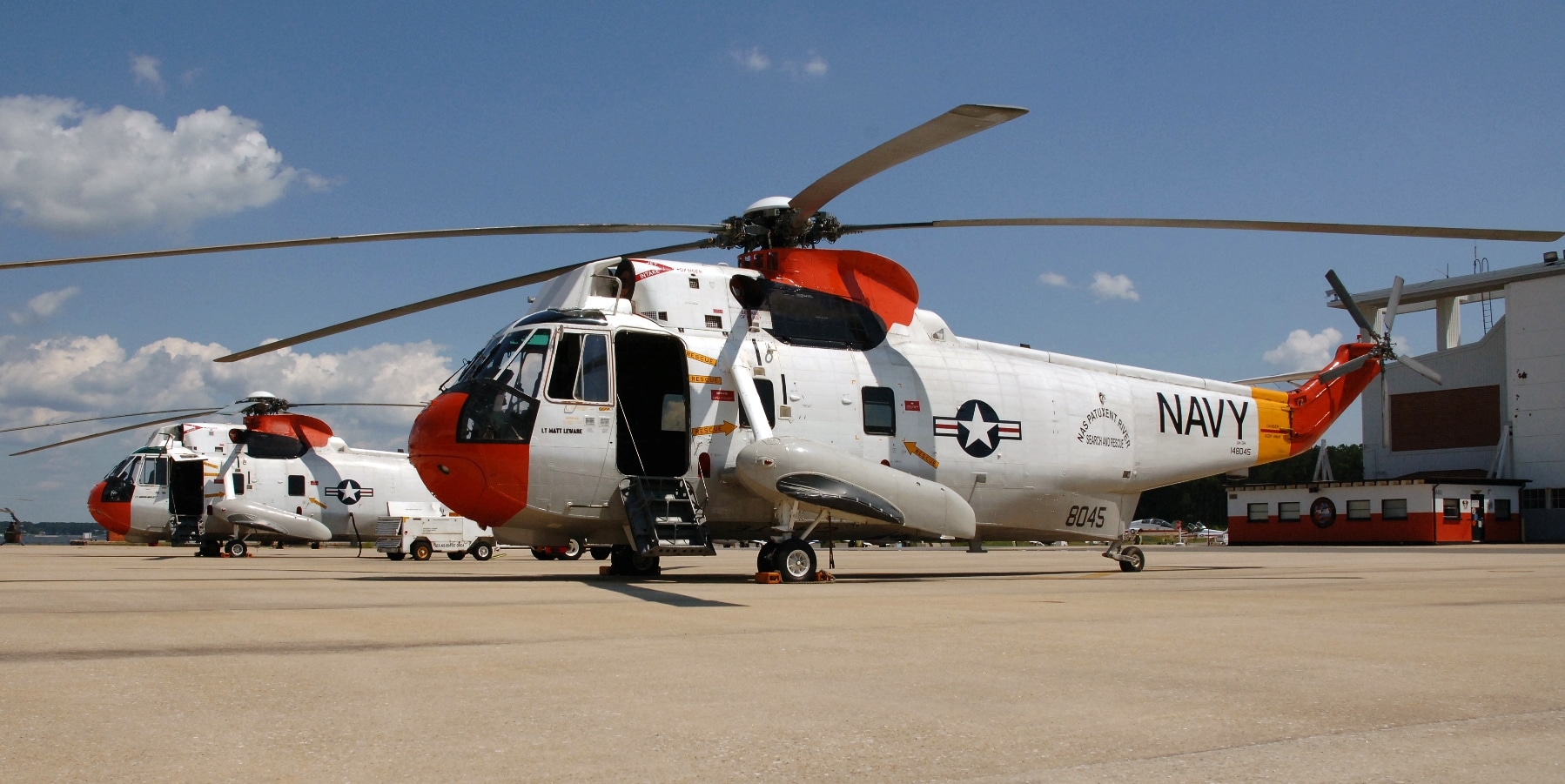
Pax River base flight Sikorsky SH-3 Sea Kings. Official US Navy photograph
Still Keeping the Leading Edge Sharp
“Where the future of Naval Aviation begins” is Pax River’s slogan. Today, Pax is host to the Naval Air Systems Command (NAVAIR) and Naval Air Warfare Center Aircraft Division (NAWCAD) headquarters along with some 50 other tenant activities. The U.S. Naval Test Pilot School (USNTPS), Air Test and Evaluation Squadron ONE (VX-1) Pioneers, Air Test and Evaluation Squadron TWO ZERO (VX-20) Force, Air Test and Evaluation Squadron TWO ONE (HX-21) Blackjack, Air Test and Evaluation Squadron TWO THREE (VX-23) Salty Dogs, and Scientific Development Squadron ONE (VSX-1) Warlocks all call Pax River home.
Also featured in the film is the Tactical Support Center for submarine surveillance. Astronaut and USNTPS graduate Pete Conrad narrates a portion of the film. Appearing in supporting roles are the United States Coast Guard Cutter Gresham (WAVP-387), the Gearing-class destroyer USS Gearing (DD-710), and plenty of the thousands of support personnel who made, and still make today, a place like Pax River function.
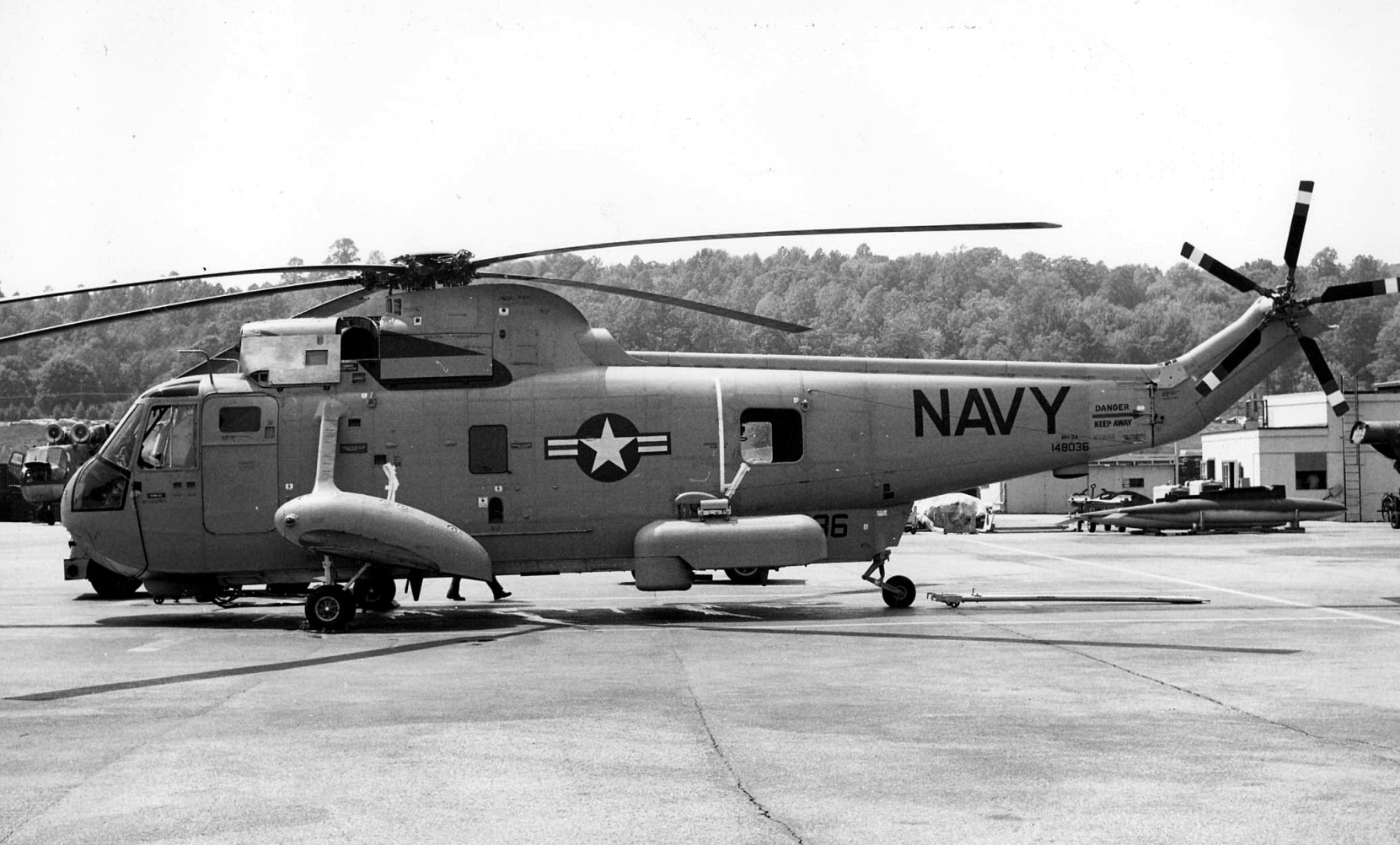
Sikorsky HH-3A CSAR Sea King. Official US Navy photograph
Did You Catch It? Did You Hear It?
Here’s a detail you might have missed. The helicopter that executes the water pickup of the simulated downed pilot is a HH-3A Combat Search and Rescue (CSAR) Sea King. Isn’t it funny how so often helicopter footage is accompanied by the wrong audio?
The much anticipated deal between Emirates Airlines and Airbus fell apart last week. Emirates was supposed to have ordered additional A380 jumbo jets. The deal, supposedly solidified only with a handshake, had been planned as a highlight for the Dubai Air Show.
With a wink and a promise, the expectation was that Emirates would order between 36 and 38 of the Airbus jumbo jets with a price tag of between $16 to $18 billion. Even the Associated Press was reporting, “The order is expected to be one of the highlights of the November 12 to 16 event (Dubai Air Show).”
Airbus was definitely courting Emirates. Earlier this month in Hamburg, Germany Airbus SE made a grand gesture of handing over the 100th A380 to Emirates. But just a few days later amidst all the pomp and circumstance, the bubble burst when Emirates decided instead to do $15 billion dollars worth of business with Airbus’ arch rival, Boeing.
Emirates unexpected decision to back away has shaken confidence in the relationships between the plane manufacturers and their main clients. Airbus CEO Tom Enders put it succinctly, explaining the interdependency this way, “Emirates has become synonymous with the A380, and the A380 with Emirates.” The ties are so close that the flagship Airbus 380 model may not survive without UAE support. Emirates represents more than half of the A380’s whole order book. Both Emirates and Airbus officials have refused to publicly comment.
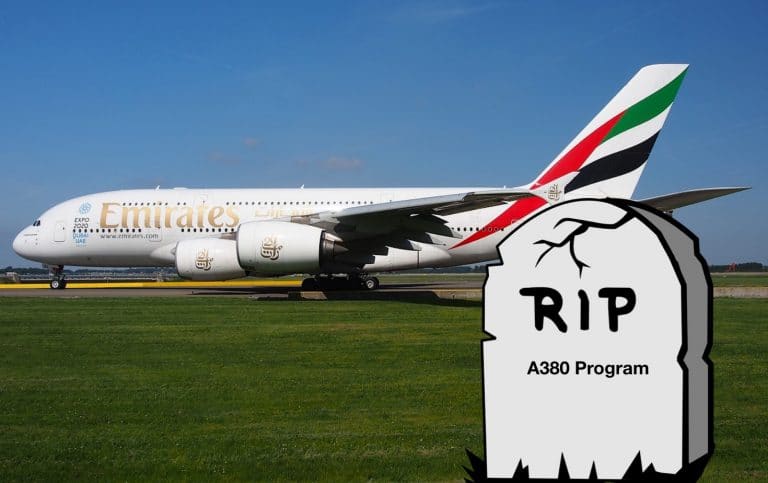
Without Emirates, the program is dead
Airbus clearly needed the plan for additional orders to move forward to ease backlog and production concerns. Airbus sales chief John Leahy, known for shrewd sales pitches, had tied his retirement to the pending sale. But in just a couple of days time, the deal turned to dust when UAE voiced concerns about Airbus’ commitment to continue developing the A380 and reluctance to be left as the biggest operator of a jumbo jet that had reached the end of its production lifecycle.
The breakdown of an agreement was multifaceted. Emirates asked Airbus to do a buy back of some older jets. Engines were an additional concern for the order. Emirates also had no solid go-forward plan in place with Rolls-Royce, who makes the massive engines. In 2015, Rolls-Royce won its largest order contract ever with Emirates to power 50 A380s. To win Emirates’ business and displace the U.S. Engine Alliance, Rolls-Royce offered ambitious fuel consumption targets and maintenance agreements. Under CEO Warren East, Rolls began to retrench from their promise. They also began to question an earlier promise for an upgrade to the Trent 900 turbine that powers the A380. To add more complexity to the matter, Engine Alliance production of their A380 engine is scheduled to end in 2018. The future of that partnership depends on iffy funding agreements with parent companies General Electric and Pratt & Whitney. If Rolls Royce does not do engine upgrade as promised and Engine Alliance evaporates, there is no viable engine option for the massive airliner.
Emirates went smaller instead
Emirates ended up ordering billions of dollars worth of aircraft at Dubai but not the A380 as promised. Instead, smaller aircraft such as the 787, variants of the Airbus A320NEO and Boeing 737 MAX were ordered. Softening the blow somewhat for Airbus, a U.S. buyer inked a deal with Airbus a few days ago for 430 narrow body aircraft.
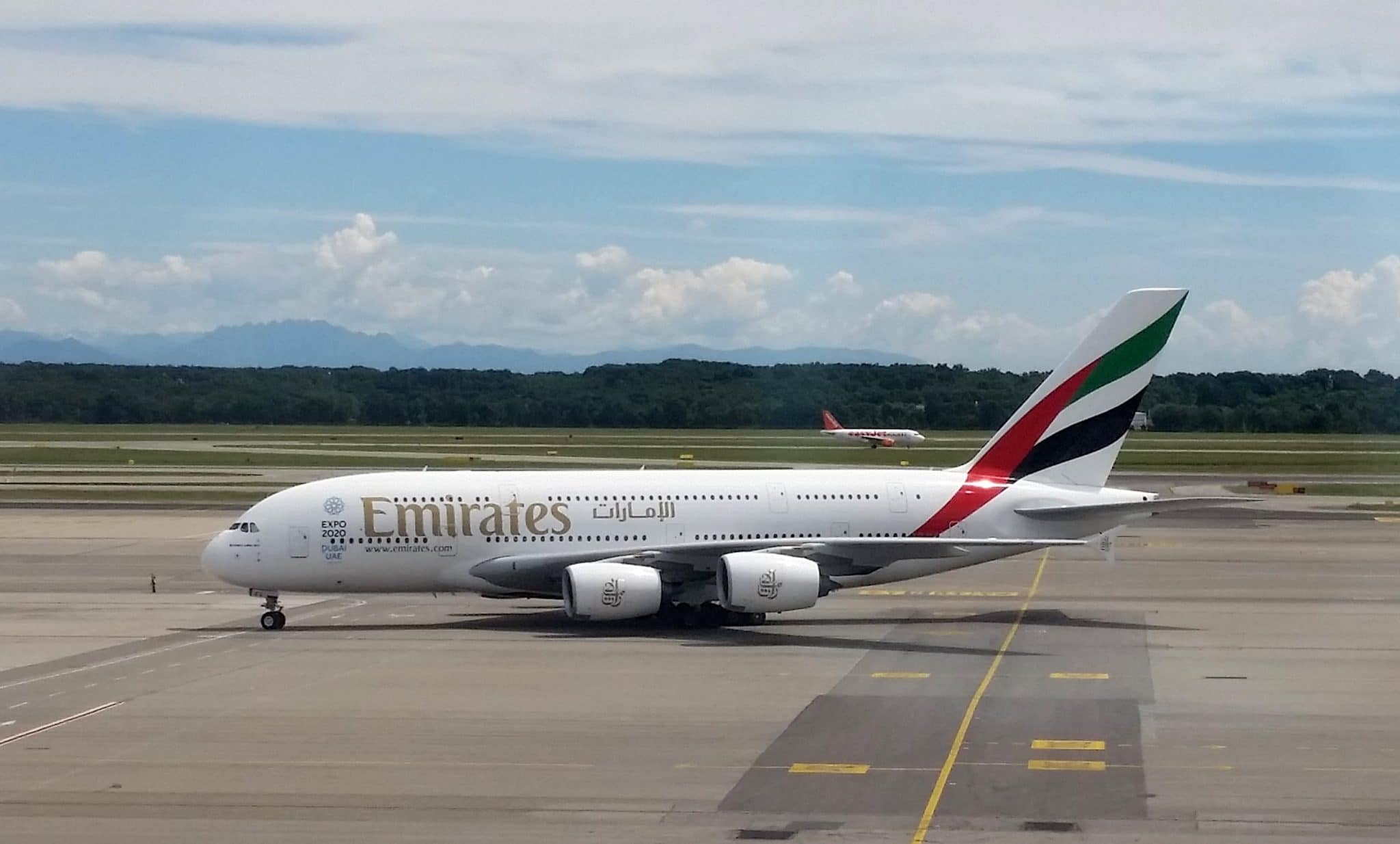
An Emirates Airbus A380 Jumbo Jet. Photo Tanweer Morshed (CC BY-SA 4.0)
The Last Gasp for the jumbo
Meantime Airbus COO Fabrice Bregier told Bloomberg TV that there is still a small chance the program could be rescued by the end of the year. For the first time, Bregier spoke about the size and scale of the decision now facing Airbus and said any future deal with Emirates would require a solid pledge by the carrier to stand by the A380 and may even include upgrades to the jumbo jet in the future, stating, “If we finalize it we will be committed to producing this aircraft, I believe, for at least for the next 10 years.”
Editors note: An earlier version of the story incorrectly described the engine choices that Emirates faced with a new A380 order. The latest version of the story has been corrected to reflect the two options.
The training film “Target Nevada” was produced by the United States Air Force (USAF) Air Photographic and Charting Service along with the Lookout Mountain Laboratory in Hollywood. The film depicts the USAF’s role in the Atomic Energy Commission’s Continental Test Program at the Nevada Test Site during the early 1950s. The film was uploaded to YouTube by atomcentral.
On January 27th 1951, a Boeing B-50D Superfortress based out of Kirtland Air Force Base (AFB) in New Mexico released Ranger Able from approximately 20,000 feet above Frenchman Flat. The weapon detonated at about 1,000 feet altitude. Ranger Able’s nominal yield was one kiloton, which was the smallest yield produced by any nuclear detonation thus far.
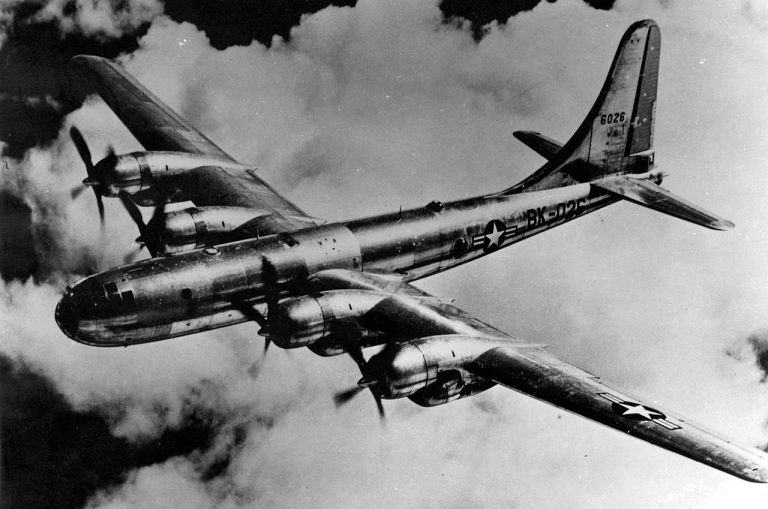
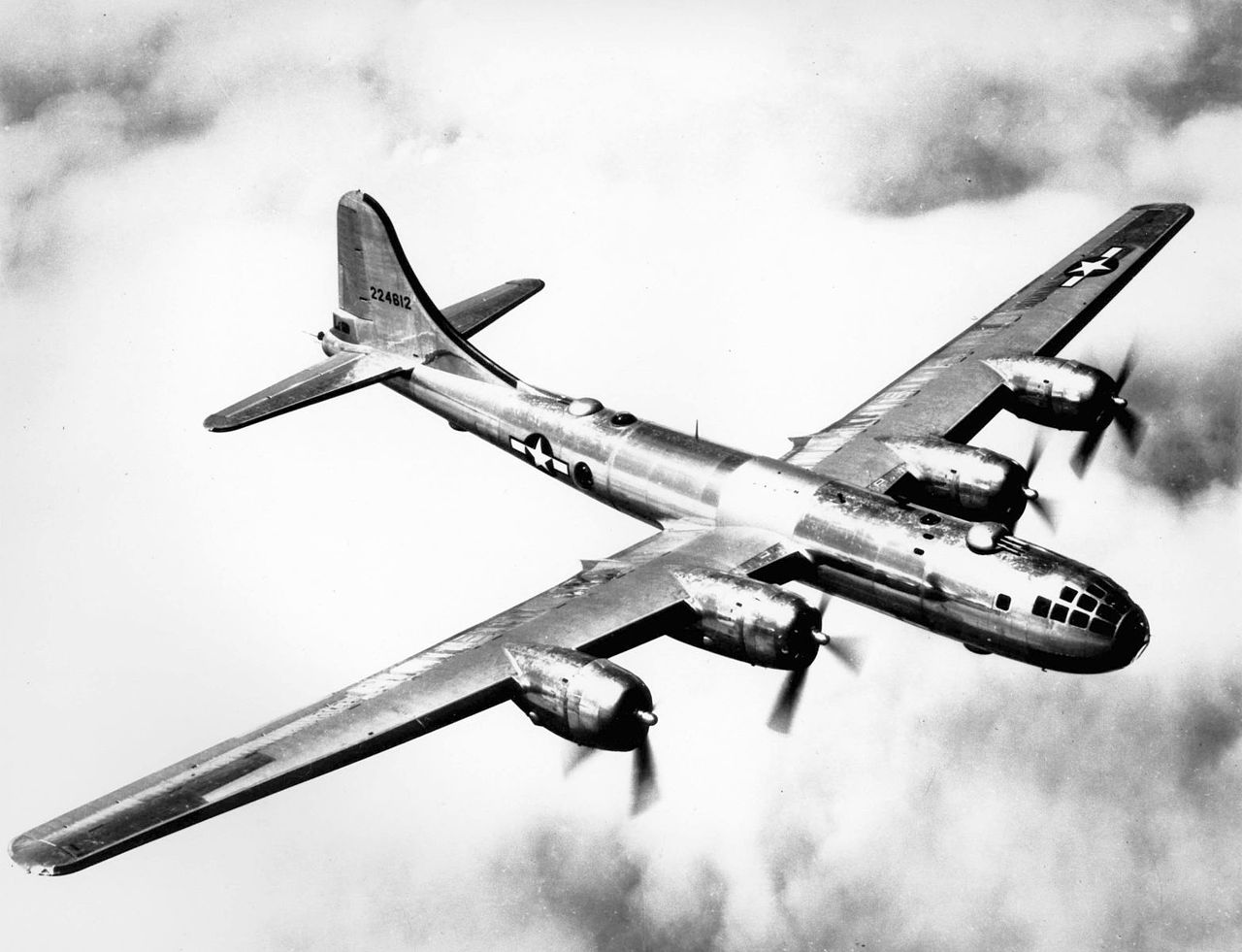
Boeing B-29. Official US Air Force photograph
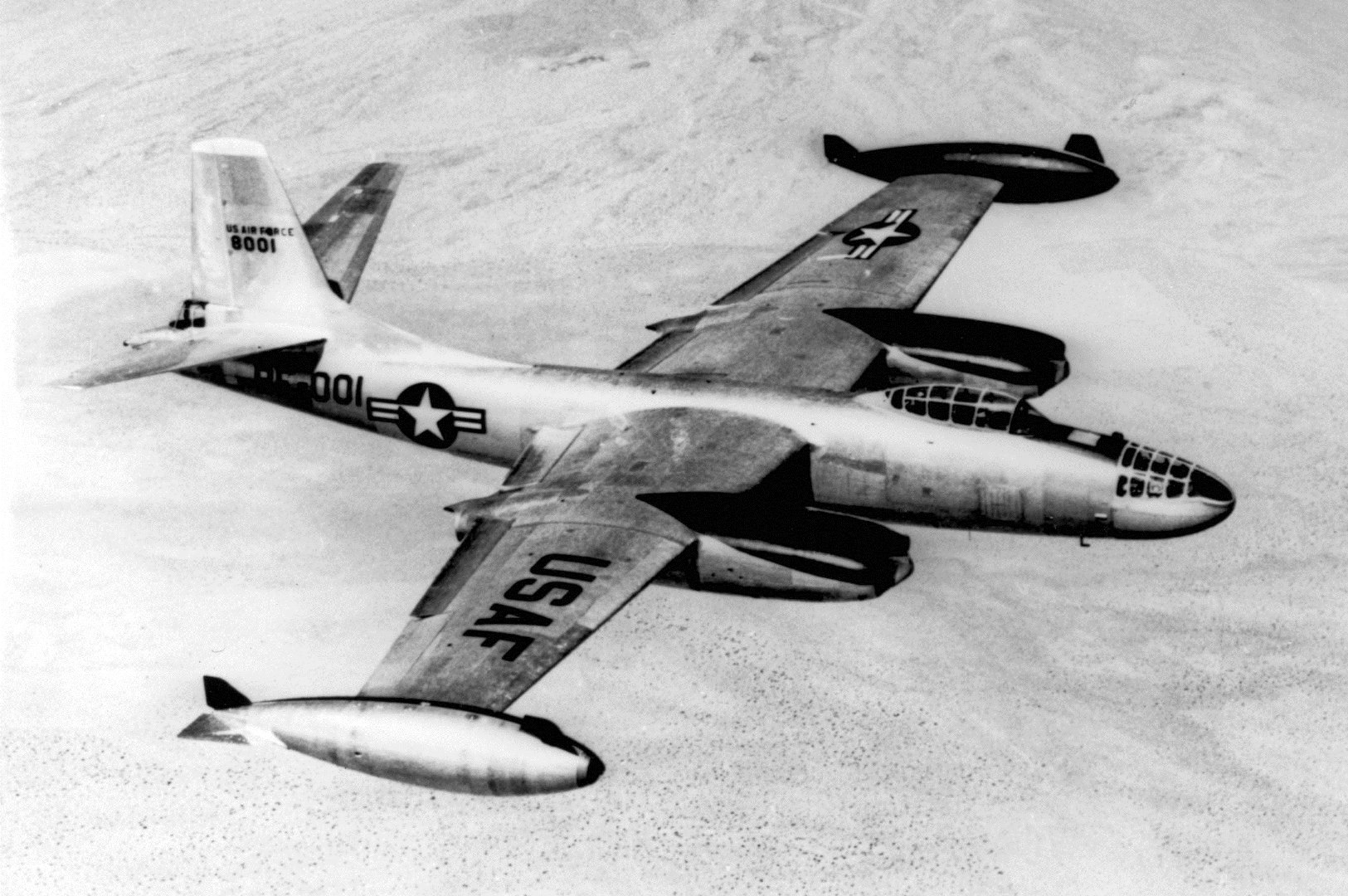
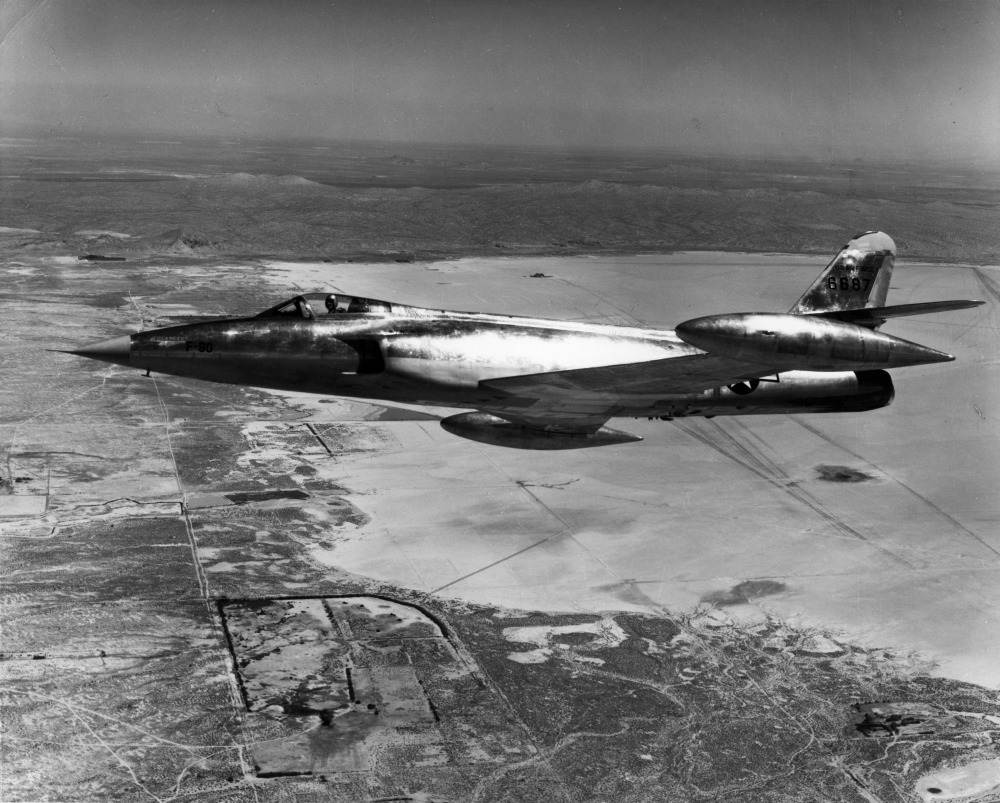
Over the forty years that followed, the AEC and the USAF used the Nevada Test Site for 1,021 of the 1,149 “test shots” detonated by the United States during the Cold War. Air Force aircraft involved in the testing and support activities shown in the film include Boeing B-29 Superfortress particle sniffers, B-50 Superfortress delivery bombers, and B-47 Stratojet bombers, Convair B-36 Peacemaker bombers, North American B-45 Tornado bombers, Republic F-84 Thunderjet and North American F-86 Sabre fighters, Douglas C-47 Skytrain particle sniffer and C-54 Skymaster transports, and even some very rare (13 total) YH-12B helicopters built by Bell.
North American B-45 Tornado. Official US Air Force photograph
The film also shows some of the aircraft used to measure the effects of the blast on aircraft located in the blast and heat zones. It’s a bit hard to watch if you’re a warbird lover, because Boeing B-17 Flying Fortress and B-29 and B-45 bombers, Republic P-47 Thunderbolt and F-86 fighters, and one of the only two Lockheed XF-90 prototype jet fighters ever built are seated too close to the detonations for comfort. Or survival, although the XF-90 that appeared in the film (46-0688), though badly damaged, is now at the National Museum of the United States Air Force in Dayton.
UPDATE: The Navy has now identified the three missing sailors. Read the story here.
UPDATE:
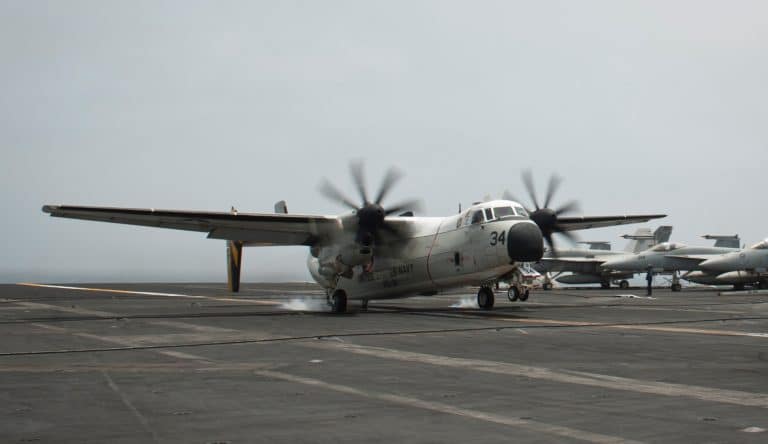
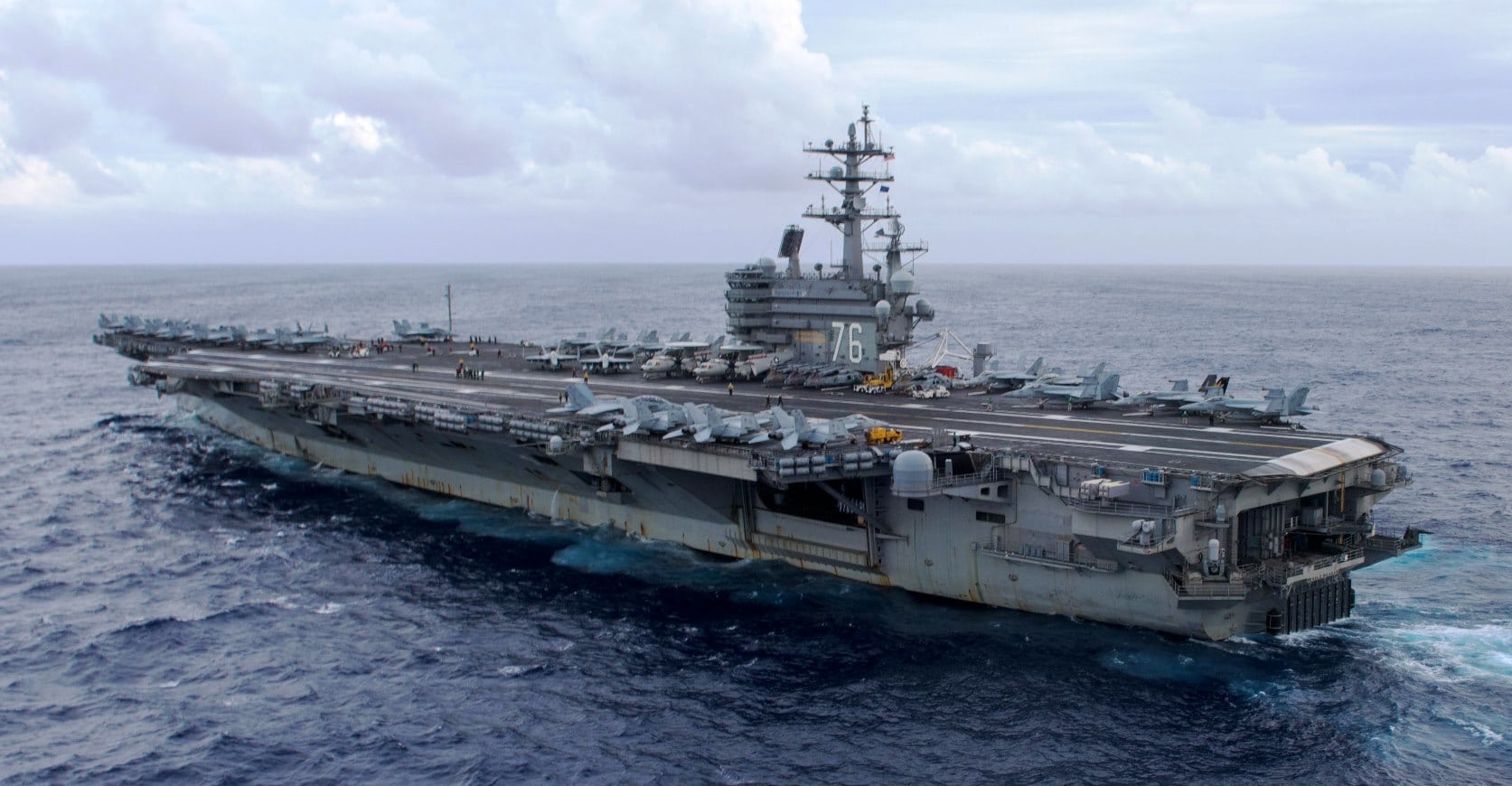
The US Navy has ended its rescue efforts for three personnel missing since Wednesday November 22nd when the Grumman C-2A(R) Greyhound in which they were flying crashed in the Pacific Ocean while flying to the aircraft carrier USS Ronald Reagan (CVN-76). According to Navy Times, the crash of the VRC-30 Providers Detachment 5 We Deliver COD aircraft was the first fatal C-2 crash in 40 years. The last fatal C-2A crash was in 1973, when a Greyhound lost power to both engines and crashed into the Mediterranean Sea, killing seven of the 10 on board the aircraft.
“Our thoughts and prayers are with our lost shipmates and their families,” Rear Adm. Marc Dalton, Commander, Task Force 70, said in a Thursday news release. “As difficult as this is, we are thankful for the rapid and effective response that led to the rescue of eight of our shipmates, and I appreciate the professionalism and dedication shown by all who participated in the search efforts.”
ORIGINAL STORY:
On November 22nd 2017 at approximately 1523 local time a VRC-30 Providers Detachment 5 We Deliver Grumman C-2A(R) Greyhound carrier onboard delivery (COD) aircraft crashed in the ocean roughly 500 miles southeast of Okinawa. The COD was en route from Marine Corps Air Station (MCAS) Iwakuni to the aircraft carrier USS Ronald Reagan (CVN-76) operating in the Philippine Sea. The COD was carrying a total of 11 passengers and crew, eight of whom have been rescued and are receiving medical care aboard the Reagan.
Official US Navy photograph
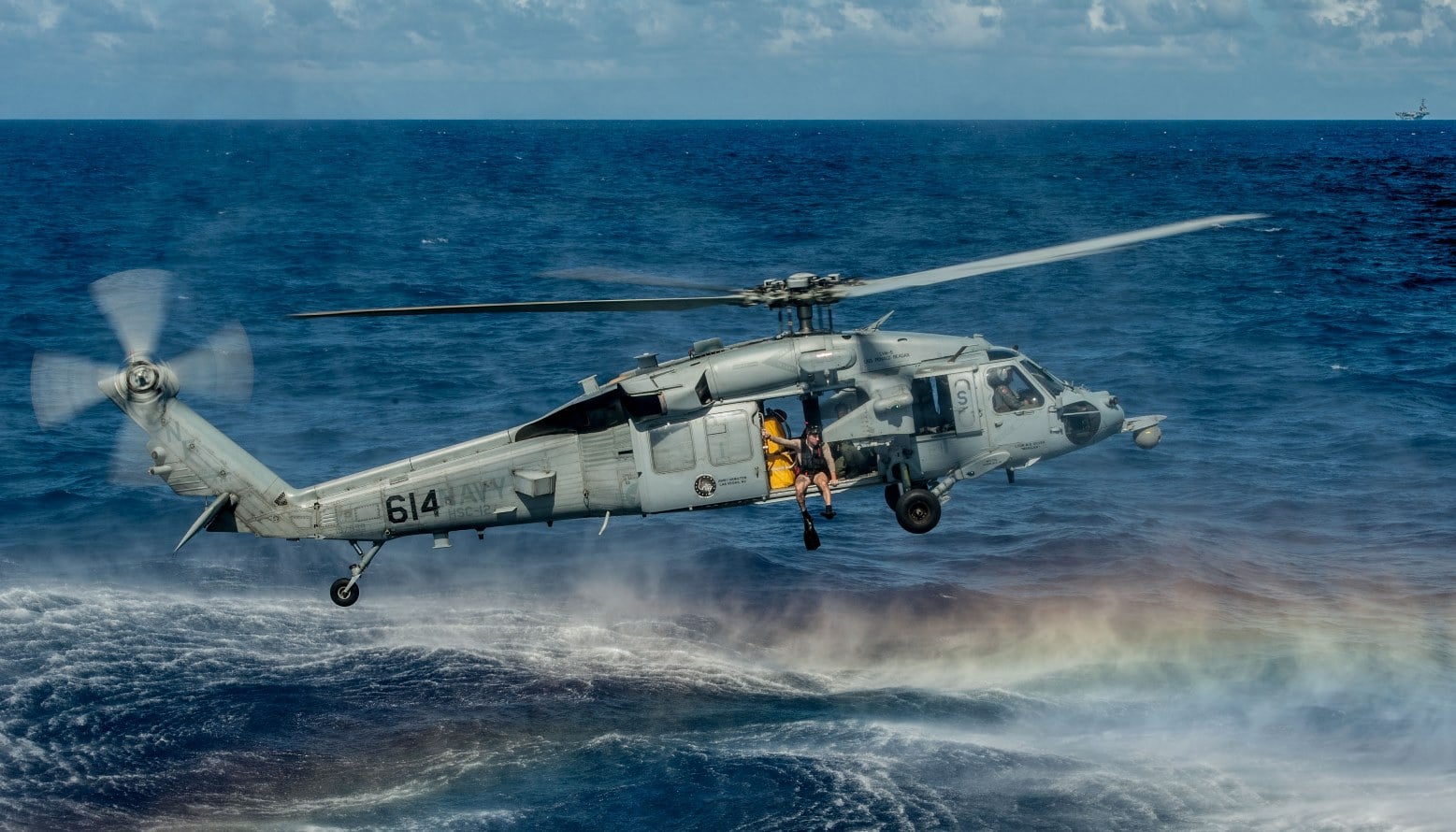
Search and rescue (SAR) efforts are ongoing in the area. HSC-12 Golden Falcons Sikorsky MH-60S Seahawk helicopters from the Reagan rescued the survivors located so far. The Reagan and her Carrier Strike Group 5 are currently operating with the Japanese Maritime Self-Defense Force (JMSDF) Helicopter Carrier JS Kaga (DDH 184) and Hatakaze-class destroyer JS Shimakaze (DDG 172). The Japanese ships are assisting in the SAR efforts.
Official US Navy photograph
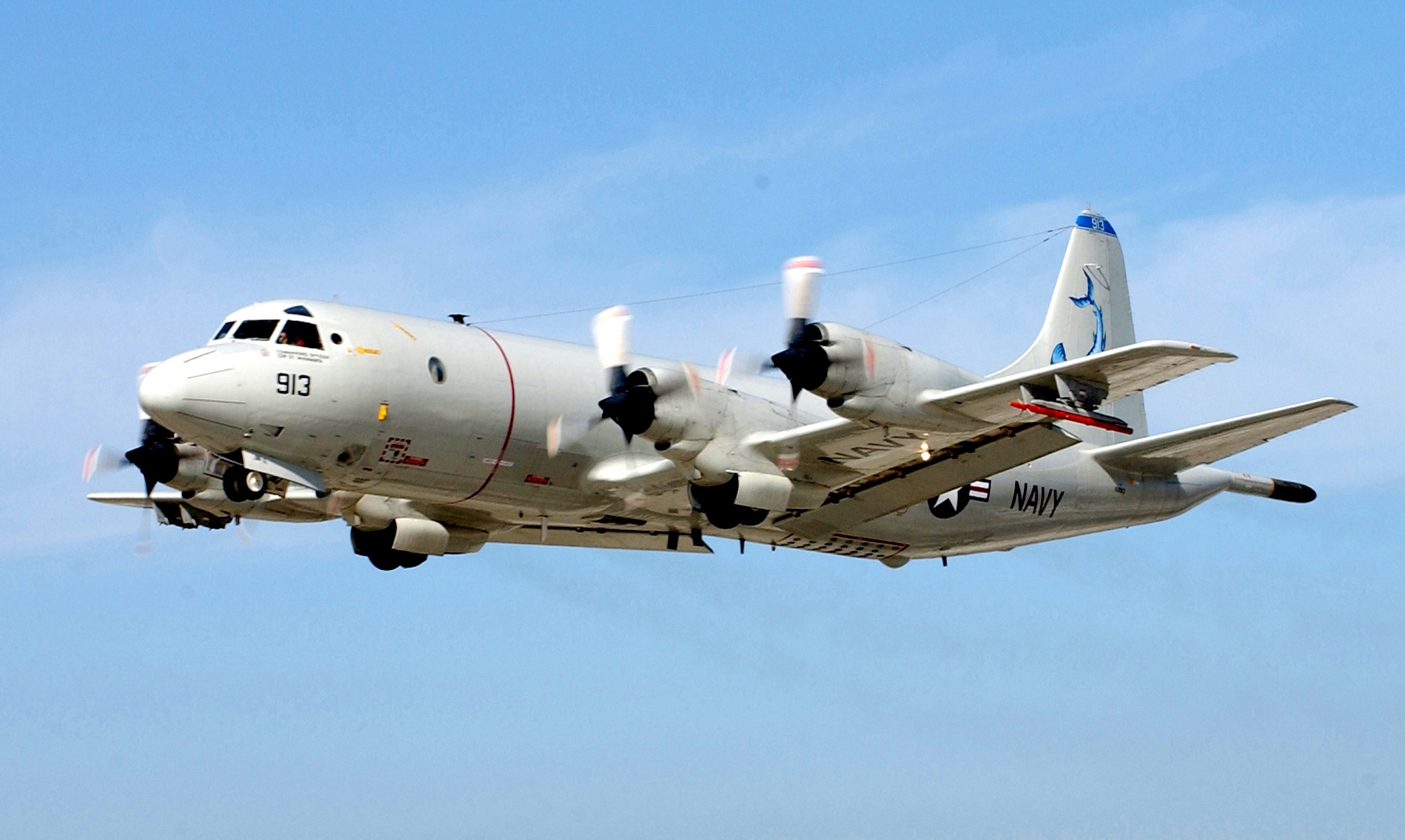
Additional US Navy assets assisting in the SAR efforts include the Arleigh Burke class guided-missile destroyer USS Stethem (DDG 63), HSM-77 Saberhawks MH-60R Seahawk helicopters from Carrier Air Wing FIVE (CVW-5) aboard the Reagan, VP-8 Fighting Tigers Boeing P-8 Poseidon maritime patrol aircraft, and VP-40 Fighting Marlins Lockheed P-3C Orion maritime patrol aircraft. The cause of the mishap has not yet been determined but an investigation is underway. We will update this story as more information becomes available.
Delta Air Lines giveth. And Delta Air Lines taketh away.
You could call it robbing Peter to pay Paul, but both international and domestic routes are affected by recent decisions made by the Atlanta-based airline.
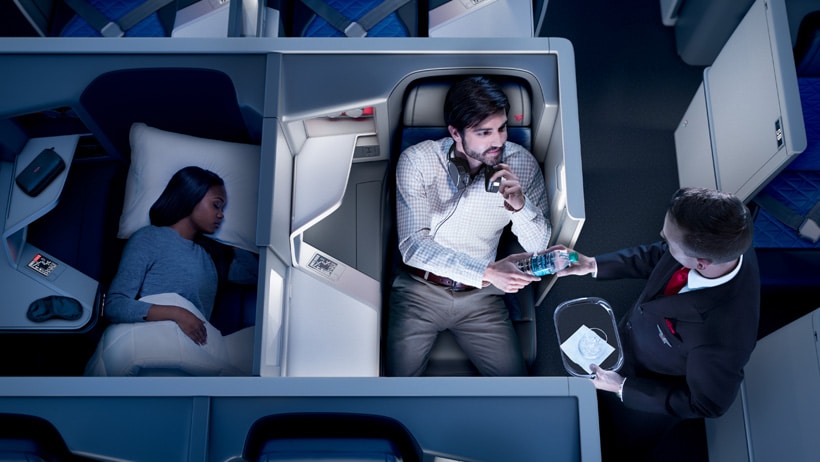
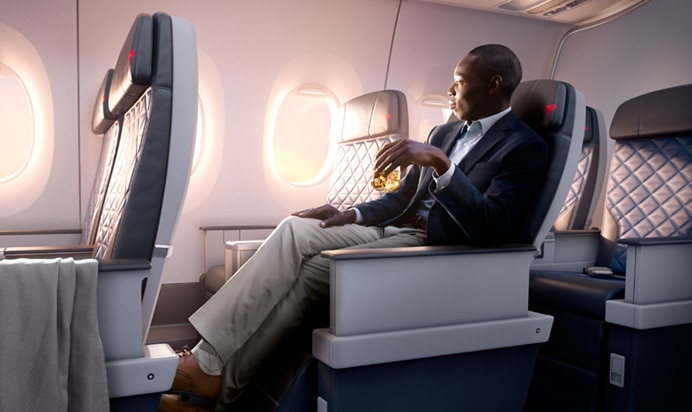
Delta’s premium Delta One seat features a full recline option and additional space. Photo: Delta
Delta is adding Delta One service to routes between New York and Las Vegas, Seattle and San Diego. This premium business class option includes perks like flat beds and various enhancements and means there are a total of seven domestic routes that now offer Delta One service.
Nice. But where will these internationally configured 757s that fly these routes come from?
The Smooth Operator
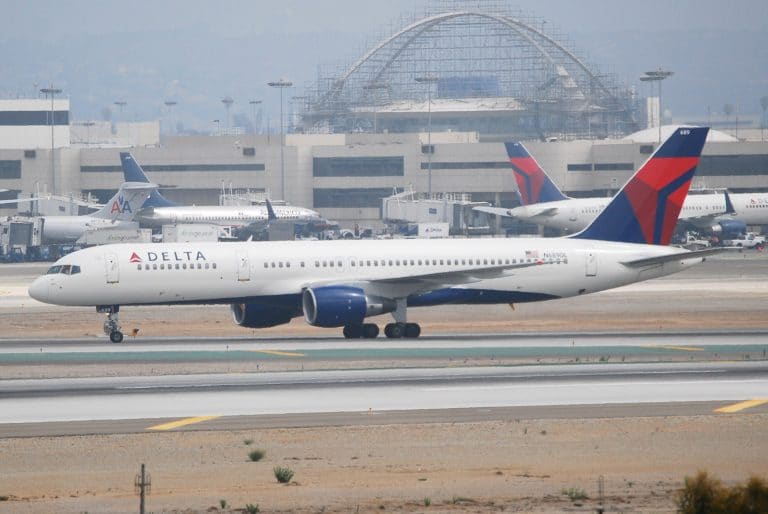
Lately, Delta has been flying more wide body aircraft between LA and New York, leading observers to wonder how the carrier has enough planes to cover all the new Delta One routes. So Delta, being the smooth operator that it is, has announced that they will be flying configured 757-200s on several transatlantic flights instead of the more luxurious wide body airplanes, which will now be deployed domestically on the Delta One routes.
This is a bit of a downgrade for passengers traveling abroad, since the 757-200s narrow bodies have recliner first class seats situated at the front of the plane rather than full flat seats. This equates to a premium economy class (Premium Select) but is by no means equivalent to the typical business class offering. Essentially this means business class is being replaced by Premium Select on these transatlantic routes.
Delta Airlines Premium Select seats feature a reclining seat and more legroom but lack the space and recline upgrades that some Delta premium travelers have become accustom to on long-haul flights. Photo: Delta Air Lines
Delta provides product parity with Ultra-low cost carriers
As of May 3, 3018 routes affected include New York JFK to Reykjavik, Iceland and New York JFK to Shannon, Ireland; as well as New York JFK to Ponta Delgada, Portugal beginning May 24, 2018. Competition has been increasing between domestic carriers such as Delta and European budget airlines like Icelandair and WOW, who operate nonstop routes to Reykjavik. The lower-cost European players offer a business class option that resembles domestic first class, which is why one could argue that Delta’s offering makes sense since it is comparable to what is currently on offer by Icelandair and WOW. But to be truly competitive on these routes, Delta will likely have to slash prices. Flying the narrow bodies will allow Delta to sell seats at a lower price point but the lack of a premium option might deter higher fare business traffic.
Additionally, some transatlantic markets cater more to leisure travelers, so it seems as if Delta made the decision at least partially based on the fact that there is more premium demand on domestic routes, so offering the business class option with flat beds just makes more sense here. Just keep in mind that if you fly any of the above-mentioned international flights, starting in May of next year, you will be limited to the Premium Select option.
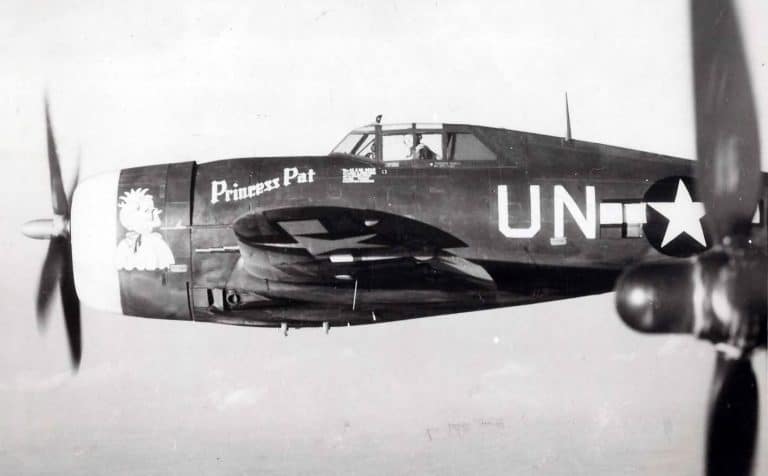
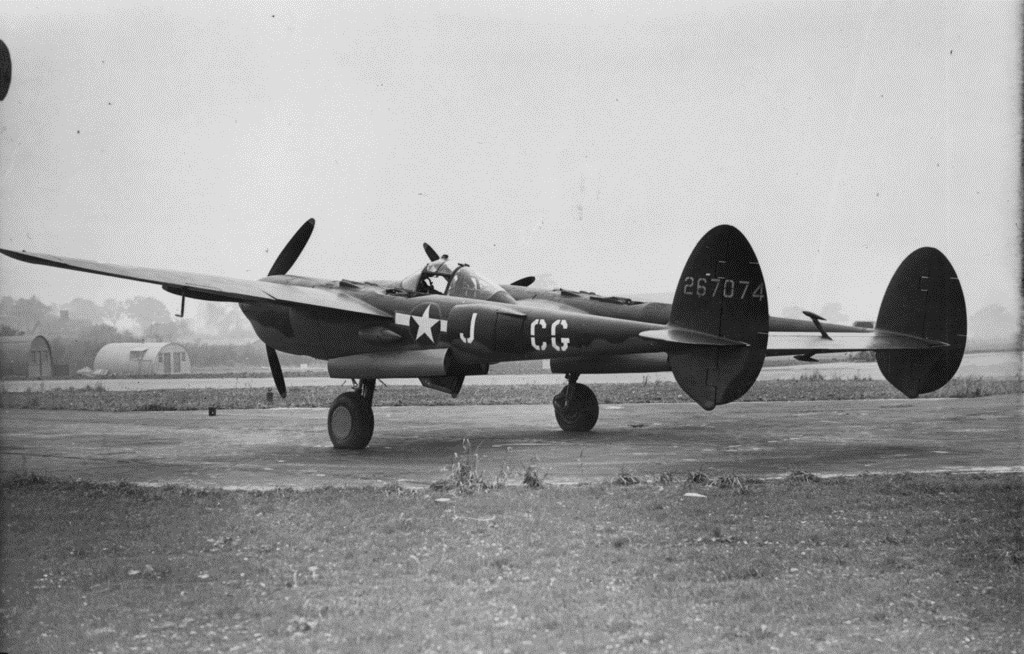
The film “The Thunderbolts: Ramrod to Emden” portrays the effort and determination that went into a typical long range escort mission (known as a ramrod mission) flown by the United States Army Air Corps (USAAC) VIII Fighter Command. The particular mission in the film was flown on October 2nd 1943. The mission planning and preparation process, beginning with the call from VIII Air Force Headquarters the previous day and moving forward all the way through field orders and preparation of the Republic P-47D Thunderbolts and Lockheed P-38H Lightnings that will fly the mission, is depicted in the film. The film was uploaded to YouTube by airailimages.
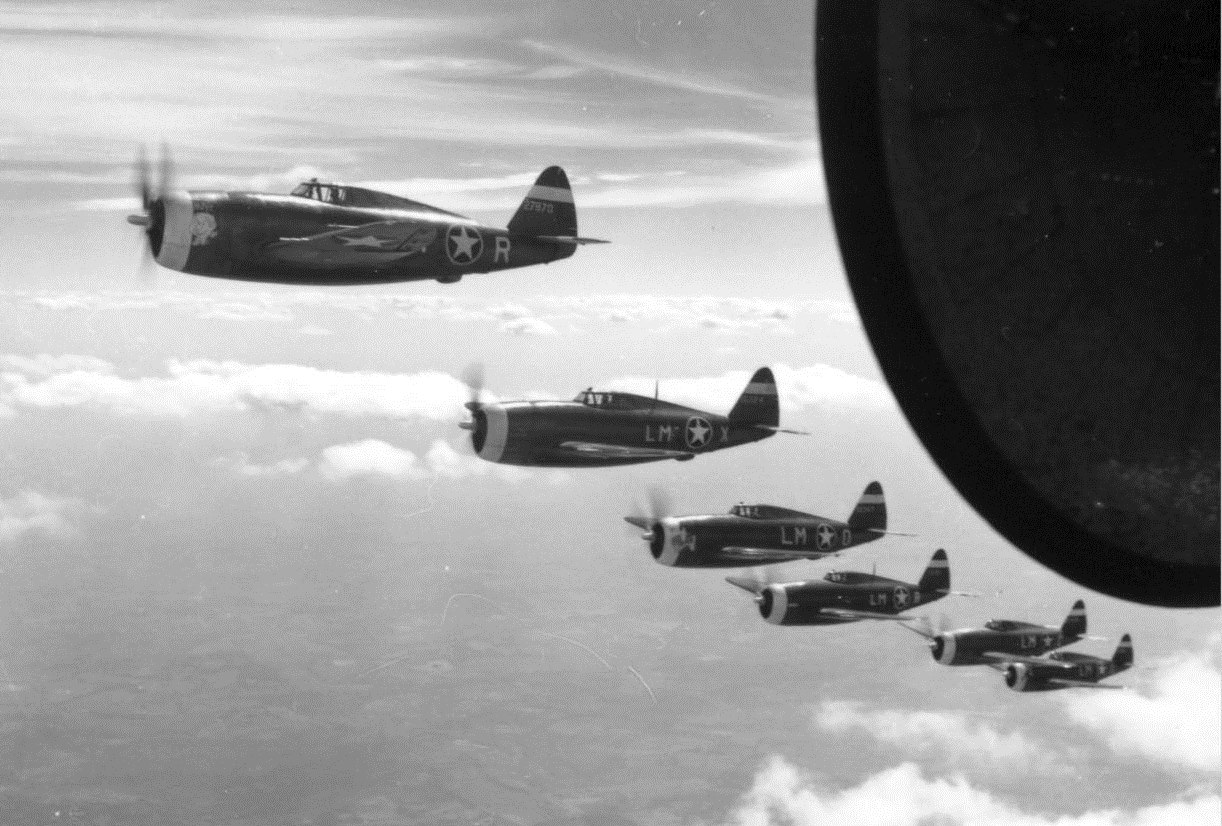
62nd Fighter Squadron P-47D Thunderbolts. Official US Air Force photograph
The film also includes a smattering of combat footage and the return of the fighter groups to their bases in England. The P-47Ds appearing in the film belong to the 334th, 335th, and 336th Fighter Squadrons of the 4th Fighter Group Flying Eagles and the 61st, 62nd, and 63rd Fighter Squadrons of the 56th Fighter Group Zemke’s Wolfpack. The P-38Hs were assigned to the 38th, 338th, and 343rd Fighter Squadrons of the 55th Fighter Group Fightin’ 55th. Boeing B-17 Flying Fortress bombers appearing in the film belonged to the 95th and 96th Bombardment Groups of the 4th Bombardment Wing. Among the many notable fighter pilots who flew this escort mission were future Thunderbolt aces Robert S. Johnson and Francis S. Gabreski, who was then in command of the 61st Fighter Squadron.
38th Fighter Squadron P-38H Lightning. Official US Air Force photograph
Laughlin Air Force Base cancelled all flying through the Thanksgiving holiday after yesterday’s crash that killed one pilot and injured another. The name of the deceased has not been released yet pending next of kin notifications. Meanwhile, Laughlin AFB’s Wing Commander also released a heartfelt statement this evening about yesterday’s crash. See below:
Words can’t express the true feeling that the members of Team XL feel as we grieve through the loss of one of our teammates. Due to our next of kin notification policies, we are unable to release the name of our fallen Airman at this time, but I can assure you that our number one priority is making sure that our service members and loved ones are taken care of and provided the proper services to get through this difficult time. After extensive reflection, we decided to suspend flying for today and tomorrow, leading into a previously-scheduled holiday break.
The Air Force is a close-knit family, and the loss of one of our own affects all of us. Please take a moment to look to your left and right, and if your teammates are struggling, assist in any way you can. You have resources–our chaplains and mental health professionals stand at the ready to support all of Team XL in this time of sadness.
Our thoughts and prayers are also with the family and friends of our injured pilot who was transported to Val Verde Regional Medical Center. Every day, our pilots take a risk as they step into the cockpit; even though we do not know what each day will bring, we are consistently reminded of the sacrifices that they make to ensure the safety of this great nation and to train the next generation of flying Airmen.
The Air Force is working alongside local authorities on the scene. We are committed to conducting a thorough investigation of the events.
I express my deepest condolences to the family of our fallen pilot from yesterday’s events. Here at Laughlin, we share in the sorrow felt by loved ones, but we must not forget the valuable contribution to our country and the impact on our organization.
I guarantee you we are doing everything we can to investigate what happened and ways to prevent future incidents.
– Colonel Charlie Velino
47th Flying Training Wing, commander
UPDATED: Nov 20, 2017 8:34 PM CT:
Laughlin AFB released an updated statement. One pilot is deceased and another one is injured.
One pilot is dead, and one was transferred to Val Verde Regional Medical Center when an Air Force T-38 Talon assigned here at Laughlin Air Force Base, Texas, crashed at around 4 p.m. today approximately 14 miles northwest of the base near Spur 454 and U.S. 90 in Del Rio, Texas.
Laughlin and local emergency responders are on scene.
The names of the pilots are being withheld for next of kin notification.
A board of officers will convene to investigate the incident.
“Our biggest priority at this time is caring for the family and friends of our Airmen,” said Col. Michelle Pryor, 47th Flying Training Wing vice commander. “We are a close knit family, and when a tragedy like this occurs every member of the U.S. Armed Forces feels it. Our people take top priority, and we are committed to ensuring their safety and security.”
Original Story:
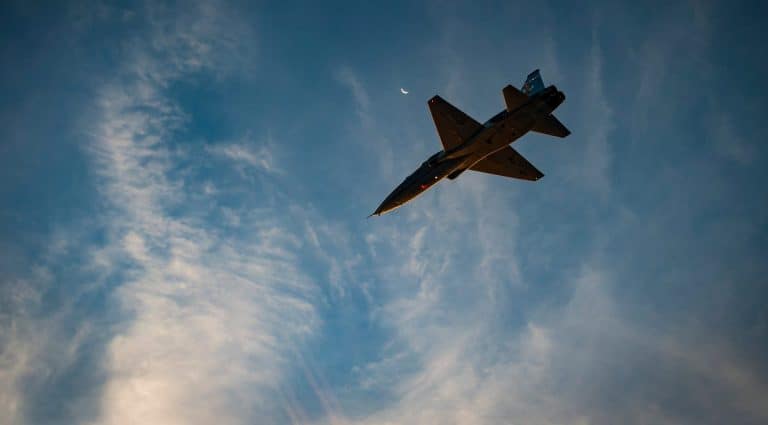
A T-38C aircraft crashed today near Del Rio, Texas. The aircraft was assigned to Laughlin Air Force Base in Del Rio, Texas. There is no word yet on the condition of the pilot or pilots.
Laughlin AFB released the following on Facebook.
The T-38 is a high performance jet aircraft primarily used to train pilots at Undergraduate Pilot Training. Student pilots are typically ‘tracked’ or are selected to fly the T-38 after a six month stint of flying the T-6 primary trainer. T-38 student pilots then usually receive fighter and bomber assignments after graduation. The aircraft first flew in 1959. The jet has undergone extensive avionics modifications over the past decade and is now known as the T-38C. The Air Force is evaluating T-38 replacements under the T-X program.
This is a breaking news story. We will update as we receive more information.
When the US Naval Photographic Center and the United States Marine Corps (USMC) produced the training film “The Golden Challenge” in 1966, Marine Air was already heavily involved in the war in Vietnam. Aviators exiting the training pipelines could expect to deploy to Southeast Asia sometime during their first few years in most operational Marine Corps fighter or attack squadrons. This film, uploaded to YouTube by PeriscopeFilm, follows Second Lieutenant Larry Thornton through the process of becoming a Marine Aviator.
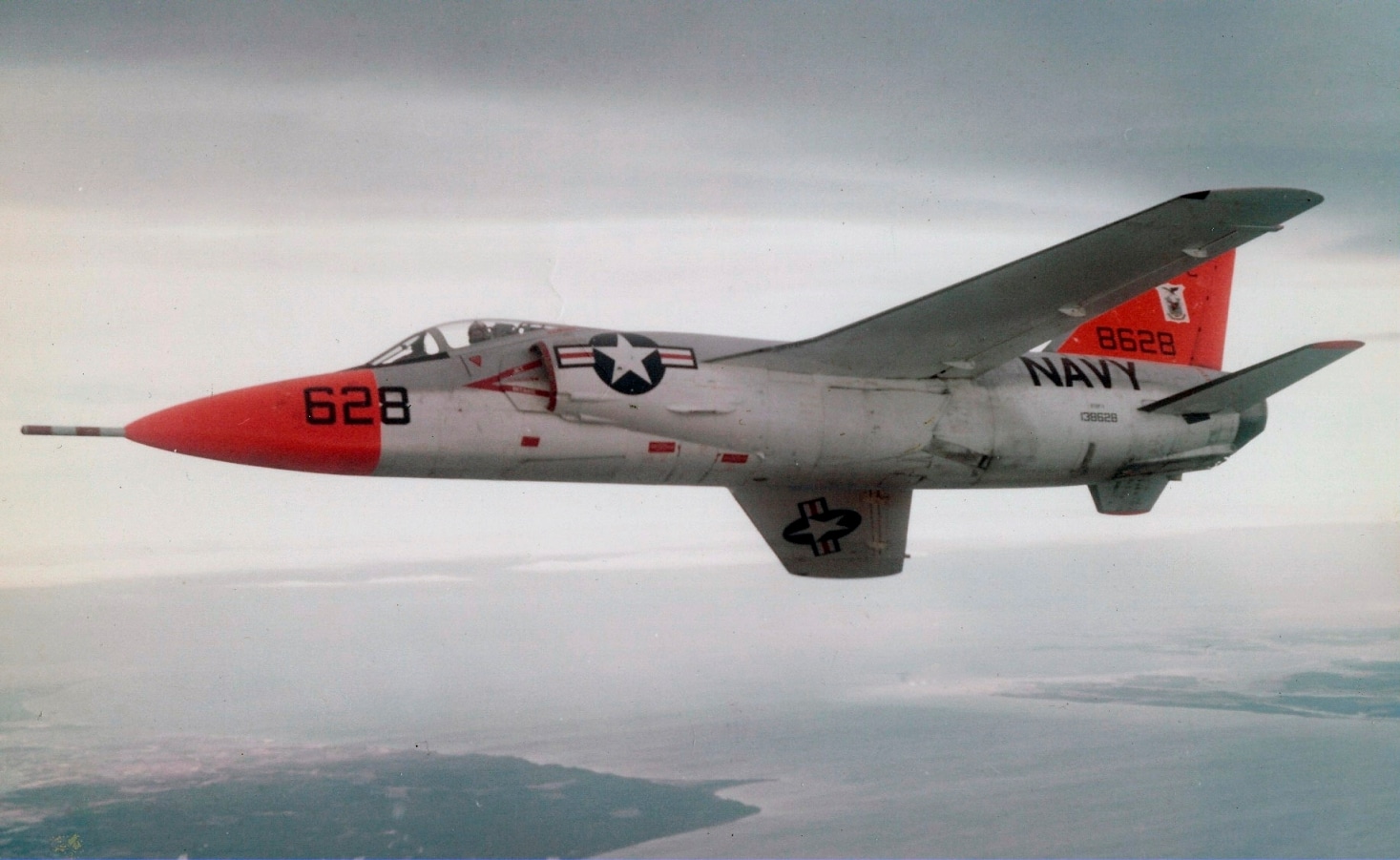
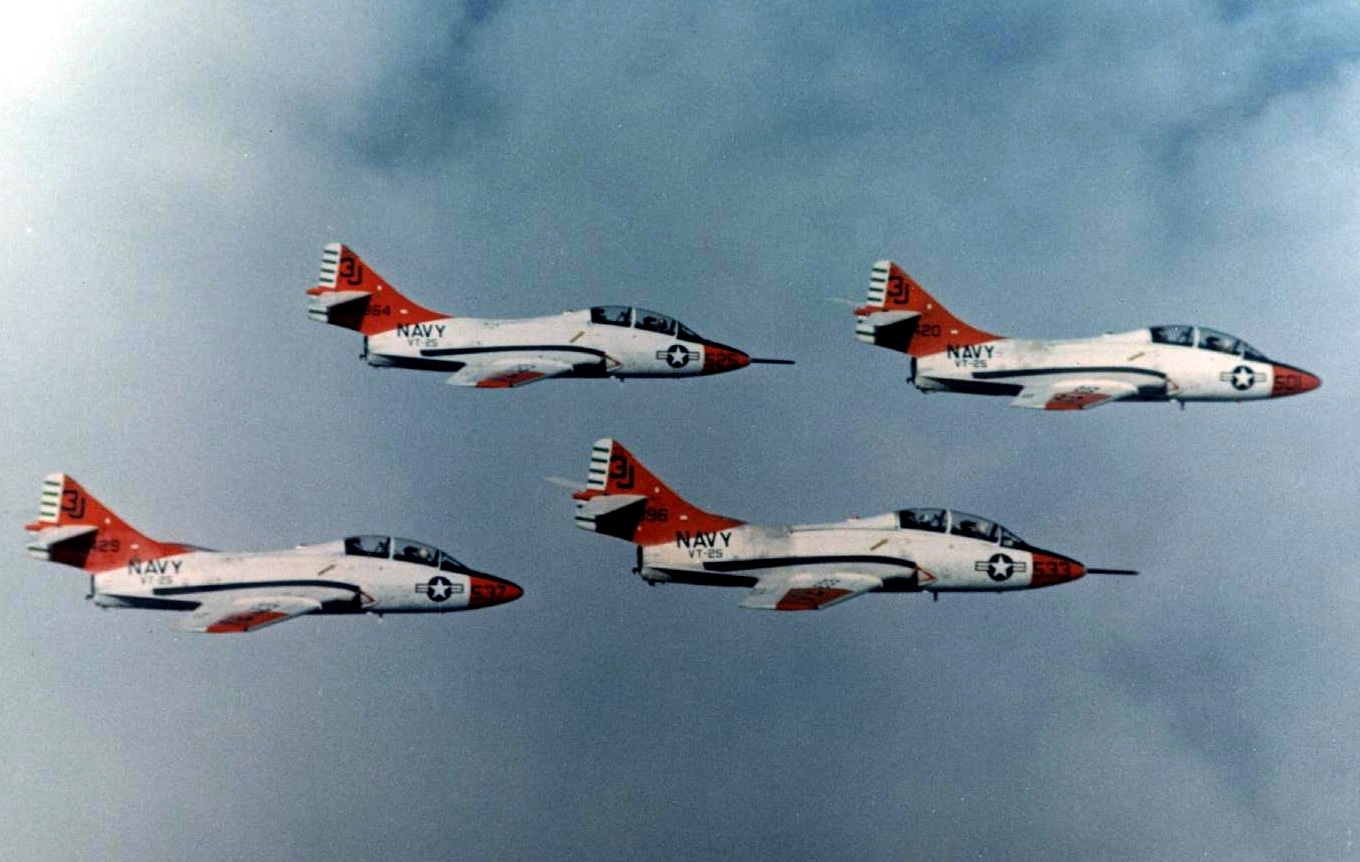
Larry begins his aviation training flying VT-1 Eagles Beechcraft T-34 primary trainers and VT-4 Warbucks Rockwell T-2A Buckeye jets. Thronton then progresses through his training to carrier qualification performed on the carrier USS Lexington (CVS-16). Also seen in the film are Bell HTL and Sikorsky SH-34 Seabat helicopters from HT-8 Eightballers. Grumman F9F-8 Cougar and F11F Tiger jets from Naval Air Station (NAS) Beeville-based VT-25 Cougars represent the next stops in Thornton’s training pipeline.
Official US Marine Corp photograph
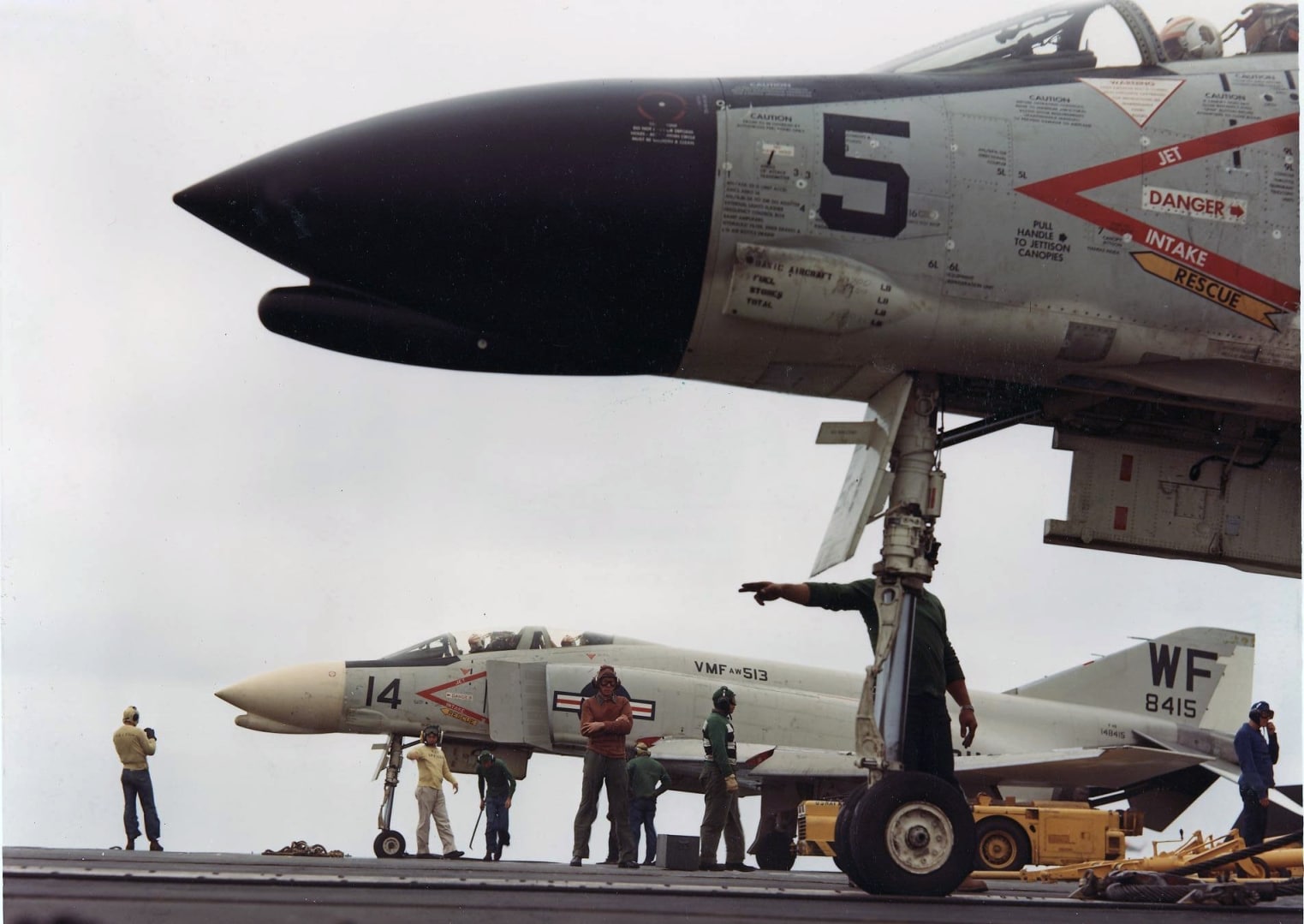
After Thornton earns his coveted Wings of Gold he is assigned to VMF(AW)-513 Nightmares flying simulated close air support (CAS) missions from the deck of the carrier USS Franklin D Roosevelt (CVA-42) during one of the many full-scale amphibious assault training exercises that took place back then. Lots of things going boom and Marines running on smoky beaches realistically convey the organized chaos of an amphibious assault.
Official US Navy photograph
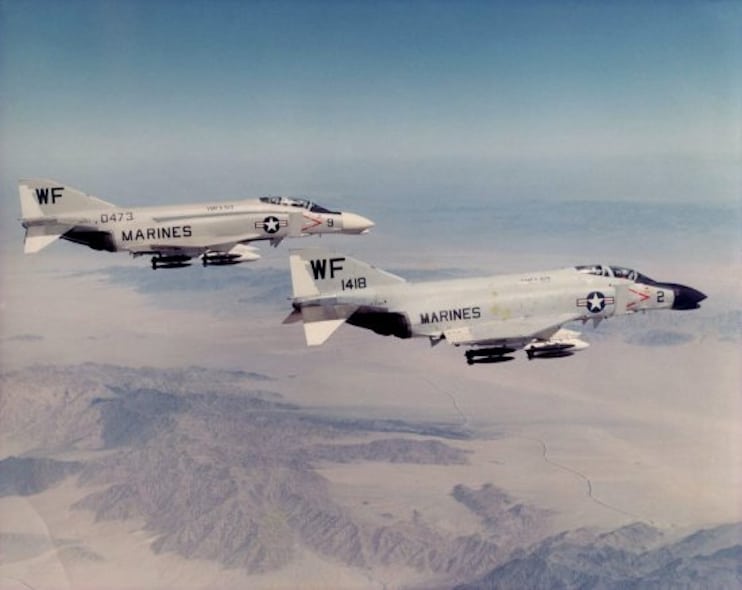
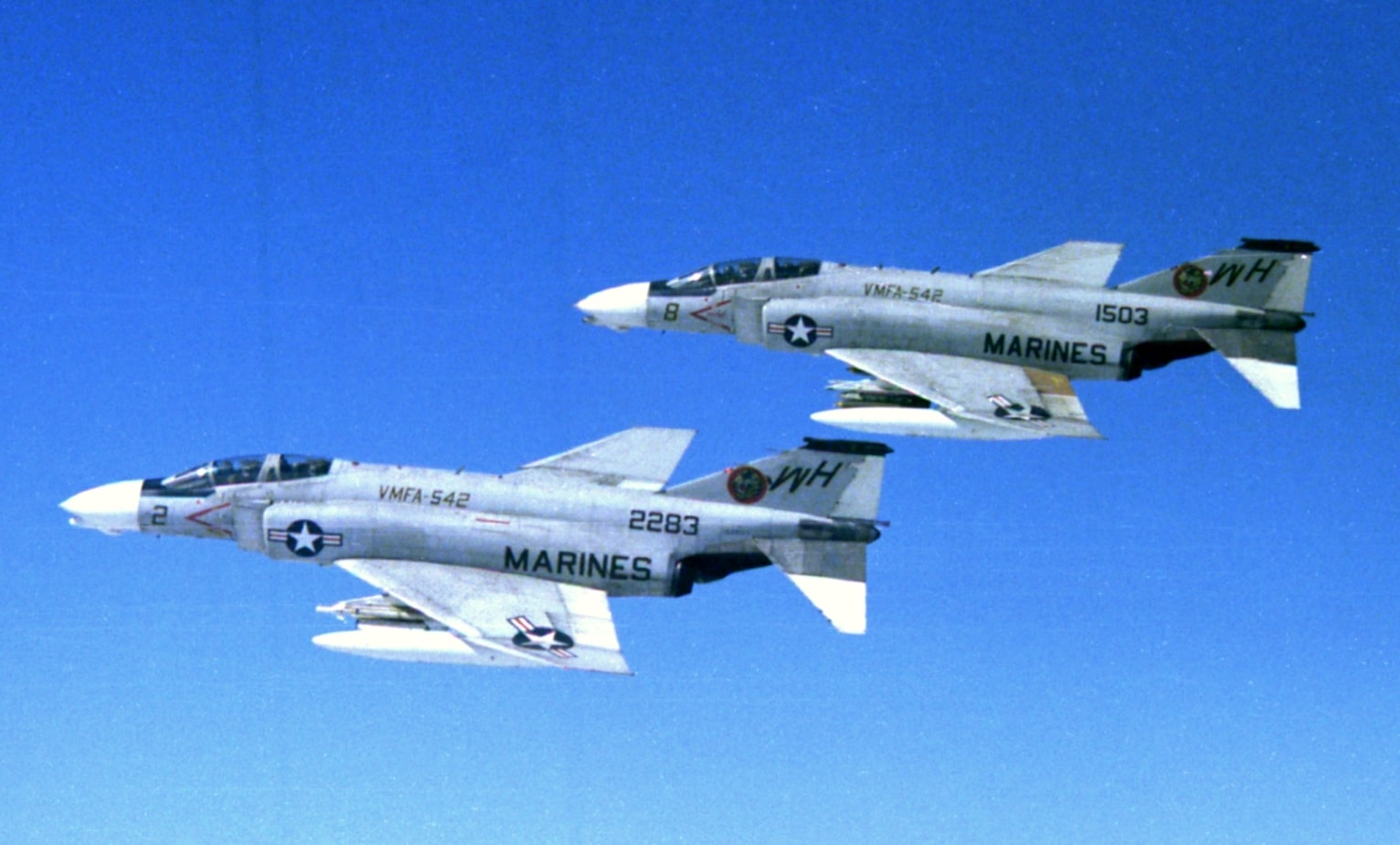
VMFA-115 Able Eagles make appearances flying their McDonnell Douglas F-4B Phantom IIs as do some Marine Corps VMF-232 Red Devils Vought F-8 Crusader jet fighters, Lockheed KC-130 Hercules tankers, and Sikorsky CH-34 Choctaw assault helicopters. A little bit of North American F-100 Super Sabre footage sneaks its way in as well. Some Marine Air Douglas A-4 Skyhawks appear toward the conclusion of the film.
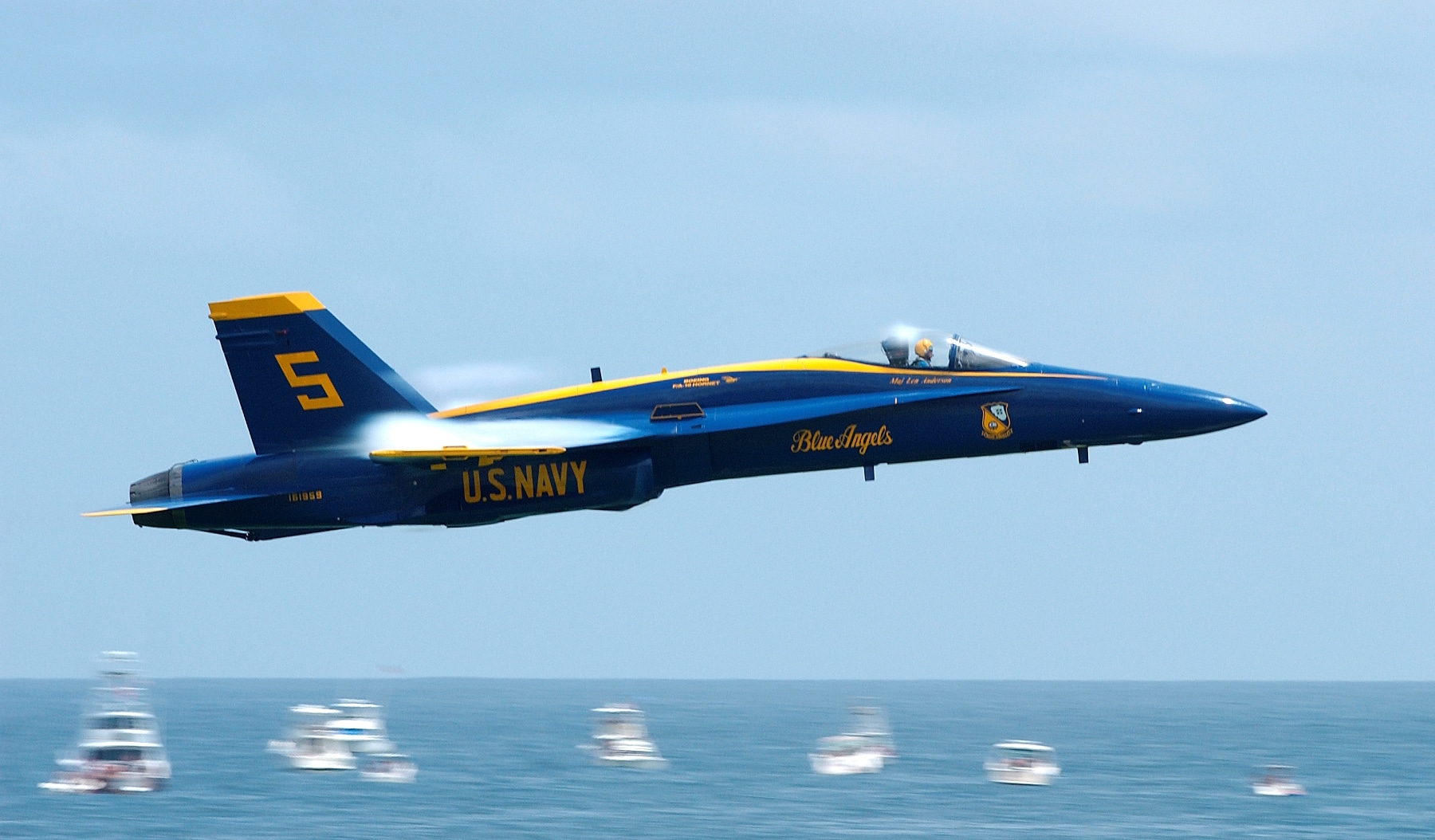
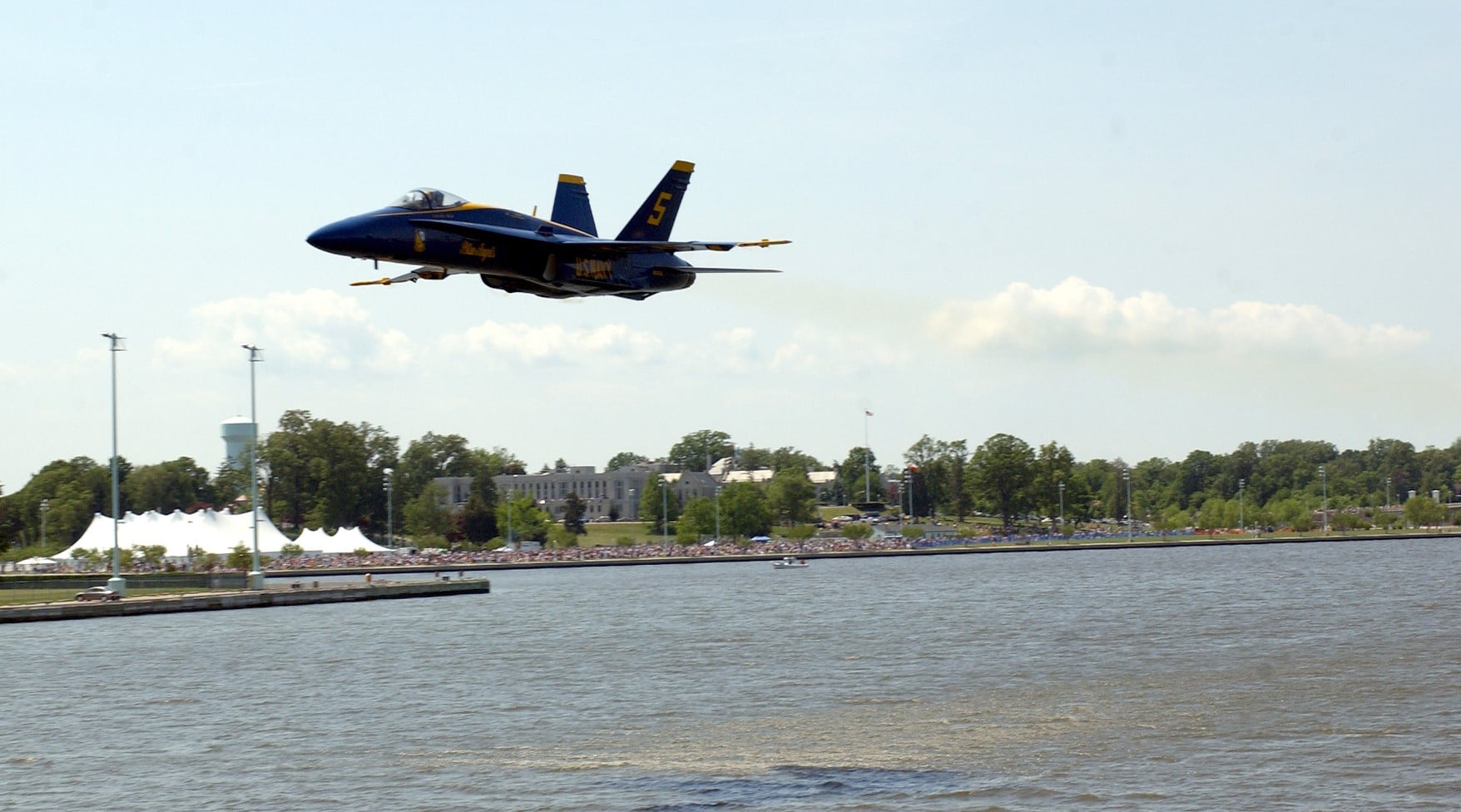
Now that the US Navy’s Blue Angels are in hibernation for the winter, their 2017 show season complete, Avgeekery Nation is suffering from jet noise withdrawal. We heard your tortured cries friends, so we pieced together some of the finest of Blue Angel sneak pass clips over the last few years and put them all together in one place. Now please turn those speakers up way beyond a responsible neighborly level before you click play! And as always…nice vapes!
Official US Navy photograph
6.) Fleet Week 2007 in San Fran
At #6, we step all the way back to 2007 for this three-peat clip uploaded by gripen68 in which we see three sneak passes for the price of one from Fleet Week 2007 in San Francisco.
At #5, this clip uploaded by wittmann51 features one of the most impressive sneak passes from the Blue Angels seemingly flying between waves in San Francisco Bay during Fleet Week 2010.
At #4 we head to Florida for this clip uploaded to YouTube by AviationFreak#1 for a very sneaky sneak pass during Pensacola Beach Blue Angels performance from July 2016.
At #3 we have another three-peat! Here are three of the hottest sneak passes ever flown by the Blues. Uploaded by Holden’s Airshow Video Media, the footage was shot during the Blues performances over Pensacola Beach July 2017.
And at #1 we have this clip, also uploaded by our good friends at AirshowStuffVideos, of Blue Angels 5 and 6 doing their last sneak passes of the 2017 season at the NAS Pensacola Homecoming Airshow.
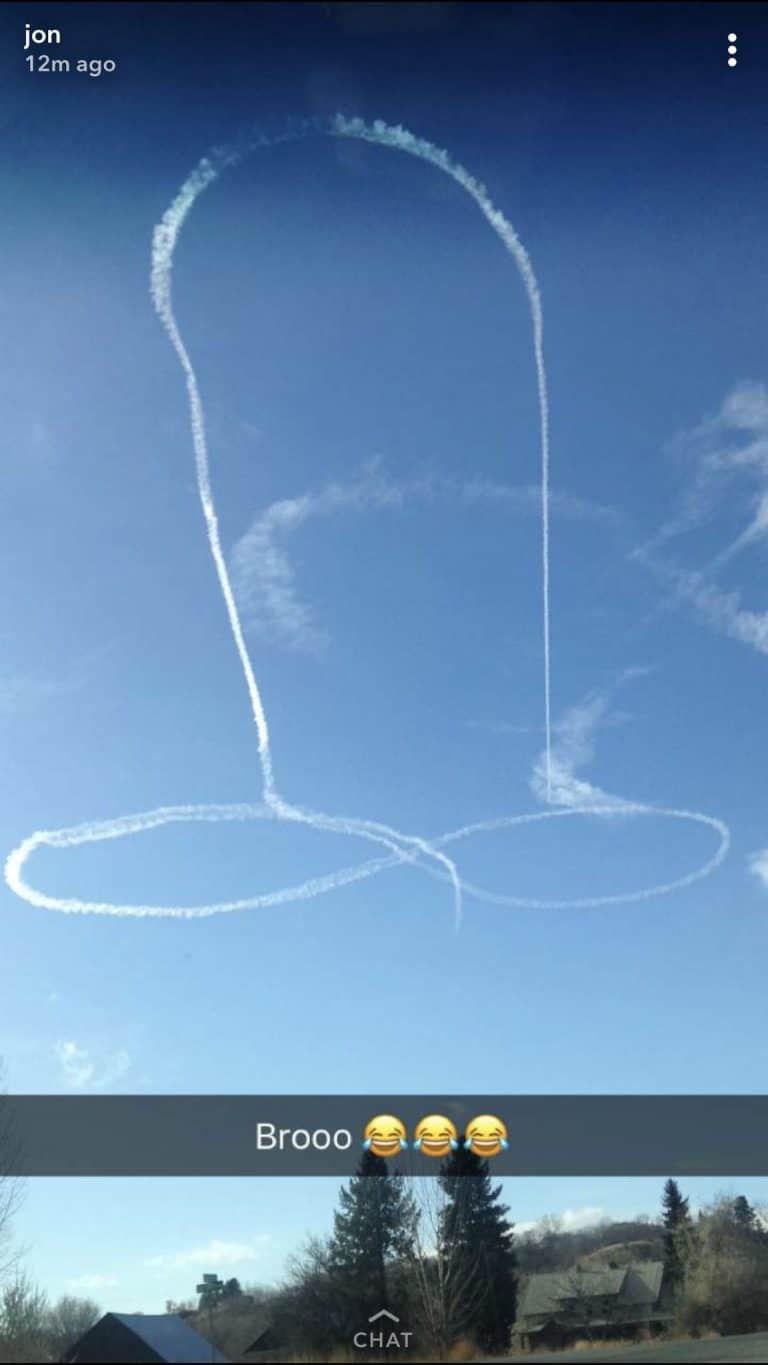
A US Navy aircrew is responsible for drawing a masterpiece in the sky over the small town of Okanogan in central Washington on Thursday.
With their E/A-18 Growler jet, based out of NAS Whisbey Island, WA, the crew acted as a paintbrush on a canvas to produce a giant and unmistakeable penis and balls visible for miles and miles.
“After it made the circles at the bottom, I knew what it was and started laughing,” said witness Ramone Duran, in comments to The Spokesman-Review. “It was pretty funny to see that. You don’t expect to see something like that.”
The incident occurred within the Okanagan Military Operating Area (or MOA), which is restricted airspace used by Whidbey’s Growler squadrons (and others) regularly.
“The Navy holds its aircrew to the highest standards and we find this absolutely unacceptable, of zero training value and we are holding the crew accountable,” said the Navy in a statement to local CBS affiliate KREM.
“The actions of this aircrew were wholly unacceptable and antithetical to Navy core values,” the Navy added. “The Navy apologizes for this irresponsible and immature act.”
We don’t know why the pilot risked his career to do this hilarious stunt, or the potential consequences for the crew. We’ll update this story as we learn more.
When North American Aviation produced the film “The North American Story” during the 1950s, their new F-100 Super Sabre fighter bomber had only been in service for a short time. The film features several variants of North American’s finest, including FJ Fury fighter bombers, F-86 Sabre fighters, BT-9 trainers, O-47 observation aircraft, XB-21 Dragon bombers, T-6/SNJ/Harvard trainers, B-25 Mitchell medium bombers, P-51 Mustang fighter bombers, B-45 Tornado bombers, AJ-1 Savage carrier-borne strategic bombers, T-28 Trojan trainers, and F-100 Super Sabre fighter-bombers. The film, uploaded to YouTube by PeriscopeFilm, stars all of the most memorable North American designs of the 1940s and 1950s.
North American would go on to develop the X-15 and continue to refine the F-100 Super Sabre. One of the company’s most ambitious projects, the XB-70 Valkyrie supersonic bomber, would end in disaster but the company would also work on the Apollo Command Module and Service Module, the second stage of the Saturn V rocket, the Space Shuttle orbiter and as Rockwell would develop the B-1 Lancer. North American Aviation eventually became part of North American Rockwell, which in turn became Rockwell International, and is part of Boeing today.
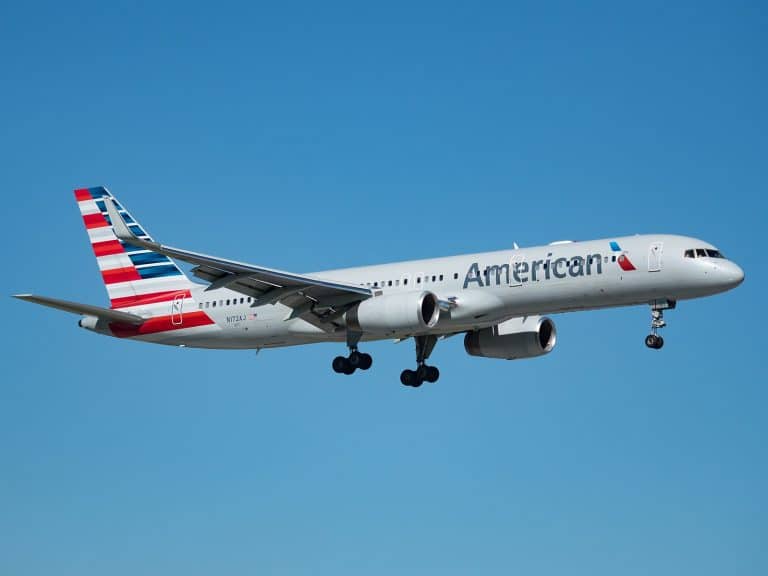
American Airlines is adding new seasonal routes from DFW to Reykjavik-Keflavik, Iceland (KEF). The new service will commence June 7 and run through October 26 of 2018, and be flown on the Boeing 757-200 with 176 seats. Why is American using such a large plane for what are often only connecting flights from Iceland to Europe? Apparently, American’s VP of Network & Schedule Planning Vasu Raja believes Iceland is attracting more tourists, saying, “Reykjavik has become a very popular leisure destination and we look forward to giving our customers the opportunity to experience Iceland’s unique landscape of geysers, volcanos and hot springs with our new direct service next summer,” and added, “The new destination complements our continued growth from Dallas-Fort Worth, including Rome and Amsterdam.”
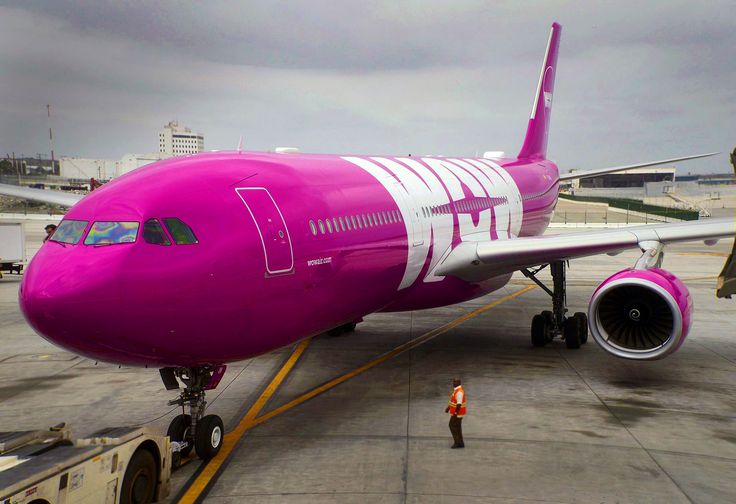
Ultra-low cost carrier WOW is launching service from DFW to Iceland this summer. It will compete with IcelandAir and American Airlines. Photo: WOW Air
American has impeccable timing. Earlier this year, WOW and Iceland Air announced service to DFW. Both have connecting networks to Europe from Iceland…something American lacks. That means travelers have been able to get cheap flights to Europe by flying through Iceland and picking up a connections on WOW and Iceland Air. They can also stay a day or two in Iceland for free. A win for the consumer and a win for the two airlines, but not so good for American.
It is no surprise then that American is now flying through Iceland. But does this behavior mirror AA’s actions the past? Is the behavior that landed them in court in the 1990s when they took on the now defunct Legend Air?
Legend Air’s Demise at the Hands of American Airlines
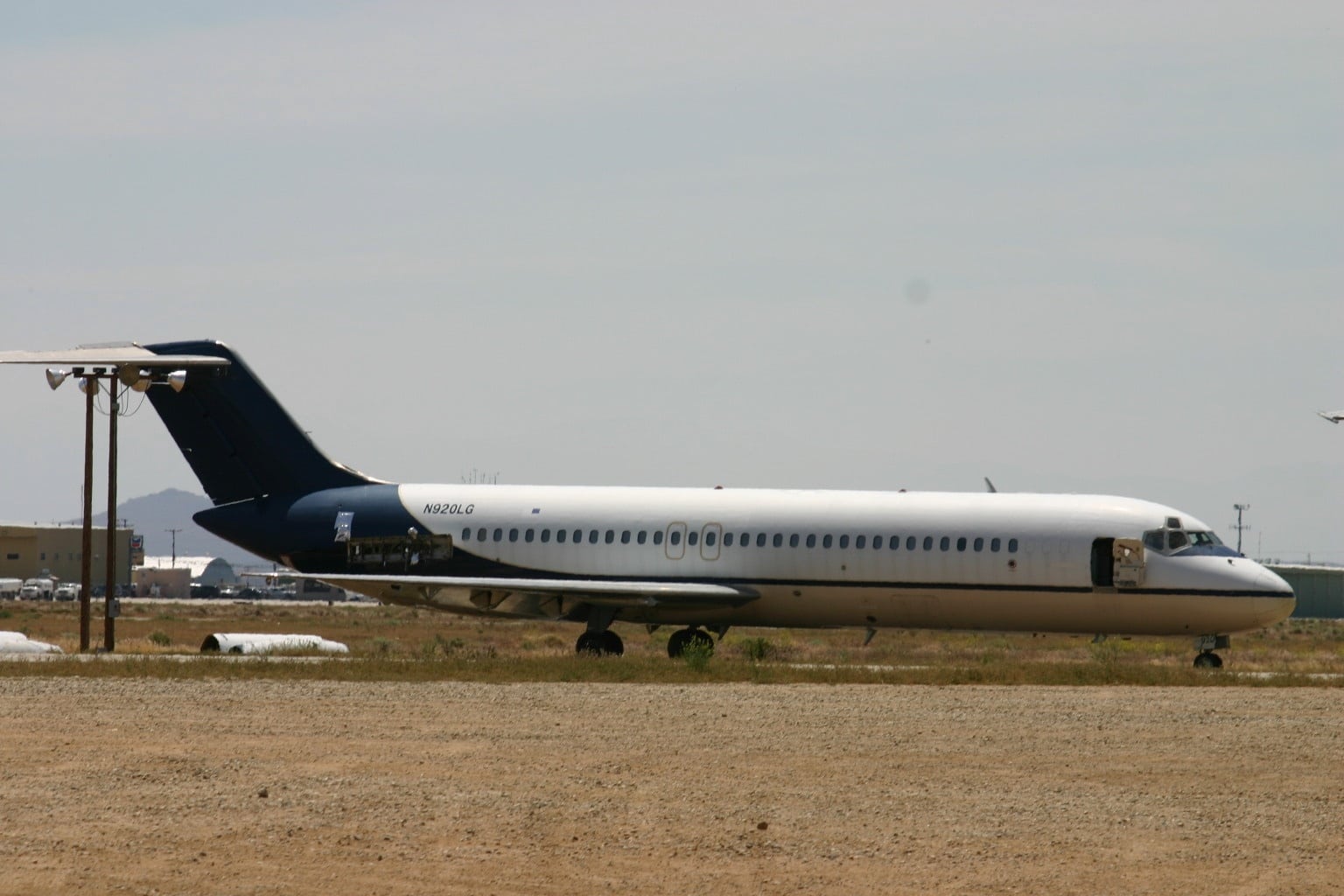
Legend Airlines had Dallas Love Field as its hub in the ’90s. It ran routes to New York, Las Vegas, southern California, and Virginia. Legend did not last long, however, since it was forced to file for bankruptcy only five years after it received corporate status. Its initial flights were delayed substantially by court battles with American, who was joined in the fight by the City of Fort Worth.
Legend Airlines Douglas DC-9 at Mojave. Legend offered luxury first class service from Dallas Love but succumb to competition from American after they launched Fokker F100 service. Once Legend was eliminated, American eliminated the service. Photo aeroprints.com [CC BY-SA 3.0)American Airlines sued under the provisions of the Wright Amendment, effectively trying to prevent Legend from flying out of Love Field. Although the fledgling airlines’ right to fly was upheld every time in court, American immediately appealed each decision to a higher court and exhausted Legend’s financial resources. Meantime, American kept introducing more flights at lower prices out of Dallas, creating a price war with Legend that delivered the final blow. For all outward appearances, American was using DFW as a fortress hub in the ’90s and often, when start-up airlines would attempt to fly from DFW, the more established airline would create barriers to entry by flooding the market with cheap seats. Once the competitor was no longer flying out of DFW, American would then cut service or raise prices. Legend is a prime example but American also faced similar accusations from Vanguard Airlines and SunJet in the 1990s.
One cannot help but notice a pattern and even compare American Airlines’ behavior in the 90s to its current plans to launch service to KEF. American is coming into the market with larger planes and lower prices, effectively fighting for elbow room with WOW and Icelandic Air.
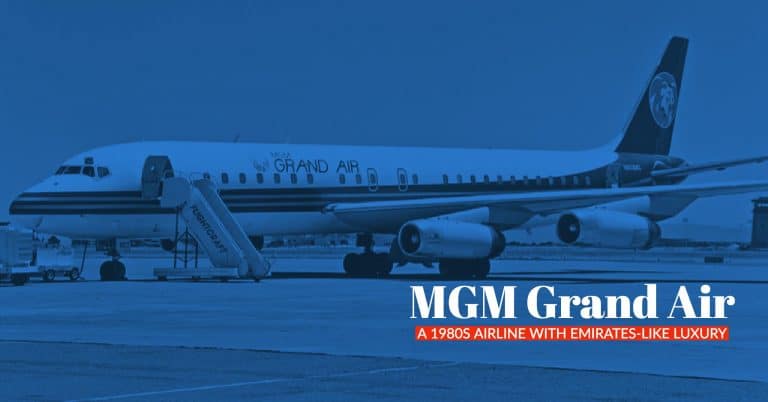
First class is typically luxurious. MGM Grand pioneered super-luxurious accommodations in the 1980s. Emirates is now taking luxury to the next level in 2017.
Flying first class has always been the preferred mode of travel for the privileged among us. Celebrities, dignitaries and star athletes fly first class on luxury airlines that offer every amenity and technological convenience imaginable. Today, the totally private first class suite aboard Emirates is the best example. This exclusive suite is the first of its kind in the world. Top shelf amenities and advanced technology make it unique. Let’s take a look at how far technology and creature comforts have come by contrasting today’s most luxurious first class experience on Emirates with the famous MGM Grand, a favorite of celebrities in the 1980s.
The MGM Grand was favored and supported by Ivana Trump, who frequented coast to coast flights. The airline offered charter service along with regular routes between John F. Kennedy International Airport in New York and Los Angeles International Airport and flew Douglas DC-8 and Boeing 727 aircraft in the most lavish configurations available at the time.
MGM Grand’s pampered guests enjoyed oversized seats, video monitors with enhanced audio and their very own fax machine. Back in the 1980s, business travelers and VIPs could send an important fax while in the air! Luxury travel has come a long way. In comparison, Emirates first class suites have work stations with USB and HDMI ports. But what … no fax machine? And they call it first class?
Technology and comfort to wow the most discerning traveler
In all seriousness, to elite passengers, up to the minute technology was as important then as it is now. But back in the ’80s, most people had never dreamed of free wifi or high definition TVs like those currently being offered by Emirates. And the entertainment system is not the only thing that is technologically advanced. You can rest your weary bones in your private Emirates suite in an uber-comfortable seat designed in part by NASA.
The optimum position for astronauts is zero gravity, which was literally adopted from NASA and placed into the seats. Maybe you are not flying into space but with zero gravity engineering, today your seat in the sky on Emirates is designed to make you feel like you are sleeping in a cloud! The zero gravity construction completely removes pressure from your shoulders, neck and back. Ah, technology.
In 1987 when Kirk Kerkorian started MGM Grand Air, the all first class cabins had huge swiveling barcaloungers, several private compartments, and two-passenger love seats. Memory foam had not been invented yet but the goose down pillows were immensely popular. The bathrooms featured gold-plated wash basins and faucets. There was an on-board chef with full open kitchen and opulent sit down bar.
Emirates, the pace-setter of luxury today
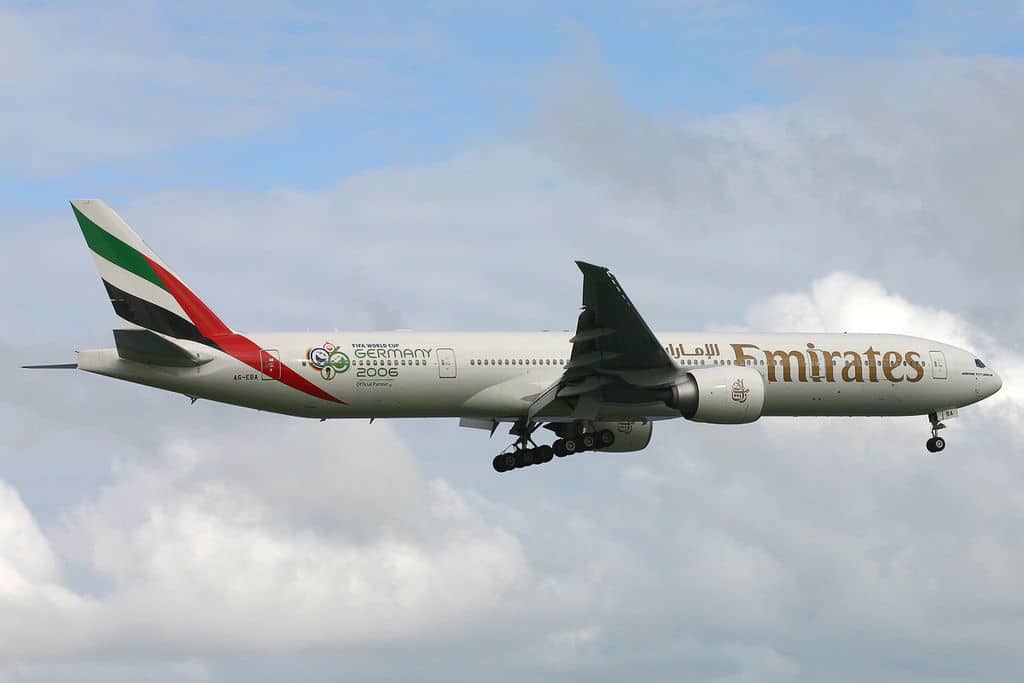
Air Emirates Boeing 777. Photo Krug100, CC BY-SA 3.0, https://commons.wikimedia.org/w/index.php?curid=27352196
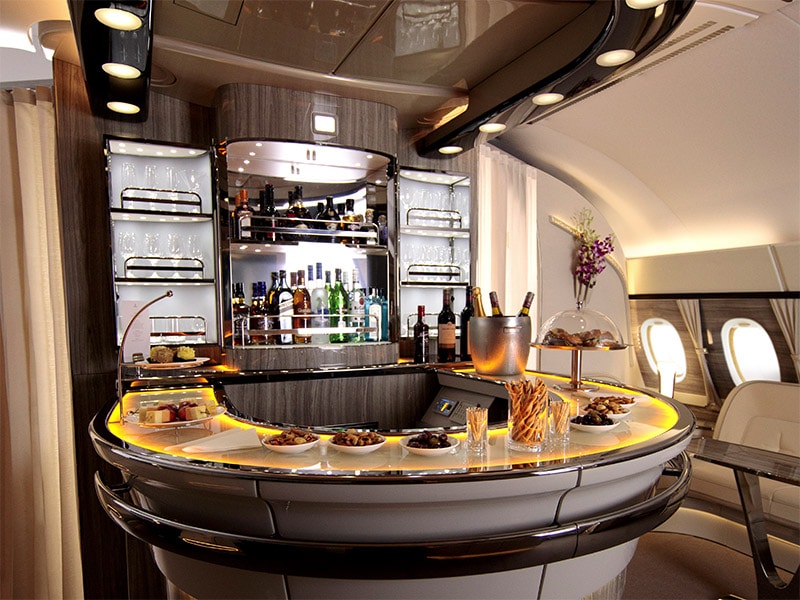
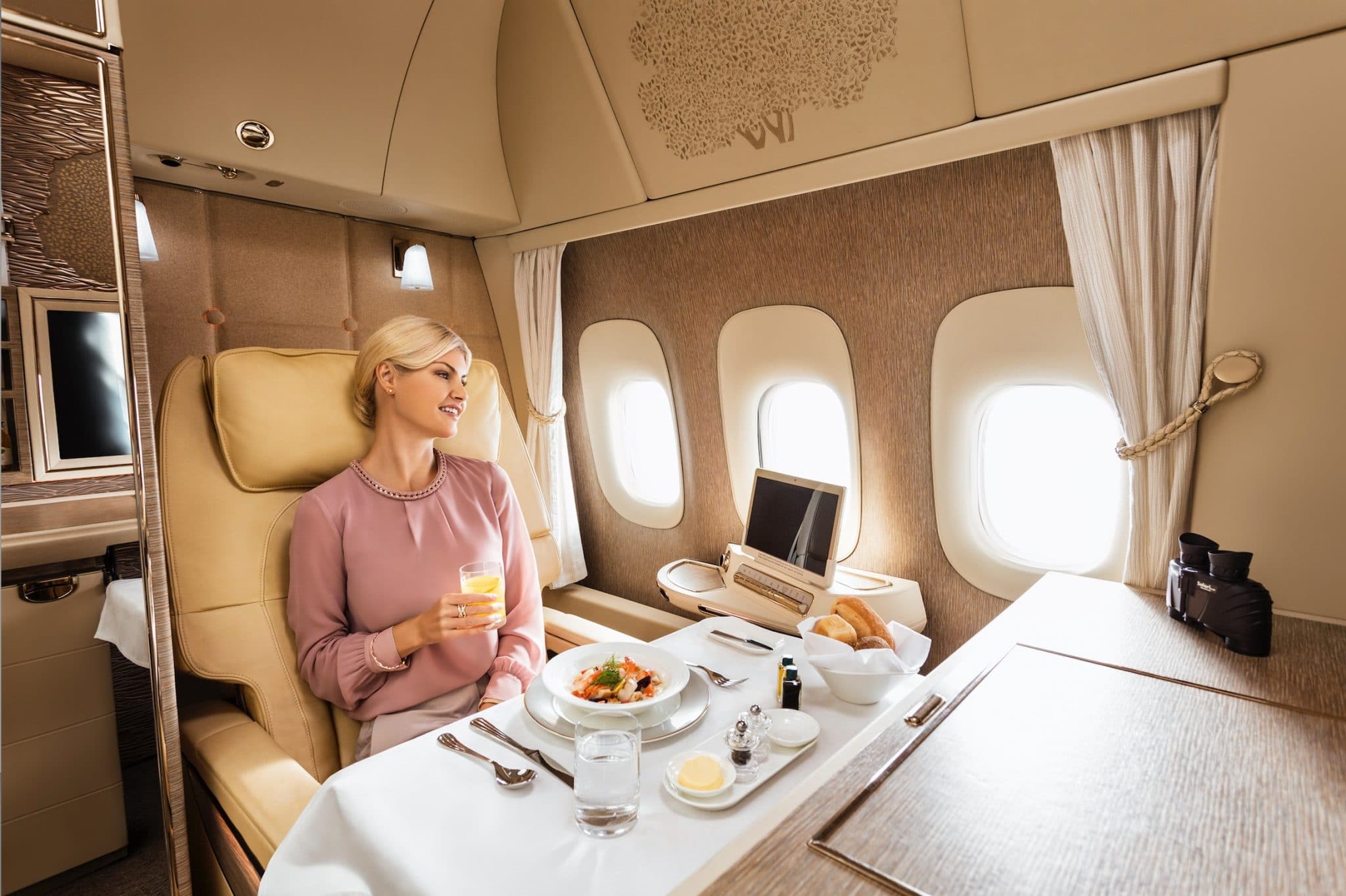
Today in Emirate’s first class suite, you can dine on demand on your own private dining table. Enjoy high tea at 40000 feet anytime the mood strikes you. All of the crew are master mixologists and you can enjoy any kind of cocktail imaginable on the cocktail table provided in the suite. Emirates has named cocktails after some of their customers but when we asked who, they would not name-drop (oh well, we tried).
The Emirates bar is available for first and business class customers. Photo: Emirates
Back in the heydey of MGM Grand, the flight crew may not have been cross-trained as professional bartenders but they were all dressed to the nines – in tuxedos, no less. How decadent! In fact, ’80s actress Nell Carter told Robin Leach on the television show, “The Lifestyles of the Rich and Famous” that MGM Grand Air was better than the Concord…and better dressed, no doubt.
MGM was best in class with VHS tapes and cassettes. Today, no less than 2,500 channels of entertainment will do.
You can have your own kind of film festival in the sky with Emirates’ luxury entertainment system. The system has over 2,500 music and entertainment channels and if that is not enough, passengers can link up with to Netflix account or streaming music service on the free wifi. MGM Grand had a totally luxe set up at the time, as well, so passengers could enjoy their favorite movies on VHS tape or rock out to 80s hair bands (kidding) on cassette tape with noise-canceling headphones.
Even the diets of the rich and famous affect what is served in first class. Back in the day on MGM Grand Air, champagne and caviar were in high demand. Emirates elite flyers can choose from special diets like organic fare or the Paleo diet.
Photo: Emirates
While first class luxury air travel has changed significantly in past decades, much has remained the same. There is still demand for first class from VIPs who expect the highest level of pampering. MGM Grand Air set the standard years ago with its fleet of upgraded DC 68s. Today, Emirates 777 300-ER first class offering has become a model for the epitome of first class air travel. Which begs the question…who will we be comparing Emirates to three decades from now? Only time will tell.
This Interview With an Actual RB-36 “Peacemaker” Pilot Is Living History
RB-36 Peacemaker pilot David J Flaming served with the Strategic Air Command (SAC) 28th Strategic Reconnaissance Wing (SRW) Guardians of the North at Ellsworth Air Force Base (AFB) located in Rapid City, South Dakota during the 1950s. In this color interview, conducted during 2013 and uploaded to YouTube by airailimages, Flaming describes his experiences during his service flying Convair RB-36 Peacemakers. One interesting side note is that the 28th (as a SRW or Bomb Wing) has called Ellsworth home for more than 60 years, still flying Rockwell Boeing B-1B Lancers from the base.
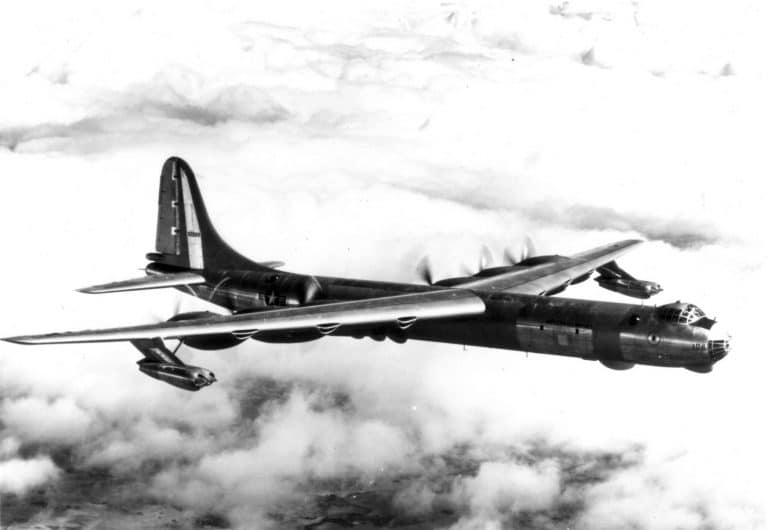
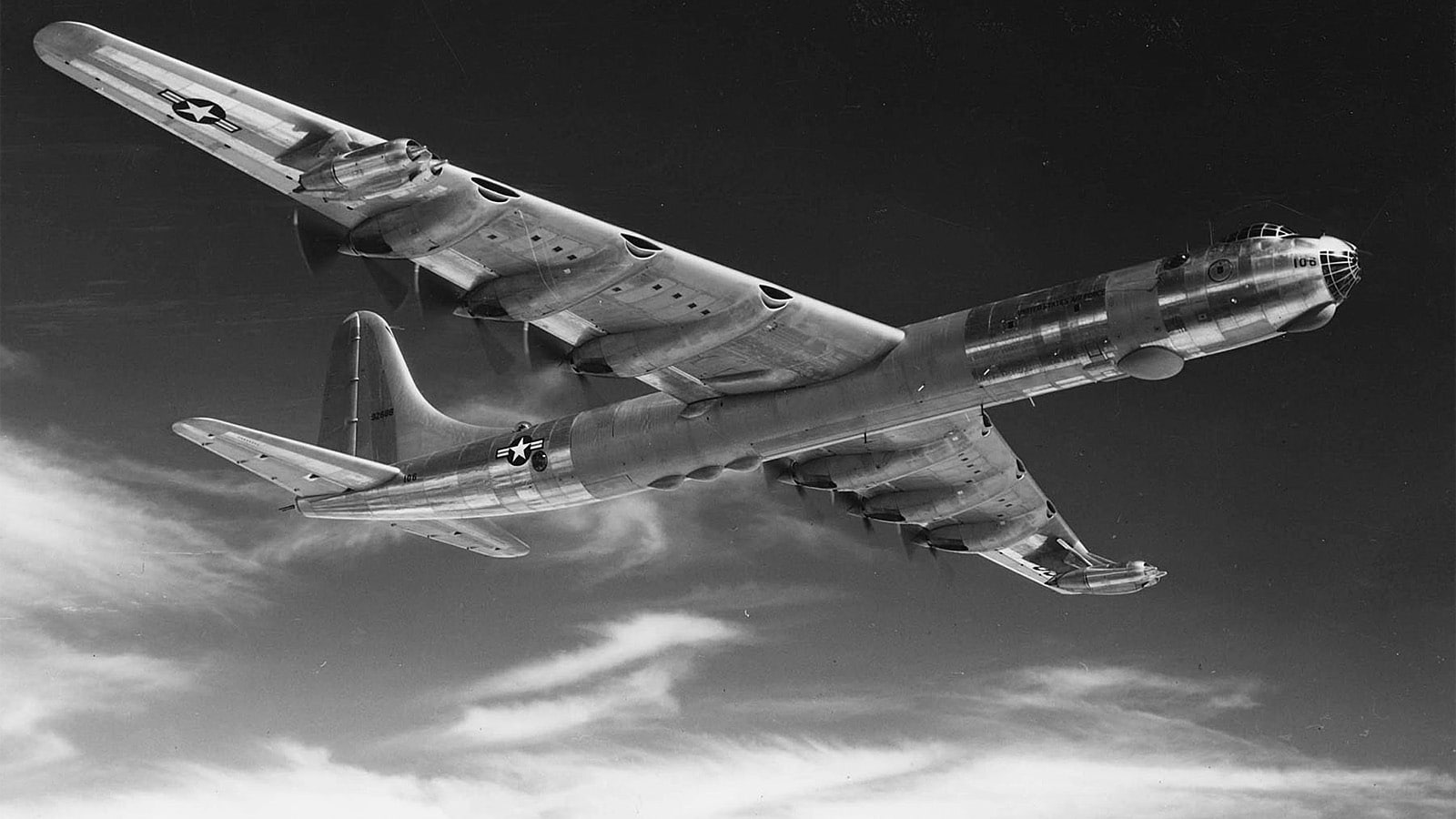
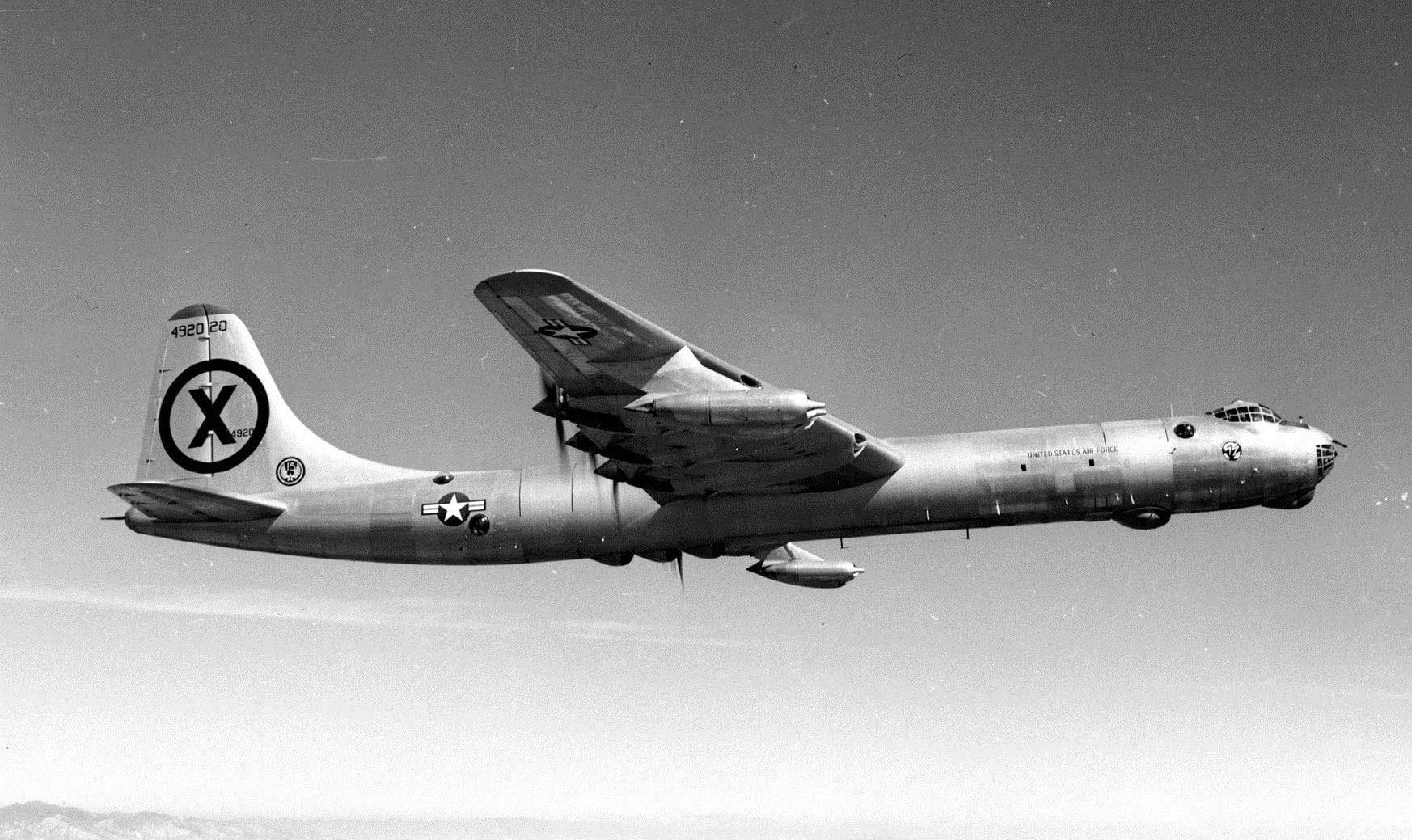
RB-36s (variants RB-36B, RB-36D, RB-36E, RB-36F, and RB-36H) carried additional crew members who were all dedicated to the reconnaissance mission. RB-36 forward bomb bays were replaced by a pressurized manned compartment equipped with 14 cameras (and could carry up to 23 of them) and a small darkroom where a technician developed the photographic “take.” The second bomb bay carried up to 80 T-86 photoflash bombs. The third bomb bay housed a huge 3,000 gallon drop tank, and the fourth bomb bay contained specialized electronic countermeasures (ECM) equipment.
RB-36 in flight. Official US Air Force photograph
How Was the RB-36 Different?
The first RB-36s retained their defensive armament but were still capable of remaining aloft for more than 50 hours and could reach an altitude of 50,000 feet. The ceiling was later increased to 58,000 feet by the Project Featherweight program, which removed the defensive armament except the tail turret. Externally RB-36s differed from their dedicated bomber cousins by the bright aluminum finish of the camera compartment and by the radar domes mounted under the aft fuselage. First flown in December of 1949, RB-36s were flying their risky missions over the Soviet Union by 1951. Nearly half of the B-36 airframes built were strategic reconnaissance RB-36 variants.
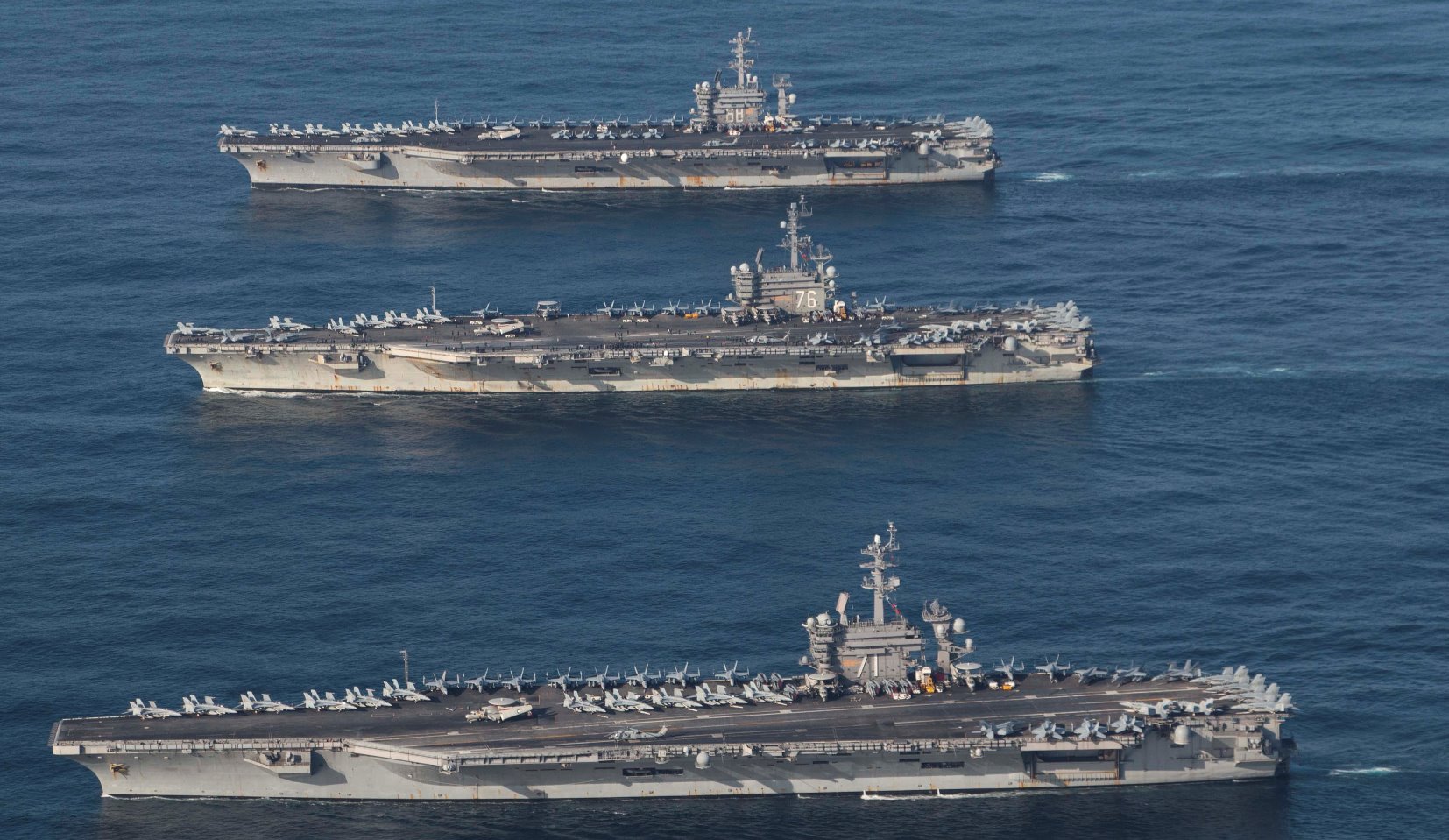
The United States Navy is currently operating the aircraft carriers USS Ronald Reagan (CVN-76), USS Theodore Roosevelt (CVN-71, and Nimitz (CVN-68) along with the Japanese Maritime Defense Force helicopter carrier Ise (DDH-182) and two Japanese destroyers in international waters but in close proximity to North Korea.
The multi-national exercises are ongoing and include ships from South Korea as well. This video, uploaded to the U.S. Navy YouTube channel, is just rough footage of the ships and aircraft operating together (without the annoying computer-generated commentary). Watch for the flyovers.
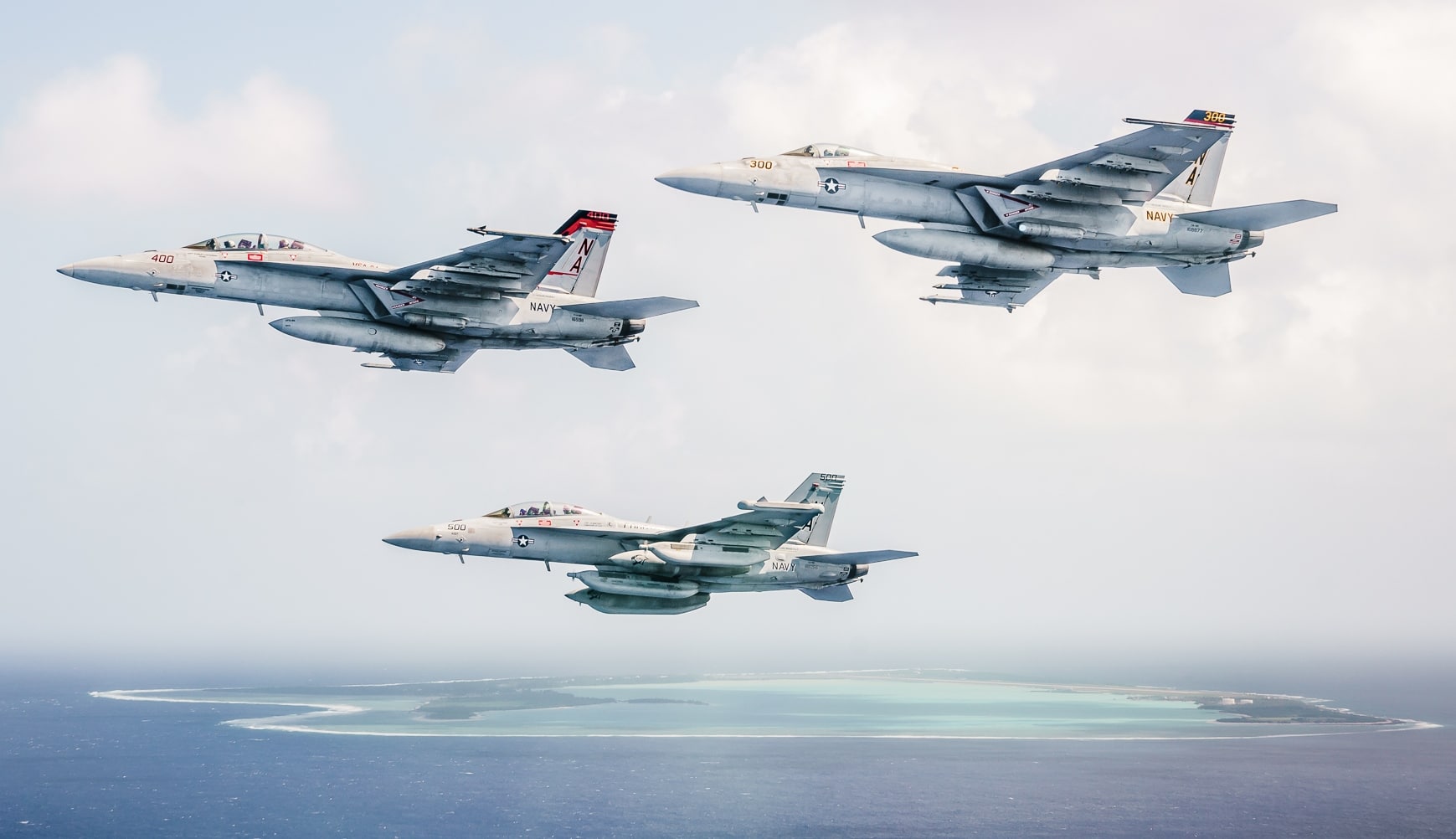
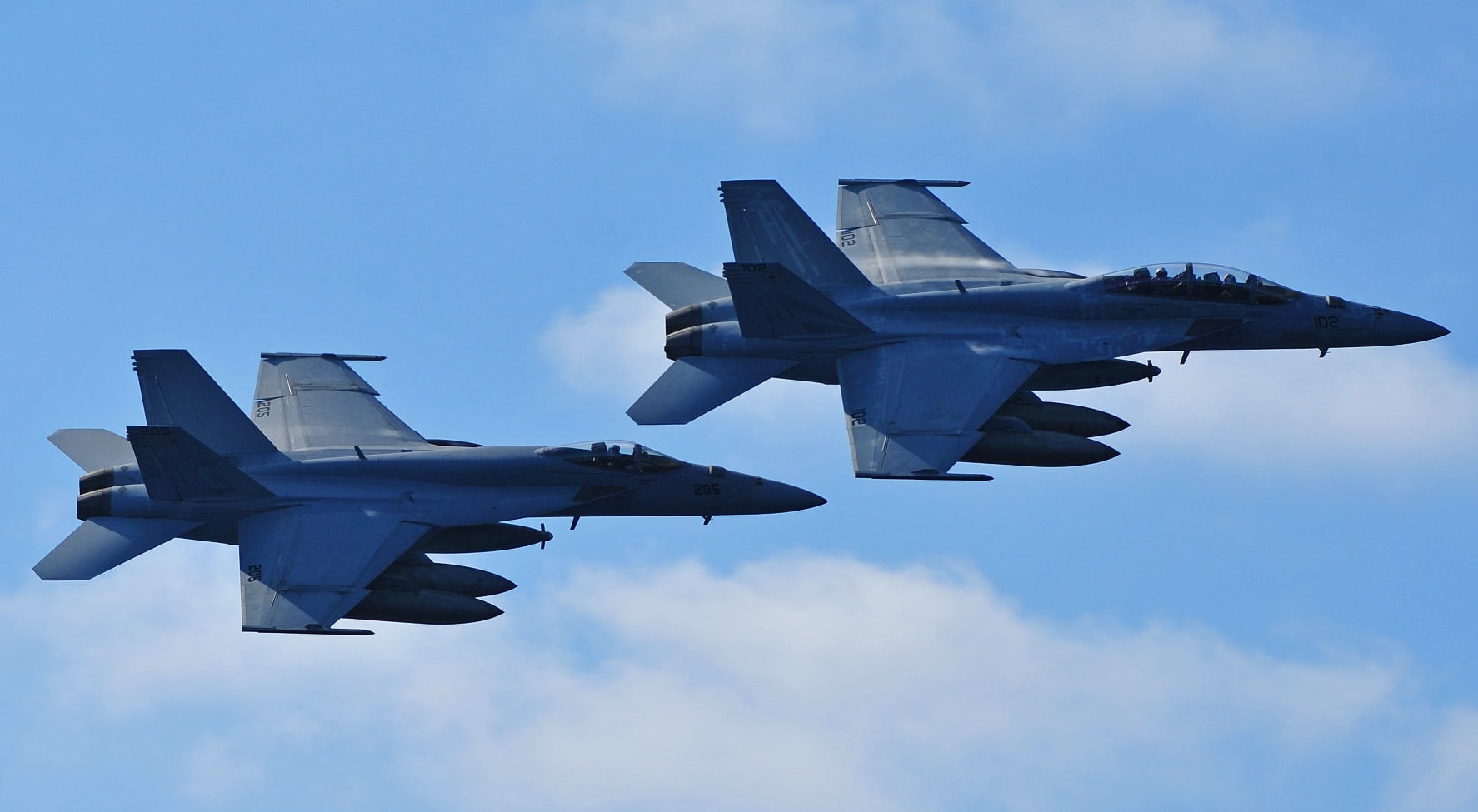
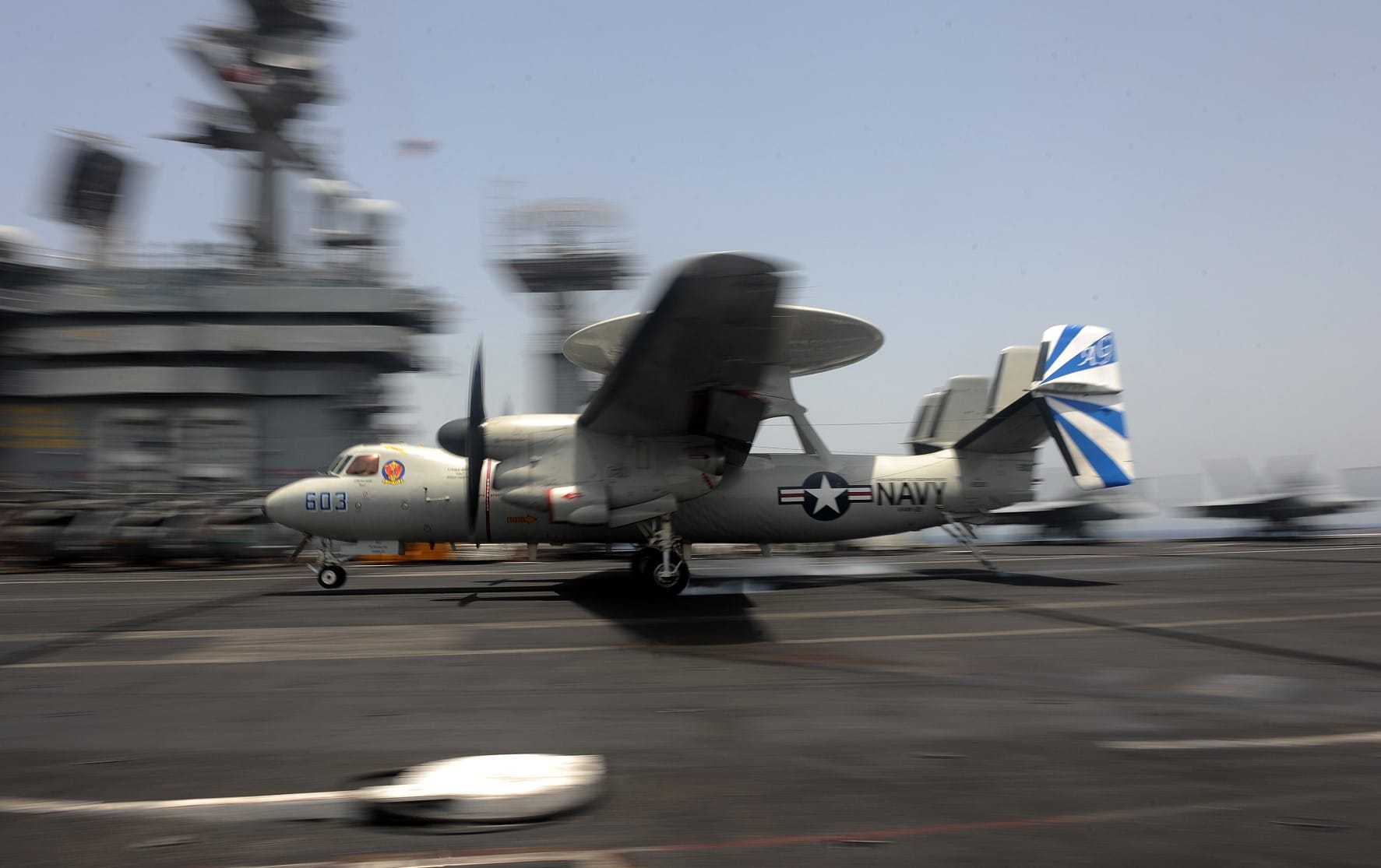
The carrier USS Ronald Reagan (CVN-76) has Carrier Air Wing FIVE (CVW-5) embarked and is accompanied by the ships of Carrier Strike Croup FIVE (CSG-5). CVW-5 consists of VFA-27 Royal Maces, VFA-115 Eagles, and VFA-195 Dambusters flying the Boeing F/A-18E Super Hornet, VFA-102 Diamondbacks flying the Boeing F/A-18F Super Hornet, VAW-115 Liberty Bells flying the Northrop Grumman E-2C Hawkeye 2000, VAQ-141 Shadowhawks flying the Boeing EA-18G Growler, HSC-12 Golden Falcons flying the Sikorsky MH-60S Knighthawk, HSM-51 Warlords and HSM-77 Saberhawks flying the Sikorsky MH-60R Seahawk, and VRC-30 Providers Detachment 5 We Deliver flying the Northrop Grumman C-2A(R) Greyhound.
Official US Navy photograph
USS Theodore Roosevelt (CVN-71) is hosting CVW-17 and is escorted by CSG-9. CVW-17 includes VFA-22 Fighting Redcocks and VFA-94 Shrikes flying the Boeing F/A-18F Super Hornet, VFA-113 Stingers flying the Boeing F/A-18E Super Hornet, VMFA-312 Checkerboards flying Boeing F/A-18C Hornet, VAW-116 Sun Kings flying the Northrop Grumman E-2C Hawkeye, VAQ-139 Cougars flying the Boeing EA-18G Growler, HSC-6 Indians flying the Sikorsky MH-60S Knighthawk, HSM-73 Battlecats flying the Sikorsky MH-60R Seahawk, and VRC-30 Providers Detachment 4 Pure Horsepower flying the Northrop Grumman C-2A(R) Greyhound.
Official US Navy photograph
USS Nimitz (CVN-69) has CVW-11 aboard and is accompanied by CSG-11. CVW-11 is the VFA-146 Blue Diamonds and VFA-147 Argonauts flying the Boeing F/A-18E Super Hornet, VFA-154 Black Knights flying the Boeing F/A-18F Super Hornet, VMFA-323 Death Rattlers flying the Boeing F/A-18C Hornet, VAW-121 Bluetails flying the Northrop Grumman E-2D Hawkeye, VAQ-142 Gray Wolves flying the Boeing EA-18G Growler, HSC-8 Eightballers flying the Sikorsky MH-60S Knighthawk, HSM-75 Wolfpack flying the Sikorsky MH-60R Seahawk, and VRC-30 Providers Detachment 3 Crusaders flying the Northrop Grumman C-2A(R) Greyhound.
Top to bottom Nimitz, Reagan, and Roosevelt. Official US Navy photograph
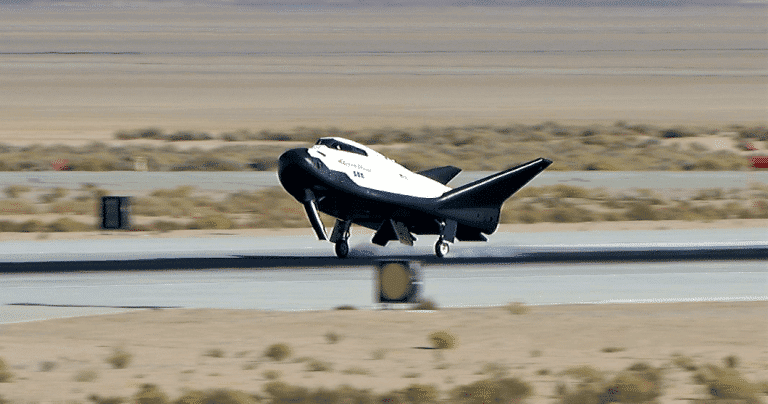
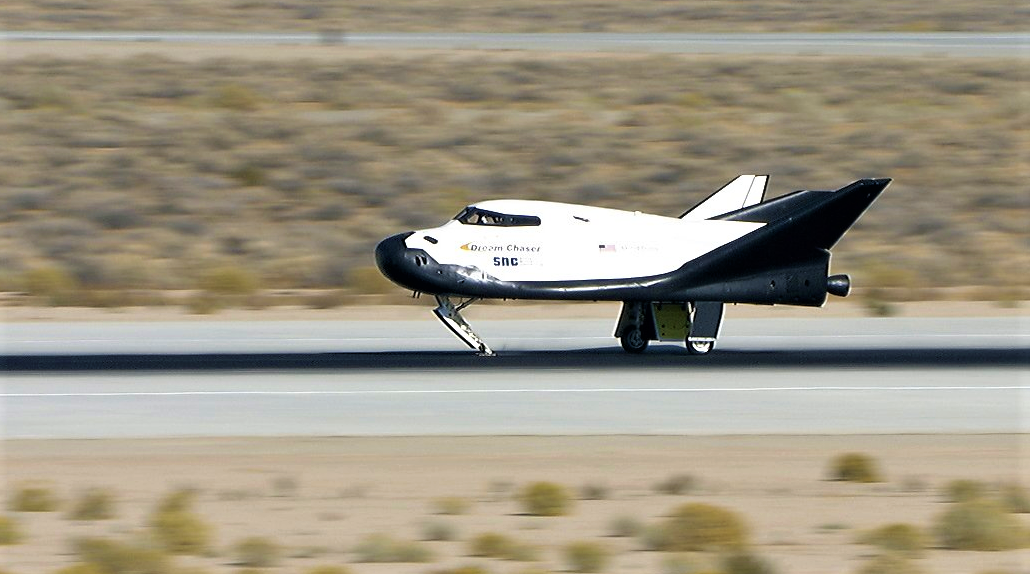
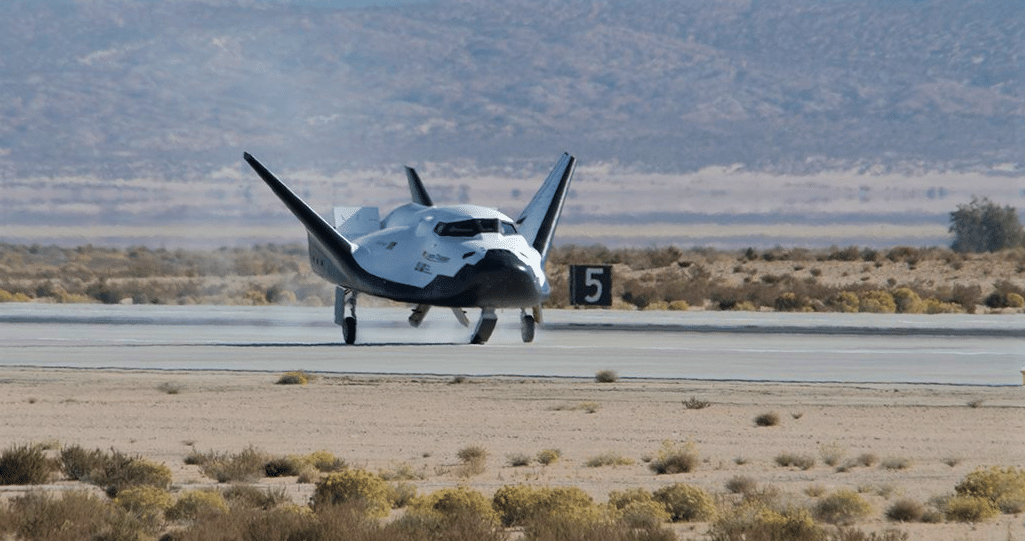
CAPE CANAVERAL, Fla. — Sierra Nevada Corp. free flew an unmanned mini-space shuttle on Saturday under the blue skies of southern California concluding with a pinpoint touchdown upon the dry lake bed of Edwards, AFB.
Forty years following the first free flight tests of NASA’s own space shuttle orbiter, Sierra Nevada is preparing the Dream Chaser for its first spaceflight in 2019. SNC is under contract with NASA to prepare the reusable craft for its first cargo and supply mission flight to the International Space Station.
The SNC Dream Chaser on final approach. Photo: NASA
Saturday’s landing test demonstrated how the delta-winged shuttle would handle the final flight profile during its return from a future spaceflight. The Dream Chaser will only be capable of trips into low Earth orbit and is designed to dock with the orbiting laboratory.
“The flight test helped advance the vehicle under NASA’s Commercial Crew Program space act agreement, as well as helped prepare the vehicle for service under NASA’s Commercial Resupply Services 2 program,” NASA spokesperson Leslie Williams stated on Saturday. “The testing will validate the aerodynamic properties, flight software and control system performance of the Dream Chaser.”
Photo: NASA
The flight test involved using a Columbia Helicopters Model 234-UT Chinook to carry the test craft suspended by a huge cable up to an altitude several thousand feet above Edwards. The successful landing now paves the way for a second drop test in early 2018.
SNC vice president and former shuttle commander Steve Lindsay said in August each spacecraft will have a designed minimum life of 15 missions, and will outlive the life of the current space station. “We have designs on flying long past space station, and basically being a permanent presence in low Earth orbit,” Linday stated.
Dream Chaser will become the only commercial lifting-body spacecraft capable of delivering and returning cargo to and from space, and then land with a runway touchdown. Currently, SNC’s competition Space Exploration Technologies Corp., or SpaceX, is launching and returning cargo to and from the space station. It’s Dragon spacecraft splashes down upon its return in the Pacific waters 250 miles off Baja, Mexico.
Dream Chaser will be capable of ferrying a crew of two to seven astronauts and cargo to any orbital location following launch a top a United Launch Alliance Atlas V rocket from Cape Canaveral. The craft will then return home with a main gear touchdown at the Kennedy Space Center’s three mile long runway.
“The data that SNC gathered from this test campaign will help influence and inform the final design of the cargo Dream Chaser, which will fly at least six cargo delivery missions to and from the space station by 2024,” Williams added.
(Charles A. Atkeison reports on aerospace and technology. Follow his updates via social media @Military_Flight.)
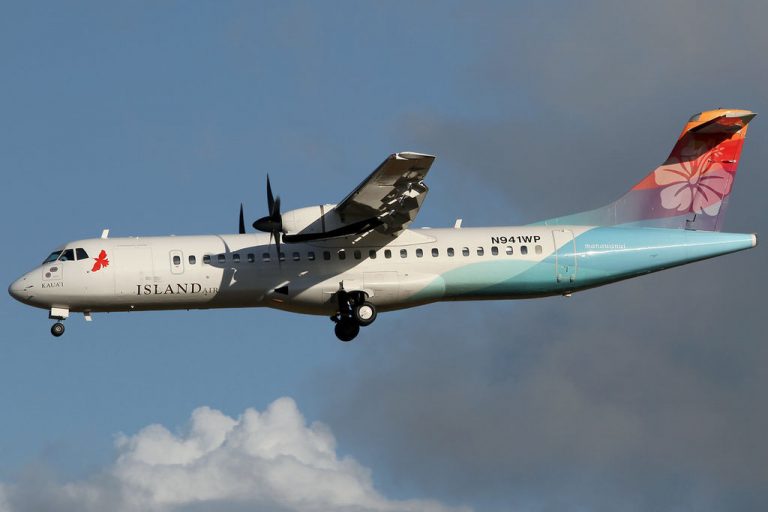
Hawaii’s second largest airline shut down on November 10th. Island Air flew inter-island routes in Hawaii Island, Maui, Oahu and Kauai for the past 37 years but ceased operations as of midnight Friday. For the past four years, the airline has fallen short of revenue expectations. Island air management says that a dispute with aircraft lessors led to the Chapter 11 bankruptcy filing in October which culminated in Friday’s shutdown. The carrier had added new Bombardier Q400 turboprops to its lineup in September but the leasing company attempted to repossess three of those planes last month.
Passengers should inquire about refunds from their credit card companies, according to the Island Air website. Island Air President David Uchiyama says, “Island Air has taken every measure possible to avoid this tremendous hardship to its passengers.” Hawaiian Airlines will honor tickets from passengers with existing reservations on a standby basis next week.
IslandAir Shutdown Could Make Interisland Ops Slightly More Attractive For Southwest
The shutdown puts more than 400 people out of work and leaves Hawaiian as the only airline offering inter-island routes…at least for now. The development could potentially mean more fertile ground for Southwest to launch inter-island service. Andrew Watterson, Southwest Executive Vice President and Chief Revenue Officer told Hawaii News Now last month before the shutdown, “On the mainland, we’re known for short flights, quick turn around times. The inter-island market does lend itself to that.”
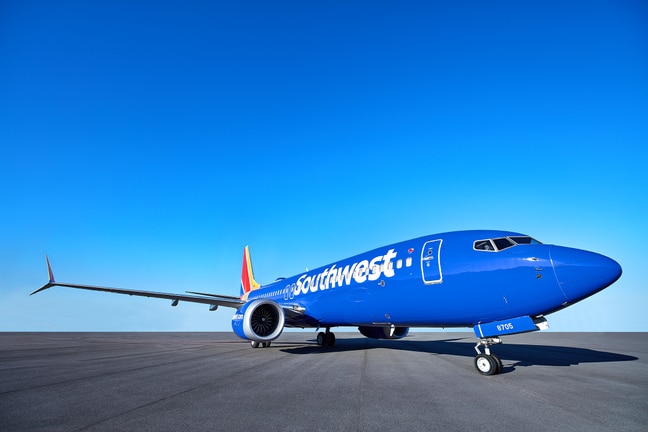
A new Southwest Airlines 737-8MAX. Photo: Southwest Airlines
At the Daniel K. Inouye International Airport, passenger Travis Peters from Hilo told HNN, “Inter-island would be awesome because it’s just another competitor for Hawaiian Airlines.” Low fares from Southwest seem to generally appeal to most Hawaiians who say cheaper airline tickets would mean being able to travel to see friends and family more often.
Southwest started the ball rolling on October 11, when they announced the launch of new service from the mainland to Hawaii. Passengers will be able to buy tickets beginning in 2018. Before the flights actually start, however, the airline has to get FAA approval for Extended Twin Operations (ETOPS) which is a certification that allows flight operations over the ocean between the mainland and Hawaii. ETOPs requires additional equipment and special training for flight crews. It can take more than a year to get approval. ETOPS approval is not the only thing that could slow down Southwest’s planned Hawaii expansion. The mechanics union may rain on the parade.
Southwest’s Mechanics Union, Other Challenges Could Throw Wrench Into Plans For Hawaiian Service
Aircraft Mechanics Fraternal Association National Director Bret Oestreich says the union is filing legal action. He says, “Southwest Airlines has the lowest ratio of mechanics to aircraft of any major carrier. Now, the carrier wants to expand its service over open waters without accepting direct responsibility for the airworthiness of its aircraft. Not only is this irresponsible, but it is a direct violation of our contract, and we are not going to allow it to happen.” The union is threatening a cease and desist order that will “stop Southwest dead in its tracks.”
A commitment to use Southwest mechanics to perform ETOPS checks within the 48 contiguous states in exchange for the right to use vendors on the island has been submitted. The only problem is that, according to AMFA, they never signed off on the proposal. Oestreich commented, “if Southwest wants to fly safely to Hawaii, it has to operate within the existing contractual limitations. It is time for Southwest to accept greater responsibility for maintaining its own aircraft.”
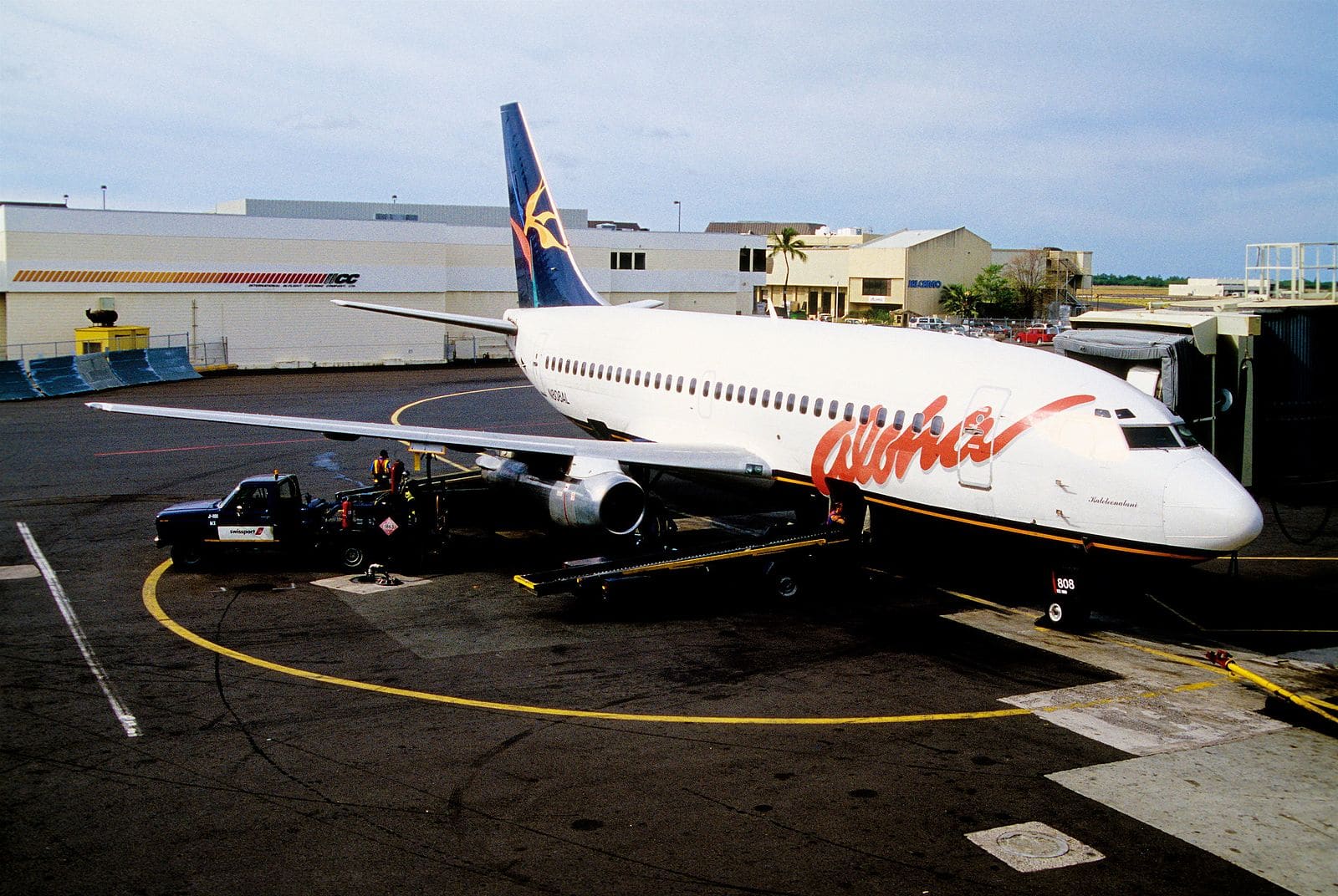
Southwest will also have to take a long hard look at its fleet. Aloha Airlines used to fly 737-200s until their collapse in 2008. The 737-200s were ideally suited for quick turns without engine cooling. But today, the more modern Next Generation and 737 MAXs are not ideal for quick turns in Hawaii because the engines do not have enough time to cool the core at cruise.
Aloha operated the 737-200 for their interisland operations. They ceased service in 2008. Photo by Aero Icarus from Zürich, Switzerland [CC BY-SA 2.0 (https://creativecommons.org/licenses/by-sa/2.0)], via Wikimedia CommonsIn spite of the adversity from the mechanics union and other postential challenges, Southwest is uniquely positioned to launch interisland service. They have a brand awareness and the proven track record of providing short haul service. In the wake of an Island Air shutdown, commencing inter-island flights becomes a slightly more attractive proposition.
Almost every avgeek younger than 40 has played Microsoft Flight Simulator (aka Flight Sim or FSX) on the PC. FlightSim started out as a solitary event. Sim pilots would take off, fly around completely empty skies, and land. As the internet evolved, connected gaming became more common. Today with Steam, there are entire virtual worlds with full-on simulated ATC, multiple sim-pilots, and thousands of possible aircraft.
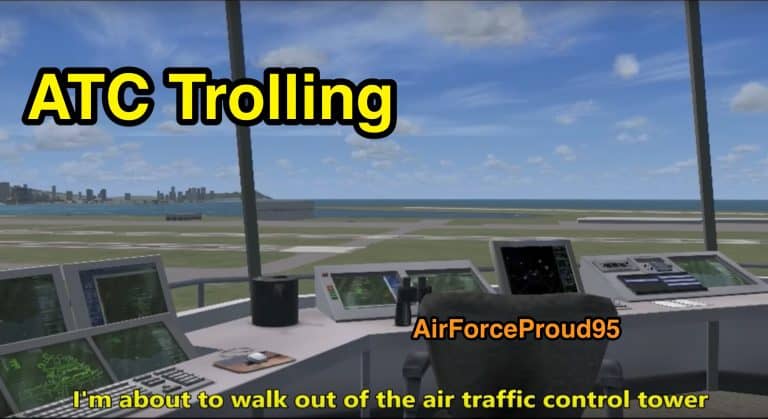
With any new environment, there’s bound to be a comedian. David, also known as AirForceProud95, is just such a guy. He’s turned social flight simming into a YouTube video series that has over 66 million views. We had the opportunity to catch up with David recently to learn more about him and his schtick.
Our interview with AirForceProud95
1.) Hey David! Great to chat with you. Tell us a little about what makes you an avgeek.
I’ve been fascinated with aviation for as long as I can remember. As a kid, I always loved going to the airport to record planes taking off and landing and then posting the videos on YouTube. I got my first copy of Flight Simulator X when I was 12 years old and started uploading flight sim videos to my channel as well. My interests in flight sim actually led me into real-world flying and I’m now working towards a professional flying career.
2.) You are known for some highly-entertaining flight-sim videos on Youtube under the username AirForceProud95. How did you get started on these videos?
I’ve been making YouTube videos since 2008 but the real juicy ones didn’t come about until late 2014. I mostly recorded “realistic” flight sim videos at first but then I started recording some regular multiplayer sessions with my friends whenever ATC would come online. I focused on humor in these videos rather than realism and I noticed that they started getting a lot of attention so I ran with the concept. And here we are today.
3.) In your videos, you seem like you have some decent flying experience and you sound fairly professional. What’s your street cred?
I am a commercial pilot with a multi-engine rating with just over 200 hours currently. If my flight sim hours were worth anything I’d probably be sitting left seat in a Boeing 777 by now. I guess that’s not how the system works though.
4.) How did you get your username AirForceProud95?
It’s the result of a very complex algorithm that my 12-year old brain developed. My dad was a pilot in the Air Force, I was proud of him, and I was born in 1995. Hence… AirForceProud95.
5.) Your videos are impressively popular. They’ve even been featured on Mashable and other media outlets. Do people now recognize you when you play flight sim?
All the time. It’s cool coming across people who know me from YouTube but it also makes recording new videos more of a challenge. Genuine reactions are always the best but people usually act differently when they know they’re being recorded (it can be pretty obvious). I usually make it work by joining random servers and trying out different accents, some of which I need to work on…
6.) Do you ever feel bad after trolling some people on Flight sim?
Not really. The goal is to have other players laughing and adding to the conversation rather than just getting people triggered. I’ve found a rhythm now where I can make entertaining videos without ruining anyone else’s time by building conversations rather than just slinging insults (Results may vary when squeakers are present).
7.) What’s your favorite all-time video that you’ve made?
My original “Trolling as an Air Traffic Controller in FSX” video is probably my favorite. The dialogue between pilots and ATC in that video is priceless and there was a great sequence of events. If I had to show somebody only one of my videos to convince them to subscribe it would be that one.
8.) Do the videos make enough money from ads to be your primary job?
Yes, but I still approach it as a hobby. That’s what makes it fun. I’m still in college so I have other things to focus on but it’s been awesome watching the channel grow especially considering where it all started.
9.) What’s your favorite plane?
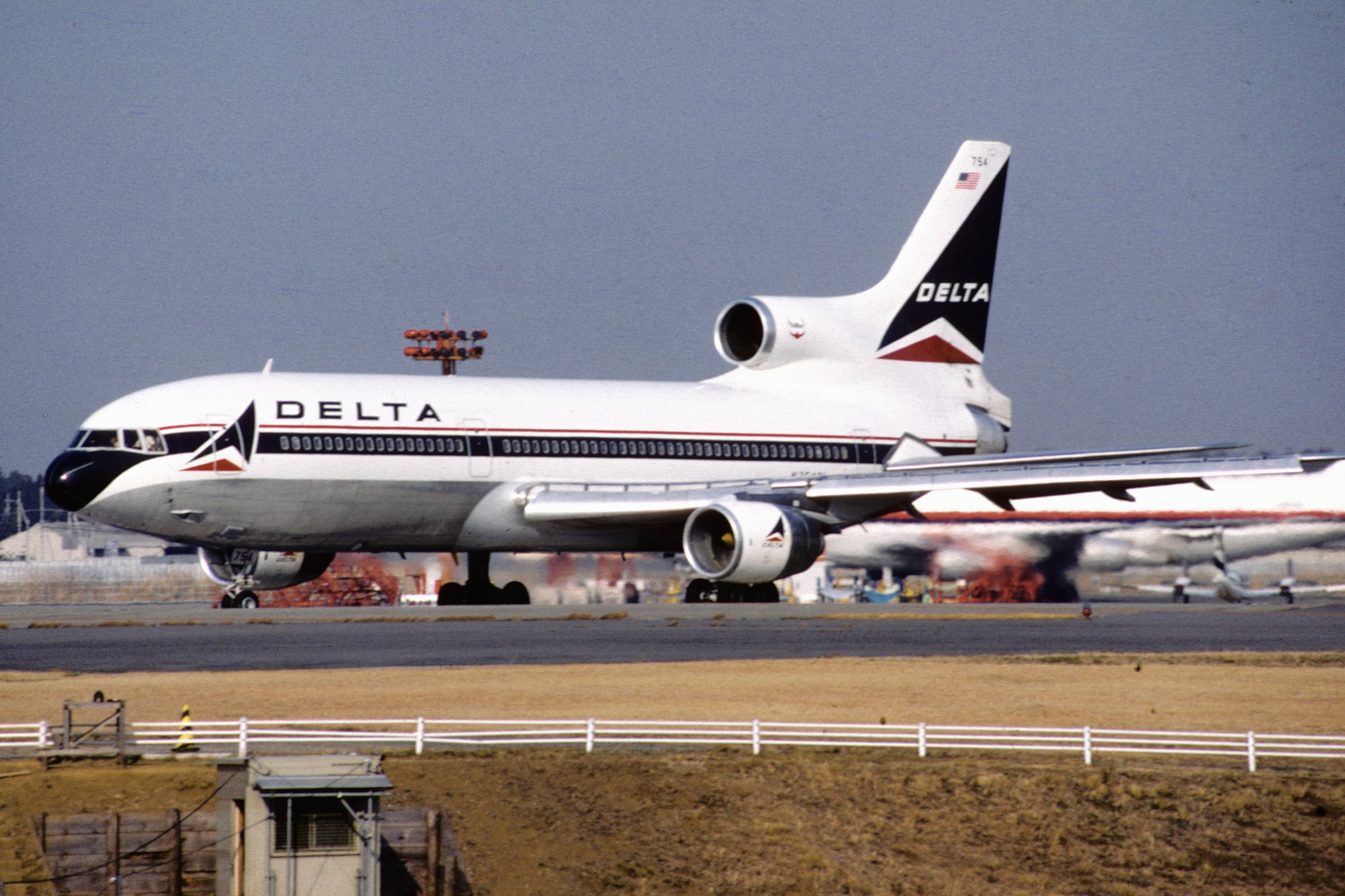
I’ve always loved the Lockheed L-1011 Tristar. It represents the glory days of commercial aviation and is super nostalgic whenever I see it in the old Delta Air Lines widget scheme. I’m also a big fan of the A-90 Orlyonok.
Delta Air Lines Lockheed L-1011-500 Tristar (N754DL/1181)
10.) Thanks for joining us! Anything else that you’d like to say to your fans reading about you on Avgeekery?
My pleasure! I think I’ve blogged enough so far but I’d like to thank anyone out there who watches my videos!