

Efforts by airlines to invest in their employees are paying off, but there is still much room to improve.
Crowded airports, long lines, and full planes—at this point, it’s safe to say that air travel is fully back from the slump of the last few years. With a 9.4% increase in passenger volume year-to-year, airlines are reaping the benefits of a public eager to fly once again.
But with the headaches that come with busy airports, expensive fares, and crowded airplanes, are customers choosing to hold that against the airlines? Surprisingly not, according to the J.D. Power 2024 North American Airline Satisfaction Study.
The recently released study provides a comprehensive snapshot of the dynamics in play regarding air travel in 2024. Shifting passenger priorities, evolving service standards, and the airlines’ relentless pursuit of customer satisfaction paint a picture of an industry that, while imperfect, has come a long way in recent years.
This year’s survey includes 9,582 responses from travelers who flew on a major North American airline between March 2023 and March 2024. Respondents had to have flown in the prior 30 days to the survey.
The Power of People
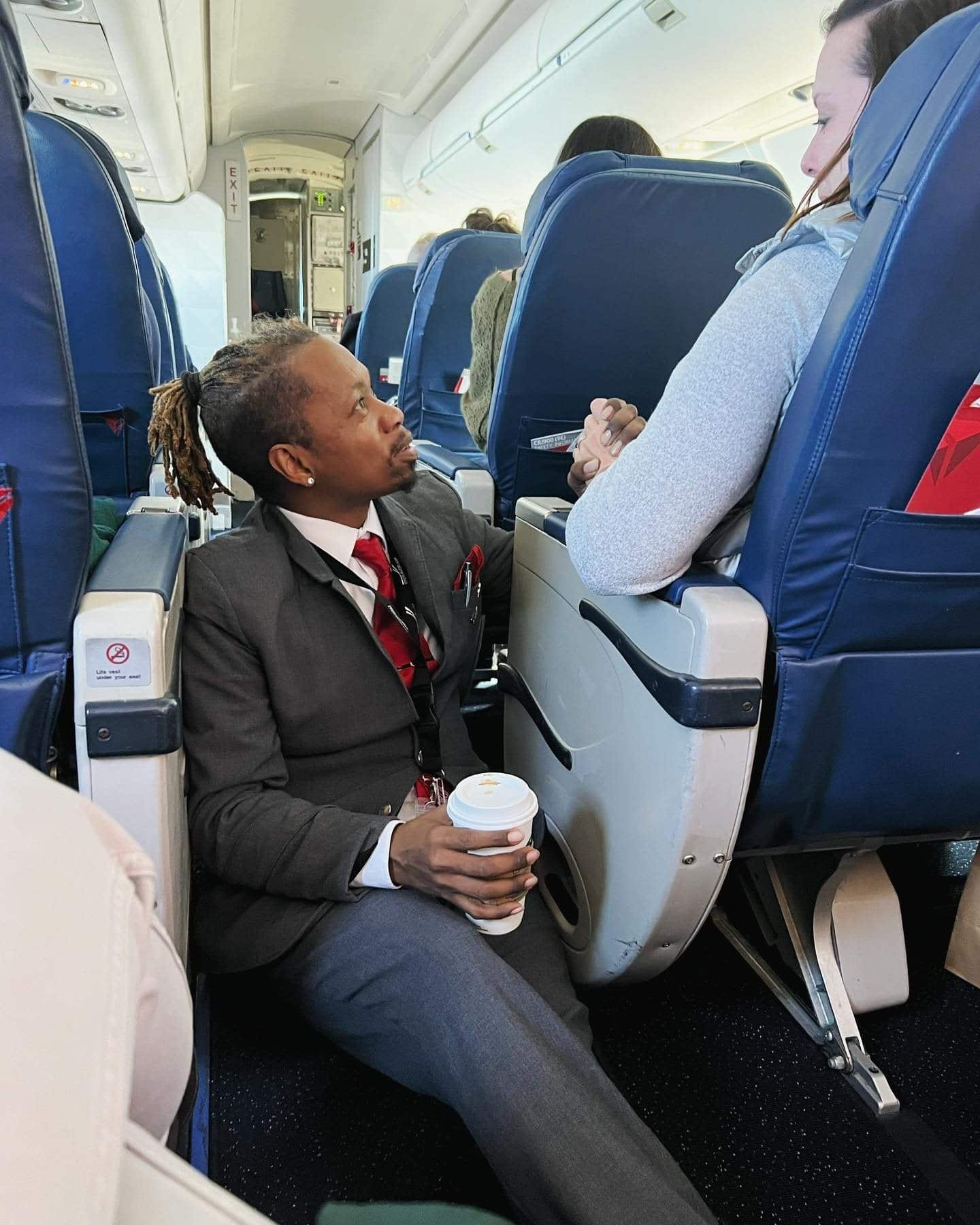
Central to the study’s findings is the transformative impact of airline staff on passenger satisfaction. Michael Taylor, senior managing director of travel, hospitality, retail, and customer service at J.D. Power, says the study shows a focus on customer satisfaction has led to markedly improved customer attitudes.
“The big takeaway from this year’s study is the power of people to positively influence the overall flight experience,” said Taylor. “Airlines that are investing in staff training and recruitment are finding ways to overcome the negative effects of crowded gates and planes simply by being nice to their customers.”
Who knew that being nice to customers could be a good thing?
Airlines substantially investing in staff training and recruitment have enhanced the flight experience and customer service, thereby overcoming challenges such as crowded gates and planes. The ability of airline personnel to foster a positive and welcoming environment has emerged as a critical factor driving passenger satisfaction.
Three Key Insights
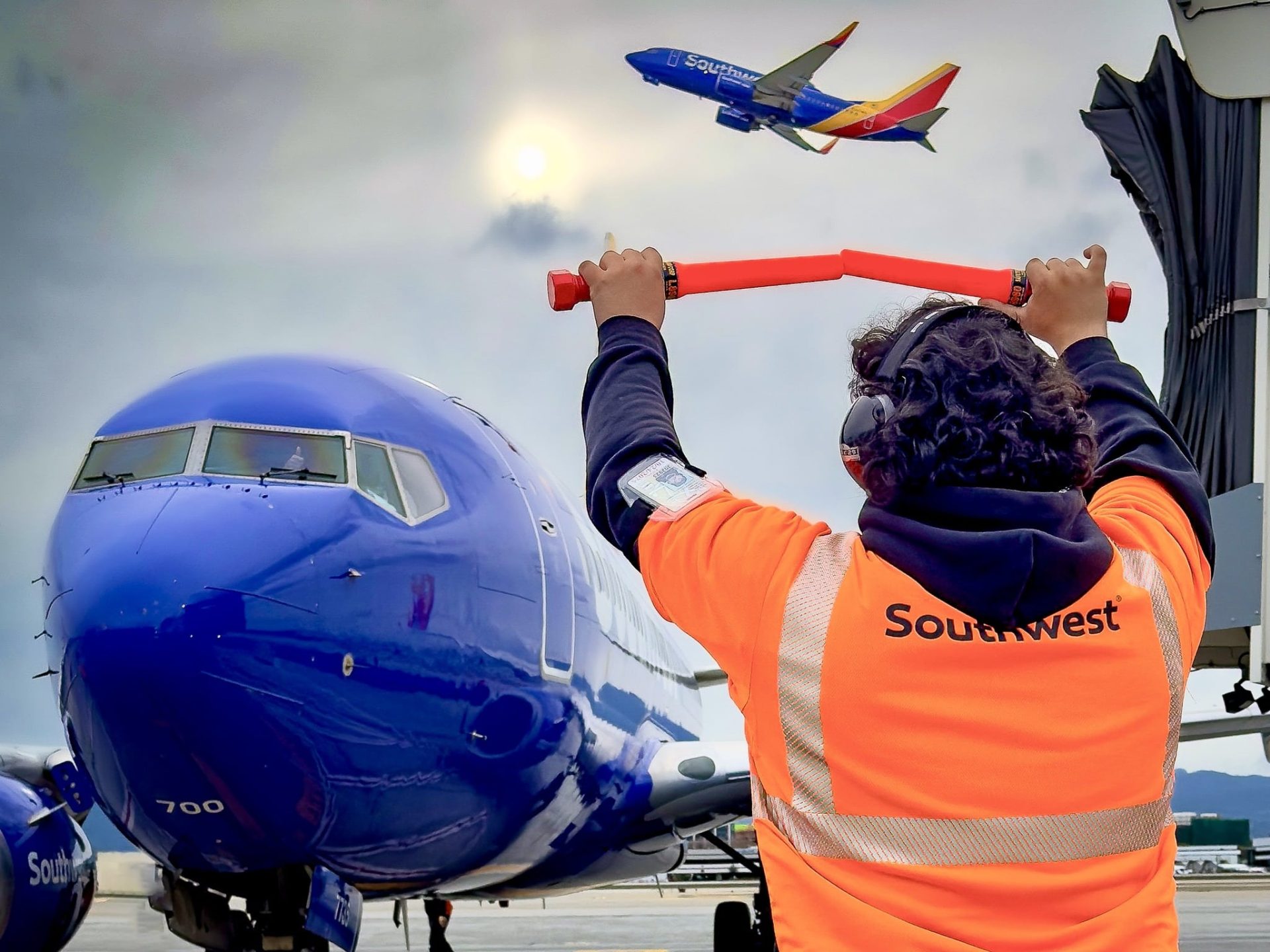
The study’s key findings shed light on several crucial aspects of passenger preferences and industry trends:
- An easy and safe travel experience is worth paying for. Contrary to conventional wisdom, fares are no longer the primary determinant of customer satisfaction. Passengers prioritize ease of travel and a sense of safety, valuing problem-free experiences over high airfares.
- Negative media coverage is detrimental to airline customer satisfaction. The study underscores the impact of negative media coverage on airline trust scores. Airlines that have faced adverse publicity experience a significant decline in trust scores, highlighting the importance of reputation management in the digital age. In fact, the satisfaction score for an airline was – on average – 400 points lower (out of 1,000) than competing airlines without negative media coverage.
- Investing in employees is the right thing to do. And it works. Top-performing carriers such as Southwest Airlines and Delta Air Lines have reaped the rewards of investing in employee training and development. These investments have translated into significant improvements across all areas where person-to-person interactions play a crucial role.
Southwest and Delta Lead the Way in Customer Satisfaction
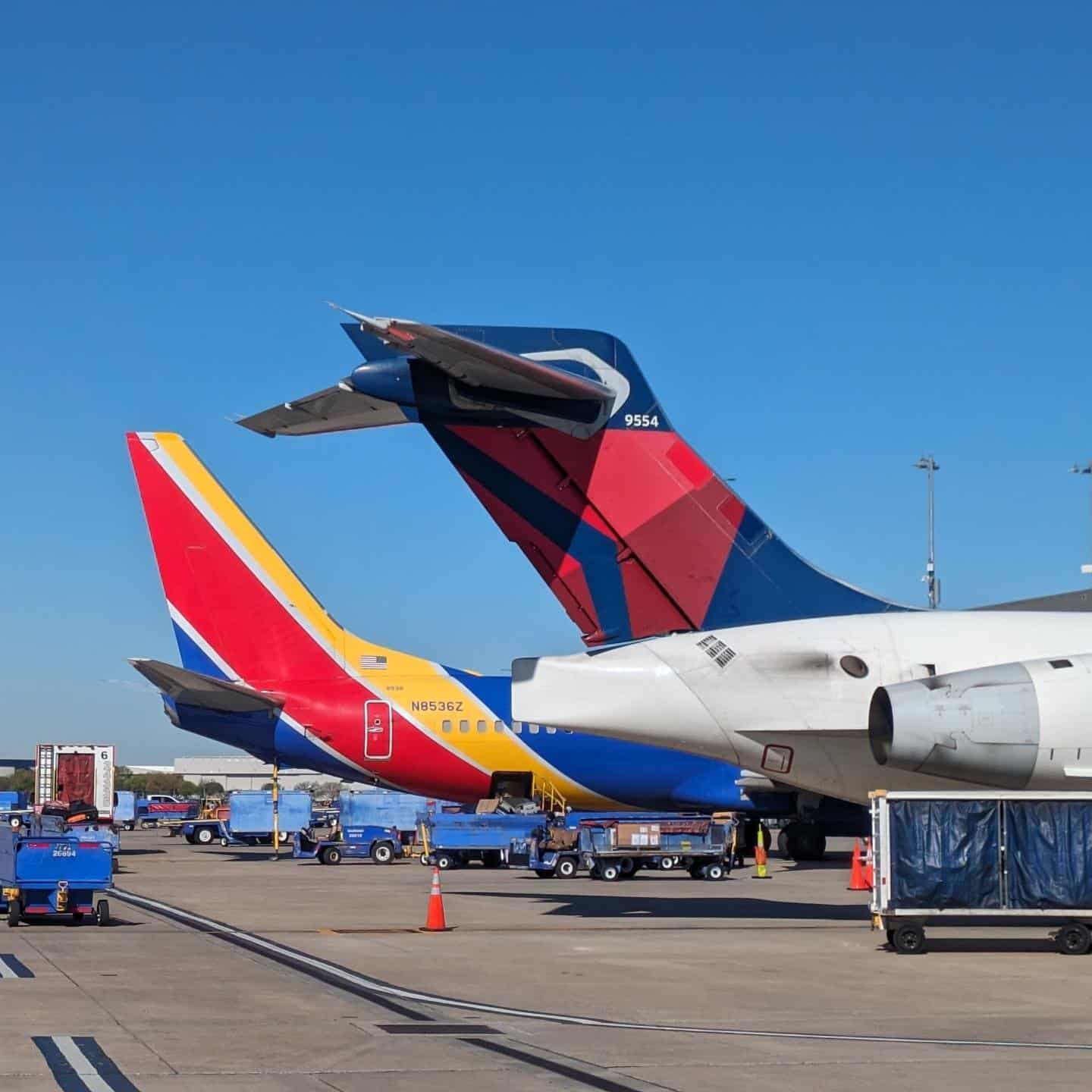
Unlike in previous years, the 2024 study categorizes airlines into three segments based on service class: Economy/Basic Economy, Premium Economy, and First/Business Class. Notable insights from each segment include:
Economy/Basic Economy: Southwest Airlines continues its reign as the top performer in this segment for the third consecutive year with a score of 685 (out of 1000). Delta Air Lines and budget carrier Allegiant Air follow Southwest with 651 and 633, respectively.
| Airline | 2024 Ranking (Based on a 1,000-Point Scale) |
|---|---|
| Southwest Airlines | 1 (685) |
| Delta Air Lines | 2 (651) |
| Allegiant Air | 3 (633) |
| Alaska Airlines | 4 (630) |
| JetBlue Airways | 5 (630) |
| American Airlines | 6 (611) |
| WestJet | 7 (591) |
| United Airlines | 8 (585) |
| Air Canada | 9 (542) |
| Spirit Airlines | 10 (507) |
| Frontier Airlines | 11 (472) |
Premium Economy: Delta Air Lines maintains its lead in customer satisfaction for the second consecutive year with a score of 716. Alaska Airlines and American Airlines followed closely behind, with scores of 687 and 684, respectively.
| Airline | 2024 Ranking (Based on a 1,000-Point Scale) |
|---|---|
| Delta | 1 (716) |
| Alaska | 2 (687) |
| American | 3 (684) |
| JetBlue | 4 (667) |
| WestJet | 5 (664) |
| United | 6 (641) |
| Air Canada | 7 (628) |
First/Business Class: Delta Air Lines secures the top position in this segment with a score of 743, underscoring its consistent excellence in providing a premium product – particularly as the post-pandemic resurgence of business travel continues. JetBlue followed closely with a score of 736.
| Airline | 2024 Ranking (Based on a 1,000-Point Scale) |
|---|---|
| Delta | 1 (743) |
| JetBlue | 2 (736) |
| United | 3 (698) |
| Alaska | 4 (695) |
| American | 5 (676) |
| Air Canada | 6 (629) |
Airlines Still Face Challenges – and Opportunities
Despite the industry’s overall positive trajectory, challenges and opportunities abound. The study notes a decline in overall satisfaction scores compared to the previous year. For instance, Southwest Airlines saw a decline in its score for the Economy/Basic Economy segment, attributed in part to changes in survey methodology.
Looking ahead, industry observers are keen to monitor how airlines adapt to emerging trends and challenges. For example, Southwest Airlines’ recent announcement regarding a potential change in cabin configuration and its love-it or hate-it boarding process are of particular interest, as they may impact future satisfaction scores and passenger experiences.
As the aviation landscape continues to evolve, airlines must prioritize customer-centric strategies, invest in employee training, and leverage technology to deliver safe, efficient, and memorable travel experiences.
By embracing the power of people and staying attuned to shifting passenger preferences, airlines can navigate challenges, seize opportunities, and enhance the overall quality of air travel for passengers across North America.
Could the elusive “golden days” of air travel yet be ahead of us? Stay tuned.