Home Blog Page 108

Operation Chastise: The Dambusters Made a Mess of German Dams

It Turned Out the Backspin Was the Key to Busting Dams With Big Depth Charges.

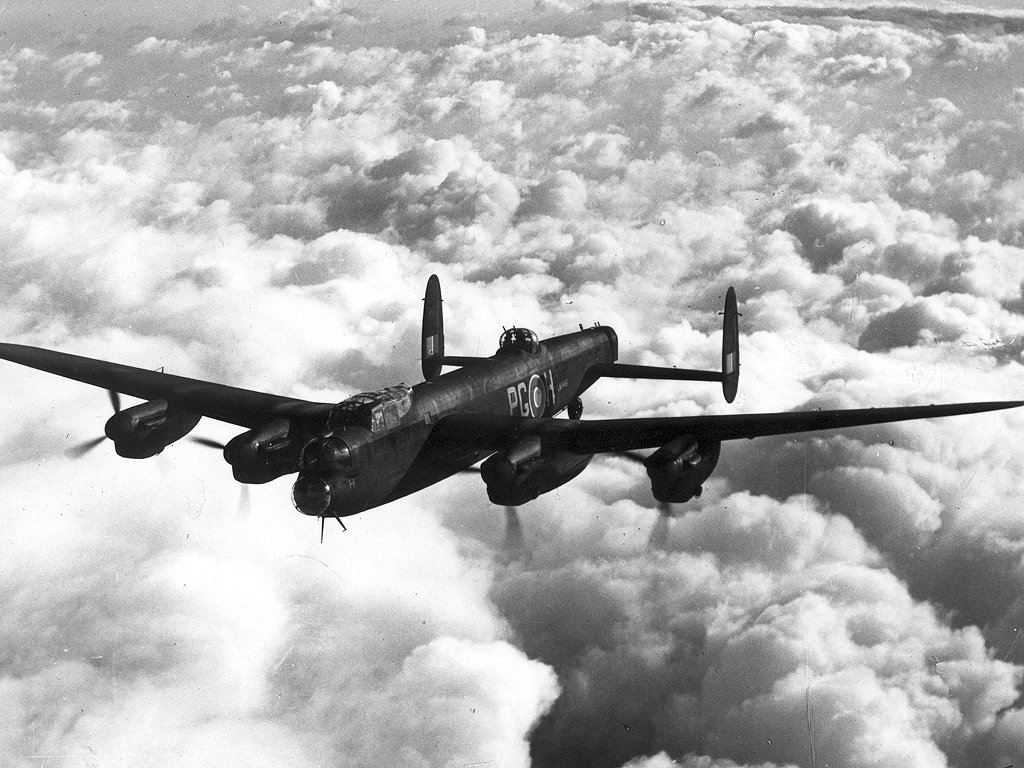
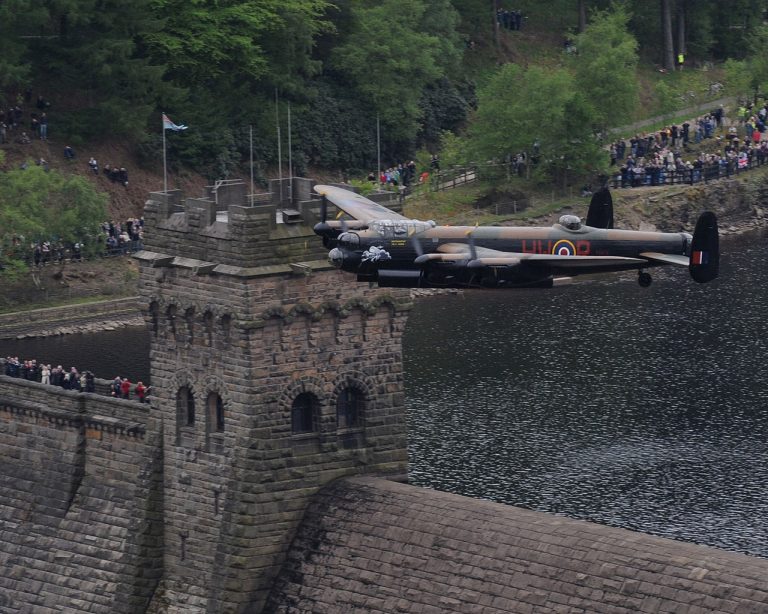
On May 16th 1943, Royal Air Force (RAF) Avro Lancaster B Mark III Special bombers of 617 Squadron began Operation Chastise as dambusters against the Germans. Over the course of the attacks the Mohne and Edersee dams were breached and the Sorpe dam was damaged. Two hydroelectric power stations were destroyed and several more were damaged. The resultant flooding heavily damaged or removed much of the residential and industrial infrastructure located in the Ruhr and Eder valleys.

Targeted Even Before the War

The RAF had determined that the Ruhr valley, or more specifically the steel and mining industries located therein, was a strategic target even before World War II commenced in Europe. In addition the fresh water provided by the dams was used for drinking water and for the canal system used to transport German war materials. An effective method for attacking the dams had to be engineered by the RAF. Enter one Barnes Wallis.

Royal Air Force Bomber Command 1942 1945. IWMFLM2341

It’s All In the Backspin

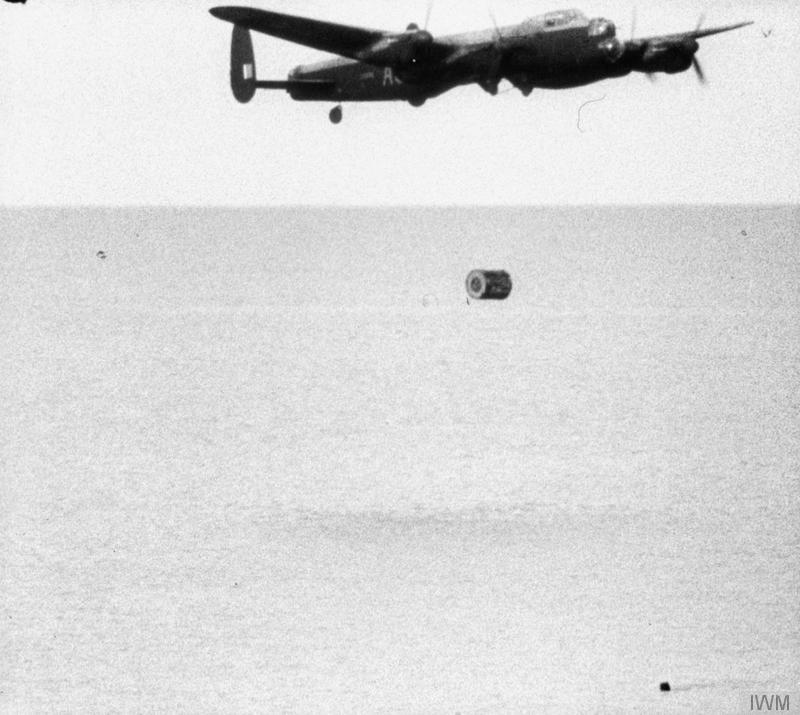
Wallis was the Assistant Chief Designer at Vickers Aircraft. In theory a relatively small explosive charge would cause a breach in a dam if it exploded underwater against the wall of the dam. The Germans had erected torpedo nets to protect the dams from conventional torpedoes and standard bombs could not be dropped with the necessary precision. Wallis and his team decided a bomb shaped like a depth-charge could be dropped from low altitude some distance from the dam. The bomber would induce backspin on the bomb, causing it to skip across the surface of the water- right over the German torpedo nets.

Avro Lancaster 298

Low and Slow on the Bomb Run

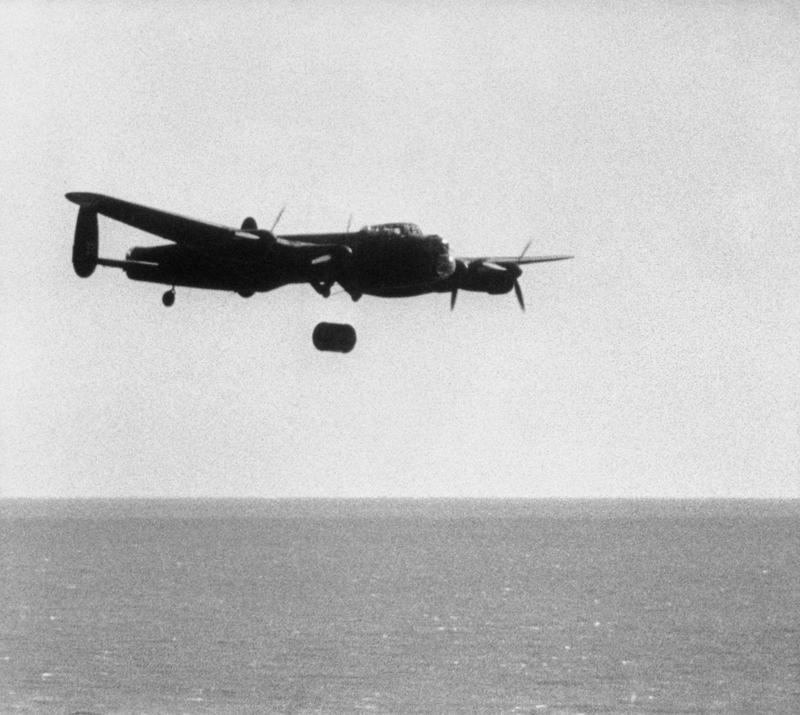
When the bomb (code named Upkeep) reached the dam, it was theorized that because the device would likely still be spinning it would sink along the surface of the dam until its hydrostatic fuse detonated the device 30 under water. The bomber dropping the device would be forced to fly a low-altitude (60 feet), low-speed (240 mile per hour) approach to the drop point, making it vulnerable to all manner of German defenses. After tests during 1942 and early 1943, the concept was proven but the heavier bombs and the modified Lancaster bombers to deliver them were not yet ready.

Upkeep in Lancaster

Commonwealth Melting Pot

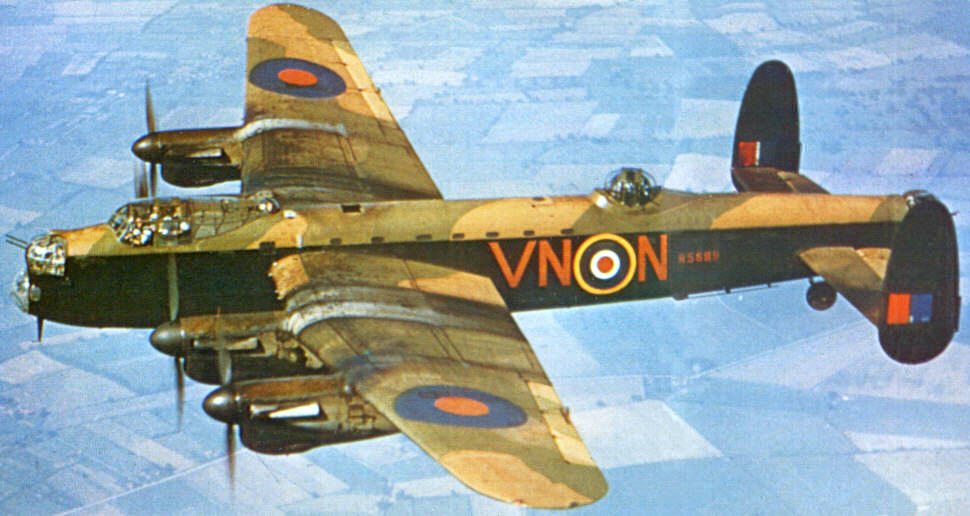
A new squadron was formed as part of Number 5 Group RAF. Initially the squadron was designated simply as X Squadron. Wing Commander Guy Gibson was chosen to command the RAF Scampton-based squadron. The men making up the 21 bomber crews in the squadron, eventually designated 617 Squadron, came from all over the RAF as well as from the Royal Australian Air Force (RAAF), the Royal New Zealand Air Force (RNZAF), and the Royal Canadian Air Force (RCAF). Operation Chastise was to be a Commonwealth show.

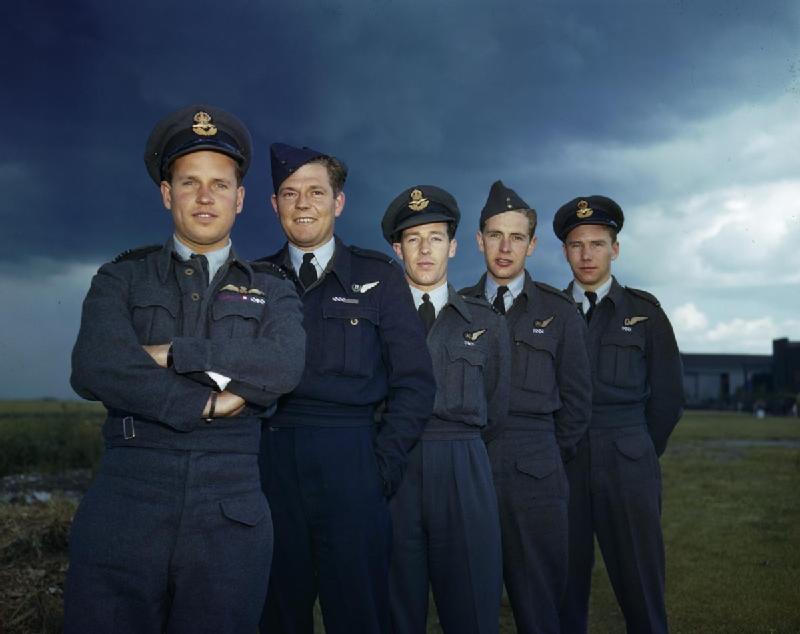
Wing Commander Guy Gibson Vc Dso and Bar Dfc and Bar Commander of 617 Squadron dambusters at Scampton Lincolnshire 22 July 1943 TR1127

Reworked for the Dambusters

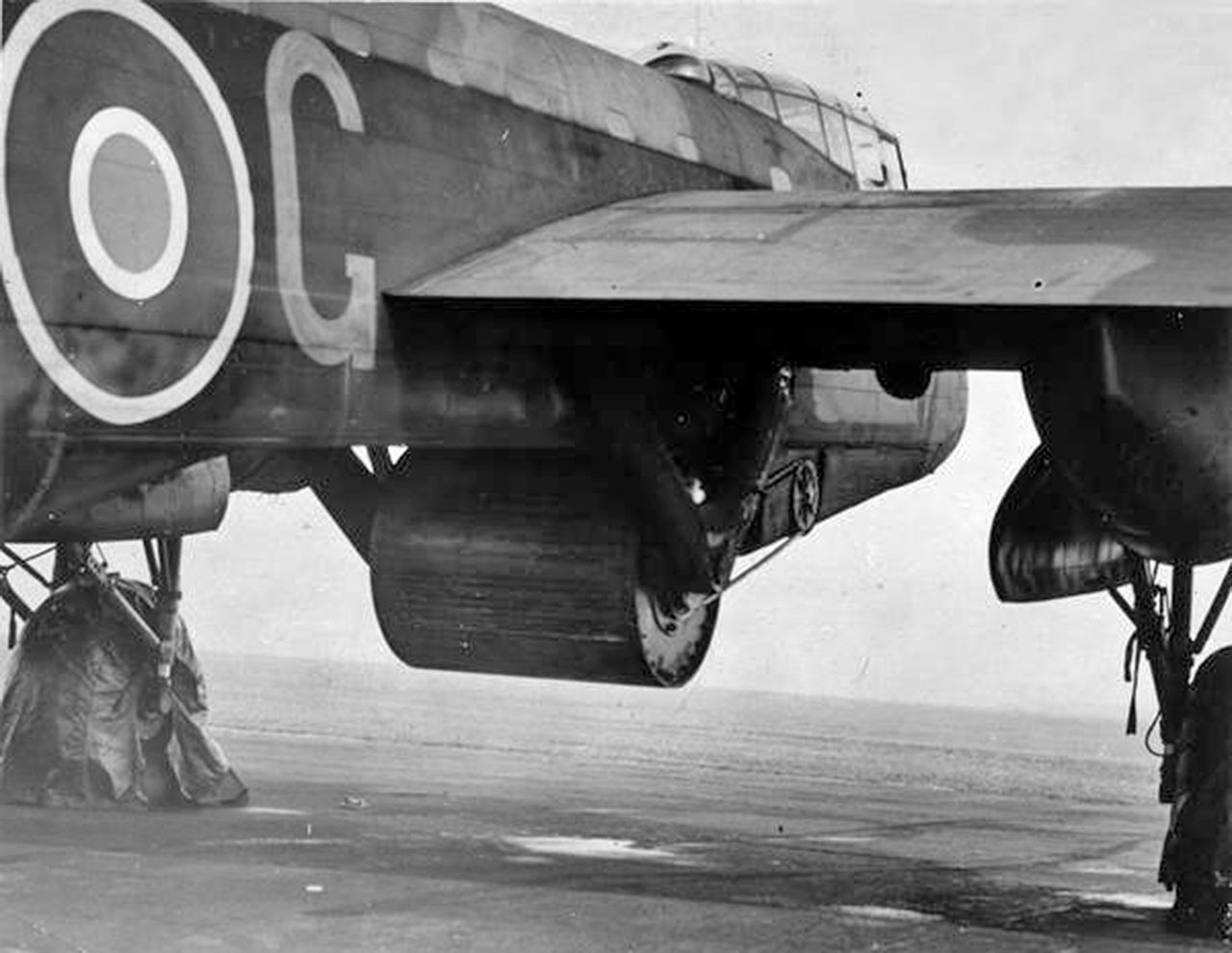
Avro Lancaster B Mark III bombers were modified and designated as B Mark III Specials. Most of the Lancaster’s protective internal armor and the upper machine gun turret were removed to save weight. Because of the bomb’s five foot length and four foot diameter and 9,250 pound weight the bomb bay doors were also removed. In flight the bomb would be carried under the fuselage. The motor used to induce backspin on the bomb before release was also mounted below the fuselage of the aircraft.

Royal Air Force Bomber Command 1942 1945. IWMFLM2365

For the Rest of the Dambusters Story Bang NEXT PAGE Below

The NASA M2-F2 Lifting Body Crash Became Iconic Thanks to the Six Million Dollar Man

The Mishap is One of the Most Often Ever Seen by the Public

As America raced towards the goal of landing a man on the moon before 1970, NASA’s attention was also focused on the construction and testing of a wingless craft capable of routinely returning from space piloted by an astronaut.
six2
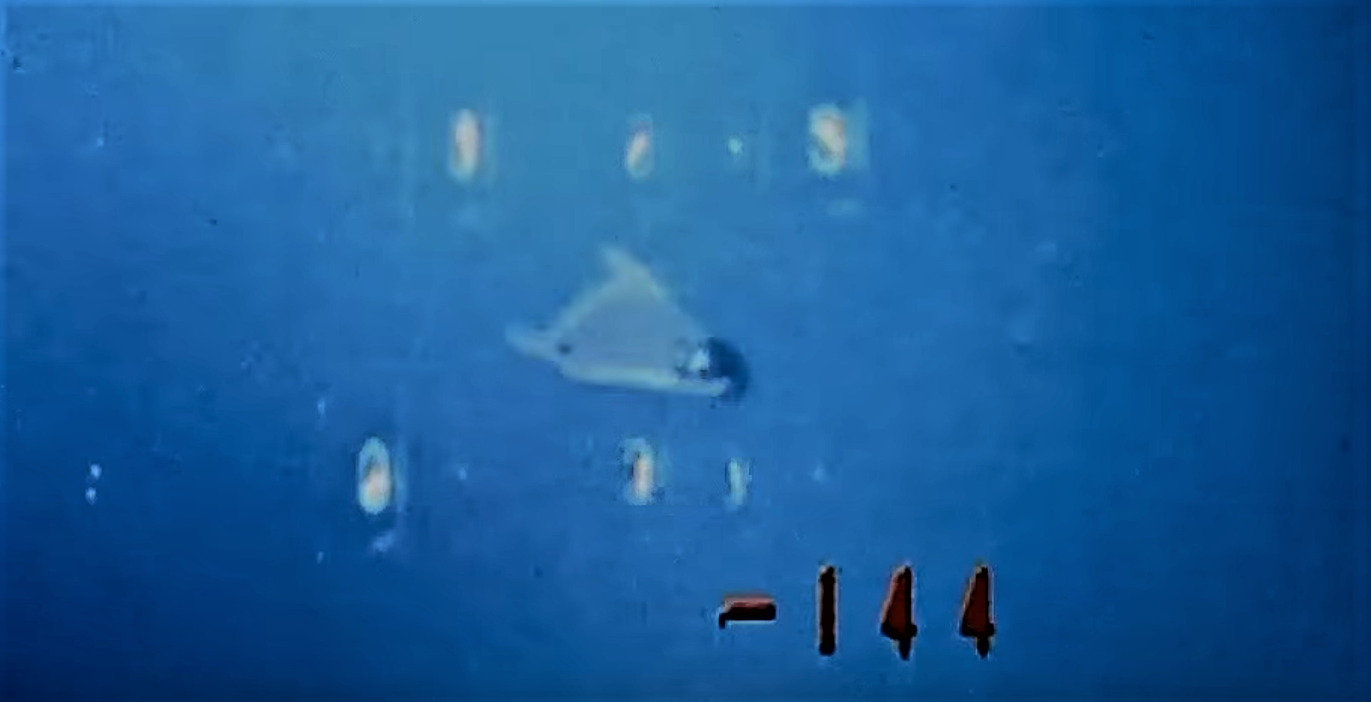
For 12 years beginning in 1963, engineers at NASA Dryden Flight Research Center at Edwards AFB in California worked to demonstrate that a pilot could successfully maneuver in flight and later land a specially designed wingless craft known as a lifting body. However, that vision was nearly lost fifty years ago this week in the tragic crash of one lifting body known as M2-F2.

It is the NASA video of that crash which set the stage for an iconic TV series which aired for five years during the 1970’s.
six5
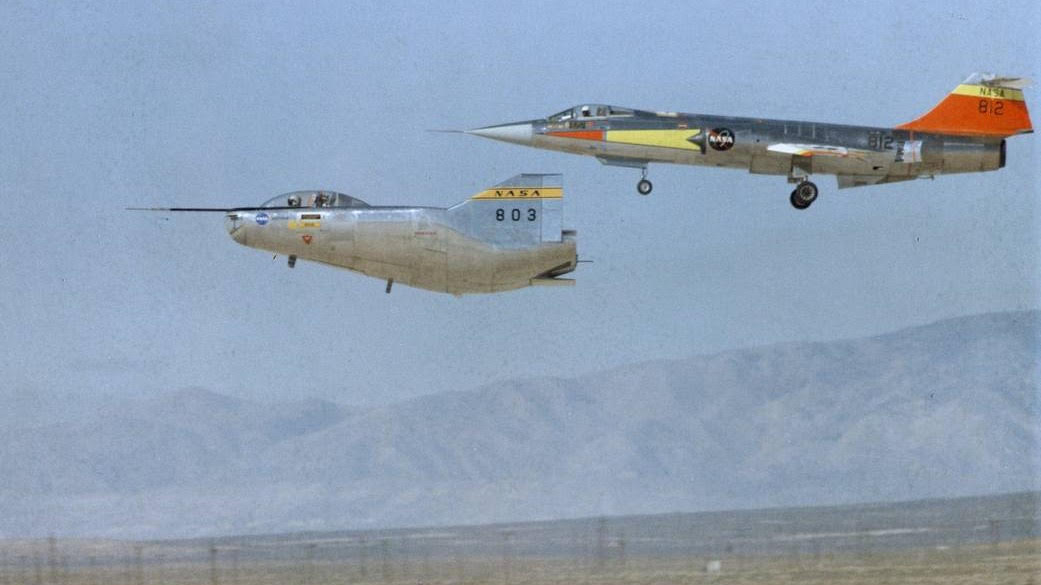
On May 10, 1967, lifting body project pilot Bruce A. Peterson took-off on his fourth glide flight aboard the M2-F2 — it’s 16th glide test flight — over the desert of Edwards. Great weather accompanied the last of a series of glide flights. The next series of flights scheduled would use the the XLR-11 rocket engine for powered flight.

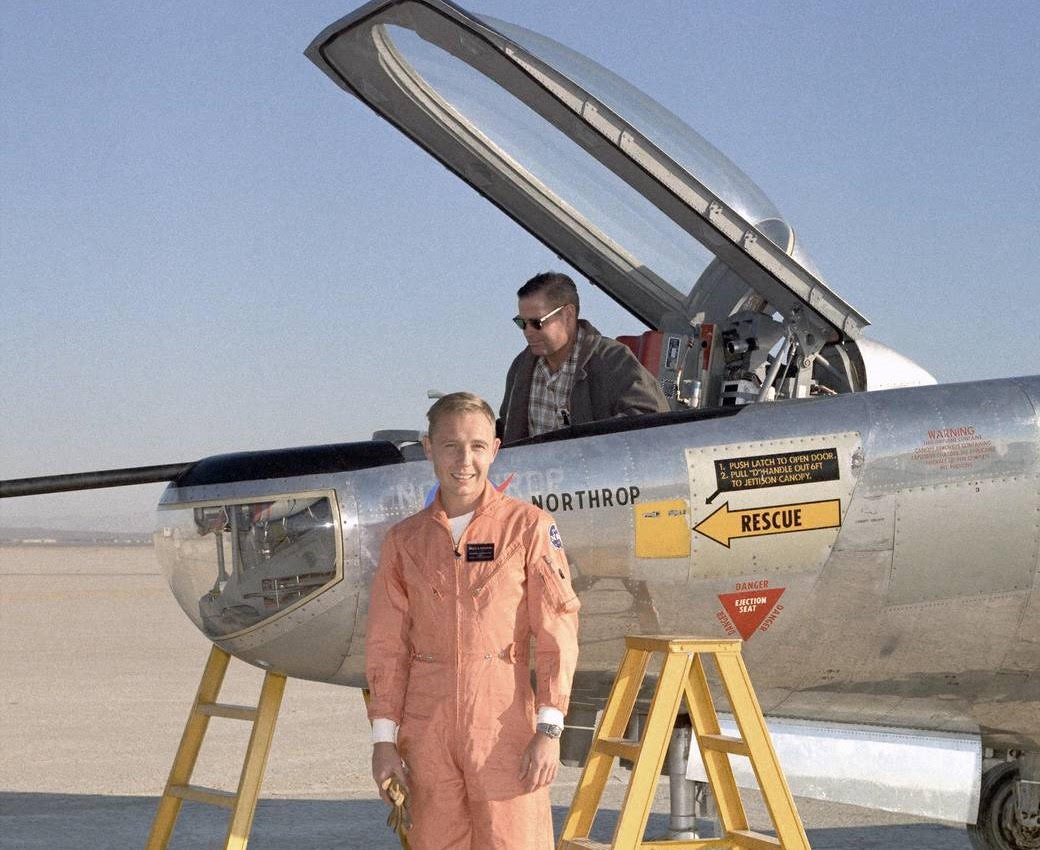
Peterson was a veteran lifting body pilot having flown the earlier M2-F1 craft, and the heavy weight lift version, HL-10. A graduate of Naval Aviation school and an officer in the U.S. Marines, he later graduated from Air Force Test Pilot school at Edwards in 1962.

six1
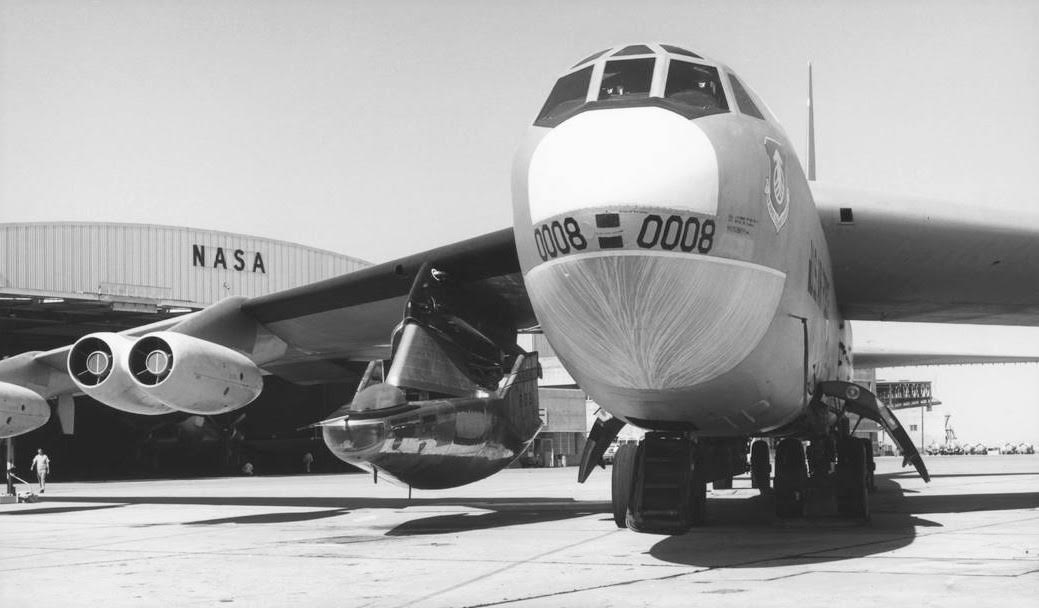
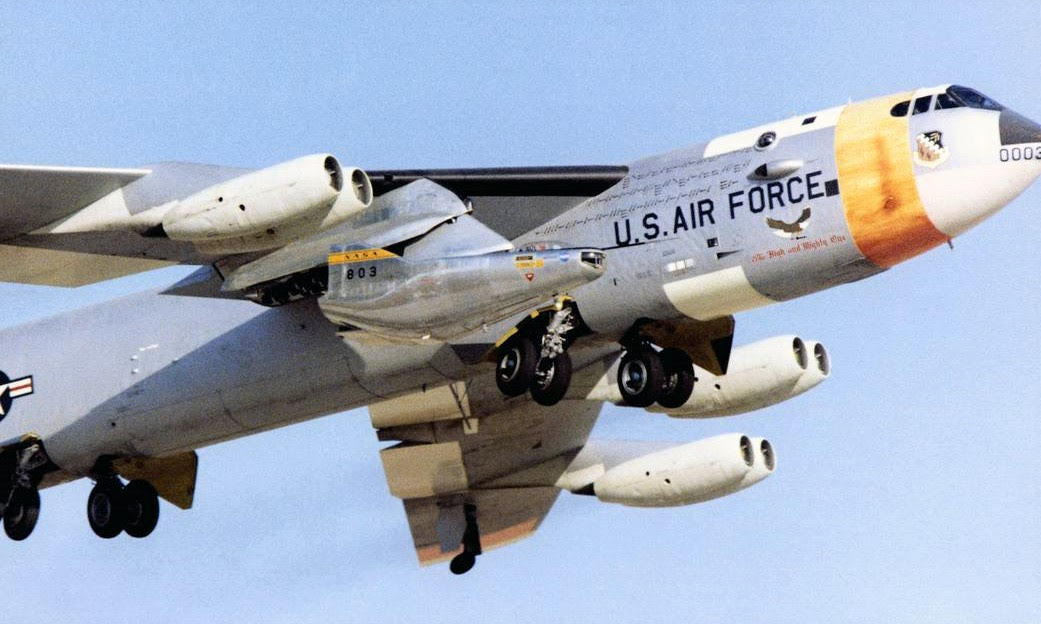
Built by Northrop Corp., the silver 22-fot long, 4,620 pound M2-F2 aircraft was designed to be airborne dropped from its attachment under the starboard wing of a an Air Force B-52 aircraft. The suited pilot would board the craft prior to take-off.
 
Once at the desired altitude, NASA 803 was dropped successfully and the craft began its planned steep decent into Edwards. Peterson guided the craft like a pro while performing a few test maneuvers on the way down.

“As Peterson neared the lakebed, the M2-F2 suffered a pilot-induced oscillation,” NASA spokesperson Yvonne Gibbs explained. “The vehicle rolled from side to side in flight as he tried to bring it under control. Peterson recovered, but then observed a rescue helicopter that seemed to pose a collision threat.”

Gibbs adds that Peterson radioed to get the helicopter moved as he feared the two would collide.
six4
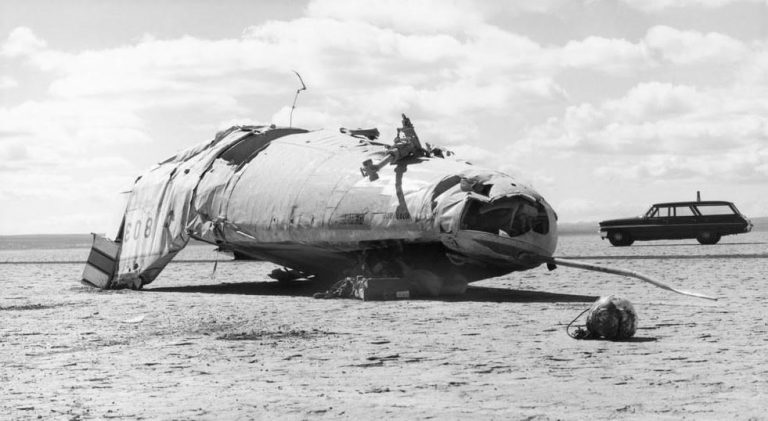
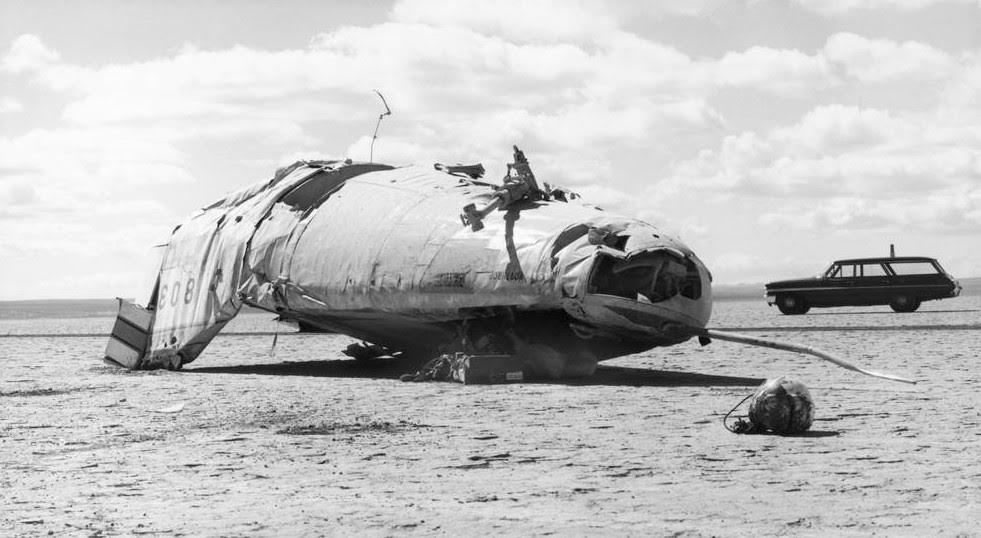
“Distracted, Peterson drifted in a cross-wind to an unmarked area of the lakebed where it was very difficult to judge the height over the lakebed because of a lack of the guidance the markers provided on the lakebed runway,” Gibbs added. “(He) fired the landing rockets to provide additional lift, but he hit the lakebed before the landing gear was fully down and locked. The M2-F2 rolled over six times, coming to rest upside down.”


He had no time to eject. The naval aviator was pulled from the craft and immediately taken to the base hospital. He was later transferred to March Air Force Base followed by a stay at UCLA Hospital. His injuries were not life threatening. Gibbs mentioned he lost vision in his right eye due to a hospital staph infection.

The story was a small blip on the evening news that night, however a generation of Americans, both young and old, would later watch the dramatic crash video each week for seven years on ABC-TV. From 1973 through 1978, the iconic opening credits for The Six Million Dollar Man incorporated Peterson’s crash with the images of fictional main character Col. Steve Austin. The crash explained what lead to Austin becoming “the world’s first bionic man”.

Peterson would often say in interviews that he did not enjoy that his crash was shown so frequently on television.

NASA researchers discovered following the crash that the M2-F2 had issues with the lateral control, even with its own stability augmentation control system. The lifting body program continued with a redesignated craft known as M2-F3. The new craft was modified with a third vertical fin placed in the center between the tip fins. This helped improve its control characteristics.six6

“The lifting body designs influenced the design of the space shuttle and were also reincarnated in the design of the X-38 in the 1990s,” Gibbs said.

The North Dakota native stayed on with NASA until retiring in 1981, the same year the space shuttle first flew into space. Bruce Peterson died in May 2006 following a long illness at his home in Ocean Springs, California.

(Charles A Atkeison reports on aerospace and technology. Follow his updates via social media @Military_Flight.)

BREAKING: Air Force X-37B space shuttle lands at Kennedy Space Center

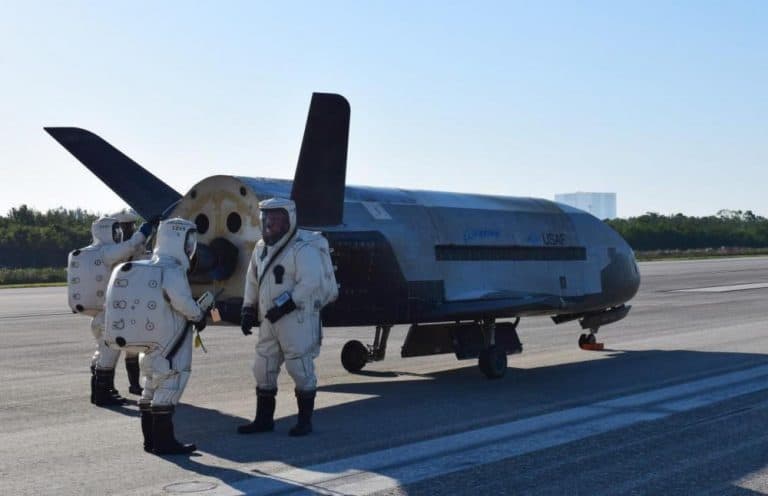
CAPE CANAVERAL, Fla. — The U.S. Air Force unmanned scientific and military research space shuttle safely returned to earth on Sunday completing 718 days in orbit.

The fourth flight of the fully automated orbiter test vehicle began it’s deorbit early Sunday, and reentered the earth’s atmosphere about 25 minutes prior to it’s 8:00 a.m. EDT landing at the Kennedy Space Center’s Shuttle Landing Facility.

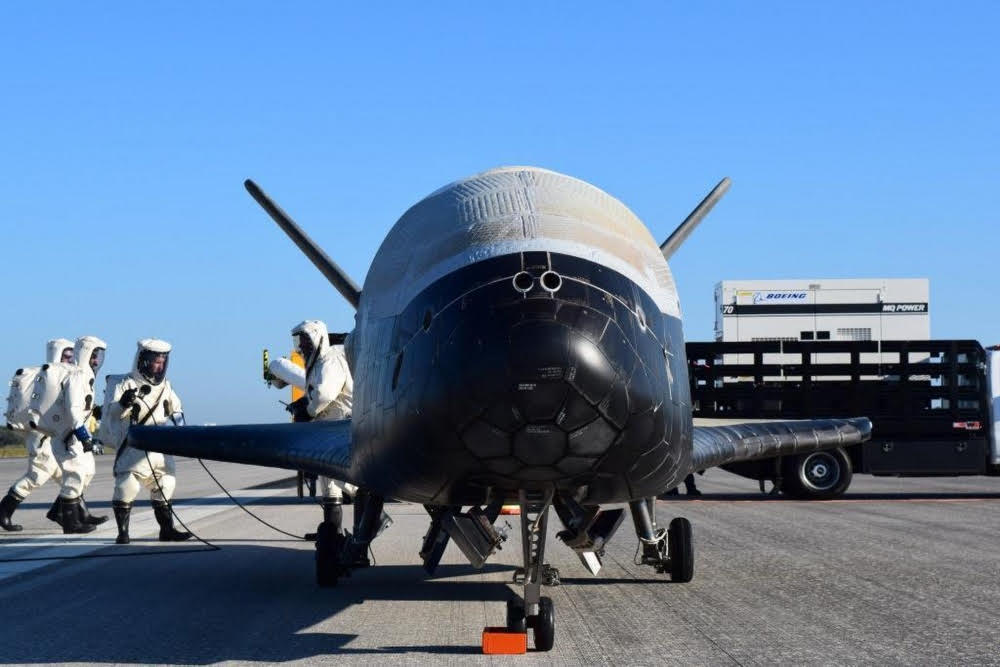
“The landing of OTV-4 marks another success for the X-37B program and the nation,” Lt. Col. Ron Fehlen, X-37B program manager, said. “This mission once again set an on-orbit endurance record and marks the vehicle’s first landing in the state of Florida. We are incredibly pleased with the performance of the space vehicle and are excited about the data gathered to support the scientific and space communities.”Sunday’s landing marked the X-37B’s first return from space to land at the Florida Spaceport, and it will not be the last. The X-37B manufacturer Boeing is renting the space center’s Orbiter Processing Facility bay 1 to off-load experiments, refurbish the craft, and prepare it for relaunch from the Cape. Bay 1 was used for over three decades to service NASA’s fleet of space shuttle’s.

ss1

Once the command to return to Earth is given by the Air Force, the X-37B automatically descends from low earth orbit, reenters, and flies through the atmosphere to land on a planned runway. There is no one in a control room with a joystick flying it.

The program’s fourth test flight into future robotic space planes began with its launch a top a United Launch Alliance Atlas V rocket in May 2015 from Cape Canaveral AFS. The 29-foot long shuttle resembles NASA’s space shuttle orbiters at first glance, however the X-37B is 80% smaller fitted with small wings, twin vertical stableizers, and a windowless avionics cockpit.

“Today marks an incredibly exciting day for the 45th Space Wing as we continue to break barriers,” Brig. Gen. Wayne Monteith, commander of 45th Space Wing said. “Our team has been preparing for this event for several years, and I am extremely proud to see our hard work and dedication culminate in today’s safe and successful landing of the X-37B.”

Including the three previous missions, the total time of the four OTV missions on orbit is now 2,085 days.

In 1999, NASA began the X37 project, however the space agency handed it over to DARPA (the Defense Advanced Research Projects Agency) in September 2004. DARPA is headquartered in Arlington, Virginia.

DARPA, originally formed in 1958 as the Advanced Research Projects Agency, is an office designed to prevent technological surprises against the United States, such as the Soviets launch of Sputnik in 1957. The OTV project partnership between the military, DARPA and NASA was announced in October 2006.

This flight was performed by the second mini shuttle of the Air Force’s two shuttle fleet. The Air Force office also announced on Sunday the next X-37B will launch in late-2017. That launch will see the reflight of Boeing’s first flown shuttle on it’s third mission.

(Charles Atkeison reports on aerospace and technology. Follow his updates via social media @Military_Flight.)

This F-105 Documentary Will Deliver Your Recommended Daily Allowance of Thuds

“There is a Way” Shows You How Thunderchief Pilots Made Heroic Memories.

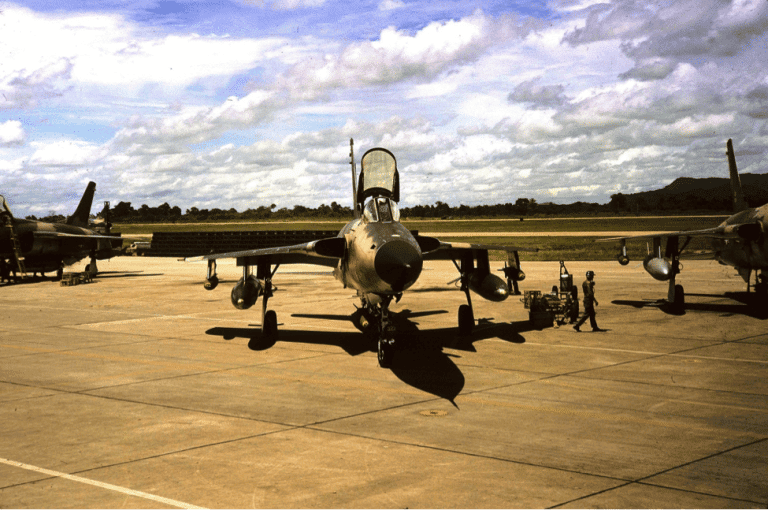
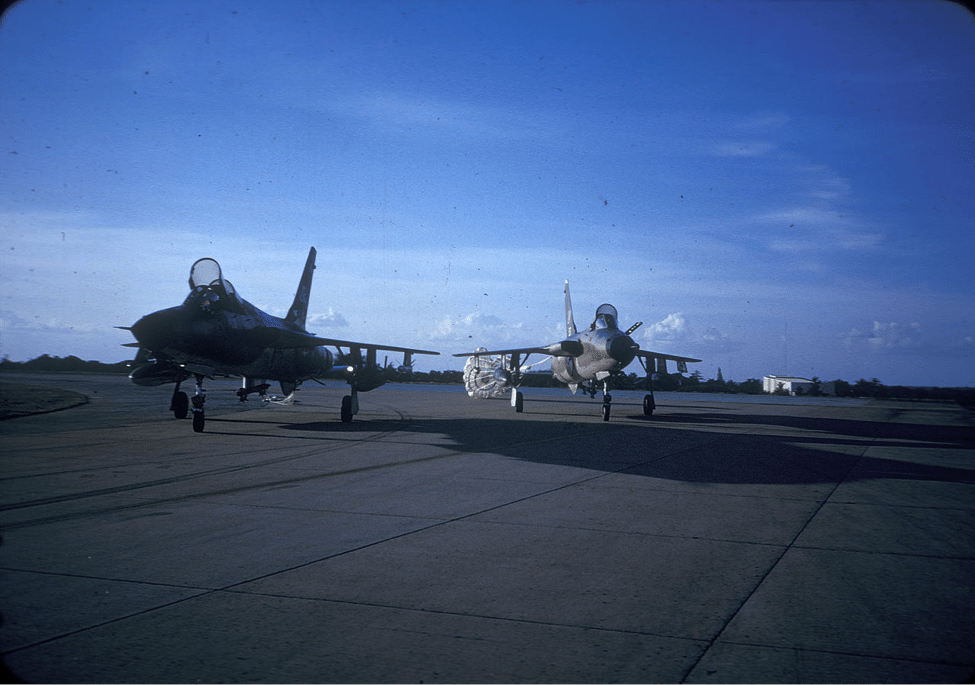
Got a high boredom quotient working? You should check out the video There is a Way: The 421st Tactical Fighter Squadron “Fighting Cavaliers” and their F-105 Thunderchiefs. This film was made over several months of combat operations during 1966 by the Air Force, but it doesn’t look or seem like a regular USAF training film or documentary. It is a rare look inside the operational details of F-105 crews at war.

[youtube id=”Hun_uUuufOs” width=”800″ height=”454″ position=”left”]

Featuring the Fighting Cavaliers

The film features the 421st Tactical Fighter Squadron (TFS), part of the 388th Tactical Fighter Wing (TFW), operating out of Korat Royal Thai Air Force Base (RTAFB) during shooting of the film. The Fighting Cavaliers were flying regular missions up North at the time. The footage includes much more than just the aerial combat in which the Thuds were embroiled. Also included is footage of the ground crews and armorers turning the big F-105s around for their next mission and the various activities that we part and parcel of a Thunderchief squadron at war.

f105 3

Not Your Usual Hum-Drum Production

The film really captured the human side of the war. Interviews with everyone from the mechanics and armorers, the pilots, all the way up to the base commander are used to tell the story along with actual mission footage. Much of the mission footage includes the radio calls made during the engagements- always a better experience than plain old film alone. Also included are celebrations for pilots completing their hundredth missions, briefings and debriefings, and plane-side remarks by pilots preparing for battle and those who have just returned from it.

f105 4

Opinions and Observations From The Guys Flying the Missions

The pilots themselves give rare glimpses into their thoughts about the war and how it is being fought. They discuss tactics and the different missions they are tasked to fly. If you’re a Thud veteran, a fan, or just want to see what it was like to be part of a Tactical Fighter Squadron at war in Vietnam you can’t do any better than There is a Way. Enjoy!

Thanks to Zeno’s Warbird Video Drive-In for uploading the film and cleaning it up enough to be enjoyable to watch. Bravo Zulu.

f105 2

They Beefed Up a Tweet to Make a Great Little COIN Aircraft

The Mattel Marauder proved that a beefed up T-37 could become a superb COIN aircraft.

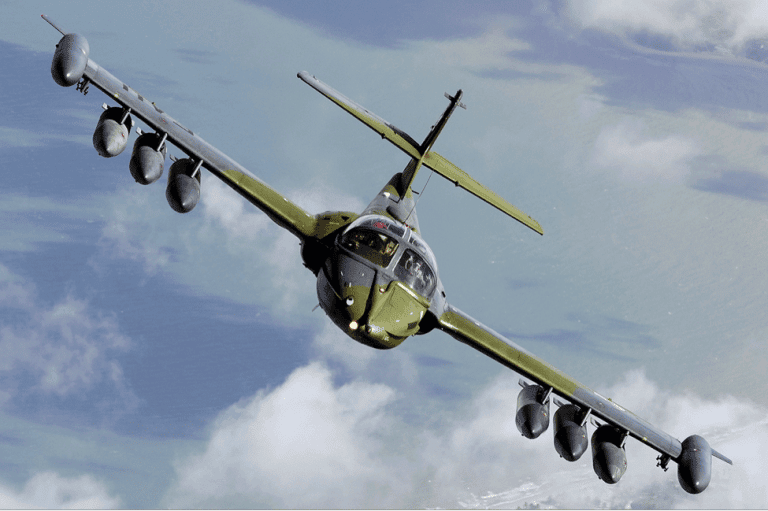
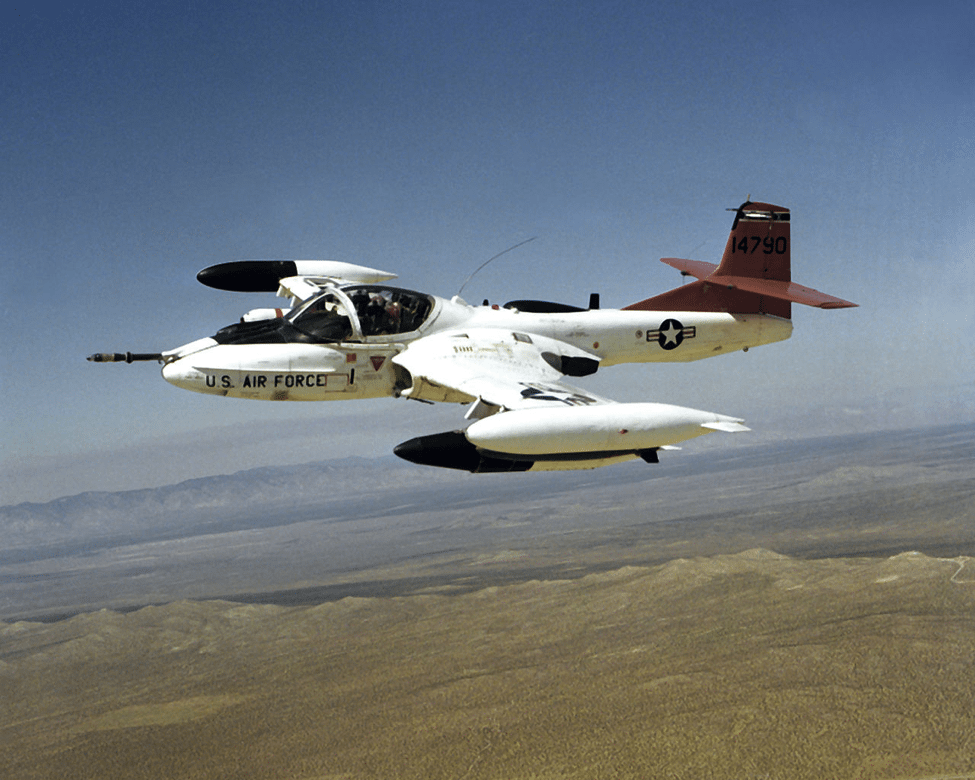
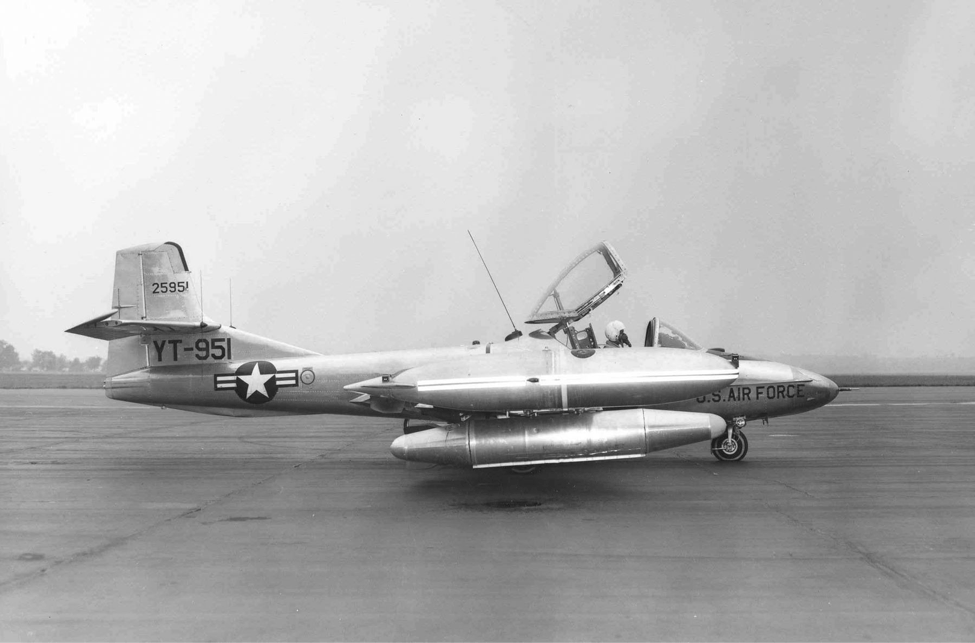
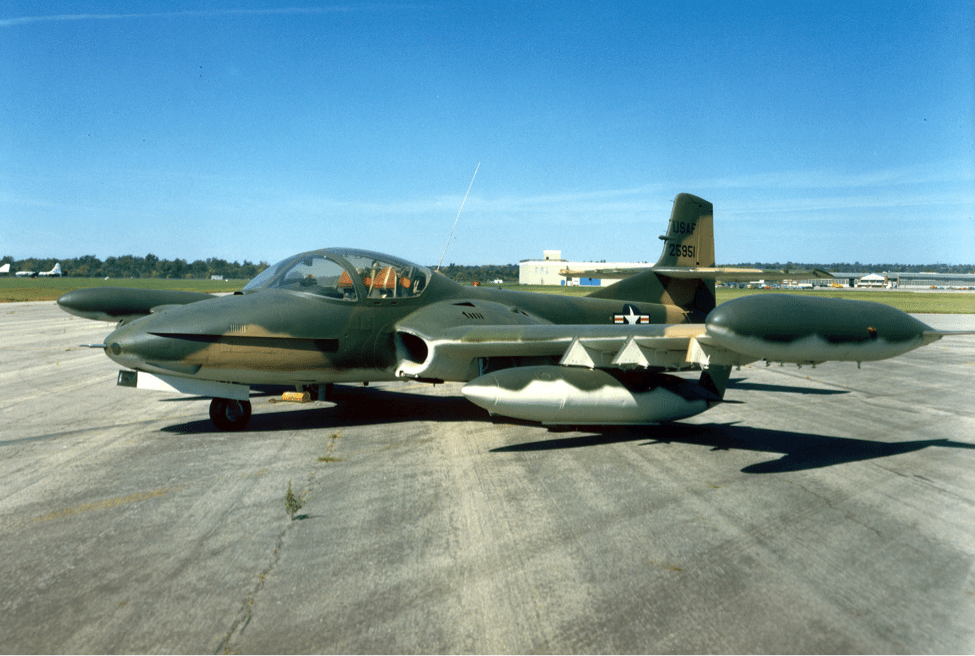
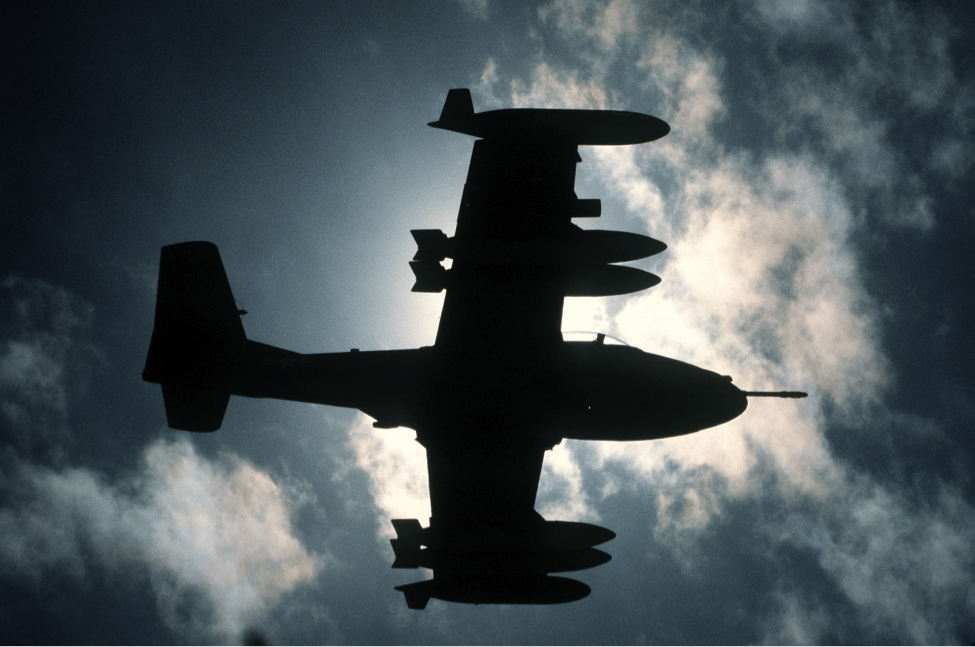
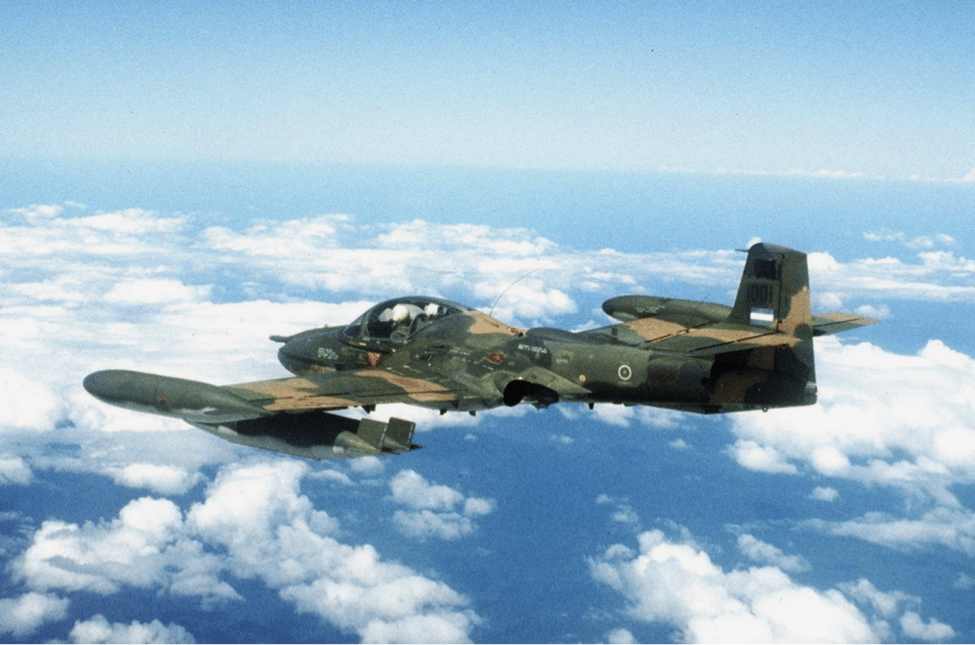
On May 2nd 1967 the first A-37 Dragonfly or Super Tweet went into service with the United States Air Force (USAF). A development of Cessna’s T-37 primary jet trainer, the A-37 was a counter-insurgency (COIN) specialist of the first order. Cessna took a stock T-37 Tweet two side-by-side seated trainer, added stronger wings and wingtip fuel tanks, strengthened the landing gear, added mission-specific avionics and a 7.62 millimeter rotary cannon and a refueling probe in the nose and presto- instant Dragonfly. It was a little bit more complicated than that…

tweet1

Where Ideas Go to Formulate

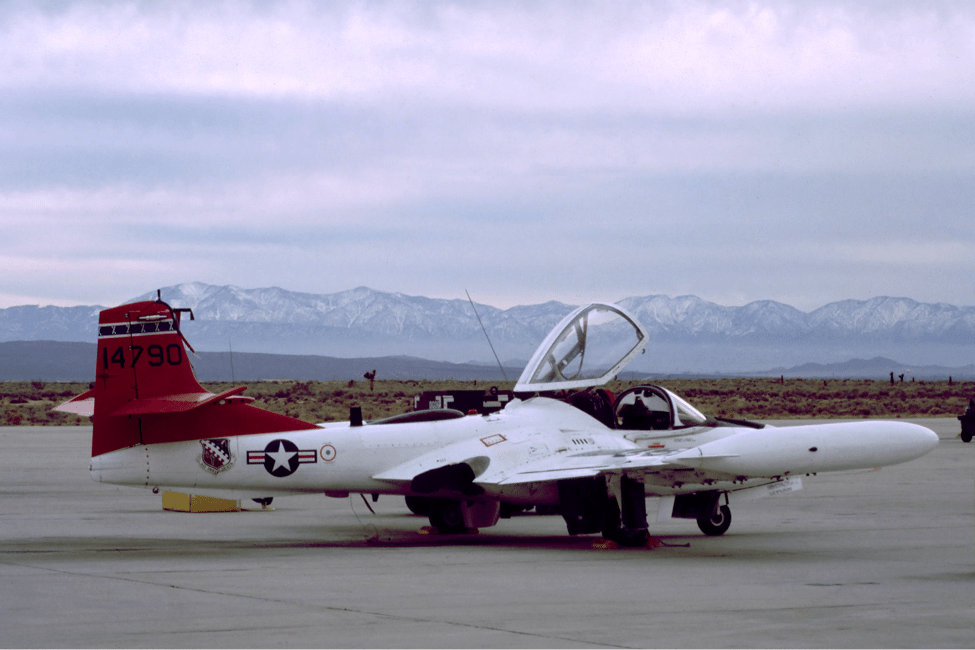
Things started in 1962 at the USAF Special Air Warfare Center at Eglin Air Force Base (AFB) in Florida. Vietnam was already sucking America in. Hurlburt Field was and still is the epicenter for development of Air Force spec ops aircraft, so when two all-white T-37C Tweets showed up among all the camouflaged aircraft in late 1962 something had to be percolating. While the Air Force liked what they saw it was immediately apparent that some changes would need to be made in order to adapt a T-37 airframe to the COIN mission.

tweet3

Where’s the Beef?

Those changes started with more powerful engines. General Electric J85 turbojets replaced the Tweet’s standard Continental J-69 engines, more than doubling the thrust available, although this didn’t quite translate that way due to added weight in the A-37 airframe. Still, it was a considerable improvement. The other changes to the basic Tweet outlined above were also incorporated into the two YAT-37D prototypes contracted by the Air Force in 1963.

tweet4

Back-Burnered But Back In Business

During October of 1964 the first YAT-37D flew and a little less than a year later the second prototype, with hard points for a total of eight underwing pylons made its maiden flight as well. But about that time the project was back-burnered by the Air Force. Ironically a significant factor in the resurgence of interest in the A-37 was the losses suffered by the Douglas A-1 Skyraiders in Vietnam. The Air Force didn’t jump in with both feet though. Not right away.

tweet5

Starting Out Slow

They issued a contract for 39 airframes modified from existing T-37s so they could conduct an evaluation. The original AT-37D designation was changed to A-37A. The evaluation would be conducted by what would become the 604th Special Operations Squadron (SOS) under the most trying of conditions- combat.

tweet6

Passing the Test

The Combat Dragon evaluation was conducted in Vietnam beginning in August of 1967 using 25 of the A-37A “Mattel Marauders.” The aircraft flew thousands of sorties out of Bien Hoa air base over III and IV Corps without a single loss due to enemy fire. The Super Tweets didn’t fly milk runs either; typical missions were helicopter escort, close air support, night interdiction, and Forward Air Controller (FAC) sorties- but they were primarily in-country sorties. The 2 to 1 maintenance hours to flying hours ratio was the stuff of which FAC dreams were made. It helped that the Super Tweet retained the ease of maintenance and simplicity of the Tweet.

tweet7

Back to the Drawing Board For a Better Jet

Once Combat Dragon concluded the Air Force had identified a few things that required attention. Range was one. Unboosted controls were another. Cessna was soon the recipient of a contract to build 127 A-37B Dragonflies, many of which would be used by the South Vietnamese Air Force to replace their A-1 Skyraiders lost in combat and operational accidents. When the first A-37B emerged from the Cessna factory in September of 1967 it was a new-build aircraft that weighed nearly twice what the T-37C weighed but incorporated scores of improvements and refinements to the Dragonfly.

tweet8

Bang NEXT PAGE below for more of the Dragonfly story.

Hawaiian Airlines Introduces Livery Update, But Diecast Modelmaker Ruined The Surprise

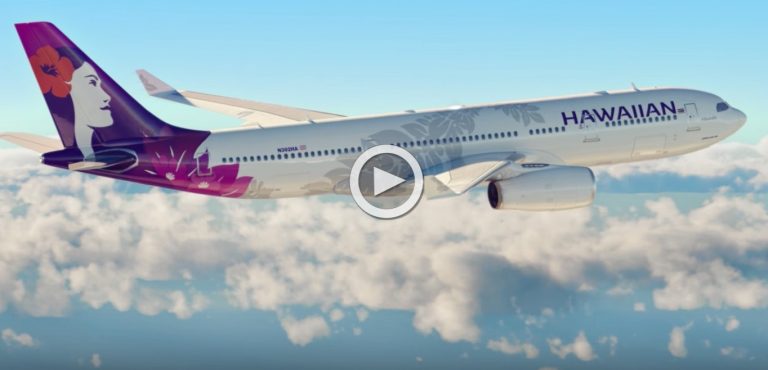
Hawaiian Airlines formally unveiled their updated livery on Monday, May 1.  The livery update features the title “Hawaiian” in a more modern stylized font.  The updated colors also sport a more modern Pualani (Flower of the Sky) on the tail with a grey lei wrapped around the fuselage.

A Boeing 717 was the first jet to sport the new colors. It was unveiled at a ceremony at Honolulu International Airport.  An updated Airbus A330 will soon follow.  Their new A321’s will be delivered in the new colors. While the Boeing 767s will not be repainted, the rest of the fleet will be repainted during their scheduled maintenance over the next few years.

The updated Hawaiian livery represents the final stage of a brand refresh.  Over the past year, Hawaiian has updated their cabins with a subtle, island-inspired motif.  They have also updated their club and headquarters at Honolulu International Airport to showcase the island spirit.

[youtube id=”EYC1Cwt375k” width=”800″ height=”454″ position=”left”]

Diecast Model Maker Ruined The Surprise

The unveil of an updated livery wasn’t a surprise to most avgeeks.  GeminiJets, a manufacturer of diecast models, accidentally posted a drawing of the exact livery on their Facebook page.  Each month they post their model releases with drawings first, then later post actual images of the models.  In their April releases, they let a drawing of a revised Hawaiian 717 slip. It was quickly pulled from the page but not before some shrewd avgeeks captured photos of the embargoed photo.  Screenshots of the leak made their way through forums across the internet.

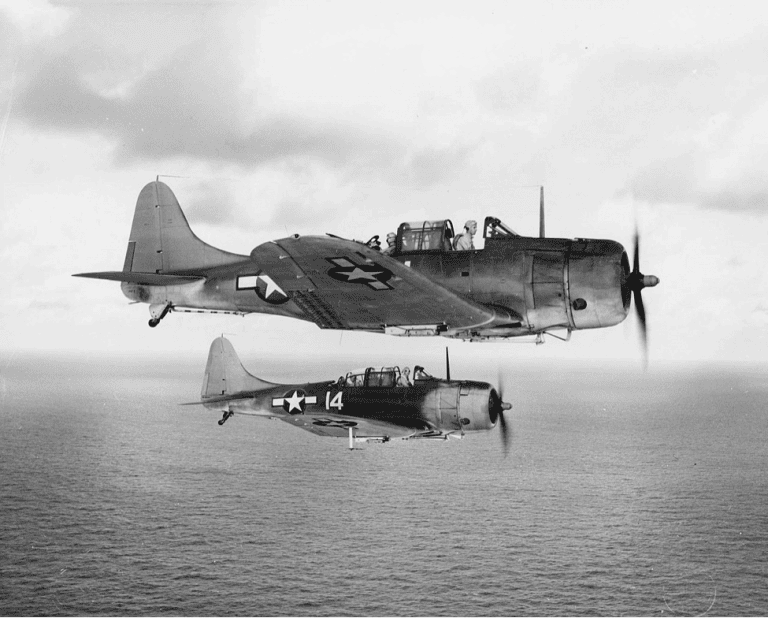
Bet You Didn’t Know These 5 Things About The SBD Dauntless

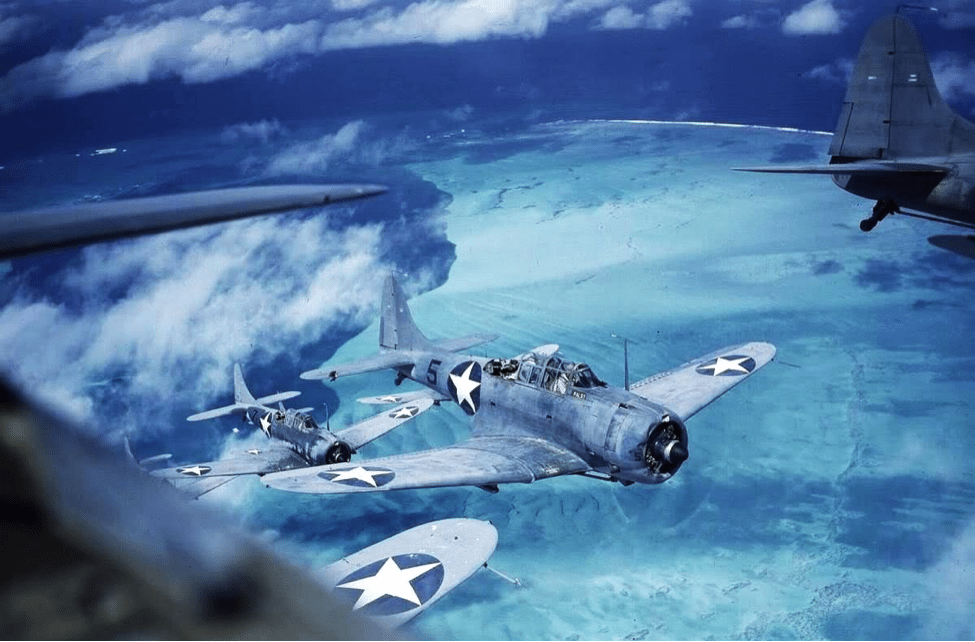
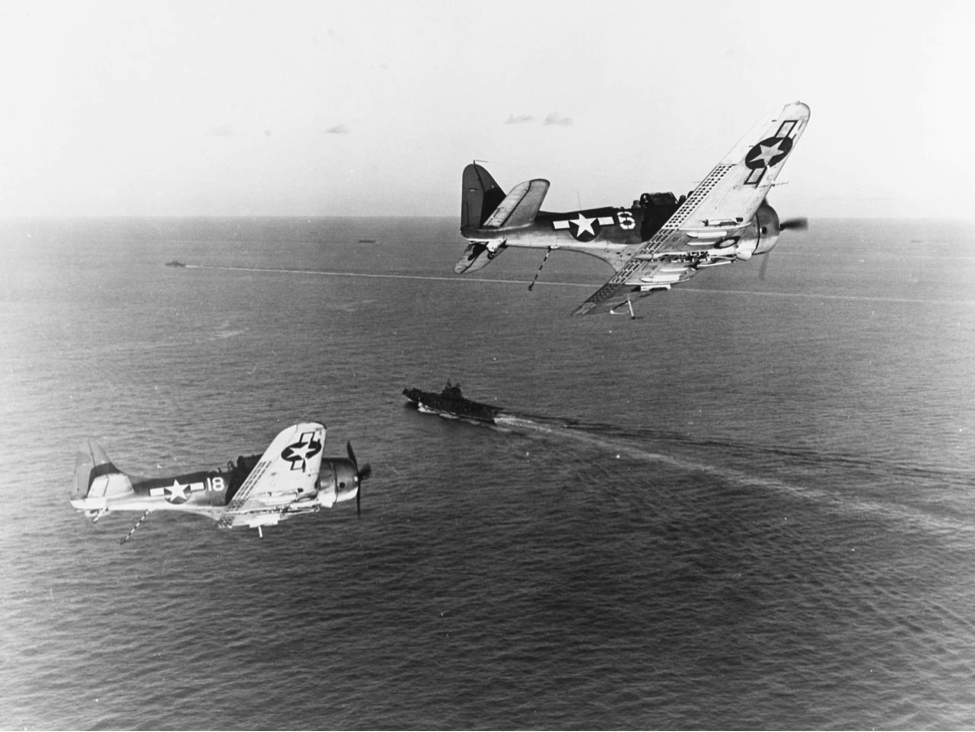
Just the one story about the SBD didn’t seem like enough. There was so much more to this Pacific legend. So we ginned up a little bit of trivia about that tide-turning dive bomber- the SBD Dauntless.

Here are five things you might not know about the SBD Dauntless:

  1. During the early 1942 American carrier raid on the Marshall Islands, Japanese bombers were attacking the Enterprise when Aviation Machinist Mate Third Class Bruno Gaido jumped out of his catwalk gunnery station, climbed into the back seat of a parked SBD, picked up one of the bomber’s 30 caliber machine guns, and opened fire on a bomber closing on the carrier. The bomber’s wingtip sliced the tail off the SBD in which Gaido was standing before crashing into the sea. Admiral Halsey promoted Gaido to Aviation Machinist Mate First Class on the spot.
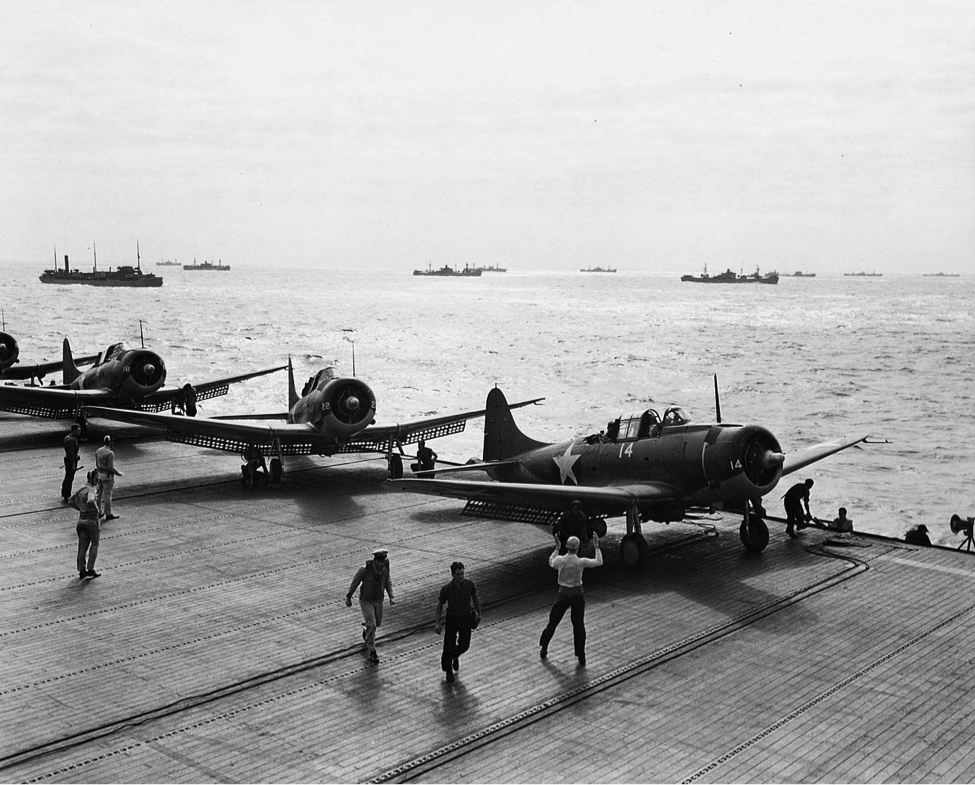
  2. Between the attack on Pearl Harbor and the end of April 1944, SBDs flew an incredible 1,189,484 operational hours. SBDs flew one quarter of all the operational hours flown from American aircraft carriers. SBDs sent six aircraft carriers, 14 heavy and light cruisers, six destroyers, 15 transports, and countless smaller ships and craft to the bottom- more than any other single carrier-borne type.sbd16
  3. French Navy Dauntlesses were the last SBDs in combat, flying combat sorties from their aircraft carrier Arromanches during their Indochina War. The French Navy finally relieved their Dauntlesses of operational obligations but they operated them as trainers as late as 1953.
  4. The United Sates Army Air Forces actually operated their A-24 Banshees long enough to re-designate them when the new United Sates Air Force became an independent service branch in 1947. The vagaries of re-designation resulted in the A-24 becoming the F-24 Banshee. Three years later the F-24s were finally withdrawn from service and scrapped.
  5. The last country to retire their SBDs was Mexico. The Mexican Air Force operated a few of their Dauntlesses until 1959.

Enjoy the sight and sound of one of the few remaining airworthy SBDs in flight.

[youtube id=”xVKP_QvKFUw” width=”800″ height=”454″ position=”left”]

Slow But Deadly: The SBD Dauntless Turned the Tables at Midway

This Douglas Dauntless Dive Bomber Made Blow But Deadly WORK.

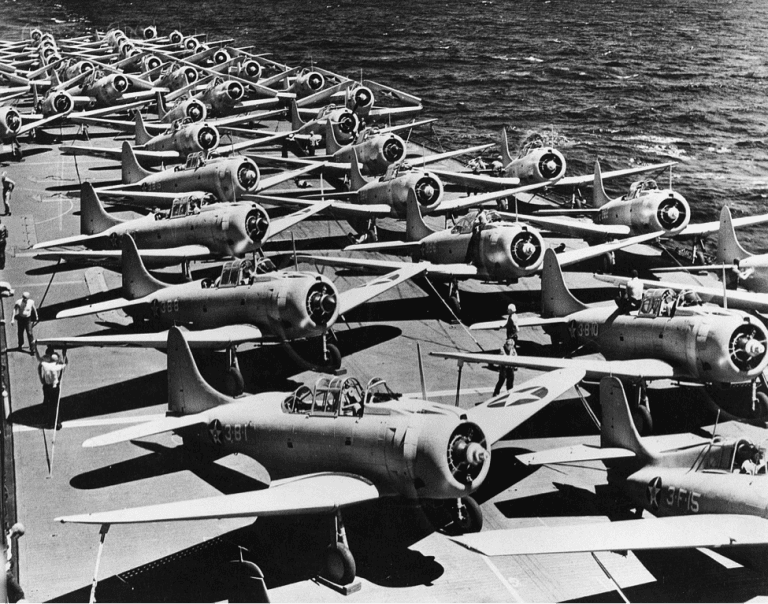
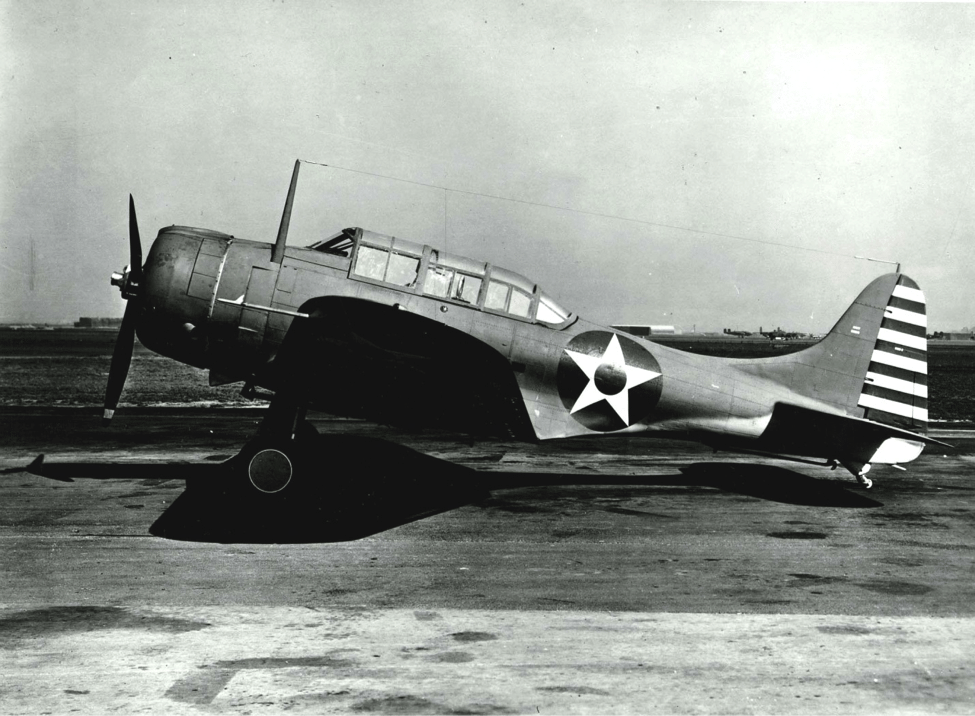
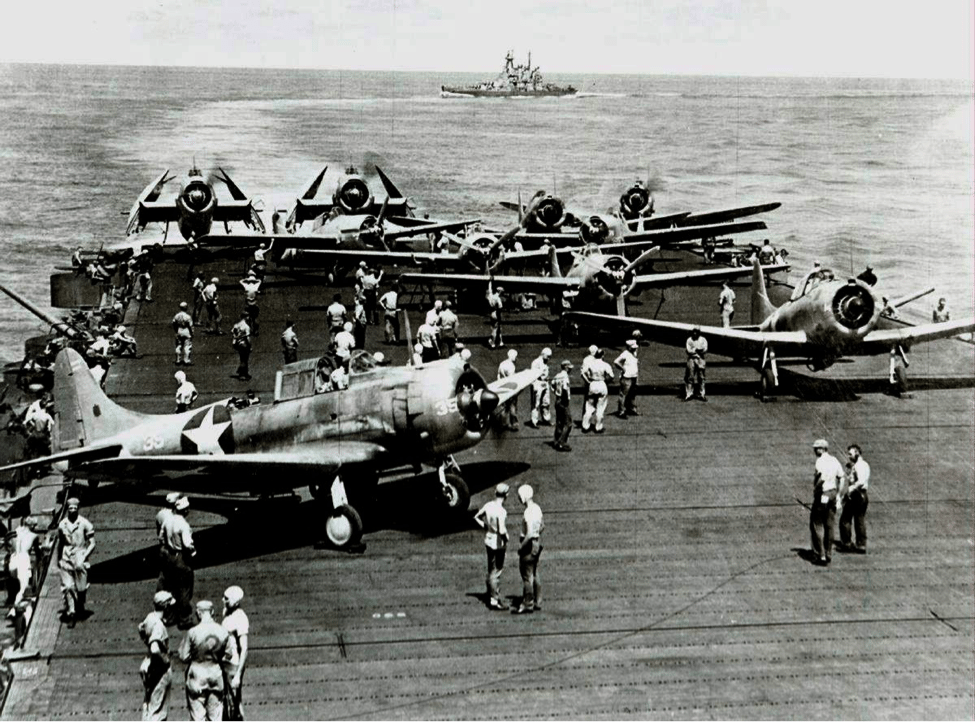
On May 1st 1940 the Douglas SBD Dauntless flew for the first time. The SBD would go on to fight in virtually every naval engagement in the Pacific, sink more Japanese tonnage than any other American carrier-based aircraft, and often bring its crews back to their carriers after suffering fearful damage. According to legend the S-B-D stood for Scout Bomber Douglas but the crews referred to them as “Slow But Deadly.” Slow perhaps. But deadly indeed.sbd2

Roots of a Family Tree

The SBD really owes its origins to the Northrop BT-1 dive bomber design begun in 1935. Douglas aircraft took control of Northrop in 1937. The BT-1 went into service in 1938. Douglas designer Ed Heinemann let the team that redesigned the landing gear and strengthened the airframe of the BT-1 to accept a larger and more powerful Wright R-1820 Cyclone engine. This new design was the Douglas entry for a new Naval Bureau of Aeronautics (BuAer) dive bomber proposal. Today you know this aircraft as the SBD Dauntless.

sbd3

First in Service

The first squadrons to receive the SBD-1 Dauntless were Marine Corps outfits Marine Bombing Squadron (VMB)-2 Red Devils during late 1940 and VMB-1 Crying Red Asses (you can’t make this stuff up) during early 1941. By the end of 1941 SBD-2s were flying with Navy Bombing Squadrons (VB)-6 aboard the USS Enterprise (CV-6) and VB-2 aboard the USS Lexington (CV-2).

sbd4

Scouting and Bombing

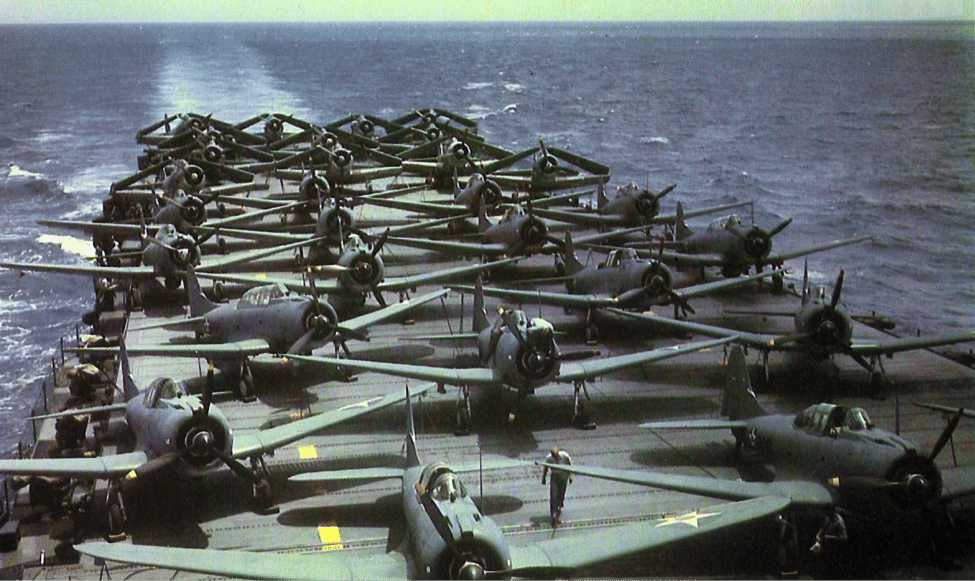
At the beginning of the war squadron numbers matched up with the carrier numbers. VB-3 and Scout Bombing Squadron (VS)-3 were assigned to USS Saratoga (CV-3). VB-5 and VS-5 were assigned to USS Yorktown (CV-5). Each carrier eventually embarked both a VB and a VS squadron, both flying Dauntlesses and with interchangeable missions. This meant that during the first year of the war more than half of the aircraft aboard American carriers were SBDs.

sbd5

The Banshee Wails

By the time 1941 was heading toward its conclusion and a world war, Navy Scout Bombing (VS) and Dive Bombing (VB) squadrons were flying SBD-3s equipped with better armor protection, self-sealing fuel tanks, and additional firepower. Marine Scout Bombing squadron and (VMSB) and VMB squadrons were flying Dauntlesses at the time as well. The Army Air Corps also ordered 948 of the Douglas dive bombers, but designated them A-24s and called them Banshees. Many of these Banshees fought alongside the ragtag group of American forces trying to slow the Japanese advance toward Australia during the opening months of the war.

sbd6

Evolving and Improving

The most produced model of the SBD was the SBD-5, equipped with a more powerful engine and additional ammunition carrying capacity. Many of the -5s were built in Tulsa in Oklahoma. The final production version of the Dauntless was the SBD-6. The fact is Douglas incrementally made minor modification to SBDs many times without changing the variant designation. SBD fuel capacities, ranges, and payloads increased with every new variant introduced. Of the 5,936 SBDs produced by Douglas, more than 2,400 of them were SBD-5s. The very last SBD was rolled out of the factory in El Segundo in California on July 21st 1944.

sbd7

Friendly Fire and Raiding With Halsey

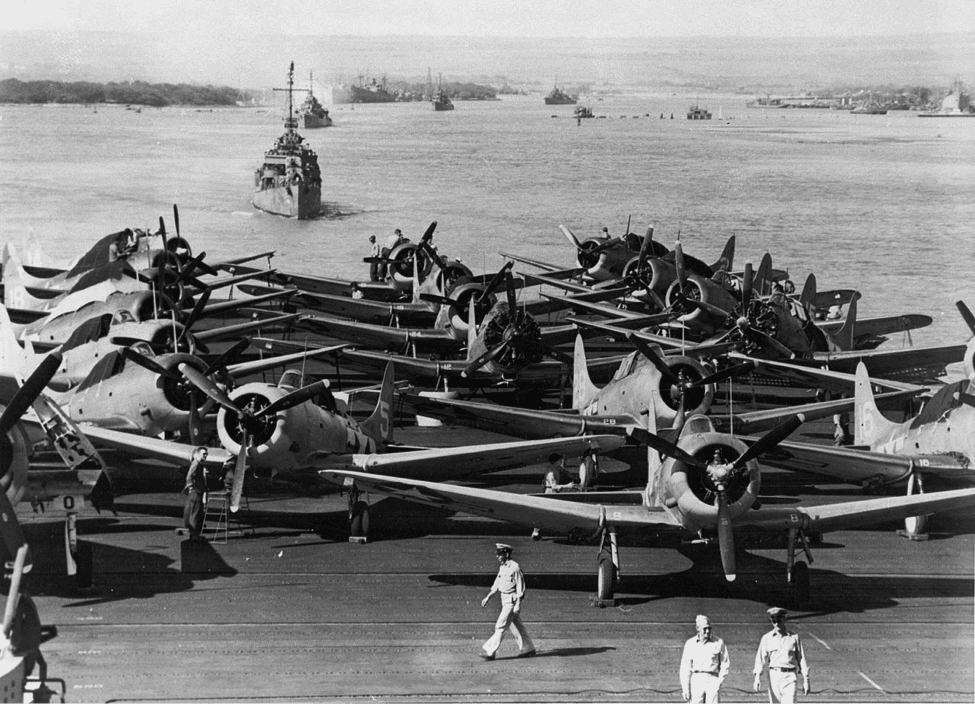
The Japanese destroyed a large number of SBDs on the ground when they attacked the various air fields around Pearl Harbor on December 7th. Jittery American gunners shot down or damaged several more when the aircraft carrier USS Enterprise (CV-6) returned from its cruise and sent them ashore. An SDB from the Enterprise was the first American aircraft to sink a Japanese combatant, the Japanese submarine I-70 on December 10th 1941. During the first several months of the war Dauntlesses participated in Admiral Halsey’s raids on several Japanese outposts in the Marshall and Gilbert Islands, New Guinea, Wake, and Marcus Islands. These raids did little real damage to the Japanese but they did provide crews with experience that would pay off during the pivotal battles fought at the Coral Sea and Midway.

sbd8

The First Battle of Its Kind

Two American carriers, the USS Lexington (CV-2) and the USS Yorktown (CV-5) and their task groups went up against the Japanese carriers Shokaku, Zuikaku, and Shoho in the Battle of the Coral Sea. Fought between May 4th and May 8th 1943, it was the first battle fought between combatant ships that attacked each other entirely beyond the horizon with aircraft only. SBDs sank the Shoho and badly damaged the Shokaku, preventing her from participating in the next fracas: The Battle of Midway.

sbd9

For More of the SBD Story Bang NEXT PAGE Below

Why Did The Chicken Cross The Road? To Fly In A Glider Of Course

I’ll be honest, I have no clue why this rooster flew in a glider.  But the video is somehow mesmerizing and I couldn’t stop watching it.  And it’s not as scary as barely hanging on in a hang glider. A guy really took his pet bird for a glider ride in the alps of Austria.

It doesn’t appear that the bird enjoyed the flight though. A big chunky fellow like that makes a better Chicken Nugget than an aviator.  In one scene you can see the bird shake its head as if it were confused. It was probably supremely disorienting to think it a standing still but still feel the forces of flight.

In the end, it doesn’t appear that the bird was harmed in any way, just a little disoriented.  All’s well that ends well, I guess.  As of press time, there is no word if PETA has scheduled a protest against the Austrian flight school yet.

[youtube id=”rIsQYrzztzI” width=”800″ height=”454″ position=”left”]

This Former Marine Harrier Pilot Missed Flying The Jet, So He Bought Some

There Are a Very Few Sea Harriers in Private Hands. Art Nolls Owns Several of Them

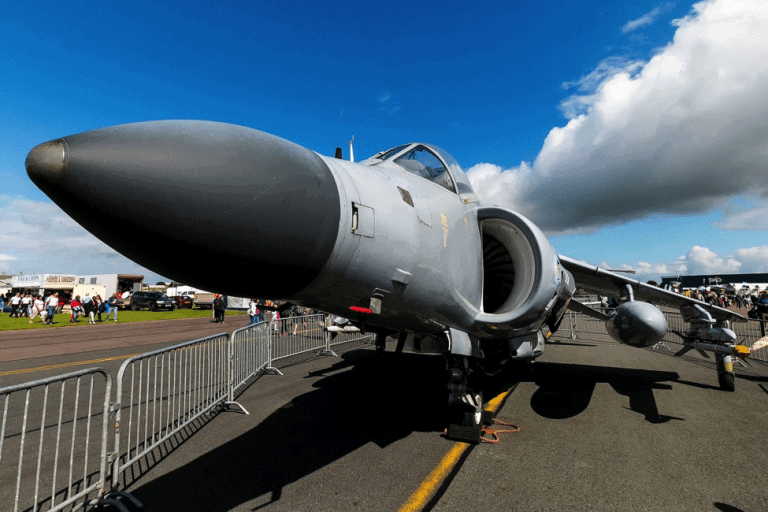
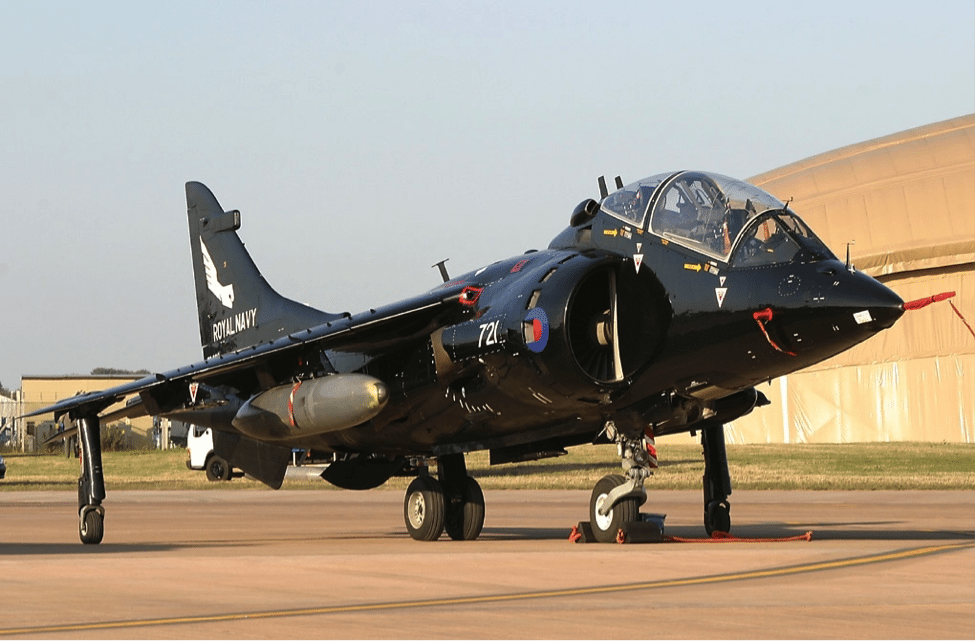
Have you ever wanted to own a warbird? There are lots of options out there. You can get your hands on a wide variety of former military aircraft these days. World War II-era and newer warbirds are actually more plentiful now than they have been for quite a while. Want a trainer? T-6/SNJ Texans, BT-13 Valiants, Stearmans, Tiger Moths, N3N Yellow Perils, T-34 Mentors, SF-260Cs, CJ-6As, T-28 Trojans, and several other beautifully restored prop trainers are available for sale as you read this. For that matter attack aircraft like the TBF/TBM Avenger and A-1 Skyraider can be had too.

harrier2
Photo by: Skeet Shooter

More Types of Warbirds Available Than Ever Before

Do you see yourself at the controls of a fighter instead? If you’ve got the money you can purchase any of several P-51 Mustangs currently for sale. F4F Wildcats, F4U Corsairs, P-47 Thunderbolts, even foreign fighters like Bf-109s, Fw-190s, Yak-3s, Yak-9s, and Sea Furies, Spitfires, Hurricanes are all on the market today. If you want a jet, you have several options. You can go with a trainer like a T-33 Shooting Star, L-39 Albatros, or even a T-2 Buckeye. Jet fighters for sale include F-86 Sabres, MiG-17s…even a Me-262. There was even a like-new TA-4F Skyhawk trainer on the market! How much? If you have to ask…

harrier3
Photo by: Mike Freer

Rare and Exciting

Warbirds are eye-catching and a thrill a minute to fly. Well, maybe not all of them, but most of the fighters and jets anyway. And of course not everyone is qualified to fly them, but training is both available and essential. But what if you’re qualified and have a hankering to fly something well off the beaten path? Even an aircraft that would be the dictionary definition of “rare?”

harrier5
Photo by Skeet Shooter

Art Nalls- Sea Harrier Owner/Pilot

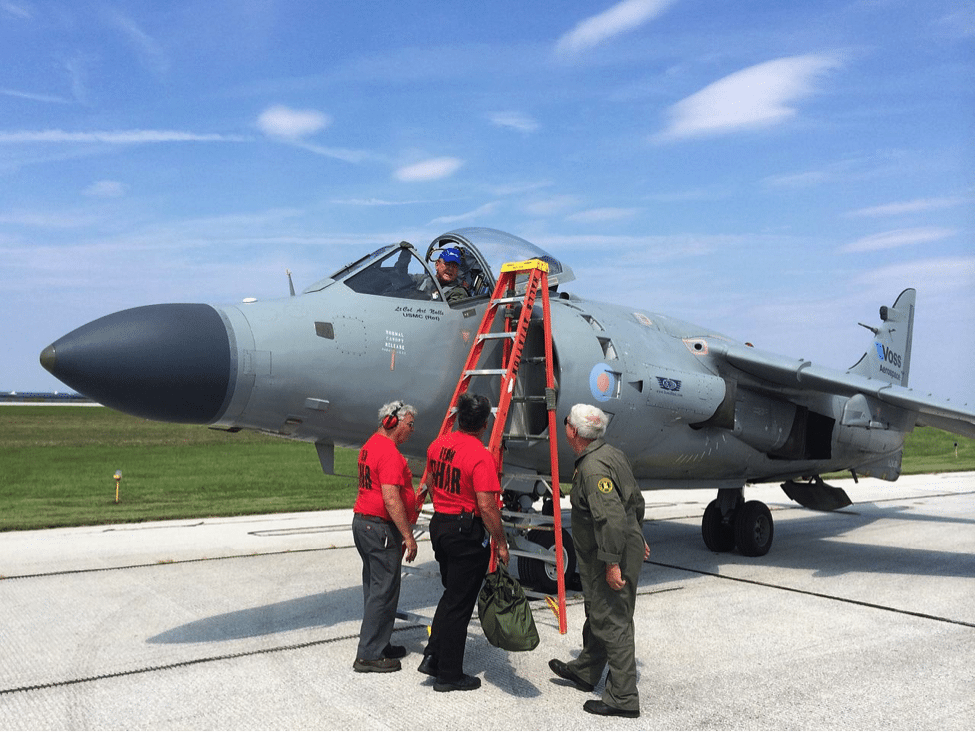
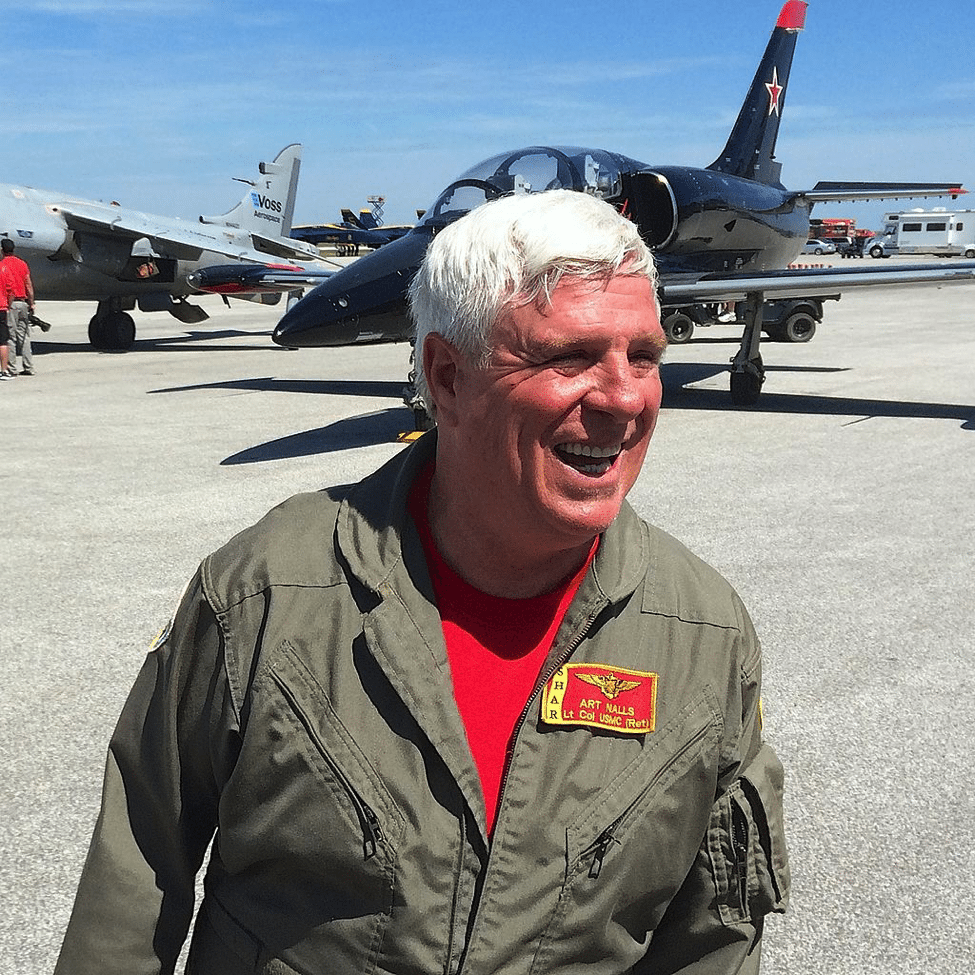
The video features United States Marine Corps (USMC) Lieutenant Colonel Arthur Nalls USMC (retired). Art got the flying bug big time while flying with the Marines. He flew McDonnell Douglas AV-8B Harriers for the Corps. He also attended the US Air Force Test Pilot School and flew pretty much everything in their inventory too. After retiring from the Marines, Art transitioned to civilian life. But after a while he went to an airshow and got the bug all over again. He got to thinking about flying a Harrier again. The video explains how Art Nalls went about acquiring, restoring, and flying his very own Hawker Siddeley Sea Harrier. Enjoy!

[youtube id=”-PHcdn8R4d4″ width=”800″ height=”454″ position=”left”]

How the Sausage Is Made — Watching Asiana’s First A350 Being Built Is Mesmerizing

0

It’s like watching giant multi-million dollar lego parts getting snapped together.

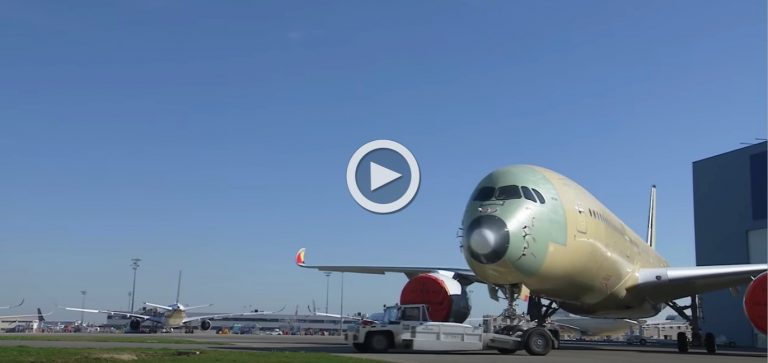
With state-of-the-art engines, a high amount of composites, and high-tech flourishes, the A350 is quickly becoming a favorite of airlines and passengers alike.  The A350 XWB is meant to fill a gap between the A330 and A380 in Airbus’s lineup.  The A350 has a range between 8000 and 10,000 miles depending on the version.  It is designed to be an ideal replacement for the Boeing 777-200 and 767-400 sized aircraft and is positioned as a competitor to the slightly smaller 787 series jets.

Building a jet like the A350 is no small task.  It’s more like a precise logistical ballet than a rapid construction project. Airbus components are made throughout Europe.  An Airbus A300 Beluga jet transports the large components like fuselage sections and the wings to final assembly in Toulouse, France.

The video shows the final assembly of Asiana’s first A350 XWB aircraft.

[youtube id=”sju_9aSUWQo” width=”800″ height=”454″ position=”left”]

Why is it So Freaking Cold (or Hot) on my Plane?

3

You get to the airport parking lot, run to catch your shuttle, make it through the TSA body cavity search, and then schlep your stuff a thousand yards to the gate. You board and heave your rollaboard into the overhead bin. After finally sitting down you notice two things: you are drenched in sweat and there is almost no air coming out of the vents. Or if there is air, it is warm.

Or perhaps it’s July and you have a light shirt and slacks on for your trip but have brought no jacket. But shortly after takeoff you notice that it’s cold in the cabin. I mean really cold. Your hands are blue and you are shivering.

So why the heck can the airlines never seem to get the temperature right? How difficult can it be?

As it turns out, getting it right is more difficult than you would think. This issue has about 85 moving parts involving both human and mechanical factors. I’d like to go over each aspect of what goes wrong, but first let me give you a quick description of the systems in place which provide heating and cooling aboard your aircraft.

Heating and Cooling At the Gate

In years gone by, heating and cooling at the gate were mostly provided by running a unit on board the aircraft known as the auxiliary power unit or APU. This is a small turbine engine usually mounted in the tail which provides both electrical and hydraulic power for use during preflight and also pressurized air to run the air conditioning or heating system.

It generally worked well but consumed a lot of fuel and the technique was eventually replaced by the use of large heating and cooling units mounted directly on or near the jet bridge. Ground crews are required to attach a large air hose to the belly of the aircraft to allow this unit to heat or cool the interior of the plane. The systems are either programmed to provide a preset temperature or a temperature probe might be hung in the cabin to provide feedback to the system.737air

Cooling and Heating While Under Way

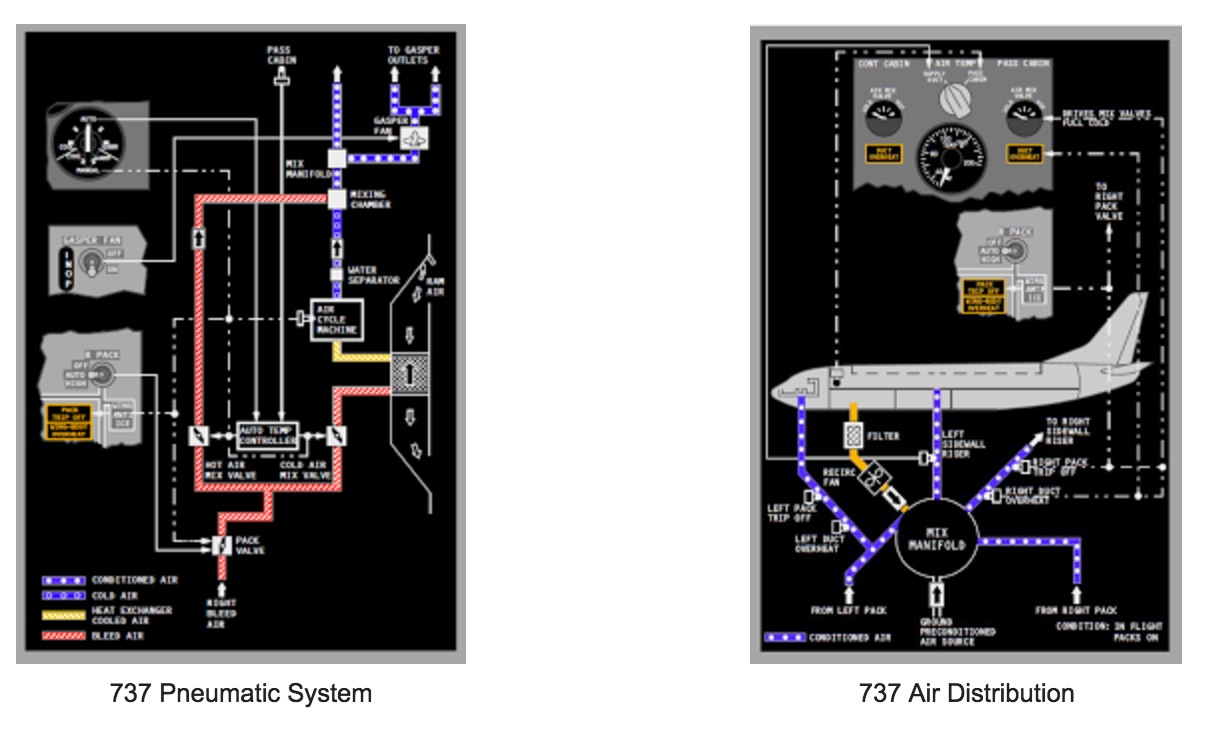
After the airplane is away from the gate and under its own power, all heating and cooling is provided by onboard systems which are powered by compressed air from the engines. These onboard units are known as pneumatic air cycle machines or PACs (on Boeing aircraft) and not only provide heating and cooling but also pressurization to the cabin while at altitude.

Without going too far down the rabbit hole concerning Carnot cycles and thermodynamic flow equations, suffice it to say that the units take hot compressed air from the engines and make cold air out of it or use the hot air directly for heat. Yes, all the air that you’re breathing on an airplane is brought in through the mouth of the engines. It is also why an engine malfunction can quickly fill the cabin with smoke, but that’s a topic for another time.

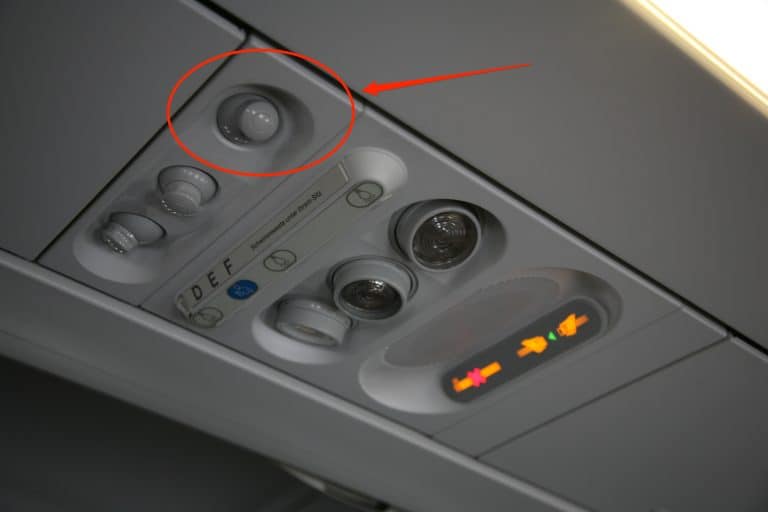
After going through some plumbing and a water separator, the air is distributed to the cabin through ducting and the gasper outlets, which are those little twisty vents over your seat. The system temperature is controlled through the use of a thermostat which is usually located in the cockpit. It is supposed to be a “set and forget” type of arrangement which should always provide a comfortable temperature over a range of aircraft operating states such as taxi, climb, cruise, or descent.

At least that’s how it is supposed to work. Let’s now take a look at the many things that can go wrong to make you miserable:

Human Factor Errors

One of the basic problems concerning complex feedback systems is that the user…you freezing or sweating in your seat…is not the controller. A systems engineer might say the feedback loop of this control system is in an open state. My suggestion is that you attempt to close the loop by hitting your call button and complaining. Many times certain parts of the plane may be warmer or cooler than others. The galley where the flight attendants spend most of their time may be fine. Let them know that you are not fine.

Another issue could be that the user is feeling perfectly fine, but that person is not you, it is a flight attendant. They are the ones who call the cockpit to request a warmer or cooler temperature. On some airplanes, they can control the temperature directly. Remember, they are constantly on their feet and are likely to appreciate a cooler cabin than you sitting in your seat motionless. Again, if no one complains, they have no way of knowing.

Southwest Air pilots I flew on three different planes duri… Flickr
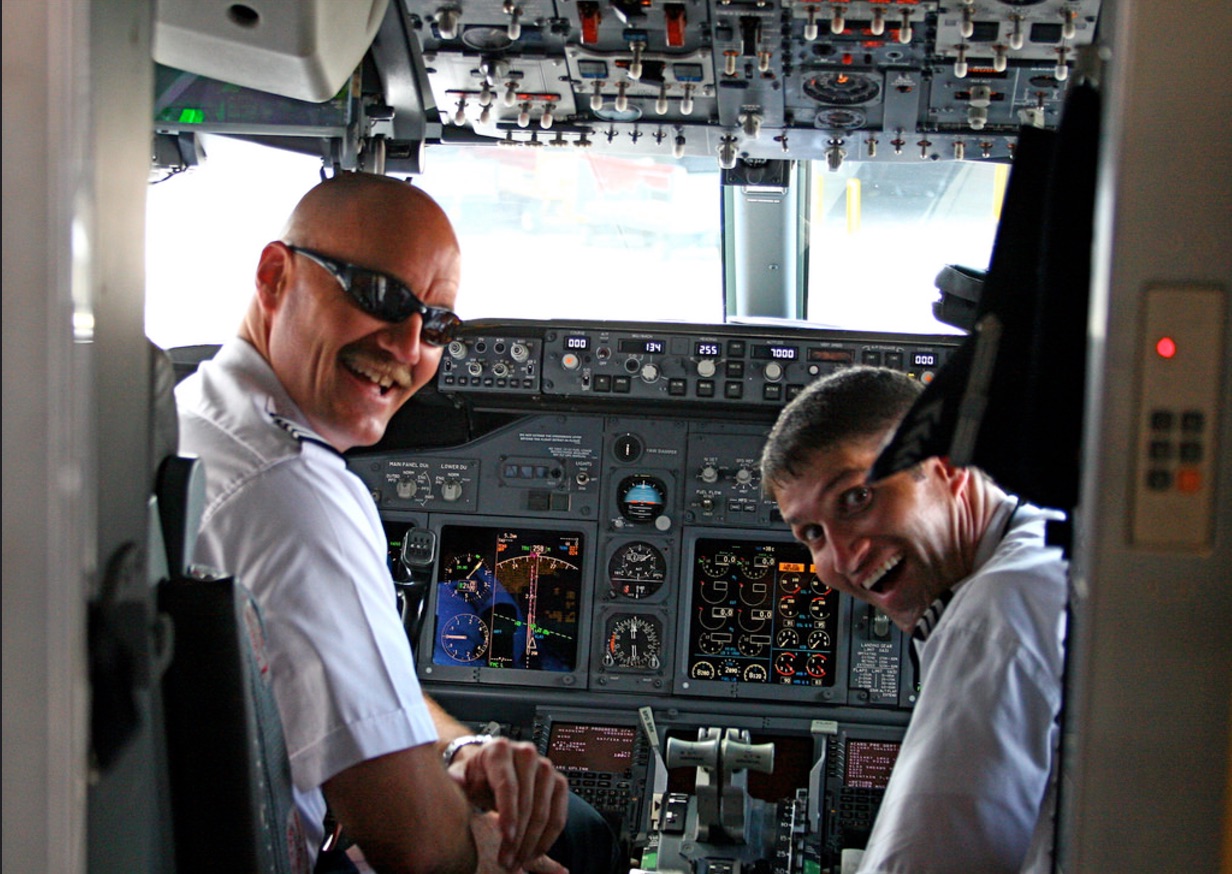
Pilots are great people who might not be aware that you are uncomfortable.
Photo by Liz West. https://www.flickr.com/photos/calliope

The same dynamic is true for the pilots. If they don’t hear any complaints from the back, they’ll just assume everything is OK. And speaking of pilots, they are sitting up front in a glass house. It is the guy in the right seat who controls the temperature, so if he is on the sunny side of the airplane and is warm, he’ll just dial it down.

Another thing I’ve noticed is that some folks just naturally run cold or hot. Heavier people seem to like it cooler than thin people. So if your first officer appears as an endomorph and is sitting on the sunny side of the plane, that may explain why you’re freezing in your seat. Again, hit that call button and complain.

Operator Errors

ground crew MROC SJO click on top right arrows to enla… Bernal Saborio Flickr
Photo by Bernal Saborio https://www.flickr.com/photos/44073224@N04/28809123780

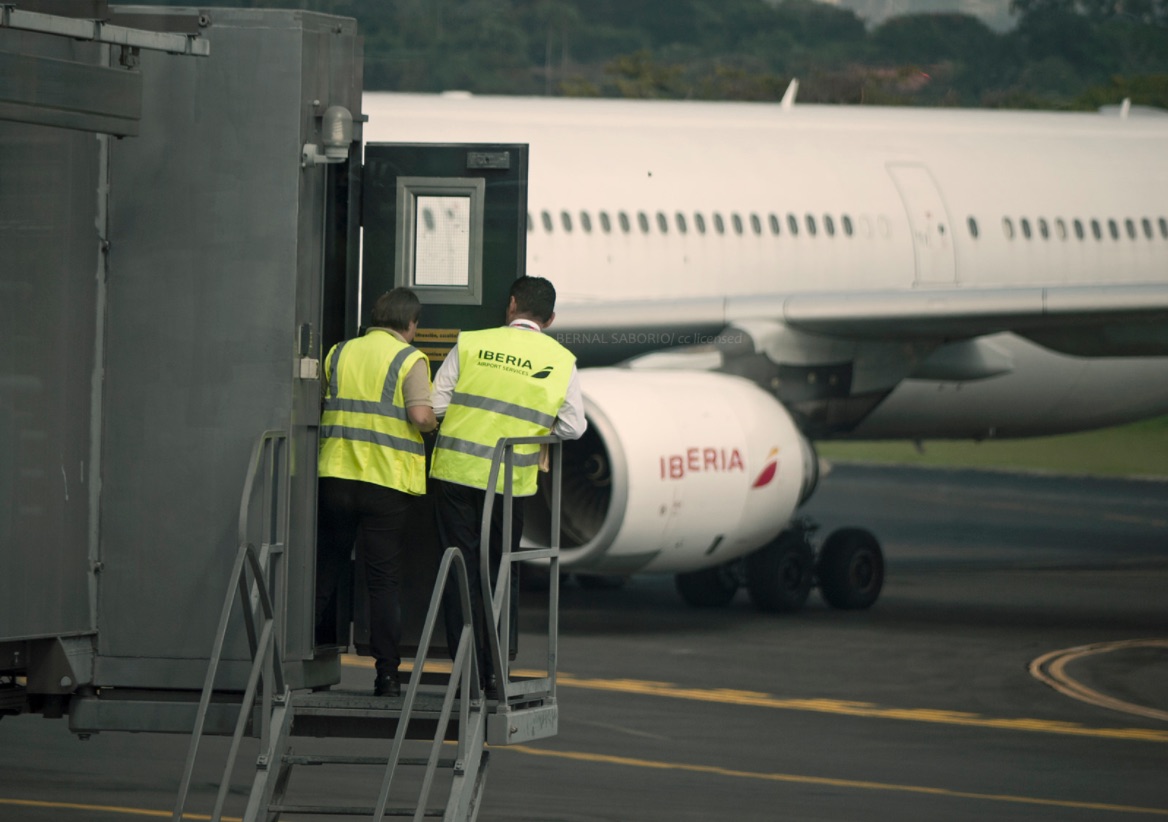
Another class of error in temperature control might be classified as operator errors. For instance, on a coolish spring or fall day the ground crews may simply neglect to connect the air hose thinking that the temperature outside is cool so it must be OK inside the airplane. What they don’t realize is that several hundred bodies in an aluminum tube will always result in a stuffy cabin even on the coldest of days. This problem is compounded when the pilots fail to look out the window to see a folded up or deflated air hose. The solution is to start the APU and get some air flowing.

Being a commuter, this is my personal pet peeve. We have a certain set of pilots who mean well but have their priorities askew. They are reluctant to start the APU because they’ve been told that it uses too much fuel, so in this situation they will call station operations on the radio to request that the ground air be hooked up. Station operations will then call the ramp agent who’s probably loading bags and now has to stop what he’s doing to hook up the air. All this might take five minutes. And surely you won’t mind going into your meeting with sweat stains on your shirt.

My technique is to reach up and to start the APU, get some air to the customers, and to then perhaps chase down why the ground air isn’t hooked up or working. Most jet bridges are owned by the airport authority which is usually a city-owned bureaucracy. If they are out of service for maintenance, making a call to get them fixed is literally the same as calling city hall to get a pothole fixed. Good luck with that.

I was even once parked at a gate without a working APU, so the only source of air was the ground unit. As I sat there in a full airplane on a summer day, a city crew pulled up, turned off the unit, and before I could shout at them, drained the coolant out of it to perform some maintenance. When I asked them if they noticed this big blue thing with wings and engines sitting there, the answer back was that they had their orders and didn’t know nuthin about no airplanes. Luckily we were close to pushback, but this is part of the impenetrable stupidity that makes the job so enjoyable.

Lastly, sometimes the system is either overwhelmed such as waiting for takeoff on a 110 degree day in Phoenix with a full airplane, or it simply doesn’t perform as expected. There’s not much that can be done about the former, but if the system won’t heat or cool properly, it needs to be written up and fixed. This can take some time.

In Conclusion

The heating and cooling systems on jet aircraft are charged with keeping you comfortable while the temperature outside the aircraft can range from over 100 degrees to 50 degrees below zero at altitude. They usually do a pretty good job but have their limits mainly due to human or mechanical error. The best thing you can do to ensure a comfortable ride is to speak up…and to bring a jacket.

WATCH: The Film That Made the Thunderbolt Even More Famous

The 57th FG Made History in the MTO. Along the Way They Made a Movie

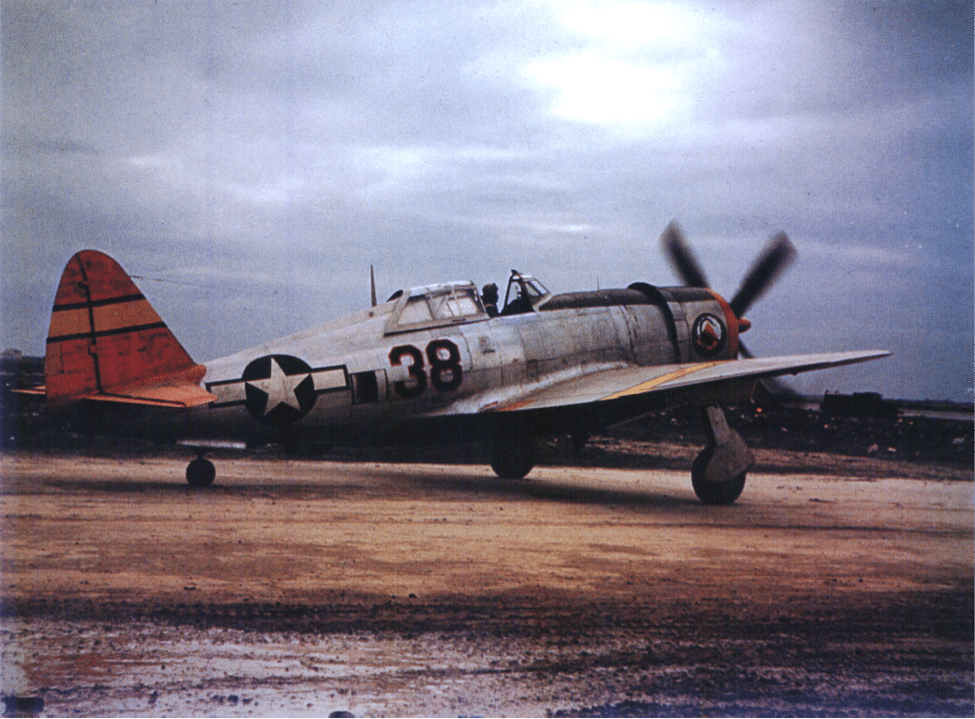
Our film for today is William Wyler’s “Thunderbolt”, shot during 1944 in the Mediterranean Theater of Operations (MTO) by the Army Air Forces and released to the military in 1945 and to the public in 1947. Starring P-47D Thunderbolts and their pilots flying missions from Alto Air Base on Corsica and their supporting personnel, the film begins with an explanation of how the footage was shot. Army Air Forces B-24 pilot Jimmy Stewart introduces the picture. Our thanks to Manic Movies for uploading the film.

[youtube id=”Da_gbVd6nzM” width=”800″ height=”454″ position=”left”]

Like War Itself This is Not Always Pretty

The footage is not all pleasant. You should be aware that the film, shot and produced during wartime, wastes little time before getting to the meat of the issue in Italy during the war. However, there is no better way to get a feel for the war, particularly the air war, and how it was fought in that part of the world. The P-47 Thunderbolt, also known as Jug, was a punishing fighter-bomber well suited to the kind of war in the air being fought in the MTO. Footage from this film was used in several other films and movies. You’ll probably recognize some of it.tbolt3

The Vagabond 57th FG Lineup

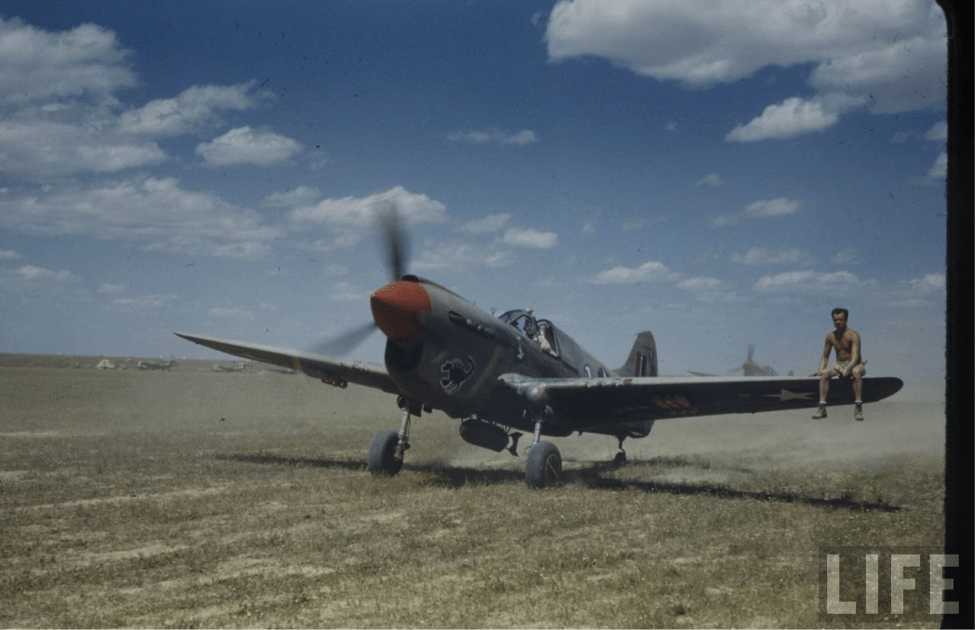
The group featured in the film is the 57th Fighter Group, consisting of the 64th Fighter Squadron Black Scorpions, the 65th Fighter Squadron Fighting Cocks, and the 66th Fighter Squadron Exterminators. The film also mentions that the 57th Fighter Group moved 58 times in two years. That seems like a lot of moves but having started out flying P-40Fs in North Africa during 1942 it seems entirely plausible that the Group moved many times. The 57th moved to Corsica on March 30th 1944.tbolt4

Fame From a Merciless Fight

Earlier, while stationed in North Africa flying P-40Ks, the 57th participated in the April 1943 aerial battle over the Gulf of Tunis at Cape Bon known as Operation Flax. The group destroyed approximately 74 enemy transports and fighters. Nearly that many more enemy aircraft were lost when they attempted to ditch at sea or crash land on beaches in the area. This action became known as the “Goose Shoot” or “The Palm Sunday Massacre.”tbolt5

How to Earn a Distinguished Unit Citation

As you will see in the film, the 57th flew missions at a hectic pace, averaging about 48 sorties per day against railroads, lines of communication, and vehicular transportation targets- primarily behind enemy lines. The 57th earned a Distinguished Unit Citation during the time Wyler was filming for their attacks against the German forces in the Florence-Arezzo area. Later the Group flew missions in the French campaign against Elba in June 1944 and later during the invasion of Southern France.

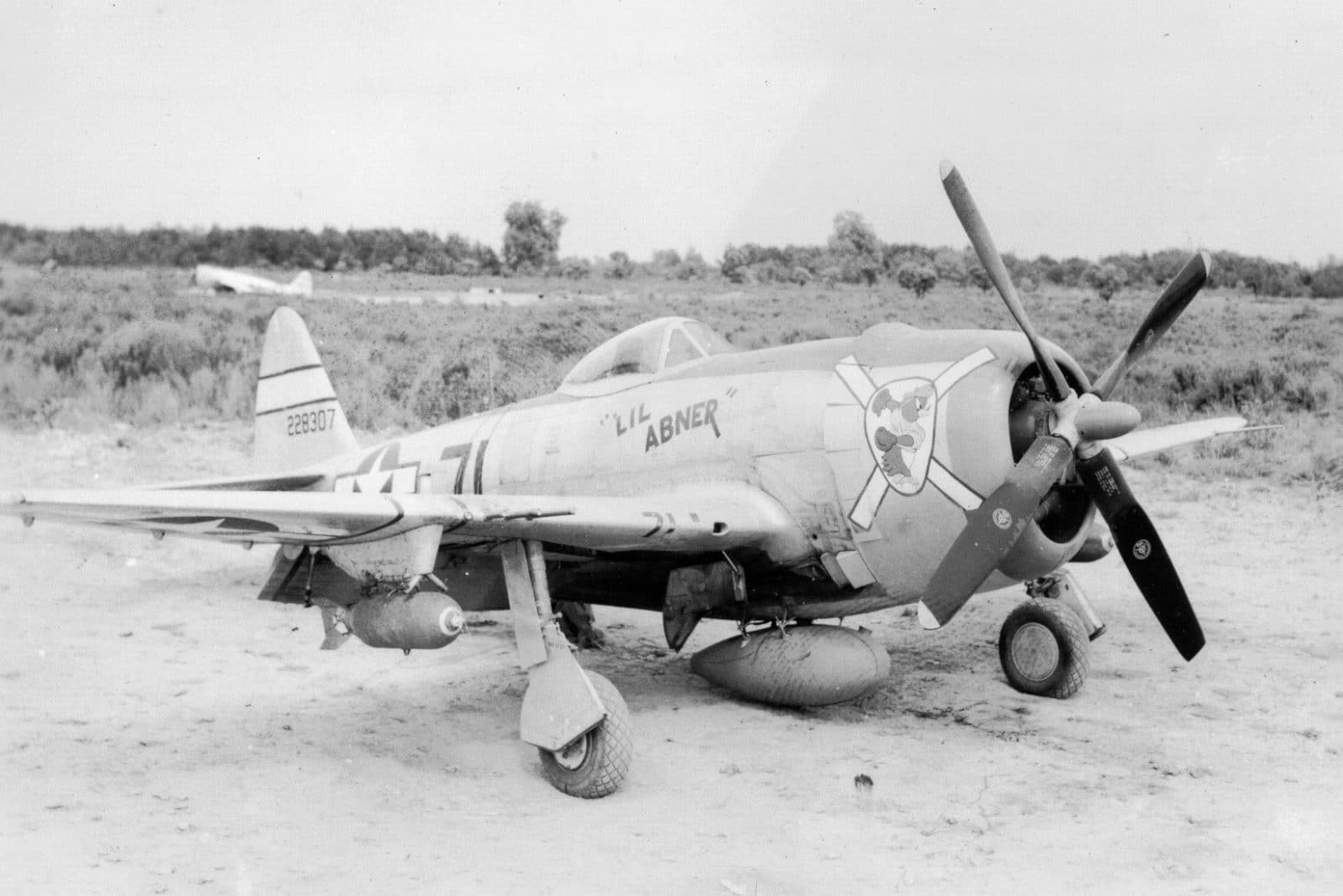
USAAF 42 28307 P 47D Thunderbolt 12AF 57FG66FS 33 Lil Aabner 01

Strangling Supply Lines

The 57th flew many of their missions in support of Operation Strangle, an air interdiction effort with the goal of preventing essential supplies from reaching German forces in central Italy and to compel a German withdrawal. For operations in the MTO, the 57th Fighter Group earned three Distinguished Unit Citations and the French Croix de Guerre (Cross of War) with Palm (awarded in late 1967). We hope you enjoy “Thunderbolt!”

Breitling Jet Team announce 2017 European Tour schedule

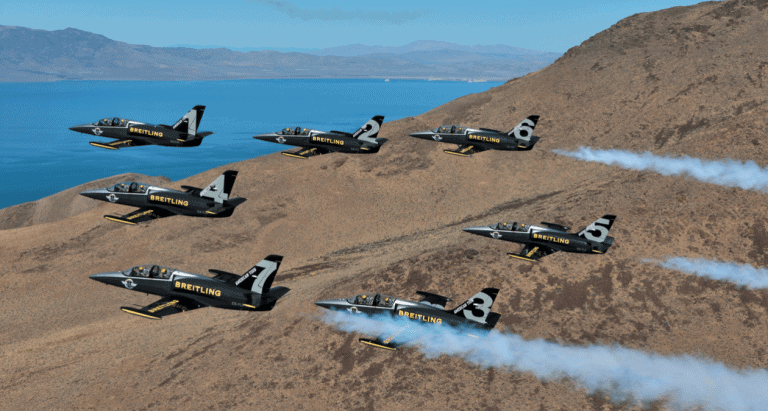
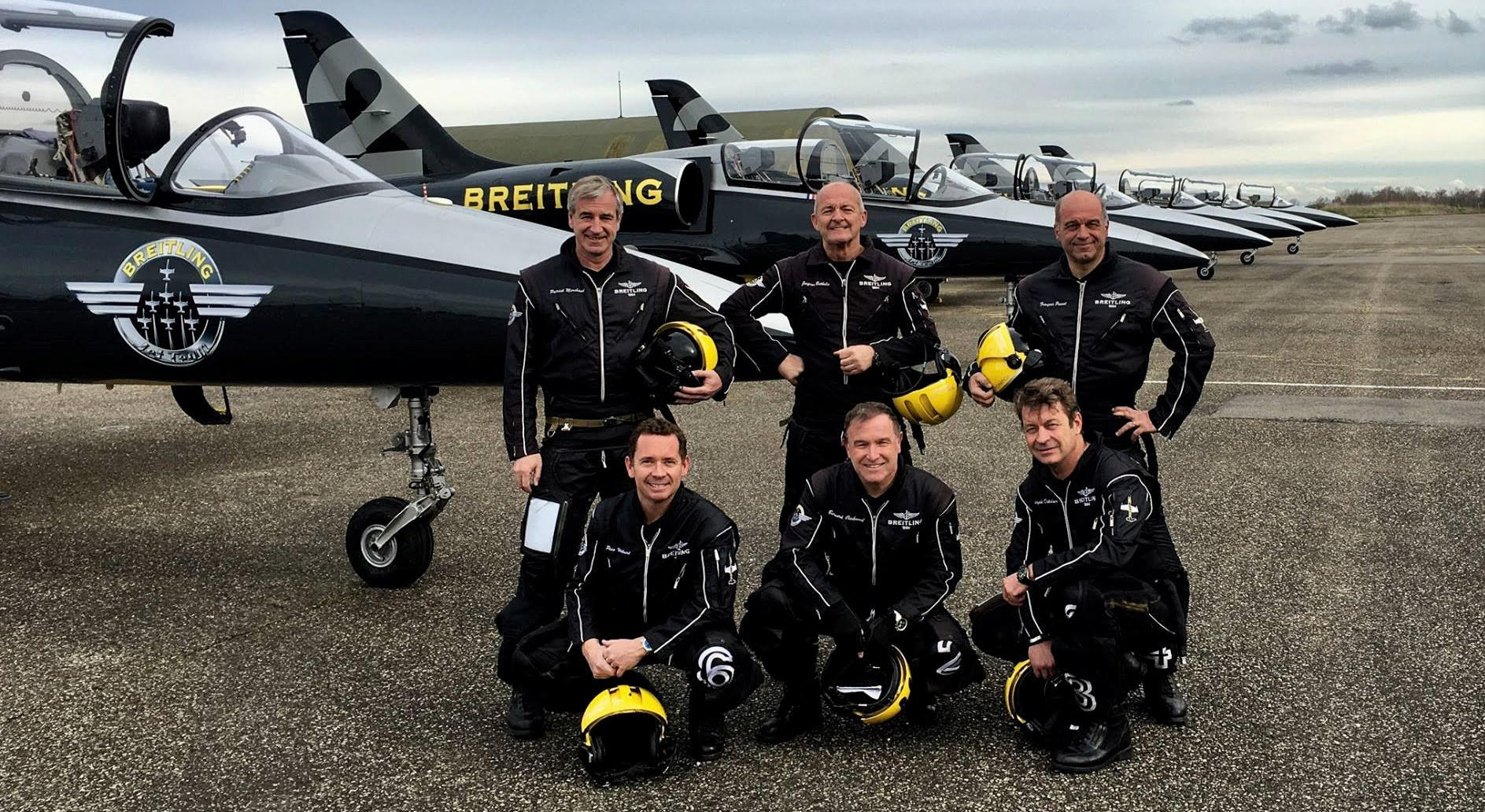
The world’s largest civilian jet team released their 2017 European Tour schedule this week as the Breitling Jet Team return to Europe’s top airshows following their successful two year tour of North America.

The formation flying of the Breitling’s seven black and metal gray L-39C Albatros aircraft will provide a timeless beauty in formation flying as they go smoke-on during their summer long performance. Breitling’s 20 minute aerobatic flight will showcase many original maneuvers created by the pilots themselves as their seven jets demonstrate dynamic maneuvers both high and low over the airfield.

Like the watch and chronograph manufacturer who sponsors the team, the Breitling jets will perform with aerobatic precision beginning high above the Czech Republic on June 3 and 4. The team’s 12-show site European Tour will have the team perform in Norway, Italy, France, the United Kingdom, and Belgium.

“We can proudly announce that we were able to contact and put Breitling Jet Team in the program,” said Jan Rudzinskyj, one of several organizers of the Pardubice Airshow in the Czech Republic. “The fact that the French have responded to our demand, certainly testifies to the importance of the Czech Aviation fair among Europe. This year our visitors will see a very dynamic performance of the six jets group.”

Headquartered in Dijon, France, the jet team has been sponsored by the Swiss watch manufacturer Breitling since 2003 due in part by the company’s rich history in aviation. Breitling watches were strapped to the wrists of many aviation pioneers, and even kept time for NASA’s astronauts en route to the Moon.

breit1

Jacque Bothelin, whose pilot call sign is “Speedy”, leads the team both in the air and on the ground. Pilots Bernard Charbonnel, Christophe Deketelaere, Francois Ponsot, Georges-Eric Castaing, Paco Wallaert, and Patrick Marchand perform together in close formation, and at times with two of the jet aircraft performing a specific maneuver such as the Opposite Barrel Roll.

Breitling’s L-39C Albatros jet’s can pull nearly eight times the force of gravity, and soar up to near the speed of sound. The black color of the jet’s fuselage can highlight each maneuver followed by smoke trails created during many of their maneuvers. Most spectators say they look like missiles streaking across the deep blue sky.”My favorite Breitling maneuver is the Apache Roll,” said pilot “Gaston” Marchand as he stood poised near his #7 aircraft. “It was created by Bothelin and has been duplicated by many jet teams around the world. It is a maneuver where four jets are flying within ten feet of each other and I am in Jet 7 doing barrel rolls around the formation. It’s always a favorite of fans and we often get a great applause from the crowd during this maneuver.”

Flying in close formation, the jets are about three meters apart as they soar at speeds of nearly 700 km per hour. Breitling explains that the pilots demonstrate mutual trust gained after years of working together. “The pilots think, operate and react as a single being, with as main concern for the safety of everyone.”

breit3
Breitling’s Jets align in several fascinating formations high overhead during the airshow. The Blackbird has jet one aligned in front of the six jets delta formation; and the Chronomat displays jets one, three, and five aligned nose to rear with jets seven, four, two, and six making up the wings on either side. The popular Rocket formation has three jets aligned nose to rear with two jets behind and on wither side of the alignment.Most of Breitling’s pilots have sharpened their aviation and aerobatic skills as fighter pilots while in the French Air Force. Each one having over 4,600 hours of jet time in such European aircraft as the Alpha Jet, Jaguar, and the popular Mirage F1.

Breitling’s right outside wingman Paco Wallaert served 22 years in the French Air Force both as fighter pilot and as aerobatic pilot for four years in the Patrouille de France — France’s military version of the U.S. Air Force Thunderbirds. He spoke of his transition to Breitling at the same time he moved back into civilian life.

“Breitling’s not flying five or six jets, but seven which is quite unique as a civilian jet team,” Paco stated to this aerospace journalist recently. “I’m not a fighter pilot anymore, but I’m a jet pilot as a civilian. So I feel very fortunate to still fly in jets and above all with Breitling.”

The Breitling jets have returned to European airshows fresh from a two-year visit across North America. Their U.S. popularity in 2015-16 became a top draw at most show sites as they wow’ed the crowds prior to the Blue Angels and Air Force Thunderbirds.

Visit breitling-jet-team.com for the team’s full schedule, and get a close up look at each of the skilled pilots and their aircraft.
(Charles Atkeison reports on aerospace and technology. Follow his updates via social media @Military_Flight.)

The Curious Case of Dr. Dao On A United Express Jet

1

An airline pilot separates emotion from facts and breaks down the case.

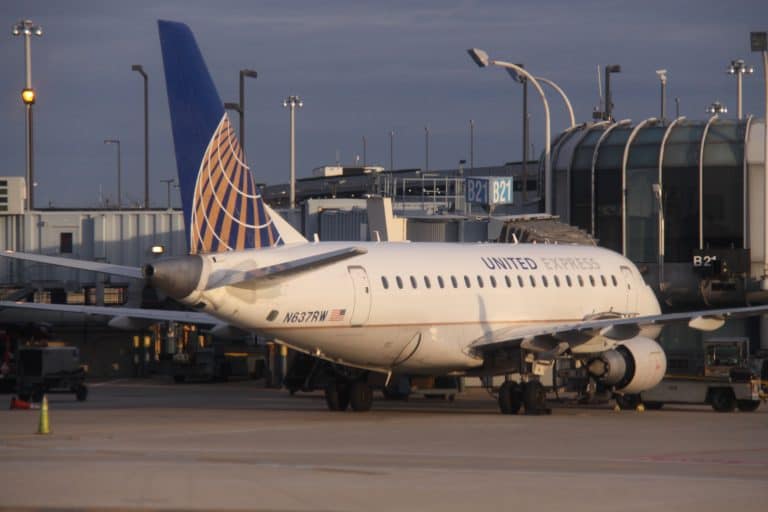
By now we’ve all heard of the events on United Express Flight 3411 wherein a passenger refused to deplane to accommodate some deadheading crew and was eventually dragged off the aircraft by Chicago law enforcement officers. The passenger, Dr. David Dao, suffered some injuries including two broken teeth and had to be treated in a hospital following his forceful removal from the aircraft.

As this is an aviation blog, and before I bury the lede too far, I’d like to look at this event from the aspect of what the pilots could or should have done. The answer is much less than you might expect given that the airplane was parked at the gate and that there were no safety concerns. In spite of what a few keyboard warriors hanging around my blog may assert, federal law concerning pilot authority is quite clear on the limits to a pilot’s responsibility and authority.

But before I dig into that, let’s review the story as it stands so far, shall we?

The incident was captured on various personal devices for our enjoyment and the internet predictably blew up on cue. Many hot takes were given, much outrage was expressed, and many gallons of ink were spilled as everyone who could form an opinion, valid or not, did so. Here are just a few.

Everyone has gotten in on the act

The entire sovereign nation of China, one of United’s largest destinations by customer count, wasted no time in ginning up the indignation sirens claiming that Dr. Dao’s shabby treatment was a result of racial animus against persons of Chinese descent. This had to be revised to accusations of a general anti-Asian bias when it was revealed that the good doctor is of Vietnamese extraction. (The incident was nothing of the sort, and it would be nice if racism wasn’t the knee-jerk go-to explanation for everything under the sun.)

Economists have weighed in on the economics of offering money to entice people to give up their seats. There’s a good reason that economics is called the dismal science, as my head hurts after reading about all the game theory that applies. Perhaps United should have just upped the ante of cash offered. Eventually someone would have taken the deal.

Legal eagles have offered advice concerning the fine print that is contained in the contract of carriage which all passengers agree to when purchasing a ticket. One aviation lawyer I found believes that the airline was justified in removing the doctor as his opinion is that no property right is created through the purchase of a ticket. Another lawyer blog believes otherwise stating that United did not correctly follow its own directives. In the end, it will come down to precedent, case law, and the legal interpretation of words such as “boarded” and “oversold”. The doctor has hired a competent lawyer and is planning on suing everyone in sight. My personal view is that while United may win the legal battle, it long ago lost the PR war.

From a law enforcement point of view, three officers from the Chicago Department of Aviation, were the ones who removed the doctor from the plane. The doctor resisted their efforts and in the process of this resistance hit his face on an armrest resulting in his injuries. At least one of the officers has been placed on leave for not following standard operating procedure (SOP). While I have no doubt that an investigation will determine whether SOP was followed or not, it seems to me that if a 69 year old man can’t be removed from an airplane without being bloodied then perhaps they were doing it wrong. On the other hand, resisting law enforcement is never a good idea.

Civil libertarians of course see this as one more road sign along the route to the coming police state. I’m not so sure that this incident is reflective of an improper use of law enforcement. After all, should you plant yourself on a couch at Macy’s at closing time and refuse to move, you will likely be escorted off the property by some form of law enforcement given enough time. United for its part has forsworn the future use of law enforcement to remove passengers. I think I can safely predict a new class of delay as passengers refuse to disembark for this reason or that and nothing gets done.

For some homespun humor and common sense about the incident we turn to Mike Rowe who points out that a simple appeal to reason would have quickly resolved the problem.

Lastly, many are pointing out that the good doctor himself has a somewhat shady past involving drugs and sex which cost him his medical license for a while. Even the doctor’s story as to why it was important for him not to be removed was not quite true. So what does this have to do with anything that happened on the airplane? Absolutely nothing. Nothing, that is, unless you are a lawyer trying to paint the doctor as a quick witted grifter who intentionally acted out in search of a pay out. It will be left to the lawyers, judges, and jurors to sort that one out.

Pilot’s Authority

The pilots of United were quick to point out that this incident actually took place on a Republic Airways owned and operated flight hoping to avoid association with the affair. That’s some facile reasoning as the airplanes are branded with the United brand and the Republic employees are clothed in United uniforms. But the pilots probably shouldn’t be so defensive. The pilots on that plane likely had zero input into any of the events that transpired. They may not even have known what was going on until the police arrived.

This of course brings us back to the topic of what the pilots could or should have done. There may have been a time in the distant past where pilots were expected to exercise authority over every aspect of the operation. Think back to, say, a Pan Am Model 314 making its way around the Pacific Rim in 1939. Back then the captain was the chief customer service agent and company representative. He had to be. There was no one else around.

Today things are different. Ticket agents, operations agents, boarding agents, customer service agents, ground operations supervisors, and the big kahuna, complaint resolution officials control nearly all aspects of airline customer service while the airplane is parked at the gate. They decide who goes on and who gets pulled off. The pilots do not.

Federal Aviation Regulations (FARs) are quite clear on this matter. Here’s the relevant text:

 §91.3   Responsibility and authority of the pilot in command.

(a) The pilot in command of an aircraft is directly responsible for, and is the final authority as to, the operation of that aircraft.

(b) In an in-flight emergency requiring immediate action, the pilot in command may deviate from any rule of this part to the extent required to meet that emergency.

In case you were wondering, the term “operation of that aircraft” does not include who gets denied boarding while parked at the gate. Do pilots have any input into this process at all? Yes, but only from a safety or security point of view.

For instance, should a flight attendant inform me that a customer appears to be inebriated during boarding, it is my responsibility to make sure we don’t fly with an inebriated passenger, which is a violation of FARs. However I have been given zero training in recognizing the signs of inebriation. Perhaps the passenger has a medical condition or just took a pill to help with anxiety. I don’t have the slightest way to tell.

Fortunately, the airline has hired and trained individuals who do have the expertise to make such a call. In fact all airlines expect their hired and trained experts to handle such customer service issues. Any pilot who came charging out of the cockpit to throw a passenger off for anything other than a clear safety issue would quickly find himself in the chief pilot’s office making arrangements for an unpaid vacation or the target of a discrimination lawsuit or both.

In the case of a mis-boarded passenger as was the case here, pilots have little or no input. Oh sure, pilots can offer an opinion, but customer service issues are the purview of customer service agents. And once law enforcement arrives to remove a passenger at the direction of ground operations, pilots again have zero official input.

In Conclusion

 United airlines unwittingly touched the third rail of customer dissatisfaction by becoming a lighting rod for an ocean of pent up frustration concerning airline passenger treatment (to mix metaphors). This frustration is no doubt heavily contributed to by the goons running the TSA, but it is the airlines’ problem to solve. All airlines should do themselves a big favor by using this unfortunate incident to take a good look in the mirror and to ask themselves why their customers are so ready to grab the pitchforks when it comes to customer service. Incidents like this don’t help.

Operation Eagle Claw: The Rescue Mission That Died in the Desert

Sweeping Changes in the Special Operations Community Resulted from the Deadly Debacle at Desert One.
During the night of 24 April and into the morning of 25 April 1980, Operation Eagle Claw went from a daring and innovative rescue operation to bring home the 52 American hostages held by Iran to a failed mission that changed the way the American military conducted such missions. The failure of Operation Eagle Claw is also considered to be at least in part responsible for the ascendance of Ronald Reagan to the White House in 1980.eagle2

Setting the Scene

Three weeks before the rescue mission was to take place a very remote airfield in the Iranian desert was surveyed and infrared lights and strobes placed to assist pilots landing at the site. The field itself was checked and determined to be hard-packed sand- perfectly suitable for the rescue aircraft. The operational plan dictated that the site, dubbed “Desert One” would be secured by United States Army Delta Force and Rangers operators and about 6,000 gallons of jet fuel for the helos would be pre-positioned there.

eagle3

Putting the Pieces in Place

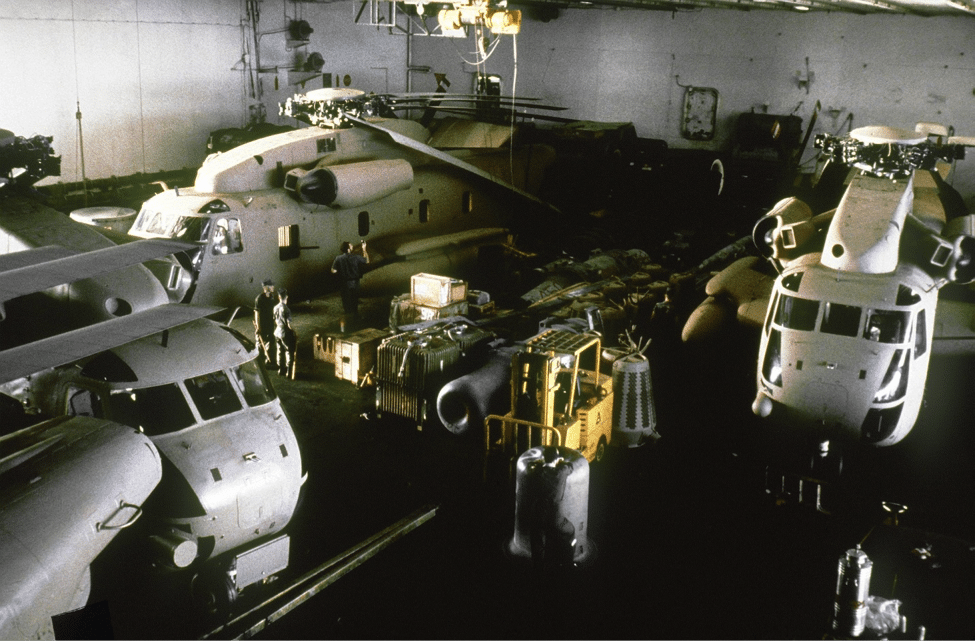
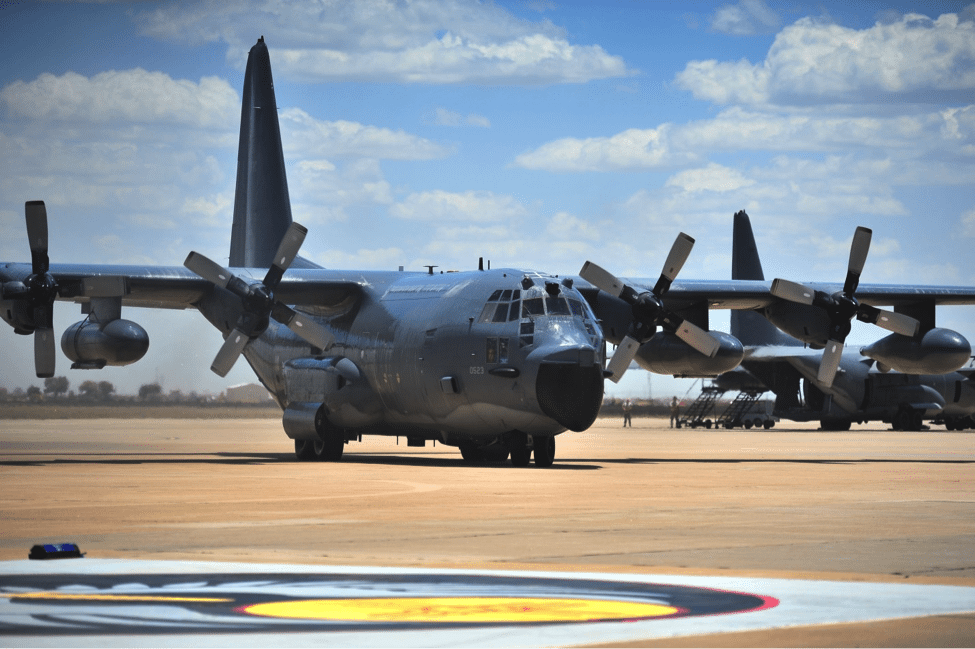
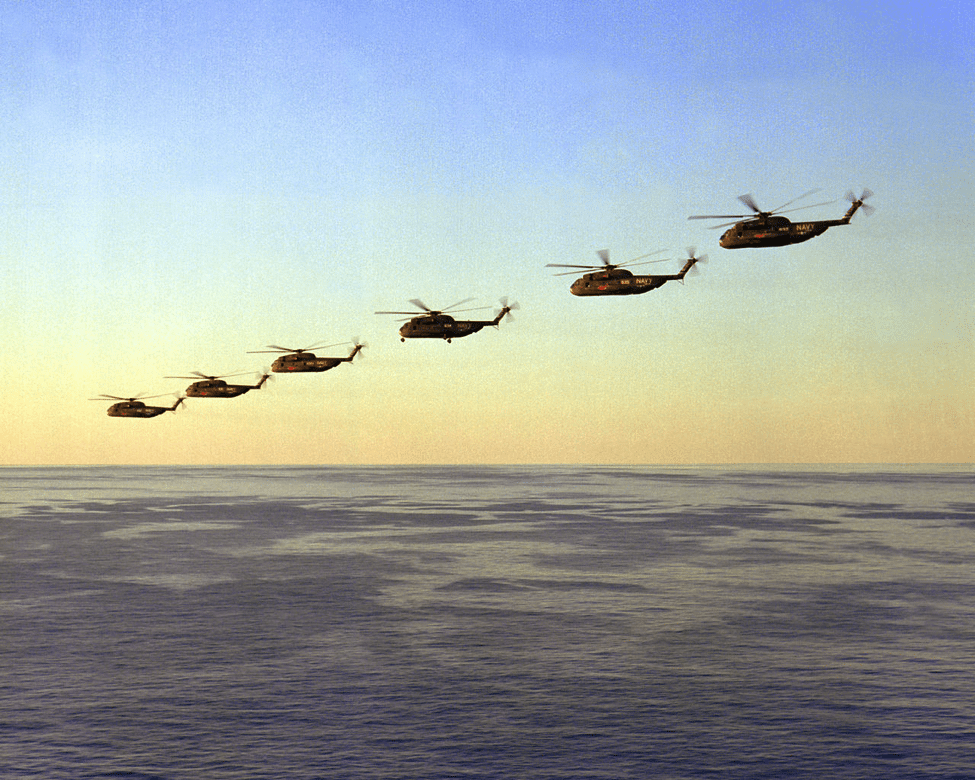
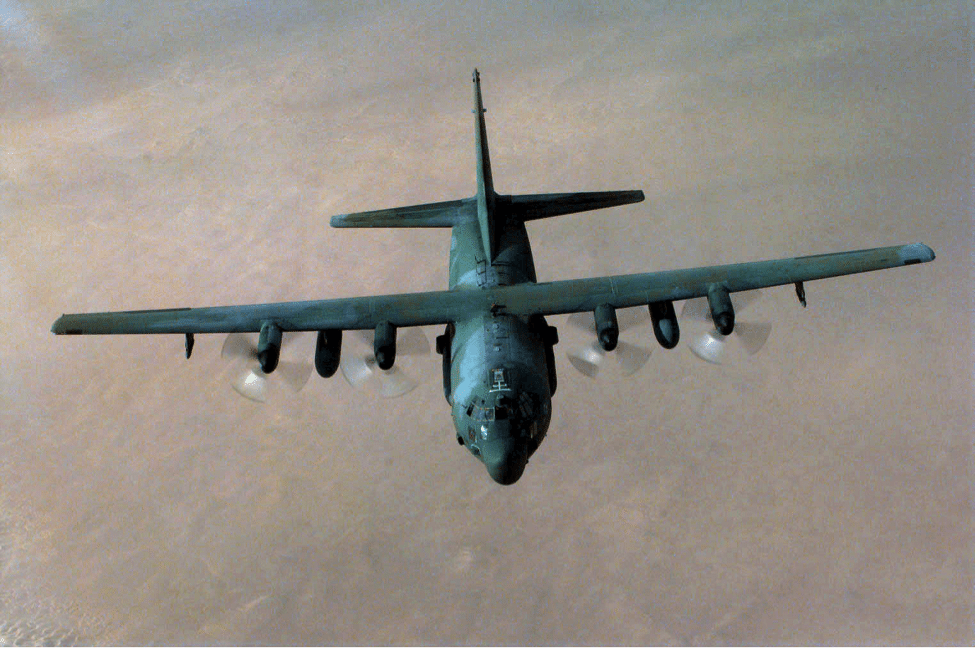
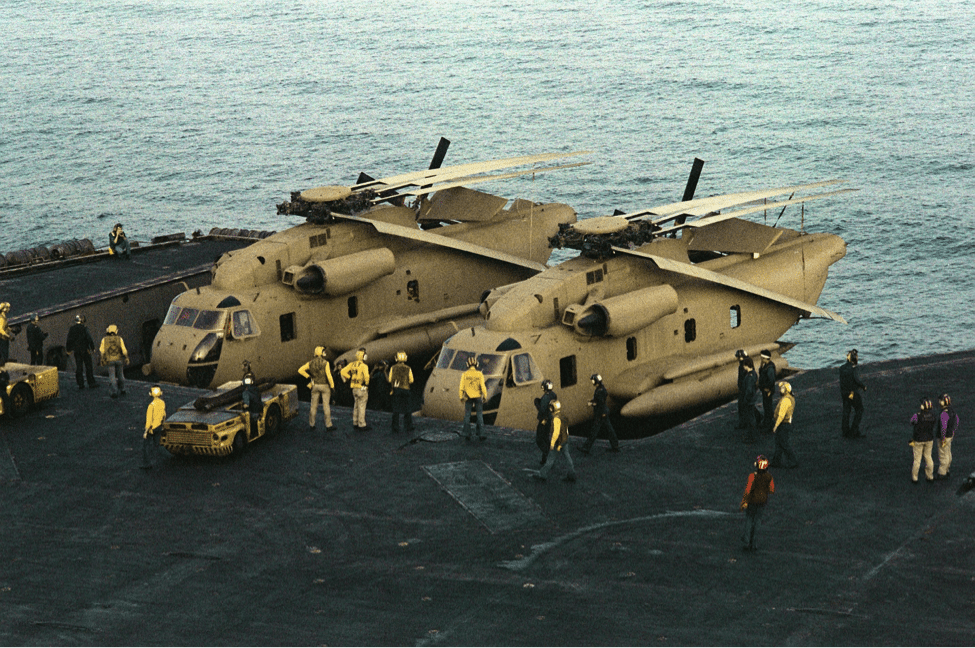
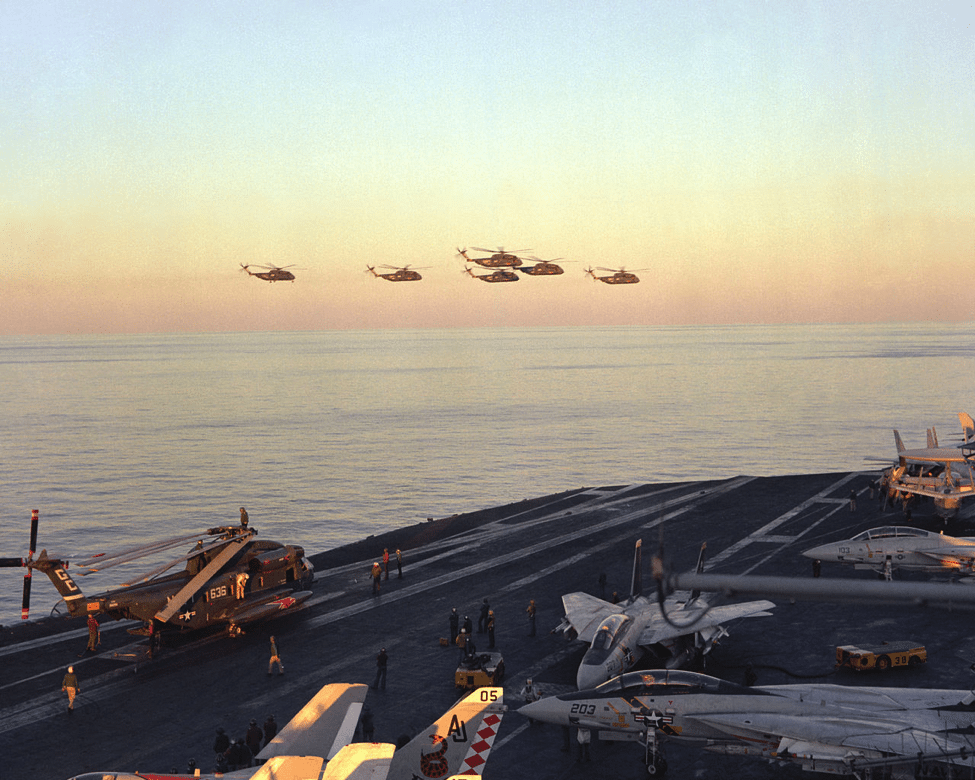
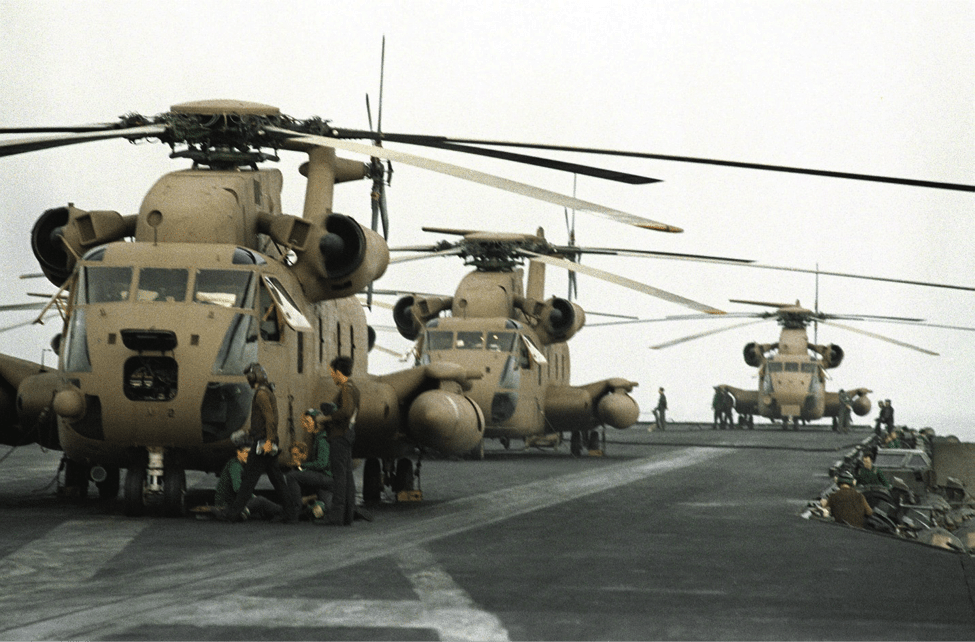
US Air Force assets were the three Lockheed EC-130E Commando Solos, using the call signs Republic 4, 5, and 6, and the three MC-130E Combat Talon 1s, using the call signs Dragon 1, 2, and 3. The EC-130Es carried fuel bladders and personnel. MC-130Es carried personnel, supplies, and equipment. Eight US Navy RH-53D Sea Stallions normally assigned to Helicopter Mine Countermeasures Squadron (HM)-16 Seahawks and HM-14 Vanguard went aboard the aircraft carrier USS Nimitz (CVN-68). Ostensibly aboard the carrier for a minesweeping mission, the helos were thoroughly checked and rechecked by their combined Navy and Marine Corps crews. They would use the call signs Bluebeard 1 through 8.

eagle4

A Not-So Simple Plan

The overall plan was to fly to Desert One, refuel, then continue on to Desert Two, located 52 miles from Tehran. The American force would overnight at Desert Two and conduct the actual rescue the second day. The plan became more daring and risky with each hour. The Delta operators would drive from Desert Two to the American Embassy in Tehran to free the hostages. Army Rangers were to capture a nearby air base where Lockheed C-141 Starlifters would land, grab the hostages and their rescuers, and depart Iran. Other US Army troops were tasked with disabling electrical power. Even USAF AC-130 Spectre gunships would get in on the action by providing on-call close support of troops in contact on the ground in the Tehran area.

eagle5

War Paint

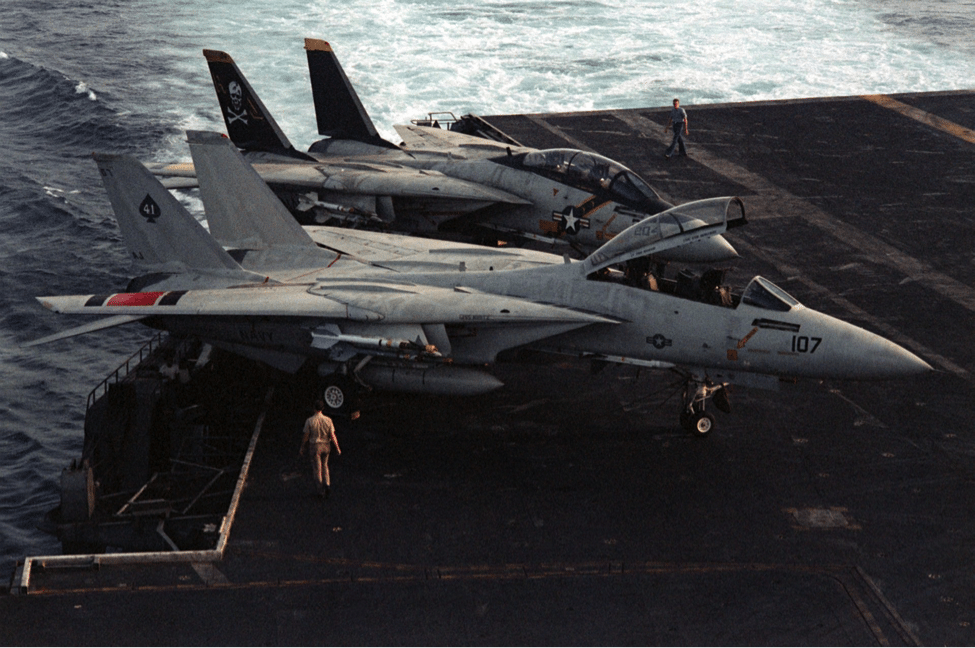
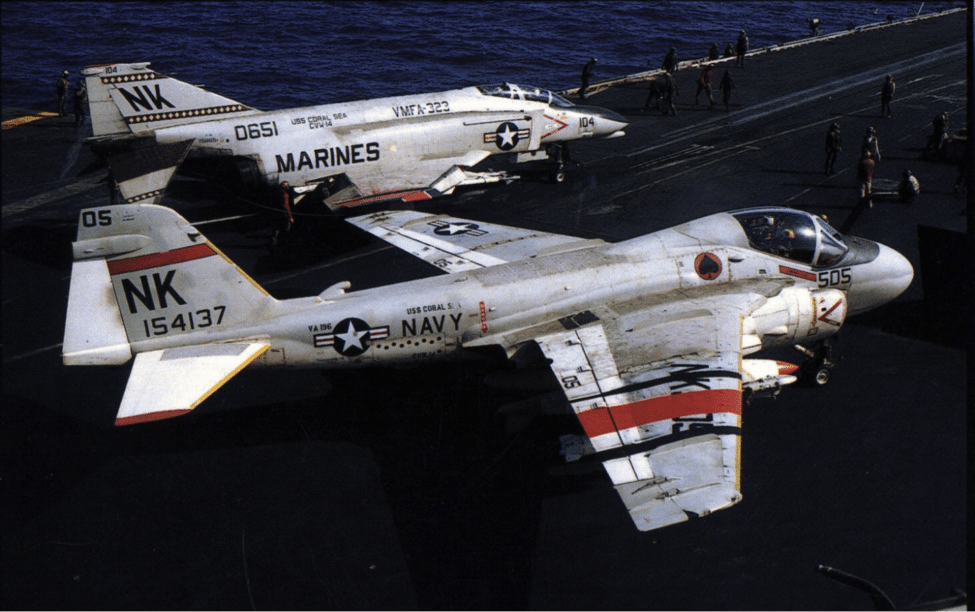
Aboard the Nimitz and the aircraft carrier USS Coral Sea (CVA-43), efforts were underway to avoid blue-on-blue (friendly fire) accidents. The Iranians were also operating Grumman F-14A Tomcats and McDonnell Douglas F-4 Phantom IIs at the time. Because they were tasked to provide air cover over Tehran, the similar Navy and Marine carrier-based aircraft were adorned with “invasion stripes” by the crews. Carrier Air Wing 8 (CVW-8) aboard Nimitz and CVW-14 aboard Coral Sea painted these stripes on the upper and lower surfaces of the right wings of their aircraft.

eagle6

Invasion Stripes

Fighter Squadron (VF)-41 Black Aces and VF-84 Jolly Rogers used red and yellow stripes on their F-14A Tomcats. Attack Squadron (VA)-35 Black Panthers and Light Attack Squadron (VA)-82 Marauders and VA-86 Sidewinders aboard Nimitz painted orange stripes on their A-6E Intruders and A-7E Corsair IIs. Marine Fighter Attack Squadron (VMFA)-323 Death Rattlers and VMFA-531 Grey Ghosts painted red and yellow stripes on their F-4N Phantom IIs. VA-196 Main Battery and VA-27 Royal Maces and VA-97 Warhawks aboard Coral Sea painted orange stripes on their A-6E Intruders and A-7E Corsair IIs. All stripes were bordered with thin black stripes.eagle7

Off to a Good Enough Start

Things started out well. Departing from Masirah in Oman, the airlifters negotiated the first leg of their mission well. Except for some damage to one of the MC-130Es (Dragon 1) caused by a hard landing (the aircraft remained flyable), the protection personnel and some additional troops landed without incident after dodging habitation and the Zagros Mountains. The American troops on the ground deep within Iran prepared the site for the arrival of the Navy helos. The second two MC-130Es landed and offloaded the personnel and equipment aboard, and then returned to base in Oman to prepare for the next night’s missions. It was at this point that the operation began to unravel.eagle8

Why There? Why Then?

A tanker truck smuggling fuel came upon the site and was blown up by a Ranger team controlling the roads in the area. Although not a specific threat to the mission, the explosion and fire brought the clandestine site to the attention of everyone within miles. The incoming helos even used it to help them find Desert One. Soon thereafter, at roughly 2130 local time, a bus appeared on the scene driving on what was to be used as a runway. As a civilian vehicle it was stopped and the 40-plus passengers held. It was about time for the helos, or what was left of them, to arrive.

eagle9

Dominoes Start to Topple

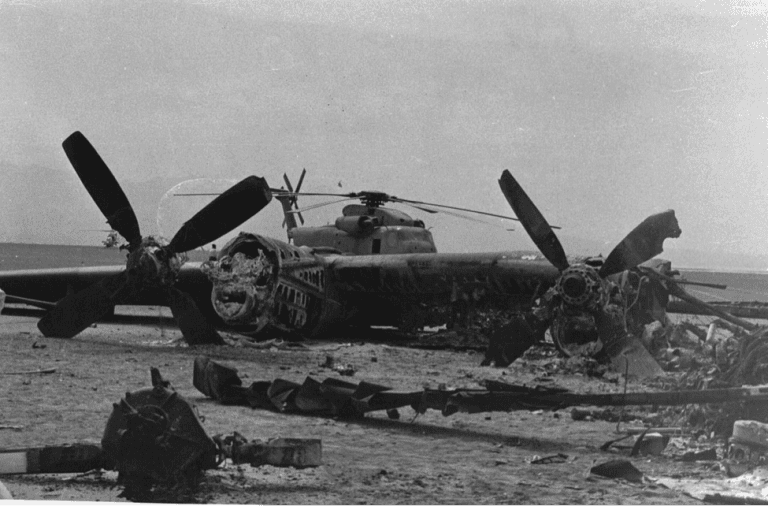
The first hint of trouble was aboard Bluebeard 6. The crew received a sensor notification that a rotor blade was cracked. Bluebeard 6 was sanitized of all material that might give the mission away and then abandoned in the Iranian desert. Bluebird 8 picked up the crew and continued toward Desert One. The other helos then encountered first a small, and then a much larger, “haboob”, essentially a hundred mile long persistent dust storm suspended in the air up to thousands of feet high. Unable to avoid these dangerous weather phenomena, Bluebeards flew through them both. Bluebeard 5 turned around and landed but the other helos did observe not them land. Bluebeard 5 eventually took off and headed toward Desert One. Another Bluebeard was forced to return to base (RTB) with instrumentation problems. This left six of the original Bluebeards available for the airlift to Desert 2. Ironically the Air Force airlifters had encountered the haboobs but failed to pass word to the helos inbound to Desert One.eagle10

For the Rest of the Operation Eagle Claw story bang NEXT PAGE below.

Extremely Hard Landing Of Jumbo Boeing Jet Caught On Tape

Wow…Glad I wasn’t on that flight.

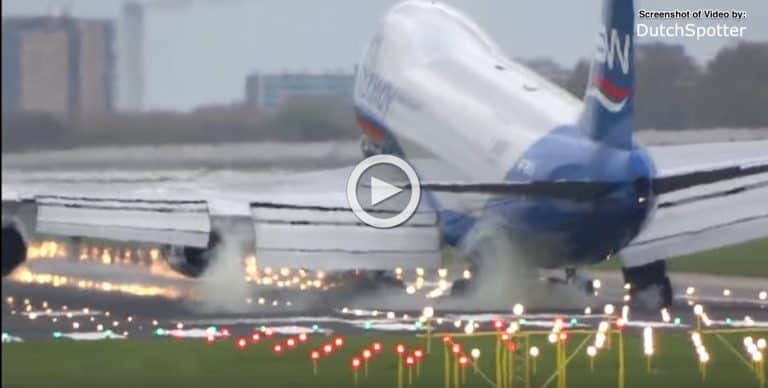
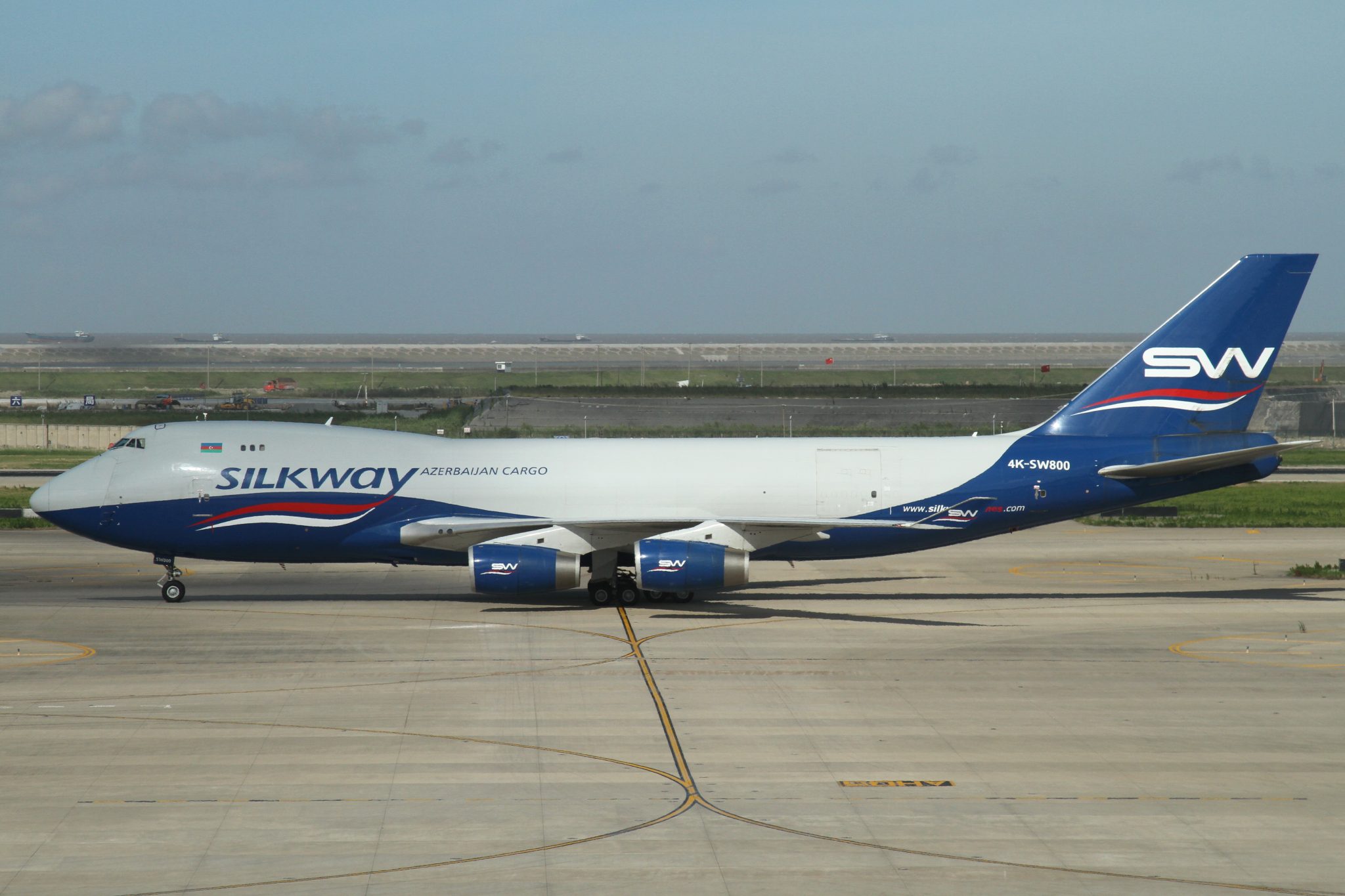
It’s one of the those hold your breath videos.  A Massive Boeing 747-400 cargo jet operated by Silkway Airlines landed, err…smashed into the runway at Shiphol International Airport last month.  The jet appeared to encounter a large sink rate during its flare.  Instead of going around, the jet continued and hit the ground with a vengeance.  It hit so hard that the jumbo Boeing bounced at least 20 feet back into the air.  The pilot then stabilized the jet and landed with a seat cushion still attached to his backside.

Why didn’t they go around?

I’m not sure actually.  If a pilot encounters a severe downdraft (caused by weather or wake turbulence), the typical reaction is to get out of the situation–execute a go-around–and try again with a more stable approach.

The good news is that while the jet probably needed a hard landing inspection, it looks like no one was hurt in the incident, save for a bruised ego and YouTube infamy.

The first video is by ddb.aviation.
The second video of the same landing is shot by Dutch Spotter.

silkway400

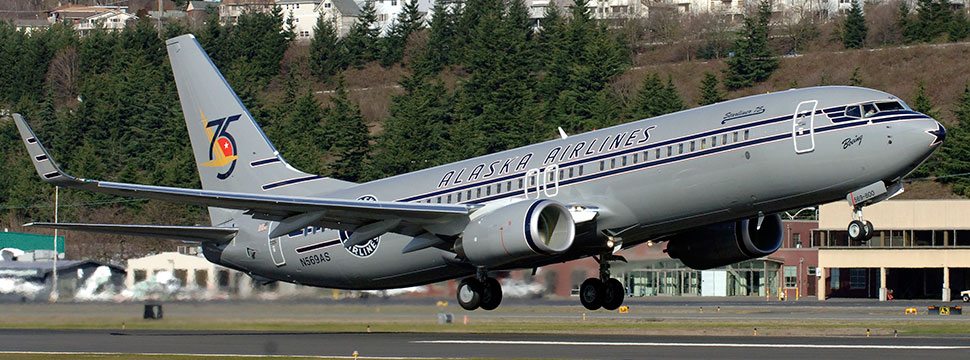
Starliner 75 Is One Strikingly Beautiful Jet

Starliner 75
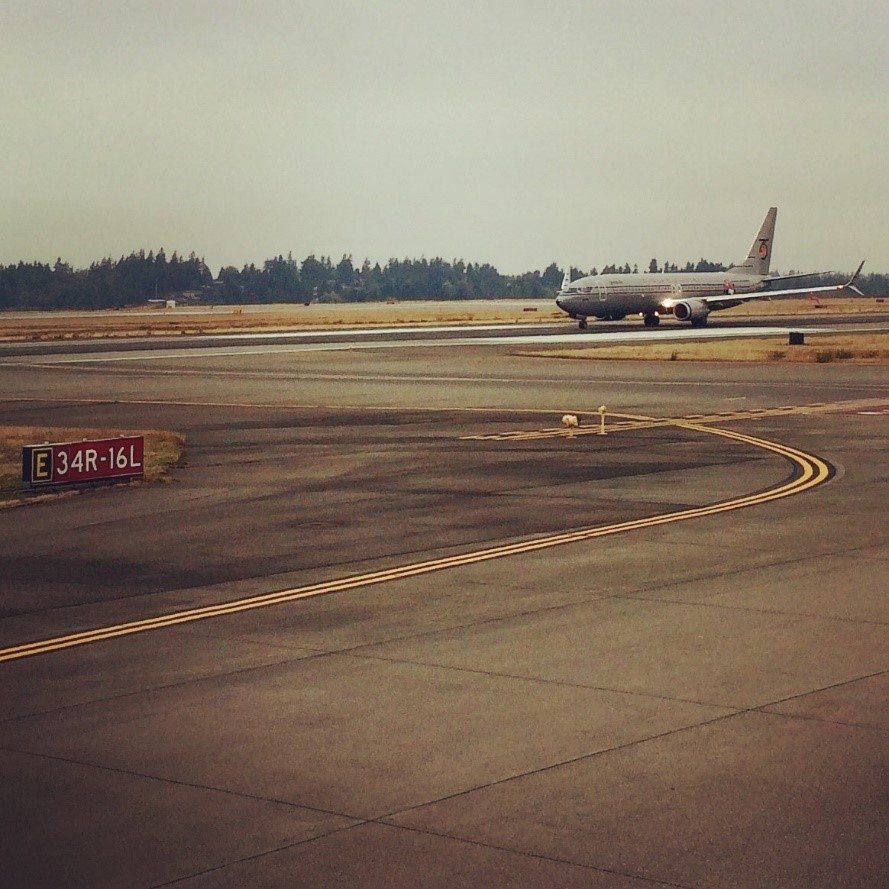
Starliner 75 on takeoff roll in SEA. Photo by Joe Vaeth

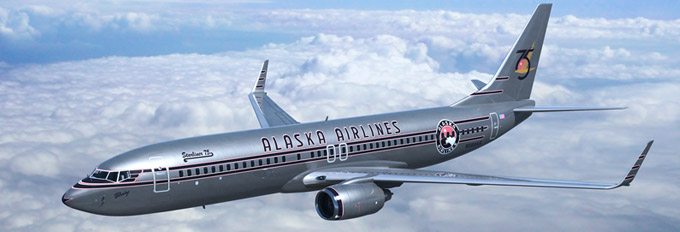
If you’re holding short in Seattle or flying through the Pacific Northwest or Alaska then you may see this Alaska Airlines Boeing 737-800. It has even been spotted as far south as Hawaii. “Starliner 75” was unveiled in 2007 to celebrate Alaska Airlines’ 75th anniversary. It’s vintage paint job is from the 1940’s and the aircraft made its inaugural flight was from Seattle to Anchorage.

The design for “Starliner 75” was selected by the Alaska Airlines employees by popular vote from a listing of four other historical liveries. These included the 1950s Blue Thunderbird, early 1960s Red Thunderbird & late 1960s Golden Nugget designs.starliner AAG

A good vintage
The livery was orginally introduced in 1945 when Alaska Star Airlines changed its name to Alaska Airlines. The 2007 paint job features an original Alaska Airlines logo, map of Alaska with the North Star, 75th anniversary logo on the tail, 1940s Boeing logo – near nose, and blue star prominently displayed on her nose.

Aviation Pioneers on America’s Last Frontier
Alaska Airlines grew from a single aircraft operation in 1932 originally providing charter service between Anchorage and Bristol Bay known as Mc Gee Airways. This operation was one of the first commercial outfits to make use of 2-way radios to monitor weather conditions and optimize loads. In 1935 the two bush operators Star Air Service and Mc Gee Airways merged and took the name Star Air Lines. After the merger the aircraft all started sporting a bright white star on the fuselage. The airline would later beat out a competitor by name of Art Woodley over a matter of $15 to claim the name Alaska Airlines. Woodley’s attorney neglected to include a check to cover the $15 filing fee and the rest is now history. Star Air Service incorporated under the name Alaska Airlines in 1944.

Alaska Airlines has grown from a single aircraft operation in 1932 to be the fifth largest U.S. carrier, serving 118 destinations.  They recently acquired Virgin America.

https://www.alaskaair.com/content/travel-info/our-aircraft/738-starliner.aspx


aircraft680 livery starliner738


Fatal U2 Crash in CA Last Year Blamed on Student Pilot Error

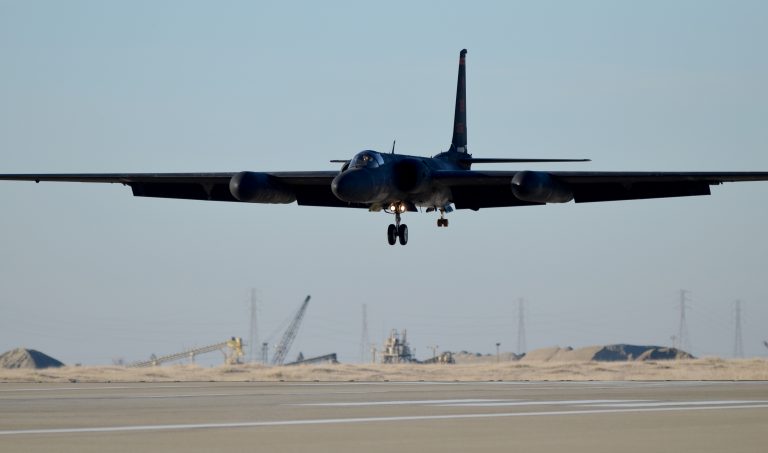
A tragic error by a student pilot on his first U-2 training flight killed instructor Lt. Col. Ira Steve “Shooter” Eadie last September in Northern California, according to the results of a U.S. Air Force accident investigation report released this week.

The aircraft, a TU-2S assigned to the 1st Reconnaissance Squadron, part of the 9th Reconnaissance Wing at Beale Air Force Base, was conducting an “acceptance flight” training mission, the first of three for the trainee, which is standard practice for potential new U-2 pilots to familiarize themselves with operation of the aircraft under the supervision of a highly-experienced instructor.

According to the report, the student pilot (whom will remain unnamed per USAF privacy policy) was performing an “approach to stall” maneuver when he accidentally put the bird into an unintentional secondary stall while trying to recover from the first.

The aircraft actually performed the simulated stall 3 times. The first stall went well (flown by the student), while the second was flown by Eadie to show the student “less aggressive” use of controls and smoother yoke movement.

The fatal mistake occurred on the third try.image 1

During the training maneuver, the engine isn’t actually shut down, but instead goes into an “aerodynamic stall”, requiring the pilot to drop the nose and gain velocity to generate enough lift to stabilize the aircraft and resume safe flight.

The fatal error occurred because the student pulled out of the simulated stall too quickly and demanded too much vertical movement, before the spy plane known as Dragon Lady was capable of safely flying again.

The $32 million aircraft then went into a sharp left wing drop and excessive nose-low attitude; the crew was no longer in control, and was rolling upside down while also approaching the minimum uncontrolled ejection altitude.

At this point, Lt. Col. Eadie calmly gave the command to EJECT, and while his student pilot bailed out safely with minor injuries, Eadie himself slammed into the plane’s right wing, breaking off a 5-foot chunk of it and resulting in his death.

Eadie’s lap belt may not have been secured when he ejected too, based off burn analysis on the belt.

image
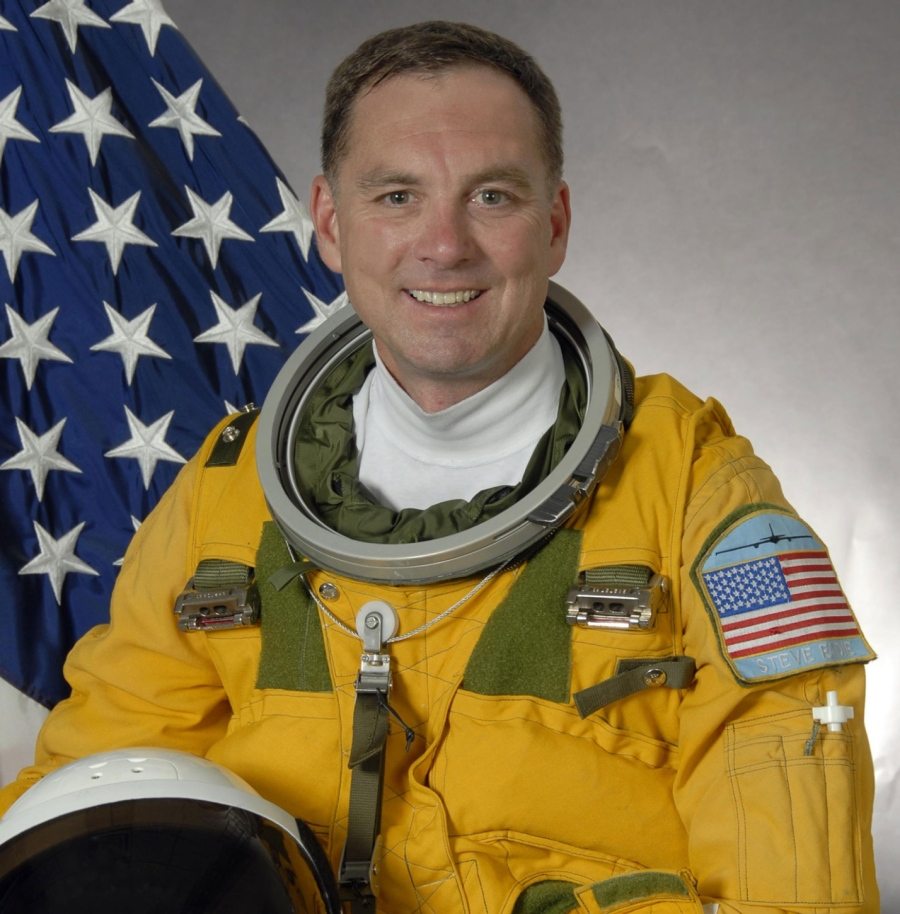
Lt Col. Eadie perished in the crash. (Photo: USAF)

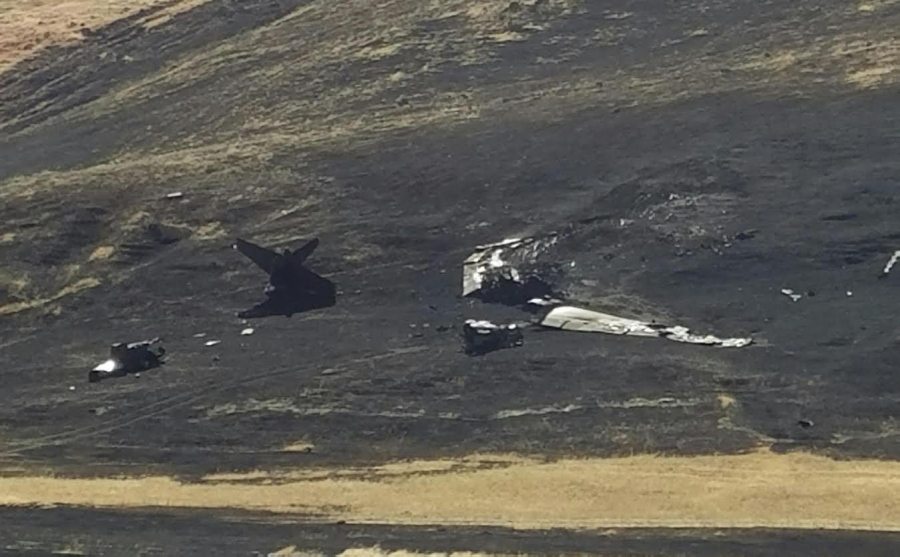
The aircraft crashed into uninhabited grassy foothills south of the Sutter Buttes mountain range in the Sacramento Valley, and while nobody on the ground was injured the crash did set off a 250-acre wildfire.

“The purpose of this report was to identify the causes and contributing factors which may have contributed to the incident,” said Brig. Gen. David S. Nahom, president of the Accident Investigation Board. “This was a terrible tragedy, and our heartfelt condolences go out to Lt. Col. Eadie’s family.”

Eadie, a Florida native, was a 20-year military veteran of both the Navy and USAF, father of six and grandfather of a baby girl.

His student pilot has since recovered from his injuries and completed the necessary training required to pilot the U-2, and is doing so now.

Tiger Flight Foundation is Educating Today’s Youth Through Aviation

0

ROME, GA — Education is soaring to new heights as the Tiger Flight Foundation teaches children to set goals and to take a more active approach in controlling their own life, both on the ground and in the air.

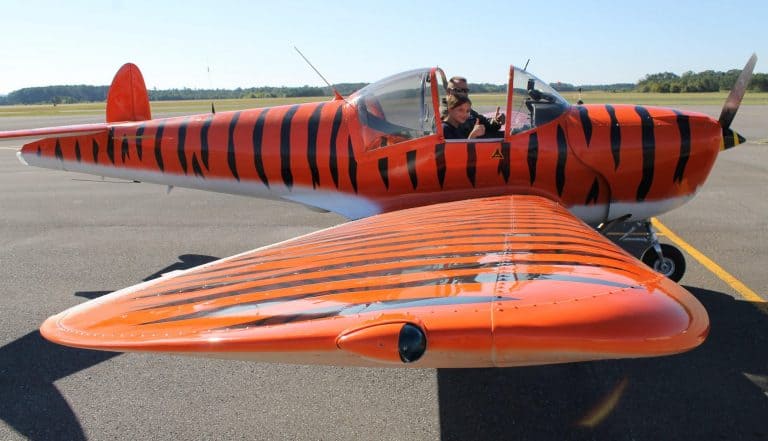
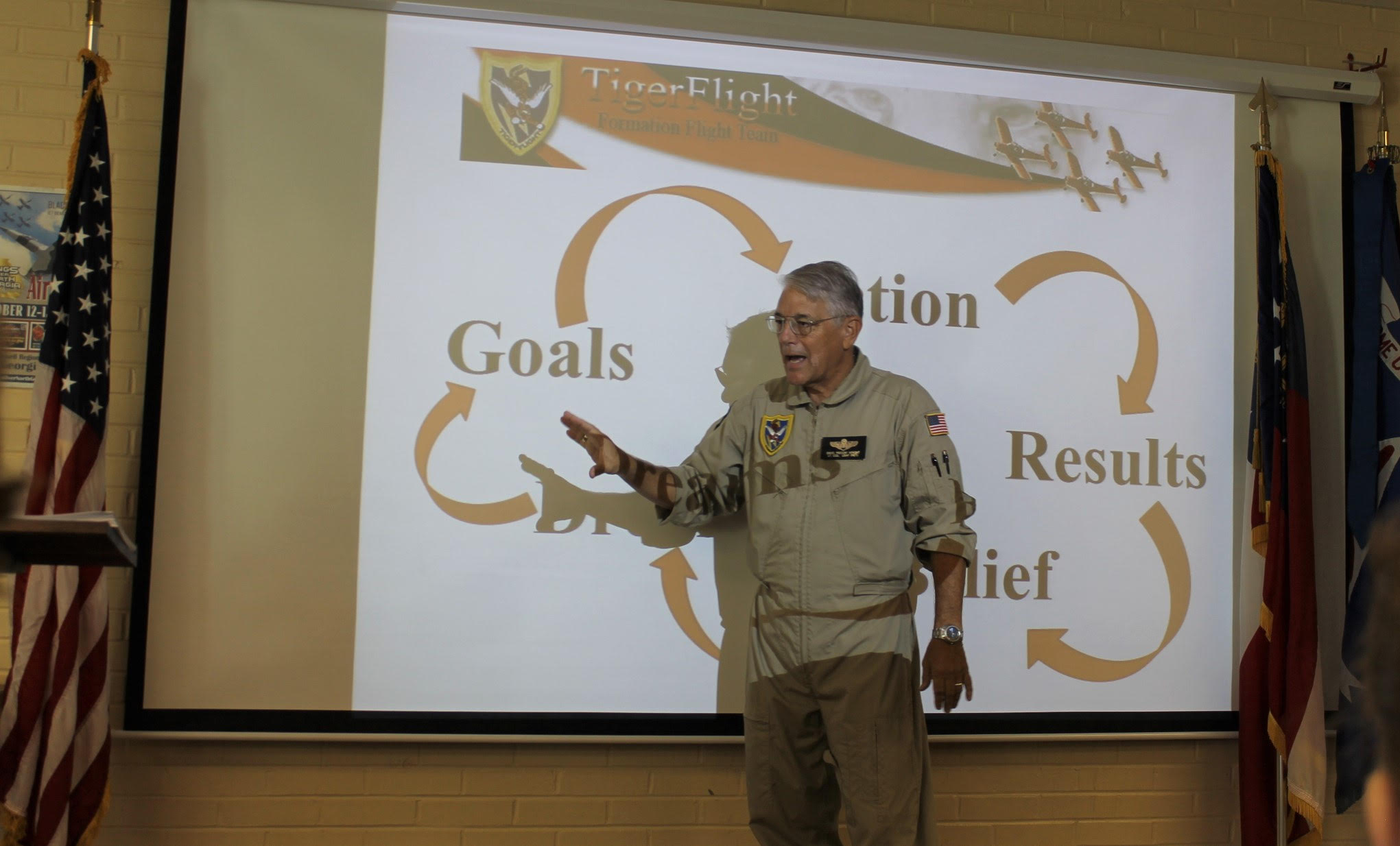
Classroom sessions and flights by several tiger striped aircraft are inspiring preteens and teenagers from Georgia, Tennessee and Alabama to find specific ways to work harder to better themselves. Tiger Flight is also introducing a strong interest in aviation to many preparing to enter high school.

“Leading the young to the dream of flight” is the foundation’s quest as the nonprofit organization steers young adults in becoming successful individuals and taking “command of their own lives”.

tiger2

Based at the Richard B. Russell Airport near Rome, Tiger Flight’s roots began seventeen years ago as two metro Atlanta pilots looked to form a civilian flight team. The foundation has since grown to include a Formation Flight Team, an education workshop, and an aviation museum open inside a World War II hanger at the airport.

“We began in 2000 and the main purpose of Tiger Flight is really motivation helping boys and girls to become pilots in command of their own lives,” explains Robert Young, the foundation’s Chairman of the Board. “We use the airplanes as a hook to get them up in the airplane and to give them enthusiasm and excitement.”

tiger3

The non-profit organization expanded from being a stand alone flight team to begin including discussions to motivate preteens and teens to take charge of their lives in 2006.

“Taking responsibility, believing in themselves, setting goals, measuring their results, putting a plan together,” states Phil “Sunny” Cataldo who realized the concept of adding the educational resource. “Suddenly, Tiger Flight became a children’s motivational program along with being a formation flight team.”

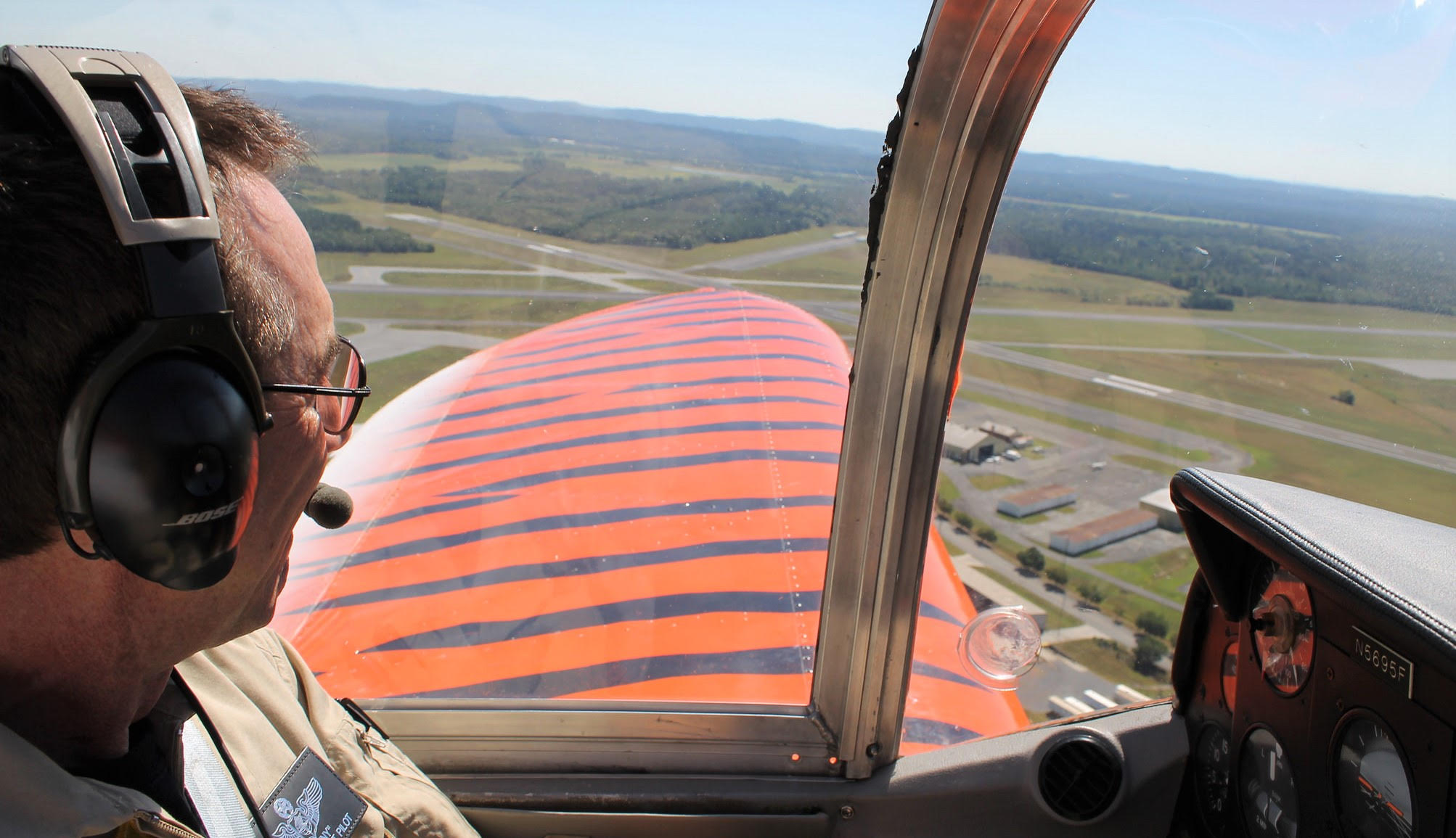
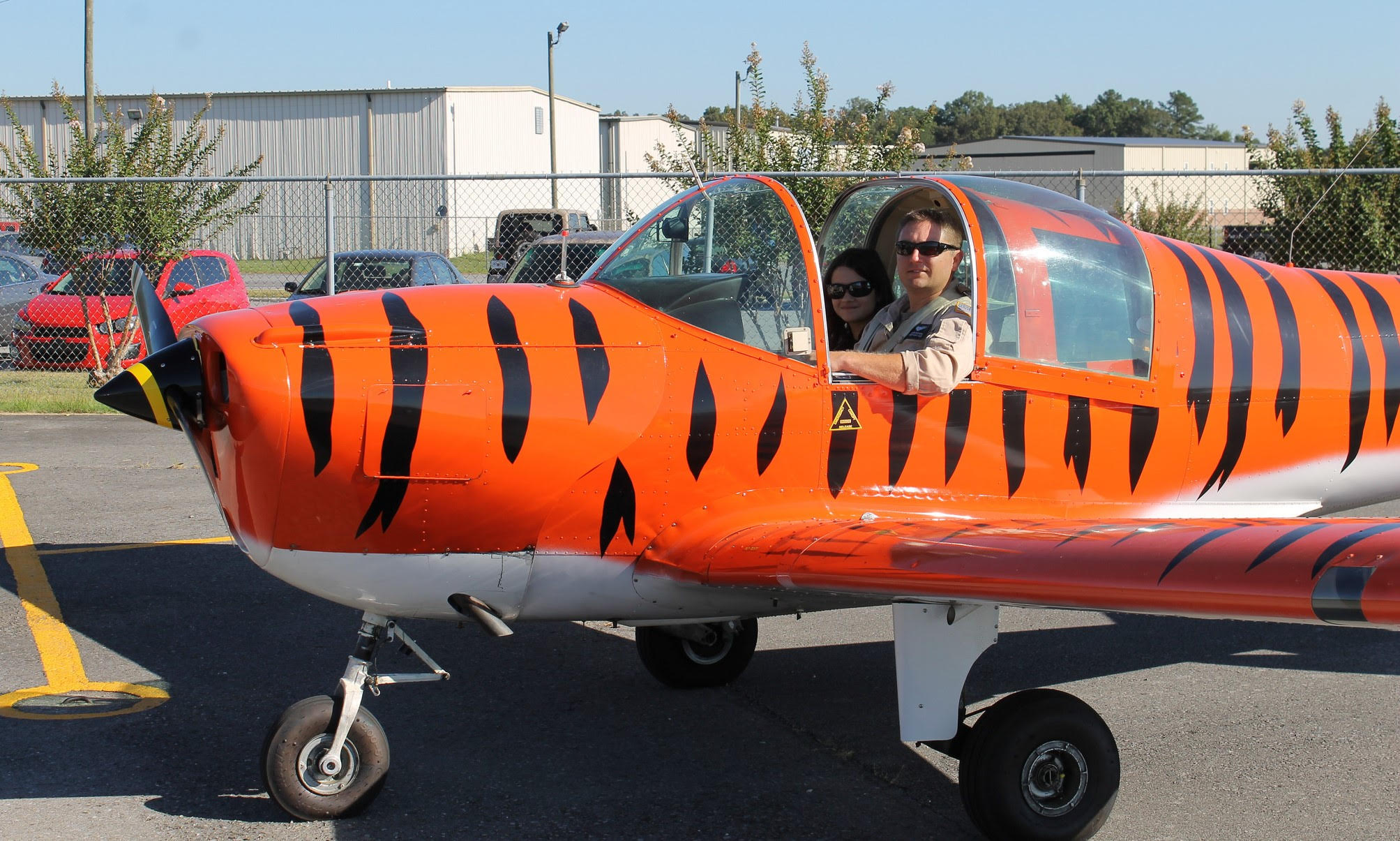
During an April visit, this aerospace reporter arrived at Russell Airport in time to see three orange with black tiger stripes Alon A-2 Aircoupes aircraft soar across the blue morning sky. On board each aircraft was a young adult interested in the possibility of becoming a pilot, or working as a student with the goal of an aviation career.

Rachel, an eighth grader who lives in Chattanooga, took flight for the first time through Tiger Flight and was thrilled by the experience on this spring morning, “Riding in the aircraft was very cool and enjoyable as we sped down the runway, and then my entire life changed — we were flying!”

Rachel joined fifteen fellow young adults who flew that day, and added that she would love to fly again. Young adds that several of the pilots visit classrooms across north Georgia as they give their Pilot in Command motivational talk to inspire children new to aviation.

tiger4

The flight team performed during the Thunder in the Valley Airshow in nearby Columbus in April, and will prepare soon for their annual participation in October’s big airshow Wings Over North Georgia located at their home airfield.

“We do several air shows a year, and we invite the public to come up here,” Sunny states. “We will have a routine as we perform a few passes over the airfield.” The Tiger pilots traditionally perform the Missing Man Formation during airshows as well as execute several tight wing-to-wing formations during their show.

Weather permitting, Sunny and his team will be poised next to their aircraft on May 13 to talk one-on-one with the public about the foundation, and to answer questions about their formation flying.

The pilots volunteer their time and their airplanes to Tiger Flight in support of the foundation, and Sunny adds that none of the money raised goes toward the aircraft but toward the education they provide.

To learn more about joining Tiger Flight visit TigerFlightFoundation.org.

(Charles Atkeison reports on aerospace and technology. Follow his updates via social media  @Military_Flight.)