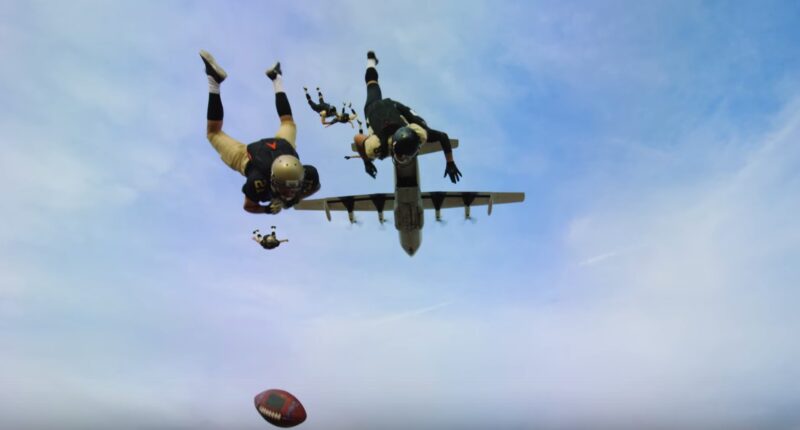
Devin Super Tramp‘a video for the big game didn’t disappoint. The ‘play’ started out inside the cargo compartment of an L100 (civilian C-130). The football was passed out the back of the plane, the play started. While descending at over 160 mph, the football changed hands. Then the receiver pulls the cord and parachutes down to the field only to face one more defender. The end is worth the wait…
Drones are an amazing tool that requires its users to act responsibly.
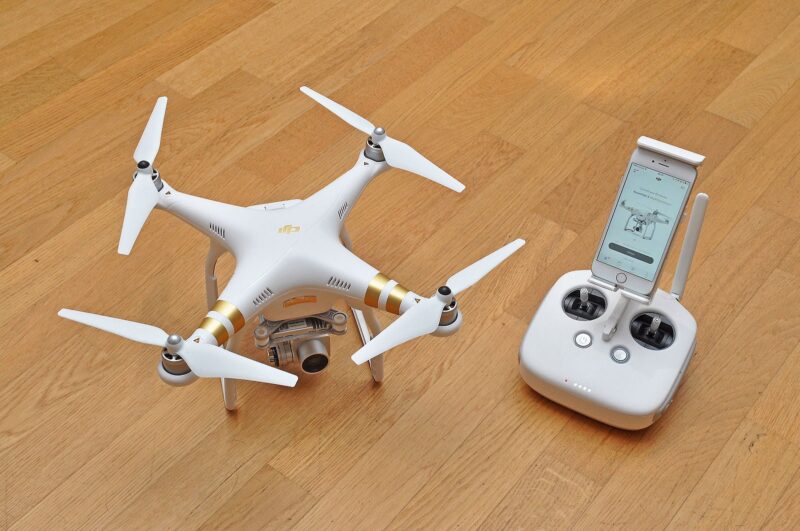
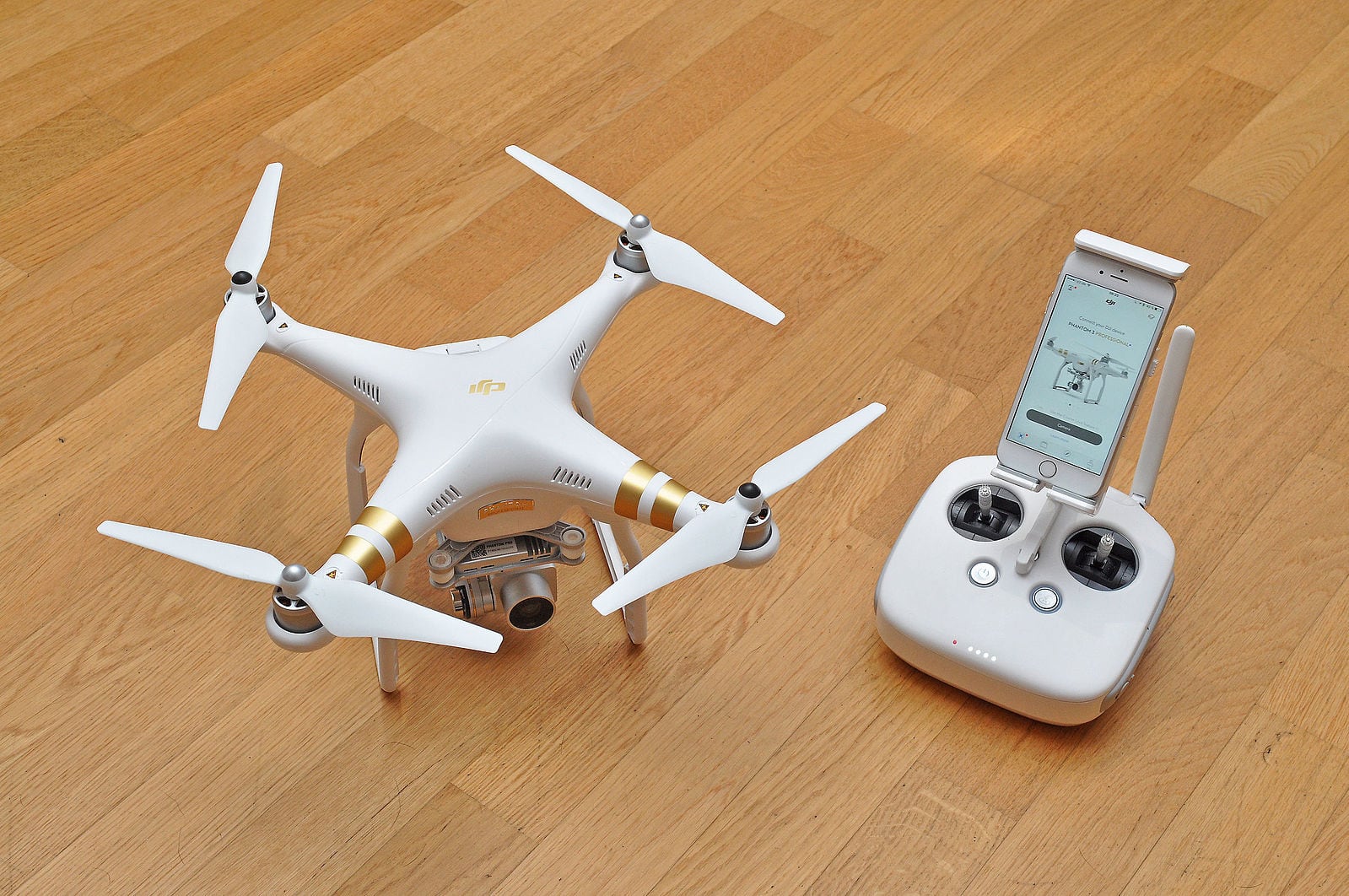
If you have disposable income or you have a rich (and hopefully not crazy) uncle, there’s a chance that you’re the owner of one of the new high-tech toys: a drone. So, you own a drone. Assuming you’re not planning on launching attacks on ISIS, you’ll be using your drone for recreation and fun.
But the skies are not always friendly. Don’t assume that controlling your drone is as easy as playing Call Of Duty. With a drone, the reset button doesn’t erase either crashing your toy or running afoul of the FAA. Neither option is pleasant.
So, here’s a list of suggested steps and tips to follow.
Research Your Purchase
If Uncle Warren decided to spend his money on a time share in Bermuda – and that disposable income is burning a hole in your pocket – you might want/need to buy your drone.
There is a wide range of choices. The “very small” can be had for less than $100 while the “large” variety can set you back $3,000. Here’s one site that can help with your research. And remember – Google is your friend.
Register Your Drone
Before you even un-box your drone, it’s best to get it registered with the Federal Aviation Administration. Look, the temptation once you’ve unwrapped your toy is to play with it. But if you haven’t registered with the FAA, you’ll be breaking the law.
It costs $5 to register and you can do it online at the FAA’s Unmanned Aircraft Systems Registration site. (Simply visiting “Unmanned Aircraft Systems Registration” increases your “cool” factory by five.)
Registration applies to UAS “weighing more than 0.55 pounds (250 grams) and less than 55 pounds (approx. 25 kilograms).” You’ll need to provide your name, home address, e-mail address and the make and model of your drone. Your registration lasts three years before you must renew.
Don’t Be ‘That Guy’
You know, “That Guy.” The one who doesn’t read the directions. The guy who likes to say “Hey, watch this” or, “Don’t worry, I got this.”
Admit your ignorance, remove the instruction manual from the box and read it. Do. Not. Fly. Your. Drone. Before. Reading. The. Instructions.
“That’s not to say, drones don’t require significant skill, practice, and patience to master. On the contrary, their simplicity is deceptive and to that end, many newbs go into them with unreasonable expectations.”
HowToGeek.com
Your favorite video game has a reset button. Your drone has a button or a sequence of buttons that activate the “return home” feature. Memorize that procedure or your drone’s first flight could end up in the next county.
Two other boxes to check before the maiden flight. Make sure you understand the startup procedure and also check to see that the firmware is up to date. With technology advancing at warp speed, even new drones might not have the latest GPS or software data.
Where To Fly
OK, this section is where you get to roll your eyes. What follows is basic common sense. Don’t be offended, but “sense” isn’t that “common.”
Particularly for your first flight, you want a large open area without trees, power lines or a lot of people. If you live in an urban area, this might require a road trip.
Learning how to control your drone’s flight requires patience and practice. It’s best to start with maneuvers as simple as lift off, hovering and landing. Next, attempt some basics like flying your drdone in a box pattern, a circle and a figure eight.
Here’s where we’ll pound home some more of that “common” sense. DO NOT FLY YOUR DRONE NEAR AN AIRPORT OR AIR FIELD WHERE PLANES ARE TAKING OFF OR LANDING. There have been some close calls between planes and drones. Be smart and let’s continue to avoid any tragedies.
If you want some more tips on where/how to fly, the FAA provides some good tips here.
When To Fly
Again, we dip into the “common sense” well. The old saying of “there are old pilots and there are bold pilots but there are no old bold pilots” typically refers to flying conditions (weather). Check the forecast and the conditions before you put your drone in the air. If you decide to fly on a windy day, your drone might experience what Dorothy’s house did in the “Wizard of Oz.”
Before You Go Pro With Your GoPro
Technology has made drones available to the public. Photo and video technological advances have also made drones addicting. Most drones have built-in photo/video capabilities, Being able to get the “bird’s eye view” is alluring.
But before you think you’ll make money through the pictures or video you capture, be advices that if you plan on using your done for profit, you’ll need to apply to the FAA for a commercial exception.
Join A Club
Earlier in this post it was mentioned you want to avoid flying in areas where there are groups of people. However, instead of droning alone, you might want to consider seeking out other drone pilots in your community.
First, flying your drone with other drone enthusiasts is more enjoyable. Also, if you have questions about your drone, connecting with people online will no doubt allow you to communicate with folks who have experience and knowledge.
Skywriting takes advertising to a whole new level.
Skywriting – planes using smoke to write messages in the sky – isn’t a lost art. It’s more of an underused art. Companies that want to fly their messages above Big Events typically resort to slow-flying planes towing message banners.
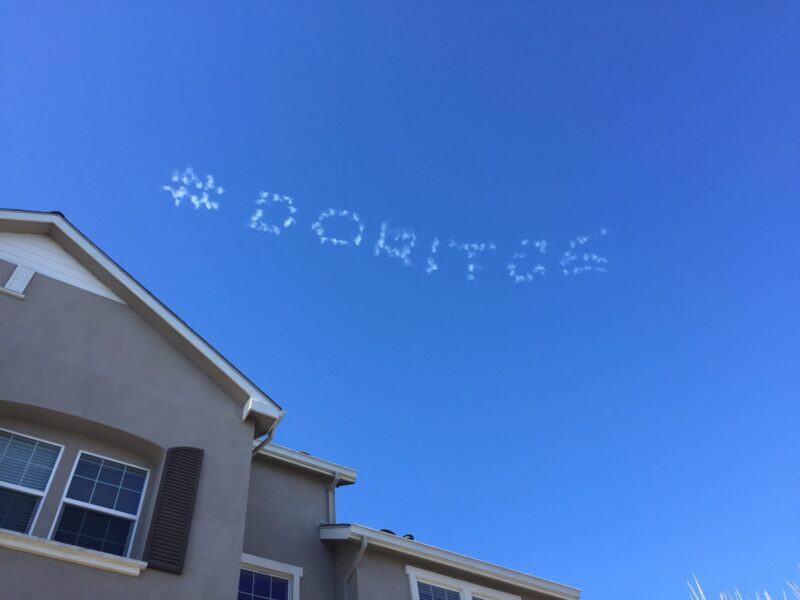
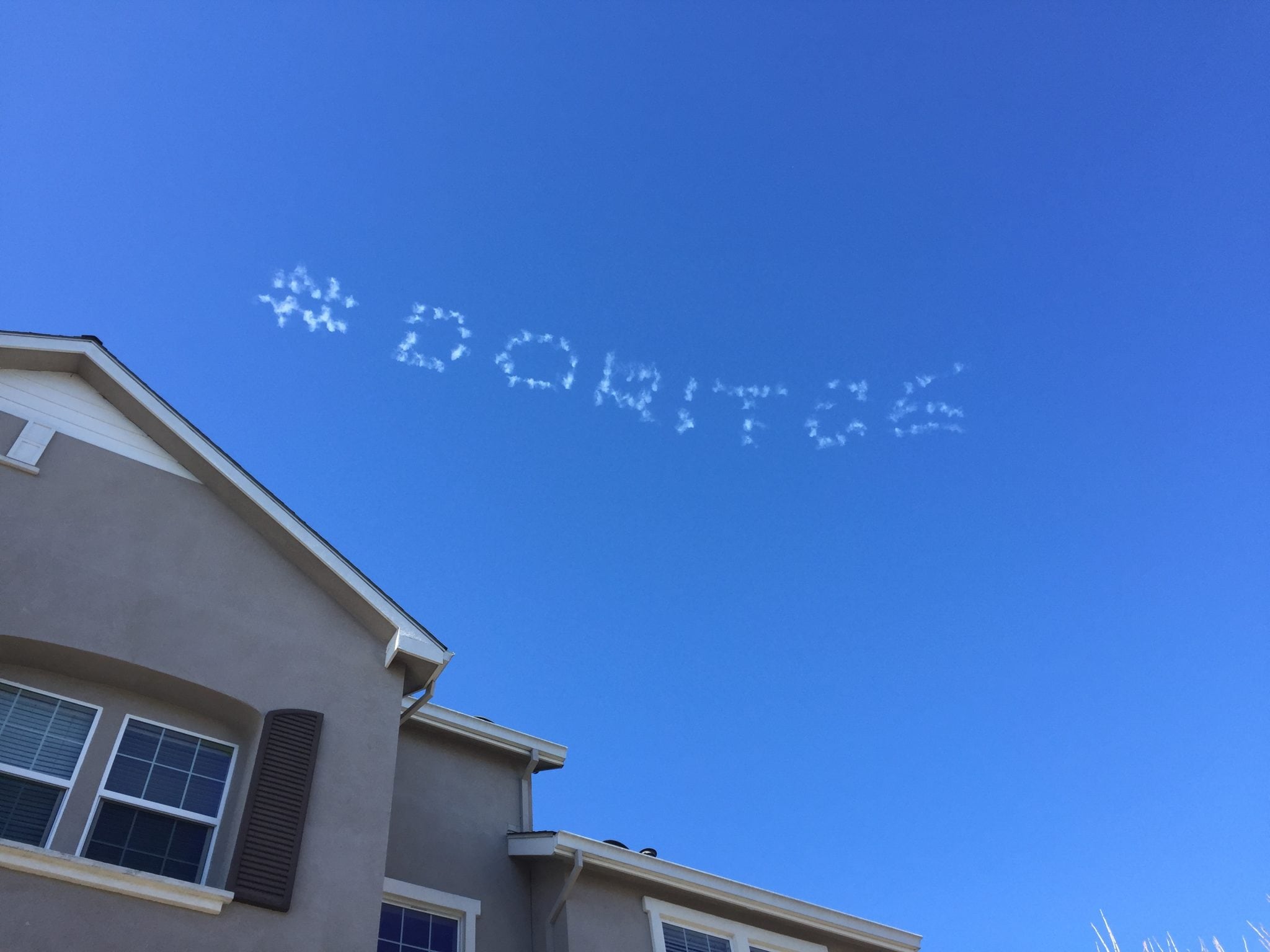
But give it up for Doritos. The snack company’s ad agency not only nailed one of Super Bowl 50’s memorable in-game commercials, it also gained attention by using skywriting.
Sunday’s weather was highly cooperative. The sky above Santa Clara was azure and alluring. It provided the perfect “parchment” for writing with smoke.
Doritos not only had the chip name spelled out in the sky along with some other messaging, it also aroused curiosity by having the skywriters form triangles with the smoke.
That led some on the ground to wonder about hidden messages (“Is this from the Illuminati?” “Did trigonometry teachers pay for this?” “Is this a Silicon Valley in-your-face message from North Carolina’s Research Triangle?”)
But all you had to do was read between the “three” lines – the triangles were merely representing the shape of Doritos chips.
The mystery added to the message. Advertising is about drawing attention to your product and – as evidenced by the fact you’re reading this story – Doritos was as dominant as Denver’s pass rush.
YouTube screen capture from video uploaded by Cliff Dooman. ( https://www.youtube.com/channel/UCM_6Z5wUl-dIsDR6ql67HYg)
Land of the free, home of the brave. ‘merica.
Football game flyovers are a symbol of american power and pride. A flyover after a national anthem represents the culmination of soulful singing, perfect timing, and precision execution. While many fans get to experience the roar of the jets, the actual work behind the scenes is intense. Every single second and point on the route of the flight is planned out. Contingency plans are developed. Clocks are hacked to the exact microsecond. All in the hopes that things will go perfectly.
For a pilot actually executing the flyover though, the best you can hope for is to ‘break even’ and maybe get introduced to the stadium crowd at halftime. Egos have been bruised from poorly timed flyovers. Careers have been ruined by flyovers that were just a little too amazing. In fact, most of the most epic flyovers resulted in some sort of punishment by commanders. Flyovers are cool but they aren’t worth sacrificing safety or a career. Enjoy our list of the top 5 epic flyovers of all time.
6.) Four ship of F-15C flyover Gillette Stadium
In what might be the best example of an awesome flyover that didn’t lead to any punishment, these four bad ass pilots had perfect execution. Just as the singer finished his last note, the Eagles came screaming in low, fast, and loud.
On October 13th, 42 civilian aircraft took to the skies over Arrowhead Stadium. Prior to kickoff, they flew in a tight wedge formation wowing the crowd below. It was the largest formation of aircraft ever flown over a NFL stadium. To our knowledge, the record still stands.
Perennial basement-dwelling Jaguars could use a pep talk from time to time. The front office was hoping that 4 x 47,500 lbs of thrust blasting through their stadium at a low altitude could wake the team up. Unfortunately, the epic flyover didn’t help that much. The Colts beat the Jaguars 34-24.
These two F-18 pilots probably didn’t start the day expecting that it would be their last sortie. But all it took was an ‘altimeter error’ that wasn’t corrected until after the low pass. This flyover from 2009 caused quite an uproar. The Navy disciplined the two pilots by grounding them permanently.
2.) The “One Time Good Deal” Flyover That Stripped a Retiring Pilot Of His Wings
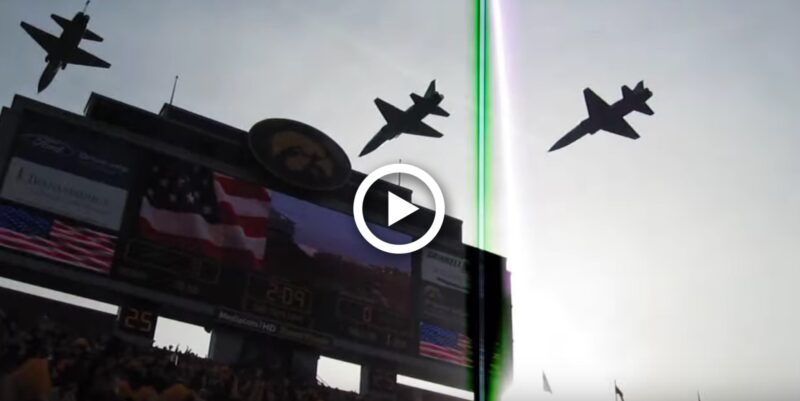
On a crisp Iowa evening at Kennick Stadium in 2010, a four ship of T-38s flew a very epicly low and fast flyover. The pilots involved in the flyover were disciplined. According to Military.com, the jets flew just 16 feet above the pressbox. The formation lead, who was on his final flight of his career before retirement, was later stripped of his wings. While the flyover was lower than allowed and faster than planned, it looked relatively safe.
While the Iowa flyover was lower than allowed and faster than planned, it looked relatively safe. That’s more than what we can say about our #1 most epic football flyover. Back in 2000, this F-18 Naval aviator decided to buzz the stadium. This flyover is ridiculous and dangerous. It’s worth watching if only to remind us that planes are awesome, but pilots can make dumb errors in judgement all for the thrill of the potential adulation. We’re just glad no one was hurt.
The investigation continues but the latest update regarding the in-flight explosion on a Somalia airliner indicates that the suspected bomber was the only person killed.
Investigators have identified Abdullahi Abdisalam Borleh, a 55-year-old Somalia national, whose body was recovered after he was ejected from the Airbus A321-111 after the explosion. Authorities believe military-grade TNT was hidden in a laptop that caused the explosion last Tuesday.
Members of the FBI have arrived in Somalia to help with the investigation.
“This was a sophisticated attack … so we reached out to our international partners,” Abdisalam Aato, a spokesman for the Somalian Prime Minister, told CNN.
Only fortunate circumstances prevented a catastrophic crash. The bomber was seated on the right side of the aircraft in a row above the wing. Daallo Airlines Flight 3159 had just taken off and between 12,000 and 14,000 feet when the bomb detonated.
If the explosion had occurred at cruising altitude – above 30,000 – there could have been two deadly outcomes. The bomb could have set off a secondary explosion in the fuel tank or the de-pressurization of the cabin at that altitude could have ripped apart the fuselage.
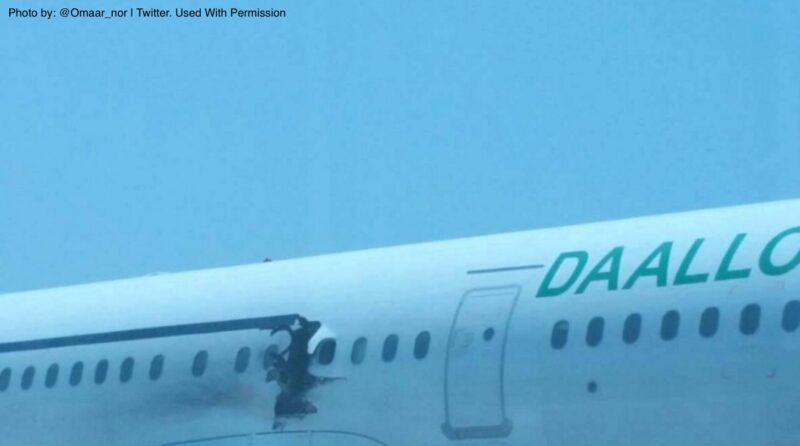
Video taken by a passenger on the plane shows the hole caused by the explosion. Once it landed safely, pictures taken by investigators show the skin of the fuselage curled outward, plus soot from the blast trailing toward the tail. That further supports the theory that it was an on-board explosion. Also, explosive residue has been found around the blast area.
The pilot was able to land the plane at Mogadishu, the capital of Somalia. The airline said there were “approximately” 70 passengers on board and that two of them suffered injuries.
A source that spoke with CNN said that authorities believe the attack was orchestrated by the al Qaeda affiliate Al Shabaab, which has had a long-running battle with Somalia. The country’s transportation minister has confirmed that the incident was an act of terrorism and that the blast was not a technical failure of the aircraft.
Below are two videos showing the aftermath from the explosion including the emergency descent and inspection of the damage upon arrival:
Last month, Air France flew its final revenue flight with a 747 aircraft. The “Queen of the Skies” was first adorned in the Air France livery way back in 1970. For over 45 years, Air France jumbo jets crisscrossed the world, flying thousands of passengers every day. Back then, the Boeing 747 was the largest aircraft in the world. It represented a new era of luxury and convenience.
Recently though, the 747 became more expensive to operate and maintain. Air France’s fleet of 747-400s were approaching 25 years old. With more modern Airbus A380s and Boeing 777’s in the fleet, Air France made the decision to simplify their long-haul fleet by retiring their remaining 747s.
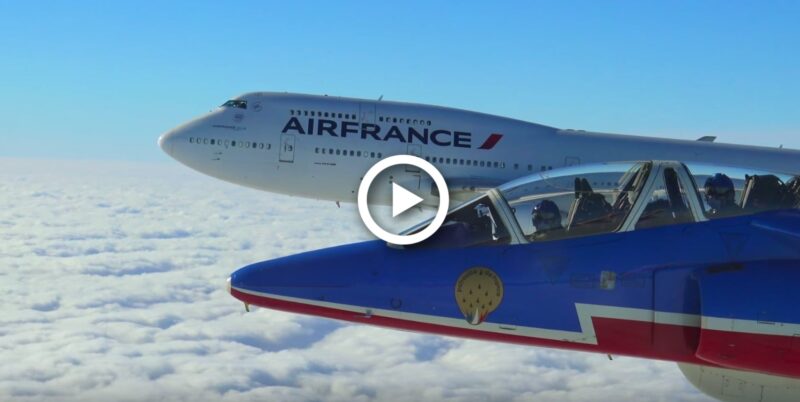
In a very classy goodbye, Air France partnered with the 12-ship Patrouille de France demonstration team to fly one last formation flight with the venerable Boeing across France. It is an amazing sight to see a Boeing 747 in any formation, but to watch the jet adorned with 12 Alpha jets surrounding it almost makes it appear to be a send-off to greener pastures. For Air France’s last 747 though, the final destination will most likely be the desert in the southwestern part of the United States.
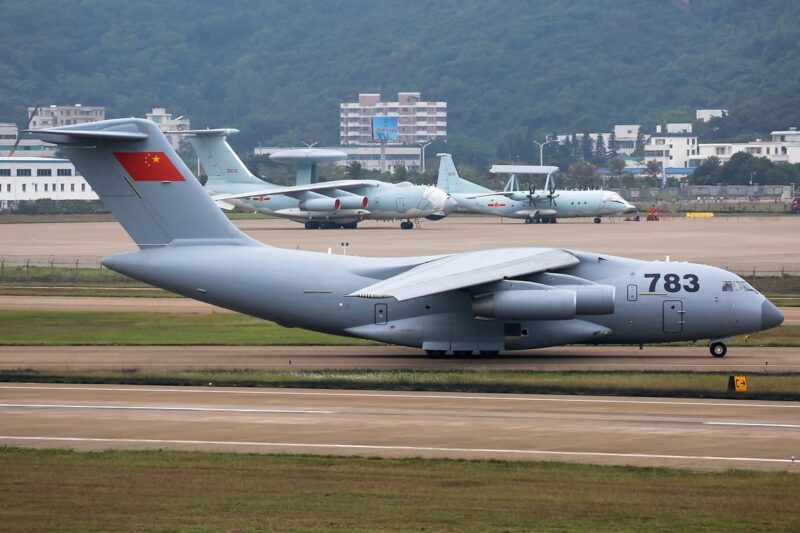
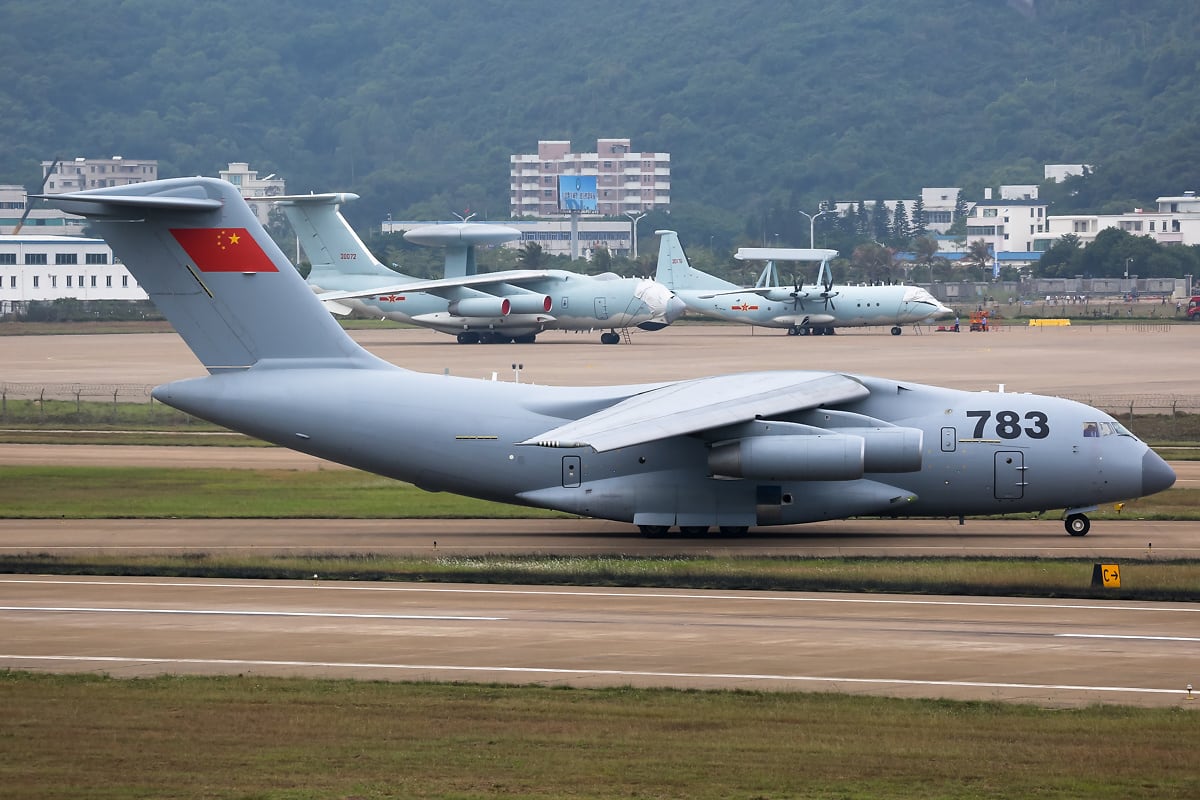
The Y-20 Looks Awfully Familiar to a C-17 Globemaster
China has a reputation for producing knockoff products (“knockoff” in this case being a softer term than “counterfeit”). Perhaps the biggest knockoff, size-wise, has been produced by China’s Xian Aircraft Industrial Corporation. The Y-20 military transport plane has many similarities to the United States’ Boeing C-17 Globemaster III. Not only do photos show an uncanny similarity, the Y-20 is also similar to the C-17 in terms of overall size and weight plus cargo capacity.
After about eight years of development, the Y-20 made its maiden flight in January of 2013 and made its public debut at the Zhuhai airshow in China in November of 2014.
(In what was regarded as a controversial decision, the U.S. military sent a C-17 to the airshow. The cost and the politics were criticized, but perhaps the U.S. wanted to have an “in your face” on-site comparison of the two heavy transports.)
While China has proved to be adept at copying designs, the country has had trouble developing engines powerful enough to power those designs. In the case of the Y-20, it uses Soloviev D-30 engines made by Aviadvigatel, a Russian company. Still, those engines have trouble measuring up to those manufactured by General Electric, Pratt & Whitney or Rolls-Royce.
Robert M. Farley, an assistant professor at the University of Kentucky’s Patterson School of Diplomacy and International Commerce, told the New York Times that engine designs have plagued China’s aircraft and aerospace ambitions.
“The problem with Chinese engines is that they’ve been remarkably unreliable,” Farley said. “Engines require extremely tight tolerances in construction; even small errors can lead to the engine burning out.”
A lack of engine power could explain why the Y-20 is a smaller in size in a side-by-side comparison to the C-17. The Y-20 wingspan is 148 feet and its length is 154 feet. The C-17 checks in at 170 in wingspan and 174 in length.
The United States developed the C-17 to help its military adopt to global rapid deployment demands. The ability to transport troops and equipment long distances – in essence, using an “air bridge” – is something that China’s military obviously believes is a necessity.
The Y-20 also has design elements seen in the Airbus A400M and the Antonov An-70 (first developed by the Soviet Union). Imitation is indeed the sincerest form of flattery.
China has been under a Western arms embargo since 1989. Popular Mechanics reports that the country has faced numerous claims of using hackers and spies to seek out military technology secrets from around the world.
According to DefenseWorld.net, U.S. officials claim that the Y-20 was developed using designs from Boeing that were stolen. In 2009, a former Boeing employee was convicted of selling C-17 technical details to China.
The Y-20’s codename is Kunpeng, the mythical bird of ancient China that can fly for thousands of miles. The Y-20’s Wikipedia says that “within the Chinese aviation industry itself, the aircraft is more commonly known by its nickname Chubby Girl.”
Apparently, China has yet to copy political correctness.
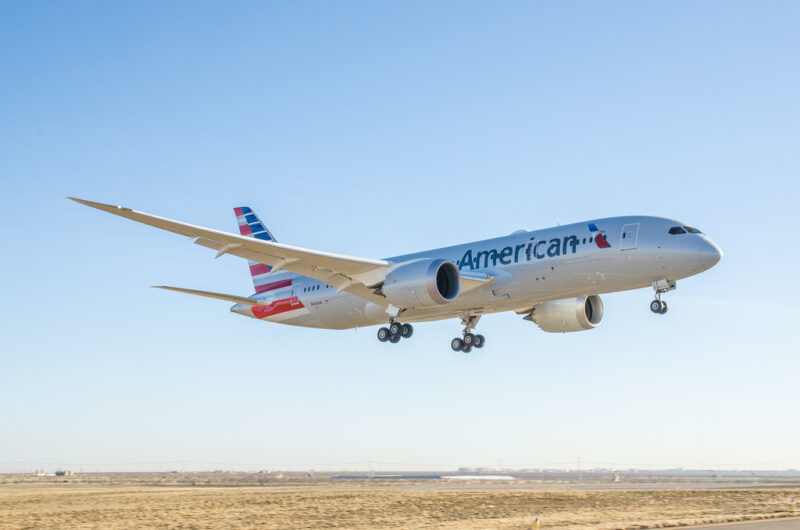
What do you do when you want to show off your brand new Boeing 787? You make an epic air to air video with some captivating footage courtesy of the experts at Wolfe Air Aviation!
This video takes a behind the scenes look at the making of Boeing 787 promotional footage for use by American Airlines (AA) in future advertisements and safety videos. Boasting technological innovations such as carbon fiber construction, a lower cabin altitude, larger windows, and video in every seat, among many other features, the 787 embodies AA’s commitment to building a modern and cutting edge fleet for its customers. Indeed, such aircraft are the cornerstone of “The New American”. Currently, 13 Boeing 787-8s ply the skies for American with a further seven on order (another one of which just rolled off the assembly line in Charleston, SC and recently commenced flight testing). AA’s commitment to the 787 goes further with 22 larger 787-9 aircraft on order, the first of which should arrive the last quarter of 2016.
While the beautiful 787 and American Airlines take center stage, this video also highlights the amazing work done behind the camera by the pilots and coordinators at Wolfe Air Aviation. Needless to say, flying two dissimilar aircraft very close together requires immense skill and prior proper planning. Since 1980, Wolfe Air Aviation has provided such skill and planning (and high tech equipment) for air to air shots and air to ground shots on everything from airline and military promos to blockbuster hits. Such hits include The Avengers, Iron Man, Air Force One, Executive Decision, and The Hunt for Red October among others. The Wolfe Air fleet includes one Learjet 25B, one Cessna Skymaster 337, and one Eurcopter AS350 ASTAR. With these different tools in their filming toolkit, Wolfe Air can capture anything you need from the skies, and the beautiful AA 787 footage showcased here is no exception. Enjoy the view Avgeeks!
With all the hassles associated with air travel today, it’s easy to forget how amazing aviation really is. Machines that weigh up to one million pounds deliver people, and cargo to anywhere in the world in less than a day. Every single day millions of people safely travel throughout the world. They careen at hundreds of miles per hour in the sky with spacing as little as 1,000 feet apart vertically. It’s not luck that nearly every flight happens without incident. It’s a testament to every professional who works to make travel routine. The ramp personnel, gate agents, air traffic control, pilots, and flight attendants all play a role.
Recently my wife and I went on a seven-day, Southern Caribbean cruise for our ten year anniversary. It was nothing short of amazing.
The views were gorgeous, the ocean was as clear and turquoise as it could get, and the food was phenomenal. What was the highlight of the entire trip you may ask? Spending the day at Maho Beach on the island of St Maarten.
Where is Maho Beach?
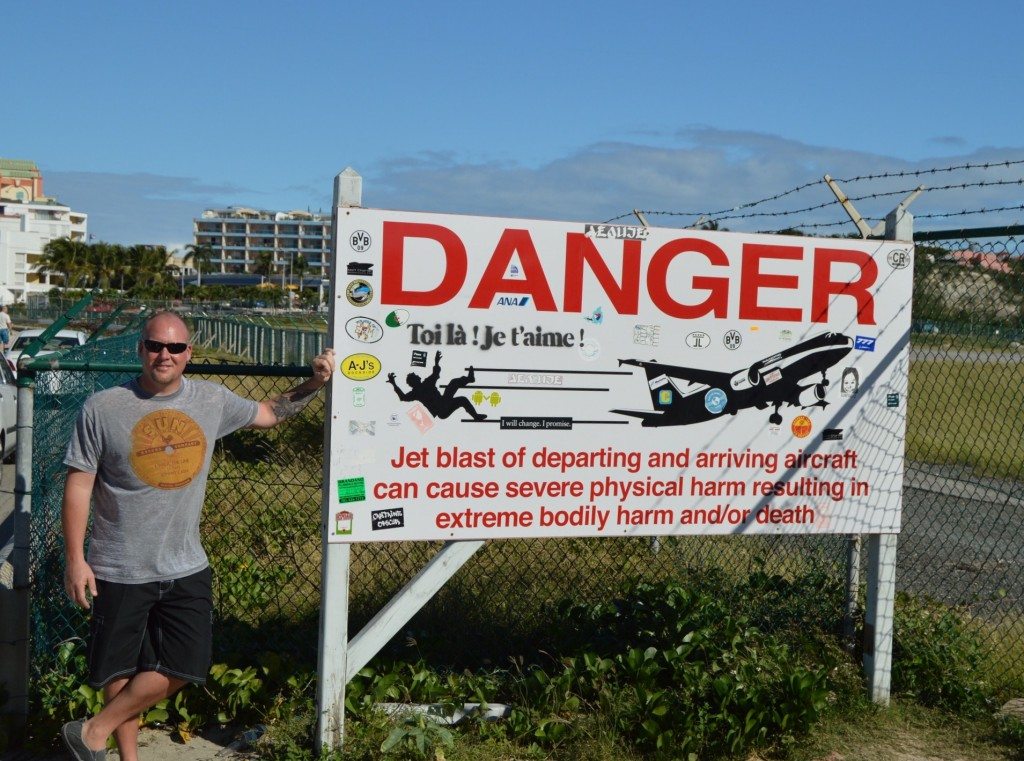
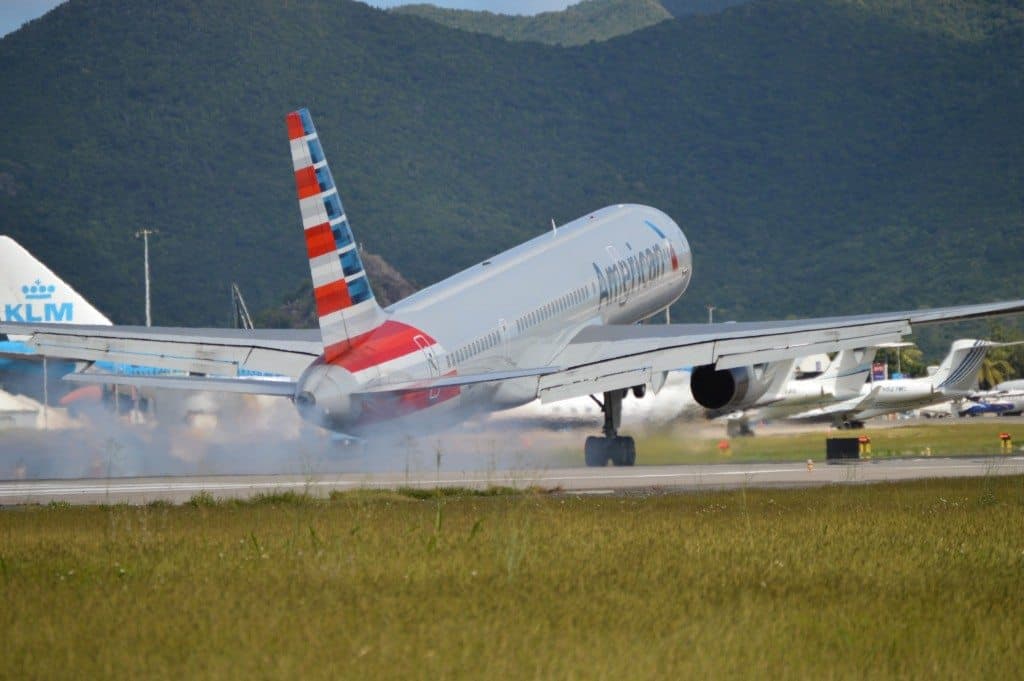
Maho Beach is located on the Dutch side of the island. The beach itself is located at the end of runway 10 of the Princess Juliana International Airport (Airport code- SXM), and for years has been a must see airport at the top of every avgeek and aviation enthusiast’s bucket list!
From the cruise ship port, a quick fifteen minute taxi ride is all that stands between you, an ice cold beer, a beautiful beach, and the best plane spotting location you’ll ever find.
We were dropped off at the famous “Sunset Bar & Grill” around 9am and greeted with smiling faces and excellent hospitality. At that time of day, the beach had less than a dozen people on it, and over two dozen chairs with umbrellas; score for us.
By 11am, the beach was packed! for those of you who are planning or would like to plan a trip to this location, get there early!
Tons of planes, beach, food and drinks at Maho Beach
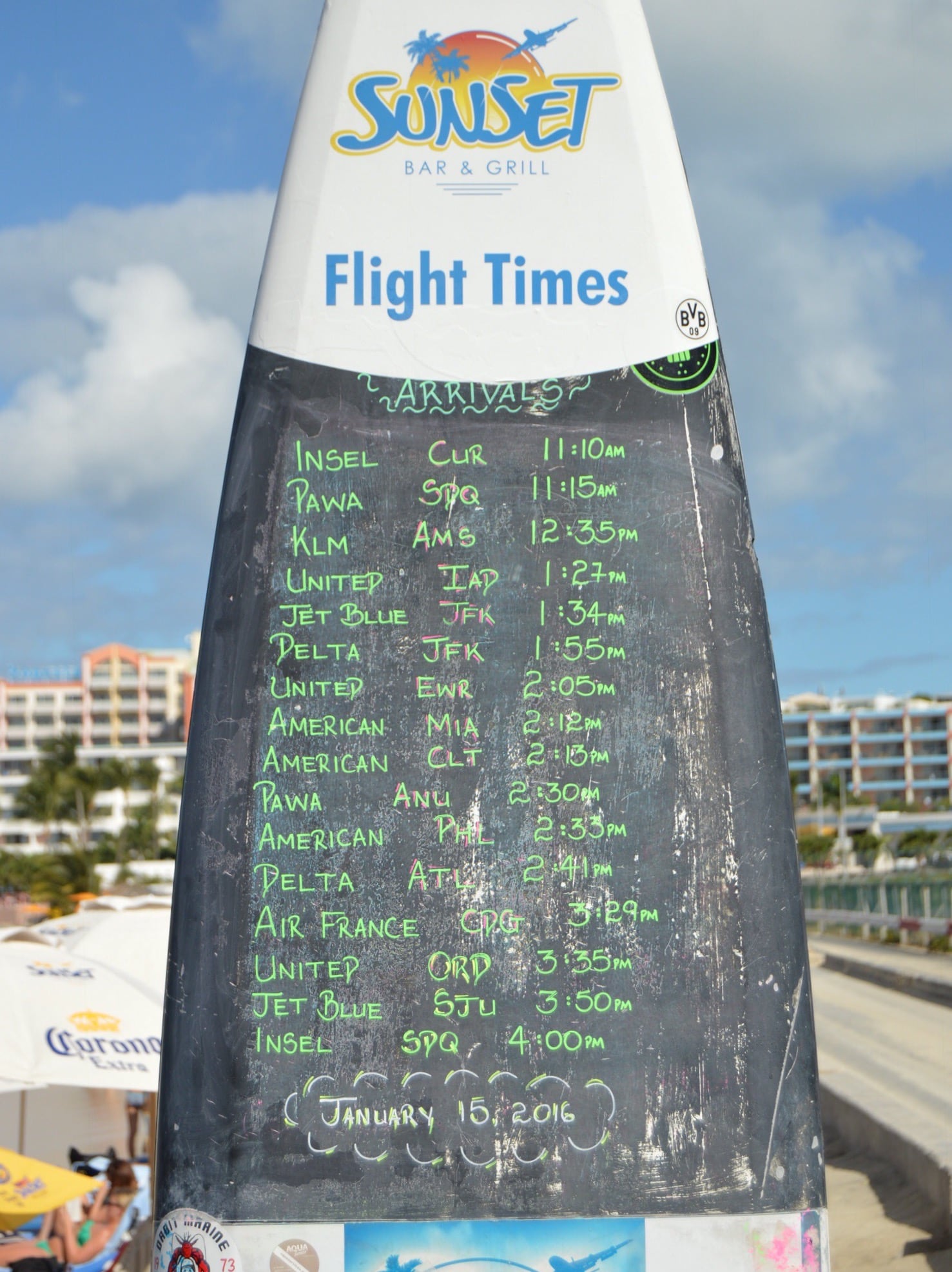
The action was nonstop all day long. The variety of aircraft arriving and departing throughout the day were everything from small, twin-engine island hoppers, corporate jets, and topping it off with the “Queen of the Skies” herself, the Boeing 747. A great point of reference of the days flight schedule can be seen on a surf board outside the Sunset Bar and Grill. The bar staff updates it every day, first thing in the morning.
I had heard the crowds were bad, but don’t be deterred
The Daily SXM Schedule on a Surf Board.
I was a little nervous that morning on the ride over to the beach. We had heard rumors of people who had sat for hours on end, and not seen a single thing. I was also told that several of the major airlines including KLM, do not fly in every day. So there was a chance, that this day, could be pretty mellow.
After we arrived, we went straight over to the beach and claimed our chairs. After I noticed the waitress updating the flight times on the surf board for the day, I walked over to check it out. I instantly heard angels singing!
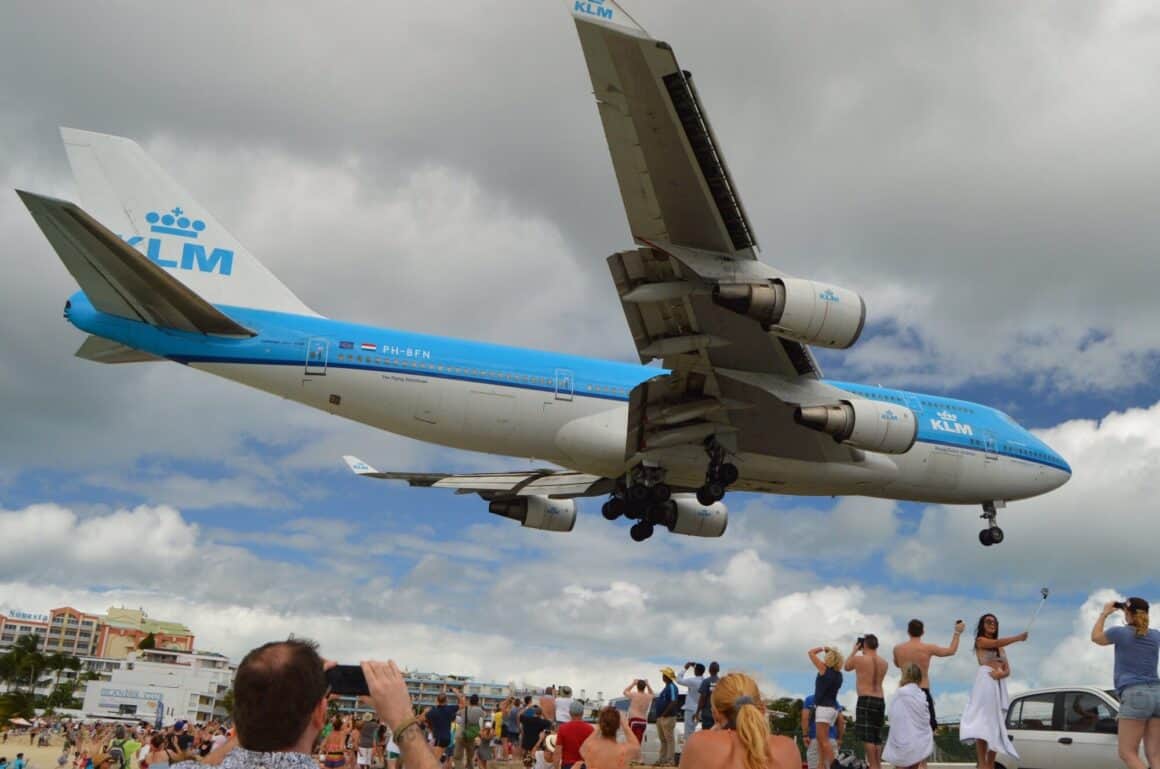
The first thing my eyes zeroed in on was, “KLM – 12:35.” BAM! We hit the aviation jackpot. A local spotter that frequents the beach there had told me that the KLM Airlines 747 only flies in three days a week. Luckily for us, that was the day.
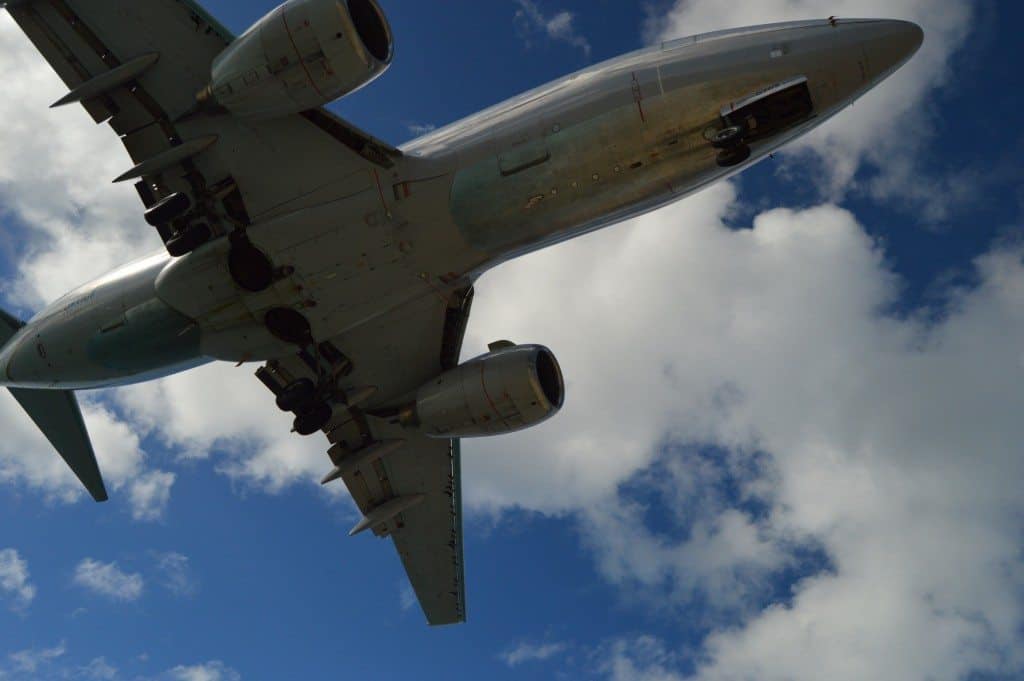
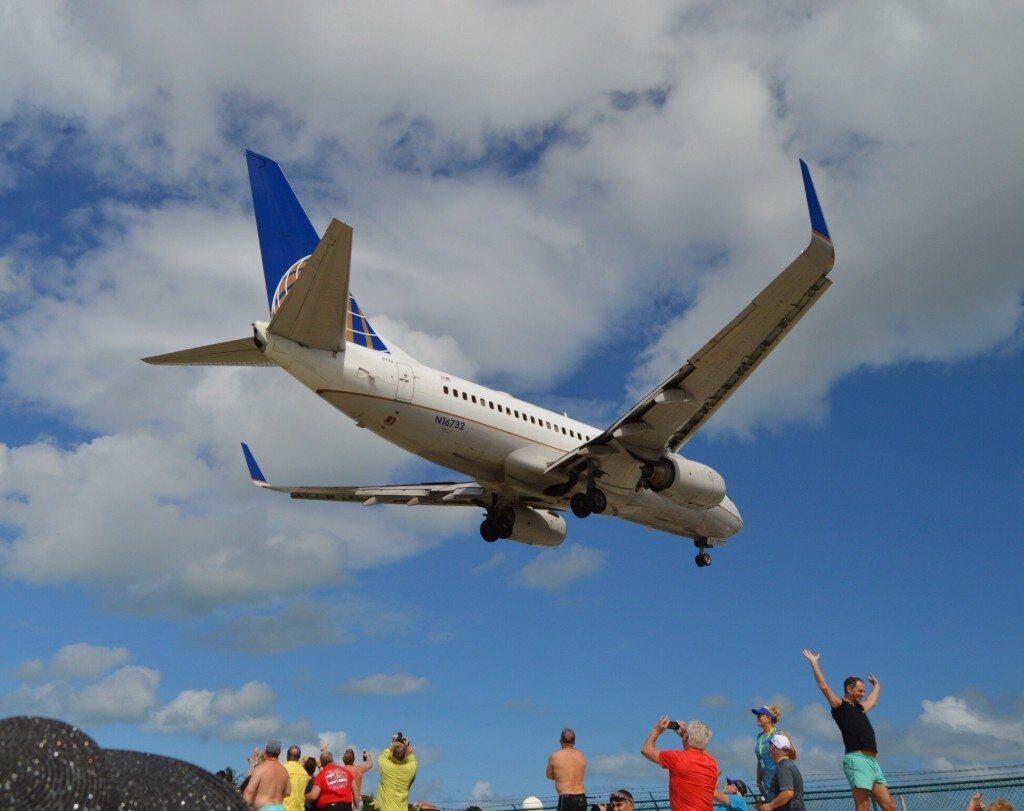
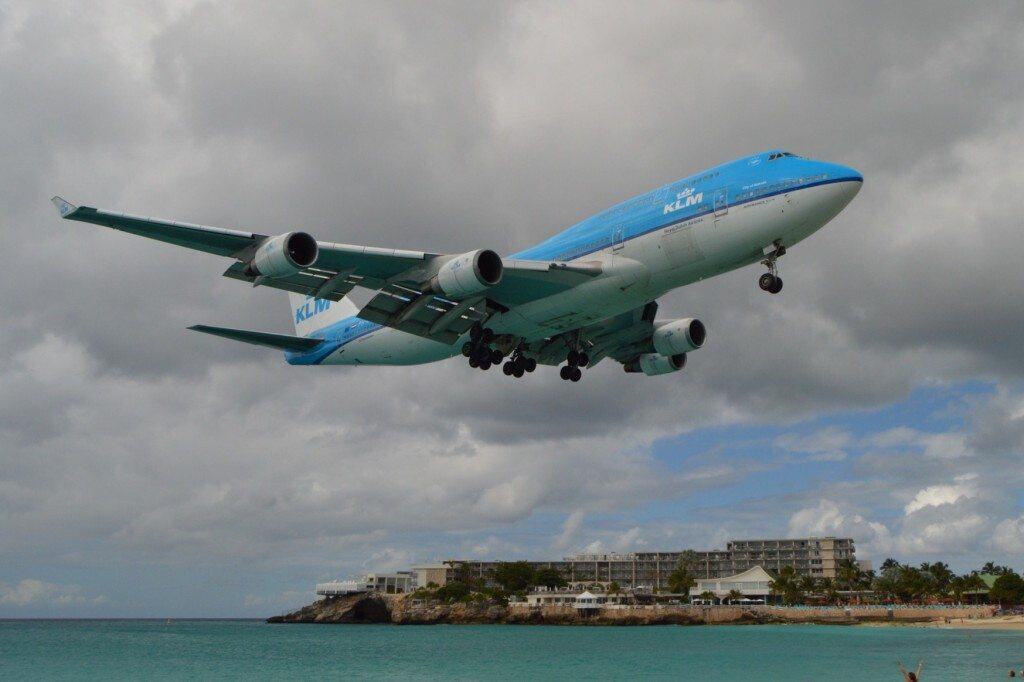
Throughout the day, the beach was buzzed by small island hoppers, private jets, classic MD-80’s, a handful of 737’s and 757’s, as well as the Queen’s grand arrival. That was a sight to see!
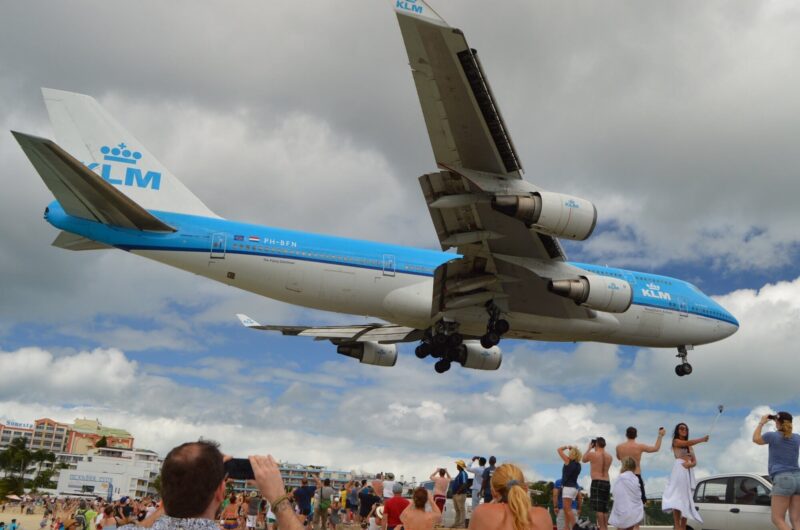
The local aviation enthusiasts knew that that day was the day for the big gal to arrive, so as time grew closer to 12:35PM, so did the crowd. Finally, her landing lights, and that giant wingspan were spotted way out in the distance. As she creeped closer and closer, people scattered to get a good spot on the beach. Some wanted to be directly underneath as she passed overhead, others wanted to be just off to the side for the best vantage point of watching that graceful beauty glide in.
The Queen of the Skies Landing Was Peak Avgeekery
It was amazing; the shear size of the Boeing 747 as she’s closing in and getting closer and closer, absolutely leaves you speechless. Then just like that, in a matter of 30-45 seconds, she passes over and plants her tires on the runway. What an incredible experience.
For my wife who hates to fly, and not the slightest interest in aviation, her exact words were, “that was the best day of the entire trip.” You could’ve knocked me over with a feather. I can’t say enough of how grateful I am to have been able to experience it firsthand. If it’s not already, I highly recommend moving this destination closer to the top of your bucket list; it’s truly an avgeek paradise!
Maho Beach: Feet in the Sand, Jets In the Sky 22Maho Beach: Feet in the Sand, Jets In the Sky 23Maho Beach: Feet in the Sand, Jets In the Sky 24Maho Beach: Feet in the Sand, Jets In the Sky 25Maho Beach: Feet in the Sand, Jets In the Sky 26Maho Beach: Feet in the Sand, Jets In the Sky 27Maho Beach: Feet in the Sand, Jets In the Sky 28Maho Beach: Feet in the Sand, Jets In the Sky 29Maho Beach: Feet in the Sand, Jets In the Sky 30Maho Beach: Feet in the Sand, Jets In the Sky 31Maho Beach: Feet in the Sand, Jets In the Sky 32Maho Beach: Feet in the Sand, Jets In the Sky 33
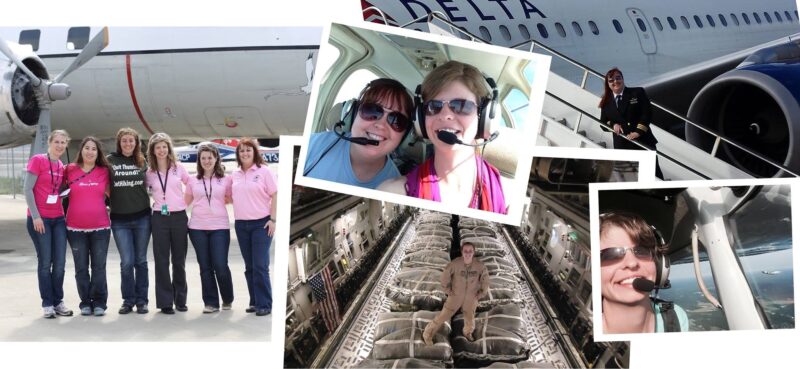
Two friends are on a journey to encourage more women to explore a career in aviation.
Only 6% of pilots are women. That number is pretty small. Despite the fact that female pilots are the minority in the flying industry, one of the oldest, most unique aviation events in existence today is the Air Race Classic, an all-female cross-country flying race! Established in 1929, the Air Race Classic is a day VFR flying race that spans four days and roughly 2,400 miles. The course changes yearly extending across not only the United States but occasionally into neighboring countries. Comprised of all general aviation aircraft, each team consists of a female pilot and female copilot with optional teammates. The race allows for up to 55 teams, to include a collegiate division to encourage participation from female student pilots. It is held in June, and has grown into an impressive aviation event to promote flying for women and general aviation.
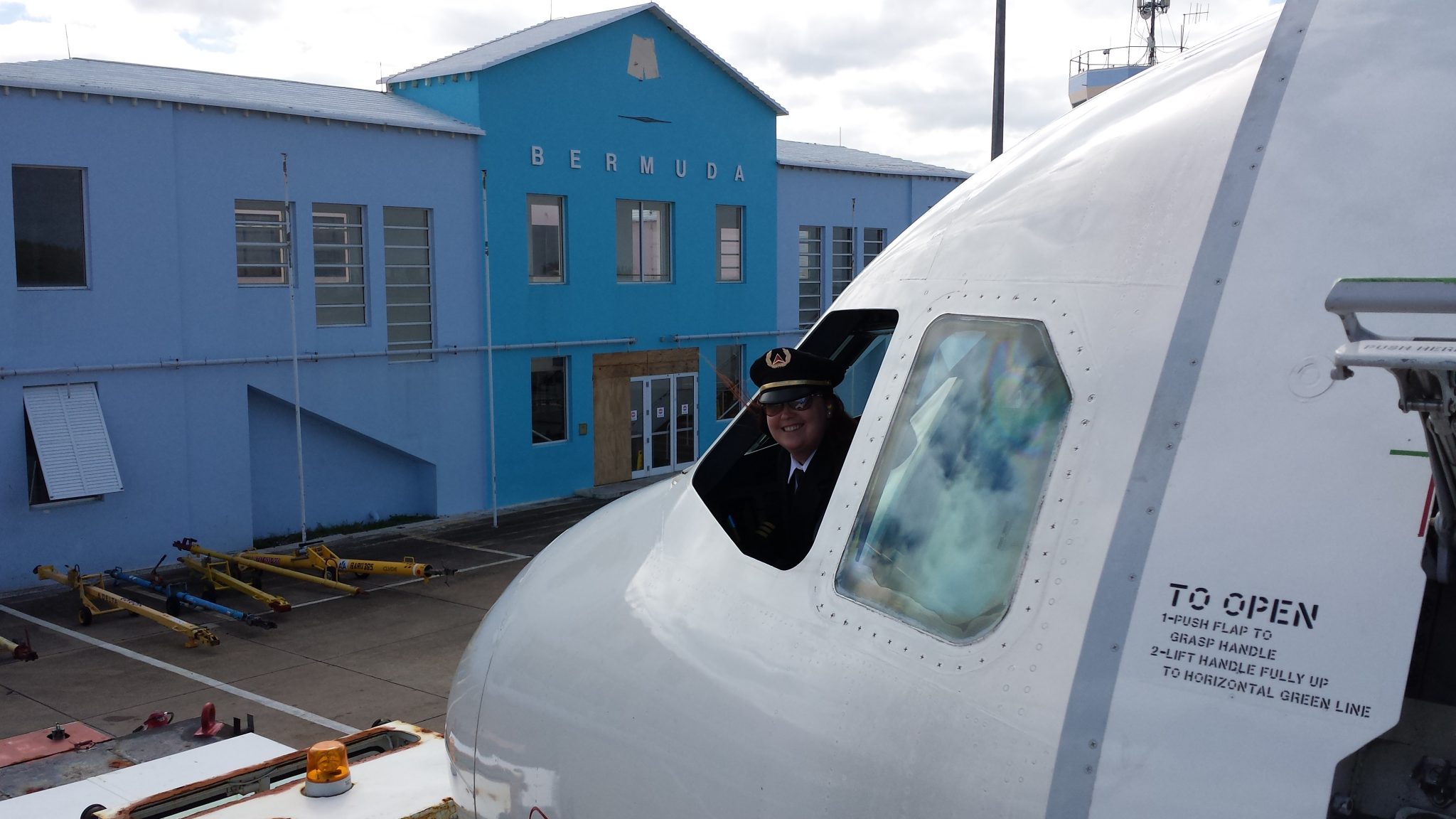
Lisa now flies the A320 for a major airline.
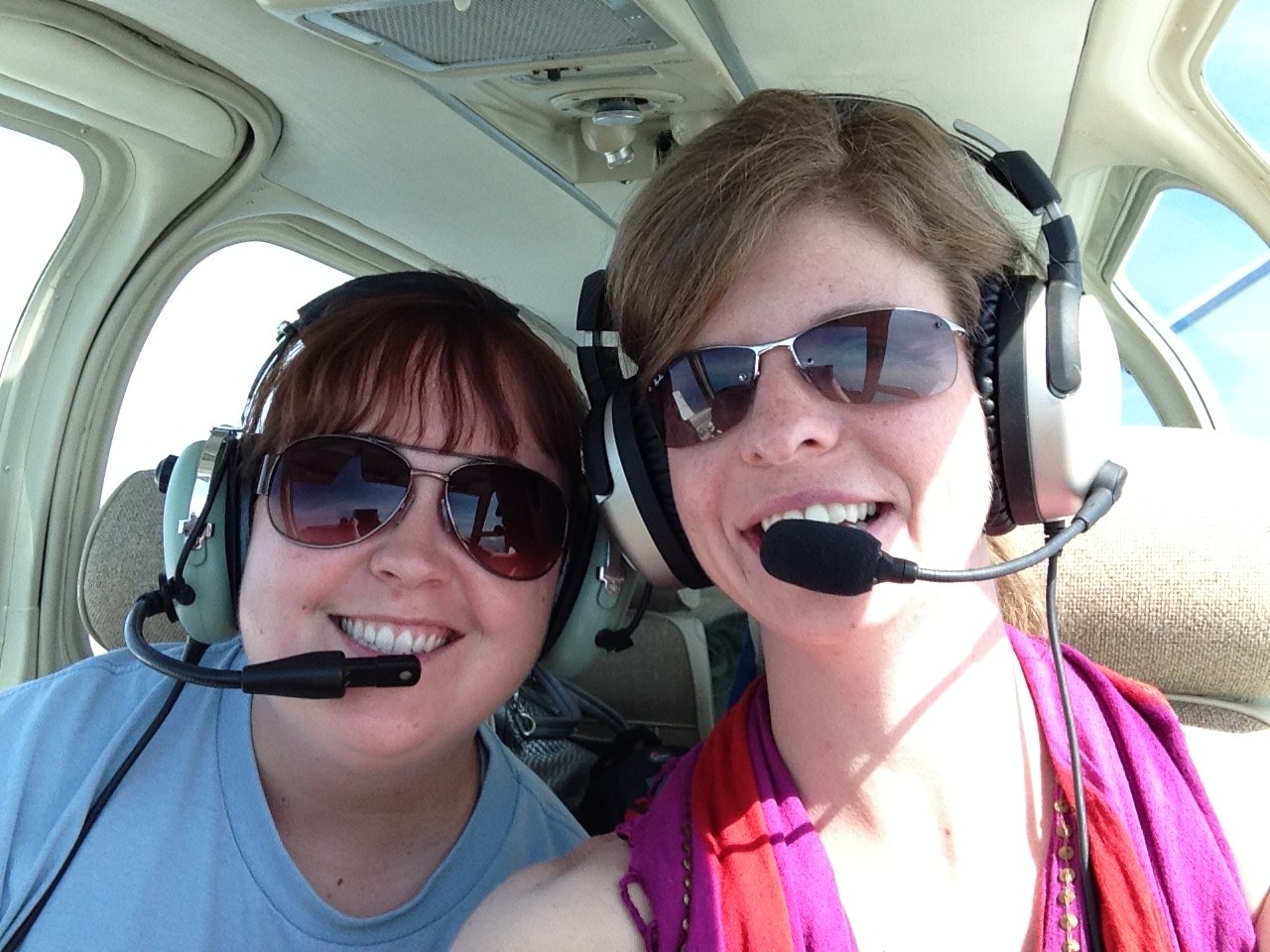
One particular team, Amelia’s Aviatrices, is racing for the first time this year. Team Amelia’s Aviatrices’ two pilots, Liz, a commercial AMEL pilot and the team’s pilot, and Lisa, an airline pilot and the co-pilot, will be flying a 1965 Beechcraft S-35 “Bonanza”, referred to as “Nana.”
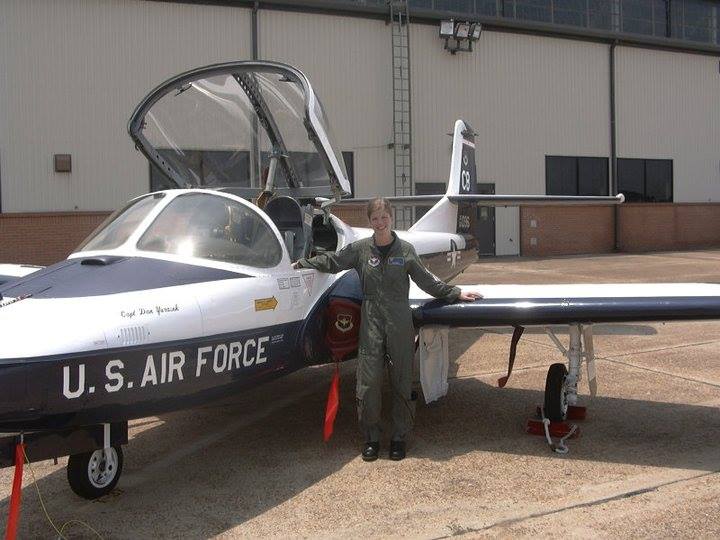
Although both women started their aviation journeys in a similar manner, they ended up taking very different paths to get them to where they are today. Liz’s career started off briefly in the Air Force but went primarily down the road of general aviation, while Lisa ended up flying in the Air Force for a good majority, and now flies for a commercial airline. Their paths crossed when both women were living in Mississippi a few years ago and were introduced to each other by Liz’s husband.
Both Lisa and Liz were excited to form a friendship around their common love of flying. Liz had an idea to create an event, Dreams of Wings, in Mississippi, to encourage and inspire women and girls to pursue their dreams in both aviation and aerospace. Together, with the help of volunteers and local business partners, they turned Liz’s idea into a successful community event.
Liz is now a commercial AMEL and the team’s pilot.
Even though their lives moved on after the one-time event, Liz and Lisa continued Dreams of Wings’ mission each in her own way. And now, in 2016, they are teaming up to fly the Air Race Classic to not only challenge their pilot, navigation, teamwork, and communication skills, but to inspire and encourage girls, young ladies, and women to pursue their dream of becoming a female pilot. They want to show that girls, women of any age, marital status, with children, or without children can follow their hearts.
And their mission to inspire is working right now! Liz just received a message from a friend, “Your posts on flying have inspired me. I’d always planned on getting my license…(someday)…but seeing your posts has made me want “someday” to happen a bit sooner.”
The only way of increasing that 6% number in this industry is education, encouragement, support, and proof that flying is so much fun! Leading by example is the best way to get a message out, and hopefully young girls will see how awesome this aviation industry is- regardless of the route taken to get there.
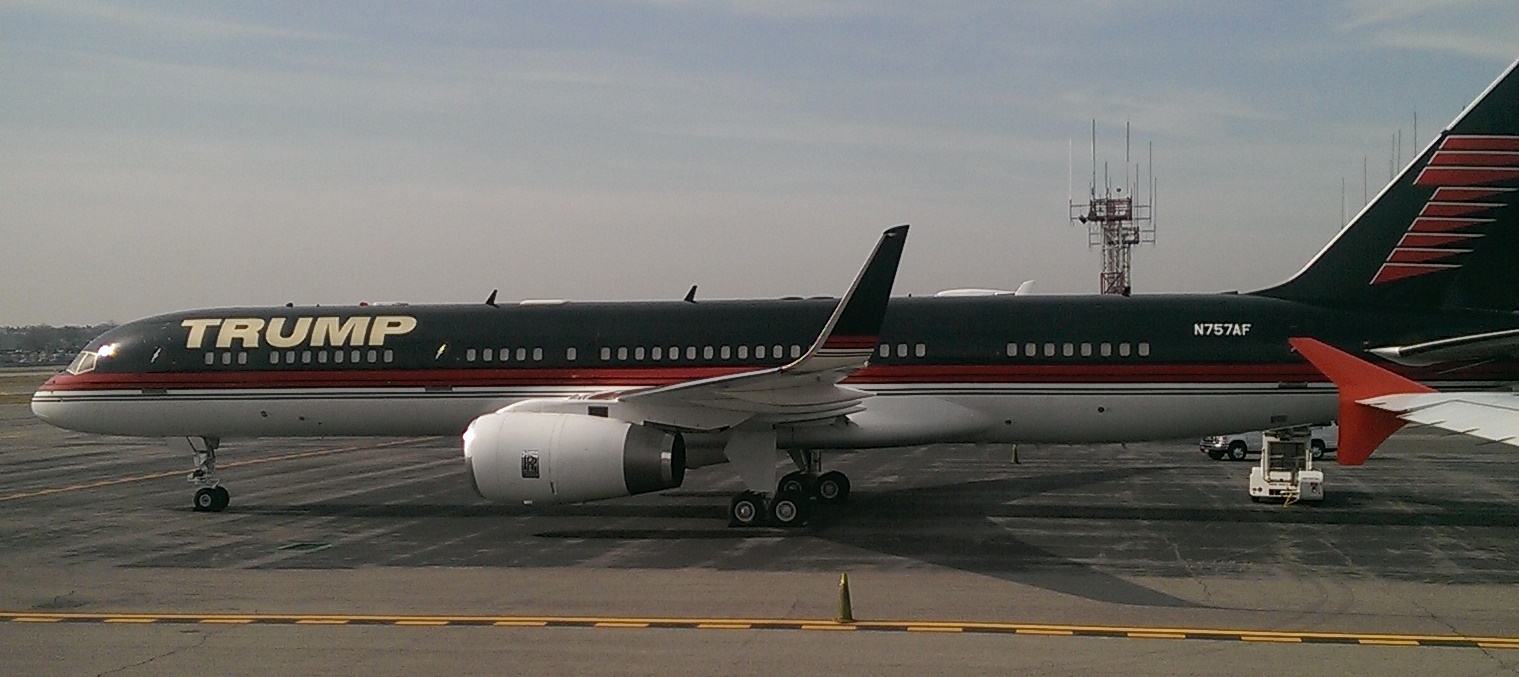
It’s the final weekend of campaigning in Iowa before the nation’s first primary of the 2016 Presidential campaign. Republican and Democratic candidates for president are criss-crossing the state to make one last push to garner support ahead of the state’s caucuses on Monday, February 1st. Republican presidential candidate Donald Trump pulled off one of the more unique entrances to a rally at Dubuque, Iowa on Saturday. Utilizing his personal 757-200 aircraft, the jet performed a low-pass in front of the assembled crowd, then entered a left-hand pattern before landing on the runway. Upon landing, Donald Trump exited the 757 to a cheering audience with very presidential-like theme music playing in background.
After the speech, Trump offered tours of his jet to children who were gathered at the rally. The aircraft is one of the more unique private aircraft. Registered N757FA, the Boeing 757-200 first flew with Sterling Airways in 1991. Trump acquired the aircraft in 2011 to replace his aging 727-100 aircraft. The 757 features a private bedroom, a suite of media entertainment options and gold plated seat belts and fixtures. His jet has first class seating for up to 43 people. For reference, a typical 757-200 seats between 175 and 200 people in a 2-class configuration.
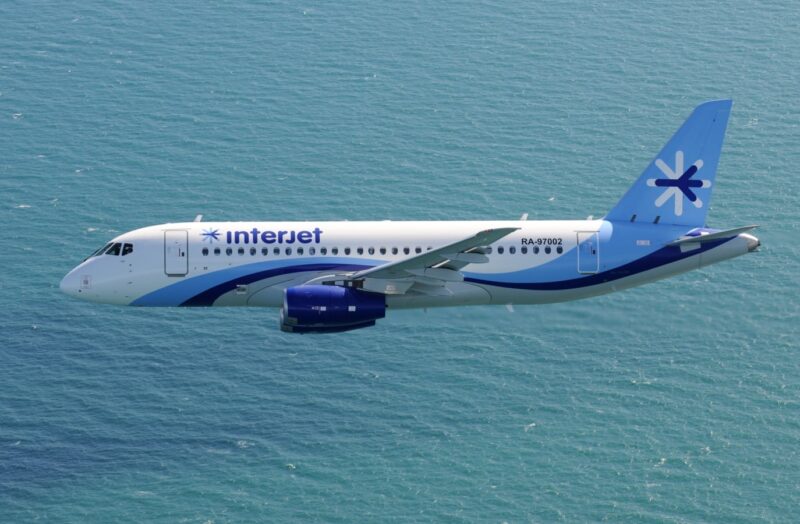
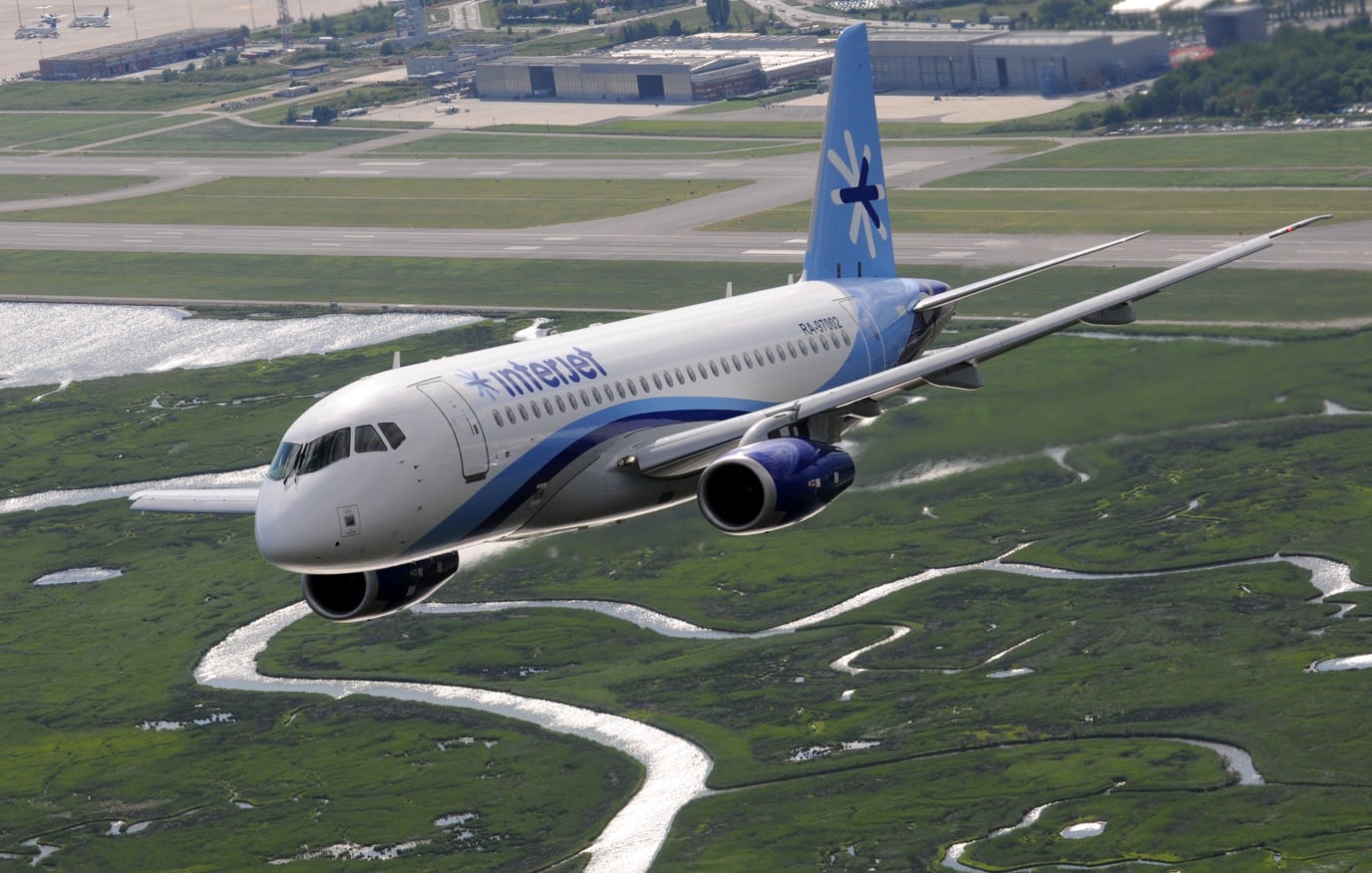
Injerjet announced that they will fly non-stop from Mexico City to DFW airport. The service begins on March 3, 2016.
While DFW Airport already has non-stop service from the Mexican capital by multiple carriers, the new Interjet flights will be a unique addition to the skies over North Texas. Interjet operates a fleet of 97-seat Suhkoi Superjet 100-95B. The Russian-built aircraft are rare over US skies. Interjet is the only North American carrier to fly the aircraft. While the jets are rare in Western skies, they represent a new generation of Russian built aircraft. Interjet’s aircraft feature western avionics, modern engines along with slimline seats and LCD monitors.
According to the press release, the flights will operate twice daily except for Saturdays, will have the following schedule: The Mexico-Dallas Fort Worth route will depart at 12:00 p.m. and arrive in Dallas Fort Worth at 2:30 p.m. The second flight will depart at 6:45 p.m. and land at 9:15 p.m. Return flights are scheduled for 6:15 a.m., landing in Mexico City at 8:45 a.m. and the second flight will depart Dallas Fort Worth at 3:30 p.m. and arrive at 6 p.m.
“With these new flights, Interjet will boost its presence in the United States and contribute to consolidate the strong business and pleasure relationship between our countries and one of Texas’ largest and most visited cities”, said Interjet CEO, José Luis Garza.
Want to hear the most annoying sound in the world? Just fly in the cockpit of a Mad Dog!
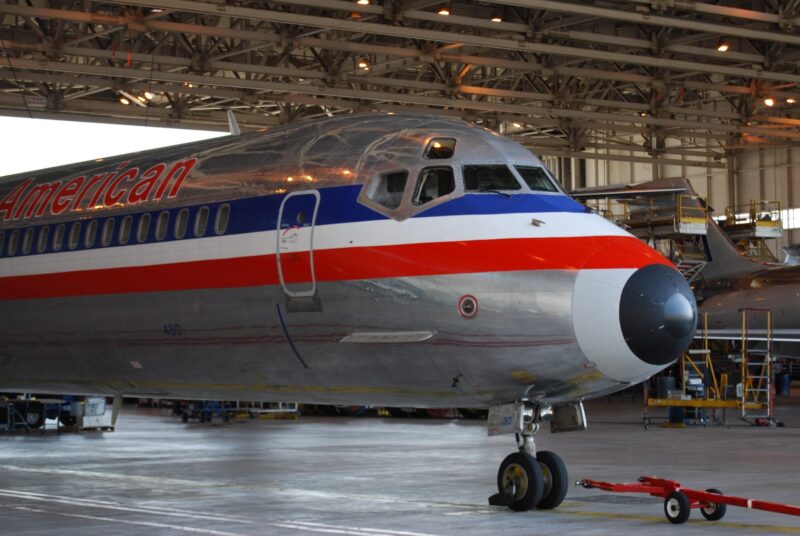
A YouTuber by the name of ‘Mike’ recently posted a hilarious tribute to the aging MadDog MD-80 series. In the video, he mocks all of the annoying tones and buzzers alerting the pilots of altitude changes, trim wheel movements, and nuisance caution alarms. While every jet has annunciators, the McDonnell Douglas’s 1980s ‘ColecoVision’ sounds are known to be especially annoying as they tend to annunciate loudly right as the pilot is trying to answer a radio call.
There was was time back when the MD-80 represented the pinnacle of aviation technology. With two engines instead of the 727’s three, American Airlines touted a 37% fuel savings of their “Super” -80s. The aircraft featured the latest in avionics, engines, and safety to achieve optimal performance for airlines. This promotional video from 1984 proudly shows off the Mad Dog in its prime with some sweet 1980’s electronica as a musical accompaniment.
Over the past 35+ years though, the MD-80 has been surpassed by more modern aircraft like the 737 and Airbus A320 series. With the MAX and NEO coming online soon, the Mad Dog will remain at some airlines but will continue to be retired in greater numbers. As of June 2020, all major airlines have retired the MD-80.
Famed aviation photographer Jim Mumaw shares his thoughts on how to enjoy one of the most unique places to spot military aircraft in the United States.
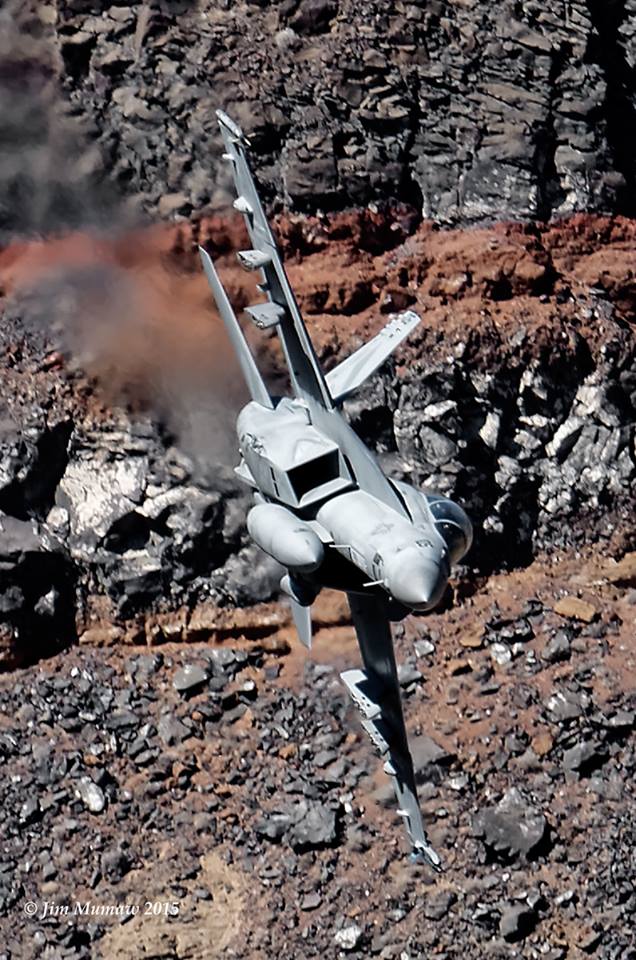
A Super Hornet from VFA-154 Black Knights begins its canyon bustin’ run as it starts it’s low level VR-1355.
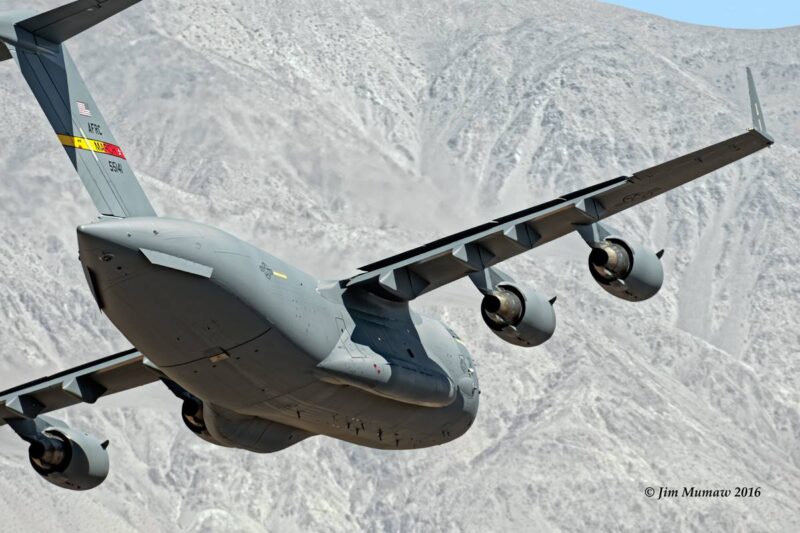
Editors Update: Jim Mumaw was able to photograph the C-17 in Star Wars Canyon this past week. This is the first high quality photo seen in the canyon. We share the rest of his article highlighting his many journeys to the canyon to photograph amazing aircraft. Check it out!
Death Valley National Monument, the name conjures up visions of desolation and remote silence broken only by the winds blowing across the valley floor. Amid the natural solitude, on the eastern side of the monument, it’s a much different story. It’s one of the world of aviation’s most unheard of treasures.
Along Highway 190, which winds its way from the small town of Olancha on I-395 in the Owens Valley at the foot of the Sierra Nevada Mountains to Death Valley, is a canyon of note. The maps call it Rainbow Canyon but to pilots, it’s “Star Wars Canyon”. Just before descending down a winding path into the Panamint Valley, there’s a small paved parking lot. The sign says Father Crowley Point but to aviation enthusiasts, it might as well say Wonderland.
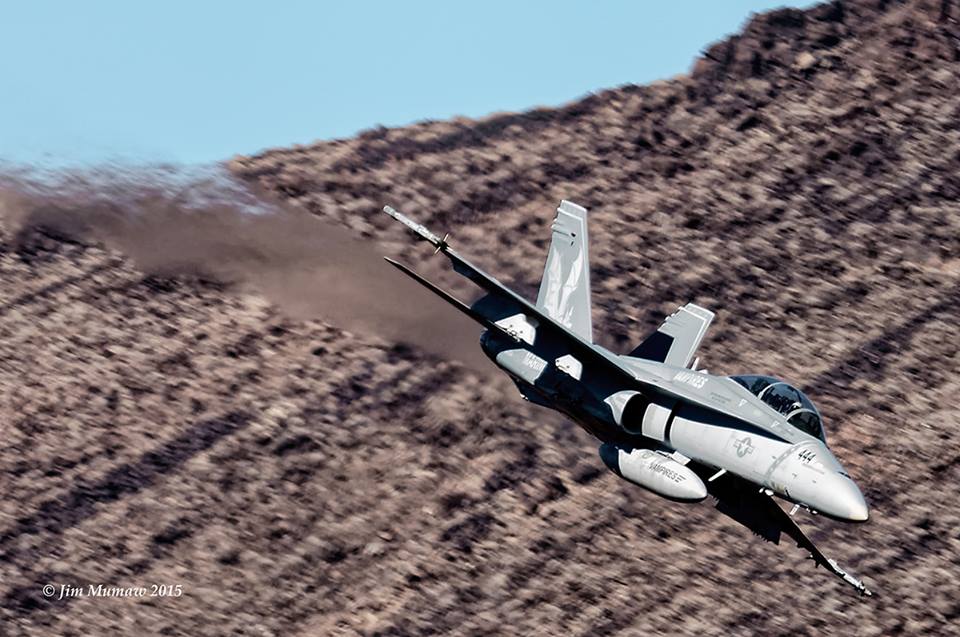
Tourists gather at the railings overlooking the canyon which, at points, has red-colored outcroppings. Suddenly, the silence is broken by the sound of approaching jet engines. A form, at first small, comes around from the northeast and drops down into the canyon. It’s a fighter jet! Within seconds the shape of an F/A-18 Hornet is discernable as it drops well below the walls of the canyon and, in no time, an F/A-18F Super Hornet from the Black Knights comes roaring past below the tourists, yanking and banking as the crew navigates through the winding canyon and out into the valley ahead.
Hornet from VX-9 Vampires, China Lake, dives into the canyon to begin its low level.
Welcome to one of the only places that a person can drive to, get out of their car and walk a matter of feet to see such a show of power and skill. The action can range from nothing to spectacular with no set schedule so it’s always a gamble. And there’s no guarantee as to what aircraft you might see.
It’s fun to watch the tourists look up as the aircraft scream by below them. It’s human nature to look upward instead of below one’s feet to see jets flying. On a summer’s day, very many dialects can be heard among the tourists. One day, I heard French, British, Australian, German, Swiss, Japanese, Spanish (from Spain) and even Dutch.
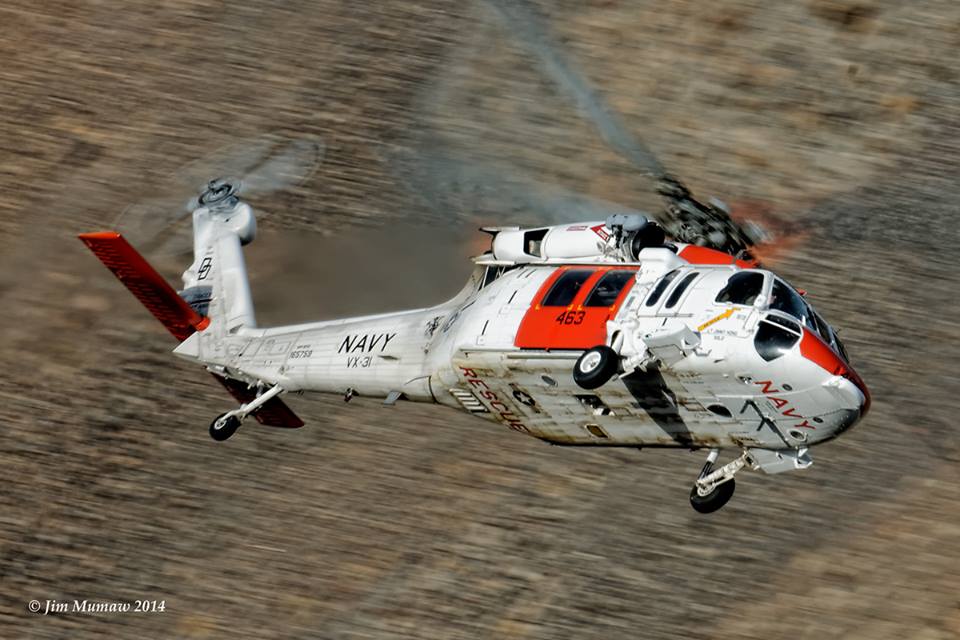
Planes from NAWS China Lake, NAS Lemoore, the ANG in Fresno, Nellis AFB and even Edwards AFB come smashing through the canyon. You can see F/A-18 E & F Super Hornets, Ea-18G Growlers, F-15 Eagles and even T-38 Talons and F-16s from Edwards AFB. More rare are the Rescue copter from China Lake’s VX-31 as well as the UH-1Y Venom, also from China Lake with VX-9. One never knows what will show up. British GR4 Tornados have also been seen as well as A-4 Skyhawks of a private company. It all depends on luck as to what you’ll see. The training area has been in use for decades. Well back into the 20th century and before jet aircraft, pilots have used it for honing their skills.
VX-31’s Rescue copter comes through the canyon, training for any situation
There are some things to keep in mind when if you decide to take the challenge to go to the canyon though. It is Death Valley, so depending upon the time of year, you need to be prepared to boil or freeze. Water is imperative regardless. Also good tires if you venture away from any paved area. There are different spots that photographers venture but once you leave the pavement for marked dirt roads, you must stay on the dirt roads only (no off roading) and those roads are ripe at time with potholes and, always rife with tire killing rocks.
It is within a national monument so the landscape must be left as you found it. No changing things around for a more comfortable experience, no stacking rocks, don’t even take any home. And… NO litter or trash! This is a treasure but the Federal Government can shut down access to it by closing roads, etc. if they believe that it is being abused in any way. You’ll also suffer the wrath of the regular photographers and enthusiasts who jealously guard the area against abuse, not to mention the rangers.
It must also be stressed that, if you choose to view the action away from the safety of the parking area’s railings, the drop into the canyon will almost always mean a body recovery opposed to a rescue for anybody unlucky enough to misstep or lose their situational awareness as the aircraft come by.
A lot of things to keep in mind, but they will make for a safer and more enjoyable experience as well as keep this wonder available to all for years to come.
It has been called the Kai Tak of European airports, after Hong Kong’s notorious airport, infamous for its own roof-top, cross-wind approaches to runway 13.
The History Channel rated it as the 9th most extreme airport in the world.
The website, Interesting Engineering rated it #2 in its ranking of the world’s most dangerous airports, more dangerous than Tenzing Hillary Airport in Nepal.
Runway is an engineering marvel
In 2004, its runway – which bears a disturbing similarity to Monaco’s famous tunnel on it Gran Prix circuit – was awarded the Outstanding Structure Award (“OSA”) for 2004 by the International Association of Bridge and Structural Engineering (“IABSE”).
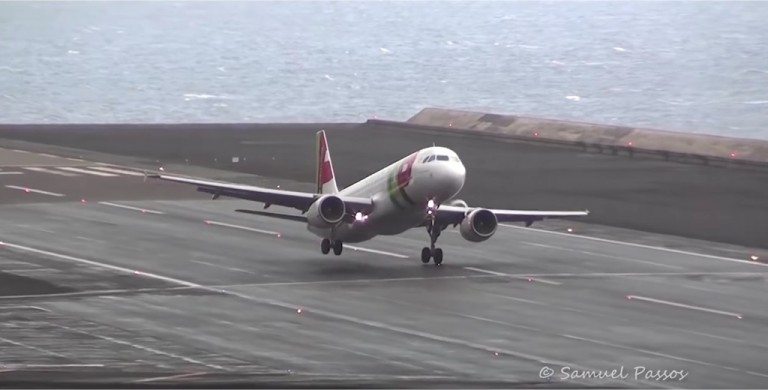
Wedged between a steep cliff and the sea, Madeira’s Airport, formerly Santa Catarina Airport, is also known as Funchal Airport (IATA: FNC; ICAO: LPMA) has a single runway of just over 9100 feet capable of landing an A330. It’s similarity to Monaco is because a considerable segment of the runway is an extension built on a platform sitting atop 180 columns, each over 200 feet tall.
Landing on a windy bridge
While the elevated platform gave pilots more runway, it did nothing to eliminate the turbulence and downdrafts for which the airport is still famous. And in the back of every pilot’s mind is that over-running the runways gets you a 200 vertical drop to the sea.
In 2015, 2.5 million commercial passengers quite safely passed through the airport’s largely subterranean terminal, 13.2 kilometers (8.2 miles) from the Island capital, Funchal. Skilled pilots execute the difficult approach safely. But the internet abounds with breath-taking videos of extreme landings and missed approaches .
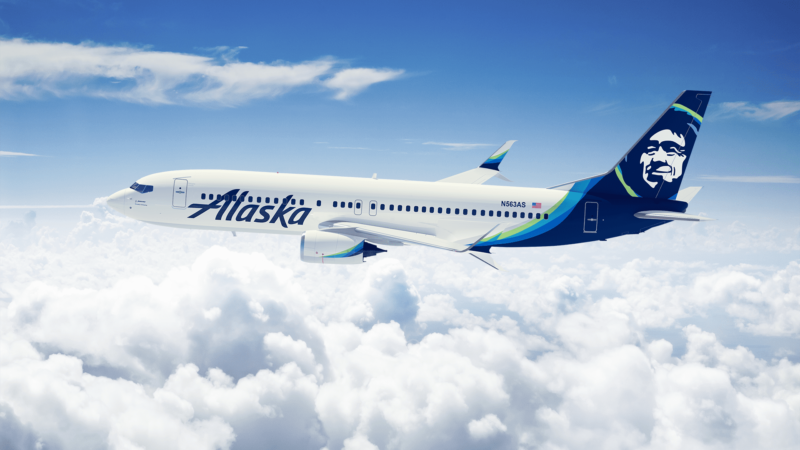
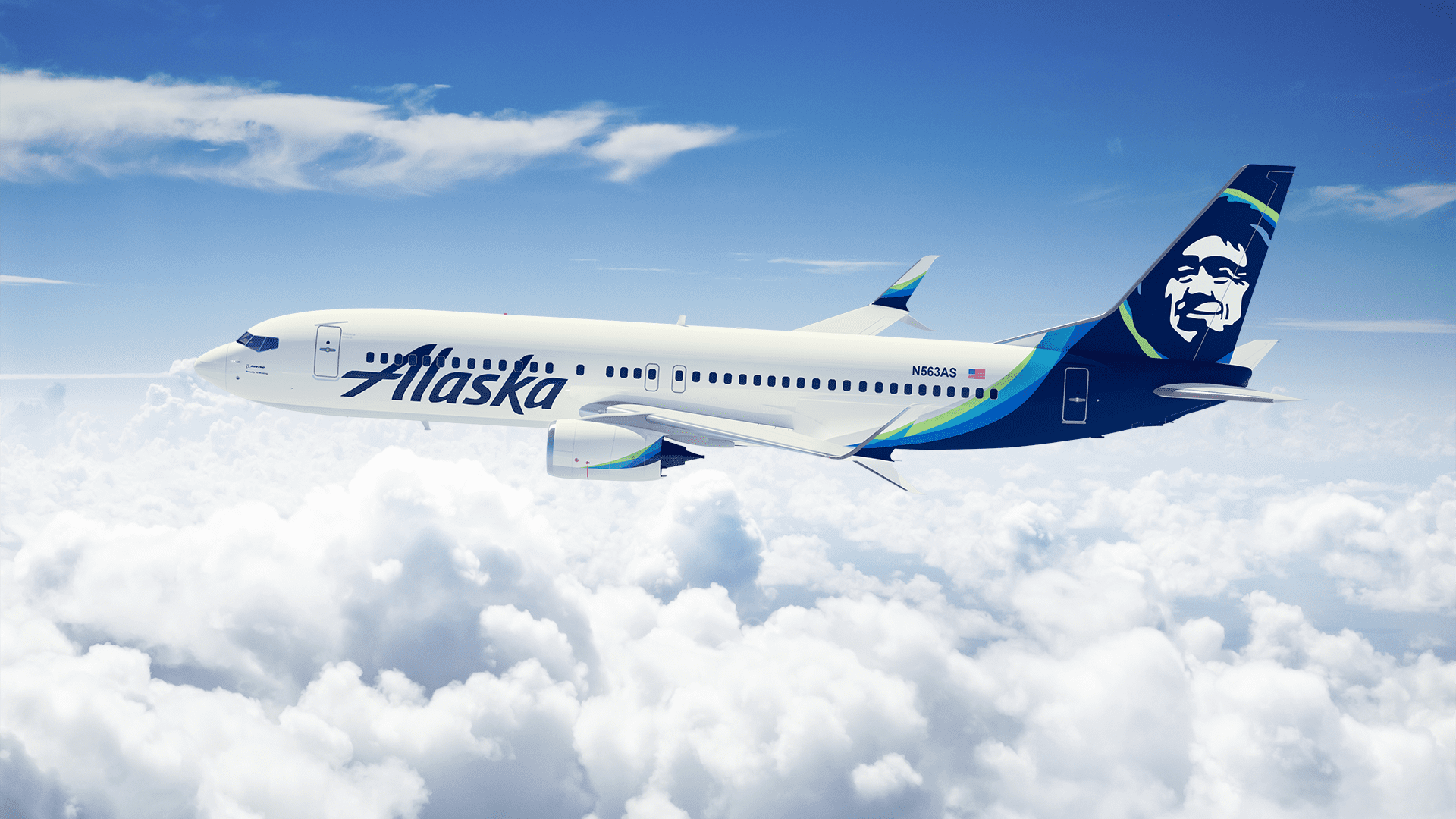
Alaska Airlines introduced a full brand refresh today. The update includes new a new “Alaska” logo with a new airplane paint scheme the includes bright northern lights colors a modified, more friendly eskimo design. The update will be incorporated into signage at the airport, a new paint scheme aircraft, along with a refreshed website and mobile app.
In a press release, Alaska’s Vice President of Marketing, Sangita Woerner said, “Our goal was to bring more energy to the brand, so we brought color that represents the places we fly and our home here in the Pacific Northwest. We’re a brand that’s all about brightening your day, so we added some complimentary blues and green to reflect that in our outward appearance.”
Woerner also made a statement proclaiming Alaska’s fierce independence in the midst of all of the mega-airline mergers over the past few years: “This sets us up for future growth,” Woerner said. “We’re a fiercely independent company, and we’re updating our brand to take us into the future.” Her comments seem to indicate that no merger partner is waiting in the wings.
Alaska Airlines currently operates a fleet of 147 Boeing 737 aircraft and provides additional branded flying on Horizon’s 52 Q400 along with Skywest’s CRJ-700 and ERJ-175 aircraft. In December, they announced that they will be phasing out the 737-400 fleet.
You can learn more about the refresh by watching the video that Alaska Airlines released in concert with the refresh below.
One of the frequent complaints about our nation’s efforts against ISIS is that we are losing the media war. ISIS frequently puts together slick videos of their disgusting actions. They leverage social media to share their ideas worldwide. America counters with a paltry press release or still photo of an airman loading a bomb. Messaging is important in warfare. It’s why America and it’s allies enlisted Hollywood in World War II to visually depict how totalitarianism was so objectively evil. We won that war. Telling our side of the story is no less important today. The storytelling behind airdropping aid to starving refugees, killing the enemy, and sharing a compelling vision of our side to the world is just as important as actually doing the mission itself.
That is why this B-1 squadron’s deployment video is so awesome. While it’s not perfect, it shows what every squadron and important mission video should look like these days. If you are going to kill ISIS with warheads on foreheads–the most evil force on the planet since WWII– your pilots and supporting crews should look like a rockstar while doing it.
This video shows the potential of what slick production skills could do to better tell America’s story. The video features every aspect of the mission. Pilots are the executors of the mission but the host of supporting functions are no less critical to a perfectly executed mission. Together, they deliver death to evildoers and do America proud.
Kudos to the 37th EBS and thanks for your service.
UPDATE: The video was recently changed to private for unknown reasons. We’ll repost the video when/if it is back up on YouTube.
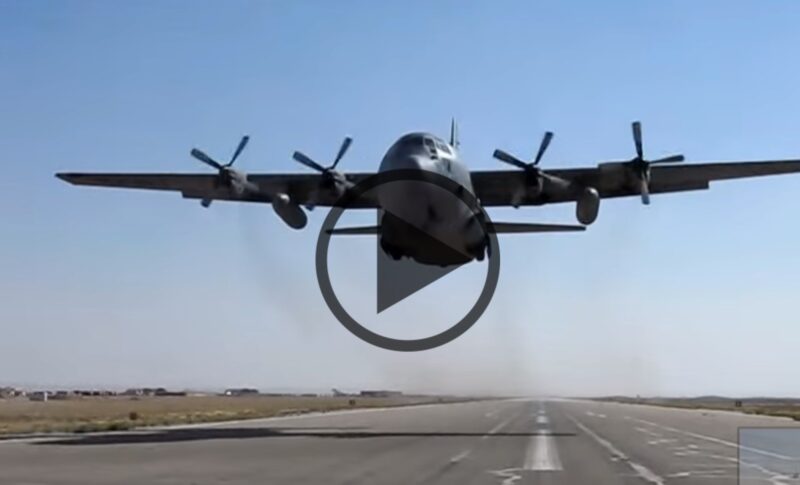
We’ve seen people position a GoPro at the end of the runway before but this is a first. A guy stood on the end of an assault runway to film the departure of a C-130. It’s gutsy, rare footage, and a sight to behold as the massive Herk departs over the videographer’s head.
Engines are extremely reliable pieces of machinery. This reliability isn’t just luck though. It is a result of a robust testing and maintenance program. Prior to service entry, a jet engine undergoes an extensive testing to prove reliability. After service entry, an engine is sometimes tested to diagnose a fault, test an upgraded feature, or ensure proper function after an overhaul. Because of the raw power of a jet engine, great care in normally taken to secure the engine before a test.
Today, our focus is on the J-85 engine built by General Electric. The J-85 is a small but powerful engine with proven reliability. With up to 6,000lbs of thrust, the engine powers the T-38, F-5 and a non-afterburner powered version powered the A-37 Firefly. It can power jet aircraft to supersonic speeds. The jet engine is still tested on a regular basis. This is what a J-85 test is supposed to look like.
How to Properly Test a J-85 Engine:
Don’t Do This! (Video Below)
Unfortunately, mistakes occasionally occur. It appears someone forgot to bolt down the J-85 to the test rig properly in this video. Just 10 seconds into the testing, the engine is detached from its rig. Woosh! 6,000 lbs of thrust hurtle forward in an uncontrolled manner. That’ll leave a mark.