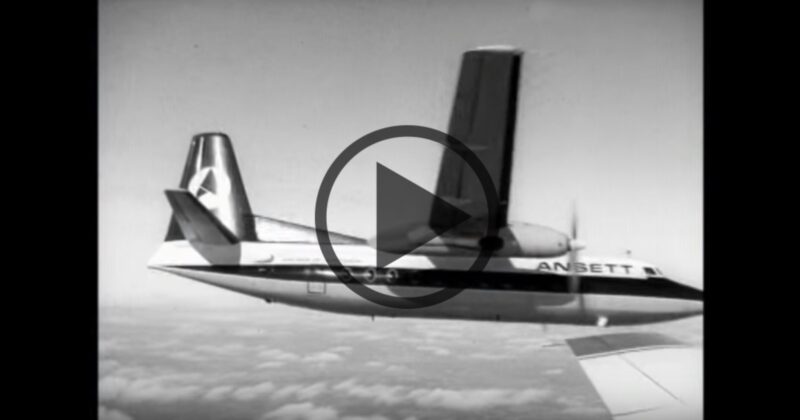
The amazing video shows a near collision between an airliner and a small twin aircraft. Back in the 1970s, Ansett Airways (Australia) did an air-to-air photo shoot with one of their F-27 Friendship turboprop aircraft. The formation photoshoot was flown with a Piper Navajo aircraft.
Details are really sketchy about this video. A few forums call it a fake video. Others say the plane and the photo shoot really happened. The prevailing theory is that the Piper was too close and was sucked into the Fokker’s vortices. I’m not sure I believe the reasoning but the video does look real. Regardless of the cause, it’s a very unique video showing how VH-FND’s tail almost lopped off by the wing of the smaller plane.
This video is a good reminder that formation flight is inherently dangerous. Don’t try it if you’ve never been trained on how to do it. If you have been trained, prebrief all pilots, don’t cut corners or showoff. And don’t lose focus, even for a split second.
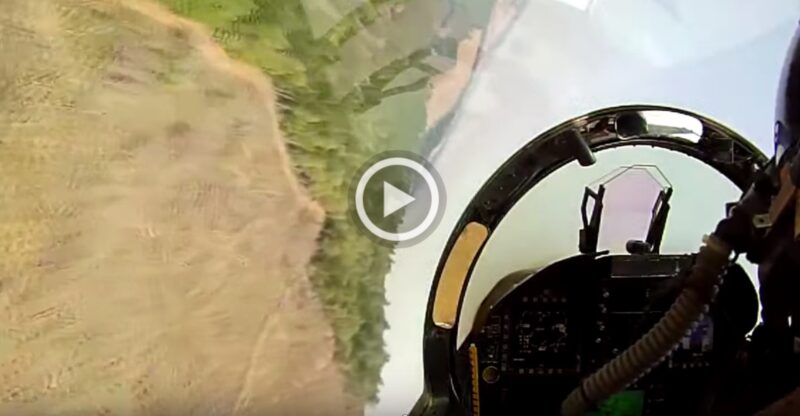
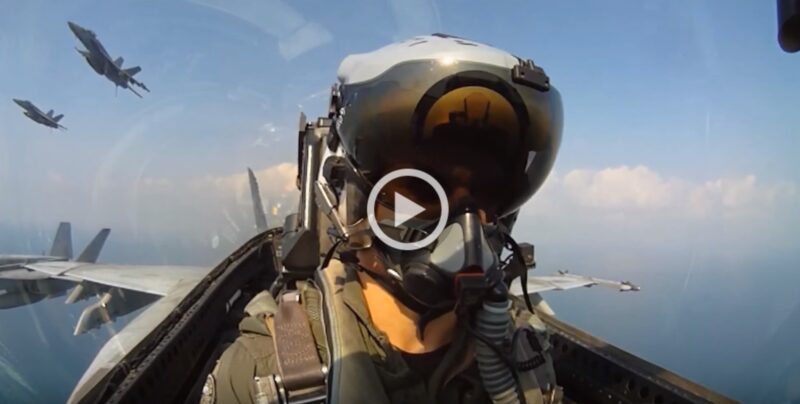
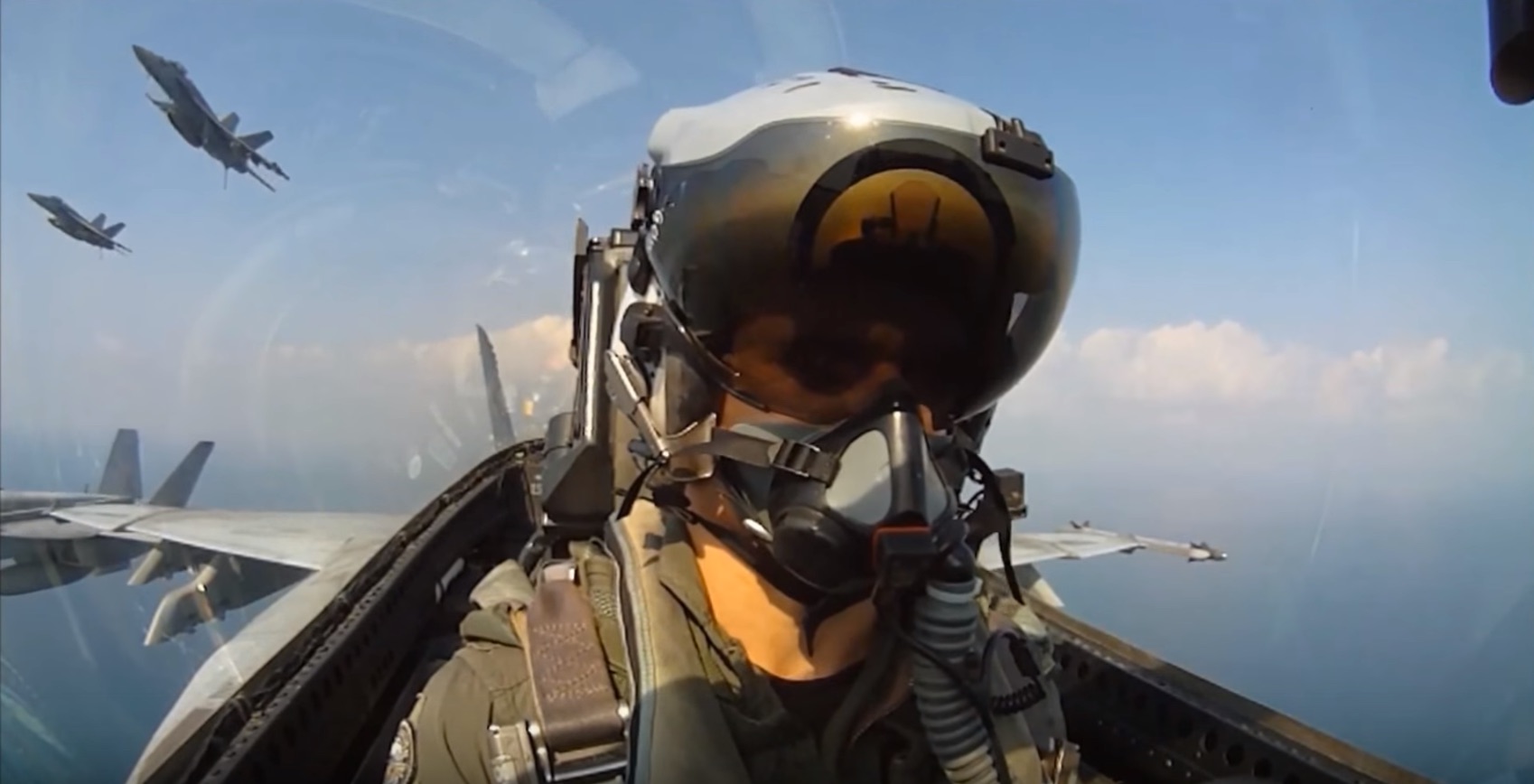
This F/A-18 pilot sure knows how to yank and bank. It’s not unusual for fighter pilots to perform low levels. They are an essential part of training and a skill that is necessary for combat. What is impressive in this clip is how aggressive the pilot actually flies the route. He’s either a really good pilot or crazy…or a little of both. You decide.
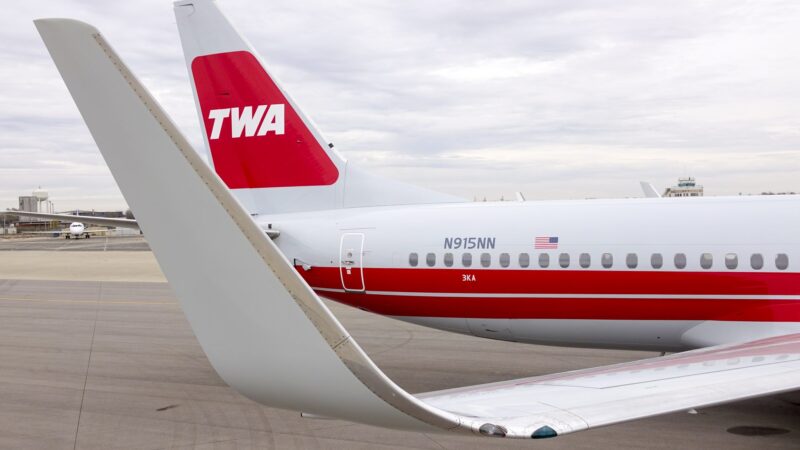
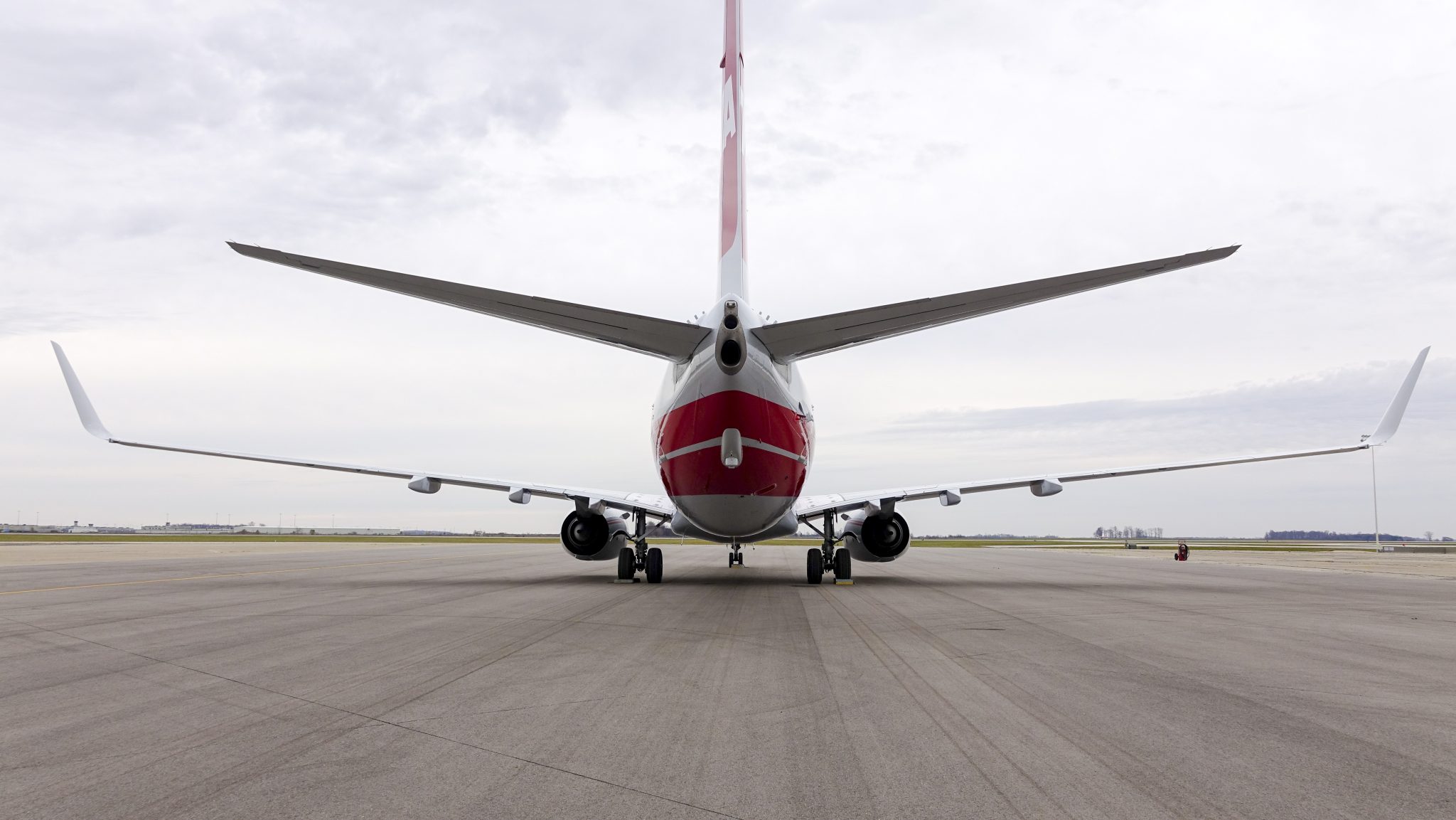
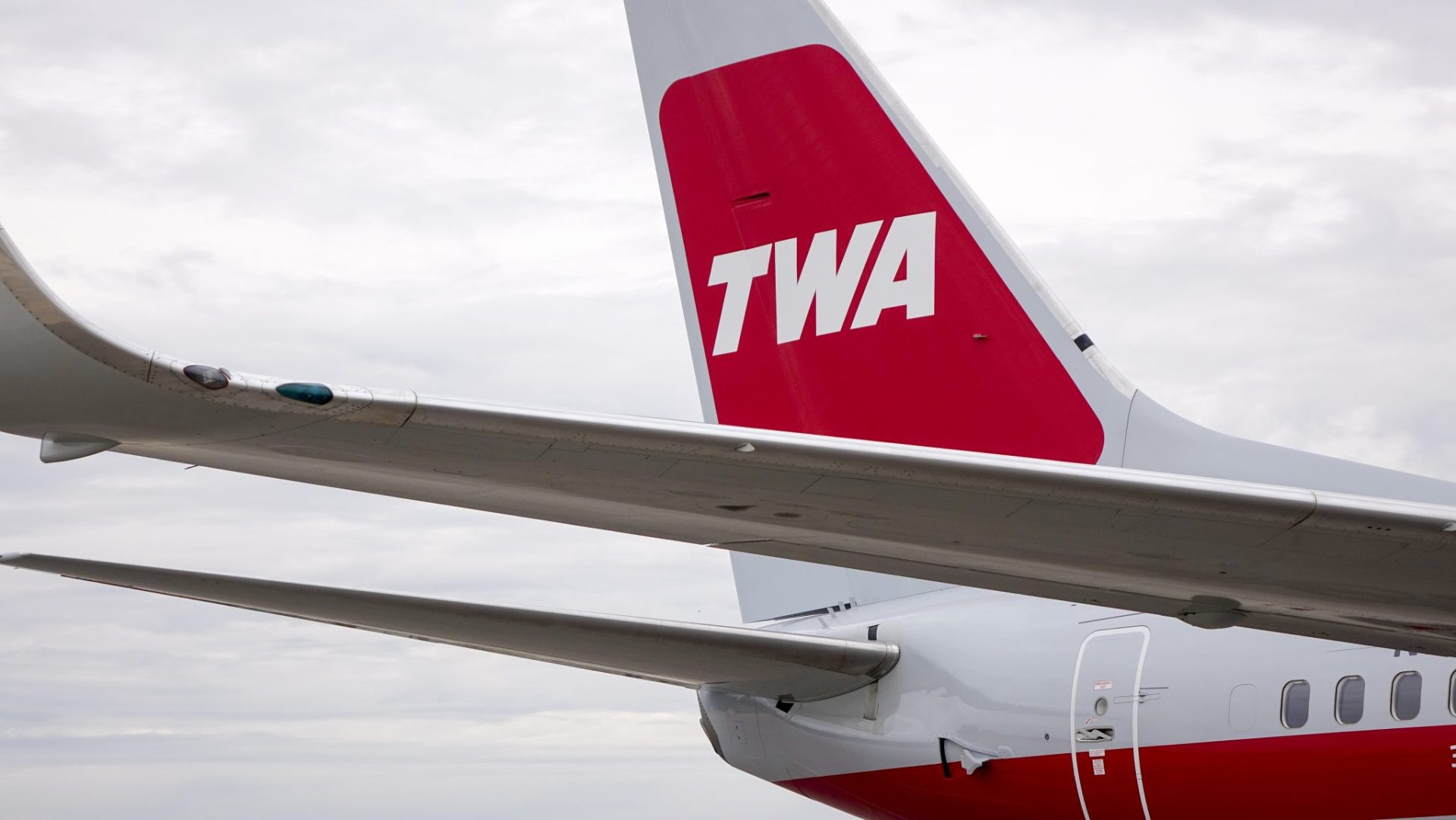
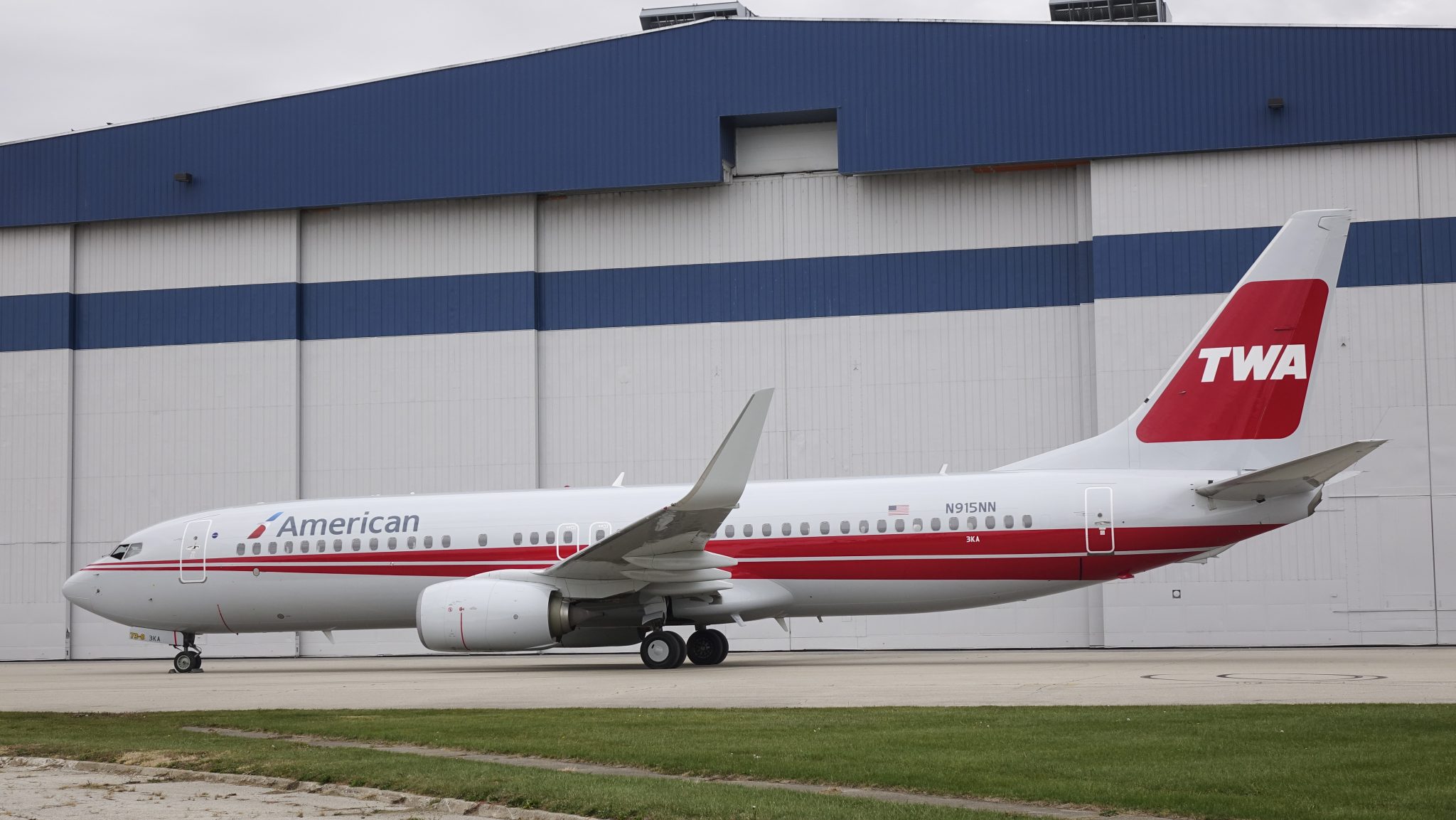
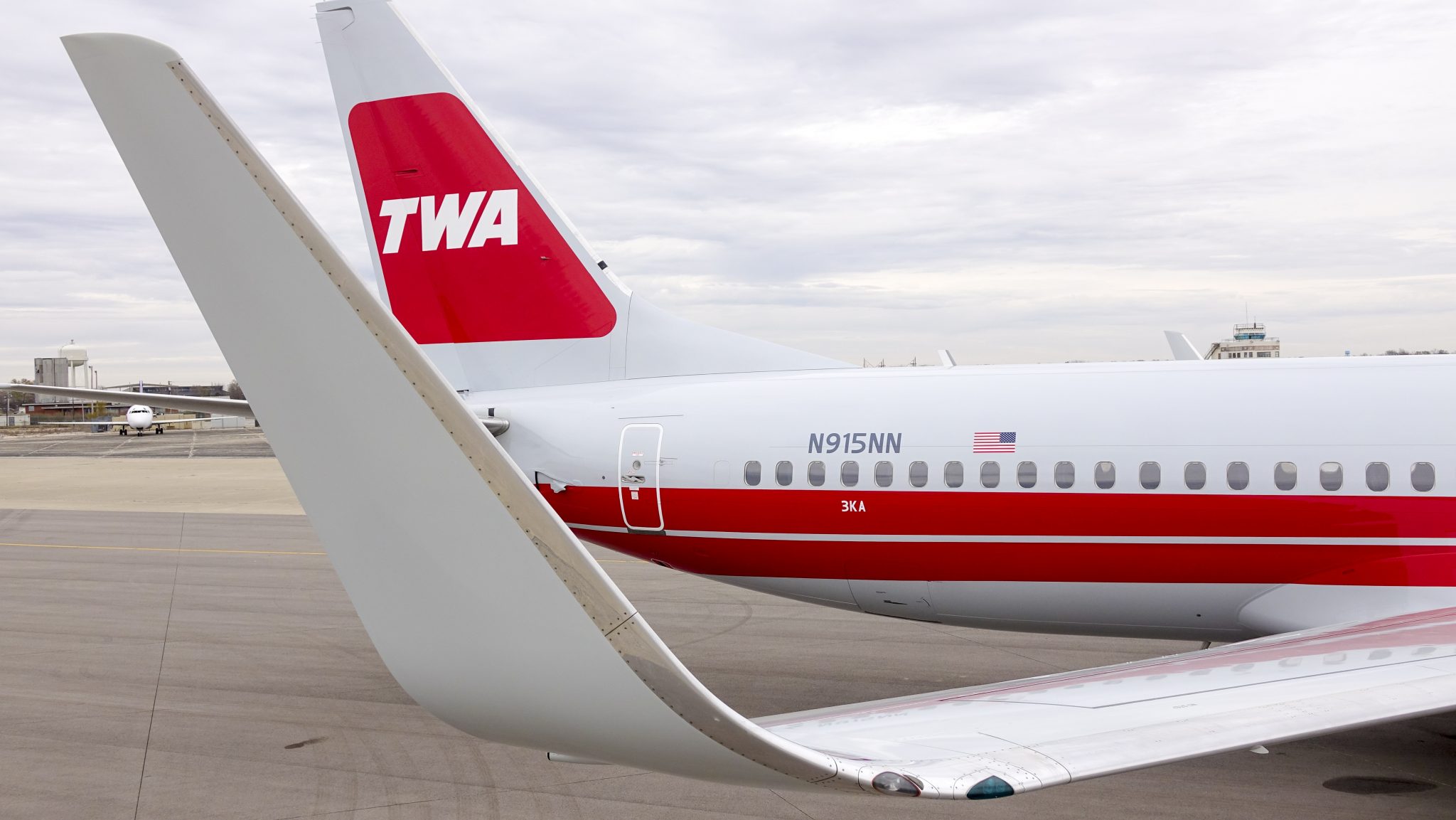
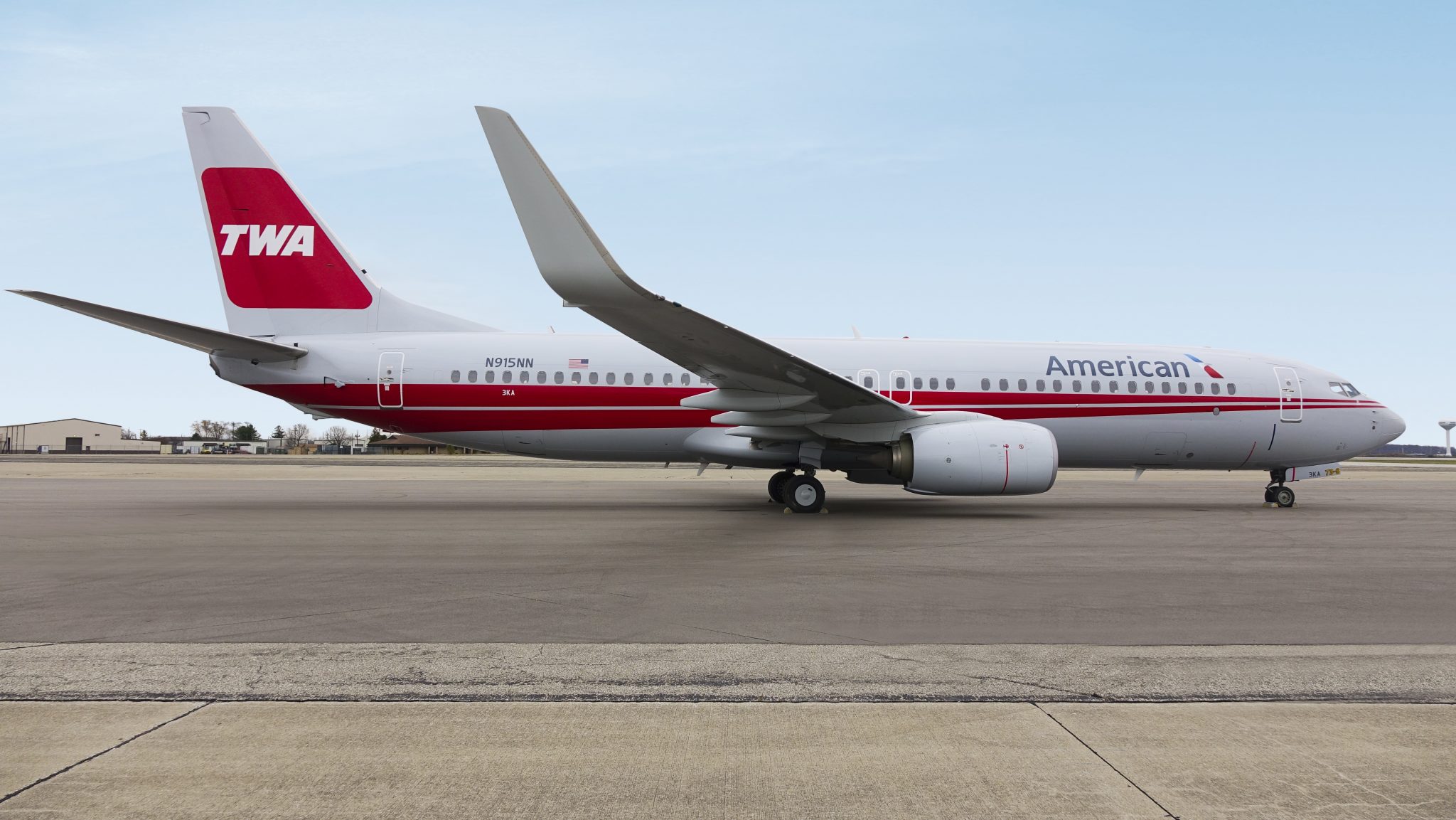
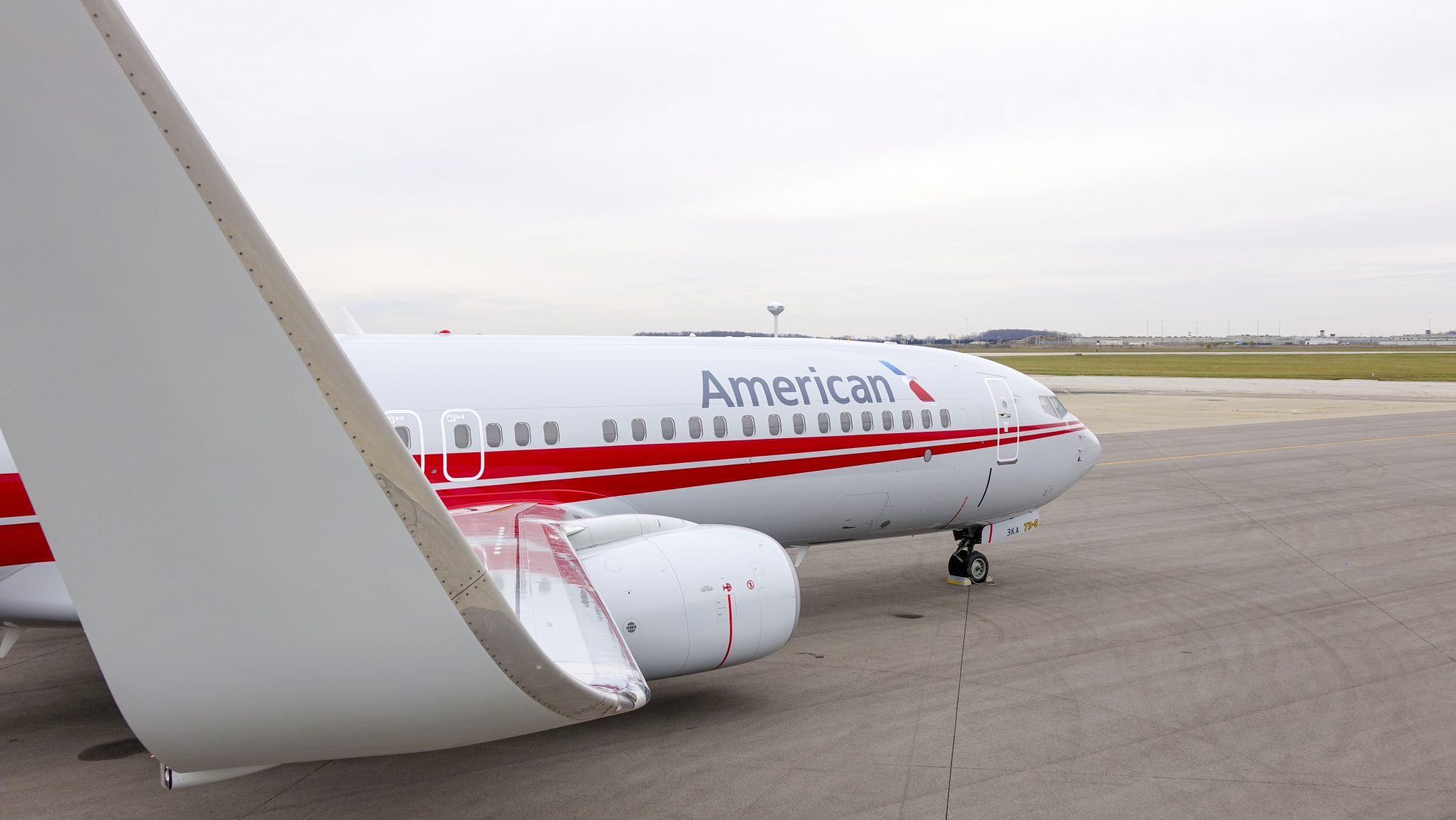
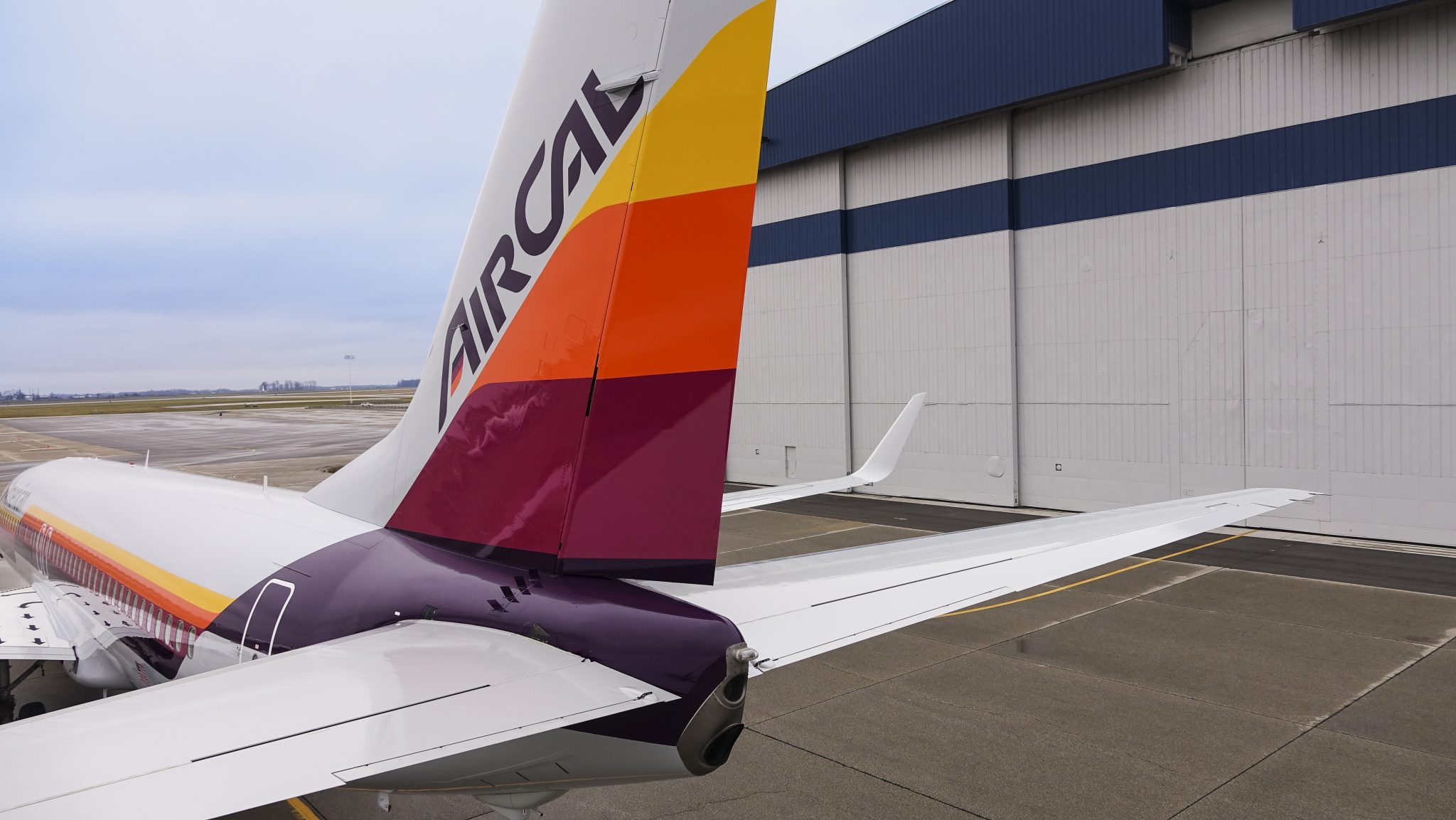
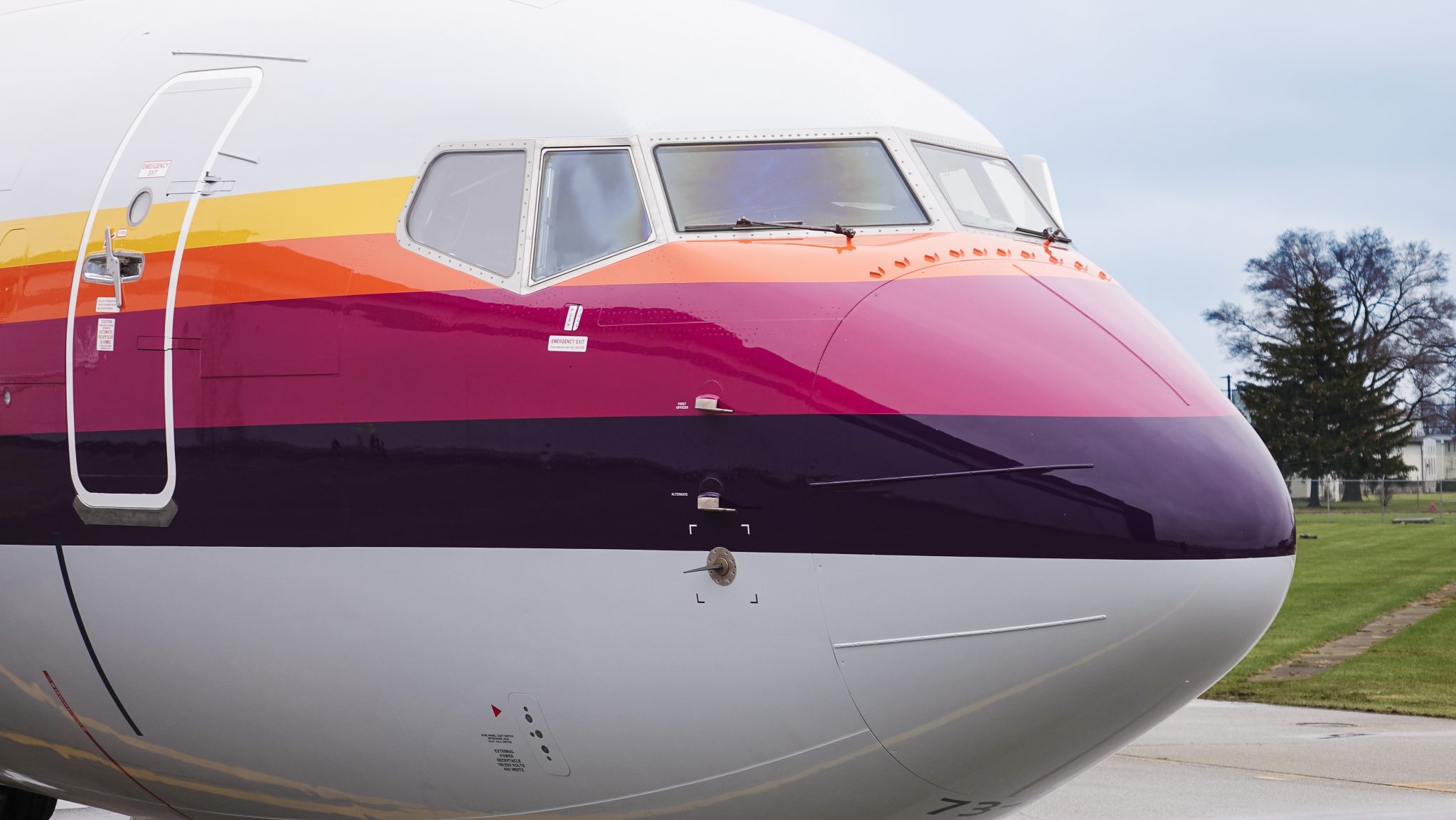
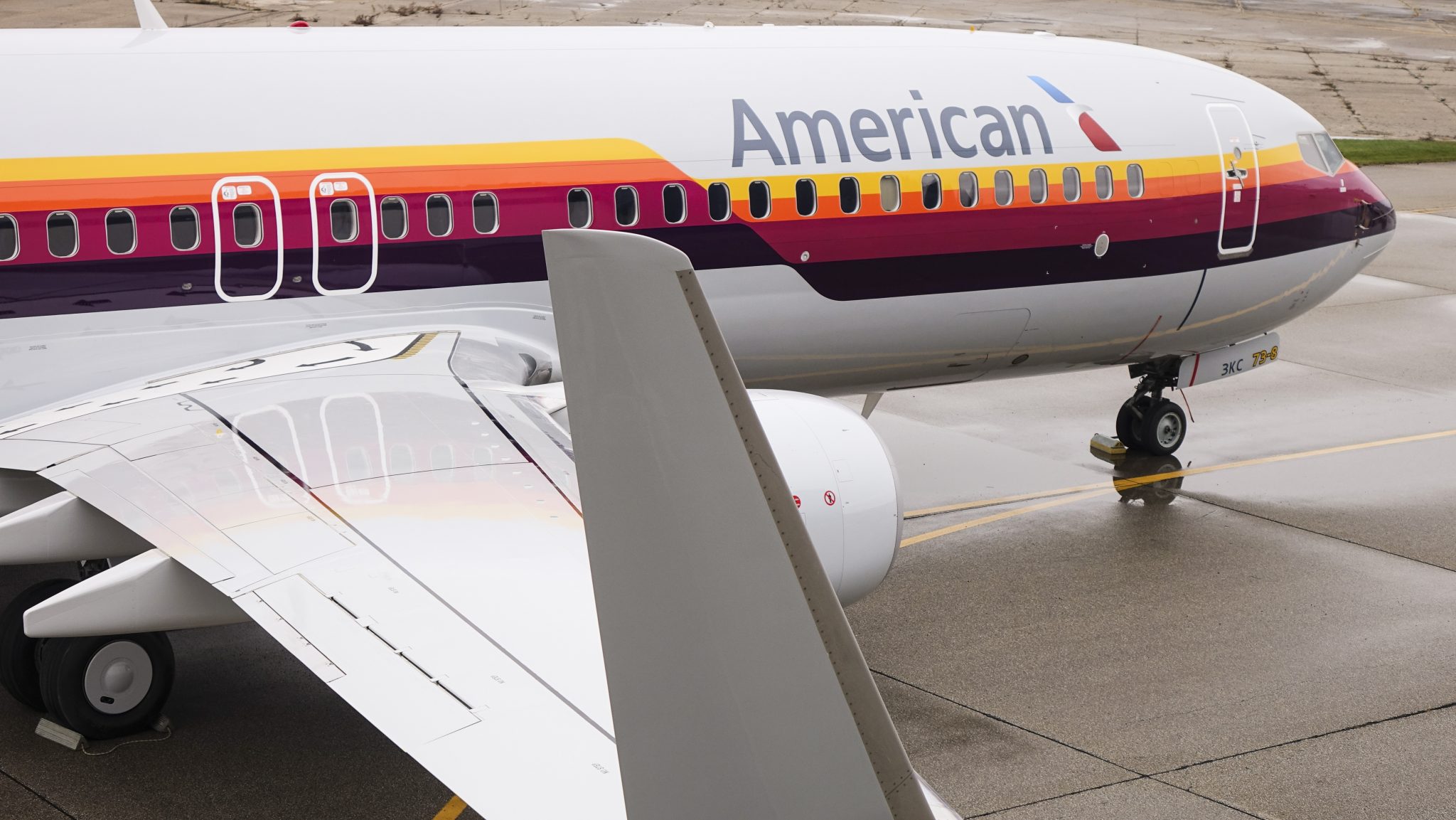
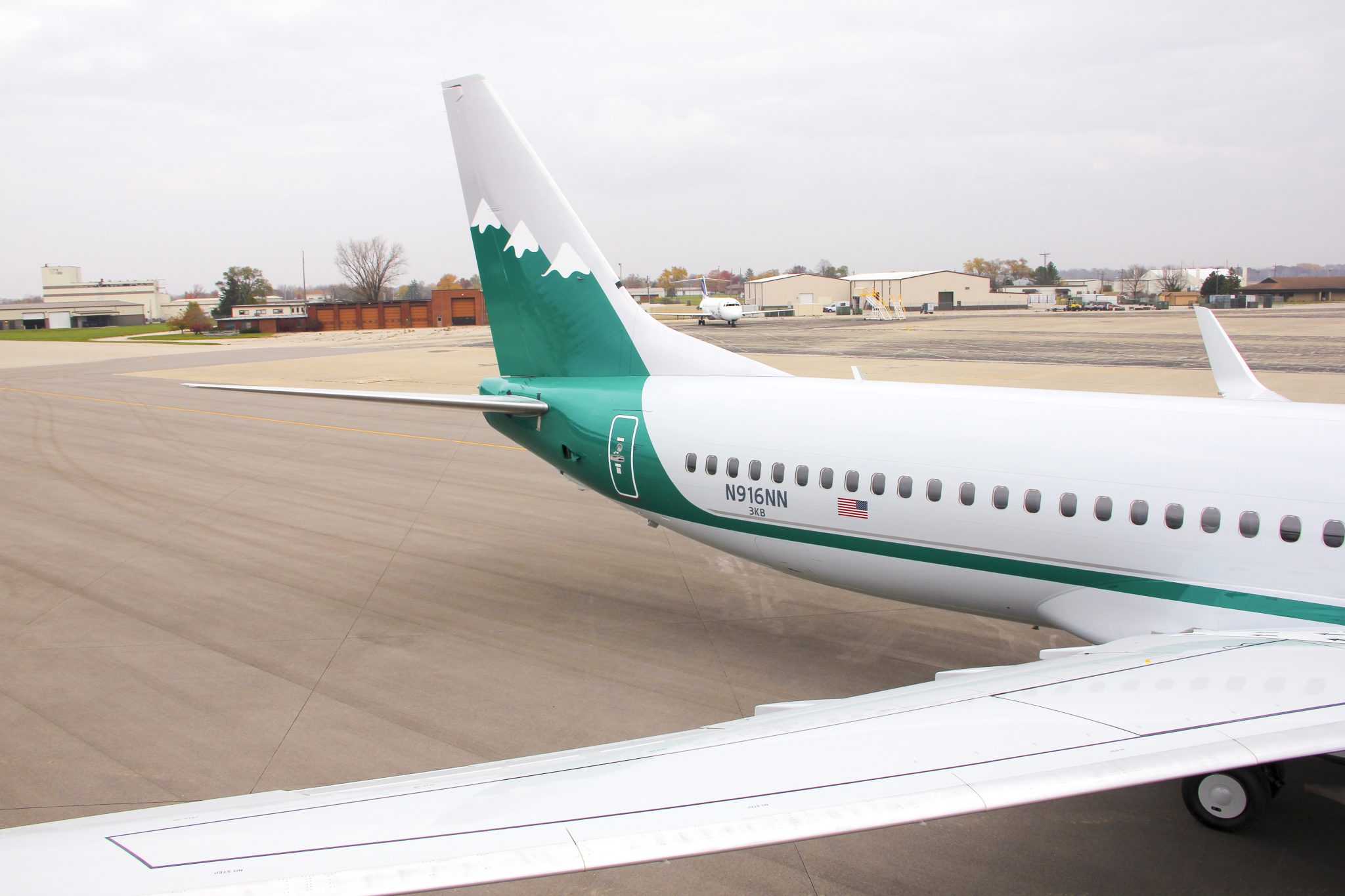
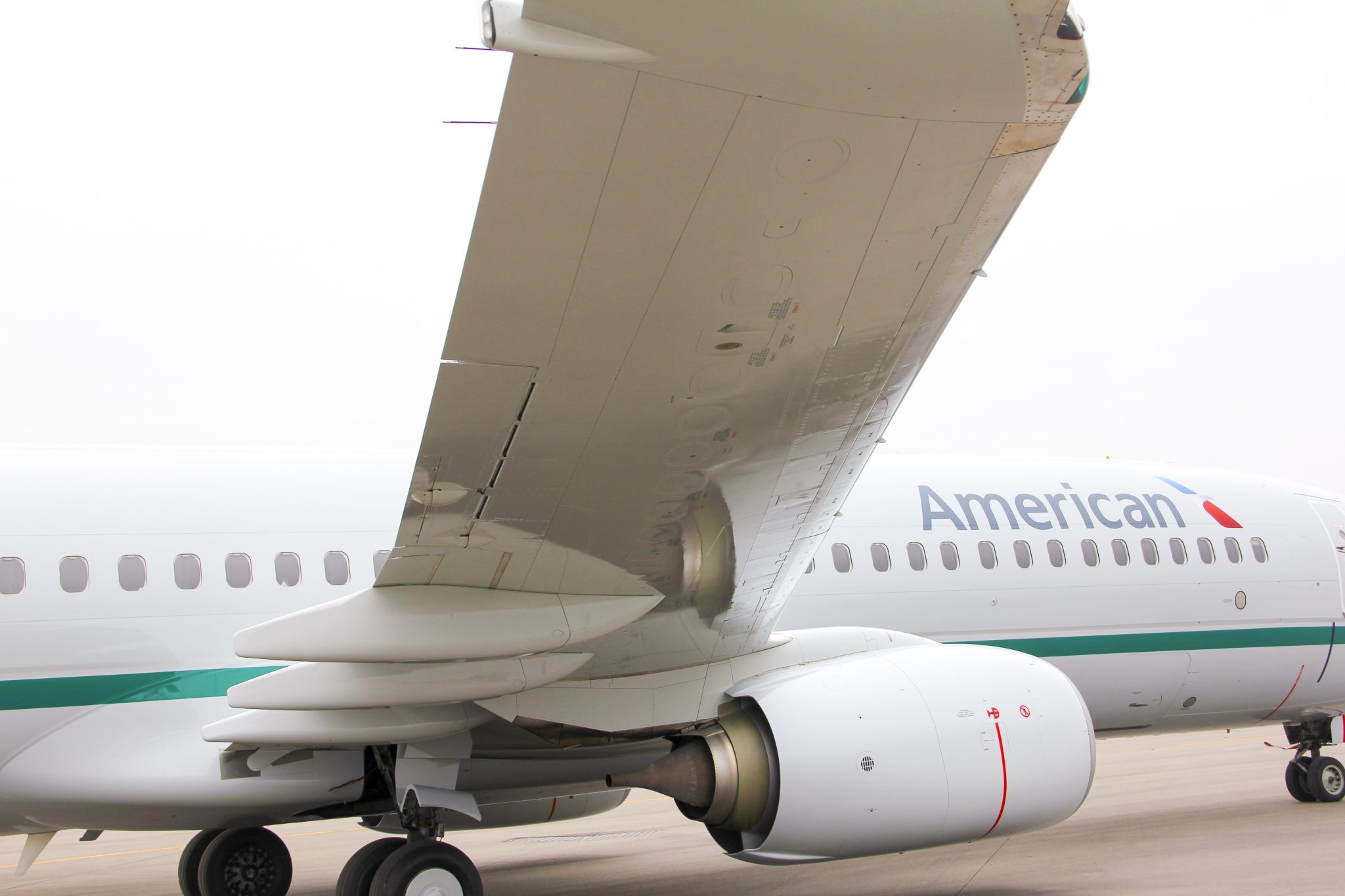
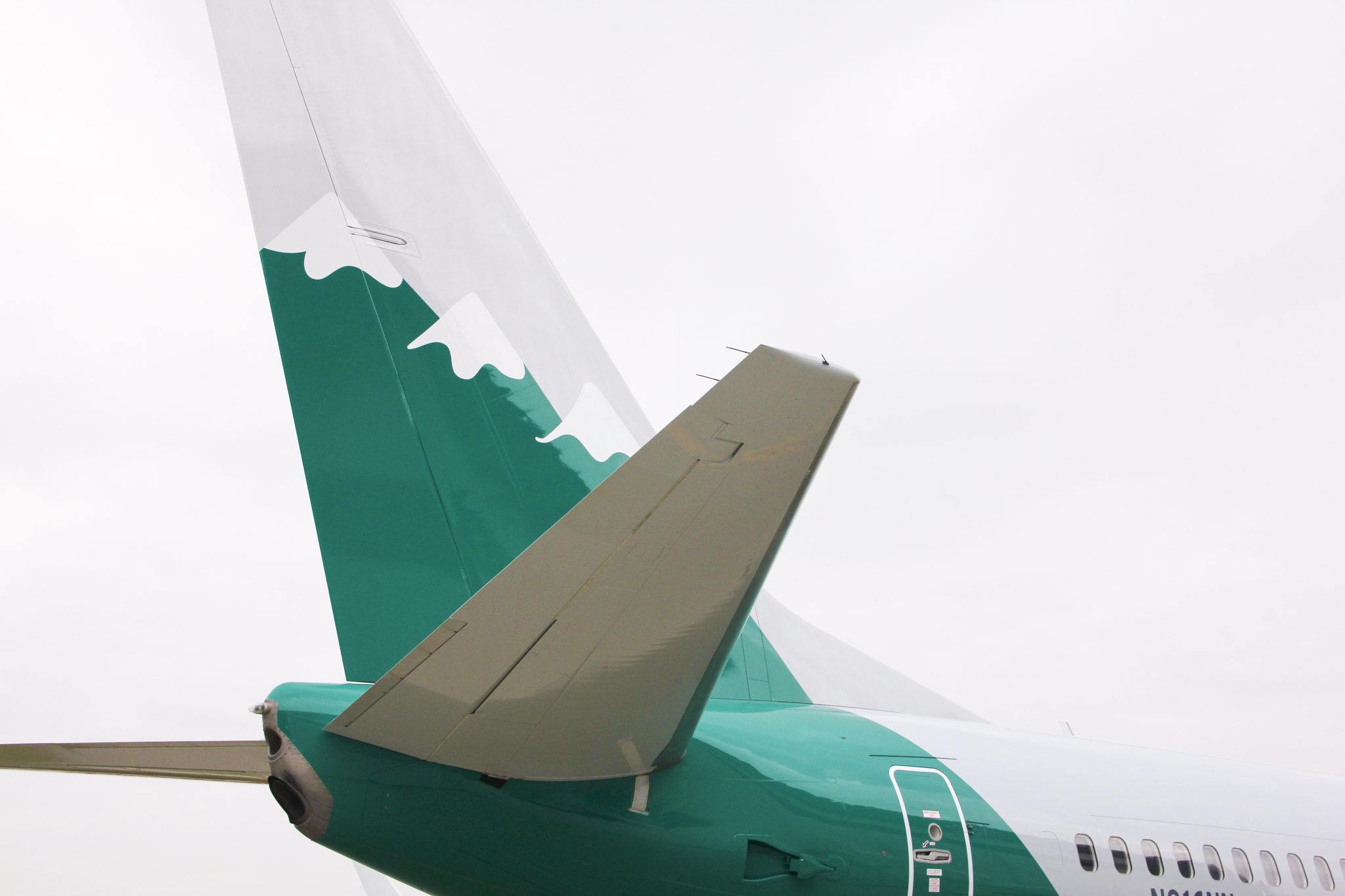
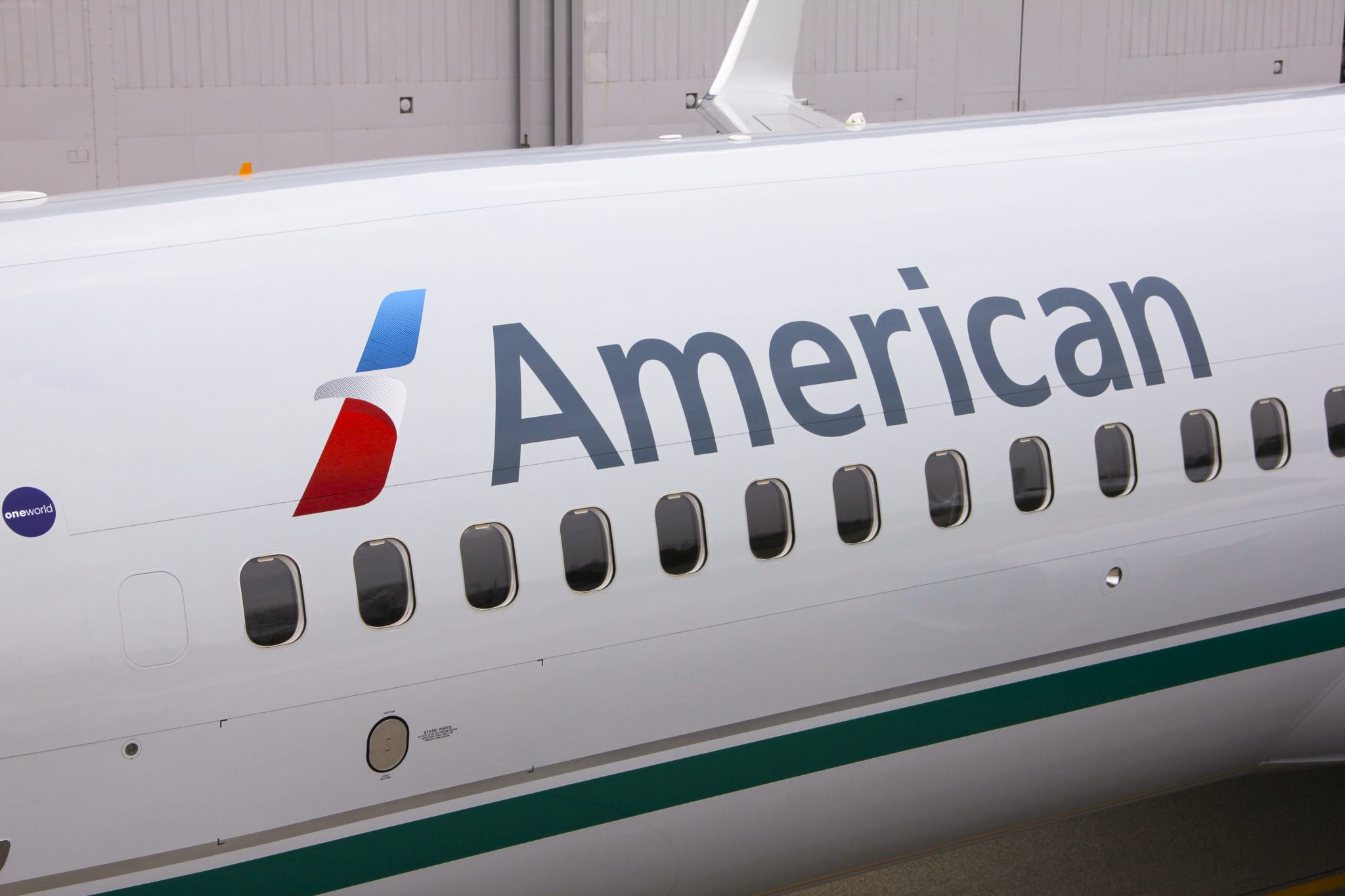
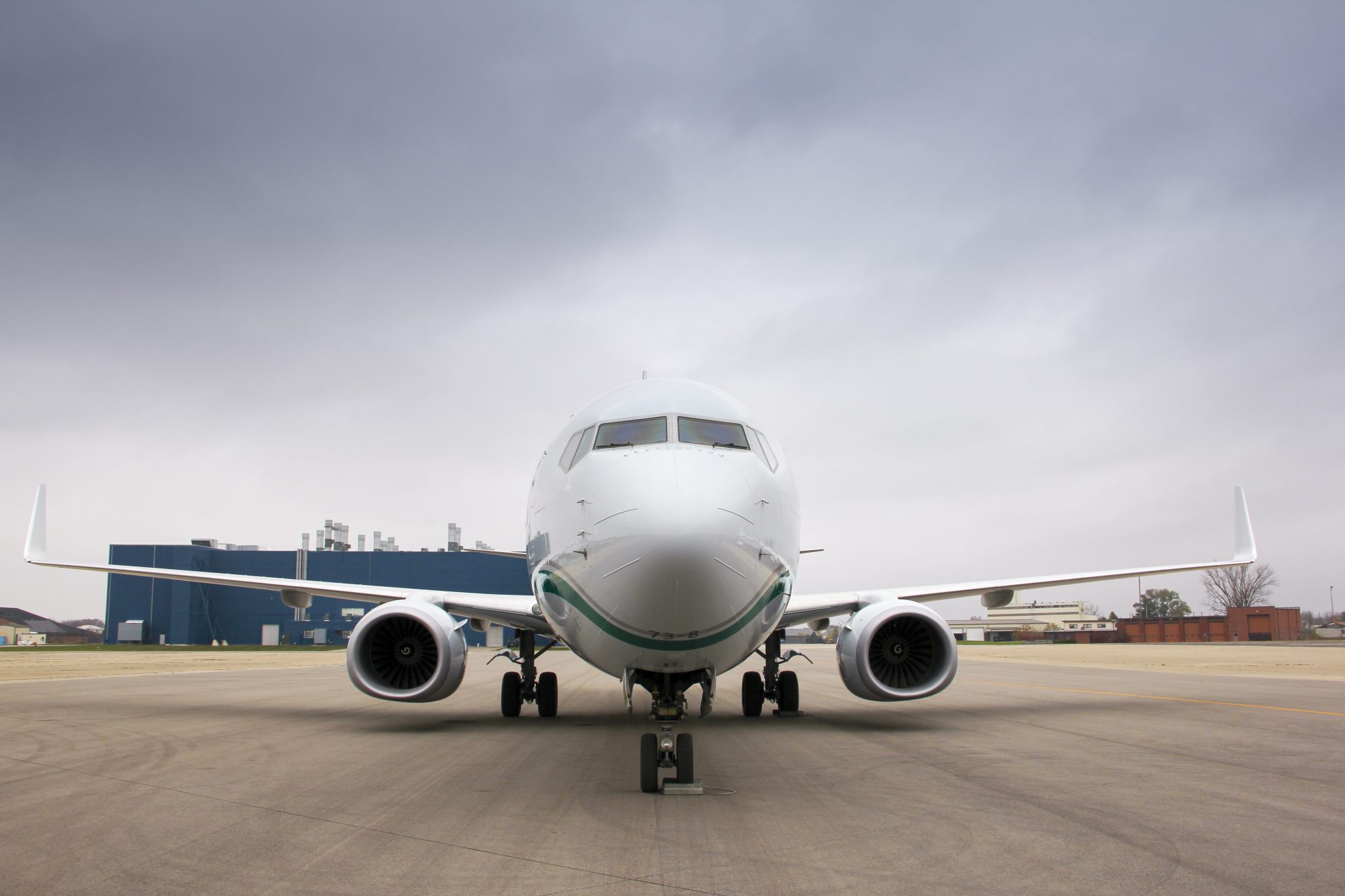
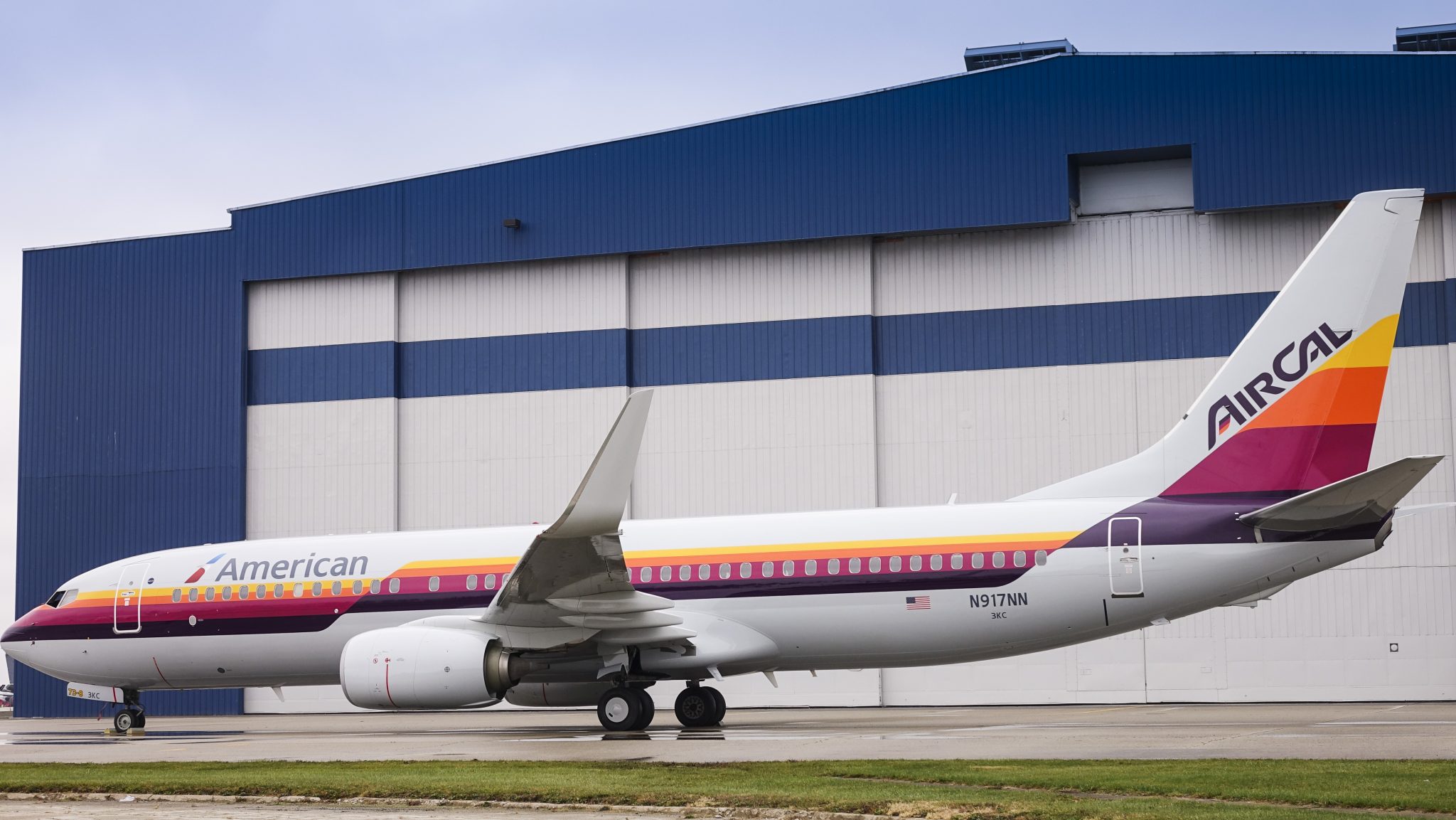
Back in late 2014, American Airlines announced that they would be painting new liveries on three 737-800s in the colors of TWA, RenoAir, and AirCal. Avgeeks everywhere rejoiced that the famous tails from three departed airlines would soon return to the skies.
Throughout 2015, American Airlines actually unveiled four unique heritage liveries honoring the four major acquisitions by the company over the years. This included 737-800s from TWA, RenoAir, and AirCal. A fourth Airbus A321 was painted in factory fresh US Airways colors with American titles to represent the heritage plane of US Airways for the ‘new’ American Airlines.
American Introduces Heritage Liveries
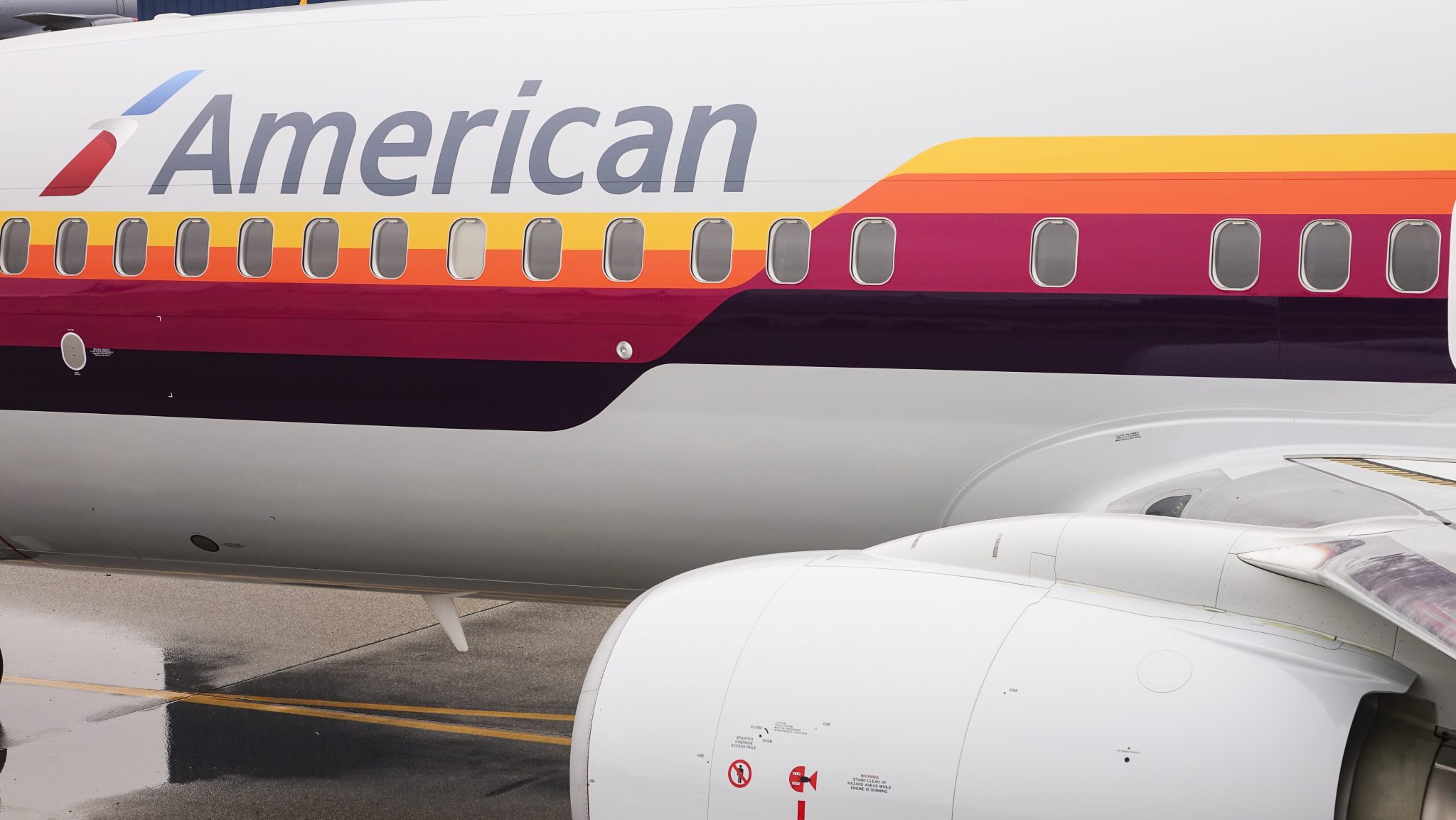
American’s AirCal Heritage Livery (Courtesy American Airlines)
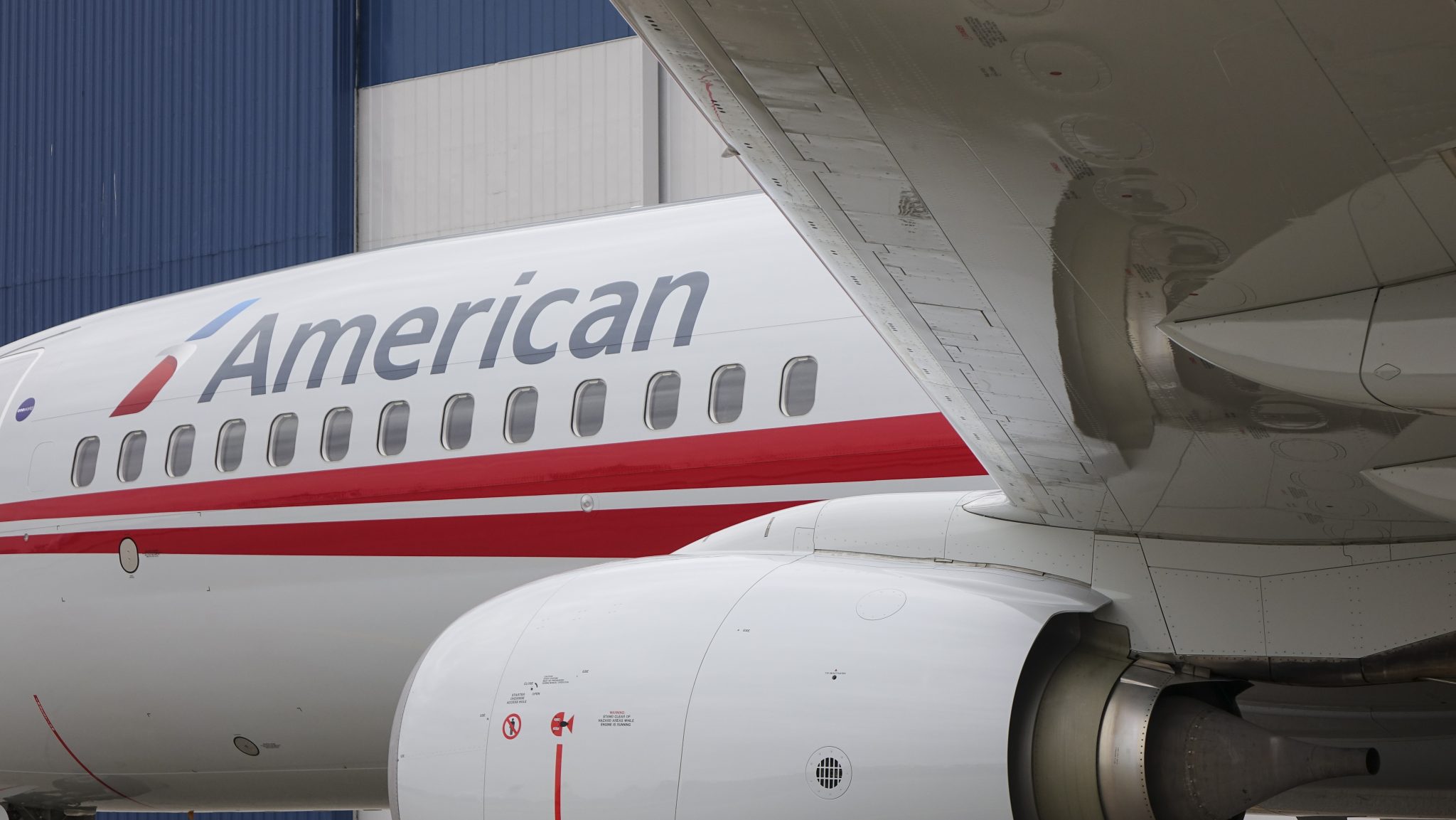
The TWA, RenoAir, and AirCal airplanes were met with excitement but also some criticism. All three aircraft had a primary gray (mica) color instead of the white background seen on the schemes they were meant to represent. The color of the jets were a disappointment to many avgeek purists who had hoped for completely accurate paint schemes.
Why Are They Gray?
American’s new TWA Heritage Livery (Courtesy American Airlines)
Avgeekery reached out to American Airlines for comment. We asked the question, “why were the heritage liveries gray instead of white?” American responded to us with the following comments.
The base color for the TWA, Reno Air and AirCal aircraft sometimes have a grayer look because the current American Airlines mica system was used instead of the white used in some liveries in the past. The mica flecks within the three-coat system can look slightly grayer under overcast skies, but in sunlight it puts off a brilliant reflection that can appear white.
There was an important, practical consideration for this. Using the same paint means it will still match when we do repairs and body panel swaps. Some items that are replaced frequently, such as radomes and cargo doors, would be mismatched if the plane were a base white, and the spare was the same color as the rest of the American Airlines livery. Our heritage planes would then look patchy due to the different colors, or they would have to come out of service more often for re-painting. Using the same base color system means these heritage planes will spend more time where they belong – out flying, where everyone can see them.
American’s new TWA Heritage Livery (Courtesy American Airlines)
The logic behind this move makes sense. There is nothing uglier than a mismatched nose or panel on a beautiful aircraft. As a follow up, we wanted to find out if the previous Heritage Liveries of Piedmont, PSA, Allegheny, and America West Airlines would be painted in mica as well as American finished repainting the US Airways fleet to the ‘new’ American scheme. American responded with:
Not at this time.
Based on the logic of American’s response, we wouldn’t be surprised if American’s other heritage aircraft eventually are painted in a mica scheme one day.
American’s new TWA Heritage Livery (Courtesy American Airlines)American’s new TWA Heritage Livery (Courtesy American Airlines)American’s new TWA Heritage Livery (Courtesy American Airlines)American’s new TWA Heritage Livery (Courtesy American Airlines)American’s new TWA Heritage Livery (Courtesy American Airlines)American’s AirCal Heritage Livery (Courtesy American Airlines)American’s AirCal Heritage Livery (Courtesy American Airlines)American’s AirCal Heritage Livery (Courtesy American Airlines)American’s RenoAir Heritage Livery (Courtesy American Airlines)American’s RenoAir Heritage Livery (Courtesy American Airlines)American’s RenoAir Heritage Livery (Courtesy American Airlines)American’s RenoAir Heritage Livery (Courtesy American Airlines)American’s RenoAir Heritage Livery (Courtesy American Airlines)American’s AirCal Heritage Livery (Courtesy American Airlines
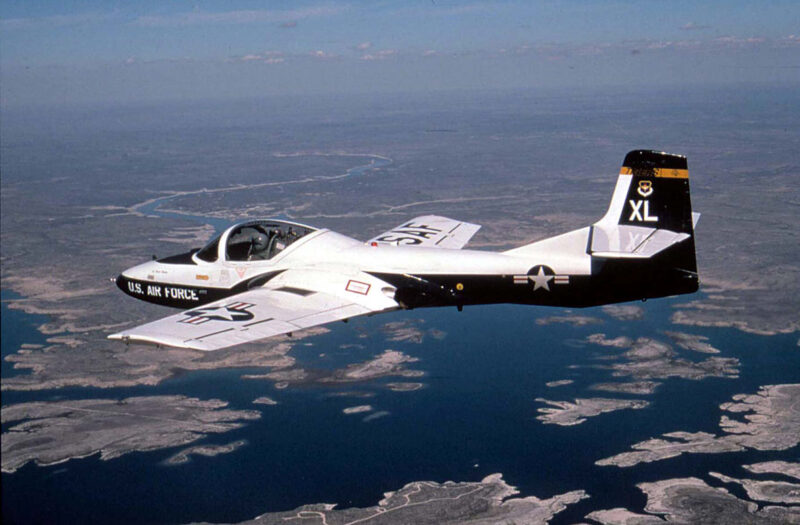
It was a plane that ‘converted jet fuel to noise’. Some nicknamed it the ‘quarter-million dollar dog whistle.’ If you ask any Air Force pilot who flew the T-37 Tweet to describe why they loved the jet trainer, their first response to your question will probably be, “huh? Say again?” But if you ask a little louder and/or tell them to turn up their hearing aid, you’ll inevitably get a heartfelt reply describing how special the plane was to them. They’ll talk about how the airplane flew formation like a dream, was built like a tank, and how it turned them into a real pilot.
The Tweet was loved but it was far from perfect. The plane was so loud that just listening to a Tweet video on YouTube still requires two forms of hearing protection. Most jets were bent from years of abuse and needed a little (or alot of) trim to attempt to center the aircraft. Engines were notoriously frustrating to start. I once needed a 300lb crew chief named Hector to bounce on the wing while I jiggled in my seat just to get the left engine started. The plane also had a spin recovery procedure so complicated that most student pilots could barely remember the boldface verbatim while sitting at the briefing table–let alone in an actual jet while you were hurtling towards your death in a spin with an instructor screaming at you just one foot from your face.
Even with all its faults, the T-37 Tweet was still a magnificent airplane though. It was a real airplane: no fly by wire, no auto-throttles, no autopilot either. I’m pretty sure the calculator in my flight suit pocket had more computing power than the Tweet. And that was why most people loved the airplane, myself included. It was the first and only jet airplane I ever soloed. I remember taking to the skies on one crystal-clear fall morning for a pattern solo flight where every landing I made for a solid hour was like a gentle good morning kiss to the runway. It was followed by repeated ‘double-clicks’ on the radio from the RSU as applause for not killing myself. I’m pretty sure that runway 13R at Laughlin AFB was made of butter that morning. It was a feat of professional flying that I haven’t replicated since.
So when I stumbled upon a T-37 video the other day, I knew I had to post it on Avgeekery. The video was shot way back in 1992. The particular Tweet in the video was probably flown by a MAC pilot who was part of the ACE program. It was a program that allowed ‘banked’ pilots to continue to fly something (a Tweet) while the Air Force absorbed excess pilots during the cutbacks after the Gulf War ended. Even 24 years later, the tweet sound from the video clip is so distinctive, so loud, but somehow soothing. The sound is as special to a Tweet pilot’s ears as it would be to anyone if they heard a beloved relative’s voice on an old VHS home video.
Riding high from that nostalgia, the next freakin’ clip that loaded on my screen absolutely broke my heart. Damn you, YouTube and your video suggestions! Now I’m not naive, I knew that T-37s died long ago. The last class flew them out of Sheppard AFB’s ENJJPT program in 2009. But there was a part of me that wanted to remember the good ‘ole days and not think about the sad fate that would unfortunately face most of the retired Tweets at Davis Monthan Air Base. Bad news doesn’t get better with time… Watch the clip yourself:
In reflection, the end is tragic but the journey was fantastic. Great memories and permanent hearing loss are all that remains. Cheers to you T-37! May you rest in peace.
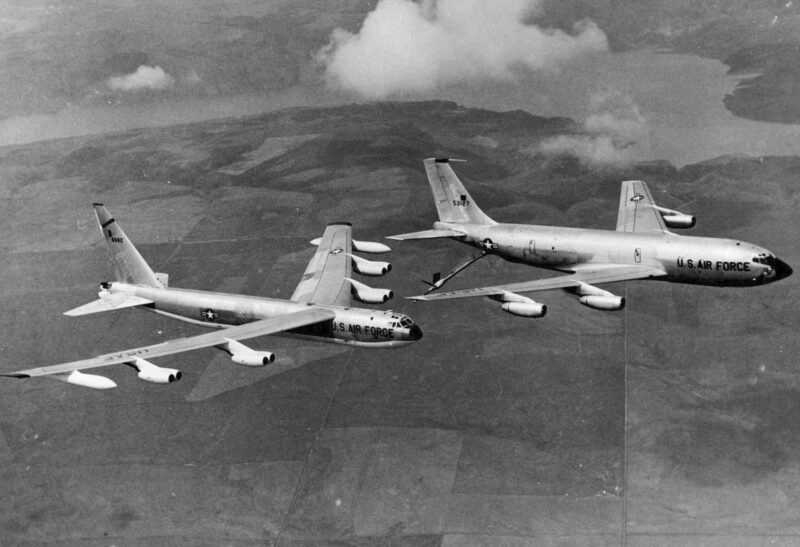
Spain was spared from catastrophic disaster by a few lucky coincidences that prevented nuclear weapons from detonating after a B-52 collided with a KC-135 during refueling.
Back in 1966, the United States was deeply embroiled in a Cold War with the Soviet Union. The United States operated secret missions named “Chrome Dome” from the United States to Europe and back with live nuclear weapons that could be launched on short notice. These missions were draining. They required the crews to hand fly multiple air refuelings, many times while fatigued and often during poor weather.
An unlucky B-52 crew proved how dangerous this mission was while refueling with a KC-135 over Spain on January 17th, 1966. The closure by one of the copilots was too quick. No breakaway was called. The boom smashed into the aircraft with enough force to damage the receiver. The B-52 and KC-135 both lost control. The hull of the B-52 aircraft spun down to the ground with 4 hydrogen bombs still in the flaming hull. Fortunately, none of the nuclear weapons exploded. Three bombs fell on land and one fell in the sea. Cleanup is still ongoing 50 years later. Only 4 aircrew members from the B-52 survived. All aboard the KC-135 perished.
This accident is a lesson in crew resource management and operational safety. Four air refuelings in a large aircraft is difficult under any condition. Poor weather and fatigue undoubtedly contributed to the accident. The accident report notes that there were many other boom/aircraft collisions and operational errors during previous refuelings on similar missions. The report does not indicate if any operational changes were made in an attempt to avoid a repeat of the same mistakes prior to this tragic accident. You can read the full accident report here.
We must never forget those who perished. We must also give thanks that this incident did not end much worse. Today, hundreds of military air crews air refuel with nearly identical technology. Air refueling, especially between large aircraft, is one of the most difficult maneuvers that aircrew must perform. It is a testament to the skill and training that there are so few incidents today.
These drones are other worldly as they dance in the nighttime sky!
Who would have ever thought a drone display could be beautiful? While they have many important uses for agriculture and photography, there have been few attempts to create an drone airshow that is actually worth watching. Last November, 100 drones were flown in unison using sophisticated software built by Intel. The drones each had LED lights that were synchronized to Beethoven’s Fifth Symphony. The event occurred at Flugplatz Ahrenlohe, Tornesch, Germany.
Drones are becoming more common everyday. As they become more numerous, they have also become more regulated. Recently, the FAA announced that all drones must be registered and follow strict regulations to avoid fines and potential legal ramifications.
The above footage was released by Intel as part of their CEO’s presentation at the Consumer Electronics Show in Las Vegas last week. You can read more about the event here.
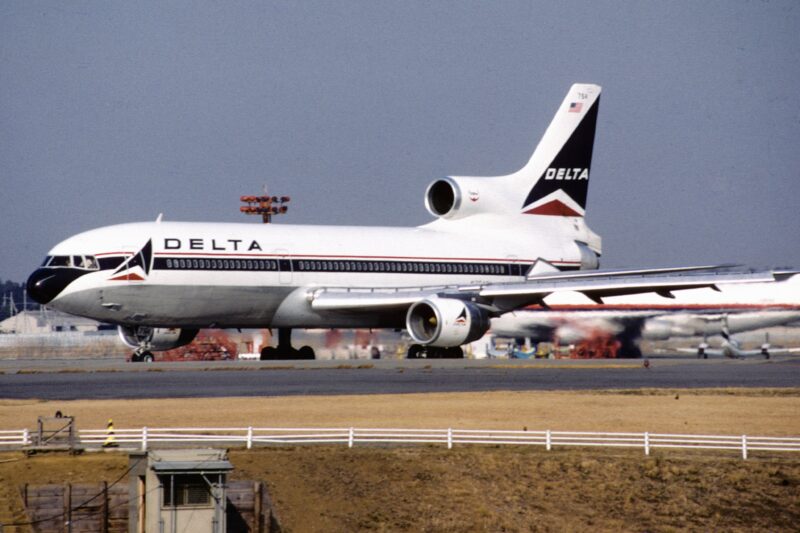
With singing employees and multiple music selections from “Top Gun” it’s very clear they don’t make airline or airplane promos like they used to! As the sun set on Delta’s L-1011 in 2001, Delta closed the chapter the right way with this video. Watching this video, you can really feel how many employees and passengers alike loved the L-1011.
Delta began L-1011 service in December 1973, and ultimately acquired 70 of the type. In an age dominated by four-engined aircraft, the L-1011 tri-jet offered a fuel efficient solution to the energy crisis the nation faced in the 1970s. The aircraft further lead the way in Delta’s fleet with innovations such as the capability to land with less than 700 RVR (runway visual range), a wider cabin for comfort on long journeys, and in-flight radio stations and movies for passengers.
The L-1011 served Delta loyally until July 2001 when it flew one last round-trip between Atlanta and Orlando. Just as it had replaced four-engined airplanes, the twin engine era pushed tri-jets into the bone yard. While the airlines had no place for them anymore, the L-1011 (especially Delta ones in that classic widget scheme), will always have a special place in the heart of Avgeeks! Enjoy!
All good things come to an end. In this case, Pratt & Whitney’s F117 engine program just wrapped up a successful run. In a ceremony, Pratt and Whitney handed over the final production jet engine. Over the course of the program, they delivered 1,313 engines to the USAF and it’s allied partners. All engines fly on the Boeing C-17 aircraft. The engine is a derivative of the PW2040 model that powered the commercial 757 aircraft. The F117 engine is a derated version of the PW2040.
As part of the commemoration of the event, Pratt and Whitney produced this video and shared it on their Facebook page.
The F117-powered C-17 always goes where it is supposed to go, when it is supposed to go, and the pilots and crew know they can do their job without ever having to worry about the engine. #FinalF117 #C17
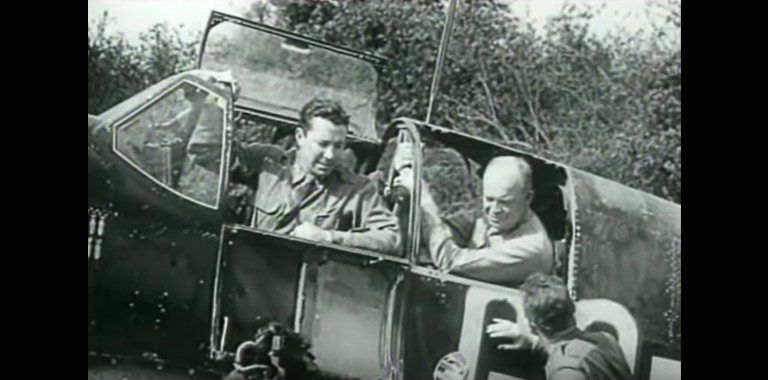
In the modern day military, senior leaders travel in specially equipped 737’s, Gulfstream G-Vs and Learjets. Every once in a while, they’ll travel in a specially equipped C-17 or C-130 to visit the troops downrange. Military leaders rarely need to risk their safety to make strategic decisions. Back in World War II though, things were different. Generals like Eisenhower had to get creative. They hopped in a P-51 Mustang.
There weren’t satellites or drones to get a bird’s eye view of the battlespace. Imaging, even from fighter aircraft, wasn’t that great either. The only way to truly see the battlefield would be to secretly fly over it.
Eisenhower hops in a P-51 Mustang
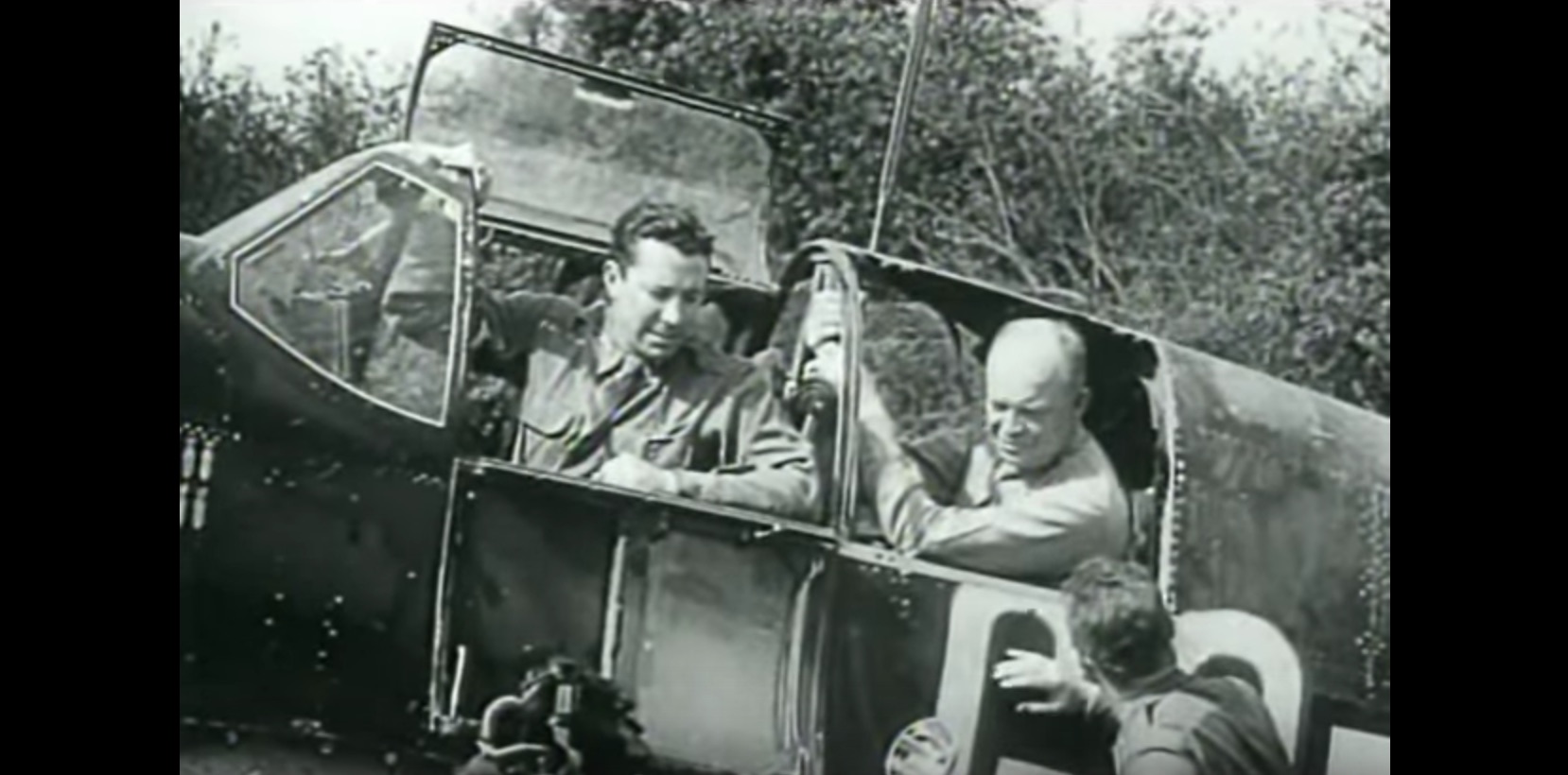
Gen Eisenhower flew in a P-51 Mustang.
On July 4th 1944, General Eisenhower decided that he wanted to see the site of the future Battle of the Bulge for himself. General Eisenhower hopped in the back of a brand new P-51 flown by Maj General Pete Quesada.
The P-51 had it’s fuel tank removed and a small seat was placed behind the pilot. The space was so small that General Eisenhower didn’t even have room to wear a parachute. Escorted by three fighters, the P-51 snuck 50 miles behind German lines to get a first hand perspective to where the first battle would take place.
Eisenhower’s Flight Was Supposed to Be a Secret
While the flight was intended to remain a secret, Quesada landed in front of an “entourage” of media. His flight made the front page of the New York Times. According to the book Eisenhower: A Soldier’s Life, Eisenhower endured admonishment from Marshall after the flight.
Here’s video proof of the flight:
Special thanks to Boneyard Safari for uncovering video proof of the flight!
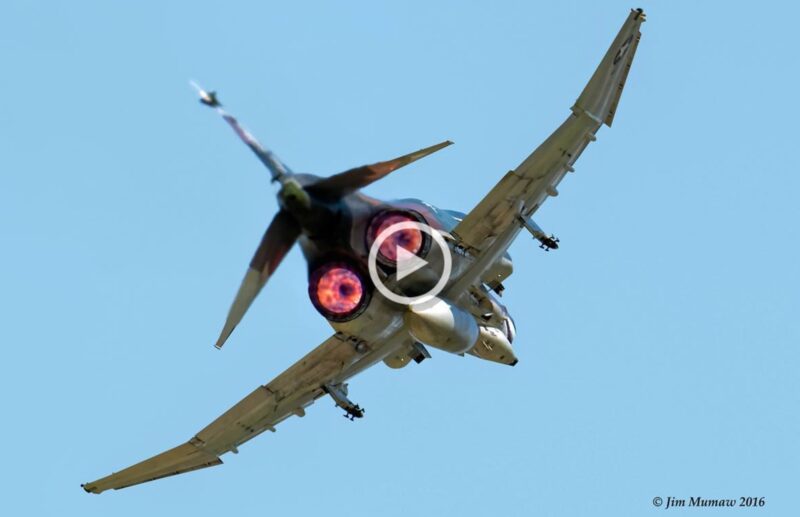
The sound of J79’s spooling up is an iconic noise that is music to any avgeek’s ears. It’s a sound rarely heard these days (unless you live in Iran). So when we came across this video of a startup and takeoff, we knew we had to share it. Turn up your speakers, put on two forms of hearing protection and enjoy the blast of freedom.
This video was taken by jss747 at the Cleveland Air Show in 2011.
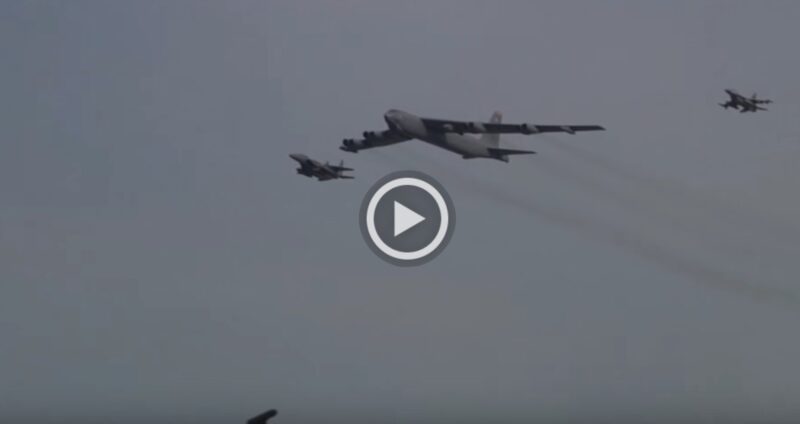
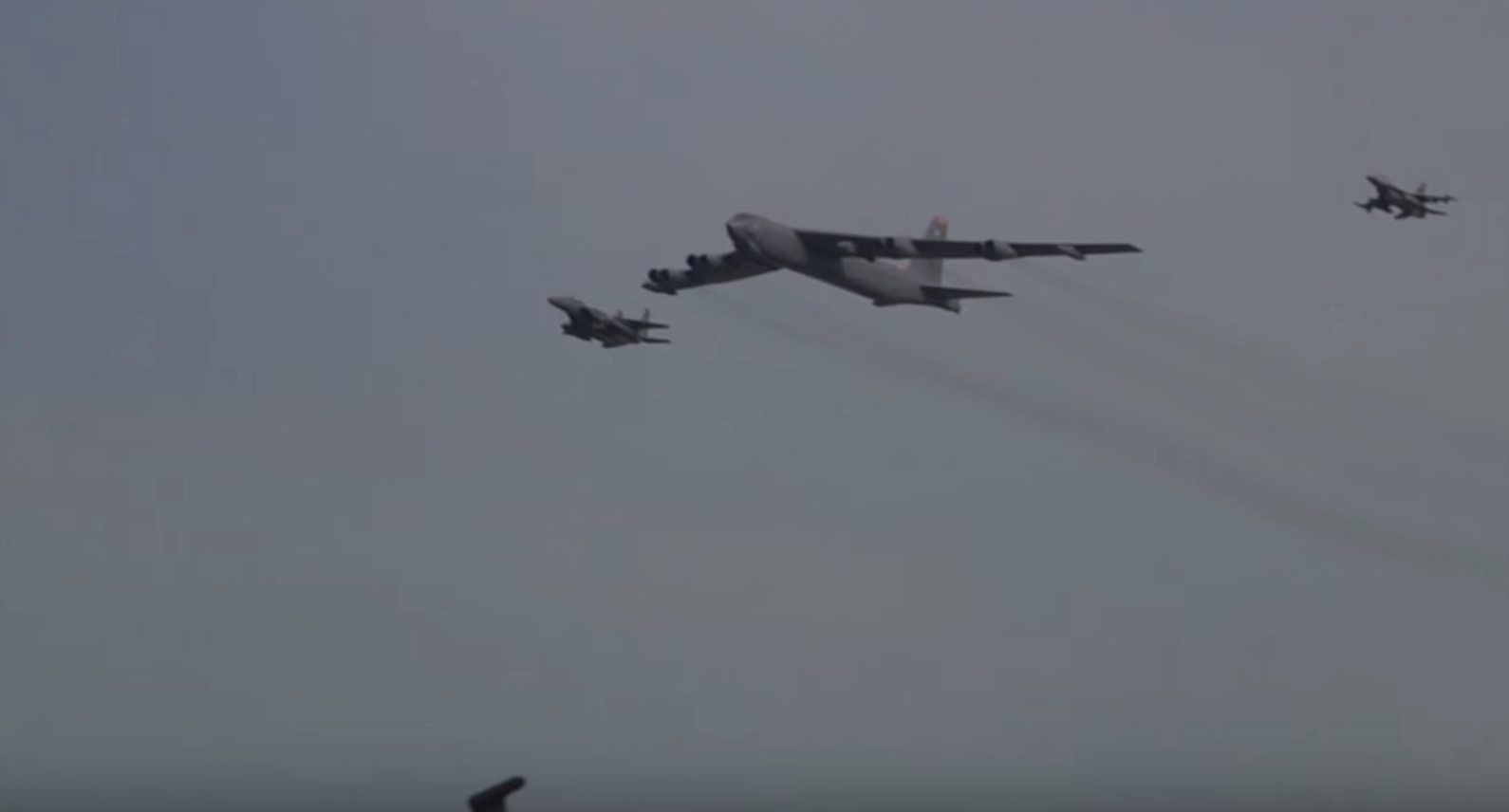
On January 10th, the United States and Korea flew a low-level dissimilar formation of 2x ROKAF F-15K Slam Eagles, a B-52 deployed from Guam, and 2x Osan-based F-16s. The formation flew over Osan Air Base, just 40 miles from the South Korean capital of Seoul. This show of force was intended to serve as a visual reminder to North Korea of the US and it’s allies sizable military power that can attack at a moments notice.
Flying a B-52 over South Korean territory is a provocative measure but one that was deemed necessary after North Korea’s latest nuclear test last week that was conducted in violation of multiple U.N. treaties. Adm. Harry B. Harris Jr., commander of U.S. Pacific Command said, “North Korea’s nuclear test is a blatant violation of its international obligations. U.S. joint military forces in the Indo-Asia-Pacific will continue to work with all of our regional allies and partners to maintain stability and security.”
A statement by U.S. Pacific Command further said that “the bilateral flight mission demonstrates the strength of the alliance between the United States and the Republic of Korea and the resolve of both nations to maintain stability and security on the Korean Peninsula.”
Video of the formation was captured by Senior Airman Daniel Robles of the 51st Fighter Wing Public Affairs Office. It is featured on the YouTube channel AirBoyd.
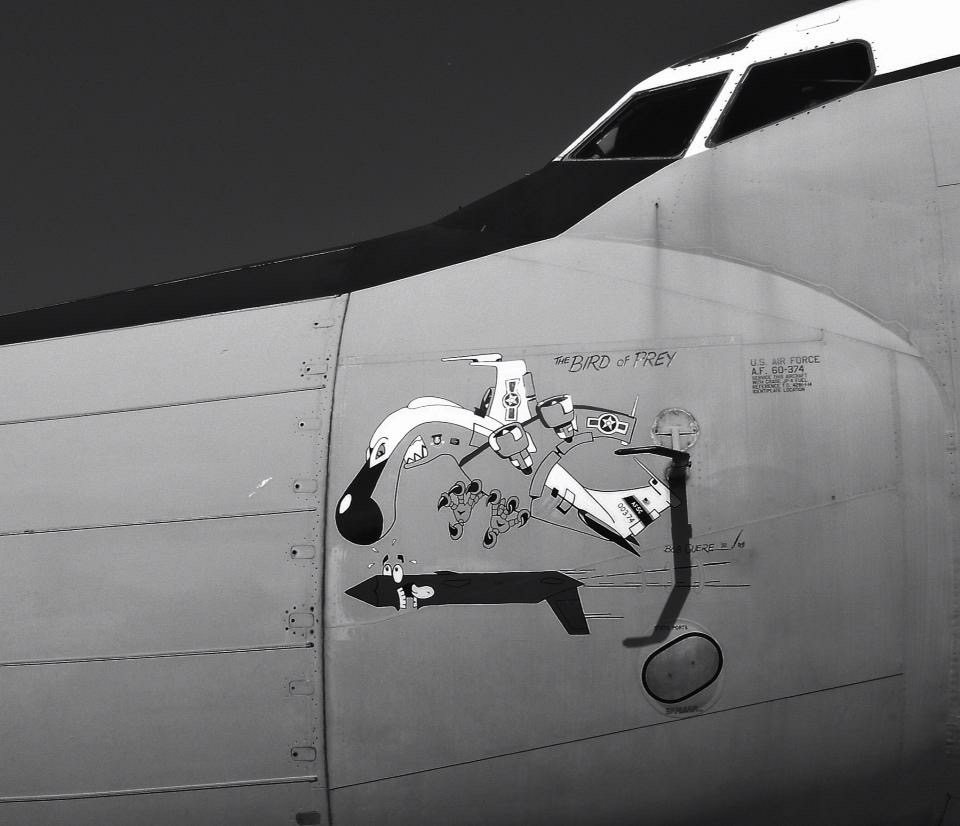
I think I could speak for most Avgeeks when I say that military nose art is one of the coolest things to see when you’re in the presence of an old warbird. Have you ever wondered how it all began?
Nose art began back in the early 1900’s during World War I. It made its first official mark with the Italians in 1913 when a sea monster was painted on the front of a flying boat. Shortly after, the Germans began painting mouths on the front of their aircraft beneath the props spinner as a way to build camaraderie and scare their enemies.
During the same time period, the Americans began painting not only extravagant murals on their aircraft, but some began painting their squadron insignias as well. Regulations were soon put in place to discourage the practice, but they were not strictly enforced.
Once the United States entered the fray in World War II, nose art started making appearances on everything from fighters to bombers. This would become the golden age of aircraft art. Even though the nose art regulations were still very much in place, they were completely ignored by the air crews. Attacking the German and Japanese was the primary focus, not some silly regulations.
Nose art was a moral booster for the crews, a way to evoke memories of home, or a way to help release the stresses of war. To a certain degree, some military officials unofficially encouraged it, as it was a way to keep the crews mind off of the constant thought of death. Most paintings were flashy, Vegas-style pin-up girls, with a catchy phrase. A good portion of these girls were a crew member’s wife, girlfriend, or just a fantasy girl. The air crews were proud of their birds, and you never found two of the same paintings. They were all unique in their own way. They exemplified the pride of serving. Seeing the nose art lifted the spirits and gave a visible reminder to aircrews that there were many things worth fighting for back home.
Today, nose art is still just as popular around the world but less common on US military aircraft. You can find art on the noses of bombers, tails of fighters, and even now on some commercial airline aircraft. While much of the art has become more tame over the years, it is still a unique aspect of aviation that lives on today. One thing is for sure, you’ll still never find two noses that look the same.
Check out some of my recent Nose Art Photography:
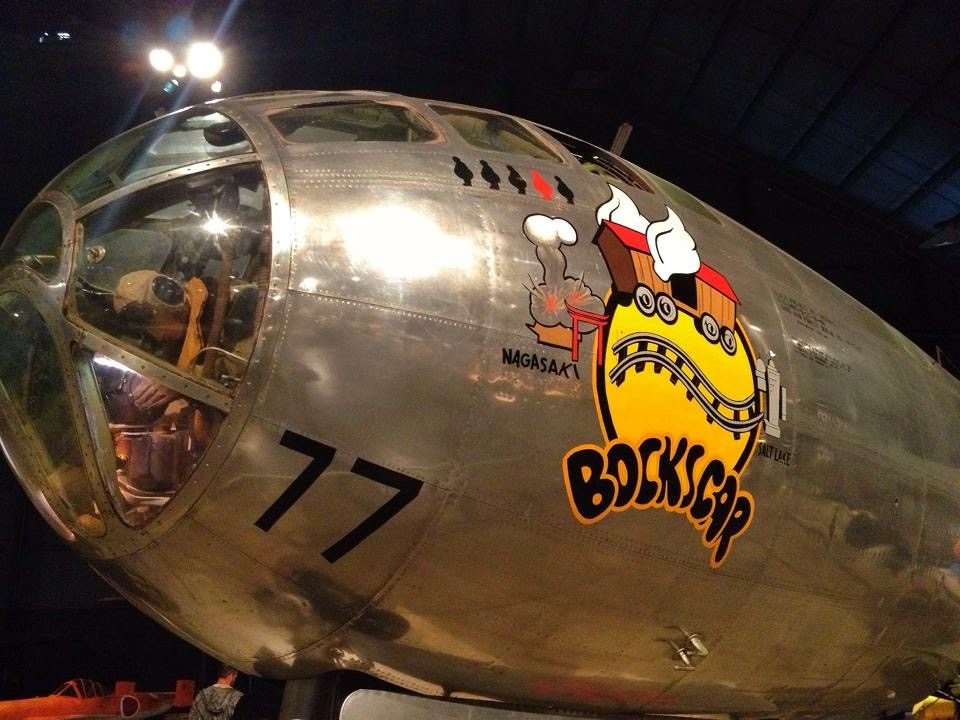
B-29 “Bockscar”:
The B-29 “Bockscar” was named after the aircraft commander, Captain Fredrick C. Bock. The plane was often referred to as “Bock’s Car” by her crew.
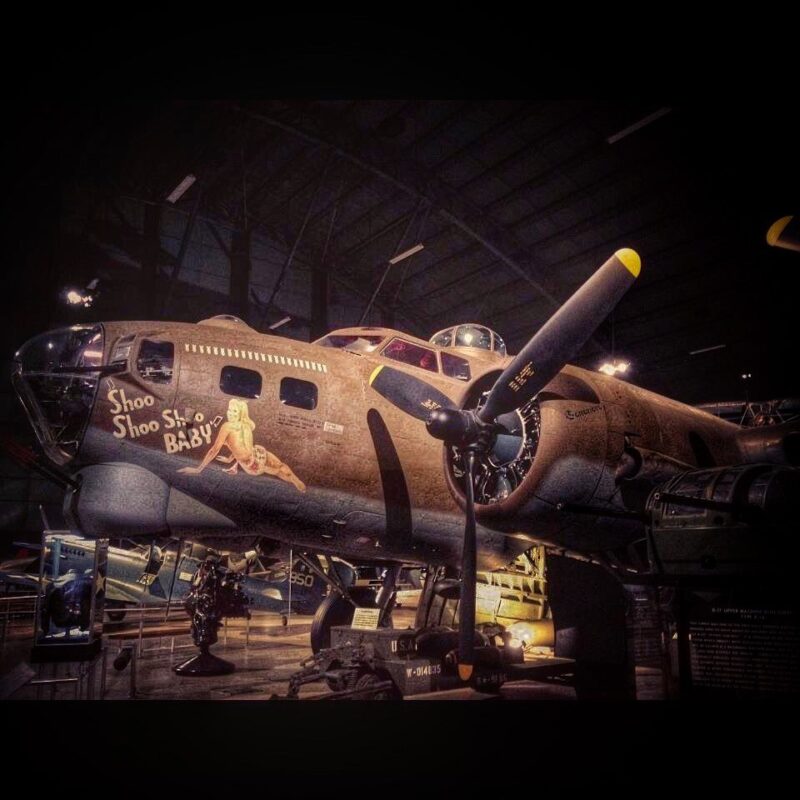
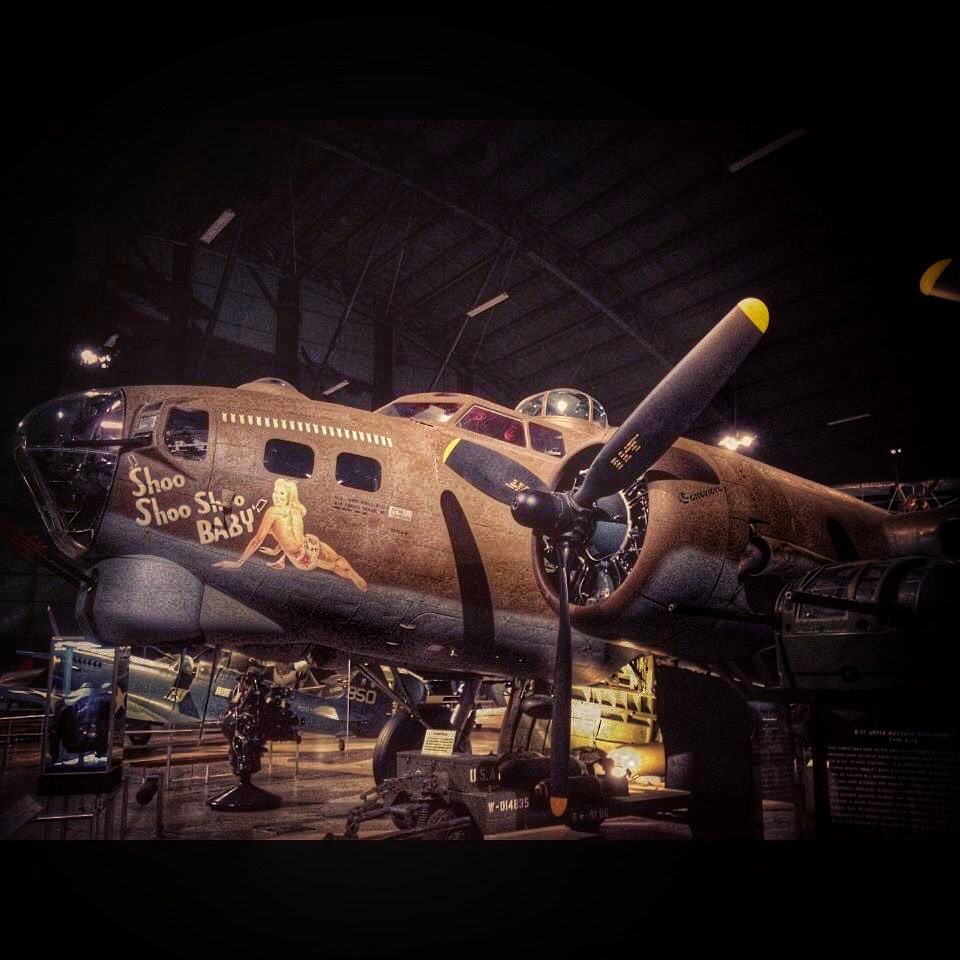
B-17 “Shoo Shoo Baby”:
B-17 “Shoo Shoo Shoo Baby” was named by her crew after a popular song by the Andrews Sisters during that time. At one point her name was changed to “Shoo Shoo Baby” after a change in the aircraft’s commander. This aircraft was actually landed in Sweden on her 24th mission after three of the four engines failed. All her crew survived and was uninjured. It was given to Sweden by the US, then flown by two airlines and a private mapping firm before being abandoned in France in the 1960’s. In 1968 France offered it back to the US, it was moved to Dover AFB in 1978 for restoration, and finally flown to the museum in Dayton in 1988 after the completion of her restoration.
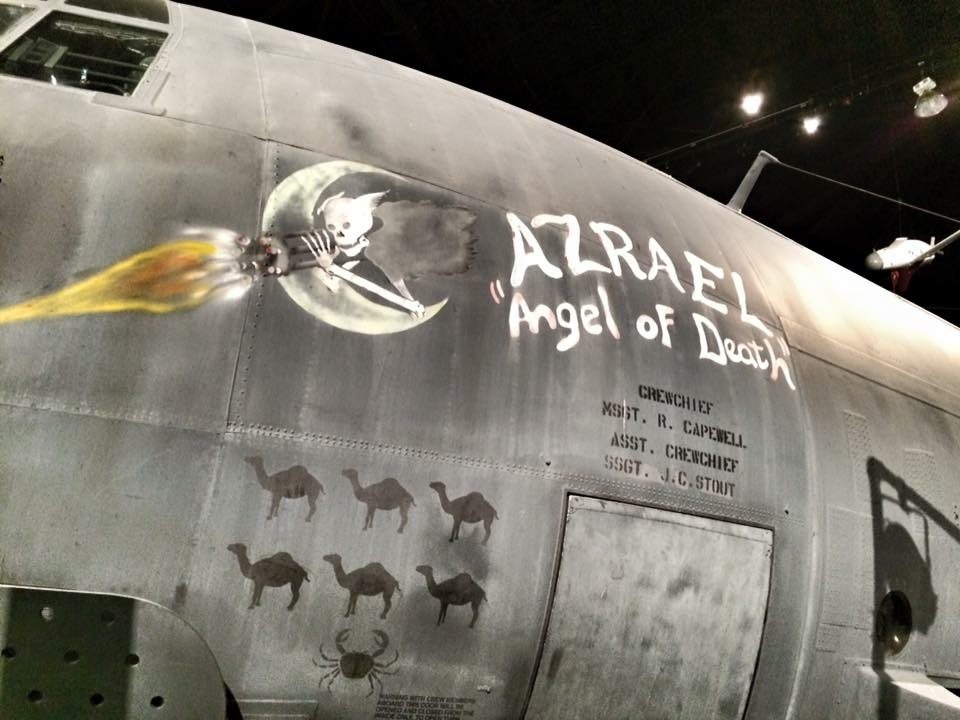
AC-130A “Azrael ‘Angel of Death'”:
AC-130A “Spectre” Gunship- “Azrael Angel of Death.” I couldn’t find exactly why she was named this, but I did find that this name comes from the Koran, and Azrael is the “angel of Death who severs the soul from the body.” On a side note, this particular aircraft was involved in a pretty significant fire fight on February 26, 1991 during Operation Desert Storm. Coalition forces were in the process of running the Iraqi forces out of Kuwait, and Azrael was sent to the Al Jahra highway to intercept their convoy. After taking AAA fire, and dodging numerous SAM strikes, they were able to attack the convoy, inflicting significant damage, leaving a majority of the convoy destroyed and unusable. The Iraq’s called for a cease fire two days later. Awesome.
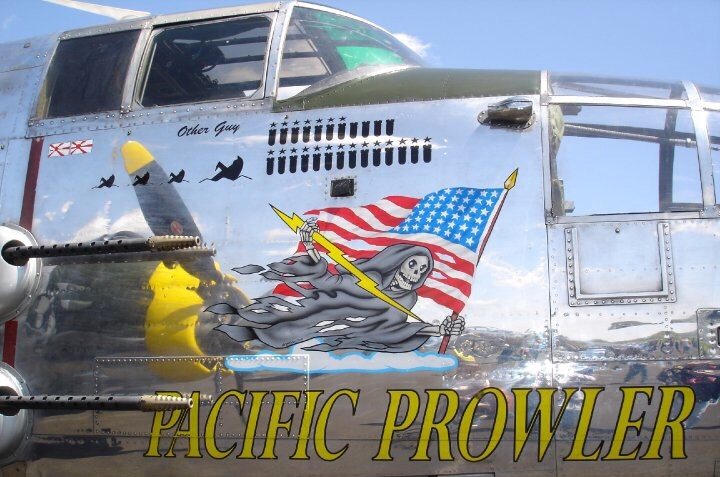
B-25 “Pacific Prowler”:
Pacific Prowler is the restored name of a privately owned B-25. You can read more about it here: http://www.ecommerce-group.com/pacificprowler/History.html
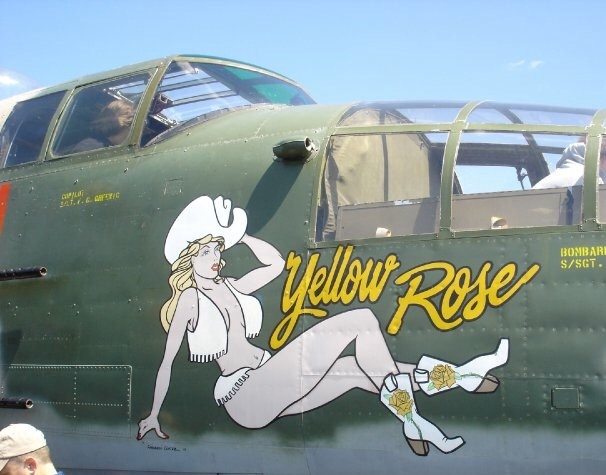
B-25 “Yellow Rose
The Yellow Rose is named after the traditional Texas folk song about a man longing for a beautiful southern woman. You can read more about the actual aircraft here: http://www.cafcentex.com/aircraft/b25.php
What’s it like to launch off of a carrier with 44,000 lbs of thrust strapped to our back? We may never experience the thrill of launching off of a carrier but we can sit back and marvel at the skill of the pilots that do.
This video makes carrier ops look easy but that couldn’t be further from the truth. Landing on a pitching deck in gusty winds at night takes guts. Doing it with dwindling fuel and no alternates is even more of a challenge. The pros in VFA-14 make it look easy. The TopHatters are the Navy’s oldest flying squadron.
One word of caution: The lyrics are explicit. Turn down your sound if you might be offended.
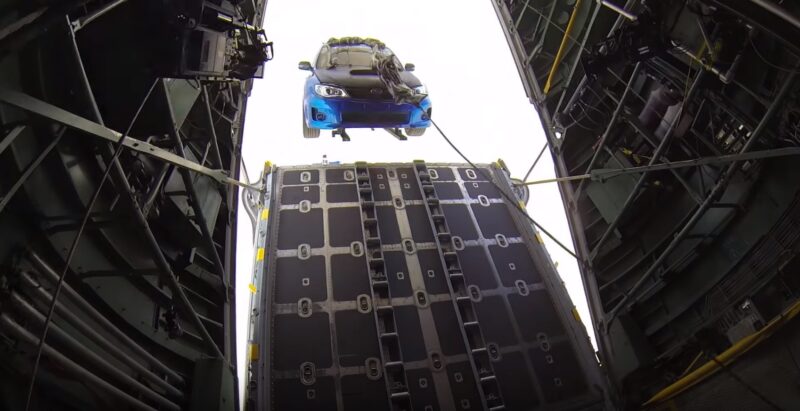
By now you’ve probably seen Fast and Furious 7. The movie features two street racing vehicles dropped out of the C-130 Hercules. Dropping vehicles safely is no simple task. From the looks of the video, it required custom rigging on the vehicle and additional metal support structure around the vehicles to ensure that the cars maintained rigidity during the opening chute sequence.
Filming wasn’t easy. The drop was filmed by five skydivers and two helicopters flying in formation.
Watch this video, shot by Universal Studios, to see how the pros did it.
Airman Magazine recently profiled a U-2 ground crew as they assisted the Dragon Lady during landing at a deployed location. The U-2 is an amazing spy plane. It can fly upwards of 70,000 feet and provide imagery and tools that more modern platforms like the Global Hawk still can’t match.
Takeoffs and landings are a challenge for even the most experienced pilots though. The plane is really just a big gangly glider with long wings, a jet engine, and poor visibility out the cockpit. The typical visual cues for a pilot during landing aren’t available due to the design of the aircraft. Without the assistance of a spotter in the chase car, the pilot would struggle to safely land. Working as a team, the spotter provides the pilot the necessary information to enhance his/her situational awareness and safely get the plane back on the ground.
Mobile chase car drivers act as a second pair of eyes and ears for U-2 pilots during their launch and landings, making up for the pilot’s limited movement and vision.
A U-2 Dragon Lady reconnaissance aircraft pilot from the 99th Expeditionary Reconnaissance Squadron explains the role of mobile chase cars at an undisclosed location in Southwest Asia, Dec. 22, 2015.
Talk about the ultimate cross-product promotion! Southwest Airlines introduced a custom level on the new Super Mario Maker game for the Nintendo Wii U video game system.
The game allows anyone to build a custom level. Southwest Airline’s level includes nods to airline with blocks that (slightly) resemble a 737 and a few hearts made of coins.
Is Southwest Super Mario’s Favorite Airline?
According to Southwest’s Blog, “The Southwest level for Super Mario Maker also offers players the exclusive chance to unlock the Sky Pop costume in the game. Once players locate a Mystery Mushroom in the Southwest Air Adventure level, they are able to play the level in the classic Super Mario Land plane costume. Also, by completing the level, players can use the costume in future levels of their choosing!”
Could a Mario logo jet be on the horizon at Southwest? An avgeek can dream!
You can watch GameExplain play the entire level below:
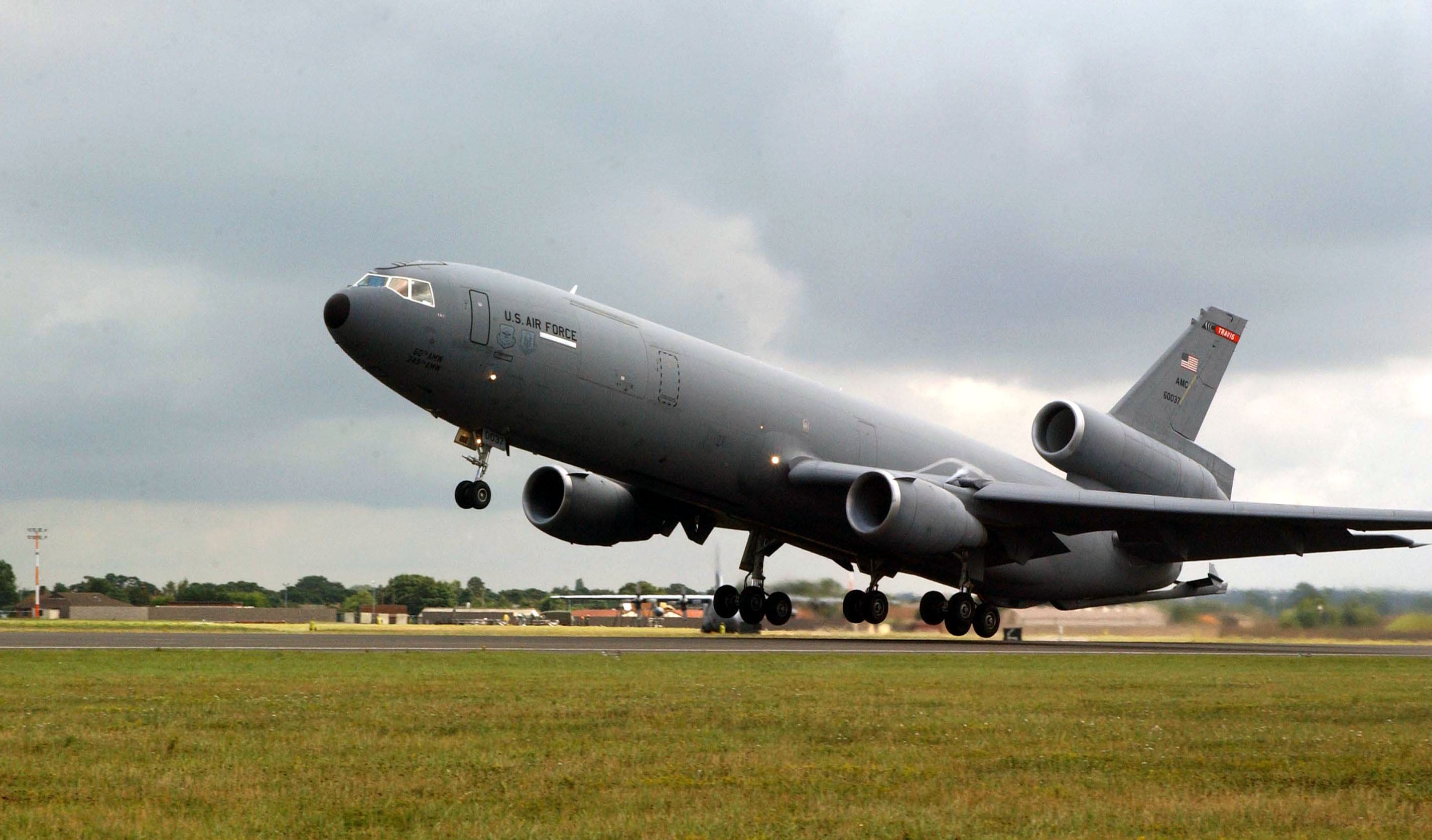
It’s a question that almost every avgeek has asked before: Why didn’t McDonnell Douglas make a serious attempt to sell a tanker version of the MD-11 tanker to the Air Force? Back in the early 1990s, the MD-11 program was struggling to meet promised performance targets. American became so frustrated with their aircraft that they eventually cancelled their order. The theory is that McDonnell Douglas could have revitalized the program while the Air Force could have replaced aging KC-135s (sound familiar?) and compliment existing KC-10s.
Our friends at Seattle Model Aircraft put together a post explaining why a KC-11 (officially designated as a KC-10B never materialized).
After McDonnell Douglas did the KDC-10 conversion for the Royal Netherlands Air Force in 1992, they proposed a tanker/transport version of the MD-11 which had the in-house designation KMD-11. McDD offered either conversion of second hand aircraft or new build aircraft- compared to the KC-10A Extender (which was itself based on the DC-10 Series 30 as were the Dutch KDC-10s), the proposed KMD-11 offered 35,000 lbs more cargo capacity and 8,400 lbs more transferable fuel.
There had been some in-house work since the early days of the MD-11 program on using the MD-11 as a tanker going back as far as 1987. As a frame of reference, the MD-11 program was launched in 1986. The designation KC-10B was supposed to have been assigned should such a tanker variant enter service with the USAF.
Interestingly I came across this tidbit on an aviation forum from a KC-10A Extender pilot on why an MD-11 tanker was pointless. It was posted back in 2004, but a lot of it still has bearing today:
“The efficiency comparison between the MD-11 and KC-10 is effectively no factor. The KC-10 only operates at MTOW a relatively small amount of time. Our MTOW of 590,000 lbs is already 10,000lbs heavier than the DC-10-30F and MD-10-30F, and is only 40,000 lbs less than the MD-11F (with full aileron droop mod, considering some of the past problems with this, the USAF would probably go with the 618K MTOW, for a 28,000 lb difference). Once you ad the Boom, drogue, and UARRSI the weight and CG shift will bring the MD-11 ACL down considerably. We can hold over 350,000 lbs of fuel by volume, but only around 335,000 lbs by weight. I can count the number of 590K takeoffs I have done on one hand. I have never done, and don’t even know anyone that has carried more than 120k or so in cargo weight, (Deuce50 can confirm this) and that much cargo seriously limits fuel available for cruise. Our money maker is the ability to move fighters and some support cargo at the same time, and for that we need fuel. Our body fuel tanks are limited by “zone load” restrictions for fuel weight. That means to put more fuel weight in the body, Boeing would be doing some considerable structure mod in the MD-11. The smaller MD-11 horizontal stab will also affect the CG range, something that requires additional “ballast fuel” in the KC-10 already, not to mention alleviating the usefulness of the MD-11 horizontal stab tanks with the boom installation. Another factor with additional fuel weight is single engine dump capability. Neither acft have the capability to jettison cargo, so your stuck with it regardless of your configuration, however fuel dump in a single engine situation could be the difference between walking or swimming to the crew bus, and it leaves at the same rate on both acft. This is partially negated by the increase in MD-11 thrust, but still a volume issue The USAF also uses ALL the runway surface to compute V1 speed, IE we aren’t required to be 35 feet above the departure end unless there are obstacle clearance issues. This means at USAF terps’ed airfields we can leave much heavier than at an FAA field, which gives us comparable performance out of shorter USAF fields, but affecting Vmcg and a few other takeoff numbers. This would be a benefit for the MD-11, but only if an increased fuel volume was available, as it normally limits our MTOW quite a bit. Another factor is operating environment. The MD-11’s CF-6-80 has about 8,000 lbs more thrust per engine, but at 45c this doesn’t help much, and the weight will still hover around the current KC-10. In the end, the KC-11’s performance would only slightly exceed the current KC-10 capabilities, which would be outweighed by the problem of dissimilar engines and equipment cost.”
The author suggests buying a few extra DC-10s for touch and go training.(U.S. Air Force photo by Airman 1st Class Meghan Geis)
“If you want to help the KC-10, advocate the purchase of a few DC-10-30’s to use for our endless touch and goes to save wear and tear on the current fleet.”
“I am all for more KC10-11’s, but only if it will add to what we have, not replace the ‘135. The analogy has already been given that the world’s biggest gas station does no good if you only have one pump. We need more booms, not bigger ones.”
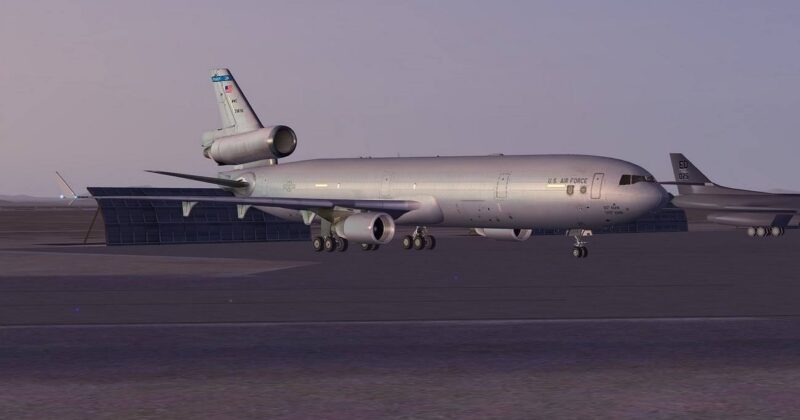
The proposed KMD-11 also had underwing HDU (hose drum units) for refueling probe-equipped aircraft, something this FlightSim depiction lacks.
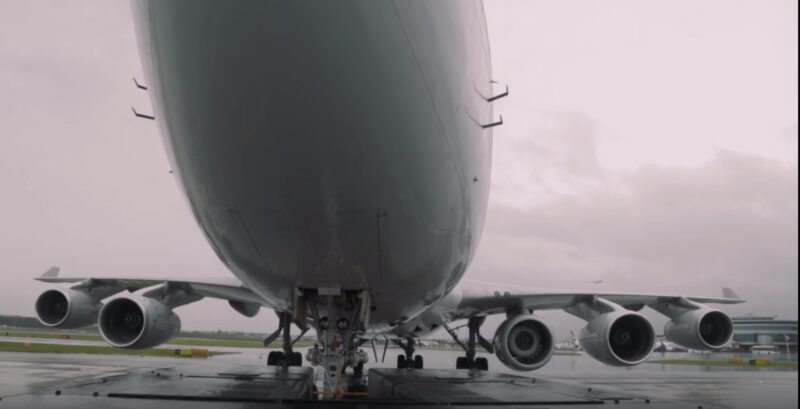
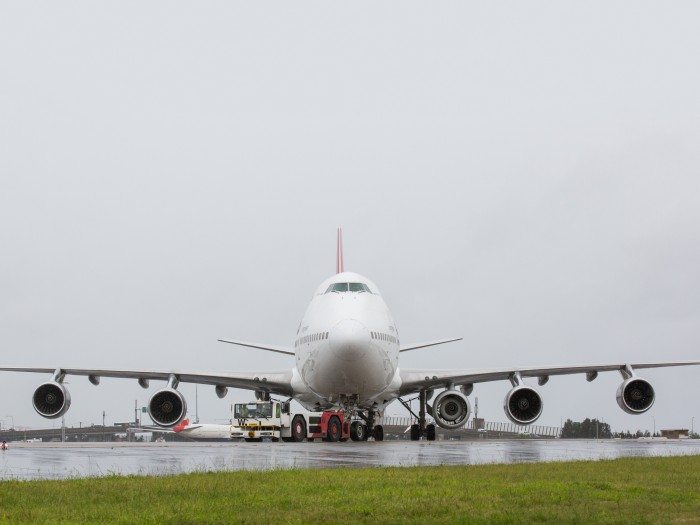
You’ve heard of engine out approaches, but what about the dreaded extra engine approach? Ok, so the extra engine isn’t actually providing thrust, but it does create significant drag.
With such a disbursed network spread over really long distances, Qantas occasionally faces unique maintenance challenges when one of their jets breaks down. Recently, one of their 747-400s needed an engine replacement at Johannesburg, South Africa. Qantas’s options to ship a new engine to South Africa from Australia are pretty limited. A Rolls Royce 747 engine is too expensive and complicated to just buy on a whim. It’s also too big to fit in the cargo compartment of an airliner. The options are either to charter an outsized cargo aircraft or wait weeks for one to be shipped via ocean freight. Instead, Qantas leveraged yet another unique capability of the 747. Flight QF63 flew from Sydney to Johannesburg with an extra engine secured underneath the left wing of a sister 747. While this is unusual, it’s not unprecedented. The 747 aircraft actually have an attachment point for a spare engine. Flying a 10,000 lb engine on the wing of a streamlined aircraft isn’t without penalty. Qantas said that they had to make an extra fuel stop in Perth before continuing their journey and delivering the unique stowaway.
Qantas put together a great video about the journey of the 5th engine. You can watch it below:
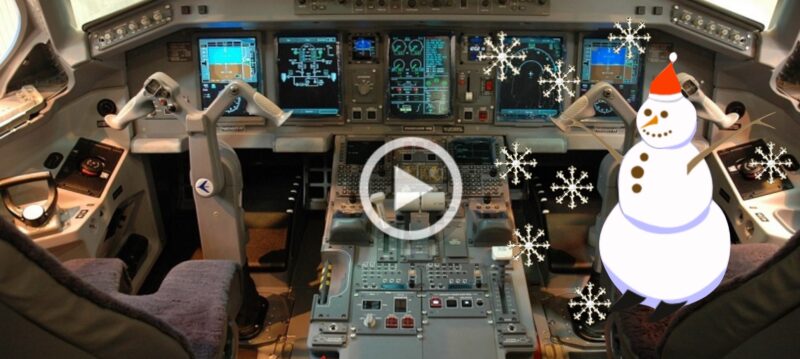
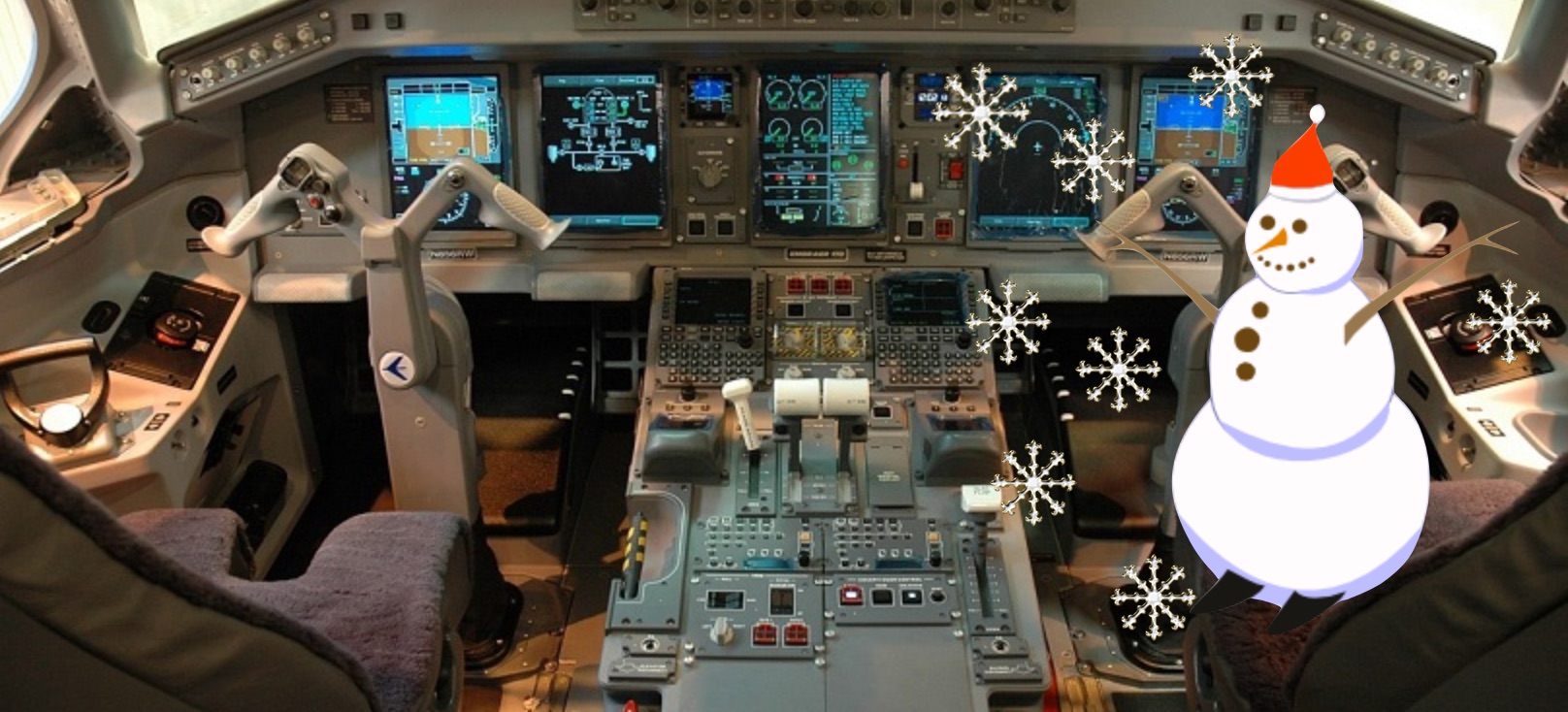
Baby, it’s cold outside! Snow forms from the air conditioning vents in cockpit.
With much of the US finally under the grasp of winter, it’s not surprising to see snow at airport tarmacs across the country. However, it’s pretty rare to actually see it in the cockpit! It appears that the moist conditioned air met cold air from the main cabin door of this Embraer EM-175. The conditions were just right to cool the condensation from the cockpit vents to make the ‘front office’ look a little like a snow globe.
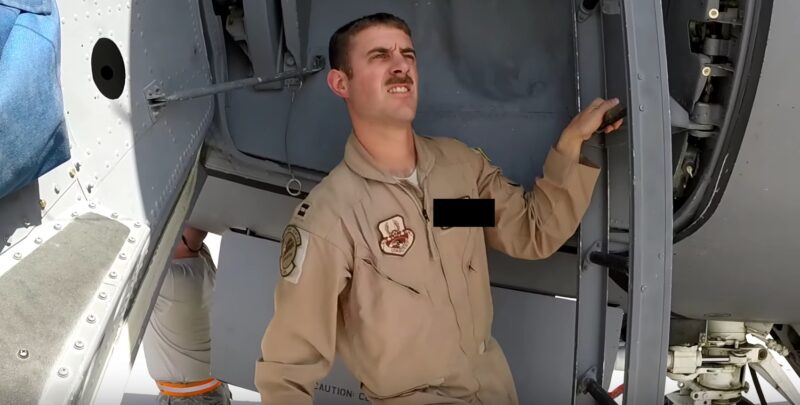
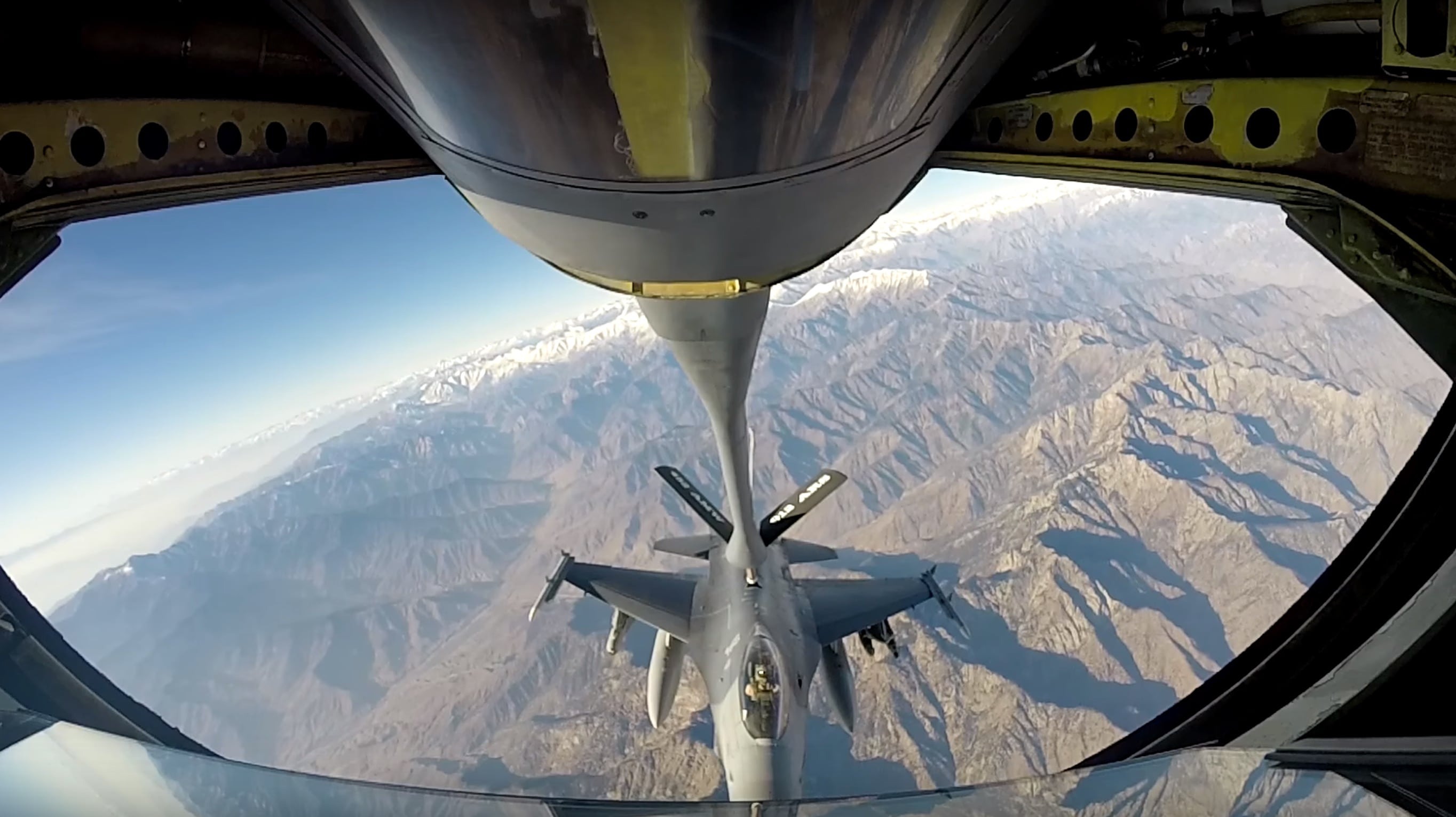
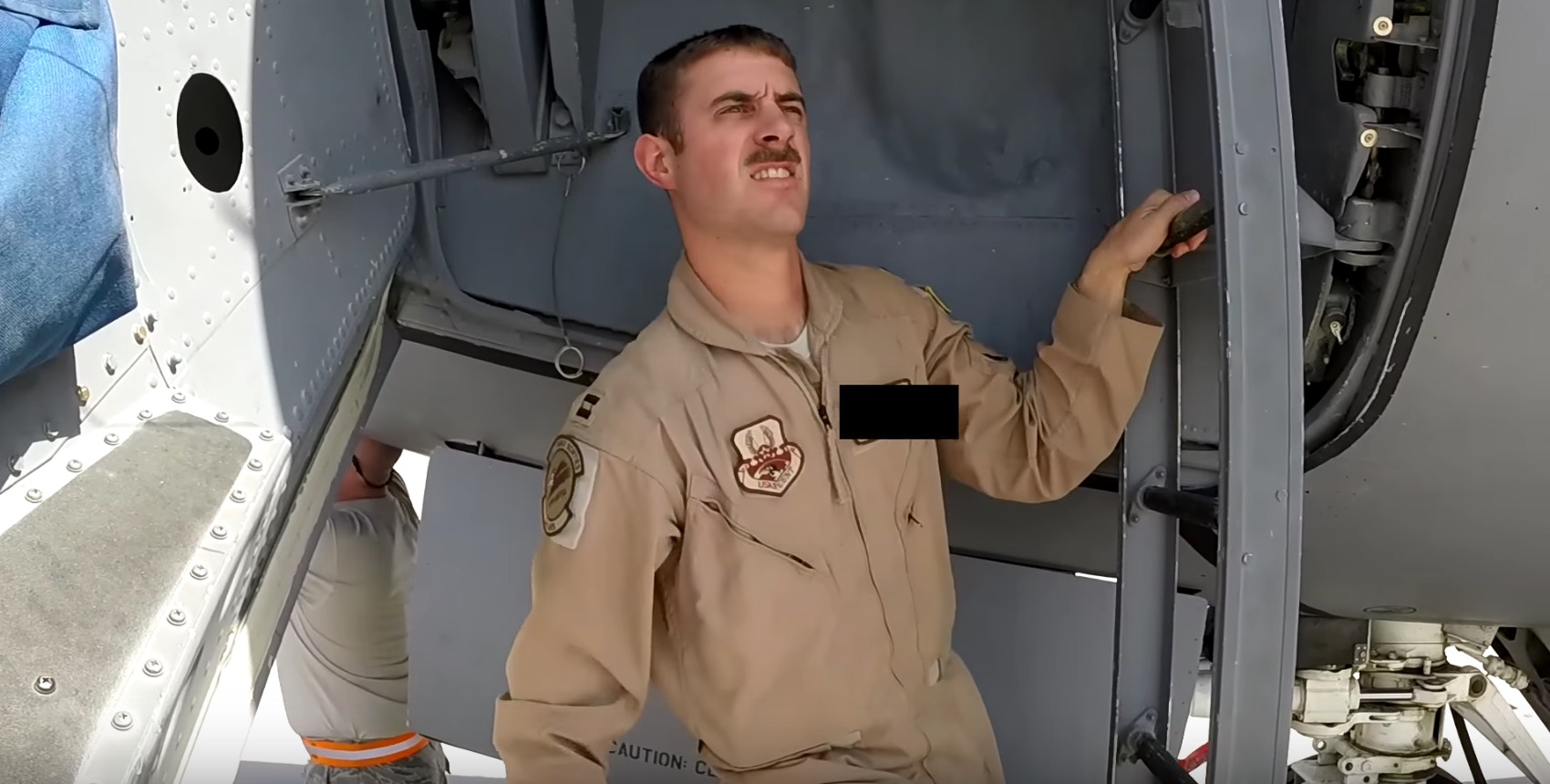
Ask any tanker aircrew member who has been deployed before and they’ll say it’s tough flying with long days. A good attitude, some RipIts energy drinks, and a little bit of humor go along way to combat really long take off rolls and stress of flying over foreboding lands. This crew has the right attitude. They keep the fighters and bombers flying who rain destruction upon our enemies.
Join a US Air Force KC-135 crew on their flights over the middle east during a deployment. If you’ve ever wanted a front row seat to watch the spectacle of aerial refueling or are just an aviation nerd who likes looking at cockpits, this video contains some entertaining and impressive flying footage of the Bone (B-1), Hog (A-10), Viper (F-16) and RC-135. Sure to entertain and give you an insight into the world of military tanker aircrews.