One month has been removed from a series of incidents where aircraft from US airlines were struck by bullets. Since then, the unrest in Haiti doesn’t seem to have died down, with the country still deemed unsafe for travel.
While the US government could have lifted restrictions this week, it will suspend flights to and from Haiti much longer to protect US Airlines.
More on US Airlines Banned from Haiti Travel
The Federal Aviation Administration (FAA) proclaimed late last week that it will extend restrictions for US travel in Haiti until 12 March, 2025. This means airlines from the US can’t arrive or depart from anywhere in the country or fly over it from a low altitude. The Notice to Air Missions currently prohibits flights over Haiti at 10,000 feet or less.
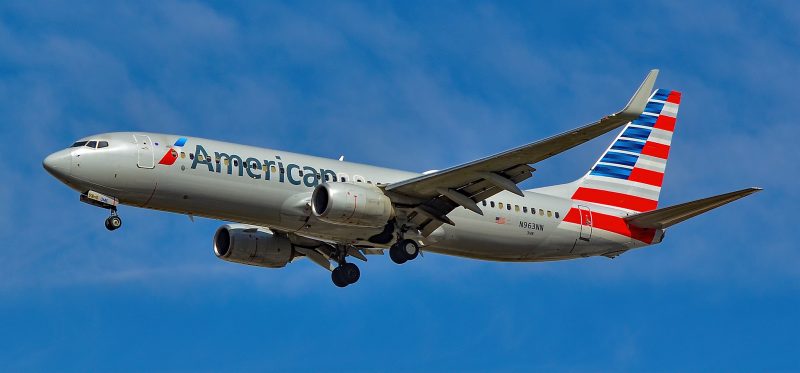
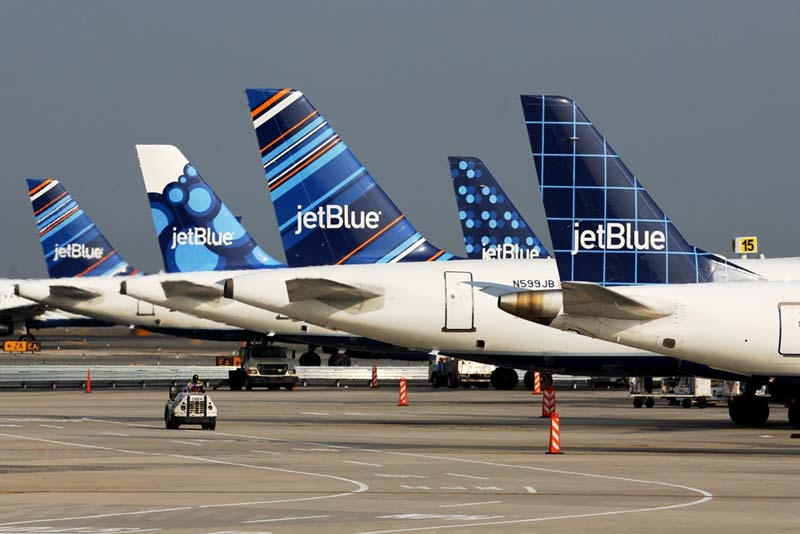
Government originally placed the ban on 11 November when alleged gang members fired bullets at aircraft from American Airlines, Spirit Airlines, and JetBlue. A Spirit Airlines attendant was reportedly injured as a result of the gunfire.
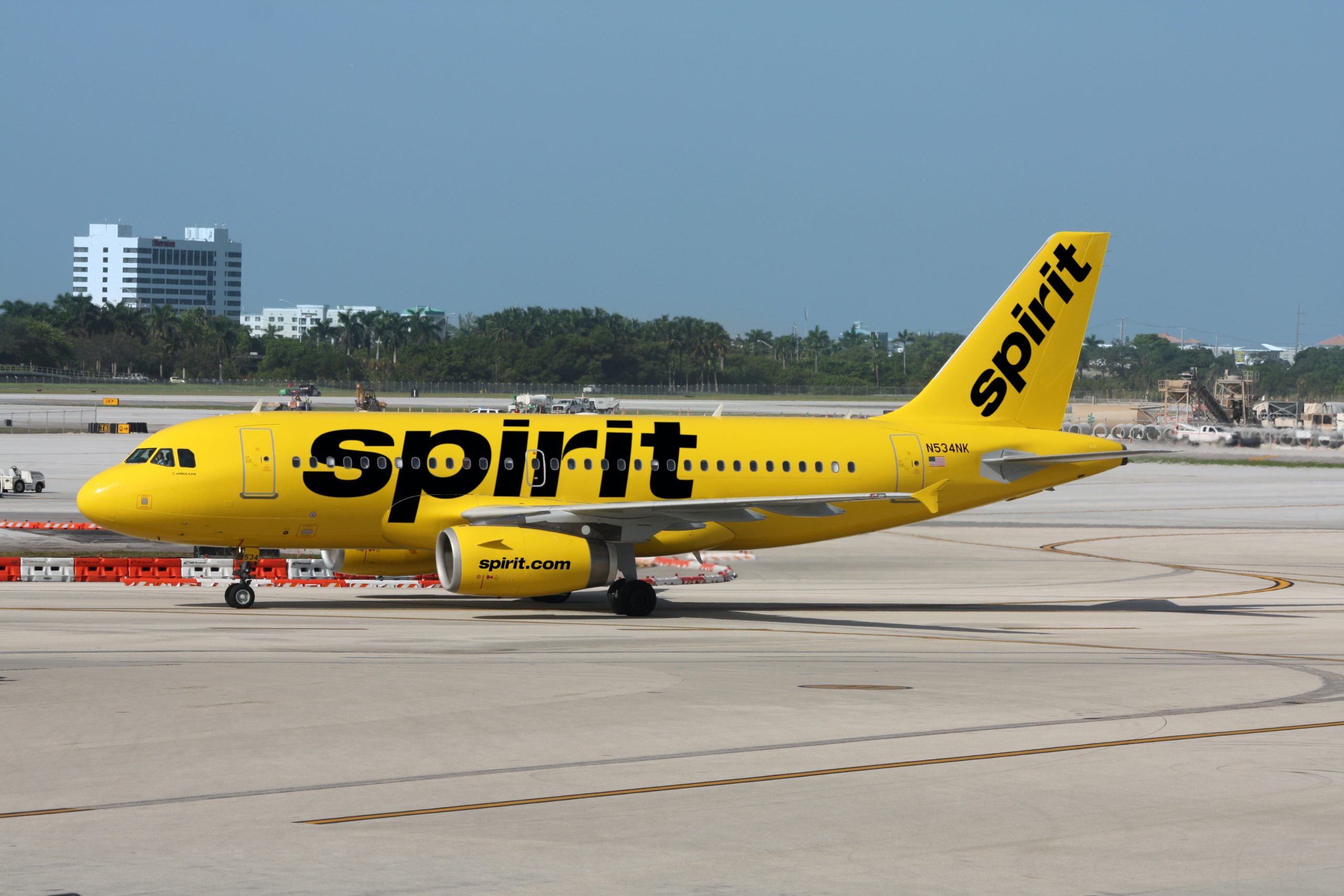
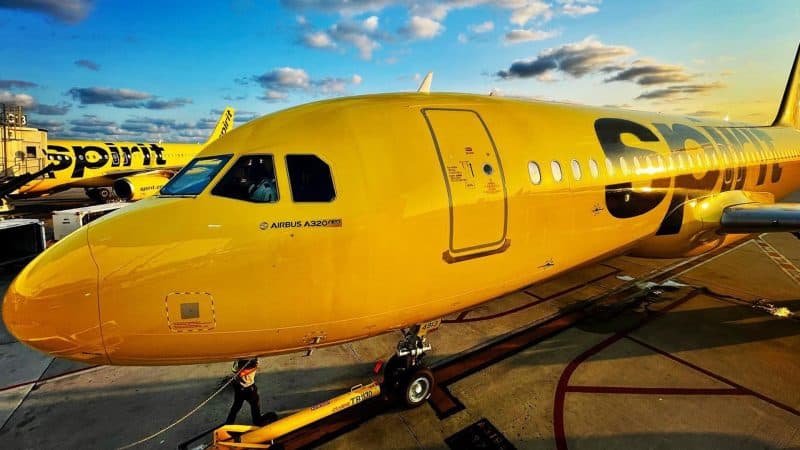
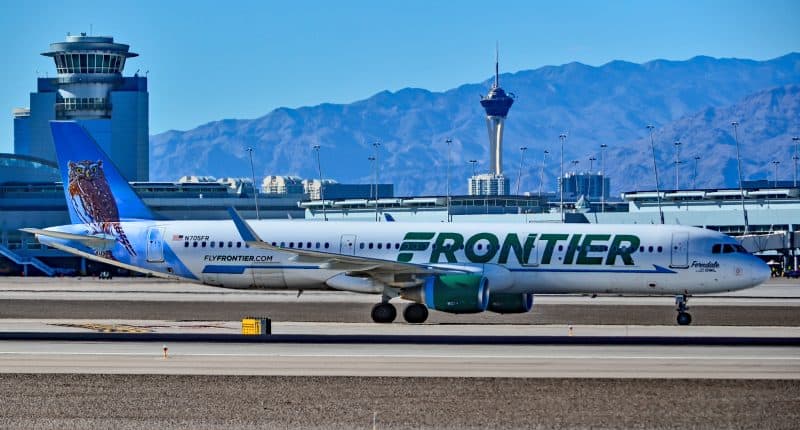
Spirit Airlines Airbus A319 exterior | IMAGE: Spirit Airlines
If you are a traveler who is looking to fly to or near Haiti in the near future with one of the affected airlines, you may need to get in touch with your airline’s customer support.
If you’re traveling directly to Haiti, your airline should have automatically canceled your flight and refunded you. As for indirect flights involving Haiti, you may need to be rebooked or rerouted which might involve paying more money.
Official Statement by the US Department of State
Travelers can read the US Department of State’s Haiti Travel Advisory, which was published on 18 September. The advisory has a ‘Level 4: Do Not Travel’ grade, cited for crime, kidnapping, civil unrest, and health risks.
“Since March 2024, Haiti has been under a State of Emergency. Crimes involving firearms are common in Haiti. They include robbery, carjackings, sexual assault, and kidnappings for ransom. Kidnapping is widespread, and U.S. citizens have been victims and have been hurt or killed,” the notice reads.
US Airlines Banned from Haiti Travel Until at Least March 2025 3
The Department goes on to specify that Aeroport International Toussaint Louverture, the airport in Port-Au-Prince is a ‘focal point for armed activity’. Robberies and carjackings are also common and spontaneous, often occurring during traffic stops.
The notice even advises against traveling to Haiti through the bordering country Dominican Republic.
As a follow-up to last month’s iPhone update, United Airlines has announced that its mobile app is fully-integrated with Apple’s new ‘Share Item Location’ feature. This will allow the airline to help customers quickly locate luggage, phones, and laptops that potentially go missing during travel.
United is the first of 15 airlines to use this new Apple software, with other airlines working on their own integrations. These airlines include Delta, Air Canada, and British Airways.
Uniting with Lost Luggage In Record Time
United Airlines sent out a press release Thursday evening to announce that customers can now integrate ‘Share Item Location’ for Apple AirTag with the United mobile app.
With this feature, United customers will be able to monitor the whereabouts of tracked devices and luggage right from the United smartphone app. According to the press release, the app will now ‘drive a much-improved customer service experience’ for customers who may not realize their bags will arrive on a later flight.
United Airlines jets at San Francisco International Airport (SFO) on 09 May 2024 | IMAGE: Photo by David Syphers on Unsplash
‘Share Item Location’ is available on iPhone with iOS 18.2. The feature is free and can be toggled on in the phone’s settings app.
Here’s what happens if a customer suspects his or her tracked luggage to go missing:
The user can open the United app and file a ‘delayed baggage’ claim. Apple will generate a link for you to share with United that will track the luggage in question.
A United customer support agent will access the link. This will allow the agent to pinpoint the luggage on a map. The map will also update in real time.
United will work with airports and authorities to find the bag in the area and reunite it with the owner.
Once the issue has been resolved, the link will be deactivated for privacy and security purposes.
United’s Improvements with iPhone
United Airlines Chief Customer Officer David Kinzelman shared his thoughts Thursday. He explained how the new app update gives iPhone owners a peace of mind during travels with United:
“For years, every customer has been able to track the journey of their bag through the United app as it is scanned on and off the plane, and previously, they didn’t have a way to directly share their AirTag information with our baggage team…They can (now) easily and securely share that with us in the United app, and our team can use the location information to find the bag and get it reunited with its owner much more quickly.”
A United Airlines Boeing 777-200 lands at Tokyo Narita (NRT) on 12 February 2018 | IMAGE: Masahiro TAKAGI from Ichikawa, Chiba, Japan, CC BY 2.0 , via Wikimedia Commons
United has continuously integrated updates for iPhone and Apple Watch to improve customer experience. The airline touted how it was the first in the US to provide live flight notifications for loved ones. United has also made the bag drop process easier with checking bags. The app eliminates the need to print a label or tag before each flight.
The United Airlines app is free to download on the Apple App store and Google Play Store. While Android phone owners can still get assistance with lost luggage and bag-tracking, there has yet to be a ‘Share My Location’ equivalent feature that United has invested in for Android phones.
Move over Chick-Fil-A gift cards! In what would be a fabulous holiday surprise to many, Frontier is offering its ‘All-You-Can-Fly’ annual pass for just under $300, giving pass owners one year of unlimited flights that only cost $0.01 each.
The special price will only be available to early bird customers that respond fast to the pre-sale event. But if you’re too late to respond, you can still win one of ten passes for free.
A Free Year of Frontier
Frontier Airlines has issued a press release hyping up a ‘GoWild! All-You-Can-Fly’ annual pass pre-sale event. During this event, those that sign up to get notified of an annual pass sale could claim one for just $299.
To be eligible for a special deal, customers can simply register for the special pre-sale email on their website. It’s uncertain when the pass will be available at the low price, but when it does, emails will be sent en masse and recipients are encouraged to act fast.
The $299 price will only be available to the first 5,000 customers. After 5,000 customers purchased the pass, its price will move up to $499, which was the special price for last year’s promotion.
Image: By Tomás Del Coro from Wikimedia Commons
Frontier will also give away ten passes for free to email recipients that simply sign up for the pre-sale. According to Frontier, this sweepstakes will run through 27 December.
Penny Fares From Aguadilla to Wilmington
The pass will be good from 1 May 2025 to 30 April 2026. During this time, pass owners can book any flight on Frontier’s website for just a penny, though extra fees such as for bags will still apply. All flights are subject to the one-cent fare, though Frontier does post a series of blackout periods through 2025 and 2026.
The airline also notes that only the pass owner is subject to the one-cent fares and that the pass is non-transferable.
Frontier Airlines Chief Commercial Officer Bobby Schroeter called the ‘GoWild!’ pass ‘perfect’ for travelers that fly frequently. Schroeter also touts that $299 is the cheapest the price has every gone down, making it affordable for more travelers to fly to their ideal vacation spots.
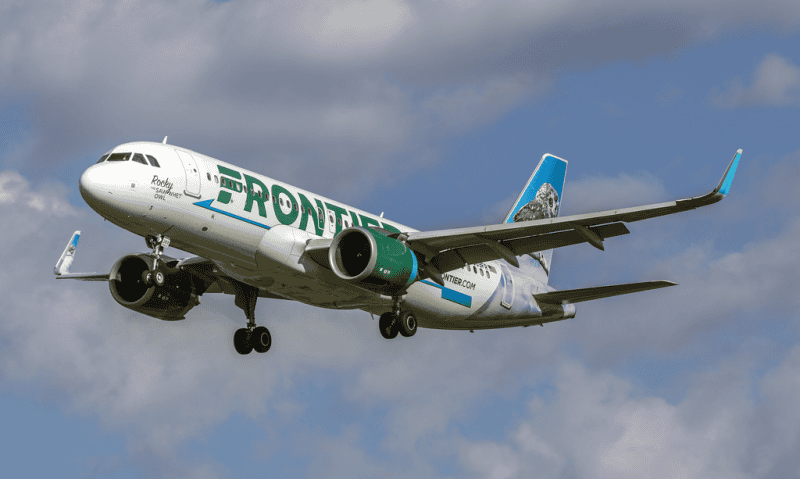
Frontier flies to over 120 destinations in the Americas. In addition to over 100 major cities in the United States, customers can also book flights to Canada, Puerto Rico, Mexico, the Bahamas, and various other Caribbean nations.
New Englanders will soon be able to fly with JetBlue to Madrid and Edinburgh, which are two popular tourist destinations. Both flights will start this late spring, just in time for vacation season for many travelers.
With these new routes, JetBlue will attempt to take business away from American Airlines, United, and Delta regarding Madrid and Edinburgh flights from Boston.
Europe In My Face
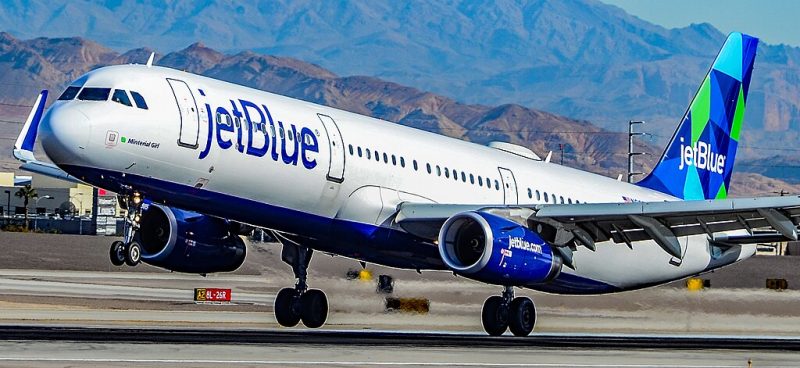
JetBlue posted a press release to announce new international flights for 2025. Starting in May, the airline will be flying to and from both Madrid, Spain and Edinburgh, Scotland. These flights will come from JetBlue’s home base at Boston Logan International Airport in Massachusetts.
According to JetBlue, both routes will be open from 22 May to 24 October of next year and take place once daily. A London-Gatwick, England route will also be open during this time frame. Routes to Dublin, Ireland and Amsterdam, Netherlands will start a little earlier in the year.
This is the first time ever JetBlue will do service in Spain. JetBlue previously managed Edinburgh, Scotland seasonal routes via John F. Kennedy International Airport in New York City earlier this year. Next year, JetBlue will fly to Edinburgh from both Boston Logan and JFK.
JetBlue Welcomes Europe
Between Boston and New York, JetBlue will fly to a total of seven destinations across Europe over the summer season. Other destinations on this docket include London-Heathrow and Paris, France.
JetBlue Head of Enterprise Planning Daniel Shurz gave these comments regarding the airline’s additional European routes:
“Madrid and Edinburgh represent two of Europe’s most exciting and popular destinations, and we’re happy to offer even more Trans-Atlantic travel options for our customers from Boston and New England…As our loyal customers look for JetBlue’s signature service and low fares to bring them to top leisure destinations, including across the Atlantic.”
JetBlue will also be opening its first lounge at Boston airport later in 2025. This lounge will be exclusive to those who purchase a Mint class Trans-Atlantic flight, reach Mosaic 4 on their TrueBlue membership, or own the upcoming JetBlue credit card.
Fiji flag carrier Fiji Airways is breaking company records while expanding its horizons this week with new flights to Dallas, Texas. Both the airline and Dallas-Fort Worth expect favorable outcomes to come from the new route.
Customers also can get in on an introductory fare for booking on this route until 17 December. The airline also shares details on the brand-new aircraft the route is using.
From the Soft Coral Capital to the Heart of Texas
Fiji Airways has kicked off its longest nonstop route yet connecting Nadi, Fiji to Dallas, Texas. The airline notes in its latest press release that the route is already operating every Tuesday, Thursday, and Saturday.
The inaugural flight departed Nadi International Airport on 10 December at around 200 Central Standard Time. Touching down at Dallas-Fort Worth International Airport over 13 hours later, the first passengers were greeted with a ‘water cannon salute’.
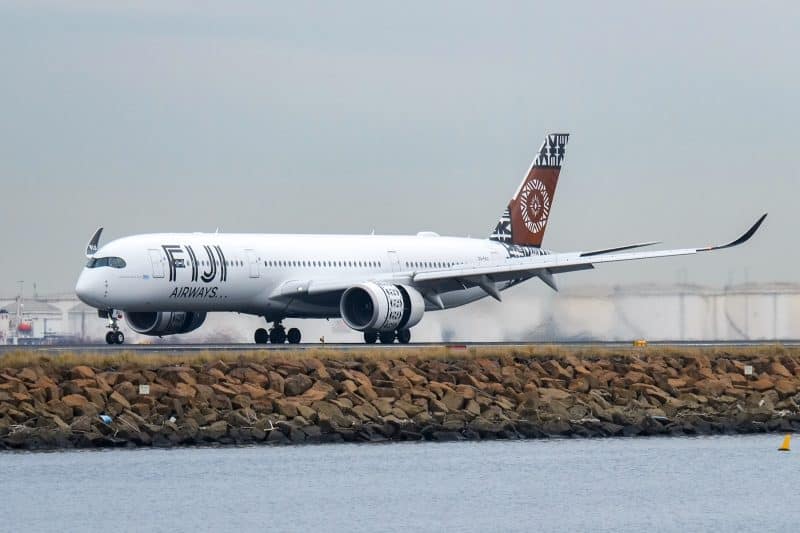
Fiji Airways is using new Airbus A350-900 XWB aircraft for this route. This aircraft comes with 334 seats, including 33 flatbed business class seats.
The Dallas route marks the fourth concurrent route the airline manages in America. The other four involve Los Angeles, San Francisco, and Honolulu.
Fiji Airways CEO and Managing Director Andre Viljoen discussed the new route during the latest press release:
“This new route significantly strengthens Fiji Airways’ connectivity across North America, making it easier than ever for U.S. travelers to access Fiji and the South Pacific, with seamless onward connections to Australia and New Zealand. In line with our mission, ‘We Fly for Fiji,’ this new service will bring up to 1,000 passengers to Fiji each week, supporting our nation’s tourism industry and creating new avenues for business collaboration between our two nations.”
Viljoen also considered Dallas’ airport to be a ‘key strategic hub’ that connects travelers to over 250 additional destinations worldwide, which opens up additional ‘travel and business opportunities’.
Dallas-Fort Worth Airport Chief Executive Officer Sean Donohue also shared remarks regarding the new connection to Fiji:
“DFW is excited to add the beautiful islands of Fiji to our growing portfolio of international destinations, bringing North Texas nonstop access to a tropical paradise and connecting Nadi with DFW’s network of more than 250 destinations around the world.”
Fiji Airways is also promoting an ‘introductory fare’ for the new route until 17 December. Though the press release is promoting fares at $1,999 per passenger, Fiji has reportedly marked round trip fares down to $859 as of this writing.
Fiji Airways in 2025
Fiji Airways is already preparing for more exciting additions for next year. This March, the airline will be the latest to join the Oneworld Alliance. This alliance allows flexibility for travelers to fly with Fiji and other participating airlines and earn points with the American Airlines AAdvantage loyalty program.
On 10 April, 2025, Fiji Airways will start its 27th international route connecting Fiji to Cairns, Australia. The airline currently connects travelers to and from several Australian cities such as Sydney and Brisbane.
In the early 1970s, with the joint Apollo-Soyuz Test Project, the United States and Soviet Union temporarily set aside their Cold War differences. They chose cooperation over competition as they planned to have two of their spacecraft dock in orbit. This was no simple task, as they faced major technical and communication challenges.
Planning for a U.S.-Soviet Connection in Orbit
The basic plan for the mission was to have an American Apollo Command and Service Module (CSM) rendezvous in orbit with a Soviet Soyuz 7K-TM variant spacecraft. One of their first challenges was determining how the spacecraft would physically connect. Engineers initially considered a new airlock module, The advantages of this would be that it would have enough room to attach communication and power equipment they would need. However, to accomplish this, the nations would have to design, build, and test a totally new component.
Early sketches of possible designs for docking mechanisms for joint Apollo-Soyuz mission. | Image: NASA
Instead, they decided to use a simpler drogue-in-cone docking system. For this, the Soyuz would connect, via latches, with a ring on the Apollo. This would also include eight pyrotechnic bolts they could use as a back-up during undocking.
Soviets Test Components for Apollo-Soyuz Docking Mission
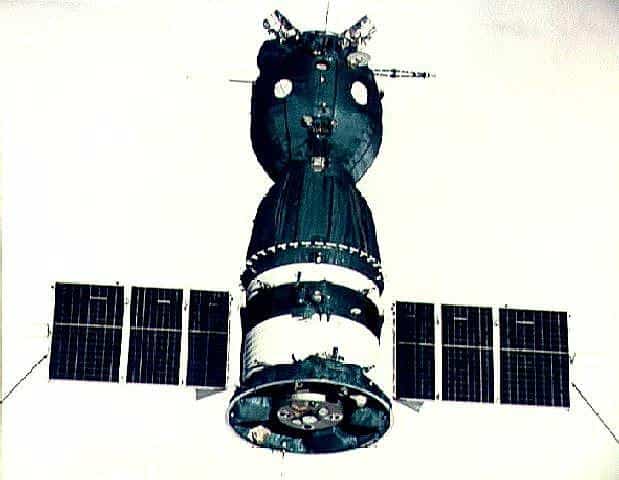
On 2 December 1972, the Soviet Union launched Soyuz-16, a mission to test the docking equipment and procedures for the Apollo-Soyuz Mission. Cosmonauts Anatoly Filipchenko and Nikolai Rukavishnikov launched into orbit on a Soyuz-U rocket carrying their Soyuz 7K-TM No. 73 spacecraft. The rocket lifted off from the Tyuratam test site in Kazakhstan.
Soyuz Capsule. | Image: NASA
Prior to the mission, the Soviets had mounted a test ring on the Soyuz. This was a duplicate of the docking ring on the Apollo CSM. During this six-day orbit, they performed retractions and reengagements of the the docking port on Soyuz with the test ring. They also tested a new color TV transmission system.
Finally, at the end of the mission, they fired the pyrotechnic bolts holding the test ring and released a spring device. This pushed the ring away from the Soyuz 7K-TM. The Soviets later reported that the ring burned up in the atmosphere the next day.
Overcoming Pressures on the Apollo-Soyuz Mission
Along with the mechanical connection, the Americans and Soviets had to account for different cabin pressures in each spacecraft. The CSM normally maintained a cabin pressure of 258 millimeters, and the 7K-TM stayed at 760 millimeters. Engineers had to come up with a solution for this difference when the spacecraft docked in orbit.
For the Apollo-Soyuz mission to be successful, engineers had to compromise on a cabin pressure level that would work for both sides. They settled on a pressure of 414 millimeters. The structure of the CSM structure could not handle pressures higher than that. The Soyuz 7K-TM could not operate much lower than 414 without risking a fire.
Close-up drawing of docking components on American and Soviet spacecraft. | Image: NASA
The engineers developed procedures for different docking situations. If American Astronauts had to move into the Soviet spacecraft, they would enter an airlock, close the hatch behind them, and raise the pressure to 760. If Soviet Cosmonauts needed to go into the American spacecraft, they would have to pre-breathe oxygen, enter the airlock, and then lower the pressure to 258.
This pre-breathing was similar to what divers do to avoid the bends when ascending from deep depths. The docking had to work in both directions, as one of the purposes of the Apollo Soyuz Mission was to be able to perform future international space rescues.
Communication and Politics Affect Mission Planning
NASA drawing showing American CSM and Soviet Soyuz preparing to dock in orbit. | Image: NASA
Along with the technical issues, both nations had to overcome communication challenges beyond the obvious language differences.
They also dealt with reluctance from both sides on sharing data due in part to the ongoing political conflicts.
The Americans initially received limited data from the Soviets about life support systems on their spacecraft. Eventually they gained more information during a 1970 trip to the Soviet Union and a report the Soviets sent to the Manned Space Center (MSC), now the Johnson Space Center, in Houston.
U.S. Delegation Goes to Moscow During the Cold War
In October 1970, a delegation of U.S. administrators and technical specialists went to Moscow to meet with Soviet officials and discuss the proposed joint Apollo-Soyuz mission. Before leaving for Moscow, the U.S. representatives received briefings from the State Department, Department of Defense, and Intelligence Services.
Following the trip and after reviewing the document the Soviets sent, the Americans still needed more information for the project. They eventually had to resort to using information that had appeared in the American press in the years leading up to 1972.
Soviets Face Their Own Communication Issues
The Soviets also dealt with communication problems before the Soyuz-16 mission. They originally planned to share flight data with the Americans, so they could track the Soyuz and compare their observations with the Soviets. However, in October, less than two months before the mission, the Soviet government halted information exchanges before the launch. This was due to their policy of only releasing information after a successful launch.
Conceptual diagram showing docking during joint Apollo-Soyuz mission. | Image: NASA
Overcoming Challenges and Achieving Success for Apollo-Soyuz Test Project
Despite technical and political roadblocks, the planning and work on the joint Apollo-Soyuz mission progressed. Engineers in both nations were able to collaborate and prepare their spacecraft to dock in orbit. Their efforts were eventually successful on 17 July 1975 when an Apollo Command and Service Module docked with a Soviet Soyuz capsule while in orbit.
It was the first international partnership is space, and especially amazing as it involved the two rival Cold War superpowers.
The Boeing 717 has been the mainstay of Hawaiian Airlines interisland operation for 20 years. Hawaiian Airlines is the second largest operator of the Boeing 717 in the world. The aircraft are approaching 25 years old and operate in a hot, humid environment. Speculation has mounted about a replacement.
Last year, Hawaiian Airlines CEO Peter Ingram indicated that a replacement plan for the fleet was in the works. The airline had mentioned possible candidates for the interisland operation that included the Embraer E195-E2, used Airbus A319s, or a combination of Airbus A320NEOs.
Then a multi-billion dollar acquisition of Hawaiian Airlines happened. Rumors and speculation ran rampant that Alaska might decide to scrap Hawaiian’s fleet of 717s earlier than later and instead run a combination of Hawaiian A321s and Alaska 737s through the island chains to replace the aging and orphan fleet.
Alaska Highlights Merger Strategy
How Long Will Alaska Airlines Keep Flying Hawaiian's Boeing 717s? 18
Earlier this week, Alaska Airlines held its annual investors day. While most airlines host an annual event to highlight their business strategy, Alaska’s was particularly interesting in light of the recent merger with Hawaiian Airlines.
During the event, the airline announced that they planned to inaugurate service between Seattle and Tokyo Narita utilizing Hawaiian’s Airbus A330. The airline also will introduce service to South Korea from Seattle next year. Hawaiian would drop Honolulu-Narita service to make way for this new route. This route would compete directly against Delta in an attempt to further Alaska’s claim that it is Seattle’s hometown airline.
The airline also announced that the synergy between the two airlines would result in a potential $500m for 2025, up from the previously expected $250m gain. The gains would be realized by synchronizing schedules between the airlines to offer greater connectivity to Hawaii and the west coast of the US.
Alaska’s CEO Shared More Thoughts About the Hawaiian Acquisition, Evolving Strategy and More
During the investor day, the airline didn’t really highlight the interisland market. However, Alaska’s CEO Ben Minicucci did open up on a recent Air Show podcast.
During the show, Minicicci mentioned that the combination of the airlines means that their goal is to have most flying to/from Hawaii on Hawaiian Airlines branding. That means that Hawaiian branding could be on Boeing 737s sometime in the future. For now though, each airline will continue to operate under their respective brands and crews until a single operating certificate is achieved.
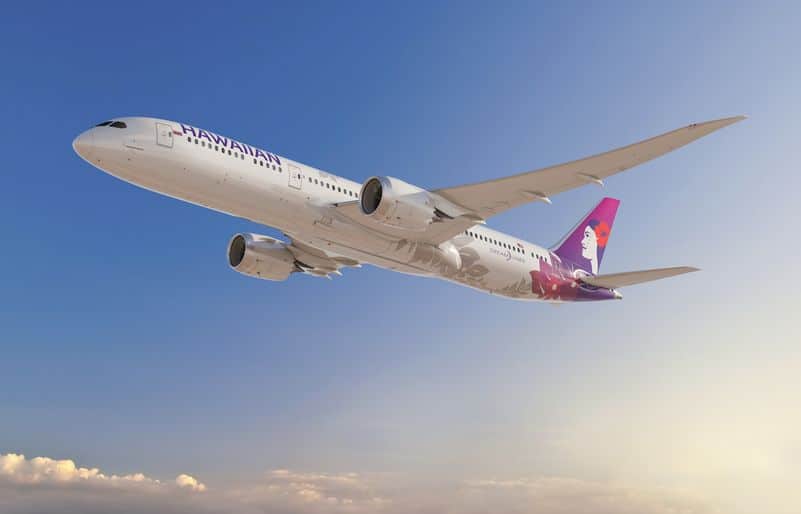
A Hawaiian Airlines Boeing 787-9 Dreamliner | Image: hawaiianairlines.com
Minicucci also stated that the new fleet as part of the merger will give Alaska additional flexibility. Right sizing markets will be possible as the Airbus A321NEO is a better fit for Hawaii to Las Vegas at any time of day than the Boeing 737 MAX fleet.
The Boeing 787 offers additional flexibility to connect large, distant markets. Minicucci sees the opportunity to build a larger international gateway from its Seattle hub.
So What About The Boeing 717?
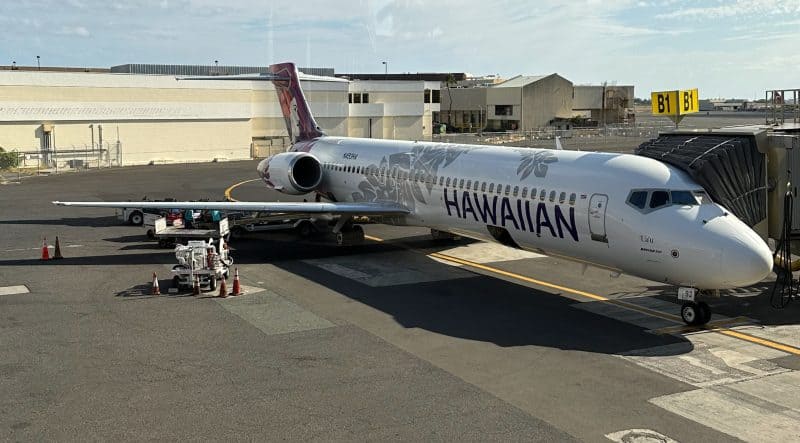
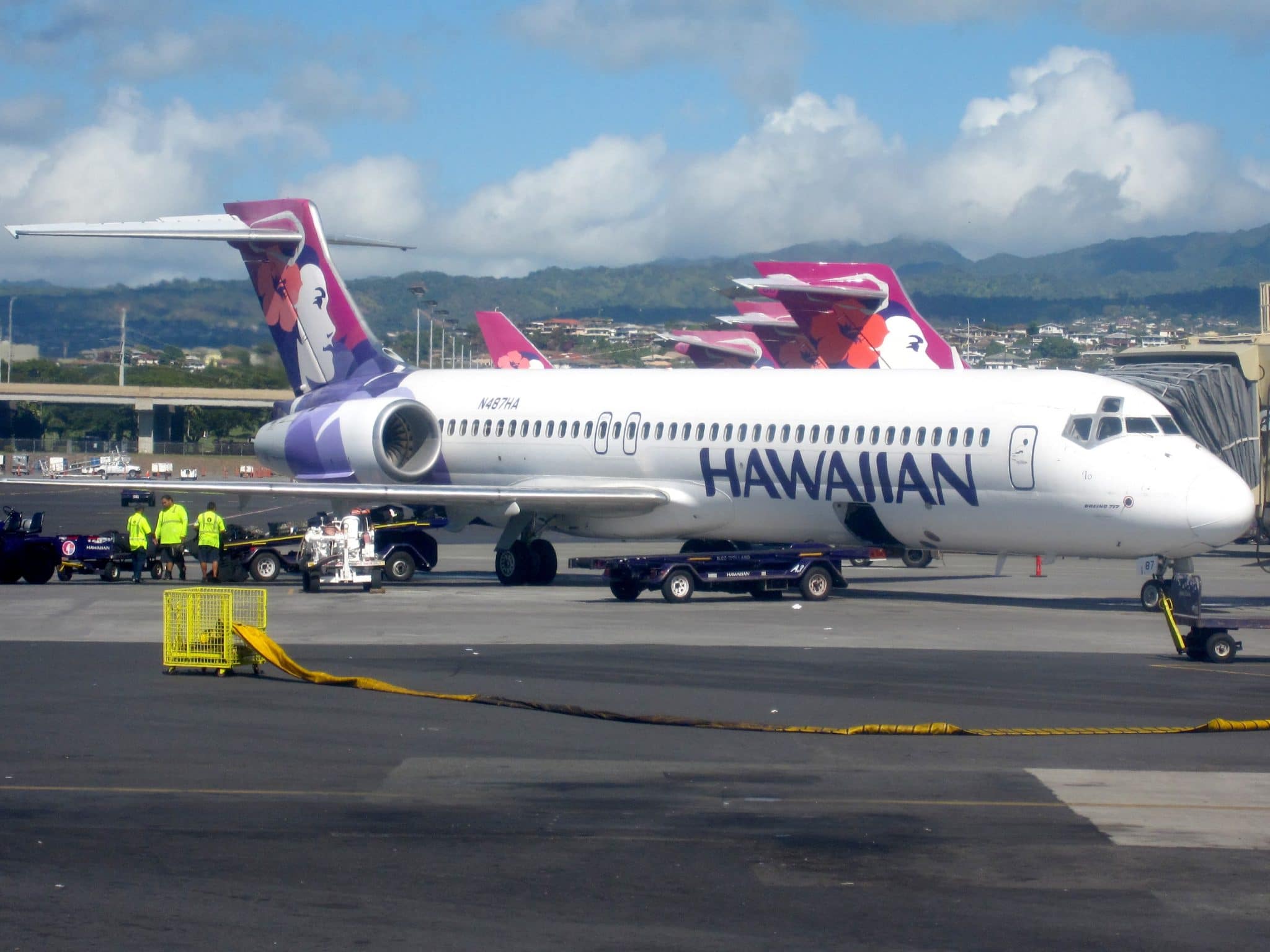
Photo FRED (CC BY-SA 3.0)
Minicucci did address the lingering Boeing 717 question during the podcast. He stated that the Boeing 717 still “has some legs on it” which gives the airline flexibility to determine the proper replacement.
He stated that they’ll need to figure out the right solution within the next five years. Furthermore, Minicucci stated that the “[Boeing] 717 might stay longer than we think”. He charged his staff to determine what the right eventually replacement would be appropriate for the market. The bottom line though is that the airline has time to get it right.
There you have it. The mighty Douglas derivative will likely live on in the Hawaiian Islands through the end of this decade.
The thought of eVTOL aircraft excites millions of travelers. Those who live in or visit Chicago in particular are in for some pleasing news, as a local manufacturer plans to order 50 eVTOL aircraft, also known as air taxis.
While it’s not known when these aircraft would be assembled or delivered, this makes for an additional opportunity for Chicagoans to ride in an air taxi in the near future.
Chicago eVTOL: Flights Above the Windy City
Eve Air Mobility (Eve) has issued a press release outlining a recent agreement of up to 50 air taxis. The client is an Illinois-based company known as Helicopters Inc. The deal took place during the Revolution.Aero Advanced Air Mobility Conference.
In addition to the aircraft, Helicopters Inc. will receive Eve’s urban air traffic management software Vector as well as support services from Eve.
The two companies have collaborated in Chicago since 2022 to bring a new kind of air service to the city. The parties conducted simulation flights from ‘Vertiport Chicago’, a location downtown within the city’s medical district. Using a helicopter, they flew from Vertiport Chicago to heliports from two local hospitals, mimicking a hypothetical air taxi route.
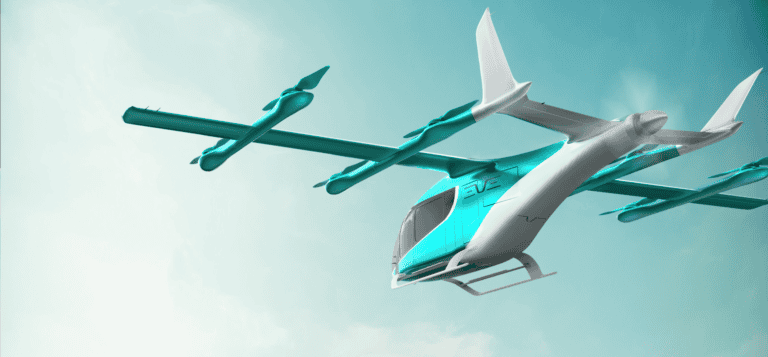
Eve designed a concept image of a Helicopters Inc.-branded eVTOL hovering over New York (surprisingly not Chicago).
During the press release, Eve Chief Commercial Officer Megha Bhatia shared her remarks on the exciting new deal:
“Helicopters Inc. is a recognized leader, safely operating aircraft in more than 30 metropolitan areas throughout the U.S., and we are excited to add such a credible vertical lift operator to our list of customers. We look forward to working with them on deploying our all-electric eVTOL aircraft as part of their extensive U.S. operation.”
President of Helicopters Inc. Tom Wagner also gave encouraging words following the recent order of goods and services:
“Eve Air Mobility’s maturity and reliability…was a key factor in our decision to select Eve for our future eVTOL aircraft. The eVTOL aircraft will provide numerous advantages including competitive cost of operation, fewer parts and optimized structures and systems, not to mention a lower noise footprint and environmental benefits.”
The announcement further reveals that the two companies will collaborate further regarding the use of Eve aircraft in additional cities. Helicopters Inc. executives see the potential to use air taxis for transportation to and from airports and hospitals.
Owned by acclaimed aircraft manufacturer Embraer, Eve is headquartered in São Paulo, Brazil and will plan to produce its aircraft there. The company touts that businesses from around the world intend to order almost 3,000 aircraft in total.
United Airlines is aiming to provide the first eVTOL services in Chicago in 2025. Details reveal the flights will last around ten minutes and connect Chicago O’Hare International Airport with Vertiport Chicago. No updates have been given since the initial announcement from 2023.
Spirit continues to try to win customers even as it goes through bankruptcy process
Despite Spirit Airlines going through a bankruptcy process, the airline is handing out appealing ‘Black Friday’ deals. These deals give customers the opportunity to save big on travel in the coming months.
The company currently has over a dozen different promotions on offer. While many of them expire by 2 December, travelers have until after Christmas this year to take advantage of one of them.
Spirit Airlines Black Friday Deals
Spirit Airlines has issued a press release advertising its slate of Black Friday deals, dubbed ‘Black & Yellow Friday’. The main appeal of this promotional period is the opportunity to score one-way fares as low as $25 per passenger.
The Dania Beach-based airline gives a link for where to book and browse the list of discounted flights. The fares on these flights range from $25 to $115.
Customers can book any date from 6 January to 28 February, 2025 to get a discounted fare. The press release, though, states that the flight must not take place on a Friday or Sunday.
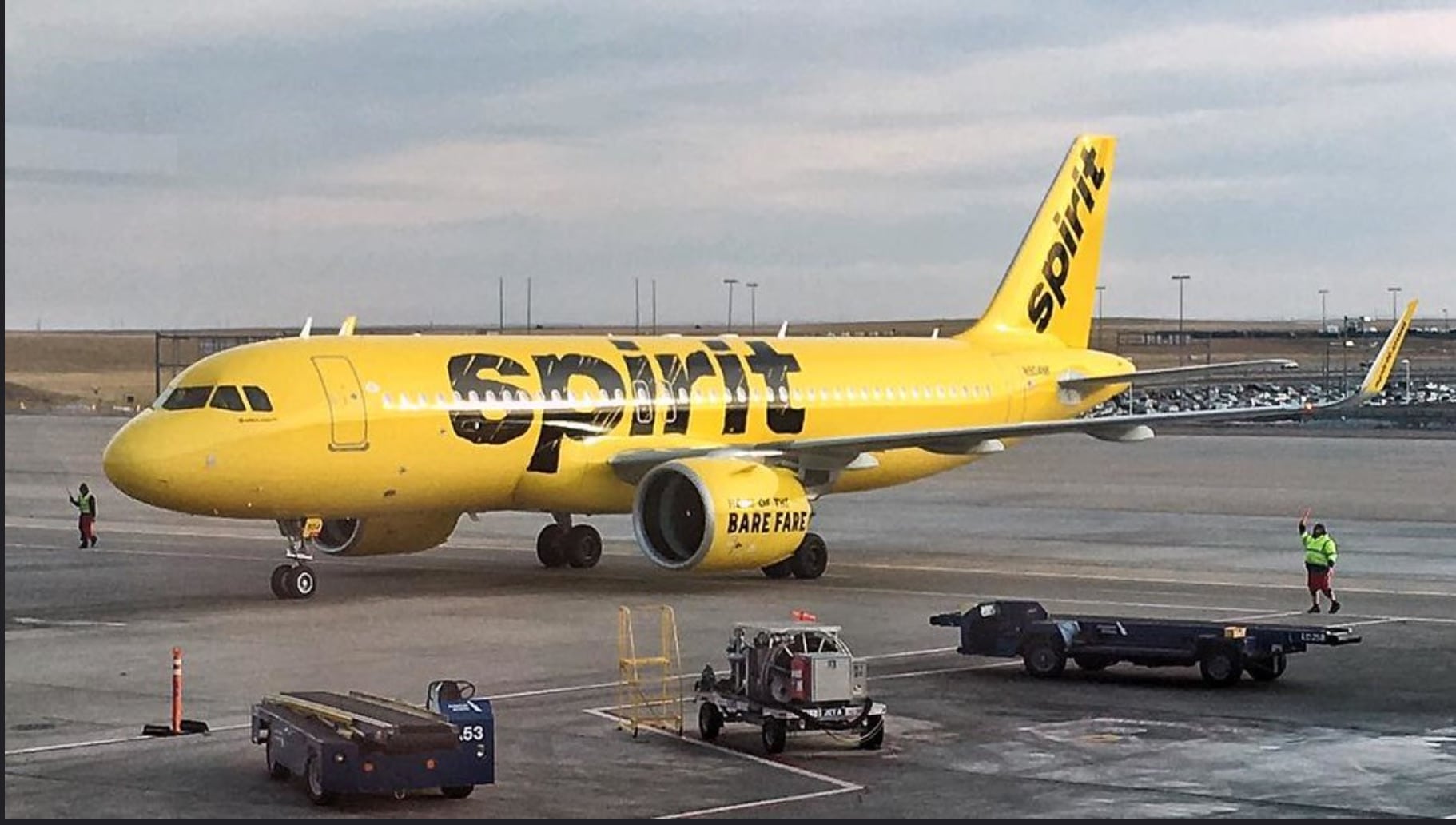
A Spirit Airlines A320NEO arrives at Denver International Airport. Photo by Paul Thompson (CC 2.0, https://www.flickr.com/photos/pt737swa/31220375734)
The airlines also advertises many promotions that are in effect well into December. Here is the full list of deals that one can claim:
Spirit Airlines Introduces 'Black & Yellow Friday' Deals until December 30th 23
Spirit Brass Celebrates, Despite Hardships
Spirit Airlines Senior Vice President and Chief Transformation Officer Rana Ghosh gave his thoughts on the wide selection of Black Friday travel deals:
“There’s no better time than the holidays to offer our Guests great value so they can connect with the people and places that matter most…Spirit’s Black & Yellow Friday helps travelers lock in the major savings they’re looking for and start the new year with fun travel plans.”
Spirit encourages customers to book flights at an interesting time for the airline. Executives are scheduled to axe over 300 pilots from the payroll on 31 January, 2025 as a cost-cutting measure. About 120 captains will also be demoted to first officers.
The annual WestJet ‘Christmas Miracle’ event had a special surprise for parents this year, as vacations and tickets to sporting events were given away for free courtesy of the Canadian airline.
Over 100 adults had the privilege to feel like a kid all over again following a flight to Calgary earlier this month. It was the airline’s way of thanking families for flying with them.
WestJet hosts a ‘Christmas Miracle’ event each year, though this year was special for parents. Earlier this week, WestJet unveiled a ‘Parents’ Wishlist’ theme to reward adult travelers.
The Canadian airline made a miracle happen for adults who boarded a flight from Toronto to Calgary. Before boarding, families got to meet with a blue Santa Claus at Santa’s Station to ask children what their parents might like for Christmas.
These requests didn’t fall on deaf ears, however. WestJet managed to provide lavish gifts waiting for families at the baggage claim at Calgary International Airport. The flight lasted four and a half hours, giving Calgary staff time to prepare for the holiday surprise.
You can view a three-minute video of this year’s Christmas Miracle here:
WestJet Checked it Twice
Here’s what was given this year to over 130 lucky adults:
Flight tickets to Italy
Flight tickets to Cozumel, Mexico
Tickets to next year’s CFL Grey Cup
Season tickets for any CFL team
Vouchers for Iberostar Hotels and Resorts
Vouchers for Fairmont Banff Springs
VIP tickets to a Toronto Blue Jays game
Tickets to a Calgary Stampeders game
Tickets to a Cavalry FC game
Signed Calgary Roughnecks jerseys
Signed Saskatchewan Roughriders jerseys
TELUS smartphones, tablets, and smartwatches
Coca-Cola Cruiser Bicycles
Tourism Calgary restaurant gift cards
Skip food delivery gift cards
Toronto Blue Jays apparel
A badminton racquet
Coca-Cola beverages
A basketball
A carton of milk
An avocado
And of course, children also received free toys and other gifts from the airline.
WestJet Director of Marketing Jennifer Callegaro had this to say about this year’s ‘Christmas Miracle’ event during a press release:
“As a mom, I’m often amused by what my kids guess I might like for Christmas. Our annual Christmas Miracle is a heartwarming reminder of the magic of giving. WestJet is proud to continue our tradition of spreading joy, while helping our guests traveling over the holidays create magical memories.”
“With the launch of WestJet’s new brand platform this year, we are renewing our commitment to meaningfully impact our guests’ travel stories while we connect them to the people and places that matter most,” Callegaro added.
WestJet has hosted the Christmas Miracle event for the past 12 years. The first event, dubbed ‘Real-Time Giving’, was held on 8 December, 2013.
East Coast travelers can now choose Avelo Airlines for flights to Dallas and other destinations. This expansion brings Connecticut’s total Avelo routes to an impressive 39.
Starting this February, the five additional routes will come with introductory fares of $39 per passenger. Travelers only have a limited time to act before the discounted prices disappear.
Remember the Avelo
Avelo Airlines issued a press release on 9 December announcing five brand-new routes for 2025. The airline also offers a special deal for Connecticut and New England travelers looking to be one of the first to place a booking for these new routes.
Starting 14 February, 2025, Avelo will open a route from New Haven, Connecticut to Jacksonville, Florida. On 7 March, the airline will begin flights to Dallas-Fort Worth.
April 4th will inaugurate Avelo’s new routes from New Haven to Detroit, Michigan. Then on 22 May, Avelo will start flights to Portland, Maine.
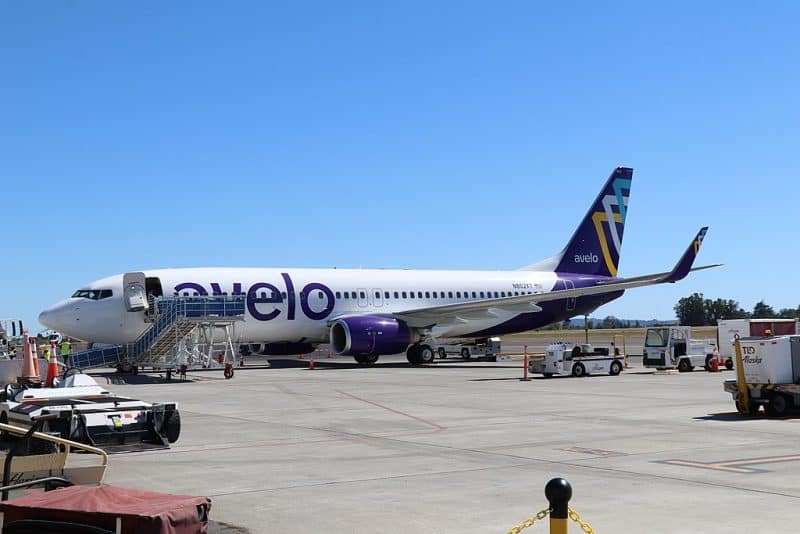
BURBANK, CALIFORNIA – APRIL 28: Avelo Airlines takes off with first flight between Burbank and Santa Rosa at Hollywood Burbank Airport on April 28, 2021 in Burbank, California. (Photo by Joe Scarnici/Getty Images for Avelo Air)
Each of the four new routes will operate twice weekly.
A Trio of Tropical Trips
Avelo’s fifth new route for 2025 will fly from Hartford, Connecticut to Punta Cana, Dominican Republic. Starting 21 February, this will be a seasonal route that runs twice weekly.
Punta Cana joins Montego Bay, Jamaica and Cancun, Mexico as Avelo’s first global destinations. The airline made its first international flights this past November.
Avelo Airlines CEO and Founder Andrew Levy had these remarks to share during the press release:
“It doesn’t surprise us that nearly three million customers have entrusted Avelo with their air travel since we took flight here three years ago. Avelo’s purpose is to inspire travel, and we are very optimistic about the opportunities ahead of us to make air travel easier, more affordable and more dependable for people across Connecticut.”
Avelo Airlines Adds Dallas and 4 Other Popular Destinations in 2025 27
With these new routes, Avelo will manage a total of 39 from the two Connecticut airports. Coincidentally, the airline offers introductory prices of $39 for those that wish to be among the first to order tickets for these new routes. However, this price is only good for one-way tickets from Connecticut.
The introductory price will only be available until 16 December. What’s more, the flights must also take place between 29 May and 8 June. To learn more about these discounted fares and how to book, visit AveloAir.com.
United Airlines is planning a big expansion to improve Washington Dulles airport. The expansion will make it possible for the airport to accommodate more travelers and flights.
This is the fourth investment from United in recent years that went towards the expansion of a pre-existing airport hub. United has also fronted expansion projects in Newark, Denver, and Houston.
United’s Washington Expansion: The Latest
United Airlines has issued a press release to announce a major addition to Washington Dulles Airport in Washington, D.C. The Chicago-based airline will work with the Metropolitan Washington Airports Authority (MWAA) to develop a brand new section of the airport, known as Concourse E.
The two parties are planning a concourse that’s 435,000 square feet in size. The new concourse will feature a new United Club lounge, additional amenities for customers, and a new training center for flight attendants. The project has a budget exceeding $500 million.
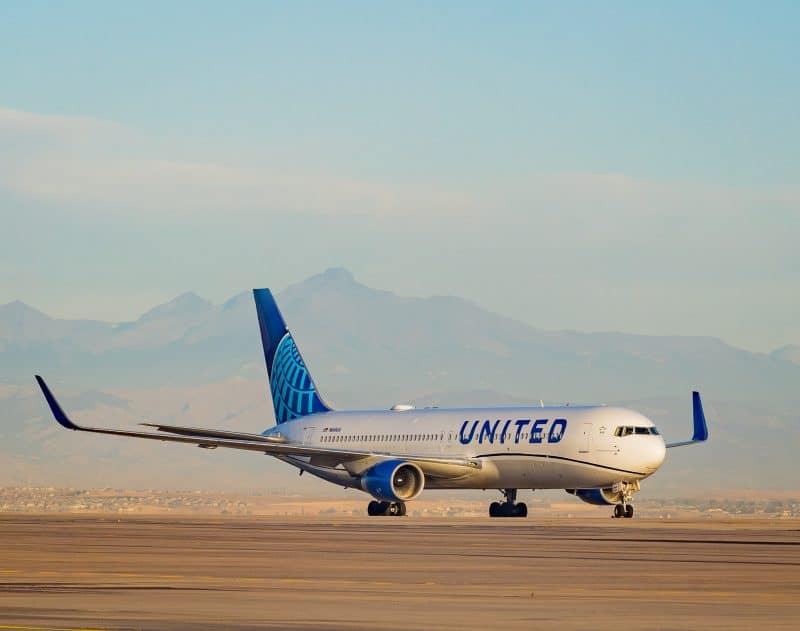
A United Airlines Boeing 767-300 | IMAGE: United Airlines
Concourse E will provide the airport with 14 additional gates — all of which will belong to United. There will be adequate space to accommodate new widebody jets that are currently on order.
The Club lounge is projected to be 40,000 square feet in size. It would be one of the largest United Club locations and will significantly outdo the current Washington Club lounge size by 70%.
With this new expansion, United and the airport will prepare an in increase international travel. The airline will add flights to and from Washington to the schedule in the coming years.
The new attendant training center will open in 2025, with the new lounge and amenities following in late 2026.
United Airlines jets at San Francisco International Airport (SFO) on 09 May 2024 | IMAGE: Photo by David Syphers on Unsplash
United Airlines CEO Scott Kirby shared these remarks in the company’s latest press release:
“Washington Dulles has emerged as a global gateway and these new investments will help deliver the world-class facility that our employees and customers deserve. Today is one of many milestone celebrations to come in United’s long-term commitment in advancing our Dulles hub.”
United’s History of Bolstering Its Domestic Hubs to Expand International Travel Offerings
United claims to have invested more than $32 billion towards the improvement of its business in the past few years.
Late last year, United and Houston Airport System announced a $2 billion upgradde to George Bush Intercontinental Airport. The project entails a new concourse that spans three levels and can house up to 22 narrow-body gates.
Denver International Airport just completed construction of a new expansion courtesy of United. This expansion includes upgrades to Concourses A and B that provides 12 new gates.
United also helped build a brand-new Terminal A for Newark International Airport. The new space was completed in January 2023 and features 17 new gates and another new United Club Lounge.
Company tracks satellites and other objects; helps prevent collisions that could destroy satellites and deny future access to space
Slingshot Aerospace is one of the nominees for the 2024 SpaceNews Icon Awards Space Safety and Security category. Slingshot’s main mission is to monitor and track satellites and help prevent collisions between space objects.
Number of Satellites Increasing Each Year
This is no small task as there are over 8000 active space objects in orbit today. Slingshot estimates there will be approximately 100,000 in orbit by 2030.
Artist Depiction of increase in Satellite deployment in coming years. | Image: Slingshot Aerospace
Slingshot’s Many Missions
Slingshot’s missions including space domain awareness, space traffic coordination, space security and defense, satellite operations, and training and education. A key component of its overall operation is its ground-based sensor network. The company maintains more than 20 global sites, with over 150 optical sensors tracking and monitoring space objects.
Telescopes Tracking Satellites and Other Space Objects in Different Orbits
Slingshot Aerospace Optical Sensor for tracking satellites and other space objects. | image: Slingshot Aerospace
The sensors are basically a network of telescopes and arrays collecting data. More specifically the telescopes have gimbals which use servo motors to aim and move them at high speed. These sensors track objects in both Low Earth Orbit (LEO) and Geostationary Orbit (GEO). Slingshot then uses its software to convert the data into useable information for its customers.
Slingshot provides several services for its customers. One of these is “uncued” or scheduled data collection tracking satellite movements. Another service is to use the gimbaled telescopes to monitor high-priority satellites, a sort of high-tech subscription plan. These sensors are capable of detecting and tracking objects as small as CubeSats, nanosatellites about 4-5 cubic inches and weighing about three pounds.
Satellite and Space Object Collision Avoidance a Key Priority for Slingshot
Slingshot’s mission is about more than data collection. A big part of their focus is on preventing and avoiding collisions in space. Their software is able to produce warnings or alerts based on its detection of maneuvers and direction changes by satellites and other space objects.
A 2021 report by the MITRE Corporation. “The Impacts of Large Constellations of Satellites,” adds some context to this situation. The report shows just how serious collisions in space can be and how the risk is growing. The report contains analysis and recommendations by JASON, an independent group of scientists that advises the U.S. Government on science and technology issues.
The report states that with the growing numbers of space objects and deployment of large satellite constellations, with roughly 500 satellites each, the risk of collisions increases. These collisions will then lead to more debris in orbit, making the situation even more hazardous for other satellites and orbiting facilities like the International Space Station.
Potential Hazards from Obsolete Satellites
JASON found that once satellites become too old , almost all of them can become vulnerable to collisions. unless they are successfully brought down or “deorbited.” Inactive, obsolete satellites still orbiting increase the odds for more collisions of space objects, causing the risks to become worse over time.
Additionally, debris fields from collisions lead to more damage to other satellites and reduce the observation capabilities of land-based optical and radio astronomy telescopes. The MITRE Corporation report describes a JASON simulation based on current satellite projections and found growing debris fields will lead to “a runaway cascade of collision that renders orbits near 1200 km (745 miles) unusable within 25 years.”
damage from Space debris on the hubble space telescope. Slingshot tracks space objects and provides warning os possible collisions. | image: nasa
A line from the MITRE Corporation report report makes this even more clear: “We are just now at the dawn of experiencing frequent destruction from collisions.”
Chinese Experiment Shows Importance of Tracking Space Objects
The MITRE report also describes a 2007 Chinese experiment where they destroyed one of their “defunct” or inactive Fengyun satellites with an anti-satellite missile. This created a cloud of space debris with more than 3000 trackable fragments. They estimate it will take decades for most of the debris to reenter the atmosphere and no longer present a hazard.
Considering the importance of satellites for communication, military applications, and other uses, Slingshot Aerospace becomes especially valuable. Their ability to track objects and identify potential collisions makes space operations safer and more effective.
Crack in window of space shuttle challenger caused by space object during sts-07 mission in 1983. | image: nasa
Slingshot Aerospace Nominated for SpaceNews Safety and Security Award
The description for the SpaceNews Safety and Security category states, “This award honors efforts that enhance the safety, security, and resilience of space activities, including debris management, satellite protection, and space situational awareness.” Slingshot Aerospace seems to meet this criteria.
SpaceNews is not the only organization recognizing Slingshot’s capabilities. The company has attracted many customers including DARPA, Inmarsat, NOAA, Northrup Grumman, United States Space Force, NASA, and others.
United Airlines is bringing holiday cheer for the month of December, offering flights to Make-A-Wish kids who have yearned to meet Santa Claus at the North Pole. These special journeys will take place at 13 airports from around the world from 5 through 14 of December.
The Chicago-based airline is also raising funds during the month of December which will go to the Make-A-Wish Foundation.
United Announces North Pole Flights
United Airlines and the Make-A-Wish Foundation have partnered up for a festive collaboration. Make-A-Wish kids and their families around the world will get to board one of 13 ‘Fantasy Flights’ to the North Pole and meet Santa Claus and his elves.
The ‘Fantasy Flight’ involves a short trip, either on the ground or in the air. Each airport will create its own version of the North Pole with the help of local volunteers. United has contacted local nonprofit organizations and hospitals for chronic illness children who desire to meet Santa and have invited them for this special occasion.
The 13 airports that will participate in these fantasy flights are as follows:
Airport
City
Fantasy Flight Date
Daniel K. Inouye International Airport
Honolulu, Hawaii
5 December
Heathrow Airport
London, England
7 December
George Bush Intercontinental Airport
Houston, Texas
7 December
Los Angeles International Airport
Los Angeles, California
7 December
Washington Dulles International Airport
Dulles, Virginia
7 December
Chicago O’Hare International Airport
Chicago, Illinois
7 December
San Francisco International Airport
San Francisco, California
7 December
Narita International Airport
Tokyo, Japan
8 December
Cleveland Hopkins International Airport
Cleveland, Ohio
10 December
Fort Lauderdale–Hollywood International Airport
Fort Lauderdale, Florida
10 December
Antonio B. Won Pat International Airport
Tamuning, Guam
13 December
Denver International Airport
Denver, Colorado
14 December
Newark Liberty International Airport
Newark, New Jersey
14 December
United Airlines new A321-NEO Image: Skylite Productions
How United Travelers Can Give, this Christmas
United Airlines EVP of Human Resources and Labor Relations Kate Gebo shared comments on the collaboration for the holidays:
“The team made a list, I checked it twice and the answer was clear – with so many deserving children on the nice list this year, it only made sense to launch a seasonal hub in the North Pole…Making the North Pole closer than ever is one of the many ways we can show support for the communities where we live, work and fly.”
United Airlines members have the opportunity to either donate miles or money. The airline will donate a total of up to $500,000 through these donations to the Make-A-Wish Foundation. However, the deadline to donate is 2359 Central Standard Time on 31 December.
For those on board United flights throughout December, United will sell illy coffee. United will donate $1 for every cup of coffee sold, for up to $25,000 to Make-A-Wish.
Senators had tough words for US airline executives during an oversight hearing that took place on Wednesday. Executives from five airlines attended the hearing to answer questions and face criticism over bag fees.
As expected, executives have stood firmly on their bag fee policies. One leader in particular has even gone as far to call those that avoid paying for carry-on bags ‘shoplifters’.
Bag Fee Drama in the Senate
A US Senate bipartisan subcommittee got together Wednesday to publicly criticize major airlines that impose fees on luggage and seat selection. Executives from American, Delta, United, Spirit, and Frontier attended the event to answer politicians’ questions. The hearing went on for two hours.
The previous week, the Permanent Subcommittee on Investigations found that the five airlines collected a combined $12.4 billion from seat selection fees. This period was from 2018 to 2023. Read a report of the Senate’s findings, titled ‘The Sky’s the Limit’, at this link.
The leader of the subcommittee and Senator Richard Blumenthal (D-CT) shared these remarks during the hearing Wednesday:
“Airlines these days view their customers as little more than walking piggy banks to be shaken down for every possible dime.”
Blumenthal also accused the airlines of ‘discriminating against passengers’ by raising fares and fees to consumers that the airlines think will pay extra.
Photo: American Airlines
Senator Josh Hawley (R-MO) also didn’t hold back on criticizing the airlines:
“This is Russian roulette…Nobody enjoys flying on your airlines. It’s a disaster…absolutely terrible.”
Hawley was also perplexed as to why some airlines charge noticeable differences in bag fees on the exact same flight. He was also critical of Spirit and Frontier Airlines allegedly paying employees $26 million in bonuses.
These bonuses were for catching passengers trying to travel with a bag that was too big for a personal bag. Thus the attendant would pressure the customer into paying a carry-on bag fee.
American Airlines Chief Strategy Officer Stephen Johnson shared an explanation at the hearing for increased seat charges:
“Our seat selection products are all voluntary…For customers who value sitting in more in-demand locations, we do offer the opportunity to pay for more desirable seats…Fares that may require a fee to select a seat, for example, are clearly denoted with a symbol indicating that a seat in a different fare class or with extra legroom will need to be purchased for a fee.”
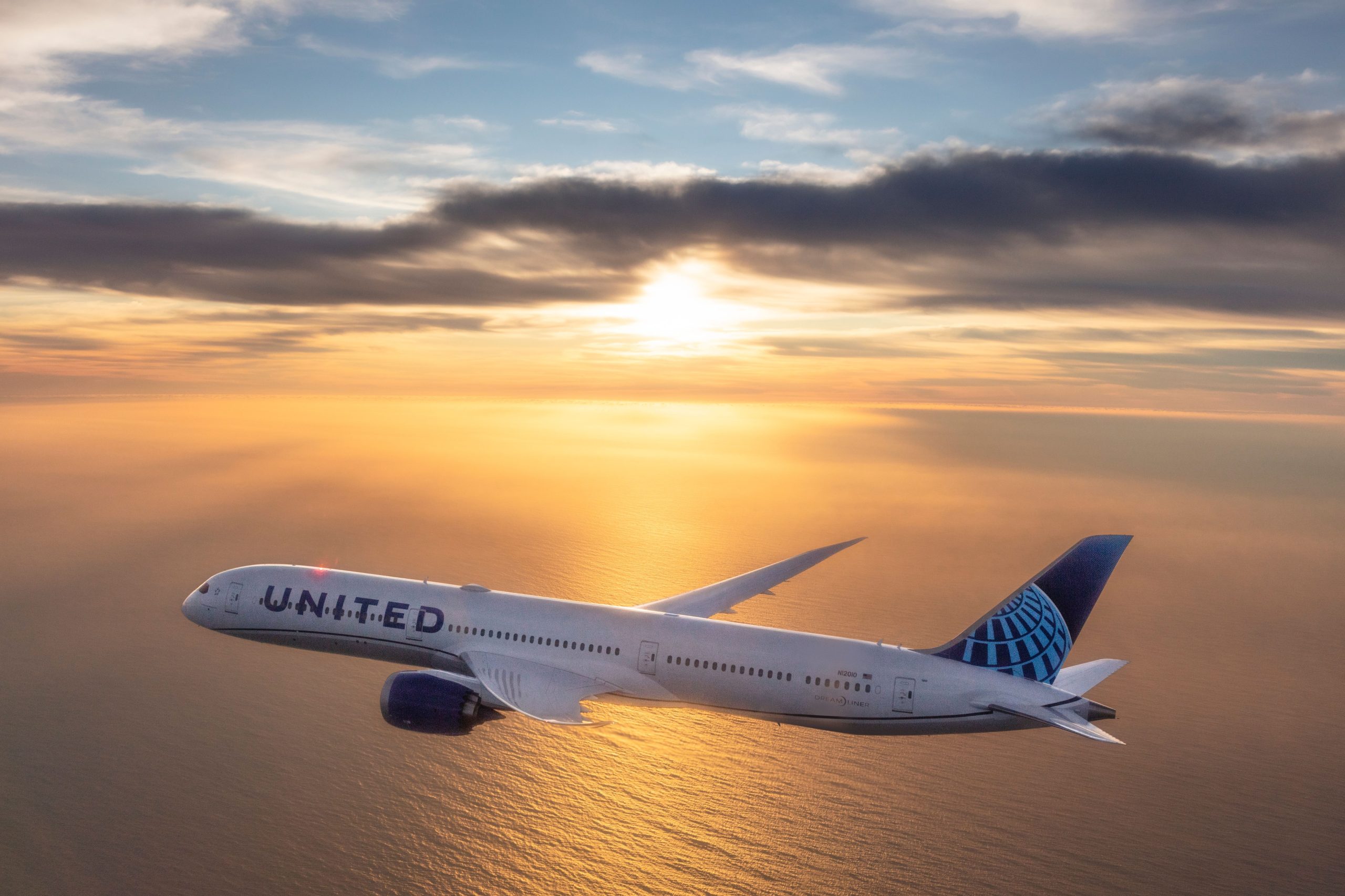
A United Airlines Boeing 787 Dreamliner | IMAGE: United
United Chief Commercial Officer Andrew Nocella argues that a ‘one-size-fits-all’ model for seating would deny affordable options to passengers.
“For example, our Basic Economy product is designed to promote affordability by allowing customers to select the lowest airfare and opt out of paying for services that they do not want. But we also have customers who seek more services, and they retain the ability to choose the services they value, for an incremental fee, like a seat with extra legroom or checked bags,” Nocella explained.
Frontier Defends Premium Fees
Frontier Airlines
The subcommittee’s report also criticized Frontier in particular. The report states Frontier pays gate agents $10 for each bag he or she forces a passenger to check. A Frontier official responded that enforcing bag sizes was necessary because agents don’t want passengers to take more than what they paid for from the airline.
During an interview with Reuters, Frontier Chief Executive Officer Barry Biffle further defended the practice:
“These are shoplifters. These are people that are stealing…it’s not equitable to everyone who follows the rules.”
Biffle also had comments on Frontier’s new ‘First Class’ seat offerings. He cited that a fraction of Frontier’s customers were willing to pay extra for roomier and more comfortable seat options.
The CEO also expressed optimism regarding the airline industry under President-elect Donald Trump. Biffle predicts that a Trump administration would focus on more important issues, such as safety, over ‘regulating prices and experiences’.
In a somewhat unpopular decision, Air Canada will soon no longer offer certain features to economy customers for free. While these perks will still be available to economy class, passengers will need to pay for them.
The changes will go into effect next month. Air Canada claims that these new fees will put the company in a better position to compete with other airlines.
The Almighty (Canadian) Dollar
According to credible sources, Air Canada will no longer offer certain perks for free to economy class customers and will begin to impose fees on them. These perks include carry-on bags and seat selection.
Beginning 3 January, 2025, economy passengers will have to pay CAD$35 to bring a carry-on bag on board and CAD$85 to bring two. These fees will go in effect for domestic and international flights to the United States and the Caribbeans.
One personal item will continue to be free per passenger. Personal items include handbags and laptop bags. Medical devices, mobility aids, wheelchairs, and strollers can also be brought on board without a fee.
CBC News spoke with several travelers at Toronto Pearson International Airport about the luggage changes. Some travelers criticizes the change, arguing that the fees will make flights less affordable for travelers. Others are indifferent on the fee and argue that the overall ticket price matters more to them than one fee.
“I am extremely concerned. Canadians work hard and save up to travel. They rightly expect excellent service, not extra fees.“
As for seat selection, it will no longer be free starting 21 January. When passengers book online, seats will be assigned to them at random, and seat selection will cost extra. At this time, the upcoming fee for seat selection is unknown.
Earlier in the year, Air Canada started to impose seat selection fees, but suspended it after just two days due to criticisms from consumers.
Air Canada’s Strategic Shifts
Sources state that Air Canada is axing these free perks to align with policies from competitor airlines. Canadian airlines have also been dependent on ancillary fees for perks and amenities that were once part of bundled tickets. These perks include Wi-Fi and on-board snacks.
An Air Canada spokesperson claims the changes are to ‘better distinguish its fare brands’. The airline perhaps felt its economy class was a little bit too ritzy with free carry-on bags and seat selections. This likely discouraged travelers from checking out its other fare options.
Starting 3 January, Air Canada will offer two free carry-on bags per passenger on its ‘Comfort Economy’ class. This class is right in the middle of its seven tiers.
Some west coast pilots that fly for Delta Air Lines won’t need to trek all the way to Atlanta, Georgia any longer. A new Delta pilot training facility has just opened its doors in Salt Lake City, Utah.
The new training facility is the first Delta has opened outside of Atlanta.
Class is in Session at Salt Lake
Delta Air Lines has announced the grand opening of its new state-of-the-art training facility in Salt Lake City. This new facility is part of a major expansion expansion from the airline to update Salt Lake City International Airport.
The facility boasts over 50,000 square feet of space for training, with over 1,000 training sessions planned to take place each month. Within the facility are four full motions simulators to help train pilots. There are also areas for pilots to learn about door and equipment training.
Also located in the new facility are seven traditional classrooms and ten briefing rooms. Overall, the Salt Lake facility is much smaller compared to Delta’s 400,000-square-foot Atlanta training complex. Delta had been training pilots in A-Town since the late 60s.
The press release announcement coincided with a ribbon-cutting ceremony. Salt Lake City Mayor Erin Mendenhall, Delta EVP John Laughter, and other airport and airline executives.
Laughter had this to say on the airline’s new training facility:
“This 50,000-square-foot training center is really about the future. There’s a great opportunity to improve not only great quality of training, but quality of life, too, and have our pilots have a really great training center to come to here.”
Mayor Mendenhall also commented on the grand opening, as she sees the new facility as a benefit to Salt Lake’s local economy:
“It’s a major step forward for our partnership and the development of Delta as an airline and Salt Lake City as a major capital city in the United States, and I look forward to the future of all the growth, the professionalism and the welcoming that this facility and our partnership ensures.”
The new Delta training academy is the latest chapter in a series of additions and renovations at Salt Lake’s airport. The airline is currently paying the airline in leasing through 2044 with a total of $2.8 billion.
In September 2020, Delta just finished construction of Concourse A with 900,000 square feet of space. The new concourse features 55 Delta gates and 19 restaurants and shops.
In early 2023, Delta renewed its relationship with the Utah Jazz, reclaiming its status as the Jazz official airline and naming rights partner for the newly renamed Delta Center. The venue was previously named the Salt Lake Ice Center in 2022, when the US Olympic Team used the arena for figure skating and speed skating qualifying events.
Delta plans to expand even further by 2027, adding an additional number of gates. These constant additions have been planned and executed so Delta can keep up with increasing travel demands from around the world. Delta will also begin flights between Salt Lake and Seoul, South Korea this June.
When Jason Wilkinson was in an entrepreneurism class at the Southeastern Baptist Theological Seminary in Wake Forest, North Carolina, he got an idea to combine missionary work with light sport aircraft. He and his wife Liani turned this interest into ‘Great Commission Aviation,’ with the goal to “help reach the unreachable parts of the earth with the Gospel by training missionaries to be their own pilots and utilizing light sport, experimental (kit built) and non-traditional aircraft for their ministry use.”
A new idea for light-sport aircraft
Since Wilkinson started Great Commission, a 501(c)(3) Nonprofit, in 2014, the organization’s focus has shifted to more of a consulting function for him, although his determination to help missionaries “reach the unreachable” has not changed. Prior to that, he was an accountant and then attended the Southeastern Baptist Theological Seminary from 2012-2014.
When Wilkinson first considered combining aviation with missionary work, he looked at the more traditional methods of becoming a missionary pilot. He learned that requirements for this are steep, often with pilots needing at least 500 hours in the cockpit, an Airframe & Powerplant (A&P) License, and to be debt free in order to be hired by one of the larger organizations doing this kind of work.
Larger organizations with large fleets
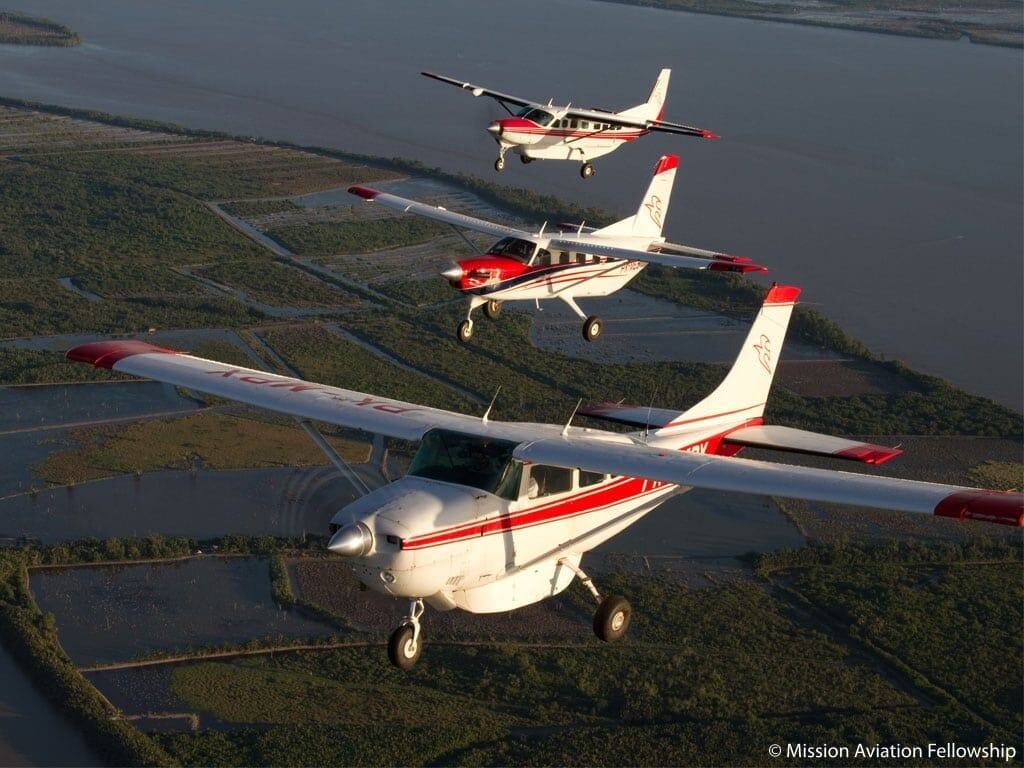
Two of the organizations doing this good work are Jungle Aviation and Radio Service (JAARS) and Mission Aviation Fellowship (MAF). They operate fleets of twelve and five aircraft, respectively, including one helicopter. These are all larger than the light sport aircraft Wilkinson works with at Great Commission.
jaars plane taking off from a grass airstrip. | image: jaars.org
JAARS has five piston-driven Short Takeoff and Landing (STOL) airplanes including Helio Couriers and Cessnas, a single-turbine STOL Pilatus PC-6 Porter, and a Robinson R66 helicopter. MAF has three single-engine piston Cessnas and two turboprop planes – a Cessna Caravan 208 and a Kodiak 100.
MAF planes flying in formation. | image: maf.org
Light-sport aircraft can meet an important need
Wilkinson began looking for a different way to help missionaries reach people.
He often mentions how there are seven billion people in the world, adding that there will always be a need to help others. He saw that missionaries often need reach communities in remote locations lacking the runways and other facilities larger aircraft require. Light-sport aircraft provided an effective solution as they were cheaper and could be assembled from kits.
Wilkinson found that missionaries often need to travel only about 50 miles to reach the communities they support, but that poor roads or dangerous water conditions could make this a difficult and slow drive or trip by boat. It might take eight hours to drive 30 miles over rough, unpaved roads. A light-sport aircraft moving at about 130 mph could fly that distance in less than an hour.
Challenges and solutions possible with light-sport aircraft
The basic plan for Great Commission Aviation was to train and support missionaries in assembling and flying light sport aircraft. There are different licensing requirements for pilots of light-sport aircraft around the world. Wilkinson and some of the pilots he has worked with have identified some unique ways to gain approval for missionary flights.
For example, one missionary was seeking permission to fly his light sport aircraft to several islands in the southern Philippines. Officials denied his initial request, but then he offered to fly several missions each month to support local coast guard search and rescue operations. The official then granted him permission to make his regular flights to the missions he was helping.
Lockwood Providing powerful light-sport aircraft
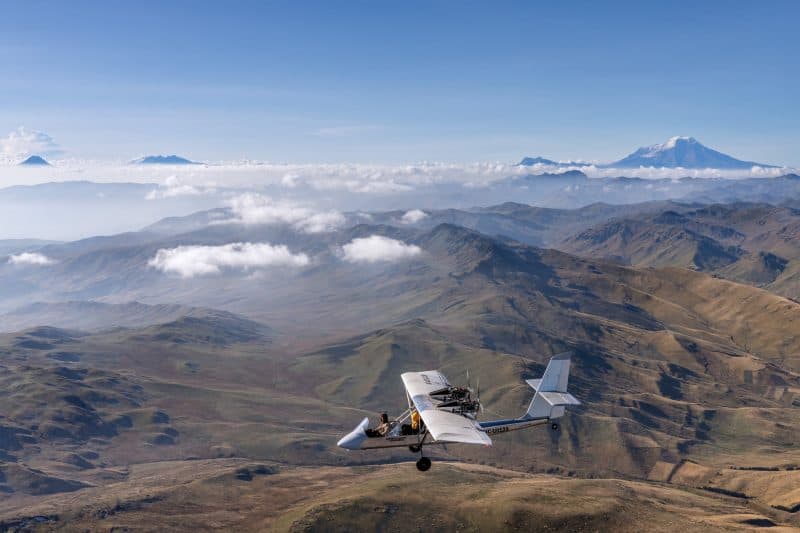
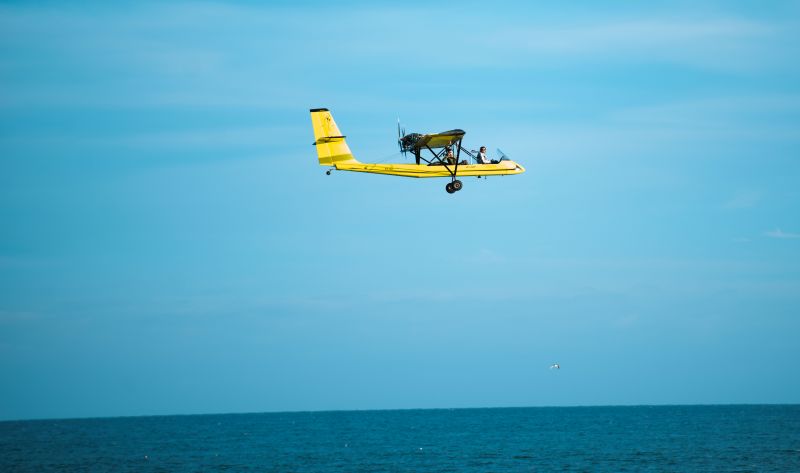
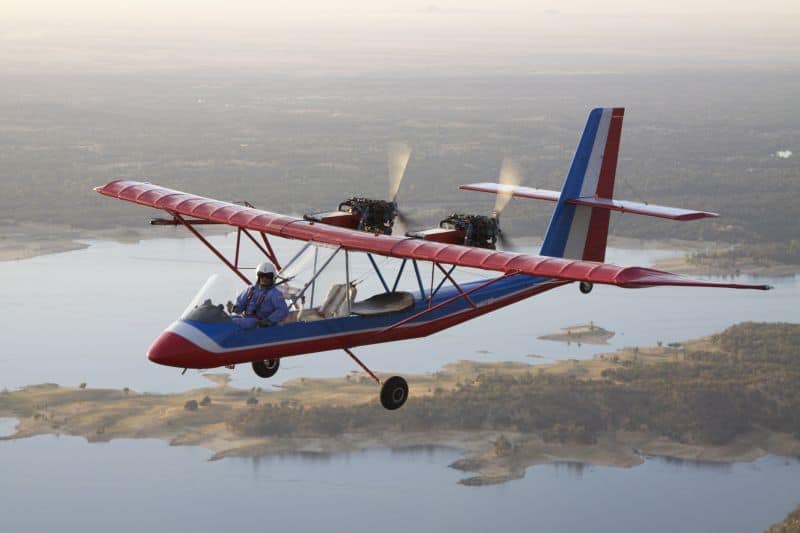
Two of the companies producing the light sport aircraft missionaries use are Lockwood Aircraft Corporation and Zenith Aircraft Company. Lockwood makes the Air Cam, a twin-engine, plane. It carries two passengers and useful load of 8000 pounds. The maximum speed of the Air Cam is 110 mph, and it can cruise at 50 to 85 mph.
LOckwood Air Cam light-sport aircraft over open water. | image: aircam.com
Carrying 28 gallons of fuel, it can fly 340 miles at 70 mph, more than far enough to fly the distances Wilkinson mentioned. He added that that many of these light-sport aircraft use regular automotive gasoline. The Air Cam also has short takeoff and landing (STOL) capabilities. It can take off in less than 100 feet and land in under 500 feet. The Air Cam, with its Rotax engines, can fly at altitudes as high as about 14000 feet, but Wilkinson says that with its twin engines it can safely fly at just 500 feet.
missionaries can lockwood air cams to fly to remote locations. | image: aircam.com
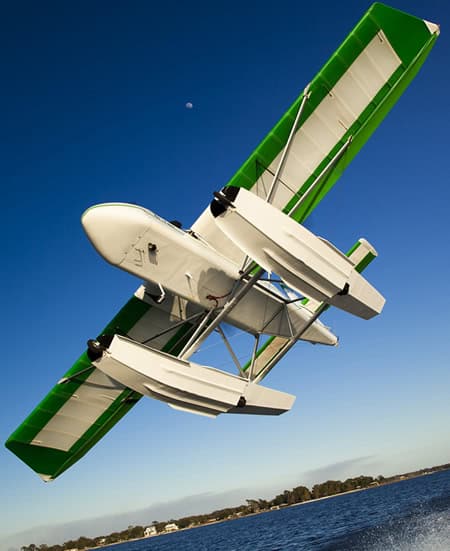
Lockwood sells Air Cam kits in sections for the fuselage; tail section and control surfaces; center section, fuel tanks, and wings; a finishing kit; engine packages; and avionics. Altogether, the cost to build an Air Cam is about $250,000, although that varies. For example, Lockwood offers an amphibious rigging package with floats and other equipment for taking off and landing from water.
Lockwood air cam light sport aircraft with floats for amphibious operations. | image: aircam.com
Zenith aircraft have impressive STOL abilities
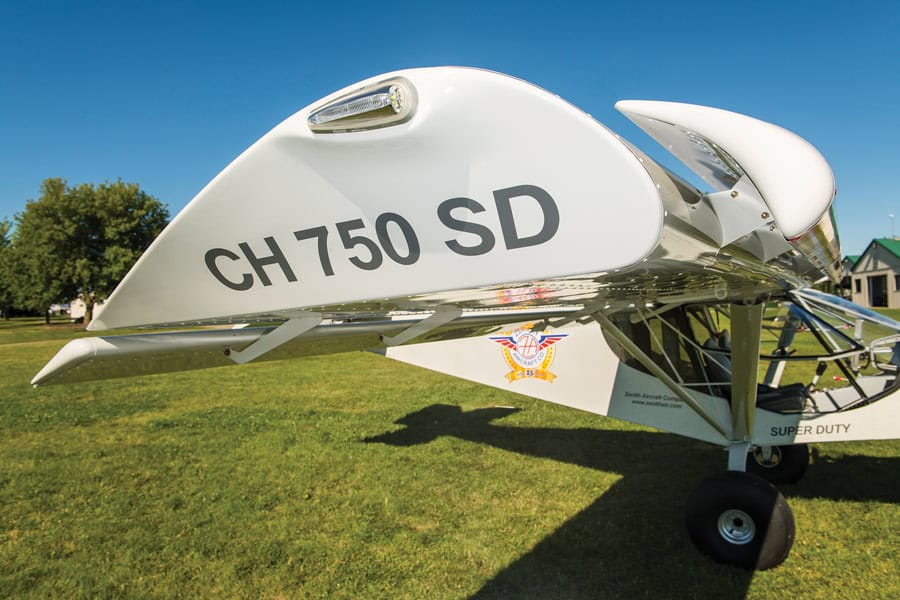
Zenith Aircraft Company sells kits for some less expensive, but still popular and capable light sport aircraft. Their single-engine STOL 750 Super Duty can operate from “short strips, sandbars, and mountain meadows,” very useful for the types of flying some missionaries do. It can get in the air with just a 115-foot takeoff roll and land in 150 feet. The cost to build a 750 Super Duty can be a bit less than $100,000.
a zenith stol ch 750 super duty taking off. | image: Zenithair.net
Zenith designs their aircraft so that anyone with basic mechanical skills can assemble one. Features like predrilled holes make the work easier, minimizing marking, measuring, and drilling. Zenith estimates it should take the average builder around 250-300 hours to assemble one. Wilkinson added that he recommends missionaries assemble their aircraft in the United States, and then take them apart for shipping overseas. That way the final building process will be even easier.
View of wing and control surfaces on zenith stol ch 750 super duty light-sport aircraft. | image: zenithair.net
A strong desire to help and support
With Great Commission Aviation, Wilkinson, also flies the Phenom 300 commercially for Flex-jet. He now focuses on answering questions and providing recommendations and support for missionaries wanting to fly light sport aircraft to their missions. They serve in locations like the Philippines, Haiti, Ecuador, New Guinea, Uganda, and more. Wilkinson also helps missionaries plan marketing and fund-raising efforts for their aircraft.
He often asks missionaries, “How can we do this, and how can we help you.” Great questions, especially consider there are “seven billion people in the world”, with many needing the support missionaries can provide.
Airlines has come up with clever promotions and special occasions over the years to help attract attention and draw interest towards the airline. The year 2024 was no exception, with many airlines looking to stand out with limited-time liveries of commercial jets.
We’ve compiled a list of the five best special edition liveries over the past year, looking back at several appealing aircraft and unique ideas that the air travel industry brought to the table.
Top Airline Liveries of 2024: #5 – Air Canada’s Vince Carter Jet
Air Canada unveiled a new Vince Carter livery to commemorate the NBA legend’s career. This unique aircraft will feature Carter’s likeness from now until the end of April 2025.
The Vince Carter aircraft features the airline’s modern black-and-white color scheme, but with a few additions. The port and starboard sides of the plane show off Carter’s silhouette. Carter’s signature is printed in purple next to the silhouettes.
The plane’s tail also features Carter’s surname and number as it was displayed on his jersey when he played for Toronto. The Air Canada press release notes that the undercarriage of the aircraft also shows off his name and number.
Carter played for the Toronto Raptors for seven seasons. Known for his entertaining slam dunks, he was given the nickname “Air Canada”, which was also the sponsor of the Raptors’ home court, known then as the ‘Air Canada Centre’.
Top Airline Liveries of 2024: #4 – Delta’s “LA28” Jet
Over the 2024 Summer, many flag carrier airlines crafted one-of-a-kind liveries to cheer on their nation during the Olympics. The airlines that participated include Delta Air Lines in the United States, Air France in France, and Qantas in Australia. Of the special olympic liveries, Delta’s stood out from the pack.
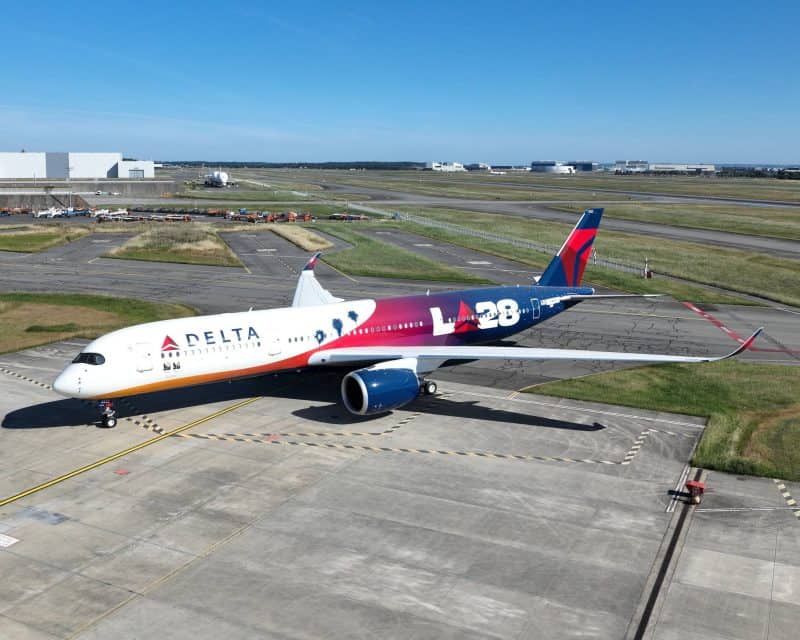
The ‘LA28’ livery looks forward to the 2028 Olympic Games in Los Angeles. A bold gradient from Delta’s trademark blue to olympic gold run’s across the jet’s body with ‘LA28’ prominently displayed towards the stern.
The gradient displays a warm shade of red to create a sunset-like effect that is largely reminiscent of LA’s in-demand beaches. A trio of palm trees are also added along the gradient stripe.
Top Airline Liveries of 2024: #3 – Japan Airlines’ ‘Dream Sho Jet’
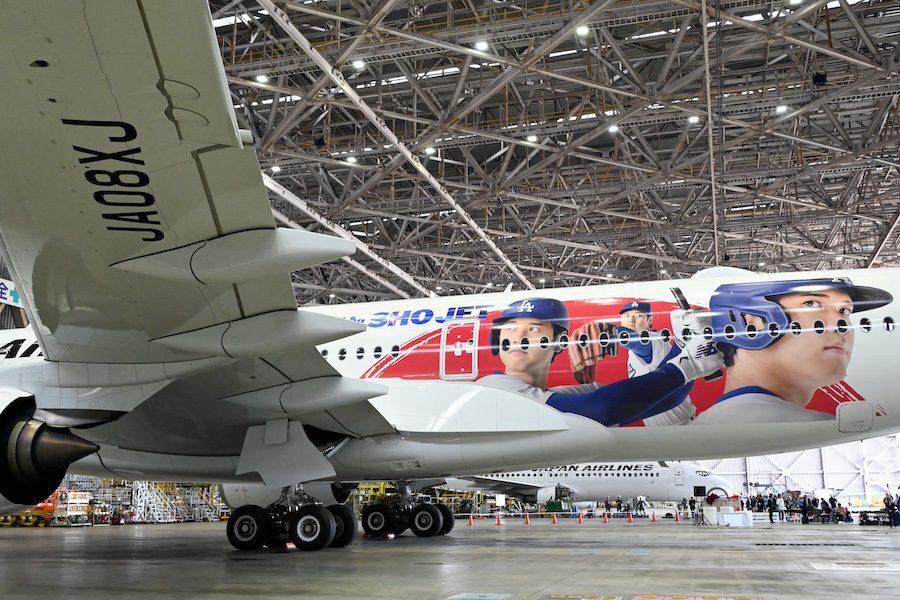
In September, Japan Airlines unveiled the special “Dream Sho Jet” with a livery designed by Los Angeles Dodgers star Shohei Ohtani. The airline will operate the Airbus A350-900 with Ohtani’s likeness until March 2026.
Like the Carter livery, this is a very simple design that doesn’t take up all of the plane’s body. The use of red and blue pops with the white background, and the red circle is a nod to Japan’s national flag. There is a different collage of Ohtani pictures on the opposite side of the jet.
This jet will only fly in between Japan’s major prefectures. Those that board the particular jet will receive free goodies such as a certificate of authenticity and a special cup with Ohtani’s logo and logos of other MLB teams. The airline also allows members to donate miles towards air fares for aspiring young students following their dreams like Ohtani has.
Ohtani’s team, the Los Angeles Dodgers, just so happened to win the World Series shortly after the reveal of the livery, making the occasion all the more special for Japan Airlines.
Top Airline Liveries of 2024: #2 – Emirates’ NBA Cup Jet
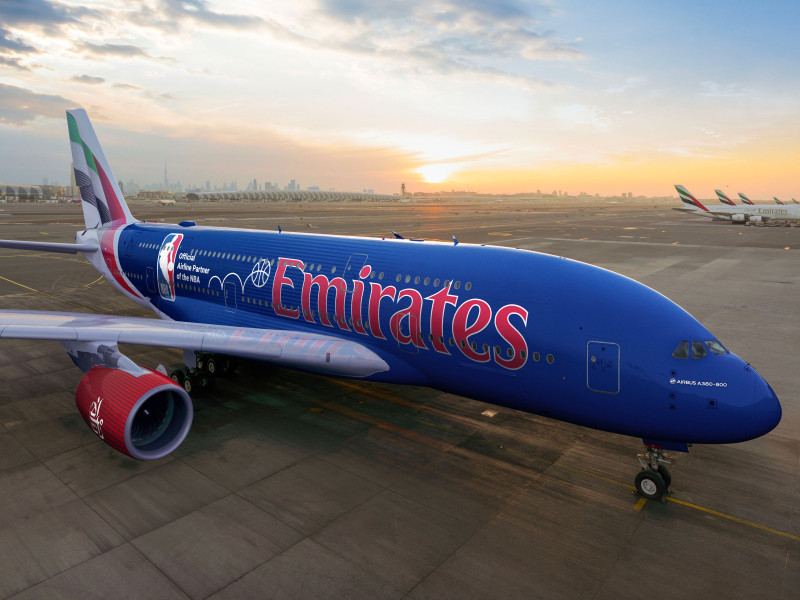
In October, Emirates also revealed a blue and red NBA livery in conjunction with the Emirates NBA Cup. The aircraft will be in service until December of this year, flying on select routes in North America, and culminating in the Emirates NBA Cup championship game in Las Vegas, Nevada.
The aircraft took two weeks to paint in-house by the airline staff. The body is a deep blue throughout with red ‘Emirates’ lettering with a thin white border. The jet retains its white wings and UAE flag tail.
This is a very timeless-looking design that looks classic for an entirely-blue body. Those that want to purchase a replica of the plane can do so at this link. There are multiple sizes of replica available for this aircraft.
Top Airline Liveries of 2024: #1 – Qantas’ ‘Minyma Kutjara Tjukurpa’ Jet
The most create and eye-popping livery of 2024 comes from Australian airline Qantas. This livery is called Minyma Kutjara Tjukurpa, which is Pitjantjatjara for ‘two women dreaming’. Veteran artist Maringka Baker first created the art in 2018 and it was brought to a Qantas Airbus A220 six years later.
The livery was painted in two weeks by 100 different painters. The staff used stencils to create more than 20,000 dots on the aircraft. The jet stands out with its various shades of blue and green to make for a very ethnic and thought-provoking design that looks professional with the glossy body of the A220.
‘Minyma’ is the latest addition to Qantas’ ‘Flying Art Series’ which launched in 1994. The airline has collaborated with many other local artists in the country. One standout design in the series is called Yenanyi Dreaming by Rene Kulitja.
Astronaut John Glenn was the first American in space.
John Glenn was a larger-than-life American hero. On 20 February 1962, he became the first American to orbit the Earth as he blasted off on Friendship 7.
For his efforts, he received the Congressional Space Medal of Honor. John Glenn was also a senator, serving for the state of Ohio from 1974 to 1999.
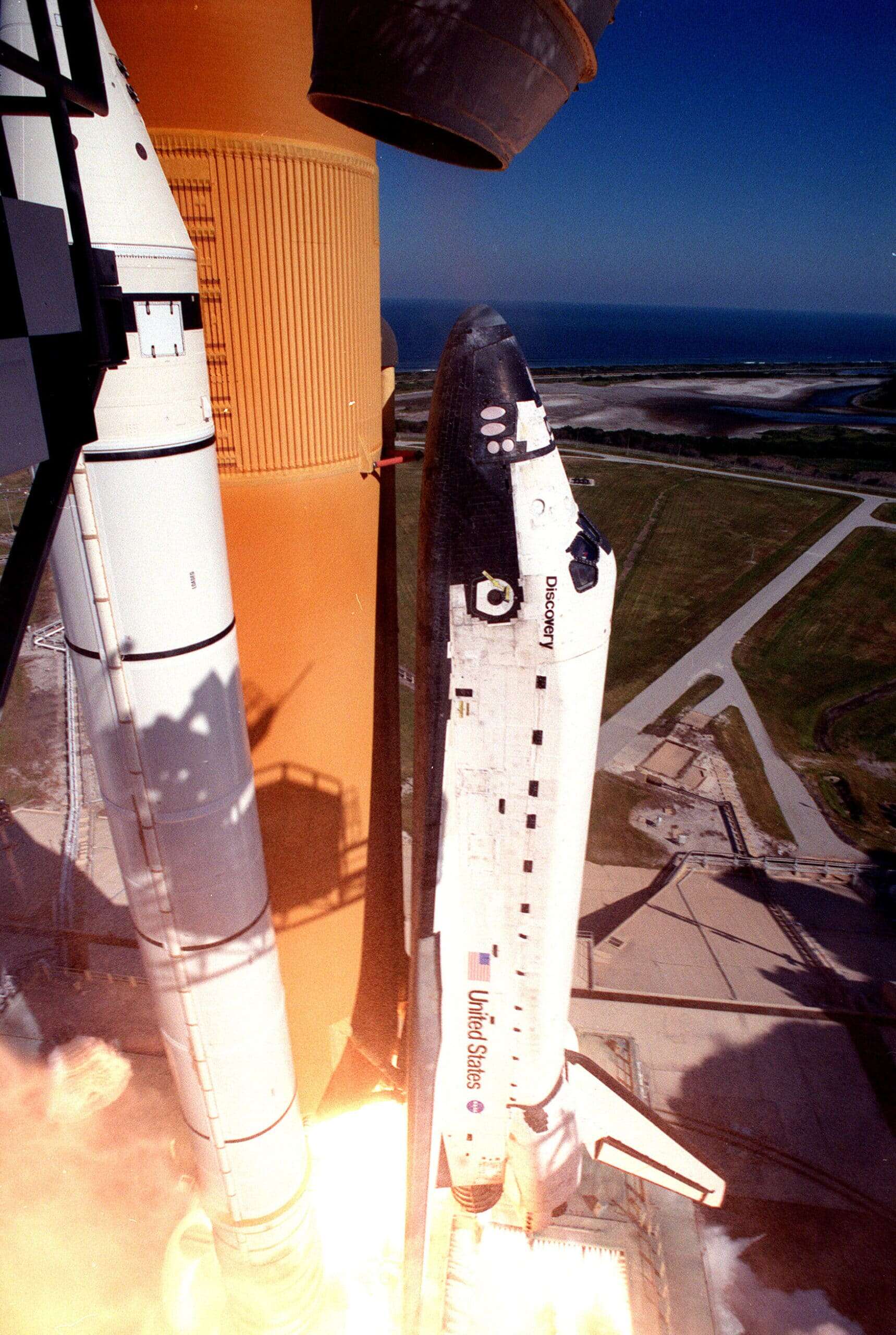
36 years after his flight on Mercury, US Senator John Glenn returned to space on board the Shuttle Discovery on 29 October 1998 | IMAGE: NASA
Senator Glenn also became the oldest man in space and the only sitting senator to fly in space when he flew aboard the Space Shuttle Discovery on 29 October 1998.
What made Senator Glenn so impressive was not just his contributions to our nation’s space program; it was also his dedication to the cause. He was also a US Marine. Glenn served 23 years on active duty, including his time with NASA.
Back in 1974, Glenn was running for the United States Senate. During a primary debate, he had a testy exchange with a man named Howard Metzenbaum. Metzenbaum asked Glenn in a debate, “How can you run for Senate when you’ve never held a ‘job’?”
Glenn’s Reply was Epic
Glenn replied, “I served 23 years in the United States Marine Corps. I was through two wars. I flew 149 missions. My plane was hit by anti-aircraft fire on 12 different occasions.
“I was in the space program. It wasn’t my checkbook; it was my life that was on the line. This was not a 9-to-5 job where I took time off to take the daily cash receipts to the bank.
“I ask you to go with me, as I went the other day to a Veterans Hospital, and look those men with their mangled bodies in the eye and tell them they didn’t hold a job.
“You go with me to any Gold Star mother, and you look her in the eye and tell her that her son did not hold a job.
“You go with me to the space program, and you go as I have gone to the widows and the orphans of Ed White and Gus Grissom and Roger Chaffee, and you look those kids in the eye and tell them that their dad didn’t hold a job.
“You go with me on Memorial Day coming up, and you stand on Arlington National Cemetery — where I have more friends than I like to remember — and you watch those waving flags, and you stand there, and you think about this nation, and you tell me that those people didn’t have a job.
“I tell you, Howard Metzenbaum, you should be on your knees every day of your life thanking God that there were some men — SOME MEN — who held a job. And they required a dedication to purpose and a love of country and a dedication to duty that was more important than life itself.
“And their self-sacrifice is what has made this country possible.
“I HAVE HELD A JOB, HOWARD!”
Speech memorialized by Gunny Walgren
John Glenn’s speech received a resurgence in 2010 when Gunny Walgren retold the story (with a few added choice words–NSFW). It’s worth a listen.