Many people probably have never heard of Sebring, Florida. If anything, they only know about it for the Sebring International Raceway, site of the 12 Hours of Sebring endurance race each March.
However, what most don’t know is that the town played a big part in the Allied victory in World War II. There are still signs of Sebring’s rich military aviation history throughout the town, but you have to search for them.
Wartime Need for a New B-17 Training Base
Before the United States entered the war in 1941, Sebring, on the shores of Lake Jackson about 85 miles south of Orlando, was mostly an agricultural and cattle town, with wide stretches of flat, open ground spreading out from the 9,200-acre lake in every direction.
Aerial Image of Flat Terrain East of Sebring, Florida Prior to Construction of Hendricks Army Airfield B-17 Bomber Training Base. | Image: Courtesy of Sebring Historical Society
The town of Sebring recognized the potential of its land and contacted the U.S. Government about building a base there. Officers from the U.S. Army Air Corps surveyed the terrain and decided it was a good location for a large airbase. On 12 June 1941, the U.S. Army leased over 9000 acres east of the lake for the new airfield.
Construction for New Base Begins in Sebring, Florida
Construction began on 14 January 1941. The U.S. Army Corps of Engineers supervised the development of the air base. The first soldiers arrived on 5 September 1941 and moved into tents on the shore of Lake Jackson. Before the end of the year, the base had a railroad spur, paved streets, water and sewage, and two-story barracks. The base eventually had 2600 officers and enlisted soldiers.
Most importantly for the bomber mission, workers built four concrete runways, each 5000 feet long and 300 feet wide. The first B-17 landed on 29 January 1942, and pilot and crew training began that March.
Training Device Used for B-17 Bomber Aircrews at Hendricks. | Image: Sebring Regional Airport
Army Air Corps Names Base Hendricks Army Airfield
The new airbase also needed a name. The War Department named it Hendricks Army Airfield in honor of 1st Lt. Laird Woodruff Hendricks, a Florida Native and 1939 graduate of the U.S. Military Academy at West Point. Hendricks died in a B-17 crash in England on 28 July 1941, only three days after he reported there to train other pilots.
Image From Cover of Book the Base published in 1942 titled: “Prepare for Combat-Hendricks Field, Sebring, Florida.” | Image: “Prepare for Combat-Hendricks Field, Sebring, Florida.”
On 15 April 1942, Hendricks held the first graduation of its Army Air Forces Combat Crew School. The base was a busy place, with as many as 7,000 takeoffs and landings each week. The B-17s from Hendricks also used local auxiliary airfields at Conners Field in Okeechobee and Immokalee Municipal Airport. The base was not only for training, as its B-17s also performed submarine patrols along the Atlantic coast.
Image of Easter Service at Hendricks Army Air Field B-17 Bomber Training Base. | Image: Courtesy of Sebring Historical Society
Hendricks B-17 Training Base Converts to Civilian Site Following War
When the war ended, the government decided there was no longer a need for the large B-17 training base and deactivated Hendricks in December 1945. The abandoned base was turned over to the City of Sebring on 1 May 1946, and the name changed to Sebring Air Terminal and Commerce Park.
Today, the airfield is named Sebring Regional Airport & Commerce Park. In the years since 1946, the airport authority demolished most of the original building and other World War II-era facilities, but there are still some reminders of its wartime mission.
Only A Few Reminders of The Base’s World War II Past Remain
The largest and most visible reminder of Hendricks Army Air Field is the vintage control tower near the northwest corner of the site. During the war, personnel in the tower controlled the air traffic on the base. No longer used, the tower remains a reminder of the airfield’s wartime past.
WWII Era Control Tower at Hendricks B-17 Bomber Training Base. | Image: Bill LIndner
There are a few more reminders inside the Sebring Regional Airport terminal. Just inside the entrance, there is a display with posters and signs showing what the base looked like during the war. On the other side of the hall, there is a U.S. Army Signal Corps telephone switchboard from the Hendricks Field message center.
In the Runway Café, also in the terminal, photographs and maps from the base’s past hang on the walls. Just outside the hangar, there is a small monument honoring those who served at Hendricks during the Second World War.
Display Honoring 1st Lt. Laird Hendricks, Namesake of Hendricks Army Airfield B-17 Bomber Training Base. | Image: Bill Lindner
A short distance away, on the grounds of Sebring International Raceway, a monument at the base of the flagpole, once the geographic center of Hendricks Field, honors the site’s World War II past. Also at the Raceway, the former officers’ club still stands. It has been completely renovated as an exclusive venue to watch the races.
Sebring International Raceway
A portion of the original airfield became the Sebring International Raceway, and the first race took place in 1950. It draws close to 200,000 spectators for the endurance race each March. Where B-17 bombers once roared over Sebring and Lake Jackson, now the engines of powerful racecars echo over the airfield.
It’s impossible to know how many race fans realize the important role the site played in the Allied victory in World War II. It’s also probably safe to say that the heroes who trained there would be happy to know their airfield is now a place people go for competition and fun instead of preparation for war.
Race Car on a Training Lap at Sebring International Raceway. | Video: Bill Lindner
Peanut butter and jelly. Salt and pepper. Nick Underwood and the Lockheed P-3 Orion.
Some things just go together naturally.
Nick Underwood is clearly doing what he is supposed to be doing.
Underwood, 32, is a Programs and Integration Engineer at the NOAA Aircraft Operations Center (AOC) in Lakeland, Fla. A native of Beckley, W.Va., Nick has found his calling as a “hurricane hunter” with NOAA.
Underwood is part of a team that conducts research missions aboard various hurricane hunter aircraft, including the venerable workhouse known as the Lockheed P-3 Orion.
The AOC, which is part of NOAA’s Office of Marine and Aviation Operations (OMAO), operates a fleet of ten aircraft, including:
N65RF | Beechcraft King Air 360CER
N67RF | Beechcraft King Air 350CER
N68RF | Beechcraft King Air 350CER
N46RF | De Havilland DHC-6-300 Twin Otter
N48RF | De Havilland DHC-6-300 Twin Otter
N56RF | De Havilland DHC-6-300 Twin Otter
N57RF | De Havilland DHC-6-300 Twin Otter
N49RF | Gulfstream IV-SP
N42RF | Lockheed WP-3D Orion “Kermit”
N43RF | Lockheed WP-3D Orion “Miss Piggy”
The OMAO facility is located at Lakeland Linder International Airport (LAL) in Florida. The facility is located just over 30 miles northwest of downtown Tampa.
Three of the OMAO aircraft are designated as “hurricane hunters.” NOAA’s Hurricane Hunter fleet includes the two P-3 turboprops and the G-IV. The aging G-IV will soon be replaced by the more advanced Gulfstream G550 in 2025. A second one will join the fleet in 2028.
NOAA WP-3D Orions and Gulfstream IV-SP prepare for the 2021 Hurricane Season | IMAGE: NOAA
“The Roughest Flight of My Career”
Flight station of NOAA WP-3D N42RF “Kermit” Cmdr Abitbol left seat flying into Hurricane Ian | IMAGE: Nick Underwood/NOAA
I first learned of Nick Underwood during Hurricane Ian in 2022 when a video he took aboard “Kermit,” one of the hurricane hunter P-3s, went viral. Nick captured the video as he and his team were penetrating the eyewall of Ian, a Category 4 monster, as it bore down on the southwest Florida coast. The video showed the P-3 bouncing around like a toy. Supplies and equipment fell into the cabin all around the crew as a result of the severe and unrelenting turbulence.
Once back on the ground, Nick didn’t mince words about his harrowing experience.
“When I say this was the roughest flight of my career so far, I mean it,” Nick posted on Twitter on 28 September 2022. “I have never seen the bunks come out like that. There was coffee everywhere. I have never felt such lateral motion.”
When I say this was the roughest flight of my career so far, I mean it. I have never seen the bunks come out like that. There was coffee everywhere. I have never felt such lateral motion.
In the days that followed, Nick became somewhat of a media sensation as a result of that viral video.
As an avid aviation and weather geek, I knew I had to talk to Nick. Unfortunately, the first time we tried to connect, it didn’t work out. However, we were finally able to connect recently, and I am so excited to share his story.
I had the pleasure of interviewing Nick shortly after Hurricane Ernesto made its journey through the Atlantic Basin in mid-August 2024. Other than Hurricane Beryl, which caused catastrophic damage in the Caribbean island nation of Grenada before it went on to strike the Yucatan and Texas, the 2024 hurricane season was fairly typical–even eerily quiet at times.
Of course, that all changed in late September when Hurricane Helene devastated parts of the southeastern United States after making landfall in the Big Bend region of Florida. Then, less than two weeks later, Hurricane Milton made landfall just south of Tampa, Florida as a Category 3 major hurricane.
From all of us here at AvGeekery, we extend our thoughts and prayers to those who have been affected by these hurricanes.
With the 2024 Atlantic hurricane season behind us, take some time to learn about Nick Underwood, the P-3 Orion, and the hard work and dedication that goes into protecting life and property in hurricane-prone areas every year.
Nick’s Journey to Hurricane Hunting
NOAA Engineer Nick Underwood points out all the hurricane intercepts the P-3 has completed | IMAGE: Nick Underwood/NOAA
AvGeekery: Tell us about your journey and how you got to where you are today.
Nick: When I was in eighth grade, we visited Cape Canaveral during a family vacation. While we were there, I saw a rocket launch, and I was like, “That’s sick–I want to do that.” So, after high school, I studied aerospace engineering at West Virginia University.
My first job out of college was as a flight test engineer for Naval Air Systems Command (NAVAIR) in Patuxent River, Maryland. At first, I was on the F-18 structural loads team. After about seven months, I got swapped over to the F-35 program and worked on that for about seven months. During that time frame, I decided I wanted to do something more science-focused with my degree. I applied for jobs at NOAA and NASA because I liked working for the federal government–and still do. I was offered jobs at both and ended up taking the NOAA job because it seemed more exciting with hurricane operations. And the rest is history!
I started with NOAA in 2016 as an aerospace engineer, figuring out how to get new scientific equipment installed on our fleet of aircraft, which supports all different types of missions, from hurricanes to marine mammal surveys. Then, about two years ago, I took a different job within the same office, becoming the programs and integration engineer.
I now work directly with the scientists, figuring out what kind of data they’re trying to collect, what kind of instruments they’re trying to put on the aircraft, and figuring out how we can best support them to be sure that their various projects are going to be successful. I always make the joke now that I’m like that guy in the movie Office Space that takes the requirements from the customers to the engineers because that’s basically what it is. But I certainly do a lot of coordination and planning out how we’re going to handle all these different projects year after year. It’s a lot of fun.
The P-3 Orion: The Backbone of the Hurricane Hunter Fleet
NOAA WP-3D Orion N42RF “Kermit” taking off from Lakeland (LAL), Fla. | IMAGE: NOAA
Do your missions mainly involve the P-3 Orion?
Yeah. I can’t remember the last time I flew on the jet. I still fly on the P-3s as a dropsonde operator sometimes. I’ll also fly aboard as our uncrewed aerial systems (UAS) subject matter expert. That’s the reason I was on the [Hurricane] Ian flight two years ago. It’s also the reason I’ve been on a lot of flights the last couple of years.
What would you say makes these aircraft uniquely suited for this type of mission?
The P-3 Orion specifically is just jam-packed with all kinds of scientific data-gathering instruments. There are three radars on board. There’s the big belly radar underneath that looks out 360 degrees. And then we have our tail Doppler radar that they use to take vertical slices of the storm. They piece all of that data back together and get an idea of the structure and how the storm is forming.
We also launch dropsondes, which collect atmospheric data, and expendable bathythermographs (XBTs), which get ocean data for us. We can also launch different types of ocean drifters and buoys. We’ve been launching drones for the last couple of years. In fact, we had four successful drone launches from the P-3 into Hurricane Ernesto last week. We successfully collected cloud microphysics data, sea surface temperature, and ocean wave height data.
On a single mission flight, we have about 15 people on board–mostly pilots, navigators, and flight directors who navigate us around the worst of the weather. Then there are the engineers and technicians in the back who deploy and operate many of those instruments and look at the data as it comes in.
There’s always a lot going on on these flights. So many different people come together to collect this data, whether it’s for operational purposes for the National Hurricane Center (NHC) or for research missions. And I get to play a part in both, which is fun.
So, each flight has an overarching mission, but there are various “micro” missions going on at the same time.
Yeah, absolutely. And there are certain things–like if something’s not working–are we going to be able to fly the rest of the mission? Obviously, if something goes wrong with the aircraft itself, then we would turn around. Or we determine whether we can still complete the mission without whatever specific piece.
For research missions, in particular, if a certain piece of equipment needed for a mission isn’t working, we would have to turn around and get it fixed before we can gather the data that people are looking for.
Come aboard the p-3 Orion for an inside look at the aircraft and its missions.
Uncrewed Aerial Systems: The Instruments that Measure the Monster
Altius demonstration model with NOAA WP-3D Orion Miss Piggy. Taken at NOAA AOC in Lakeland, FL during second UAS flight test window 25 May 2022 | IMAGE: NOAA
Tell us about the drones your team uses in these missions.
We use two different types of drones right now. One has a wingspan of about nine feet, weighs 30 pounds, and cruises at about 55 knots. It can stay aloft for about three hours, depending on the environment. That’s the drone we deployed into Ian two years ago. The drones we launched last week into Ernesto have a wingspan of about three feet. They weigh three pounds and cruise at about 30 knots.
Altius UAS close up | IMAGE: Area I
The two types of drones are designed for two different mission sets. The larger one, which they’ve primarily been using, is dropped into the eye. There, it will orbit inside the eye for a while before penetrating the eyewall. Then, it will make its way back into the eye. This helps track the storm as it moves.
Black Swift CEO Jack Elston | IMAGE: Jonathan Shannon/NOAA
The smaller drones are deployed into different parts of the storm. They can only stay aloft for about 90 minutes. In Ernesto last week, we did a science module where we dropped the drone in a moat on our way into the storm, flew it up the moat into the eyewall, and then out into the eye.
In the P-3, we won’t fly any lower than 5,000 feet pressure altitude. What makes these drones so great is that they can get down to 30 meters off the water into what we call the boundary layer. This is where the ocean and atmosphere interact and where a lot of energy transfers happen within the storm. So to get that high-resolution data down at such a low altitude is something that we haven’t really gotten before. It’s an entirely new data set. It’s very exciting for the scientists, and depending on how that data actually improves the forecast models, we’re likely to see it become an operational product within the next couple of years instead of just a research product like it is right now.
Programs and Integration Engineer Nick Underwood talks about how UAS platforms gather data
The P-3 Orion Underwent Surprisingly Few Modifications to Become a Hurricane Hunter
The P-3 Orion Hurricane Hunters feature several modifications to help with missions | IMAGE: NOAA
Did the P-3 Orion Hurricane Hunters require any special modifications to enable them to fly safely into such extreme weather?
The P-3s were originally designed as submarine hunters. The only modifications NOAA has made are the bulb that’s on the back of the airplane where the Doppler radar is, structural reinforcement of the floor for all of the scientific equipment on board, and the radome on the belly containing the 360-degree radar. These are the only three modifications that make it different from a P-3C platform that the U.S. Navy used to hunt submarines.
These airplanes have been flying into hurricanes for almost 50 years. There’s just so much tribal knowledge about the best altitudes, best airspeeds, and the means of doing it. The P-3 Orion is powered by four big propellor [Allison T-56-A-14] engines that provide a lot of horsepower. And up front, when we’re flying through a storm or through an eyewall, the pilots are focused on keeping us straight and level and keeping us on the target altitude. The flight engineer, seated between the two pilots, is just working the power levers, pushing them forward and pulling them back, and they’re focused on airspeed. We aim for 210 knots indicated airspeed (IAS).
I guess that’s a testament to how well Lockheed built these aircraft.
Yeah. As I said, they’re almost 50 years old, and NOAA is going to fly them for at least the next six years before we’re scheduled to get some C-130s. But that’s a long way away. (Author’s note: NOAA announced on 27 September that it had awarded a contract to Lockheed Martin for two specialized C-130J Hercules aircraft. These aircraft are set to join the Hurricane Hunter fleet in 2030)
I always recognize the maintenance team when I can because these nearly 50-year-old aircraft go out in storm after storm to fly these missions. So it’s also a testament to the folks who take care of them.
N42RF “Kermit” undergoing maintenance at Lakeland (LAL) on 05 October 2022 | IMAGE: Nick Underwood/NOAA
I always recognize the maintenance team when I can because these nearly 50-year-old aircraft go out in storm after storm to fly these missions. So it’s also a testament to the folks who take care of them. We’ve got a great maintenance team downstairs. They are incredibly knowledgeable about the P-3s and all the other aircraft we fly.
A behind-the-scenes look at P-3 Propellor Maintenance
The Art of Flying Through a Hurricane
Lt Cmdr Brett Copare and LCDR David Keith at controls during flight to Hurricane Lee on NOAA WP-3D Orion N43RF Miss Piggy on 08 September 2023 | IMAGE: Lt Cmdr Andrew Utama/NOAA
Let’s say you’re flying into a well-developed major hurricane. You first fly through the outer bands, then into the inner core as you approach the eyewall. Then you penetrate the eyewall and go into the eye itself. What is the most perilous part of a hurricane to fly through?
Every storm is different. You’ll find more general pockets of turbulence in weaker storms like tropical storms and Category 1 hurricanes. When you get into major hurricanes, the worst of it is in the eyewall. And what we found in Ernesto last week, and I think it was Henri in 2021, sometimes healthy hurricanes will get dry air intrusion. So you’ll get pockets of clear air that are just incredibly turbulent and just not fun to fly through at all. On the western side of Ernesto last week, we had finished our pattern, and we were just kind of orbiting, waiting for the drone to finish its mission.
We found ourselves in this pocket of clear air, and we were just getting bounced around a ton. I also remember on a pass through Henri, a Category 1, three years ago, we were inbound from the west and getting rocked as bad as you would in the eyewall of a major hurricane for miles and miles and miles. So it really depends on the storm, and anytime the flight directors on board are talking about dry air intrusion, now I’m just like, ‘alright, buckle up! Get ready! It can hit us anytime.’
Lt Cmdr Copare at the controls of NOAA WP-3D Orion N43RF “Miss Piggy.” Taken while in the eye of Cat 4 Hurricane Ida on 29 August 2021 | IMAGE: Lt Cmdr Doremus/NOAA
How long do you spend flying through an eyewall?
Again, it depends. At our speed, we cover about four nautical miles a minute. And I remember in Ian when that clip I took got a bunch of coverage in the press, it was a two-minute clip I had taken from a longer ten-minute video that I had been filming of us just going through the eyewall. That eyewall was 40 miles wide. And in the video, you can hear me say we’ve got to be coming out of this at some point because it just kept building and building and building. And, of course, we can see it–we’ve got the radars on board, and you can see the eye structure and everything. But the problem is that radars can get attenuated, and sometimes you’re not getting the full picture. So yeah, we were flying through it, and it just kept building up.
Lightning illuminates the eye of Category 4 Hurricane Ian on 28 September 2022 | IMAGE: Nick Underwood/NOAA
I knew it had to end. And eventually, it did. Then we’re orbiting the eye, which, at this point, is in the shape of an oval. We’re trying to stay in clear air. It’s still dark because the sun hasn’t risen yet. And even though we’re doing a tight orbit in the eye, we’re still hitting like 90 to 100-knot winds–in the clear part of the eye! So that was just not a fun pass through a storm.
Preparing for a Mission
Hurricane Fiona Mission Prep on 20 September 2022 | IMAGE: Nick Underwood/NOAA
Take us through the preflight process and preparing for a mission.
When we go to preflight, the engineers, technicians, and maintainers will go straight out to the airplane, and we’ll start prepping the science systems. We’ll prepare dropsondes. The maintainers will do all of their preflight checks, walk around the airplane, and make sure nothing’s amiss. They’re checking fluid levels. They’ll fuel the airplane. And while we’re doing that, the pilots, scientists, and flight directors will brief the mission. They’ll talk about the flight track, souls on board, and how much time it’s going to take to fly a pattern, and then they’ll come out to the aircraft. The pilots themselves will do walkarounds, checking the airplane and making sure everything is good to go.
Then we’ll do a planeside brief, where we run through things like emergency procedures. The flight director will talk about the mission pattern. The navigator will talk about the furthest distance from land, the furthest distance from home, emergency procedures, what to expect when we land, and what the next mission is going to look like. Then we’ll start our engines and go.
Lt Cmdr Mitchell discusses flight plan with Flight Director James Carpenter in flight station of NOAA P-3 Orion N43RF Miss Piggy before morning mission to Ida in September 2021 | IMAGE:Lt Cmdr Doremus/NOAA
It comes back to what I said earlier about it being a complex operation with a lot of different people who have different areas of expertise. It’s very neat to watch all of that come together and work. It’s very, very cool.
Hurricane Tracking is a Joint Effort Between Several Agencies
Sea state within an intensifying Hurricane Sally. Taken from NOAA P-3 Orion N43RF on 14 September 2020 | IMAGE: James Carpenter/NOAA
Take us through the evolution of how storms are tracked–from formation to landfall. Obviously not every mission can begin and end at Lakeland.
Correct. We’ll start flying storms while they’re still deep out in the Atlantic, especially if it’s going to be a a long trek Atlantic hurricane. We’ll deploy as far east as Barbados to get out as far as we can. Now, if Barbados and, say, the Leeward Islands look like they’re going to be in the path, then we’ll back up a little bit. We’ll also deploy to places like St. Croix or Aruba.
Typically, the Air Force will first get tasked for what are called low level Invest missions. That’s when a potential cyclone is still an open tropical wave and hasn’t yet developed. But they’re out at usually between 1,000 to 5,000 feet trying to find a center of circulation. So that is the very first, initial steps of hurricane hunting. The NHC then tries to send an aircraft out to it to get in situ data. Most of the time, it’s the Air Force. Sometimes we get tasked with those missions. It just depends on who’s available and where the assets are.
Once it forms, if it looks like it has a track that is going to impact the islands and eventually the mainland somewhere, then they’ll start operational reconnaissance missions. For us, that can look like flights on the P-3 to collect tail Doppler radar data because that provides a clear understanding of the structure of the storm and whether or not it’s going to really spin up into something big. If there’s a lot of uncertainty in the track of where it’s actually going to go, that’s what the G-IV will get tasked to go fly a mission above, around, and in front of the storm, sampling the environment that it’s in to try and nail down where it’s going to go.
NOAA G-IV in flight | IMAGE: Nick Underwood NOAA
So those missions will start, and then if it looks like the storm has the potential to be really bad for a lot of people or a lot of places, they’ll start to spin up 24-hour operations. That’s when a crew will go out, fly an eight-hour mission, and come back. Then another crew goes out, flies an eight-hour mission, and comes back.
The goal with forward deploying to the islands is to get as close as you can without being in the path. Ideally, we’ll have anywhere from a 60 to 90-minute transit to get out to the storm because that usually means we’re far enough away to where it’s not going to bother us, but we’re close enough to where it’s not going to take us hours and hours to get out there. Because the longer it takes to get out there, the less time we have in the storm.
So yeah, that can mean nights away from home, tactical repositioning, and moving from one place to another–but still not home–just to keep flying missions and stay within range of the storm.
Noaa Gulfstream IV Dropsonde Launch During Hurricane Maria
A really good example of forward-deploying flying missions and then having to bounce around and do weird stuff was during [Hurricane] Laura back in 2020. We first deployed to St. Croix and flew out to what was still Tropical Depression 13 at the time. We did a low-level Invest mission. Found the center of the storm about 50 miles farther south than they expected it to be. When we landed, our flight director was looking and was like, this thing’s going to be here in 12 hours. We gotta go.
And so we went back to the hotel, grabbed our stuff, went back to the airplane, repoed to Fort Lauderdale, and then sure enough, 12 hours later, it was over the top of St. Croix. We’d of been there and wouldn’t have been able to take off. We fly a mission the next day as the storm is over Hispaniola. We’ve got certain policies about flying missions over land. We don’t like to do them. Hispaniola has mountains, and so that was a mission where we basically just did a circumnavigation of the island while the storm was making its way over it, and then headed back to Fort Lauderdale. The next day, we flew another mission out to the storm, landed back in Lakeland, and then flew missions out of Lakeland until Laura ultimately made landfall in Louisiana.
So that’s how things can evolve when you’re tracking a storm. You want to be close to it. Sometimes, you end up in the path, and you have to do a lot of logistical work to get people in the right spot.
Coordination between multiple agencies is vital for hurricane tracking | IMAGE: NOAA
There is so much coordination that goes on between our office, the NHC, the Air Force–so many different players that will be in the storm environment at the same time. We’re deconflicting, we’re talking to each other, we’re sharing information.
Challenges Abound in Every Mission, but Awareness and Preparation Are Key
Stadium effect seen in eye of Cat 4 Hurricane Laura on 26 August 2020 | IMAGE: Lt Cmdr Doremus/NOAA Corps
What would you say is the most challenging aspect of flying through the extreme nature of a hurricane? Is there a part that gets you every time?
Every storm is different, and every mission is different. I’ve been on flights where I’m the dropsonde operator, and dropsonde after dropsonde isn’t initializing correctly–or working at all. And so you’re working double time, trying to get all the dropsondes prepared to make sure that you’ve got one ready in time for whatever the next waypoint is. Then there are flights that are challenging for the flight director. Sometimes, we’ll get into the eye, but then our track out has nothing but unfriendly-looking features on the radar that they’re trained to avoid. But we need to fly a certain track to get the correct tail Doppler radar data.
Flight Director Jonathan Zawislak at station during Hurricane Lee flight on 10 Sep 2023 | IMAGE: Lt Cmdr Doremus/NOAA
There are also obviously challenges for the pilots and the flight engineers during every mission. Managing turbulence and keeping the aircraft straight and level–there are a million little things that can go wrong or present challenges. So we take a lot of great care to make sure people are trained. For example, dropsonde operators are taught the basics of operating them, including starting them up and launching them. But then there’s a lot of knowledge that has to get passed off, too.
All throughout the year, the pilots are training, making sure they understand checklists, and getting enough experience doing this so that you know, inevitably, when a pilot moves on to a different billet or retires, or whatever, we still have people who have that expertise and knowledge that’s been passed down, to still go out and execute the mission.
People always ask what we do during the rest of the year since hurricane season is only six months long. We fly different kinds of science missions all throughout the year, and that allows all those people, dropsonde operators, pilots, flight directors, and navigators, to stay fresh and get more experience on the airplane, get more time, and see more things. That just better prepares them for the days when things aren’t going to go smoothly. This also lets the crew get familiar with these procedures, like pulling the fire bottle off the wall and getting the oxygen tank out of its holder–things like that–so in the event that something happens for real, instinct kicks in. You know what to do.
The Emotional Toll of Forecasting Disasters
NOAA P-3 Orion N43RF “Miss Piggy” inside eye of Hurricane Milton on 09 October 2024 | IMAGE: Lt Cmdr Andrew Utama/NOAA Corps
Besides the infamous Hurricane Ian mission, what are some of the most memorable or intense moments for you?
That is still the worst flight I’ve ever been on. But last week, as a personal goal, I hit 100 hurricane penetrations. 100 times into and back out of a storm. So that was a big milestone for me.
For me, I like talking about my most memorable experience because it means a lot to me. In 2018, we deployed to Bermuda to fly missions into what was, at the time, Tropical Storm Florence. We flew three missions into Florence as we watched it go from a tropical storm to a category four hurricane in two to three days. That was very impressive to watch.
Florence went on to make landfall in North Carolina as a category one hurricane, causing quite a bit of damage. But I remember that set of missions very vividly because I had started working for NOAA in 2016, and I don’t know if was this particular crew I was flying with or the mission itself, but it was the first time I truly felt like I was part of the team and that I was a full up contributing member. It just meant a lot to me because it had been two years of keeping my nose to the grindstone and working hard. And now I get that every time we go do something. It’s very rewarding to be part of all of that.
P-3 orion N42RF “Kermit” wall of decals showing hurricane intercepts as of 2022 | IMAGE: NOAA
Another memorable mission was during Hurricane Maria in 2017. I was on a mission aboard the Gulfstream IV a couple of hours before it made landfall in Puerto Rico. The primary mission of the jets is to sample the environment around the hurricane to understand the steering currents where it’s going to go. The P-3 usually flies between five and 10,000 feet, while the jets get up to 45,000 feet. So the jets are above, around, and in front of the storm while the P-3 is doing its zigzags back and through the storm.
So I was aboard the G-IV. We’re flying a mission around Maria, and I remember that being a very somber mission. Maria was a Category 4 hurricane, and every bit of data that we were collecting was showing that it wasn’t going to turn. It was just going to barrel straight into Puerto Rico. Obviously, you come into this job having an understanding of the importance of the data and why it matters, but this mission really drove it home for me.
High above a gathering storm in the NOAA G-IV jet | IMAGE: NOAA
And I remember in 2018, I was on a Caribbean hurricane awareness tour to Puerto Rico eight months after landfall. We were on the east side of the island, the side the got the worst of the storm. Seeing the destruction and all the downed trees was truly sobering. As part of a hurricane awareness tour, you talk to the public, talk to emergency managers, show off the airplanes, and talk about the mission and why it’s important. And at the event that day in Puerto Rico, something like 20,000 people showed up. And every single one of them comes by and thanked us for what we do. It meant so much to us.
I’m incredibly lucky to be in a job that is not only rewarding most of the time but also matters to a lot of different people.
So when I get frustrated with work or just feel somewhat unhappy about my job, I try to think back to those moments and remind myself that I’m incredibly lucky to be in a job that is not only rewarding most of the time but also matters to a lot of different people.
And has the potential to save countless lives.
That’s what the whole mission is about. It’s about providing that forewarning, that advance notice of an impending storm, and giving people time to evacuate and prepare their homes. It’s a heavy job sometimes, for sure.
Onboard Team Coordination in a High Stress Environment
Onboard communication is key for success on Hurricane Hunter missions | IMAGE: NOAA
Missions are obviously high-stress environments. How do you coordinate effectively as a team–especially in such extreme conditions?
So we’ve got the internal communication systems on the aircraft. It’s more split apart on the P-3s. So the pilots, the flight engineer, the navigator, and the flight director will be on their own smaller network. Then the flight director will be listening in on the other network on board that the dropsonde operator, technicians, and scientists talk on. The flight director is the go-between the front of the plane and the back.
When we’re on an eyewall pass, nobody’s really talking on the networks unless they absolutely need to be talking. So if you sit up front during an eyewall pass, you’ll hear the pilots and the flight engineers talking, and they’re working together.
NOAA P-3 Orion N43RF “Miss Piggy” in Cat 5 Hurricane Beryl on 02 July 2024 | IMAGE: Lt. Cmdr. Kevin Doremus/NOAA
For example, the aircraft might be going too fast, and the pilot asks the flight engineer to bleed off some airspeed. The flight engineer lets them know they’re at flight idle and can’t pull back any more. Then you’ll have the flight director letting them know what they’re seeing on the radars and advising them to pull the aircraft five degrees to the left, five degrees to the right.
Meanwhile, the flight director is also talking to the scientists in the back, keeping track of where we’re at in the storm because we need to deploy dropsondes at certain points. So they’re communicating with the dropsonde operator in the back. And as a person who sits in the back most of the time, I don’t say anything while we’re going through a storm other than ‘sonde away, looks good.’ And that’s all the flight director needs to know.
There’s a lot of respect for the different jobs that people are doing aboard the aircraft and understanding that they need to focus.
Mindset and Proper Rest are Paramount for the P-3 Orion Hurricane Hunter Crews
A P-3 Orion Hurricane Hunter fuels up on the ramp at Lakeland (LAL) | IMAGE: NOAA
Are your schedules dependent on the National Hurricane Center’s advisory schedule?
We coordinate with the National Hurricane Center to time our missions. The folks at the modeling centers need our data, and it has to get from the airplane to the ground in enough time for it to be ingested into the next set of model runs. So, that is primarily what drives a lot of the P-3 takeoff times. We want to get on station and get our passes in with enough time to meet that window. If we’re doing a center fix for the NHC, that also has a tight window for us to reach the center of the storm.
There is a lot of coordination, and often, that involves people shifting their circadian rhythms. For example, if we have to take off at four o’clock in the morning, that means you have to be preflighting at 2 a.m. Preflighting at 2 AM means you probably have to wake up at 1 AM. And so there’s a lot of that throughout the year, depending on which crew you end up on, where you can end up with some weird sleep cycles.
p-3 orion N42RF “Kermit” flight deck before Fiona intercept on 20 Sep 2022 | IMAGE: Nick Underwood/NOAA
Mindset must be very important in a situation like this. How do you manage the physical and mental demands of flying in such a high-stress environment?
We have policies in place to mitigate exhaustion and give people time to breathe. One of the policies is that you can’t fly more than six days in a row without taking a day off. So you can fly for six days, but on the seventh day, you have to have a down day. You can’t go fly. You need to recharge, refresh, and have some time away from it.
We also have policies limiting flying to 120 hours in 30 days. However, if someone wants to exceed those 120 hours, they can sign a waiver saying they fully understand the risks. Nobody ever pushes it on us.
N42RF “Kermit” P-3 Orion Hurricane Hunter in the hangar at Lakeland (LAL) | IMAGE: NOAA
There are also crew rest limitations stating that the crew must have at least 12 hours of downtime before they fly again. Sometimes, we push that limit by doing what we call “min turns.” A min turn is the minimum amount of time allowable per policy before you land from one mission and then go fly another one. And those aren’t fun. Normally, it’s nice when you have the extra couple of hours to rest and just do whatever you need to. But all of that’s documented and in place to try to protect our folks.
Are your pilots regulated by the FAA like their commercial counterparts?
I’m not a pilot, so I can’t speak from that perspective. However, internal policies guide all of that, and I think most of those are in line with FAA policies.
The Historic P-3 Orion is at the Forefront of Aviation and Meteorological Technology
Altius drone release from NOAA WP-3D during testing in January 2021 | IMAGE: Area I
Since you started with NOAA in 2016, what has been the biggest change in the way you fly missions?
We drop a lot more stuff out of the airplane than we used to. When I started, it was basically just dropsondes and expendable bathythermographs. That was kind of it. Now, we have drones, two different types of drifters, and multiple types of dropsondes. In addition to those, every year or two, scientists will come through with a new gizmo designed to measure a new type of data, or maybe the same type of data–but differently.
And the other non-flying part of my job is talking to those scientists and understanding what they’re trying to do figuring out how we can integrate that onto the airplane and still play nice with all of the other systems that we have on board. So it’s really neat that I get to see all this new stuff coming through and then get a deep understanding of it. And then our engineering team and technicians get it on the airplane, then I still get to go fly missions and see it collecting data. You get to see the fruits of your labor a lot, which is really nice.
Satisfaction for a Job Well Done
Nick Underwood looks out the window of a NASA research jet | IMAGE: NASA
What’s next for Nick Underwood?
Great question. I love my job and I love where I work. I don’t know what else would be as exciting and fulfilling as the job that I have now. So right now, I am just kind of coasting where I’m at, and I’m sure something will come along in a couple of years to move up in our office or maybe an opportunity to move up within NOAA. But for right now, I have found a little spot where I fit nicely and I enjoy it. I don’t feel too comfortable to the point of being complacent, where I’m not pursuing anything more for myself. I feel challenged and I feel rewarded, and that’s what I’m after right now.
AvGeekery wishes to thank Nick Underwood for his time and in-depth storytelling and Jonathan Shannon, NOAA Public Affairs Specialist, for his help in coordinating this project.
Is a Pakistan International Airlines (PIA) return to New York in the cards? After the European Aviation Safety Agency (EASA) lifted a key travel ban, the airline will resume flights to a few European cities as soon as possible. The door is also open for the airline to return service to America for Trans-Atlantic flights.
PIA has already dedicated six aircraft for routes in Europe and North America. However, the US government still has to approve the airline’s return.
No More Peril in Pakistan
Pakistan International Airlines is gearing up for international flights again as the EASA has recently lifted a ban on the airline flying to Europe. Some of the airline’s European flights are scheduled to resume in January. PIA, however, is working to get routes to Paris, France, Milan, Italy, and Manchester, England up and running as soon as possible.
Before the ban, the airline had established routes in various cities across Europe including London, Birmingham, and Barcelona. PIA officials claim that the ban had led to losses of at least $150 million in revenue yearly.
According to Aviation A2Z, PIA is also interested in bringing back flights to and from New York City.
The airline has a rich history of managing New York routes for five decades. PIA also had once established nonstop routes to and from Houston, Washington DC, and Chicago.
The last time the airline flew to America was in October 2017. Since then, PIA managed indirect flights from New York to Pakistan via Manchester until the COVID-19 pandemic.
PIA’s Polishing Up for the Big Apple
Defense and Aviation Minister Khawaja Asif stated that PIA has passed multiple safety audits from around the world, suggesting the airline can travel overseas again without issue. Asif also touted that reviewers have ranked Pakistani airlines more favorably over other international airlines.
Pakistan International Airlines has also allegedly prepared a fleet that is expected to fly to and from New York, London, and other cities in Europe. The fleet contains at least six Boeing 777 aircraft. The airline is still awaiting approval from the US government.
With many Pakistani Americans living in New York, it’s easy to see why the airline would want to resume its New York routes. There is currently no word if the airline also plans to return to Chicago, Houston, and/or Washington.
Fleet Air Arm Pilots Had Little or No Margin for Error Operating from HMS Ark Royal
The film “Hands to Flying Stations” was shot and produced in 1975 when the Royal Navy’s Fleet Air Arm (FAA) was still flying McDonnell Douglas FG.1 Phantom IIs from the aircraft carrier HMS Ark Royal (R09). The FG.1 variant was powered by Rolls-Royce Spey turbofan engines, which necessitated larger engine air intakes as well as aft fuselage modifications to fit the larger Spey engines within the Phantom’s engine bays. This video transfer of the film, uploaded by YouTuber aerocruses, explains FAA carrier operations in great detail and with some unexpected British humor thrown in.
When the film was made the FAA Air Wing aboard the Ark Royal totaled 39 aircraft consisting of 809 Naval Air Squadron (NAS) flying the Blackburn Buccanneer S2 attack aircraft (also equipped with RR Spey engines), 892 NAS McDonnell Douglas FG.1 Phantom II fighters, 849B NAS Fairey Gannet AEW.3 airborne early warning aircraft, 824 NAS Westland Sea King HAR.3 rescue helicopters, and Westland Wessex HAS.1 multipurpose helicopters assigned to the ship’s company.
Ark Royal docked in Norfolk across from the Nimitz. Official US Navy photograph
Cross-Decking Raised Heart Rates
The Brits operated Buccaneers and Phantoms from a comparatively tiny carrier deck. The United States Navy never deployed Phantoms aboard carriers smaller than the Midway class. The Ark Royal was roughly the same size as an Essex-class carrier. It must have been a real eye-opener for American crews to cross-deck with the Brits and operate their F-4J Phantom IIs from Ark Royal after being accustomed to the comparatively huge flight decks of the American Forrestal-class bird farms. The Brits must have enjoyed the spacious American flight decks as well.
VF-33 Tarsiers F-4J operating from Ark Royal. Official US Navy photograph
Another Option
It’s come to our attention that some folks have had trouble loading the link to the video above. Here’s a different link uploaded to YouTube by Aircraft Games Movies.
President-elect Donald Trump has asked Jared Isaacman to lead NASA. The commander of the Polaris space program has led two missions to orbit with SpaceX. He has accepted his nomination to lead the space agency for the incoming administration, and we couldn’t be happier about it.
NASA has long been a victim of establishment politicians and legacy contractors that take forever to produce results while robbing tax payers. Below are comments from Isaacman on X:
Trump Asks Jared Isaacman to Lead NASA 48
Getting NASA back on track
“Jared will drive NASA’s mission of discovery and inspiration, paving the way for groundbreaking achievements in space science, technology, and exploration,” said Trump on his Truth Social platform.
SpaceX leader Elon Musk will be in charge of a new Department of Government Efficiency, advising President Trump and the White House on slashing federal waste and spending.
Trump Asks Jared Isaacman to Lead NASA 49
With Musk in such a role, it’s no surprise that Isaacman was nominated. He knows how to run a business (he is a billionaire), has a solid understanding of the new era of commercial spaceflight, and knows what needs to be done at NASA to get the agency back on track.
I had the opportunity to fly with Isaacman some time ago in his MiG-29, which he and Polaris use for astronaut training. You can read all about that here.
Isaacman in the Polaris MiG-29, which they use for astronaut training. (Mike Killian photo)
Perhaps most importantly, Isaacman is just a good person. He opens doors for people who are hungry for opportunity who work hard, and does a lot of charity work with St Jude Children’s Hospital and others. Every Polaris space mission raises a substantial amount of money for St Jude. On Inspiration4, one of his crew was even a former patient. We encourage you all to donate here.
Isaacman will oversee NASA’s $25 billion budget and Artemis program to return to the moon
If his nomination is confirmed, Isaacman will oversee NASA’s $25 billion budget, which is heavily focused on returning humans to the moon under the agency’s Artemis program.
NASA’s controversially expensive and not-reusable SLS rocket launches on the only Artemis flight to date, Artemis-1 in late 2022. An uncrewed lunar orbit flight test with the Lockheed-made Orion crew capsule. Artemis-II is set to launch no earlier than late 2025 (Mike Killian photo)
NASA long ago chose to develop the Space Launch System (SLS) to get it done, with a rocket developed from heritage space shuttle hardware modified for the new program. The Boeing-built rocket isn’t even reusable, yet it costs billions of dollars. Some coincidence that Boeing’s Starliner program too is over budget and taking far too long.
To date, NASA has only flown one Artemis mission with SLS, on an un-crewed test flight to send the Lockheed-made Orion crew capsule to the moon and back. The first crewed mission to lunar orbit is set to launch late in 2025, at the earliest.
Because of this, the SLS is controversial at best. Why should tax payers support it, when private industry like SpaceX can do it much faster and cheaper? SpaceX has been developing a new heavy-lift reusable rocket and spacecraft called Starship, and have already flown 6 flight tests. However, not to the moon obviously, or even a multi-day orbital mission, but they will. Everything SpaceX has said they will do over the last decade, they have done.
SpaceX Starship flight test at sunrise (Mike Killian photo)
Under the Artemis program, Starship is contracted to be the vehicle used to land crews on the moon (and launch them back to lunar orbit to dock with Orion for the trip home). Isaacman and Polaris are slated to be the first crew to ever fly on a Starship.
The mission design begs to question, why even use SLS or Orion at all? For jobs? Because crooked politicians who are owned by Boeing and Lockheed said so?
Funny enough, just a few hours after Isaacman’s nomination was announced, NASA scheduled a press conference about Artemis for Dec 5. You can watch it live at 1pm Eastern time on NASA+ or stream NASA content through a variety of platforms, including social media.
Isaacman will make NASA foster more private industry to help keep America as the leader in space
NASA has created a simulated moonscape in their giant Neutral Buoyancy Lab (NBL) spacewalk training pool at Johnson Space Center in Houston, where astronauts will be weighted down to simulate the moon’s gravity as they train for the Artemis missions (Mike Killian photo)
Like Musk, Isaacman wants NASA fostering more private industry to help keep America as the world leader in space. After all, it was NASA seed money that gave SpaceX the foundation it needed to thrive. SpaceX exists because of NASA contracts, and Elon has repeatedly thanked NASA over the years.
NASA is only as good as our leaders in charge of the agency are. With Isaacman in command, there is hope that the once great space agency will return and do things right.
And maybe, hopefully, with Isaacman in charge NASA will again be open to the press who try to tell their story to the tax payers. Over the years the agency has virtually shut the press out, other than allowing access to launches and press conferences filled with talking points. Launches alone are not the story. Freedom of the Press has been anything but with the agency for many years now.
The opportunity to fly in a real fighter jet is a dream or bucket list item for many aviation enthusiasts. Thanks to MiGFlug, a company based in Zurich, Switzerland, this doesn’t have to be a dream. MigFlug offers flights in different fighter jet models in the United States, several countries in Europe, and New Zealand. Their customers can fly in fighters like the L-39 Albatross, MiG-15, Aermacchi S.211, MB-326, and de Havilland Vampire.
MiGFlug Flies L-39 Albatros Fighter Jet Worldwide
The two-seat L-39 is the backbone of MiGFlug operations, offering flights in the United States, Germany, Italy, United Kingdom, Czech Republic, and New Zealand. Their professional jet fighter pilots have military experience as test pilots and pilot instructors. They talk with their guests before each flight, providing safety briefings and asking them about what they want to experience during the flights.
L-39 Albatros fighter jet on a low-level flight over rough terrain. | Image: MiGFlug
Czechoslovakian company Aero Vodochody first manufactured the L-39 Albatross in 1971. Many countries, including Algeria, Armenia, Angola, Azerbaijan, Bangladesh, Belarus, Bulgaria, Ukraine, Syria, Libya, and the Czech Republic are still using it today for training and other military missions. AERO now produces a new design of the L-39, which they call the Skyfox.
L-39 skyfox newly designed and developed by AERO Vodochody AEROSPACE: image: aero
“The L-39 is still used by many operators” said Philipp Schaer, CEO of MiGFlug. “This helps us to get spare parts and other components.’
The aircraft is a two-seat fighter jet, 39 feet 10 inches long with a 31-foot wingspan. It has an Ivchenko turbofan engine and a maximum speed of 608 miles per hour. Its service ceiling is 36,000 feet.
L-39 Provides Excitement
“The L-39 is a great aircraft for us,” said Schaer. “With the higher back seat of this aircraft, the customer in the back seat has a great view over the pilot in front.”
L-39 Albatros fighter jet prior to a flight with MiGFlug. | image: MiGFlug
In the United States, MiGFlug offers L-39 flights in Tampa, Florida and Los Angeles, California. In these two states known for their amusement parks, flights on an L-39 Albatross are more exciting than any roller coaster. Pilots take the jets through maneuvers like loops, Immelmann turns, rolls, Split-S, and vertical dives and climbs. Guests also get some stick time during the flights – a unique opportunity to control a real fighter jet.
Customers Can Fly in Soviet Mikoyan MiG-15
MiGFlug also offers flights in the Soviet Mikoyan MiG-15 Fagot from The Czech Republic. During the Korean War, American pilots flying P-51 Mustangs, F-86 Sabres, and F-80 Shooting Stars fought MiG-15s flown by North Korean, Chinese, and Soviet pilots. Much of this took place in the “MiG-Alley” zone between China and North Korea.
MiG-15 fighter jet flying over the czech republic. | image: MiGFlug
The swept-wing MiG-15 is 33 feet long, with a slightly shorter wingspan. During its first production run and flights in 1947, it had a Soviet Klimov jet engine which they modified from designs of Rolls Royce Nene and Derwent jet engines. The MiG-15 fighter jet has a maximum speed of 652 miles per hour and a service ceiling of almost 50,000 feet.
MiGFlug flies its MiG-15 from an airfield in the town of Hradec Kralove, Czech Republic, about an hour from Prague. Each flight features exciting fighter jet maneuvers including high-speed, low-level flying.
MiGFlug Offers Flights in de Haviland Vampire Fighter Jet
One of the most unique aircraft in the MiGFlug fleet is the twin-tailed de Havilland Vampire, which they fly in the United Kingdom near London. This aircraft has the only side-by-side seating arrangement MiGFlug offers. The Vampire was the first British single-engine jet fighter and flew as an interceptor and as a fighter-bomber. They later converted it to a night fighter and a trainer version. British engineers first designed the Vampire in 1941, but it was not operational in the Royal Air Force (RAF) until 1946, after WWII.
MiGFlug flies the de havilland Vampire near london. | image: MiGFlug
The Vampire is 30 feet long and its wingspan is 37.9 feet. It originally flew with one pilot. Its engine was the De Havilland Goblin turbojet, and it had a maximum speed of 531 miles per hour. Its service ceiling was 42,800 feet.
The side-by-side seating configuration in MiGFlug’s Vampire gives guests a clear view in front of the aircraft and allows them a close-up look at how the pilot controls the aircraft.
The de Havilland vampire fighter jet provides a unique flight experience for MiGFlug’s customers. | image: MiGFlug
Exciting Choices for Fighter Jet Experiences
MiGFlug offers several other specialized fighter jet opportunities. One is its F-104 Starfighter flight training experience at Kennedy Space Center in Florida. This is a three-day ground training and flight program and only available to qualified, licensed pilots with current medical clearances.
Experienced pilots can fly in MiGFlug’s F-104 Starfighter. | image: MigFlug
Another of MiGFlug’s special programs is its L-39 Air Combat experience based in Riga, Latvia. For this program, two people participate in different fighter jets and fly three sorties. The first is a training flight with practice in basic controls and maneuvers. For the second flight, two aircraft fly in formation, and the guests learn some dogfighting and ground bombing tactics.
friends can learn air combat techniques and engage in mock dogfights in fighter jets in MiGFlug’s air combat experience. | image: miGFlug
For the third flight, the pilots guide their aircraft through mock combat at high altitudes, and guests experience up to 6 G’s. If guests prefer something different than dogfighting, they can choose to have both aircraft fly in formation at high speed and low altitude and conduct mock bombing runs on bunkers and parked aircraft.
Safety a Top Priority for MiGFlug Fighter Jet Flights
In 2004, Schaer and Flavio Kaufmann founded MiGFlug and opened its main office in Zurich, Switzerland. From the beginning, safety was their top priority, and they are proud to state they have never had an accident during thousands of flights. The company makes a major effort to ensure their fighter jets are in top condition.
“It is necessary to constantly invest significant amounts into the fleet,” said Schaer.
He added that they are working on replacing some of the engines on the aircraft. He also stated that MiGFlug has qualified mechanics at each of their locations and that they maintain the aircraft “impeccably and carefully.”
A Focus on a Great Customer Experience
The company is focused on providing a great experience for its customers. From scheduling to accommodating specific requests for their flights, everything they do is customizable.
MiGFlug offers flights in the Lockheed T-33 Shooting Star “T-Bird”. | image: MiGFlug
Frontier Airlines flights will undergo a noticeable change starting in 2025. Two rows of seats on each aircraft will be replaced with roomy and comfortable seating for travelers willing to spend the extra money.
The new first class seating announcement also comes with special promotions for Frontier Miles members that attain higher statuses. The low-cost airline will give loyal members an opportunity to upgrade to first class seating for free among other new offerings.
Frontier Goes Premium Too
Frontier Airlines has issued a press release Tuesday morning introducing a brand-new ‘First Class’ seat option for late 2025. These seats will be the most expensive seat on each flight, offering comforting materials and more space to relax for passengers.
Travelers can either pay for the seat or earn enough miles in the Frontier Miles program for a seat upgrade.
These first class seats will be installed in the two front rows of each Frontier aircraft. There is currently no word on what materials will be used for the seating, as the development of these new seats are still in early stages. Frontier has provided a 3D render of what the seats are expected to look like.
Unlike other airlines, Frontier’s first class seats do not come with other amenities as of this writing.
Frontier’s Big New Changes
Frontier Airlines CEO Barry Biffle commented on the new first class seats that will make their debut next year:
“Travelers should expect more from their airline and, in 2025, Frontier will deliver as we continue our transformation into the most rewarding airline in the sky…We’ve listened to customers, and they want more – more premium options, like first class seating, attainable seat upgrades, more free travel for their companions, and the ability to use miles on more than just airfare.”
The company will also introduce free seat upgrades in early 2025. To get a free seat upgrade, customers will need to reach ‘Elite Gold’ status in the Frontier Miles program. Depending on availability and status level, customers can upgrade to either an UpFront Plus seat or a new first class seat.
A Frontier A321. Frontier began receiving the larger jets in 2014. Photo by: By Griz13 (Own work) [CC BY-SA 4.0] via Wikipedia Commons.
The airline has also introduced ‘Unlimited Companion Travel’. Reach ‘Diamond Elite’ status and one family member or friend can travel for free on every flight you book going forward. This feature will launch in the middle of 2025.
Also beginning in mid-2025, Frontier will also introduce bundles that Frontier Miles members can purchase using miles. These bundles will include seating, baggage perks, and other add-ons. There will be four options to choose from known as ‘Basic’, ‘Economy’, ‘Premium’, and ‘Business’ bundles.
A stowaway snuck onto a Delta Air Lines flight and managed to get a free ride across the Atlantic Ocean amid the Thanksgiving travel surge.
The trespasser was met with law enforcement once the Boeing 767-400 touched down in Paris, cutting her vacation short. She remains in police custody as she waits for her hearing.
The Thanksgiving Seat Thief
An unidentified woman managed to board a Delta Air Lines flight at John F. Kennedy (JFK) International Airport in New York City on Wednesday. Delta Flight 264 took off at 2237 Eastern Standard Time and landed in Paris, France precisely at 1200 Central European Time.
According to a Transportation Security Administration (TSA) official, the woman was able to avoid identity verification and boarding pass stations. She did, however, complete a security screening.
One of the flight’s passengers, Rob Jackson, recalled the woman was hiding in a restroom in the Boeing jet.
“The first announcement to passengers that there was a problem was when we parked at the gate and they instructed us all to remain seated because French police were going to board the aircraft to deal with ‘a serious security issue,’” Jackson told CNN.
The flight was booked full, leaving the woman with no place to sit. According to Jackson, attendants noticed the woman moving back and forth between multiple restrooms whenever a passenger needed to use them.
Delta Stowaway Earns Another Flight
She was ejected from the plane as soon as it landed at Charles De Gaulle Airport in Paris. According to officials, the woman applied for asylum in France years ago.
The female stowaway is in between 55 and 60 years old. She has a passport in Russian and will be directed back to the United States for prosecution.
A Delta spokesperson responded to comment regarding the stowaway:
“Nothing is of greater importance than matters of safety and security. That’s why Delta is conducting an exhaustive investigation of what may have occurred and will work collaboratively with other aviation stakeholders and law enforcement to that end.”
Authorities back in New York have no answer yet for how she managed to board the plane. At every airport, all passengers go through security before entering the secure area of the terminal. It is possible that she either snuck past security or boarded that Paris-bound flight after flying on a different flight earlier in the day.
Aviation consultant JP Tristani expressed his criticism of the security blunder to CNN affiliate WABC:
“There’s a failure here that, frankly, 33 years flying worldwide airlines, that is inconceivable to me…We have a gross failure here of security right on down the line.”
Sky Scout Drones, a commercial drone business that opened in June 2024 in North Port, Florida, has three main missions: aerial, video, and photography for real estate (MLS); infrastructure inspections; and 3D modeling. The keys to success for Sky Scout Drones are the experience gained from a career in aviation, the latest in commercial drone technology, and an eye on future business opportunities.
Dan Bidwell Brings Experience to Commercial Drone Business
Dan Bidwell, founder of the company, is a veteran, having served for 20 years in the U.S. Air Force. His duties included maintaining and supervising maintenance specialists on aircraft like the C-141B, MC-130H Combat Talon, and others. Bidwell is also an FAA Private Pilot, FAA Airframe and Power Plant Technician. He recently added the FAA Remote Pilot, (Commercial Drone) certification to his rating.
Dan Bidwell of Sky Scout Drones LLC Commercial Drone Company inspects his DJI Mavic 3 Pro Mini Drone. | Image: Bill Lindne
When Bidwell decided to start Sky Scout Drones, he looked to DJI to purchase his drones. His most advanced and capable drone is the DJI Matrice 350RTK.
DJI Matrice 350 RTK Commercial Drone Has Advanced Features
The Matrice 350 RTK stands out with its sturdy features like operating in temperatures ranging from negative four degrees up to122 degrees Fahrenheit. DJI reports that the drone has a 12-mile transmission range via 4G signals, although Bidwell prefers to keep it with line of sight. He added that he can extend this if he gets help from a spotter.
With four powerful motors, the Matrice 350 RTK commercial drone can fly with a payload of 5.95 pounds at a maximum altitude of 22965 feet. The drone has specialized features like radar obstacle avoidance, terrain following, night vision, and a gimbal that moves cameras through 3 axes: pitch, roll, and yaw.
Close up image of DJI Matrice 350 RTK Commercial Drone Dan Bidwell uses at Sky Scout Drones. | Image: Bill Lindner
Zenmuse Cameras Provide Precise Images and Videos
When paired with one of its advanced cameras, the capabilities of the Matrice 350 RTK really stand out. One of these cameras is the DJI Zenmuse P1. Its main function is programmetry, which is basically surveying and mapping. The camera takes high resolution 45-megapixel images of large areas in a short time. For example, in just 140 minutes of flight time, it can collect data for a 6.21 square-mile area.
Zenmuse L2 Camera mounted on gimbal underneath DJI Matrice 350 RTK Commercial Drone. Image: DJI
Bidwell also has the DJI Zenmuse L2 camera for his Matrice 350 RTK commercial drone. Attached to the drone’s gimbal, it combines a Light Detection and Ranging (LIDAR) module with a 4/3 CMOS RGB mapping camera. The L2 can penetrate and extract dense vegetation canopies from images. It can then create digital elevation models of terrain to use for topographic maps and surveying.
The Matrice 350 RTK commercial drone has two batteries. It can fly for 35-40 minutes with a camera and 55 minutes with no payload. The drone also features a hot swap ability which allows Bidwell to land it and change batteries without shutting it off. No data is lost, and the mission continues without delay.
Image from Zenmuse L2 camera with LIDAR showing its ability to capture details in 3D. | Image: DJI
The Matrice 350 RTK comes at a significant cost of about $13000 for the drone, $6000 for the P1 camera and $9000 for the L2.
AVATA 2 Drone Gives Users First-Person View During Flight
Bidwell also uses the DJI Avata 2 Drone. Users operate this drone with a small hand-held controller. They wear DJI goggles that give the first-person perspective of flying in a cockpit and looking forward.
DJI goggles users wear when flying Avata 2 commercial drone give a first person view. | Image: DJI
Mavic 3 Pro Cine Commercial Drone Has Three Cameras in One
Another camera in Sky Scout Drones’ fleet is the DJI Mavic 3 Pro Cine. This commercial drone is unique for having three cameras: a 4/3 complementary metal-oxide semiconductor (CMOS) Hasselblad Camera,1/1.3″ CMOS Medium Tele Camera, and a 1/2″ CMOS Tele Camera. This configuration gives Bidwell a lot of flexibility in choosing from images very close up or farther away defending on the situation and conditions.
DJI Mini 4 Pro Drone is Small with Advanced Features
The fourth drone Bidwell has is the DJI Mini 4 Pro, which is unique due to its small size and innovative capabilities. Weighing only 8.78 ounces, the Mini 4 Pro can detect obstacles above or below, left or right, and forward or backward. It can also record images vertically, in low-light conditions, and in slow motion. Another strong feature of the Mini 4 Pro is that it can fly for 45 minutes on a single charge.
DJI Mini 4 Pro drone. | Image: DJI
Bidwell does not just record various images with his drones. His commercial drone customers require their videos and other data in certain formats. Bidwell uses software including Adobe Photoshop and Lightroom, Davinci Resolve, and DJI’s own video and graphics editing software. Using these programs, Bidwell can convert the camera images to any format his customers require.
DIJ Matrice 350 RTK commercial drone flying over terrain in Southwest Florida.| Image: Bill LIndner
Bidwell says most of his customers are in real estate, but he’s hoping to expand and do even more work in areas like the LIDAR mapping he can do with the Matrice 350 RTK and L2 camera.
Veteran Dan Bidwell Dedicated to Supporting Other Veterans
Bidwell has always had a strong interest in aviation. His military experience as an Air Force Veteran is also important to him, and he is proud to offer discounts to veterans that come to him for commercial drone services.
An emotional support dog that belonged to a passenger managed to escape her carrier following a flight to Paris. The lost dog led to an extensive search across the airport that lasted over a week and a half.
The search for the missing dog caused the airport to close two of its runways later in November. The dog and her owner were eventually reunited.
Attendants Go Searching for Amalka
A dog named Amalka ran away from a female Croatian traveler named Míša, 19. Míša and her dog traveled to Charles de Gaulle Airport in Paris, France from Vienna, Austria on 19 November. Amalka freed herself during the unloading process where she got out of the carrier that contained her.
Pet travel organization Fly Together (@Flytogether_2021) uploaded a video to Instagram of what appeared to be Amalka walking across a runway in the distance. In the video, Míša expressed her frustration and blamed her airline Air France for ‘negligence’ that led to Amalka escaping. The owner also states that nobody aside from her friend Carina was attempting to help her find Amalka.
After several days, a widespread search picked up involving airport employees, airline workers, and police officers. Personnel even worked overtime to search for Amalka during evening hours.
An Air France A380. File Photo: Air France
Air France was available for comment to members of the media. A spokesperson gave updates on the search:
“Air France confirms that a dog managed to escape from its carrier cage during unloading operations AF1139 from Vienna on November 19, 2024. The animal has been seen and approached several times, but so far it has not been possible to capture it. The search is ongoing and all efforts are being made by Air France (which has mobilized dedicated personnel and volunteers), Paris Airport and the Air Transport Gendarmerie to find the animal.”
The spokesperson also notes that the airline had been covering Míša’s hotel fares while the search continued.
Two Runways Temporarily Closed Down
On 26 November, two runways at de Gaulle airport closed down temporarily so police could launch a drone to locate Amalka. Police and other personnel spotted the dog multiple times but evaded capture ‘for days’. Police even considered tranquilizing the dog so she could be captured.
Shortly after the runway closures, Amalka was found at a park within Dammartin-en-Goële, a nearby town. France Bleu Paris uploaded a video to X to reveal that Míša was reunited with Amalka again.
🐕 Elle errait à l'aéroport Roissy-Charles de Gaulle : la chienne Amalka a été retrouvée ce jeudi matin en Seine-et-Marne ! Les retrouvailles ont été émouvantes avec sa propriétaire !! pic.twitter.com/Aywgz7Tk7t
The Air France spokesperson had an update for media outlets following the end of their search:
“After several days of intense searches, we are delighted to confirm that Amalka has been found and returned to her owner. Both will be able to travel to their final destination soon.”
The young and inexperienced Grumman F-14 Tomcat stars in this Grumman-produced F-14 promo video titled “One of a Kind.” Interviews with Tomcat crews are used to explain the need for the F-14 as well as some of its characteristics and features. The narrator does the rest.
F-14 Promo Video Brings Back Memories of Tomcat Dominance
There is some gorgeous footage of F-14s being wrung out, perceived threats, and plenty of discussion around the Tomcat’s Hughes AN/AWG-9 radar system and the Hughes/Raytheon AIM-54 Phoenix missile. The video transfer of the film, uploaded to YouTube by PeriscopeFilm, is really quite good and a really nice piece of eye candy for Tomcat fans.
Image via National Naval Aviation Museum
The promise of the Tomcat and its radar/missile combination made it the logical choice for a fleet defense interceptor during the early 1970s. The F-14’s tested and proven ability to track up to 24 targets simultaneously and take any six of them under fire using Phoenix missiles from more than 100 miles away was unprecedented.
Did you know that there were only two instances of Phoenix missiles (three missiles in total) being used in combat by the United States Navy? Neither of these 1999 Gulf War engagements was successful. Of course the Tomcat went on to do much more during its service with the Navy than fire Phoenix missiles at Russian Backfires, Badgers, and Bears, but that’s another story.
Image via US Navy/DVIDS
Interestingly both the Television Camera Set (TCS) and the Tactical Airborne Reconnaissance Pod System (TARPS) are introduced as new tech for the Tomcat.
In the F-14 promo video we also see footage of McDonnell Douglas F-4 Phantom IIs and F-15 Eagles, General Dynamics F-16 Fighting Falcons and F-111 Aardvarks, Convair F-16 Delta Darts, Grumman A-6 Intruders and E-2 Hawkeyes, Lockheed S-3 Vikings, and even some Northrop F-5 Freedom Fighters. Russian aircraft appearing in the film include the Mikoyan-Gurevich MiG-23 Flogger and the Tupolev Tu-16 Badger and Tu-95 Bear. F-14 squadrons appearing in the film include VF-211 Fighting Checkmates, VF-24 Fighting Renegades, VF-101 Grim Reapers, VF-213 Black Lions, and VF-2 Bounty Hunters. F-14s assigned to the Pacific Missile Test Center (PMTC) also appear.
Qatar Airways plans to move their headquarters to the newest Doha developing area in 2025. Qatar corporate employees will soon work in a state-of-the-art building that’s closer to the airline’s hub airport making it easier for employees to access the headquarters.
The airline made this announcement as part of a signing ceremony that addressed members of the media on Tuesday. Personnel will gradually be moving out of three buildings in the Old Airport area.
Qatar Moves into Msheireb
Executives from Qatar Airways and Msheireb Properties signed an agreement publicly last Tuesday that will relocate Qatar’s global headquarters. The airline will soon move into developing area Msheireb Downtown Doha (MDD) on Al Nakheel Street.
Qatar’s new offices will be located inside four state-of-the-art towers within the developing area. Each tower is connected to one another. Tower A is 20 stories high, making it the tallest tower in MDD. Qatar will have a total gross area of 51,602 square feet in this space.
More importantly for some employees, the new headquarters is closer to Hamad International Airport, Qatar’s global hub and operations center.
Qatar employees will be able to take a short walking distance to Msheirab Metro Station, where they can take a rapid transit line to the airport or another location within downtown Doha.
Qatar Airways Group CEO Badr Mohammed Al-Meer and Msheireb Properties CEO Ali Mohammed Al Kuwari met last week to make the signing official. Msheireb Vice Chairperson Saad Al Muhannadi was also present.
Al-Meer had these thoughts on the upcoming Qatar Airways moves to Doha at the signing:
“As Qatar Airways continues to grow, we believe in investing in our greatest resource: our employees. By enhancing and elevating our work environment, we aim to not only create a more enjoyable, modern and collaborative working environment for our people, but also advance the airline’s role as an employer of choice in the region.”
Al Kuwari also had kudos to Qatar Airways and its commitment to maintaining sustainability:
“Msheireb Downtown Doha is rapidly growing into Qatar’s tech, tourism and creativity hub, attracting partners and collaborators who share our and Qatar Airways’ vision for a connected, future-ready city. We are eager to welcome Qatar Airways into the Msheireb Downtown Doha family, sharing a commitment to sustainable development and a desire to build a human-centric community in Qatar.”
MDD is the first-ever sustainable and smart city district with Platinum Leadership in Energy and Environmental Design (LEED) certification. The complex has also obtained a SmartScore certification for smart buildings.
Qatar will officially start to relocate to MDD in 2025.
Canada is the latest country to adopt seamless face recognition technology thanks to Air Canada. This technology will make its way to Vancouver airport, with other airports in Canada following in the future.
The airline also provides easy instructions for how users can set up their Canada face recognition. All domestic travelers only need a smartphone to start.
Air Canada’s Face Recognition Coming Soon
Air Canada issued a press release touting the launch of its Digital Identification (ID) program. Use of Digital IDs for travelers begins at Vancouver International Airport on 3 December.
Digital IDs will serve as an alternative to passports. Passengers will simply need to scan their faces in order to confirm their identities with the airline. This process will accelerate check-in times and reduce waiting and congestion at the airport.
The Maple Leaf Lounge and Air Canada Café at Billy Bishop Toronto City Airport will also accept these Digital IDs for entry.
Air Canada has also posted a video demonstrating how users can register for face scanning and check in at the airport with a Digital ID.
The airline has also posted simple instructions online. Basically, users will need to download and run the Air Canada mobile app.
More On Passport-less Face Recognition
Canada is far from the only nation to utilize this technology. Other airports and airlines scan users’ faces to save them in a database. This allows the system to easily match the ID with each time you visit the check-in gate. In the case of Air Canada, however, the system will scan your passport photo for registration in addition to being used for travel.
Air Canada Vice President of Canadian Airports and Customer Experience Tom Steven had these remarks to share in the latest press release:
“We are thrilled to take a leadership position with the Vancouver Airport Authority in using technology to simplify and transform boarding of almost all our YVR-departing domestic flights. Digital identification is readily used to streamline numerous daily activities.”
“…Bringing this technology to the gate enhances the travel experience, making boarding flights convenient and effortless. The feedback from customers, notably our frequent flyers, during the pilot phase was very positive. We look forward to expanding this technology to additional airports.”
There currently is no timetable for when the technology will be installed at other Canadian airports. Travelers will still need to carry their physical passports, even with a Digital ID.
British Airways will design a new first class cabin for some of its aircraft on international routes. The airline hopes to impress with a new blend of luxury and comfort.
The remodeled first class cabin will be first available some time in the middle of 2026. This remodeling will take place on select Airbus A380s.
Get Cozy with the British Airways First Class Cabin
British Airways has unveiled a new first class suite for certain Airbus A380 aircraft. This remodeling is part of a £7 billion reconstruction plan that aims to update cabins, seating, technology, and lounges where customers spend their time during travels.
The first of the A380s are expected to be remodeled in mid-2026. Currently, A380s are used on routes that connect London, England with Miami, Dallas, Los Angeles, and San Francisco. A screenshot from British however also suggests the A380 may also fly to New York in the future.
Those that purchase first class seating also have access to the First Wing lounge at Heathrow Airport.
In the new first class cabin, each customer will get his or her own private space featuring a 36.5-inch wide leather seat made with materials from Europe’s finest suppliers. The seat also converts into a 79-inch flat bed for sleeping.
Each seat has a tablet with options where customers can order meals, ask for service, adjust the window blinds, or toggle on the new ‘do not disturb’ functionality. The seat features a 32-inch screen with 4K resolution.
A divider separates adjacent first class spaces. If you are traveling with a companion, you can slide down the dividers and fold out a table to create a dining environment.
If you prefer total privacy, the space also includes a ‘cocooned’ 60-inch wall that can enclose the space.
Luxury the British Way
The interior of the new first class cabin is said to be very sleek and relaxing. Elements of textured brown imitate wood to invoke comfort and relaxation. The dark gray furnishings provide the space with timelessness and modernity.
The new British Airways first class cabin also includes the following amenities:
Mood lightning with different settings for dining, movie-watching, and relaxing.
A phone holder to keep your smartphone secured, within reach, and charged using a wireless charger.
Hidden storage compartments that neatly store luggage bags, coats, and other belongings.
Sound-dampening acoustic panels to suppress noises from outside the space.
British Airways CCO Calum Laming gave his remarks in the press release regarding the upcoming first class offerings:
“We’re incredibly proud to launch the next era of First that pushes the boundaries of comfort, luxury and modernity, taking into consideration customer preferences and expectations to the finest detail…We truly believe we offer a winning combination in delivering an extraordinary experience for our customers.”
The press release states that customer feedback was a vital part in many decisions made in the new A380 first class space.
Recently, we visited the 22nd Air Refueling Wing at McConnell AFB for an up-close look at America’s newest tanker, the KC-46 Pegasus. This past summer, one of their crews flew the first-ever nonstop Pegasus westbound circumnavigation endurance flight. We teamed up with Forbes journalist Jim Clash and sat down with Col Brent Toth for a chat about it, the commander who led the record 45-hour flight around the world.
The mission, Project Magellan, was flown from McConnell from 29 June to 1 July 2024 and took months to plan.
Watch our interview with Col Brent Toth above!
The airmen at McConnell are writing the book on the KC-46. They are the plane’s main operating base number one, tasked with developing and advancing KC-46 capabilities.
Why fly a Pegasus 45 straight hours non-stop around the world?
America’s refueling tankers are the backbone of our global air superiority and dominance, and the “Maximum Endurance Operation” Toth led proved the Pegasus can surge personnel, supplies and planes for the Joint Force, anywhere in the world at any time.
Col Brent Toth and the KC-46 Pegasus he commanded on the record 45-hour flight with Project Magellan. (Mike Killian photo of Col Toth left, USAF photo of the KC-46 refueling on the right)
“We proved that we could take off and go anywhere in the world on a complex combat mission, refueling a variety of aircraft along the way – other tankers, cargo planes, fighter jets and bombers,” said Toth. “45 hours is the longest anyone from Air Mobility Command has been on a plane.”
As they flew non-stop around the world, Toth and his Pegasus crew refueled B-2 stealth bombers, C-17 Globemaster III airlifters, another KC-46, and even F-15E Strike Eagles over the Middle East who were flying combat sorties over Iraq.
A KC-46A Pegasus aerial refueling aircraft connects with an F-15 Strike Eagle test aircraft at Edwards Air Force Base, California. (U.S. Air Force photo by Master Sgt Michael Jackson).
Max-Endurance Operations
“It was a max-endurance operation which allowed for two intermittent air crews on one plane functioning for 48 hours. Flying for 45, we got pretty close to that max. We also collected a lot of the medical data about the crew we can study for future flights.“
Previously, 3 pilots could fly as an ‘augmented’ crew for up to 24 hours. Moving forward, AMC is looking to have a crew of 4 pilots operating for up to 48 hours. Project Magellan proved it can be done with the Pegasus.
The US Air Force KC-46 Pegasus from McConnell Air Force Base’s 22nd Air Refueling Wing, during Project Magellan, a 45-hour-long max endurance mission, circumnavigated the globe nonstop. (U.S. Air Force photo/ Staff Sgt. Devin Rumbaugh)
As Toth stated, recording data on the health of the crew during the mission was a high priority.
“Goals for this flight were to see the combined capabilities of a modern tanker and augmented crews, pushing the brink of human performance,” said Capt. Jacob Heyrend, 349th Air Refueling Squadron flight surgeon who was on the mission. “The final goal I had for the flight was to maintain crew, flight and mission safety and health as the aeromedical element.”
Watch our exclusive tour of the KC-46 at McConnell AFB! Video by Mike Killian / AvGeekery
“We showcased not only the unmatched endurance of the KC-46 aircraft, but also the incredible resilience and professionalism of our aircrew,” said Col. Cory Damon, 22nd ARW commander, who was onboard the final tanker refueling the KC-46.
USAF is buying 179 KC-46s, and will soon decide which base will be the hub
“This mission was a true test of our capabilities and a shining example of the critical role our tankers play in providing fuel and support to the Joint Force. I’m incredibly proud of our team’s achievement in pushing the boundaries of what our tankers and their crews can do, and I have no doubt that this historic mission will serve as a foundation for future maximum endurance operations and further solidify our position as a key enabler of global power projection.”
The Project Magellan crew exits a KC-46A at McConnell Air Force Base, Kansas, July 1, 2024. The aircraft executed the world’s first nonstop, KC-46A Pegasus westbound circumnavigation endurance flight, called Project Magellan. (U.S. Air Force photo by Airman Paula Arce)
The Air Force intends to buy 179 of the tankers from Boeing, under a $4.9 billion contract. They are currently considering 7 bases to be the hub for the KC-46.
The USAF will make that decision by 2027, and the first of 8 aircraft are scheduled to arrive in 2031.
American Trans Air rose from a charter startup to a global force, moving millions of passengers and US troops before a rapid and dramatic collapse.
American Trans Air, also known as ATA, was highly successful in its heyday, taking passengers to destinations all around the world. It operated as the largest charter airline on the continent and transported more US troops than any other commercial airline. It seemed like it had a great business model of connecting business passengers through major markets, offering discount travel to vacationers, and steady income with troop movements. We take a look at the rise and fall of ATA.
The Start of Greatness at American Trans Air
American Trans Air started as Ambassadair originally, in 1973, when it was founded as a charter flight provider. For over a decade, it took its passengers all over the world, using an impressive fleet of Boeing 720, 707 and 727 aircraft. It didn’t start its regularly scheduled commercial service until 1986, when it offered American Trans Air service between Indianapolis and Fort Myers.
Once commercial service started, so did the expansion. Within a few years, ATA had begun service to other US destinations, as well as service to Belfast and even Latvia (the Latvia service wasn’t a hit and was discontinued).
During the Gulf War, American Trans Air also transported troops for the US Military and US Department of Defense, transporting more than 100,000 personnel for nearly 500 missions. The service also included the chartering of Lockheed L-1011 TriStar widebody jetliners to the Department of Defense, for use transporting personnel between overseas air bases and Philadelphia.
Further into the mid-90s, ATA turned its commercial attention to leisure travelers, with flights to the Caribbean, Latin America and Hawai’i, as well as flights to the United Kingdom (though even then, many of the seats on these routes to the United Kingdom were filled with military personnel). At this time, the famous moniker, “On ATA, you’re on vacation” was plastered on billboards and TV spots.
As ATA continued to grow with the turn of the millennium, its fleet grew in turn, with new Boeing 737-800NG aircraft. ATA was even the North American launch customer for the Boeing 757-300 aircraft.
ATA was a market leader in innovation even as a smaller airline. The airline had foot rests in coach. They offered flat screen TVs (brand new back in the late ’90s) and leather seats on their new 737 and 757 aircraft. And the airline offered flexible e-tickets, now industry standard.
Before the airline began its descent from airline greatness, it would launch a regional service in 2000, called ATA Connection, linking Midwestern hubs such as Chicago and Indianapolis.
The Downward Spiral
Photo: Ed Groenendijk
The first hard hit ATA took was in 2001, when the Sept. 11 attacks heavily impacted the air travel industry. The decline in air travel and the recent purchase of new aircraft spelled disaster for ATA and, in 2004, it filed for bankruptcy. ATA transferred most of its gates at Chicago Midway to Southwest.
Southwest starts its first-ever codeshare with ATA
As part of the agreement for the gates and coveted East Coast slots, Southwest commenced its first major code share with an airline. The goal was for ATA to fly routes where Southwest didn’t (like Washington Reagan, DFW Airport, and Hawaii) while Southwest used the new gates to cement its position as a market leader. Overall, ATA drastically reduced flights and cut routes. It focused on cutting routes where it would face direct competition from Southwest or other low cost rivals like Frontier or JetBlue. ATA Connection shuttered too.
In 2006, though, ATA did make an effort to return to profitability. It began new service between Houston and New York City and additional routes between California and Hawaii in line with the Southwest partnership.
The airline realized that even with bankruptcy, the expensive leases from their newer fleet and the high costs of operating the L1011 were a consistent drag on the bottom line. It purchased some used DC-10 aircraft from Northwest’s retired fleet with the intent to replace its aging fleet of L1011. They also purchased a few used classic 737s in an effort to save costs as they returned the more expensive 737-800s.
New flights were added to the Chicago Midway hub in 2007, largely eliminating service from Indianapolis. However, later in 2007, ATA once again abruptly announced the termination of several of these routes. The airline seemed to have lost its way.
American Trans Air Loss is Southwest’s Gain
In 2008, ATA declared bankruptcy a second time, at which point all operations stopped. When ATA shut down, it was serving 13 destinations with 29 aircraft. Southwest bought ATA’s remaining assets. ATA, on its end, was just a shell of the former airline that it had been 8 years earlier.
The cost of operating, especially jet fuel, combined with the abrupt cancellation of ATA’s military charter contract, meant the end. However, aggressive expansion, a poor economy, and high-cost aircraft definitely didn’t help. After ATA ceased service, Southwest replaced much of the service lost from the code share by launching new routes on its own metal.
One notable exception was Hawaii. It wasn’t until 2018 that Southwest finally launched service to the 50th state. Southwest almost treated American Trans Air as a proof of concept for new service and aircraft. By partnering with the flailing airline, they were able to vet new routes, larger 737-800 aircraft, and grow their Midway focus city into the near fortress hub that it is today.
If you just can’t live without being connected, most airlines now offer Wi-fi onboard for a fee. The fee at some airlines for service can be quite high though. We’ve seen charges for Wi-Fi on a flight as high as $25 recently.
Fortunately, the market for Wi-Fi on flights is changing. Some airlines are now beginning to offer free internet as part of their service offering. This is expected to become more common in 2025 as airlines begin to roll out upgraded Wi-Fi focused products.
Here are five airlines that operate in America that currently or will soon offer free Wi-Fi onboard as part of their product.
Hawaiian Airlines With Starlink
Photo: Hawaiian Airlines
All passengers that book fares on Hawaiian’s Airbus fleet have access to free Wi-Fi. This Wi-Fi comes courtesy of Elon Musk’s Starlink.
Hawaiian became the first US airline to reach a deal with Starlink in 2022, and as of September 2024, the high-speed Wi-Fi has been successfully installed on all Airbus aircraft. Hawaiian also plans to install Starlink on its two Boeing 787-9 planes.
Though Hawaiian has merged with Alaska, Alaska still charges for its Wi-Fi courtesy of Wi-Fi Onboard as of this writing. Wi-Fi Onboard sells passes for one hour, a day, a month, or for an entire year.
While JetBlue currently doesn’t offer satellite Wi-Fi, the free offerings from the Boston-based airline are very robust, nonetheless. JetBlue was the first major airline to provide free Wi-Fi for customers in every class.
Viasat is the company that provides the Wi-Fi on JetBlue flights. While it’s not as capable as Starlink, passengers are still free to browse, text, and stream once connected.
JetBlue has also reached a deal with Peacock, allowing passengers to stream from a select catalog of movies and TV shows. TrueBlue members can receive 1,000 points when they sign up for a subscription. Mosaic members can also score a free annual Peacock subscription.
Delta Air Lines
formulanone from Huntsville, United States [CC BY-SA 2.0 (https://creativecommons.org/licenses/by-sa/2.0)]
There are currently two ways customers can get free Wi-Fi on a Delta flight. Firstly, long-haul international flights will have free Wi-Fi for all passengers. The companies that make this possible are Viasat and T-Mobile.
For domestic flights, Wi-Fi is only free for SkyMiles members. Fortunately, it’s free to sign up for SkyMiles to claim the free Wi-Fi offer. Upon becoming a SkyMiles member, you get free 24-hour access to Paramount Plus, which you can enjoy anywhere you’re streaming.
Without SkyMiles, it costs $10 to use Wi-Fi during a Delta flight.
International Carriers With Service To the US:
Air New Zealand
Image via Air New Zealand
One of the first international airlines to reach a deal with Starlink is Air New Zealand. This airline flies to and from a handful of major US cities such as New York and Los Angeles.
One thing to be wary of is the use of video call apps. Currently, New Zealand has banned video calling on commercial planes due to the potential ‘interference with the aircraft’s systems’. While you can still browse the web and send texts, apps like FaceTime will be off limits.
China Eastern Airlines
China Eastern 777-300ER, Image: Anna Zvereva
Like Air New Zealand, China Eastern offers free Wi-Fi for American passengers on flights to and from select major cities such as San Francisco and Chicago. Also like Air New Zealand, there’s one key thing to watch out for.
Their free service comes with a weird catch though. The Wi-Fi has a limit of 100 passengers per flight. You won’t be able to connect if the capacity on the server is full.
The airline uses jets on international flights. China Eastern’s fleet includes the Airbus A350-900, Boeing 787-9, and Boeing 777-300ER.
On 23 November 2024, Russian Cosmonauts noticed an unusual odor when they opened the hatch to the Soyuz 29 capsule after it docked to their Poisk Module on the International Space Station (ISS). They immediately closed the hatch leading from the Poisk to the rest of the Russian section in the ISS and reported the situation to ground control.
View of International Space Station showing docking locations. | image: nasa blogs
International Space Station Safe According to NASA
Several hours later, NASA released a statement to CNN, reporting that ground controllers “activated air scrubbing equipment as part of normal procedures. The crew reported the odor dissipated quickly and cargo transfer operations are proceeding on schedule.”
Later, Kelly O. Humphries, news chief at NASA’s Johnson Space Center in Houston, reported, “There are no concerns for the crew.”
Russian progress 29 spacecraft, named “Progress 90” for resupply mission to international space station. | image: nasa
NASA also posted a statement on social media on 24 November confirming that the situation on the International Space Station was resolved: “Air scrubbers and contaminant sensors” confirmed that “air quality inside the space station (was) at normal levels.”
ISS Resupply Mission Almost Flawless
The unmanned Russian Progress 29 spacecraft was named “Progress 90” by NASA for the mission. It launched on a Soyuz-2 rocket from the Baikonur Cosmodrome in Kazakhstan on 21 November, arriving at the ISS two days later. The spacecraft successfully docked with the Russian Poisk module.
Launch on 21 November 2004 of Russian soyuz rocket carrying unmanned progress 29 spacecraft. the rocket launched from Baikonur Cosmodrome in Kazakhstan. | image: roscosmos
NASA covered the approach and docking on its YouTube channel. During the docking procedure, the NASA spokesman narrating the video said the flight to the International Space Station was, “a perfect ride from launch to docking.” He continued, calling the mission “flawless” and “a great ride.” Everything had gone well until the Cosmonauts opened the hatch to the Progress 29.
Cosmonauts React to Unexpected Odor from Progress 29 Spacecraft
The Cosmonauts reported the smell from the Progress 29 was “toxic” and that they immediately closed its hatch. They also reported seeing droplets of an unknown liquid floating in the air when they opened the Progress 29. An Astronaut in the U.S. Segment of the ISS, also reported a “spray paint-like” smell at the time of the docking, but it was not clear if it came from the Progress 29.
NASA Claims Outgassing Probable Cause of Odor on Spacecraft
NASA officials told CNN the “unexpected” odor probably came from a process called “outgassing” from the cargo on the Progress 29. Outgassing is the release of gasses from cargo and other materials carried on spacecraft.
Outgassing refers to the release of gases or compounds from materials and items transported on spacecraft. Things made of materials like plastics, adhesives, rubbers, and some fabrics may have air pockets or gases they may have absorbed. When these materials encounter the vacuum of space, they can release the gases.
Progress 29 Spacecraft in hangar prior to “progress 90” resupply mission to international Space station. | image roscosmos.
NASA tries to reduce the chance of outgassing by testing items like food, clothing, and equipment. Some of the substances that result from outgassing can be irritating or even toxic which can certainly become a serious issue for crews in space.
Russian Cite Cause of Leaks on Other Missions to International Space Station
This is not the first time Russian spacecraft have had unknown leaks. During the December 2022 mission of the Russian Soyuz-22 to the International Space Station, Cosmonauts saw something leaking outside the spacecraft. They investigated and discovered a coolant leak and noticed a drop in pressure in the coolant system.
soyuz ms-22 leaking coolant while docked to the international space station during 2023 mission. | image: nasa
At the time of the leak, Cosmonauts were about to perform a spacewalk outside the International Space Station but cancelled it. Russian authorities later stated that micrometeoroids or other space debris may have caused the leak. Micrometeoroids are small bits of rock usually weighing less than a gram and measuring less than a millimeter. There have been no suggestions of this causing the strange smell on the Progress 29.
Some Odors Not Mysterious on International Space Station
The concept of odors on the ISS is not new, but often the crew knows the cause. They live close together in a confined space, sometimes for months. U.S. Astronaut Christina Koch experienced this during the 328 days she spent onboard the International Space Station from 14 March 2019 to 6 February 2020.
Astronauts (From left to right) christina koch and jessica meir working and living in tight spaces on the international space station. | image: nasa
“To be honest, there is nothing on the space station that smells pleasant, other than maybe veggie science,” said Koch. “Yes, the ISS smells like a lab, a gym, a house that six people live in together for months at a time. There is the unique smell of space. Scented lotions/soaps/shampoos are prohibited because they contain chemicals that affect the systems that clean our air. And, of course, an open flame is a bad idea, so no candles.”
Beyond the obvious danger of an unidentified odor on a spacecraft, the Progress 90 mission was critically important. The spacecraft carried about 5,500 pounds of cargo to the ISS. This included fuel, drinking water, compressed nitrogen, food, and clothing, all essential for long-term survival in space.
Lockheed’s XF-90 Prototypes Were Underpowered and Overbuilt, But They Sure Were Easy On The Eyes
Almost immediately after the end of World War II, the United States Army Air Force (USAAF) requested a long-range jet-powered penetration/bomber escort. Lockheed’s designers, including the famous Kelly Johnson and his Skunk Works team, submitted their XF-90 design. As with almost every jet-powered aircraft of that time, the XF-90 was to be powered by an engine that either didn’t live up to its potential or didn’t even exist yet (in this case, two of them)- the Lockheed L-1000 (J37) axial flow turbojet engine.
Official US Air Force photograph
Yet Another Design Let Down by Engine Tech
Unfortunately for Lockheed and for the XF-90, the L-1000 never got off the ground. General Electric J35 engines were to be used initially instead but Westinghouse J34s powered the prototypes. The XP-90 was an aesthetically pleasing design that featured a pair of 35-degree swept wings with leading-edge slats, a swept empennage, a pointed nose, a bubble canopy over a pressurized cockpit with an ejector seat, and tricycle landing gear.
The jet also had a variable-position vertical stabilizer capable of moving forward and aft. In fact, one could look at Lockheed’s P-80 Shooting Star and see design influences, especially the engine intakes, low-mounted wings, and tail geometry.
Official US Air Force photograph
Extra Strength Just in Case
Lockheed built only two XF-90 prototypes (46-687 and 46-688), having been awarded a contract by the Army Air Force to build them in June of 1946. At first, a delta wing was considered for the jet, but swept wings were deemed a better solution and incorporated into the revised design. Because sustained supersonic flight was still mysterious and it was believed might result in unpredictable airframe stresses at the time, Johnson and the Skunk Works engineers built extra strength into the XF-90 airframes.
Official US Air Force photograph
Built Like a Tank
In fact, the aircraft were built like tanks, with higher-strength 7075 aluminum alloy used for the majority of the structure rather than the 2024 alloy that was commonly used in aircraft structures. Throw in a large number of forgings and machined parts used to construct the jets, and the end result was a pair of gorgeous and shapely fighters that tipped the scales at just over 50% more than either of the competitors- North American’s F-86 Sabre-derived YF-93 and McDonnell’s XP-88A Voodoo. Lockheed’s chief test pilot, Tony LeVier, flew the redesignated XF-90 for the first time on 3 June 1949.
Official US Air Force photograph
A Little Help From RATO Required
In order to carry enough fuel to meet the range requirement, the XF-90s would utilize wingtip fuel tanks. The two engines were mounted side by side in the rear fuselage. Once it became obvious the L-1000 was a non-starter, XF-90 687 employed non-afterburning J34-WE-11 engines. However, even two of these engines couldn’t push out enough thrust to get 687 off the ground! Rocket-assisted takeoff (RATO) was required for many of the initial test flights unless the aircraft was flown with a reduced fuel load.
Official US Air Force photograph
Finally a Propulsion Solution
688’s engines were augmented by afterburners (J34-WE-15 in this configuration), but even with reheat, the jet was and always would be underpowered. Designed to mount six 20 millimeter cannon internally, the XF-90 was legitimately fast even when underpowered. XF-90A 688 was the first United States Air Force (USAF) jet-powered aircraft with an afterburner. It was also the first Lockheed aircraft to fly faster than the speed of sound and did so some 15 times during testing, although never in level flight.
Official US Air Force photograph
Losing Out to the Voodoo Prototype and In the Blast Zone
On 15 August 1950, the Air Force announced that McDonnell’s XF-88A Voodoo won the competition. The two XF-90 prototypes were never even given Star– names like the other Lockheed jets of the time.
687 ended up at the NACA laboratory in Cleveland, where its stout structure was subjected to a battery of beatings and batterings until all that was left were small bits and pieces. 688 became a test article and was deposited in the blast zones of at least three atomic bomb detonations at the Nevada Test Site.
When even abuse via atomic bomb didn’t destroy the airframe, it ended up at the National Museum of the USAF in Dayton, where its decontaminated fuselage is stored, perhaps one day to be displayed as an exhibit.
Official US Air Force photograph
The Usual Lament of the Times
So, primarily for want of more powerful jet engines, the XF-90 was relegated to the trivia section. The aircraft weighed more than a Douglas C-47 airlifter and was stress-rated for 12 Gs. If only turbojet engines had been slightly more advanced…well, if indeed. Lockheed continued to build F-80 fighters and T-33 trainers, Shooting Stars, and went on to build the F-94 Starfire interceptor and later the F-104 Starfighter, among other iconic designs. And the Voodoo? The Air Force bought more Republic F-84 Thunderjets instead of F-88 Voodoos. McDonnell’s Voodoo ended up being shelved for a few years and was reincarnated as the redesigned F-101 Voodoo.
Elon Musk has attacked many organizations over the last decade that he believes waste billions of taxpayer dollars. This week, his attacks turned to the F-35 program, even saying all jets requiring pilots in jets are now obsolete and only still exist to help them get laid.
It’s no secret the F-35 program is far from perfect. It’s $180 billion over budget and has been plagued with delays and technical issues, and some have even crashed.
Musk Attacks F-35, Says Modern Jets Only Help Pilots Get Laid 111
Declassified Pentagon report cites numerous problems, even though the jet has been flying for 18 years
A recently released declassified Pentagon report on the F-35 program noted many ongoing problems. They include guns that don’t shoot straight, stealth skin that doesn’t stay on, cybersecurity concerns and maintenance problems, among others. Even after flying for nearly 20 years.
Some more of Musk’s comments on his X platform below. He sees remotely-controlled aircraft and drones as the future, for far less money and risk.
Musk Attacks F-35, Says Modern Jets Only Help Pilots Get Laid 112
Question is, is this just rhetoric from Musk? Or will a Trump administration take action on his recommendations? Trump has previously said it’s the best jet in the world, but even during his last campaign for President raised questions about costs. He even wants all the manufacturing done in America, rather than different parts being made overseas and assembled in America.
Usaf f-35 at nellis afb, nevada (mike killian photography)
Musk has a track record of going after established legacy contractors, and winning
It’s no secret to voters and taxpayers that many federal programs are just money-grabs for long-established legacy contractors. Musk has a track record of going after those contractors, and winning. Or, at least changing the game.
In the space industry, his primary attacks were against United Launch Alliance (ULA). The launch company is a merger between Boeing and Lockheed, and basically had a monopoly to launch payloads for the DOD and NASA.
A ula atlas v rocket (left), and spacex falcon 9 (right). Mike killian photography
He not only attacked ULA for ripping taxpayers off, but also created a PR nightmare for them for using Russian engines on the Atlas V rocket to launch national security missions. Musk also attacked politicians who allowed all of it, including those who made it difficult for SpaceX to compete for those contracts.
That attack worked, forcing ULA to restructure and even make a new rocket with American-made engines to compete with SpaceX and the incoming Blue Origin. Taxpayers heard Musk and demanded better of the elected officials in bed with ULA, to allow SpaceX to compete against them.
Lockheed, the Pentagon, and pilots of the F-35 absolutely love the fighter
Usaf f-35a posing for mike killian photography
Officially, the Air Force and Pentagon paint the F-35 as exactly what they wanted. A lethal allied command-and-control platform killer or defender that will strike the adversary down at distance, without the victim even knowing the F-35 was there.
There’s no doubt the F-35 gets the job done, even having a 20:1 kill ratio in realistic training and simulations. Simply put, the software-driven jet will obliterate any adversary aircraft beyond visual range. if the adversary can get within visual range, it becomes an old school dogfight, which is what the F-35 wants to avoid in the first place.
”We have combat capable aircraft in operation today and they perform exceptionally well against the threat for which they were designed,” says the Pentagon’s F-35 program office. “Pilots continually emphasize that this is the fighter they want to take to war if called upon.”
Lockheed’s f-35 production facility (lockheed martin photo)
The total cost over the life of the F-35 program is estimated to be $1.8 trillion, according to the DOD’s Cost Assessment and Program Evaluation. The majority of the cost – $1.27 trillion – isn’t for the cost of buying the jets, but the costs to keep them flying. The US government wants them operational into the 2080s.
Currently, Lockheed plans to produce 2,500-3,000 F-35s, at over $80 million a piece. So far, 1,000 have been delivered to the US Navy, Air Force, and Marines, as well as allied nations.

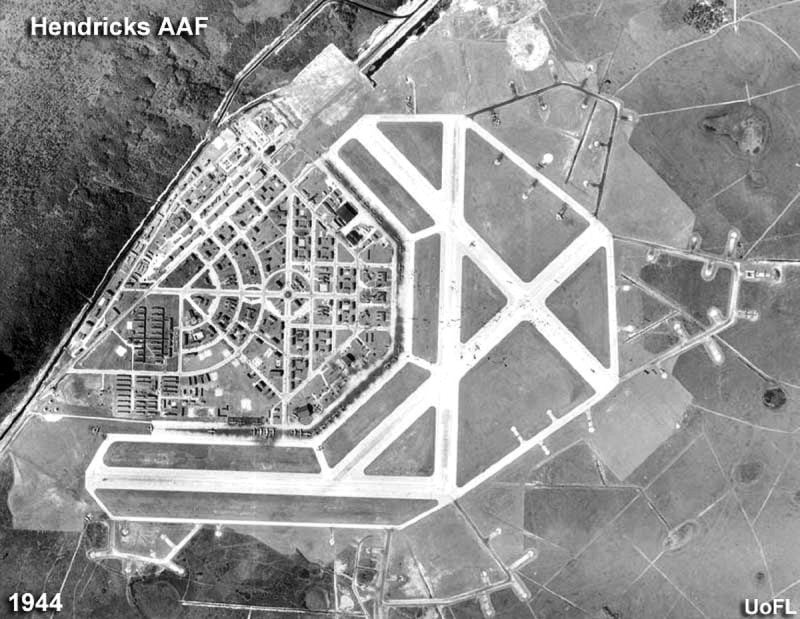
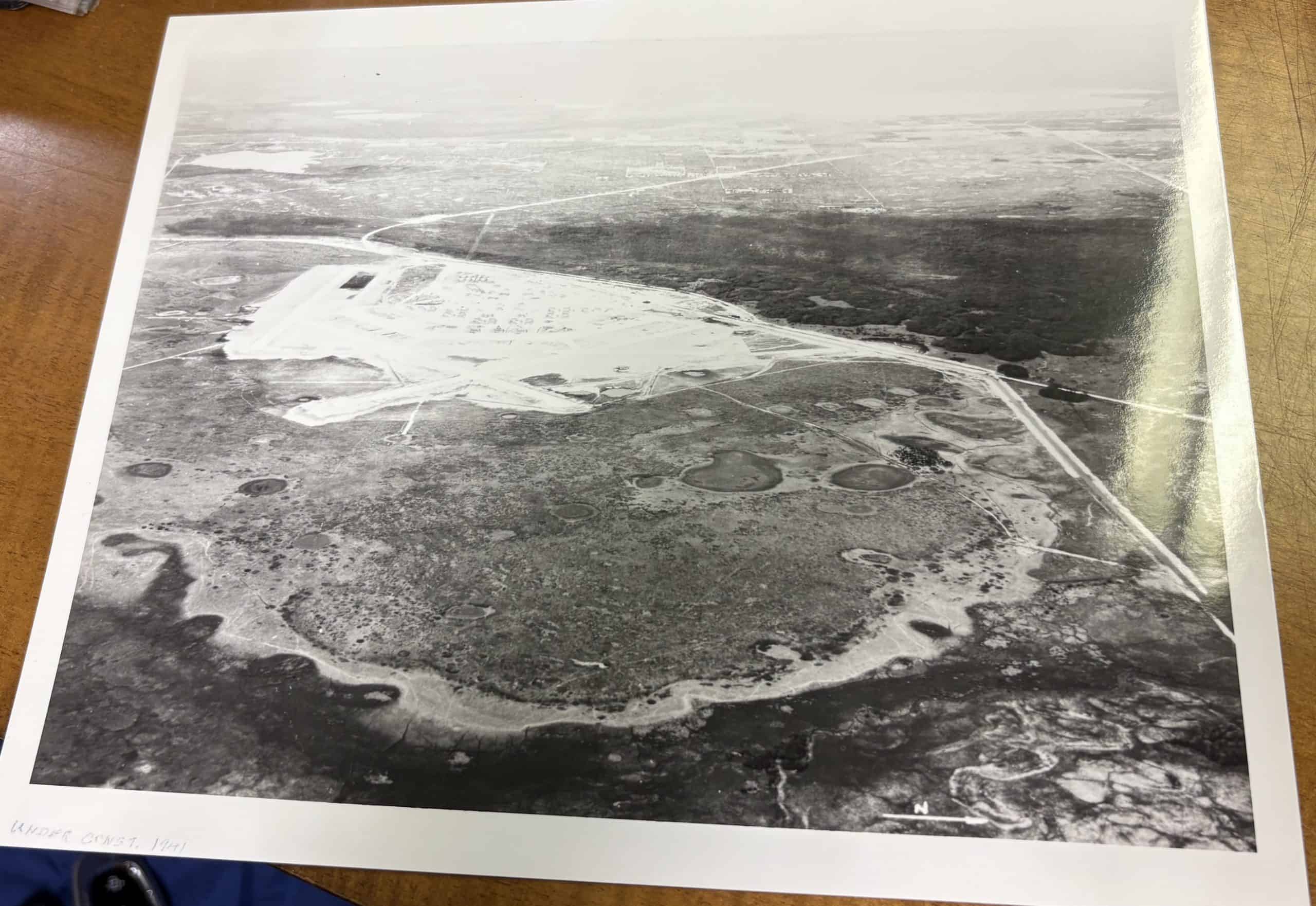


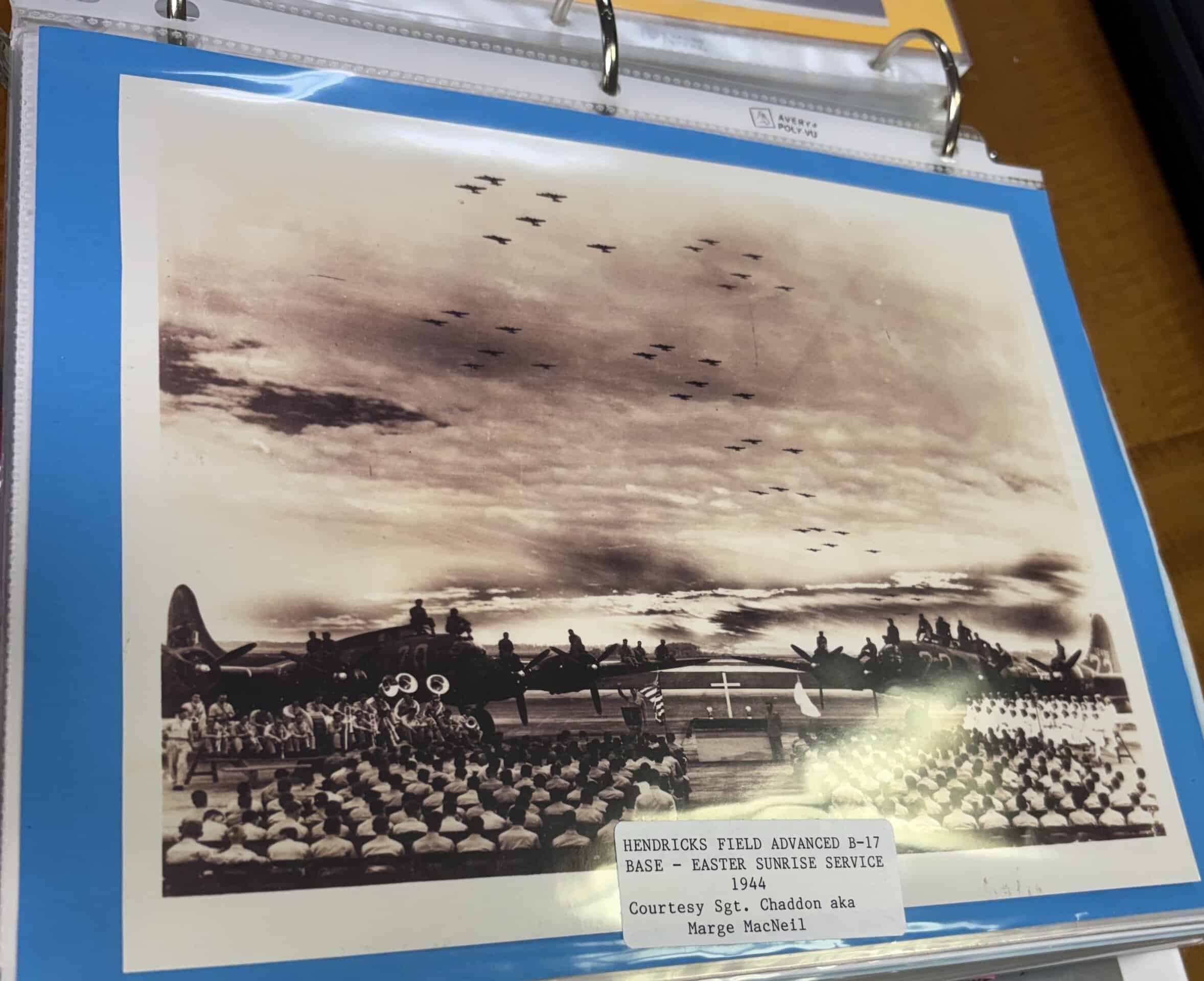
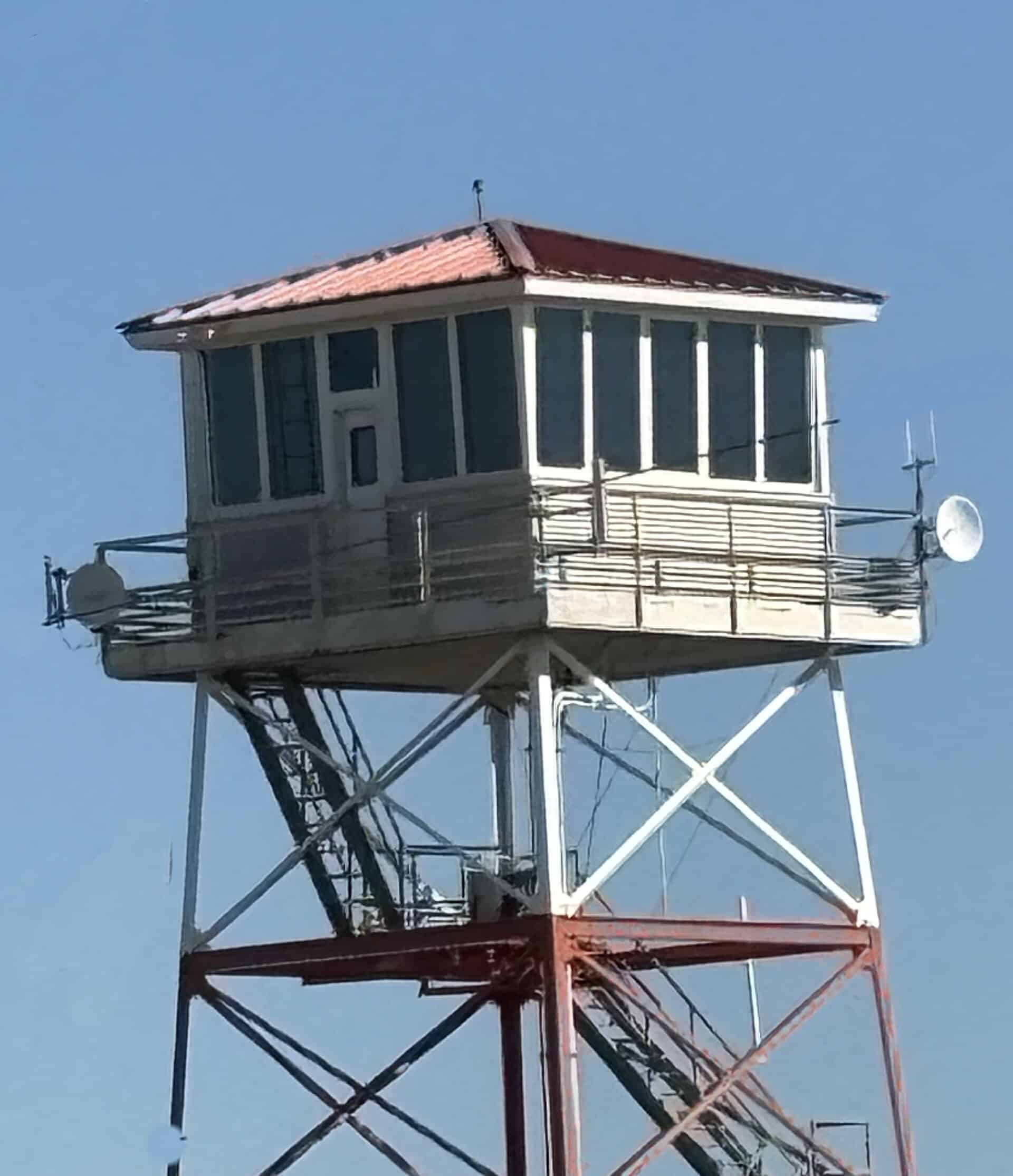
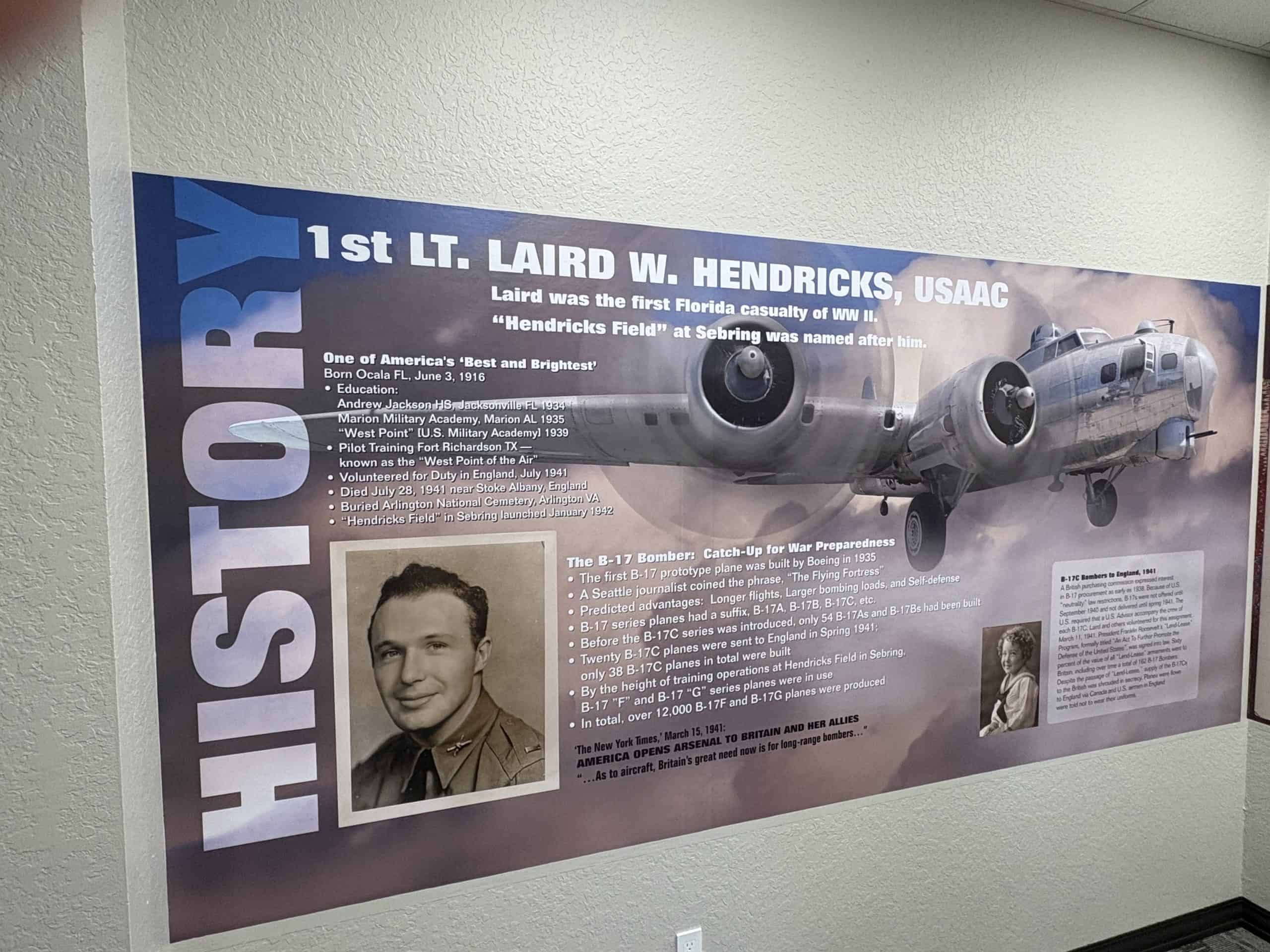
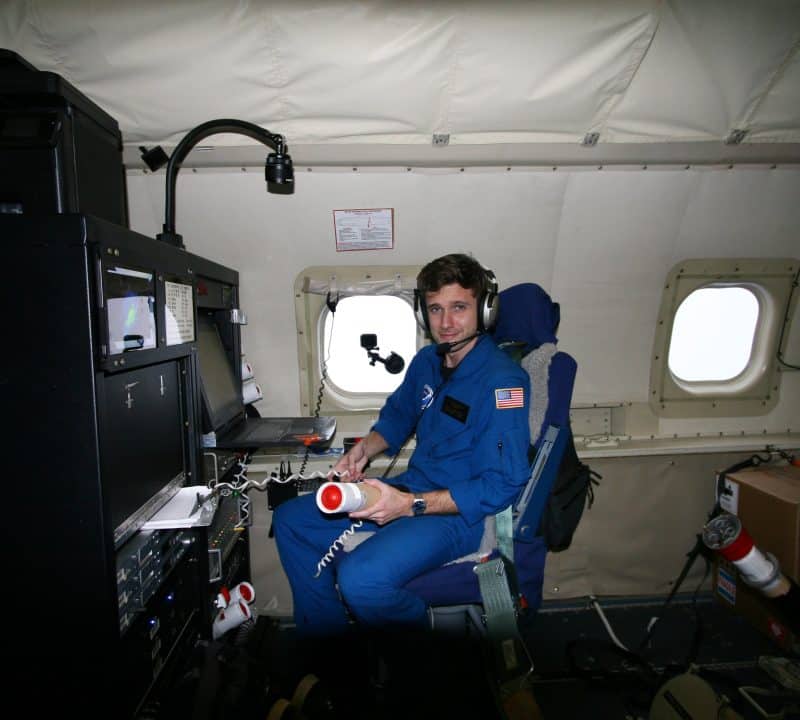


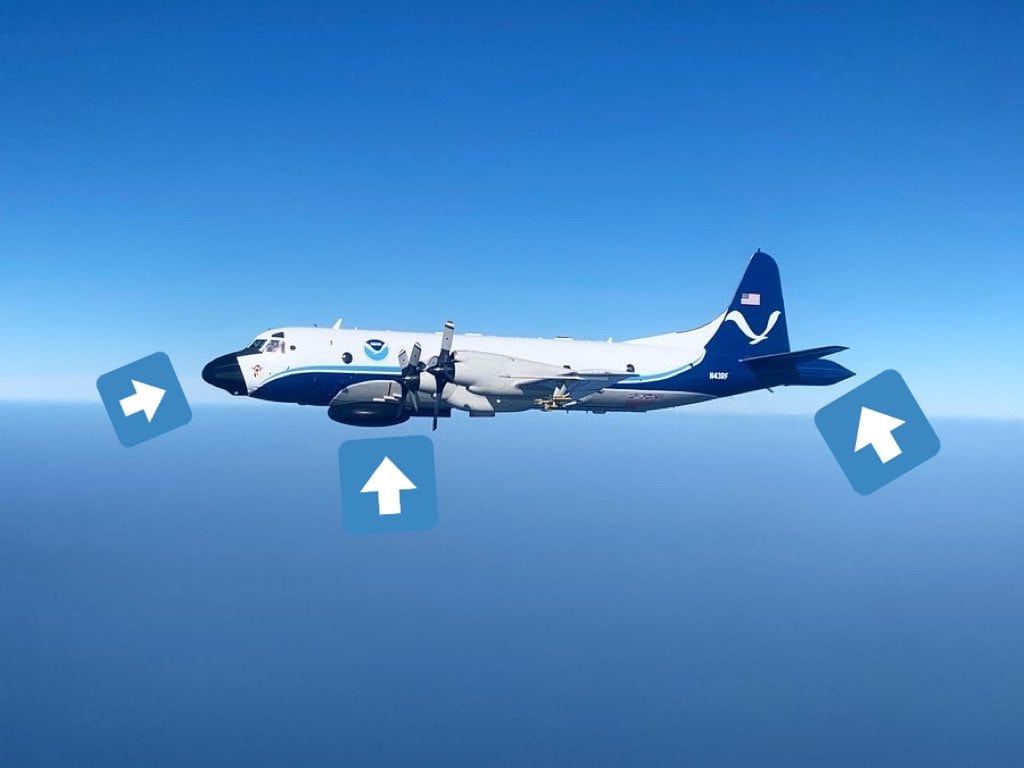


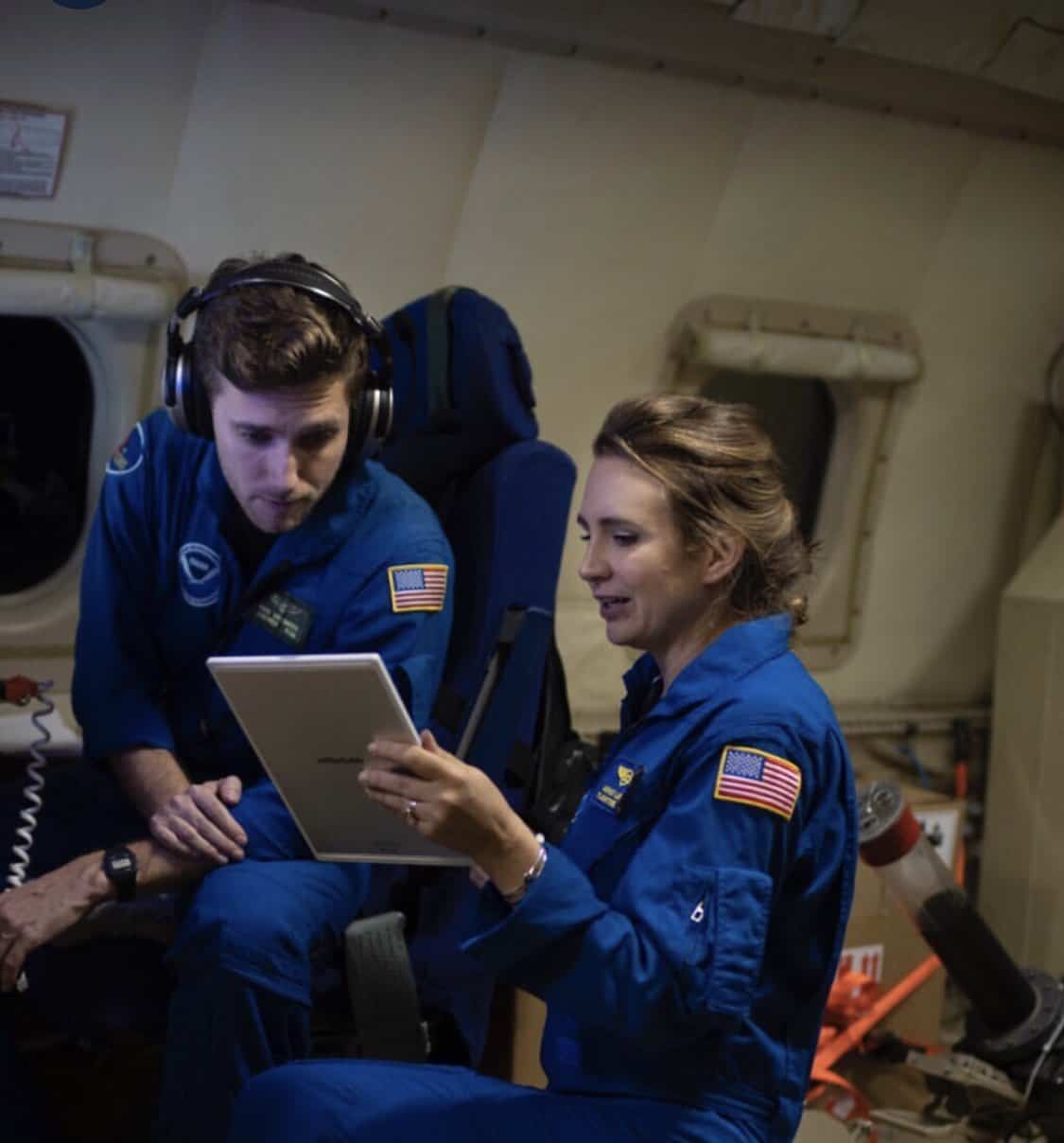


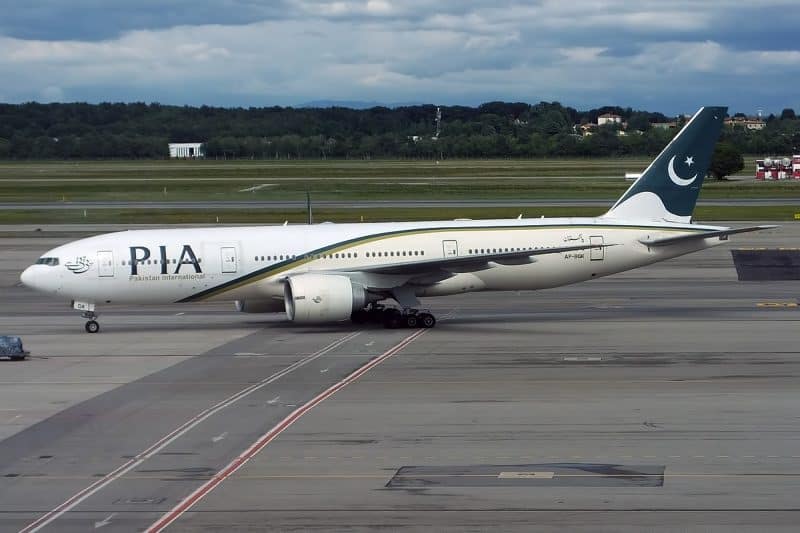

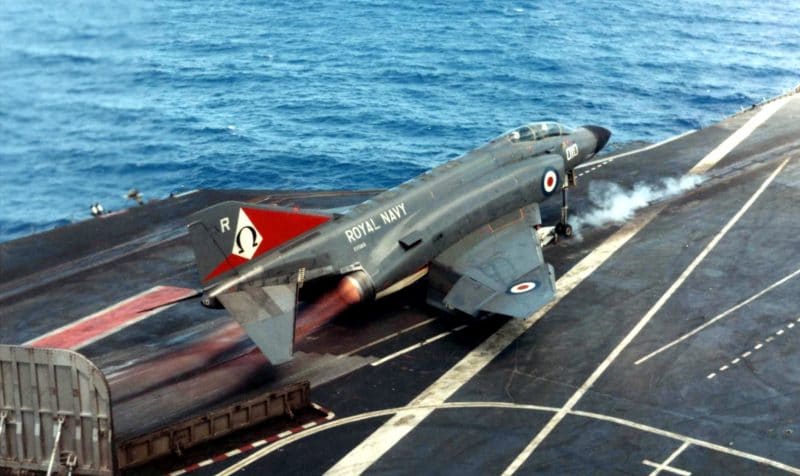

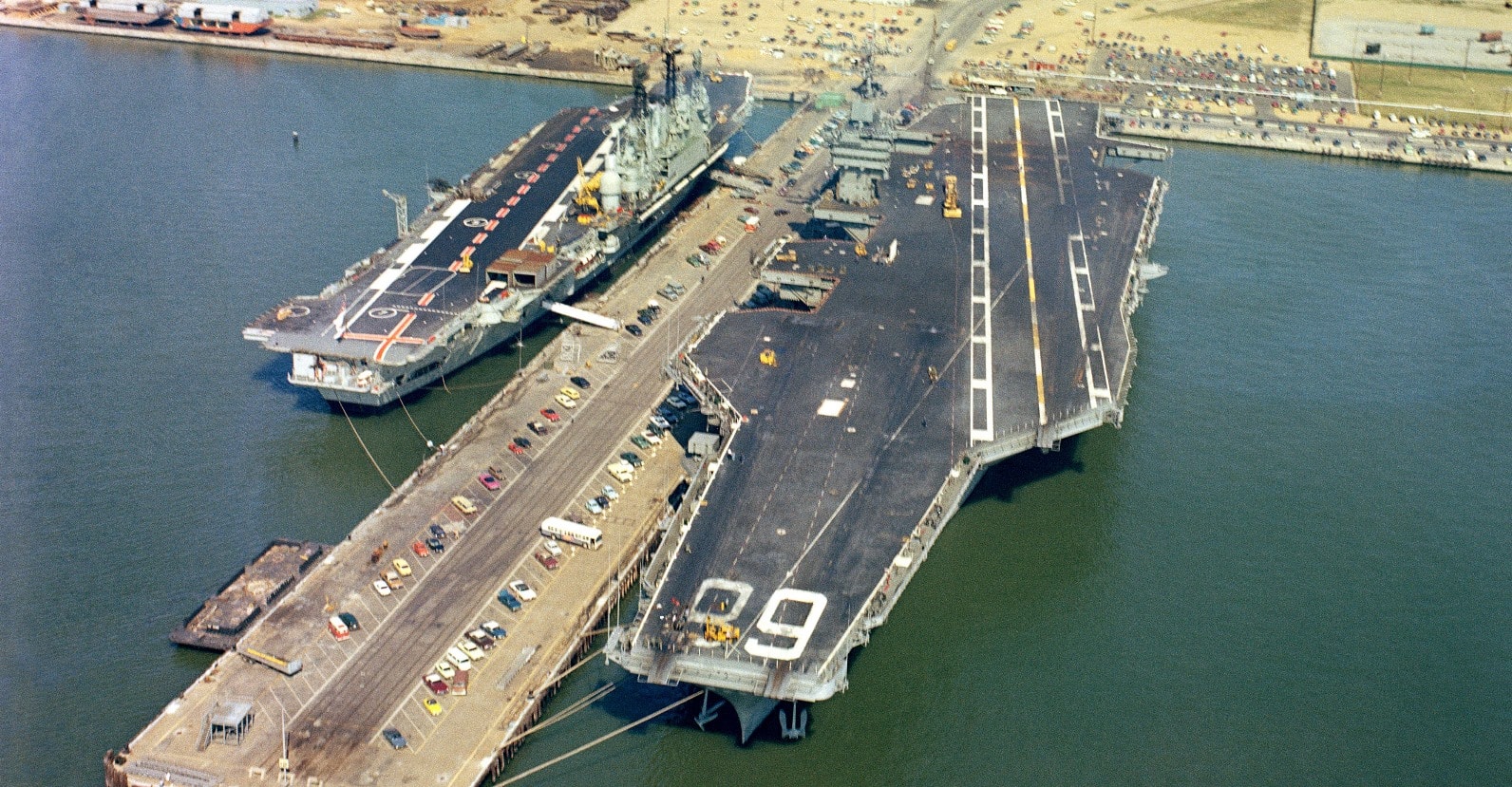
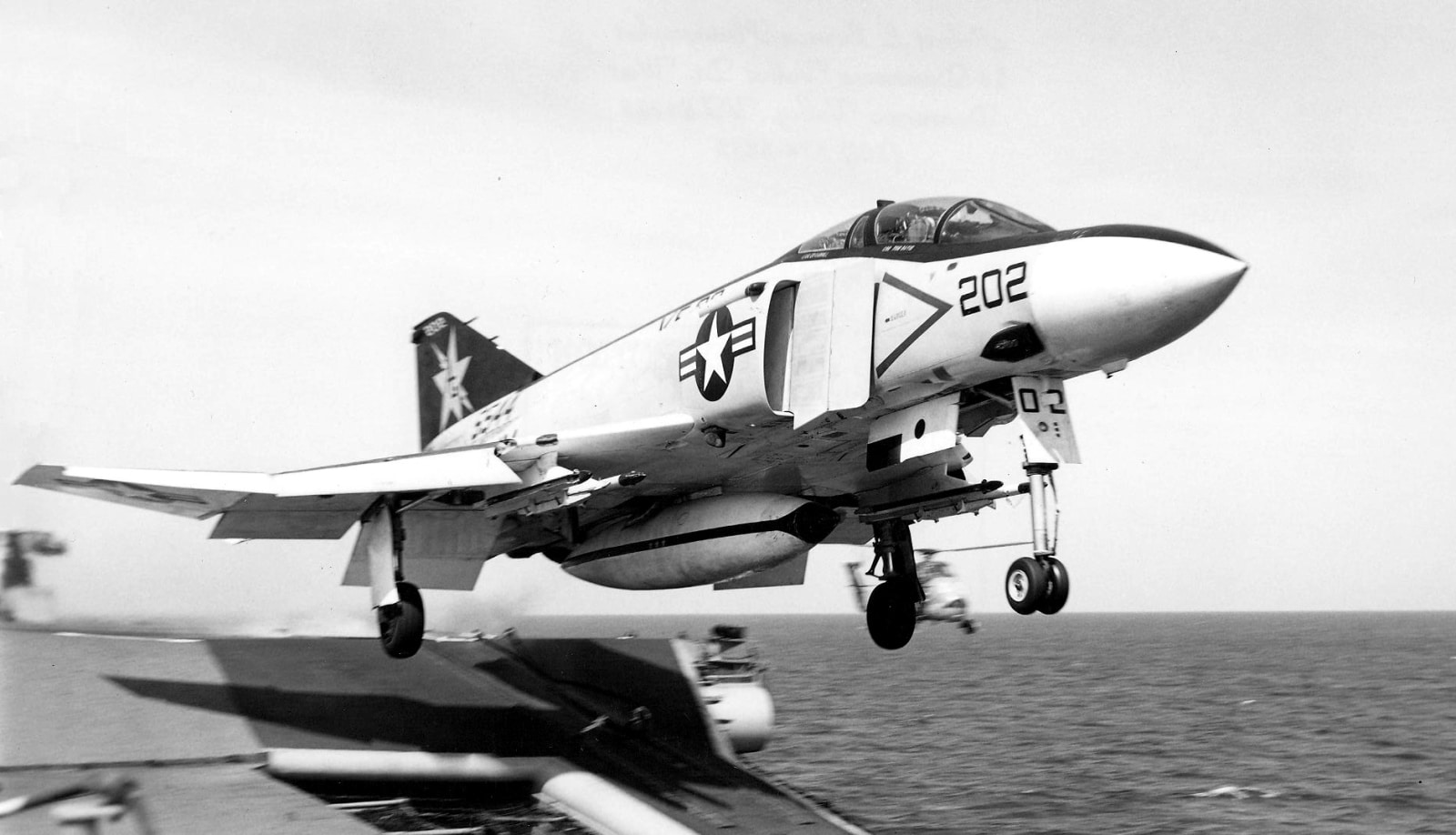
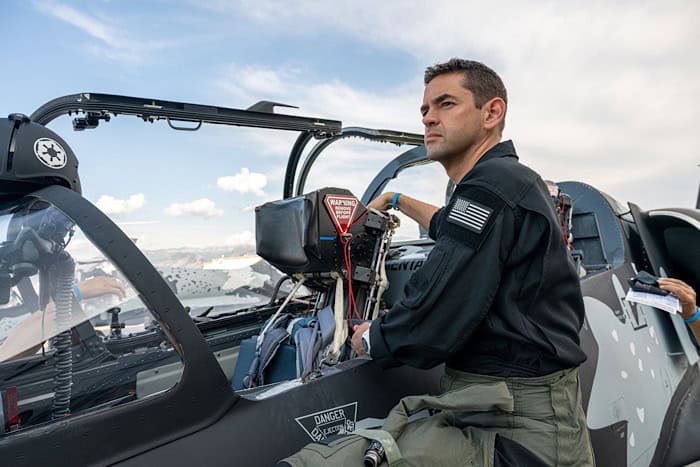


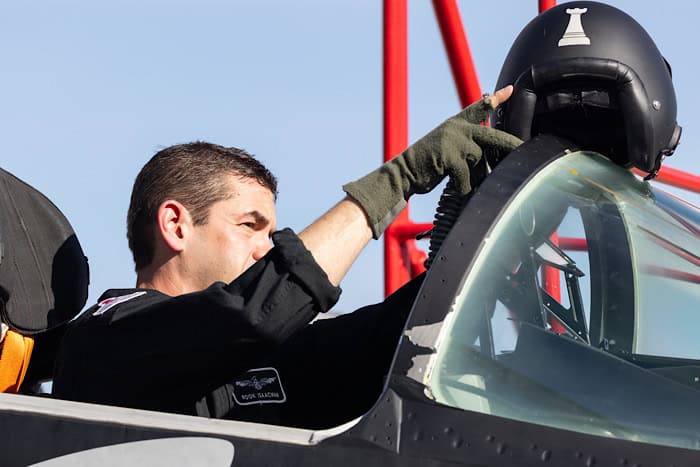
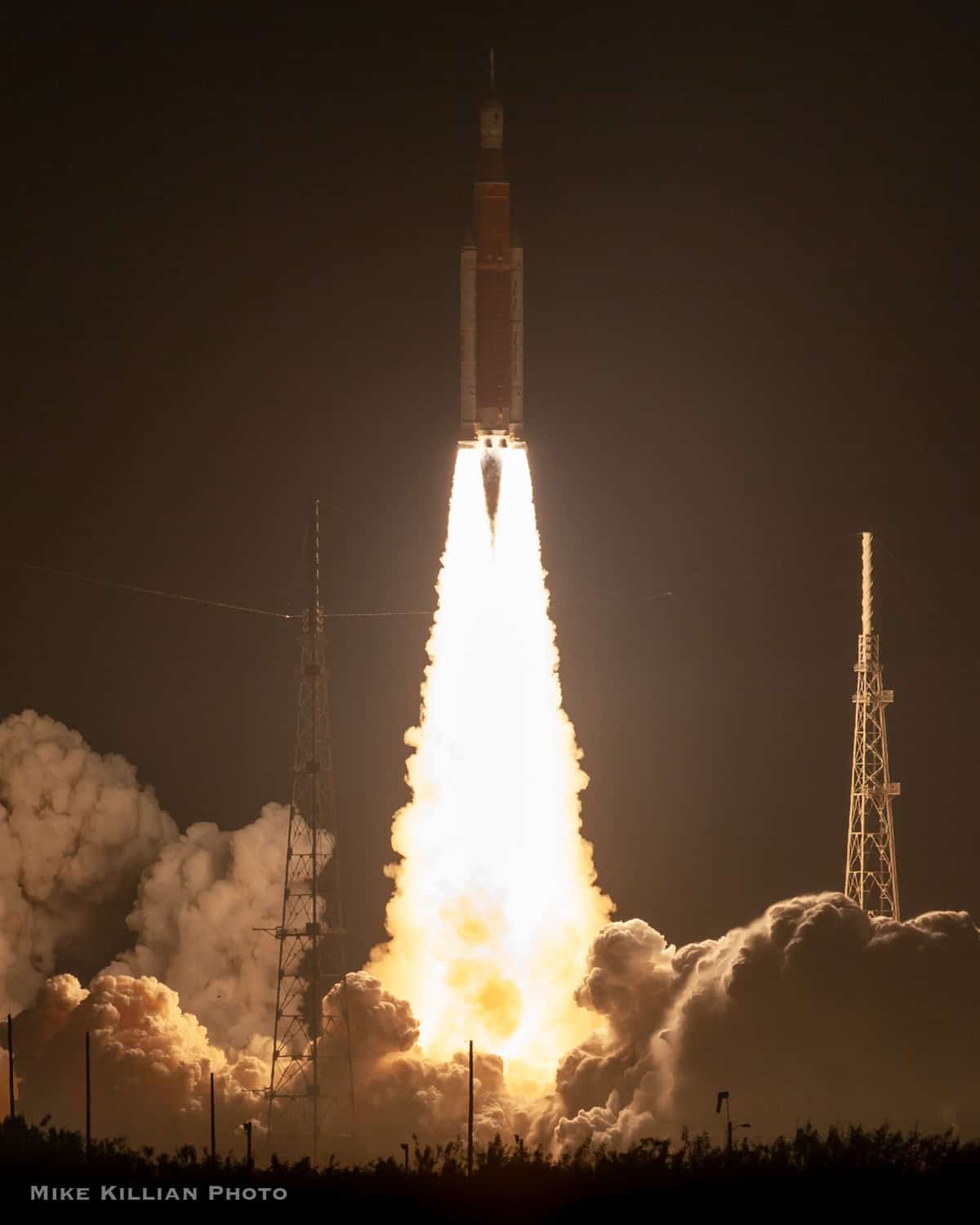
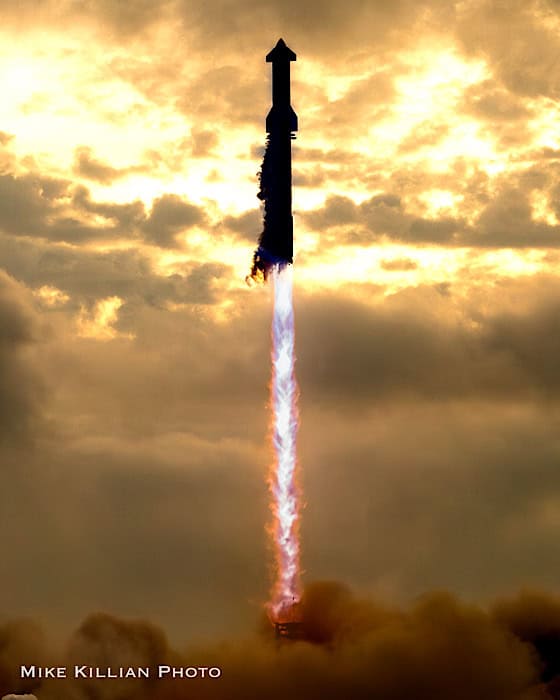
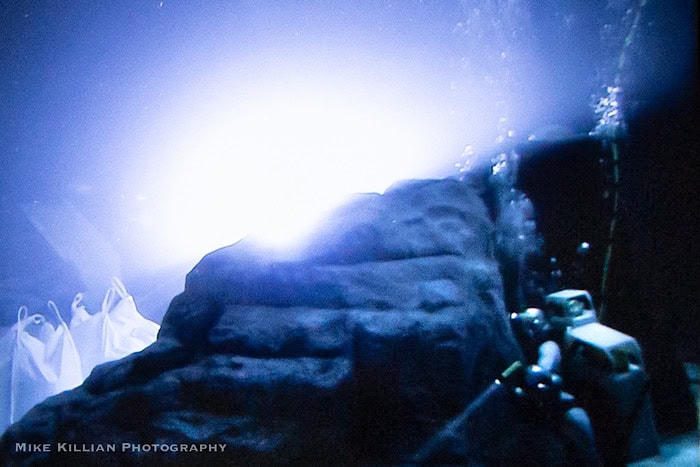

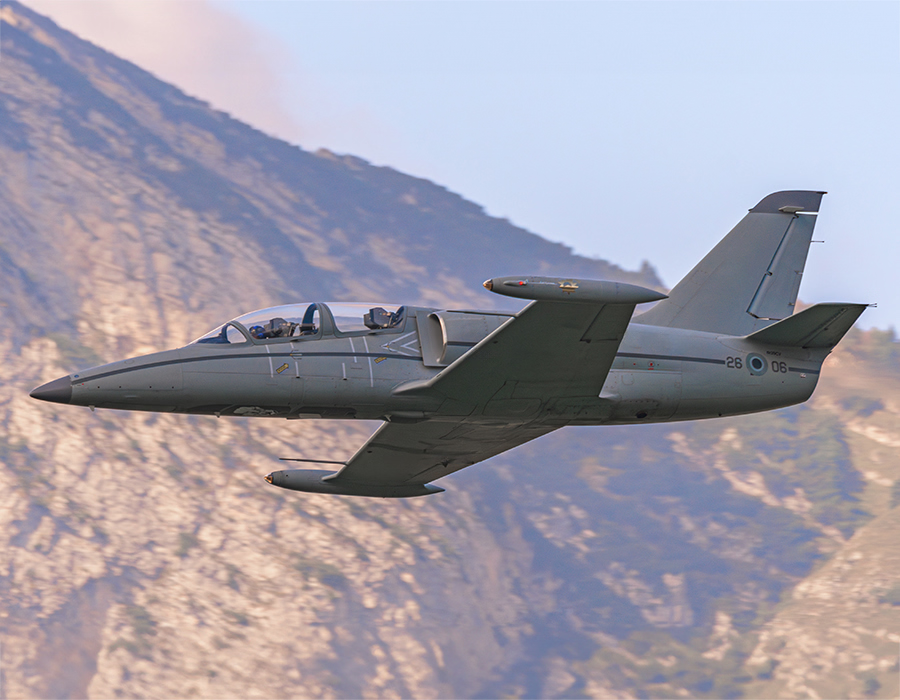

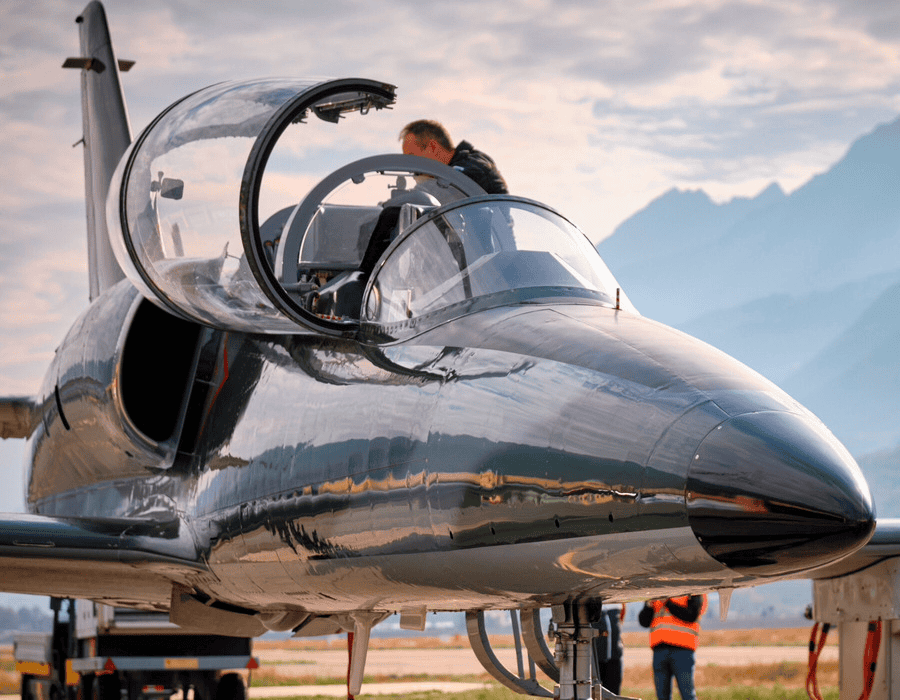
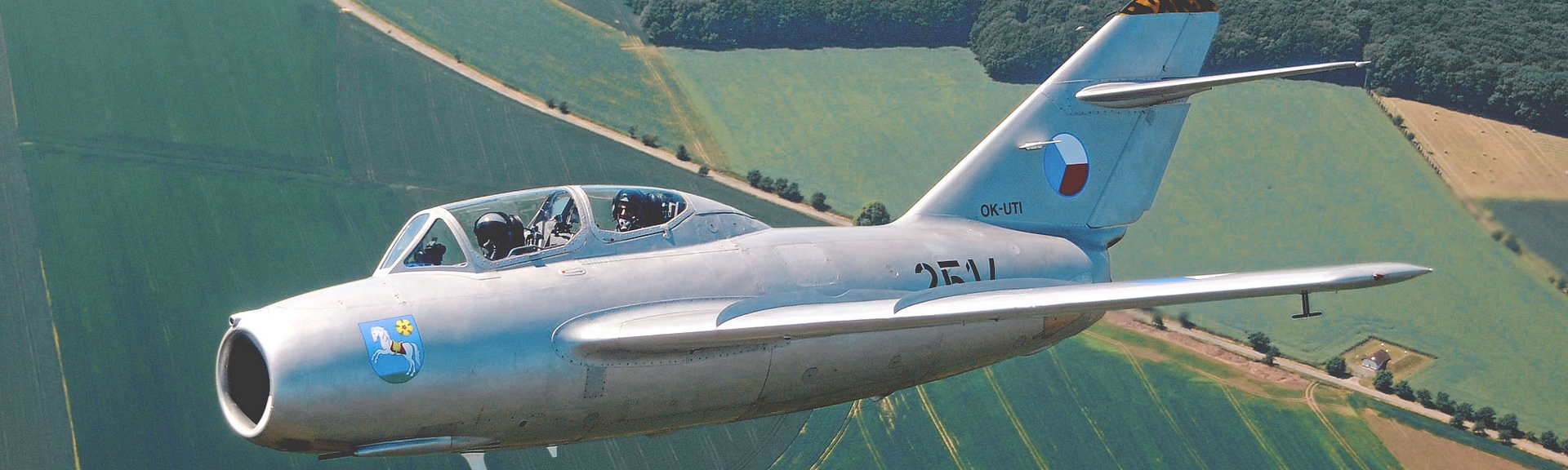
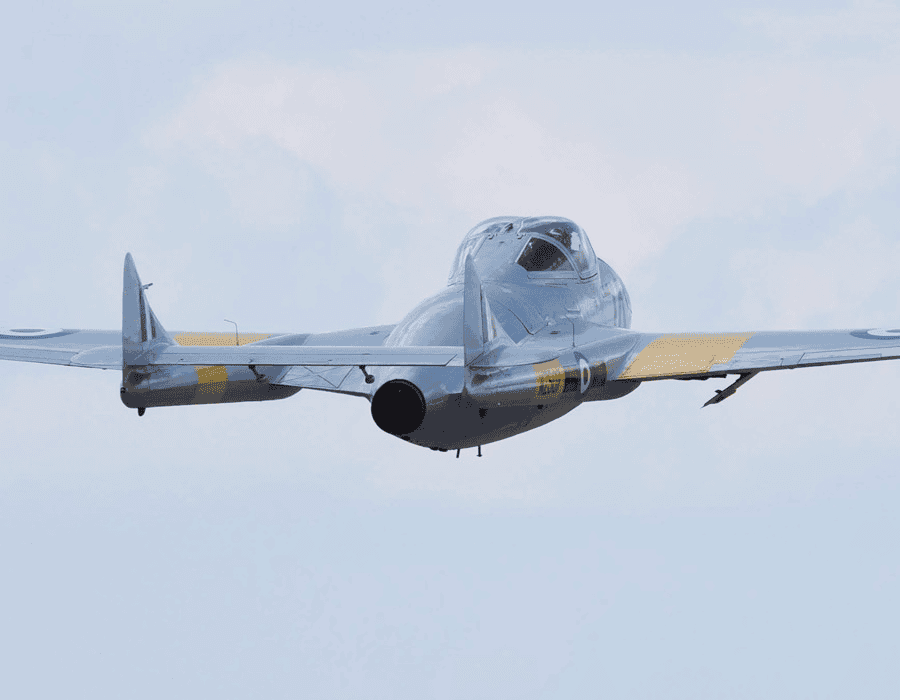
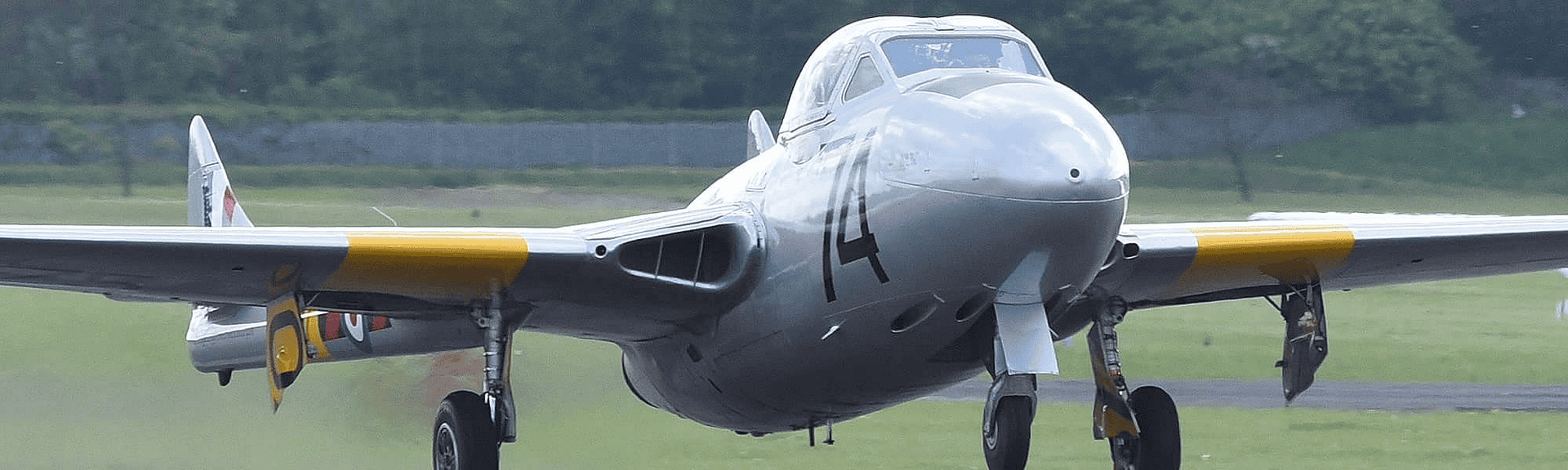
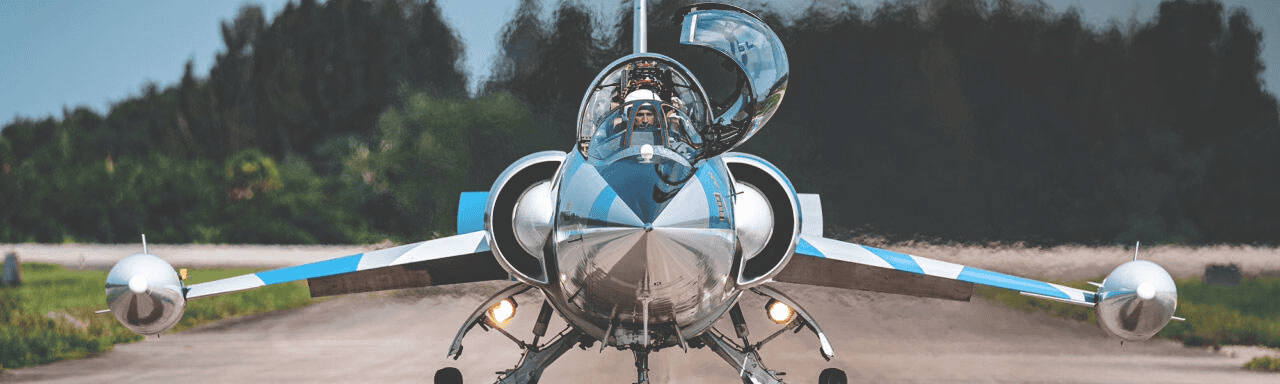
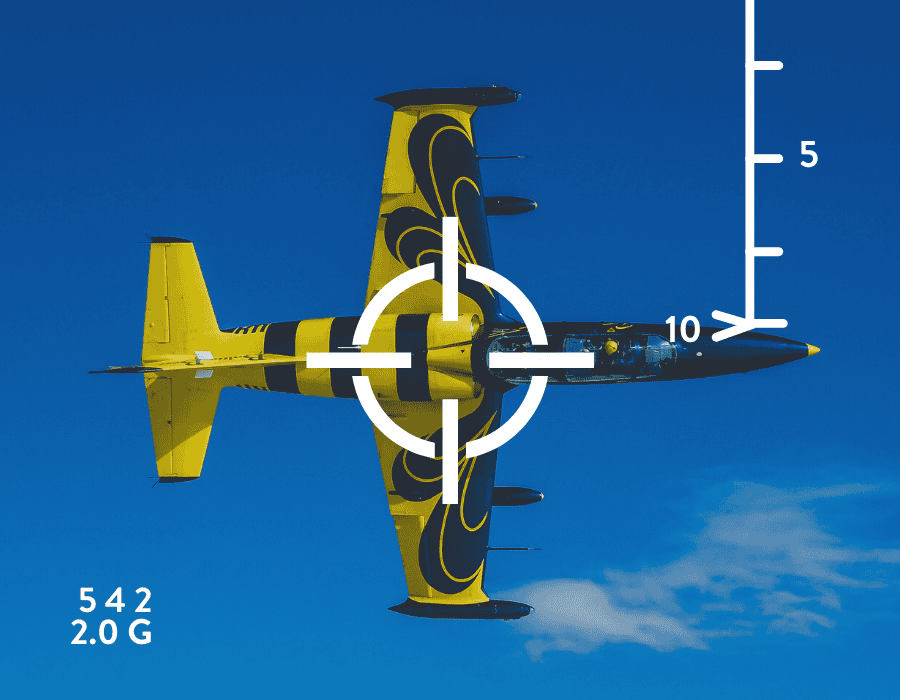
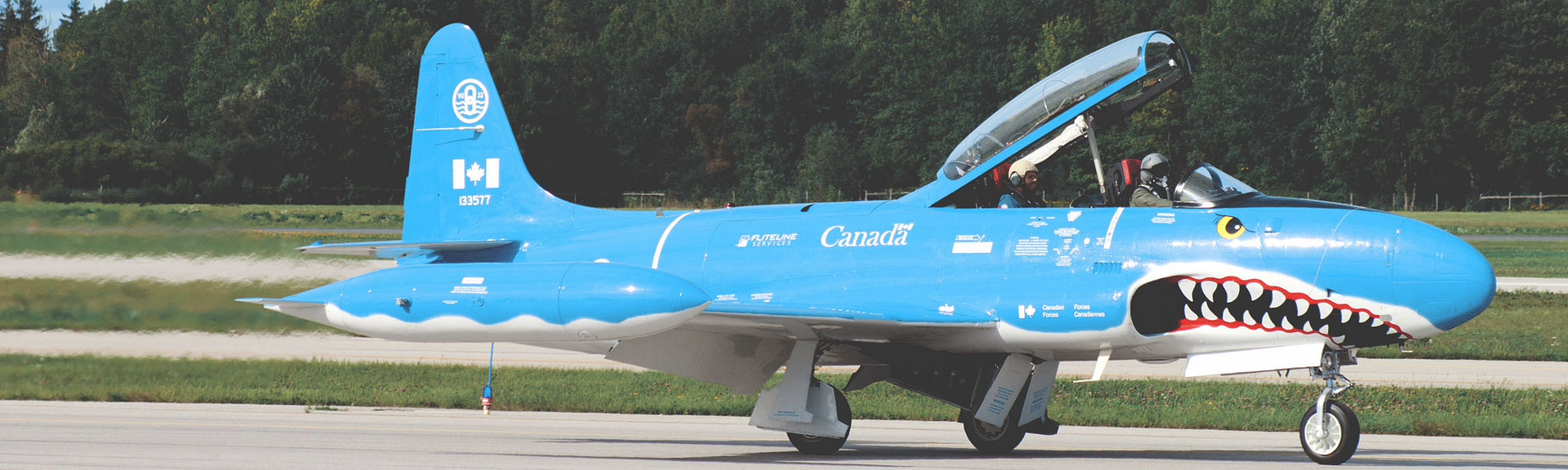
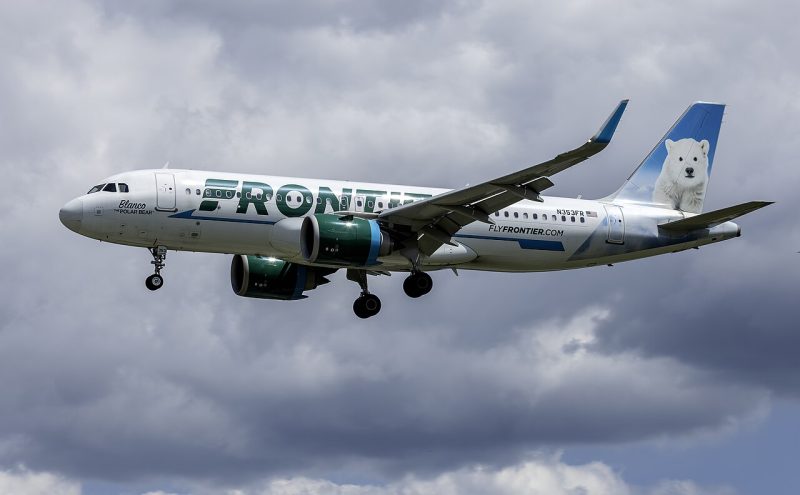

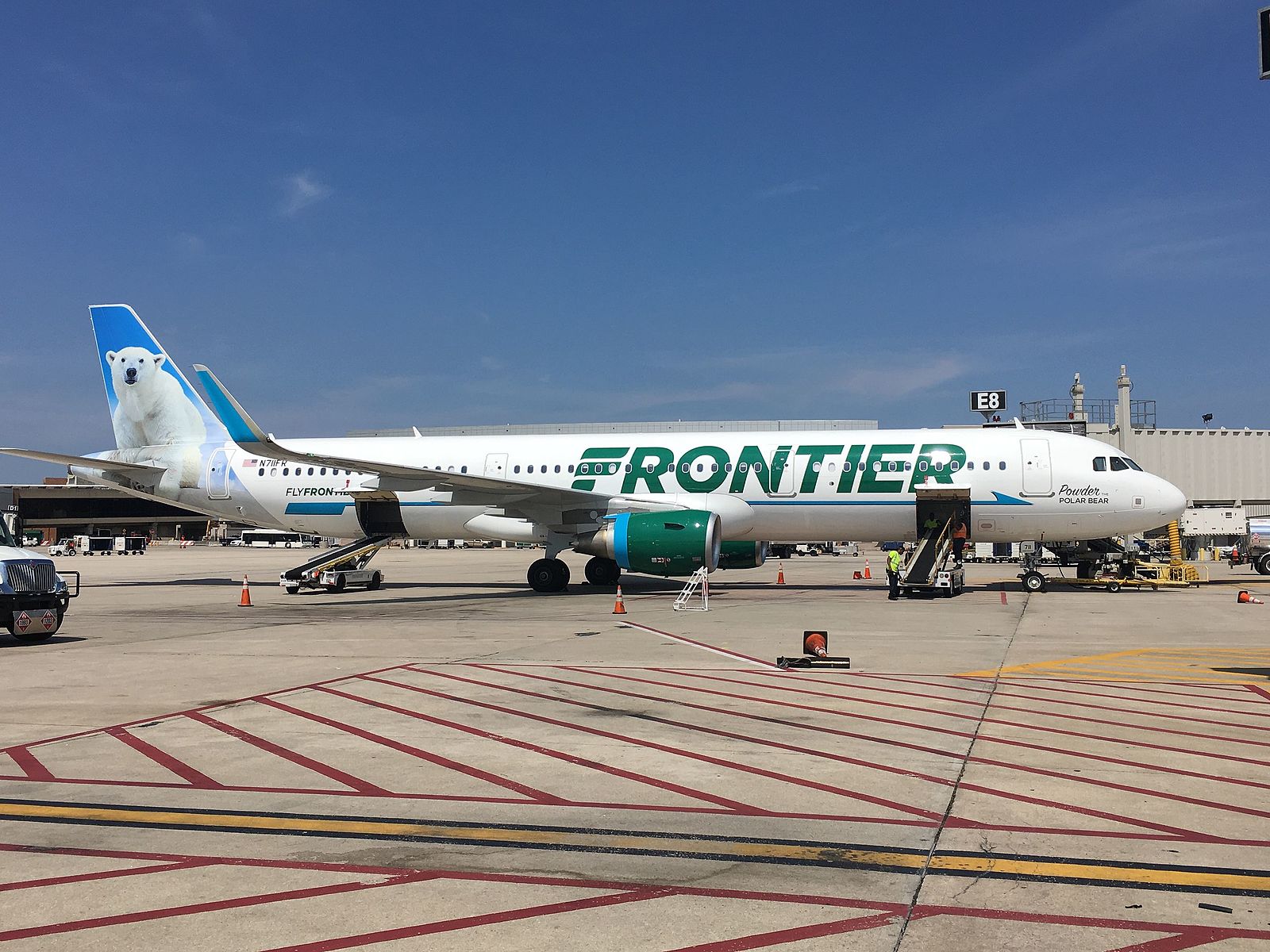
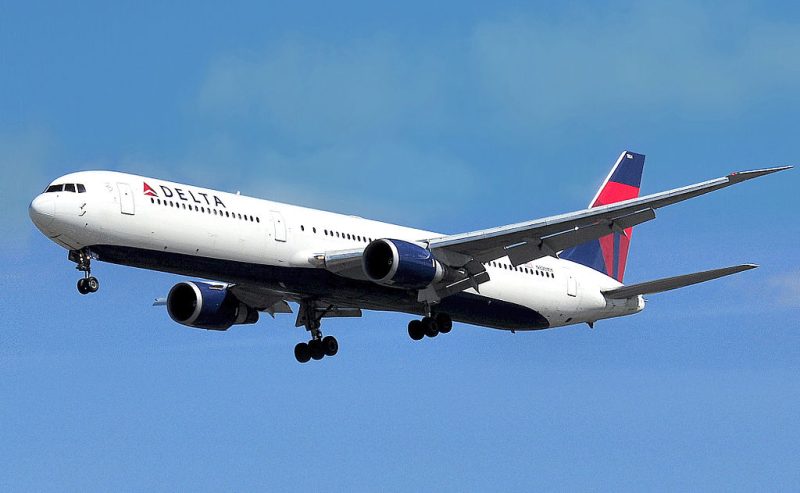


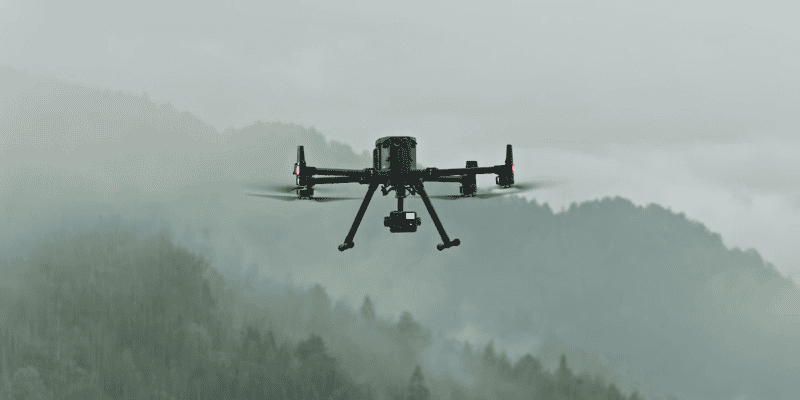
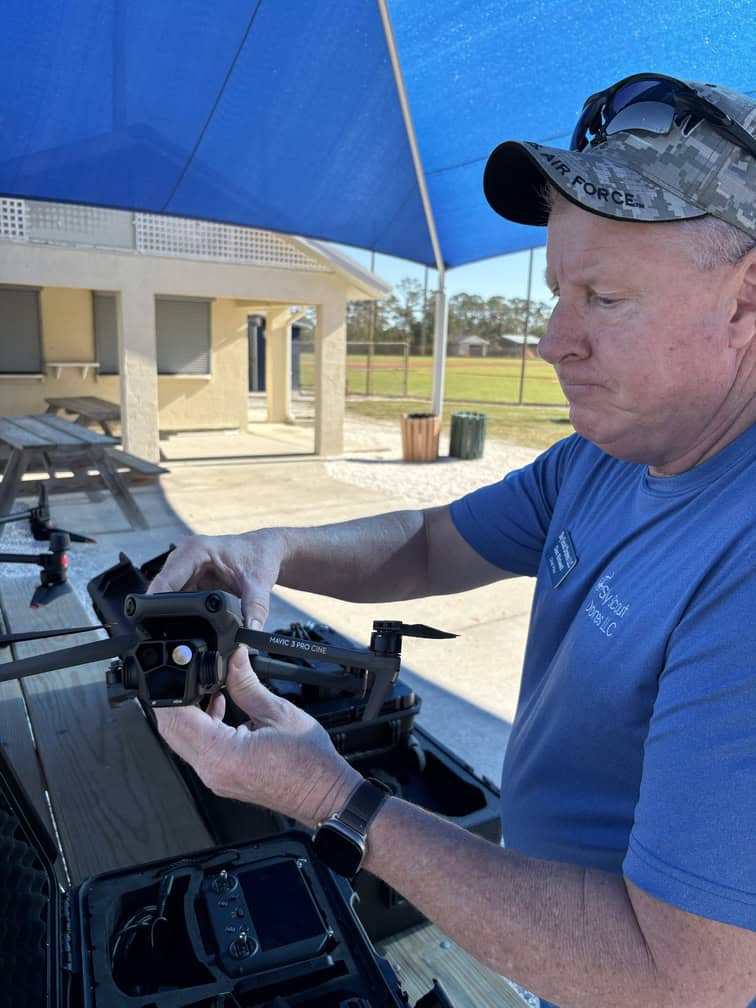
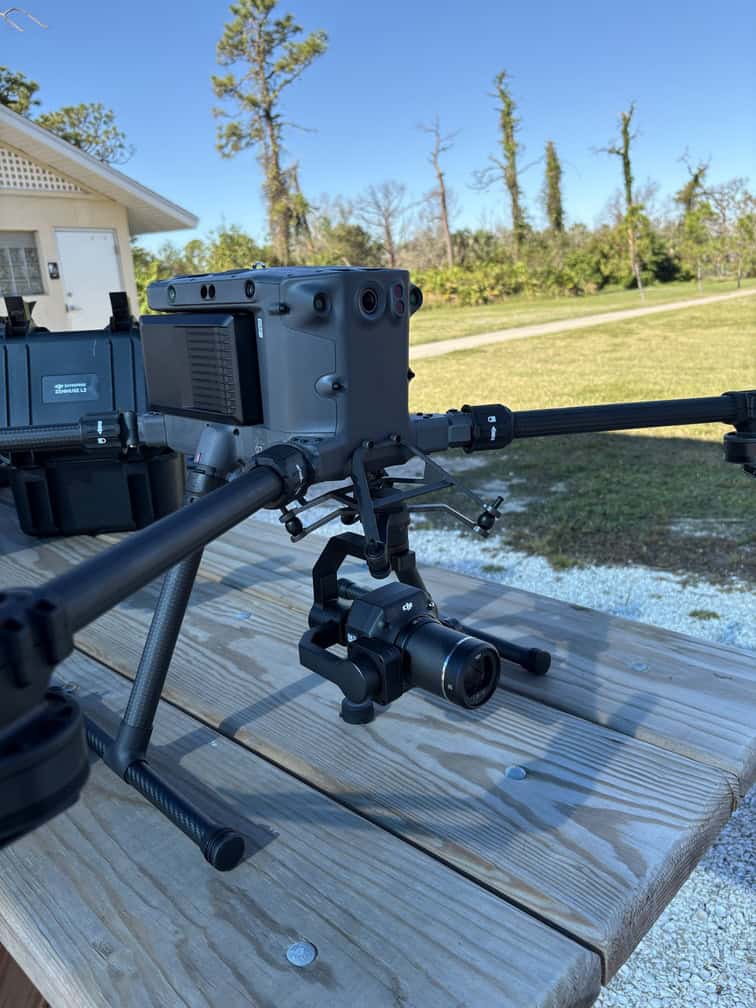


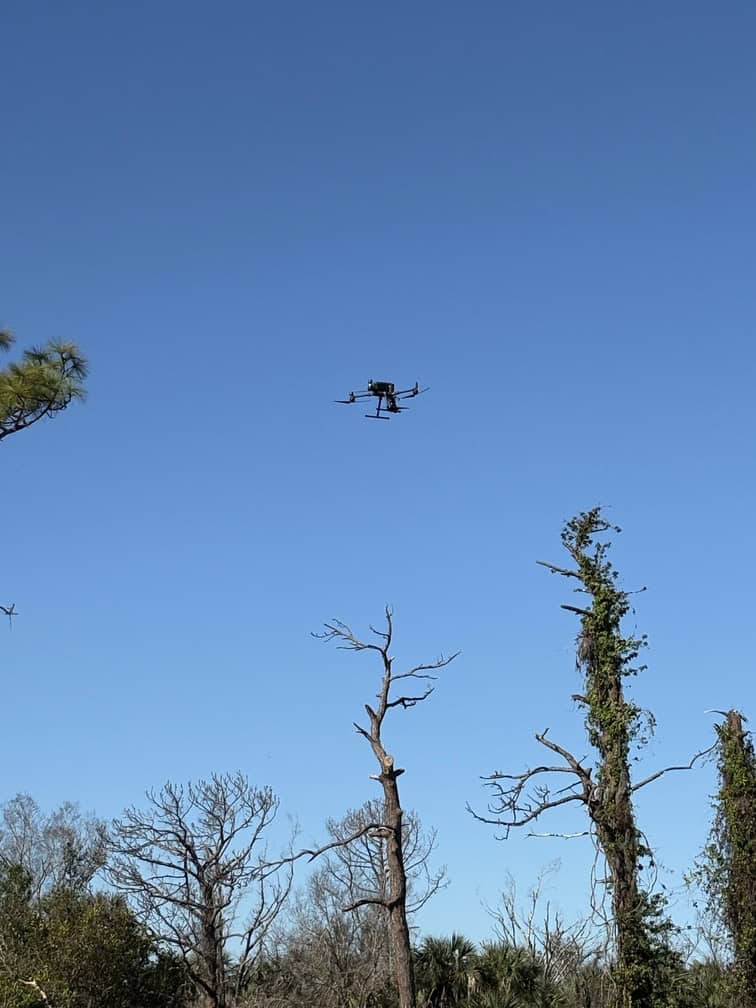
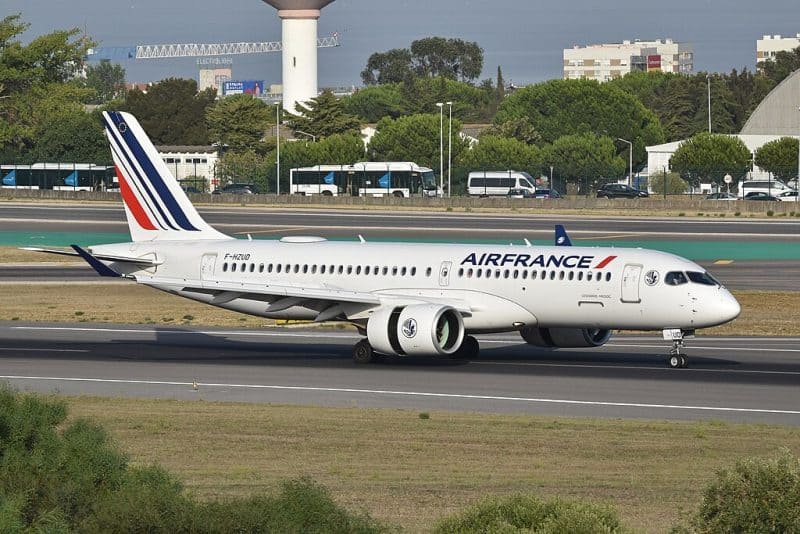
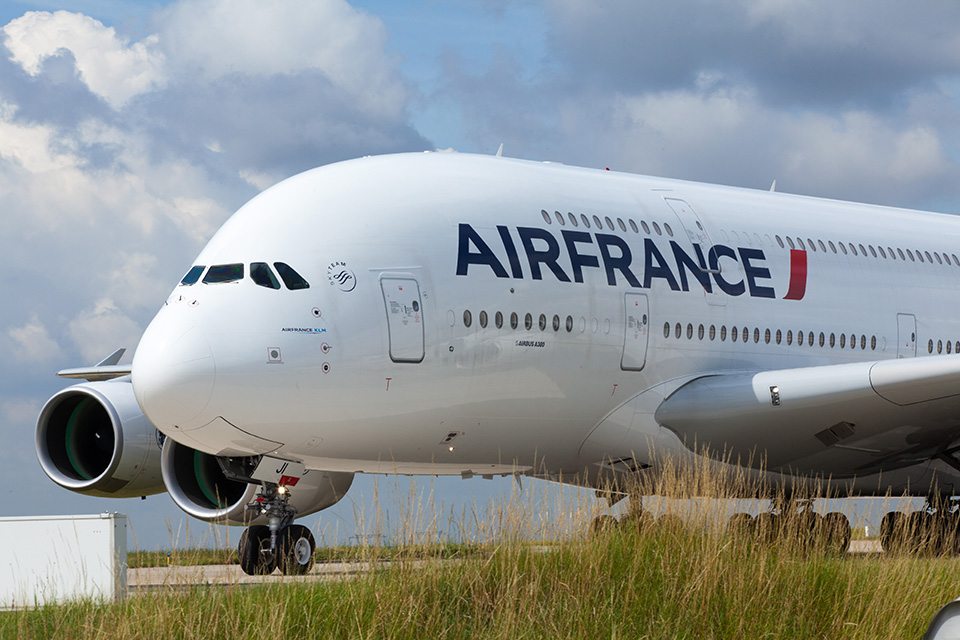
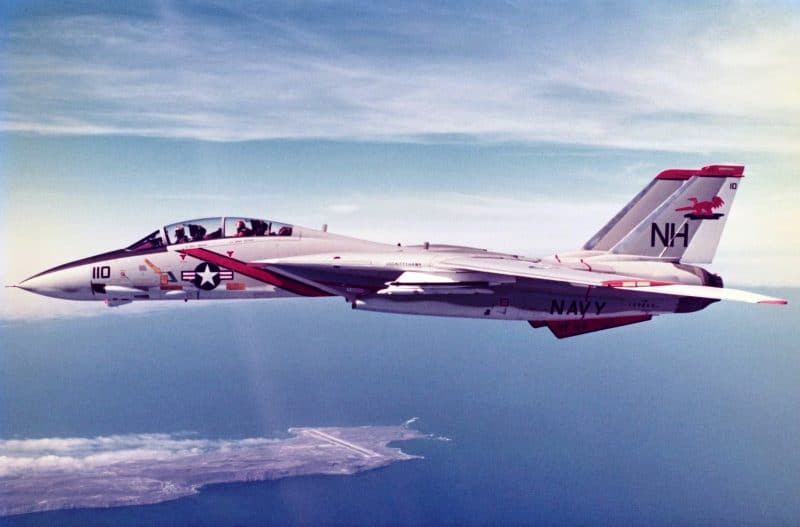

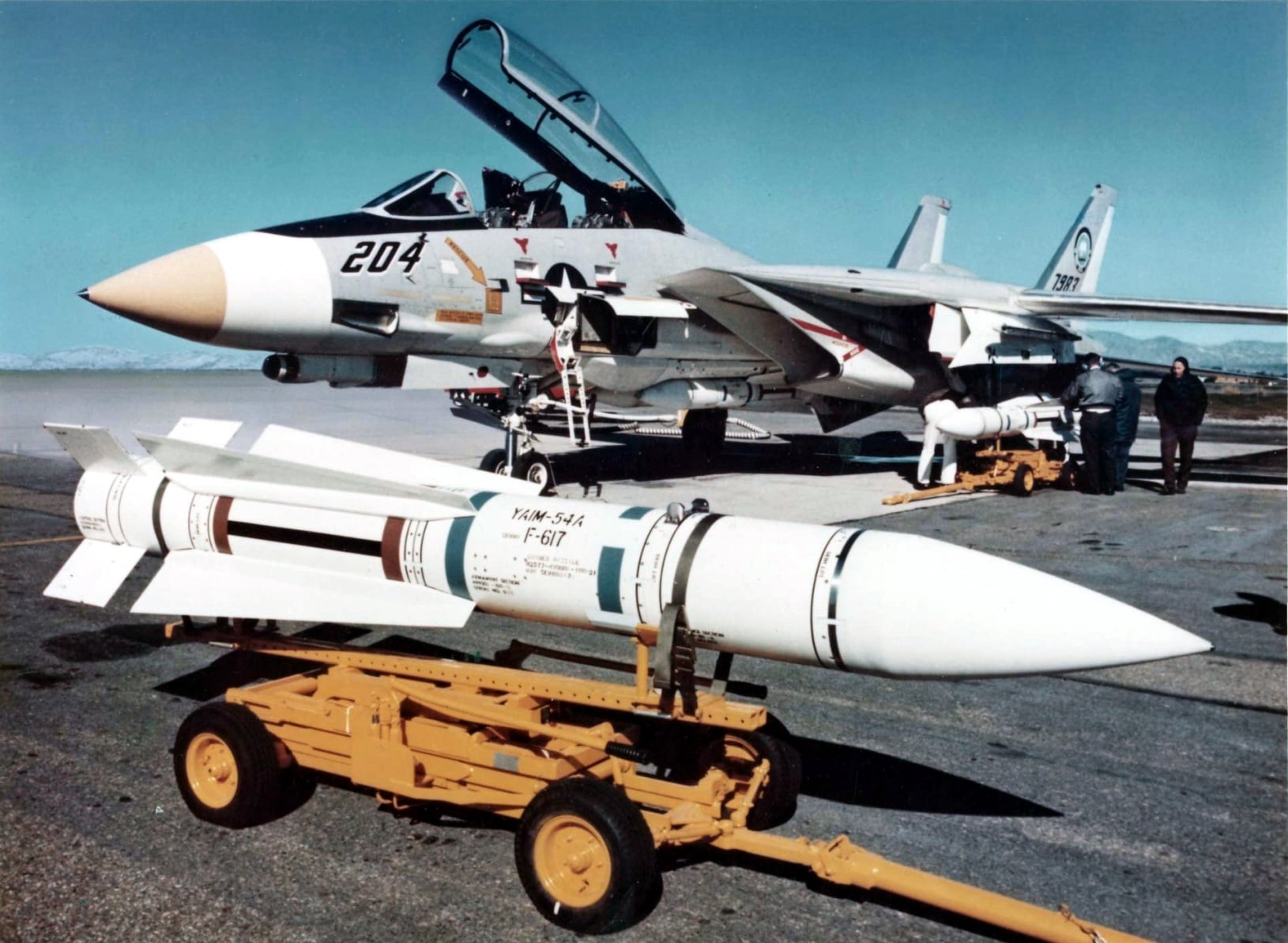 The promise of the Tomcat and its radar/missile combination made it the logical choice for a fleet defense interceptor during the early 1970s. The F-14’s tested and proven ability to track up to 24 targets simultaneously and take any six of them under fire using Phoenix missiles from more than 100 miles away was unprecedented.
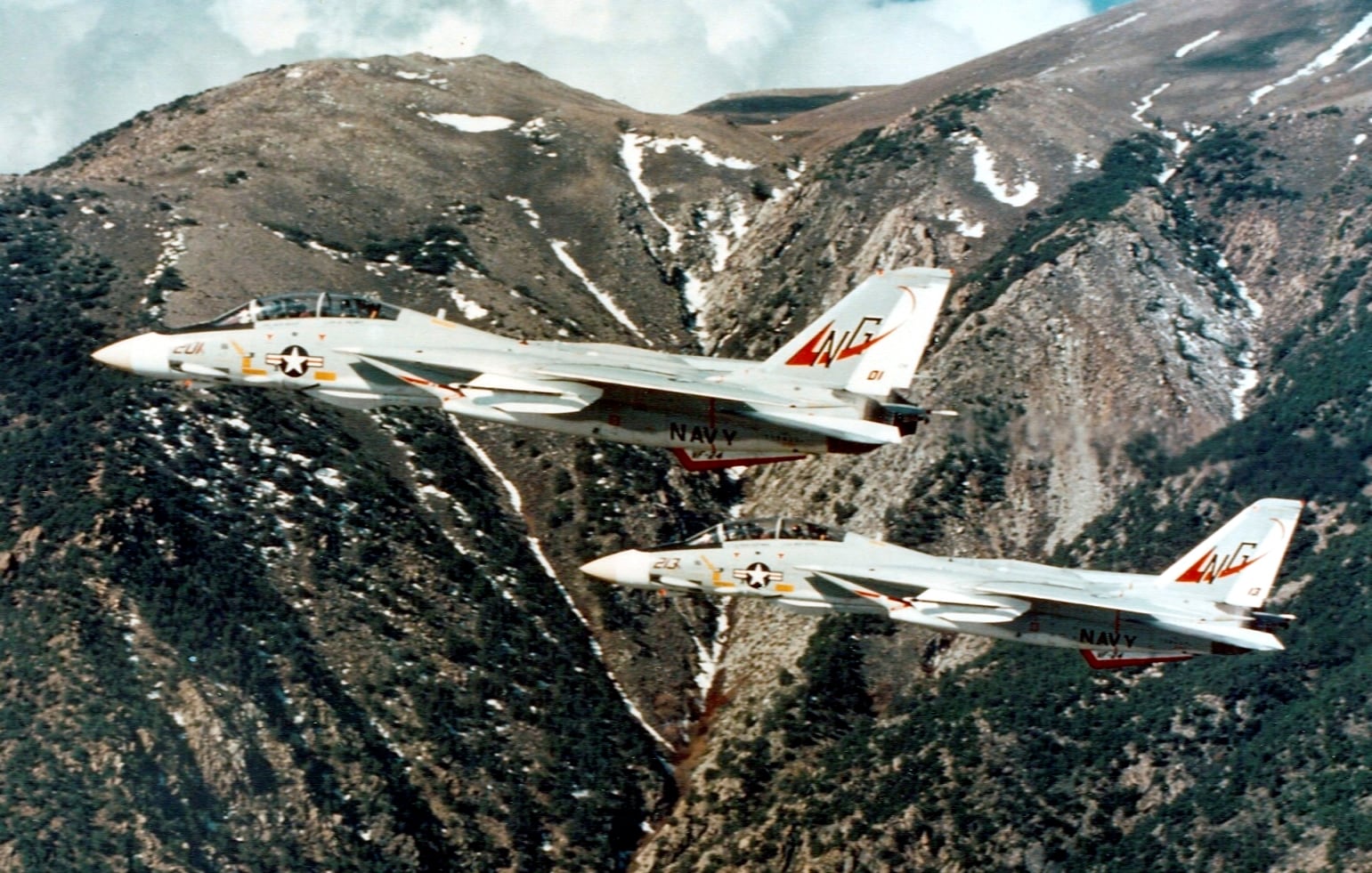 Interestingly both the Television Camera Set (TCS) and the Tactical Airborne Reconnaissance Pod System (TARPS) are introduced as new tech for the Tomcat.