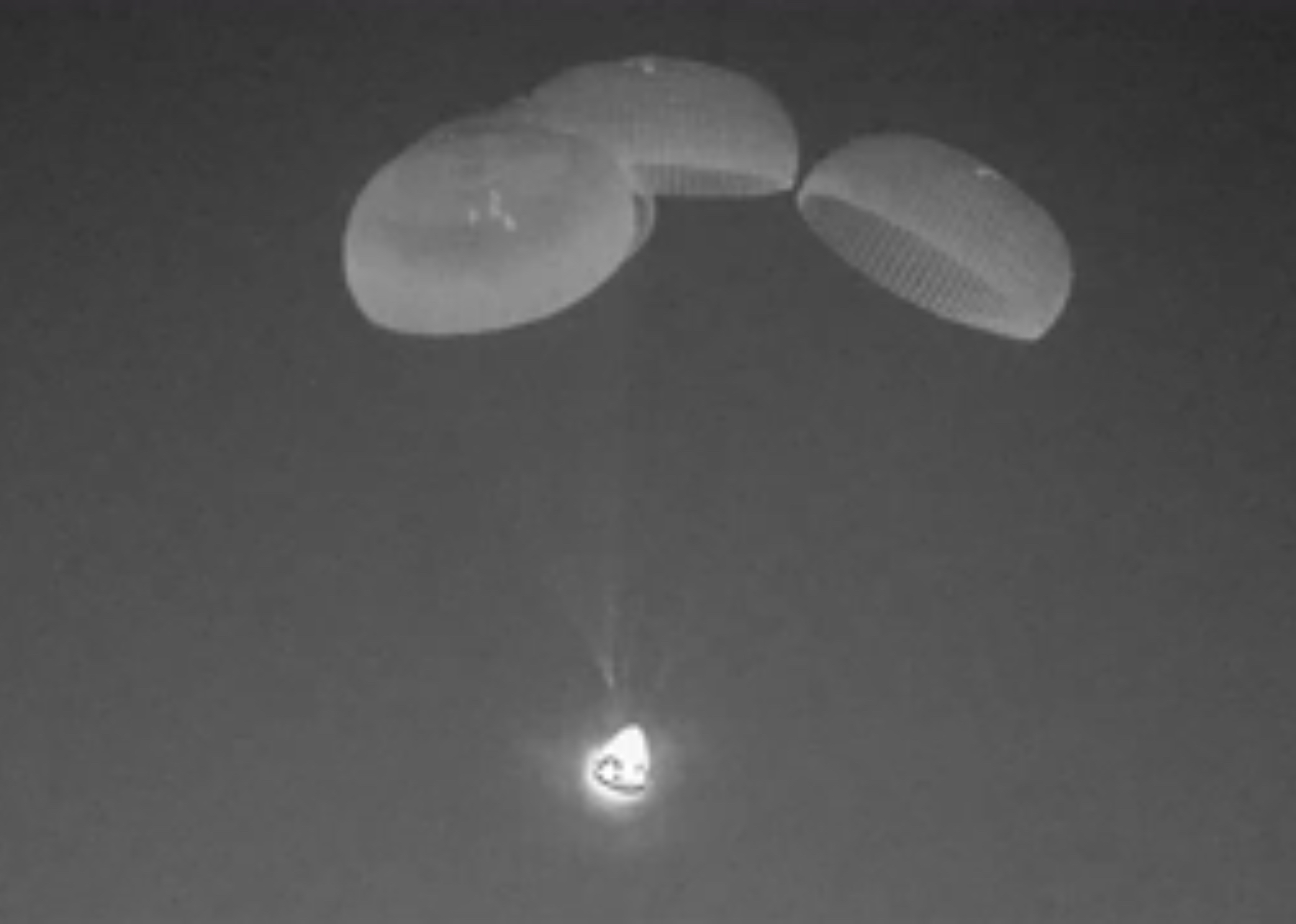
Four astronauts are back on Earth today, following a nominal return last night from the International Space Station.
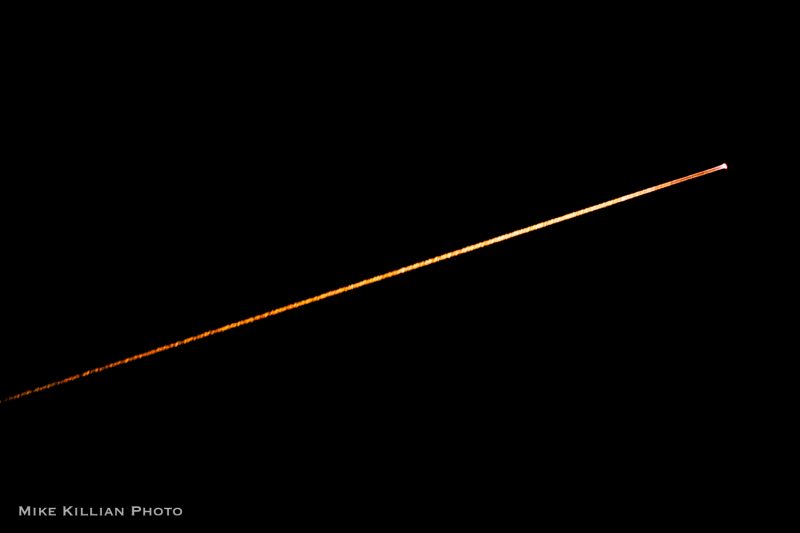
Their return wraps up a 6-month stay on the orbiting science outpost. People across half the state of Florida were given a rare and spectacular look at the dramatic fireball reentry. And we captured it on video.
Flying in a fireball like a shooting star
When returning to Earth, spacecraft have to first slam into the atmosphere. This helps to greatly slow down their velocity, but it also creates an enormous amount of friction, which turns into a plasma ball of fire surrounding the spacecraft as hot as the surface of the sun.
Just imagine rubbing your hands together so fast it creates a fireball. It’s the same reason you see a shooting star. It’s dust and rocks from comets and asteroids slamming into our atmosphere with so much friction they explode.
Historically, spacecraft reentry usually occurred over the open ocean, although the space shuttles sometimes reentered across the mainland U.S. (before the Columbia disaster in 2003).
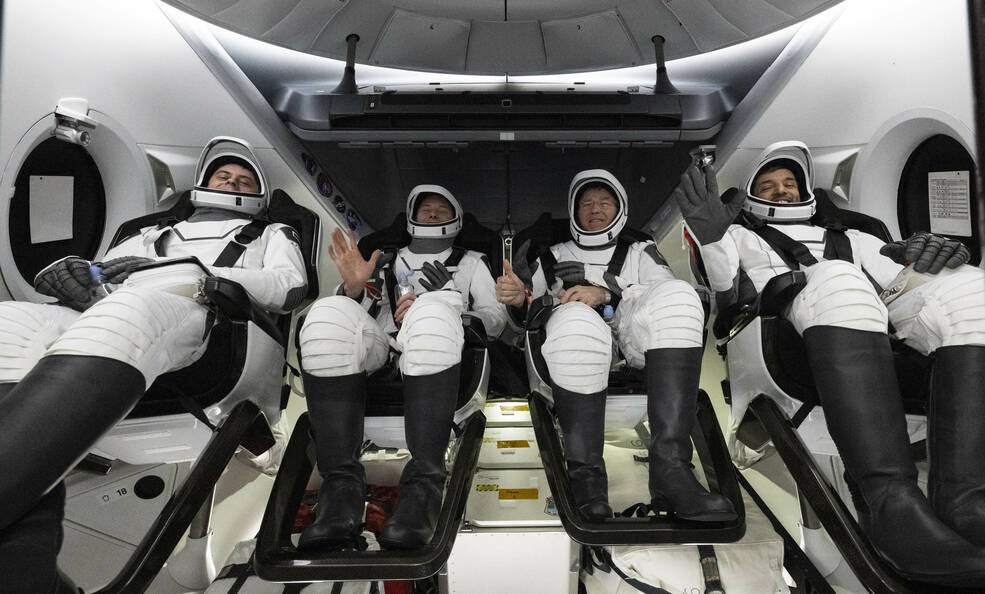
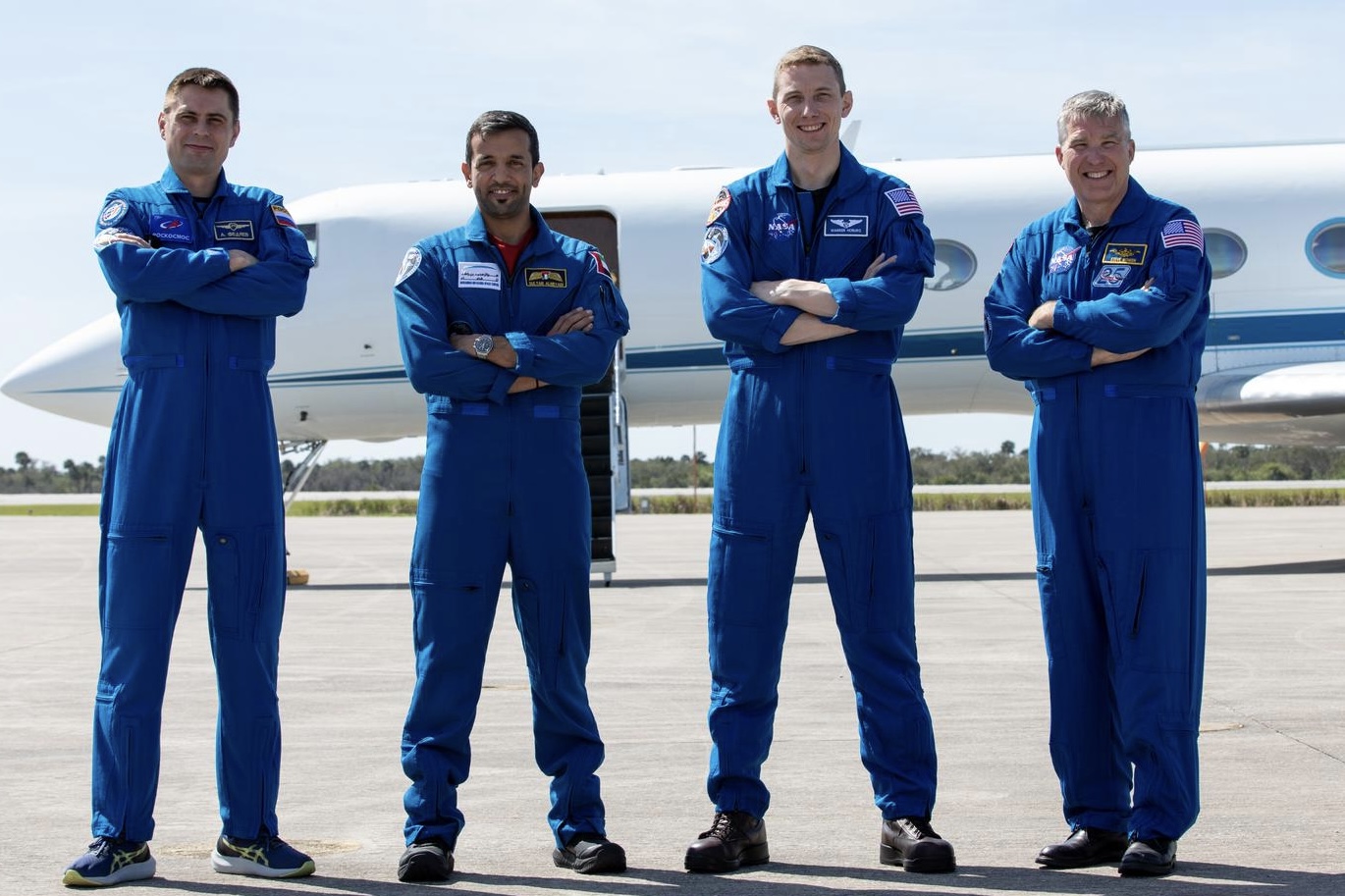
Roscosmos cosmonaut Andrey Fedyaev, left, NASA astronaut Warren “Woody” Hoburg, second from left, NASA astronaut Stephen Bowen, second from right, and UAE (United Arab Emirates) astronaut Sultan Alneyadi, right, are seen inside the SpaceX Dragon Endeavour spacecraft. Photo Credit: NASA
NASA and SpaceX always have numerous location options for splashing down, in case of bad weather, rough seas or logistical issues at a primary location. Last night’s splashdown was targeted for the coast of Jacksonville, bringing the reentry over the center of the state and within view of millions of people.
WATCH: NASA’s Crew-6 Returns to Earth in a Fireball Reentry 6
It’s as impressive as the launch too. Appearing out of the western horizon like a bright missile streaking east. It was bright it cast shadows 100 miles away (where I was located). Counties close to the reentry path also heard the sonic booms.
The international crew of NASA astronauts Stephen Bowen and Woody Hoburg, as well as UAE (United Arab Emirates) astronaut Sultan Alneyadi and Roscosmos cosmonaut Andrey Fedyaev, spent a total of 186 days in space and logged 79 million miles traveled.
WATCH: NASA’s Crew-6 Returns to Earth in a Fireball Reentry 7
Lot of science accomplished on the ISS
According to NASA, the crew contributed to a host of science and maintenance activities and technology demonstrations on the ISS. Bowen conducted 3 spacewalks, joined by Hoburg for 2, and Alneyadi for 1, preparing the station for and installing two new Roll-Out Solar Arrays to augment power generation for the ISS.
The crew also contributed to hundreds of experiments and technology demonstrations, including assisting a student robotic challenge, studying plant genetic adaptations to space, and monitoring human health in microgravity to prepare for exploration beyond low Earth orbit and to benefit life on Earth.
WATCH: NASA’s Crew-6 Returns to Earth in a Fireball Reentry 8
NASA and SpaceX have definitely worked well together under the agency’s Commercial Crew Program. NASA seeded SpaceX’s development in the first place, under orders from Congress and former President Obama. And now NASA contracts them to fly cargo, supplies and crews to and from the ISS.
Back to the Moon with Artemis
But how much longer the ISS stays in operation is a big unknown. NASA does not need Russia to maintain the ISS, but it sure will be a lot harder without them. Russia has stated numerous times that they plan to pull out of the ISS sooner than later.
WATCH: NASA’s Crew-6 Returns to Earth in a Fireball Reentry 9
NASA meanwhile is looking towards the moon with their Artemis missions, and is funding SpaceX to develop a lander. But those missions might fly only once a year. Artemis-2 won’t even launch until at least late 2024. The first moon landing would be a couple years later.
NASA wants a permanent human presence there, same as with the ISS. They plan to put a station in orbit around the moon to support those plans. The station would be called Gateway, and provide a staging point for surface missions and flights to / from Earth. It will also be a safe haven / lifeboat if anything went wrong with spacecraft, with room for additional modules to be installed.
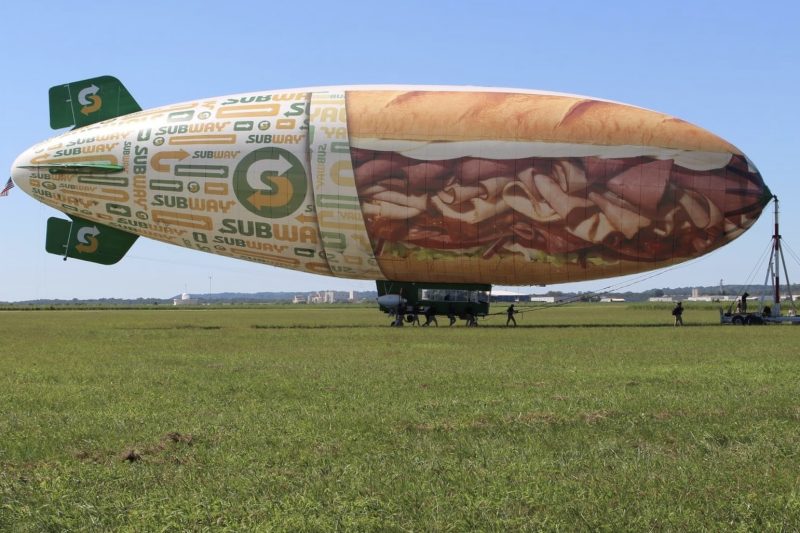
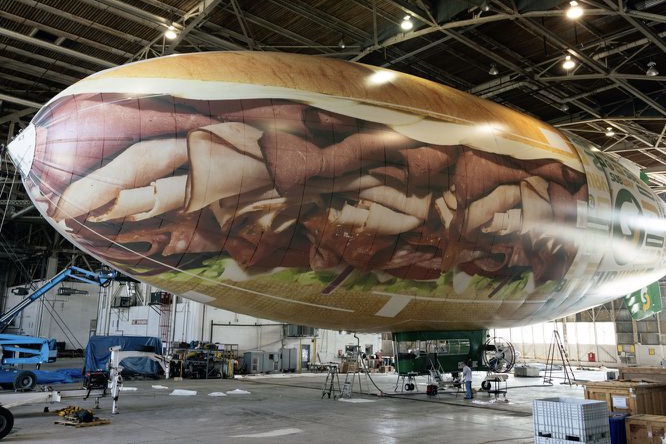
Subway has made a giant sandwich blimp restaurant to float over a few cities across the nation this month, and they are offering the public a chance to fly on it.
New subs hit the menu
The 180-ft bread zeppelin is part of a marketing campaign called ‘Subway™ in the Sky’, promoting their new Deli Heroes subs and offering selected guests a “brand new dining experience at new heights.”
Subway Puts Restaurant On a Blimp to Promote Their New Subs 12
Subway says they are elevating their subs with the new Deli Hero selections. They are named the “Titan Turkey,” the “Grand Slam Ham,” the “Garlic Roast Beef,” and the blimp-shaped “Beast.”
The blimp’s gondola can carry 6 sandwich-lovers at a time. Each person will sample all four Deli Hero subs as they float above the normies on the ground. Subway expects to fly 40 fans per day, with each flight lasting 30-40 minutes.
Subway Puts Restaurant On a Blimp to Promote Their New Subs 13
How to get a seat On A Subway Blimp
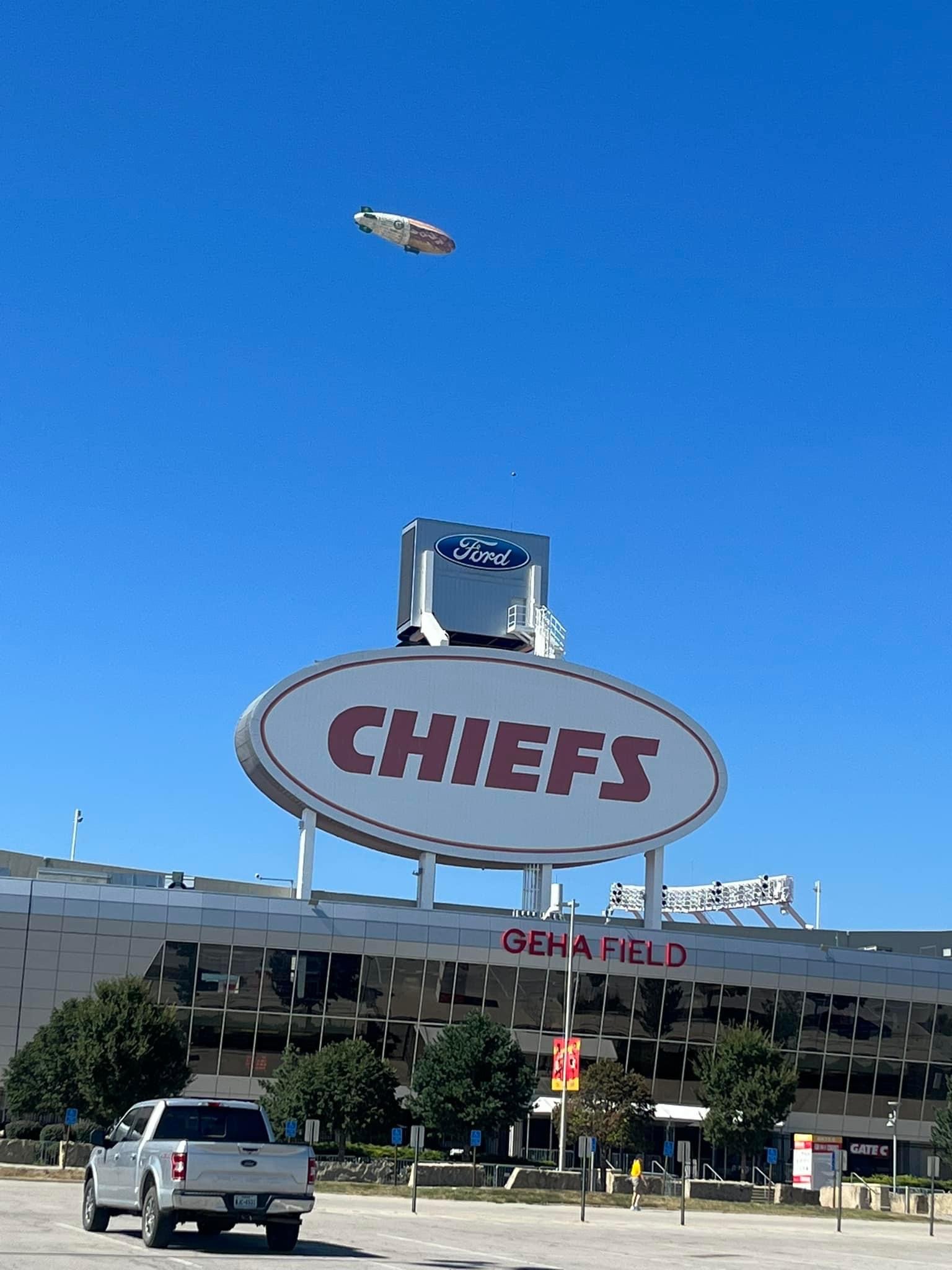
The blimp is in Kansas City this week, but all the seats are taken. Registration was full within the first hour it was open.
But you can still grab seats for the blimp’s other planned stops. It will visit Orlando Sep 19 – 20, and Miami Sep 24 and 26. Just pay attention to when the registrations open. Seats will fill fast and are awarded on a first-come first-serve basis (no purchase necessary).
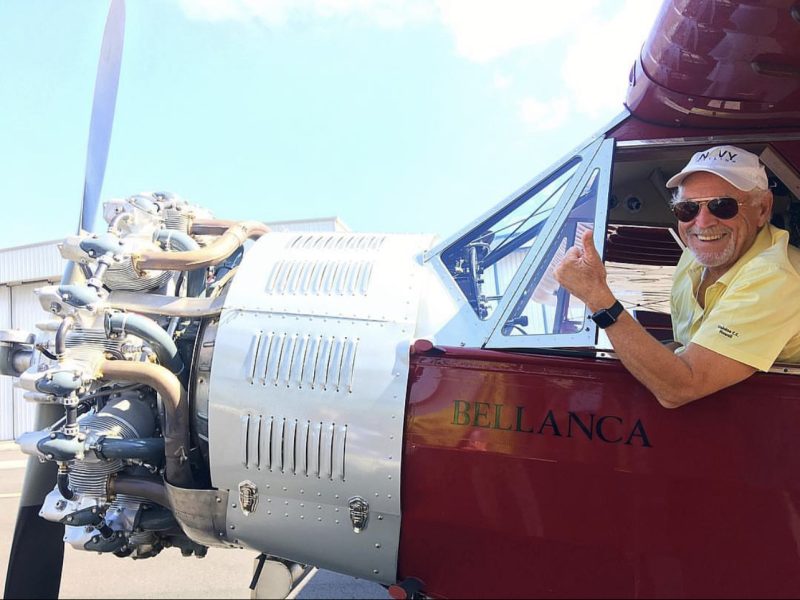
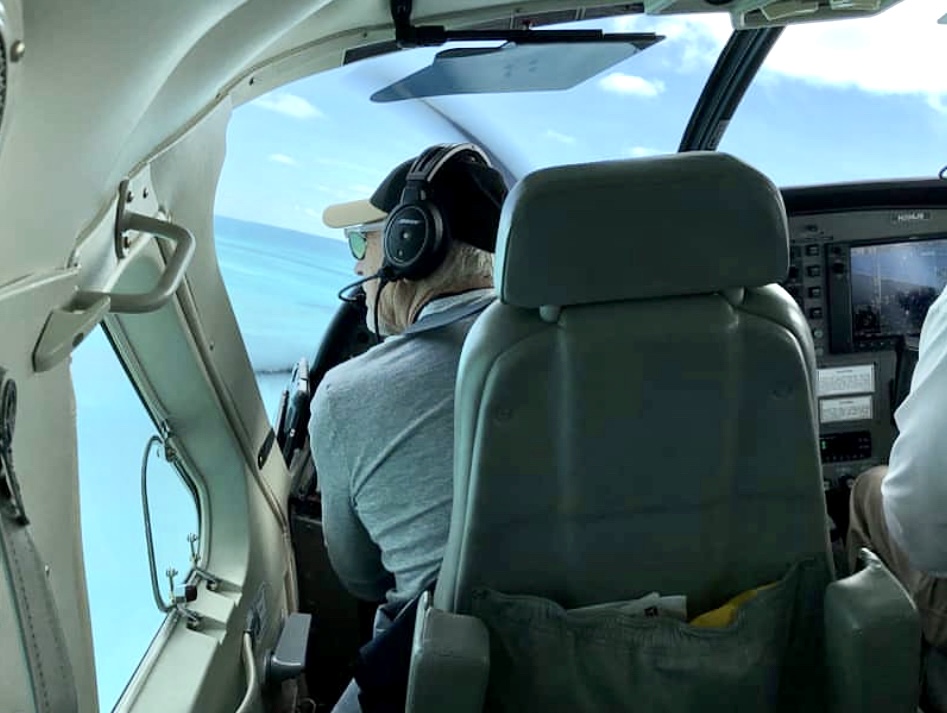
The world mourns the passing of legendary musician Jimmy Buffett. His songs brought joy to millions for decades, with timeless hits such as Margaritaville and Come Monday, but the singer-songwriter also loved aviation. He was an accomplished pilot for over 30 years.
Image: Jimmy Buffet IG
According to the website Buffett World, he caught the bug in college when a pilot friend took him for a flight. He had other priorities in the first half of his life, but the expensive dream to fly always stayed with him.
Remembering Jimmy Buffett-Parrothead, Musician, and Pilot 25
As he earned more success he earned more money, and set a goal to earn his private license by his 40th birthday. He purchased a Lake Renegade amphibian and earned his PPL with single engine land and sea ratings at 39.
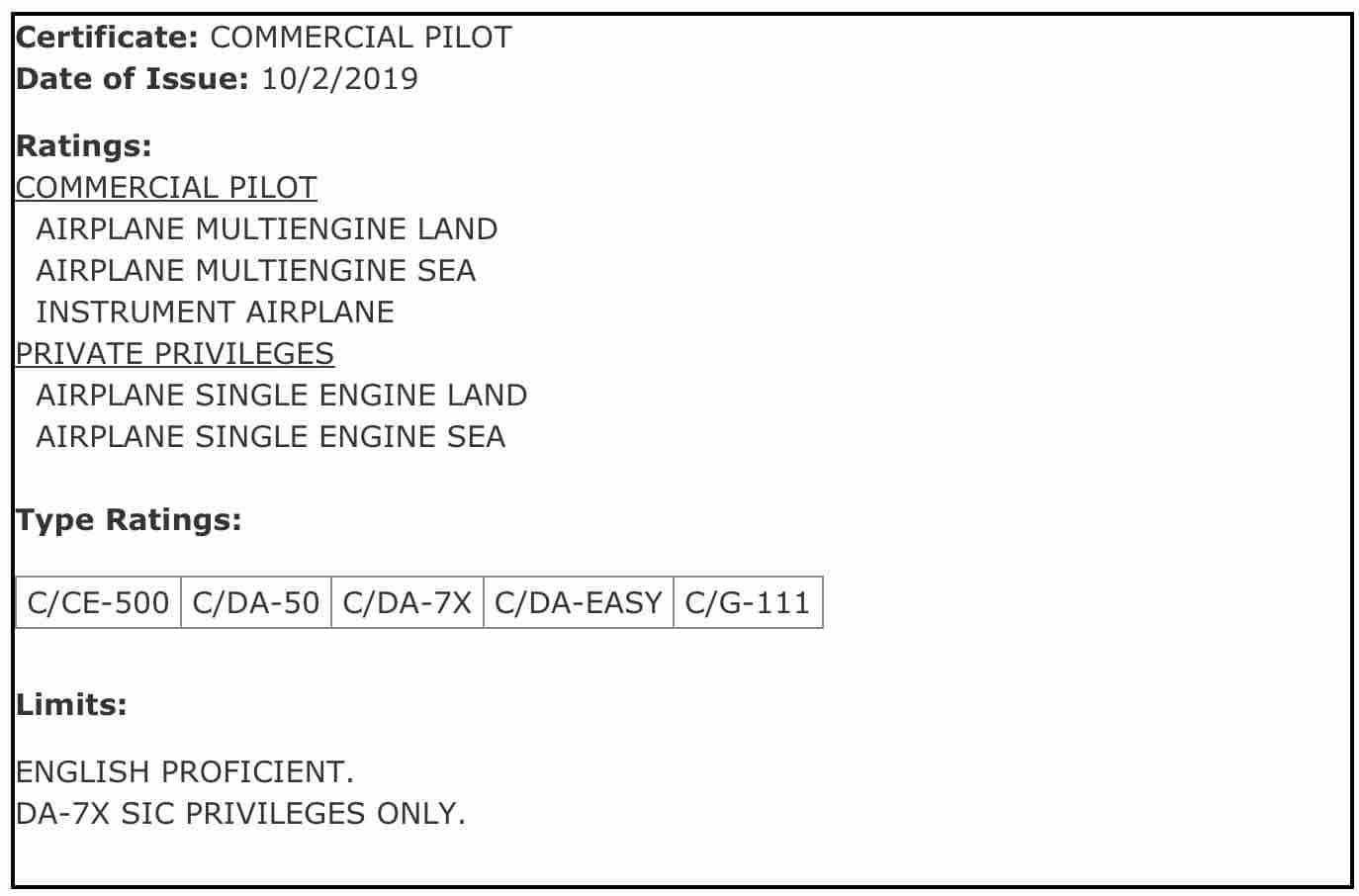
He went on to earn a Commercial Pilot License with ratings for multi-engine land and sea aicraft, and an instrument rating for flying in clouds and low weather. Buffett also held type ratings for the Cessna Citation 500-series jets, the Falcon 50 and 900, and the Grumman Albatross.
Remembering Jimmy Buffett-Parrothead, Musician, and Pilot 26
Buffett owned many planes
Remembering Jimmy Buffett-Parrothead, Musician, and Pilot 27
Jimmy Buffet owned many planes over the years, basing his fleet the last several years out of Palm Beach International (PBI) in south Florida. They even named an aviation departure procedure after him, called the BUFIT ONE Departure, used for aircraft departing south from PBI. Waypoints include JIMEY, BUFIT, PYRUT, FINNS, and UTLEY (named after Buffett’s long-time keyboard player).
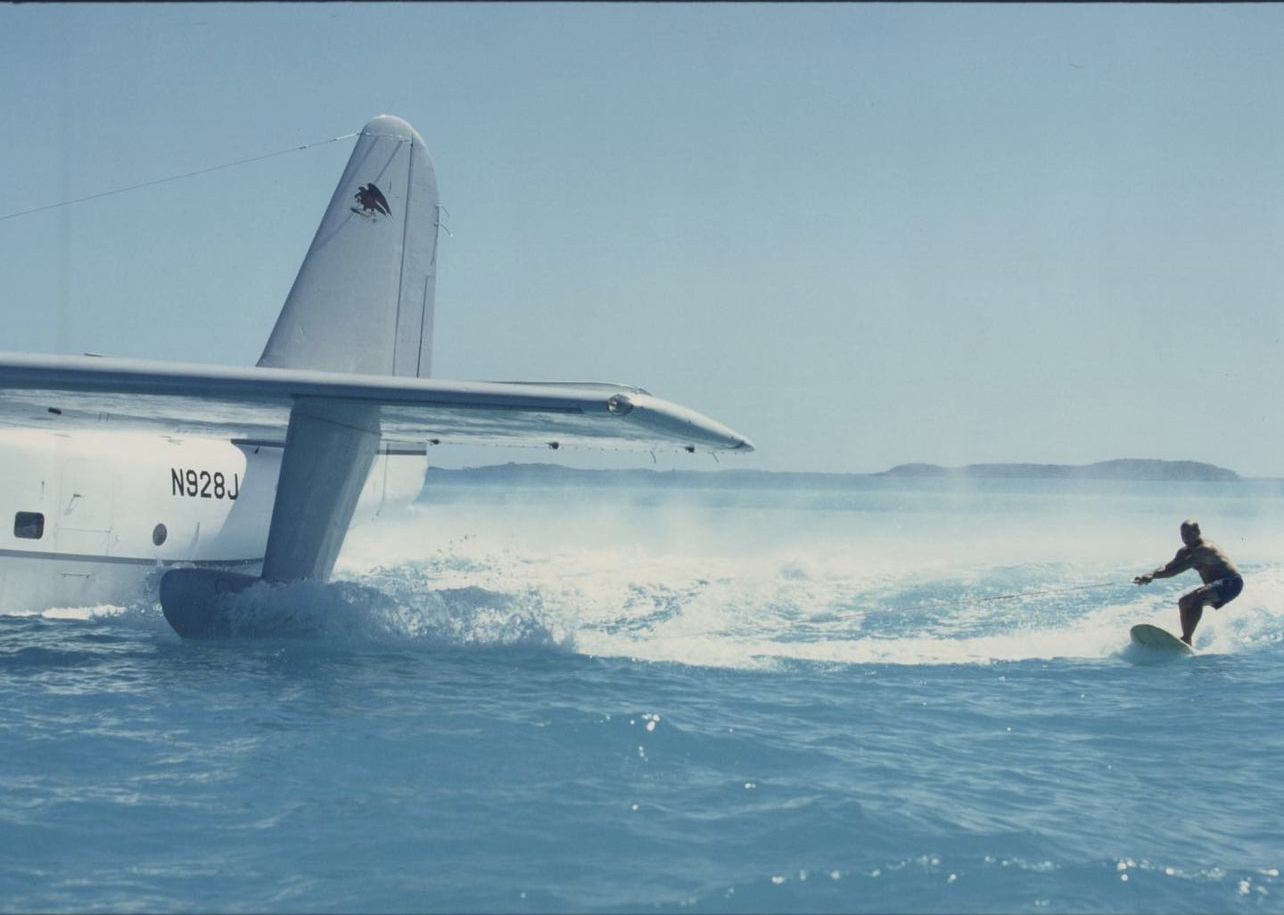
He sometimes flew his Albatross Hemisphere Dancer over concert venues, before retiring it in 2003. It’s on display at Margaritaville in Orlando.
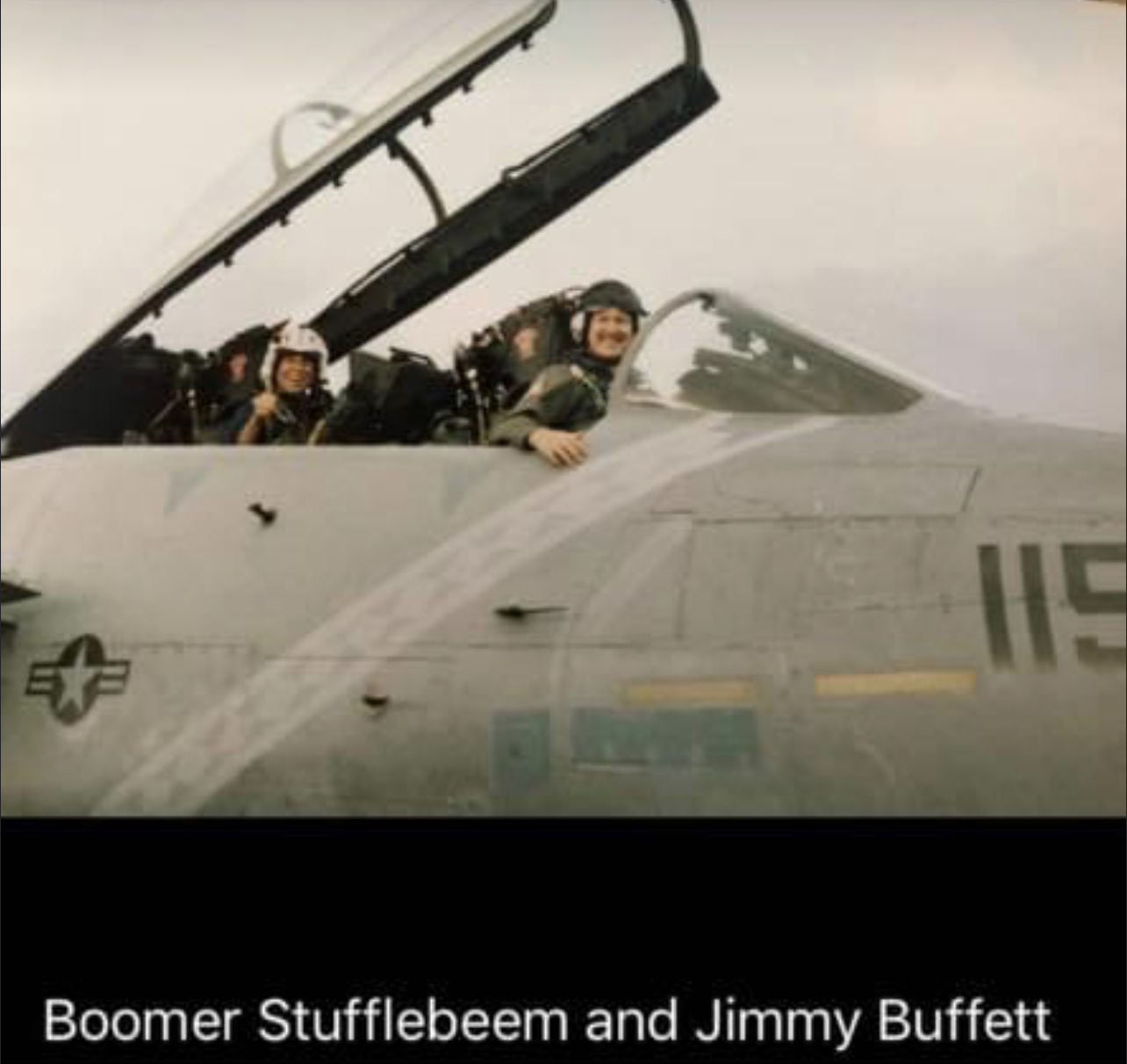
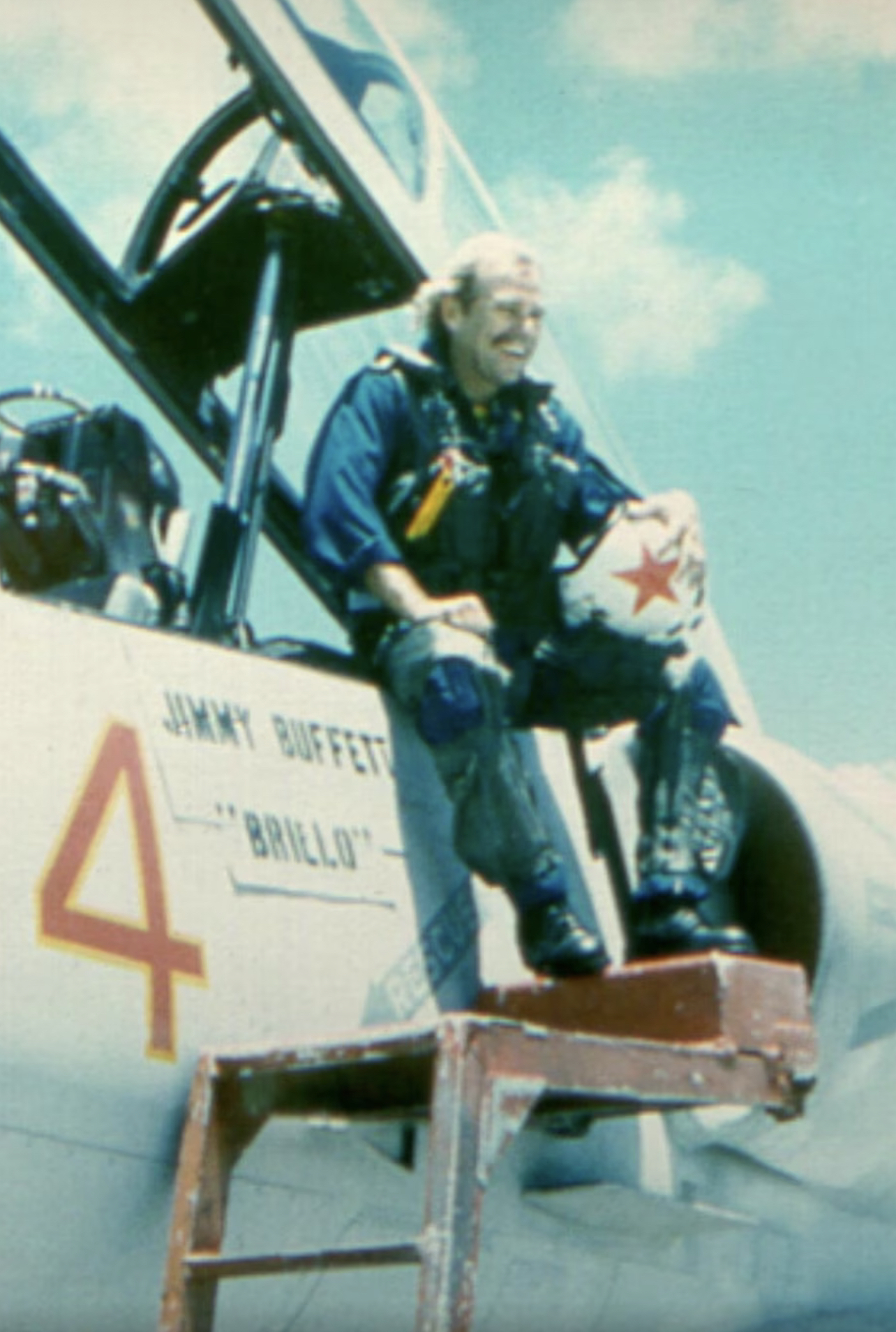
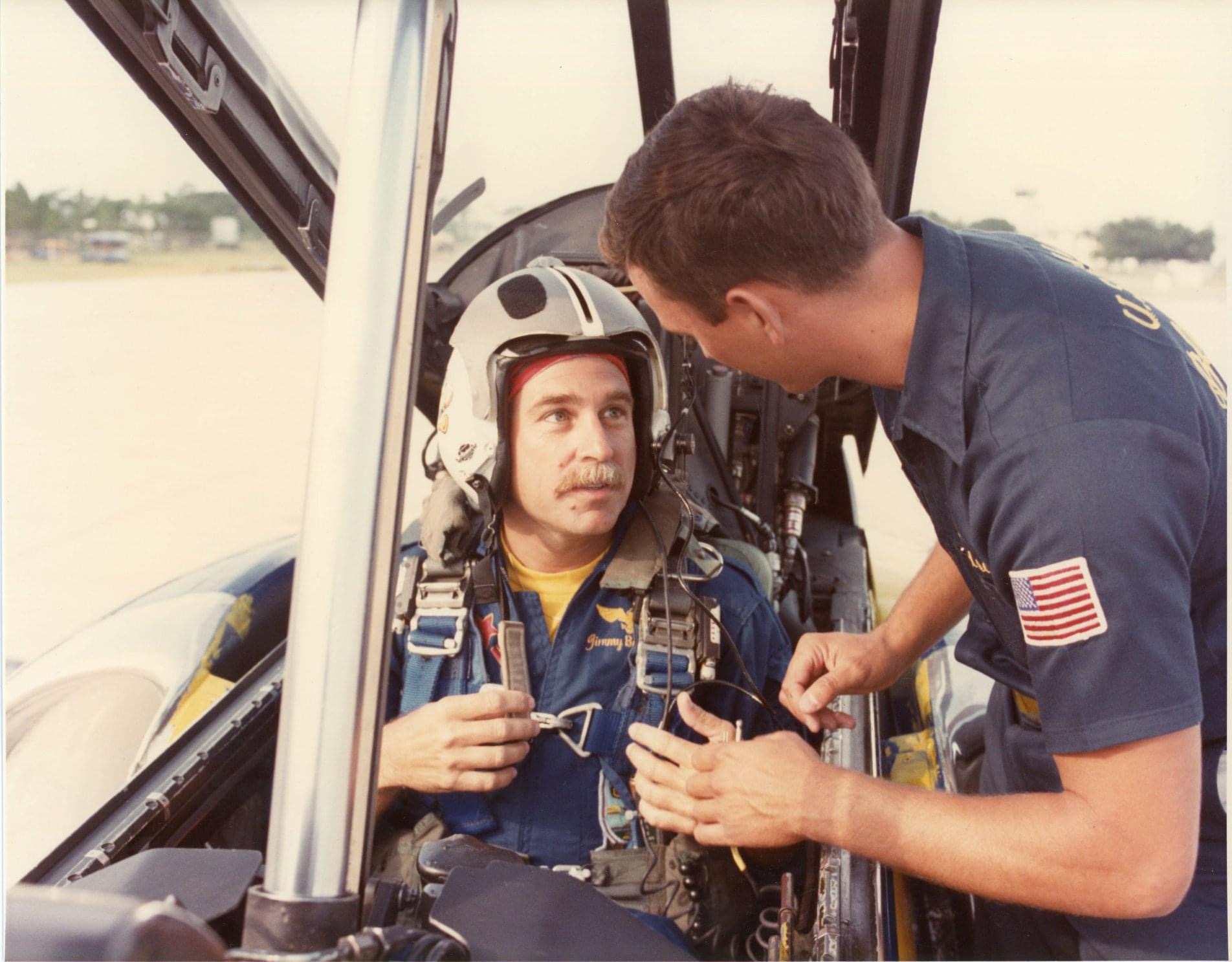
Buffett even got the chance to fly in a TA-4 Skyhawk with the Blue Angels. He also flew in the legendary F-14 Tomcat. He had to undergo Navy survival training prior to the flight, which he later credited for helping save his life when he lost control of his Grumman Widgeon on a water takeoff in Nantucket. The plane nosed over on a big swell and sank (read more here). Buffett swam away unharmed.
Remembering Jimmy Buffett-Parrothead, Musician, and Pilot 28Remembering Jimmy Buffett-Parrothead, Musician, and Pilot 29
Jamaica almost killed Buffett mistaking him for a drug runner
He also survived Jamaican authorities shooting at him in Negril a couple years later, when they mistook his seaplane Hemisphere Dancer for a drug runner. Nobody was hurt, but the plane was given several new bullet holes. He later wrote a song inspired by the event, called Jamaica Mistaica.
U2 singer Bono was with him, along with Buffett’s family. He later recalled the incident:
Remembering Jimmy Buffett-Parrothead, Musician, and Pilot 30
“These boys were shooting all over the place. I felt as if we were in the middle of a James Bond movie… I honestly thought we were all going to die…You can’t believe the relief I felt when I saw the kids were okay.”
Buffett loved the Navy and Marine Corps
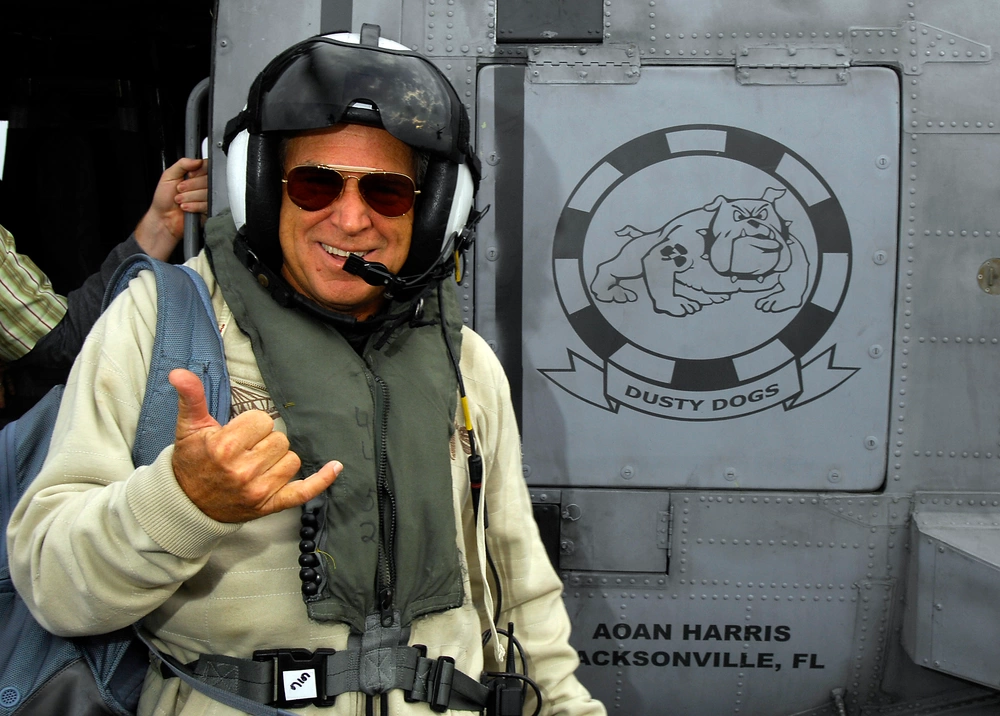
Buffett was a long-time supporter of the men and women in the Navy and Marines. He held numerous concerts for sailors and would visit them around the world, including in 2008 when he visited the aircraft carrier Harry S Truman in the Middle East.
Remembering Jimmy Buffett-Parrothead, Musician, and Pilot 31Remembering Jimmy Buffett-Parrothead, Musician, and Pilot 32
He was awarded the prestigious “Superior Public Service” award by the Secretary of the Navy. It’s the highest award that can be given to a civilian not employed by the Navy.
The award recognizes Buffett as an “unwavering supporter of the men, women, and families of the Navy and Marine Corps. His dedicated service to our sailors, Marines, wounded warriors, and civilians ensured that they were provided highly visible support and gratitude that greatly enhanced morale and welfare across the Department.”
It’s always 1700 somewhere. Blue skies Jimmy Buffett, 76 years old.
Remembering Jimmy Buffett-Parrothead, Musician, and Pilot 33Remembering Jimmy Buffett-Parrothead, Musician, and Pilot 34
-Photos courtesy of Jimmy Buffett’s social media and the US Navy. F-14 photo from reader Tom Crockett (personal friend of the F-14 pilot)
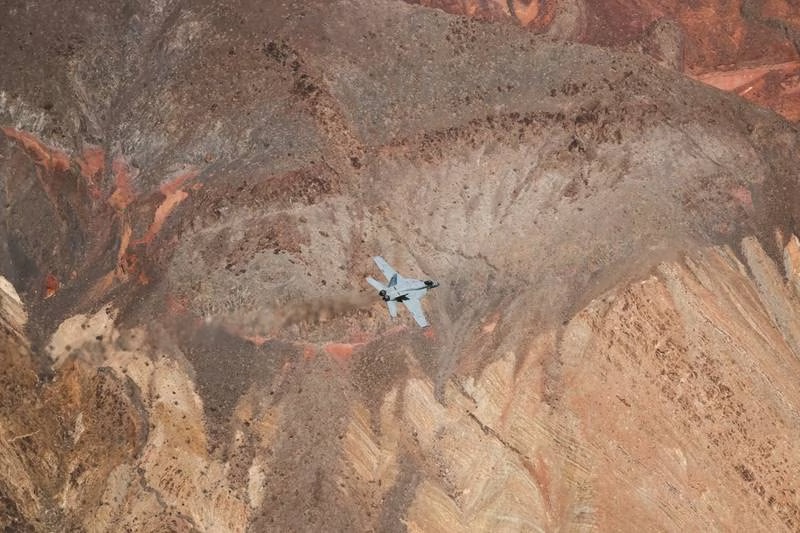
Star Wars Canyon in Southern California used to be one of the most well-known low level training route in the world for fighter jets. Or at least it was until 2019, when a Navy pilot crashed in the canyon. The pilot was killed, and several onlookers were injured.
Watch the T-33 Ace Maker Fly Through Star Wars Canyon 40
The place was a favorite among aviation photographers, chasing epic shots of jets maneuvering between canyon walls below them. Both the Navy and Air Force have since stopped using the canyon, citing safety concerns. They will fly above it, but not below the rim.
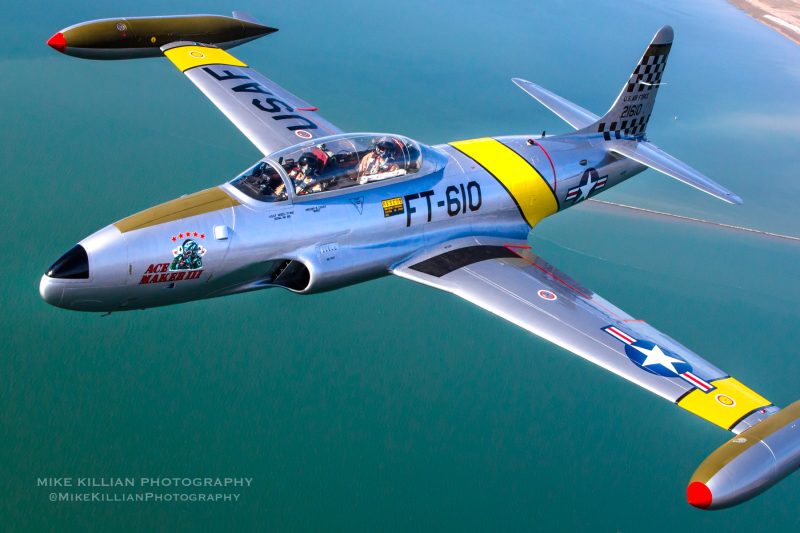
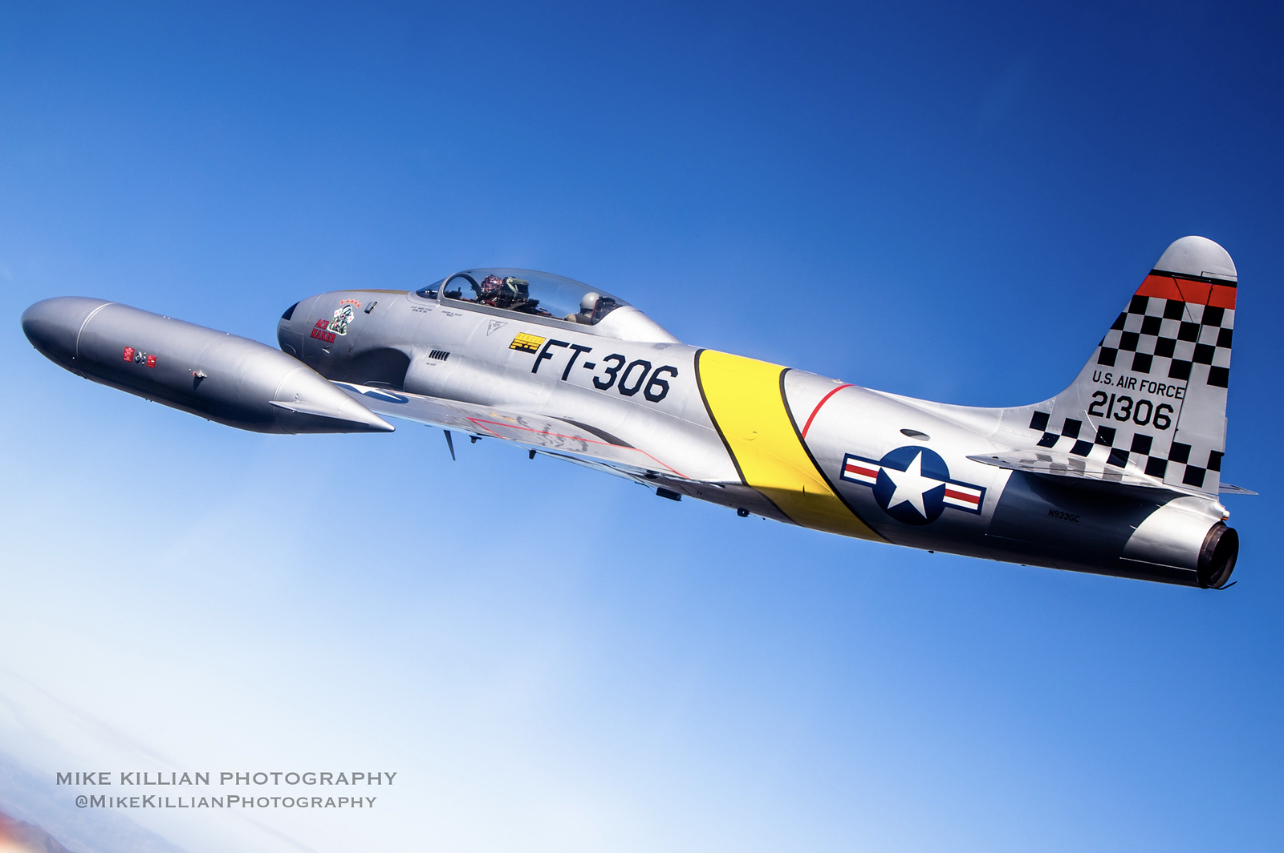
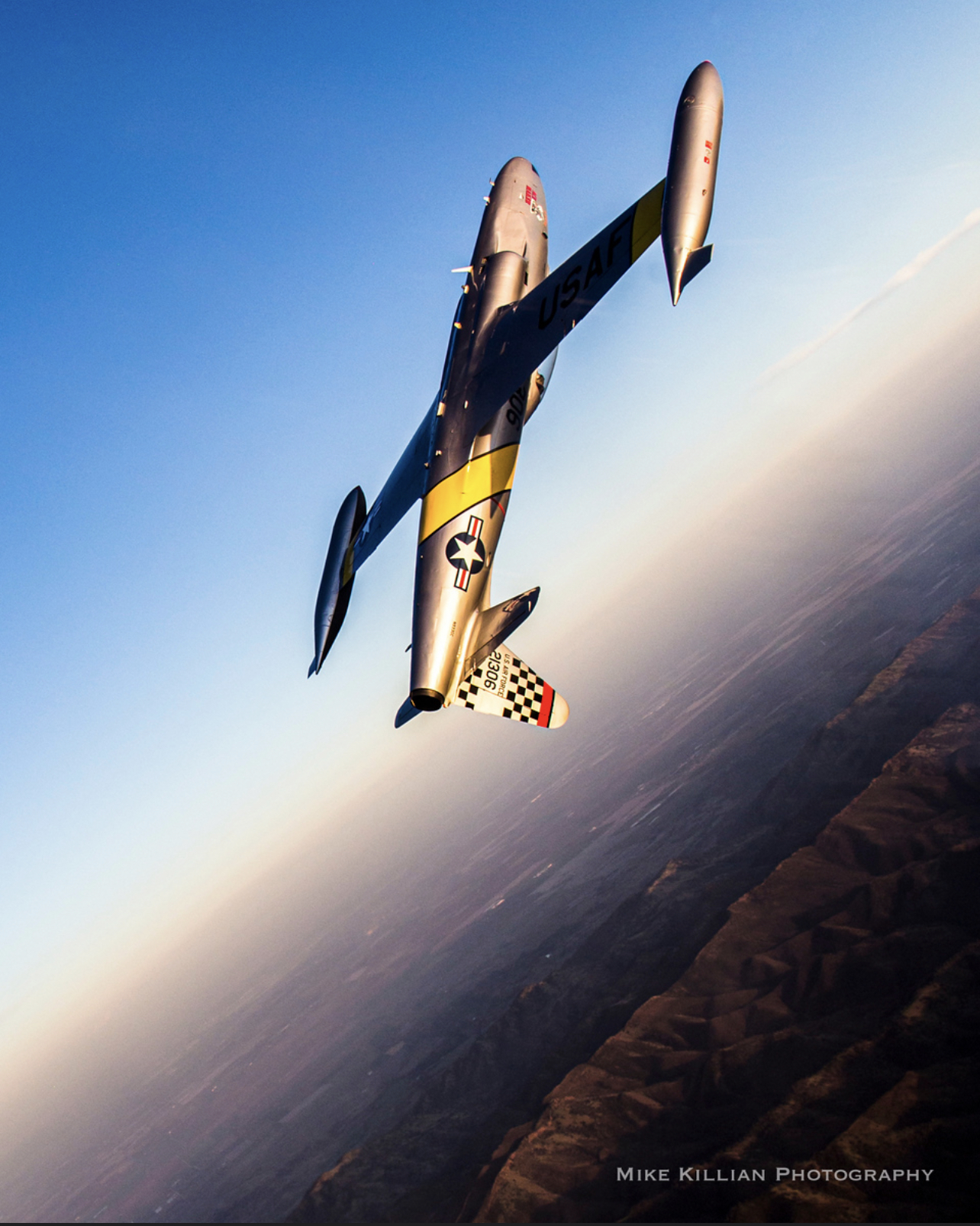
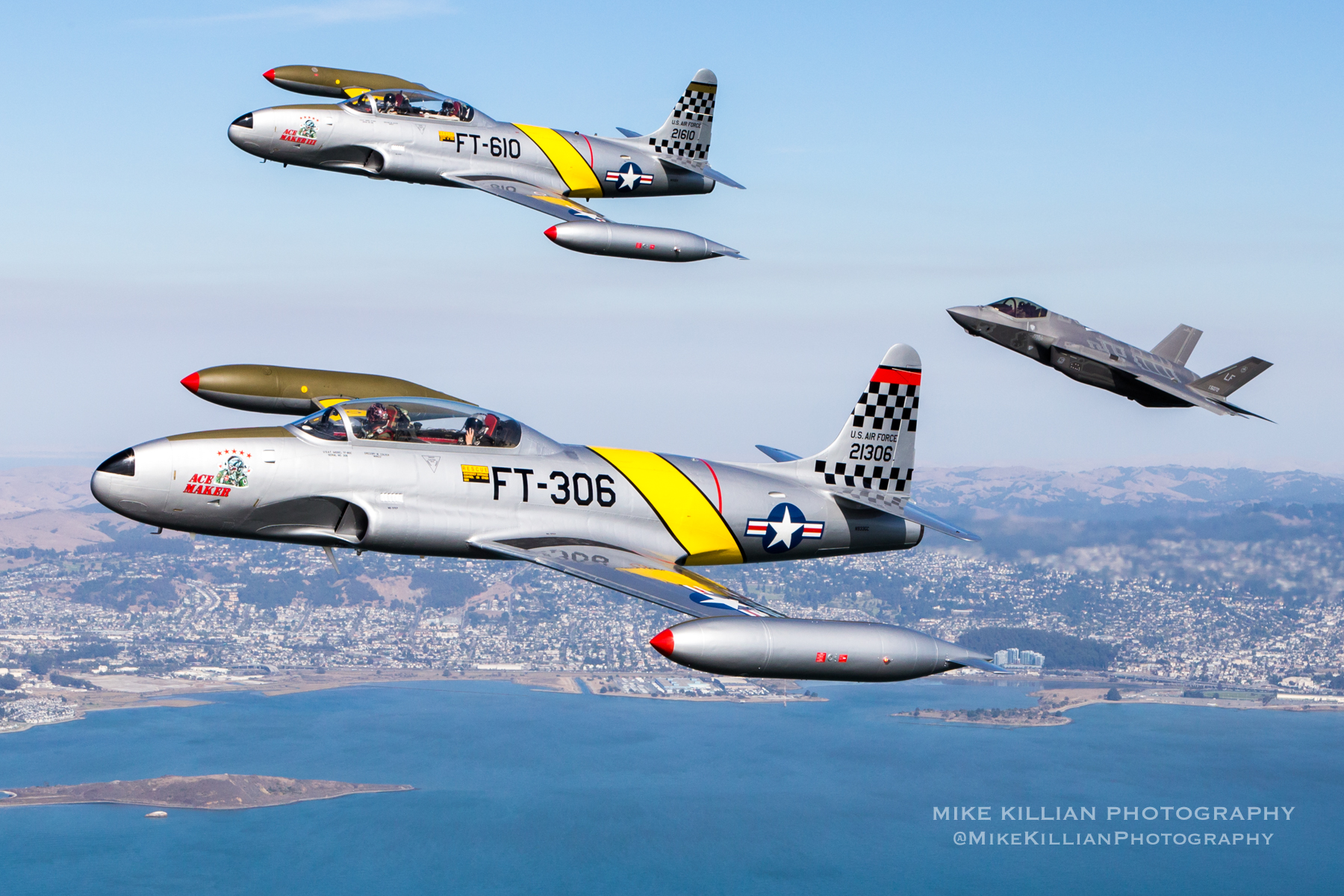
Private pilots however ARE still allowed to use the canyon, and do so regularly. Including Gregory WIRED Colyer, who took me on a trip through the canyon (watch below) in one of his T-33 Shooting Stars.
WATCH: Flying theT-33 Ace Maker through Star Wars Canyon
The Ace Makers
He owns 3, and calls them the Ace Makers. Colyer flies them at air shows nationwide throughout the year. He also supports both USAF and Navy Test Pilot Schools, providing students with T-33 flights that they then have to evaluate and write a report about.
“With the students it’s an unknown aircraft qualification,” says Colyer. “So I give them an hour ground school on the T-33 and then give them a cockpit checkout, then they go through the POH and get all the performance numbers for takeoff and time-to-climb and things like that.
Watch the T-33 Ace Maker Fly Through Star Wars Canyon 41
“Then we go up and fly their test cards which includes a little bit of everything. Rudder doublets, controllability issues, the aileron boost on and off, aerobatics and low-level flying, just as if they were flying the jet for the first time back in the late 1940s.”
“The Navy TPS students evaluate the T-33 as a ground attack aircraft too, while the USAF TPS students evaluate it as a primary and advanced trainer,” adds Colyer. “So they are evaluating it for its intended use as if they are back in the 1950s.
Watch the T-33 Ace Maker Fly Through Star Wars Canyon 42
America’s First Jet Trainer
The T-33 was America’s first jet trainer, developed by Lockheed’s legendary Skunk Works to train P-80 pilots (F-80). Those pilots were fresh out of WWII and made flying propeller fighters look easy, but the transition to jets with new tech and capabilities was anything but simple. Several crashes occurred, making it clear that a trainer was critically needed.
Other variants were produced too, including some for combat and photo reconnaissance. Other nations were also granted licenses to develop their own, such as Canada. You can read more in-depth about the T-33 in one of our previous report.
Watch the T-33 Ace Maker Fly Through Star Wars Canyon 43
Most nations have stopped using T-33s. The jet was first put into production nearly 80 years ago. But they still thrill avgeeks any time one is spotted, especially those who know their history.
“The Shooting Star was always one of my favorite jets growing up, being our first jet fighter and watching movies such as Jet Pilot,” says Colyer. “It’s classic lines just sang out to me. I flew a friend’s T-33 in 2007 and knew I had to have one. I felt like I had been flying it all my life. Acquired my first one in early 2008 and 5 hours later I was type rated in her.”
Official US Air Force Photograph
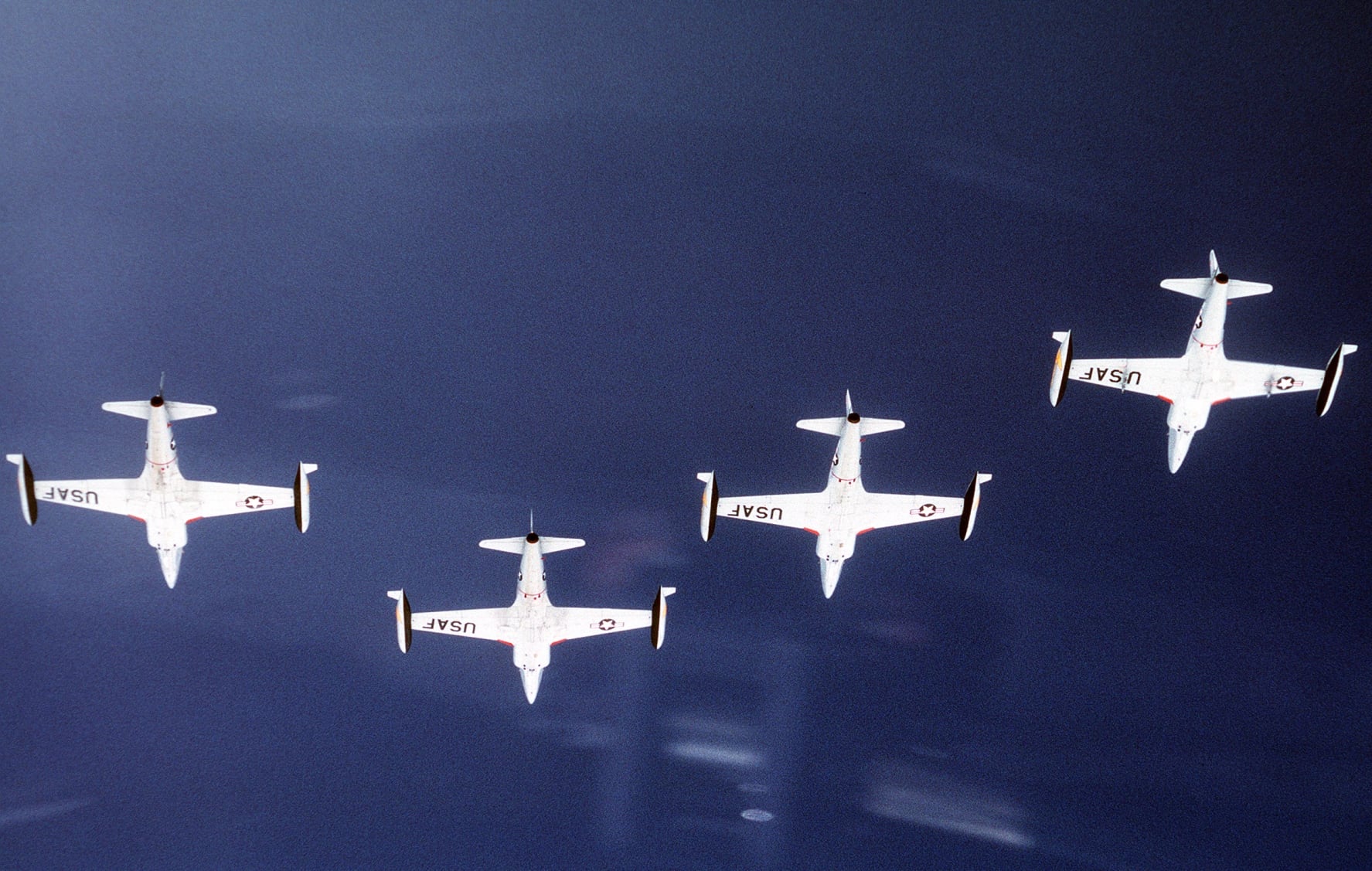
More than 7,000 T-33s were built, and since its introduction, the jet has been flown to help train more jet pilots than any other training aircraft type in history. Even the world famous USAF “Thunderbirds” used T-33s once upon a time, serving as the team narrator’s aircraft and being the VIP / Media ride aircraft in the 1950s and 1960s.
As of mid-2023, 65 T-33s are flying in private hands. Many are also on display at museums around the world.
The Game Show Host You Know Today Was a Naval Aviator Ready to Go to War Back in the Day
Updated : TV legend Bob Barker passed away on August 26, 2023 at the age of 99. We have updated this story to commemorate his passing.
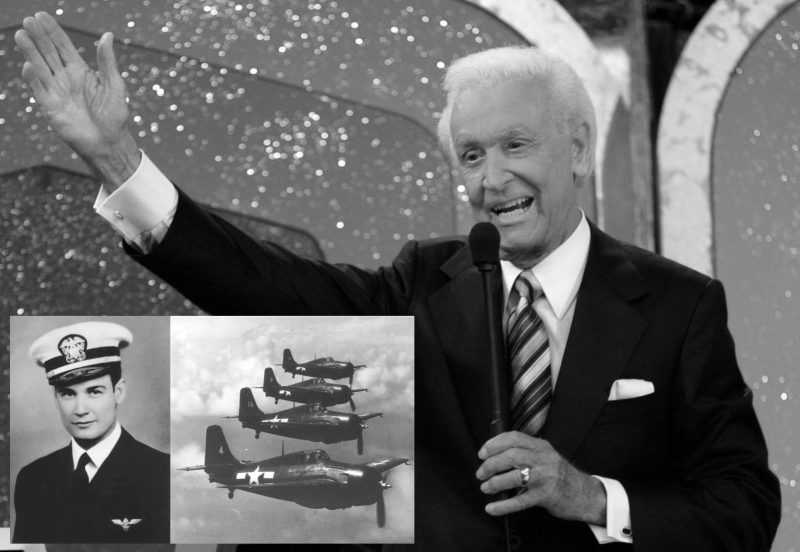
Robert William “Bob” Barker is best known for his career in television. He hosted numerous well-known television shows like Truth or Consequences from 1956 until 1975 and The Price Is Right from 1972 until 2007. Barker also appeared on shows like CBS’ coverage of The Rose Parade, Bonanza, Tattletales, Match Game, The Nanny, The Bold and the Beautiful, and just about every talk show out there during his career, along with many more- and of course his memorable appearance (as himself) in the 1996 Universal movie Happy Gilmore (“I don’t want a piece of you…I want the whole thing!”). Bob Barker is one of the most recognizable names (and faces) in American television history. But…did you know that before Barker became famous, he became a Naval Aviator during World War II?
Bob barker and adam sandler in happy gilmore. image via imdb
Every Fledgling Pilot Starts Somewhere
Barker was born on 12 December 1923 in Darrington, Washington. He spent much of his youth on the Rosebud Indian Reservation located in Mission, South Dakota- in part because Barker is one-eighth Sioux Indian. He enlisted in the United States Navy Reserve while attending Drury College in Springfield, Missouri on a basketball scholarship in 1943. Barker reported to William Jewell College in Liberty, Missouri for his initial ground school on 9 June 1943. Barker began his pre-basic flight training at Iowa State University in Ames, Iowa flying Taylorcraft L-2 Grasshoppers.
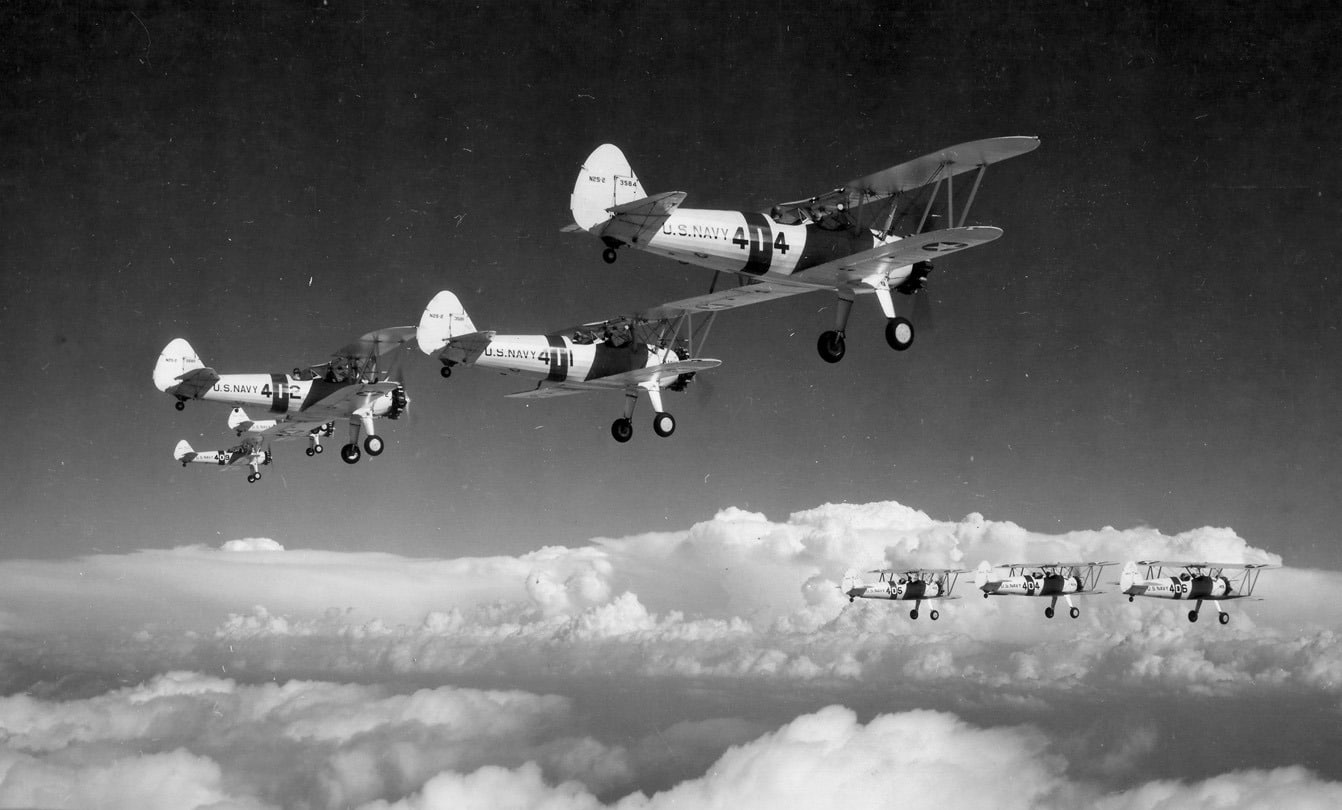
N2S trainers. image via national archives
Stearmans, Valiants, and Texans
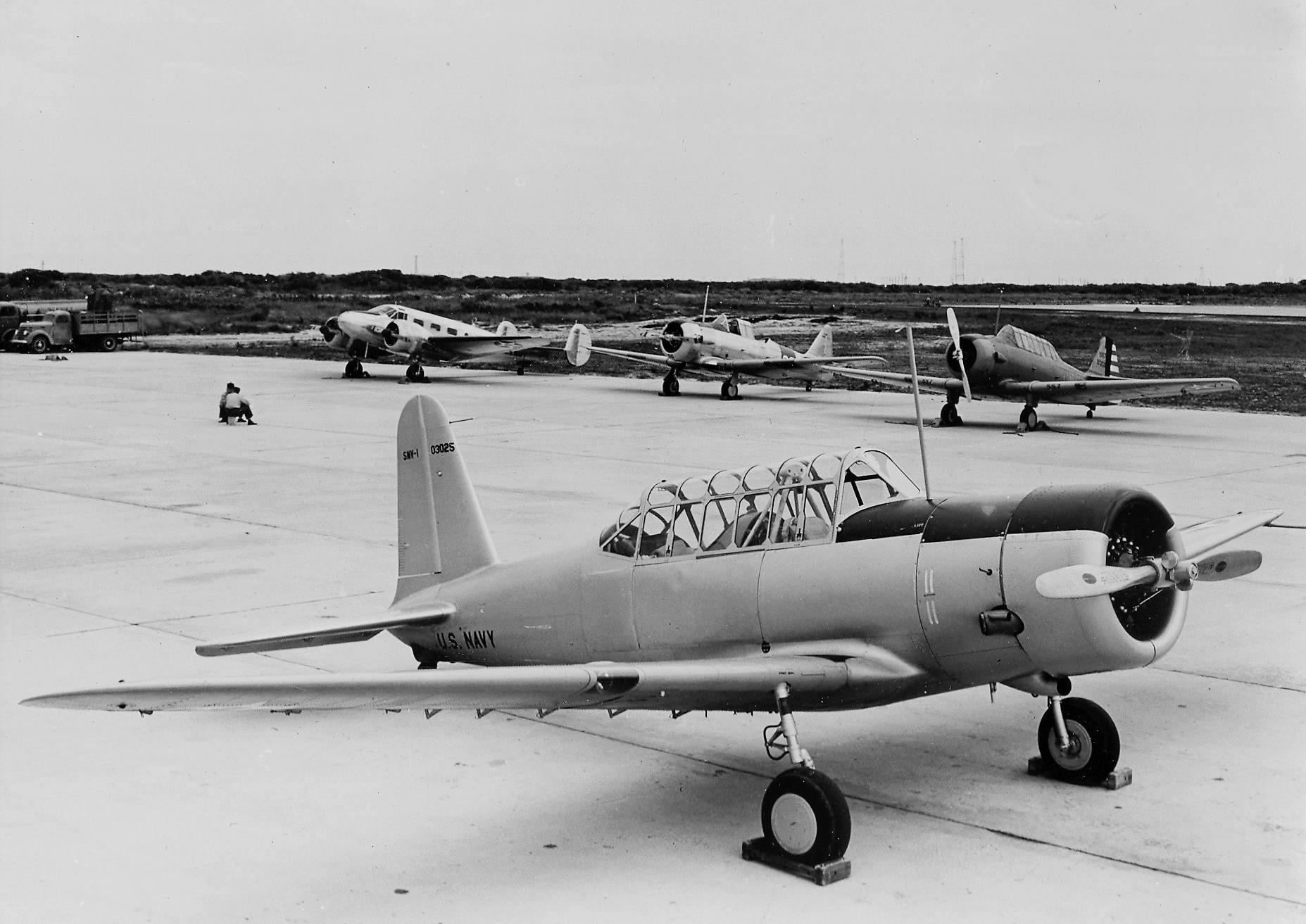
Barker then reported to the University of Georgia in Athens for Preflight School, where he also played on the Navy Basketball team. Next Barker made his way to Naval Air Station (NAS) Millington outside Memphis, Tennessee, where he flew the ubiquitous N2S Stearman trainer. After mastering the wily Stearman, Barker reported to NAS Cabaniss Field in Texas, where he flew Vultee SNV Valiant fixed-gear intermediate trainers. After flying the Valiant Barker moved over to NAS Beeville in Texas and on to advanced training in the North American SNJ Texan trainer. Upon completion of his flight training in South Texas, Barker was commissioned as Ensign Robert Barker USNR.
SNV trainer. image via national archives
Learning His Craft in the Wildcat
Newly-minted Ensign Barker next reported to NAS DeLand near Daytona Beach in Florida. Barker was plugged into the VF pipeline for operational training, so the first fighter aircraft he flew was the Eastern FM-2 Wildcat while learning formation flying, night flying, dog-fighting, aerial gunnery, and practicing field carrier landings. Later during his operational training Barker also spent time at Glenview NAS outside Chicago, from where he flew his FM-2 out to the paddle-wheel carrier USS Wolverine (IX-64) and learned how to land and take off from the boat while it plied the waters of Lake Michigan.
The Jet Age dawned for the western world in October 1958 with the introduction of both the Boeing 707 and the De Havilland Comet 4 (the first commercial jetliner—the Comet 1, introduced in 1952—suffered design problems and was withdrawn from service in 1954; the Soviets put the first successful jetliner into service – the Tupolev TU-104 – in 1956).
The Boeing 707 and the Comet 4 were followed by the Douglas DC-8, which flew its first commercial flights in September 1959. With their unprecedented speed and passenger capacity, jetliners carried the promise of a whole new era for commercial aviation.
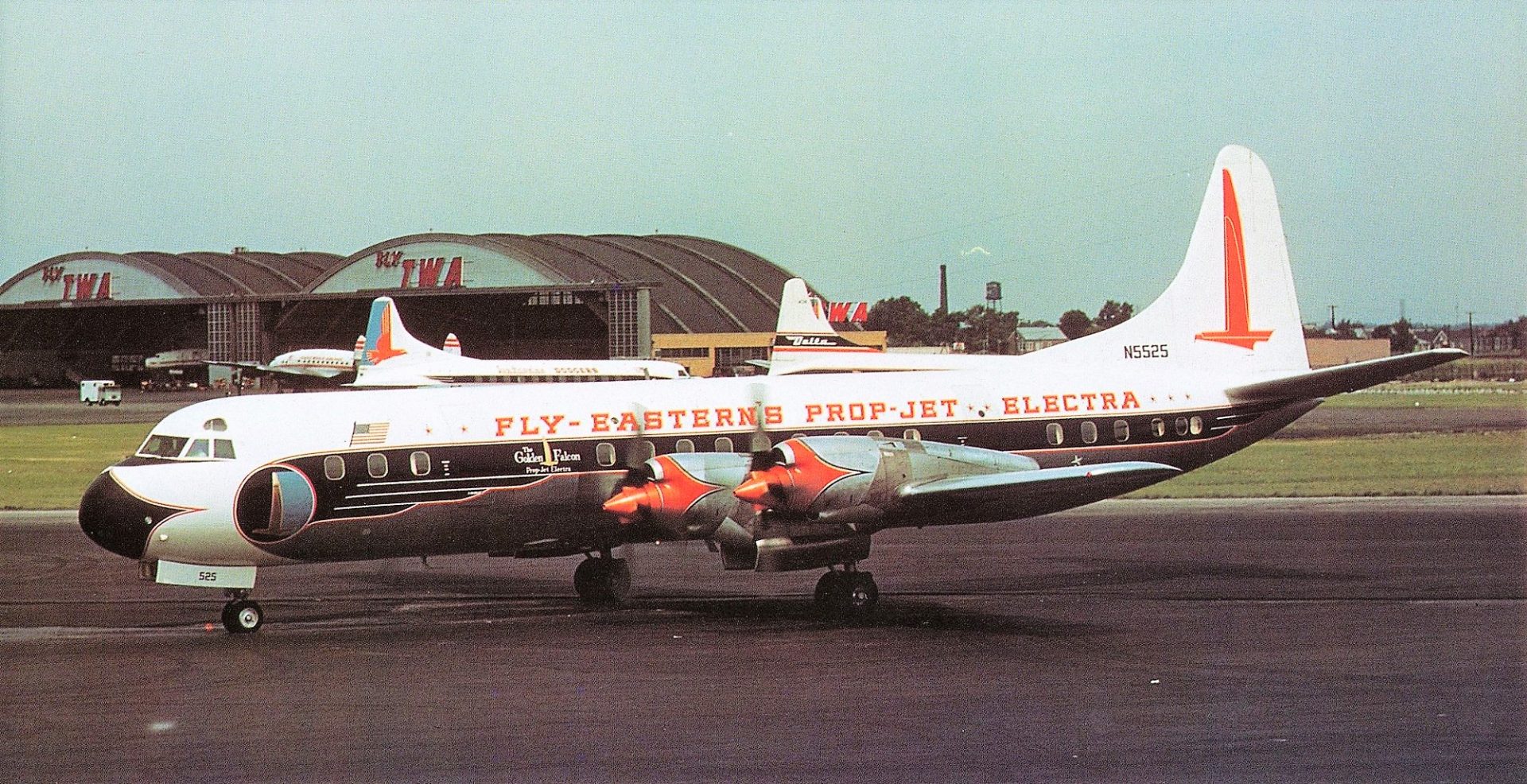
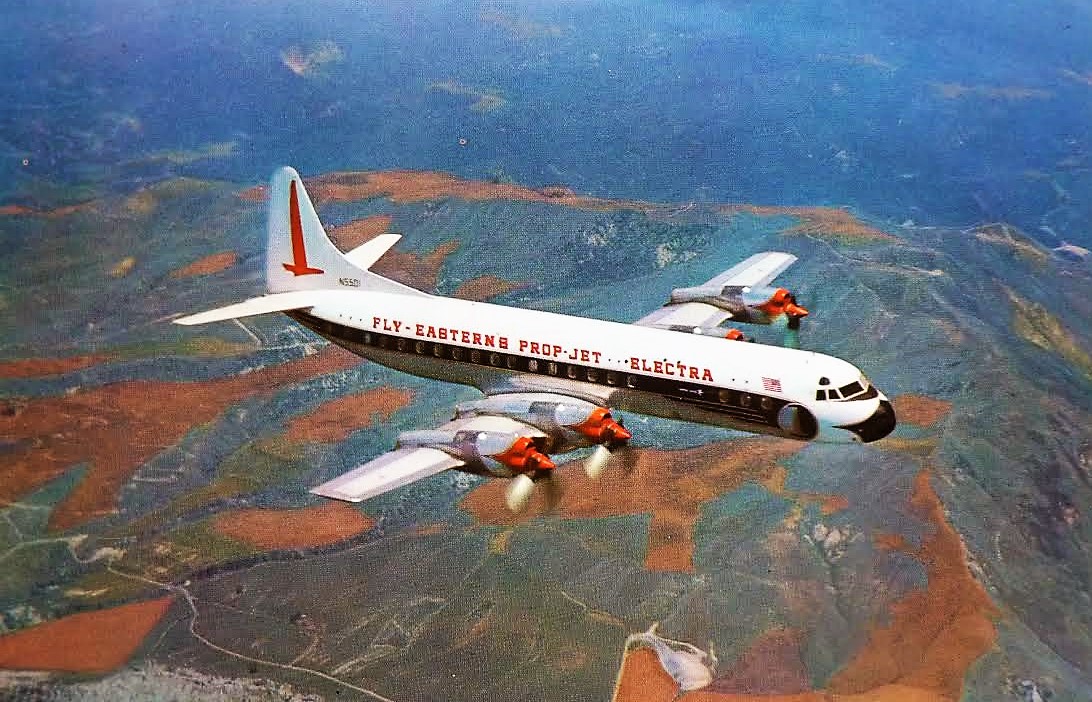
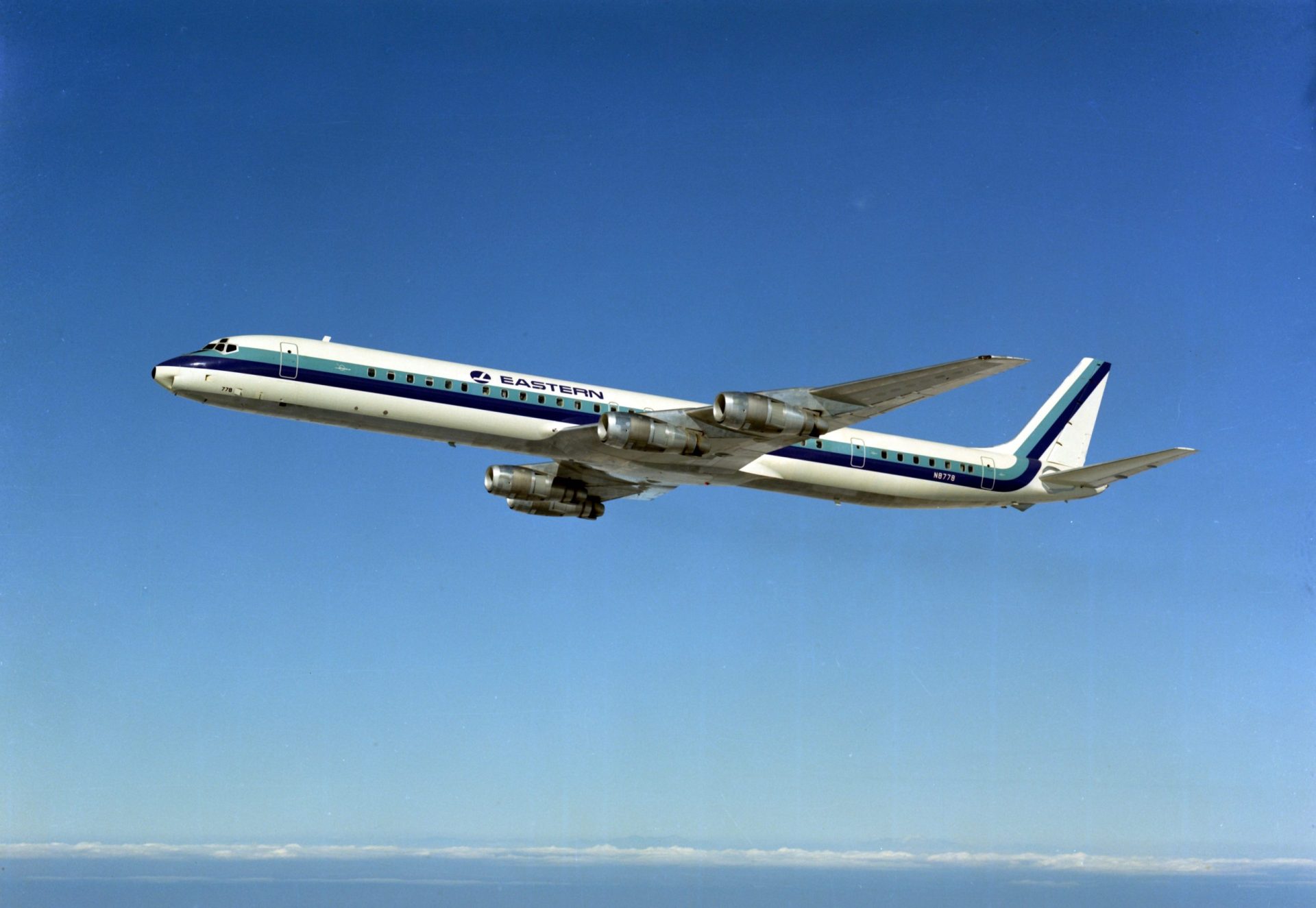
Eastern’s leader, CAPT. Eddie Rickenbacker, relied upon the turboprop Lockheed L-188 Electra to serve as the company’s top-of-the-line aircraft while other carriers deployed their first jets. This proved to be a tactical error. Mel Lawrence photo.
THE PROP-JET ELECTRA
Eastern Air Lines was a latecomer to the Jet Age. While rival airlines were deploying jets over Eastern’s most competitive routes during the winter of 1959-60, all of Eastern’s aircraft were propeller-driven. Captain Eddie Rickenbacker (referred to simply as “The Captain”) – Chairman of the Board and the force behind Eastern – had placed his faith in the turboprop Lockheed L-188 Electra, ordering 40 of them to operate Eastern’s premier services while other carriers broke in the jets. If the new jets suffered any problems, it would be other airlines that endured the bad publicity.
But it would be the Electras, not the new jetliners, that would generate negative attention. By mid-March 1960, three Electras in service with other airlines had crashed. Two of the accidents were attributed to a design flaw that could result in the separation of wing from fuselage. The Federal Aviation Administration (FAA) mandated that all Electras be flown at reduced speed until the flaw could be corrected. In the public’s eye, the type’s reputation was tarnished, and passengers began avoiding the Electra.
The Electras suffered a design flaw which could exacerbate vibration to the point of creating a condition called whirl mode, which might result in separation of the wing from the fuselage. The reputation of the aircraft was tarnished after several crashes, but the flaw was corrected and the Electras went on to serve safely for many years. Photo: Proctor/Livesey/Thomas Collection.
Then, on October 4, 1960, an Eastern Electra crashed within seconds after takeoff from Boston’s Logan Airport. The cause of the crash had nothing to do with the design flaw. The accident was the result of an ingestion of birds – starlings – into the engines. But the publicity did not help the reputations of either Eastern or the Electra.
EASTERN’S FIRST JETS
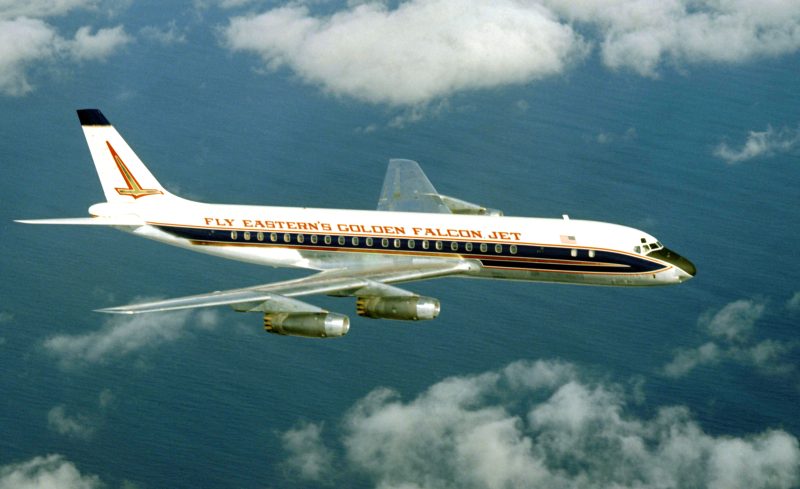
Rickenbacker had ordered 26 Douglas DC-8s (-21 models) for Eastern, but eventually scaled the order back to just 15. Eastern’s first jets did not enter scheduled service until January 24, 1960.
Eastern’s first jets – Douglas DC-8s – did not enter service until January 24, 1960. Douglas Aircraft Company photo.
While Rickenbacker was still Chairman of the Board, Eastern’s President at the beginning of the 1960s was Malcolm MacIntyre, who insisted on operating free of The Captain’s control. But try as MacIntyre might, Rickenbacker still considered himself to be in charge.
Rickenbacker had promoted Eastern as a safe airline while other carriers advertised the quality of their service. Air safety greatly improved with the Jet Age. Because the CAB forced all airlines to charge the same fares, a carrier’s selling points would have to be service and convenience. In that regard, Eastern had an image problem.
In 1960, for the first time in 26 years, Eastern failed to post a profit.
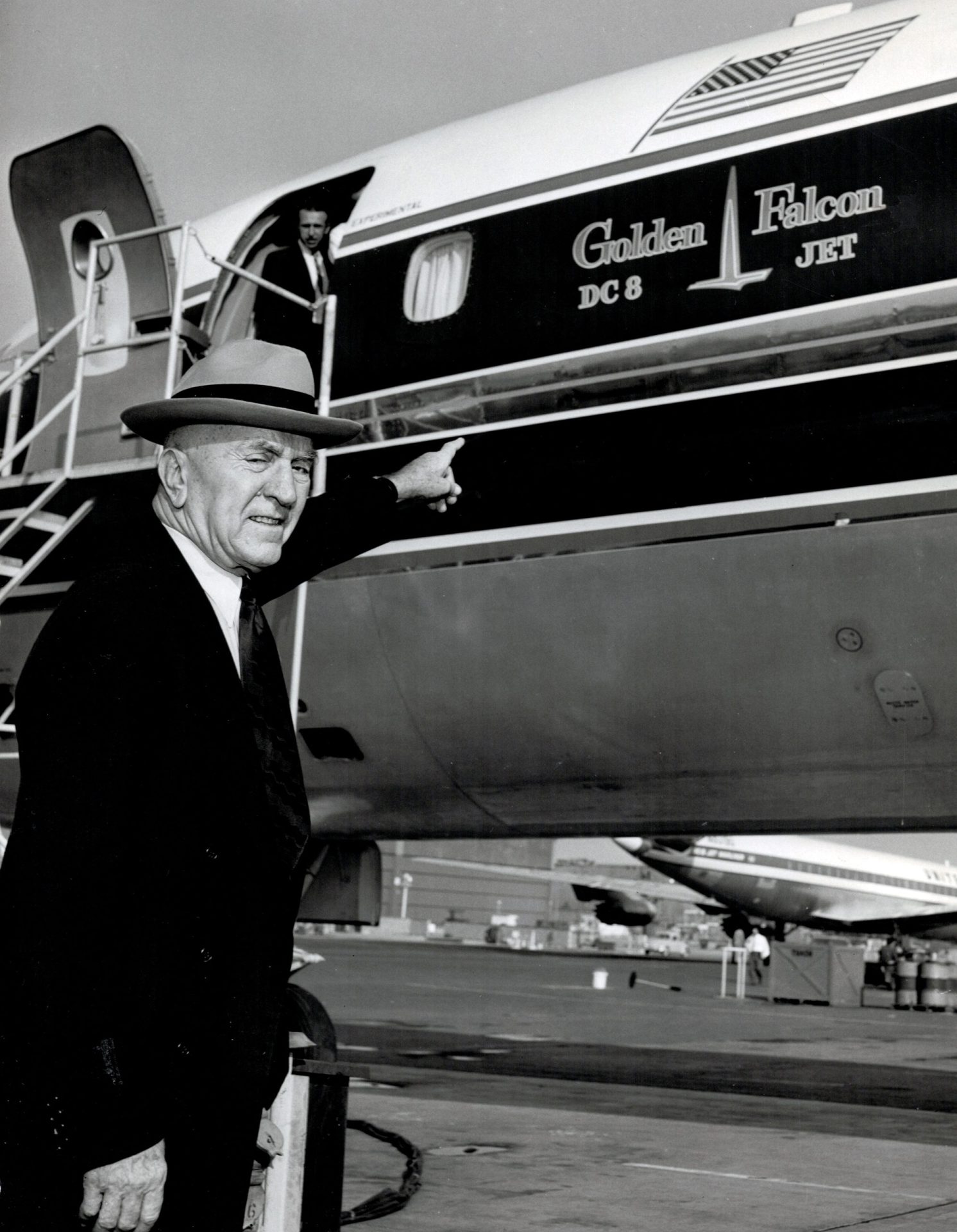
Captain Eddie Rickenbacker points out the Golden Falcon title on one of Eastern’s new DC-8s. Photo via Proctor/Livesey/Thomas Collection.
THE AIR-SHUTTLE
The best thing to happen at Eastern in 1961 was the introduction of an experimental service in the Northeast Corridor (Washington-New York-Boston) called the Air-Shuttle. This new concept, approved by the CAB, allowed passengers to show up without reservations and purchase tickets on board. The clincher was that no one would be left behind; backup aircraft and standby crews would be available to operate an extra section whenever a scheduled flight reached capacity.
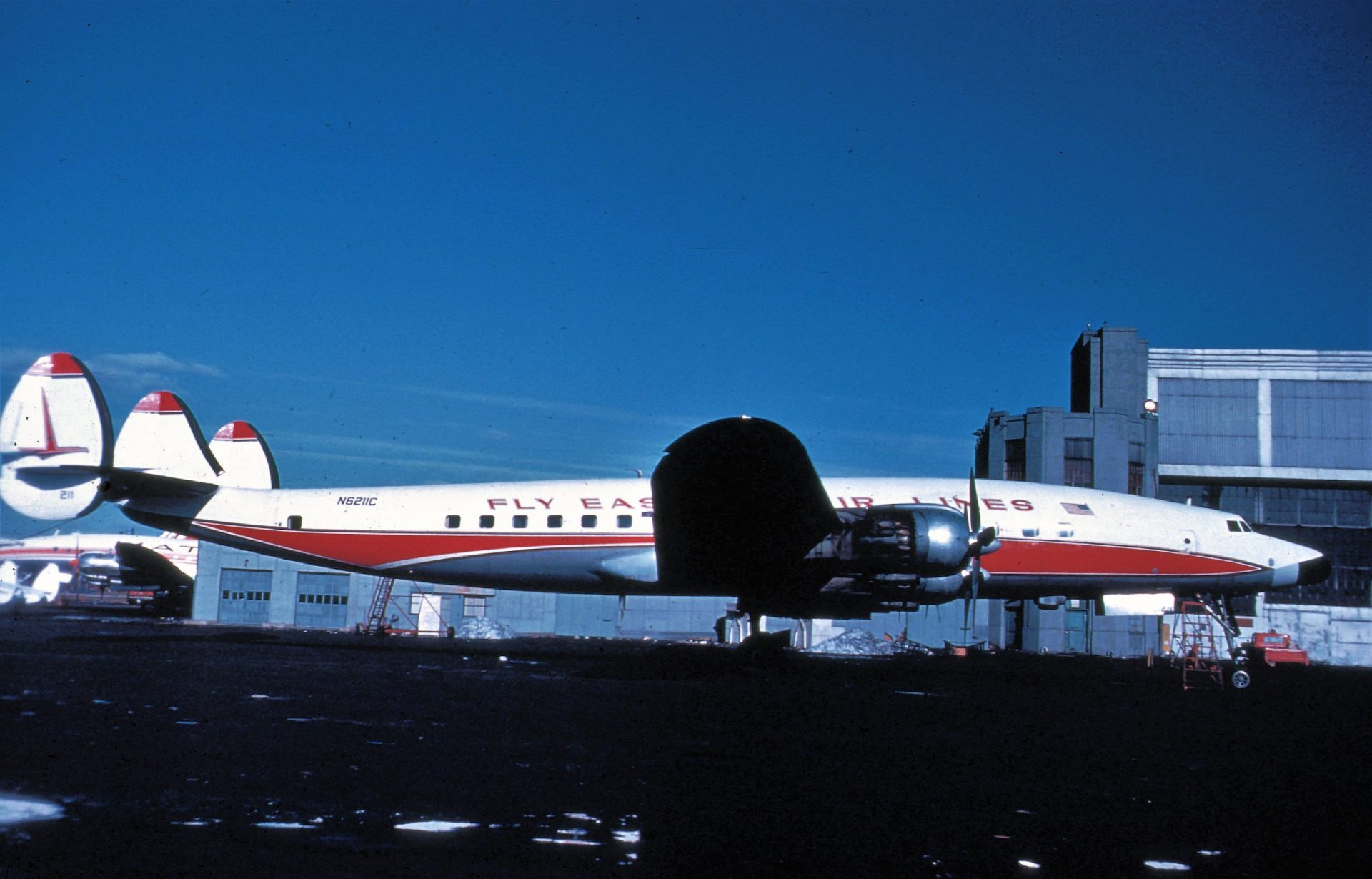
For several years, Eastern relied on aging Lockheed Constellations, painted in a red livery, to operate its popular Air-Shuttle service in the Northeast Corridor. American Aviation Historical Society Photo.
It took several months to fine-tune the Air-Shuttle, but it became a popular standard of travel. After only 14 months of operation, the Shuttle carried its one-millionth passenger.
MORE TROUBLES FOR EASTERN
Fifteen Boeing 720 jetliners began arriving on the property, the first entering service in August 1961. But despite the introduction of the Air-Shuttle and the transfer of several money-losing smaller stations to local airlines, Eastern posted a loss for the second year in a row.
Boeing 720s joined Eastern’s fleet beginning in August 1961. Photo via Proctor/Livesey/Thomas Collection.
In June 1962, the company suffered a 30-day Flight Engineers strike. It was the fourth strike against Eastern in five years.
Then, on November 30, 1962, an Eastern DC-7B crashed while attempting a go-around in fog at Idlewild Airport, killing 25 of the 51 people aboard.
1962 was the third year in a row for Eastern to post financial results in red ink.
THE CAPTAIN HAS TO GO
Eastern’s Board of Directors decided that change was needed at the top. It was time for The Captain to go. In December 1963, Malcolm MacIntyre left Eastern Air Lines and Eddie Rickenbacker retired. Floyd D. Hall, who had been recruited from TWA, took over as President and CEO of Eastern. He had a big task ahead of him.
Hall brought a fresh perspective to Eastern. He also brought in several new managers from outside the company—people who could bring fresh ideas and new energy to Eastern.
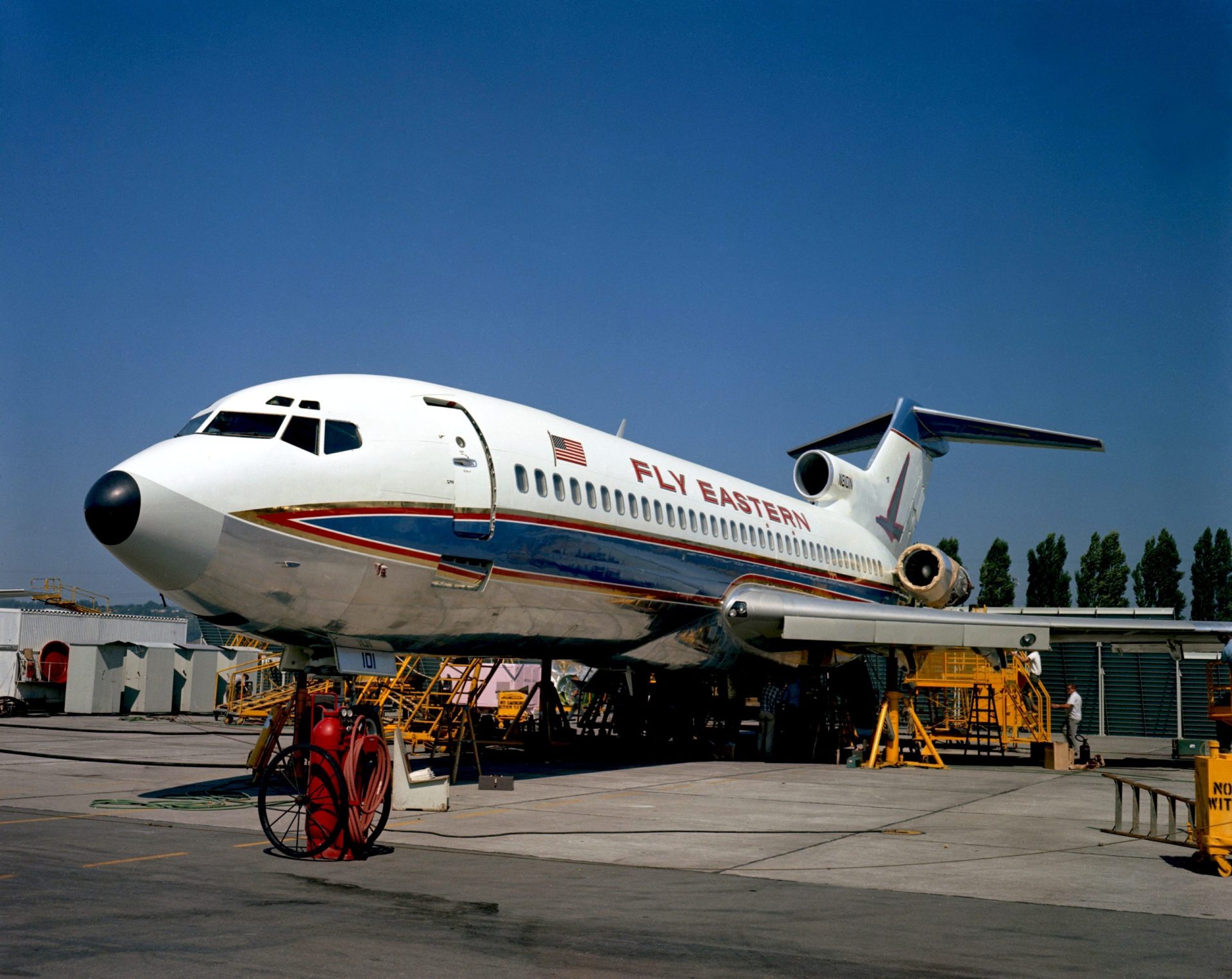
Eastern inaugurated the world’s first Boeing 727 service on February 1, 1964. Boeing Company photo.
On February 1, 1964, Eastern’s employees took great pride in inauguration of the world’s first Boeing 727 service. The new tri-jet—designed for short and medium-haul segments—was a perfect fit for a network in which the average stage length was between 400 and 500 miles. Eastern christened its new birds Whisperjets.
Celebration of the new aircraft type was tempered by the tragic loss of one of the company’s DC-8s, which crashed into Lake Pontchartrain shortly after takeoff from New Orleans in the early morning darkness of February 25. There were no survivors.
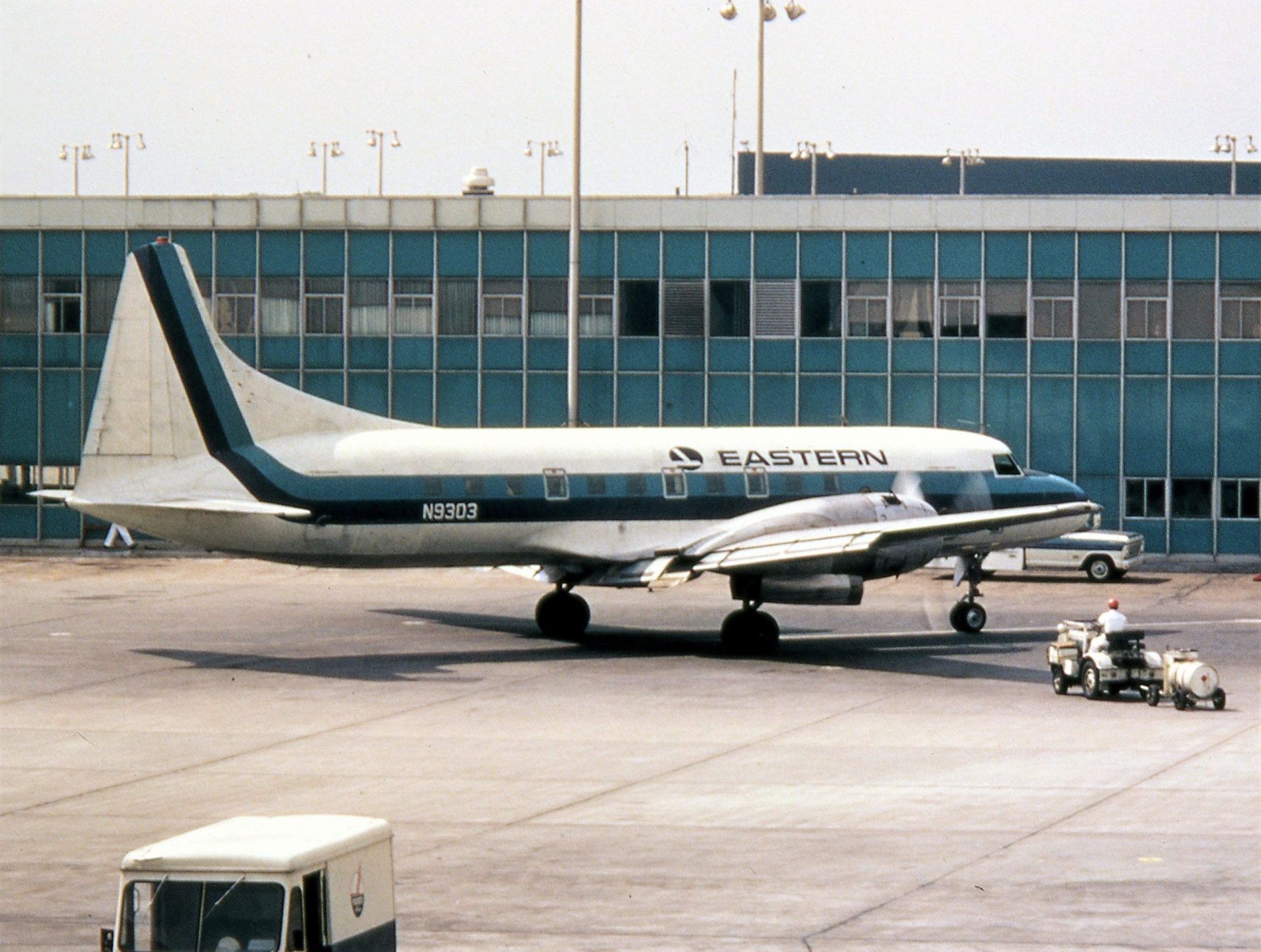
Eastern’s hockey stick livery is displayed on this Convair 440 photographed at Atlanta by Jon Proctor in 1967.
A NEW SLOGAN AND A NEW LOOK FOR EASTERN
A new slogan, “See How Much Better An Airline Can Be”, was adopted, and along with the catchphrase came a new logo and aircraft livery. Referred to as the hockey stick paint scheme, the livery consisted of two stripes in different shades of blue running the length of the fuselage, then up at an angle to traverse the tail. The logo, a stylized falcon consisting of two white lines inside of a dark blue circle, was interpreted as the hockey puck.
Eastern’s management team devoted itself to improving the customer experience. One innovation for First Class passengers was the introduction of Famous Restaurant Flights, advertised as “a whole new approach to in-flight dining services.”
Eastern posted a profit in 1965 and again in 1966, despite a strike by the International Association of Machinists (IAM) that grounded five airlines – including Eastern – for 43 days that summer.
Fifteen Douglas DC-9-14s joined Eastern’s fleet starting in 1966. N8910E was photographed at Miami. Terry Waddington photo via Proctor/Livesey/Thomas Collection.
NEW JETS FOR SHORT AND LONG HAULS
For Eastern’s short-haul routes, Hall ordered 15 Douglas DC-9-14s, the first of which entered service in 1966. In 1967, Eastern became the first airline in the world to operate the stretch -30 series of the DC-9 (Eastern would eventually operate more than 70 of the type).
For long-hauls, Hall ordered stretch versions of the DC-8 (-61 and -63 models), the first of which also joined the fleet in 1967.
“Stretched” Douglas DC-8-61s were introduced in 1967. Douglas Aircraft Company photo.
THE WINGS OF MAN
During the late 1960s, Young and Rubicam created several taglines for Eastern: “We Want Everyone to Fly,” “Number One to the Sun”, and the iconic slogan, “The Wings of Man.”
In 1966, the CAB approved Eastern’s acquisition of Mackey Airlines, which served the Bahamas from Florida. And, in 1967, the Civil Aeronautics Board gave Eastern a route to the West Coast: Melbourne/Cape Canaveral to Orlando, Huntsville, St. Louis, Portland and Seattle/Tacoma. This flight served the newly named Space Corridor, linking the Kennedy Space Center at Cape Canaveral with Redstone Arsenal in Huntsville and Boeing’s headquarters in Seattle.
In addition to “The Wings of Man”, Eastern employed the slogan “Number One to the Sun” in the late 1960s. Timetable from David H. Stringer Collection.
In preparation for the new era of jumbo jets, Eastern ordered four Boeing 747s for delivery in 1970, but sold all four to TWA before they were delivered. Eastern would, instead, lease three 747s from Pan Am while awaiting delivery of the wide-body jetliner it staked its future on — the Lockheed L-1011 TriStar.
Eastern Air Lines had made it through the tumultuous Sixties, and there would be more turbulence ahead in the 1970s. But the Wings of Man would navigate through the rough weather and survive another two decades.
How engineers used a B-52, affectionately referred to as ‘Balls Eight’, to rapidly advance our understanding of supersonic flight.
The Challenge: The engineers have designed and developed a new aircraft that can fly five times the speed of sound (Mach 5), but it does not carry enough fuel to take off from a runway and climb to its operational altitude.
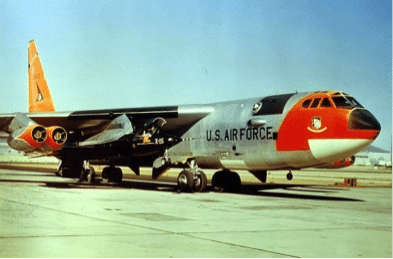
NB-52A Preparing for an X-15 flight early in the program.
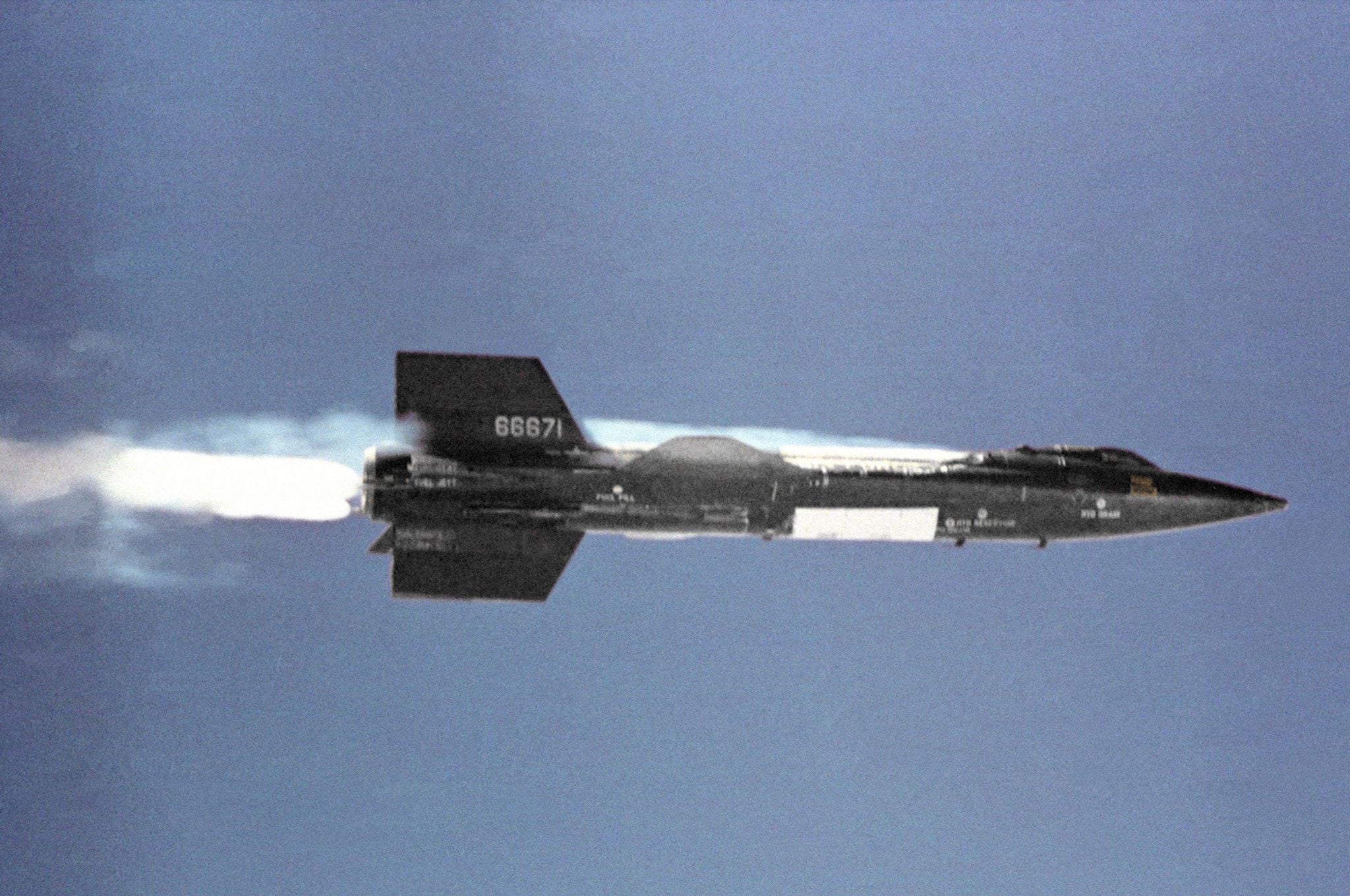
The Answer: launch it from another aircraft—the “mother ship”—that will carry it to its operational altitude so it can begin the flight from there. This article outlines a brief history of two B-52 aircraft that would support the X-15 program, one of which (Balls Eight) would continue in the role as a “mother ship” for another 35 years.
While the B-52 was not the first “mother ship” (a modified B-29 Superfortress bomber was used to launch the Bell X-1 and Chuck Yeager on the first supersonic flight in 1947), this is a brief history of two B-52s that defined and lived the role for nearly fifty years.
By the time the North American X-15 hypersonic test aircraft was ready for testing, the B-52 Stratofortress was available, and two B-52s were transferred to Edwards AFB to act as mother ships for the X-15.
Balls Eight Required Many Modifications
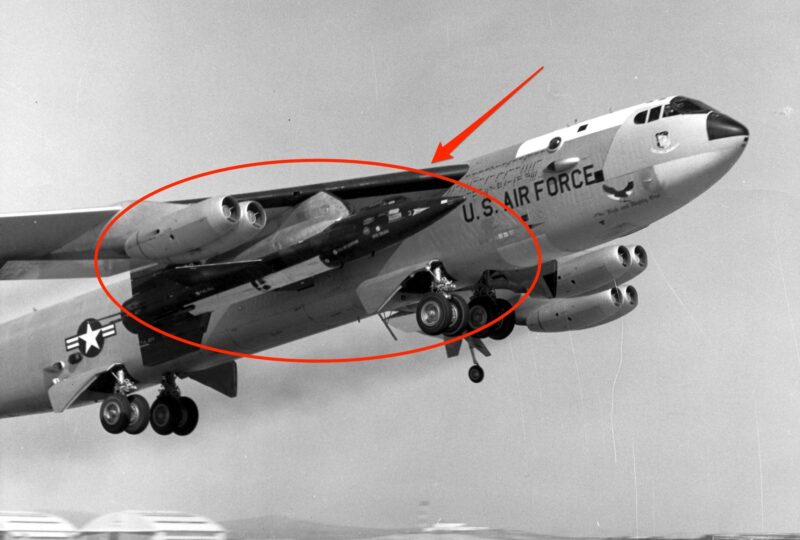
The B-52s required extensive modifications. Due to the low fuselage ground clearance and landing gear arrangement of the B-52, the X-15 had to be mounted on a pylon under the wing of the aircraft, between the right inboard engine and the fuselage. An 8-feet section had to be removed from the right wing flap to allow room for the X-15’s vertical stabilizer.
X-15 In Flight.
In addition to the wing-mounted pylon, the aircraft were outfitted with liquid oxygen and hydrogen peroxide tanks in the bomb bay area to fuel the X-15 fuel tanks prior to launch. A launch control station was installed behind the cockpit with all of the instrumentation and controls needed to launch the test aircraft. Also, because the X-15 (and other test aircraft) were not visible from the cockpit, a small window was installed at the launch control station to allow the operator to see the X-15 cockpit.
The first bomber modified was the third and last B-52A produced, serial number B-52A-0003. After modification in 1959, it was redesignated NB-52A and named “The High and the Mighty.”
Additional B-52 Modifications
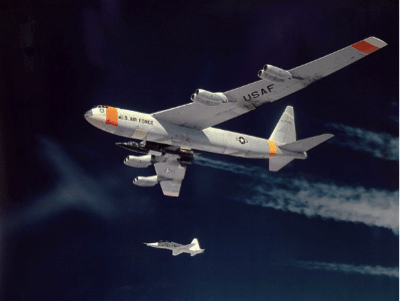
NB-52B, Balls Eight with the X-15 and a T-38 chase plane (Public Domain)
The second was originally delivered to the Air Force in 1954 as an RB-52B, serial number B-52B-0008, equipped to be a reconnaissance aircraft.
It was transferred to Edwards AFB in 1958 and modified to become an NB-52B. This aircraft was dubbed “Balls Eight” because, in a serial number, a series of zeros were referred to as “balls.”
Between 1959 and 1968, these two aircraft flew more than 60 captive carry and 199 X-15 launch missions. There were three X-15s in the program, one of which was destroyed in a crash. Today one of the remaining X-15s is on display at the National Air and Space Museum and the other can be seen and the National Museum of the Air Force.
NB-52A-0003 was retired in 1969 shortly after the end of the X-15 program, having flow 69 of the launch missions plus. Initially, it was stored at Davis Monthan AFB, but later given a home at the Pima Air & Space Museum in Tucson, Arizona. NB-52A-0003 is oldest B-52 in existence.
Balls Eight Was a Workhorse
Balls Eight would deliver nearly 50 years of dedicated service to research and development. Retired in 2004, Balls 8 is now on display at the entrance to Edwards Air Force Base. “It has been asserted that the Boeing NB-52B Stratofortress, carrying Air Force serial 52-0008, can lay claim to being the airplane that has seen and participated in more history than any other single airplane.
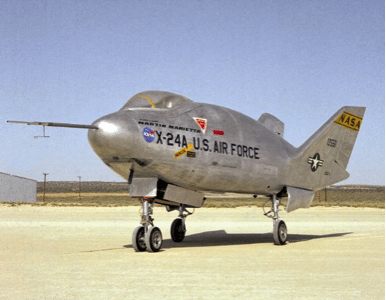
X-24 Lifting Body used for unpowered landing research that would be applied to the Space Shuttle.
For forty-five years, the NB-52B was a fixture at Edwards Air Force Base. While the NB-52B is most famous for launching the three North American X-15 rocket planes, it continued to serve in the role of launch platform for a multitude of programs until its final mission on November 16, 2004.”(1)
Balls Eight Played a Key Role in Space Shuttle Development
In addition to the X-15, Balls Eight also carried and launched the Martin Marietta X-24 and other lifting body aircraft, followed by HiMAT, the Pegasus rocket and the unmanned scramjet-powered X-43, among others.
The Martin Marietta X-24A was a piloted, unpowered experimental aircraft developed to test lifting body concepts for unpowered reentry and landing—technology that would later be applied to the Space Shuttle.
Rockwell’s Highly Maneuverable Aircraft Technology (HiMAT) was an unmanned, powered NASA program to explore a range of technologies including canards, composite materials, digital flight controls, and remote piloting for use in future fighter aircraft.
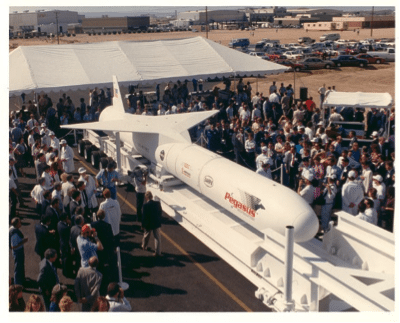
Air-Launched Pay-load-to-Orbit rocked first launched from NB-52B Balls Eight.
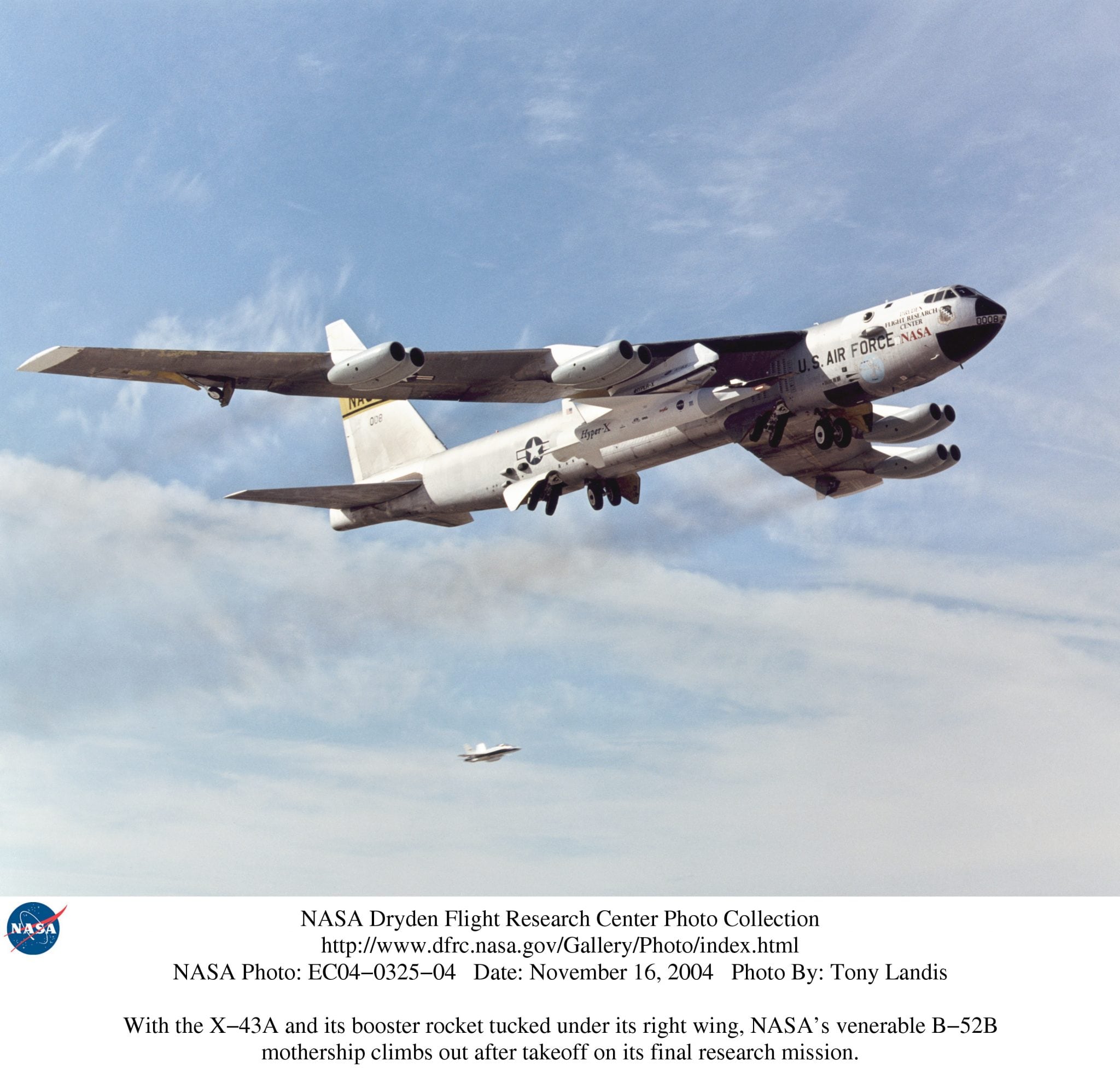
Pegasus is an air-launched rocket designed to carry small satellites into low Earth orbit. First launched from Balls Eight in 1990, it remains active as of 2015. The four-stage rocket was launched at 40,000 feet. Later flights have been launched from a modified Lockheed L-1011. Balls Eight’s last program was launching another hypersonic vehicle—the X-43A hypersonic research aircraft in 2004.
Balls Eight was finally retired on December 17, 2004 after 49 years in the air. It was the oldest active B-52 in service at that time. The B-52 was also the only variant still flying other than the H model. Because of its specialized use, however, and many hours spent in being modified for each new mission, it had accumulated fewer flight hours than any other operational B-52 still in service.
Ref1: Balls Eight – History of the Boeing NB-52B Stratofortress Mothership by Brian Lockett (published April 26, 2015) is available from several online book sellers.
NB-52B launch aircraft takes off carrying the X-43A (photo by NASA)
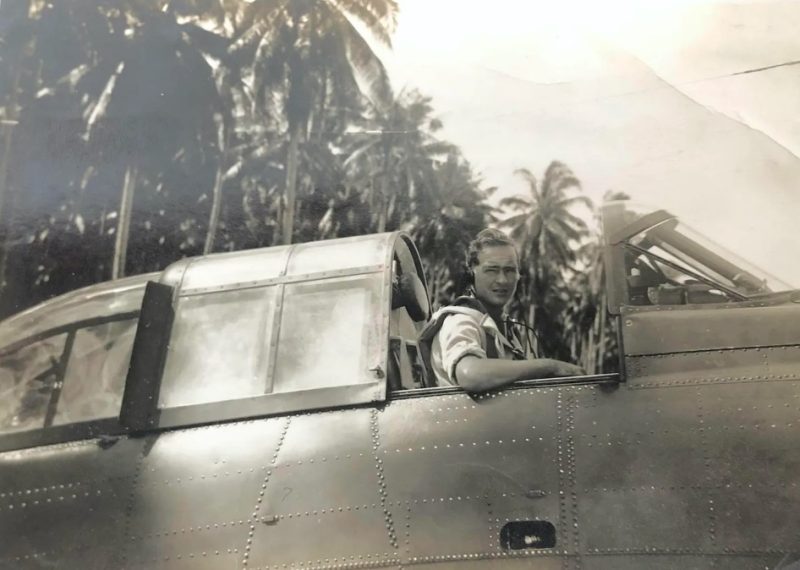
Editors note: We recognize that the title photo is not of a Hellcat. The author did not have a photo available of his uncle flying the Hellcat.
It’s July 1st, 1946. The teak deck of the USS Shangri-La is hot to the touch. The Sun at this time of the year in the Pacific is a terror. As an American pilot is climbing into the cockpit of a Grumman F6F Hellcat, numerous servicemen are assisting him. This is a routine procedure, yet, nothing about what he is getting ready to do is routine.
The pilot is fitted with special gear. Added to his normal jumpsuit was a large lead vest. Formed to his head, was a specially designed lead shield which covered one half of his face and skull. The thought process being that if he were to lose vision or hearing, he could simply remove the lead helmet and maneuver the plane with one eye and one ear.
The aircraft itself was outfitted with collection canisters and other instruments. The cockpit sported protection as well. Lined with lead, the Hellcat weighed more than normal, requiring a special takeoff procedure just to get off the deck.
The Unknown Pilots Of The Nuclear Era
Many people know about the nuclear arms race post World War II. Some might have even heard of Bikini Atoll (after all, it is the home of Spongebob SquarePants). But I’d be willing to bet that not many people know about the type of testing that was conducted, and exactly how American pilots were used.
The Hellcat Drone
After launching off the deck of the USS Shangri-La, the heavy Hellcat climbed up to 40,000 feet. The pilot’s mission was to fly up to altitude and remotely via radio, control a separate Grumman F6F Hellcat as it flew through the Atomic Cloud. This mission was two fold: first, the pilot would send the manless, or ‘Drone’, aircraft through the cloud. On the other side, another pilot in the exact same type of aircraft and with the same protective suit on, would then take control of the drone and land it back on the deck of the carrier. Secondly, both pilots would fly around the edges of the massive mushroom cloud.
Since the plane was outfitted with testing equipment that would collect particles of the fallout as the pilot skirted the edges of the cloud, it was extremely vital to get the birds back on the carrier, hence the lead. Both pilots also had instruments inside the cockpit monitoring their radiation absorption. Whilst flying, both pilots would constantly read these displays out loud, to save them in the flight recorder.
Flying A Hellcat Through The Apocalypse 65
At 8:45 on that warm morning, a B-29 dropped a nuclear bomb. Named “Abel”, it exploded 520 feet above Bikini Atoll. As the mushroom cloud rose and rose, our pilot sent the unmanned aircraft through the cloud to the other side, where the other pilot took control. Our pilot then circumnavigated the cloud. The turbulence coming off the cloud would prove to be extremely rough, leaving him to rely on his training to maintain altitude and keep the plane level. While doing all of this, he was continuing to read the displayed data on his instruments into the cockpit voice recorder.
Sniffers Deployed
As he flew, the airplane was sucking radioactive air into the pistons, through the block and surely into the cabin of the cockpit. These pilots would later go on to be called “Sniffers”, and our pilot, on this day flying around Abel, would be the first.
The unpredictability of the turbulence would surely have made hand flying extremely difficult and while the mushroom cloud would intermittently block the view out of the cockpit, the hardest part of looking outside would be the heavy lead helmet covering half of his view.
While we don’t have evidence of this exact F6F Hellcat, no. 58623, going through Abel, there are many that believe he did. After over 3 hours in the air, he navigated back to USS Shangri-La and landed on the teak deck. Upon touchdown and shutting the engine off, naval servicemen scrubbed every inch of the aircraft and the pilot with soap and water. A desperate attempt to get rid of any lingering radiation.
Hellcat Promptly disposed of
Afterwards, the plane was thought to be dumped overboard, ensuring the engine wouldn’t spread radiation from its exhaust in the future. 58623 would never fly again. However, the pilot, my grandfather, would continue to fly for years afterward. I never met him, as he (un)surprisingly succumbed to complications from cancer in the 60’s. The picture attached to this post is him, somewhere in the Pacific theater. Sitting in a Hellcat, just like the one he flew on that day. Though here, he didn’t need the special lead suit.
As the nuclear arms race raged on, the military eventually allowed pilots to fly through the mushroom clouds from these test bombs. As this proved detrimental and many pilots were lost, they eventually backtracked and banned flying through atomic clouds.
Apocalypse Ahead
My uncle is convinced that my grandfather did in fact fly through the center of Abel that day. And while I never got the chance to meet him, I understand the kind of temptation that must have existed. Up in the air, with the weapon of the apocalypse so close you could touch it. I’m certain he did.
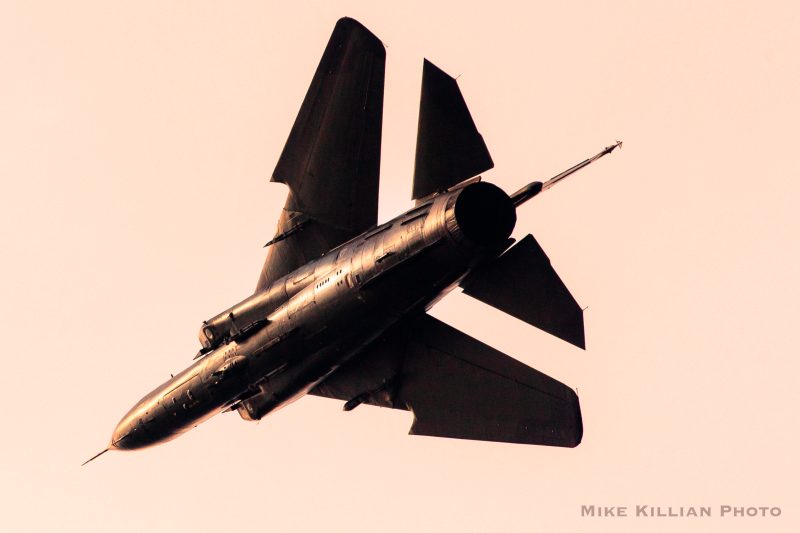
Videos circulating online show both crew successfully ejected from the Soviet fighter jet, and their parachutes deployed, as the plane plunged behind a tree line shortly after 4:00pm local.
The air show was immediately stopped and ended following the incident. Witnesses could hear the ejection, and say the crew ejected over a lake. The plane itself crashed into the parking lot of an apartment complex. Several vehicles were damaged, but no injuries have been reported by authorities on the scene.
“Ladies and Gentlemen, we have a situation that requires us to stop the show. Please make your way into your vehicles and calmly make your way out of the airfield,” Thunder Over Michigan wrote in a Facebook post. “Please be patient as we control traffic around the area.”
The jet was based out KGGG in Longview, TX. Pilot Dan Filer and his crew have been restoring other MiG-23s too.
We will update once the air show and / or local authorities provide an update. The cause of the crash is unknown, but the crew have been recovered and are alive.
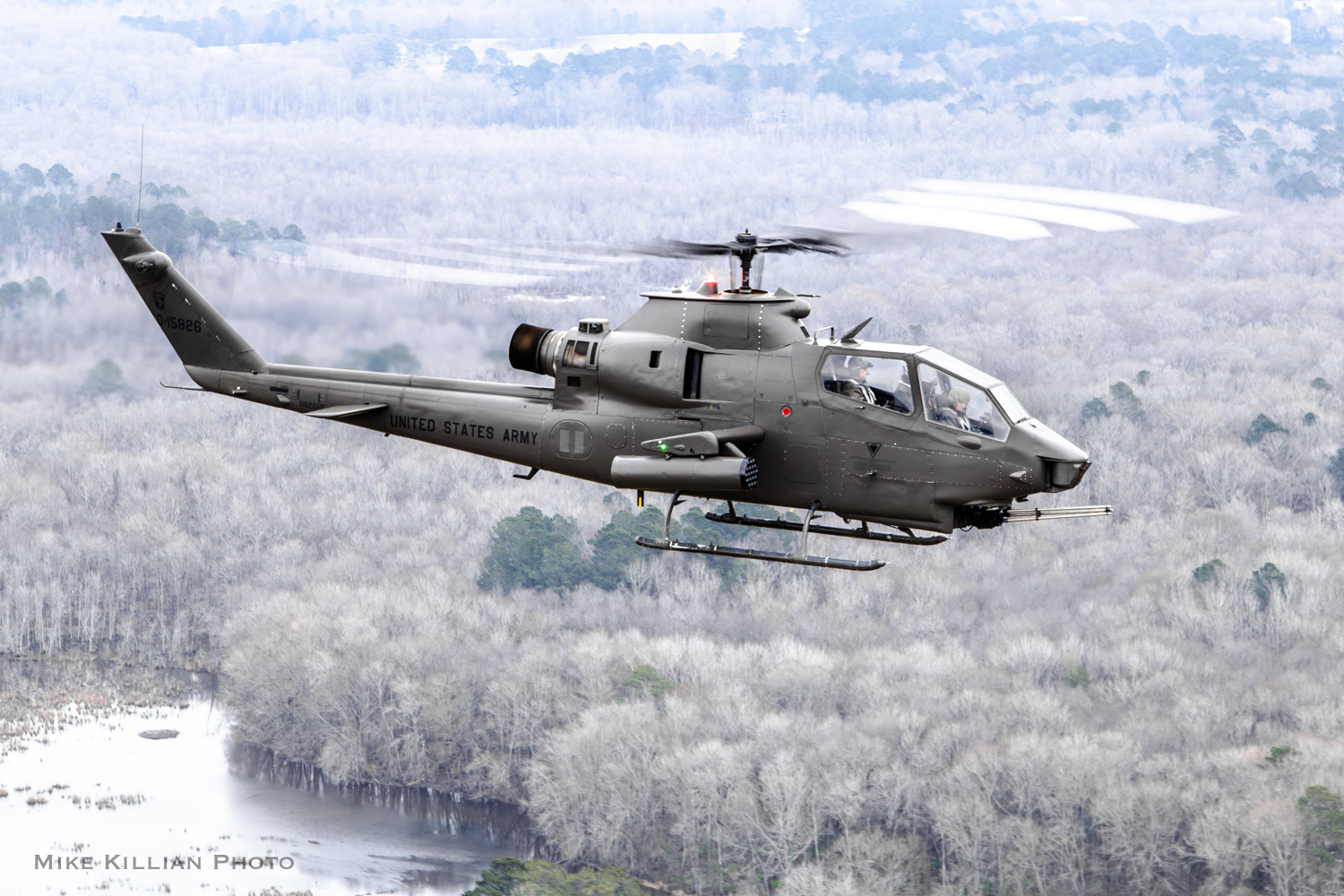
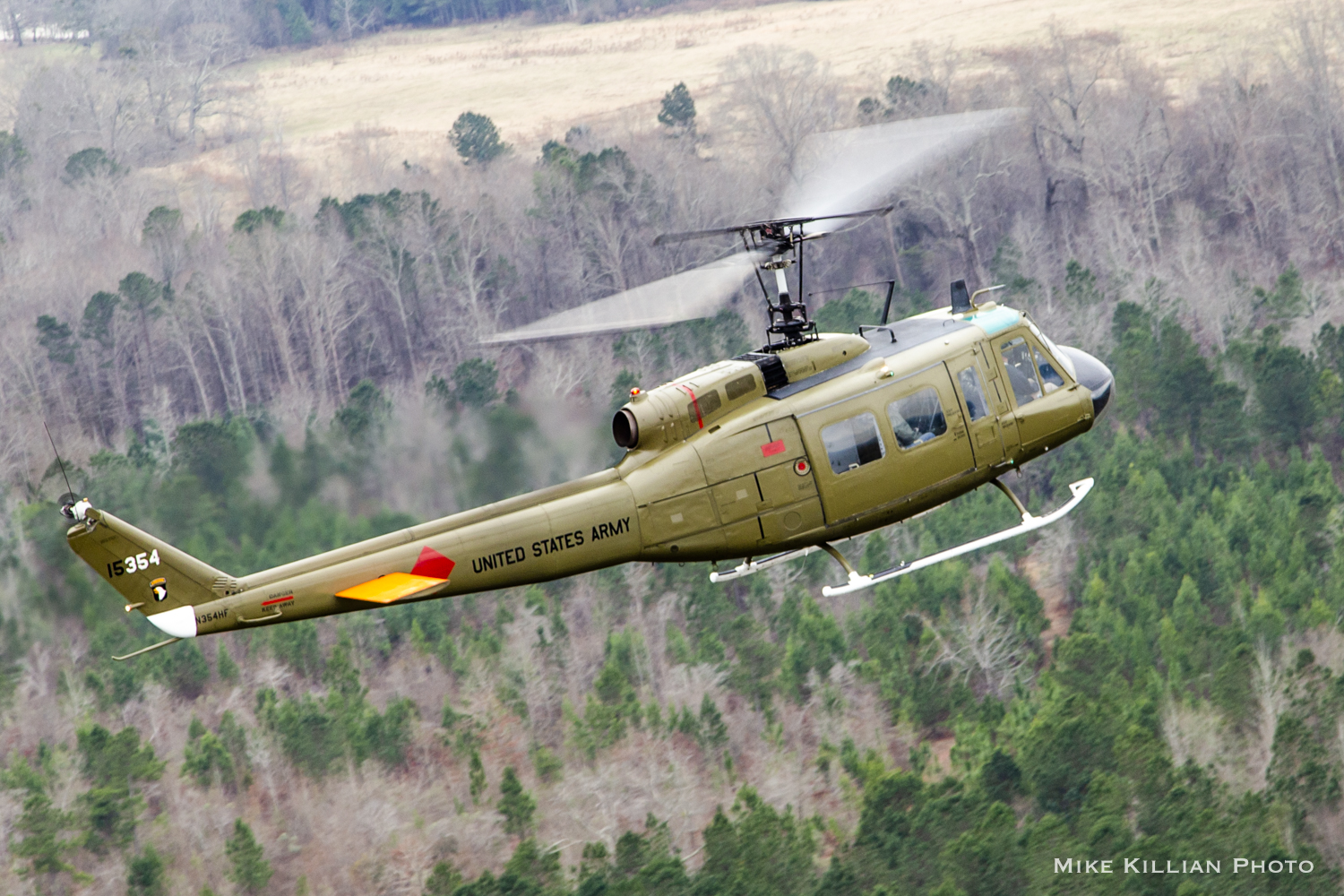
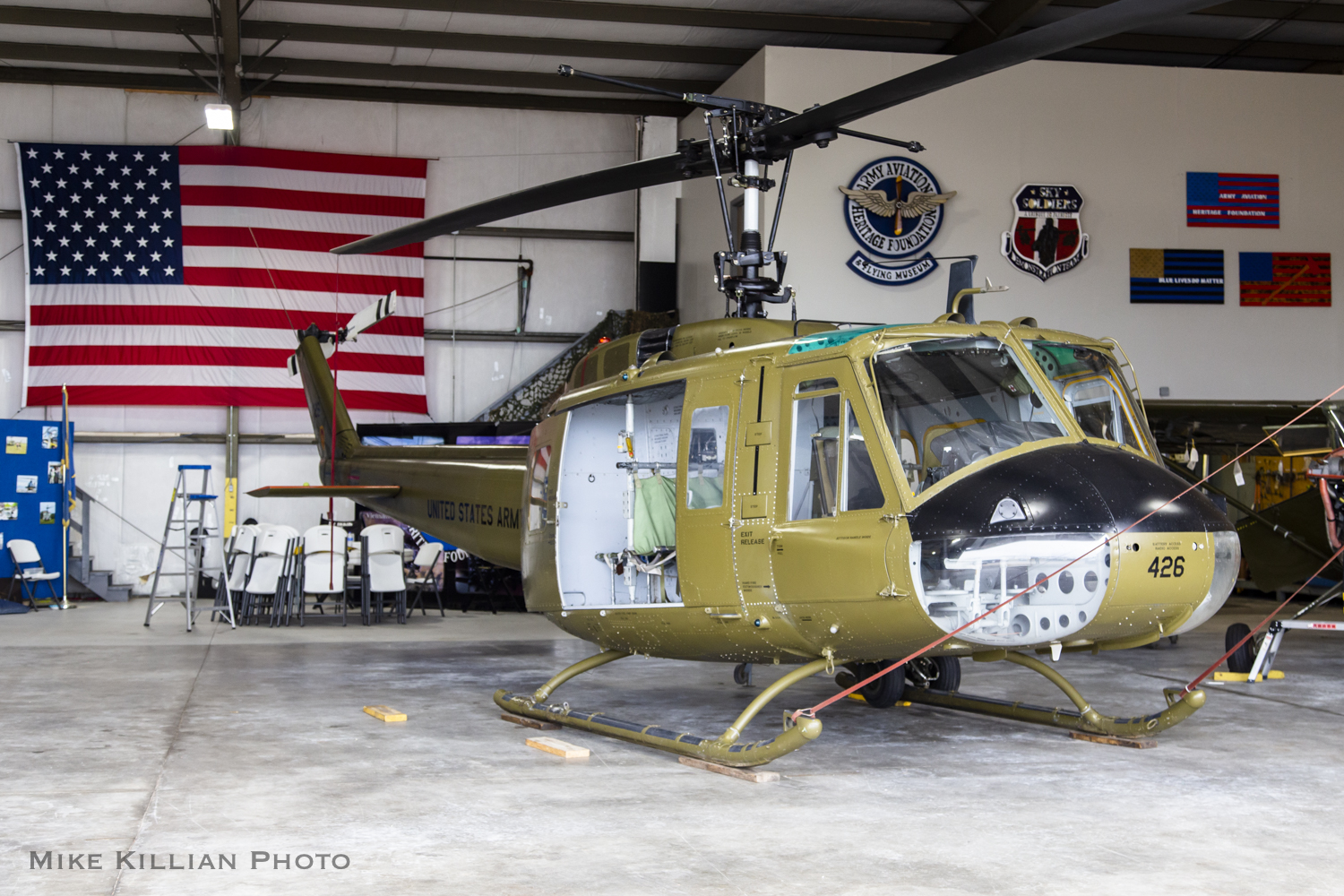
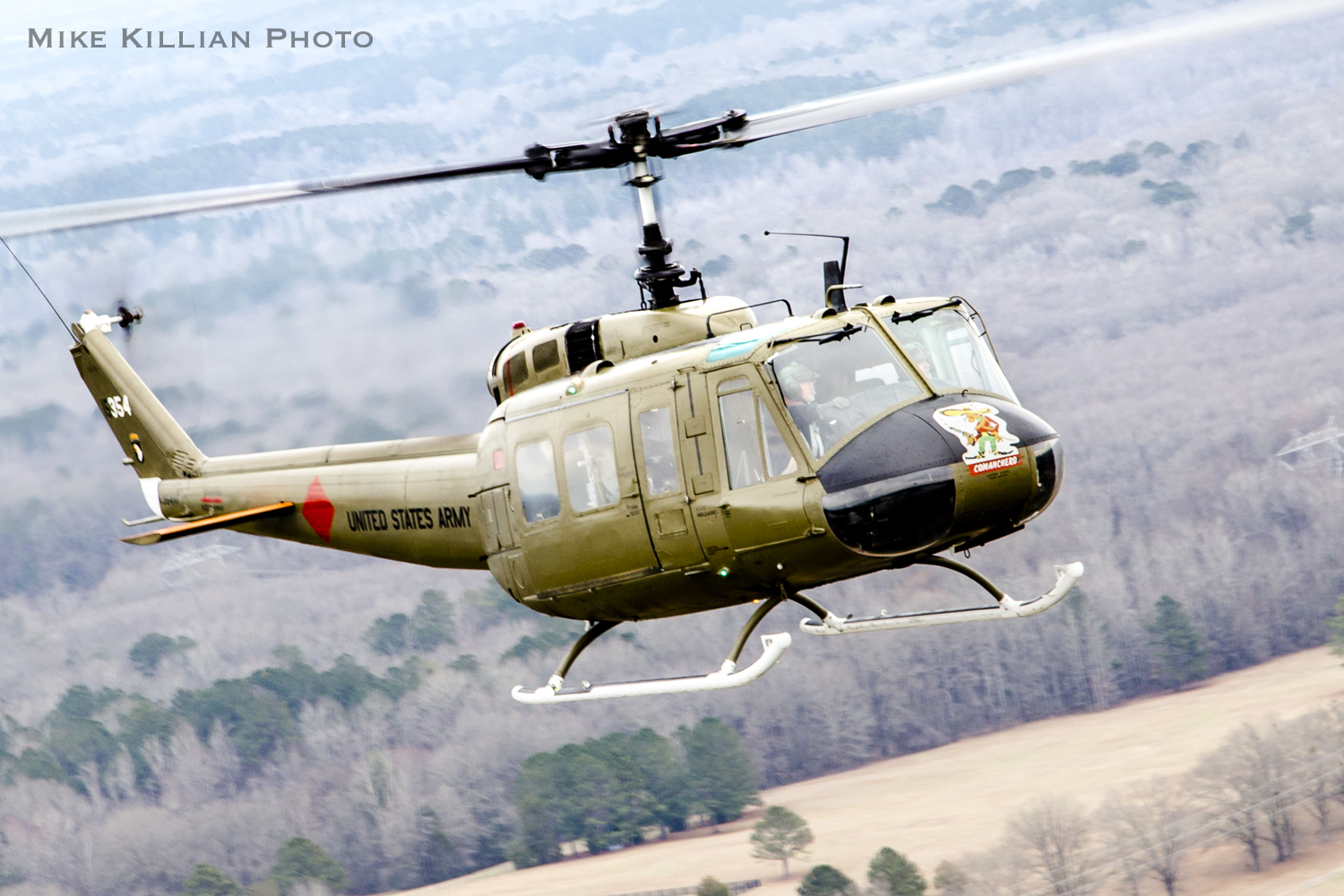
Restoring Cobras and Hueys at the Army Aviation Heritage Foundation is serious business. Based in Hampton, Georgia, the AAHF are caretakers to these iconic helicopters that once served in multiple historic conflicts.
It has been 50 years now since direct U.S. military involvement in the Vietnam war ended. Over 58,000 American servicemen were killed and 304,000 wounded, out of 2.7 million who served in the war. But those casualty numbers would have been much higher if not for the Bell UH-1 Huey and AH-1 Cobra.
Living history
The AHHF is run by a small staff and over 800 volunteers. Most museums show and tell with static non-flying machines, but it’s quite another experience with real combat veteran aircraft that are still flying. The impact on the public is greater when they can actually hear, feel, see and experience living history in action, and even purchase flights, and that’s exactly what AAHF provides.
Come take an inside look at the army aviation heritage foundation hq near atlanta (mike killian video)
Watch the video above for an exclusive 1-on-1 tour with the AAHF at their HQ.
“The riders who stick out the most are the kids who simply love the flying, but on the more emotional side is the actual veterans and their families,” says Steve Wages, a volunteer and former Director of Operations for the AAHF. “We get a lot of Vietnam veterans, who were so poorly treated when they came home that they really just shut it away and didn’t talk about it, so seeing these aircraft they once served on – or which even saved their lives – brings them to tears,” says Wages.
Restoring Cobras And Hueys at the Army Aviation Heritage Foundation 83
“It brings closure, and can be very cathartic for them. Some of them haven’t seen or flown on a Huey or Cobra since the war. They kind of relive some of those experiences, and kind of finally let go of them as well. It also provides closure and realization to their families, to see the actual aircraft and even fly on them to get a small taste of what their loved ones did. Emotionally it’s overwhelming for them, and is worth all the hard work that we do.”
Restoring Cobras And Hueys at the Army Aviation Heritage Foundation 84
The non-profit was founded in 1997 to acquire, restore, maintain and fly the historic birds, preserving and presenting the legacy of Army aviation and engaging the public face to face. AAHF accomplishes their mission through aerial demos and static displays at air shows, offering ride programs, facilitating educational tours and supporting various events and STEM outreach programs. They actually run 3 chapters across the country, with the other two being in Mesa, Arizona and St Louis, Missouri.
Restoring Cobras And Hueys at the Army Aviation Heritage Foundation 85
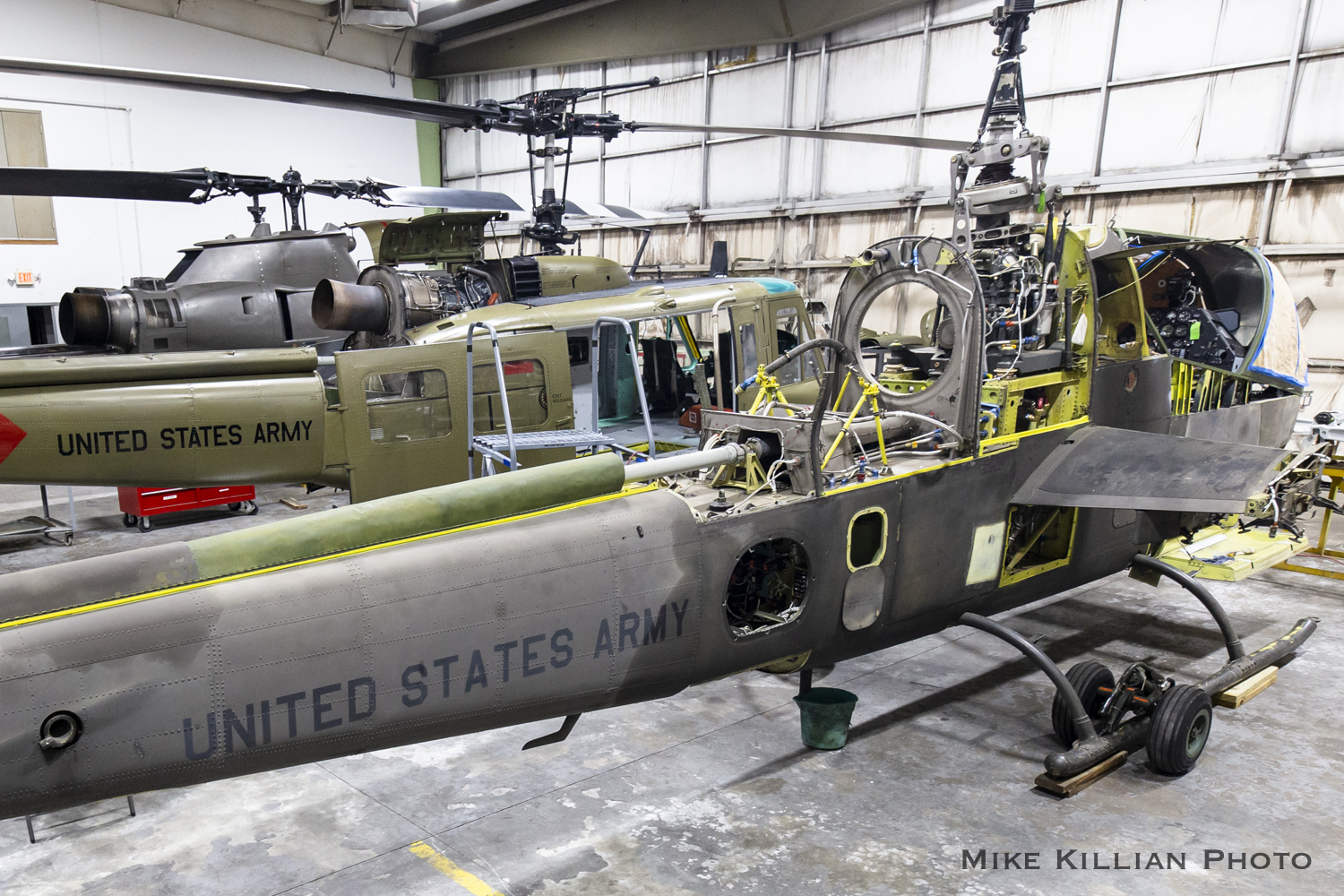
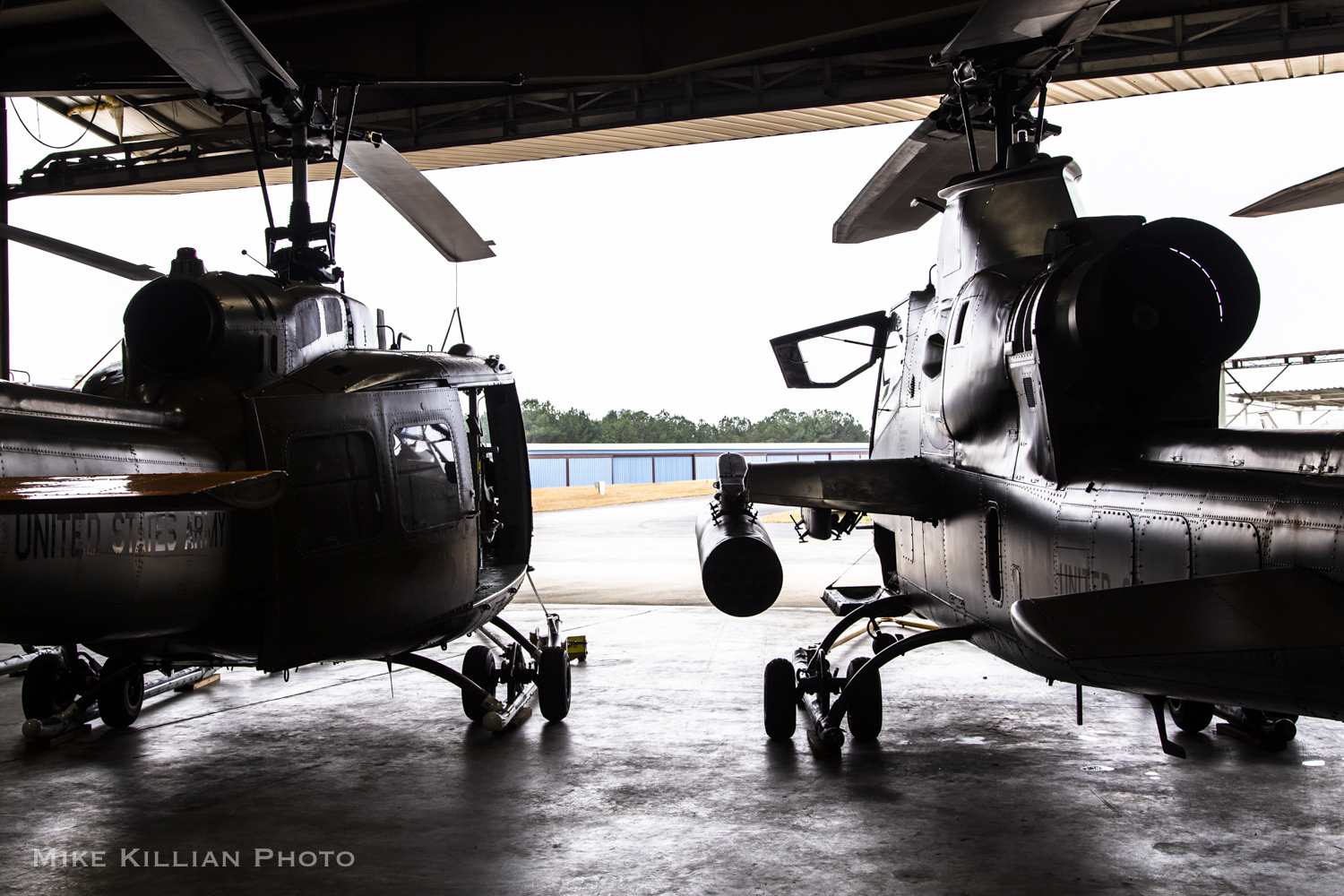
They currently operate a fleet of five flying UH-1 Hueys and four or five flying AH-1 Cobras, with one of each based at both their other locations. They also have several more helicopters, which are used for static displays, movie props and spare parts to keep the flyable ones in the air.
Several volunteers are not only combat veterans of Vietnam, but Operation Desert Storm as well. Some are even veterans of both conflicts, and some even served with the same unit in both conflicts.
Restoring Cobras And Hueys at the Army Aviation Heritage Foundation 86
Some were shot down, some multiple times even, while others saw crew casualties. Several volunteers even served with the same birds they work on at AAHF.
Honoring the Helo that Saved Lives
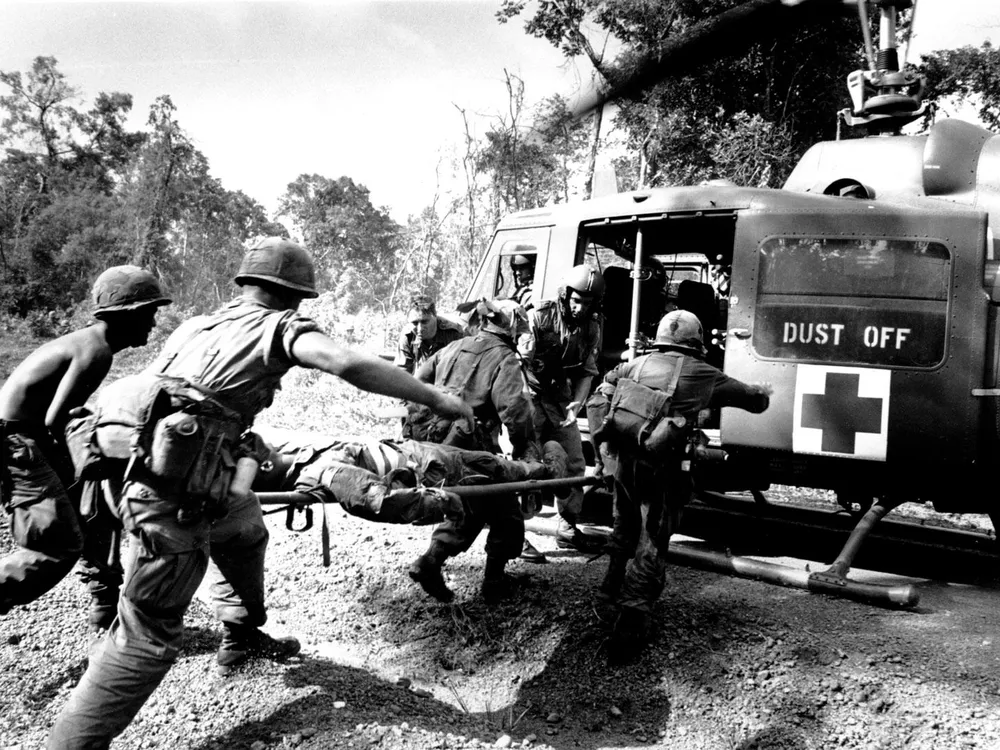
American forces sustained many injuries in Vietnam, but less fatalities, thanks directly to MEDEVAC Huey crews. Their unprecedented mobility meant that, on average, it took less than one hour from the moment someone was wounded to the time they arrived for hospitalization.
And thanks to the Huey, less than 1% of all Americans who were wounded, who survived the first 24 hours, actually died. Hueys flew over 500,000 missions and airlifted over 900,000 patients, nearly half of which were American.
Restoring Cobras And Hueys at the Army Aviation Heritage Foundation 87
And The Gunship That Shares Lineage With The Huey
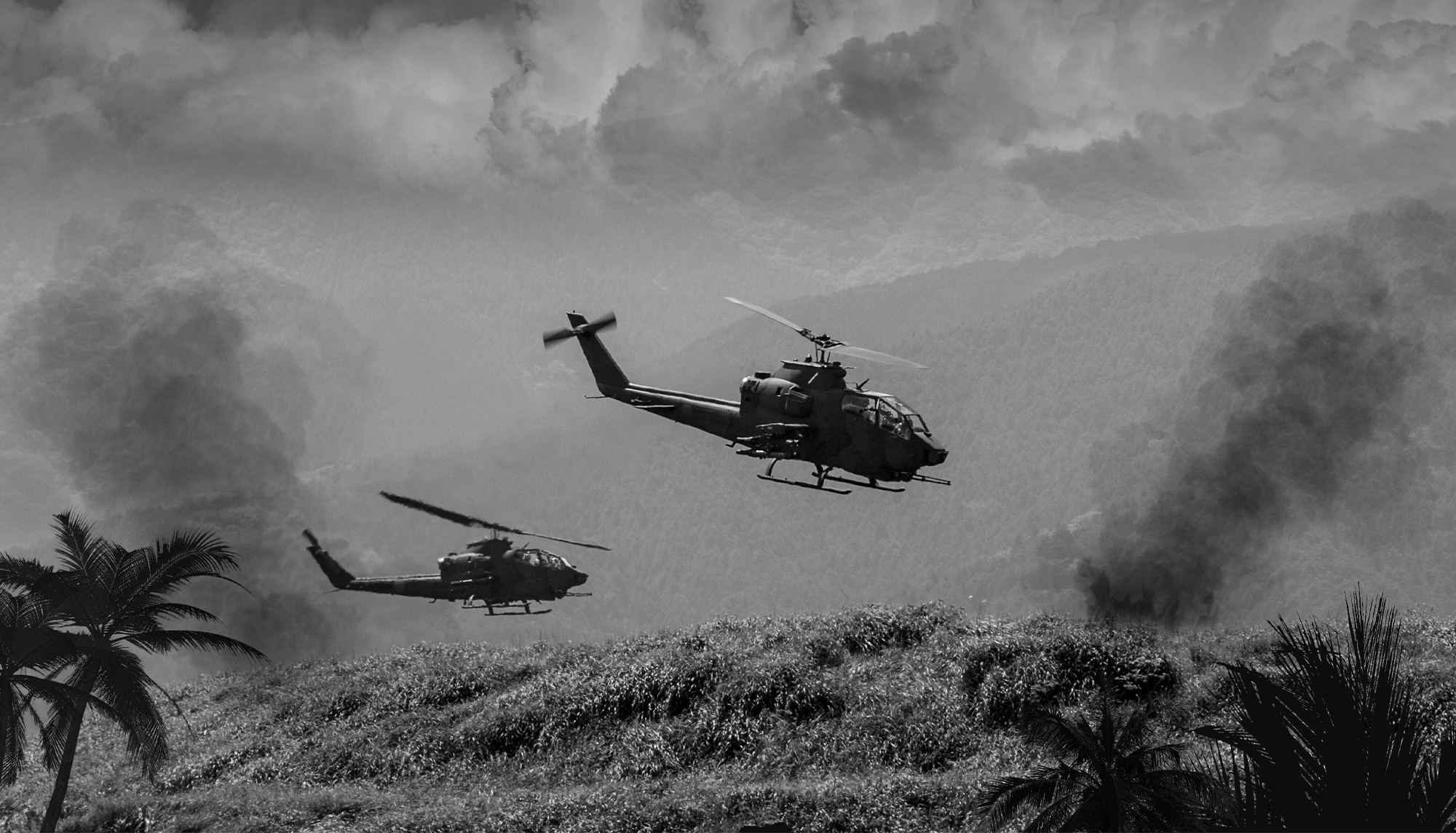
But the Huey was too wide and slow when it came to attack capabilities. They flew as gunships, but were getting shot out of the sky left and right. Typically, other helicopters would scout ahead of Hueys just before air assaults to gather information about landing zones and enemy locations. But the Hueys were just too slow and couldn’t carry enough firepower.
So the Army came up with the Cobra. Bell even developed it based on their Huey in order to provide commonality with parts from Hueys the Army already operated, and to streamline supply and training. Thus was born the first purpose-built helicopter gunship to enter military service.
Restoring Cobras And Hueys at the Army Aviation Heritage Foundation 88
We could write all day about the history of these helicopters, but most of you already know that stuff, so let’s focus on AAHF.
From military service to AAHF
Most of the Cobras owned by AAHF came from Fort Drum, where the Army rebuilt and refurbished hundreds to sell as part of the Army’s Cobra retirement operations. They were stripped of parts, fluids drained, paint blasted off, and had new wire harnesses installed, along with new flight controls, generators, battery compartments and overhauled engines.
Restoring Cobras And Hueys at the Army Aviation Heritage Foundation 89
Some were gutted for parts and used as military training apparatus, but most were sold to military customers overseas. Others were outfitted to fight forest fires and sold to the U.S. Forest Service and other forestry agencies, and more were custom-designed and sold to veterans’ organizations.
Restoring Cobras And Hueys at the Army Aviation Heritage Foundation 90Restoring Cobras And Hueys at the Army Aviation Heritage Foundation 91
But AAHF did not have to buy their Cobras from the Fort Drum program. Instead, they acquired 13 on loan from the Army’s Tank Automotive & Armaments Command (TACOM) Loan and Donations Program, which qualifies museums, veteran service organizations, parks and other entities to receive donations of disabled military machinery (the Cobras are no longer weaponized). They track annual reports on the AAHF Cobras, conduct periodic inspections and enforce the terms of the conditional loans. A 14th non-flyable static Cobra was also acquired via more standard channels.
Restoring Cobras And Hueys at the Army Aviation Heritage Foundation 92
AAHF does however own all their Hueys, which were acquired via a Government Surplus Program, coming mostly from Louisiana and the Georgia National Guard.
Restoring Cobras And Hueys at the Army Aviation Heritage Foundation 93
When the last Black Hawk flies, it will be slingloaded to the Boneyard by a Huey
The Army started replacing Hueys with Black Hawks a long time ago, but they still keep many flying for various odd jobs. The Marines still use them in a front-line role, but with more modern versions like the UH-1Y, as Bell continues rolling new Hueys off the assembly line.
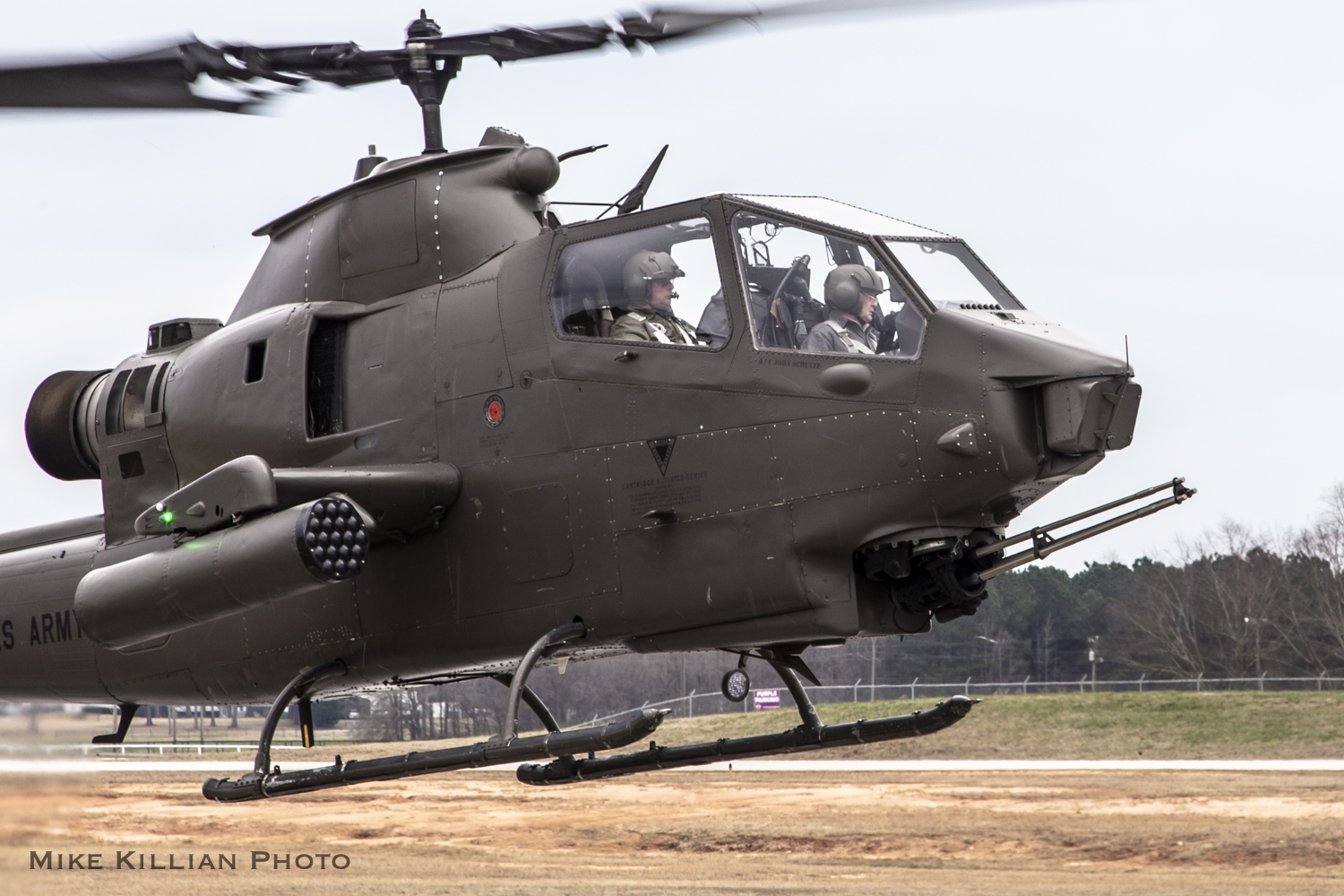
About 85% of AAHF’s existence comes from selling rides. It’s not uncommon to sell 10,000 rides in a year either, most of which fly on the Hueys, which can take 10 people up at a time for 10-12 minutes. The Cobras can only fly one rider at a time, and therefore are a lot more expensive.
The military also occasionally contracts AAHF to support flight training with the Navy Test Pilot School at Pax River, Maryland, where they provide both Hueys and Cobras with instructors to supplement the student training and test pilot course.
AAHF Operates A Full Time Year Round Inspection Program
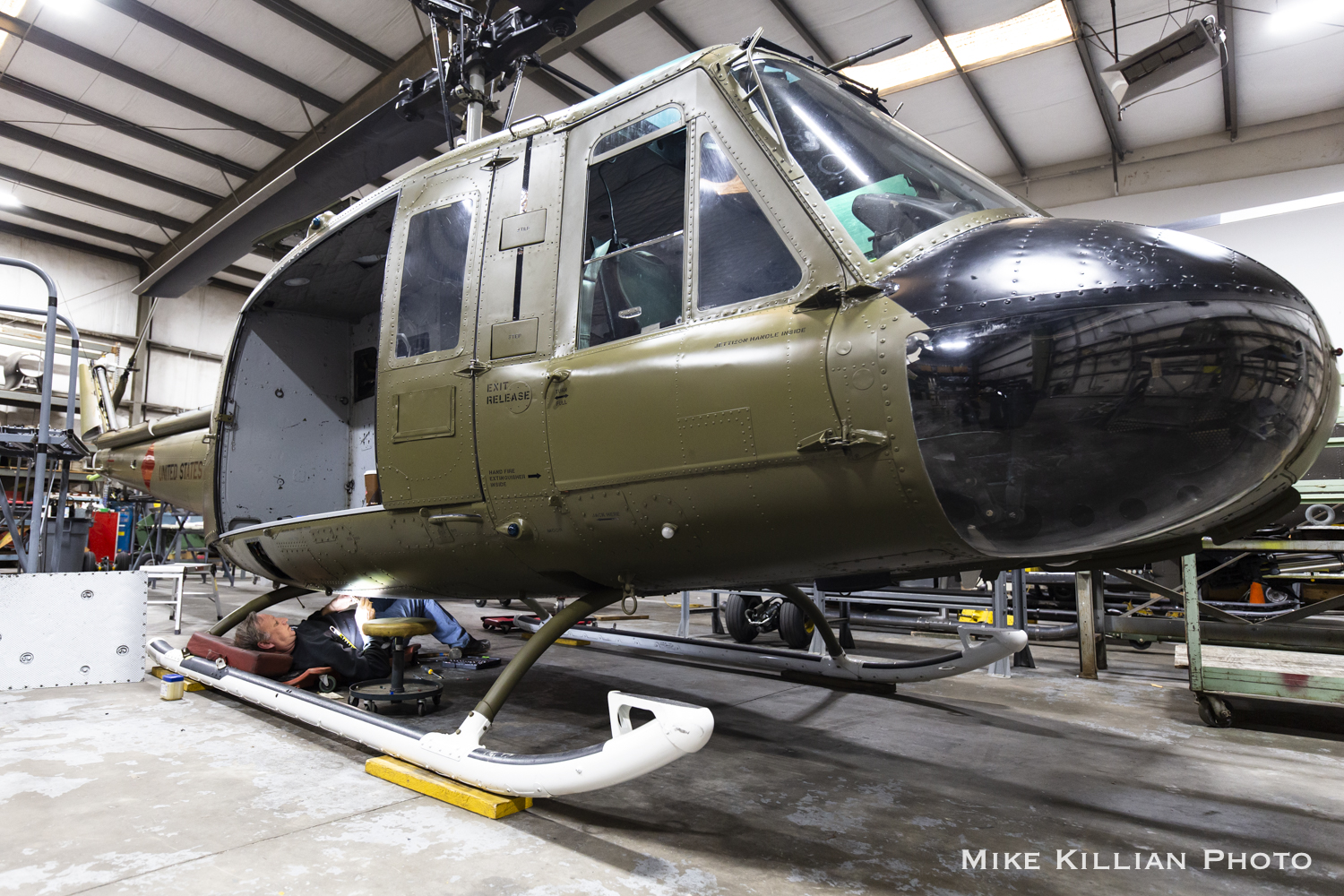
Keeping the old birds operational is no easy feat, and very expensive and time-consuming. AAHF employs paid certified A&P / IA mechanics, along with volunteers working under their own licenses to keep the aircraft in shape. They operate a full time year-round maintenance program cycling all the helicopters through various inspections on a regular basis.
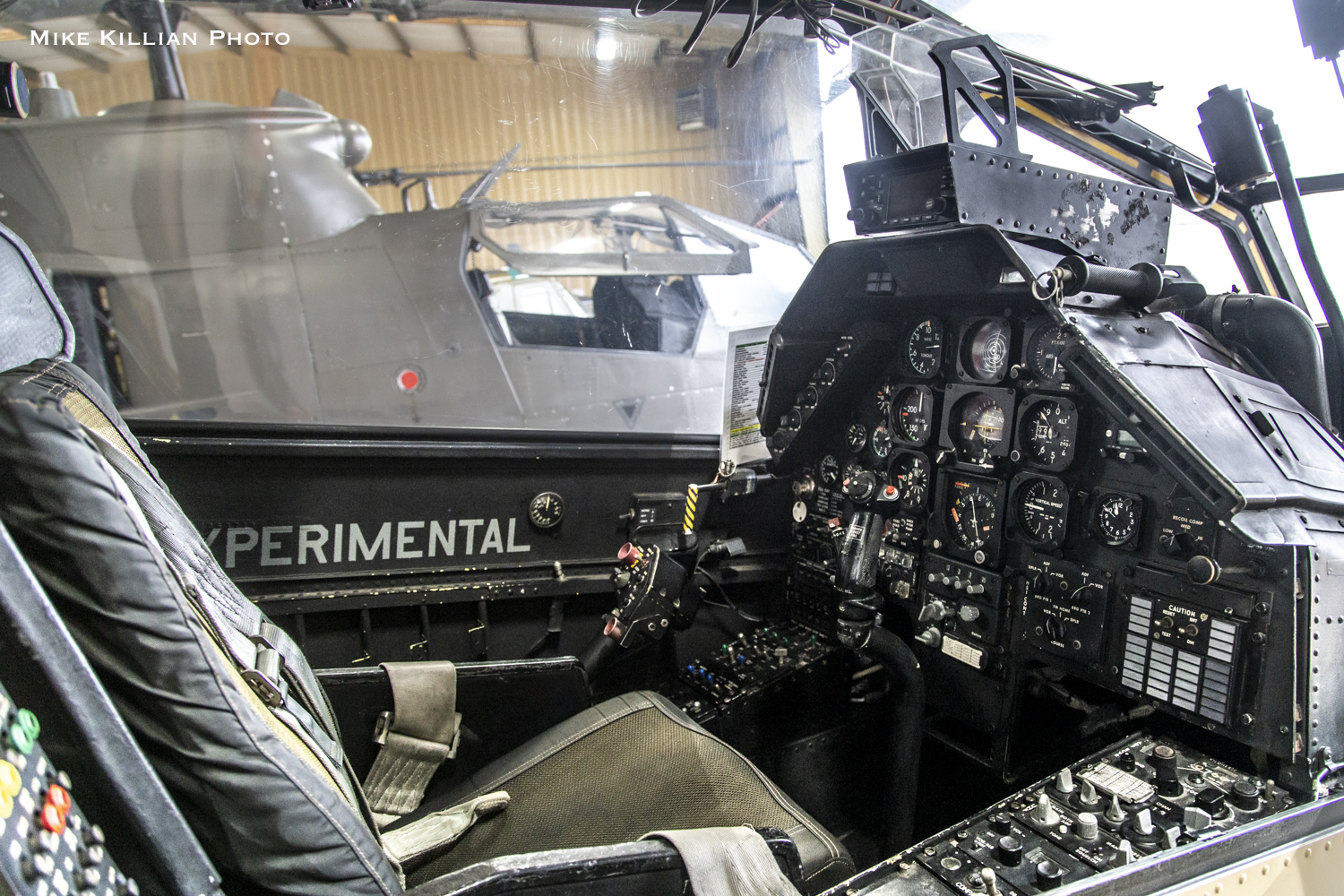
Under AAHF the helicopters are considered Experimental Exhibition Aircraft operating as Living History Flight Experiences by the FAA, so they are required to be under an approved maintenance program, and what the FAA gave them to use is exactly what the Army used. It is step by step, check by check, and they don’t cut any corners. They double check everything.
Restoring Cobras And Hueys at the Army Aviation Heritage Foundation 94Restoring Cobras And Hueys at the Army Aviation Heritage Foundation 95
Most of the work is all done in-house too, with the exception of big things like transmissions, engines, gear boxes and other life-limited hardware, which are sent to 145 repair stations to be worked on. At any given time you can visit their museum in Georgia and find several helicopters being worked on in different phases of inspections and work.
And They Maintain A Boneyard
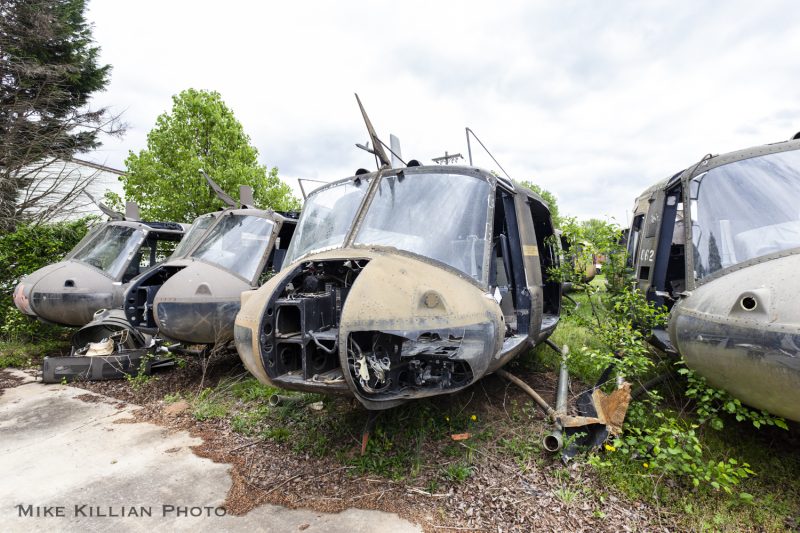
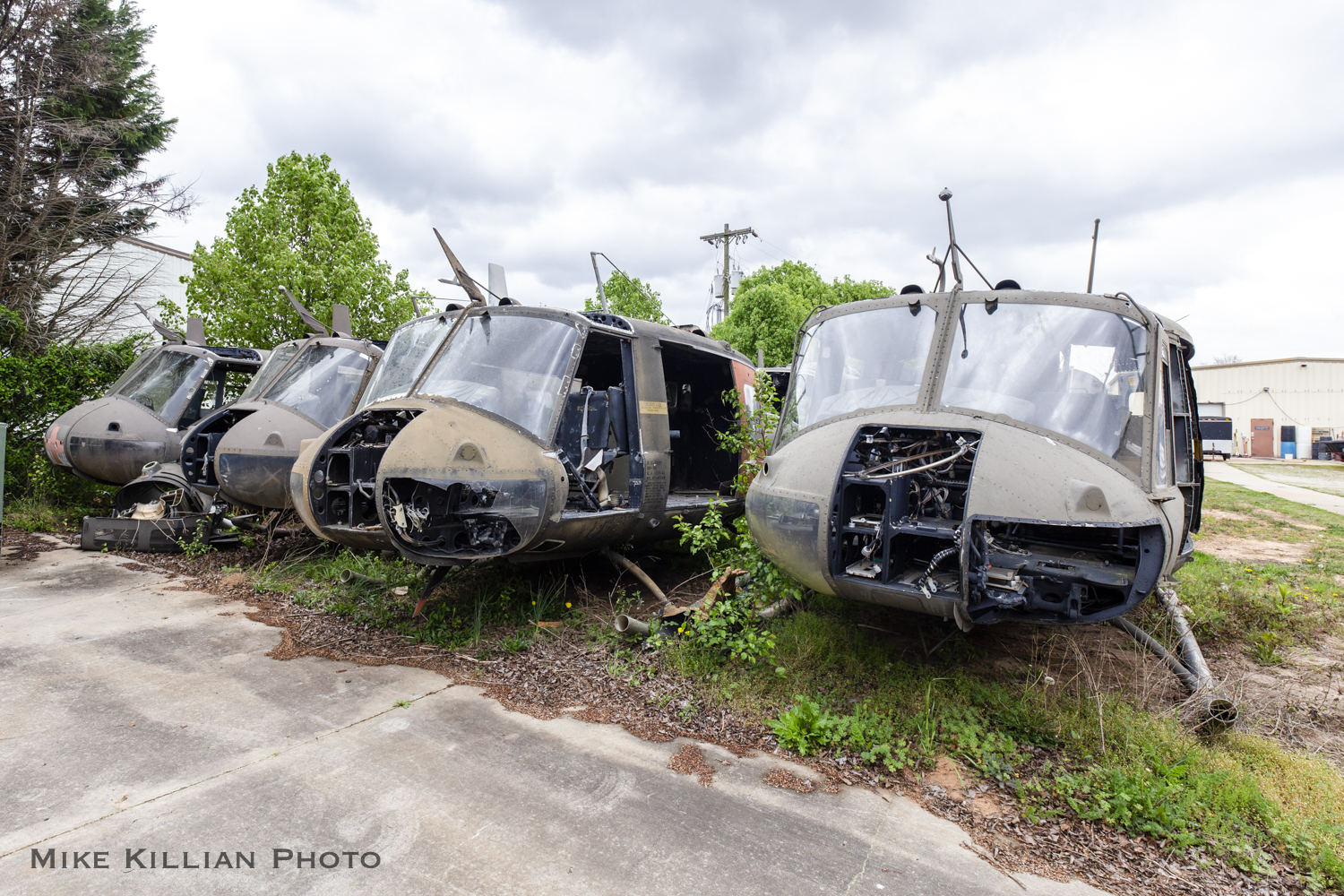
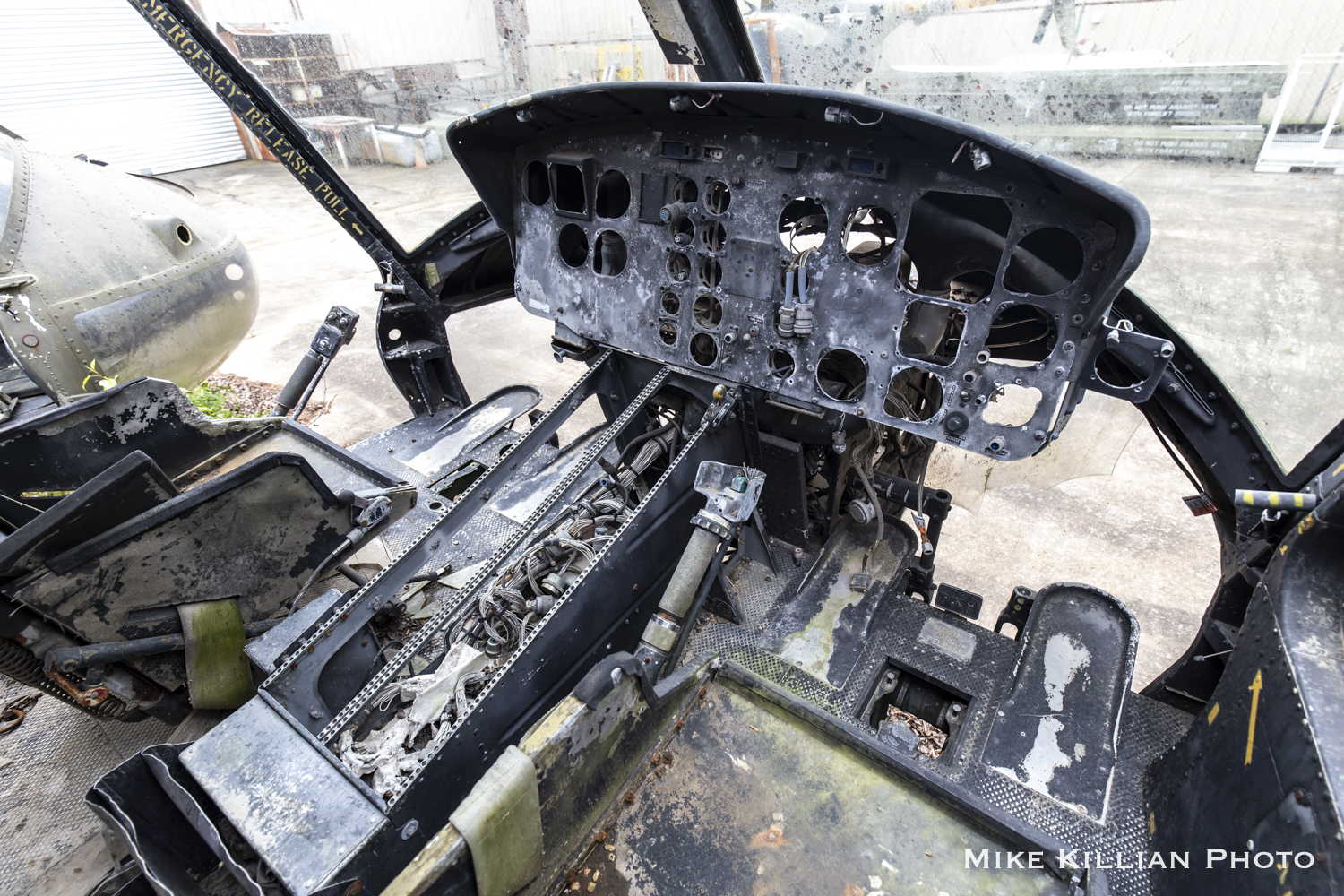
They also have a boneyard at their HQ in Hampton, where they keep older and un-airworthy helicopters to use for parts.
Restoring Cobras And Hueys at the Army Aviation Heritage Foundation 96Restoring Cobras And Hueys at the Army Aviation Heritage Foundation 97
“A lot of times this is the beginning of a rebuild, particularly for static displays”, says Wages. “This is where we pull hard-to-find parts, like panels to resurface and reuse. Most of the boneyard birds had an active service life in various incendiary places. They’ve all had a busy life.”
All in all, the AAHF has enough spare Hueys and Cobras to keep a handful of both platforms flying for maybe 15 more years, simply because the parts won’t last forever and are not being made anymore. Things like engines and transmission are relatively easy to come by (expensive), but other things are not, such as actuators and systems designed just for the helicopters in their previous service lives.
The saying “there is nothing as strong as the heart of a volunteer” rings true at AAHF, as everyone shares the same passion for the helicopters and aviation, as well as a mutual respect and appreciation for veterans, keeping the history alive and educating the public. But AAHF is also an opportunity for volunteers who are veterans themselves to exchange stories, bond and come together for the same cause, as they once did in military service. It’s also a chance for them to share their experiences with the public, many of whom may not have ever known or even talked with combat veterans directly.
Restoring Cobras And Hueys at the Army Aviation Heritage Foundation 98Restoring Cobras And Hueys at the Army Aviation Heritage Foundation 99
AAHF Is Grateful For Volunteers
Several companies, corporations and various organizations help AAHF a great deal in various ways, without whom the AAHF would not exist. AAHF is always open to new volunteers, and you do not have to be a veteran to be a AAHF member either. They also accept donations to keep their operations going.
Look up air shows in your region to see when they will visit, or visit www.ArmyAV.org for more information. You can also follow them on Facebook and Instagram, where they provide regular updates on what they are up to.
DC-10s Actually Had Good Safety Records But Were Overtaken By Newer Designs
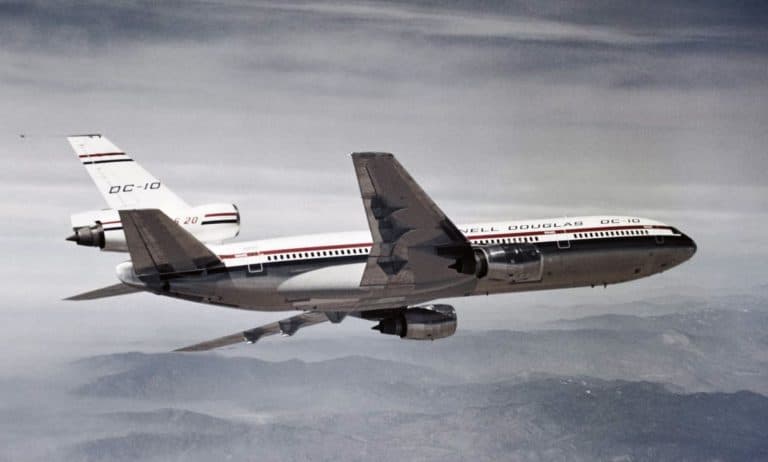
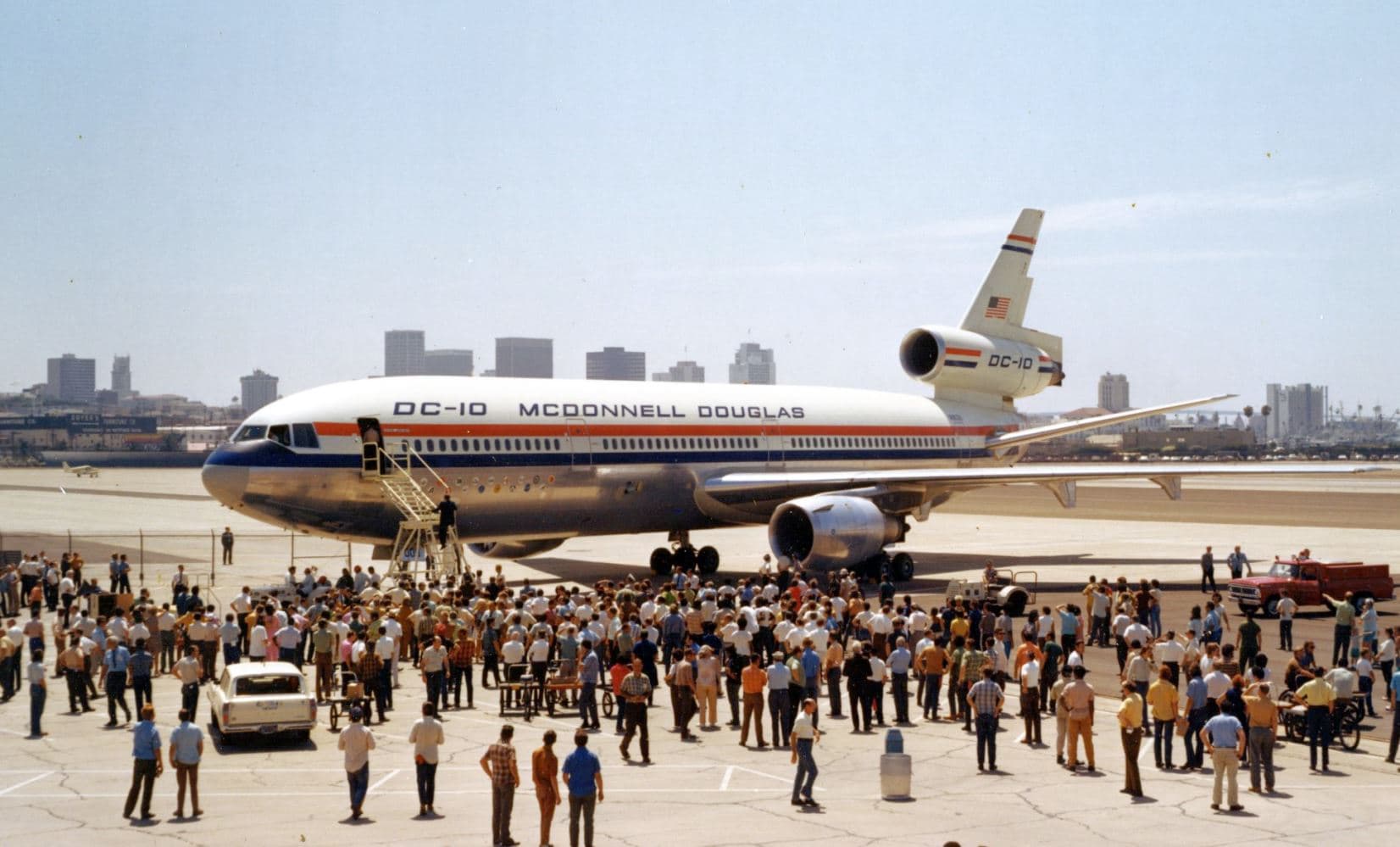
The DC-10 was the first commercial jetliner built by McDonnell Douglas after the merger between McDonnell Aircraft Corporation and Douglas Aircraft Company in 1967. The McDonnell Douglas DC-10-10 jetliner flew for the first time on 29 August 1970.
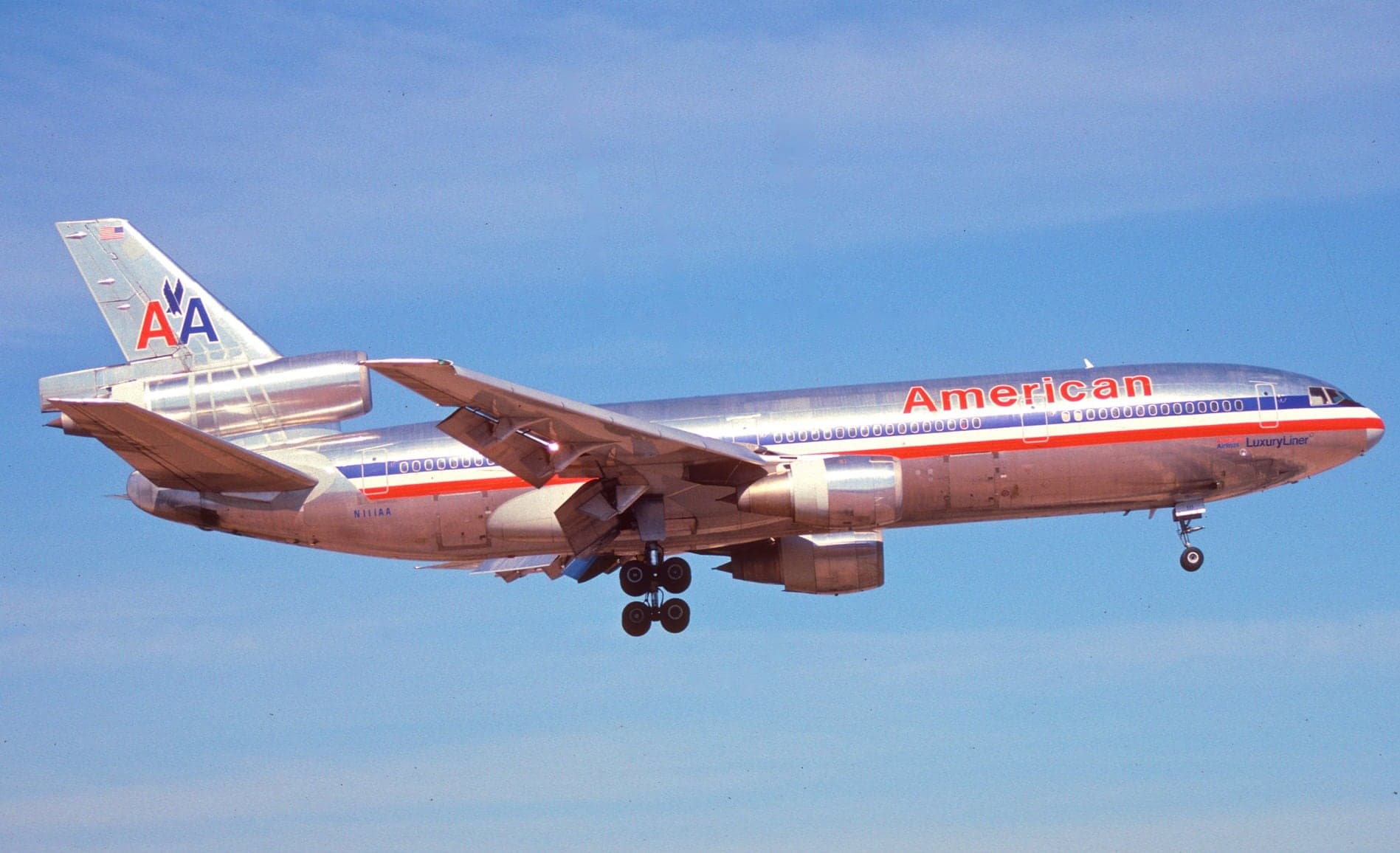
The first two airlines to order the new jumbo, American Airlines and United Airlines, ordered 25 and 30 of them respectively- United with an option for another 30 in 1968. The aircraft received its Federal Aviation Administration (FAA) type certificate on 29 July 1971 after undergoing 1,551 hours of testing over 929 flights. On 5 August 1971, the DC-10 began service with American Airlines on a round trip flight between Los Angeles and Chicago.
DC-10-10 rollout ceremony. Image via McDonnell Douglas/Boeing in public domain
Maxing Out the PAX
The two launch customers configured their jetliners slightly differently. American DC-10s were set up with 206 seats; United cabins had 222 seats. Maximum passenger capacity of the DC-10 was as many as 380 passengers. Designed and built as a replacement for the company’s highly successful DC-8 series of four engine jetliners, the wide body of the DC-10 allowed increased capacity.
Equipped with three of the more powerful General Electric CF6 high-bypass turbofan engines, the jet incurred reduced maintenance costs as opposed to four engine jetliners.
By Aero Icarus [CC BY-SA 4.0 (https://creativecommons.org/licenses/by-sa/4.0)], via Wikimedia Commons
The 3-Holer Widebody Competition
The competition between the 10 series and the Lockheed L-1011 Tristar series made for interesting market positioning. Lockheed had exited the commercial airliner market but saw the L-1011 as the right design to get them back into the game.
The L-1011 was actually more technologically advanced than the DC-10 series but McDonnell Douglas sold 136 more DC-10s than Lockheed sold Tristars– primarily because the L-1011 was more expensive and its entry into service was delayed by nearly a year after the Douglas Jet entered service with American.
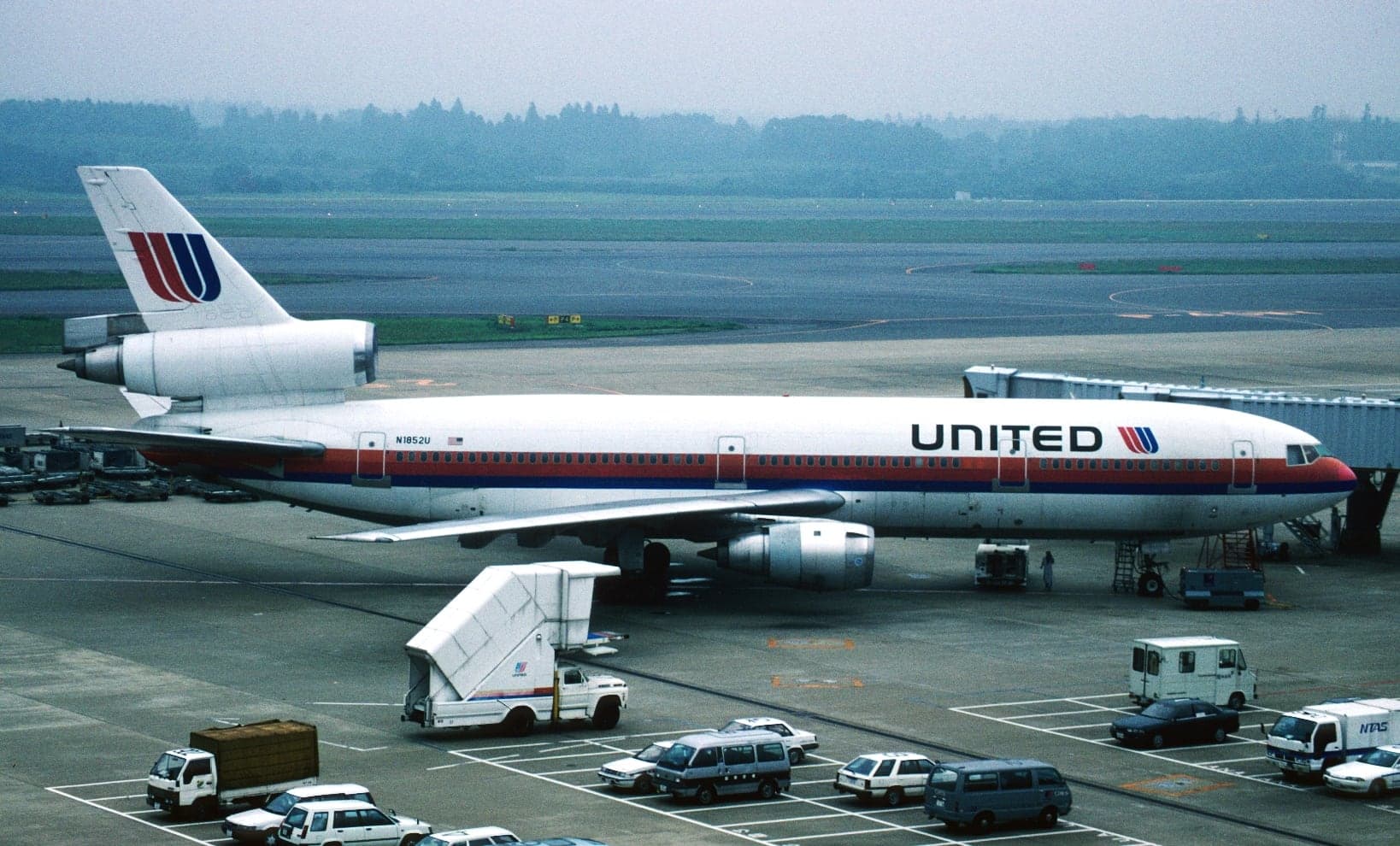
By contri from Yonezawa-Shi Yamagata, Japan (United Airlines DC-10-30 (N1852U/47811/302)) [CC BY-SA 2.0 (https://creativecommons.org/licenses/by-sa/2.0)], via Wikimedia Commons
All It Takes is One Catastrophe
The DC-10 was plagued by design flaws in the aircraft’s cargo doors. But the FAA withdrew the DC-10 type certificate on 6 June 1979 after the crash of American Airlines flight 191 in Chicago – the deadliest aviation accident in US history. As a result, 138 US-registered DC-10s were grounded and foreign-owned DC-10s were banned from US airspace – even for ferrying empty aircraft between airports.
Changes to the leading edge slat actuation and positioning systems, stall warning systems, and power supplies were then incorporated into the 10 fleet, lifting the ban, but not removing the reputation that the jetliner was dangerous.
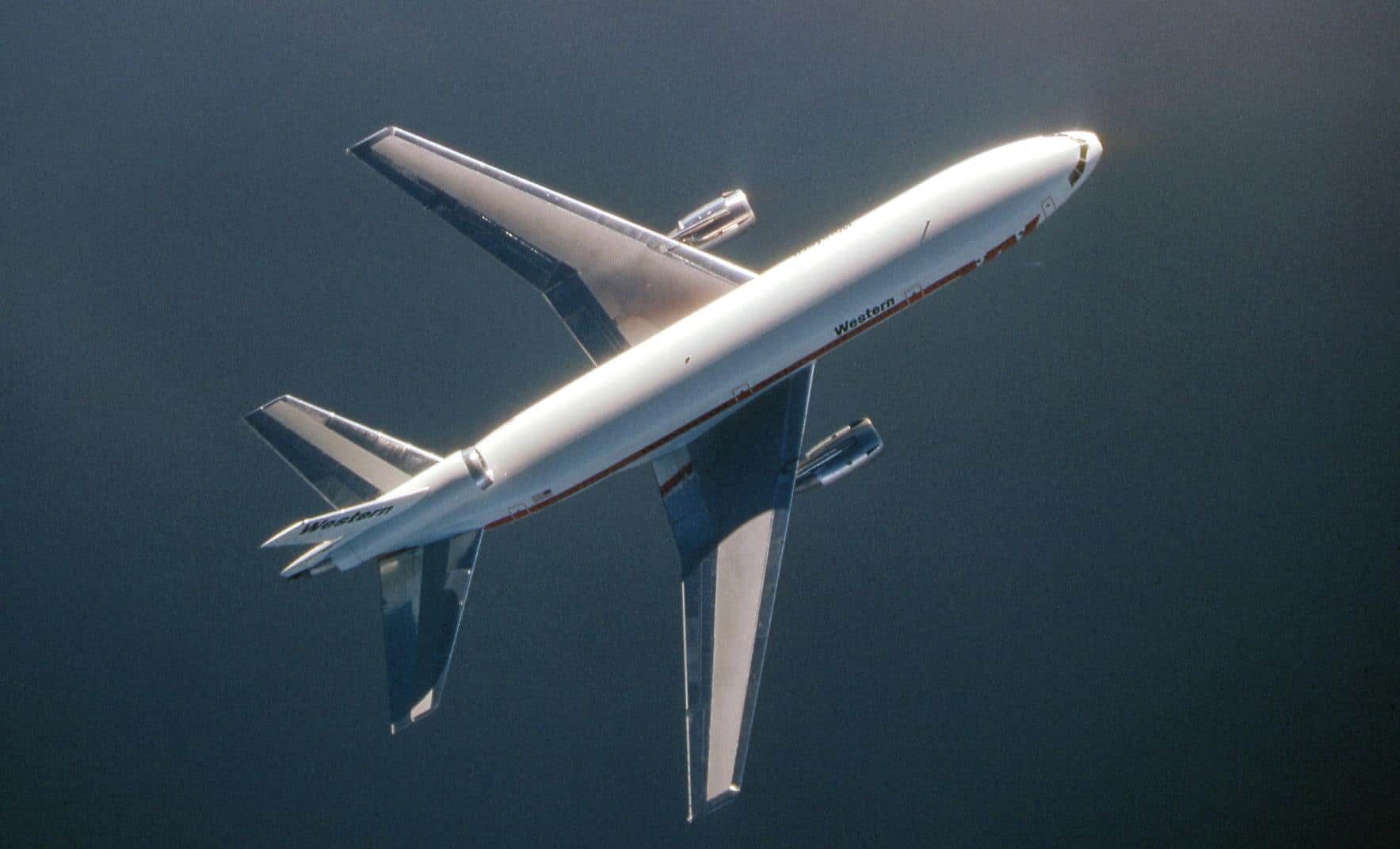
By clipperarctic (Western DC-10-10russavia) [CC BY-SA 2.0 (https://creativecommons.org/licenses/by-sa/2.0)], via Wikimedia Commons
An Undeserved Rep
Predictably, sales of the DC-10 suffered. In 1983, McDonnell Douglas announced they planned to stop building the jets, though production continued until 1989. Reputations are often easily earned, but much tougher to change.
The crash of United Flight 232 in Iowa in 1989 didn’t help the case. The Sioux City crash also resulted in upgrades and revisions to the fleet, keeping the jetliner in the air for several more years. The 10’s overall safety record was actually comparable to the other jetliners of its generation.
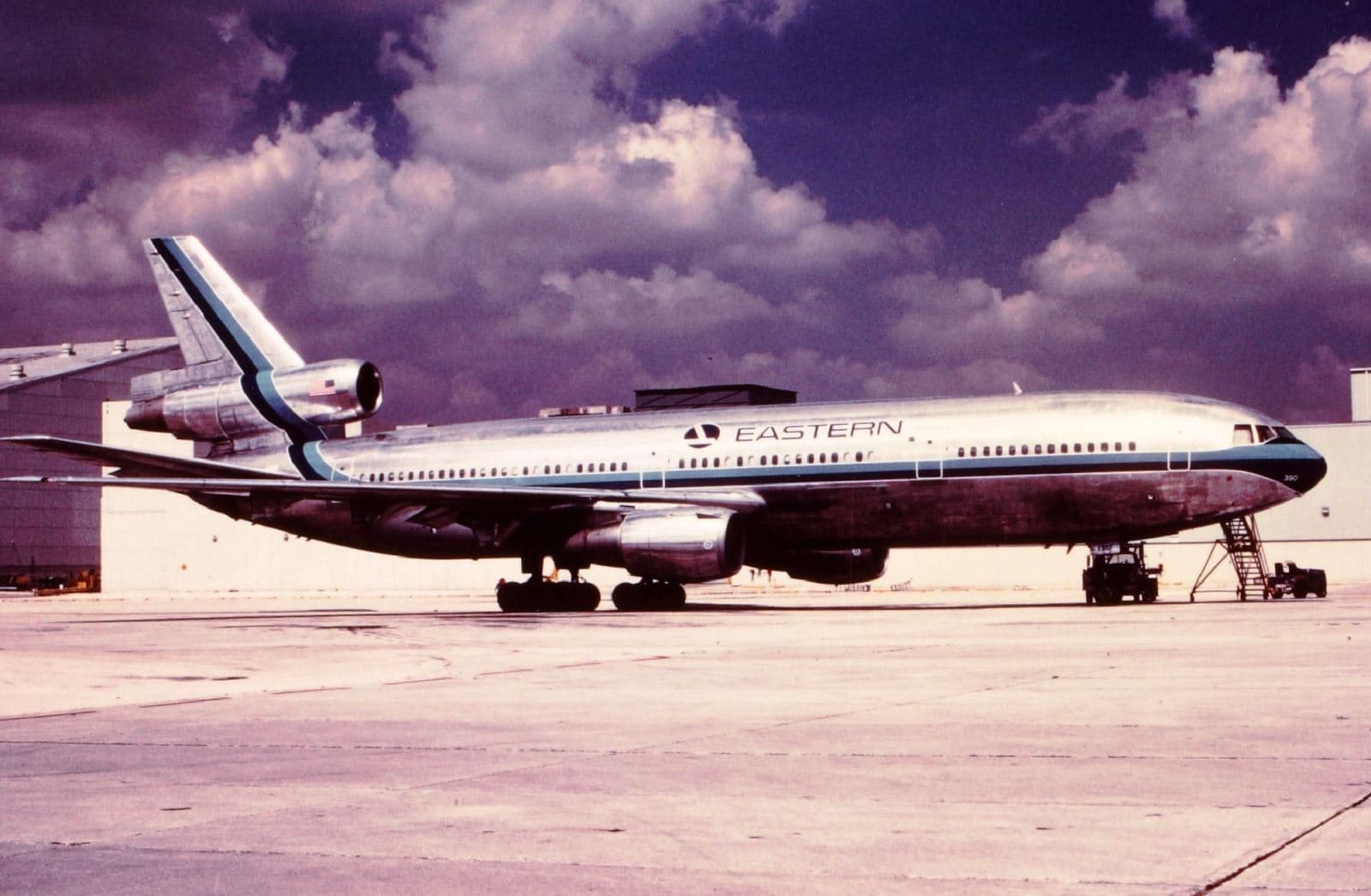
Eastern Airlines DC-10 via Wikipedia- image in public domain
The CG-4A Carried Much More Than Just Troops Into Battle
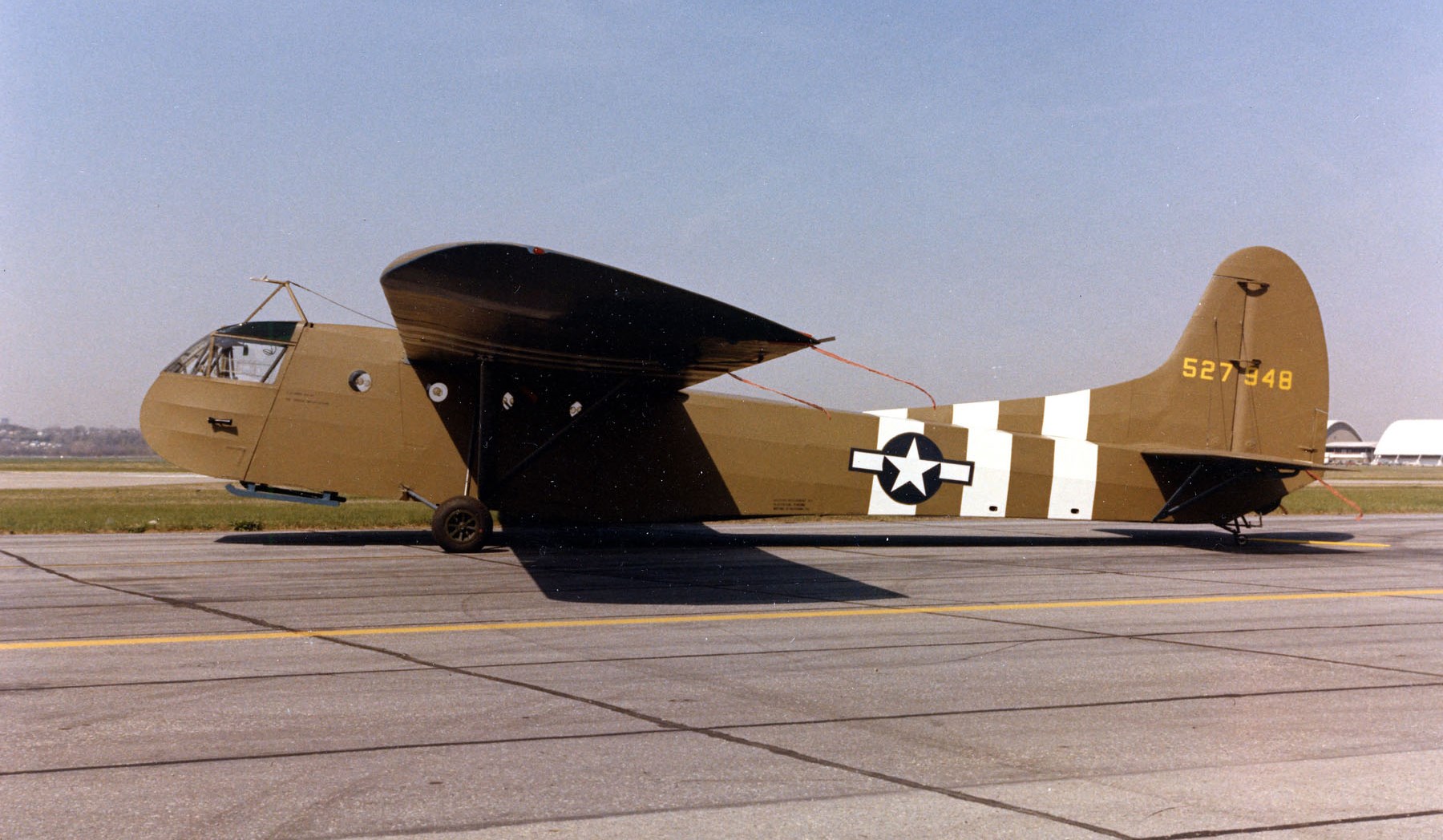
Waco’s CG-4A cargo glider, nicknamed the Hadrian by the Brits, carried approximately 50 percent of any Airborne Division’s paratroopers into battle during World War II. The 82nd Airborne Division, Eighty Deuce, the 101st Airborne Division, Screaming Eagles, and the 17th Airborne Division, Golden Talons, all utilized cargo gliders to deliver paratroopers and much of their equipment to the battlefield.
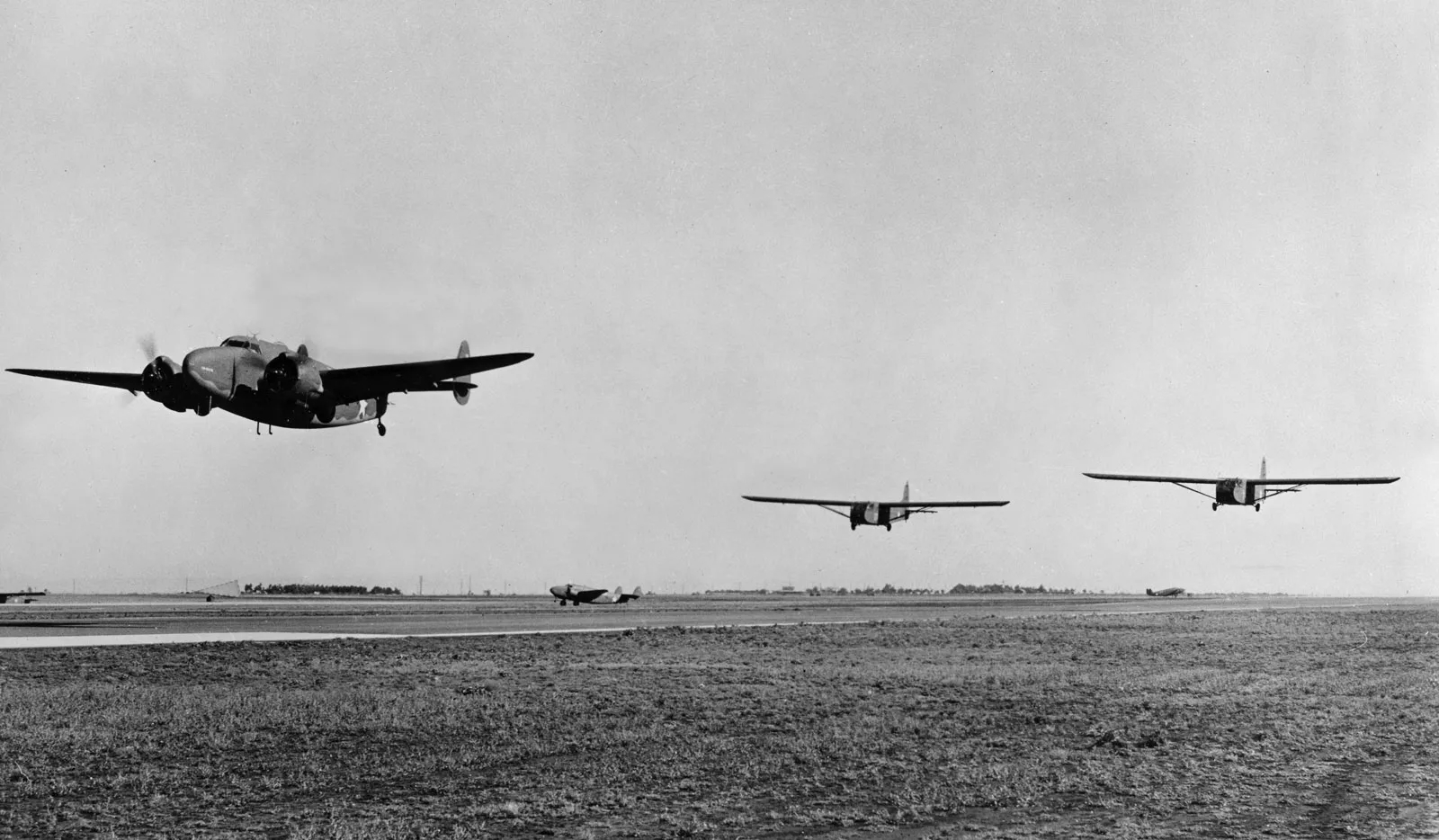
The cargo gliders were force multipliers, not quite doubling the payload of the transports towing them into action. Most CG-4As were towed behind Douglas C-47 Skytrain transports, but Curtiss C-46 Commando transports were employed as glider tugs in the European Theater of Operations (ETO) after March 1945, and Lockheed C-60 Lodestars were capable of towing lightly-loaded CG-4As into the blue.
USAAF C-60 towing CG-4A Glider. Image via National Archives (NARA)
Carrying the Army’s Heavy Gear to War
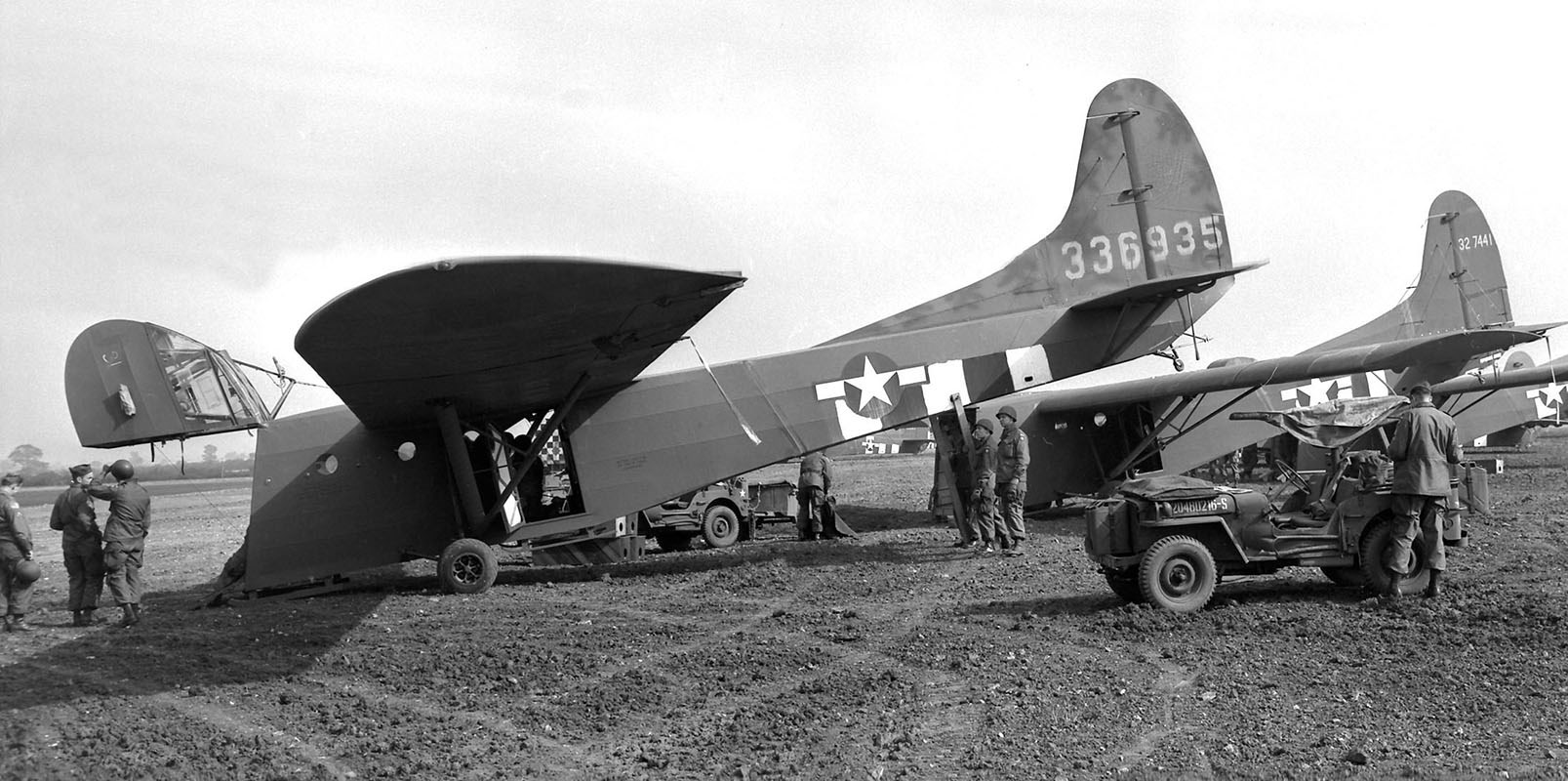
Loading of the CG-4A was completed via an upward-hinged nose section (including the pilot’s and copilot’s seats and flight controls). And load the CG-4A they could with 13 troops and their equipment, or up to 6 litters of wounded men, or other loads including such diverse cargo as a 75 millimeter howitzer, a 37 millimeter anti-tank gun, a Jeep, a weather station, a field kitchen, radar or radio equipment, a mobile repair shop, a small bulldozer, and even a complete photographic laboratory.
CG-4A Gliders loading up. Image via National Archives (NARA)
When Building a Glider, Make It Light and Cheap
The CG-4A was designed to be light and to be built quickly, inexpensively, and easily assembled at the airfields from which they would be towed into battle. The design featured straight strut-reinforced and shoulder-mounted high-lift wings totaling 900 square feet in surface area, a conventional empennage, and fixed twin main and single tail wheels. The fuselage structure consisted of steel tubing, and the wings contained wooden frames. The entire structure was fabric-covered.
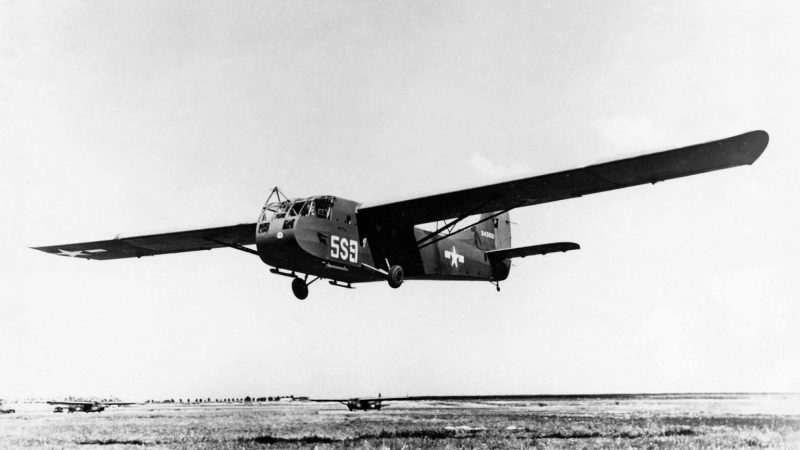
CG-4a IN FLIGHT. iMAGE VIA nATIONAL aRCHIVES (nara)
They Were Bigger Than You Think
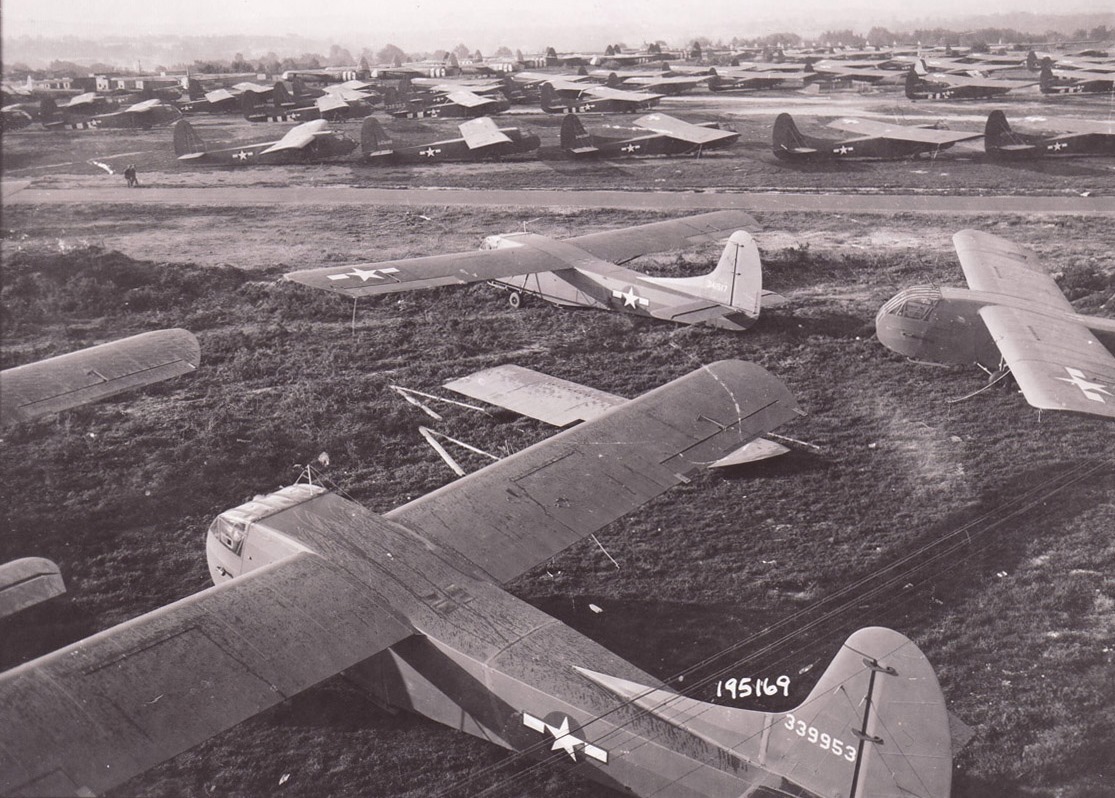
The crew of two, consisting of a pilot and co-pilot, flew the Hadrian into battle at speeds around 100 miles per hour (depending on the tow aircraft- VNE was 150 miles per hour) and at weights up to 8,000 pounds. Measuring 48 feet 8 inches long with an 83 feet 8 inches wingspan, the CG-4A fit somewhere between the Lockheed C-60 Ventura and the Douglas C-47. The CG-4A could take as little as 600-800 feet to land safely (when lightly loaded), but often required up to 3,000 feet when loaded to capacity.
cg-4a GLIDERS PREPARING FOR OPERATION MARKET GARDEN. IMAGE VIA NATIONALARCHIVES (nara)
Before You Can Fight You Have to Train
Construction of the first CG-4A began in 1941, with initial flights commencing in May of 1942. To produce glider pilots, the US Army Air Forces activated Sedalia Glider Base near Knob Noster in Missouri on 6 August 1942, renaming the base Sedalia Army Air Field (AAF) in November of the same year. There, the 12th Troop Carrier Command trained glider pilots and copilots along with the paratroopers who would ride into battle with them. Sedalia AAF also trained Curtiss C-46 Commando and Douglas C-47 Skytrain crews to tow the gliders. In 1955, Sedalia AAF became Whiteman Air Force Base (AFB).
War Theater Number: 12
War Theater: Europe
Place: Germany
Category: Aircraft, Ground
Sub Category: Consolidated
Short Caption: Part Of The Success …
Caption: Part Of The Success In Glider Snatch Pickups Is The Ground To Plane Teamwork. Here, A Douglas C-47 Of The 9Th Troop Carrier Command, Is Shown Flying Low Over A Glider It Will Snatch From The Ground. The Jeep In The Foreground, Equipped With Radio, Relay
Photo Series: WWII
Updated Subject: GERMANY,GLIDERS
History: Original 4″ x 5″ negative (GPR 162-4) received October 1952 from USAF, Air Adjutant Gen., Records Branch.
NARA Reference Number: 342-FH-3A20141-82465AC
Record Group: 342
Series: FH
Building Gliders in Furniture and Refrigerator Factories
From 1942 until the end of the war in 1945 13,903 CG-4A gliders were built. The Ford Motor Company plant in Kingsford, Michigan, built 4,190 of them, making them the largest but certainly not the only CG-4A production facility. Fifteen other contractors ran 24-hour shifts to build the gliders, including Babcock Aircraft Company in DeLand, Florida, Cessna Aircraft Company in Wichita, Kansas, Commonwealth Aircraft in Kansas City, Missouri, G&A Aircraft in Willow Grove, Pennsylvania, General Aircraft Corporation in Astoria, New York, Gibson Refrigerator in Greenville, Michigan, Laister-Kauffman Corporation in St. Louis, Missouri, and Ward Furniture Company in Fort Smith, Arkansas to name a few.
Troop carrier Douglas C-47s tow Waco CG-4A gliders during the invasion of France in June 1944. (U.S. Air Force photo)
Into Action in the ETO
CG-4As first saw action in July of 1943 during the Allied invasion of Sicily. Flown 450 miles across the Mediterranean from North Africa, they took part in night-time assaults such as Operation Ladbroke. The next major operation in the European Theater of Operations (ETO) that employed the CG-4A was Operation Overlord– the American airborne landings in Normandy on 6 June 1944.
The CG-4A was smaller than the British Airspeed Horsa cargo glider and was able to land in smaller spaces. The majority of the CG-4As that landed successfully were either abandoned in place or destroyed. Hadrians also saw combat during Operation Market Garden and every subsequent airborne assault in the ETO. They were even used to deliver supplies and munitions to partisans in Yugoslavia.
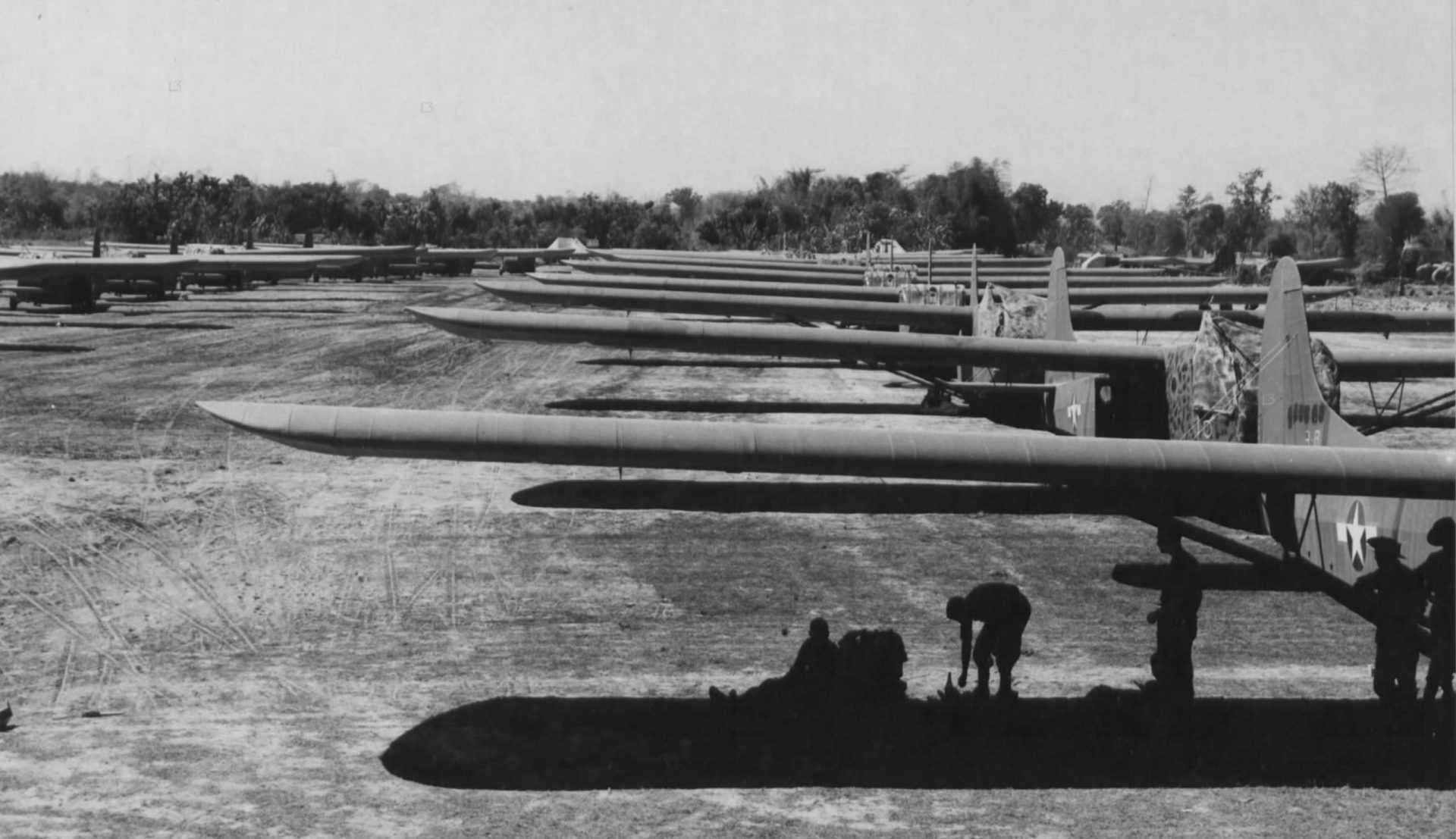
cg-4aS WAITING TO BE TOWED INT9O ACTION IN THE cbi. iMAGE VIA nATIONAL aRCHIVES (nara)
To War Against the Rising Sun
CG-4As also saw combat in the Far East against the Japanese. Seeing action in New Guinea to land engineers in remote areas and for rescues first, the gliders were also used to covertly insert (and then supply) US and British “Chindit” raiders behind Japanese lines in Burma. The Brits utilized CG-4As throughout the China-Burma-India (CBI) theater. CG-4As were also operated by the US Navy, designated LRW-1. The Royal Canadian Air Force also flew the Hadrian.
cg-4a AT THE nATIONAL mUSEUM OF THE us aIR fORCE. iMAGE VIA us aIR fORCE
Interesting Endgame
Declared surplus after World War II concluded, most of the remaining intact CG-4As were sold off. Many of them were bought for the wood used in the large shipping boxes used to transport unassembled gliders to their assembly points. Still others were converted into towed camping homes by sawing off the wings and horizontal and vertical tail surfaces. They were then towed (backwards- by their tails) to the great outdoors. A few CG-4As even ended their days as lake side vacation cabins and hunting cabins. The final operational use of the CG-4A took place when the US Air Force utilized ski-equipped CG-4As to support scientific research into floating ice floes in the Arctic during the early 1950s.
One is displayed at the US Air Force Museum in Dayton, Ohio. Avgeekery made a short video on the glider, which you can view here.
CRASHEDC cg-4a. IMAGE VIA NATIONAL ARCHIVES (nara)
Avgeekery has sponsored a display at Memorial Mini Golf in Buda, Texas. The mini golf course features 18 unique holes that tell the story of World War II. Avgeekery sponsors the hole depicting D-Day, the Longest Day, which is the longest hole in known miniature golf courses. Our contribution is a model of a Waco CG-4A glider.
Much like the real glider and its ability to move troops and supplies quickly, the model offers a shortcut for golfers to reach the hole with fewer strokes. We see it as a worthy way to honor the many glider pilots and paratroopers who flew aboard the mighty gliders that extended American and Allied power projection to turn the tide of the war in Europe and Asia.
The McDonnell Douglas MD-90 has been resurrected…sort of.
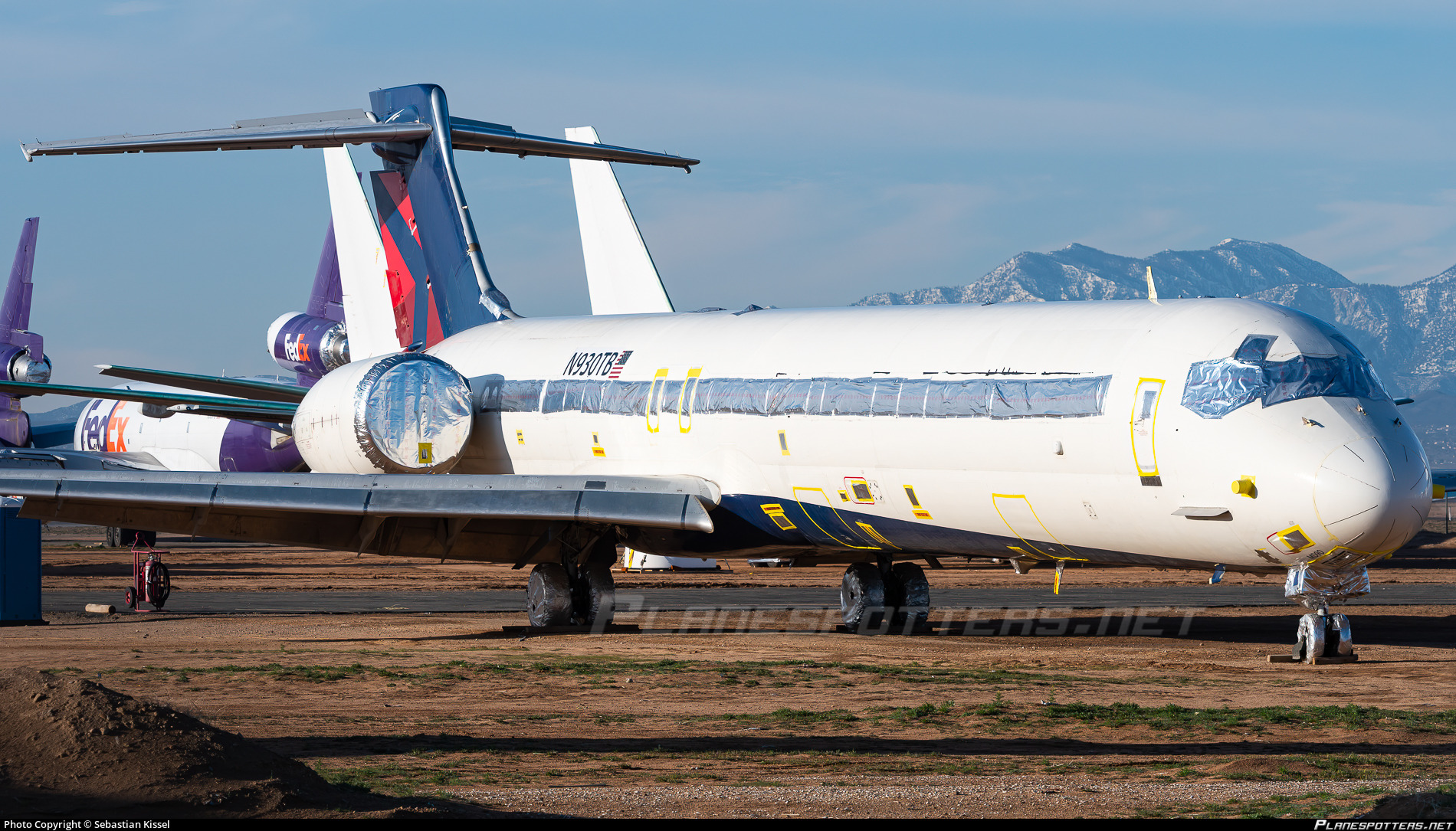
A former Delta Air Lines MD-90 (reg. N930TB) took off from the Southern California Logistics Airport (VCV) in Victorville, Calif., last week. Its destination was just 43 miles away, where it arrived at Palmdale Regional Airport in Palmdale, Calif., 14 minutes later.
However, avgeeks hoping to see the iconic “Mad Dog” in the skies again shouldn’t get their hopes up.
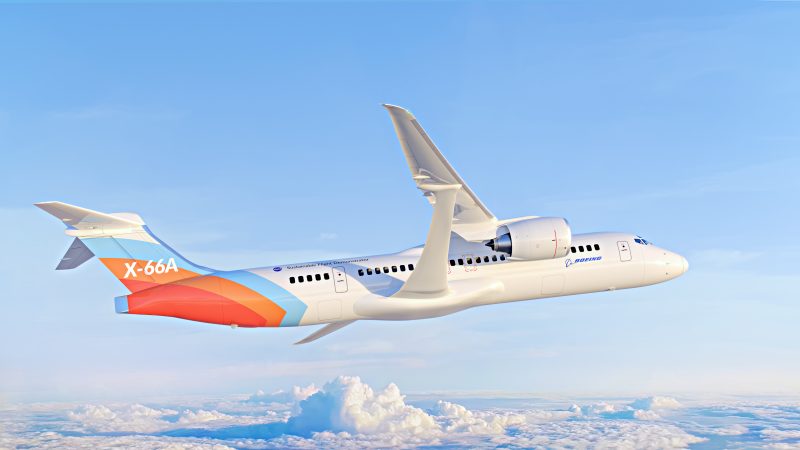
N930TB is the first of two former Delta MD-90-30s – now owned by Boeing Capital Corporation – that will become part of NASA’s Sustainable Flight Demonstrator (SFD) program.
What is the Sustainable Flight Demonstrator Program
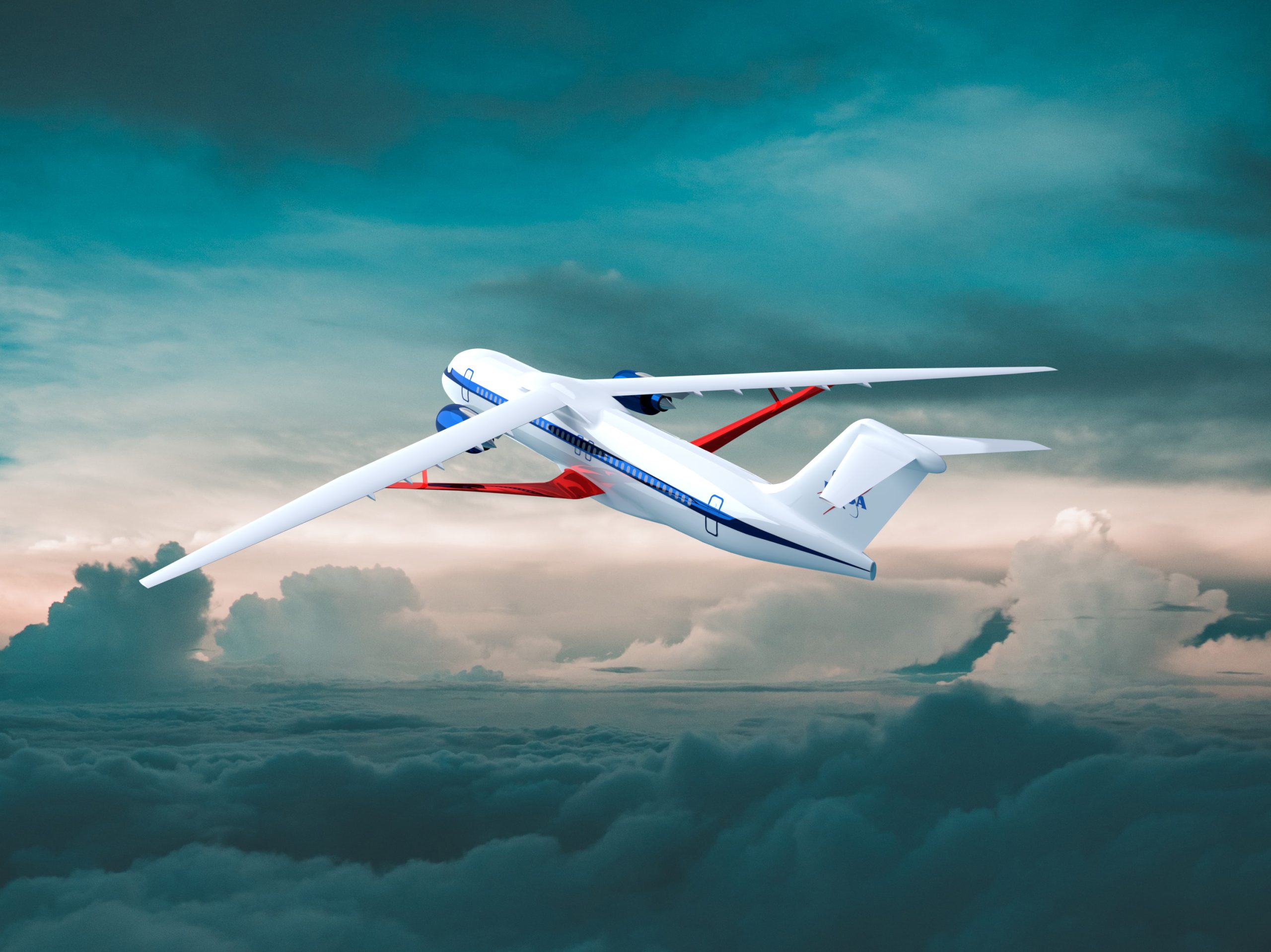
Artist depiction of a Transonic Truss-Braced Wing | IMAGE: NASA
According to NASA, the purpose of the SFD program is “to engage with industry, academia, and other government organizations to identify, select, and mature key airframe technologies – such as new wing designs – that have a high probability of transitioning to the next generation single-aisle seat class airliner.”
The 153-feet long MD-90 airframes will be shortened to become full-scale demonstrator aircraft – dubbed by the U.S. Air Force as the X-66A – to test the capabilities of the Transonic Truss-Braced Wing (TTBW) design. The design is a collaboration between NASA and Boeing and is considered the most likely candidate for future airframe development. By repurposing these airframes, the X-66A will mark Boeing’s first commercial demonstrator aircraft since 1954, a milestone reminiscent of the origins of the iconic Boeing 707.
The ultimate goal of the SFD program is to help make air travel more sustainable. With the TTBW design and other technological advances in propulsion systems, materials, and systems architecture, NASA aims to reduce emissions by up to 30 percent (compared to the 737 MAX).
NASA says the agency expects the X-66A to begin conducting missions by 2028.
The successful implementation of the TTBW concept may lead to its adoption by original equipment manufacturers (OEMs) for single-aisle aircraft in the 2030s, aligning with the U.S. Aviation Climate Action Plan’s goal of achieving net-zero carbon emissions by 2050.
Breaking Down the Transonic Truss-Braced Wing Concept
NASA Administrator Bill Nelson holds a model of an aircraft with a Transonic Truss-Braced Wing | IMAGE: NASA/Joel Kowsky
The TTBW design will strategically focus on transforming the performance of single-aisle airliners, a segment responsible for nearly half of the world’s aviation emissions.
The concept involves integrating an ultra-slender and lightweight composite wing atop the airframe, stabilized by two diagonal lift-generating struts. The struts will help significantly reduce drag and improve aerodynamic efficiency during transonic flight conditions. This innovative design allows for smoother airflow over the wings, reducing fuel consumption and emissions while enhancing the overall aircraft’s performance and range.
With a wingspan measuring 170 feet, the TTBW design will be shorter than the Airbus A350 and Boeing 787 in terms of length. But it will exceed the wingspan of the Boeing 737 MAX 8, which spans 117 feet.
“The Transonic Truss-Braced Wing is the kind of transformative concept and investment we will need to meet those [achieving net-zero carbon emissions by 2050] challenges,” says Bob Pearce, NASA associate administrator for the Aeronautics Research Mission Directorate. “The technologies demonstrated in this project have a clear and viable path to informing the next generation of single-aisle aircraft, benefiting everyone that uses the air transportation system.”
In its current form, the TTBW design will be able to withstand speeds of up to March 0.80, similar to today’s jetliners.
From Mad Dog to X-Plane
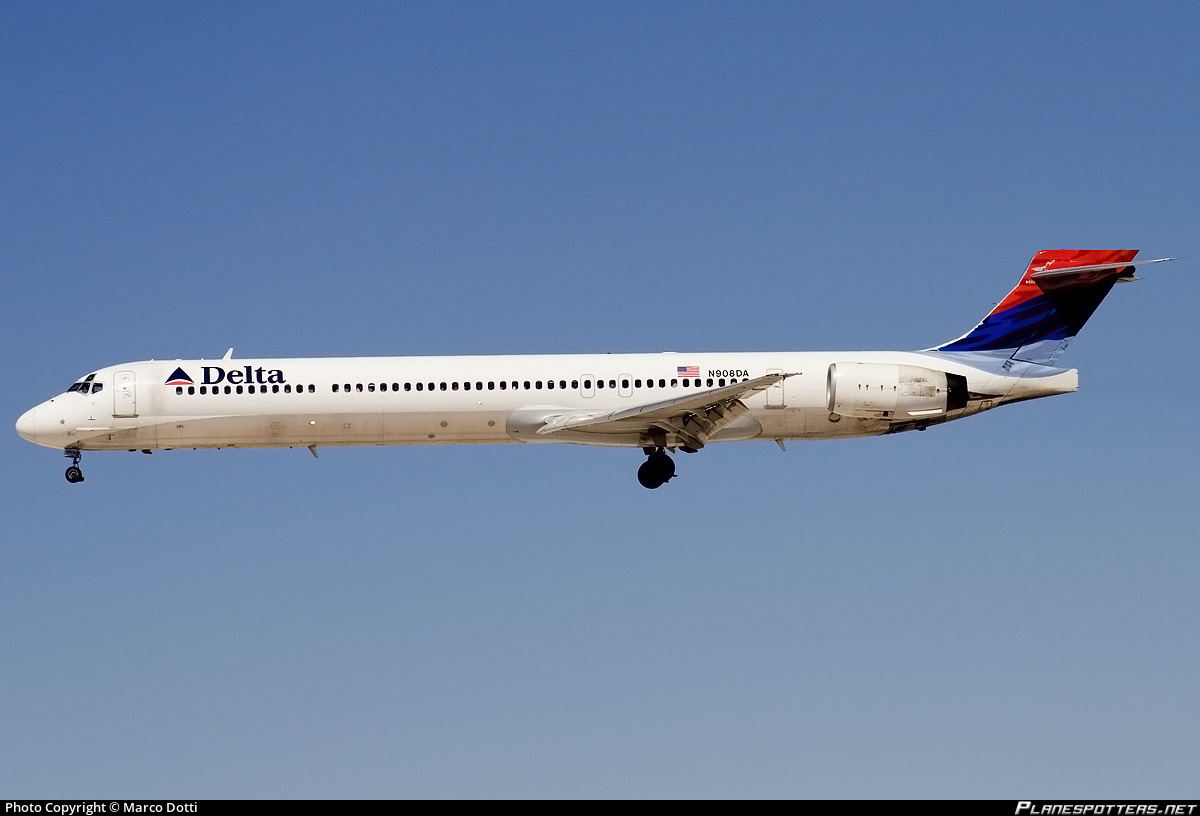
Delta Air Lines MD-90-30 (reg. N908DA) landing at KLAS on 24 September 2006 | IMAGE: Marco Dotti/planespotters.netBoeing Capital Corporation MD-90-30 (reg N930TB) at Victorville | IMAGE: Sebastian Kissel/planespotters.net
Both future X-66A demonstrators will feature the fuselages of former Delta Air Lines MD-90s.
The first to make the move to Palmdale was N930TB (tango bravo stands for truss-braced). She spent her entire life at Delta Air Lines as N908DA.
The Long Beach-built Mad Dog began service with Delta in September 1995. After nearly 25 years of service, she sadly became a victim of the COVID pandemic. She was stored at Arkansas International Airport (BYH) in Blytheville, Ark., on 19 March 2020. Just under a year later, on 13 January 2021, she would move to Victorville.
In March 2021, she was purchased by Boeing and received her new registration, N930TB. She would remain in Victorville until her short flight to Palmdale on 21 July 2023.
The second MD-90 was originally delivered to China Northern Airlines in February 1999. She would remain with China Northern until October 2011. Shortly after, she became a Delta bird in November 2011 and began service with them in April 2012 with the registration N962DN.
Suffering the same fate as N930TB, she was parked at BYH on 29 April 2020 as a result of the pandemic. She would remain at BYH until 18 December 2020, when she was transferred to VCV.
Purchased by Boeing in 2021, she was re-registered as N931TB. We don’t yet know when she will make the jaunt to Palmdale. For now, she sits at VCV, awaiting her next assignment.
A new airline is set to redefine the world of luxury air travel when it takes to the skies for the first time this September.
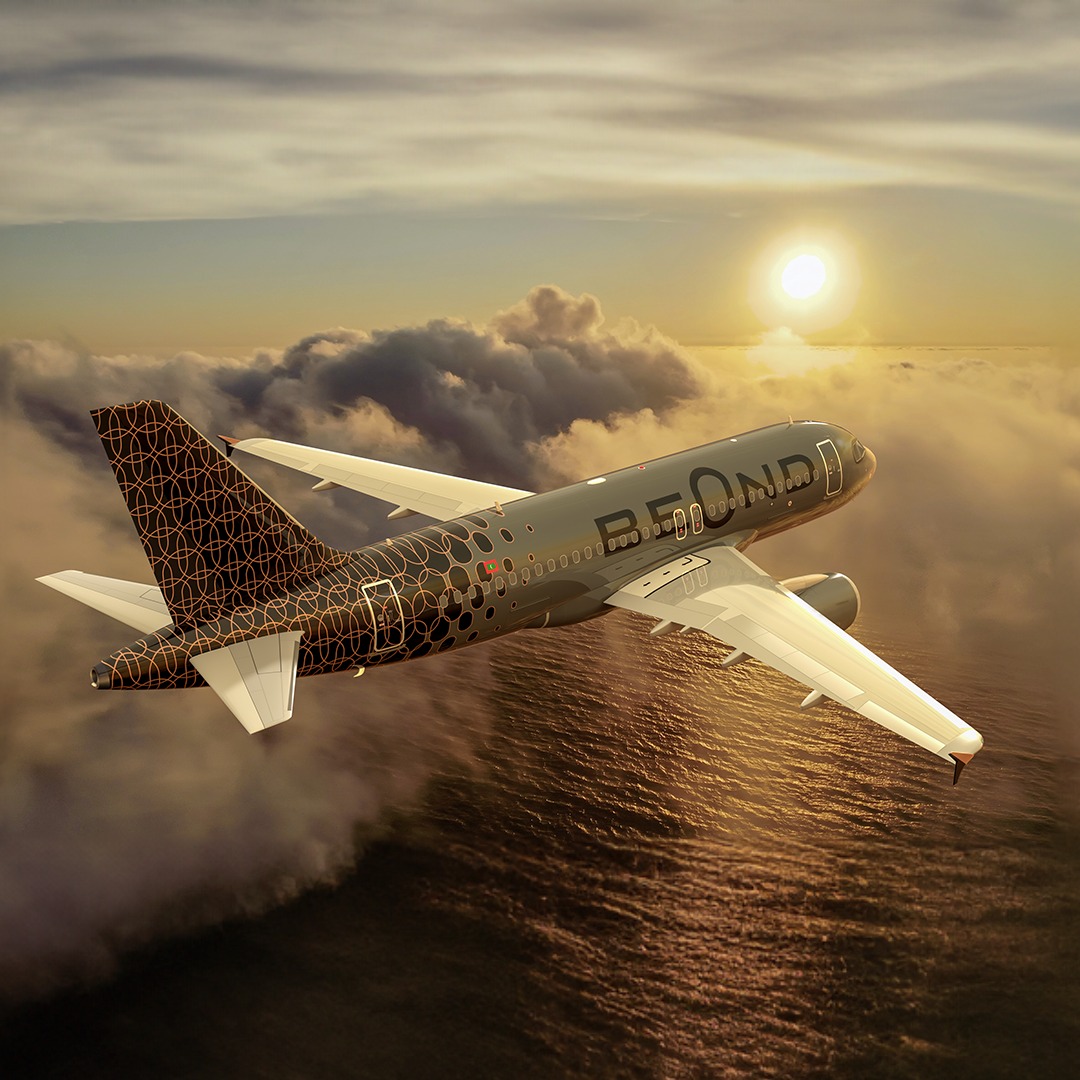
Known as Beond (pronounced like the word “beyond”), the new airline will focus on flights from Velana International Airport (MLE) in Malé, the capital city of the Republic of Maldives. Headquartered in Dubai, Beond aims to set new standards as the “world’s first all-premium class leisure-oriented airline.” Its primary objective is to connect the Maldives to key destinations in Europe, Asia, Australia, and–eventually–South Africa.
The company was founded in 2022 by three aviation industry veterans, including CSO Max Nilov (previous experience includes Boeing, Lufthansa, and Aeroflot), CEO and chairman Tero Taskila (Finnair, AeroMexico, Qatar Airways, and Gulf Air), and CCO Sascha Feuerherd (Lufthansa).
The ambitious venture is a collaboration between Dubai-based investment firm Arabesque and the Maldivian hospital group SIMDI Group.
Beond Plans to Surpass 50 Destinations Across 26 Countries by 2028
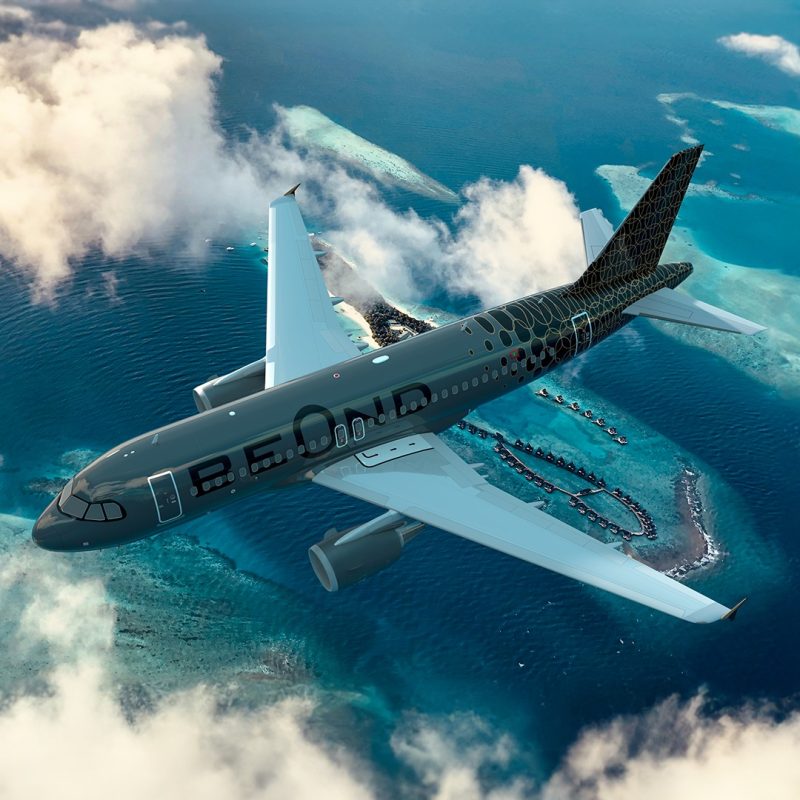
IMAGE: flybeond.com
According to Beond’s website, the carrier plans to begin operations in September with flights to Dubai, United Arab Emirates (DXB), and Delhi, India (DEL). The carrier intends to surpass 50 destinations across 26 countries with a fleet of 30-35 aircraft within five years.
What sets Beond apart from other carriers operating premium services from the Maldives, however, is their strategic use of narrow-body Airbus aircraft. Initially, the carrier will deploy three leased Airbus A319 aircraft, each equipped with 44 lie-flat seats in a 2-2 configuration. A standard A319 typically accommodates 156 seats in a 3-3 configuration. By the end of 2023, four more A319s will join their fleet, all leased from San Francisco-based lessor Babcock & Brown Aircraft Management (BBAM).
Beond plans to expand further by introducing Airbus A321LRs to the fleet in 2024. These longer-range variants will feature 68 lie-flat seats in a 2-2 configuration. Typically, an A321 would have around 220 seats.
Once the A321LRs come online, the carrier can serve Europe, the Far East, and Australia. A route map on Beond’s website indicates the carrier has plans to fly as far west as Paris and Munich, as far north as Astana, Kazakhstan, and as far east as Tokyo, Seoul, and Perth.
Ride in Luxury to Paradise
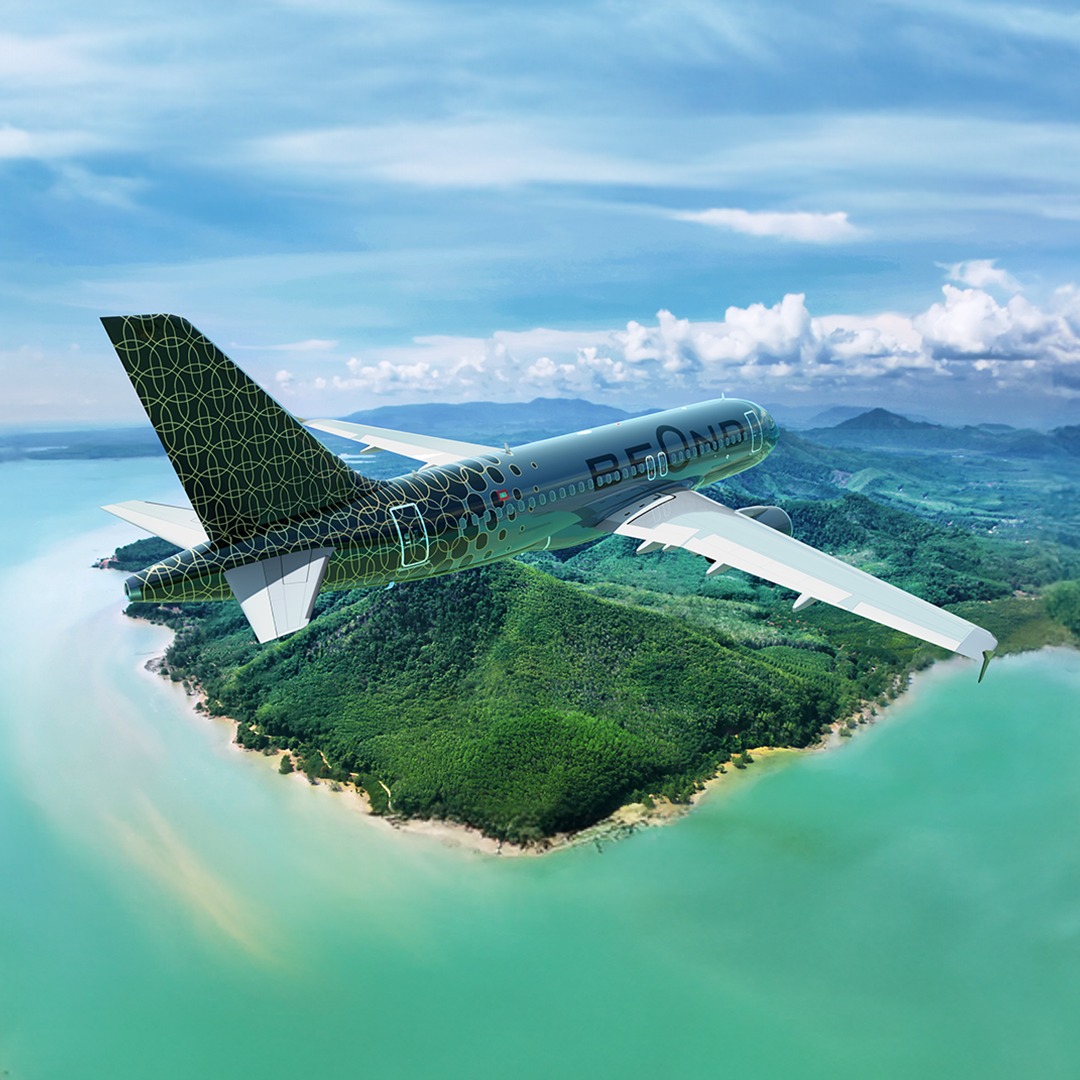
IMAGE: flybeond.com
As a premium airline, one would expect that Beond would have some pretty impressive amenities. And indeed, they do.
Travelers can check-in in the comfort of their homes – including baggage, which will be delivered to the aircraft via concierge. The carrier plans to offer limousine service to the airport, where passengers will wait in premium lounges inside private jet terminals (where possible).
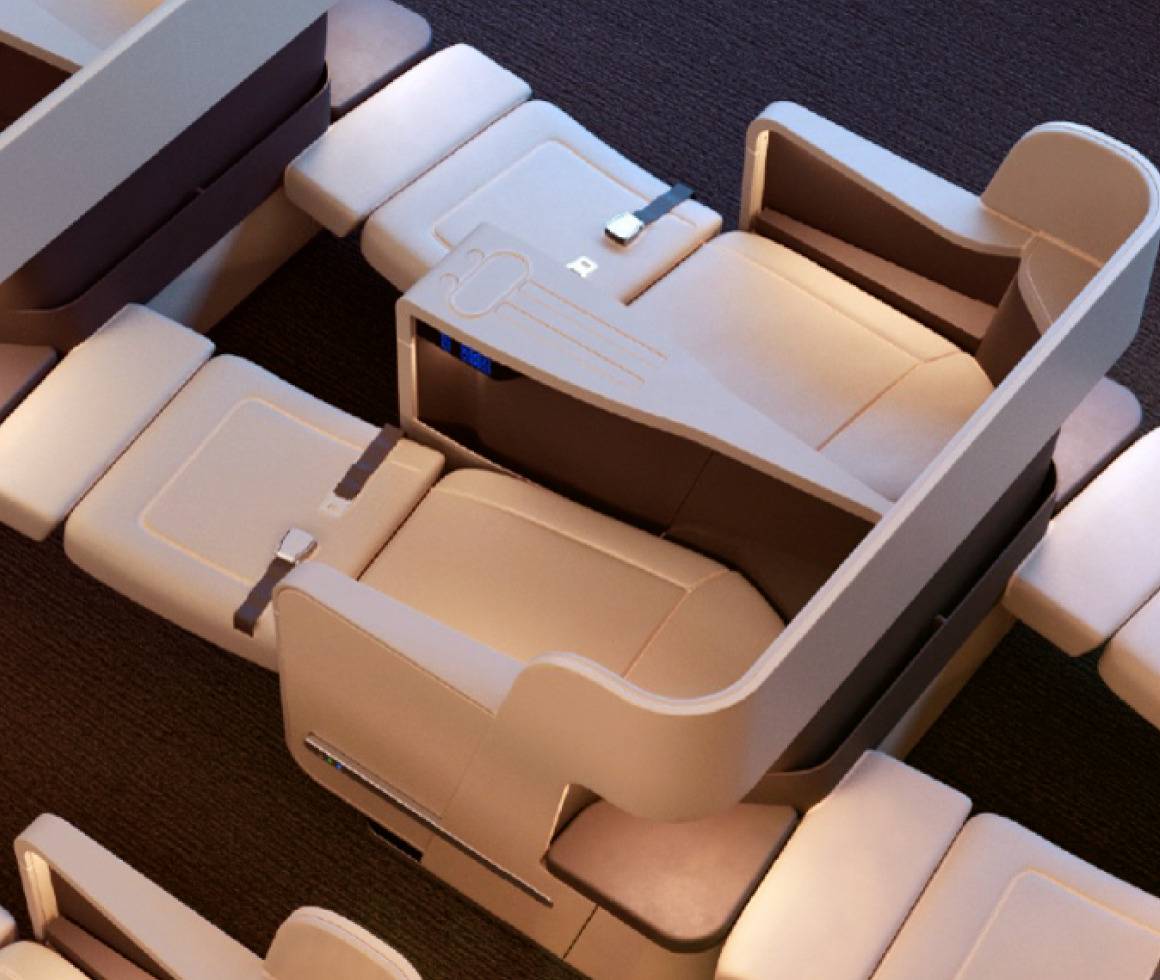
The lie-flat seats are the work of Italian boutique seat manufacturer Optimares. The all-leather seats will be in a 2-2 configuration, which means there will be no middle seat.
BeOnd’s aircraft will feature lie-flat seating in a 2-2 configuration | IMAGE: flybeond.com
Once on board, travelers will experience a culinary adventure, indulging in Michelin-star cuisine. Passengers can stay connected with full Bluetooth connectivity, while every seat will feature iPad Pros, wireless headsets, USB ports, and power outlets.
BeOnd’s aircraft will feature lie-flat seating in a 2-2 configuration | IMAGE: flybeond.com
The carrier also plans to offer exclusive packages at luxury Maldivian resorts.
“We don’t just fly aircraft,” it says on its website. “We make traveling a way of life, creating magic memories that last a lifetime.”
And what about the price tag? Officials from Beond say fares will be structured to compete with business class fares on other airlines. Despite facing tough competition from ultra-premium products offered by airlines like Emirates, Qatar Airways, and Etihad, Beond will be the only airline offering an all-premium product to Malé. Beond leadership believes their product will pave the way for long-term success.
Beond Will Become the Maldives’ Second Flag Carrier
IMAGE: flybeond.com
The Maldives is a stunning tropical archipelagic paradise located about 470 miles from the southwest coast of India in the Indian Ocean. Comprised of 26 atolls, the Maldives has become a playground for the ultra-wealthy in recent decades.
Its biggest city and capital, Malé, is served by Velana International Airport (MLE).
The current Maldivian flag carrier is Island Aviation Services, operating under the brand name Maldivian. However, Maldivian’s service is somewhat limited, relying on a fleet of aging aircraft, including 44-year-old De Havilland Canada DHC-6 Twin Otters, De Havilland Canada Dash-8s, one ATR 42 and two ATR 72s, and a single Airbus A320. The Dash-8s and ATR 42/72s service most domestic airports in the country, while the lone A320 operates on international routes to India, Bangladesh, Sri Lanka, Malaysia, and Thailand.
Recognizing the country’s need for a more globally connected carrier, Beond will become the second carrier granted flag carrier status.
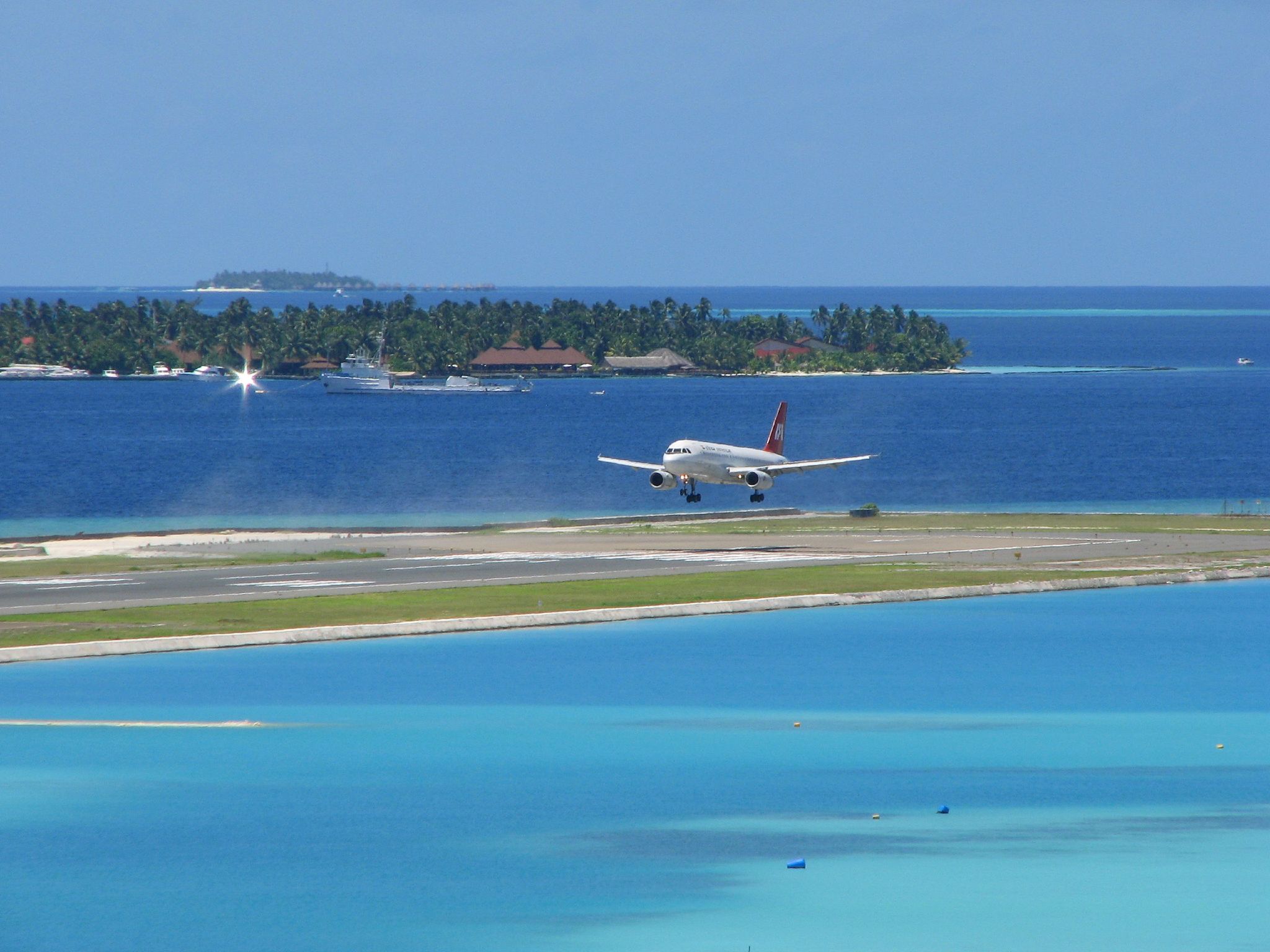
An Indian Airlines Airbus A320 lands on Runway 18 at Malé International Airport | IMAGE: commons.wikimedia.org
With ambitious plans and a beautiful product, Beond has much at stake in terms of its success. However, the carrier is candid about its perspective on its heavenly home in paradise. As stated on its website, its mission is to “deliver you to heaven on earth.”
And from all indications, this ride to paradise will be nothing short of extraordinary.
A Colorado man is facing federal fines and jail time, after he landed a helicopter for a picnic (allegedly) in Grand Teton National Park, Wyoming.
Earlier this year, Peter Smith of Gunnison, Colorado was cited for flying a fixed wing aircraft below minimum safe altitude, against FAA regulations in the Curecanti National Recreation. A federal judge ordered him to pay a $530 fine for that.
Pilot Faces Jail After Landing Helicopter for Picnic in National Park 128
This time, however, he allegedly decided to level up and take a helicopter and a lady for a lakeside picnic. Which sounds nice, except for the fact that unauthorized helicopter landings are illegal inside Grand Teton National Park.
Rangers took a boat to confront and cite Smith
According to the National Park Service, rangers were alerted to Smith’s illegal landing on June 24, when he landed on a remote beach in Moran Bay, on the west shore of Jackson Lake. The area is only accessible via boat or a 10-mile hike.
Pilot Faces Jail After Landing Helicopter for Picnic in National Park 129
And it wasn’t as if he didn’t think nobody would notice. There was boats and jet skiers on the lake, so he claimed he thought he was outside of the park’s boundaries.
Whatever the case, if he assumed nobody would report him, then he obviously doesn’t ‘vibe’ with other outdoor enthusiasts in the area. They love their parks and won’t hesitate to turn in someone who is disturbing the experience ESPECIALLY helicopter pilots who think they can play wherever and whenever they want.
Whatever the case, the rangers responded by boat and issued Smith two federal citations. One for operating an aircraft in an undesignated location and another for not following FAA regulations.
Pilot Faces Jail After Landing Helicopter for Picnic in National Park 130
More specifically, he has been charged with violating the following:
“Operating or using aircraft on lands or waters other than at locations designated pursuant to special regulations” and “Use of aircraft shall be in accordance with regulations of the FAA.”
Each violation is a Class B misdemeanor that could include up to a $5,000 fine and/or 6 months in jail ($10,000 & 1 year jail total if convicted of both). He is scheduled to go before a federal judge in Wyoming on August 15.
Smith claims bad weather forced him to land, NPS says no way
Pilot Faces Jail After Landing Helicopter for Picnic in National Park 131
Smith denies the ranger’s claim that he was picnicking. In an interview with the Associated Press, Smith claimed the weather was getting bad and he was “trying to cross over the Tetons and we couldn’t, so we landed. We were not having a picnic. We were landing. If that’s the safe course of action, that’s what needs to happen.”
Smith declined to comment about where he and his passenger were coming from and going to. He also would not confirm if it was a hired or personal flight.
“It’s pretty clear that this guy is just throwing whatever he can up against the wall,” said Dave Sollitt, executive director of the Jackson Hole Conservation Alliance, which has spent years fighting helicopter tourism in the Tetons.
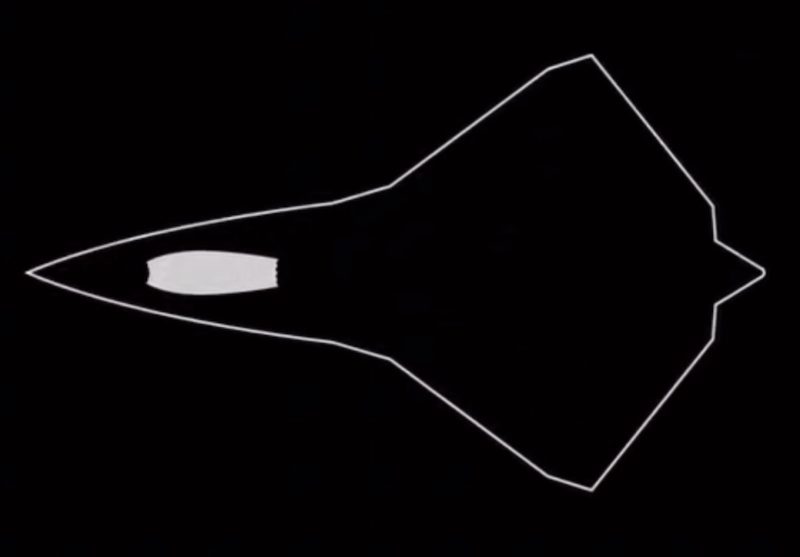
For at least the second time this year, Lockheed Martin is dropping hints of a new aircraft on social media. The image, released in a short video via the company’s Instagram page yesterday, celebrates the 80th anniversary of their legendary Skunk Works division.
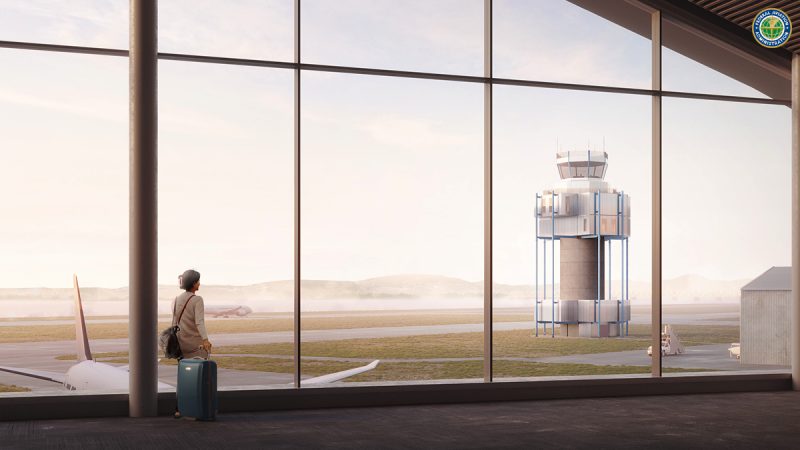
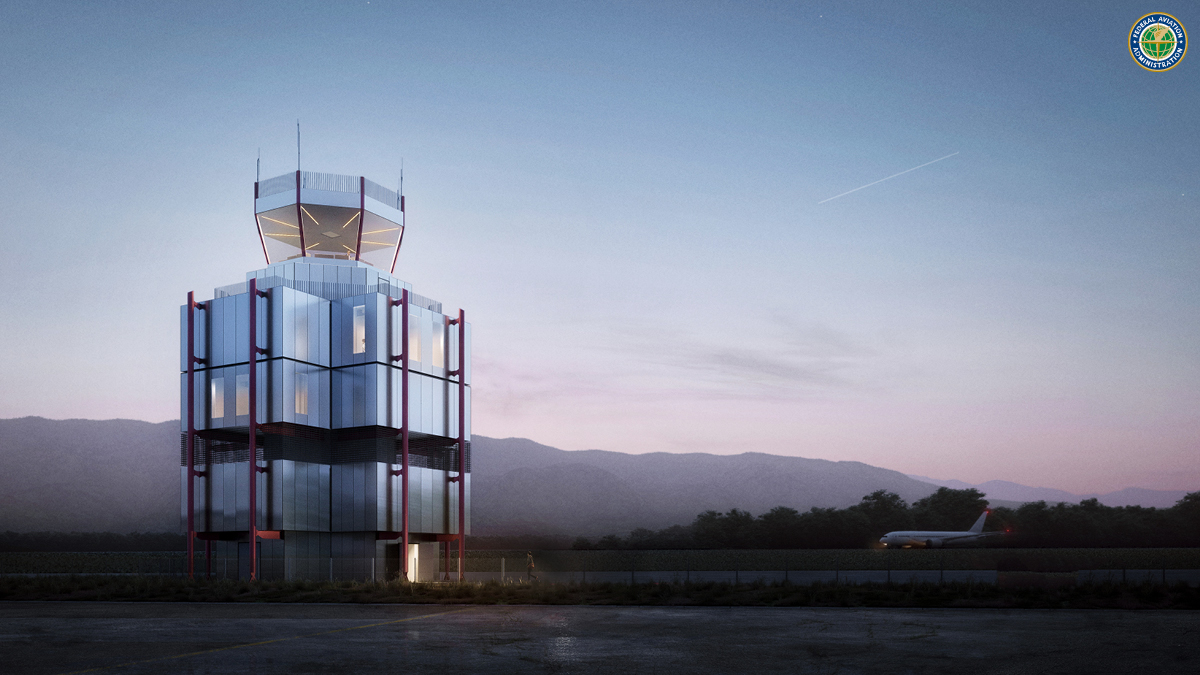
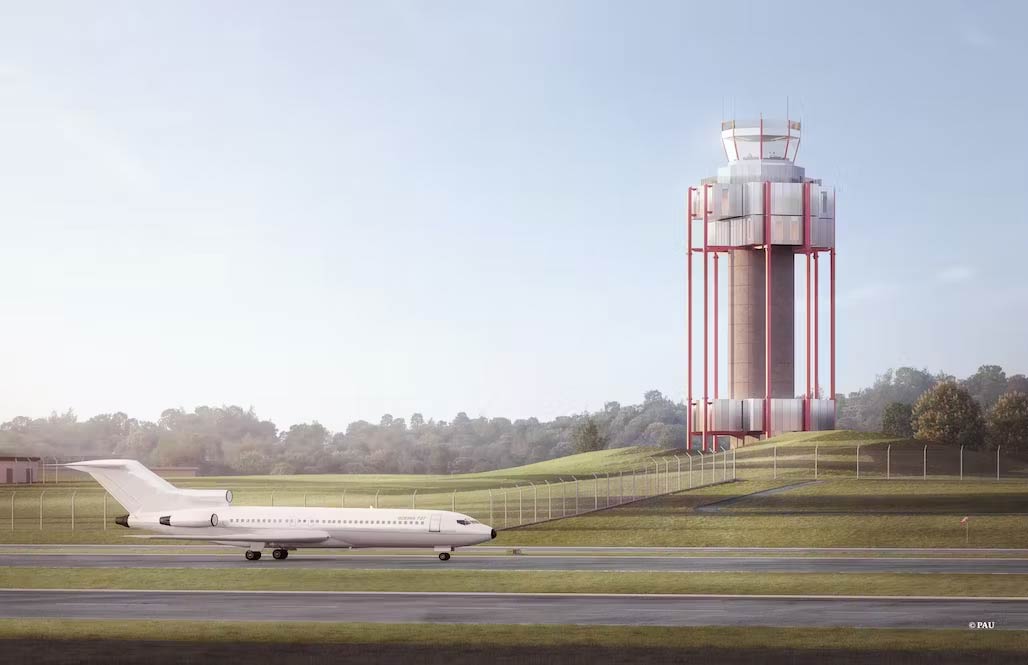
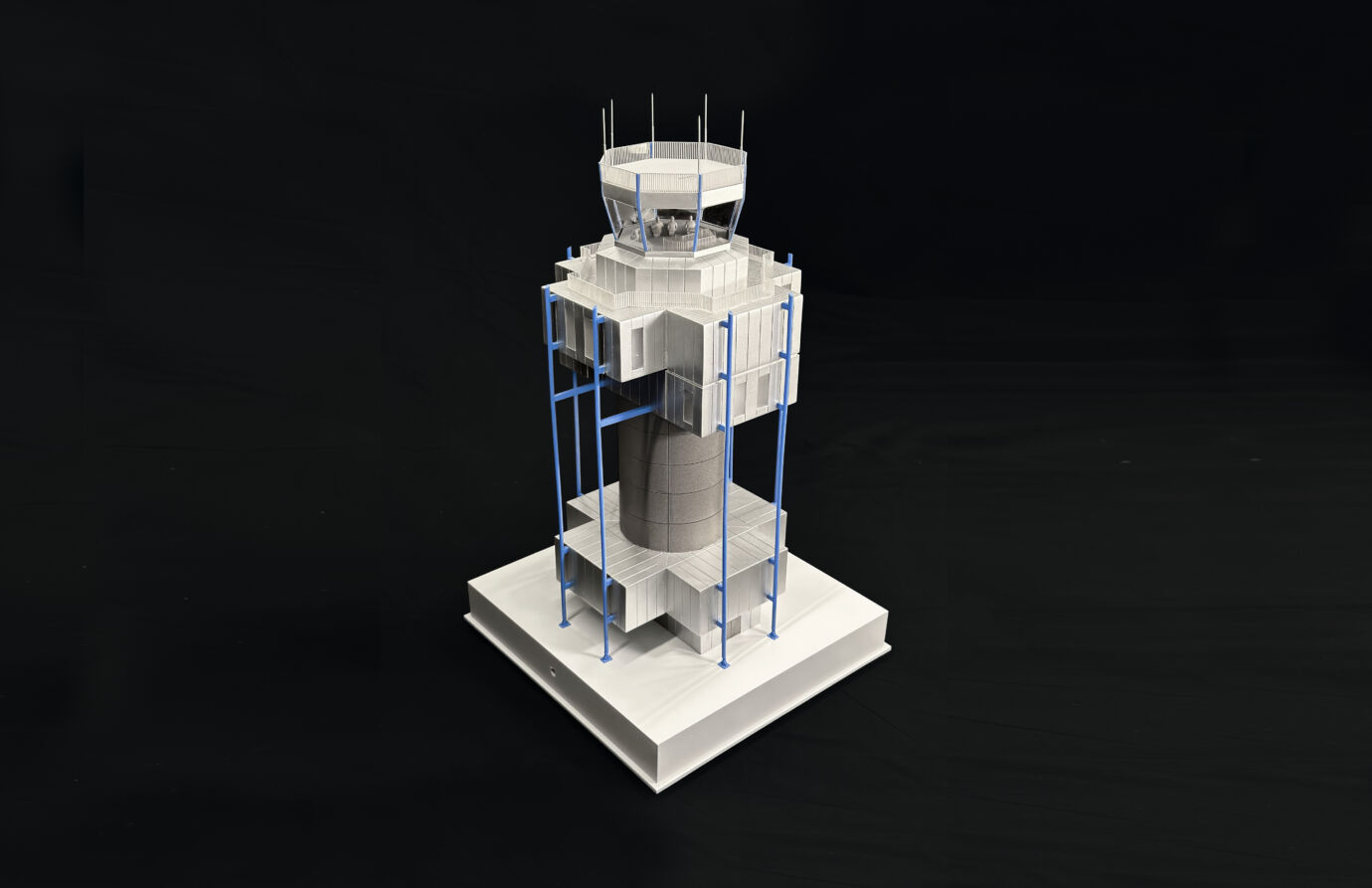
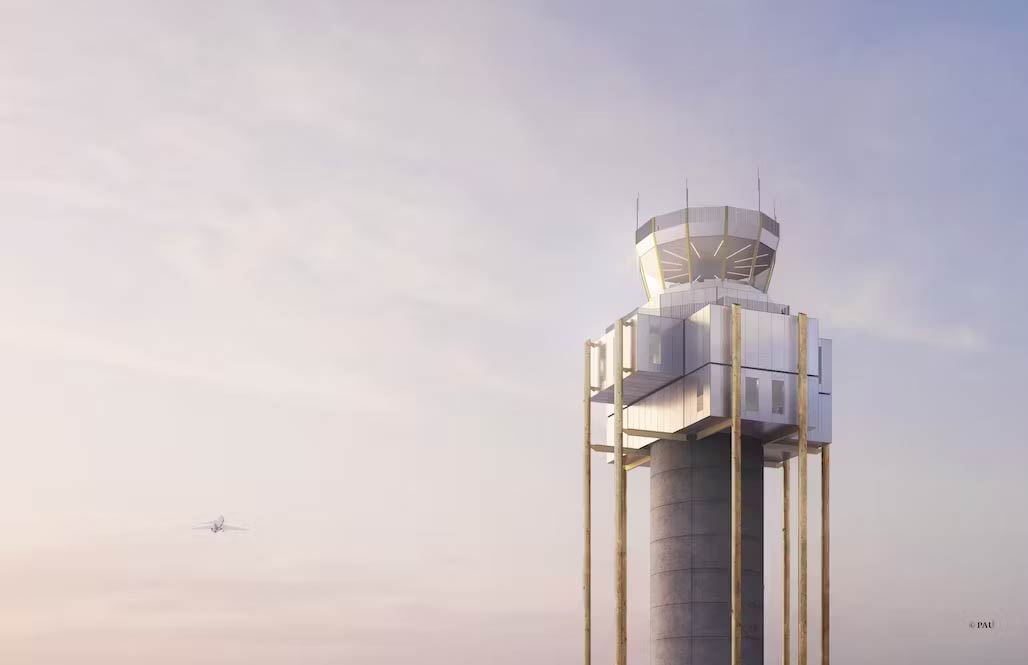
The air traffic control tower (ATCT) of the future is coming to an airport near you, the Federal Aviation Administration (FAA) announced last week.
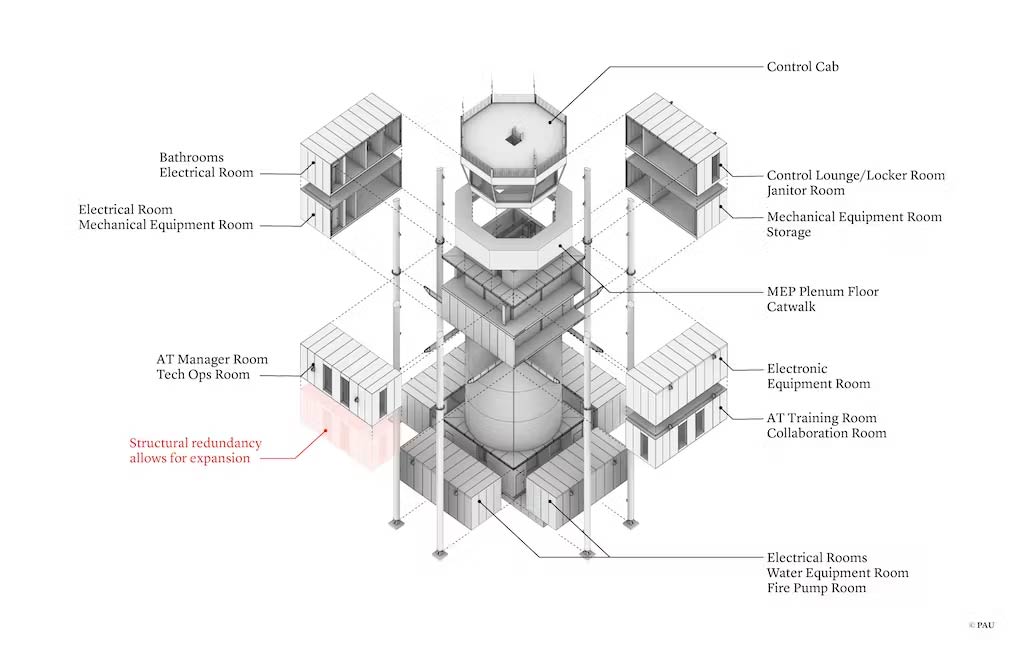
The FAA says it has selected a concept designed by New York City-based Practice for Architecture and Urbanism (PAU) for the new facilities. PAU vied against studios from around the world for the honor of designing the FAA’s “new, modular, energy-efficient air traffic control towers.”
The new towers will feature elements that align with the US aviation industry’s ongoing drive toward sustainability.
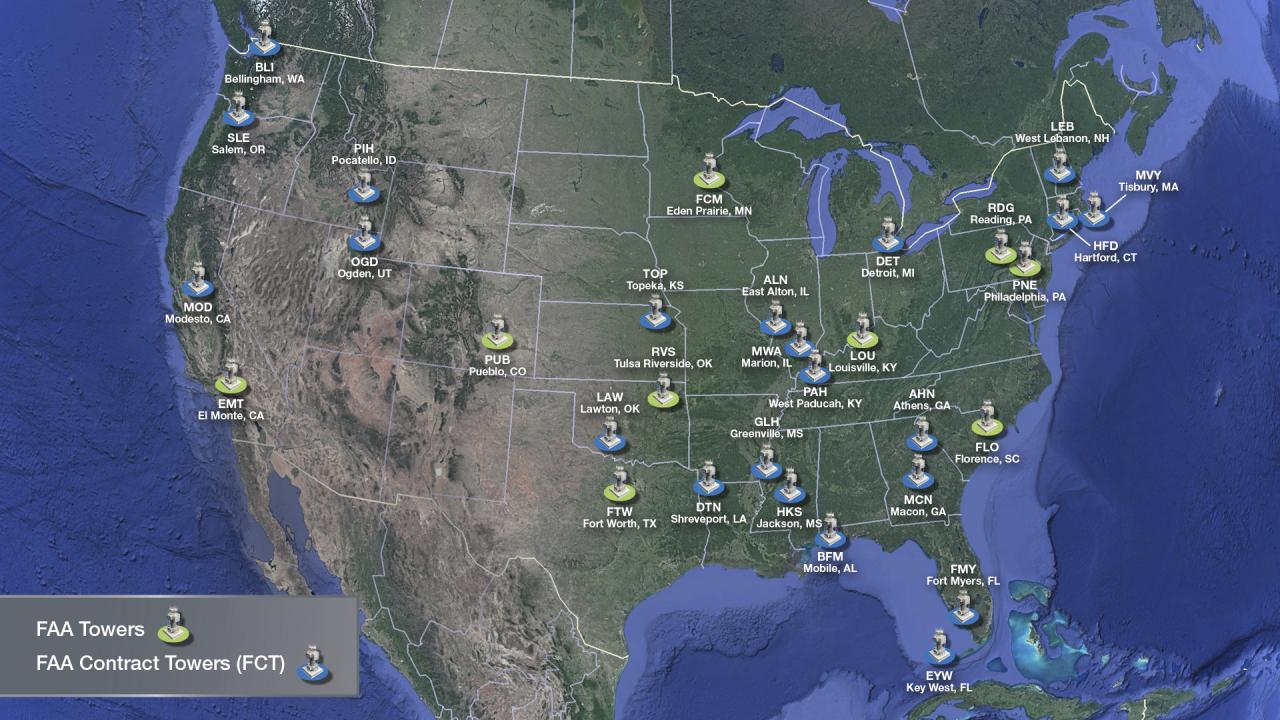
1. The first phase will replace older control towers at 31 mostly smaller municipal airports
IMAGE: FAA/PAU
The 31 candidate airports for the new ATCT facilities are mainly smaller municipal and regional airports around the country. The FAA considers the existing towers at these airports to be well beyond their age of usefulness.
The locations of the first phase of next-generation control towers | IMAGE: FAA
AIRPORT CODE
AIRPORT NAME
CITY
AHN
Athens-Ben Epps Airport
Athens, GA
ALN
St. Louis Regional Airport
East Alton, IL
BFM
Mobile International Airport
Mobile, AL
BLI
Bellingham International Airport
Bellingham, WA
DET
Coleman A. Young International Airport
Detroit, MI
EMT
San Gabriel Valley Airport
El Monte, CA
EYW
Key West International Airport
Key West, FL
FCM
Flying Cloud Airport
Eden Prairie, MN
FLO
Florence Regional Airport
Florence, SC
FMY
Page Field
Fort Myers, FL
FTW
Fort Worth Meacham International Airport
Fort Worth, TX
GLH
Greenville Mid-Delta Airport
Greenville, MS
HFD
Hartford-Brainard Airport
Hartford, CT
HKS
Hawkins Field Airport
Jackson, MS
LAW
Lawton-Fort Sill Regional Airport
Lawton, OK
LEB
Lebanon Municipal Airport
West Lebanon, NH
LOU
Bowman Field
Louisville, KY
MCN
Middle Georgia Regional Airport
Macon, GA
MOD
Modesto City-County Airport
Modesto, CA
MVY
Martha’s Vineyard Airport
West Tisbury, MA
MWA
Veterans Airport of Southern Illinois
Marion, IL
OGD
Ogden-Hinckley Airport
Ogden, UT
PAH
Barkley Regional Airport
West Paducah, KY
PIH
Pocatello Regional Airport
Pocatello, ID
PNE
Northeast Philadelphia Airport
Philadelphia, PA
PUB
Pueblo Memorial Airport
Pueblo, CO
RDG
Reading Regional Airport
Reading, PA
RVS
Tulsa Riverside Airport
Tulsa, OK
SLE
Salem Municipal Airport
Salem, OR
TOP
Philip Billard Airport
Topeka, KS
2. The new design complements the FAA’s goal of net-zero aviation emissions by 2050
U.S. Department of Transportation Secretary Pete Buttigieg says the new ATCT design is a win for smaller airports and communities nationwide.
“These new air traffic control towers will mean that smaller airports can handle more flights, more sustainably, and more affordably,” said Buttigieg. “I look forward to seeing this design go from the drawing board to construction sites across the country, helping our nation’s airports support more travelers, grow their local economies, and prepare for the future of low-carbon aviation.”
Artist rendering of new control tower at Key West International Airport (EYW) | IMAGE: PAU
3. Sustainability is a key focus
IMAGE: PAU
As the United States and the world continue pushing for a greener future, the FAA says the selected tower design will incorporate features focusing on sustainability.
The design encompasses crucial sustainable features, which consist of the following:
Building systems powered entirely by electricity
Materials and products that are free from chemicals that are known to be hazardous to health
An energy-efficient exterior wall design
Steel and metal products with high-recycled content
The use of renewable mass timber wherever possible
Geothermal heating and cooling systems, where possible
By incorporating these features, the 31 new ATCTs will contribute to the FAA’s objective of developing a sustainable aviation system with net-zero emissions in the United States by 2050.
IMAGE: PAU
4. The design honors the legacy of architect I.M. Pei
IMAGE: FAA
Many American ATCTs are considered midcentury modern. This style of architecture, popular in the 1950s and 1960s, has left its mark at airports throughout the United States.
During the Kennedy administration, an initiative was conceived to update and improve America’s federal buildings, including control towers, which led to the standard for American ATCTs. One of Kennedy’s main goals for the initiative was to ensure that the facilities projected “the dignity, enterprise, vigor, and stability of the American national government.”
The 1962 design, similar to the new concept, was the winning entry in a competition. The winning idea was the brainchild of the late Chinese-American architect Ieoh Ming (I.M.) Pei, who is renowned for designing an impressive list of iconic buildings worldwide, including the Louvre Pyramid in Paris, Dallas City Hall, the Rock and Roll Hall of Fame in Cleveland, Hong Kong’s Bank of China Tower, and the John F. Kennedy Presidential Library and Museum in Boston.
A first-generation control tower at Elmendorf AFB in Anchorage, AK | IMAGE: FAA
5. IM Pei’s midcentury control tower design is still in use at many airports
At 150 feet tall, Chicago O’Hare International Airport’s control tower is a prototype of IM Pei’s midcentury FAA control tower design | IMAGE: Photo by Miguel Ángel Sanz on Unsplash
The midcentury design showcased an uncomplicated and adaptable modular kit, allowing it to seamlessly integrate with any airport across America. The tower was comprised of three components: a subterranean base building for technicians, a stand-alone concrete tower with a flared top, and a pre-manufactured control cab with standard FAA equipment and non-reflective windows, ensuring its familiarity in all air traffic facilities throughout the nation.
Initially, over 70 towers of varying heights of between 60 and 150 feet were proposed. However, following Kennedy’s assassination, the new administration changed the course of the project, and less than 20 ATCTs were ultimately built. Some of the towers are still in use today at airports such as Sacramento International Airport (SMF), Dane County Regional Airport (MSN) in Madison, Wisc., Jacksonville International Airport (JAX) in Florida, and the 150-foot prototype at Chicago O’Hare International Airport (ORD). Others have been remodeled, decommissioned, or demolished.
6. The new design is a modern twist to the ATCTs we’re familiar with
IMAGE: PAU
The FAA required a design to make the updated ATCT facilities “repeatable, modifiable, sustainable, economical, and rapidly constructible.”
PAU’s design, which includes all of the requirements, will assimilate many of the original features of Pei’s midcentury work, ensuring that his legacy endures. The concept will incorporate a contemporary touch, with an emphasis on minimizing construction and operational expenses.
IMAGE: FAA
Instead of the traditional box-shaped structure, the new facilities will feature a central cylindrical column. To provide flexibility, a metal frame will encircle the freestanding structure, allowing for the addition of adaptable metal boxes for storage and janitorial services. At the top of the cylindrical structure will be an eight-sided control room resembling the ones we see today. The control room will focus heavily on employee wellness by incorporating natural lighting and ventilation, and other comfort systems.
The updated towers will be adaptable to heights between 60 and 119 feet, depending on the needs of the airspace and the surrounding environment.
IMAGE: PAU
7. Construction could begin next year
IMAGE: PAU
The FAA says it hopes to break ground on some of the new towers in 2024. Although only 31 airports are candidates in this phase, FAA officials say they plan to construct more than 100 ACTCs in the coming years.
Throughout the United States and its territories, the FAA operates more than 200 regional and municipal towers.
The FAA has allocated more than $500 million to support “site evaluation, preparation, and early construction activities,” thanks to the Infrastructure Investment and Jobs Act – more commonly known as the Bipartisan Infrastructure Bill.
The video announcing the FAA Tower Design Initiative
When this promotional film was produced in the early 1980s to extol the virtues of the Northrop F-5G (F-20) Tigershark, the jet was competing with the likes of the General Dynamics F-16 Fighting Falcon. Though it was an evolutionary development of Northrop’s by-then successful F-5E Tiger fighter bomber, the Tigershark was much more than just a single-engine Tiger.
In the film the F-20 and its capabilities are described in great detail. This film was uploaded to YouTube by PeriscopeFilm. You Tiger and Tigershark fans should definitely enjoy it.
Official US Air Force photograph
The F-20 was powered by a modified version of the same General Electric F404-GE-100 engine as those found in the McDonnell Douglas F/A-18A/B/C/D Hornet series of strike fighters. The single F404 engine in the F-20 was capable of producing 60% more thrust than the two GE J85 engines in the F-5E, giving the Tigershark vastly improved performance.
The F-20 was also equipped with a more modern and more capable avionics suite built round the AN/APG-67 multi-mode radar. At one time, the F-20 was even envisioned as a dedicated aggressor aircraft for dissimilar air combat training (DACT).
Official US Air Force photograph
The F-20 cockpit had much more in common with the F/A-18 cockpit than the F-5E, with several large multi-mode displays. The F-20 was capable of delivering the Mark 8X-series unguided bombs and the AGM-65 Maverick air-to-ground missile, along with the AIM-9 Sidewinder and AIM-7 Sparrow air-to-air missiles.
But because the F-20 was not that much less expensive than the F-16 its sales prospects were slim. Despite the endorsement of Brigadier General Chuck Yeager, after two of the three prototype aircraft crashed (causing two test pilot deaths) and politics overpowered the program, Northrop pulled the plug on the F-20.
Trans World Airlines (TWA) entered the 1960s as one of America’s Big Four domestic airlines in terms of revenue passengers carried and revenue passenger miles flown (the other three were American, Eastern, and United).
With a respected name and a proud reputation, TWA in the 1960s boasted a network that stretched from coast to coast and an international system that crossed the Atlantic, serving major cities in Europe, North Africa, the Middle East, India, and Southeast Asia. Like its competitors, it operated several flights with brand new four-engine jets, while most services were still covered by propeller-driven types.
Everything seemed bright and promising for TWA on the surface.
Boeing 707-131B N751TW was photographed at Los Angeles (LAX). Jon Proctor Collection
CORPORATE TROUBLES FOR TWA
Behind the scenes, not everything was so rosy. The enigmatic Howard Hughes owned most of TWA’s stock. Although he was not the president of the company, not on the board of directors, nor in the company’s employ in any position, he dictated policy from his unseen perch as the ‘owner’ of the company. The area in which he exerted the most influence was aircraft selection and purchase.
Hughes Tool Company (Toolco), the firm through which most of his financial transactions were funneled, would purchase aircraft, then lease them to TWA. When Toolco encountered financial difficulties, the aircraft manufacturers did not get paid, and the jets that TWA had on order – far too few to match its competitors – were delayed in their delivery. TWA officials found it more and more challenging to get in touch with Hughes as he interacted alone with the manufacturers who were building the airline’s jetliners.
With Toolco in debt, TWA’s aircraft orders languished in limbo. Even the Civil Aeronautics Board (CAB) was concerned that Howard Hughes was not managing affairs in the best interest of Trans World Airlines. The company desperately needed the 30 Convair 880 jetliners that Toolco had ordered, supposedly meant for TWA.
Convair 880 N826TW climbs away from LAX in this Terry Waddington photo.
TRAGEDY STRIKES THE AIRLINE
TWA soldiered on, adding a handful of Boeing 707s to its fleet of several dozen Constellations and aging Martin 404s. Then, the company suffered an accident that was all too reminiscent of a similar event four and a half years prior.
On 16 December 1960, a TWA L-1049A Super Constellation (N6907C) collided in-flight with a United Air Lines Douglas DC-8 jetliner as both aircraft were preparing to land at different New York City airports. A total of 140 people lost their lives in the disaster as the remnants of the Constellation fell onto Miller Field on Staten Island while the DC-8 deposited its remains in Brooklyn. It was the worst commercial air disaster at the time. A similar event in 1956, involving a TWA L-1049 and a United DC-7 above the Grand Canyon, had claimed 128 lives and had been the worst commercial air disaster up to that point.
When Charles Tillinghast took over as TWA’s Chief Executive in 1961, he ordered 30 additional Boeing 707s – 131s for domestic use and 331s for intercontinental service – to beef up the company’s fleet of jetliners.Four Boeing 720B Fan Jets were leased from the manufacturer as a stopgap measure while TWA awaited delivery of 30 additional 707s. Jon Proctor Collection
A NEW DAY AT TWA
With Hughes still uncooperative, the company’s financiers and the CAB forced his stock holdings into a voting trust. Howard Hughes had lost control of Trans World Airlines.
Delivery of the Convair 880s finally began. They entered service with TWA on 12 January 1961.
Charles C. Tillinghast, Jr., was recruited from Bendix Corporation and was installed as TWA’s chief executive on 17 April 1961.
TWA’s worldwide route map as of April 30, 1961. David H. Stringer Collection
Four Boeing 720B Fan Jets were leased from the manufacturer to add to TWA’s fleet. Tillinghast negotiated with Boeing to purchase 30 more 707s: 20 707-131Bs for domestic use and 10 707-331B Intercontinental models for international service.
A new slogan graced the company’s advertising: “Nationwide, Worldwide, depend on TWA.”
TWA in the 1960s would see the adoption of a new slogan: Nationwide, Worldwide, depend on TWA
TWA JETS FOR THE SHORT HAUL
When Howard Hughes still held the purse strings, TWA had seriously considered ordering the French-built Sud Aviation Caravelle to handle medium-range flights on its domestic system. Twenty of the type had been ordered by TWA’s competitor, United Air Lines. The improbability of finding financing at the time put an end to the possibility of a Caravelle purchase for TWA.
The decision was made to purchase Boeing’s 727 to satisfy the requirements of medium and short-haul routes. The first of TWA’s 727-31s entered service on 1 June 1964. The -31 models would be joined by stretched Boeing 727-231s in 1968.
TWA Boeing 727 N855TW. Mel Lawrence Photo
To round out the need for short-haul types, the company also ordered twenty Douglas DC-9s, the first of which entered service with TWA on 17 March 1966. These were -14 and -15 models, which continued to work for the airline throughout the next decade.
This Douglas DC-9-14 served as a demonstrator model which toured the USA in TWA livery but with Douglas DC-9 titles on the fuselage. Douglas Aircraft photo via the Jon Proctor Collection
TWA’s fleet was now sufficiently modernized for the airline to be at its competitive best, and the company was making money. Truly marking the end of an era, TWA operated its last scheduled Lockheed Constellation flight on 6 April 1967. The airline now boasted an all-jet fleet.
A LEGEND LEAVES: FAREWELL TO HOWARD HUGHES
In 1964, the CAB ruled that Howard Hughes could regain his control of TWA, but first, he had to divest himself of his investment in Northeast Airlines, which he did. This was followed by court challenges to the CAB’s ruling that kept Hughes from participating in the company’s operation. He finally sold all of his TWA stock in May 1966, ending his relationship with the airline that he had nurtured since 1939.
Nationwide, Worldwide: TWA in the 1960s 157
Another new slogan was adopted: “Welcome to the world of Trans World Airlines.”
TWA GOES AROUND THE WORLD
TWA inaugurated its ‘Round the World’ service on 1 August 1969. The CAB had awarded the company authority to serve Hawaii from Los Angeles, continuing to Guam, Okinawa, Taipei, and Hong Kong, which was the terminal point of TWA’s routes stretching around the globe from the opposite direction.
In 1969, TWA surpassed Pan Am in the number of passengers carried across the North Atlantic for the first time. TWA was truly back on top after several bleak years during the early part of the decade.
Boeing 747s opened the door to a brand new era of air travel. Ira Ward photographed N93117 at Boston – Logan (BOS).
One more notable event would take place before the end of 1969. On 31 December, TWA took delivery of its first Boeing 747 “jumbo jet.” The era of the wide-body airliner was about to begin, and Trans World Airlines was ready for the new decade.
Douglas Built This Versatile Airframe to Work and Work it Surely Did
On 23 March 1948, Douglas test pilot Russell Thaw took off in the prototype XF3D-1 Skyknight for the first time. The first purpose-designed and built jet-powered night fighter, the Skyknight, was successful in that role during the Korean War, achieving a 6:1 kill ratio over the North Korean opposition. The Skyknight would go on to a 20-year service life in several roles for the United States Navy and Marine Corps.
Image via US Navy
One Huge and Heavy “Fighter”
The Skyknight began as Douglas’ design to meet a 1945 Navy Bureau of Aeronautics (BuAer) requirement for a jet-powered, radar-equipped, carrier-based night fighter. Ed Heinemann and his Douglas team designed the aircraft around the large air intercept radar systems in use at the time, with side-by-side seating for the pilot and radar operator. The aircraft’s fuselage was wide and deep with twin underslung engines.
Image via NACA/NASA
Built to Fulfill a Specific Mission
Douglas interpreted the BuAer requirement for the Skyknight literally. This would be no dogfighter. The Skyknight would function exactly as required by the Navy. With its straight wings and large control surfaces, it would be both a stable gun and radar platform, providing radar performance unseen in any previous night fighter design. The somewhat portly jet was quickly dubbed “Willie the Whale.”
Image via US Navy
Building a Better Skyknight
After the prototype’s first flight, testing continued through 1948. The first production Skyknight flew on 13 February 1950. Given the evolutionary state of jet engines at the time, the Skyknight underwent several engine changes during its early development, resulting in incremental performance improvements, which begat two distinct variants: the F3D-1 and the F3D-2, with improved engines. The Westinghouse AN/APQ-35 was the fire control system in both F3D variants. It, in turn, consisted of three vacuum-tube technology main components: a search radar, a tracking radar, and a tail-warning radar.
Image via US Navy
They Got Theirs at Night
The initial F3D-1 aircraft were used primarily to train F3D crews and did not see combat in the Korean War. In September 1952, the Marines began flying 12 of the F3D-2s in Korea. Skyknights shot down a total of six enemy aircraft- the record for any naval aircraft type in the war. When the United States Air Force found it required night-fighter escorts for its B-29 Superfortresses flying night bombing raids, the Marine Skyknights of VMF(N)-513, the Flying Nightmares, filled the role. When, in early 1953, their numbers in theater increased to 24, the Marine F3D-2s were even more effective as B-29 escorts.