

An American Airlines 737 MAX 8 was taken out of service on Monday after punctures were discovered on the wing following a flight from Medellín to Miami.
Passengers on the American Airlines flight from Colombia to Miami on Monday morning noticed nothing unusual. The Boeing 737 MAX 8 flew at 36,000 feet over the Caribbean, landed in South Florida, and parked at the gate as usual.
Only after everyone got off the plane did anyone realize something was wrong.
During a routine post-flight inspection, technicians discovered puncture marks on the aircraft’s right aileron. Multiple outlets, including AirLive, reported that the damage appeared consistent with bullet holes. The aircraft involved was a two-year-old 737 MAX 8 (reg. N342SX) operating as Flight 924 from José María Córdova International Airport in Medellín (MDE) to Miami International Airport (MIA) on Monday morning, 23 February 2026.
American Airlines confirmed the discovery in a statement.
“Following a routine inspection, our teams identified a puncture to the exterior of one of our aircraft,” a spokesperson said in comments carried by multiple media outlets. “The aircraft was immediately removed from service for further inspection and repair. We will work closely with all relevant authorities to investigate this incident.”
The airline did not say the puncture was caused by gunfire, but it also did not deny reports that described the damage as bullet-related.
Fortunately, the flight itself operated without incident. An American Airlines spokesperson confirmed there were no injuries or problems during the trip back to Miami. FlightAware tracking data showed nothing unusual during the 3-hour, 37-minute flight over the Caribbean.
Ideally, You Don’t Want Bullet Holes in Your Aircraft. But the Ailerons? Oof.
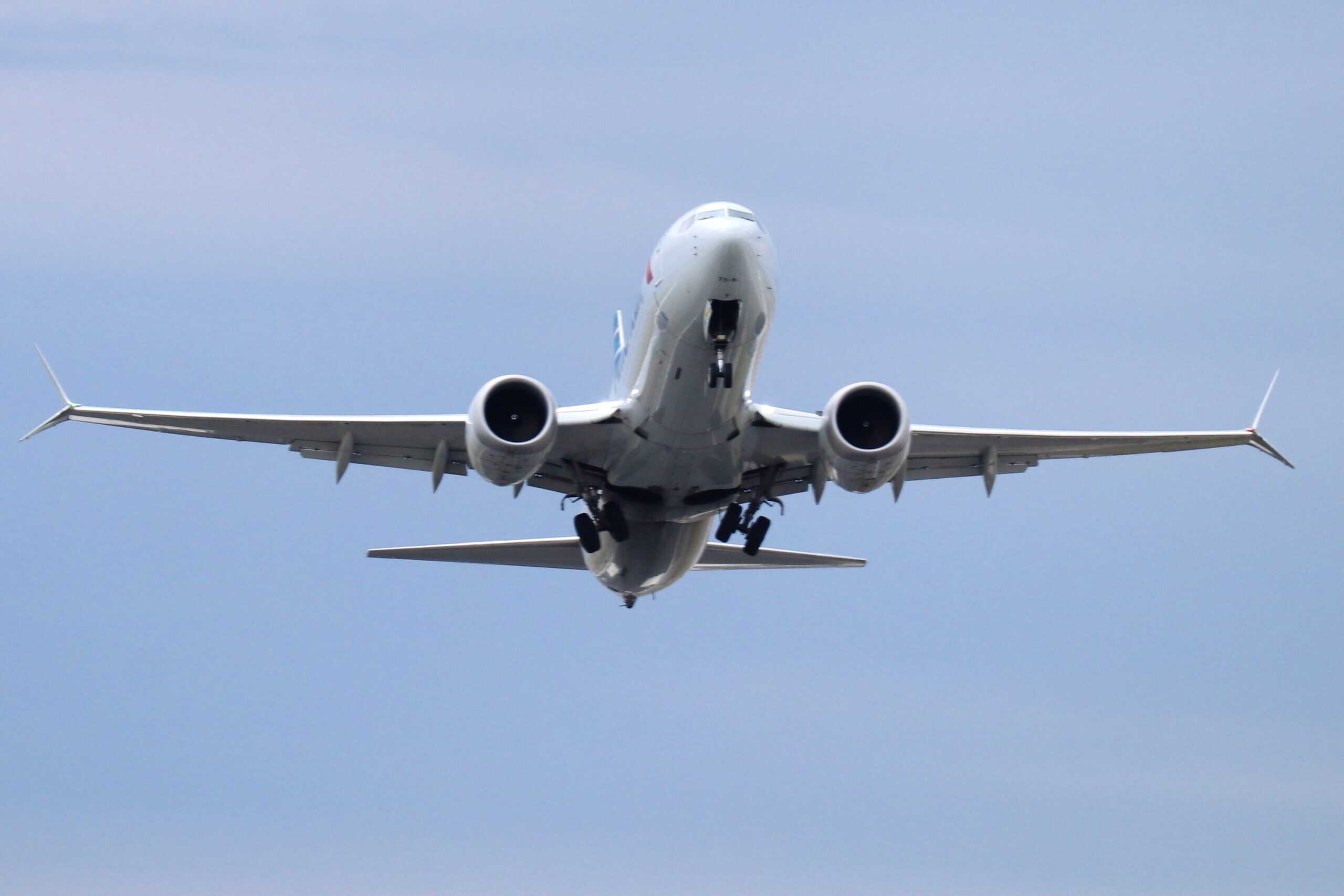
What stands out is the location of the bullet holes.
Reports say the damage was to the right aileron, a sensitive and rather important part of the plane.
A single puncture on the outside does not necessarily mean danger, but airlines obviously take incidents like this extremely seriously. Under the wing’s surface are hydraulic parts, electrical wires, and sometimes fuel tanks. Even if the damage appears small, engineers need to ensure that nothing inside was damaged.
After landing at MIA, maintenance crews installed a temporary patch over the damaged area to stabilize it for a ferry flight that evening to American’s main maintenance hub at Dallas Fort Worth International Airport (DFW), where it will stay grounded while undergoing repairs.
But When and Where Did It Happen?

One of the main questions is when the damage happened. And where.
The aircraft flew from MIA to MDE as Flight 923 on Sunday evening and remained overnight in Colombia before the return trip to Florida the next morning. Some reports say the puncture might have been noticed in Medellín during a routine pre-departure check, while others say it was confirmed in Miami after landing. We do not want to speculate, but it seems highly unlikely the crew knew about the damage before leaving Medellín.
Right now, it is not clear if the damage happened while the plane was parked or during a low-altitude part of the flight. American Airlines says it is working with authorities to investigate.
This incident reminds many of similar instances in late 2024, when several aircraft were hit by bullets while flying in and out of Port-au-Prince, Haiti. In those cases, the damage was also found after landing, and American Airlines later indefinitely suspended flights to Haiti.
So far, no similar changes have been announced for Colombia.