

Boeing’s successful Chinook autonomous landing highlights the Army’s progress toward adding more autonomy to its helicopter fleet.
On 16 April 2026, Boeing announced that a US Army CH-47F Chinook completed a fully automated approach and landing in a recent flight test. This is an important step forward for military helicopter autonomy.
According to Boeing, the aircraft used its Approach-to-X (A2X) technology, part of the Digital Automatic Flight Control System, to land autonomously without pilot input. The helicopter landed with all four wheels on the runway. Boeing called this a supervised-autonomy demonstration, meaning it was not a fully unmanned flight.
The system allows pilots to choose key details such as the landing zone, approach angle, speed, and final altitude. Once these are set, the software manages the flight path and landing controls, but pilots can take over if needed.
“We built the interface and control laws around how pilots would naturally fly an approach,” said Deanna DiBernardi, H-47 Human Factors Engineering lead at Boeing. “Our goal is to reduce pilot workload so crews can maintain more eyes-out awareness in a tactical situation.”
Our goal is to reduce pilot workload so crews can maintain more eyes-out awareness in a tactical situation.
Deanna DiBernardi | Boeing
Since its first flight in January 2026, the A2X system has completed more than 150 automated approaches. These tests included hovering at 100 feet and landing on the ground, with an average final position error of less than five feet.
Part of the Army’s Long-Term Push Toward Autonomy
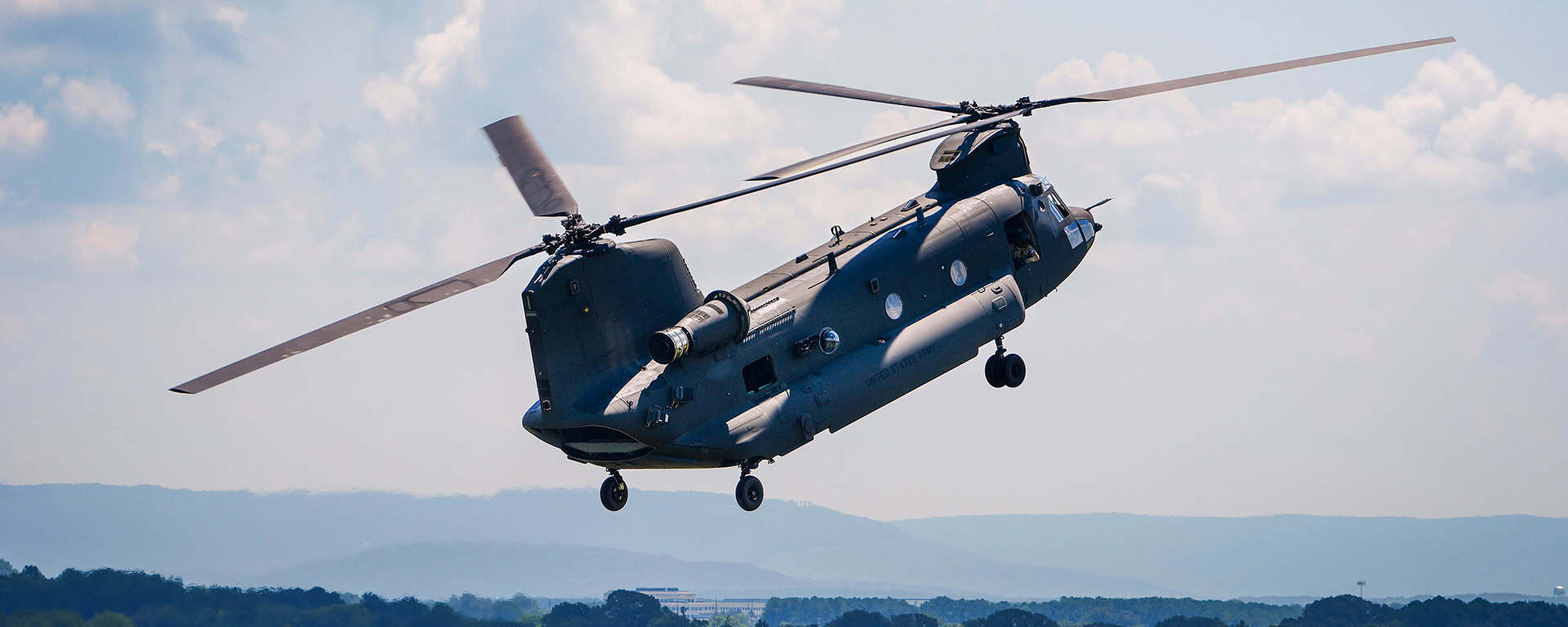
This demonstration is part of the Army’s effort to add autonomy to its current fleet while keeping pilots involved. The aim is not to replace crews, but to reduce their workload during difficult parts of a flight and improve performance in challenging situations.
Boeing says this technology helps crews stay alert during critical moments, such as approach and landing, especially when visibility is low due to dust, darkness, or bad weather. These are the times when accuracy and managing workload are most important.
RELATED ON AVGEEKERY
When You Need The Baddest Helicopters And Crews On The Planet, You Call The Night Stalkers
“Improving DAFCS [Digital Automatic Flight Control System] is just one of the ways we’re making the Chinook even more capable than it already is,” said Heather McBryan, Boeing’s vice president and program manager for Cargo Programs. “The Army wants to add layers of optimally crewed capability quickly, and we’re working side by side with them to make those upgrades a reality.”
The Chinook test is part of the Army’s endeavor to add autonomy to different platforms, including pilot-optional versions of the Sikorsky UH-60 Black Hawk. These projects point to a future in which aircraft may require fewer crew members while still maintaining human oversight.
Boeing says it will continue improving the A2X software through additional flight tests before releasing the final version for the Army’s fleet.
A 60-Year-Old Helicopter, Reimagined
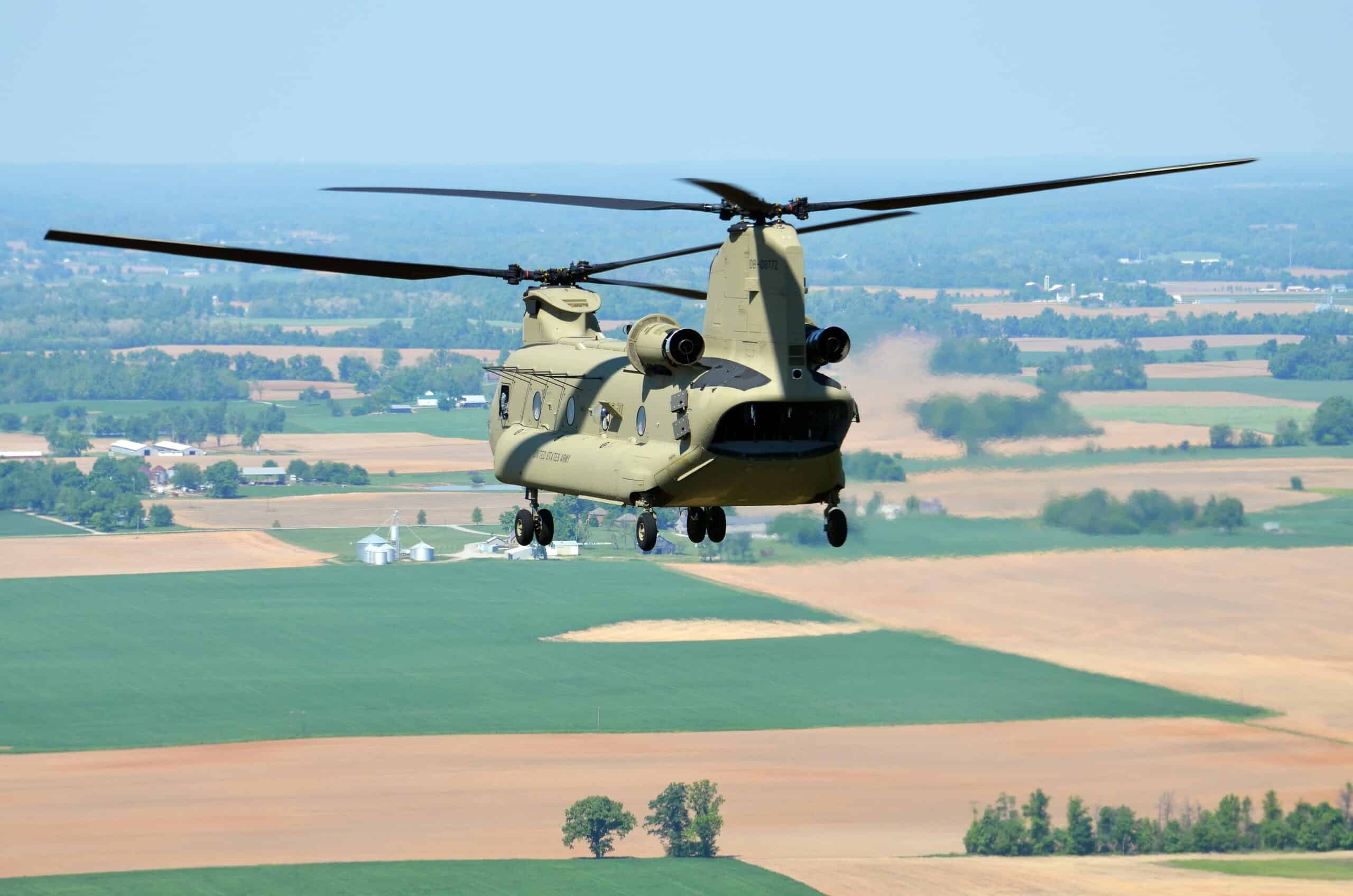
This achievement adds new capabilities to one of the military’s longest-serving helicopters. Since 1962, the Boeing CH-47 Chinook has been the Army’s main heavy-lift helicopter, supporting missions from troop and artillery transport to disaster relief, medical evacuation, and humanitarian aid.
The current CH-47F model features improved engines, a digital cockpit, and advanced flight controls to increase reliability and performance in difficult conditions. These upgrades already help it operate well in low visibility and busy environments, making it suitable for new autonomy features.
Programs like A2X demonstrate that older aircraft can be updated with modern software, keeping them useful for years rather than replacing them. This practical approach allows the Army to upgrade proven helicopters while gradually adding new features.
If this capability is successfully implemented, it could change how Chinook crews manage one of the most demanding parts of flight. By moving some of the workload from the cockpit to software, the aircraft is not just evolving but also redefining what a long-serving helicopter can do in modern operations.