Home Blog Page 58

GEICO Skytypers Discuss Maintaining their WW II Aircraft

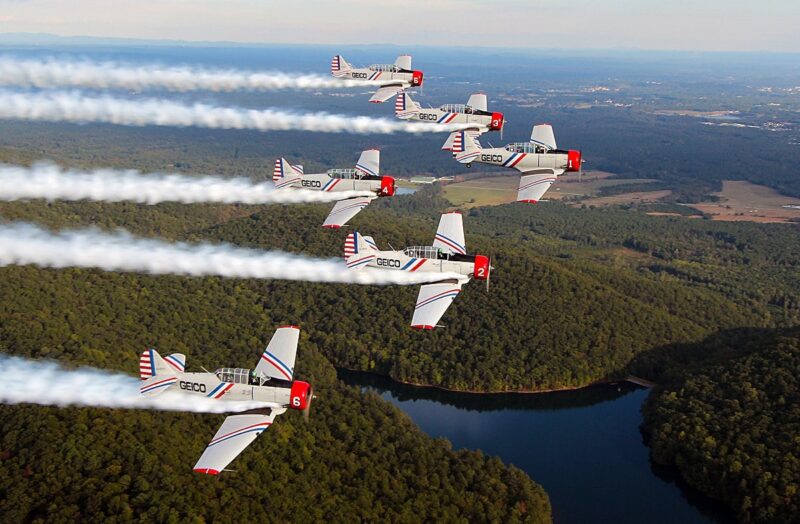
FORT LAUDERDALE, Fla. — The GEICO Skytypers Air Show Team has begun their new season primed with a historic flight demonstration display loaded with aerial maneuvers flown during the second world war.

The GEICO Skytypers showcase low level maneuvers and create huge sky typed messages over the air show. The civilian squadron’s history dates back to the 1970s, and 15 years as the GEICO Skytypers.

Their flight demonstration at air shows highlights their Navy SNJ-2 aircraft as the pilots tell the story of an age before the jet engine. A flight trainer in the early-1940’s, the SNJ was known among the U.S. Army’s aviators as the pilot maker.

“There’s not a point in time when I get into this airplane that I’m not fully aware I’m flying a piece of history,” GEICO Skytypers right wing pilot Chris “CT” Thomas told AvGeekery.com during an exclusive interview on Monday. “It’s a 1941 SNJ-2 so it’s an ex-Navy airplane.”

GEICO Skytyper Pilot, Maintainer Focused on the Squadron

The Skytypers have become an air show favorite as they showcase the aerial assault of a World War II dogfight. As the warbirds soar across the sky, they also generate massive sky typed messages for the air show crowds.

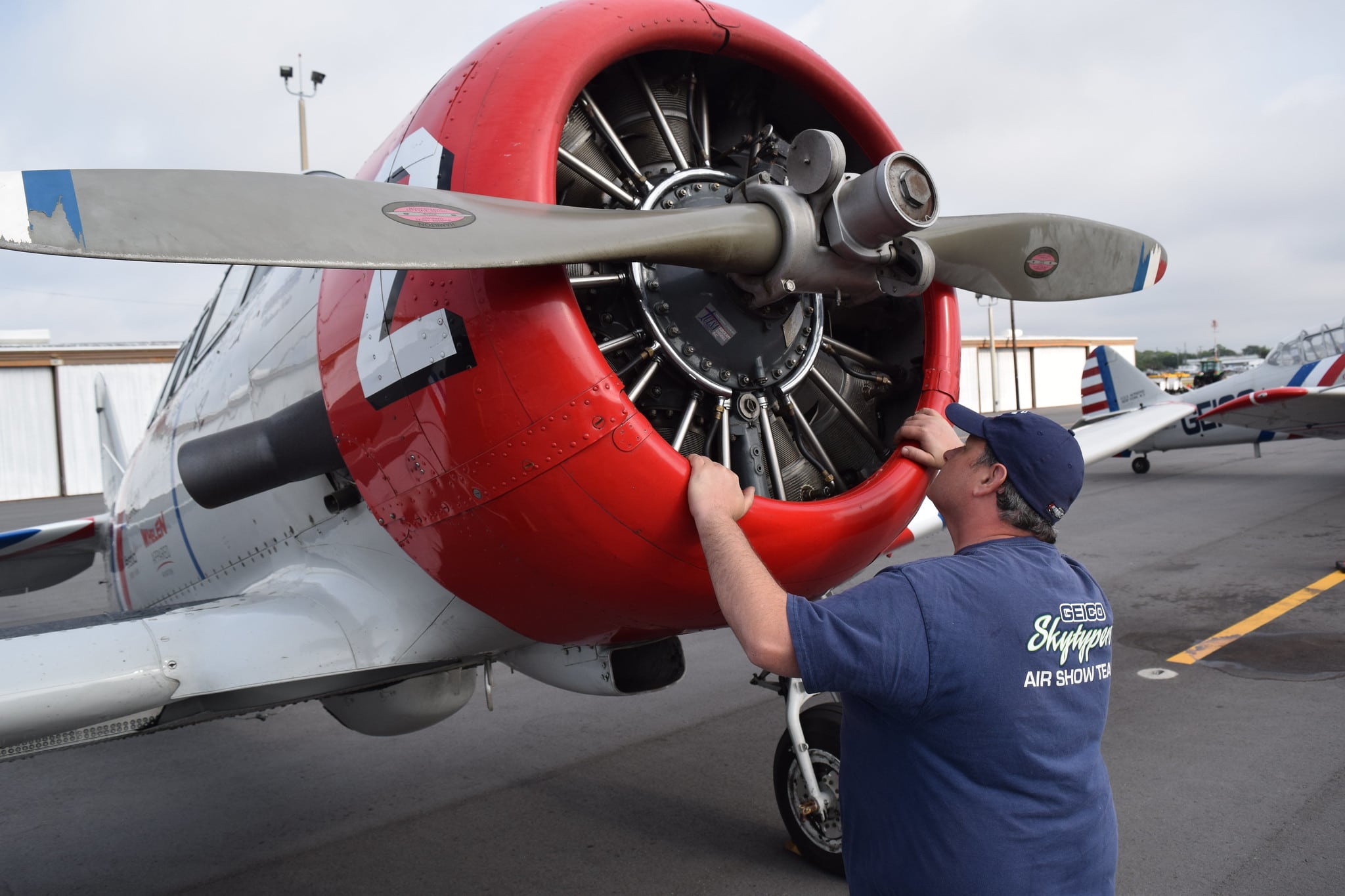
“These machines are amazing, if you look at the engines with the case off, they look like a swiss clock,” GEICO Skytypers Director of Maintenance Frank Atria said. “Here it is 80-years later and they’re still airworthy, they’re still doing their job, and they make for great performances.”

The squadron includes lead pilot Larry Arken in the Skytyper one aircraft. Arken and pilots Chris Thomas, Mark Gannucci, and Chris Orr are the diamond formation. Steven Salmirs and Tom Daly perform as the more aggressive solo pilots who challenge the diamond during several maneuvers.

51157293250 1afb816f03 k
GEICO Skytypers lead maintainer Frank Atria inspects the engine of a Navy SNJ-2. (Charles A Atkeison)

GEICO Skytypers back-up pilot Jim Record provides a stirring narration during each maneuver. Timed to patriotic music selections, their display is an exciting moment of living history.

The living history of these historic warbirds continue to ‘wow’ audiences at air show sites. The squadron is scheduled to perform at 12 show sites across the eastern United States in 2021. 

GEICO Skytypers 2021 Air Show Schedule
Apr 17-18…… Cocoa Beach Air Show, Fla.
May 8-9………. Ford Lauderdale Air Show, Fort Lauderdale, Fla
May 29-30….. Bethpage Air Show at Jones Beach State Park, NY
Jun 19-20……. Ocean City Air Show, Ocean City, MD
Jul 3-4………….. Kansas City Air Show, Kansas
Jul 17-18……… Greater Binghamton Air Show, New York
Jul 26-Aug 1… EAA Air Venture Oshkosh, Oshkosh, WI
Aug 18………….. Atlantic City Airshow, Atlantic City, NJ
Aug 28-29……. New York Air Show, New Windsor, NY
Sep 18-19…….. NAS Oceana Air Show, NAS Oceana, VA
Oct 16-17…….. Lockheed Martin Air and Space Show, Sanford, FL
Nov 6-7………… Warbirds over Monroe Air Show, Monroe, NC

(Charles A Atkeison reports on aerospace and technology. Follow his updates via social media @Military_Flight.)

Navy’s Blue Angels, F-35C Demo Arrive for South Texas Airshow

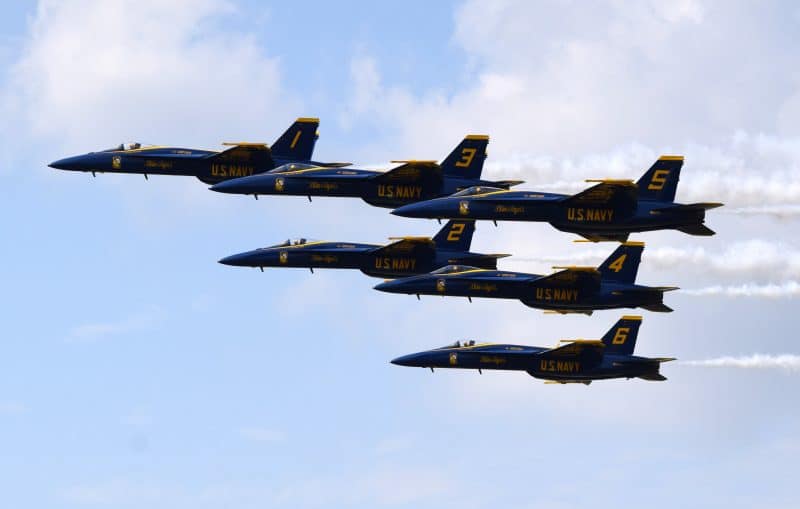
CORPUS CHRISTI, Texas — The U.S. Navy Blue Angels and F-35C Demonstration Team arrived in the Lone Star state Thursday for their performances this weekend at the Wings over South Texas Airshow.

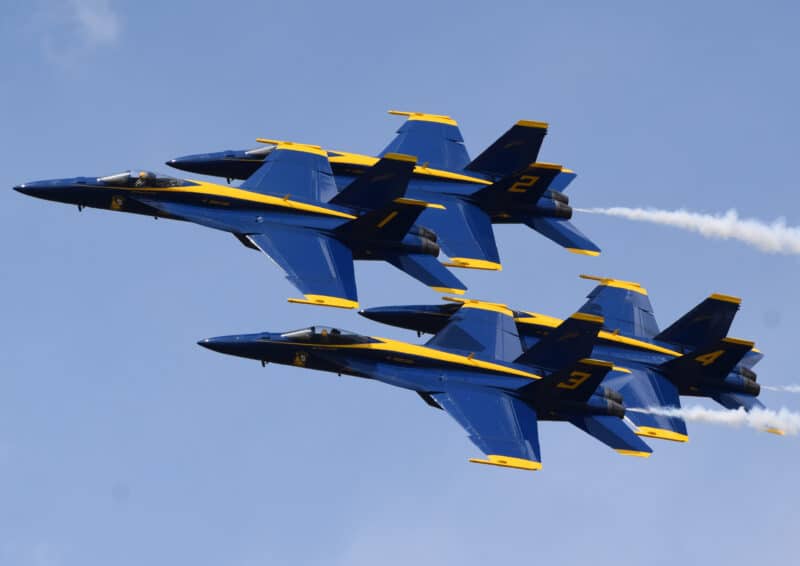
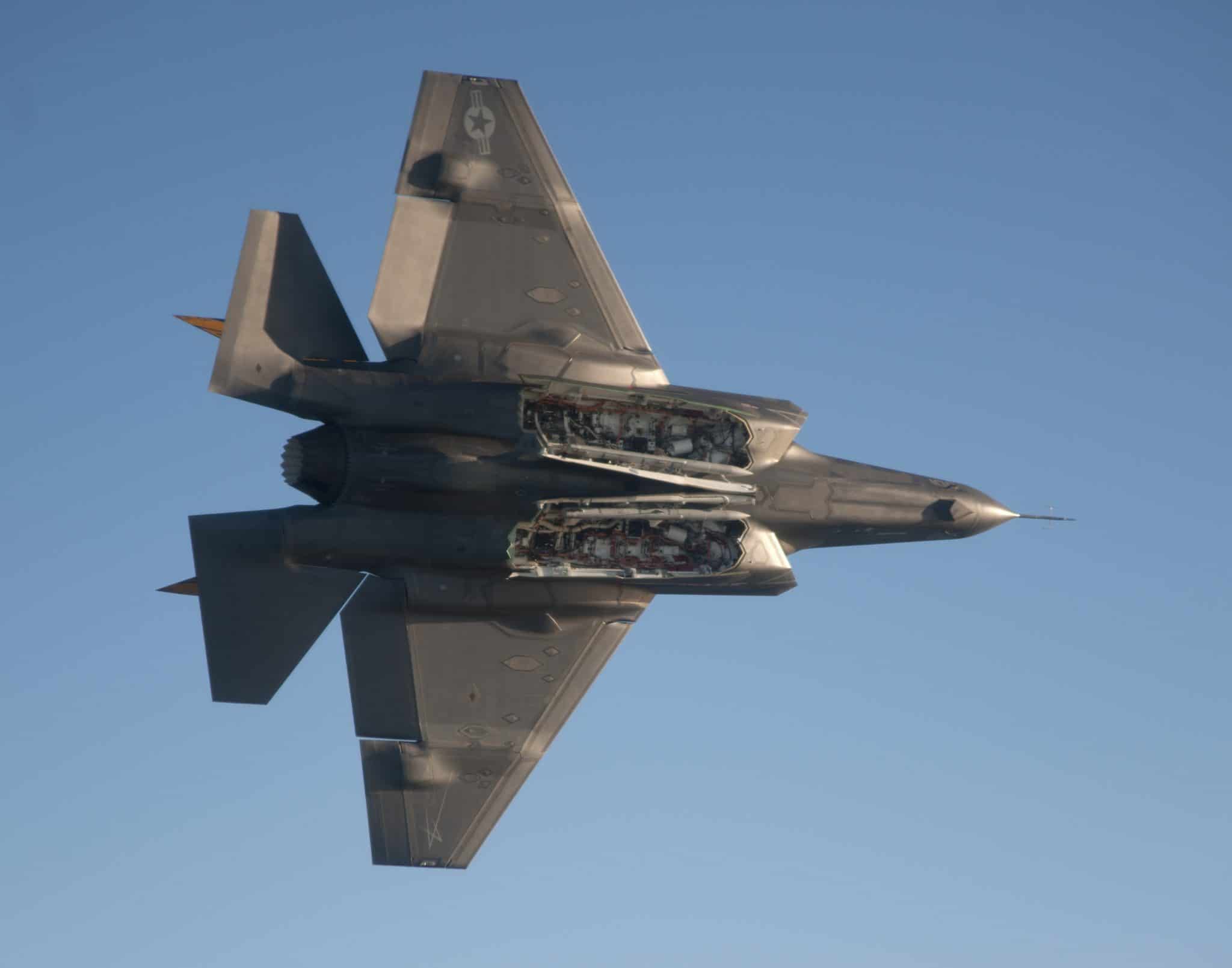
The six blue and gold Super Hornet jets of the Blue Angels arrived Thursday morning into Naval Air Station Corpus Christi. Two Navy F-35C Lightning IIs also touched down and are scheduled to perform on Saturday and Sunday.

815206 1
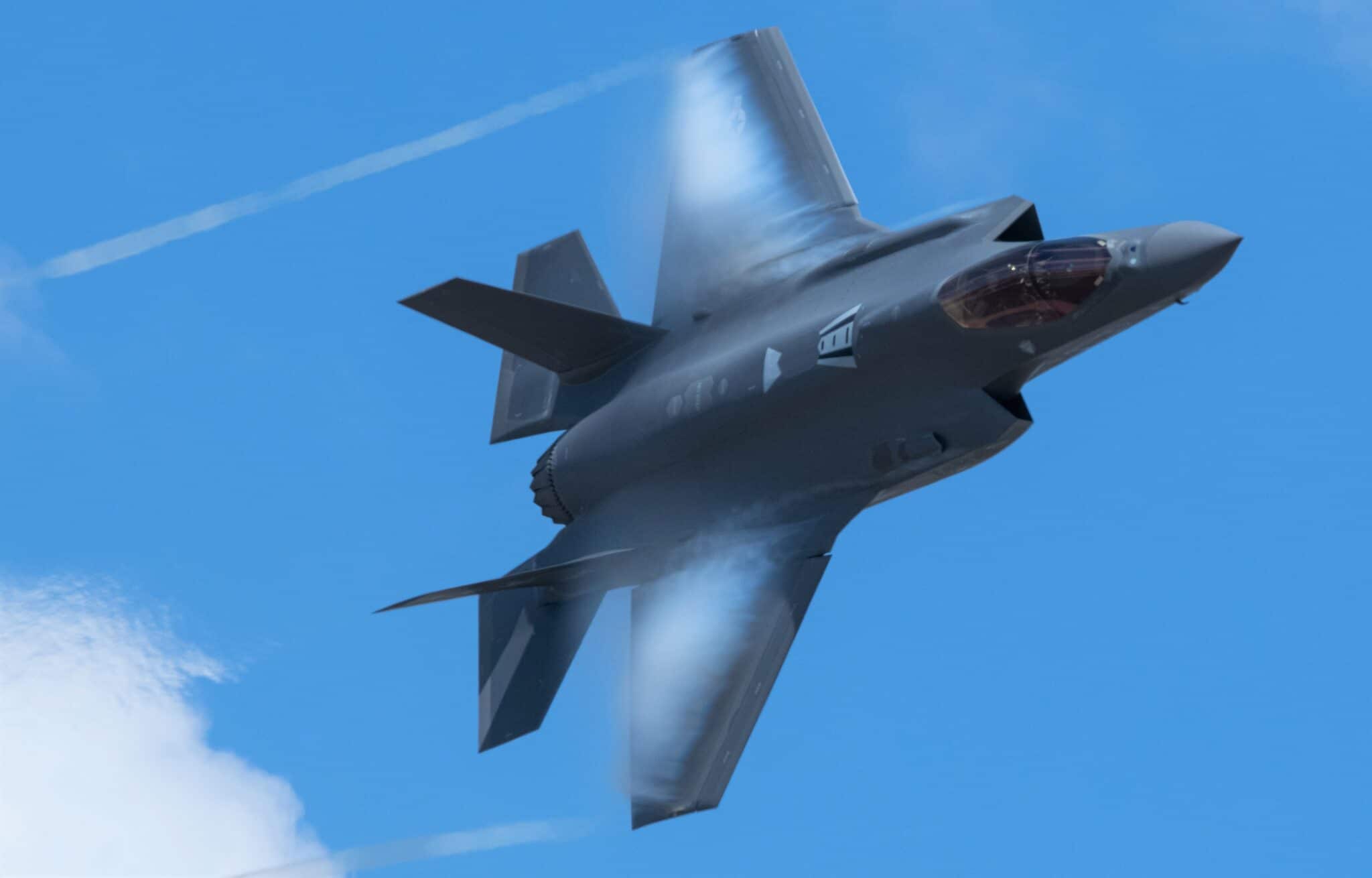
A NAVY F-35C LIGHTNING II WILL PERFORM high speed precision flight OVER THE BAYFRONT May 1-2. (US NAVY)

Unlike past years, the air base is not hosting the air show and instead going with the openness of a beach show. Air show center is located between Spoil Island and North Shoreline Blvd. overlooking Corpus Christie Bay.

“Although NAS CC will only be in a supporting role, the new format will allow greater public access for members of our South Texas community and the visitors that the show will attract,” NAS CC commander Capt. Chris Jason said. “This new show format also underscores the strength of the relationship between the military and the local community.”

Blue Angels to Showcase Faster Super Hornets

This year marks the Blue Angels 75th anniversary season and their first with the faster Super Hornet jets. The squadron said they are “excited to be on the road” to display their new aircraft.

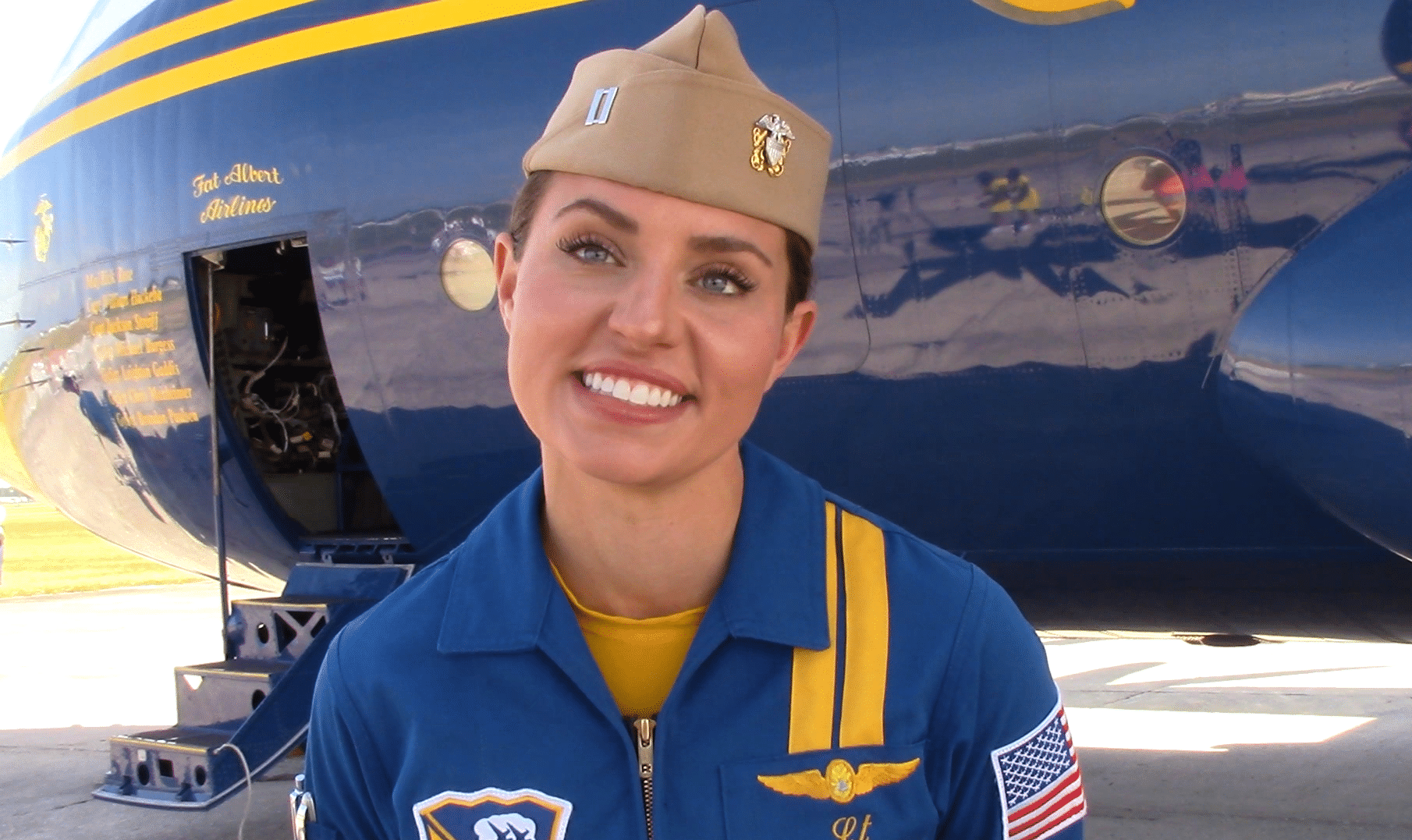
“We will be traveling with a 100% fully immunized personnel on our team in order for the safest outcome for our community and personnel,” Blue Angels flight surgeon Lt. Monica Borza explained to AvGeekery.com. “We do have certain measures in place off-duty and we will be abiding by CDC and DOD guidelines.”

Air shows are a favorite past time for Lt. Borza, who grew up attending shows in Virginia Beach. Her father’s military life inspired her to join the U.S. Navy and become a fully licensed physician.

Screenshot 289
Blue Angels first year Doc, Lt. Monica Borza, grew up attending summer air shows. (Charles A Atkeison)

“I grew up going to the air show every summer,” Borza said from the flight line. “My father is a former naval flight officer, so I grew up inundated amongst the aviation community and I am honored and proud to be here to represent the fleet.”

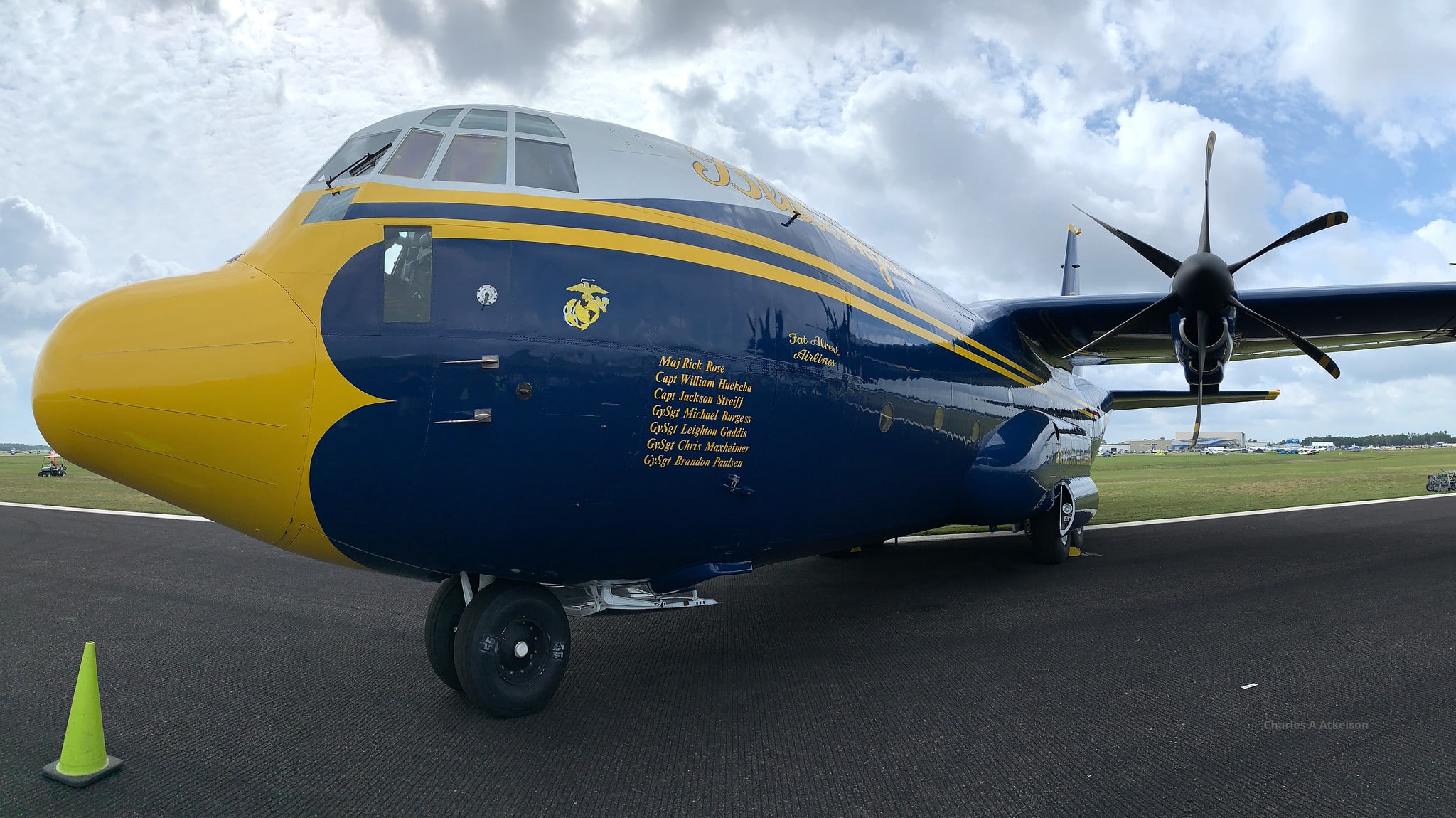
The Blue Angels new C-130J Super Hercules known as Fat Albert also arrived into south Texas. The hulking aircraft delivered equipment and key personnel needed to keep the jets flying.

Tickets remain available for VIP sections at air show center. The flying will begin at 1 p.m. CDT, with the Blue Angels performing the final demonstration beginning at 3:05 p.m.

(Charles A Atkeison reports on aerospace and technology. Follow his updates via social media @Military_Flight.)

WATCH: Former F-14 Tomcat RIO Analyzes TOP GUN

0

Ward Carroll Knows Tomcats and He Shares His Insight With TOP GUN Movie Fans

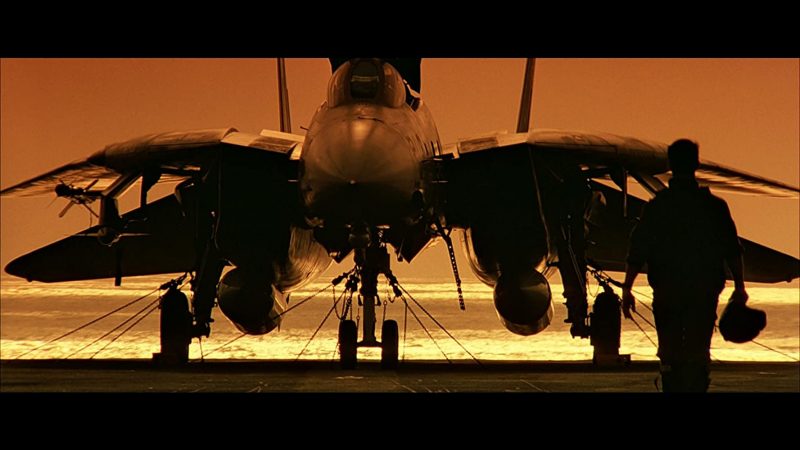
Ward Carroll is a former Fighter Squadron THREE TWO (VF-32) Swordsmen F-14 Tomcat RIO and author of the well-received Punk series of novels (Punk’s War, Punk’s Wing, Punk’s Fight) along with two other books. Over his career Carroll flew with three more Tomcat squadrons and served as the Carrier Air Wing ONE (CVW-1) Operations Officer. Carroll applies his technical knowledge of the Tomcat to these videos about the 1986 Paramount movie Top Gun. In the first video Carroll discusses the reality of the flat spin scene and Goose’s fatal ejection along with his career in Naval Aviation. The video was uploaded to YouTube by Ward Carroll.

The Truth About the F-14 and Goose’s Death

[youtube id=”LwS1k8LKxJg” width=”800″ height=”454″ position=”left”]
Carroll was also editor of Approach magazine and a contributing editor for Naval Aviation News. In the second video Carroll takes a broader look at Top Gun and calls out 21 “cringeworthy” technical errors made in the movie.  There are those who probably know about some of these technical errors, and there are some who know about all of them and even more. Carroll takes the movie to task- which from a technical accuracy perspective the movie deserves. See how many of these technical errors you knew about before Carroll’s dissertation and how many you know about that Carroll didn’t mention in the video. Comments please. The video was uploaded to YouTube by Ward Carroll.

21 Cringeworthy Errors in the Movie TOP GUN

[youtube id=”55aNs81oYSY” width=”800″ height=”454″ position=”left”]

Ward’s first video didn’t include some of the most cringeworthy errors. He saved them for this follow-up. The video was uploaded to YouTube by Ward Carroll.

13 More Cringeworthy Errors in the Movie TOP GUN

[youtube id=”cIb5tZd2TCE” width=”800″ height=”454″ position=”left”]
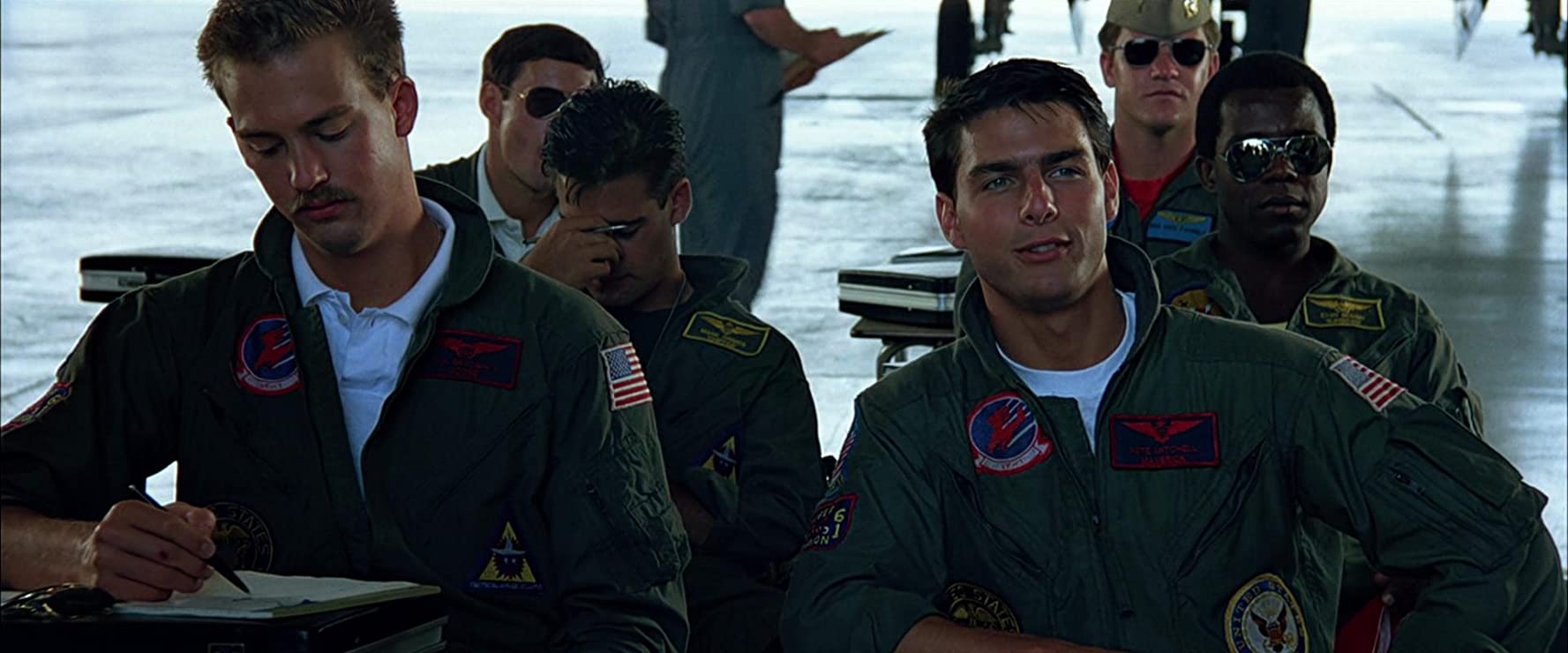
MV5BNGE5MWU3NDctNTcxOC00YmVjLTllZGYtOWU5ZDczMTNjNmM1XkEyXkFqcGdeQXVyMjk3NTUyOTc@. V1 SX1777 CR001777740 AL
Image via IMDB

Air Force Thunderbirds Inspire Civil Air Patrol Cadets

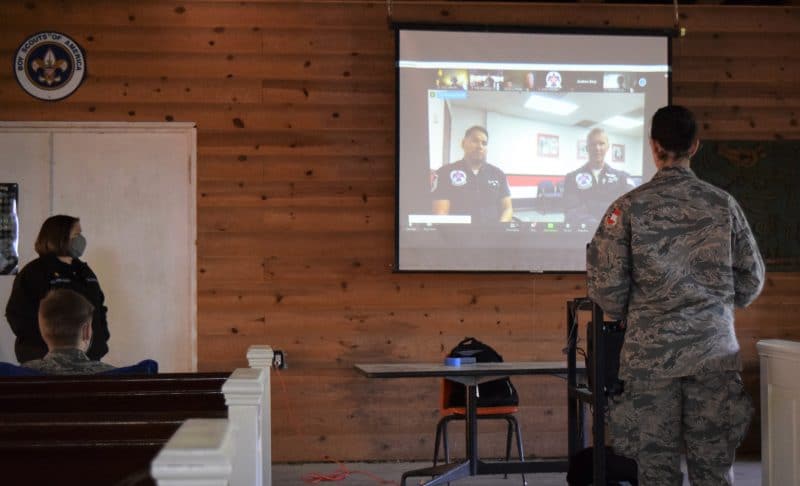
FORSYTH COUNTY, Ga. — The cadets of a Civil Air Patrol in metro Atlanta were greeted by members of the U.S. Air Force Thunderbirds on Thursday during an exclusive online video conference.

Three members of America’s Ambassadors in Blue spoke with local teens involved with the civilian branch of the Air Force. For one high ranking cadet, the live discussion increased her motivation for a career in the military.

“It was exciting to meet with members of the Thunderbirds, and be able to ask them questions,” Cadet Chief Master Sergeant Juli Vega of the Forsyth County CAP said afterwards.

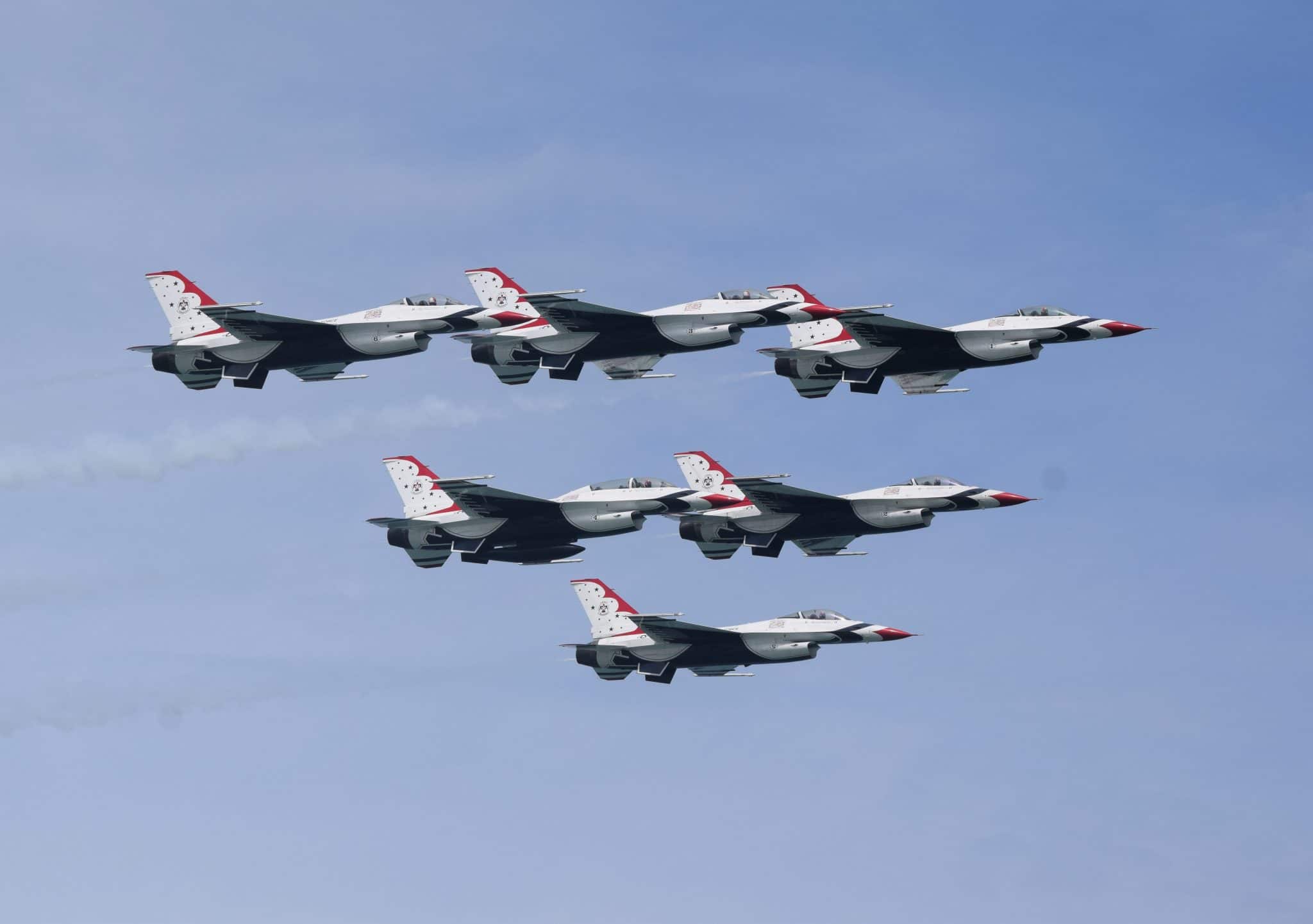
CocoaBchAS Day2 041821c 465 1
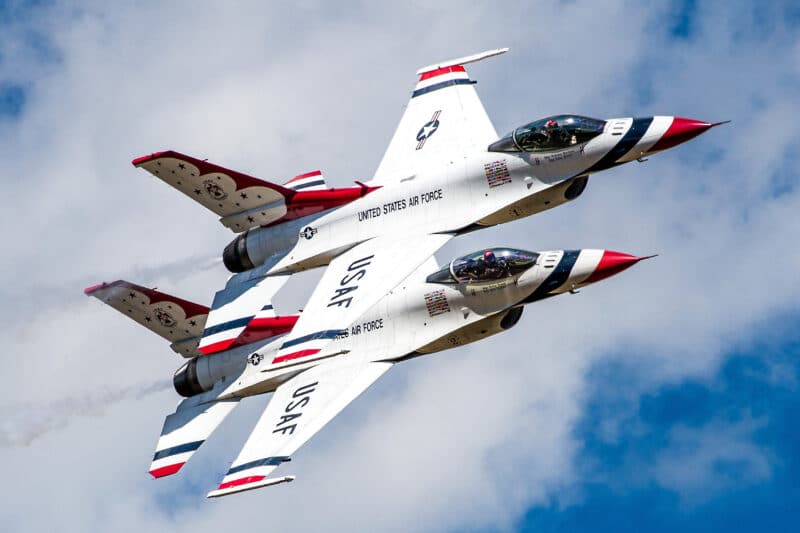
The Thunderbirds Delta Formation flies over Cocoa Beach, Fla. in April 2021. (Image: Charles A Atkeison)

Civil Air Patrol cadets are made up of teens working hard to learn the disciplines of the Air Force. They each earn rank as they learn about all aspects of an aerospace career in the military.

Thunderbirds Inspire America’s Future Airmen

The Civil Air Patrol is an extension of the Air Force, and has provided local communities with volunteer services dating back to before World War II. They offer aide to search and rescue aircrews, disaster relief, and also volunteer with humanitarian services.

The Thunderbirds began their 2021 air show season last weekend in central Florida. Their six F-16 Fighting Falcon jets perform precision maneuvers and high speed passes before show guests.

Thunderbirds’ flight surgeon Lt. Col. (Dr.) Noel Colls lead the 45 minute discussion from their air base near Las Vegas, Nevada. He described for the cadets his career with the military and with the team.

“I get to work with a great group of people and really learn a lot,” Lt. Col. Colls stated to the cadets. “In the military you will get to do things that you will never ever get to do in the civilian world.”

The medical doctor is also a prior military pilot having logged over 540 flight hours in 20 different aircraft. He has even logged over 310 combat hours during several tours of duty.

“There is a huge spectrum of jobs available in the Air Force,” Colls added. “Sure, being a pilot is fun to get up in a jet and fly, but, it’s all about your own personality and your own desires of what you want to do.”

Many of the young cadets are interested in advancing to the Air Force Academy in Colorado following high school. Careers as a pilot, medical, and logistics were just a few of the jobs discussed during the event.

“As an aspiring pilot and hopefully a future member of the Air Force, the biggest takeaway from this conversation was that in even this group of elite aviators, success comes down to attitude, integrity, and perseverance,” Cadet MSgt. Vega, 15, added with a nod. “Without these three qualities, it is difficult to achieve your full potential either as an individual or within a team.”

Vega will soon join a few cadets from across Georgia for an uplifting military experience. They will soon get to ride aboard a C-130 Hercules aircraft during an observation flight with the 165th Airlift Wing near Savannah.

For Vega, these are two great leaps towards her future with the military.

(Charles A Atkeison reports on aerospace and technology. Follow his updates via social media @Military_Flight.)

SpaceX ‘Endeavour’ Launches with Four Astronauts to Space Station

CAPE CANAVERAL, Fla. — Four astronauts launched aboard a reusable SpaceX Crew Dragon early Friday from America’s Space Coast to begin a nearly six month stay aboard the International Space Station.

This SpaceX Crew-2 mission is the second operational commercial crewed space launch. It also marks the third time Americans have launched into space from the U.S. in last 11 months.

Riding a top a Falcon 9 rocket, the Crew Dragon Endeavour lifted off at 5:49:02 a.m. EDT, from the Kennedy Space Center. The Falcon 9’s instantaneous launch time occurred as the space station flew 258 miles above the Indian Ocean.

The candle stick rocket soared up the east coast of the United States. Nearly three minutes after launch, Falcon’s spent first stage separated and the second stage immediately took over.

“I’m just so proud of the team, and what this team was able to accomplish,” Acting NASA administrator Steve Jurczyk said from the space center.

51133061168 71ede3f444 o
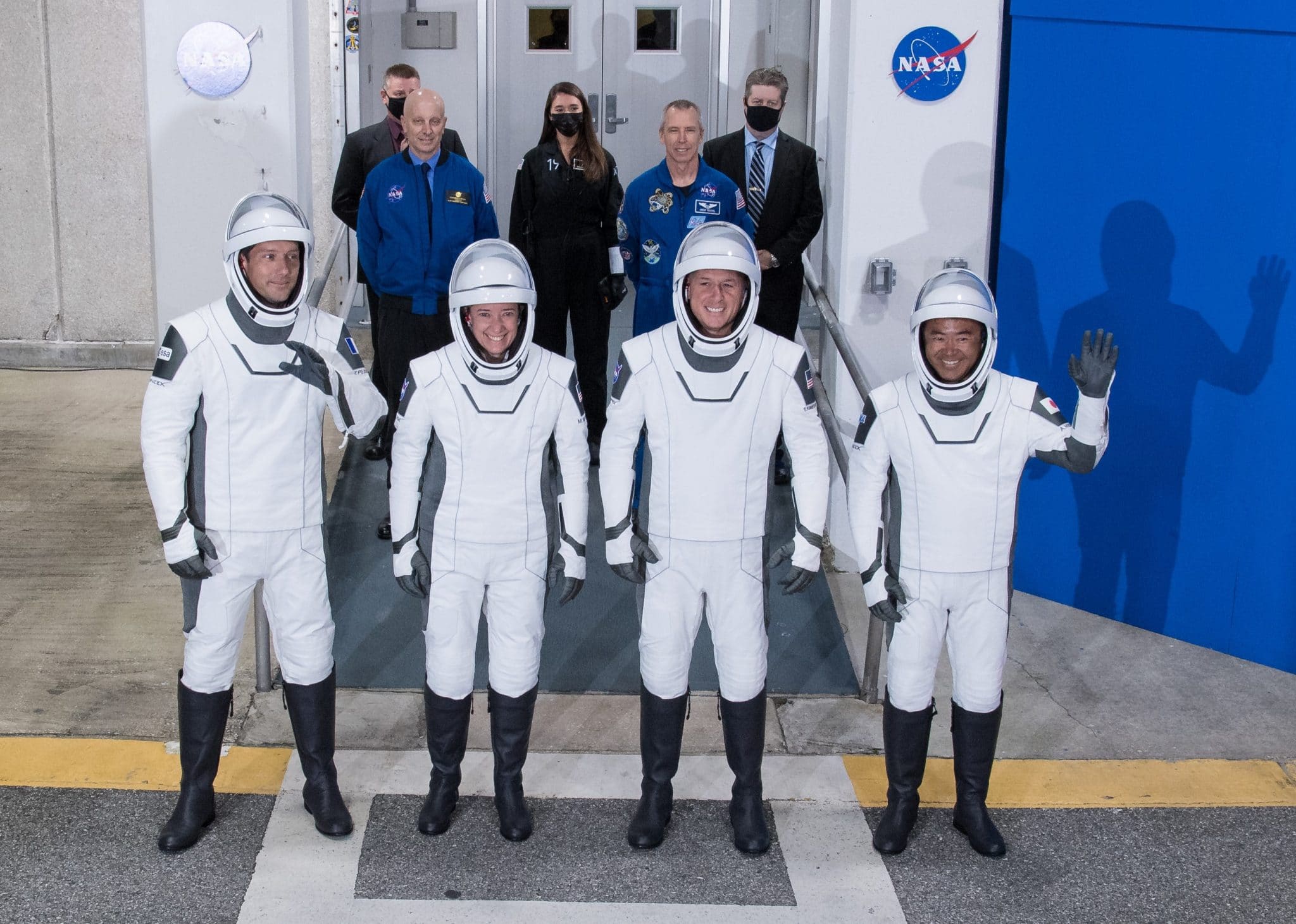
astronauts Thomas Pesquet, Megan McArthur, Shane Kimbrough, and Akihiko Hoshide depart for Launch Complex 39A to board the SpaceX Crew Dragon ‘Endeavour’ early Friday. (NASA)

Endeavour’s crew includes NASA astronauts Shane Kimbrough and Megan McArthur who will serve as Dragon’s commander and pilot. Japan’s Akihiko Hoshide and European astronaut Thomas Pesquet will round out the four person crew.

Nine minutes following launch, Endeavour successfully reached orbit. At the same time, the Falcon’s first stage made a pin point landing on a recovery platform off the coast of South Carolina.

The booster was last flown in November, placing four of the current seven station crew members into orbit. This mission also marks Endeavour’s second journey into space.

Commander Kimbrough and pilot McArthur will steer Endeavour during a one day flight to the orbiting laboratory. Based on an on time launch, Endeavour’s crew is scheduled to dock to the station on Saturday at about 5:10 a.m.

Crew 2 Launch Photo
Two Americans, a European, and a Japanese astronaut depart for the space station on April 23, 2021. (NASA)

Following docking, the crew will take two hours to prepare the hatches between Crew Dragon and the station for opening. The crew is scheduled to live and work aboard the orbiting laboratory.

This will mark the first time that two commercial crew spacecraft are docked to the space station. The Crew Dragon Resilience has been docked with the outpost for nearly six months.

One week following Endeavour’s docking, Resilience will undock from the Harmony node to bring her crew home. Meanwhile, Endeavour and her crew will stay aboard the space station until around November 1.

(Charles A Atkeison reports on aerospace and technology. Follow his updates via social media @Military_Flight.)

Mars Helicopter ‘Ingenuity’ Flies Higher on Second Flight

CAPE CANAVERAL, Fla. — NASA flew a powered aircraft on Mars for a second time on Thursday demonstrating that humans can control an aircraft in the planet’s ultra thin atmosphere.

The tissue box-size Mars helicopter Ingenuity transmitted several images during its flight to its host, the Perseverance rover. Located 215 feet away, Perseverance transmitted the final commands from NASA’s Jet Propulsion Laboratory one hour before the flight.

At an exact moment, the copter’s twin rotor blades were spun up to 2,537 rpm. A final system’s check was performed as the blades cut through Mars’ ultra thin atmosphere.

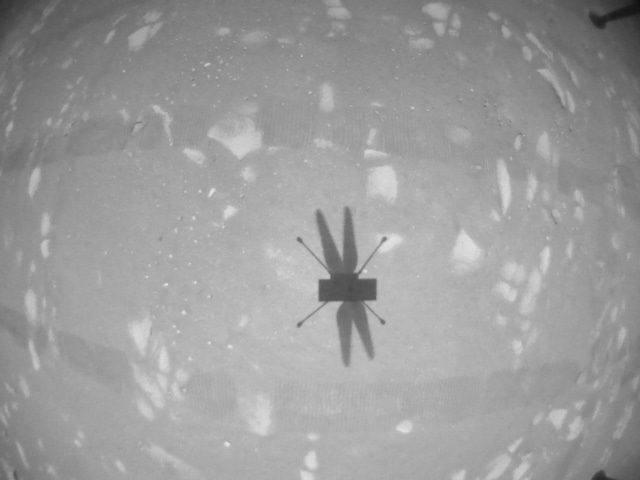
Likened to the Wright Brothers first powered flight, Ingenuity took off from the Martian surface at 5:33 a.m. EDT, and stayed aloft for 51.9 seconds. The controlled flight flew up to an altitude of 16 feet and then traveled seven feet.

“The helicopter came to a stop, hovered in place, and made turns to point its camera in different directions,” Ingenuity’s chief pilot Håvard Grip said on Thursday. “Then it headed back to the center of the airfield to land.”

JPL received the first data from the rover four hours later. Images and data points were relayed from the copter to the rover, and to NASA’s JPL in California.

In honor of the the first controlled, powered flight on Earth, NASA has named Ingenuity’s air field. The small flight region located near Jezero Crater is now called Wright Brothers Field.

“While Ingenuity carries no science instruments, the little helicopter is already making its presence felt across the world,” NASA’s associate administrator for science Thomas Zurbuchen said. “Just as Ingenuity was inspired by the Wright brothers, future explorers will take off using both the data and inspiration from this mission.”

PIA24592
NASA’s Mars helicopter photographs the Martian surface, including its shadow, on Thursday.

This second flight is the next in a series of five planned test flights during April. Each flight is expected to take Ingenuity higher and farther.

JPL has less than two weeks to perform Ingenuity’s next three flights as below zero temperatures weaken the craft. An official date for the copter’s third test flight will be announced in a few days.

(Charles A Atkeison reports on aerospace and technology. Follow his updates via social media @Military_Flight.)

WATCH: A Lockheed C-141 Starlifter Triple Feature

These Versatile Airlifters Became the Backbone of Military Air Transport Serving for 40 Years

The Lockheed C-141 Starlifter served with the Military Air Transport Service (MATS), then the Military Airlift Command (MAC), and finally the Air Mobility Command (AMC) of the United States Air Force (USAF). The aircraft also served with airlift and air mobility wings of the Air Force Reserve (AFRES), later renamed Air Force Reserve Command (AFRC), the Air National Guard (ANG) and, later, one air mobility wing of the Air Education and Training Command (AETC) dedicated to C-141, C-5, C-17 and KC-135 training. This tribute was compiled as part of the dedication ceremony for the YC-141B (60186) held on November 14, 2020 in Marietta, GA, the birthplace of the StarLifter. The video was uploaded to YouTube by Aviation History & Technology Center.

[youtube id=”TWZgDceCv5g” width=”800″ height=”454″ position=”left”]
The first delivery of a Starlifter to an operational unit took place on 23 April 1965 when C-141A AF Serial 63-8088 was delivered to the 44th Air Transport Squadron, 1501st Air Transport Wing, at Travis Air Force Base (AFB) in California. The C-141 eventually replaced the propeller-driven Douglas C-124 Globemaster II and the Douglas C-133 Cargomaster. Production deliveries 285 aircraft began in 1965. 284 of the airlifters went to the USAF, with a single example (the company demonstrator) going to the National Aeronautics and Space Administration (NASA) for use as an airborne observatory. The aircraft remained in service for over 40 years until the USAF withdrew the last C-141s from service in 2006. This video was uploaded to YouTube by Skyships Eng.

[youtube id=”PfecTQBlS8Y” width=”800″ height=”454″ position=”left”]
Lonnie Linton was one of the crew chiefs for C-141A AF Serial 63-8088 (the Golden Bear) at Travis AFB back in 1971. The Vietnam vet recounts his experience by visiting a similar plane at the National Museum of the US Air Force at Wright Patterson AFB. This video was uploaded to YouTube by Lon Linton.

[youtube id=”_TbQ4JcgdQ0″ width=”800″ height=”454″ position=”left”]
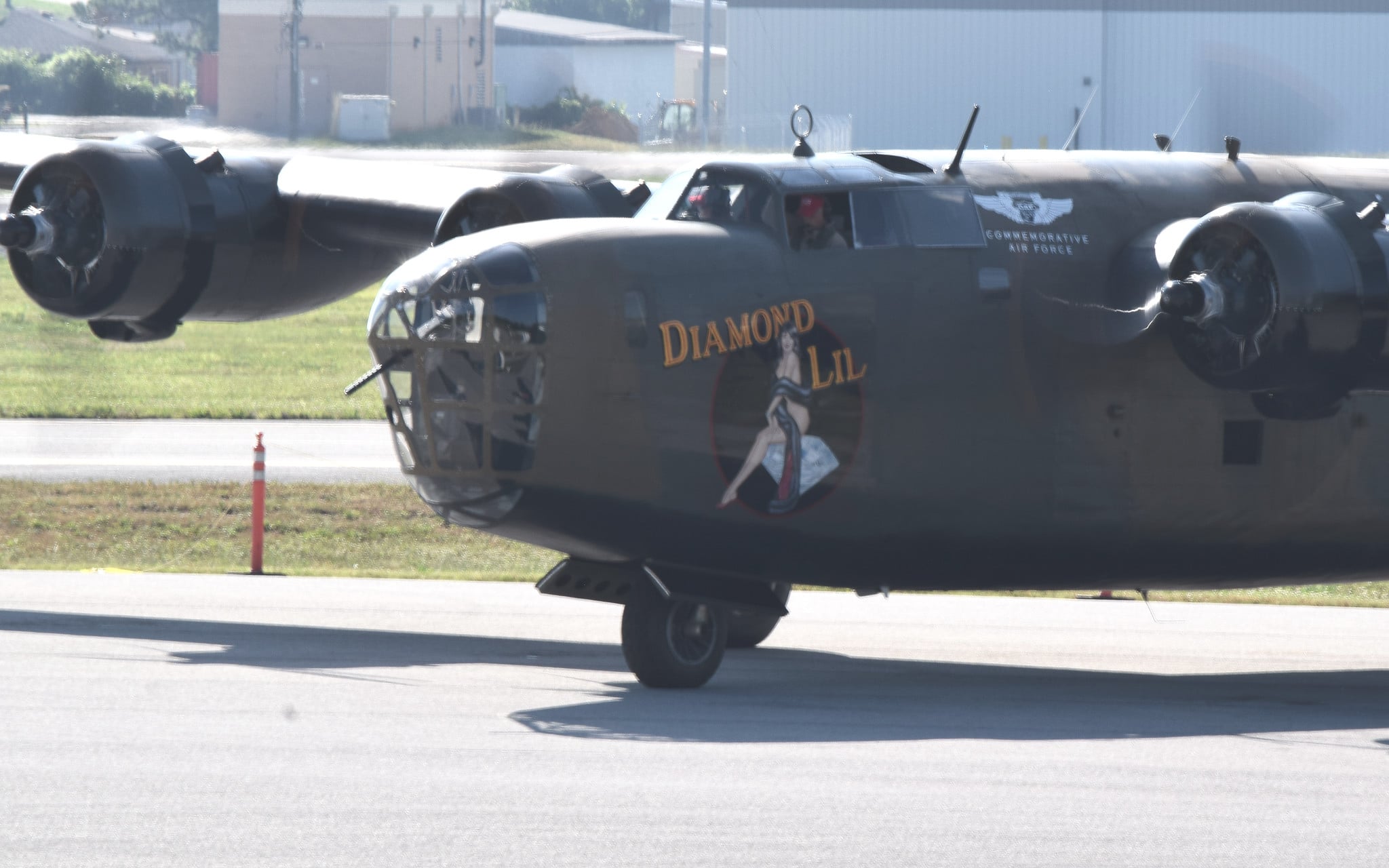
C 141 03
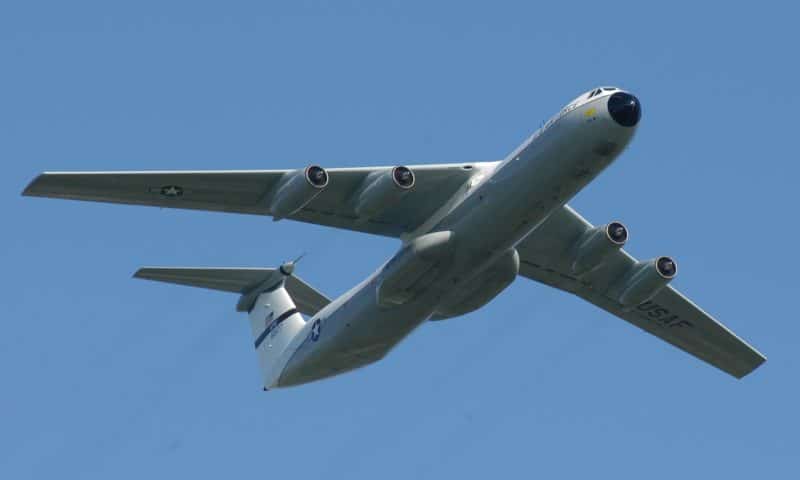
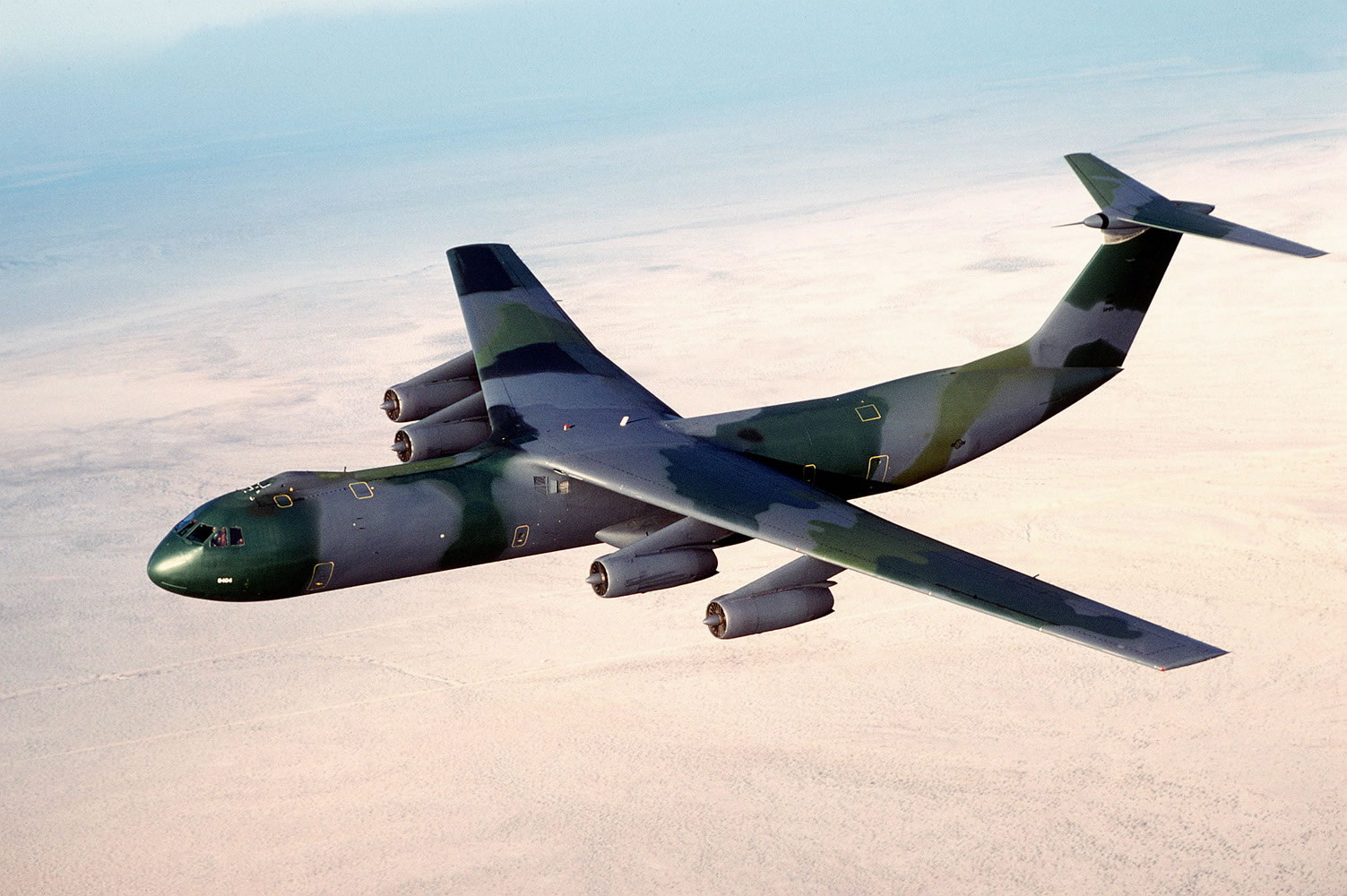
C-141B in flight. image via us air force

Unsolved Mysteries: The Strange Case of the Wayward Warthog

USAF Captain Craig Button Broke Formation and Flew Off Alone- into Oblivion. But Why?

Craig David Button was born on 24 November 1964. Like a lot of want-to-be fighter pilots, he had lived his life as part of a military family growing up with a few moves, lots of change, and a wealth of worldly experience under his belt. Button graduated from high school in Long Island, New York and had started working toward earning his private pilot certification at the age of 17 before heading off to college. He was described as “polite”, “quiet”, and a “perfectionist”. His father was a retired US Air Force Lieutenant Colonel and his mother was a devout Jehovah’s Witness who was known to be strongly opposed to Craig’s decision to serve in the military.

See the source image
craig button during pilot training at laughlin afb, tx (source: summit daily)

Fighter Pilot In the Making

Button graduated from the New York Institute of Technology in Old Westbury, New York with a degree in aerospace engineering and was commissioned through the Air Force Reserve Officer Training Corps (AFROTC) in 1990. After college, he was immediately shipped off to Laughlin Air Force Base (AFB) in Texas to complete Air Force pilot training. Upon graduation Button earned an assignment as a First Assignment Instructor Pilot (FAIP) in the Cessna T-37 Tweet trainer. After four years as a T-37 FAIP, Button was reassigned to the 355th Fighter Wing at Davis-Monthan AFB in Tucson, Arizona to begin initial A-10 flight training and finally realize his dream of becoming a fighter pilot.

DF SD 02 00884a
Cessna T-37 trainer. image via US Air Force

What It (Really) Takes to Become a Hog Pilot

It takes 40 training sorties over the span of five months to complete the initial A-10 training course which consists of several training phases. Transition, or TR as it’s traditionally called focuses on basic flying, systems knowledge, and instruments. Surface Attack, or the SA phase, introduces weapons employment and gives the student his or her first taste of shooting the mighty GAU-8 Avenger 30mm Gatling gun. Nights, well…is nights…and hones night flying skills – crosschecks, deconfliction, and night weapons employment.

2381945a
A-10 Warthog. image via DVIDS

Mixing It Up With the Fighter Jocks

ACBT, Air Combat Basic Training, introduces Basic Fighter Maneuvers (BFM) in the Hog and also provides an opportunity for the student pilot to fight dissimilar assets like F-16 Vipers or F-15 Eagles. The Air Strike Control phase was usually near the end of the syllabus and taught the A-10 student pilot basic Forward Air Control (FAC-A) tactics, techniques, and procedures. But, the longest and most difficult training phase intertwined with all of the other five phases as it encompassed teaching Close Air Support, the Warthog’s bread-and-butter mission.

2
A-10 Warthog. image via DVIDS

What Hog Pilots Live For

This phase was called SAT, or Surface Attack Tactics. It was ten sorties long, started off with basic two-ship medium altitude tactics, and culminated with low altitude high threat four-ship tactics. There are two sorties during A-10 initial training every student froth at the mouth over. The first is SA-1, the surface attack mission to the range where a fangs-out Hog driver-in-training gets to pull the trigger for the first time and unleash the power of the mighty Avenger 30 millimeter rotary cannon.

12
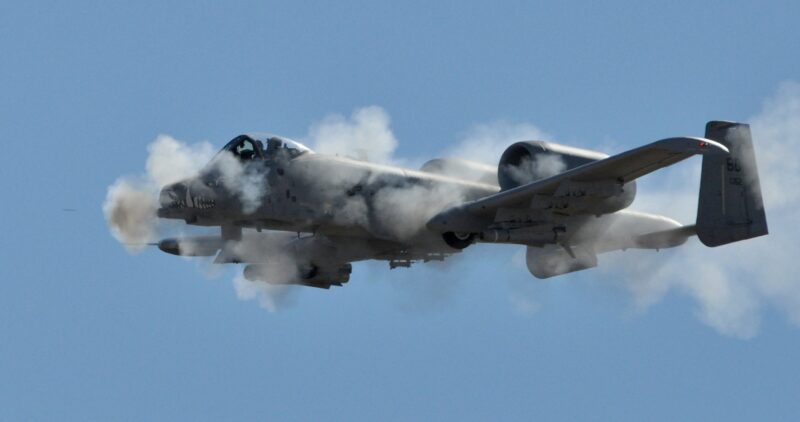
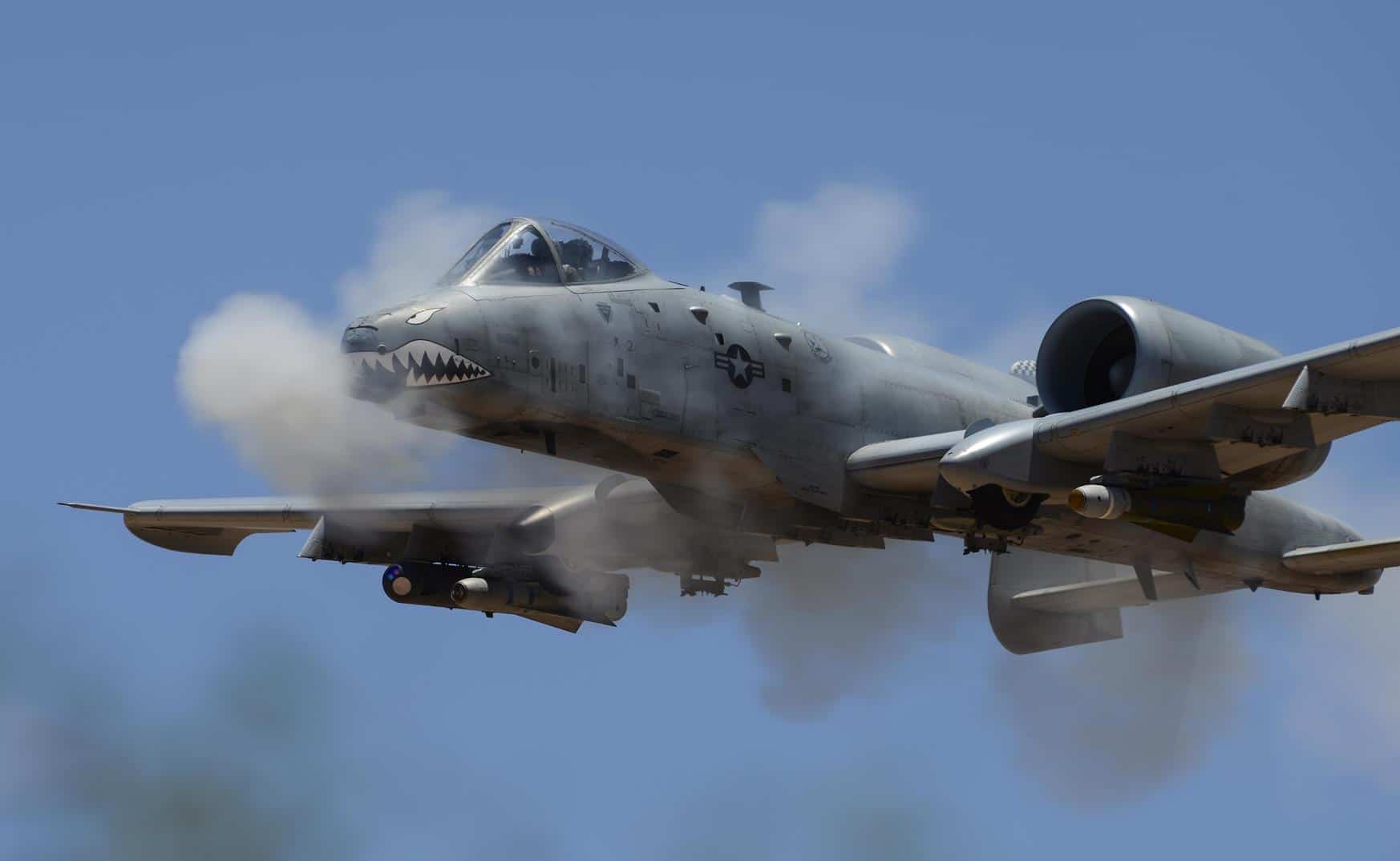
A-10 firing the avenger cannon. image via DVIDS

For More Bang NEXT PAGE Below

F-14 Tomcats Video: Just Doing What Tomcats Gonna Do Baby

These Videos Will Make You Fans of the Fleet Defender…As If You’re Not Already Fans

The F-14 Tomcat holds a special place in the hearts of its former builders, crews, maintainers, and fans. For many of them the mere mention of the Fleet Defender stirs up cherished memories and the stories start up fast and furious. This video doesn’t need a whole lot of introduction.

It’s just Tomcat videos- some with musical accompaniment, and one without. But we think you’ll enjoy them, so we brought them to you. Enjoy baby!

Tom Vapes 7
VF-32 F-14B. Image via US Navy 050330-N-5345W-073

F-14 Tomcat Low Level

The first video is all about flying F-14s at low altitude and high speeds. Set to the Stone Temple Pilots song “Sex Type Thing”, the video was pieced together using footage shot over several years in the late 1990s and early 2000s.

Squadrons appearing in the video include Fighter Squadron ONE ONE (VF-11) Red Rippers and VF-32 Swordsmen when both were stationed at Naval Air Station (NAS) Oceana in Virginia. The desert shots were shot on and over the various ranges at NAS Fallon in Nevada. The airshow shots were captured at NAS Oceana. All videos were uploaded to YouTube by Air Tales.

F-14 Tomcat at Sunset

If that didn’t get your heart moving check your pulse. To bring you back down a bit as the name suggests, this video depicts F-14Bs flying during dusk and/or dawn. The footage was captured over several years, again during the late 1990s and early 2000’s. The video is set to Joe Satriani’s song “Cryin.”

Next F-14 Tomcats Video: Airshow at Sea

Let’s get back to low and fast. This video is pieced together from two VF-11 F-14B demonstration flights- the 1998 USS Stennis (CVN-74) and 2000 USS Eisenhower (CVN-69) Tiger Cruise and Dependents Day cruises.

F-14 Tomcats in formation.  Image: DoD
F-14 Tomcats in formation. Image: DoD

The first performance was shot from the Stennis and the second from the rear cockpit for the F-14B. Then both performances were edited together and set to Joe Satriani’s song “Surfing With the Alien.” The uploader informs us that for both performances the pilot was LCDR ‘Opie’ Taylor and the RIO for 1998 was LCDR ‘Bobdog’ Hennessy.

F-14B Tomcat Cockpit

This F-14 Tomcats video, shot in a VF-11 F-14B cockpit in 2000, should bring back some memories for you Tomcat crew dogs. Note that this particular Tomcat had the new Programmable Tactical Information Display (PTID) update in the rear cockpit for the RIO, but was still equipped with the old Heads Up Display (HUD) for the nose gunner.

WATCH: This is How the Air War in Vietnam Was Photographed

Just One Command, Spread All Over Southeast Asia, Chronicled the Air Force’s War

This 1968 US Air Force Film Report is a mix of gun camera, strike camera, and handheld photography shot by the 600th Photo Squadron. The 600th was responsible for most of the Air Force combat footage shot during the war in Vietnam between 1966 and the end of the war. Detachment 5 of the 1352nd Photographic Group, based at Tan Son Nhut Air Base in South Vietnam, became the 600th Photo Squadron on 8 February 1966. The 600th was given responsibility for all USAF photographic services in Southeast Asia, except tactical reconnaissance photography, which was still handled primarily by Air Force Martin RB-57 Canberras, Douglas RB-66 Destroyers, McDonnell RF-101 Voodoos, and McDonnell Douglas RF-4C Phantom IIs. This outstanding film was uploaded to YouTube by US National Archives.

[youtube id=”xdK3yI3FC1c” width=”800″ height=”454″ position=”left”]
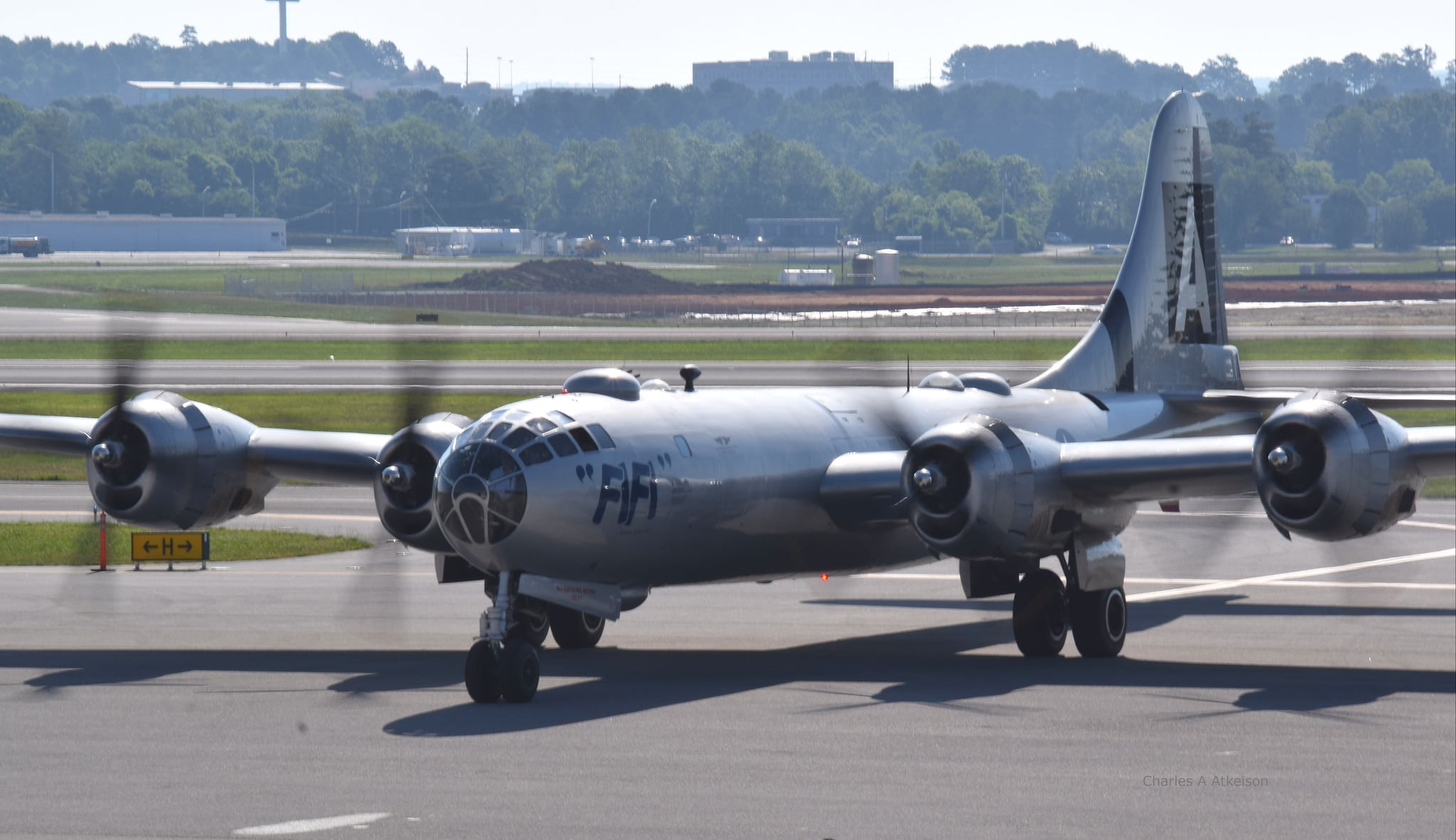
Making Movies in Entirely New Ways

Over time the 600th Photo Squadron’s operations expanded to include combat documentation, automatic gun-camera and high-speed pod and blister photography of ordnance deliveries, still photography, and photographic support of the Vietnamese Air Force (VNAF). In order to accomplish their mission they pioneered the use of several handheld camera mounts and supports, camera pods, blister camera mounts, and other methods of mounting cameras for shooting combat photography. The 600th Photo Squadron lost 11 combat cameramen killed-in-action between 1966 and 1976. Four were killed in 1968 at the height of U.S. combat operations in Vietnam.

F 100 Attack
image via us air force

A Widespread Command

As of 1968, the 600th Photo Squadron consisted of nine detachments located at US Air Force bases in South Vietnam:  Detachment 4 based at Cam Ranh Air Base (AB), Detachment 5 based at Phan Rang AB, Detachment 6 based at Bien Hoa AB, Detachment 7 based at Da Nang AB, Detachment 8 based at Tuy Hoa AB, Detachment 13 based at Nha Trang AB, Detachment 14 based at Pleiku AB, Detachment 15 based at Binh Thuy AB, and Detachment 16 based at Phu Cat AB.

KWsdNzS8TNldDP9I2EE NWDfTF58sTpntV3kA cX0es
image via time

Working With the Brass

The 600th Photo Squadron was also responsible for supporting Operating Location 1 (OL-1), which was referred to as the MACV Team and assigned to HQ Military Assistance Command, Vietnam (MACV) in Saigon. The MACV Team consisted of journalists and cameramen who covered the US Air Force, US Army, US Navy, US Marine Corps, the Royal Thai Air Force, and Allied combat units from Australia, New Zealand, South Korea and the Philippines. The 400th Aero Squadron handled film processing for the 600th on a 24 hour turnaround.

101217 F 1234S 103 0
image via us air force

Thailand Times

To compliment the 600th Photo Squadron, the 601st Photo Flight was created and headquartered at Korat Royal Thai Air Force Base (RTAB). The 601st Photo Flight consisted of six detachments located at Royal Thai Air Force Bases or Royal Thai Navy Airfields at which US Air Force tactical squadrons were based:  Detachment 1 based at Korat Royal Thai Air Force Base (RTAFB) (redesignated Detachment 17 in 1971), Detachment 2 based at Takhli RTAFB, Detachment 3  based at Ubon RTAFB, Detachment 9 based at Udorn RTAFB, Detachment 10 based at U-Tapao Royal Thai Navy Base (RTNB), Detachment 11 based at Don Muang RTAFB, and Detachment 12 based at Nakhon Phanom RTAFB.

110310 F XN622 002
image via us air force

Meet the Blue Angels “New” Super Hornet Jets

0

These Experienced Rhinos Are Anything But New and They All Have a History

The US Navy Flight Demonstration Team, AKA the Blue Angels, traded in their high-mileage legacy F/A-18A, F/A-18C, and F/A-18D Hornets at the end of 2020. One went to Naval Air Station (NAS) North Island in San Diego; another to NAS Corpus Christi in Texas. The rest went to museums across the country. The jets had worked hard, and their retirement was overdue. The Blue Angels fly the F/A-18E and F/A-18F Super Hornet (Rhinos) these days. But how much do you really know about their current steeds? We crunched the numbers and extrapolated the following information about the Rhinos the Blues are flying now.

Some of the Oldest Rhinos in the Fleet

Group 2
image via dVIDS

First, the Blues are flying (with one or two notable exceptions) the oldest currently airworthy Super Hornets in the world. Every one of their jets came from the Low Rate Initial Production (LRIP) batches. In order, the E model jets are numbers 6, 7, 11, 12, 13, 17, 20, 21, and 26 off the production line. The F models are numbers 8, 10, and 18. So to say the Blues are flying “new” jets is inaccurate. The jets might be “new” to the Blues, but they’ve all been thoroughly flown before. Most of them were actually new back in the 1999-2000 timeframe. It’s also important to note that the jets, like their legacy Hornet predecessors, sometimes wear different tail numbers during service with the Blues. Where possible that information is included below.

F/A-18E-52-MC LRIP 1 Super Hornets

165534
165534 image via dvids

F/A-18E BuNo 165534 (MSN 1454/E006) served with Air Test and Evaluation Squadron NINE (VX-9) Vampires at Naval Air Weapons Station (NAWS) China Lake in California for the majority of its service prior to being assigned to the Blue Angels. The jet wore side number XE 505 with VX-9. With the Blue Angels 534 has been seen wearing tail numbers 1, 4, and 6. 

84080740 10157024069496527 6721458947330408448 o 2 1
165536 image via imdb

F/A-18E BuNo 165536 (MSN 1460/E007) served with VX-31 Dust Devils at NAWS China Lake as the squadron color bird wearing side number DD 200 for many years. In 2019 this jet was one of two F/A-18Es and an F/A-18F dressed up as Maverick’s mount(s) for the movie Maverick: Top Gun II. After the jet’s duties as a movie star concluded it was assigned to the Blue Angels, where it will continue to star. With the Blue Angels 536 has been seen wearing tail numbers 1 and 5.

165538
165538 image via DVIDS

F/A-18E BuNo 165538 (MSN 1477/E011) served with Strike Fighter Squadron ONE TWO TWO (VFA-122) Flying Eagles out of NAS Lemoore in California. VFA-122 is the West Coast Hornet Fleet Replacement Squadron (FRS). While with VFA-122 the jet has worn side number NJ 100 as the squadron color bird, slightly more subdued colors as side number NJ 204, and a striking blue/gray camouflage scheme as side number NJ 101. Thus far 538 has been observed wearing only tail number 4 with the Blues.

165536
image via dvids

F/A-18E BuNo 165539 (MSN 1486/E012) also served with VFA-122 out of NAS Lemoore. This Super Hornet often wore side number NJ 201. Since being assigned to fly with the Blue Angels this jet has only worn tail number 5.

F/A-18E BuNo 165540 (MSN 1488/E013) served with VFA-106 Gladiators out of NAS Oceana in Virginia. VFA-106 is the East Coast Hornet FRS. While assigned to the Gladiators the jet wore side number AD 201 as recently as 2017. 540 has been observed wearing tail numbers 4 and 6 with the Blue Angels 

Group 1
image via dvids

For More Blue Angels Bios Bang NEXT PAGE Below

Blue Angels Arrive at Sun ‘n Fun to Kick-off their 75th Anniversary

LAKELAND, Fla. — The thrust of six blue and gold Super Hornet jets blended with the cheers from thousands onlookers on Thursday as the U.S. Navy’s Blue Angels arrived at the Sun ‘n Fun Aerospace Expo.

Sun ‘n Fun marks the Blue Angels’ first public air show performance in the last 17 months. This season is special to all involved as the squadron celebrates their 75th anniversary with new aircraft.

This weekend marks the public debut of the squadron’s more powerful F/A-18E/F Super Hornets. The Navy’s Flight Demonstration Squadron upgraded last autumn to the larger and faster jets.

51118347277 19e148f4dc k
The Blue Angels new C-130J Super Hercules “Fat Albert” arrived Thursday at Sun ‘n Fun. This is the aircraft’s first airshow and the first time Bert has attended a show since 2018. (Charles A Atkeison)

“We are honored to be the first airshow performance site for the Blue Angels to help launch this exciting new era of their 75-year history,” Sun ‘n Fun director Greg Gibson said Thursday.

The Blue Angels’ jets were smoke-on as their signature delta formation arrived high over the airfield. Minutes later, each jet touched down, one by one, at Lakeland Regional Airport.

As the Super Hornets parked, the aircraft maintainers greeted the arriving pilots. The canopy’s of the aircraft opened in unison and the pilots egressed in a synchronized formation.

The Blue Angels are scheduled to perform a practice flight on Friday afternoon. Their full formal demonstration is scheduled for about 3 p.m. on Saturday and Sunday.

The team’s opposing solo pilot LCDR Cary Rickoff is excited to perform for the crowds each day. A Super Hornet pilot prior to joining the Blues, Rickoff looks forward to showcasing the aircraft.

“The jets will look a new shiny blue and the delta formation will look a little bit bigger,” LCDR Rickoff explained to AvGeekery.com following their arrival. “You will notice about a 30% size increase — the jet is bigger.”

A fully upgraded ‘Fat Albert’ also touched down at Sun n’ Fun on Thursday. The Blue Angels new C-130J Super Hercules cargo transport is a huge crowd favorite not seen at air shows since 2018.

“This is one heck of a venue!” Blue Angels executive officer Cmdr Todd Royals said. “I was looking out the window of Fat Albert as we were coming in and it’s just a sea of airplanes. It’s so amazing to be back on the road displaying our aircraft and our people to represent over 800 thousand sailors and marines.”

The squadron’s air show schedule lists 29 locations, including their annual flyover of the U.S. Naval Academy’s graduation. One visit will include the interior of Alaska to perform at Eielson AFB, on the edge of the Arctic Circle.

The Blue Angels aircraft have gone from the single prop aircraft and mature into a jet plane with an increasingly faster thrust. The aircraft and personnel have changed during their 75 years, but their pride and teamwork continues to endure.

The professionalism of the Blue Angels has been handed down from generation to generation. From their ground show to their flying, professionalism will be on full display as they celebrate their 75th year.

(Charles A Atkeison reports on aerospace and technology. Follow his updates via social media @Military_Flight.)

Thunderbirds, Top Military Aircraft Arrive for Cocoa Beach Airshow

COCOA BEACH, Fla. — Top Air Force display teams including the Thunderbirds will headline this weekend’s two-day air show over Florida’s Space Coast.

The Cocoa Beach Air show will host the nation’s top military aircraft plus civilian aerobatic planes. Guests are invited to arrive early each day to the beaches near Lori Wilson Park.

The Thunderbirds, along with the A-10C Warthog and B-52 bomber, touched down at Patrick Space Force Base on Thursday. The F-22A Raptor and B-1B Bomber are also scheduled to perform across the ocean waters.

“We are incredibly excited to kick off the 2021 season over Cocoa Beach,” Thunderbirds right wing pilot Maj. Ian Lee expressed from the flight line at Patrick. “We are fired up to get out there and showcase the pride, precision, and professionalism of your United States Air Force.”

For 2021, the Thunderbirds have completely changed their show with new maneuvers and a new music list. For the first time in 38 years, their flight demonstration will look, sound, and feel different.

At the Kennedy Space Center, the runway used to support space shuttle landings is supporting another supersonic craft. The swept wing B-1B bomber will call the Shuttle Landing Facility home this weekend.

6527198
The Air Force will demonstrate the B-52 Stratofortress over the beachline this weekend. (USAF)

Civilian aerobatics include Mike Wiskus piloting his Pitts bi-wing and John Black flying his Super Decathlon. A 1945 Douglas C-47 Tico Bell is also scheduled to fly each day.

The six World War II aircraft of the GEICO Skytypers will highlight the show each day. Their formation flying includes maneuvers used by the pilots of the Greatest Generation.

(Charles A Atkeison reports on aerospace and technology. Follow his updates via social media @Military_Flight.)

WATCH: VAW-123 Screwtops Chronicled Their Record-Breaking Deployment

Thanks to COVID the USS Eisenhower and CVW-3 Were at Sea for a Record 206 Days.

Carrier Airborne Early Warning Squadron ONE TWO THREE (VAW-123) Screwtops were deployed with the rest of Carrier Air Wing THREE (CVW-3) Battleaxe aboard the Nimitz-class aircraft carrier USS Dwight D. Eisenhower (CVN-69) for a record-breaking seven months (206 days) at sea. That’s right- seven months at sea. No port calls. 60,000 miles. The Strait of Gibraltar. The Suez Canal. The Strait of Hormuz. The Strait of Bab el Mandeb (I had to look that one up- it’s at the south end of the Red Sea). The video, uploaded to YouTube by Screwtop JOPA, is awesome and features a Screwtops Hummer (side number 600) flying a single engine rails pass with the port engine out at 15:07 into the video. Check it out.

[youtube id=”KcUCjsM2v2U” width=”800″ height=”454″ position=”left”]
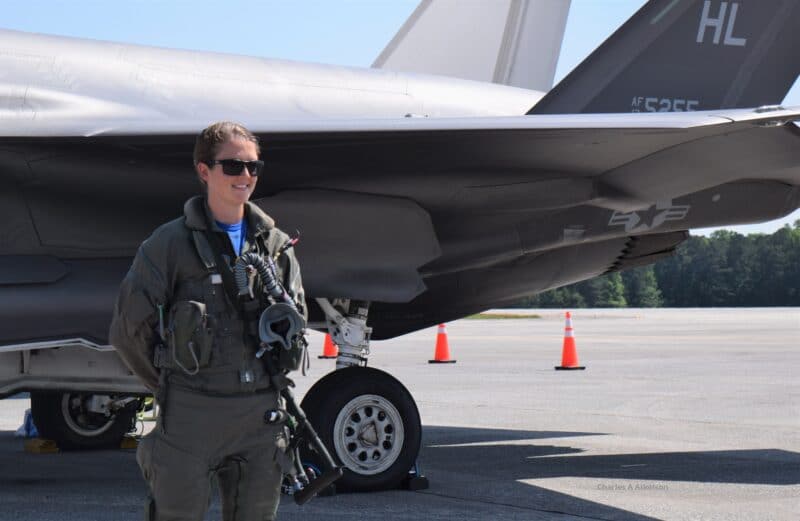
2021 04 14 17 00 27 426 VAW 123 Screwtops Cruise Video 2020 YouTubeb
image captured from featured video
2021 04 14 16 59 33 426 VAW 123 Screwtops Cruise Video 2020 YouTubeb
image captured from featured video

The Rest of the Cast

During the 2020 Quarantine Cruise aboard the IKE, CVW-3 consisted of VFA-32 Swordsmen flying the Boeing F/A-18F Super Hornet, VFA-83 Rampagers, VFA-105 Gunslingers, and VFA-131 Wildcats all flying the Boeing F/A-18E Super Hornet, VAW-123 Screwtops flying the Grumman E-2C Hawkeye, VAQ-130 Zappers flying the Boeing EA-18G Growler, VRC-40 Rawhides Detachment 4 Mad Dogs flying the Grumman C-2A(R) Greyhound, HSC-7 Dusty Dogs flying the Sikorsky MH-60S Knighthawk, and HSM-74 Swamp Foxes flying the Sikorsky MH-60R Seahawk.

AD 3Ws VC 12 at NAS Quonset Point
VAW-12 BATS AD-3Ws in 1950. image via national naval aviation museum

VAW-123 Born on Date: 1945

VAW-123 can trace its lineage all the way back to 1945 when the squadron was formed as a Composite Squadron (VC-12) first flying Grumman TBM Avengers and later AD-3W and AD-5W Skyraiders. In 1956 the squadron was redesignated Carrier Airborne Early Warning Squadron Twelve (VAW-12) Bats. The Bats flew Grumman WF-2/E-1B Tracers beginning in 1961. Since 1967 the Screwtops have been flying variants of the Grumman E-2 Hawkeye. VAW-123 was embarked aboard the carrier Enterprise (CVN-65) for her last deployment before she was decommissioned in 2013. On 1 January 2020 the designator for the squadron (and the other Airborne Early Warning squadrons) was changed to Airborne Command and Control Squadron. It was a Screwtops Hawkeye crew that made the best of a bad situation back in 2016- also aboard the IKE.

190409 N QD512 0194a
image via US Navy/DVIDS

WATCH: Listen as P-51 Mustangs Go Roaring and Whistling By

0

Sweet Merlin Music and Whistling Gun Ports is All You’ll Hear in This Video Captured at a Drive-In Airshow

There are more than 200 airworthy P-51 Mustangs around the world. The majority of them are based in the good old U S of A, but flyable Mustangs inhabit hangars in Australia, Belgium, Canada, the Czech Republic, the Dominican Republic, France, Germany, Italy, Mexico, the Netherlands, New Zealand, Sweden, South Africa, Turkey, and the United Kingdom. Naturally there are fewer airworthy P-51Bs and P-51Cs than there are P-51 Ds and P-51Ks, but it’s still a thrill to see (and hear) any Mustang in the blue. Enjoy this video of a P-51B and a P-51D performing at one of Yankee Air Museum’s “Friday Night Flights” drive-in mini-airshows in 2020. The video was uploaded to YouTube by our friends at AirshowStuffVideos.

[youtube id=”rlYBXH8-e5E” width=”800″ height=”454″ position=”left”]
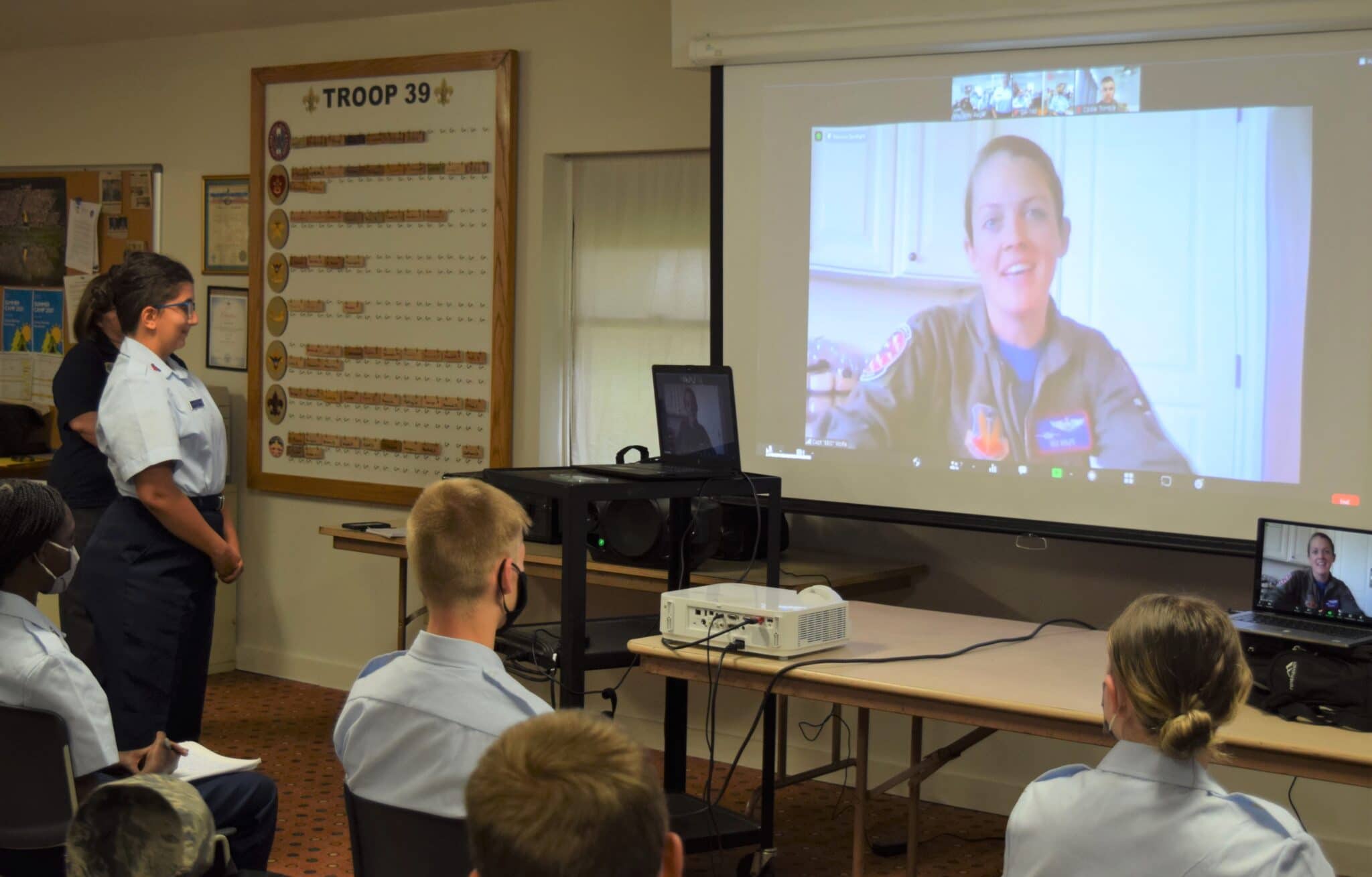
The P-51B That Won at Hide-and-Seek for Decades

OldCrowB
image via bud anderson’s website

The P-51B in the video is P-51B-1-NA AAF SN 43-12252 completed in 1943 as CN 102-24700 and registered as NL551E. On 14 November of 1944 the aircraft crashed into Lake Louisa in Florida. The pilot, Lieutenant Dean Gilmore, perished in the crash. The aircraft sat in the lake until 2001, when low water levels revealed the wreckage. In 2002 the wreck was acquired by Jack Roush. Over the next six years the Mustang underwent restoration at Cal Pacific Airmotive in Salinas and was flown again in 2008. The aircraft wears the colors (and the Malcolm hood) of Clarence “Bud” Anderson’s P-51B AAF SN 43-24823 coded B6-S and named “Old Crow.”

Formerly Wrecked Racer Rescued by Jack Roush Too

maxresdefault
image captured from featured video

The P-51D in the video is P-51D-30-NA AAF SN 44-74320 completed in 1945 as CN 122-40770 and registered as N551J (previously registered as N5466V and N51CY). This aircraft went into service with the Arkansas Air National Guard (ANG) in 1947. By 1958 the Mustang had been sold into civilian hands. Involved in at least two accidents, the airframe was restored and during the 1970s the aircraft raced in the unlimited class at the Reno Air Races as #76 dubbed “No Name Dame.” In 2000 Jack Roush acquired the Mustang and restored it to stock military configuration. After restoration the P-51D first wore the colors of Check Yeager’s P-51D AF SN 44-14888 coded B6-Y and named “Glamorous Glen III.” In 2005 the colors were changed to those of Captain Jim Browning’s P-51D AF SN 44-14937 coded B6-P and named “Gentleman Jim.”

nbc nas roushtakesflight 150819 1280x720 508947523658
Jack Roush flying a P-51D. image via video capture

Air Force Thunderbirds Unveil a Redesigned Airshow Routine

COCOA BEACH, Fla. — The U.S. Air Force Thunderbirds unveiled their redesigned air show demonstration on Tuesday featuring new maneuvers plus an updated ground show presentation.

For the first time in nearly 40 years, the Thunderbirds have overhauled their entire flight demonstration. The announcement comes on the eve of their first air show weekend of the year.

During an exclusive video conference which included this reporter, the squadron discussed their updated performance layout. The team acknowledged they designed a performance that is more than just ‘aerial maneuvers all over the place’.

6329064
Thunderbirds Advance Pilot and Narrator, MAJ. JASON MARKZON, taxies out for take off last month. (USAF)

Thunderbirds New Demonstration is Go!

Their shortened air show season in 2020 allowed for the Thunderbirds to redesign their entire demonstration. Changes to the ground and aerial shows now provide a reduction in total time from 90 down to 50 minutes.

“One of the main goals we had was to take a look at our show sequence,” Thunderbirds commander and lead pilot Col. John Caldwell explained. “We’ve changed the high, low, flat, and contingency shows. That is an incredible lift for this squadron.”

America’s Ambassador’s in Blue looked to the air show organizers across the country, and the guests in attendance last season. The public’s feedback provided the Thunderbirds with enough information on how to change their show for the better.

“We looked at all of our maneuvers,” Thunderbird’s right wing pilot Maj Zane Taylor said during our call. “We looked at ones that were redundant that probably showed the same thing to the crowd and be illuminated.”

6211373
The Thunderbirds are scheduled to perform at 23 locations across the United States in 2021. (USAF)

Six maneuvers were cut trimming their flight time from 45 to 30 minutes. They added new maneuvers, too, including a few sneaky passes.

During the last decade, their high show averaged up to 47 minutes forcing their F-16 Fighting Falcons to land on fumes. Col. Caldwell noted that the Thunderbirds have only changed their demonstration two previous times in their 68 year history.

“That’s when we started the team and we had nothing, we built a 15 minute show. It was done again unfortunately in 1982 when we had the diamond crash and we had to rebuild the show with the F-16.”

New Phases of the Thunderbirds Aerial Show

The updated show will highlight many sequences beginning with the grand opening with high vertical maneuvers. They then reset the tempo to their precision section – ‘formation flying at it’s finest’.

Precision maneuvers will include lower, flat formations close to the crowd line. As the show continues the guests will then watch as the jets move higher in altitude.


The next phase is speed and motion in which the jets fly fast at each other from multiple locations. The tempo increases the excitement as they build to a high energy portion of the show.

Their first finally begins with their slow high alpha maneuver. They then move to their strength and power phase as they demonstrate how tight the F-16C can turn. Expect a lot of afterburner usage.

They will then move to their patriotic pride and teamwork phase with all six aircraft.

“We’re doing really slow kind of beautiful maneuvers,” “It’s going to be very graceful and cascading as guests looking high in the air.”

The final finally then gets underway with the delta burst coming back together. The solos will make a few final maneuvers, and the high bomb burst will close out the demonstration.

The ground show by the aircraft maintainers has also been shortened from 35 minutes to 15 minutes. Hand signals now replace voice communications as they replicate an actual Air Force jet launch.

“We’ve shortened down the number of steps to launch the aircraft,” Thunderbirds maintenance officer Capt. Mike Bell said during the video call. “What we want the crowd to feel is how fast those aircraft went from engine start to taxi to airborne.”

They kept the important ground aspects including the precision, facing movements, and aircraft taxi. Bell added, “We preserved all that, but we made it more efficient.”

Col. Caldwell, now in his third season with the Thunderbirds, is excited for the public to watch them at an air show. He hopes the Thunderbirds will inspire air show guests and the future of America’s Airmen.

“The best is to be on the air show line, feeling the thunder in your chest, hearing the jets roar by,” Col. Caldwell added. “Seeing the speed and motion, and seeing the heights that this demo team can fly 18-inches apart for the American public.”

(Charles A Atkeison reports on aerospace and technology. Follow his updates via social media @Military_Flight.)

WATCH: A Whale of a Flight to Whidbey Island

Take a Seat in the Cockpit on a Skywarrior Flight to the Pacific Northwest

The Douglas A3D/A-3 Skywarrior served with the United States Navy from 1952 to 1991. During the Whale’s time the aircraft was used in the attack, photo reconnaissance, electronic reconnaissance, electronic attack, training, tanking, VIP transport, and several combined roles. The jet was the largest and heaviest ever regularly operated from American aircraft carriers (including the Essex-class). After being withdrawn from service with the Navy, Hughes/Raytheon utilized several Skywarriors as testbeds for the company’s various radars, missile systems, and other electronics. This video, uploaded to YouTube by iusedtogomach, was shot during a flight aboard NRA-3B Skywarrior BuNo 144825, registered as N878RS to Naval Air Station (NAS) Whidbey Island on 29 April 2011. Turn up the sound!

[youtube id=”jp8WDv06b5w” width=”800″ height=”454″ position=”left”]
A Jet With a History

The jet in the video, BuNo 144825, was built by Douglas as an A3D-2P photo reconnaissance variant and accepted by the Navy in December 1958. The designation of 825 was changed to RA-3B when the Tri-Service designation changes occurred on 18 September 1962. 825 served with the Naval Air Test Center (NATC) at NAS Patuxent River before being assigned to the Naval Missile Center (NMC)/Pacific Missile Test Center (PMTC) at NAS Point Mugu where the jet continued to be utilized as a testbed- often with the side number 75. For many years (until 1990) the jet wore an outsized radar housing for a nose, earning the unlikely sobriquet of “Snoopy.” After being stricken from Naval Service, Hughes/Raytheon began flying her in similar test roles out of Van Nuys (KVNY) in California. This video of 825 arriving at NAS Whidbey after the flight shot in the video above was uploaded to YouTube by Be44321.

[youtube id=”p9IhjYMzi14″ width=”800″ height=”454″ position=”left”]
The Whidbey Whale

While flying with Raytheon/Hughes the jet first wore civil registration number N578HA. The aircraft spent more time at Point Mugu while in service with Raytheon/Hughes. As of 1992 the civil registration was changed to N878RS and the jet began wearing side number 78. 825 wore the N878RS registration until June 2000, when the jet’s airworthiness certificate indicated a revised registration number of NX878RS. The jet made the flight to Whidbey in the videos above wearing N878RS/side number 78 markings. Today, thanks to thousands of volunteer man-hours, the jet is on outdoor display at NAS Whidbey Island wearing VAH-123 “Pros” colors on her port side and VAH-10 “Vikings” colors on her starboard side with the same side number (263).

397365a
144825 arriving at NAS whidbey. image via dvids
3904190a
144825 during dedication ceremony 2017. image via dvids

WATCH: Little Lea Experiences the Joy of Aerobatic Flight

This Little Girl’s Reactions Are Guaranteed to Make You Smile!

Chances are you’ve seen little Lea before. We don’t know that much about her, and that’s fine. What we do know is that her enthusiastic reactions to aerobatic maneuvers like rolls, spins, inverted flight are some of the purest expressions of joy we’ve ever seen. Despite attempts to learn more about the pilot and passenger in these short clips, we’ve been unable to get in contact with ARL Aviation. No matter, because if these clips don’t make you smile you need to check your pulse! The first video was posted to YouTube five years ago; the most recent three years ago. All of the videos were uploaded to YouTube by ARL Aviation.

2021 04 05 15 50 09 416 FIRST AEROBATIC FLIGHT LEA YouTube
Image captured from featured video

This is the video that introduced little Lea to the world. We’re fairly sure the pilot is her father, but we haven’t been able to confirm. Just try not to smile!

First Aerobatic Flight in a Citabria

[youtube id=”pSWDW18ygaw” width=”800″ height=”454″ position=”left”]
Lea demonstrates her aptitude for performing tasks while subject to negative Gs (now properly attired in her own flight suit).

Microgravity in a Cessna 152 Aerobat

[youtube id=”o1W2K62HP2c” width=”800″ height=”454″ position=”left”]
Another video of Lea, a little bit older this time, enjoying aerobatics.

Another Aerobatic Ride in a Citabria

 [youtube id=”VngavSkHstQ” width=”800″ height=”454″ position=”left”]
Lea graduates to the Yak 52. Even though her mic is not live, you can tell she’s having a great time.

Aerobatic Ride in a Yak 52

 [youtube id=”37kswl5JW2M” width=”800″ height=”454″ position=”left”]
Lea, again a little bit older and more experienced, getting her smile on during some aerobatics. Priceless.

Another Aerobatic Ride in a Yak 52

[youtube id=”QQyL5L5OTFA” width=”800″ height=”454″ position=”left”]

2021 04 05 15 44 23 416 FIRST AEROBATIC FLIGHT LEA YouTube
Image captured from Featured video

The Numbers Tell Us That Passengers Are Coming Back!

0

Good News for the Airlines and Travelers Alike

Many of us AvGeeks are tracking the progress of the passenger counts supplied by the Transportation Security Administration during the COVID pandemic.  Avid numbers geeks also know that raw data should always be converted to associated cool charts! 

Numbers in the Raw

The first chart below displays the raw data.  Because the TSA lists the most current day first, the chart reconstructs a chronological visualization for the same time periods January – December.

DPC Raw
The Numbers Tell Us That Passengers Are Coming Back! 48

Making Sense of It All

Well aren’t those some squiggly lines? Because these are daily points, the lines show large amplitudes that correlate to high traffic (Fridays) and low traffic (Tuesdays).  Let’s smooth out the lines using a rolling 7 day average to provide a better picture. 

DPC Smoothed
The Numbers Tell Us That Passengers Are Coming Back! 49

Deriving Some Encouraging Conclusions

The 7 day chart shows some interesting facts.  The first part of 2020 on a rolling average basis, had approximately 5% increase in traffic over 2019 (grey line).  The precipitous drop from February to April highlights the extent to which passenger traffic decreased.  One could follow the 2020 line from right and then see the 2021 line in Blue to left as a continuation.  Although 2021 began at less than 50 percent traffic compared to 2020, passenger counts have rapidly increased since January 2021.

Playing the Percentages

Speaking of percentages, the chart below indicates the raw percentage differences and a smoothed 7 day average. Note that there are only 2 lines – the orange line is the difference between 2019 and 2020.  The blue 2021 line shows the difference between 2019 and 2021.

DPC Percent
The Numbers Tell Us That Passengers Are Coming Back! 50

A What-If Scenario

When trying to identify when normalcy will return, Here’s a “what if” scenario: What if passenger traffic grew by 5% year over year from 2019 to 2020 through 2021?

DPC Growth
The Numbers Tell Us That Passengers Are Coming Back! 51

Lost Passengers

What would be the point in identifying where passenger traffic might be at 5% growth?  That answer rests in the below graph that shows the approximate “lost passenger counts” due to pandemic. 

image
The Numbers Tell Us That Passengers Are Coming Back! 52

Some Bad/Good News

In just over a year, roughly 600,000,000 passengers did not travel. But if the 2021 pace of passenger counts continues, by August we could surpass 2019! That would be GREAT news for the aviation industry!

Airbus A220 300 new member of the airbus Single aisle Family
Image via Airbus

AeroAngel: The All-Volunteer Air Force Helping to Save Children’s Lives

This Non-Profit Flight Service Fills a Critical Need at No Cost to the Children or Their Families

When Mark Pestal was a youngster growing up under the approach path to runway 12 at Offutt Air Force Base (AFB) in Omaha, Nebraska, he had no way of knowing that his interest in aviation would take him where he is today. His passion for flight increased dramatically as a 7 year-old when a neighbor and he went on an introductory flight in a Cessna 152. When Pestal arrived at the University of Colorado in Boulder to pursue a degree in Business, he fell in with several roommates who shared his interest in aviation. There Mark began taking lessons, eventually soloing in a 152 in 1982.

394dac70978a3d99a405f0b5dc67c817 Air Facts Journal
Image via Cessna

Working With the Department of Justice

After Mark graduated with his undergraduate degree he entered law school at UC Boulder. He then went to work for the United States Department of Justice (DOJ) in Washington D.C. in the Office of Legislative Affairs. While working in Washington, Mark flew with the Civil Air Patrol (CAP) during the early 1990s. Mark then became an Assistant U.S. Attorney in Denver, where he was involved in aviation accident investigation and litigation on behalf of the Federal Aviation Administration (FAA). Throughout his time with the DOJ, Pestal remained interested in aviation, eventually earning an ATP and jet-type rating.

IMG 4286 originala
Mark Pestal. image via aeroangel. used with permission

An Idea Develops Into a Compassionate Mission

During the early 2000s some of Pestal’s spare time was spent on the board of a Midwestern aviation charity. It was during this time that Pestal realized there was an unfulfilled need for critically ill passengers to travel long distances for treatment aboard jet aircraft, but many of them did not require, or could not justify, an air ambulance for their travel to treatment. Commercial flights were not an option for these passengers because of their serious health challenges and requirement for medical support en route. For a child with no immune system a commercial flight is simply not a viable option. While there are some 250 children’s hospitals in the United States, the distances children must sometimes travel for life-saving treatment keep them from that treatment.  

140904748 1538818496310908 1626604698673429742 n
image via aeroangel. used with permission

Taking Off and Starting Small

Mark Pestal founded AeroAngel as a non-profit organization in 2010. The first flight was made in a Beechcraft 58P Baron, and before long they were flying Piper Meridians, Pilatus PC-12s, and Cessna Citation Mustangs. Since then, Mark and his five-member team of volunteers, along with many more volunteer pilots, have provided more than 200 flights, primarily for children, across the country. The unexpected donation of a Learjet 55 aircraft in the summer of 2018 provided the impetus for Mark to retire from his work with the DOJ in August of 2019 after 30 years of service. When he’s not in the right seat aboard an AeroAngel flight, Pestal now volunteers as AeroAngel’s full time Executive Director.  

717EBa
aeroangel learjet 55. image via aeroangel. used with permission.

How Does a Family in Need Connect With AeroAngel?

Requests for AeroAngel flights come from several sources:  Social workers at various children’s hospitals, the AeroAngel website, and perhaps most often, referrals from previous passengers and their families. Once a request comes in, first the child’s ability to travel aboard a business jet for the required duration is verified. Then the donor aircraft, crew, and other logistics are handled by AeroAngel. While Pestal says they can provide transport for patients with critical need in as little as a few hours, that’s the exception rather than the norm.

enhance
aeroangel passengers. image via aeroangel. used with permission

For the Rest of the AeroAngel Story, Bang NEXT PAGE Below