Home Blog Page 113

Channel Dash: Luftwaffe Fighters Escorted German Navy Ships

The Channel Dash Was a Big Boost to Nazi Morale and a Scandal for Churchill.

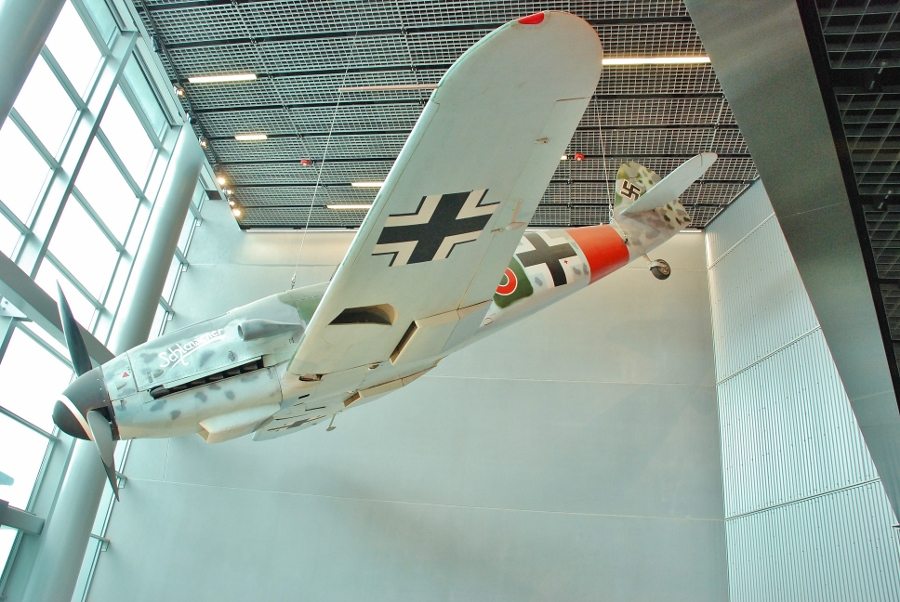
Between 11 and 13 February 1942, 250 Messerschmitt Bf 109 and Focke Wulf Fw 190 fighters, 30 Messerschmitt Bf 110 night fighters, and assorted support aircraft participated in Operation Thunderbolt, the German Luftwaffe’s aerial coverage of the battlecruisers Scharnhorst and Gneisenau and heavy cruiser Prinz Eugen as they made the Channel Dash (Operation Cerberus) from Brest, France, to Wilhelmshaven, Germany via the Bay of Biscay, the English Channel and the Straits of Dover. Although the British attacked the German ships multiple times during the operation, they failed to stop the Germans from transiting the English Channel in large part due to the experienced and aggressive German pilots defending the ships.

i8YIqUDRgM3xP5w9Ey0
Scharnhorst. Image via National Archives

Keeping The Kriegsmarine at the Dock

The Channel Dash or Operation Cerberus was a German naval operation designed to move German capital ships from Brest in Brittany, France back to German ports. The ships had been under consistent attack by Royal Air Force Bomber Command and Coastal Command during their time in the French port which inflicted periodic damage to the ships, reducing their seaworthiness. Gneisenau was damaged on the evening of 6 January 1943. Between 10 December 1941 and 20 January 1942, 37 percent of all Royal Air Force Bomber Command sorties were flown against the German ships at Brest. Although they were a tacit threat to Atlantic convoys, the German ships were essentially bottled up in port. The ships were not available for Operation Rhine Exercise, during which the German battleship Bismarck was sunk in the North Atlantic. The presence of the Scharnhorst and Gneisenau might have meant an entirely different outcome for the Bismarck in that historic engagement. The Hipper-class cruiser Prinz Eugen survived the battle and arrived at Brest on 1 June 1941.

German battleship Gneisenau
Gneisenau. Image via National Archives

Hitler Hatches a Plan to Counter Nonexistent Threat

In late 1941, Adolf Hitler ordered German Navy High Command to plan an operation to return the ships to German bases in order to counter what was perceived as a possible British invasion of Norway. The short route up the English Channel was preferred to a detour around the British Isles. The Germans were counting on surprise, favorable (which is to say overcast and stormy) weather, a high tide that was running in the same direction as their planned movement which would increase their speed and help float their ships over known mines in the Channel, and their ability to cover the ships using the Luftwaffe.

Messerschmitt Bf 109E4 Stab JG26 Adolf Galland WNr 5819 gets ready for flight France 1940 01
Adolf Galland. Image via National Archives

Germans Planned to Jam Radio and Radar

Luftwaffe General Adolf Galland was given command of Operation Thunderbolt. The Germans actually mobilized some training units to make up for many of their fighters being diverted from the Soviet Union for the operation. The Germans planned to jam British radio-telephone frequencies and coastal radar. Dornier Do 217s were to be used to fly electronic deception missions to divert British aircraft. This is one of the earliest examples of aerial electronic deception operations. The Germans were also prepared to use Ju 88 and He 111 bombers against RAF bases in southwestern England, to drop radar-confusing chaff, and to attack any British naval forces attempting to intercept the Brest Group.

German Cruiser Prinz Eugen
Prinz Eugen. Image via National Archives

For the Rest of the Story Bang NEXT PAGE Below

An Interview With a Pilot’s Pilot: CDR Jack D. Woodul USNR, AKA Youthly Puresome

0

He Has Over 30,000 Flying Hours in the A-4, A-7, F-4, F-8, a Variety of Airliners and More. That’s More Than 3.4 Years in the Air!

Commander Jack D. Woodul USNR (Retired), perhaps better if not more widely known as Youthly Puresome, has regaled us with his tales of Naval Aviators and their exploits for many years. “The Further Adventures of Youthly Puresome” series of stories led to an Outstanding Sea Story award by Fighter Squadron 201 in 1988; the 1994 Hook Magazine Contributor of the Year award; and a 1998 Tailhook Association Lifetime Achievement Award. Commander Woodul didn’t write these stories to win awards. He wrote them because they were stories that should not simply pass into memory. They are stories that needed to be told. They are stories that should be enjoyed. And there is no story teller quite like Jack Woodul. He is quite literally a National treasure.

Aircraft launching for strike from USS Independence CVA 62 1965
US Navy photo

Growing Up Texan

Jack D. Woodul was born in Portales, New Mexico, on October 19th, 1940. His father, Parker A. Woodul, graduated from Texas A&M University with a degree in Farm and Ranch Management in 1934. Parker was a vocational agriculture teacher and a WWII combat veteran, retiring as a Colonel, United States Army Reserve. Jack’s mother, Ima Maye “Bobbye” Daniels Woodul, graduated from North Texas Teacher’s College in 1934. She was a home economics teacher, ran several nursery schools, and later managed the Eastern New Mexico University bookstore in Portales, New Mexico.

Always Looking Up

Jack’s childhood was in many ways similar to kids who grew up during WWII. He spent time enjoyed hunting and fishing with his father. He played football and ran track. During his early childhood years he spent time in several Army camps before his father shipped out, and lived in Grand Prairie, Texas while his father was overseas. After his father returned from combat in Italy, the family settled in Portales, New Mexico, where his father took up teaching again.

T 34C 1a
US Navy photo

“That’s Just What Men Did”

Jack’s transition to military service seemed entirely natural. Says Jack, “All the adult males I knew were in the service. I grew up thinking that’s just what men did.”

In the Pipeline

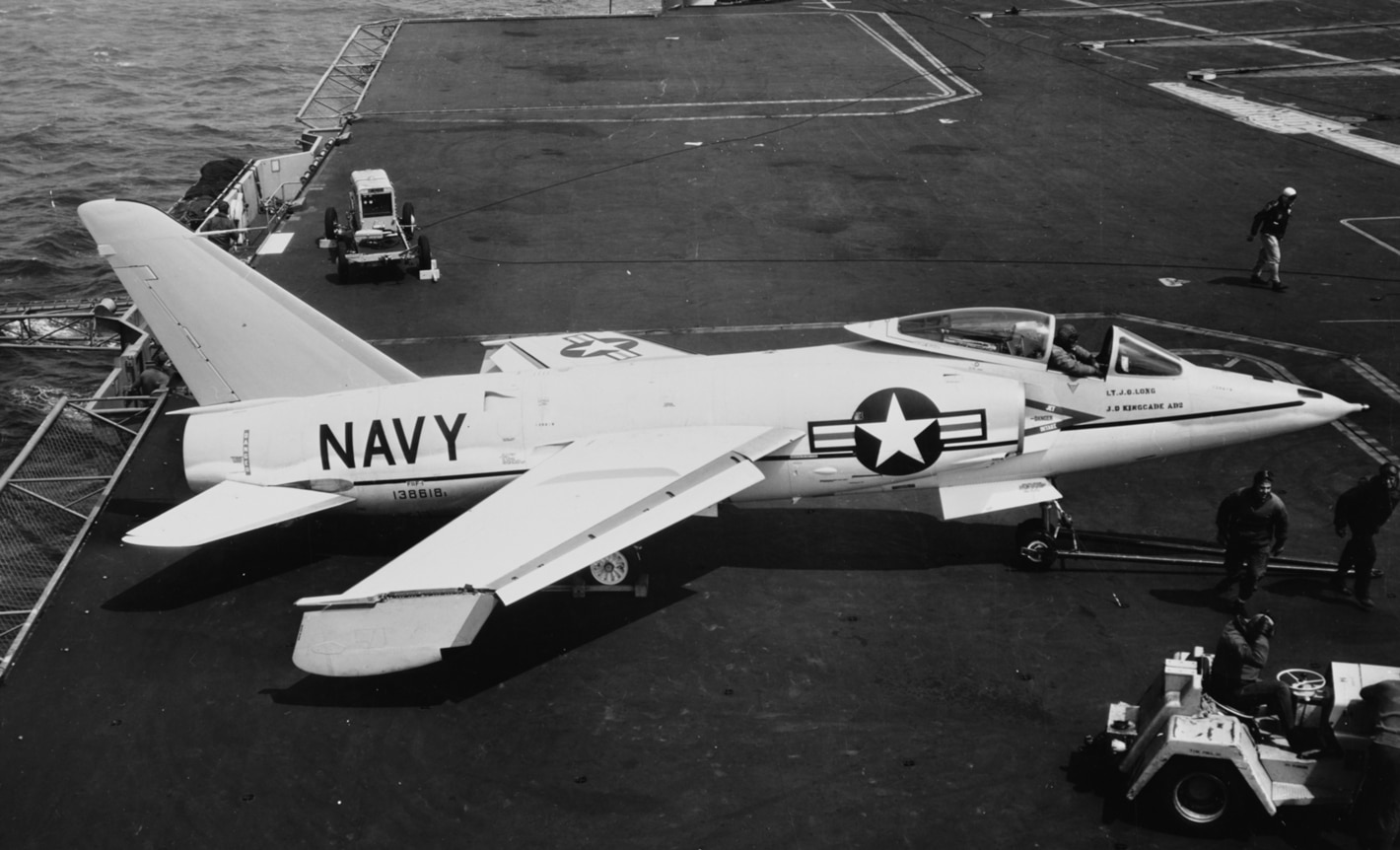
YP attended the University of New Mexico in the Navy ROTC program, during which time the Navy bought him his private pilot’s license under the Flight Indoctrination Program. Jack was commissioned as an Ensign in February 1963, and started preflight training at NAS Pensacola in March 1963. Like so many of his contemporaries, during his primary flight training Ensign Woodul flew Beechcraft T-34 Mentors. Jack then transitioned to the North American T-28 Trojan at NAS Saufley Field for his basic flight training. At NAS Beeville, Jack did his advanced training syllabus in F9F Panthers, TF-9J Cougars, and Grumman F-11F Tiger aircraft. Jack earned his Naval Aviator wings in June 1964.

jac7
Ensign Y. Puresome’s obligatory Saufley Field Basic Flight Training portrait. Photo courtesy Jack Woodul

On to the interview!

BW: Commander, thank you so much for taking time to do this interview with me. I think the readers will enjoy it immensely. Having covered your training already, can you tell us about your time as a fleet aviator?

YP: I began with A-4 Skyhawk RAG (Replacement Air Group) training at VA-43, NAS Oceana. I was assigned to VA-86 Sidewinders in February 1965, flying A-4Es. My first deployment was a WESTPAC as part of Air Wing Seven aboard USS Independence, CVA-62, from May 1965 to December 1965. My next deployment was again on Independence, and again with Air Wing Seven, but to the Mediterranean this time, from June 1966 to February 1967. I was then ordered to VA-44, at that time the only East Coast A-4 RAG, as an instructor pilot in February 1967. I got checked out in the A-7A Corsair II, courtesy of VA-86, who had recently transitioned to that airplane. I also went through ground school on the F-8 Crusader. I was separated from active duty in December 1967.

jack8
His Saltiness, LT Puresome as a RAG instructor with VA-44. Photo courtesy Jack Woodul.

BW: After your active duty you were a reservist for many years. Tell us about those years.

YP: I had a pilot slot at the Crusader squadron at NAS Atlanta (VF-672). I separated from active duty on a Friday, hand carried my orders to NAS Atlanta, and drilled with VF-672 that weekend. I got checked out in the Crusader while I was going to Delta Air Lines DC-6 Flight Engineer School. I was assigned to the Delta Air Lines Base in Dallas, and we lived in the Dallas-Fort Worth area for 37 years. I had a flying slot at VF-701 (later VF-201) at NAS Dallas, flying Crusaders. I flew various models of the F-8 for about ten years. Then I transitioned to the F-4N Phantom II. I retired from the reserves in 1983.

jack9
Delta Airlines pilots in the Navy Reserve. LCDR Puresome, kneeling, second from left. Photo courtesy Jack Woodul.

For More of the Youthly Puresome Interview bang NEXT PAGE below.

WATCH: Towing an Aerial Banner Is Not for the Faint of Heart

Its a Cross Between Landing on a Carrier Deck and Landing Uphill- Then Lots of SLOW Flight

You’ve seen them before; when you were at the beach, at a game, on the water, or just driving around running errands. Aerial banners have been observed from the ground for about 70 years. A pilot towing one of these banners needs to perform some precision maneuvers just to pick the banner up.

Once the banner is in tow, the tow aircraft is flown very slowly to maximize the exposure of the banner message. As any pilot will tell you, slow flight requires a fine balance between aircraft power settings, wind direction and speed, AOA, and flap settings. And that’s all before the pilot drops the banner off at the end of the flight!

The video was originally uploaded by Dez Rosswess.

[youtube id=”IyknDuliDFA” width=”800″ height=”454″ position=”left”]

The Pawnee Might Be Slow but It’s Ugly

The aircraft in the video, a Piper PA-25 Pawnee, is an ideal platform for aerial banner towing. The Pawnee has plenty of power, good slow flight handling characteristics, excellent outward visibility for the pilot, and low stall speed.

Also used for crop dusting and glider towing among other utilitarian tasks, the Pawnee is exceedingly not fast (VNE is 107 KIAS), but its low stall speed (53 KIAS) allows it to pick up aerial banners without damaging them and drop them off with relative precision.

Piper pawnee pa25 glider towing at kemble arp
Piper PA-25 Pawnee banner towing aircraft. image via adrian pingstone

Other Tow-Worthy Banner Pullers

Other aircraft used for towing include Stearmans (in the old days anway), Cubs and Super Cubs, Citabrias, and Cessnas. While aerial banner advertising may not be as prevalent today as it was in the 20th century due to airspace restrictions and regulations, there are still plenty of companies ready and willing to pull your message across the sky behind an airplane.

IMG 9739 1200 Boomer Aviation
tow plane climbs with banner about to be grabbed. image via Boomer Aviation

If at First You Don’t Pick the Banner Up…

In the video the pilot misses the first attempt at pickup but nails the second try. Flying in Europe out of Breda International (EHSE), there is a fairly strong crosswind component to deal with.

The ground crew directs the approach to the pickup using paddles reminiscent of the type used by old-school US Navy landing signal officers.

Banner towing panoramio Alistair Cunningham
six banner ad campaign. image via alistair cunningham

Who Needs a Norden Bombsight?

The banner, advertising a local bookkeeping concern, is dropped off using similar signals from the ground. The pilot appears to have dropped the banner right on target.

Notice how slowly the pilot is flying when the banner is dropped off! Once the tow pilot turns to enter the pattern, a Robin R2160D commences takeoff on the active.

BONUS Video

Here’s a pilot’s perspective of the entire process. This’ll get your attention! Thanks to YouTuber RevMatch26 for uploading it.

[youtube id=”C6YGJ-dHnVk” width=”800″ height=”454″ position=”left”]

One Of The Air Force’s Newest Majors Will Fly Over The Super Bowl Today As Thunderbird #2

0

He had the best promotion ceremony ever!

Promotion ceremonies are always special.  It is a moment to reflect on the awesome responsibility of being a commissioned officer or enlisted member of our armed services.  Most ceremonies are pretty plain vanilla.  They are held in an auditorium or in front of an office.  Occasionally they are held in a hangar in front of jets or even downrange when one takes place during a deployment.

We’re pretty sure that Major Select Ryan Bodenheimer of Thunderbird #2 had the best promotion ceremony ever. While flying in formation in his Thunderbird F-16 jet, Major Bodenheimer’s boss (aka Thunderbird #1) provided a few kind words over the radio then promoted him. Major Bodenheimer solemnly repeated the oath while flying in precise formation with a keen eye on Thunderbird #1.

At the conclusion of the oath, the Thunderbirds team celebrated with a ‘bon ton roulle’ formation roll. You can see the awesome video below that was originally posted to the US Air Force Thunderbirds Facebook page.

One Super Flyover: From The Blue Angels Cockpit Over The Super Bowl

0

As we get ready to celebrate Super Bowl 51, it’s a perfect day to recall some of the most epic flyovers.  One to add to the list was by the Blue Angels in Super Bowl 50.

Back on Feb 7, 2016, the weather was perfect.  Right on schedule, the Blue Angels departed from Moffett Field in Sunnyvale, CA.  After a brief hold, the demonstration team shacked a very professional flyover just as Lady Gaga finished her last note of the Star Spangled Banner.  The US Navy later released an awesome 4 minute video highlighting the flight. With a tight formation and perfect execution, the Blue Angels did their job in front of an audience that included most of the United States and much of the world.

This video is bittersweet.  Just a few months later, Captain Jeff Kuss who flew Blue Angel #6 would crash shortly after takeoff as he flew in preparation for an airshow in Tennessee.

[youtube id=”dg_-MwzLP9Q” width=”800″ height=”454″ position=”left”]

Later today, the Thunderbirds will take the the skies over Houston as they perform the flyover for Super Bowl 51 at NRG Stadium.  Take a moment to appreciate the sheer difficulty of those pilots as the make a very performance (that includes a challenging timing exercise) appear routine.

Note: Photo By Steve Jurvetson (Flickr) [CC BY 2.0 (http://creativecommons.org/licenses/by/2.0)], via Wikimedia Commons

[shopify embed_type=”product” shop=”custom-model-planes.myshopify.com” product_handle=”blue-angels-collection-1-72-scale-mahogany-models” show=”all”]

Broken Arrow: The Nuclear Bomb That Was Lost And Never Found

The Tybee Bomb Has Resisted All Efforts to Locate It. So Far.

On February 5, 1958 a United States Air Force Boeing B-47E Stratojet, 51-2349A, callsign Ivory 2 of the 19th Bomb Wing flying out of Homestead AFB, Florida collided at approximately 0200 local time with USAF North American F-86L Sabre, 52-10108 of the 444th Fighter-Interceptor Squadron, Charleston AFB, South Carolina. The two aircraft were flying a simulated combat mission near Sylvania, Georgia. The B-47 had been flying at 38,000 feet when the collision occurred.

332d Fighter Interceptor Squadron North American F 86D 45 NA Sabre 52 3901

Atomic Bomb Jettisoned to Save the B-47 Crew

USAF Major Howard Robinson, the pilot of the B-47, lost control of the aircraft after the collision and it lost roughly 18,000 feet of altitude before control was regained. The bomber sustained heavy damage to its right wing and right outboard engine. To ensure the 7,600 pound bomb would not detonate in the event of a crash while attempting what was sure to be a difficult landing, the B-47E jettisoned its unarmed Mark 15, Mod 0 nuclear bomb training weapon casing, No. 47782, from 7,200 feet over Wassaw Sound off Tybee Beach, Georgia.

This image has an empty alt attribute; its file name is 22d_Bombardment_Wing_Boeing_B-47E-55-BW_Stratojet_51-2394.jpg
Image via National Museum of the US Air Force

Some Impressive Flying

Major (later Colonel) Richardson was awarded the Distinguished Flying Cross for his skill in bringing the heavily damaged B-47 back and landing it without incident. So the B-47 crew, Richardson along with co-pilot 1st Lieutenant Bob Lagerstrom and radar navigator Captain Leland Woolard, landed and the F-86 pilot survived his parachute landing. All’s well that ends well but the story wasn’t over. In fact it’s still not over. The bomb was never recovered!

Tybee Bomb B 47 crew Howard Richardson Bob Lagerstrom and Leland Woolard
Left to right Maj Richardson, 1LT Lagerstrom, and CAPT Woolard. image via us air force

Searching for Decades Without a Trace

Beginning the next day, February 6, the Air Force and Navy began an exhaustive search of the entire area for the missing thermonuclear device. They searched Wassaw Sound for more than two months without finding the bomb. Since then there have been hundreds of attempts to find the weapon via live dives, sonar, magnetic anomaly detection (MAD), and remotely piloted underwater vehicles and drones. No joy!

This image has an empty alt attribute; its file name is 75429680_10215147828480356_5782963311314206720_o.jpg
Image via National Museum of the US Air Force

The Likely Story…and a Fake One Too

According to the Department of Energy, the device is most likely buried under several feet of bottom silt somewhere under the waters of Wassaw Sound. Studies of radioactivity in the area and aquifiers associated with the region have found no credible evidence of abnormal radioactivity. A fake news website reported (in error) that the device had been found “by Canadian scuba divers on vacation” in 2015.

Mk.15 nuclear bomb 2
Mk. 15 bomb. image via national archives

Conflicting Reports a Surprise?

Reports also conflict regarding the presence of the plutonium trigger in the device. The Pentagon states that the plutonium trigger was not installed in the weapon when it was jettisoned. However, in 1966 at Congressional Hearings, testimony was given that the Tybee bomb did have its plutonium trigger installed.

The Tybee bomb- truly a mystery for the 21st century!

A Captain’s Guide To Planning the Perfect Flight As A Passenger

Advice from an experience aviation professional on traveling smartly.

Many decades ago, travel by air was considered amazing. And glamorous. Fast forward into the eleventh decade of passenger air travel and it is still amazing, but not quite so glamorous. That is unless you are riding first class on an Emirates A380 from Dubai to London. And if you can afford the price of the first class suite on that airplane, you aren’t wasting your time reading airline blogs on the Internet. You have more important things to do such as restructuring a corporation or perhaps closing an important arms deal.

For the rest of us, though, air travel has become annoying, mundane, irksome, and maddening. I know this because it’s my livelihood. But not only do I get to look back on the wretched refuse as that wonderful bulletproof carbon-kevlar cockpit door swings closed with a heartwarming thump, but as a commuter, I have the dubious honor of sampling the product myself at least several times weekly. And trust me, dear reader, when I say to you that I look forward with relish to the day that I will never again have to set foot as a passenger on a commercial airliner.

I exaggerate, but only slightly, for I believe that the average airline passenger will agree that the modern airline experience is something to be simply gotten through, as opposed to enjoyed as it was in times not too distantly removed. Luckily, though, there are things that airline victims er, customers can do to make their flight at least tolerable, if not actually enjoyable. The Captain is on the case and herewith presents his indispensible guide on how to survive your airline flight!

Before You Go, Choose Wisely

You’ve done your best to avoid going at all, but your boss wants you at that conference in Atlanta, or your spouse’s sister is getting married and there’s no face-saving way to decline the wedding invitation. So you’re going. Next, you’ll have to book your flight. This will be an exercise in contrast. You must contrast the amount of pain you’re willing to inflict upon your wallet versus the pain that you’re willing to inflict upon your soul by going cheap.

If you’ve got the scratch to go first or business class, then we’re probably done here. All the major US airlines are roughly equivalent in their first class service, and you’ll have a nice wide leather seat away from the hoi polloi. Remember, though, it’s bad form to show up to the meeting or rehearsal dinner drunk from airplane wine no matter how much it might be needed. Good luck.

If first class is too dear, your next best choice in class of service is a product called “Economy Plus” as United calls it. American calls their product “Premium Economy”, and Delta’s is Delta Comfort+. This class is pretty much what just plain old “economy” used to be called before the seat pitches were jammed together to force a few more sardines into the can. You’ll get an economy seat, but the seat pitch will be suitable for a normal human being for which of course you’ll pay extra for the privilege of being able to feel your toes after landing.

Your next cheaper option will be plain ‘ol economy and at this point you may want to consider letting price guide your decision with a few caveats. Make sure to check the airlines’ baggage policy to avoid unpleasant surprise charges on your arrival at the airport. Most airlines have “unbundled” their services and will stick you with bag charges if you’re not careful. They’ve done this to avoid paying excise taxes on this new “service” as those taxes are only levied on the ticket price itself. Smart for them, expensive for you. The Captain’s advice: choose carefully how you like your pain, financial or in dignity.

How Basic Can You Get?

There is still yet another class of service that has started to appear at the top of your Expedia listing known as Basic Economy, better described as “steerage” class. This will be a rock bottom fare for a rock bottom experience. You’ll board last, won’t get to have any choice in seat assignment, and even a bag in the overhead bin will cost extra. This service was introduced to counter the competitive threat from the new ultra low cost carriers (ULCCs) such as Spirit, Frontier and Allegiant.

How basic are they? Well, no one who has flown on Spirit has ever been known to book a second flight as the service is so abysmal. Their low fares, however, ensure that the airline will remain full until such time that all Americans have flown on them once, at which time they’ll declare bankruptcy, rename themselves, repaint the airplanes, and start again. The Captain’s advice: just don’t.

Read on…The Captain Has More Great Tips on The Next Page

A P-3 Orion Turboprop at 46,000+ feet? It happened!

The Orion’s Spectacular Performance Was Proven Repeatedly By CDR Lilenthal and Crew

On February 4th 1971, Patrol Plane Commander CDR Donald H. Lilienthal, flying P-3C Orion BuNo 156512 (c/n 5506), set a world horizontal flight altitude record for the heavy turboprop class of 45,018 feet (13,721.5 meters). Lilienthal was flying from Edwards Air Force Base in California at the time. However, this was just one of several speeds, distance, time-to-climb, and altitude records Lilenthal and his crew set over a two-week period early in 1971.

7
Official US Navy photograph

Japan to Maryland. Non-Stop.

On January 22, CDR Lilienthal took off from Naval Air Station Atsugi, Japan. He and his crew then flew non-stop to Naval Air Test Center Patuxent River in Maryland- a distance of 6,857.75 miles (11,036.47 kilometers). The flight took only 15 hours and 32 minutes to complete. But…the Orion had to deviate its course to avoid foreign airspace, which lengthened the actual distance flown to 7,010 miles (11,218.5 kilometers)!

4
Official US Navy photograph

Record-Setting Flight Crew

The record-setting flight crew were: Patrol Plane Commander CDR Lilienthal, Pilot CAPT R.H. Ross, Pilot LCDR F. Howard Stoodley, Navigator LT R.T. Myers, Meteorologist CDR J.E. Koehr, Flight Engineer ADJC K.D. Frantz, and Flight Engineer AEC H.A. Statti.

5
Official US Navy photograph

Speed Records Begin to Fall

After arrival NATC Pax River, CDR Lilienthal wasted little time between record-setting flights. On January 27 CDR Lilenthal, still flying 156512, set a new record for speed over a straight 15 kilometer course of 500.89 miles per hour (806.10 kilometers per hour).

1
Official US Navy photograph

Altitude Record Falls After a “Leisurely” Transit From Pax River to Edwards

After the setting a new record for speed and already owning the record for distance, CDR Lilienthal and crew transited to Edwards Air Force Base in the high desert of California. No records were broken during the cross-county flight, but once at Edwards several more records fell. First the new horizontal flight altitude record fell on February 4. Then it was time-to-climb time.

2
Official US Navy photograph

Might As Well Set Some Time-to-Climb Records Too

On February 8, CDR Lilienthal and crew set time-to-climb records for 9,843 feet (3,000 meters) in 2 minutes 52 seconds; to 19685 feet (6,000 meters) in 5 minutes 46 seconds; to 29,528 feet (9,000 meters) in 10 minutes 26 seconds; and 39,370 feet (12,000 meters) in 19 minutes 42 seconds.

6
Official US Navy photograph

Just Keep On Climbing Baby

Not done yet, CDR Lilienthal continued climbing the Orion until it reached a world record altitude of 46,214.2 feet (14,086.1 meters). Remember readers- this is not a jet-powered aircraft. The Orion is a turboprop!

8
Official US Navy photograph

The Record-Setting Aircraft Served for 24 More Years

At the time of the record-setting flights, Orion 156512 was a standard production aircraft with minimal modifications and assigned to NATC Pax River. 156512 went on to serve for 24 years with VP-31, VP-9, VP-46, VP-65, VP-16, and VP-45 before being stored at AMARG Davis-Monthan AFB in 1995.

Edge of Your Seat: We Need To Divert!

Being a good pilot means always having a backup plan.

I don’t care if you are a VFR-only pilot on an afternoon outing or pushing back in a twin aisle airliner for an overseas leg. The very nature of aviation means that things will never go exactly as you planned, and sometimes not even close to how you planned.

This means you need a backup plan. What happens if you have a mechanical? How will you react if it happens on takeoff? What if you don’t break out on the approach? How about if your alternate weather goes down enroute? All these questions should be in the back of your mind before and during your flight. Then, should something happen that you didn’t anticipate, reacting to it is a simple matter of implementing your backup plan rather than having to take the time to come up with a new plan.

LaGuardia to Midway

We were scheduled for the first day of a three day trip to fly a round trip from Chicago’s Midway Airport to New York’s LaGuardia and then back east to Newark’s Liberty Airport for the overnight. The trip from Chicago to New York had been uneventful and we even landed early due to a strong tailwind of about 100 knots.

The departure weather at LaGuardia was VFR and we departed at about 1705 local (2205Z) without much delay at all, which was especially good for any New York airport. The forecast for Midway, issued at 1729Z was IFR with low ceilings and visibilities forecast:

TAF KMDW 161729Z 1618/1718 10006KT 1SM -SHRA BR OVC004 FM170100 10012KT 1SM SHRA BR OVC003 TEMPO 1703/1705 1/2SM TSRA FG OVC003CB FM170600 VRB03KT3/4SM -RADZ BR OVC003 TEMPO 1706/1710 1/2SM FG FM171300 24010KT 2SM BR VCSHOVC005 FM171600 27008KT P6SM VCSH OVC006=

A quick translation of this forecast shows that the visibility was forecast to be one mile with rain showers and a ceiling of 400 ft for our arrival.

Even though there was a “TEMPO”  or “temporary conditions” line in the forecast for 1/2 mile visibilities, this was not due to happen until 0300Z on the 17th, or a few hours after our arrival. Chicago is six hours behind Zulu (GMT) time which means Zulu midnight is at 6:00 PM in Chicago. We were, however, still required to have an alternate, and had Louisville (SDF) declared on our release.

Midway has five runways forming a cross pattern but only two strips of pavement are suitable for air carrier operations, 31C/13C and 22L/04R. They were landing runway 4R for our arrival. That runway is served by an ILS with minimums of 5000 ft. or 1 mile.

The METAR, or current observation for our arrival showed a 300 ft. ceiling with a visibility of 6000 ft. Piece of cake, we thought. The decision altitude (DA) for our runway was 250 ft. height above touchdown (HAT) and the visibility was a good 2000 ft. above what we needed.

METAR KMDW 162253Z 09006KT 1SM R31C/P6000FT -RA BR OVC003 02/02 A3005 RMK AO2 SLP184 P0001 T00220017=

This translates as prevailing visibility of one mile with a specific runway visibility of 6000 ft and a ceiling of 300 feet.

My first officer was flying the approach and was highly experienced, so I had no reservations about letting him fly this approach. So as we were being vectored to final, we heard approach mention that the visibility was being reported as 4500 ft. I then said that we needed 5000 ft. to begin the approach after which approach quickly revised the report. We were alerted though to expect an approach right to minimums.

The next thing we heard after switching to tower was the aircraft in front of us announcing a go-around. Now we really knew that it would be close. An old technique of mine is to run my chair forward so as to be able to see over the nose. If we could pick up approach or runway lights, we’d be cleared to descend for landing and doing this helps. One small problem is that runway 4R at Midway has no approach lights, only runway end identifier lights and a precision approach path indicator (PAPI). Great.

Go Around!

Well, we got down to minimums and I announced “minimums”. There was nothing in sight at all. My first officer announced “go-around”, hit the takeoff/go around (TOGA) button, pushed the throttles up, and around we went. Here is where it got busy.

We get the airplane away from the ground, cleaned up and on a downwind vector and then we have some decisions to make. Is the weather persistently bad or was that just a passing cloud? Do we have gas for another try? Is my declared alternate the best choice and what’s the weather there?

Right away I saw that the first question was moot because we didn’t have enough gas for another try. I had just under 8000 lbs., and the burn to my alternate, Louisville, was about 3000 lbs., enough to get us there comfortably, but none to try again. So on downwind we told approach that we needed to divert. They gave us a climb and handed us off to center. Center gave us a vector direct to Louisville, which was VFR.

Louisville may seem like a rather distant alternate, but there was most likely some method to their madness when dispatch filed this flight plan. When a busy hub airport like Midway goes below minimums, chaos breaks out everywhere. Dozens of airplanes might be looking for alternates at the same time. One of the closest and most obvious alternates is Indianapolis, but they can be quickly overwhelmed with diverting airplanes in a short amount of time. So dispatch tries to spread out the pain of multiple diversions to other airports depending on the weather. Tonight Louisville and Milwaukee drew the short straws.

IMG 0060

Get In Line

The approach and landing in Louisville were normal. We were then directed to an unused runway where we sat until there was a gate available. All the gates were full and there was one airplane in line in front of us, so we waited for about an hour until we could park. The agent already had our paperwork for the trip back to Chicago. The weather had come up some and should’ve been good for our return. Midway was now landing on runway 31C which had a 4000 ft. minimum visibility as well.

We signed the release, got our gas, and pushed back. The flight back to Chicago was also uneventful, at least until we got to minimums on the ILS to 31C. It was now my leg. We briefed and flew the approach pretty much the same way we had a few hours earlier. When my first officer says “minimums”, I didn’t see anything. I thought “here we go again”. Just as I start to push the throttles up for our second go-around of the evening, I saw the runway. I pulled the throttles back and we landed well within the landing zone and taxied to the gate.

Pulled (and Paid)

All in a day’s work, right? Now we’ve got maybe 30 minutes to find some dinner and to get the airplane turned around for our delayed, but final leg of the evening to Newark. As I step out into the jet way, I see a pilot friend of mine. I ask him if he’s deadheading to Newark but he says no, he’s working the flight. I said that can’t be because I’m working the flight. A quick check of the paperwork shows that indeed, he is flying the next leg. So I go back to the cockpit to gather my gear and then check the computer when I’m back in the terminal.

Sure enough, I’ve been tagged by Part 117, our new flight time regulation. With all the excitement, I’ve racked up seven hours and eighteen minutes of block time. With the Newark leg forecast to be about two hours, this put me over the maximum flight hours by about 20 minutes, hence I was illegal to operate the flight. Scheduling was nice enough to find me a hotel room in Chicago thus saving me a rain-soaked trek to my crash pad. It is honestly the little things that count.

Be Ready

The next day I am rerouted to a different city than my originally planned trip but it pays the same so there’s no harm. All in all, it was just another routine divert and reposition. And the reason that I use the word “routine” is because I was ready for the weather to go down. Diverting is a headache, sure, but at no point was I “uncomfortable” with how things were happening.

We were both well trained and prepared, and were flying a well-functioning and reliable airplane. Things won’t always go how you might have planned, but that is never any reason to be caught by surprise.

Captain Rob Graves is a veteran airline pilot and retired Air Force officer. He currently flies a Boeing 737 for a major American airline where he has over 25 years of experience. His Air Force career included flying the T-37 primary trainer, the KC-135 Stratotanker, and the C-5 Galaxy cargo aircraft for worldwide operations. He is the author of This is Your Captain Speaking, an aviation blog. It can be found at robertgraves.com. We’re proud to have him on our Avgeekery.com team. 

Then There Was the Time I Saw a C-5 Do the Splits

The C-5 Galaxy is a magnificent airplane. I flew this amazing machine for over a decade and many thousands of hours between the years of 1991 and 2003 while a member of the 312th Airlift Squadron at Travis AFB near San Francisco. And while the airplane has some amazing capabilities, she would occasionally break in really creative ways. What follows is the story of one of those times.

The grandiosity of this airplane is difficult to convey in both word and picture; she must be seen in person to be fully believed. I still recall my first flight aboard a C-5 as a student at Altus AFB. It was difficult to get my head around the thought that the thing actually moved when we taxied out of parking, let alone flew. And yet fly she did.

She was a pleasure to fly. One of the design engineers at Lockheed must have at some point taken his father’s Cadillac Brougham out for a joyride because that is an apt description of her ride. She was big, but with full time three axis flight augmentation, she was lighter on the controls than a 737. She was equally agile on the ground with the ability to execute a 180 degree turn on a 150 foot wide runway (using 147 feet, according to the flight manual). This fun fact ties in to our story.

The Elegance of Simplicity Never Applied to the C-5

The size of this aircraft presented many new and unique challenges to her builders, the Lockheed Corporation. As an aside, the Boeing Corporation, losers of the original competition to build the CX-HLS heavy lifter back in the sixties, went on to use the resources gathered for that project to build the 747. Lockheed, the winner of the contract, was faced with the problem of creating a drive on drive off airlifter with a footprint capable of operations on soft field forward operating locations.

The solution was to employ four main landing gear accommodating six tires each for a total of 24 main landing gear tires. A four tire nose gear brought the total to 28. Spreading the maximum 840,000 lb weight of the aircraft over 28 tires was expected to allow operations on fields having less weight bearing capacity or thinner pavement. It wouldn’t break up the concrete or sink into the mud. C-5s even land on ice in Antarctica due to this soft footprint.

The four landing gear however, arranged in a tandem, or two by two, presented another problem: turning. Getting the airplane turned around in as short a radius as possible meant that the gear would scrub furiously in the turn. Anyone who’s ever pulled a tandem wheel trailer around a tight corner has experienced this. The solution is the same as that used on those large carts at your local big box store. Just make the rear wheels caster or turn.

So that is how the airplane was designed. When going into a turn, the pilot in the left seat would throw a switch on the center console which released hydraulic pressure from the rear main gear allowing them to caster like a shopping cart wheel. When steering out of a turn, he or she would then return the switch which would apply pressure to drive the gear back into alignment. The copilot was charged with keeping an eye on gauges indicating the caster angle to ensure the gear were powering back to their aligned position when coming out of the turn. Rube Goldberg would have been proud.

The Ghost in This Machine is Named Murphy

The date was July 8, 1999 and the place was Kadena Air Base, Okinawa, Japan. We were on a WestPac “channel” mission. That meant a routine five or six day jaunt around the Pacific Rim moving opportunistic cargo and household baggage from reassigned military families. The purpose of this type of mission was ostensibly for training, so what was carried was not of real import. Many times, in fact, there might be a FedEx or UPS plane shadowing our route carrying stuff that was actually important. The C-5 was voluminous, but alas not too reliable as we shall see.

Though I don’t recall exact numbers, we probably had a cabin load of perhaps 150,000 lbs. and a fuel load of perhaps 225,000 lbs. for a takeoff gross weight of about 750,000 lbs. Our destination was Elmendorf AFB in Anchorage, Alaska, a distance of 4400 miles, so we were somewhat heavy. It was an entirely routine mission planned for perhaps eight or nine hours depending on the winds.

I was in the jump seat for takeoff as we were an augmented crew with three pilots. Being augmented meant that our crew duty day could be stretched to 24 hours if need be. Engine start was normal as was taxi out of parking down the parallel taxiway. It was on the turn from the parallel taxiway and onto the hammerhead that we encountered a bit of bother.

As per normal, when the pilot started the turn, he reached over and flipped the red guarded caster power-back switch to the caster position and stated “caster” on the interphone. And as we came out of the turn, the pilot returned the switch to its original position which should have driven the gear back into alignment.

This didn’t happen. Coming out of the turn, the C-5 chugged a little bit and came to a halt. What this normally meant was that one of the gear lagged a bit while powering back to the center position. And sure enough, that is what the right rear gear indicator showed. It was out of alignment by perhaps 20 degrees.

This meant that the gear did not automatically return to alignment. The approved fix was to roll the airplane forward a bit while the copilot manually commanded the gear to center using the manual power-back switches. The airplane had to be moving for this to work. So that’s what we did…or tried to do.

At first the C-5 wouldn’t move, so the only solution which presented itself was to add more power. A lot more power. The pilot pushed up the throttles further and eventually the airplane did move, but not willingly. She was bucking like a bronco and the errant gear was still not moving to center.

After about as much of this as we could stand, we stopped the airplane and deplaned one of our engineers to take a look. What we heard next on the interphone told us that something was amiss. “Holy $#!%…You have GOT to see this!!” or something to that effect. It was at this point that we realized that we were probably not going to go flying that day.

c5picture
The author in front of the stricken plane.

How Did It Get Like That?

The engines were shut down, maintenance was called, and I climbed down the two stories from the cockpit to take a look myself. What I saw amazed me and reinforced my belief that Lockheed built one tough airplane.

The reason the C-5 didn’t want to roll was not because the gear had failed to return to center. It had. But it hadn’t stopped at the center position. A failure of the caster power-back valve allowed the gear to not only center from the left but to keep on going in the opposite direction to the right. The airplane was trying to roll straight ahead but the right rear gear wanted to go right and was being drug. There were thick black rubber marks trailing behind as it was drug at a sideways angle while supporting over 100,000 lbs. of weight.

But the most remarkable sight was that of the gear strut. This piece of metal which supports the six tire gear truck is perhaps several feet in diameter, and it was bent at a very unmistakable angle away from its partner on the front gear. I was amazed that the supporting structure had even held together as it must have been under thousands of pounds of sideways pressure. It seemed a sure bet that some sort of internal damage must have occurred.

Well, the maintenance guys disagreed. Apparently this was no big deal, at least from a structural point of view. The fix was even easier. The C-5 has the capability to “kneel” down which means it can be lowered on its struts so vehicles can drive on and off. What is even more convenient is that each individual gear truck can be “kneeled” by itself meaning that it will lift off the ground while the other three main gear support the aircraft. Very handy for tire changes.

So the maintenance guys merely kneeled the errant gear as the entire airplane creaked and groaned while coming back into alignment. The bad valve was replaced, and the next day we were on our way back home with the added bonus of an extra day on beautiful tropical Okinawa, and an extra day of per diem to boot!

[shopify embed_type=”product” shop=”custom-model-planes.myshopify.com” product_handle=”c-5a-b-galaxy-customized-model-airplane” show=”all”]

We Already Know Pilots Are Rockstars But Did You Know There Are A Few Pilot Rockstars?

Rockstar. Captain of the industry, and Pilot:  What do these three roles have in common?

 In this case, they are the same man.  Bruce Dickinson is the lead vocalist for the metal band Iron Maiden, chairman of an international aviation development firm, and an airline pilot with experience ranging from single engine to the biggest grand-daddy of them all the 747.

Last year Bruce decided to get the band back together in the back of a 747 and take the act all over the world.

VOCALIST BRUCE DICKINSON TO CAPTAIN AND PILOT A BOEING 747-400 JUMBO JET TO PLAY IN SIX OF THE SEVEN CONTINENTS TRAVELLING OVER 55,000 MILES (88,500km) AROUND THE GLOBE

Bruce didn’t break crew rest and flew the majority of the journeys even the band’s tour schedule was, “Tailored to provide the rest time required by international regulations between each flight.”

Iron Maiden the first band ever to pack their entire show of 12 tons of lighting/sound equipment, instruments, and tour personnel all into one aircraft.  Their lead singer is also a licensed 747 pilot and he does the flying. 

“Ed Force One”

The Aircraft is aptly named “Ed Force One” after the band’s iconic mascot “Eddie” who has adorned all their cover art and makes his appearance at key points during their show.  The 2016 Tour just ended and the Maiden 747-400 travelled to locations all over the world: Mexico, El Salvador, Costa Rica, Argentina, Chile, Brazil, South Africa, Australia, New Zealand, Europe, Canada and the U.S.A. When it was parked on the ground at Seattle-Tacoma International, I could get close enough to get a look at it.

Grounded in Santiago

During the tour a towing accident with an aircraft tug seriously injured two people and crippled the “ed force one” 747 by damaging 2 of its engines.  8 days later after pulling off an international scavenger hunt for replacement parts and engaging in an international logistical marathon the maintenance crew was able to successfully replace two engines and make all the required repairs to make “ed force one” fully operational.  The aircraft was launched from Santiago and rejoined the band for the remainder of the tour.

IronMaiden747
Photo by: Iron Maiden

Airline in a Box

Bruce is also an experienced airline pilot who has been flying for years out of the U.K. with British World Airlines (now defunct) and Astraeus Airlines where he flew air charter service on the Boeing 737 and Boeing 757.  More recently he has taken interest in the airline service provider Cardiff Aviation based at St. Athan U.K.  As Chairman, he has positioned Cardiff Aviation to be a leader in the pilot development & training with two 747 sims and the Sikorsky S61 helicopter. 

The company also provides MRO – aircraft Maintenance, Repair & Overhaul services and aircraft leasing solutions to multiple operators.  But the service that may set them apart is the, “Airline in a box.” This service is aimed at corporations and international governments seeking to reduce the traditional costs and risks of establishing an airline.  Bruce says, “Airline-in-a-box is exactly what it sounds like – we carry out everything you need to establish operations to create an airline accredited under EASA safety standards, and all you have to do is pick the name and sell the tickets.” The proof of concept was demonstrated with the establishment of Air Djibouti in Aug 2016.  The welcome ceremony was held with much fanfare at Djibouti International and Bruce personally delivered their first B-737 . 

Bruce Dickinson, Rockstar. Captain of the industry. Pilot.  Dare we add another, “Avgeek.”

United To Accelerate Retirement Of Iconic Jet

It’s a Sight You Won’t See Much Longer

The Queen of The Skies won’t be around much longer at United Airlines. United announced today that their fleet of 747-400s would be retired in the fourth quarter on 2017.  United had previously planned to retire the fleet by the end of 2018.

The move in the retirement date isn’t completely unexpected.  The 747-400 fleet is fast becoming elderly and has significantly higher operating expenses than their expanding 787-9 and 777-300ER fleet. In a statement, United explained their rationale for early retirement of the Queen:

This jumbo jet with its unmistakable silhouette once represented the state-of-the-art in air travel. Today, there are more fuel-efficient, cost-effective and reliable widebody aircraft that provide an updated inflight experience for our customers traveling on long-haul flights.

united787
United will replace the 747 fleet with a mix of 777-300ER, 787-9 and A350s.

United did announce that they will plan a special farewell for the 747 fleet:

…we’ll honor the 747 with an unforgettable retirement celebration — we’ll keep you posted with more details on her final flight in the months ahead.

The era of US airlines operating the 747-400 is quickly drawing to a close. The announcement of United’s 747’s accelerated fleet retirement along with Delta Air Lines’ planned retirement means that no major US airline will fly a 747 in their fleet for the first time since the iconic jet debuted in 1969.  Your best chance to fly on a 747 will be to fly on a foreign carrier’s 747 or hop a charter flight on one of the 747-400s in Atlas Air’s fleet.

[youtube id=”FmyPAos1Ap0″ width=”800″ height=”454″ position=”left”]

I’m a Pilot. I Feel OK But I Still Called In Sick

A pilot who is just a little ‘under the weather’ isn’t someone you want at the controls.

To be fair, I really do have a bit of a cold. It started the day before my trip with some sneezing and a headache. It’s really nothing most workers would consider staying home for. A daytime Theraflu has got me feeling almost fine, but I still didn’t go to work. Instead, I called scheduling to get myself pulled off my trip and replaced. Now I’ve got some extra time to write a blog post. Am I lazy or is this a good call?

You Don’t Want Me Flying Your Plane

Though it may sound like I’m milking the system, trust me when I say that you do not want me anywhere near your airplane for a number of reasons. The first, obviously, is that I’m not 100%. Flying places enough physiological stress on a body as it is. Disrupted circadian rhythms, fatigue, dodgy airport food, and dehydration from hours in dry airplane air can all contribute to a degradation of the alertness which is needed to operate an airliner.

Throw in additional stressors such as congestion, or a headache and effectiveness in the cockpit can drop precipitously. My experience has been that no matter how you feel while sitting in your kitchen, you will always feel worse on an airplane, medically speaking. A bit of an itchy nose is guaranteed to become a non-stop sneezing fit on the airplane. So if I’m feeling a bit off at home, I don’t go in.

Almost as important as the underlying illness, the drugs taken to combat the symptoms of a cold or flu are themselves disqualifying for operating a commercial airliner. The FAA does not publish a list of medicines which pilots are allowed to take while operating an airliner, but would rather have each individual pilot with a medical complaint be evaluated by a doctor. Then a determination should be made as to whether the pilot should be flying with that medication. Some common ones are approved, while others are not.

For simple ailments such as a cold or the flu, pilots are expected to remove themselves from flying until they feel fit to fly. As far as the over the counter drugs for a cold are concerned, the FAA recommends a wait of five times the recommended dosing interval. This means that if the directions suggest a certain dose of say every six hours, a pilot should wait five times that, or 30 hours before operating an aircraft.

Pilots and Doctors: An Uneasy Relationship

All pilots, whether civilian or military, need the approval of a doctor to be able to fly. But because doctors can ground pilots, this means that pilots are never too comfortable around doctors. Airline copilots or first officers in the US are required to get an annual FAA Class II medical exam. Captains and international pilots need to have an FAA Class I medical exam every six months. All airline pilots require a Class I medical after age 60 and an electrocardiogram is required annually after age 40.

The idea here is to catch any sort of medical problem before it manifests itself while the pilot is behind the controls. If something should be found that is disqualifying, such as say complete color blindness, there isn’t much that a pilot can do. For many other ailments, however, a pilot can appeal their case to the FAA’s Office of Aerospace Medicine for the issuance of a waiver, otherwise known as a Special Issuance.

In this case, a pilot would be able to continue to fly using a “Statement of Demonstrated Ability” which means that whatever ailment they have is considered to be static or non progressive. In plain speak this means it is not getting worse nor affecting the ability to fly.

The unease which pilots have around doctors stems from the perception of misaligned incentives. If something during a flight physical is found to be in a grey area, the pilot will naturally want to keep flying, while the doctor would rather err on the side of keeping the pilot grounded. There is good reason for this as the doctor could be held responsible for missing something which causes trouble later. Here’s the text from the FAA’s guide for aviation medical examiners (AMEs):

The consequences of a negligent or wrongful certification, which would permit an unqualified person to take the controls of an aircraft, can be serious for the public, for the Government, and for the Examiner. If the examination is cursory and the Examiner fails to find a disqualifying defect that should have been discovered in the course of a thorough and careful examination, a safety hazard may be created and the Examiner may bear the responsibility for the results of such action.

So of course this makes pilots naturally wary about reporting every little ache and pain during their flight physical. They don’t want to lose their livelihood for what they might perceive as overreach on the part of an overly cautious doctor. Pilots also tend toward stoicism as a general rule, so keeping quite about a random ache, especially when it might ground them, suits them just fine.

A Flight Doc and a Real Doc

Most aviation medical examiners, or flight docs, do not work for the FAA. They are usually physicians in private practice who have volunteered and are designated and trained by the FAA to perform flight physicals. It seems to be a somewhat lucrative practice as the physical itself usually takes about a half hour with about ten minutes of that time actually being spent with the doctor. The cost is around $150 cash as many AMEs do not take insurance. I even know of some AMEs who have shut their general medicine practices and now perform only FAA physicals.

Of course it is now generally recognized that avoiding the doctor is not really a good long term health care strategy. Pilots (begrudgingly) accept this as well, but rather than confessing all their health issues to their AME, they engage another or “real” doctor to check things that aren’t included in the FAA medical exam. This might include things like a prostate exam or perhaps a closer look at a discolored mole.

Truth be told, the AMEs I’ve seen over the years have never seemed too thrilled to have these sorts of ancillary medical issues raised in an FAA examination. The idea is to check the things on the FAA list, collect their fee, and usher in the next pilot. They get it. Should a complaint which is ancillary to the flight physical be investigated and found to be nothing by the non-FAA doc, all the paperwork of having to deal with the FAA bureaucracy is also conveniently avoided. In fact, in the competition between AMEs, the word quickly gets out on the street about which docs just check the essentials and which ones are “tougher”.

So do I mean to suggest that pilots or flight docs are somehow “cheating” the system? Absolutely not. Should a serious issue be found by a non-FAA doc, pilots are legally obligated to inform their AMEs of all medical care other than routine physicals, so even the FAA recognizes that their own exams are not all encompassing. It is the false alarms and paperwork that are being bypassed.

Went Peacefully

There’s an old aviation joke that goes: “When it’s my turn to go, I want to go out peacefully in my sleep like ol’ Joe…not screaming in terror like his passengers”.

Yes, macabre, but there have been a number of times that a pilot has died at the controls. The latest incident happened just over a year ago when the 57 year old captain of an American A-320 died while en-route from Phoenix to Boston. The pilot had had bypass surgery years earlier and likely suffered a heart attack even though he had been flying for years after the surgery. The first officer landed the plane without incident.

Keep ’em Flying

So even though there exists some measure of disaffection between pilots and doctors, I believe the system functions well to ensure that only healthy pilots are at the controls. For those pilots who end up with serious health issues such as heart problems, or cancer, the bureaucratic wheels at the FAA can turn slowly, but they do eventually turn and many pilots who have suffered these types of problems can get back into the cockpit once their problems have resolved.

Flying airplanes demands complete attention from alert and healthy pilots. With all the negative physiological stresses on members of this profession, having someone keep an eye on the pilot’s health while he or she keeps an eye on your airplane maintains the high integrity and safety of today’s aviation system.

Stunt Plane Misses Biker But What About The Cameraman?

There are low flybys and then there are crazy-low, about to hit someone, really-dangerous flybys.  This one is the latter.

It either comes down to luck or skill.  Whatever it was, the pilot somehow missed both the biker and the cameraman with his wing just a foot or two above the ground.  Whether it was luck or skill, it wasn’t smart.  Deflecting the stick just a fraction of an inch in 3 out of 4 directions would have meant destruction and/or death for at least one person in the video.

This clip isn’t new.  It’s been around for a few years but it still surprises us every time.  How did that cameraman not get hit by the stunt plane? It boggles my mind.

The video was produced by ThoseCrazyTexans and originally posted on YouTube.

[youtube id=”2OL4FdIQrV4″ width=”800″ height=”454″ position=”left”]

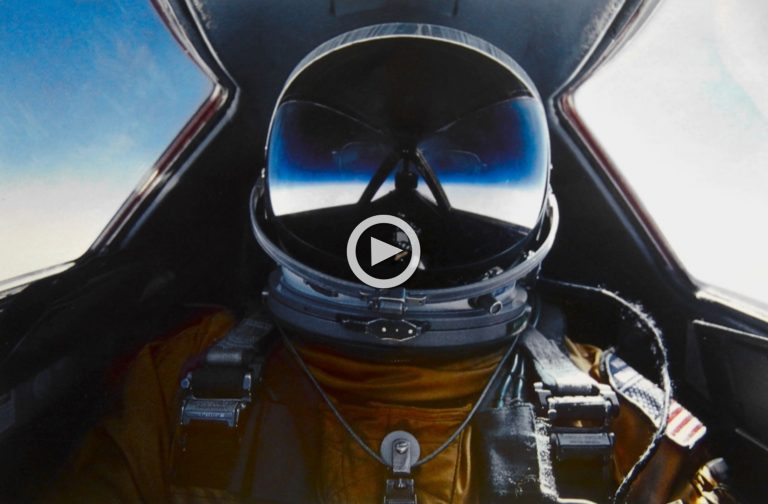
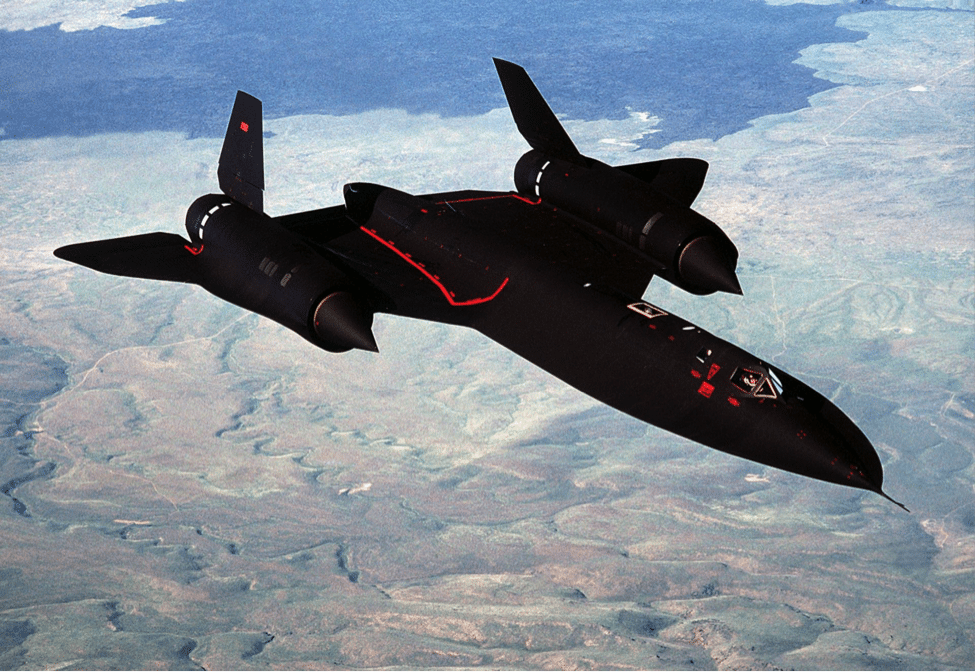
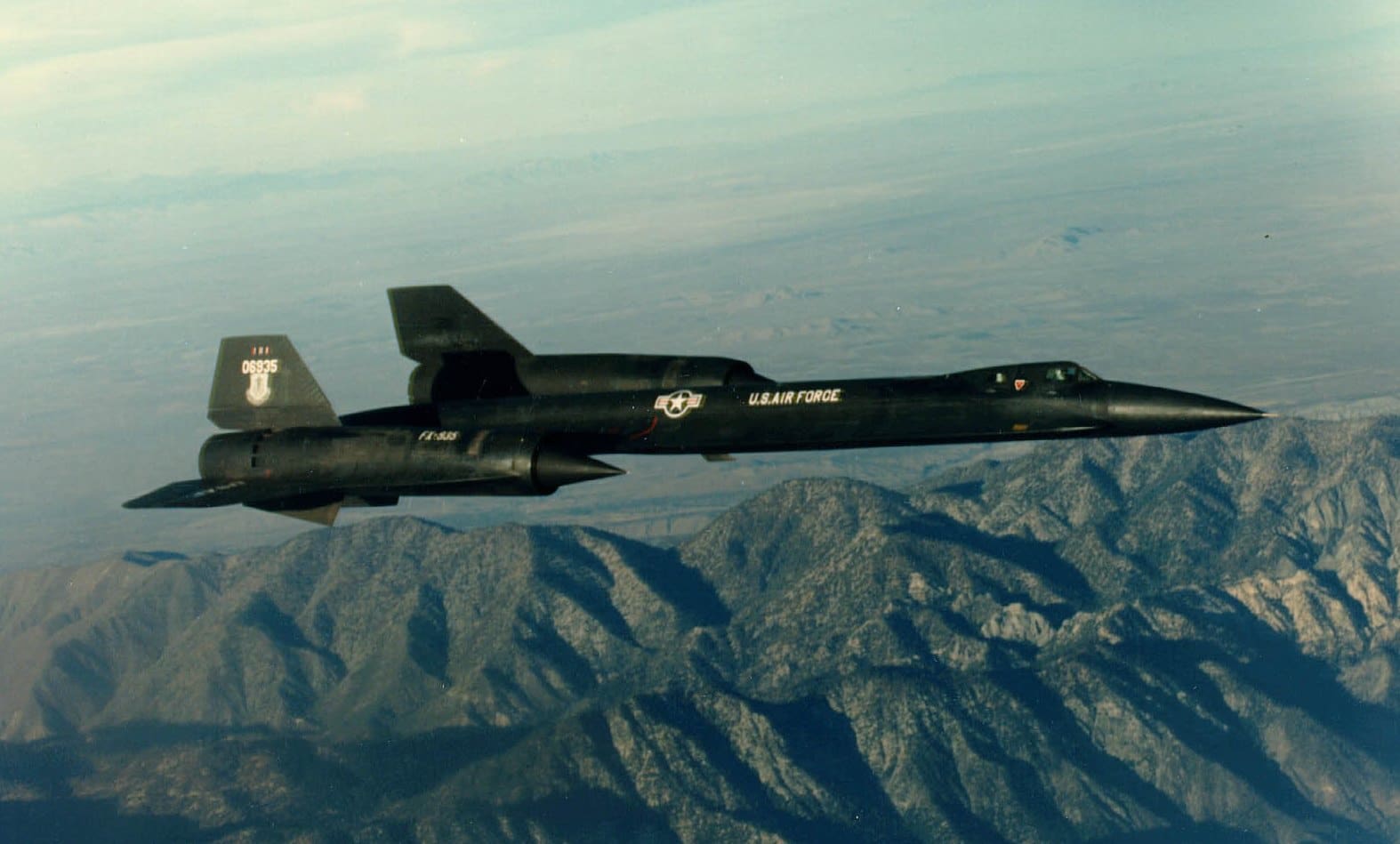
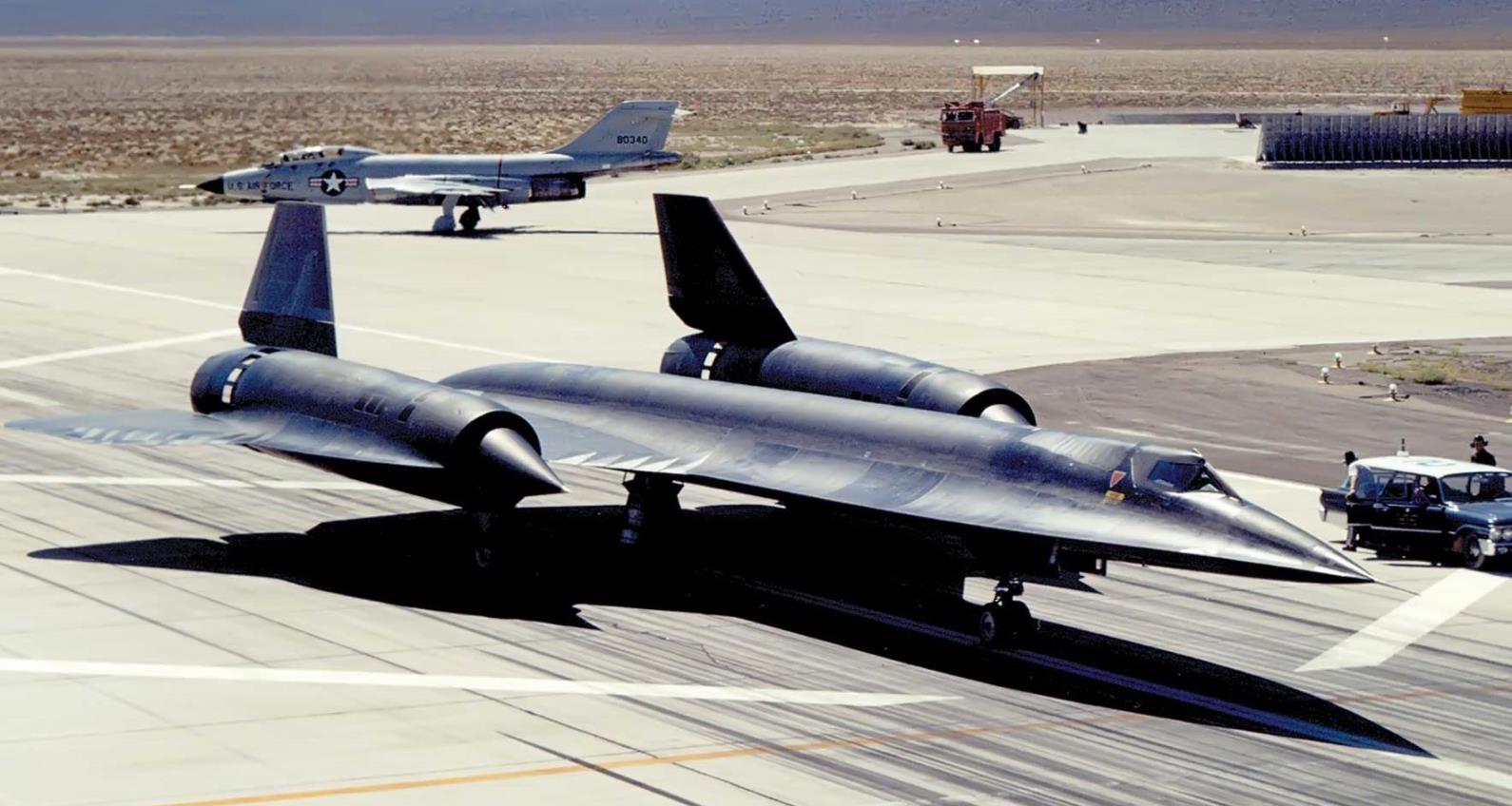
SR-71 Flew To The Edge Of Space But It Did Touch And Goes Just Like Every Other Jet

The SR-71 Blackbird had to train its pilots too.

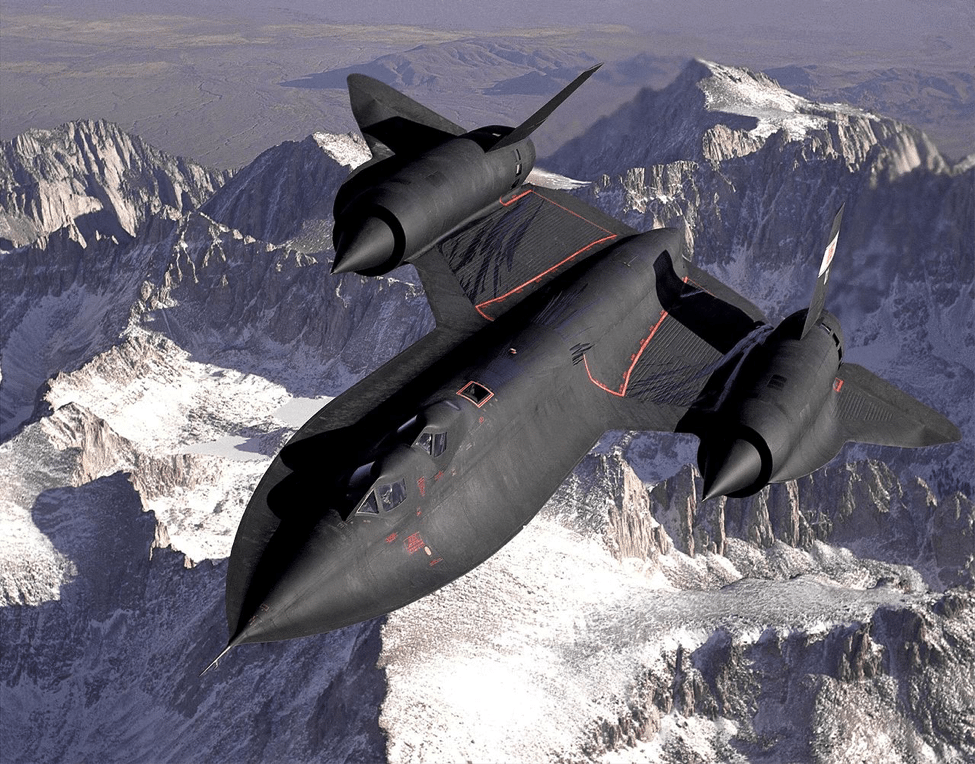
The SR-71 was once amongst the fastest air breathing jets ever.  It could soar above Mach 3 and ply the skies over hostile territory with impunity.  What’s more impressive is that this jet was built with mostly drawing boards, slide rules, and air tunnels.

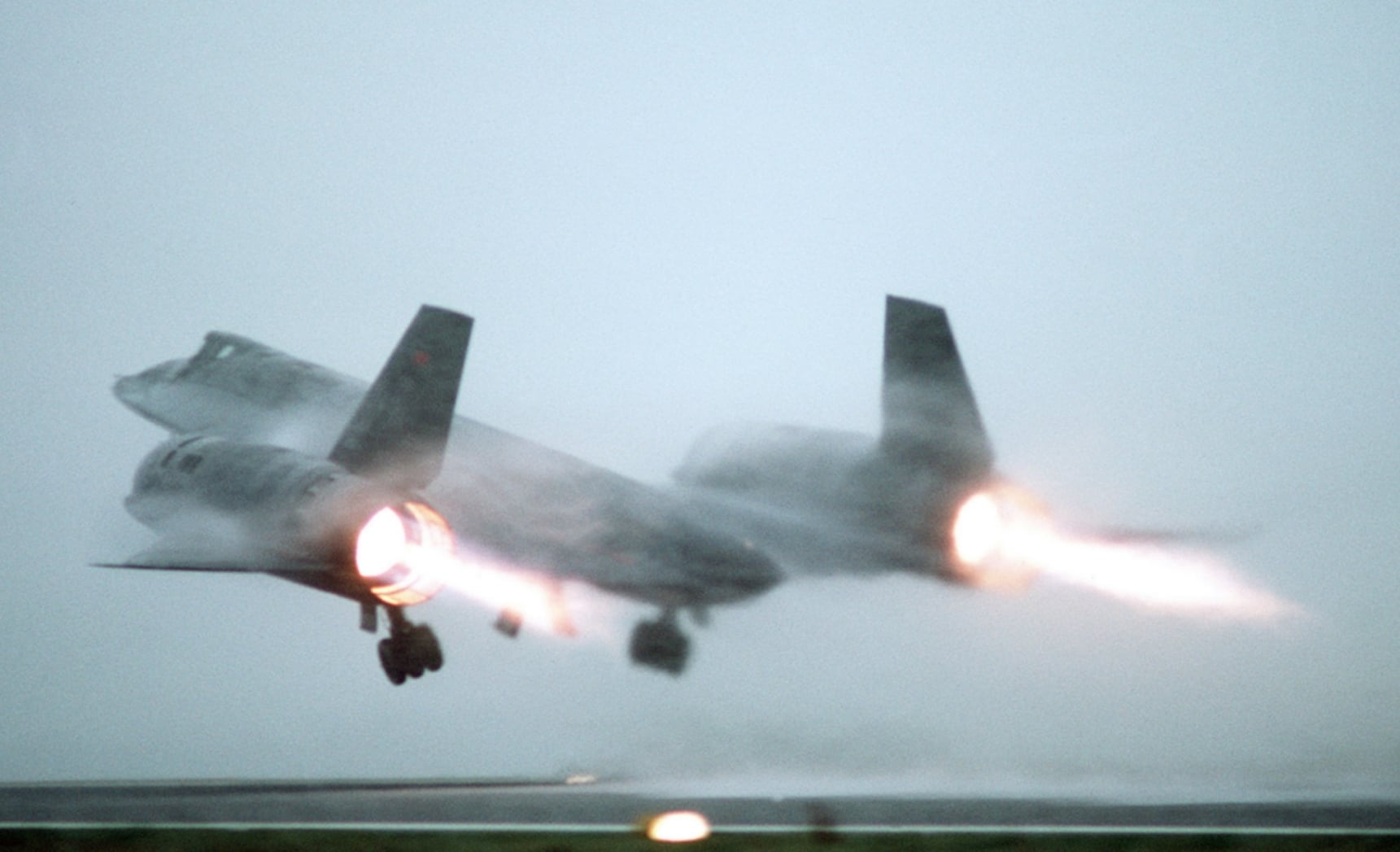
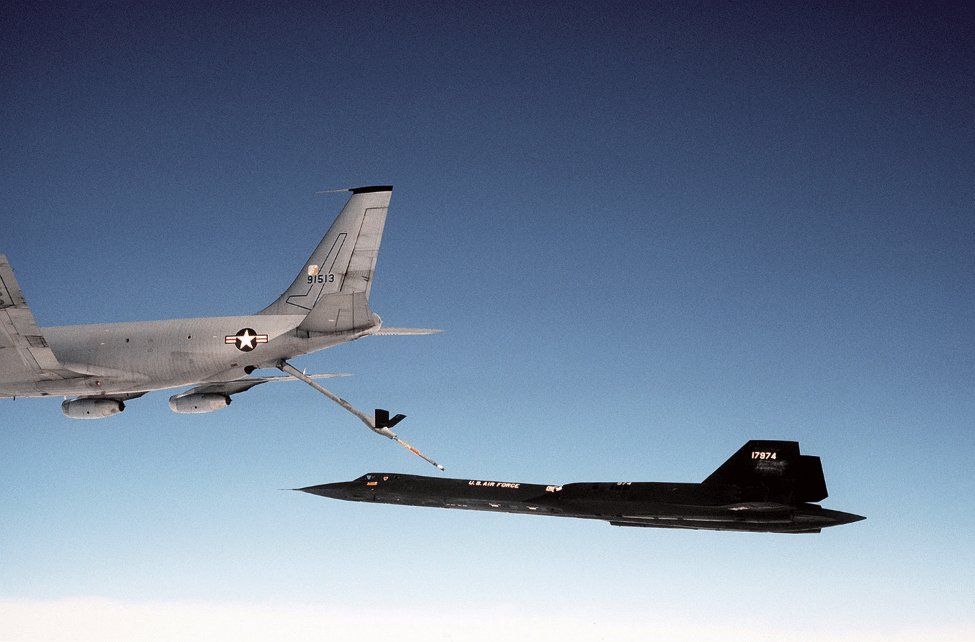
While the Blackbird remains one of the most advanced jets ever, the pilots who flew it trained like any other air force jet.  They would do practice sorties to maintain air refueling currency.  They would also fly practice approaches occasionally and even perform touch and goes for currency and training purposes.

Here’s a rare video of the SR-71 performing a touch and go.  Even with 1980s filmography, the jet remains one of the sleekest birds ever to grace our skies.  And be sure to check out the final landing.  The skillful pilot kicked the rudders gently when he released the drag chute so that the wind would take it off the active runway.  Wow!

Operation Bolo: Robin Olds’ Trifecta of Heroism, Leadership, and Deception

By pretending to be the less maneuverable F-105, Olds and his men provoked a response from North Vietnamese Migs. Olds mercilessly slayed them.

Brigadier General Robin Olds was a hero on many fronts.  He was a World War II ace who typified the “lead from the front” style like so many other warriors from the Greatest Generation did.  He was a masterful tactician and pushed back on dumb rules that didn’t matter.  And oh by the way, he had a bad-ass mustache.

Olds began his flying career in Oklahoma.  Gen Hap Arnold personally awarded his first set of wings.  His first operational assignment was in the P-38 Lightning.  In World War II, he quickly established himself as a dominant pilot as he racked up 5 kills in his first few months of combat in the European theater earning the title of ‘ace’.  He later converted to the P-51 where he made another confirmed kill against a Fw 190. He finished WWII with 12 confirmed kills and most importantly was well respected as a commander.

Between 1945 and 1966, Olds held a number of positions–both operational and administrative.  In 1966, he was selected to lead the 8th Tactical Fighter Wing in Thailand.  The wing suffered from low morale and lacked a sense of purpose.  Olds once again led from the front.  He put himself on the schedule and trained like his men.

Source: Wikipedia
Source: Wikipedia

Mig Killing Operation Successful

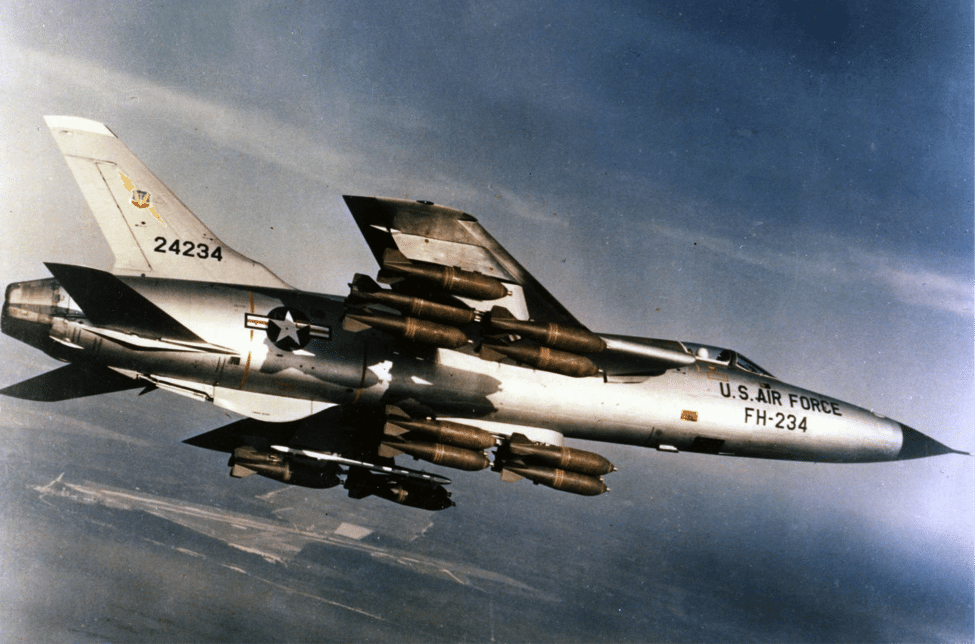
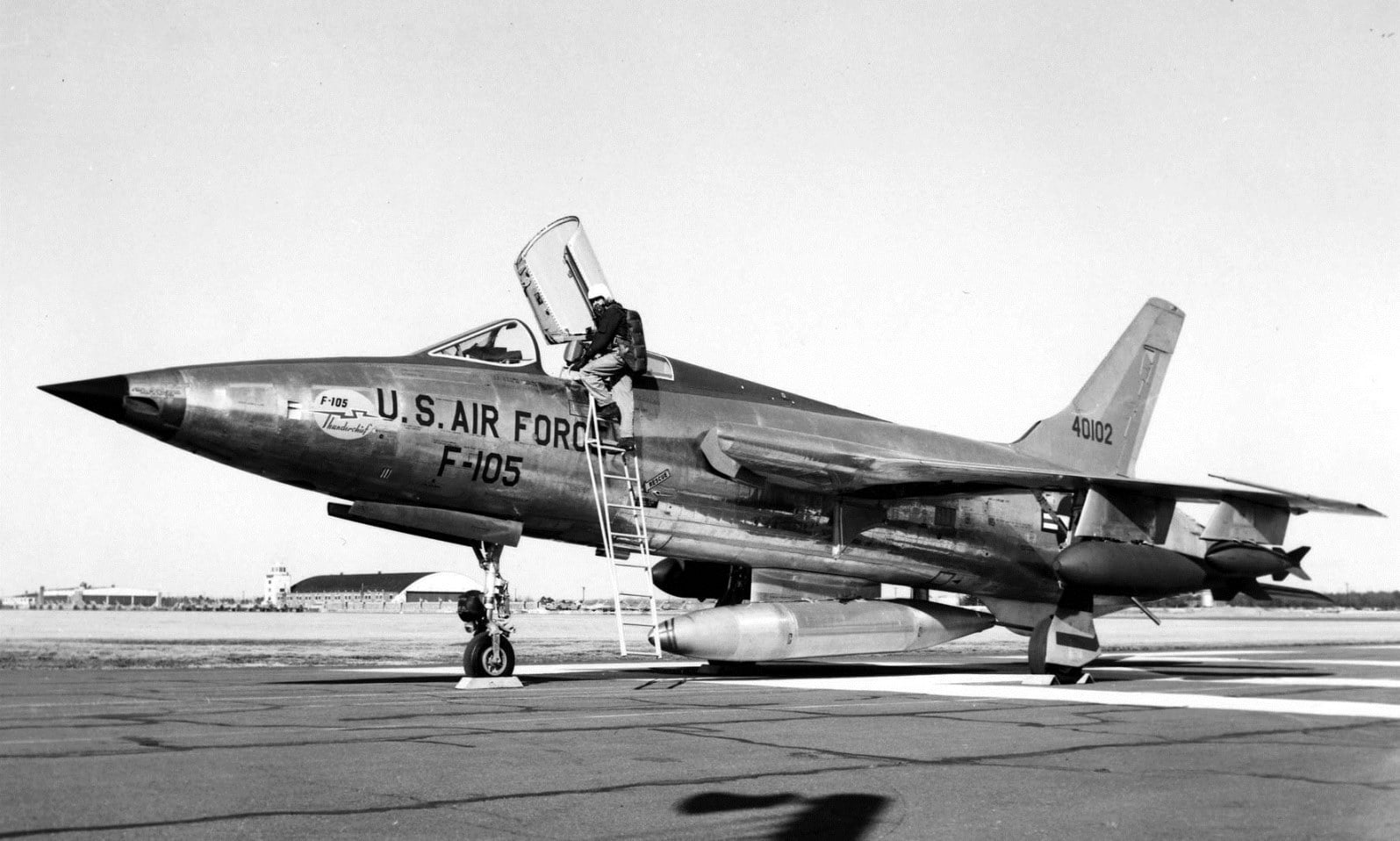
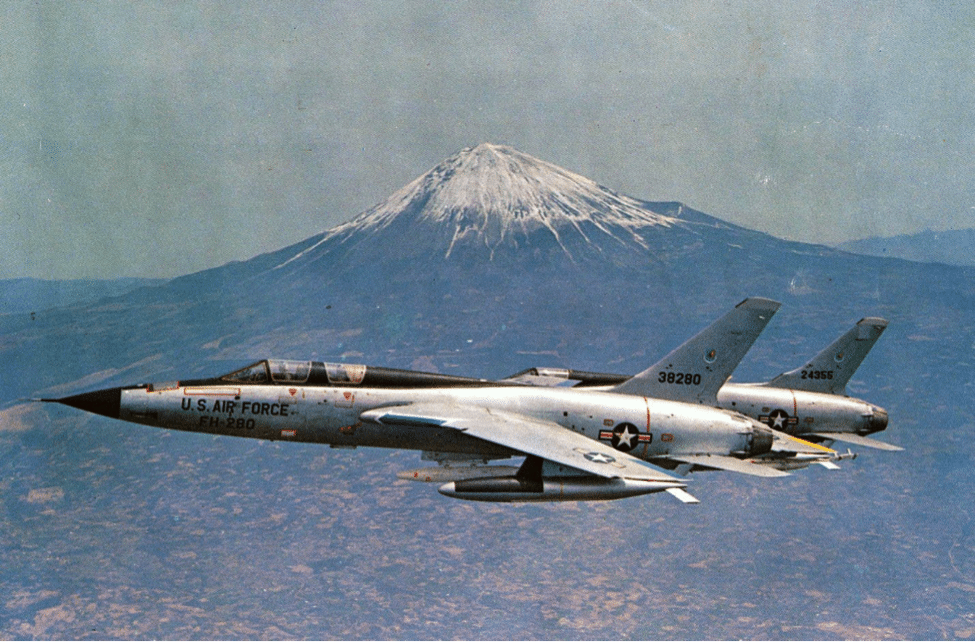
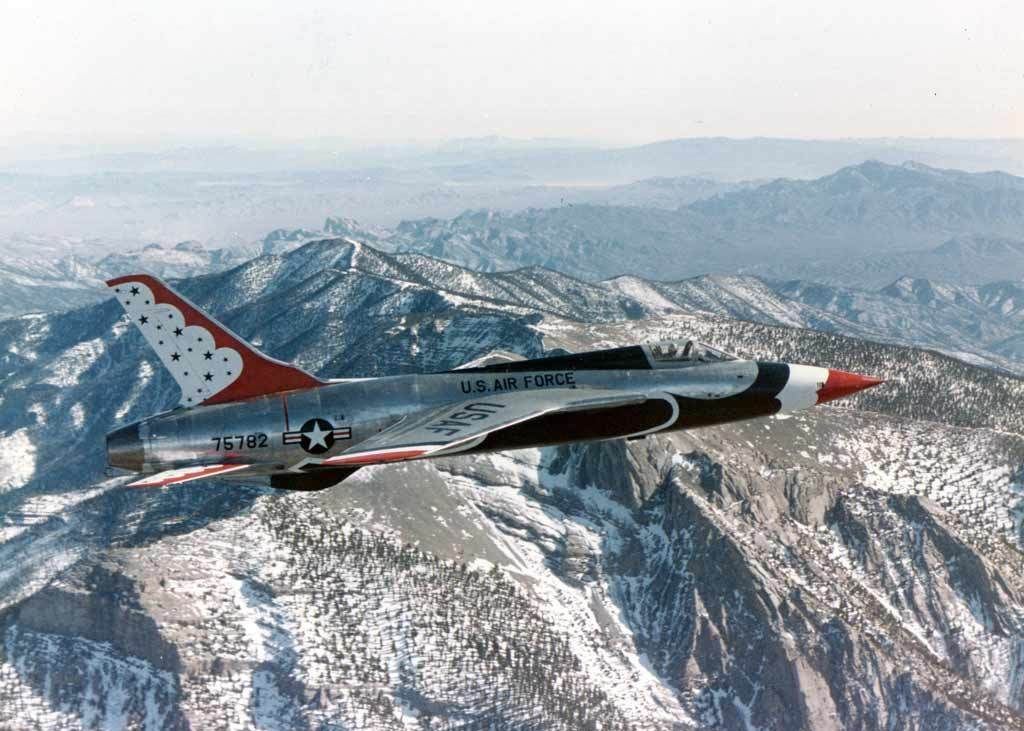
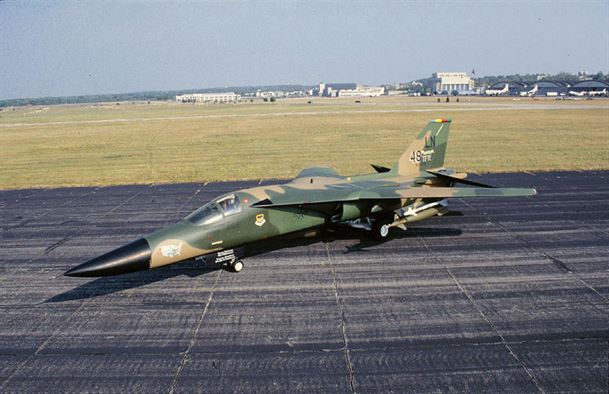
Operation Bolo was one of the most effective aerial ruses of all time.  The North Vietnamese were lured into a trap masterminded by Olds himself.  Commanders faced many restrictions during the Vietnam War.  They could not destroy enemy aircraft on the ground, only if they engaged in aerial combat.  The North Vietnamese knew this.  Through observation, they recognized the routes F-105s flew on bombing missions.  Newer jamming pods had prevented the North Vietnamese from recognizing these jets.  When they did spot the F-105s, they would engage the jets with Mig-21s. Olds exploited this knowledge by preparing Operation Bolo where he replaced the F-105s with F-4s.  He successfully lured the Mig-21s resulting in 7 confirmed kills and 2 possible kills.  The operation did more than result in destroyed enemy assets.  It raised the morale of the unit and inspired generations of Air Force tacticians.
[youtube id=”amkpXBVvQh0″ width=”800″ height=”454″ position=”left”]

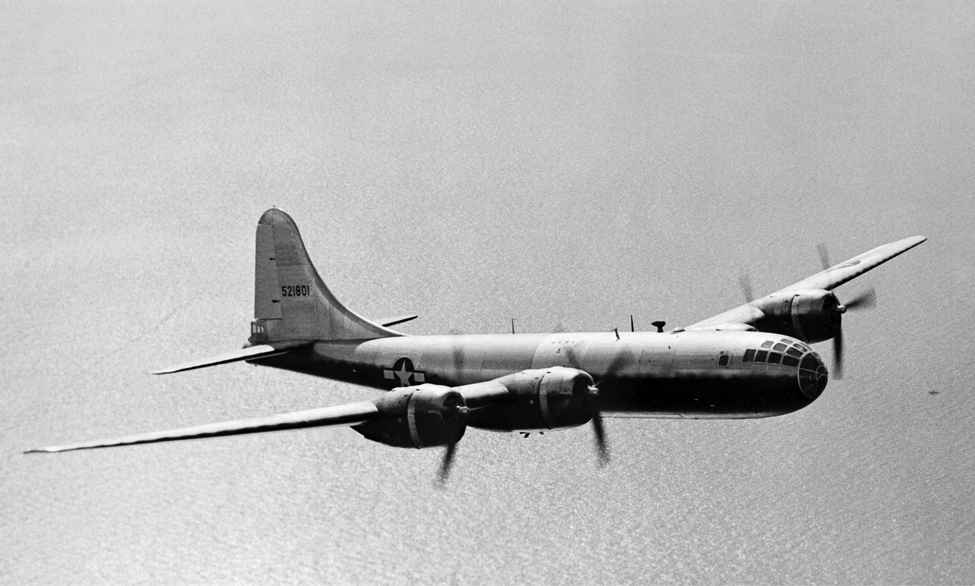
The B-36 Peacemaker Was Huge But Time Passed It By

Dubbed the “Billion-dollar Blunder” by some (not the first or the last…ehem F-35), the B-36 Peacemaker was developed after World War II to deliver nuclear weapons.

Calling the Convair B-36 Peacemaker the “Billion-dollar Blunder” isn’t exactly fair, even though that’s the alternate nickname for the huge bomber built after World War II.

The B-36 was a six-engine aircraft with the longest wingspan of any combat aircraft ever built at 230 feet. The engines were “pushers” and mounted on the back of the wings. It had the capability of delivering all of the nuclear weapons in the U.S. arsenal from its four bomb bays and had range of 10,000 miles.

The Peacemaker became operational in 1949 and it was soon obsolete. When the Korean War started in 1950, the U.S. first encountered the Soviet MiG-15 fighter. Jet fighters versus propeller-driven bombers was a mismatch of epic proportions.  The development of more powerful jet engines made the B-36 an unnecessarily large target that was slow, expensive to operate, and challenging to maintain.

Late to the party

The B-36’s testing and development encountered a number of problems that increased the cost and pushed the project to the billion-dollar level – which at the time was an astronomical number in terms of aircraft development.

While the B-36 remained in the USAF fleet until 1959, it was quickly surpassed by the B-47 Stratojet and then the B-52 Stratfortress as the USAF’s strategic long-range bomber. By 1959, the B-36 was no longer in service and the 384 aircraft that were built were sent to the bone yard or museums.

In the end, the Peacemaker was the victim of jet age.

[youtube id=”1V9CWQNZRF8″ width=”800″ height=”454″ position=”left”]

A British Airways A380 Makes The Right Decision To Go Around

0

BritAirways2

The pilot of this British Airways recognizes that he/she is landing long.  That is the right thing to do

This British Airways A380 was cleared for landing at Vancouver International Airport and just before the tires hit the tarmac, the pilot aborted the landing and powered up for a go around.

The second attempt was successful, even though it was of the “smoke-the-tires” variety.

It appears that perhaps on its first approach, the aircraft might have flared somewhat long. Rarely do you see a plane get as close to touch down before going around. However, this is the right thing to do.  Most pilots brief an acceptable landing zone.  It varies a little by aircraft and operator but the point is that if the pilot doesn’t touch down in the first 2,000-3,000 feet of the runway, he or she will execute a go-around.  Landing long is dangerous.  It means that there might not be enough stopping distance left on the runway to safely stop.  Going off the end of the runway, even at slow speeds can be catastrophic.

As the saying goes: There are old pilots, there are bold pilots … but there are no old, bold pilots.  Go arounds are free.  Be safe out there.

[youtube id=”lE_aVsPs4Sw” width=”800″ height=”454″ position=”left”]

Pilots Do It Better: Flying Scarfs Project Eager To Take Next Step In Humanitarian Mission

 FlyingScarfs3

Second of two parts; an Avgeekery.com exclusive on Flying Scarfs which is on a “mission is to help bring people in under-developed countries out of poverty through economic opportunity.”

Flying Scarfs was conceived by a group of Air Force pilots while they were posted to duty in Afghanistan. They observed how women, and in particularly those widowed by the constant fighting, needed a way to sustain themselves. Flying Scarfs is an enterprise that empowers partners in developing countries to flourish in the global economy.

The organization’s business plan involves having women in those developing countries use their sewing skills to make scarfs which are then sold. The profits are returned back to the women who can use the funds to feed and educate their children.

“The next stage we’re pushing for is to go beyond having this as a non-profit organization and change the business model so it creates more profits for these women,” said Jocelyn Chang, the chief operating officer. “We’re all-volunteer but we’re trying to reach a bigger target audience.”

The biggest challenge involves the inventory and delivering it to buyers. The cost of transporting the scarfs to the United States. It’s a grass-roots organization that operates with no extra money.

“Shipping costs are astronomical, about $8-10 for each one,” Chang said. “It’s a beautiful product but we want to figure a way to make it more available to the American market. And we’ve got fighter pilots who started the organization trying to market a product for women. That’s where I’ve come aboard.”

Chang, who goes by the call sign “Viper,” is a Captain in the US Air Force Reserve with seven years of Active Duty service. She has a BA from Baylor University and an MA from American Military University. Chang, who lives in Houston, is also a research analyst for Special Operations Research Association (SORA).

When the organization first became known in 2013, it received positive publicity; it was a “feel good” story but sustaining that momentum was difficult. The goal now is taking the next careful step. A non-profit that operates with little margin for error has to be cautious.

“The last few years, we’ve tried to refine our product line and how market ourselves,” Change said. “We emphasize the messaging of what we are, who we’re helping and the products that are available. And we want people to understand how we’re trying to do something greater than being in the military, trying to help people improve their lives.”

For every 10 scarfs a woman makes they can provide the funds to sustain her family for a month. In Afghanistan, instead of the children having to help sustain a family, a woman who can make enough money through Flying Scarfs can instead allow her children to attend school.

“Our goal is to make sure these kids can go to school and have food in their bellies,” Chang said.

The folks like Chang are doing the work on Flying Scarfs in their spare time; they all have “day jobs.” Coming up with a streamlined production plan for scarfs being made in other countries is a complicated, time-consuming process.

If you want to help or need more information, you can like on Facebook https://www.facebook.com/FlyingScarfs/?fref=ts and the web site is http://www.flyingscarfs.com/

This Might Be The Perfect Avgeek Video To Closeout 2016 and Start 2017

0

Grab a beer or a glass of wine, play this clip and let 2016 fade away…

2016 was an interesting year to say the least.  In addition to a number of political events and celebrity losses, we also saw a number of unique aviation events.  We saw the retirement of the beloved F-4 Phantom.  We dealt with a number of tragic crashes including a number of them that were pilot error.  With each crash we learned something but a basic lesson is to not push the envelope whether that is weather or fuel or most likely pushing the envelope.  On the positive side, we saw some amazing airshow flying with the A350 and 787 both taking to the skies for some impressive displays.  We also were graced with some kick ass pilot training videos and Air France’s retirement of their 747s.

As we get ready to kick off 2017, I was trying to find a clip that would set me in the right mind frame to reflect on the year.  I wasn’t even looking for an aviation video but I came across this one.  It’s time-lapse footage of arrivals at London’s Heathrow Airport.  It’s oddly soothing to watch A320 and heavy after heavy make their final descent.
Wishing you a very happy 2017!  Thanks for being part of Avgeekery.

[youtube id=”fgHjVvqLXV8″ width=”800″ height=”454″ position=”left”]