Home Blog Page 126

Is there a Sweeter Sound? Beautiful B-29 “Fifi” Starts Her Engines

Hear the roar as a B-29 Superfortress revs its engines.

Here’s Part Two of our trip back in time. Again, our thanks to the folks at the Commemorative Air Force and their tireless work in restoring vintage World War II aircraft to display and flying condition.

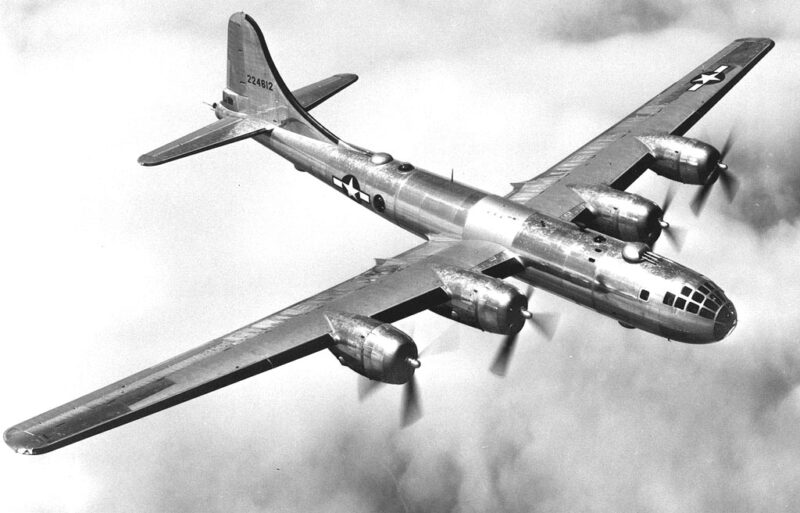
If you love the sound of four piston engines roaring to life, this is the video for you. Our post earlier today featured the B-17 Flying Fortress, the work horse bomber of World War II. This video features a B-29 Superfortress, which made its debut near the end of WWII and was a major factor in ending the war in the Pacific.

“FIFI” is the only B-29 Superfortress flying. Owned by the CAF, it’s currently based at the Vintage Flying Museum located at Meacham International Airport in Fort Worth, Texas. It makes frequent trips to air shows around the United States.

This Goregeous Video Shows How Amazing B-17 and B-25 WWII Bombers Really Were

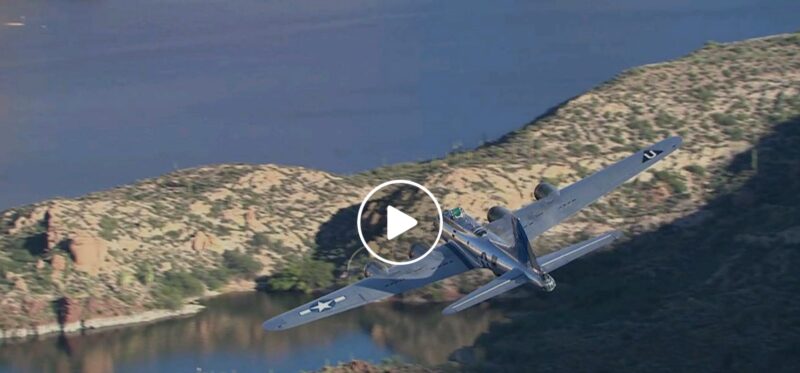
Step back in time with his video of a B-17 and a B-25 flying around scenic Arizona.

Today we’re going retro to provide you with two special treats.

The folks at the Commemorative Air Force have dozens of chapters and hundreds of volunteers around the country who are dedicated to restoring and flying World War II aircraft. Some of the greatest warbirds of that conflict are able to fly and show current generations awesome it is to witness propeller planes who helped the Allies triumph.

Our first video has great music and beautiful scenery. This HD footage is provided by H5 Media and shows two planes from the CAF Airbase Arizona – B-17 “Sentimental Journey” and B-25 “Maid in the Shade.”

Check back later for another video of the B-17’s “son,” the B-29.

[youtube id=”eVD_jAnDeXI” width=”800″ height=”454″ position=”left”]

Even radio-controlled model A-10s are indestructible

A crash-landing with just two of three wheels deployed? No problem for this Warthog and his “pilot.”

RC enthusiasts and fans of the A-10 will enjoy this.

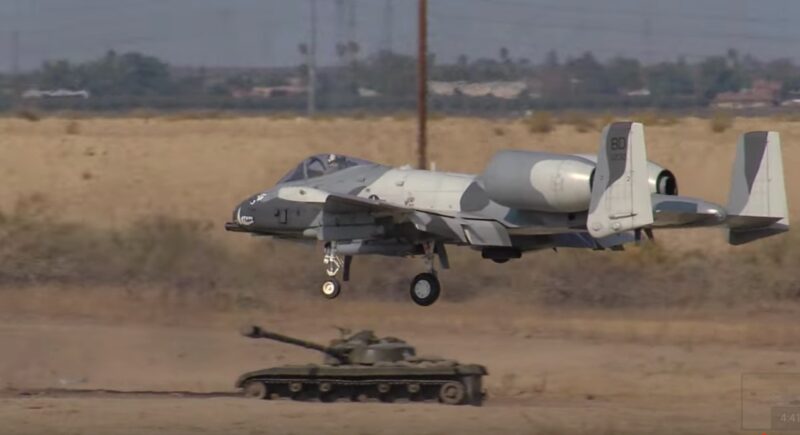
At the Best In The West Jet Rally, a large gathering of radio-controlled model aircraft enthusiasts, last October in California, two model Warthogs were on display, complete with a pyrotechnics and a mobile tank “target” on the ground.

After several minutes in the air, one of the A-10s had trouble with its landing gear – only two wheels were able to deploy. Watch what happens and you’ll agree that even model Warthogs are indestructible.


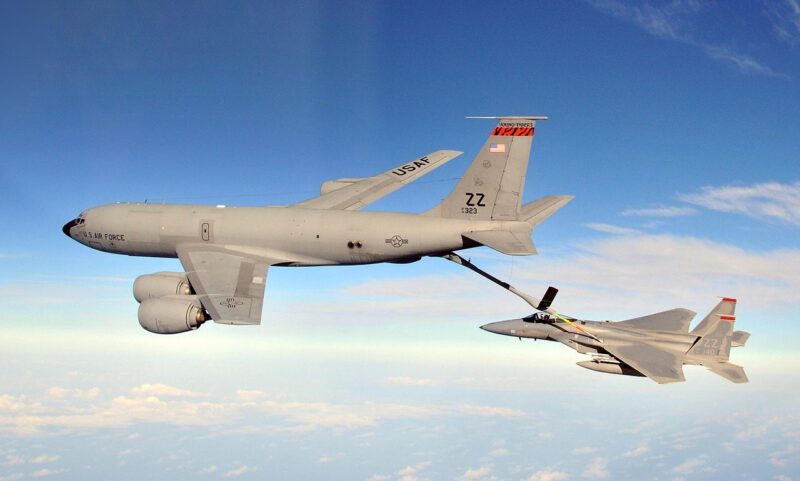
An inside look at a KC-135 “flying gas station”

The unsung heroes of flight operations, tankers like this KC-135 keep the strike aircraft in the air and on station.

In-flight refueling operations is another one of those aerial activities that is fascinating to watch. The coordination between two aircraft syncing up while flying at hundreds of mph is the definition of precision.

During current action against ISIS and during both Iraq wars, it’s crucial for ground support aircraft to spend as much time on station as possible. The role of “flying gas stations” helps accomplish that. Attack aircraft are limited only by the amount of ordinance. They can take off with larger payloads and lighter fuel tanks and be replenished while on station.

As the boom operator on the KC-135 Stratotanker in his video says, “Our main job is to extend the capability of the other aircraft.”

Air Force testing drag reduction to improve fuel economy

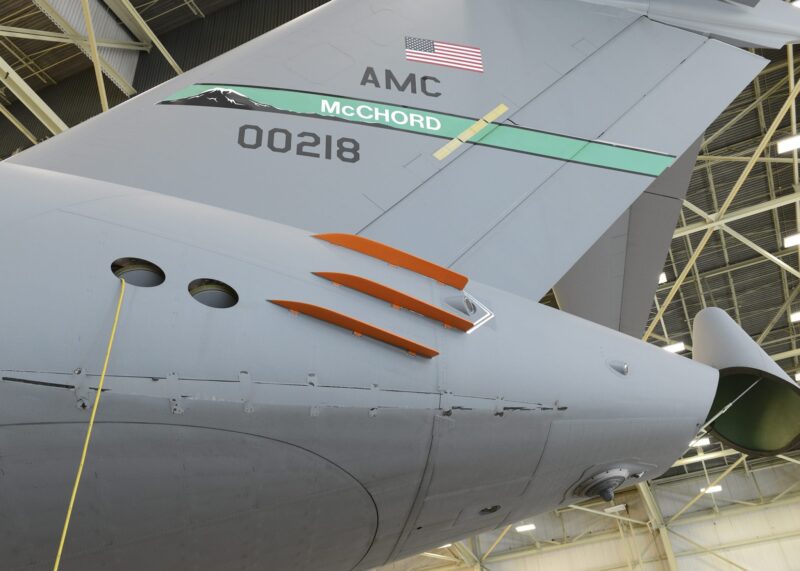
Program is focusing on C-17 and other heavy movers in the fleet that account for the largest percentage of fuel consumption.

The old saying was “an Army travels on its stomach.” The meaning, from back when soldiers traveled by foot, was that an armed force needs food.

The United States Air Force travels on its fuel. And as modern warfare has evolved into more quick-strike, get there fast and furious, the role of the Air Force in transporting soldiers and equipment has grown.

According to a study by the Air Force Research Laboratory, the Air Force’s price point for jet fuel as quadrupled between 2004 and 2012. Even with recent drops in oil that have reduced fuel prices, the Air Force is seeking ways to reduce fuel costs.

This is especially crucial for the Air Force’s heavy movers. The C-130, the C-17 and the C-5 are the main airlifters that move personnel and equipment all over the world. They also use the largest percentage of fuel consumed by Air Force aircraft. The C-17 is the biggest gas guzzler.

The 418th Flight Test Squadron and Boeing personnel recently completed the AFRL’s initial testing in the C-17 Drag Reducing Program. The testing is taking place at Edwards Air Force Base.

The tests involve a Globemaster III and involve using Vortex Control Technologies Finlets (TM) and Lockheed Martin microvanes and fairings. Computer simulations indicated places on the C-17 where drag could be reduced. If those modifications produce even a slight reduction in drag, the fuel savings could be worthwhile.

“A reduction of just a few percent can result in significant cost savings,” said Capt. Kevin Meyerhoff, 418th Flight Test Squadron, test pilot.

Reducing drag must be balanced with maintaining the current operational abilities of the C-17. Economy can’t be traded for effectiveness when it comes to an airlifter being able to deliver its cargo.

“The cost savings these devices may offer are entirely dependent on the C-17 still being able to fulfill its mission in the Air Force,” Meyerhoff said.  “Our testing focused not only on fuel performance, but also on any impacts that the devices may have on the flying qualities of the aircraft. This includes the C-17’s ability to perform critical air drop missions.”

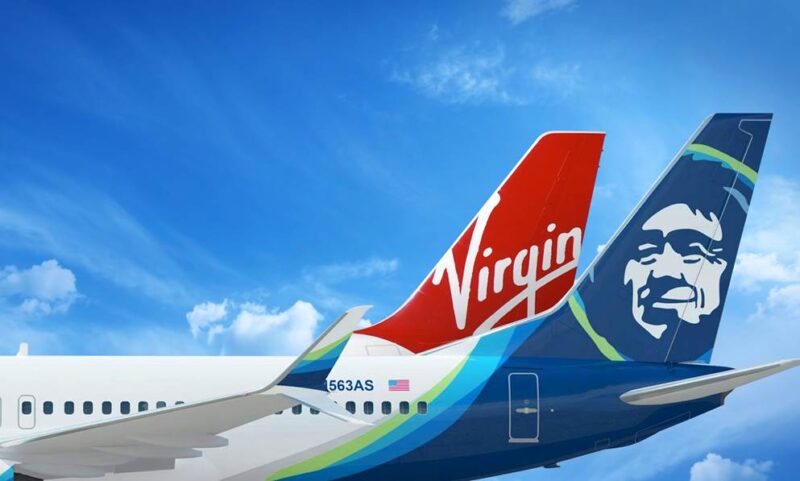
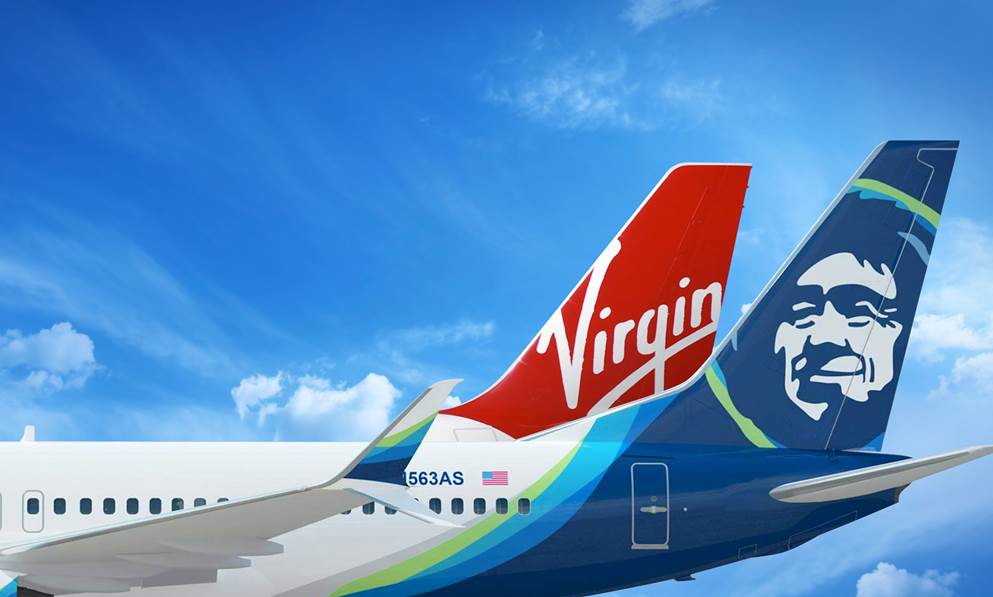
Alaska Airlines to Aquire Virgin America in $2.6B Deal

Alaska_Virgin_hero_no-text-FINAL
Transaction will create the 5th largest airline in the United States.

While you were sleeping, the United States commercial airlines business grew a fifth major carrier.

In a deal announced in the middle of the night, Alaska Airlines has acquired Virginia America for $2.6 billion in cash. It’s yet another example of the consolidation of air carriers in the U.S. JetBlue also was showing interest but couldn’t match Alaska Airlines’ deal. The purchase moves Alaska Airlines pass JetBlue into fifth place behind American, United, Southwest and Delta airlines.

The merger is expected to be completed by the beginning of next year. A potential roadblock could be government regulators concerned over yet another airline merger. The Justice Department sued to block American Airlines’ acquisition of US Airways in 2013, but after negotiations decided to drop the legal action.

“Our employees have worked hard to earn the deep loyalty of customers in the Pacific Northwest and Alaska, while the Virgin America team has done the same in California. Together we will continue to deliver what customers tell us they want: low fares, unmatched reliability and outstanding customer service,” said Brad Tilden, chairman and CEO of Alaska Air Group. “With our expanded network and strong presence in California, we’ll offer customers more attractive flight options for nonstop travel. We look forward to bringing together two incredible groups of employees to build on the successes they have achieved as standalone companies to make us an even stronger competitor nationally.”

In addition to adding Virginia America’s routes and gates, Alaska Airlines will be adding to its fleet with Virgin America’s 60 Airbus A320 jets. Similar to Southwest Airlines, Alaska Airlines has “kept it simple” by flying one aircraft; it operates a fleet of 147 Boeing 737s.

Virginia America, which was founded in 2007, went public 18 months ago. After nearly a decade of operating at a deficit, Virginia made money in 2015. A “boutique airline” owned by British billionaire Richard Branson, its value was more in its planes and its routes than in its business plan. When the news broke that it was for sale, it was first thought that Delta or JetBlue would be the major possibilities as buyers.

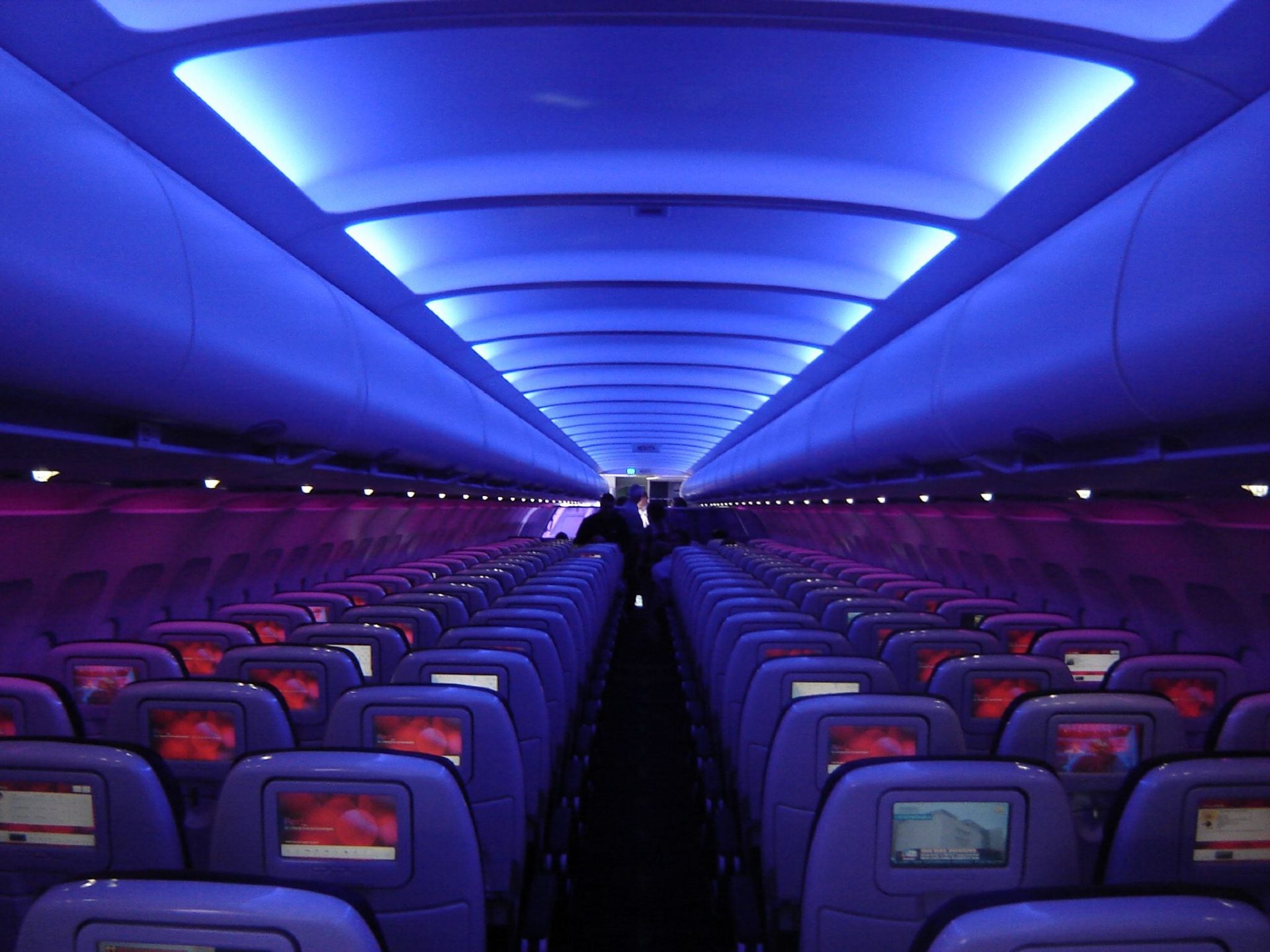
If the merger goes through, it will be interesting to see if Alaska Airlines keeps some of the unique service – live TV, mood lighting, spacious seating –  that has made Virgin Airlines a “hip” trip experience.

The acquisition will allow Alaska Airlines, which is based in Seattle, to become perhaps the dominant carrier on the West Coast. Alaska already has a strong base in the Northwest and the state of Alaska but will now have a competitive presence in California, particularly in Los Angeles and San Francisco.

“We will be the airline of the West Coast,” Tilden said.


A Photo Essay Lookback at Red Flag 16-1 at Nellis AFB

AFF2016 Rob Edgcumbe 059 C59F6599

The USAF held a pair of Red Flag exercises at Nellis AFB back to back early in 2016. Rob Edgcumbe attended the first of these two exercises, Red Flag 16-1.

The USAF has recently settled in to a new pattern of Red Flags with four exercises a year. Two are held early in the year and two in the summer. The story of Red Flag has been told on many occasions. Fundamentally, it was found that pilots were most likely to be lost in their first ten missions. If they could experience those missions in relative safety, they would be better prepared for a real war.

The scope and scale of Red Flag has changed a lot since it was conceived. It now covers many more aspects of warfare with cyber and space being included in the exercise. Even base security is exercised with flight line operations being tested by incursions and threats. Cyber attacks can include efforts to disrupt maintenance systems. If you visit the line during the exercise, you are treated with much suspicion given the possible scenarios participants experience. Always have your authorization and escort with you!

Foreign air forces are a frequent feature of the exercises these days. RF16-1 involved USAF assets alongside Navy forces joined by Australian and UK contributions. The U.K. Royal Air Force brought Typhoons for strike work, an E-3D Sentry to support the airborne early warning force, a Sentinel for monitoring ground activities and a C-130J Hercules that, judging by the dust on its underside, was making landings out at remote strips with special forces.

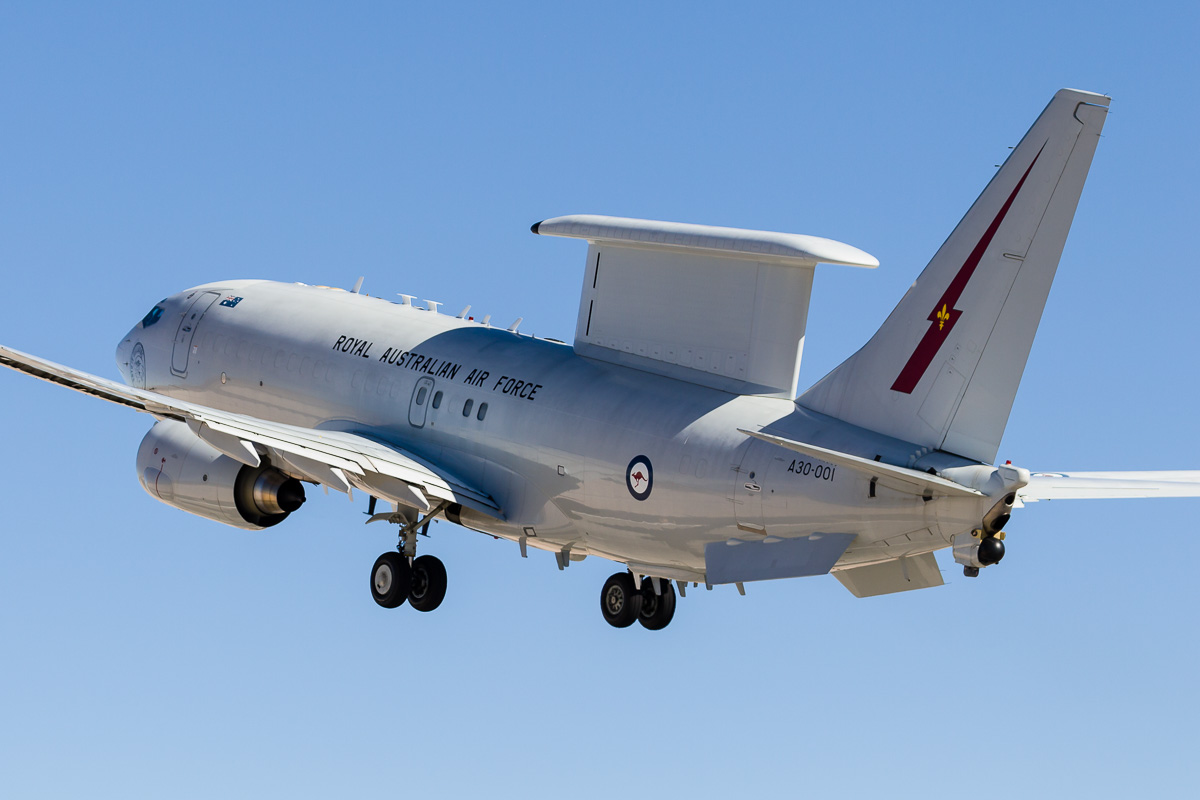
AFF2016 Rob Edgcumbe 004 C59F3356The Royal Australian Air Force had a mixed fleet of legacy Hornets and their newer F/A-18F Super Hornets. They also had an E-7 Wedgetail to support AEW and an AP-3C Orion for surveillance work. The deployment had been supported by an Airbus KC-30 tanker and the team were pleased to have brought all aircraft to the US on schedule and with no aircraft left en route due to maintenance.

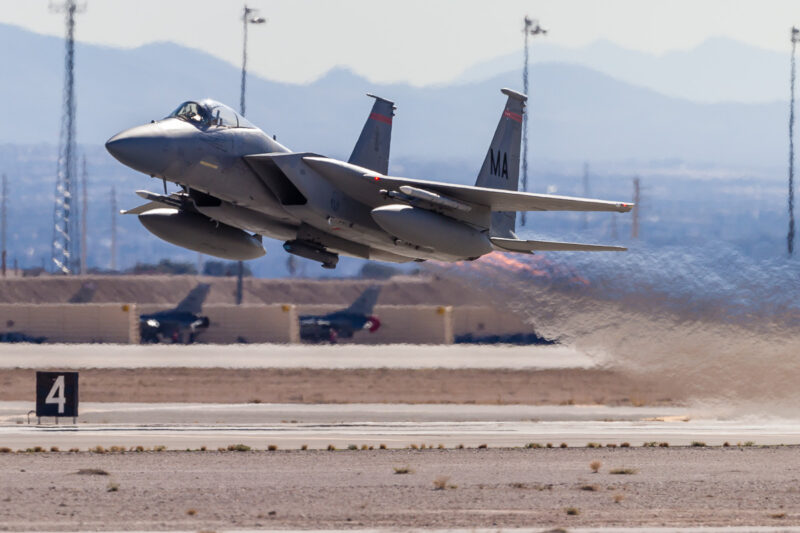
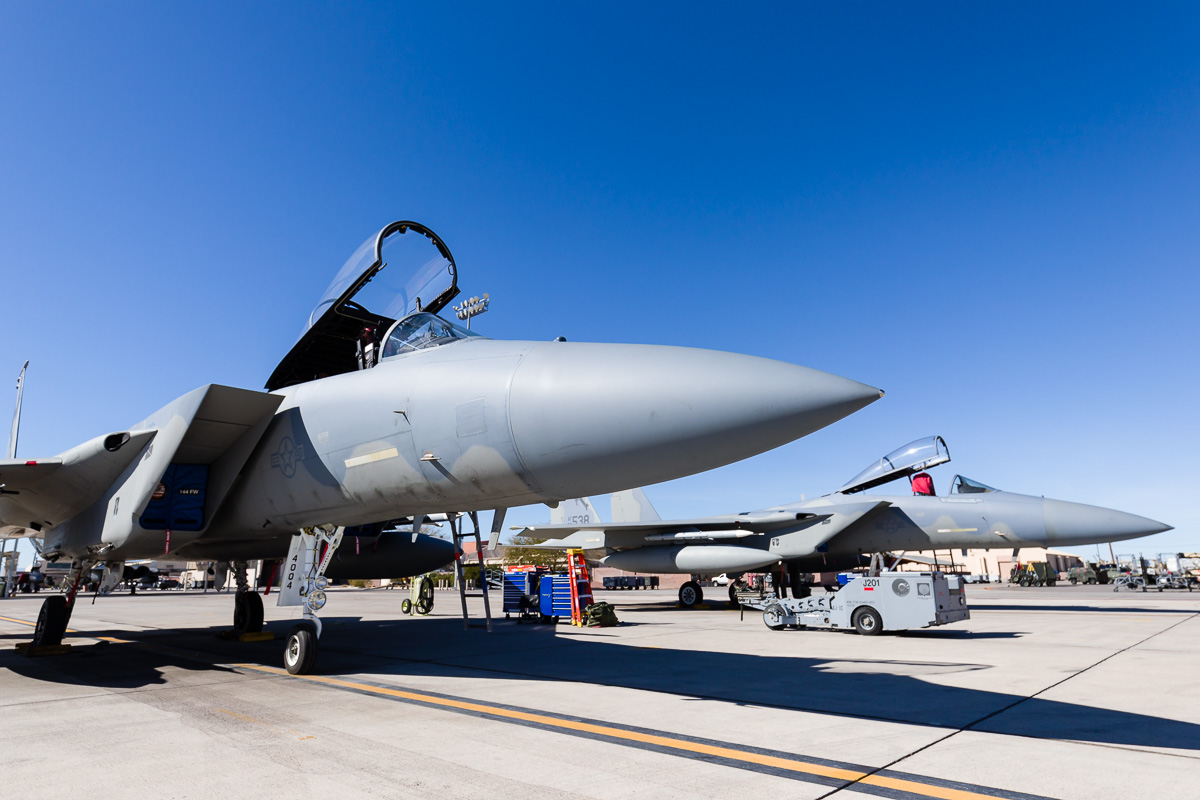
The majority of US assets operated from Nellis during the exercise. Some missions were operated remotely by types from their home bases and some other units operated virtually. The based aircraft included B-1B Lancers, F-22 Raptors, F-16C and F-16CJs (Fighting Falcons), F-15E Strike Eagles, F-15C Eagles, E/A-18G Growlers and the aggressor F-16s based at Nellis.

AFF2016 Rob Edgcumbe 040 AU0E8413The exercise evolves over the course of the three weeks (RF16-2 was only two weeks) with a greater level of complexity in the missions being flown in the later stages as the crews learn and their experience grows. However, the format is relatively constant with two missions per day, the first launching around noon and recovering in late afternoon while the second launch is at night with most aircraft heading out around 9-10pm and recovering after midnight. Combine that with the lengthy debrief each mission requires and the night crews will get to bed early the following morning.

The launch is usually started with the AWACS and tankers heading out, often closely followed by the large bombers. There then follows a steady stream of jets from both of the runways phased in accordance the with requirements of their missions and planned times on target. Tanker support will keep the aircraft up as long as the missions require and then the recovery process will commence. The return of the tankers and AWACS is usually a sign that everyone is back.

The end of the runway during the launch is a hive of activity. Aircraft line up awaiting their turn to depart and the ground crew run through all of the last minute checks. The Nellis ramp is very long but everyone has to come to the same area to get ready to launch so the coordination of the movements is a complex exercise.When everything is gone, the sudden quiet that descends over the area is quite a contrast.

There was a period in recent years when funding for major exercises such as Red Flag was in doubt. However, the current commitment to four exercises a year has brought some stability to the program. It certainly is popular with allied overseas forces taking the chance to undertake large scale exercises with different countries and types. Meanwhile, it continues to meet the training needs of the USAF and to a lesser extent Navy and Marine Corps. We should expect to see a lot more of the same for the foreseeable future.

The author would like to express his thanks to SSgt Spangler and all of the public affairs team at Nellis AFB for their help and support in preparing this feature.

Click on the square to see a larger photo:

[inpost_fancy thumb_width=”200″ thumb_height=”200″ post_id=”2393″ thumb_margin_left=”0″ thumb_margin_bottom=”0″ thumb_border_radius=”2″ thumb_shadow=”0 1px 4px rgba(0, 0, 0, 0.2)” id=”” random=”0″ group=”0″ border=”” show_in_popup=”0″ album_cover=”” album_cover_width=”200″ album_cover_height=”200″ popup_width=”800″ popup_max_height=”600″ popup_title=”Gallery” type=”fancy” sc_id=”sc1459741921052″]

Boeing Likely To Miss Delivery Deadline For KC-46 Tanker

Boeing’s contract to deliver a new tanker – the KC-46 Pegasus – is likely to become more expensive. For Boeing.

The Pentagon said this week that it has “low confidence in Boeing’s ability” to meet the deadline to deliver 18 of the new aircraft by the August 2017 deadline. A new deadline of March 2018 has been established, but there’s doubt Boeing can hit that mark.

The Seattle-based company has a fixed-cost contract that requires Boeing to cover any cost overruns. Boeing has projected the development phase to cost nearly $6 billion, which is $766 million over budget. Engineering and manufacturing costs that have been higher than expected has cost the company another $800 million.

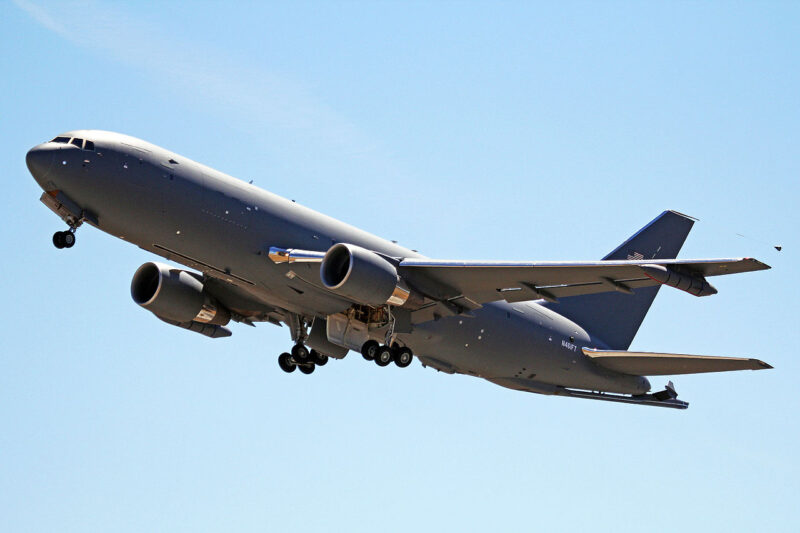
Boeing is adapting its 767 commercial aircraft to become the KC-46 which is planned to replace the current KC-135 tankers that are made by Boeing.

A test flight that was conducted about three weeks ago was cut short for unknown reasons with the aircraft returning to Boeing Field a few minutes after takeoff. It’s unclear what the problem was, but no emergency was declared.

The Air Force has sought a replacement for the KC-135 for over a decade. The contract haggling has been unseemly at best and the first round of negotiating led a former Pentagon procurement executive being jailed over corruption charges.

The KC-46 is designed to be more than a tanker. It’s planned to carry 10 percent more fuel than the KC-135 and will also have the capacity for 65,000 pounds of cargo. It can be configured to carry 114 passengers and can also serve as a medical evacuation aircraft.

For its main purpose, it has both a probe and drogue and a boom and receptacle to conduct multiple refueling operations.

Learning How To Escape From a Sinking Helicopter Is Downright Scary

sinking helo

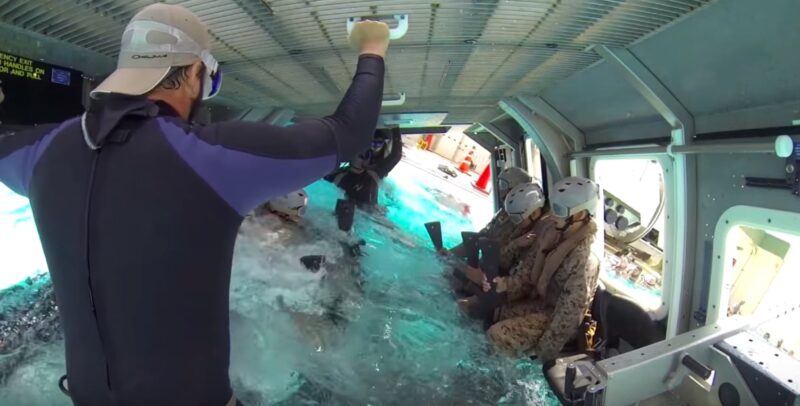
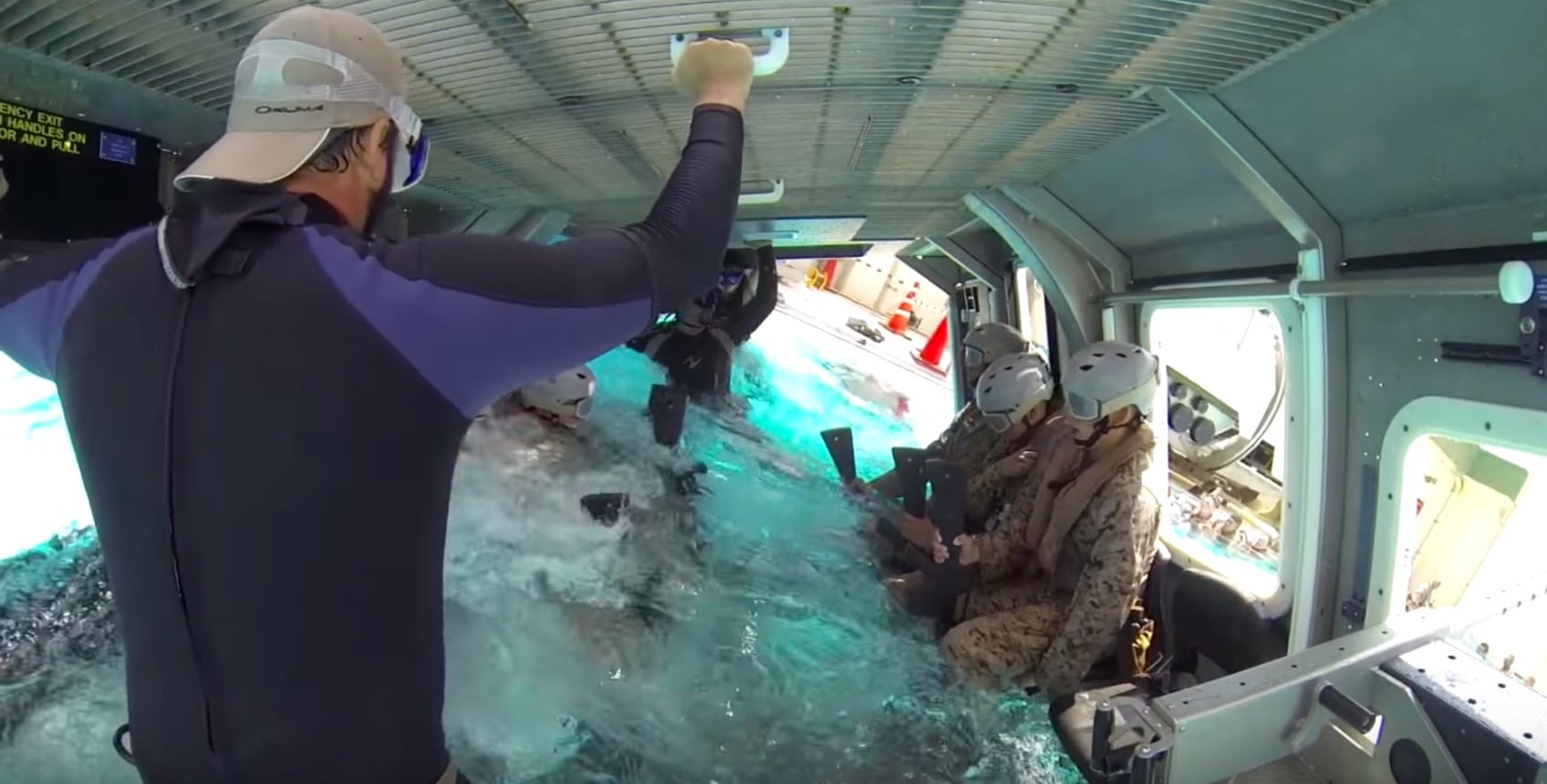
Marines learn how to survive and escape from a sinking helicopter.

First, you survive a helicopter crash. That’s good. Second, the copter crashed in the ocean. Not good. Third, it’s at night. That’s even worse.

Training for the unthinkable but survivable is crucial for our military personnel. They need to be prepared to handle any situation. Preparing for a helicopter crash in the ocean requires some scary virtual reality training.

As this video shows, the Marines who go through this training are left with the feeling that while they never want to experience it first-hand, they’ve been prepared to understand what it might be to egress a copter cabin after a crash. In the ocean. At night.

[youtube id=”Hr2B_Gay2f0″ width=”800″ height=”454″ position=”left”]

WTF? Virgin America Reveals a New Logo

Virgin America went to considerable lengths to put together their new logo.

One description of consuming Internet offerings is drinking from a fire hose. There’s just so much and it’s moving so fast. Add in a specific date of the year that is known for tomfoolery plus one company trying to spoof another and you’ve got … this story.

Virgin_America_A320_cabin

Virgin America’s New Logo Looks Suspicious

Virgin America – which has been in the news recently because it might (or might not) be for sale – announced that it had designed a new logo for the company.

As is the custom nowadays, the story was accompanied by a video that explained how and why the logo came to life. You can watch the video below and the “new” logo is displayed above.

Anyone with an imagination can watch the video and look at the logo and figure out the logo is a spoof. The design is meant to evoke the image of female breasts. (Although you can also imagine the image looks like two raindrops.)

Keep in mind that changing logos for a company is an expensive proposition. Not only does the company lose the recognition factor of the old brand, implementing the new brand costs a lot of money. With an airline, new paint jobs for your fleet is a considerably pricey proposition.

April Fools!

So, while a number of folks fell for the gag, it’s just that. Check the calendar. April Fools, folks.

Virginia America and its boss Richard Branson also appeared to be throwing some shade at Airbnb. It revealed its logo – its real log – in 2014 and called it the “Bélo.” The name and the image was supposed to convey a sense of “belonging.”

When it was revealed two years ago, social media wasn’t very social. The comments were in the gutter, suggesting that the Airbnb logo looked like genitalia – male or female, take your pick.

(And if you’re on the sidewalk and not in the gutter, it’s not a reach to say the Airbnb logo looks like a paper clip.)

Southwest Airlines Announces New Routes From Long Beach

Southwest Airlines adds Long Beach to its list of California airports.

It figures to be busier but not noisier around Long Beach Airport.

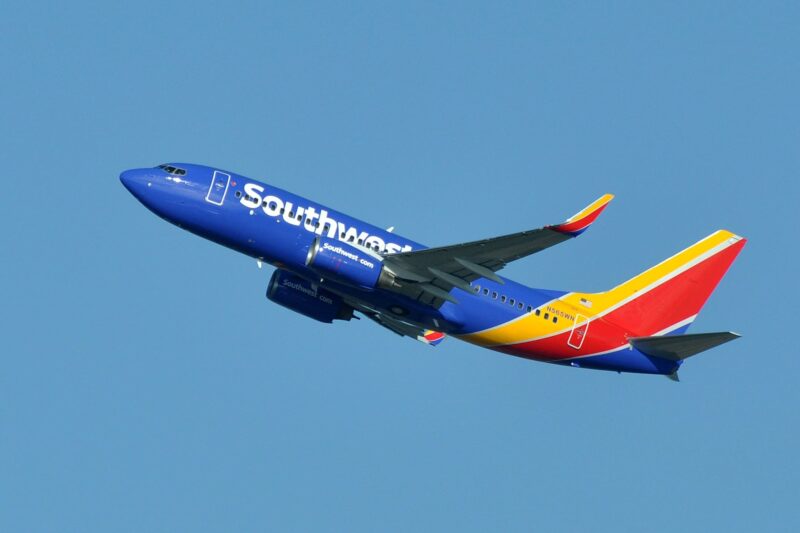
Southwest Airlines announced Wednesday morning that the Dallas-based carrier will begin flying out of LGB. At a news conference held at the Queen Mary Thursday, Southwest said that it will begin service with four daily flights to Oakland International Airport beginning on June 5.

“As we bring much-needed competition to Long Beach this summer, our aim continues to be offering Californians the best value in air service,” said Andrew Watterson, Southwest Airlines’ senior vice president of network and revenue. “Whether that value comes through using an airport that’s convenient to home or the office, or through increasing the reach of our low-fare and high-value Customer Service, Long Beach service will enable us to provide our unique value to more Californians.”

Once operational, Long Beach will become the carrier’s 98th city served, the carrier’s fifth service point in the LA Basin and its 10th airport in California.

The city of Long Beach was able to expand traffic at the airport and add Southwest service after making sure that the added flights would not violate the city’s noise ordinance. The noise law had allowed 41 flights at LGB but with new technology modern jet engines are quieter than when the original law was passed.

The new information allows for LGB to add nine flight slots. Four of those will go to Southwest while JetBlue, which is the primary carrier out of the airport, has been offered three and Delta was offered the remaining two slots.

This Video of A Day On The Deck Of An Aircraft Carrier Is About As Awesome As It Gets

Nothing comes close to the thrill of ops on an aircraft carrier.

The flight deck operations on an aircraft carrier require precise teamwork. The men who are flying the aircraft are in a 40,000-pound machine being catapulted forward into flight or landing on a sometimes rolling (and short) surface.

[youtube id=”T1xggU_-hvQ” width=”800″ height=”454″ position=”left”]

The deck crew makes the flight operations as safe as possible. It can be an adrenaline rush for all involved but it also requires keen judgment, adherence to protocol and steely nerves.

Video posted by AirBoyd.

The Air Officer, the Catapult Officer, the Aircraft Handling Officer, the Aircraft Handling Officer, the Landing Signal Officer, the Arresting Gear Officer plus the aircraft directors and ordinance handlers all play key roles. Much of the communication, especially with the pilot, is through hand signals.

Week In Review: What Happened On Avgeekery.com

The week that was at Avgeekery.com. Here are links to the videos and stories that have been posted. Click and enjoy.

Avgeekery.com takes a look back with links to its top videos and stories for the past week.

FROM AIRLINER TO THEATER: When American Airlines offered to donate an MD-80, the Tulsa Air and Space Museum came up with a unique way to re-purpose it.

UNUSUAL AIRCRAFT: We compiled a few videos and stories about two unique aircraft that are semi-related – The Avenger II, which never made it off the drawing board, and its predecessor, the Flying Wing.

WOLVERINE IN AN F-16: Australian actor Hugh Jackman, who is best known for his role as Wolverine, experienced a back-seat flight in an F-16.

RESTORATION PROJECT: The original Air Force One took to the air again thanks to the hard work of people who are dedicated to restoring vintage aircraft.

PILOT SAVED BY PLANE’S … PARACUTE: A malfunction in the fuel system caused this pilot’s plane to run out of gas over the pacific, but tragedy was avoided.

VIRGIN AMERICA FOR SALE?: Those four words either do or do not require a question mark. The “boutique” airline finally cleared a narrow profit and the rumors of it being for sale were all the buzz this week.

FRIDAY FLASHBACK: The much-appreciated A-10 Warthog came to be because it was the choice after a two-plane “fly-off” in 1972.

WATCH: The Battle Between the YA-9 and the YA-10

The Winner Went to War; the Loser to the Boneyard

After its experience in Vietnam, the U.S. military wanted a close-support aircraft to be developed. What was wanted was a rugged plane that could survive ground fire, fly slow enough to pulverize targets and deliver plenty of weaponry. The Air Force’s request for proposal called for an aircraft with a maximum speed of 460 mph, takeoff distance of 4,000 feet, external load of 16,000 pounds, a range of 285 miles while costing just $1.4 million per plane. Enjoy this video uploaded to YouTube by Airailimges about the “playoff” between the Northrop YA-9 and the Republic YA-10.

[youtube id=”qRsor-m9CB4″ width=”800″ height=”454″ position=”left”]

Narrowing the Field

A number of companies proposed prototypes and by the early 1970s, it had come down to a two-team playoff. Two designs emerged from the competition that fit the specifications – the Northrop YA-9 and the Fairchild Republic YA-10. Both planes had similar characteristics and were capable of carrying a 30mm cannon, which had been a late addition to the Air Force’s wish list.

A 9A c
Northrop YA-9

The Fly-Off: A Proven Method of Judging Winners

To decide which plane to select, the powers to be decided to have a fly-off. For two months, between October and December of 1972, both prototypes were put through the paces. The YA-9 performed well enough and if it had been the only option, it would have likely gone on to become a serviceable attack aircraft. It just didn’t have what the Warthog had.

88237172 3384346674925270 1091377178760708096 o
Republic A-10

It Pays to Be the Winner

The A-10’s unconventional look is one of the reasons for its effectiveness and why it had just enough of an edge on its competitor. The dual engines are located in the tail and thus are less vulnerable to enemy fire. The double tail also diminishes the A-10’s heat and noise signatures. The dual engines and dual tail assembly also provides redundancy and a higher survivor factor in case it is damaged in action. Over time and in combat, the A-10 has repeatedly displayed its usefulness and durability. The A-10 Thunderbolt II, aka the Warthog, is still in service and most recently played key roles flying ground support missions in both Iraq wars.

5784287a
image via us air force/DVIDS

Epitaph for the Loser

There were two YA-9 prototypes built. Both still exist, but the custom-built Lycoming engines from both were scavenged to be used on another project. One of the YA-9 prototypes is on display at March Field Air Museum. The other is at Edwards Air Force Base and is awaiting restoration. Enjoy this video about the YA-9 uploaded to YouTube by PeriscopeFilm.

[youtube id=”VQsnuM-lZKw” width=”800″ height=”454″ position=”left”]

The Word Is That Virgin America Is For Sale

Landing Runway 14R, ORD

Richard Branson’s “boutique airline” Virgin America apparently is for sale.

Psssst. Hey, you … yeah, you. … Wanna buy an airline?

If any of our readers have a couple of hundred million lying around or have figured out the next winning Powerball numbers, this might be for you. The word on the street is that Virgin America, Inc., is for sale.

The airline started service in this country in 2007, flying out of San Francisco. It’s owned by British billionaire Richard Branson.

Virginia America went public 18 months ago. After nearly a decade of operating at a deficit, Virginia made money in 2015 but a 0.01 percent net profit margin is paper thin. Airlines had increased profits – most of which were much larger than Virgin America’s – because of lower fuel prices. If oil prices rise (which we all know they will at some point), will Virgin’s profit margin disappear.

News of a possible sale sent the airlines stock prices up nearly 13 percent. Which is good news for stock holders.

Virgin_America_A320_cabin

Virgin America is a boutique carrier.

“The American airline system, 10 years ago, didn’t have a decent airline, so I thought let’s launch Virgin America,” Branson said in an interview with Bloomberg TV last week. “We attract both leisure people and tech people who want to be flown in a slightly more hip airline than our competitors.”

The possible sale of Virgin comes at an interesting time in the airline industry. It has solidified with four major carriers who try and provide the best service their bottom line provides. And there are a few low-fare carriers who charge for luggage and other amenities.

With a high-tone first class, plenty of leg room in premium coach and above-average accommodations in coach, Virgin America flights appeal to the young hip. It’s particularly popular with the young tech Turks and other millennials who fly between San Francisco and Los Angeles and out of New York.

There’s a good chance that another airline – Delta or JetBlue – will gobble up Virgin America to access its routes and gates. Because of its business model, it appears unlikely that Virgin America will be bought by a company that will continue the current operation.

A Plane, A Parachute … But It’s Not The Pilot Who ‘Hits The Silk’

Cirrus

Running out of fuel with no land in sight, this pilot was fortunate to be flying a single-engine aircraft equipped with a parachute – for the plane.

Since 2004, the Sirrus SR22 has been the world’s most popular single-engine four-seat aircraft. Its performance and range are two reasons, but the plane is also equipped with CAPS – Cirrus Airframe Parachute System.

In this video shot by the Coast Guard, the CAPS might have prevented a tragedy.

The pilot was flying from Tracy, Calif., to Maui. Flying solo in a single-engine aircraft across a vast ocean reminds of Charles Lindbergh. In this case, the pilot had that icy feeling of panic when he realized the transfer of fuel from the aft auxiliary to the main tanks was inoperable.

Realizing he would run out of fuel 200 miles short of land, he radioed the Coast Guard. The pilot deployed his plane’s parachute after being routed to a nearby cruise ship, which rescued him from his raft after the plane ditched and sank.


Original Air Force One, a Lockheed Constellation, saved from the boneyard

columbine3Columbine II, a Lockheed Constellation that was the original Air Force One, restored and flown to its display home.

Reclaiming and renovating vintage aircraft requires dedication, innovation and perseverance.

That’s definitely the case when it comes to the restoration of Columbine II, a Lockheed VC-121A Constellation that this week flew cross-country to where it will be displayed. Considering this aircraft fading toward boneyard status, the fact that it could fly itself such a distance is a great accomplishment.

Karl Stoltzfus, founder of Dynamic Aviation, discovered “Connie” and made the decision the plane could be saved and made air worthy. Thanks to help from engineers and local volunteers in Arizona along with a group of workers led by Scott Glover from the Mid America Flight Museum in Mount Pleasant, Texas.

The Columbine II was the first aircraft to fly with the call sign Air Force One as it served to transport President Dwight D. Eisenhower after he took office in 1950. It is the only civilian-owned aircraft that was once part of the presidential fleet.

The Lockheed C-121 was the military version of the company’s Constellation, which was built for civilian aviation. The four-engine plane with the unique “triple tail” design was the signature aircraft for TWA as civilian travel increased after World War II.

Wednesday, after a stop in Texas, Columbine II completed its journey from Arizona and landed at its new home at Dynamic Aviation in Bridgewater, Va.

columbine

Columbine II spreading her elegant and graceful wings climbing back into the sky once again. A big thank you to the team at Dynamic Aviation for bring her back to life, as well as Kevin for capturing her take off.

Posted by Boneyard Safari on Saturday, March 19, 2016

columbinew

Wolverine Takes Flight In An F-16 Jet

Actor Hugh Jackman, aka Wolverine, visited the Air Force Reserve Base in Fort Worth, Texas, last month and hopped a ride in an F-16.

Hugh_Jackman_2014
Hugh Jackman is a cool dude. First, he’s from Australia. Second, if you didn’t know he’s accomplished as a singer and a dancer. Third, he plays Wolverine.

Jackman recently pushed his cool factor to subzero. During a promotional tour for his new movie (“Eddie The Eagle”) he visited the Air Force Reserve Base In Fort Worth, Texas. He was there to show his support to the military but he also flew back seat in a USAF F-16 Fighting Falcon.

Watching this video should dissuade you from any notion that celebrities get a free pass for something as serious as riding in a military fighter plane. From getting suited up to the safety briefing, there’s nothing simple about it.

The thrill and opportunity of “joy riding” in an F-16 is balanced by the procedures required to do so. Actors, though, are probably well suited for the task. Costume, makeup, rehearsal, waiting to film … impatient actors wind up dealing with a lot of stress. Patient actors realize it’s all part of the process to doing the job the right way.

[youtube id=”sojBKlt1Fik” width=”800″ height=”454″ position=”left”]

This Retired MD-80 Mad Dog is Now a Movie Theater

An MD-80 donated by American Airlines has been converted into a unique flight theater exhibit at the Tulsa Air and Space Museum.

There are no used car lots for old airplanes, especially commercial jet liners. Sure, some are bought and put to use but most of them head to the boneyard or get cut into scrap.

Photo: Tusla Air and Space Museum

Credit the Tulsa Air and Space Museum, with an assist from American Airlines, with finding a useful purpose for a retired MD-80. American donated the aircraft and the TASM converted the plane into the MD-80 Discovery Center and a one-of-a-kind Flight Theater.

Thanks to over $700,000 in donations, TASM was able to change the plane into a theater. The first-class seats were removed and 24 theater-type seats were installed. There’s a screen at the front of the plane and overhead screens where the overhead bins once were. There are 15 video projectors that combine to create a seamless 60-foot long image that surrounds the audience.

A view inside the MD-80 that's now a theater. Credit: Tulsa Air and Space Museum
A view inside the MD-80 that’s now a theater. Credit: Tulsa Air and Space Museum

The video is a flight experience that was filmed with a small experimental aircraft, a helicopter and a jet filming the aerial photography. The video is about the MD-80, which “takes off” in a simulated flight.

The exhibit opened in late January.

“There are a lot of aircraft all over the world and in museums on display, but not one of them that has a flight theater like this,” said Jeff Sevart, Flight Theater project manager. “It’s a one-of-a-kind venue,” he said. “It will be great for Tulsans and other folks in our area.”

[youtube id=”zB-hAW3XbWM” width=”800″ height=”454″ position=”left”]

Week In Review for March 16, 2016: All The Links To This Week’s Videos And Stories On Avgeekery.com

1

airliner

Avgeekery.com takes a look back with links to its top videos and stories for the past week.

GROUND RESTRICTION: This female air crew is entrusted with flying one of the world’s newest airliners but in this country, once they land they can’t drive a car.

GROUND STOP: Ed Force One, the customized 747 that is carrying Metallica on its world tour, was grounded for repairs after a towing accident.

ECLIPSE VIEW: There are aviation geeks but there are also eclipse geeks. A recent solar event along with an airline’s cooperation gave them an airborne ringside seat.

FAMILY ADVICE: For families with babies, here are some tips for surviving air travel. (And no, it doesn’t involve a dose of children’s Tylenol.)

CAREER ADVICE: If you want to become an airline pilot, here are some tips (and right now, there’s a demand for “drivers.”)

FATED TO FLY AEROBATICS: In an Avgeekery.com exclusive, a series of events helped lead Mike Gallaway to become a successful stunt pilot.

BOEING’S HARD CHOICES: Why it won’t be easy if the company decides it wants to replace the 757.

DANGEROUS COMINGS AND GOINGS: This week, Avgeekery.com featured a series of videos about some of the most dangerous airports from around the world. This mining company’s strip in the Andes requires nerves of steel. The landing approach at this Central American airport allows bystanders and up-close-and-personal view. Even with a thunderstorm closing in dead ahead, this pilot decided he could beat the weather. In the French Alps, this runway needs some leveling.

MAKE IT SO: In this Avgeekery.com exclusive, Herb Jackson, Jr., got a late start on his career as an airline pilot but mentors and hard work helped him achieve his goal.

HERE, WATCH THIS: A barefoot skier, a float plane … what could go wrong? (Nothing did, but watch anyway.)

NO NEED FOR SPEED: The Convair 880 was designed to deliver passengers faster than other commercial airliners. The bottom line didn’t compute.